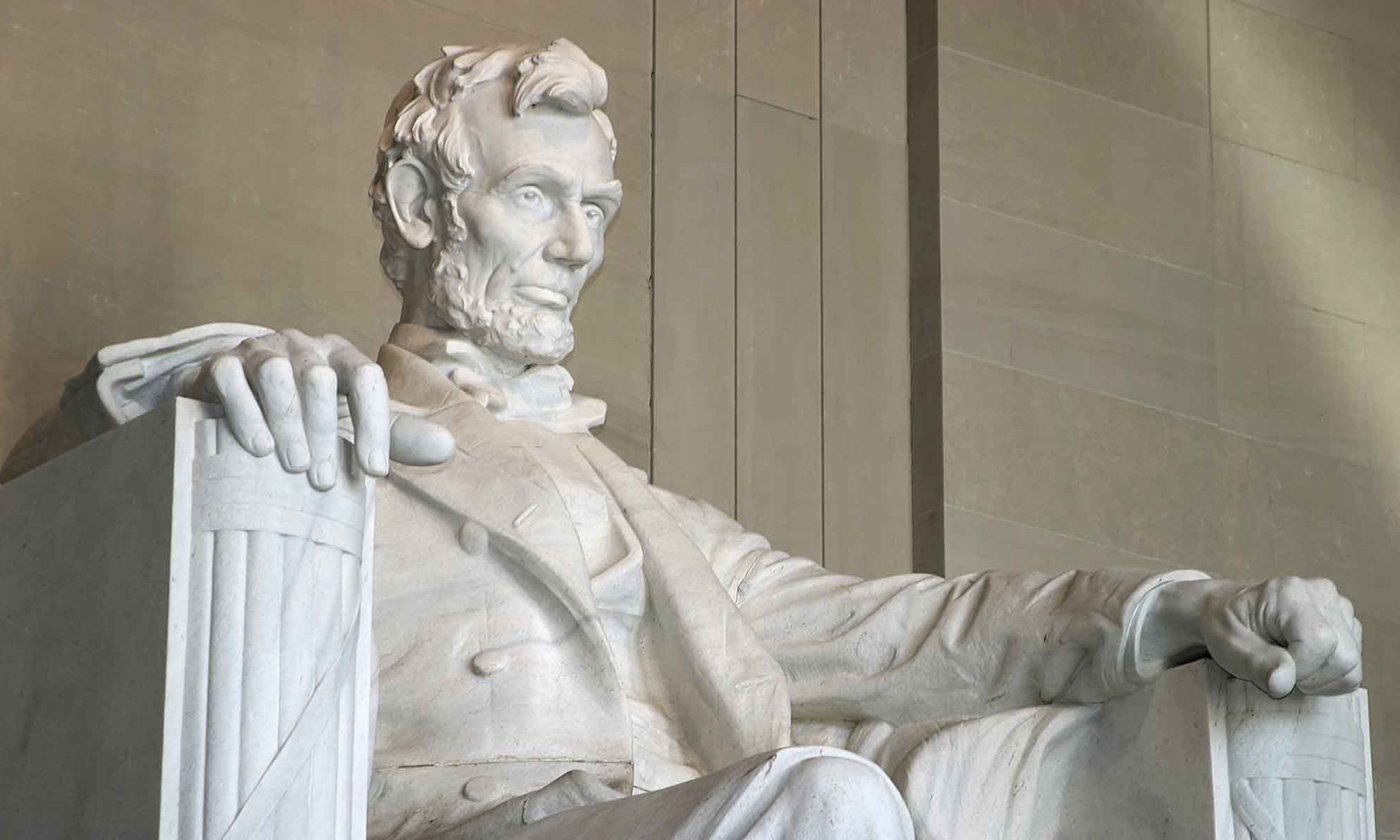
Knowing Him by Heart: African Americans on Lincoln, edited by Fred D. Hood and Matthew A. Norman (University of Illinois Press, 576 pages, $39.95)
‘Why is it that we hear the loudest yelps for liberty from the drivers of Negro slaves?” Samuel Johnson asked in 1775, referring to those voluble Virginia gentlemen Jefferson, Patrick Henry, and Madison. This gross hypocrisy hovered over the United States for the first 75 years of its existence, and the charges were renewed after the commencement of Jim Crow segregation in the late 1870s.
From 1861 to 1877 it was the achievement of Lincoln and the Radical Republicans, during his life and after his death, to begin seriously to dispel the legacy of the pious, fine-sounding fraud that Johnson and millions after him believed to be self-serving American patriotic verbiage, and to give substance to the universal ethical vision of “a nation conceived in liberty and dedicated to the proposition that all men are created equal.” Many African Americans understood this achievement from the time of the birth of the Republican Party in the 1850s and identified deeply with Lincoln. Frederick Douglass noticed and praised him as early as 1858, when Lincoln in Illinois ran for the U.S. Senate against Stephen A. Douglas, a “popular sovereignty” Democrat.
A speech by Frederick Douglass about that race inaugurates this exceptionally capacious new anthology edited by Fred Lee Hord and Matthew D. Norman. Dozens of writings about Lincoln from Douglass to Barack Obama are presented in chronological sequence, some of them brief testimonies from simple or quasi-literate persons who spoke or wrote in places never known to a contemptuous or indifferent majority-white population. Also included are statements, discussions, and arguments by well-known African-American figures, intellectuals, politicians, and others who, on the evidence of their selections, deserve to be better known. Hord and Norman provide valuable biographical and contextual headnotes to each selection as well as a judicious introduction.
By no means are all of the selections complimentary to Lincoln. Douglass and several others note that he was initially a man of his time, with commonplace racial prejudices, political evasions, and hesitations. Even the narrative of his development between 1858 and his martyr’s death on Good Friday, 1865, is complex and has been subject to criticism and condemnation by many, including African Americans.
Amply represented in this collection, Douglass visited Lincoln in the White House, got to know him well, and showed great insight in evaluating him. Perhaps his major insight concerns Lincoln’s capacity for growth, a point made well also by W. E. B. Du Bois (1868–1963) in an address he gave in Chicago in 1907. It would be no exaggeration to say that Lincoln came from what is often called “poor white trash” and that he purposefully, persistently elevated himself out of this class to an unprecedented intellectual, prudential, and moral leadership, unequaled by subsequent American presidents who enjoyed far greater inherited and environmental advantages than he ever had.
His interchanges with the impressively able and articulate Douglass might well have educated Lincoln in the possibility of true and full racial equality. What is certain is that, across several generations, Lincoln’s life, political acts, and intellectual and literary legacy served African Americans as a school, an education in ethics, religion, and citizenship. The “ancient faith” to which he referred is only on a first reading limited to the universal theological ethic of human worth found in the great words of the Declaration of Independence; it was something truly ancient, going back to the Scriptures and the essence of Christian doctrine itself. Reinhold Niebuhr thought Lincoln was the greatest American theologian; Harry V. Jaffa’s two books on Lincoln show him as our greatest, most authoritative political thinker.
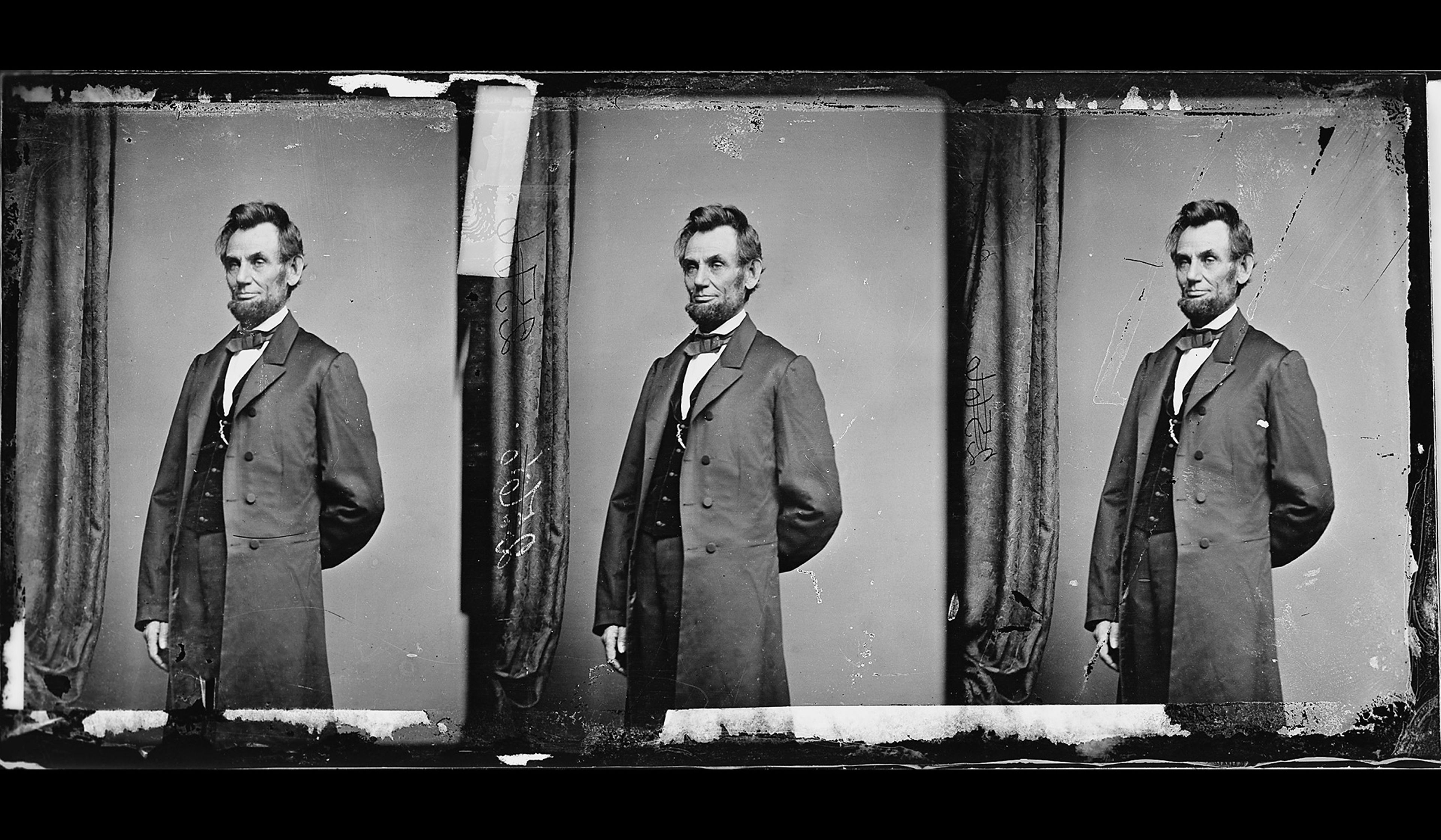
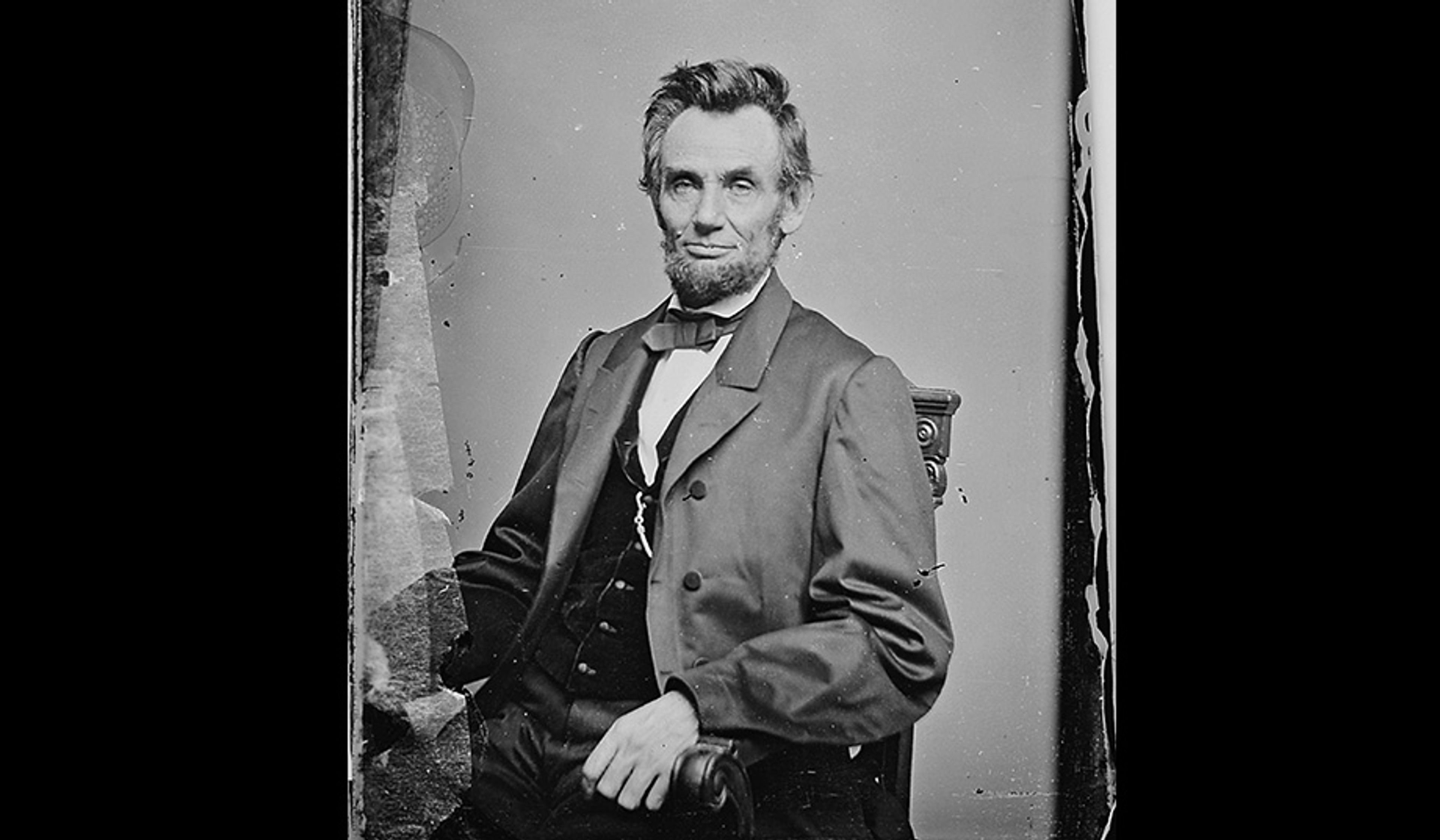
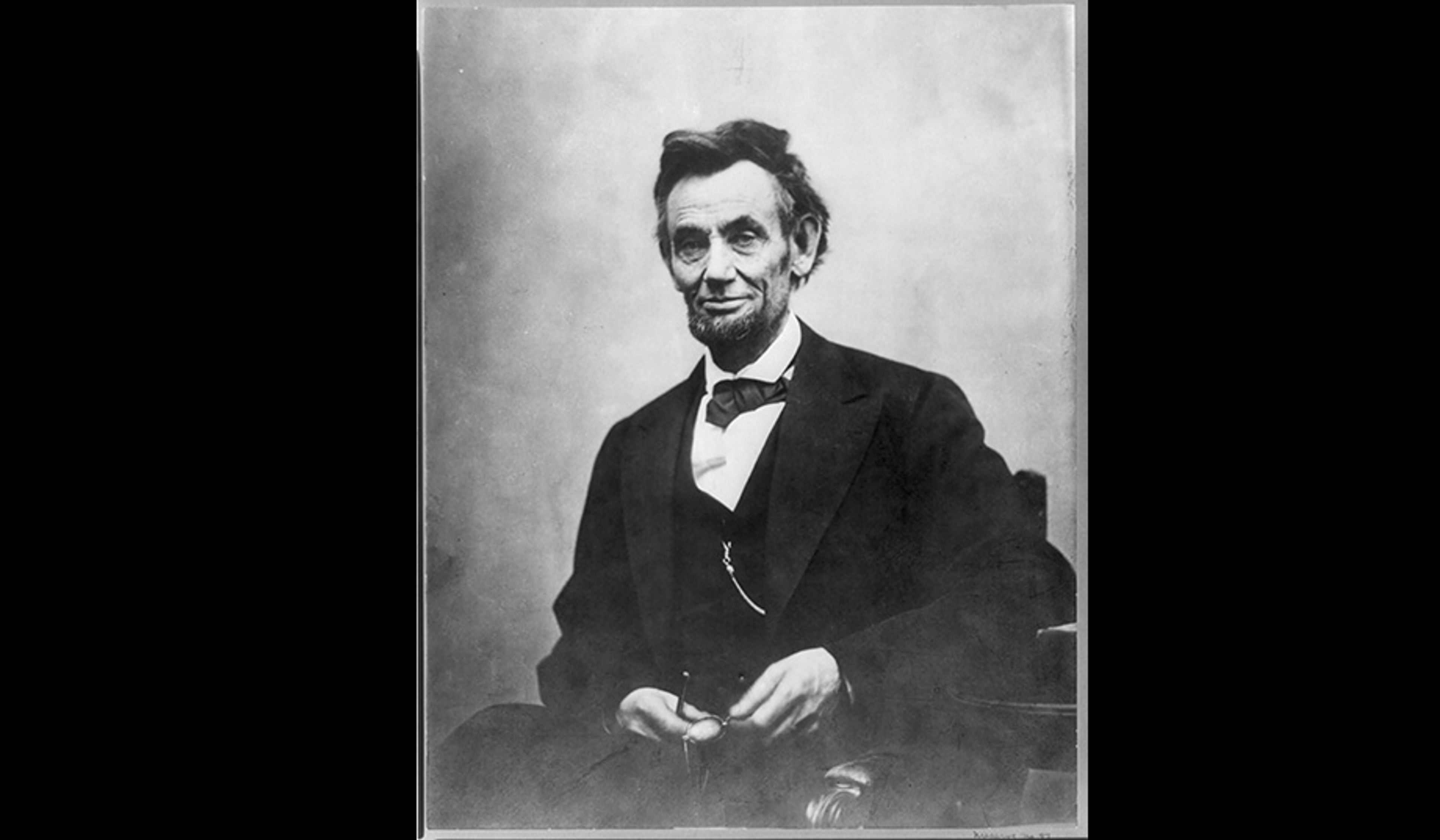
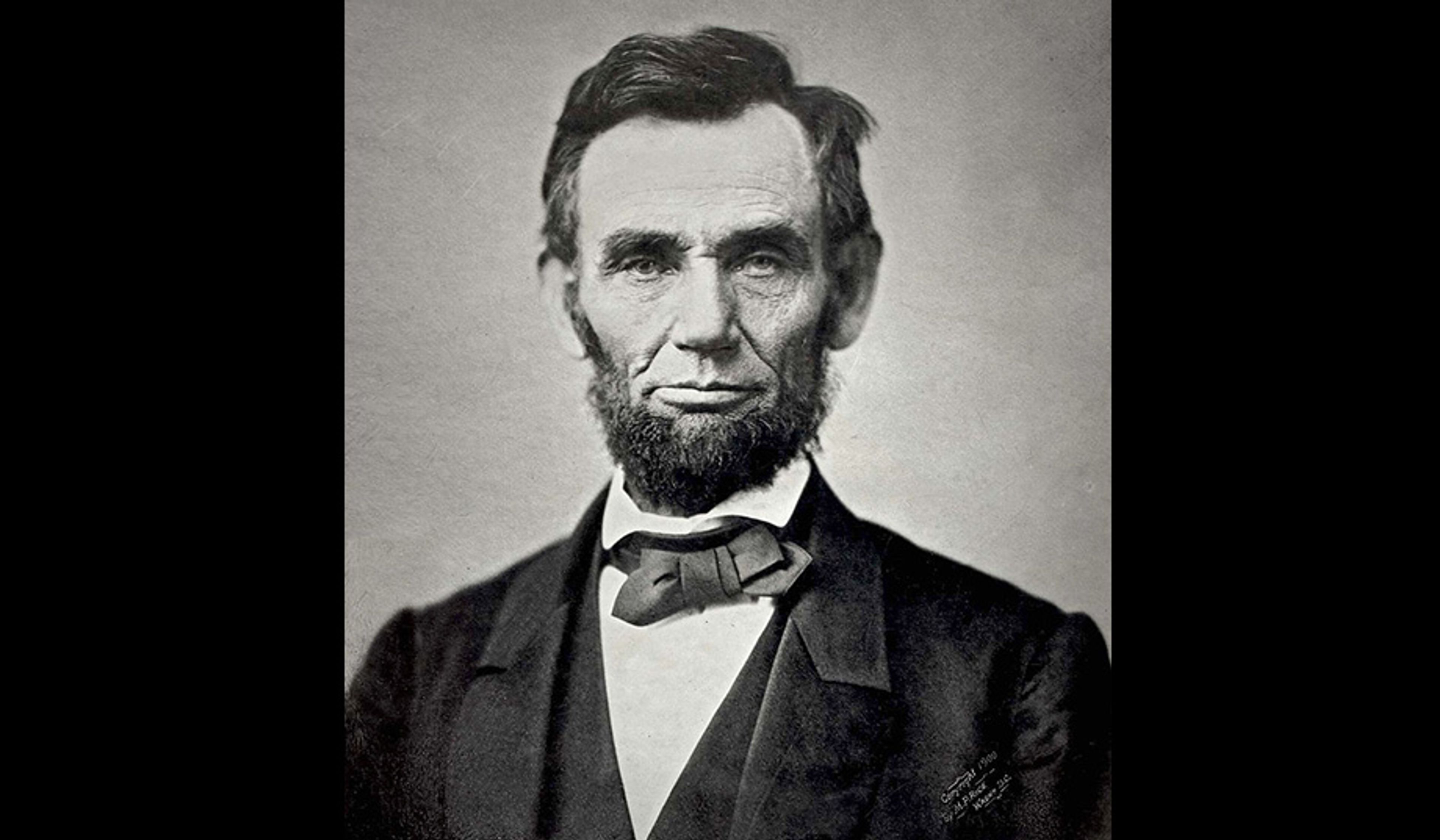
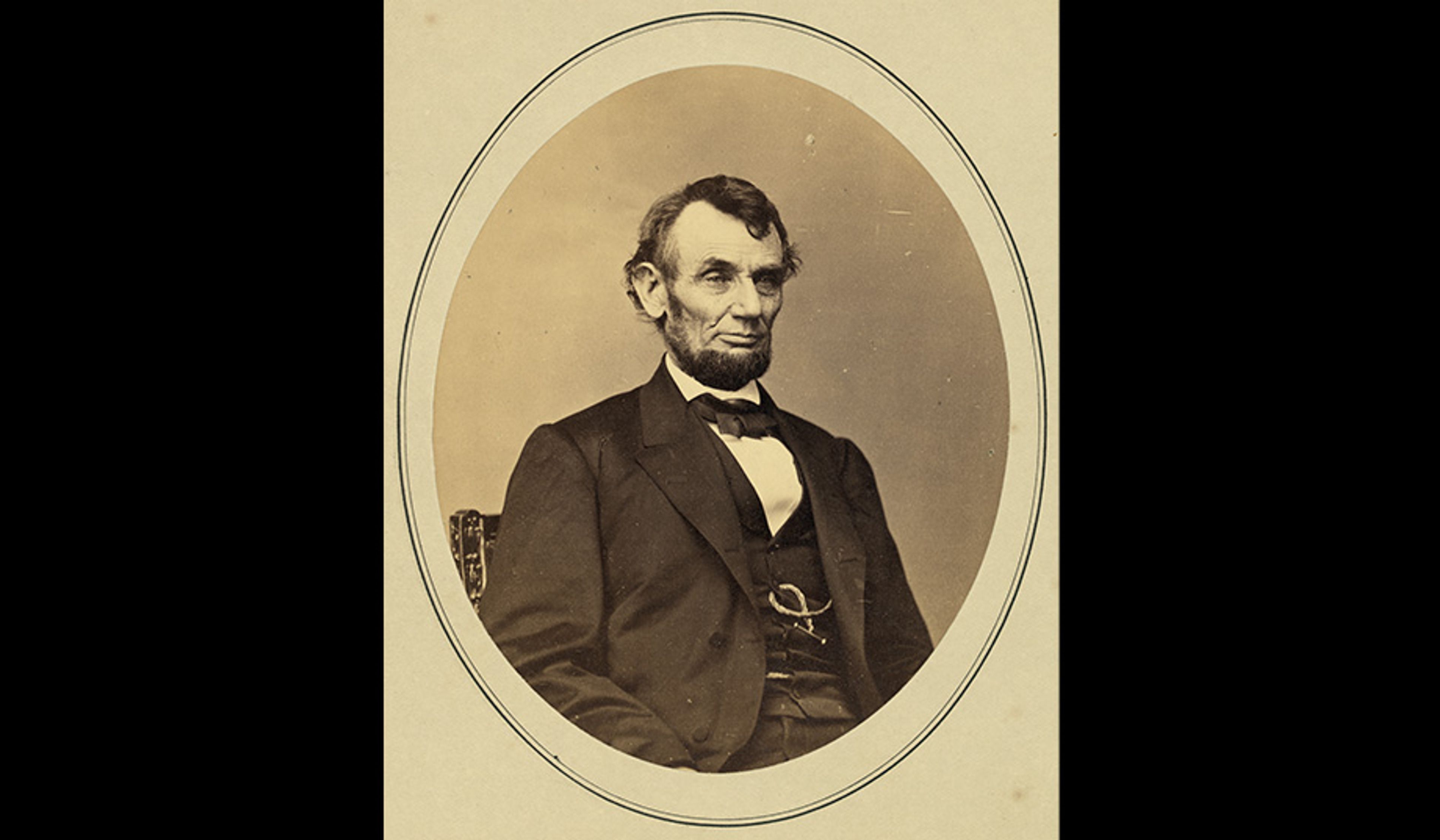
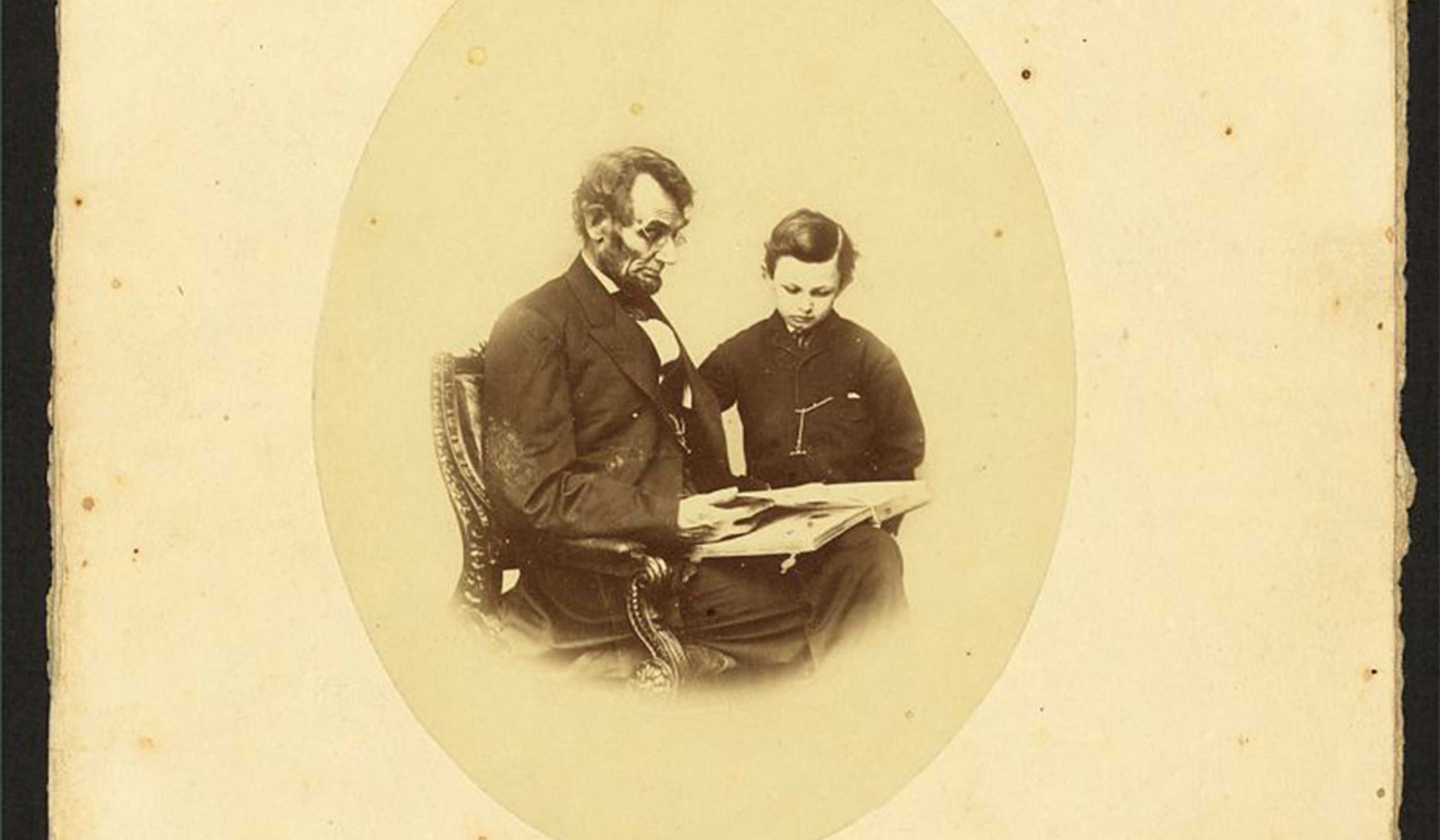
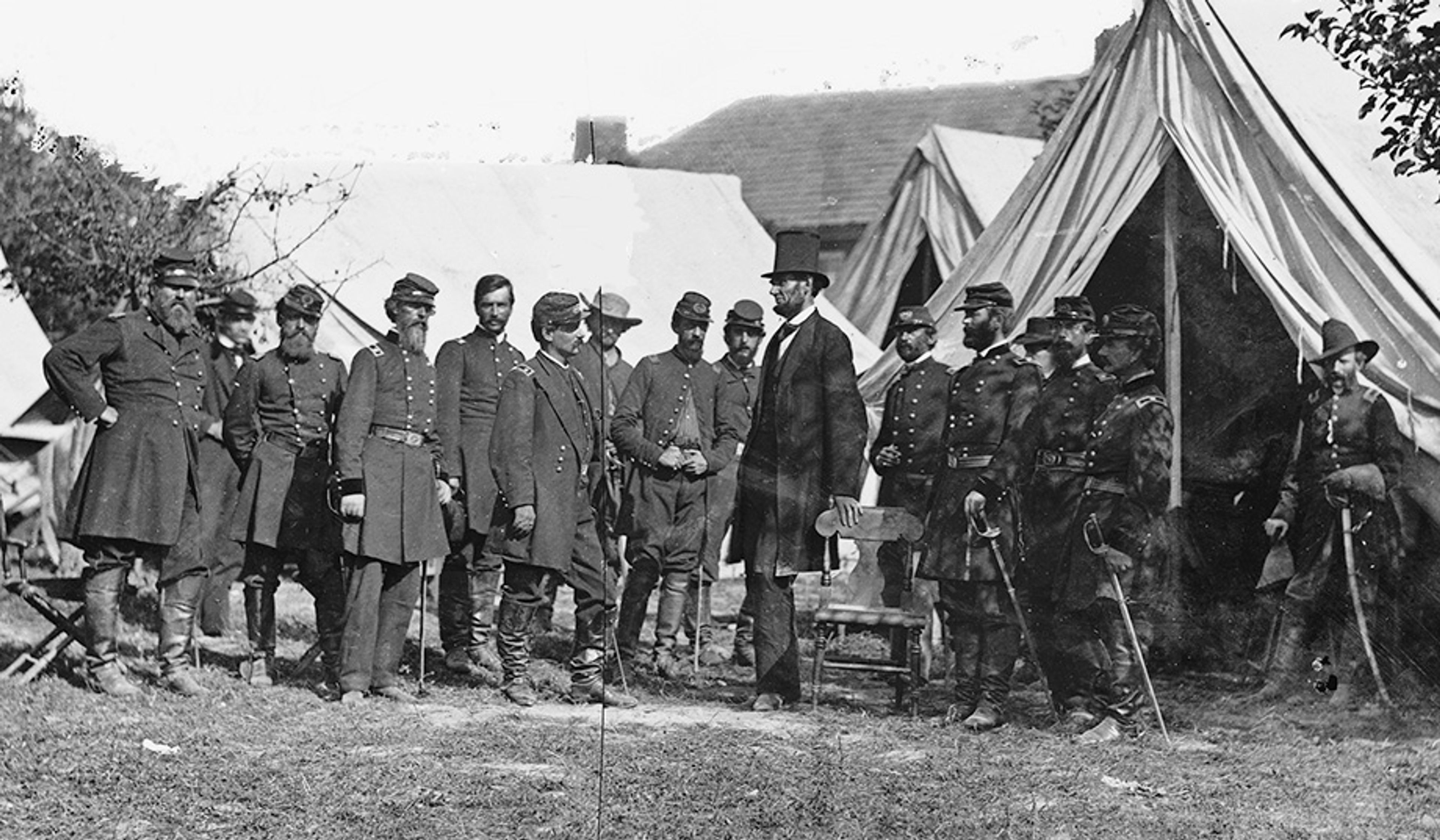
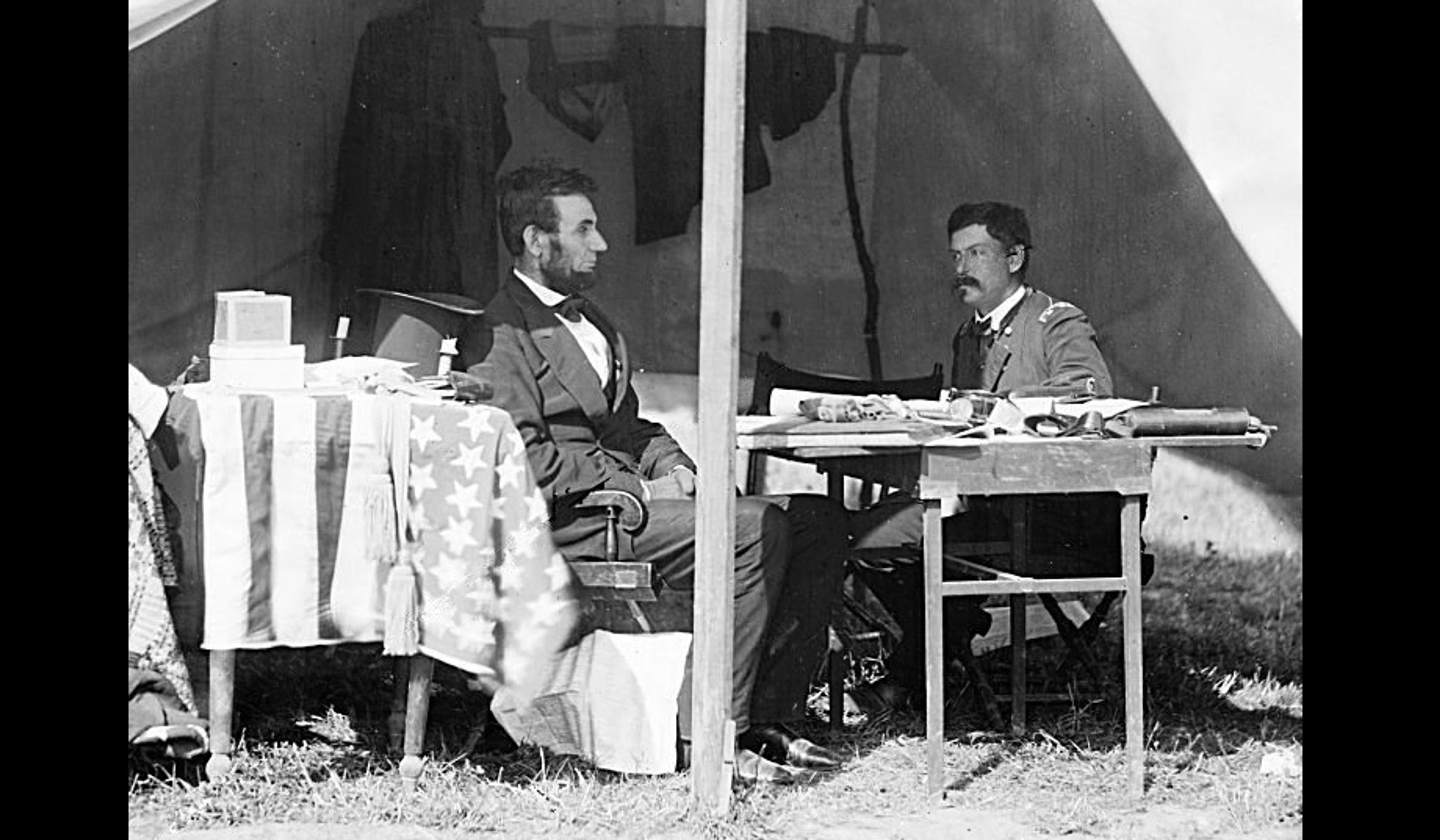
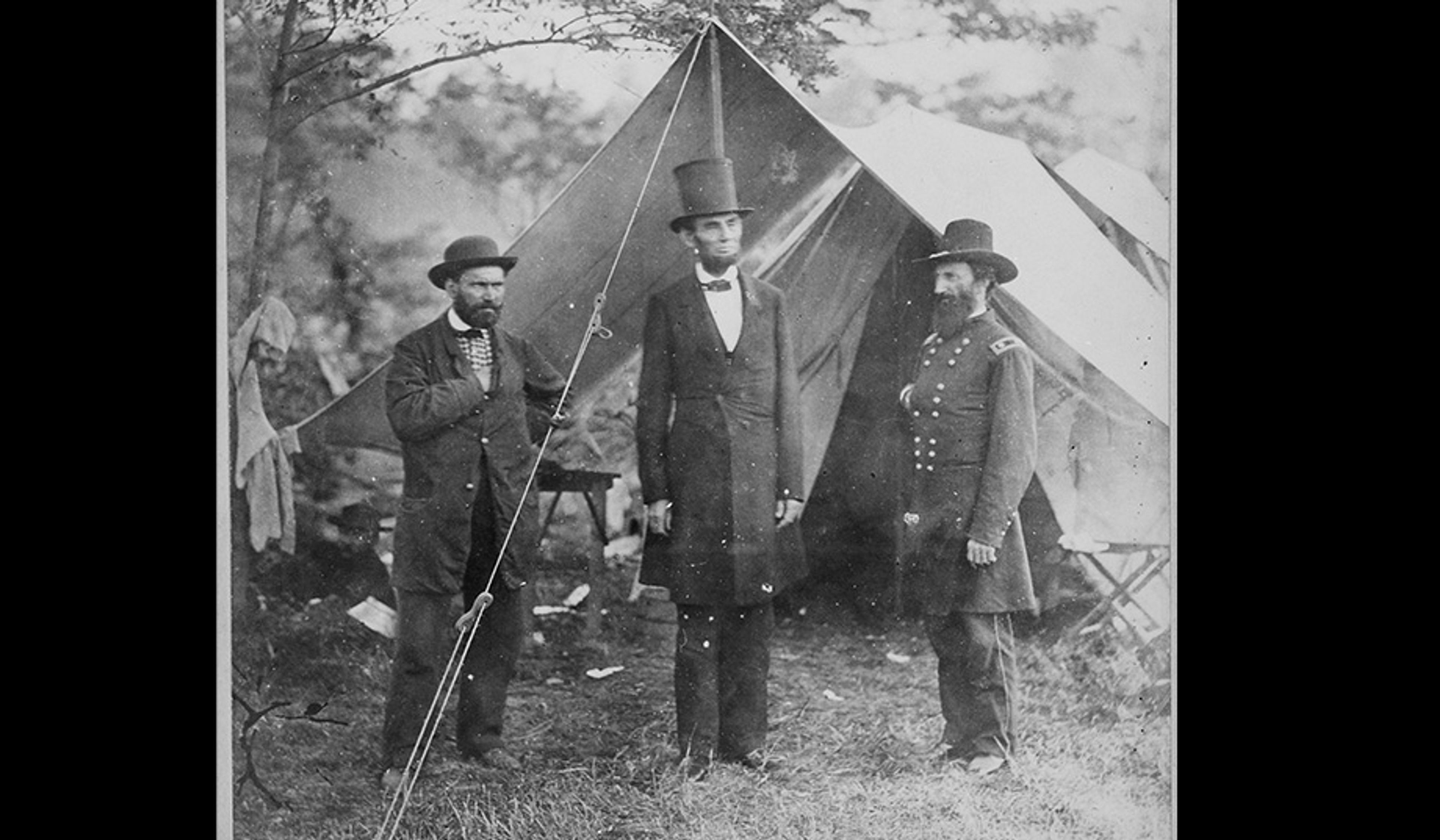
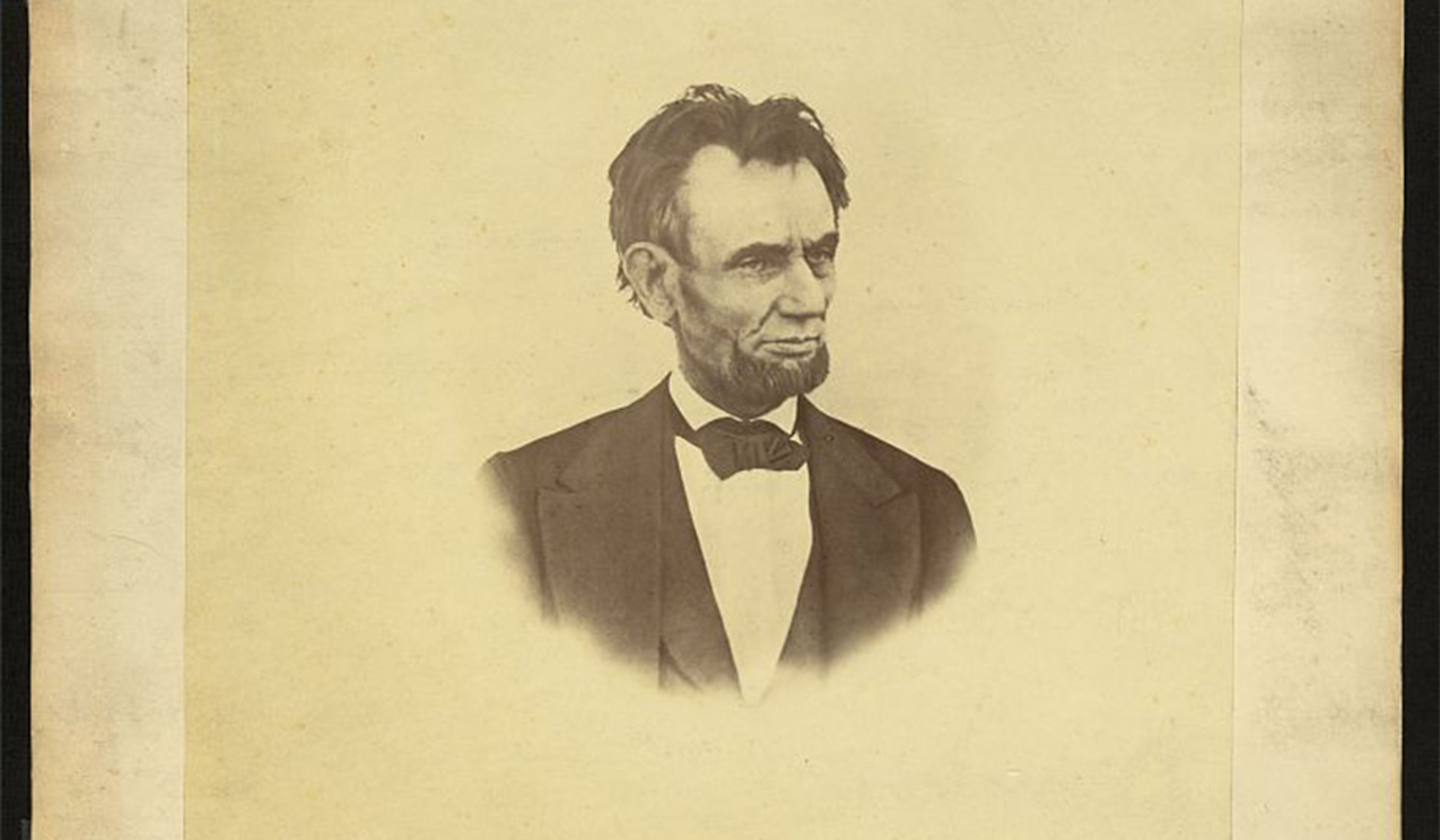
A series of standing portraits of President Lincoln taken by Mathew Brady, c. 1863.
It can be argued that a tragedy overcame the Lincoln legacy after his death, a tragedy that on the evidence presented here none of the African Americans could counter, although they were viscerally aware of its effects. It was that post–Civil War combination of Social Darwinism and the “scientific racism” once shamefully promoted by the hypocritical democrat Jefferson.
The “higher law” of the Marshall Court, of the 1776 Declaration, of the theological, natural-law, and natural-rights tradition espoused and developed by Locke, Blackstone, and James Wilson and others among the American founders — the tradition of “natural lawyers” in legal conceptualization and jurisprudence, the tradition of Lincoln himself — was gradually defeated by supposedly “scientific” ideas about racial superiority and “the preservation of favoured races in the struggle for life,” in words from the fuller title of Darwin’s book The Origin of Species (1859). The “racist discourse in 19th-century natural and physical scientific thought” was “so compelling,” wrote Henry Louis Gates in 1981, “that virtually all black intellectual thought between 1880 and 1930 can be read as . . . responses to it.”
The intellectual domination of Social Darwinism was promoted and popularized by prominent intellectuals including the sociologist William Graham Sumner of Yale, the historians John W. Burgess and William Dunning of Columbia, and Oliver Wendell Holmes Jr. This story has been told in authoritative historical studies; see, for example, Richard Hofstadter’s classic Social Darwinism in American Thought (1944), Albert W. Alschuler’s Law without Values: The Life, Work, and Legacy of Justice Holmes (2000), and Richard Weikart’s Darwinian Racism (2022). They should be augmented by the distinguished philosopher Thomas Nagel’s Mind and Cosmos: Why the Materialist Neo-Darwinian Conception of Nature Is Almost Certainly False (2012).
Social Darwinism affected “poor whites,” too, including ethnic immigrants, and Hofstadter credits William Jennings Bryan with “sound intuitions” about the implications of Darwinism as early as 1905. Bryan grew more vigorous in his criticism during and after World War I, given the rise of Darwinian-Nietzschean ideas in German nationalism and militarism. Ideas of racial superiority and eugenics, ascendant in Europe and America, would be ultimately discredited only by Nazi and Fascist atrocities that culminated in World War II. (Academic biologists in Germany had flocked to the Nazi Party even before Hitler took power in 1933.)
Though often leading to atheism and immoralism among intellectuals and to abuse of poor whites (including those designated “mental incompetents” and then sterilized), this Social Darwinian ideological revolution in America inflicted its greatest harm on African-American citizens after 1877. Deserted by the withdrawing Union armies in the South, many of them made the great trek northward to squalid industrial cities and poor educational and job prospects. In Knowing Him by Heart, the only African-American intellectual who refers explicitly to Gates’s point about “scientific” racist discourse is future Supreme Court justice Clarence Thomas, writing in 1987 as chairman of the Equal Employment Opportunity Commission. Thomas refers to Lincoln’s Peoria Address of 1854 (which was used to formulate the U.S. position on the basis of the U.N. Declaration of Human Rights of 1948) and quotes from Lincoln’s address in response to the Supreme Court’s destructive decision in Dred Scott v. Sandford (1857), the ruling that enslaved blacks were property, not persons.
The African-American tributes to and deliberations on Lincoln collected in Knowing Him by Heart are often insightful, including an awareness of his faults of hesitation and slowness about emancipation: He entertained concepts of second-class citizenship and schemes for deportation (“colonization”) of freed blacks. Many of the entries are also deeply moving in their understanding (and faith) that his commitment to equality under God and law in American political life was real and sincere, and that it was crucial not only for the welfare of the newly released slaves — tens of thousands of whom fought in the Union armies and helped turn the tide of battle after the Emancipation Proclamation of January 1, 1863 — but for the true character and future of the American republic and of civilization itself. “The history of American democracy is the gradual realization . . . of the implications of the Declaration of Independence,” the intellectual historian Ralph Barton Perry wrote. Nowhere is this belief more movingly documented than in many of these essays and comments by African Americans across more than one and a half centuries.












Comments