
Tax-time TV commercials are irritating, because they feature people who have one W-2 and no deductions who react to April 15 as if they’re being asked to figure out a World War I reparations schedule the night before the Treaty of Versailles is signed. They will never have to deal with a Schedule 1083-3.14, which covers the amortization procedure for nonfarm income, unless you are declaring the full value of some rare coins found while digging in the garden, which are treated as farm income if you were growing vegetables, and hence the coins are taxed according to Schedule 1066-B(z), which values the coins along a ten-year historical average, unless the coins are older than 79 years, in which case they are subject to the precious metal clause of the Unearthed Miscellaneous Wealth Act of 1977.
How to fix the tax mess? Trump suggested exempting all income under $150,000. I think that’s a great idea, and I don’t just say that because I’m the author of How to Make Exactly $149,999 and No More. People could spend the extra money and make all the boats rise, or invest the money, perhaps in stocks of companies that make boats, or set up a 401(k) that is “nautically weighted” but has shed its exposure to high-end luxury yachts since the decline in the Russian-oligarch demographic.
On the other hand, it’s a bad idea. Everyone should pay something, because that means they have flesh in the scrimmage. Epidermis in the contest. If people pay taxes, they pay attention to how their money is spent. If you tax EVERYONE, then people who make $30K a year will demand that the government stop funding sustainably powered wool looms on alpaca farms in Peru.
Actually, you say, it’s vitally important that we fund those looms, because if the Peruvian alpaca industry shifts away from electrically powered shearing tools to net-zero-impact tools — i.e., scissors — it will reduce the demand on the Peruvian electrical grid and fight climate change. Okay, but are you sure there wasn’t a U.S. government program in 2010 to send $12.9 million to help the alpaca industry transition away from scissors to electric cutters, and didn’t we all pay for that, too?
It’s not just possible, it’s probable, and both programs would be hotly defended as examples of American outreach and good-neighbor largesse, without which Peruvian ruminant-shearers would drop to their knees and shake a fist at the heavens, cursing America and all she represents. The defenders of foreign aid would scoff and say you don’t know what you’re talking about. Alpacas are not ruminants but camelids.
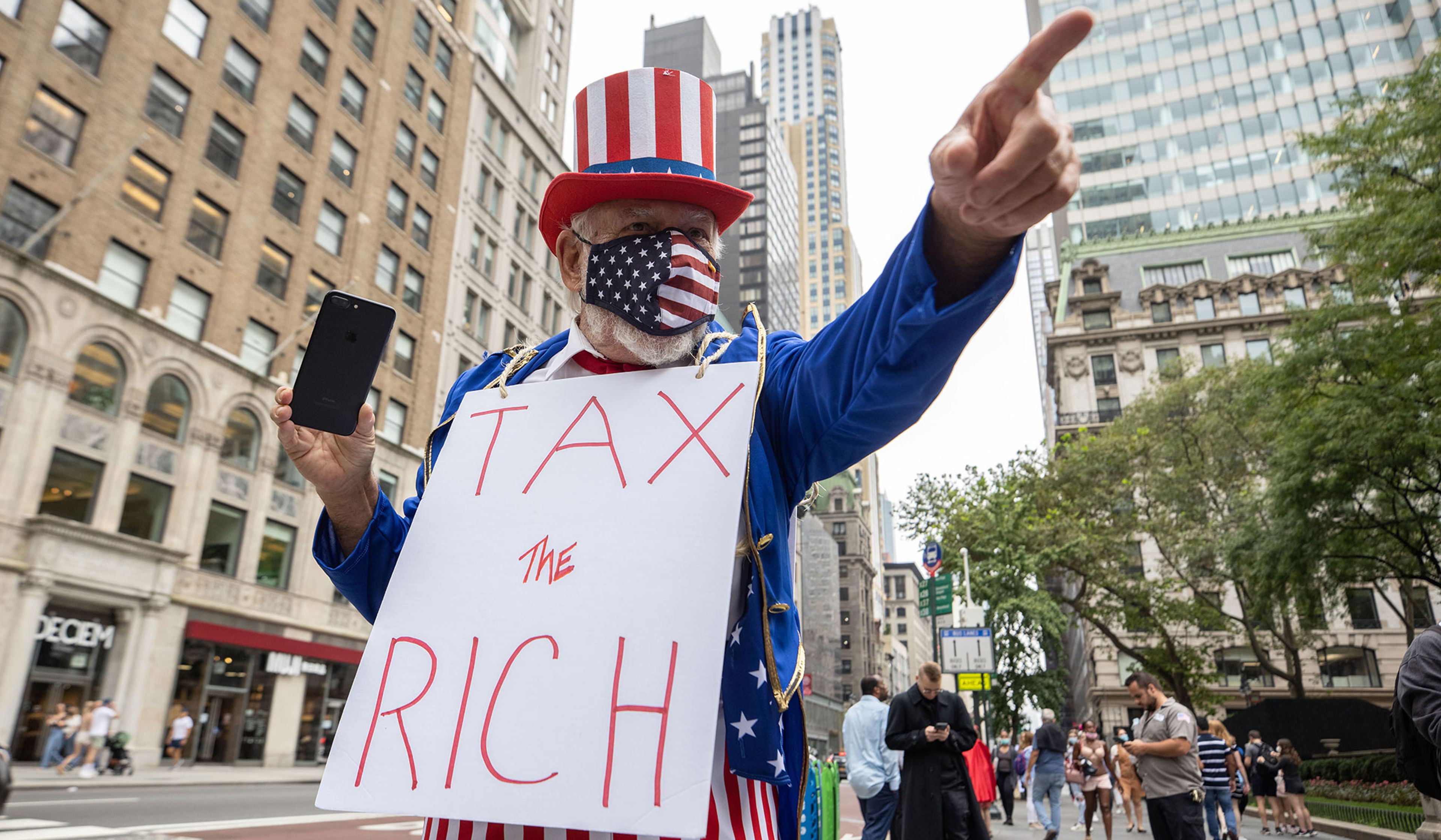
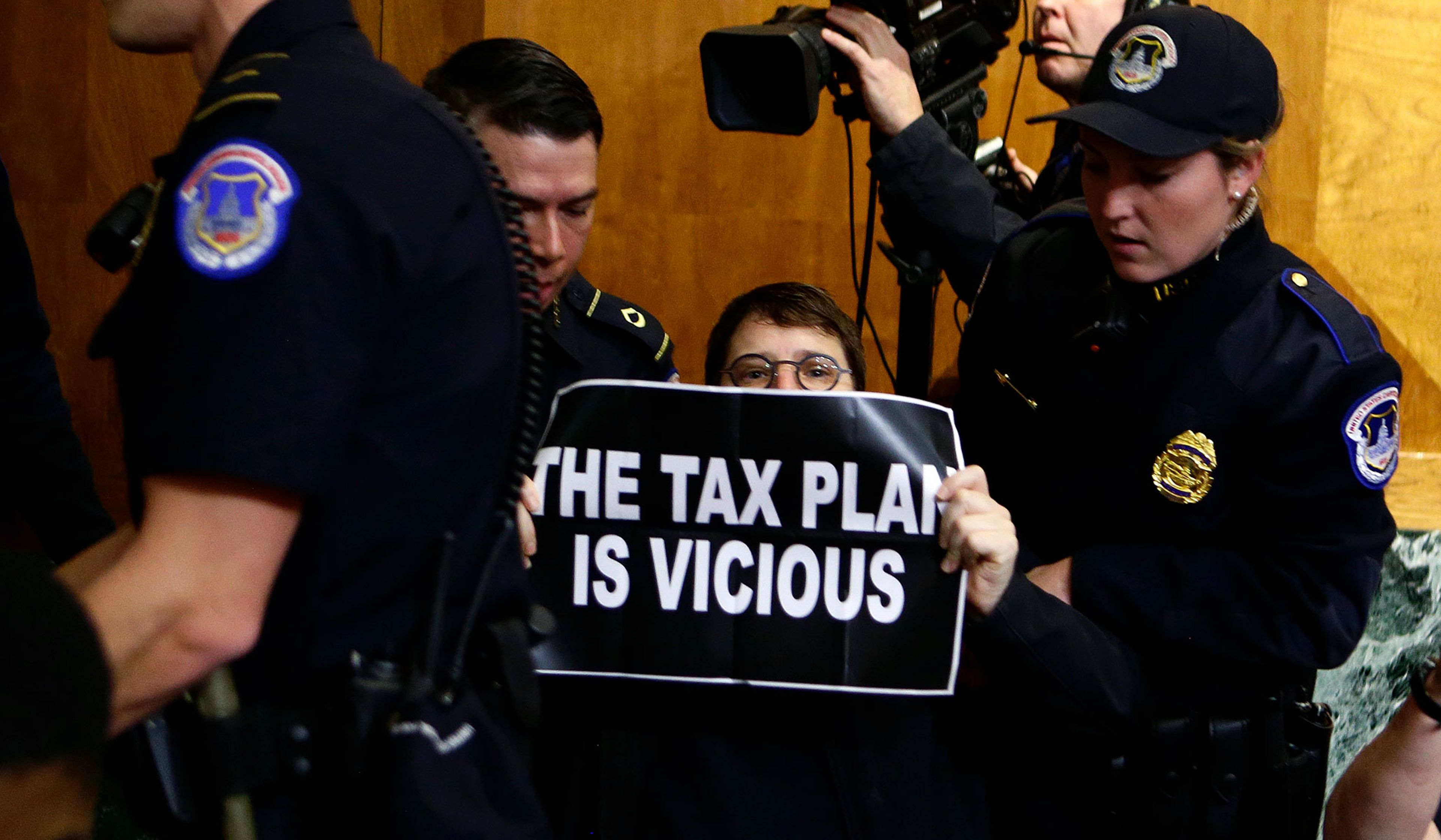

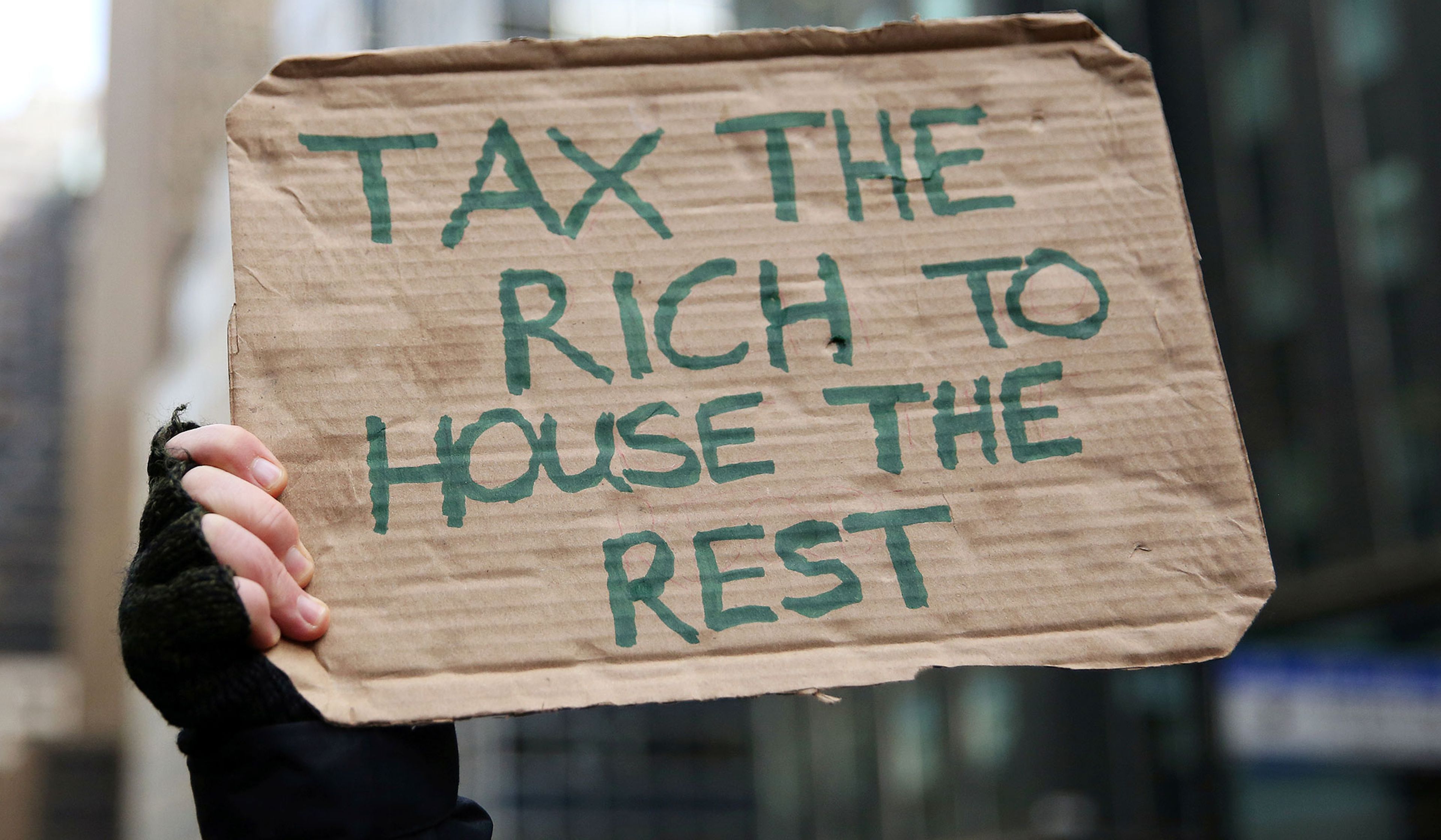

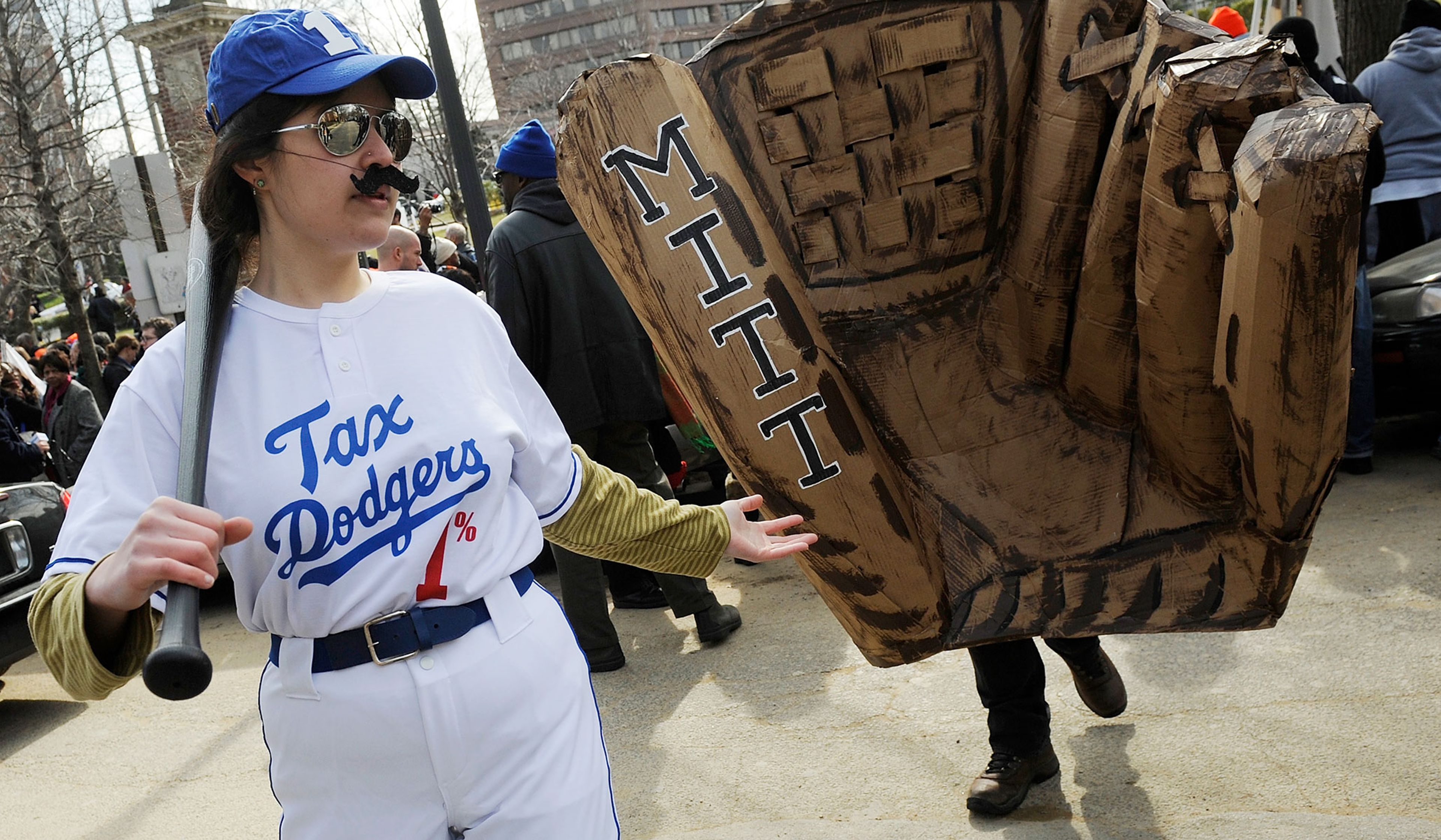
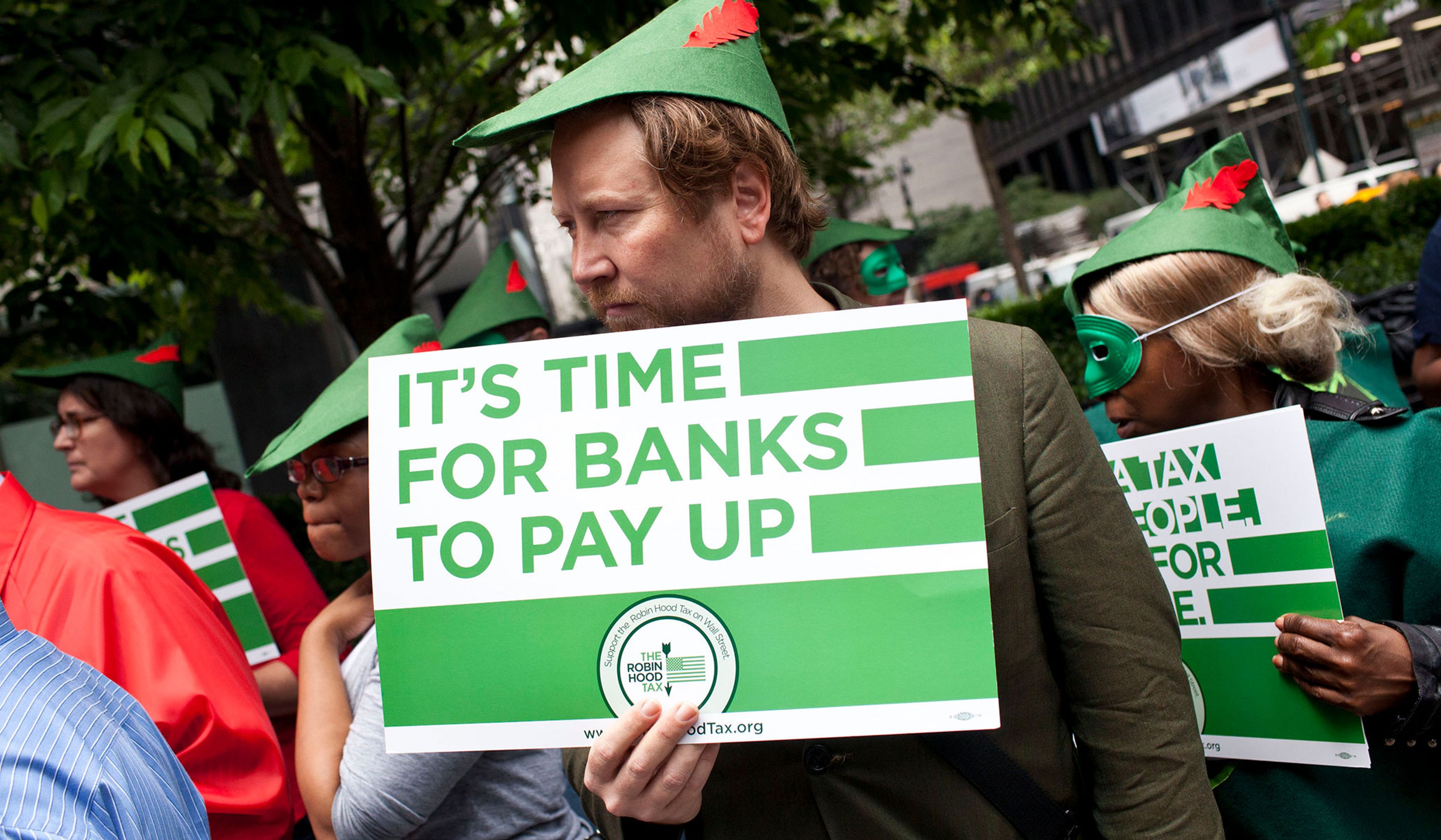
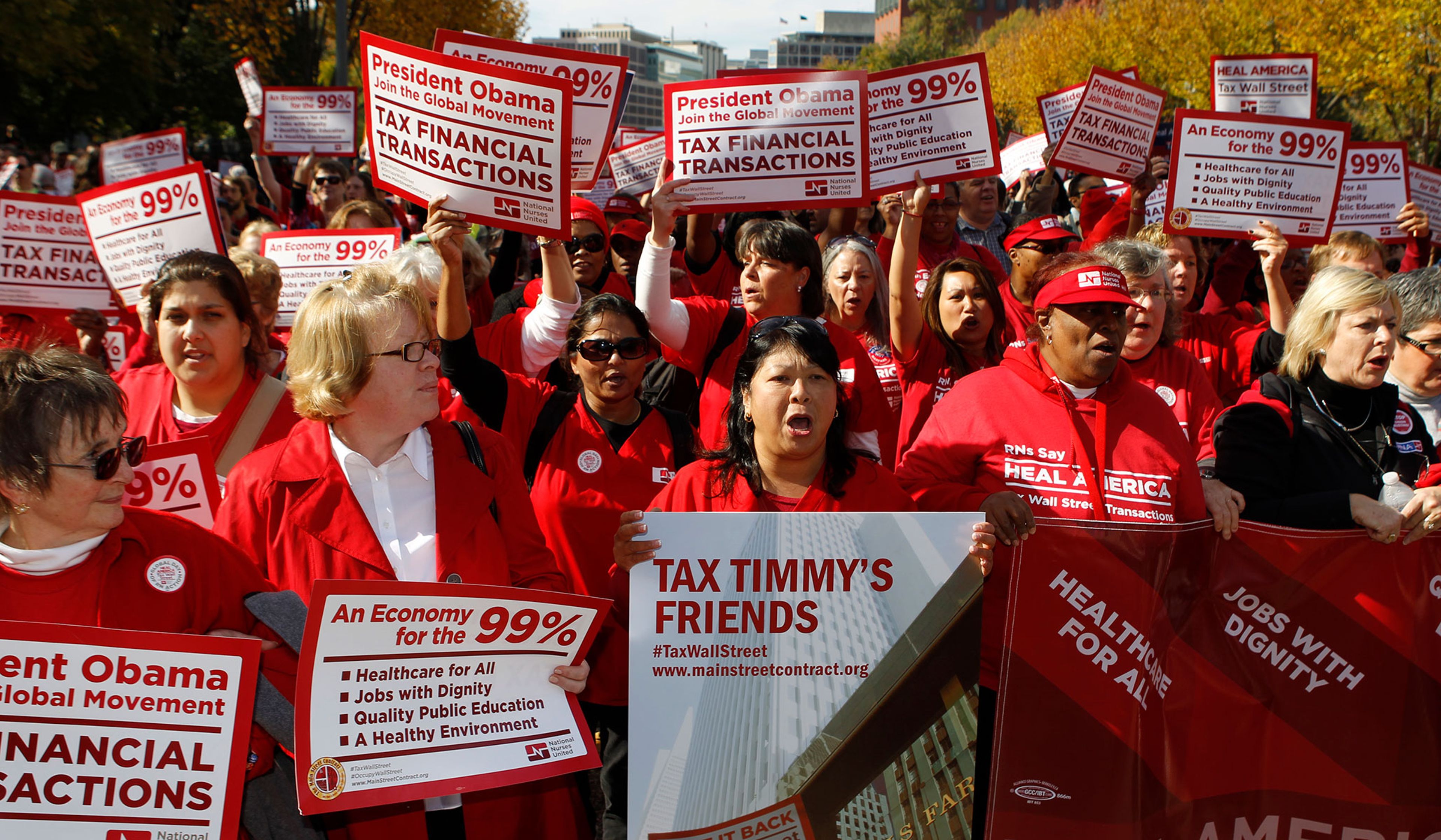
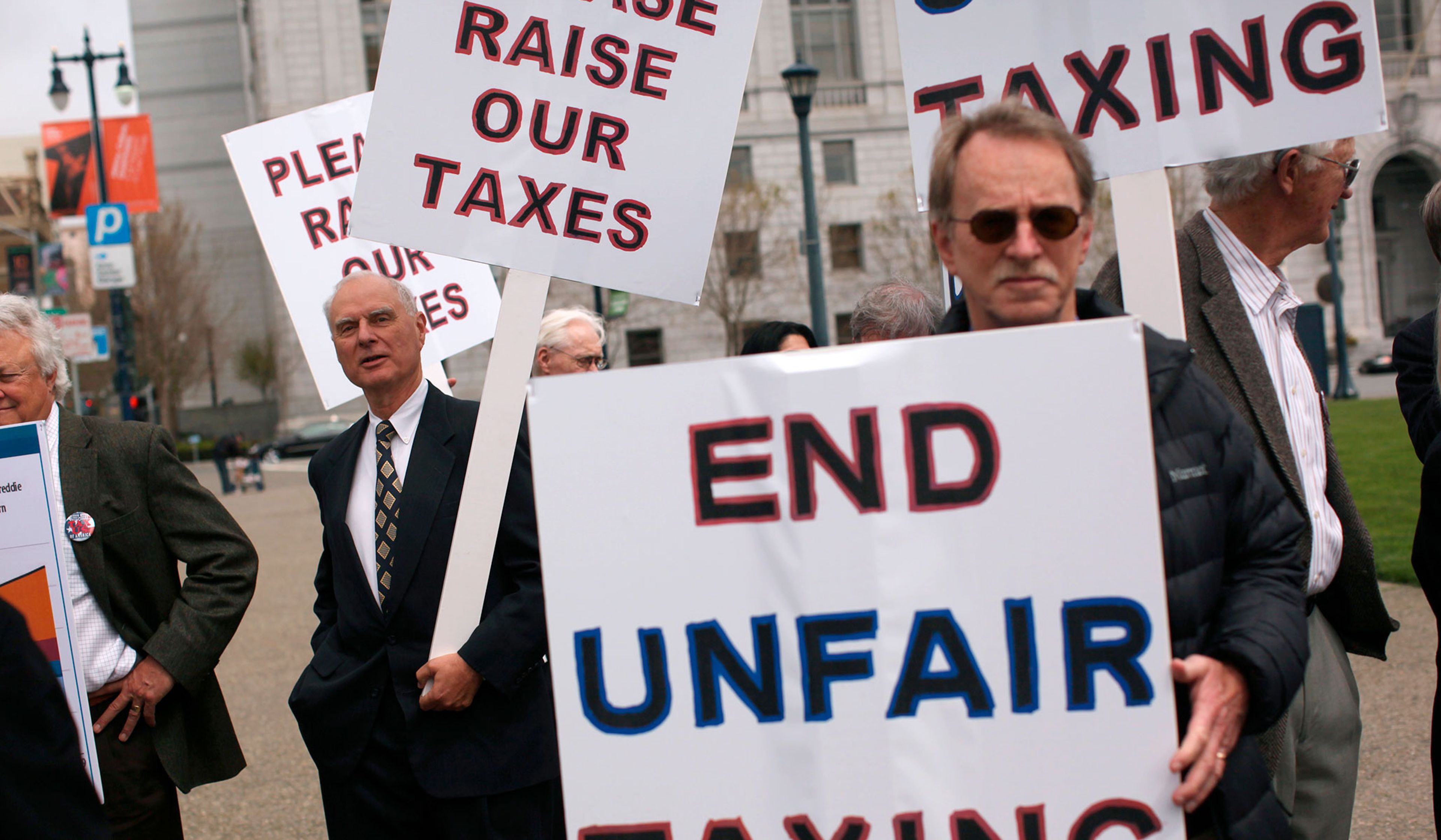

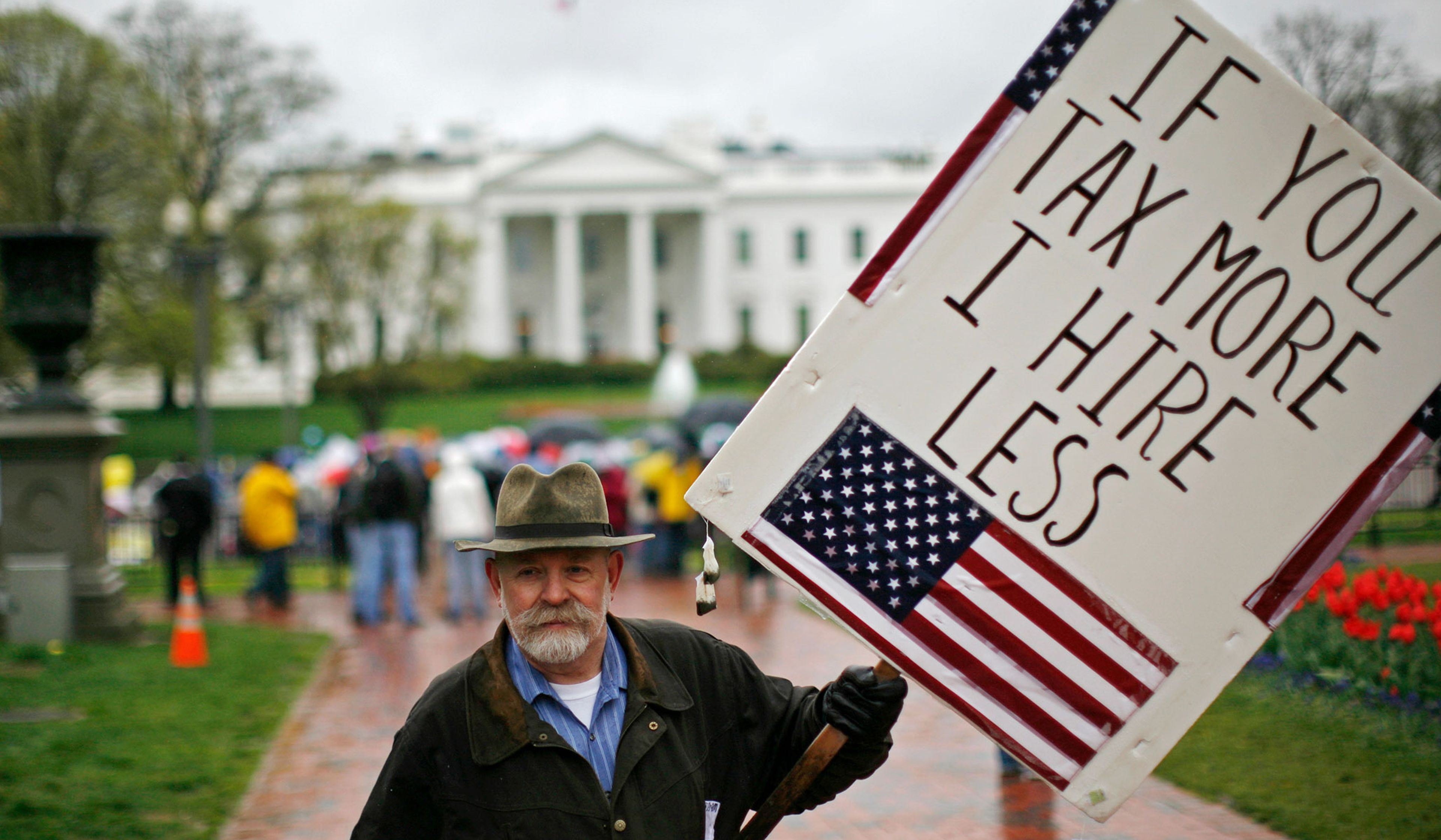
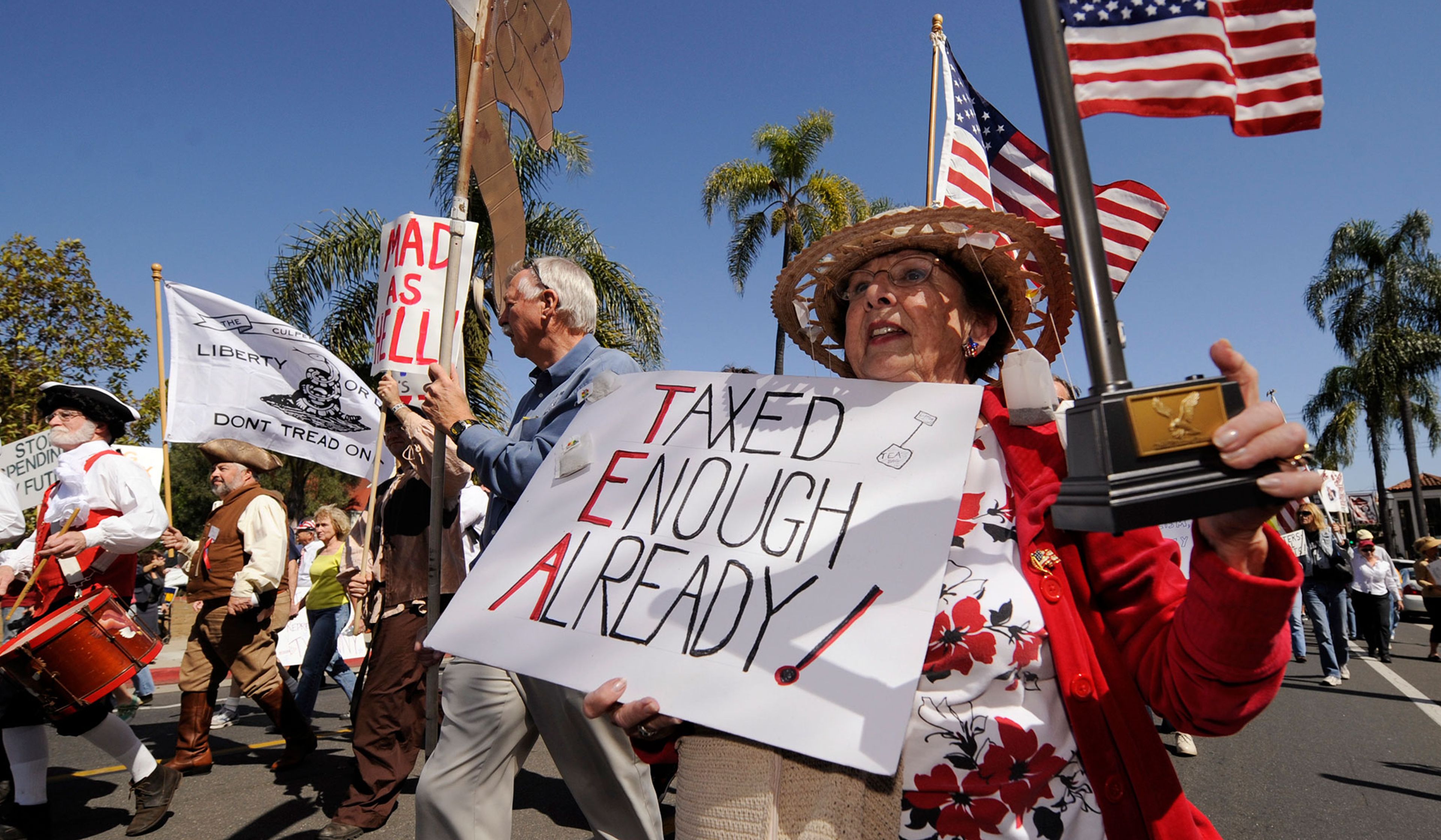
A demonstrator dressed as Uncle Sam wears a “tax the rich” sign during a climate-change protest organized by Extinction Rebellion in New York City, September 17, 2021.
Caitlin Ochs/Reuters
Weren’t we talking about taxes, though? Can we get back to that part? Let’s consider a consumption tax. Some people like the idea, even though it does not pass the “Warren Buffett’s secretary” test. You know, if Buffett pays the same tax rate for his tuna sandwich that his secretary pays, it’s inherently unfair. You hear this all the time. I tend to think that a $10,000 tax on all speakers and writers who use the Buffett-secretary example would be wise. Think of the revenue!
Unless, of course, the example tax influenced behavior. Crazy idea, but it’s possible. Editorial writers might think, No, we’ll just stop using the example. We’ll use, say, “Musk and his chauffeur.” But Musk probably has a self-driving car, so that won’t work. But what if Musk’s self-driving car hits an alpaca and we set the fine for the collision at $1 billion because it killed an endangered species? Lots of revenue there. Well, no, they’re not endangered, although maybe they will be when Teslas start running them over.
So no, a consumption tax won’t work. That leaves a flat-rate tax. Again, there’s the image problem: Everyone would be treated equally under the law, so that must mean it’s unfair. You’re going to have a law that applies to everyone regardless of the amount of property they possess, and you think that’s constitutional? C’mon! It’s right there on the Statue of Liberty plaque: Give me your tired, your poor, and your money, according to your abilities. But a flat rate would be great, easy, and the IRS could be reduced to 10 percent of its current workforce.
The commercial tax-prep companies would be horrified, until they realized that massive innumeracy meant that people would still be unable to figure out a simple percentage.
Those are some suggestions about how to improve the tax code. We could probably all get behind one. Note: None of them will ever happen.












Comments