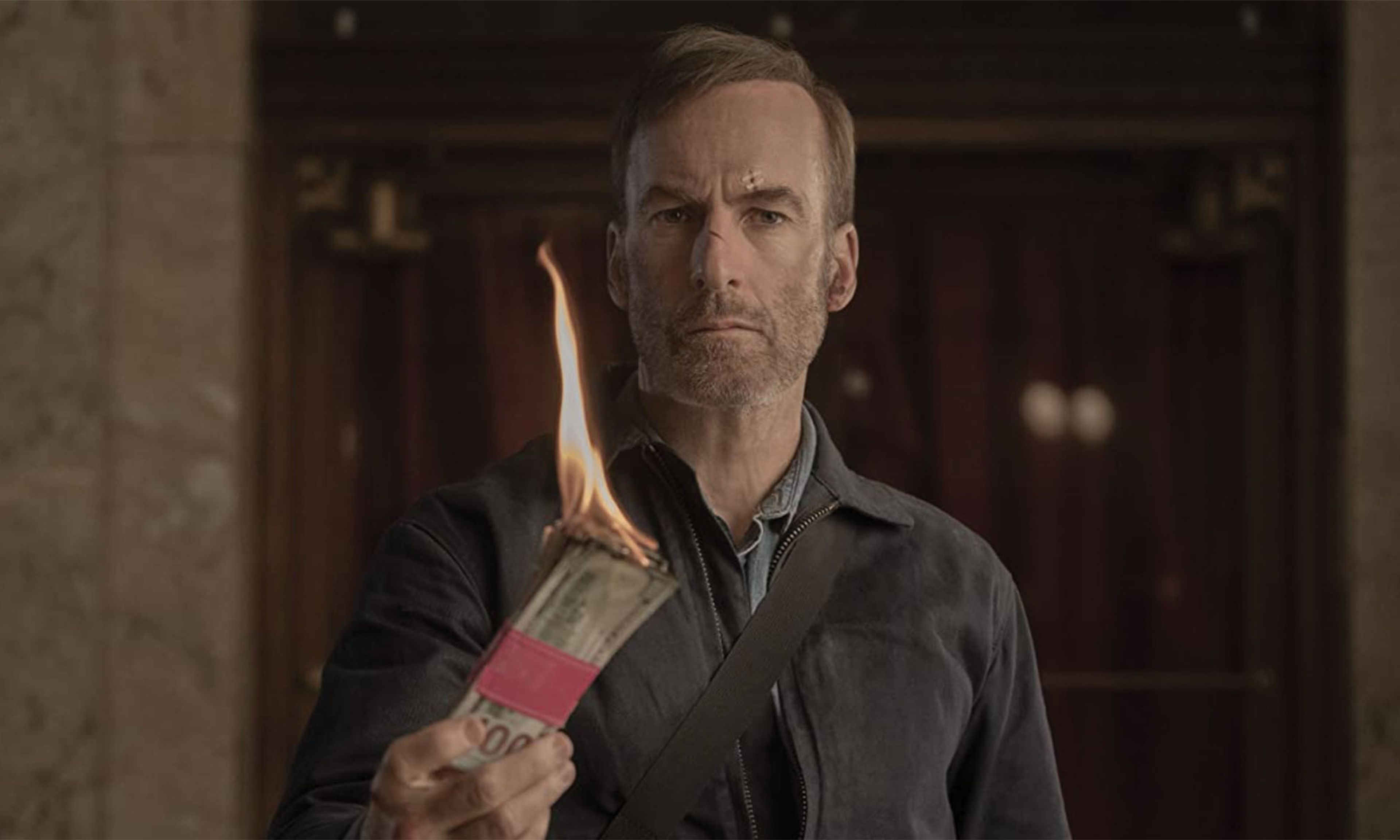
The most arresting scene in Nobody, the new action movie starring the longtime comic actor Bob Odenkirk as a trained killer turned suburban dad, is its first real action sequence. Odenkirk’s Hutch, a beleaguered paterfamilias living with his wife and kids in a wintry, undistinguished subdivision outside a wintry, unidentifiable city (the film was shot in Winnipeg), has just been emasculated by a break-in in which his son fights the robbers but Hutch stands back and lets them get away. After an attempt to hunt down the robbers ends disappointingly, he lands on a late-night bus where a young woman is being menaced by a gang of drunken toughs.
At this point we don’t know the exact details of Hutch’s violent, un-suburban past, but we know enough to expect some version of what comes next: a confrontation that starts with the toughs laughing uproariously and ends with them crumpled and bloodied, beaten easily by the guy they mistook for just another dad.
But what happens in Nobody is a little different. Hutch licks them, yes, but not with superhuman ease. They get in their shots, he ends up bruised and bloodied, and he outlasts them as much as anything, absorbing the punishment required to break them one by one. Compared with analogous figures in recent cinema — Liam Neeson in Taken, Keanu Reeves’s John Wick, anybody played by Jason Statham — our Hutch seems like an ordinary mortal, whose skills can stretch to beating up a cluster of bigger guys but not without paying a steep price in blood and pain.
It’s a particularly interesting scene coming from Derek Kolstad, who wrote the John Wick movies as well as Nobody, since in the Wick flicks Reeves’s hit man seems to just barely win every fight that he gets into, and yet his superhuman powers are never in any doubt. The Hutch brawl feels like a corrective to Wick’s swath-cutting, showing you what it might really look like when a guy out of the game for a long time puts his unusual skill set to the test: He wins, but barely, and you get the sense that if the gang of goons had been one or two men larger, he wouldn’t have been walking out of that bus alive.
It’s also a fighting style that works with Odenkirk’s casting, making him seem a bit more plausible in the action-hero role. The actor has a face like a hatchet but a body like the shady lawyer he plays on Better Call Saul and Breaking Bad. Before seeing Nobody I read a piece in my own newspaper talking about how much he’d rebuilt his physique for this role, and I expected to find Odenkirk transformed via the Hollywood-trainer dark arts into some kind of unrecognizable mass of muscle. But instead he’s just a slightly tauter version of the same none-too-prepossessing guy, not the kind of menace the CIA would send in to settle accounts when every gentle method fails.
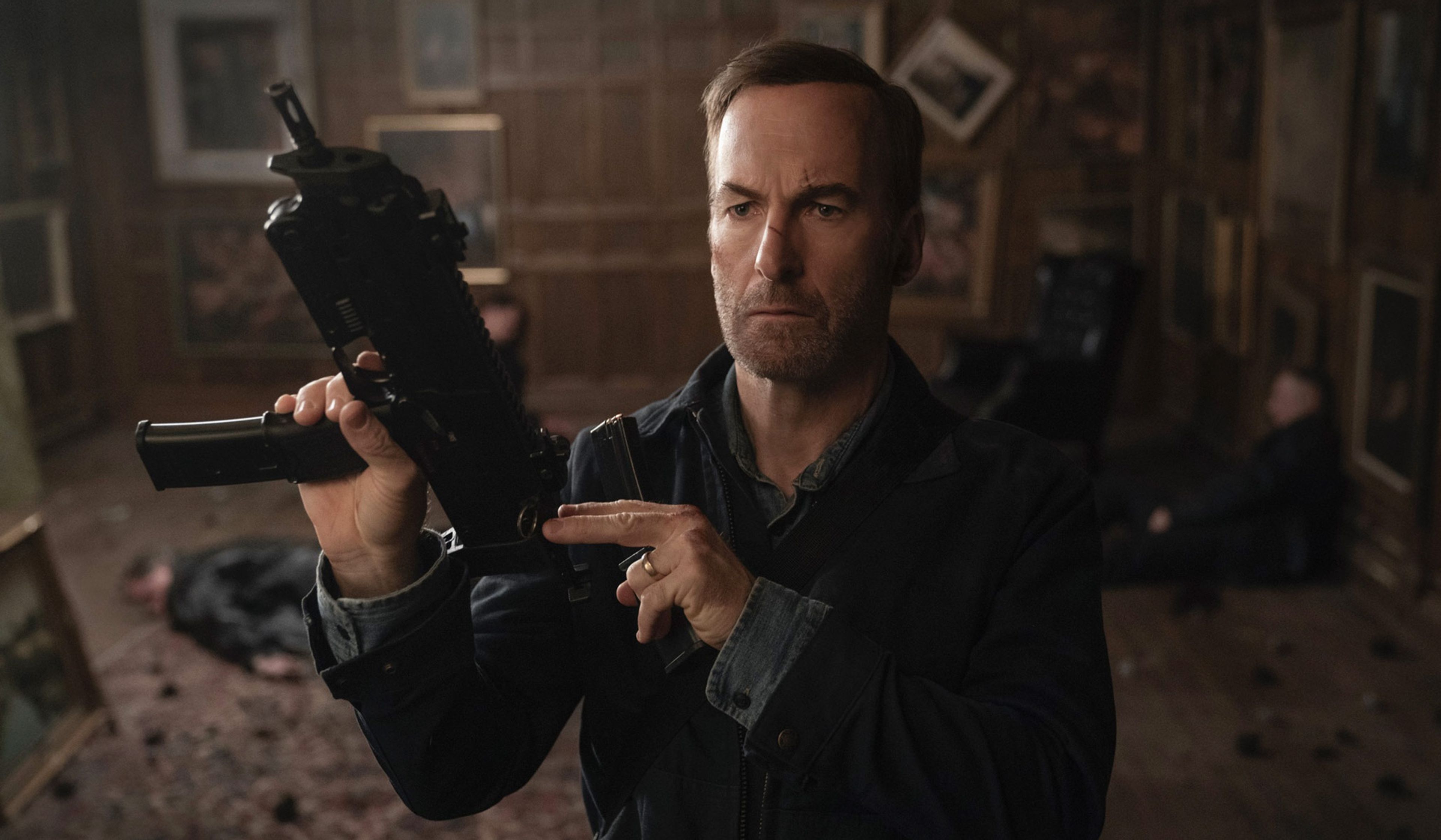
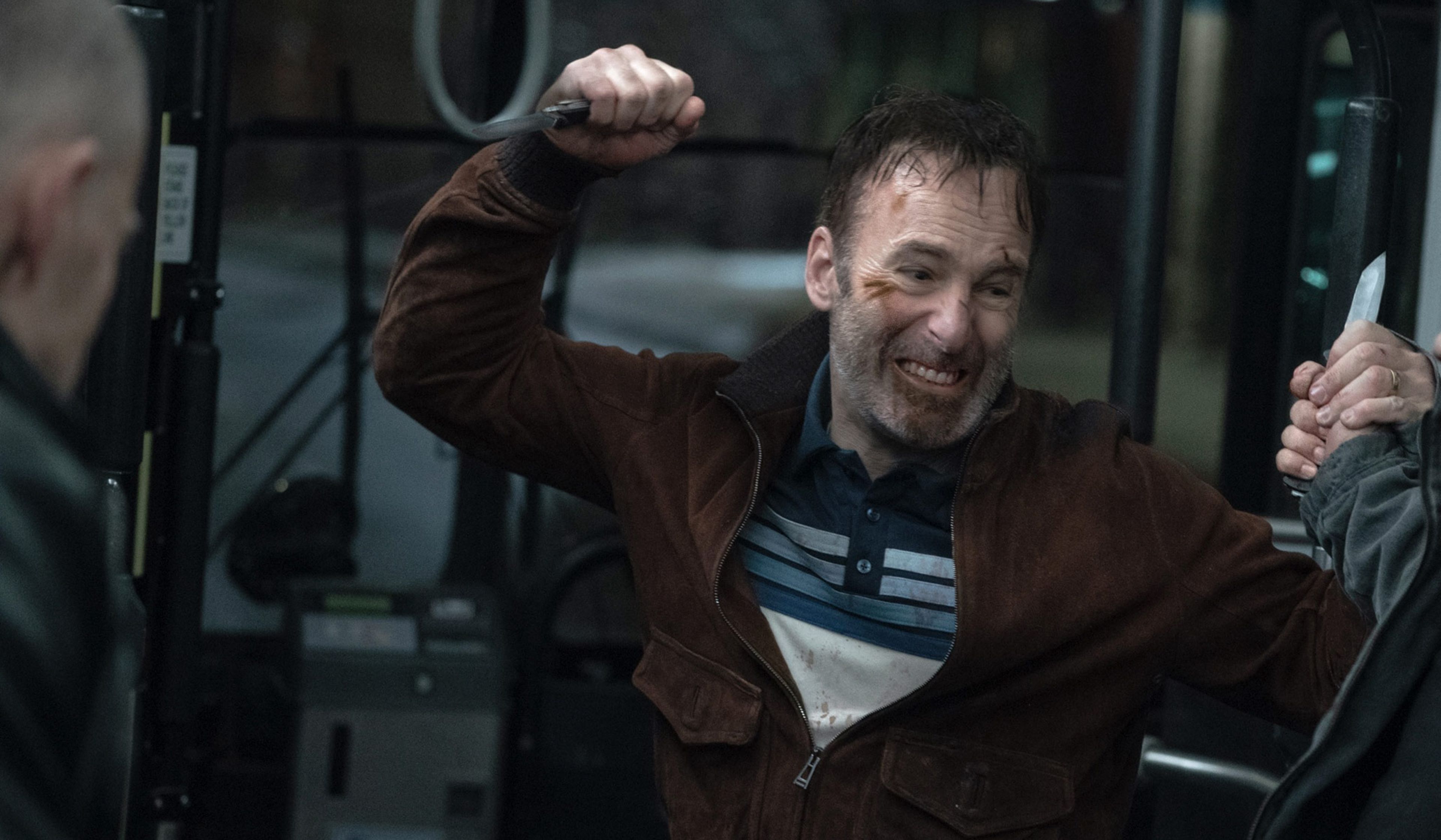
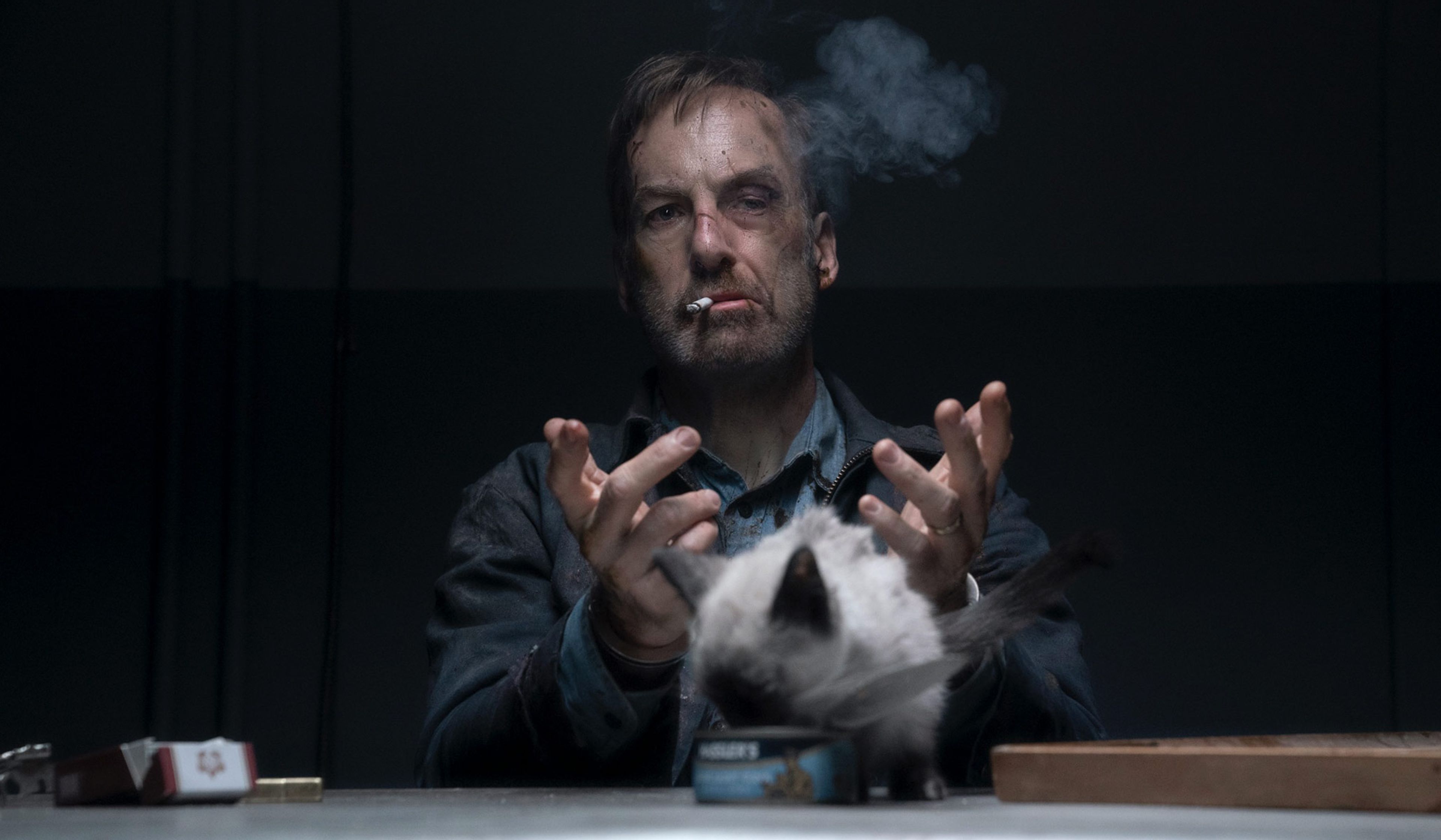
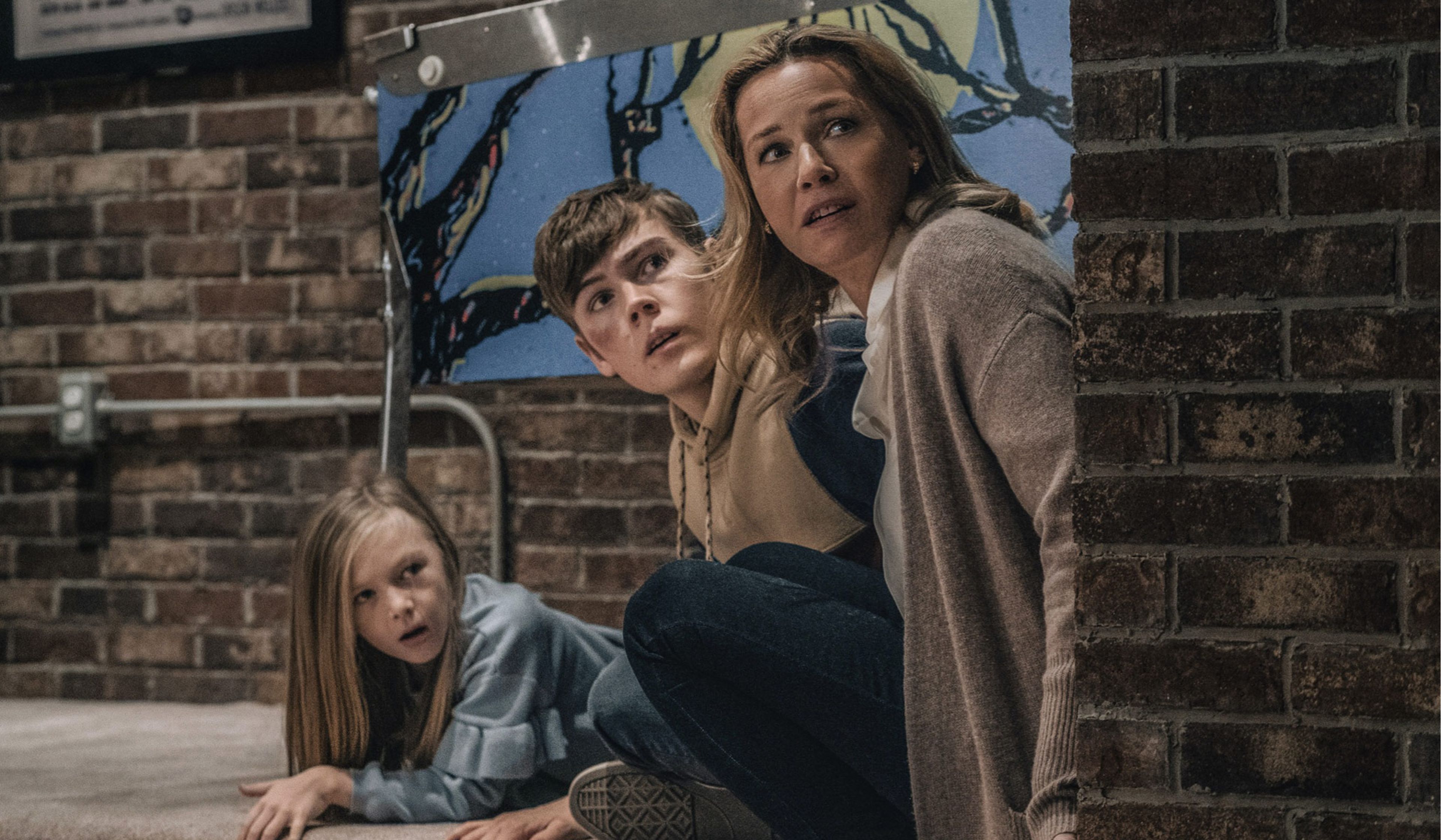
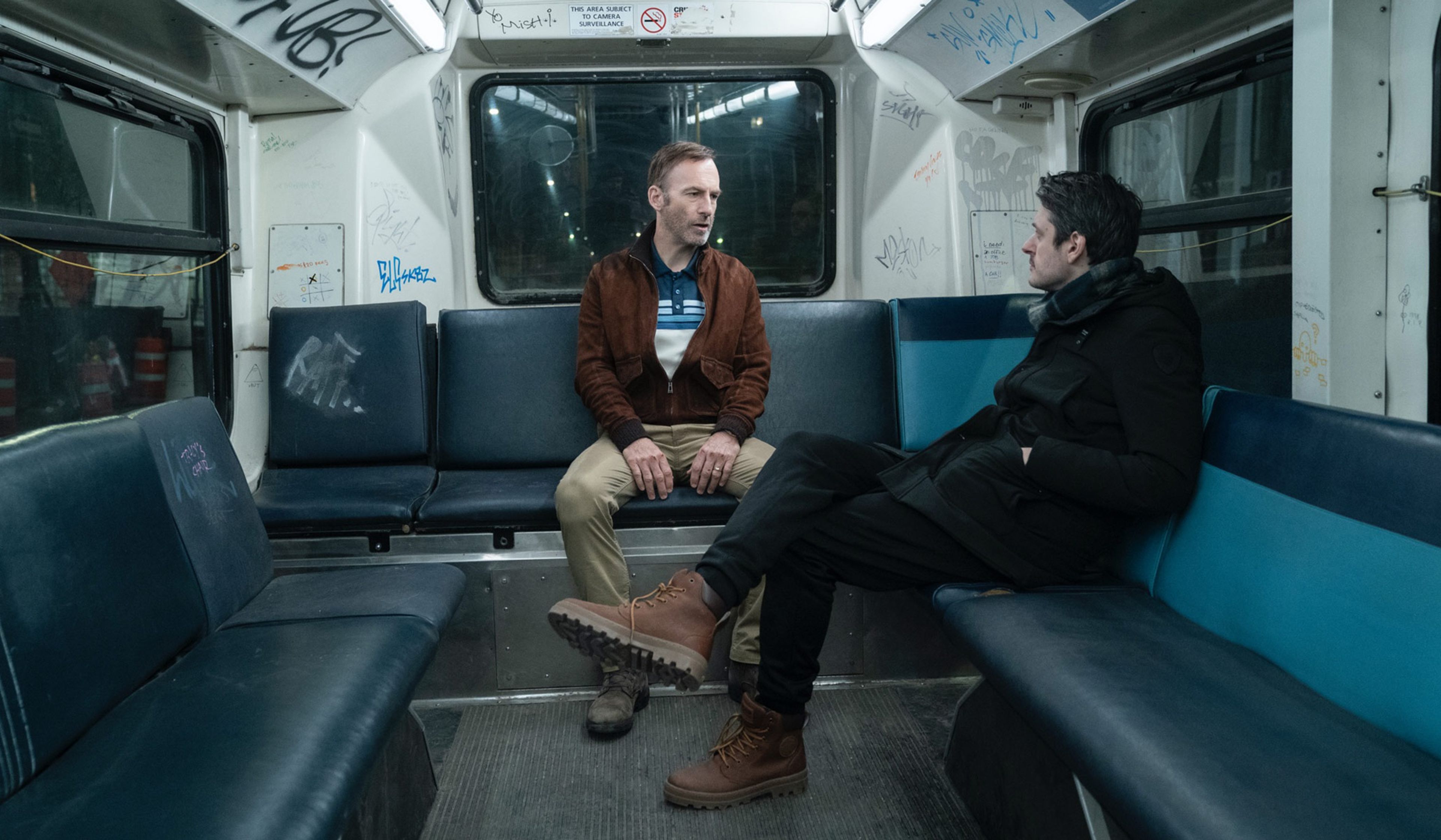
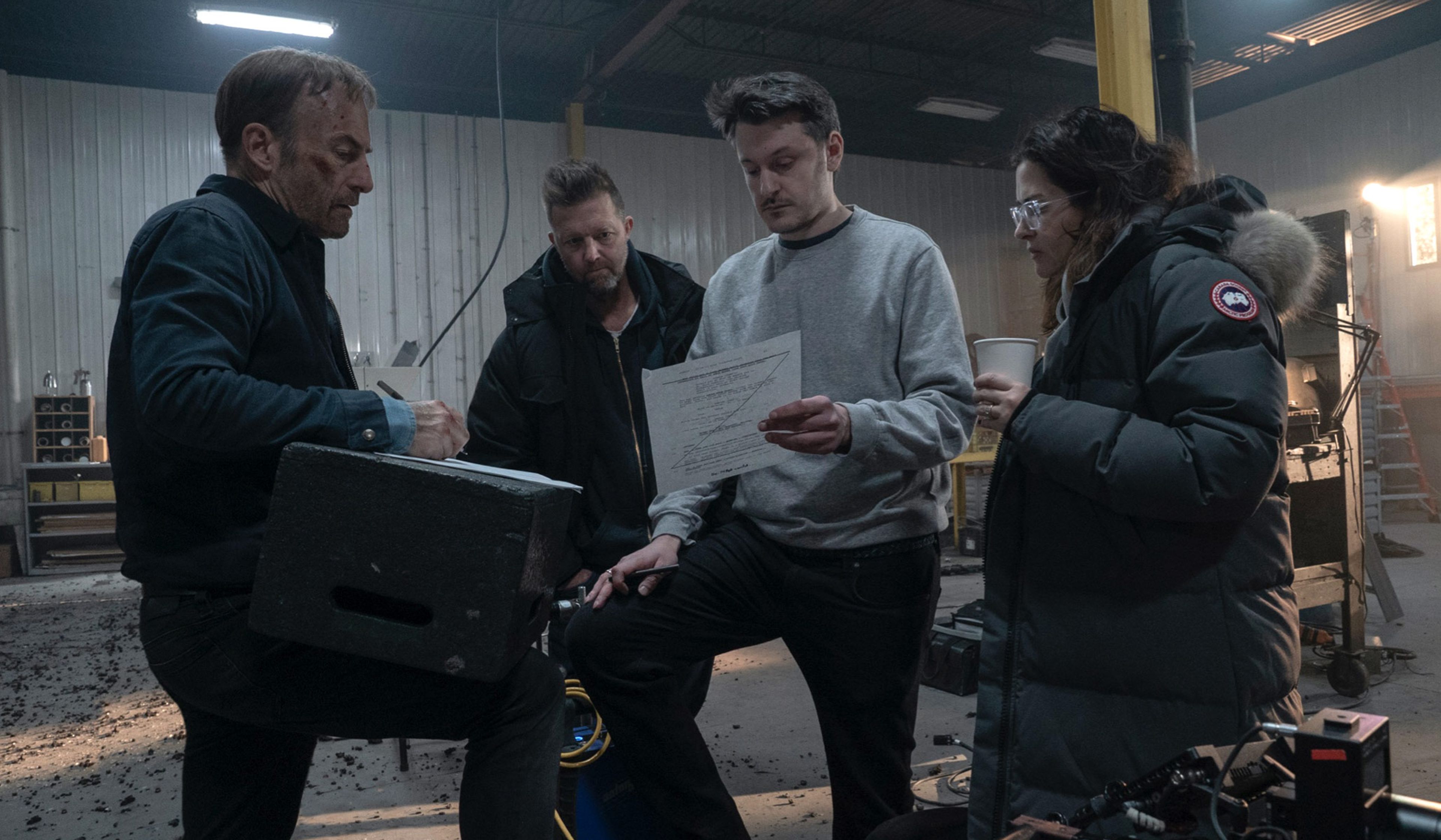
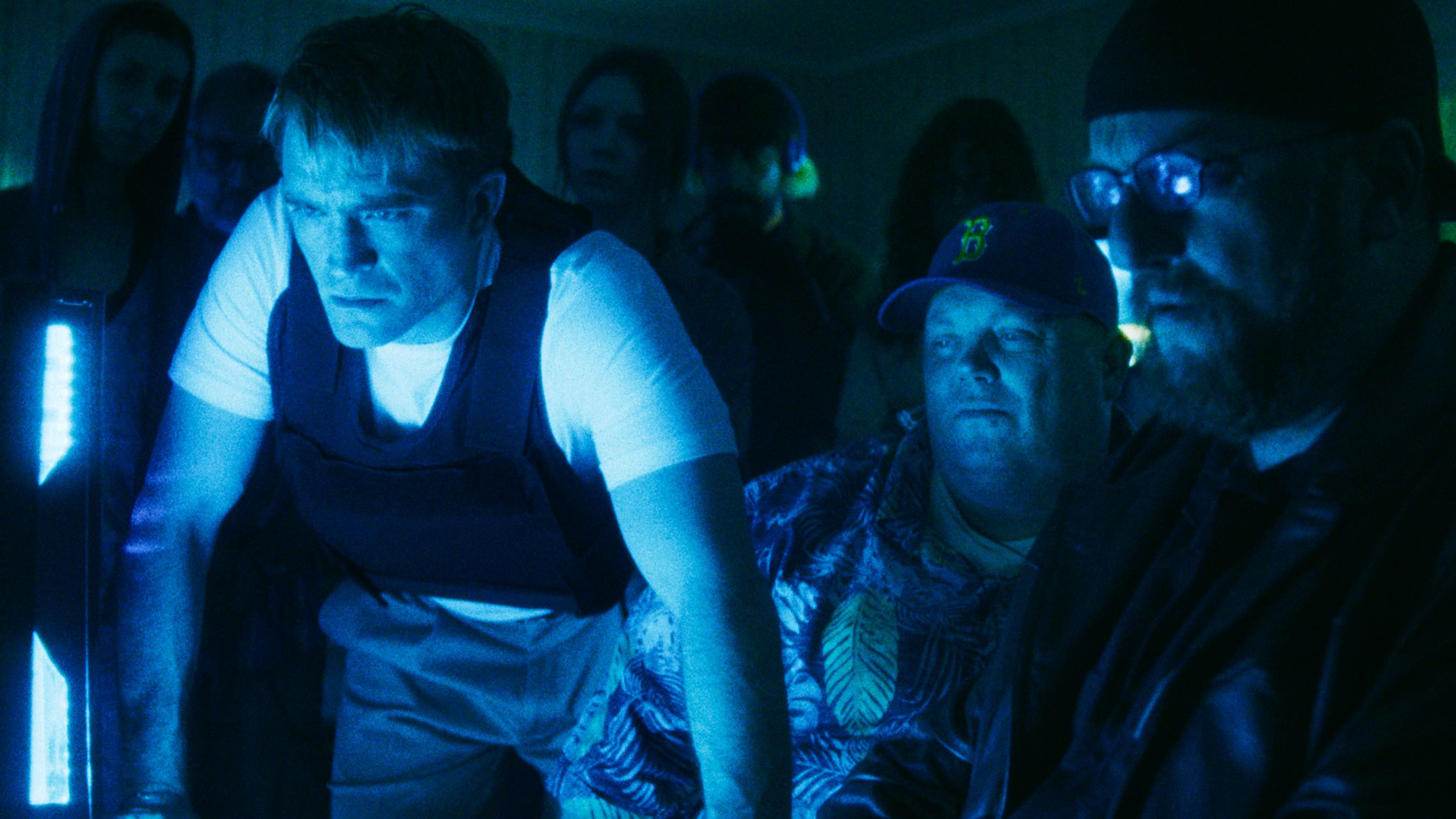
Bob Odenkirk in Nobody.
Universal Pictures
So for that one scene I felt like maybe the movie was really going to lean in to its action hero’s ordinariness — but alas, that promise slips away as Nobody progresses. The toughs turn out to include the wastrel brother of a karaoke-singing Russian mobster, played vigorously by Aleksey Serebryakov, who naturally sets out to get revenge on Hutch. This imperils our protagonist’s family — Connie Nielsen, as his wife, resembles the Amazon she plays in Zack Snyder’s movies but has nothing to do except look concerned — and justifies a counter-escalation, and with each new battle the realism fades and we’re back in conventional action-hero territory, except that Odenkirk still doesn’t look equipped for mayhem-dealing.
It doesn’t help that the third act brings in Hutch’s dad and adopted brother, played respectively by Christopher Lloyd and the rapper RZA, whose mere incongruity alongside Odenkirk — his dad’s Doc Brown! his brother’s a black guy! — seems like it’s supposed to strike us as inherently hilarious. Don’t get me wrong: I’m happy to see Lloyd alive and well and acting at 82. But watching a plot-armored octogenarian wander through a warehouse shoot-out gunning down Russian after Russian without ever taking cover . . . well, whatever that is, it’s not the almost-realism that the movie’s first action sequence seemed to promise.
Which means that by the end all that distinguishes Nobody from its action peers is the sheer emptiness of its violence: Nobody is being rescued or avenged (not even a dog, as in the Wick franchise), nobody benefits from the bloodbath, and we’re just supposed to root for Hutch to, I dunno, kill a lot of people so he can win his son’s respect. It’s like Odenkirk envied Bryan Cranston his lead part in Breaking Bad but got the knockoff script written by a fan who thought the show was way too moralistic. Who needed that kind of vision brought to life? The answer is right there in the title.











Comments