A high-level Apple exec resigned because the company wanted people to return to the office. His email, quoted by the website Macrumors.com, said he felt “strongly that more flexibility would have been the best policy.” Apple is requiring people to show up three times a week. The brutes. You don’t find that sort of flexibility at Cirque du Soleil.
But they’ll ease people back into it, in case the idea of walking into an office building is too traumatic. One day a week for a while, then two. Baby steps. By the time they’re required to spend three days in the office, they should’ve got the hang of things like “elevators” and “pants” and “other people.”
It’s like this all over. Companies are asking people to show up — pretty please plus sprinkles — and workers are quitting. WFH or nothing.
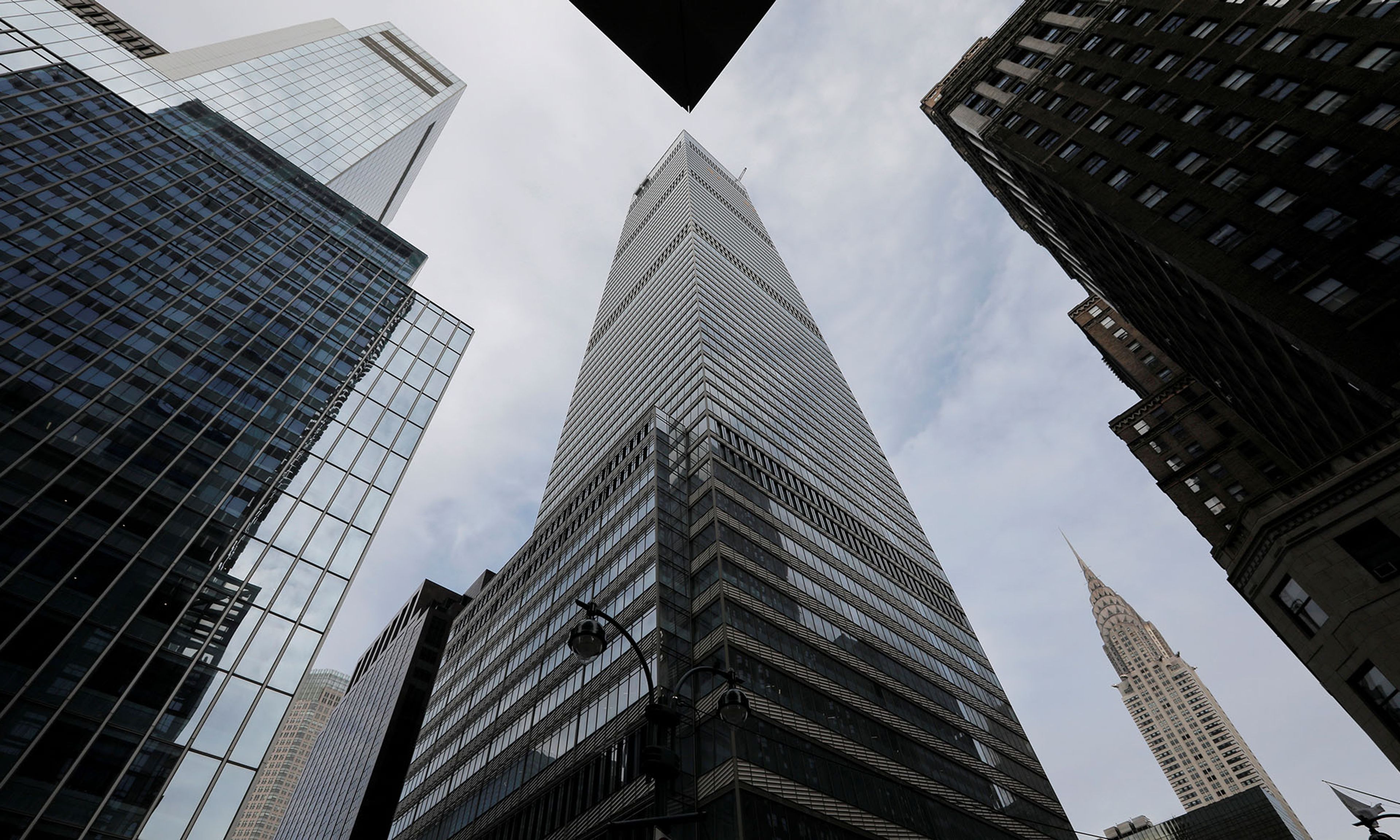
WFH: Work from home. I’ve done it all my writing career, but I’ve also been doing what we call “hybrid,” like I’m a seed or a mythological creature. Half horse, half office drone! I don’t like being tied down in a veal pen all day. On the other hand, staying home all the time would feel as if I’d been banished from heaven. A person needs to get out in the world. You walk into a tall tower, beep your badge, ascend to the heavens in a box, and take your place in the sky where you belong. It’s like being a god! And someone brought donuts!
You can understand why some balk. Perhaps they work in a boring suburban office park. Perhaps the commute’s a pain. WFH’s just easier. Why not? What’s the cost? Oh, just the historical definition of city life, with its kaleidoscopic array of interactions and pleasures, but that’s a small price to pay for staying in comfy shoes all day.
Speaking of which. The other day I dropped by Napoleon’s shop to pick up the shoes I’d dropped off. The guy is a miracle worker with footwear, a Lazarus of leather. I had a pair of dress shoes that needed revivification — a heel rebuild, a serious shine. He put them on the counter and said How’s that? Miraculous. Good as new.
Then I wondered: When would I need good shoes again?
Pre-Covid, pre-lockdown, if you worked downtown in an office tower, you’d put on the good shoes along with the smart tie and pants with a David Brooks–endorsed crease, because working in a city meant a uniform. It’s a pain, sometimes — you’re running late, little time to iron, can’t get the tie dimple perfect. But, you stand a little straighter when you’ve donned the downtown mufti. You signal the start of the workday when you put it on, and signal the return to the relaxed rules of home when you take it off. Preferably not in the elevator on the way to the car, though.
Now I’m looking at the good shoes on Napoleon’s counter and thinking: No weddings on the calendar. Probably a funeral. They used to be work shoes. Now they’re funeral shoes.
My wife used to go to the dry cleaner’s once a month, bringing a sheaf of smart suits. No more. Hey, wonder how that dry cleaner’s doing! Eh, who knows? The men’s department of the closest department store to my house has shrunk — where once there was an acre of suits, there are now a few racks, and you have to schedule your fitting. The old days of a short balding man with a tape measure around his neck, able to produce a shard of chalk from a pocket in a millisecond and make the critical dashes on your cuff — well, he probably works as a contract employee now, comes in twice a week. The ancient manly tradition of standing stock-still in a suit while the expert dashes white lines on black cloth — well, there’s an app for that now, I suppose.
So the men’s department is for funeral suits and funeral shirts.
Anyway. Napoleon used to get the downtown traffic. Men who worked in the office towers plopped down in a chair for a shine and conversation. Women brought by shoes or a handbag for repair. That’s dried up: WFH. The new retail-and-office complex built in the skeleton of a long-closed department store, intended as a centerpiece of downtown, can’t get shops to serve the thinned-out office crowd. WFH.
I miss the old downtown, but I also miss the department-store tailor, the mailman whose appearance signaled something other than a sheaf of junk, the Sears catalogue at Christmas, the variety store that sold parakeets and LPs and Big Chief notepads, the moment on a Saturday night when you’d stayed up late to watch a monster movie about giant ants and the TV went to snow afterward, because TV was over. It’s a standard lament. Things change, and the rote familiar things fall away. It’s mulish not to recognize the clever advantages of our age. But all those other things seemed to fade away like a long summer day, left behind as we explored new ways of living. The lockdown, sold to us as a deftly wielded scalpel, was a scythe that stroked wide, and it may have turned our cities into empty glass boxes with tumbleweed streets.
Nevertheless, I’m an optimist. The CDC is warning of a fall wave that may cause 100 million cases, which could lead to a China-style approach to beating the virus. Start locking people in their houses and see whether the idea of “leaving” and “going someplace different” starts to look a bit more appealing. They can’t weld the door shut on an office cubicle.
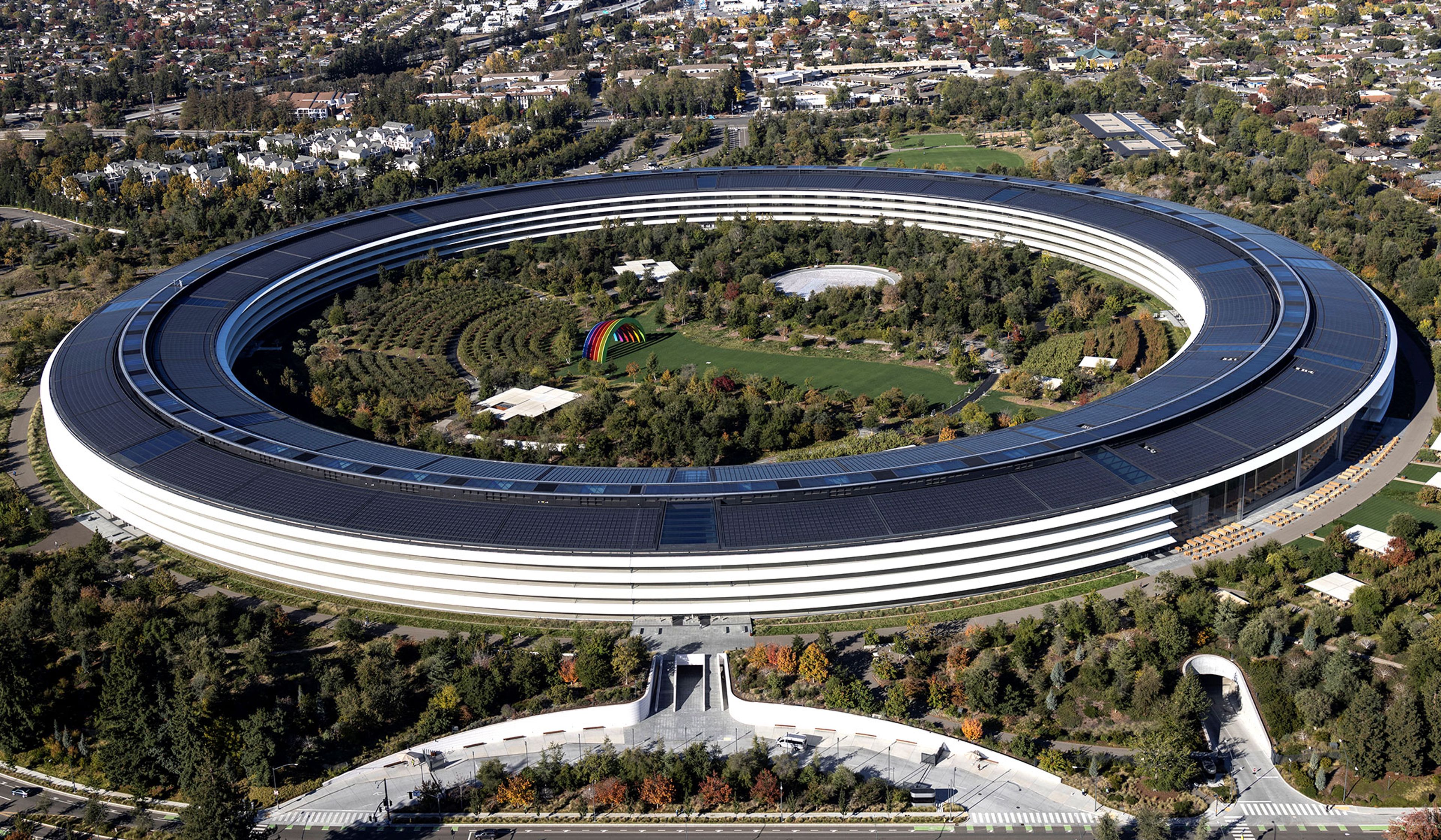
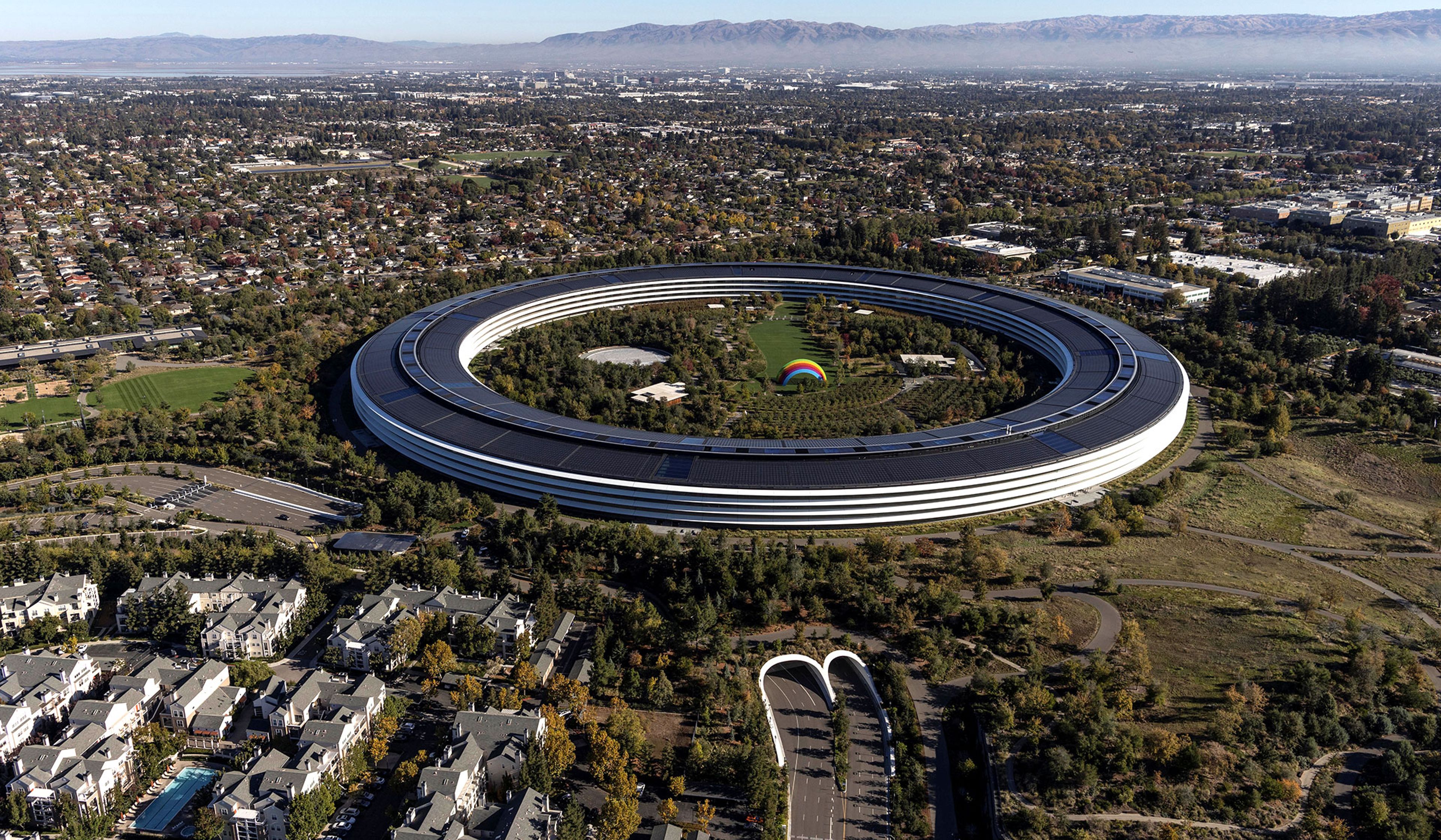
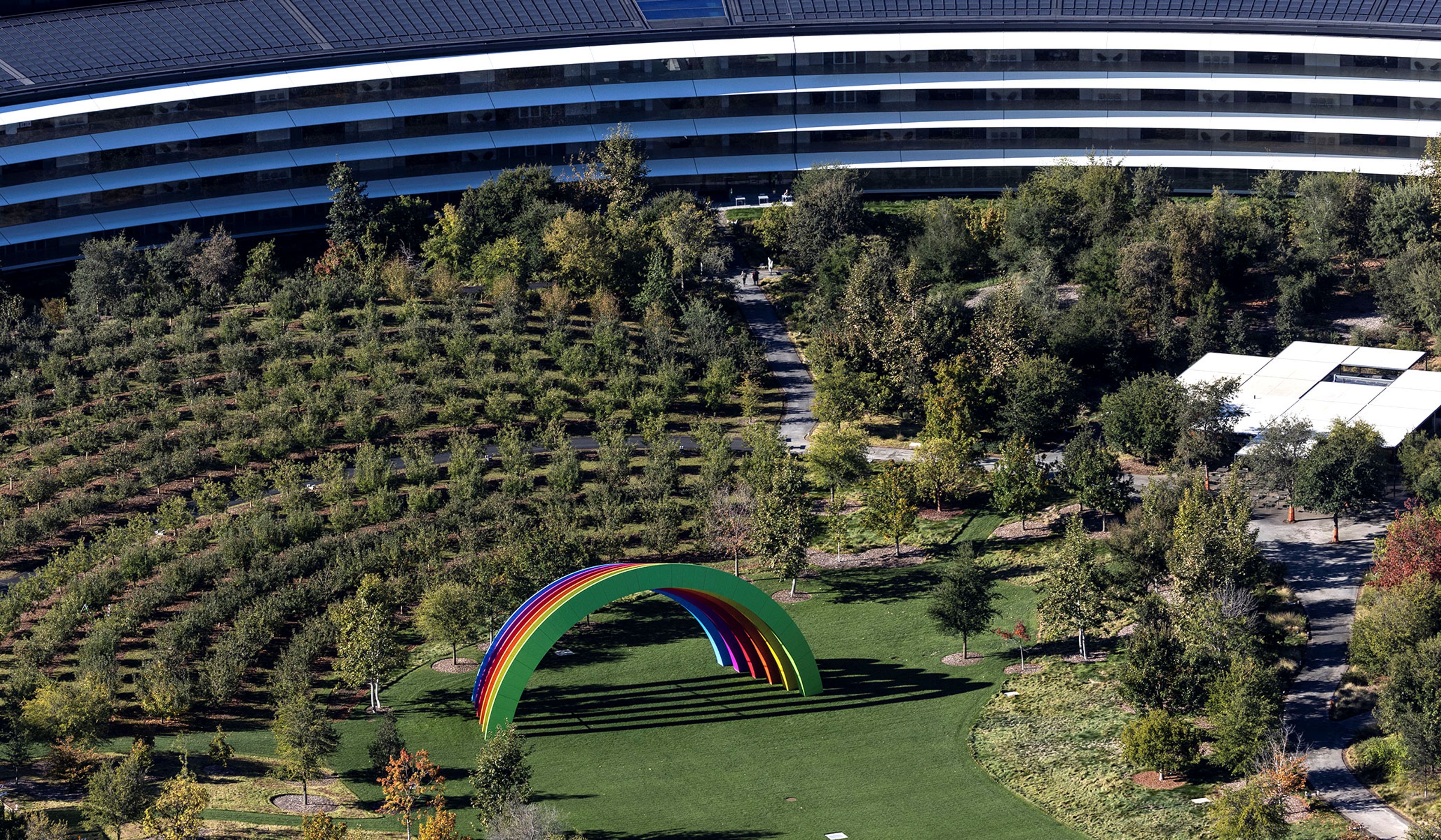
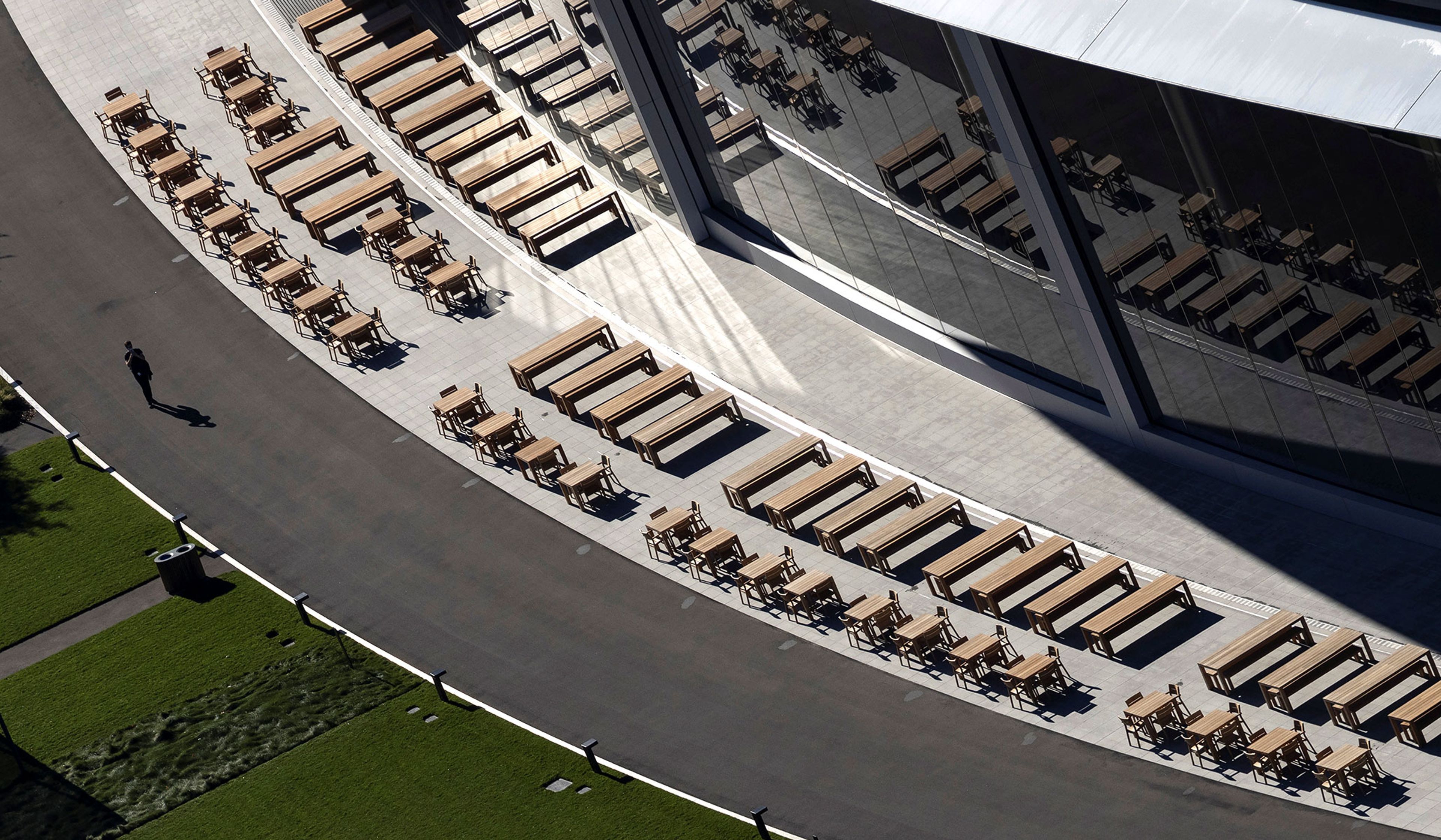
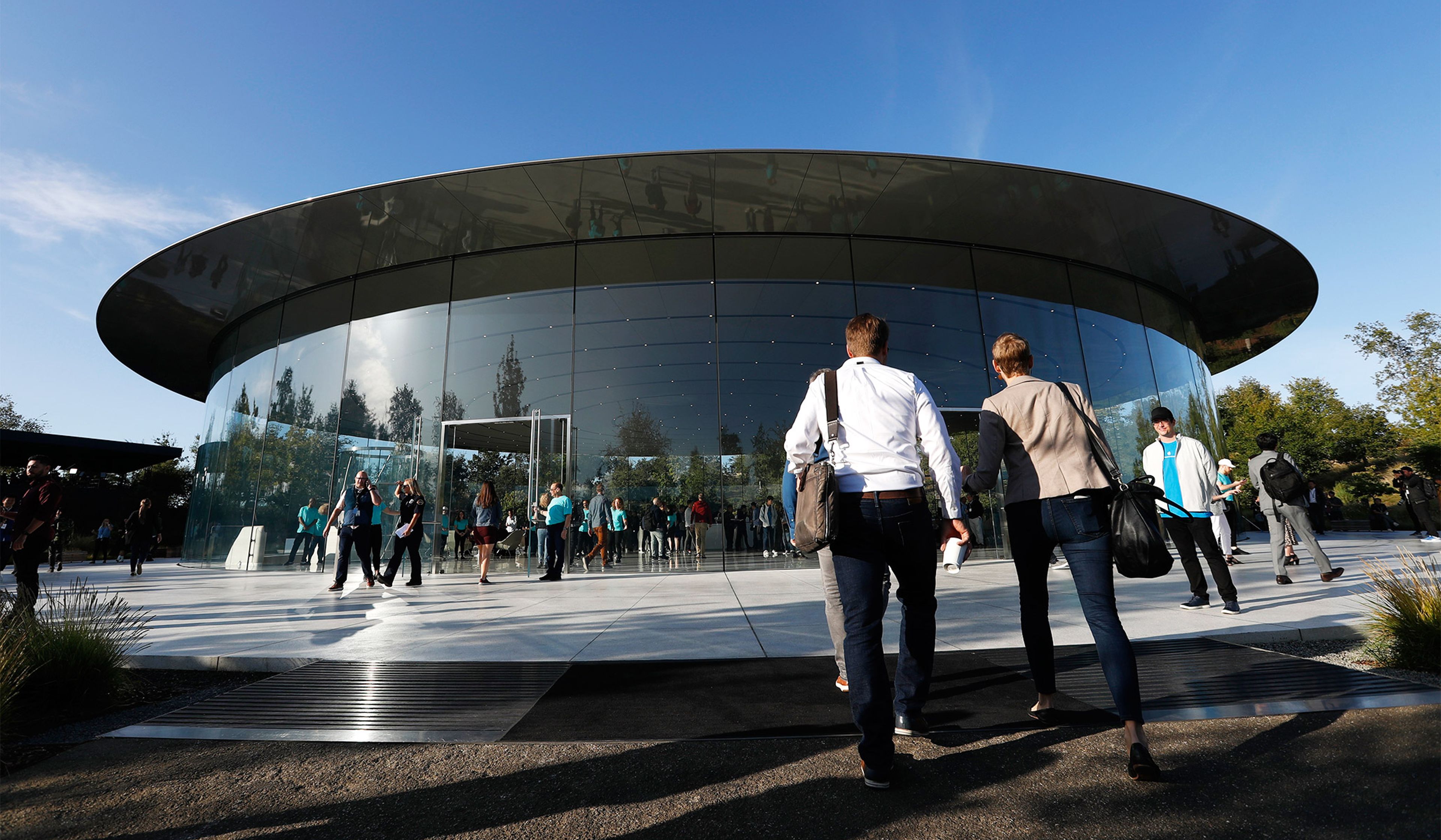
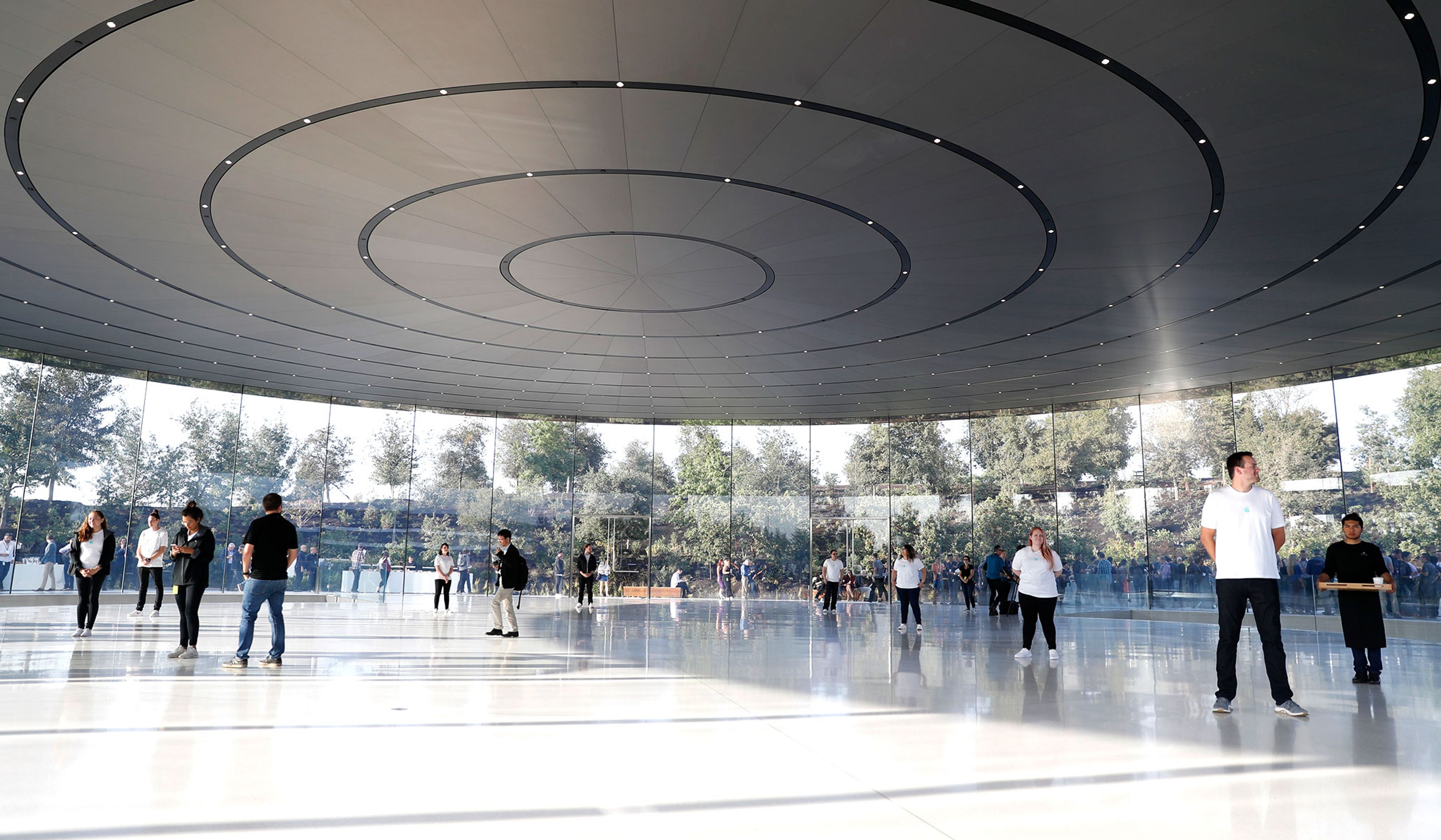
Aerial view of Apple’s headquarters in Cupertino, Calif., 2021.
Carlos Barria/Reuters










Comments