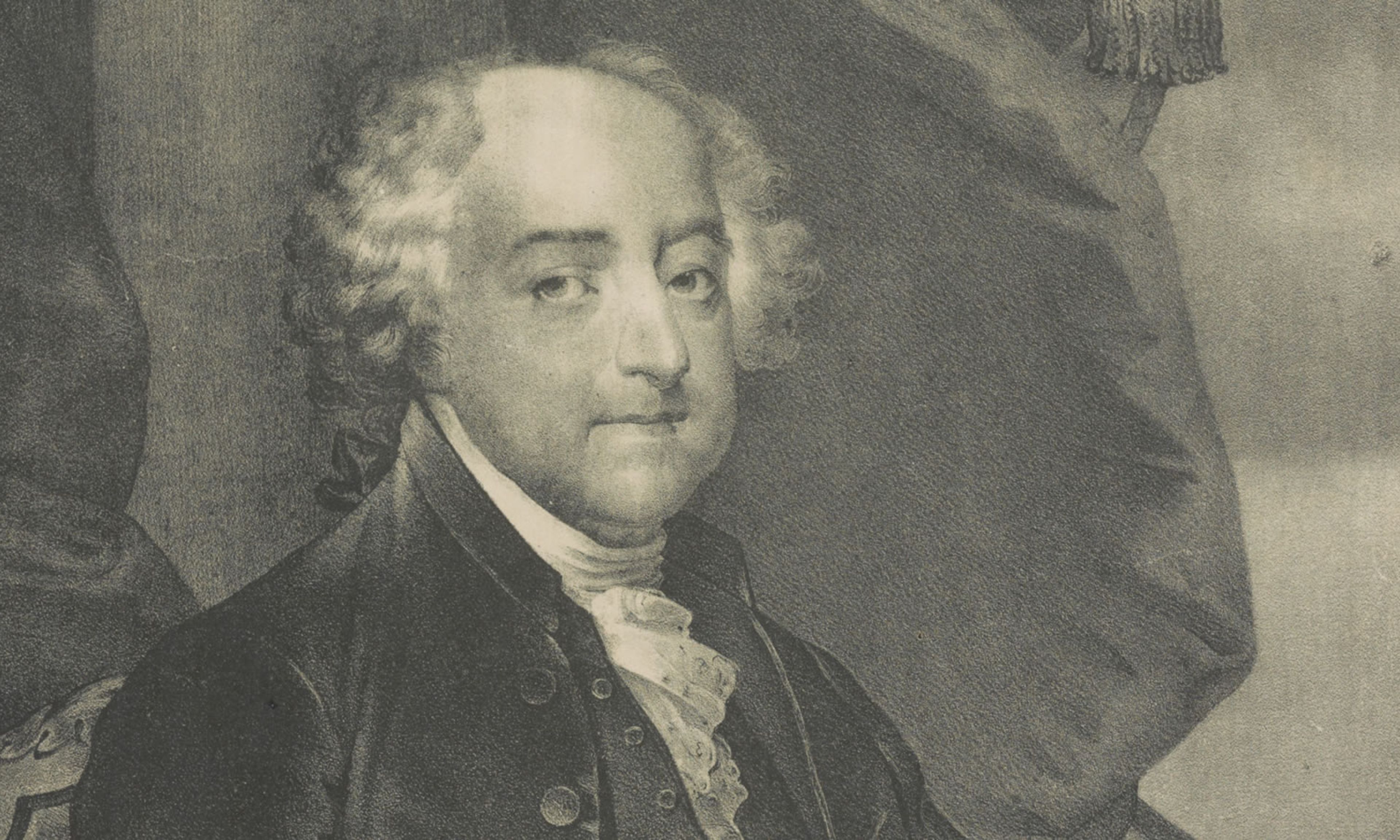
There are a pair of wonderful, mildly fictionalized scenes in HBO’s John Adams and Lin-Manuel Miranda’s Hamilton that capture the aftermath of the hotly disputed election of 1800, when Thomas Jefferson and his running mate, Aaron Burr, each won 73 electoral votes, to Adams’s 65. In John Adams, based on David McCullough’s biography, we see the ousted second president climb unaccompanied into a crowded carriage outside the White House, leaving the capital at dawn before Thomas Jefferson’s inauguration. Adams snaps irritably at the other passengers, “Stop gawking! Plain John Adams, just an ordinary citizen, same as yourselves!”
In Hamilton, based on Ron Chernow’s biography, after Alexander Hamilton has helped tip the contingent election in the House (necessitated by the tie) from Aaron Burr to Thomas Jefferson, a thwarted Burr seethes,
How does Hamilton . . .
Somehow endorse Thomas Jefferson,
his enemy,
A man he’s despised since the beginning,
Just to keep me from winning?
And he begins to write his fateful challenge to Hamilton: “You’ve kept me from the room where it happens for the last time.”
Both Adams and Burr were bitter: Adams at his ouster from office, Burr at what seemed the final derailment of his upward climb. But their reactions, in life as in the dramatizations, were quite different. Adams might have been more gracious. He did not attend the formal handoff to Jefferson, although it is unclear whether he was invited. It would be years before the two men resumed cordial relations.
Adams did not shrink from using the legitimate powers of his office to entrench the Federalist Party’s power on the way out the door. Together with the also-defeated Federalist majority in the Senate, he used the post-election lame-duck session to make John Marshall the chief justice, expand the circuit courts, and stock them with Federalist “midnight judges.” But Adams nonetheless embraced his return to the life of an ordinary citizen, “plain John Adams,” a Quincy farmer. He did nothing to thwart or contest the orderly transition of power to Jefferson — the first democratic transition by an elected head of state to a political opponent in world history. In time, the two men even repaired their shattered friendship.
While the defeat left Adams’s political party mortally wounded, both its ideas and Adams’s political family would live to fight another day. Jefferson proclaimed magnanimously at his inauguration, “We are all Republicans, we are all Federalists,” and he left untouched many of the Federalists’ innovations. Marshall sat on the Supreme Court for 35 years and set the terms of American constitutional jurisprudence. And Adams’s son John Quincy became a senator in 1803, secretary of state in 1817, and president in his own disputed election in 1824.
Not so for Aaron Burr. The 1800 election had turned on Burr’s delivering New York, and he felt that this entitled him to the lion’s share of the spoils — the presidency itself. Burr’s refusal to accept his own agreed place on the presidential ticket (at the time, as the second-place vote-getter in the House’s contingent election, he would have become vice president) triggered a constitutional crisis so ugly that support began to build immediately after the House vote to amend the Constitution to prevent its repetition. The Twelfth Amendment, which passed Congress in late 1803 and was ratified in June 1804, prevented a replay of Burr’s gambit (forcing a House vote against his own running mate) by requiring separate Electoral College votes for president and vice president. Having burned his bridges with Jefferson, Burr ran for governor of New York and lost by 16 points in April 1804, while the outgoing governor replaced Burr on the national ticket. In July 1804, Burr killed Hamilton in their fateful duel. Three years later, Jefferson had Burr tried for treason over his complicated scheme to conquer part of the Mississippi Valley. Burr could have accepted a runner-up’s position and waited for his own moment; instead, the downward spiral that started with his defeat in the House vote ruined his political career, his life, and his reputation in history.
In accepting that he had been squarely defeated, John Adams set one of the most crucial precedents in the 233-year history of our constitutional republic: American elections are accepted as legitimate by the losers. This is not so everywhere in the world. Failure to accept it has doomed many attempts at democratic government. Accepting that the losers today are not the losers once and for all is perhaps the most central of all the norms of behavior that underlie the durability of our system. The most conspicuous exception, when eleven states seceded rather than accept Abraham Lincoln’s election, cost the country 750,000 lives. We should be thankful that this has never been repeated and pray that it never will be. There is a reason one of the enduring scenes of the war was the gentlemanly meeting of Grant and Lee at Appomattox: the victor and the vanquished both accepting that the war was over and not to be fought again except at the ballot box.
Adams and Burr were not the last presidential candidates for whom accepting defeat was a challenge. Al Gore’s public profile has never really recovered from his inability to handle defeat in 2000. Richard Nixon was publicly gracious after the 1960 election, despite being privately convinced that it had been stolen. Presiding as vice president in the counting of the electoral votes in a joint session of Congress, he ruled in favor of disputed votes from Hawaii for John F. Kennedy. Nixon came off much worse when he groused, “You don’t have Nixon to kick around anymore” after losing the California governor’s race two years later. In the long run, Nixon’s winning the White House in 1968 as the “law and order” candidate would have been impossible had he dragged the country into a constitutional crisis in 1960 in the way that Gore did in 2000. But Nixon was eaten up inside by his resentments at dirty tricks played against him by Kennedy and Lyndon Johnson, and that fueled his fall from power as he turned the tools of the presidency against his enemies.
Many of our presidents reached the Oval Office only after accepting defeats at the ballot box on the way up. Indeed, if you don’t count Donald Trump’s brief, abortive run for the Reform Party nomination in 2000, he is the first president since Gerald Ford who never lost an election before entering the White House. Ronald Reagan healed the wounds of his insurgent primary campaign against Ford and made himself the 1980 front-runner by his electrifyingly inspirational appearance on stage at the convention in 1976. Bill Clinton and George W. Bush learned vital lessons from early-career losses, in Clinton’s case being voted out of the Arkansas governorship in 1980. Time in the wilderness has proven a boon to men and parties alike. Winston Churchill, during his own such time in the 1930s, wrote that “if we look back on our past life we shall see that one of its most usual experiences is that we have been helped by our mistakes and injured by our most sagacious decisions.”
Abraham Lincoln made himself a national name in a losing cause when he ran for the Senate against Stephen Douglas in Illinois in 1858. Lincoln beat Douglas in the national election two years later. Douglas, for his part, spent the fall of 1860 pleading with the states of the South to accept the outcome, and he held Lincoln’s hat at his inauguration. It was Douglas’s finest hour.
Accepting defeat is not merely a democratic value; it is a human one. Being humbled by acknowledging it makes you a better person. The lessons George Washington learned from bitter defeat on the battlefield in the French and Indian War paid dividends in the next war. This is why we place such a high value on teaching sportsmanship to young athletes, most of whom will carry that lesson into areas of life beyond the playing field. Sour grapes never make fine wine.
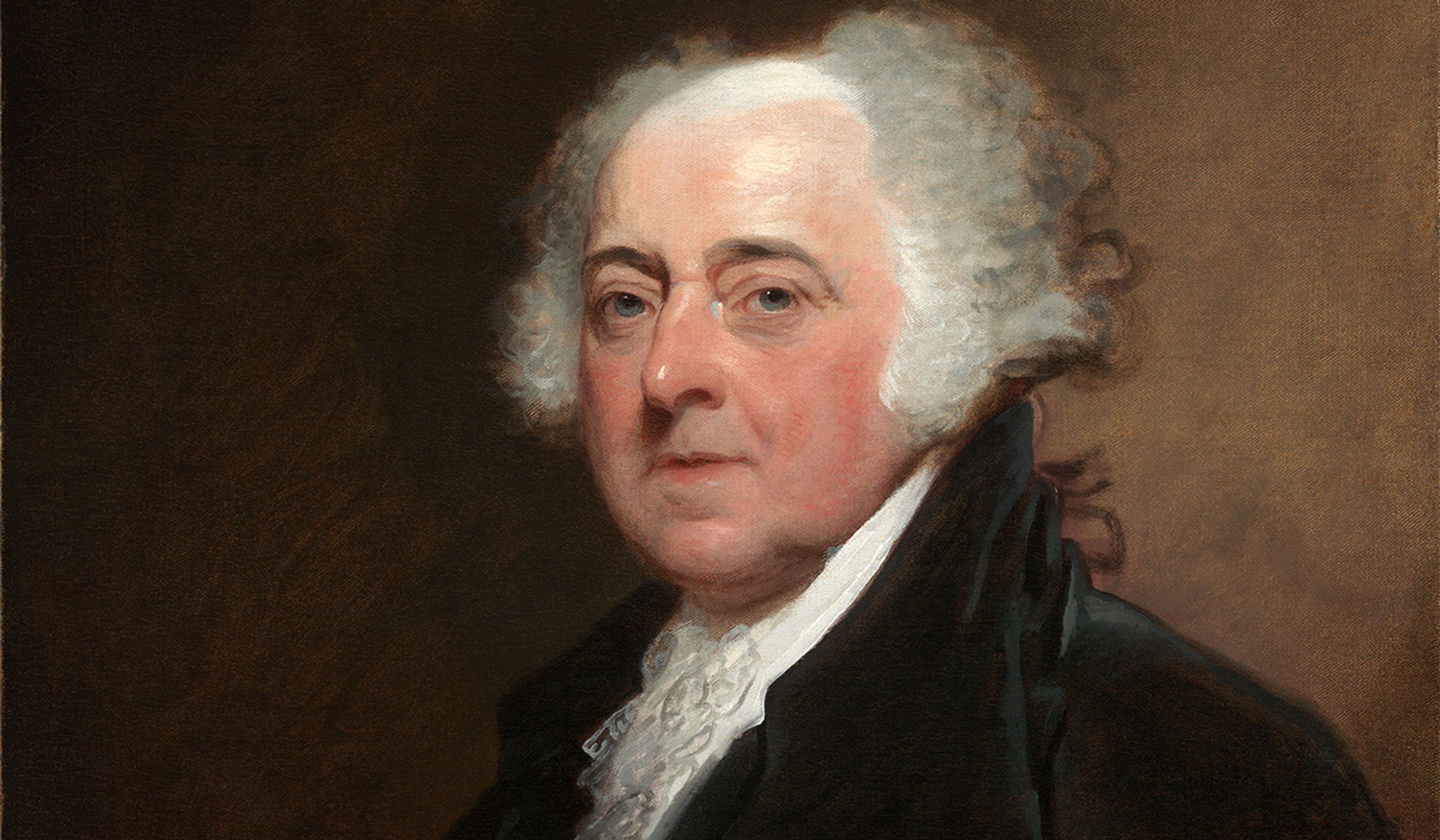
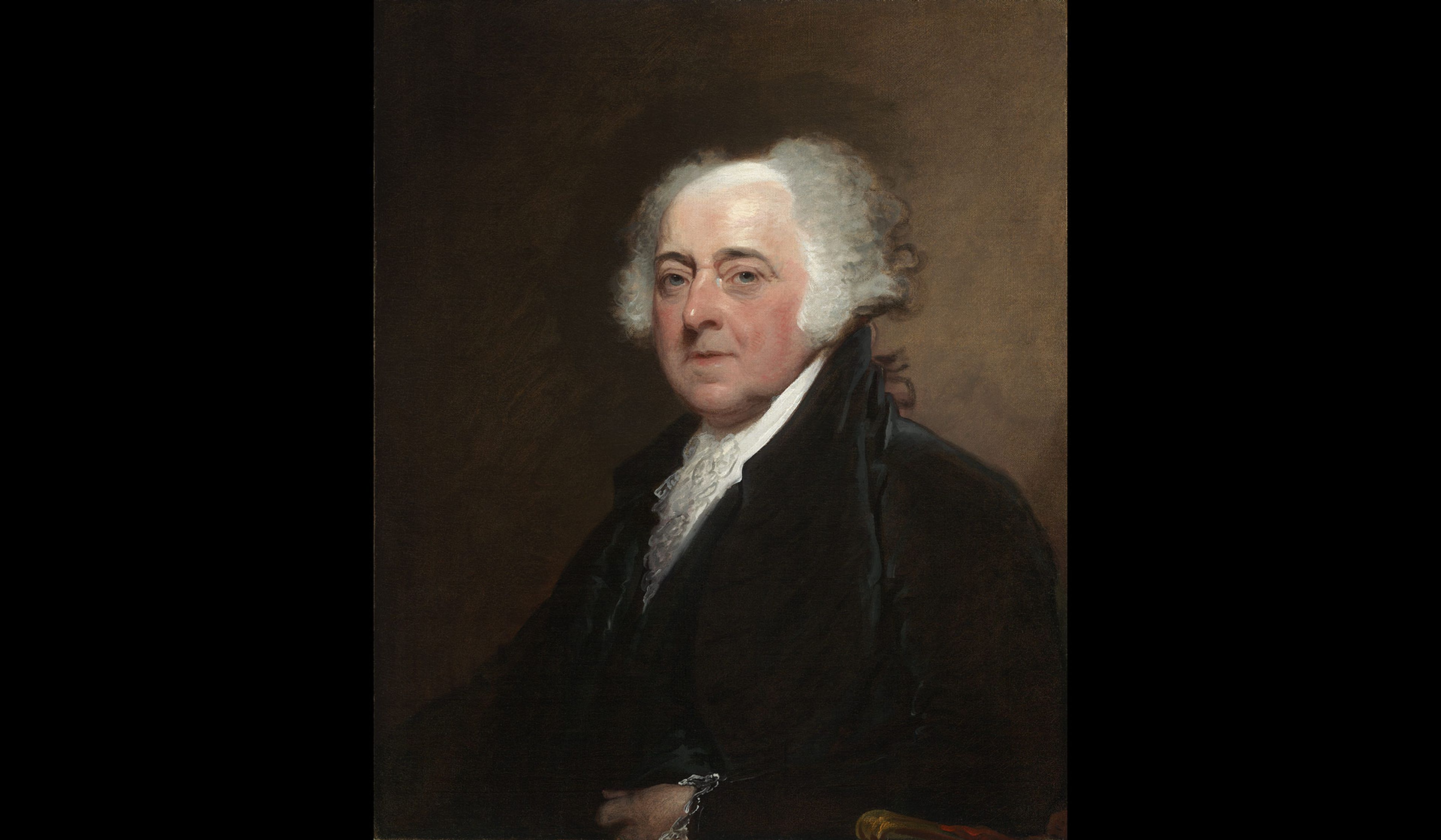
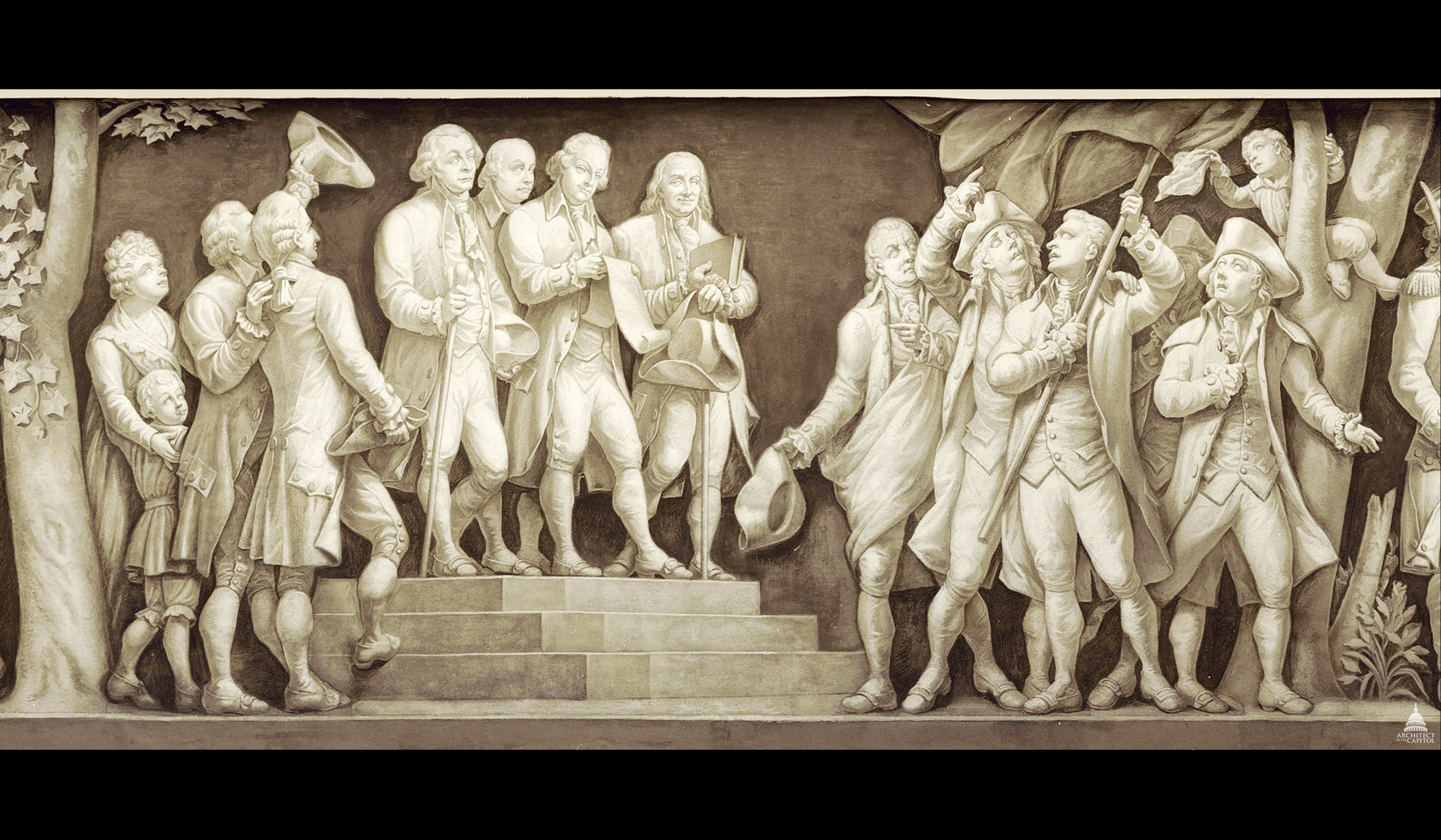
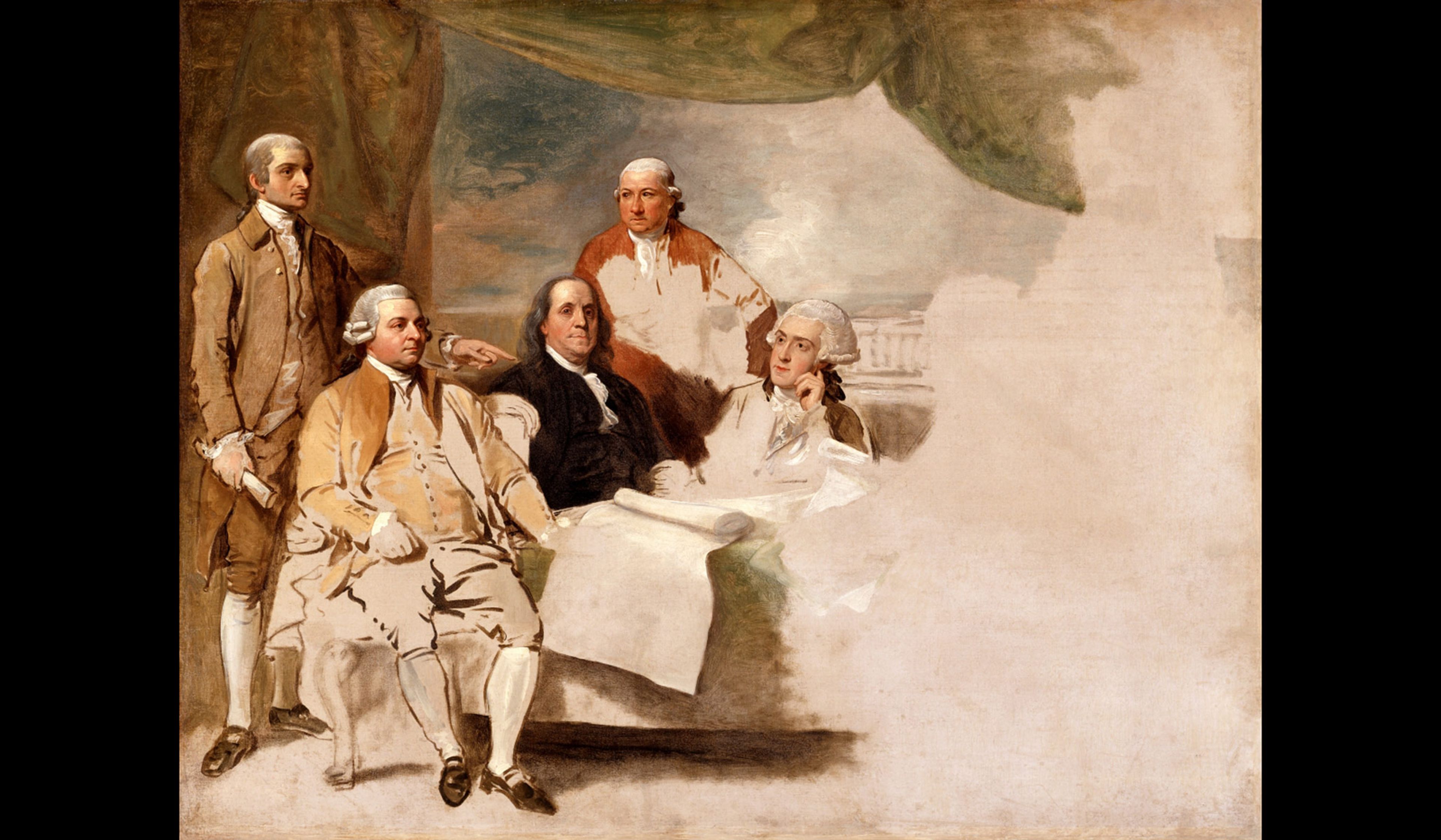
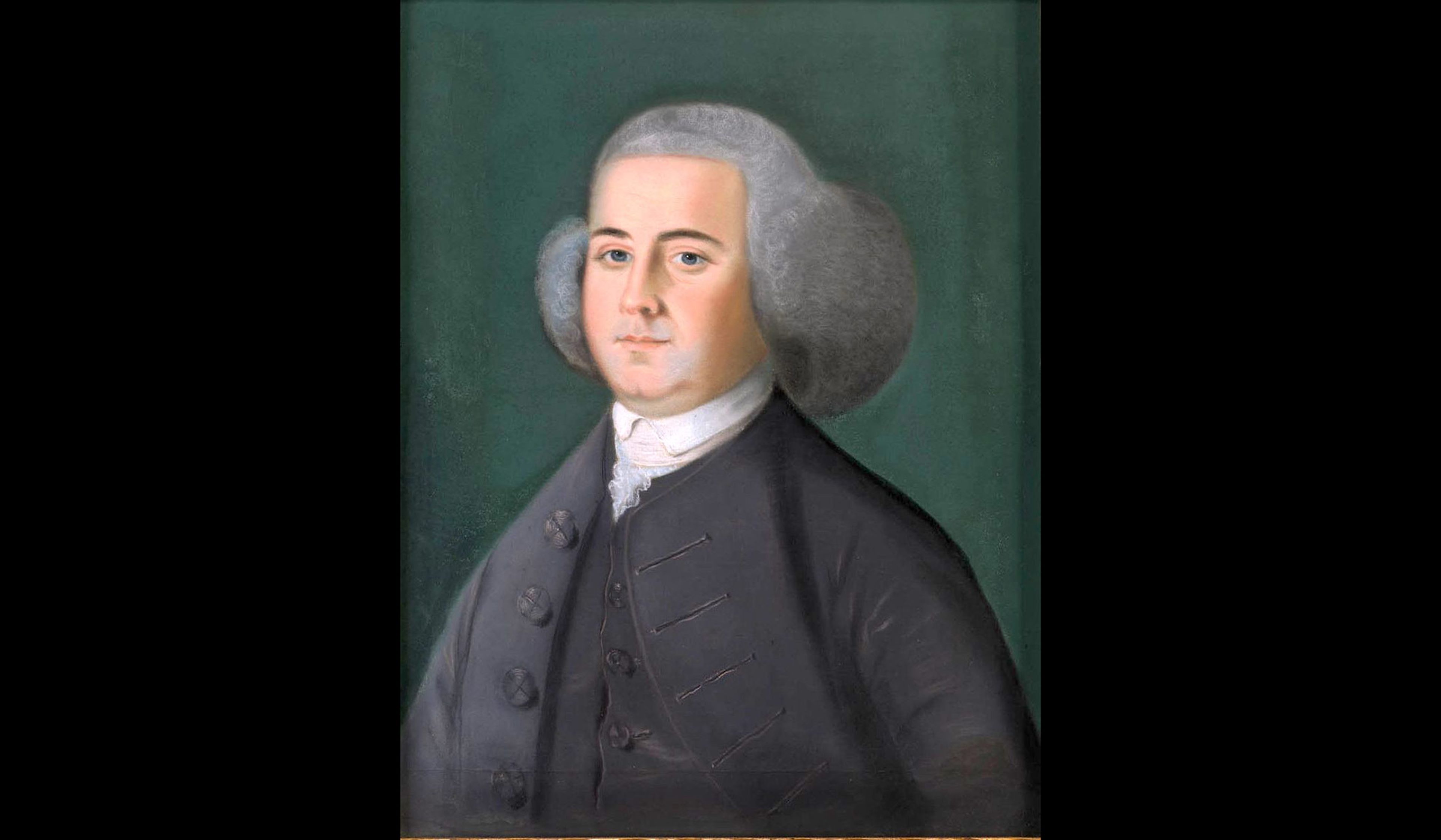
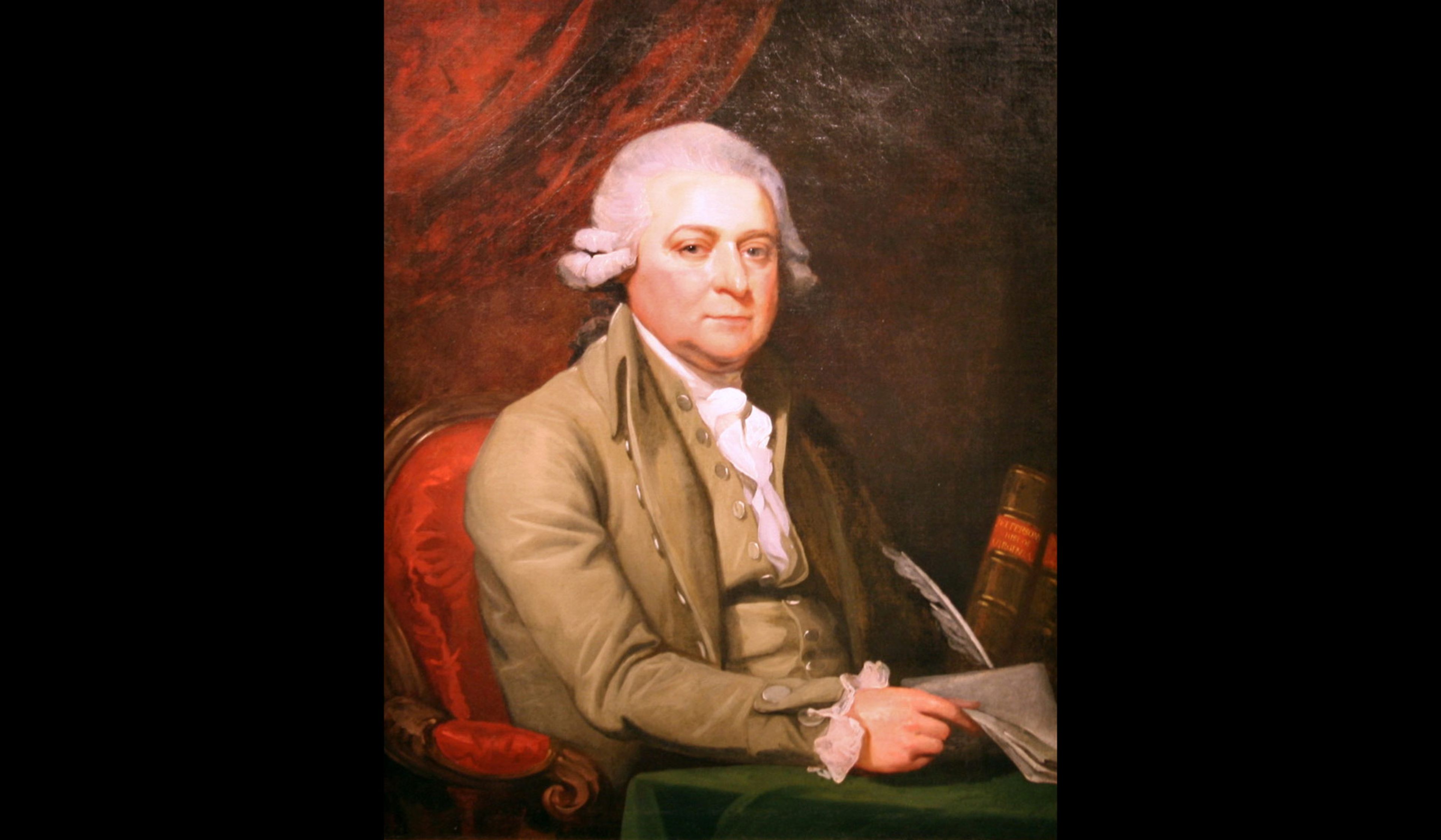
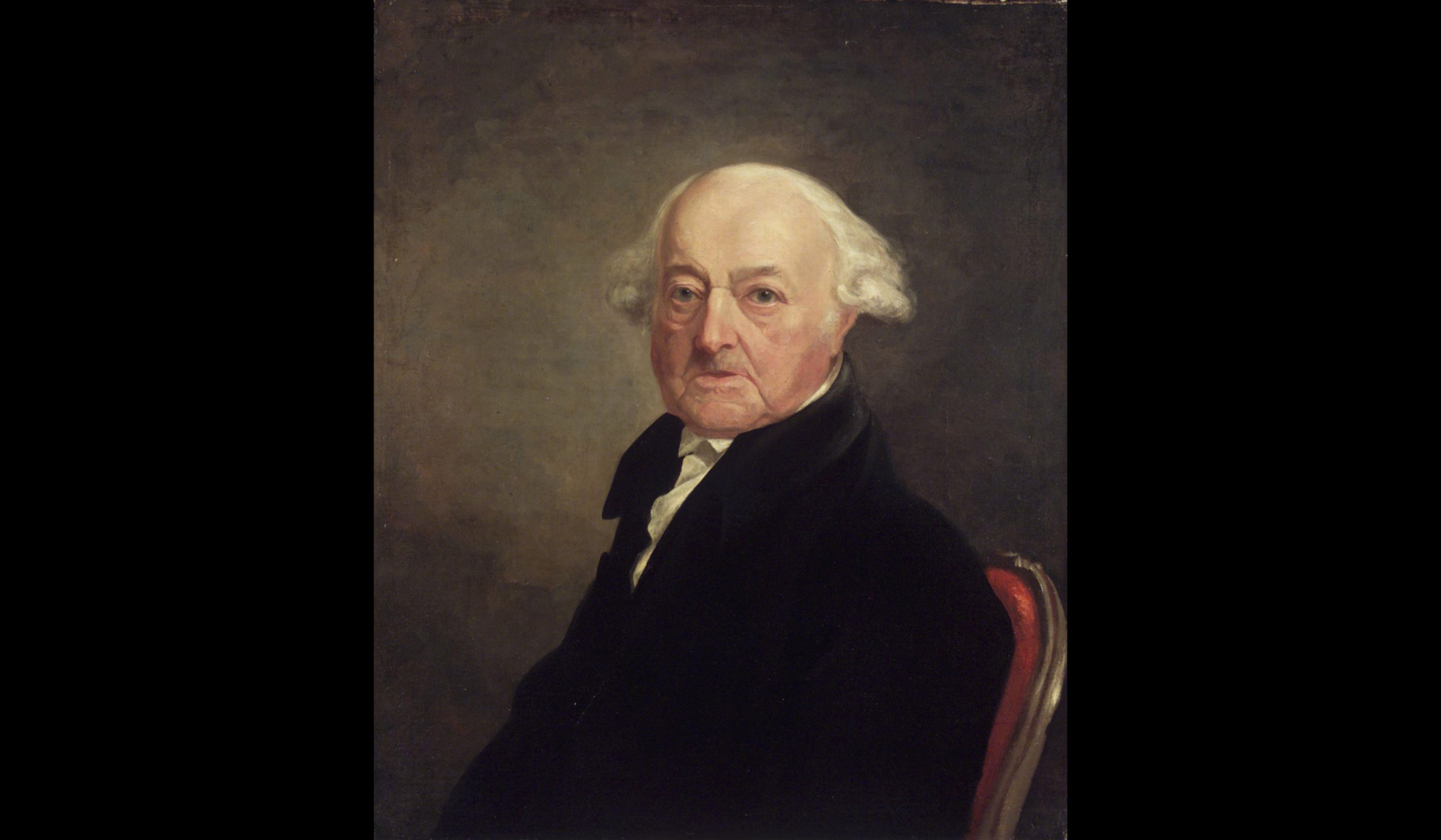
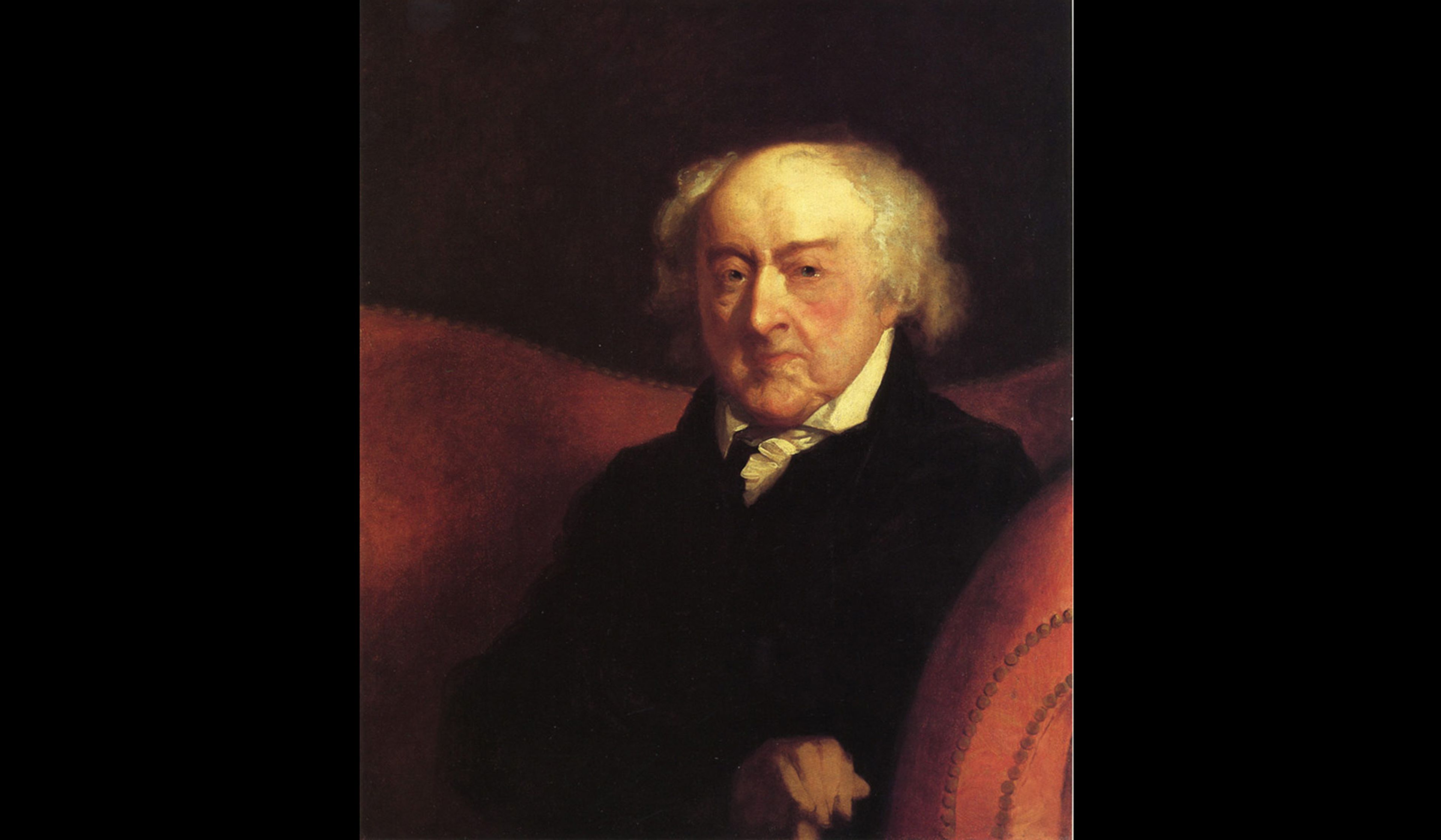
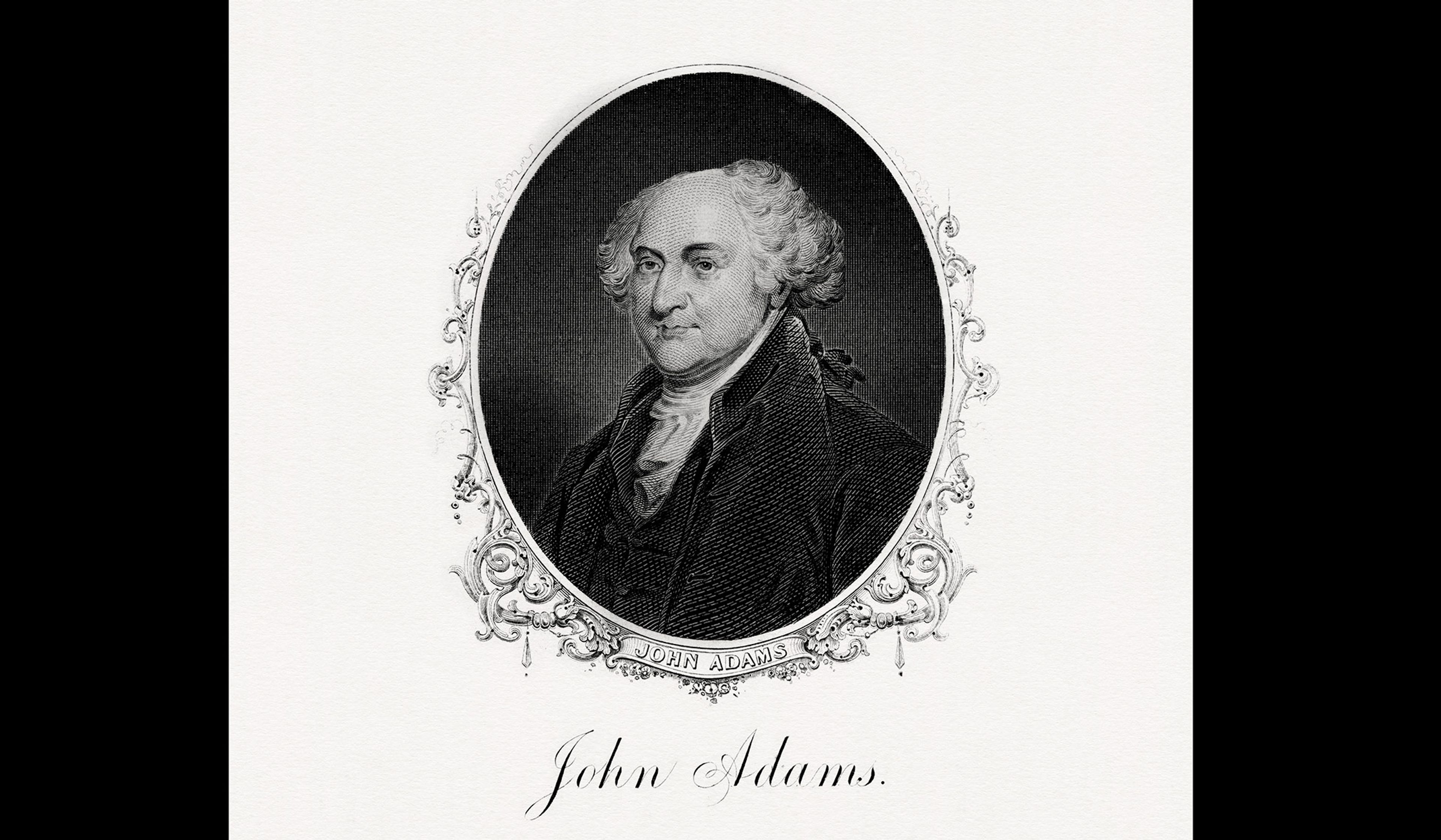
Detail of portrait of John Adams by Gilbert Stuart
National Gallery of Art
In 2020, as in 2016, the question of accepting defeat hangs over both sides. Trump, being temperamentally unsuited to concede anything, has declined to guarantee in advance that he would accept a loss. When Chris Wallace asked him, “Will you accept the election?” Trump answered, “I’ll have to see. I’m not going to just say ‘Yes.’ I’m not going to say ‘No.’” And once again, he is warning that an election may be rigged or unfair if he loses. Even in victory in 2016, he complained about voter fraud costing him New Hampshire, an assertion that nobody ever backed up. The first debate witnessed the unprecedented spectacle of an American president warning that we might not have a free and fair election. Trump is unlikely to actually barricade himself in the Oval Office, as critics predict, but he seems certain to greet any loss with charges that corrode faith in American elections.
Democrats, as in 2016, are in high dudgeon at the prospect that Trump might challenge the legitimacy of the expected Democratic victory. But the Democrats’ posture is drenched in hypocrisy. Democrats and their partisans have yet to accept the legitimacy of their defeats in 2000, 2016, or (in some quarters) 2004. “Stolen” elections, “stolen” Supreme Court seats, presidents “selected, not elected,” and “constitutional coups” will probably be the order of the day once again if Trump pulls another upset win. Just as in every election of the past two decades, Democrats are darkly warning that any Republican victory would be the result of voter suppression, foreign interference, the nefarious Electoral College, or anything and everything but the legitimate choices of the voters. Joe Biden himself warned one crowd, “The only way we lose this is by the chicanery going on with regard to polling places.”
Conspiracy theories abound. Polls have consistently shown, for example, that most Democratic voters believe that Russians actually changed the vote totals in 2016, an assertion as unsupported by evidence as anything Trump has ever said. Stacey Abrams became a Democratic folk hero by refusing to concede that she had lost an election for governor of Georgia in 2018, even when none of her complaints about the election could possibly account for the margin of her defeat. In a year that has seen extensive street violence arising out of left-wing protests, a repeat at the presidential level could pour gasoline on the flames.
Our elections are serious business, and their resolution has often carried life-and-death stakes. But the stakes of losing our exceptional American system are higher still. A system that settles such questions only at the ballot box is a blessing most of human history has lacked. The national agreement to carry on together as (in Lincoln’s words) our one, common country in defeat as well as in victory is a virtue we inherited from plain John Adams.











Comments