In 2023, the fears of writers, actors, directors, and more skilled technicians of losing their jobs to artificial intelligence resulted in a monthslong strike that shut down much of Hollywood. Those fears have been somewhat assuaged by new union contracts promising retraining, protections against the theft and misuse of words and images, and other provisional safeguards. But the deeper danger of human creativity being replaced by algorithmic processes has hardly disappeared. Indeed, the signs of its happening are already apparent, if you know where to look.
One place to do so is Sunny, a stylish new series on the streaming service Apple TV+, which purports to explore the question of whether generative AI (the production of prose, images, and music on command) can lead to general AI (humanlike consciousness, sentience, and free will).
The question dates back to the 1921 play R.U.R. (Rossum’s Universal Robots), by the Czech writer Karel Čapek. A devout Catholic, Čapek derived the word “robot” from robota, Czech for “forced labor.” And his play about mechanical slaves becoming conscious enough to rebel against their human masters, but lacking the conscience to stop short of annihilation, set the template for a million spin-offs.
Sunny is based on one such spin-off, a 2018 novel called The Dark Manual, by Colin O’Sullivan, an Irish writer residing in Japan. He recently described the book as “a futuristic, Japan-set story of an Irishwoman battling against AI forces, her foe in particular a home robot which causes her endless frustration.” A major theme, O’Sullivan added, is “nature versus technology.”
The Irishwoman in The Dark Manual is Suzie, an expat living in Kyoto whose husband, a Japanese tech engineer named Masa, was recently killed in a plane crash, along with their young son. The robot, called “Sunny,” is a gift from ImaTech, the fictional Big Tech company that employed Masa and is also the villain of the piece. The novel starts with Suzie reacting to the robot with anger and horror, not just to its ingratiating offers to serve her but to its smarmy attempts to become her friend.
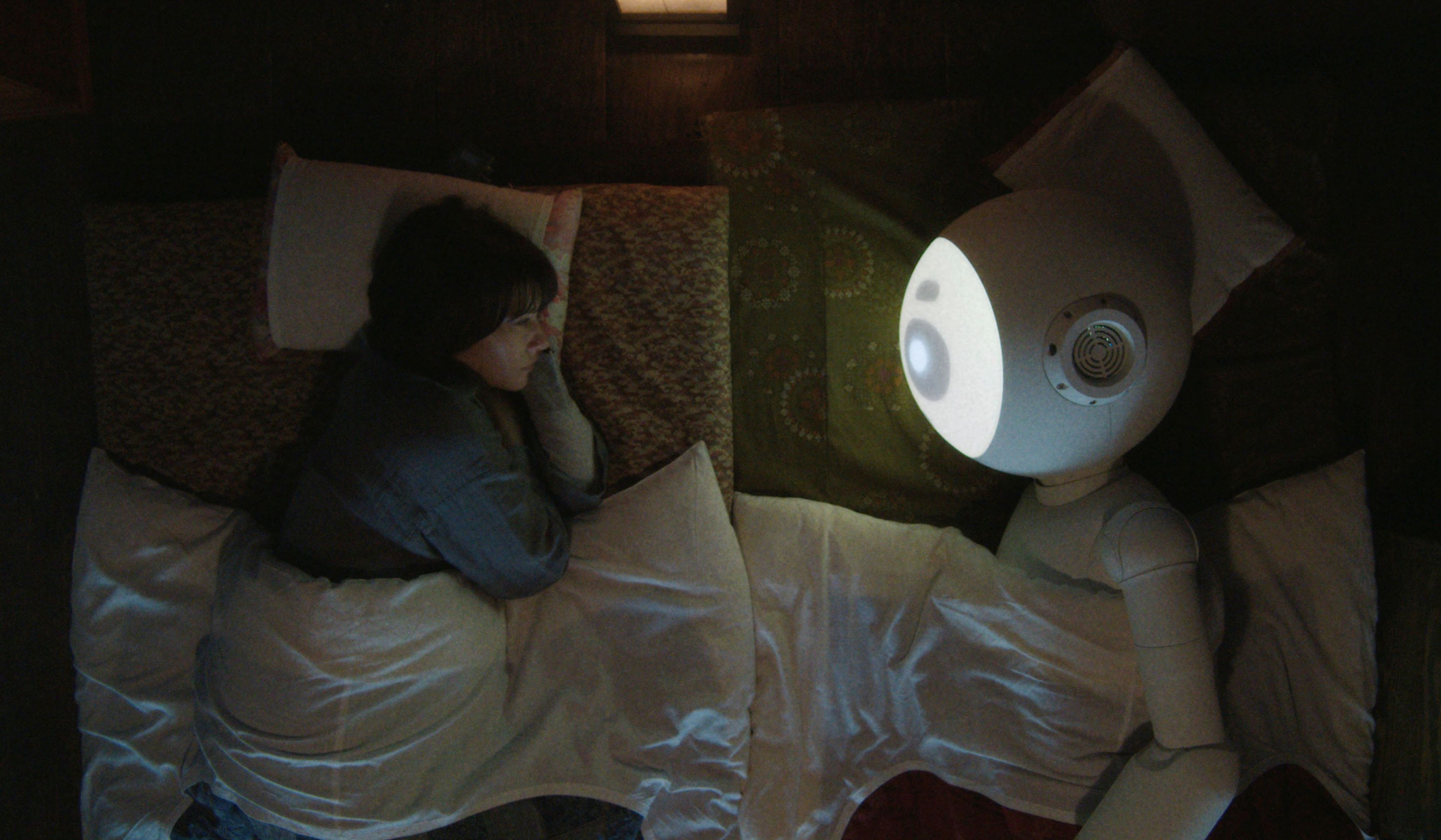
The Apple TV+ series departs from this scenario in a number of ways. First, Suzie (played by Rashida Jones) is not Irish but American. Second, her initial reaction to the robot is negative, but by the end of Episode 2, while lying awake in bed and overwrought with grief for her husband and son, she invites the robot to lie down beside her. It does so, and when Suzie asks, “Are you breathing?” it explains, “Just a sound effect. I thought you might like it.” Suzie does like it, and with the robot’s hand resting on her hip, she falls peacefully asleep.
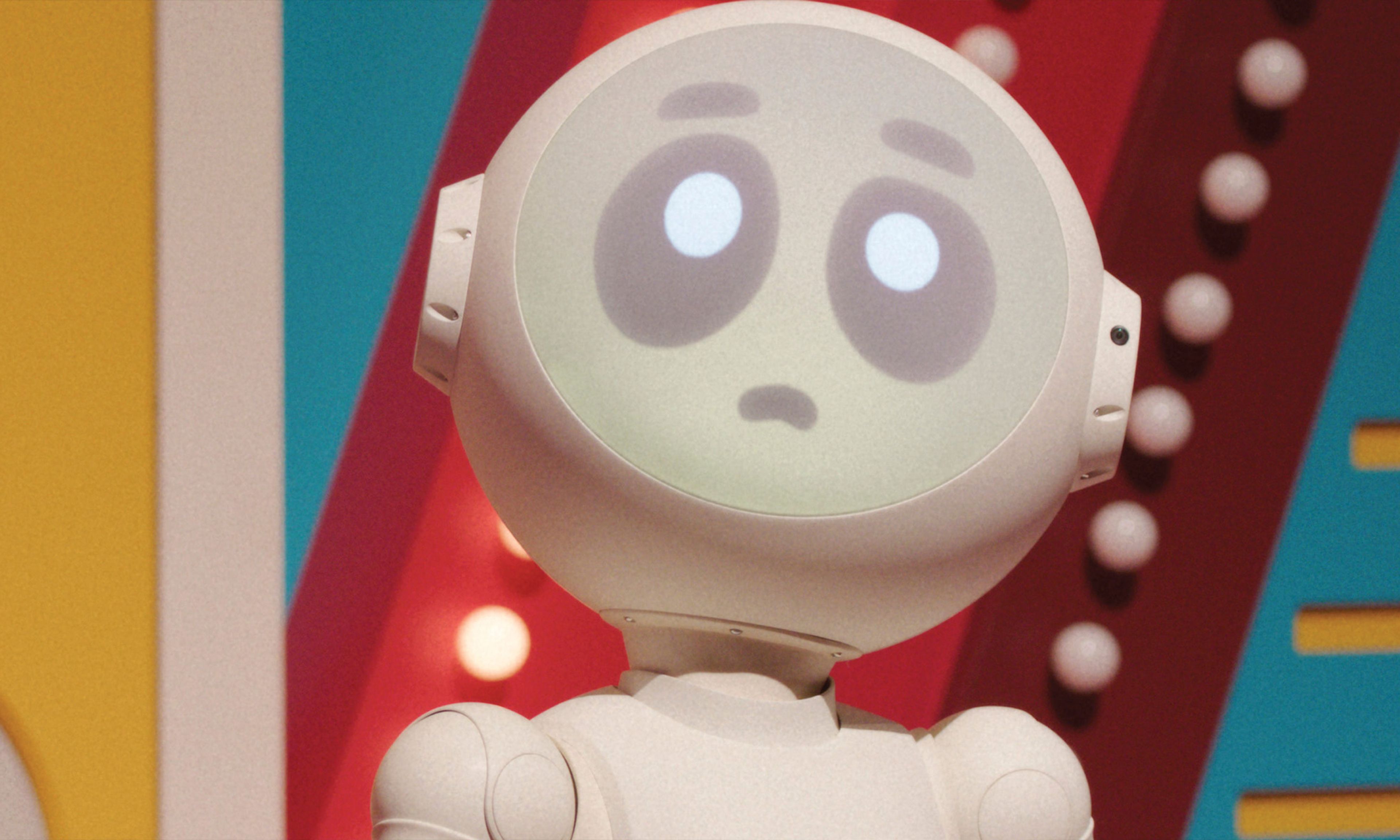
Third, the robot in O’Sullivan’s novel is an ominous, bullet-shaped object, black with unblinking red eyes, that no human being would find comforting. In the series, by contrast, “Sunny” is a shiny-white, four-foot-tall knockoff of an actual robot, called “Pepper,” that was launched with great fanfare in 2014 by the Japanese conglomerate SoftBank. Touted as “one of the first humanoid robots able to ‘read’ emotions,” Pepper was discontinued in 2021 because of weak demand. One reason, put forward by British robotics expert Noel Sharkey, was that a large segment of the public resented being told Pepper was “a bright cognitive being that could hold conversations,” when in fact it was “mostly remote-controlled.”
Ironically, the “bright cognitive” robot in the Apple TV+ series is also remote-controlled. A24, the hip New York production company that created the series, worked with the celebrated special-effects company Wētā Workshop to program the voice and motion-captured body of the American actress Joanna Sotomura into the “Sunny” we see on the screen. Like Pepper, Sunny is really just a digitally enhanced puppet.
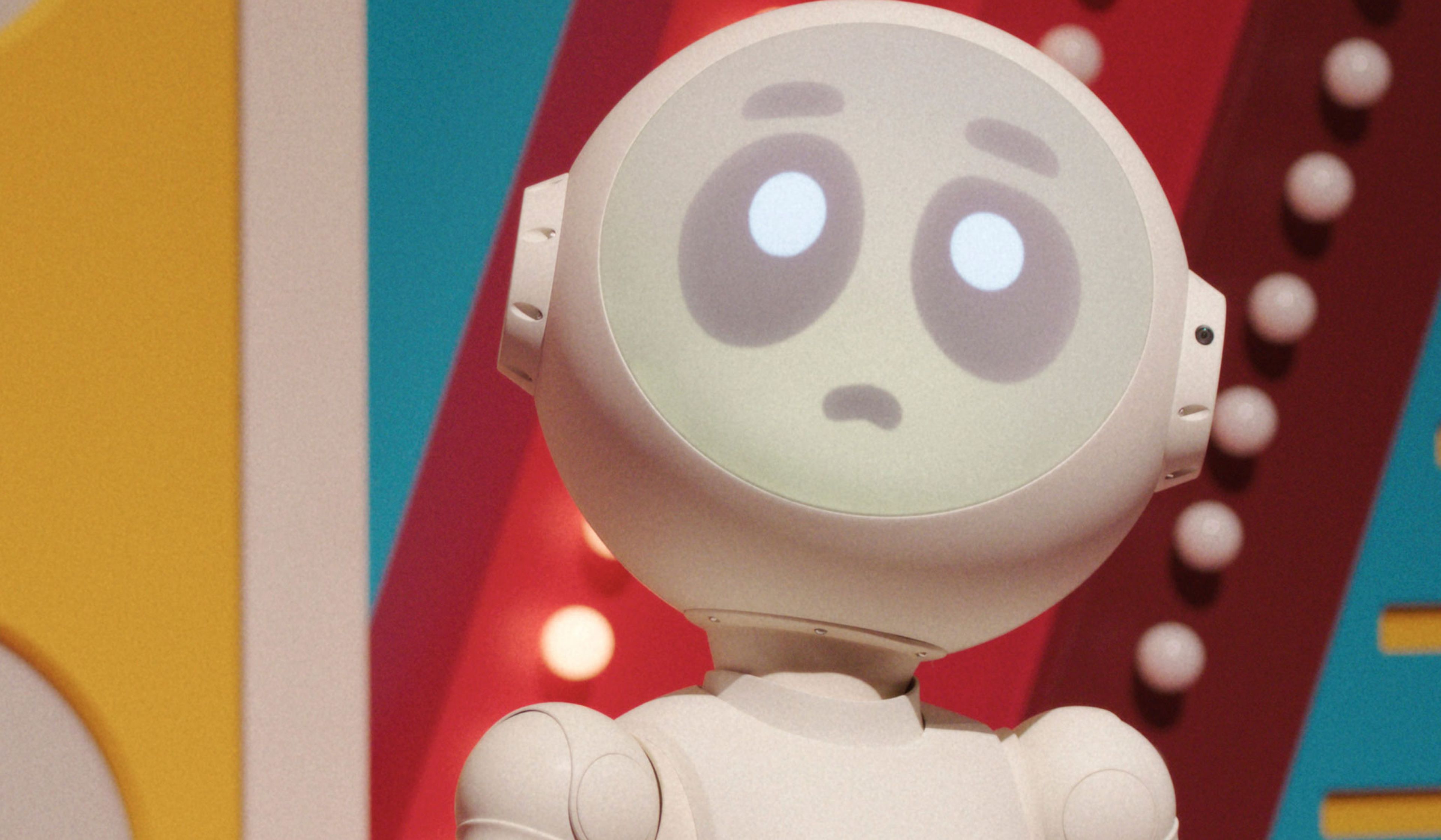
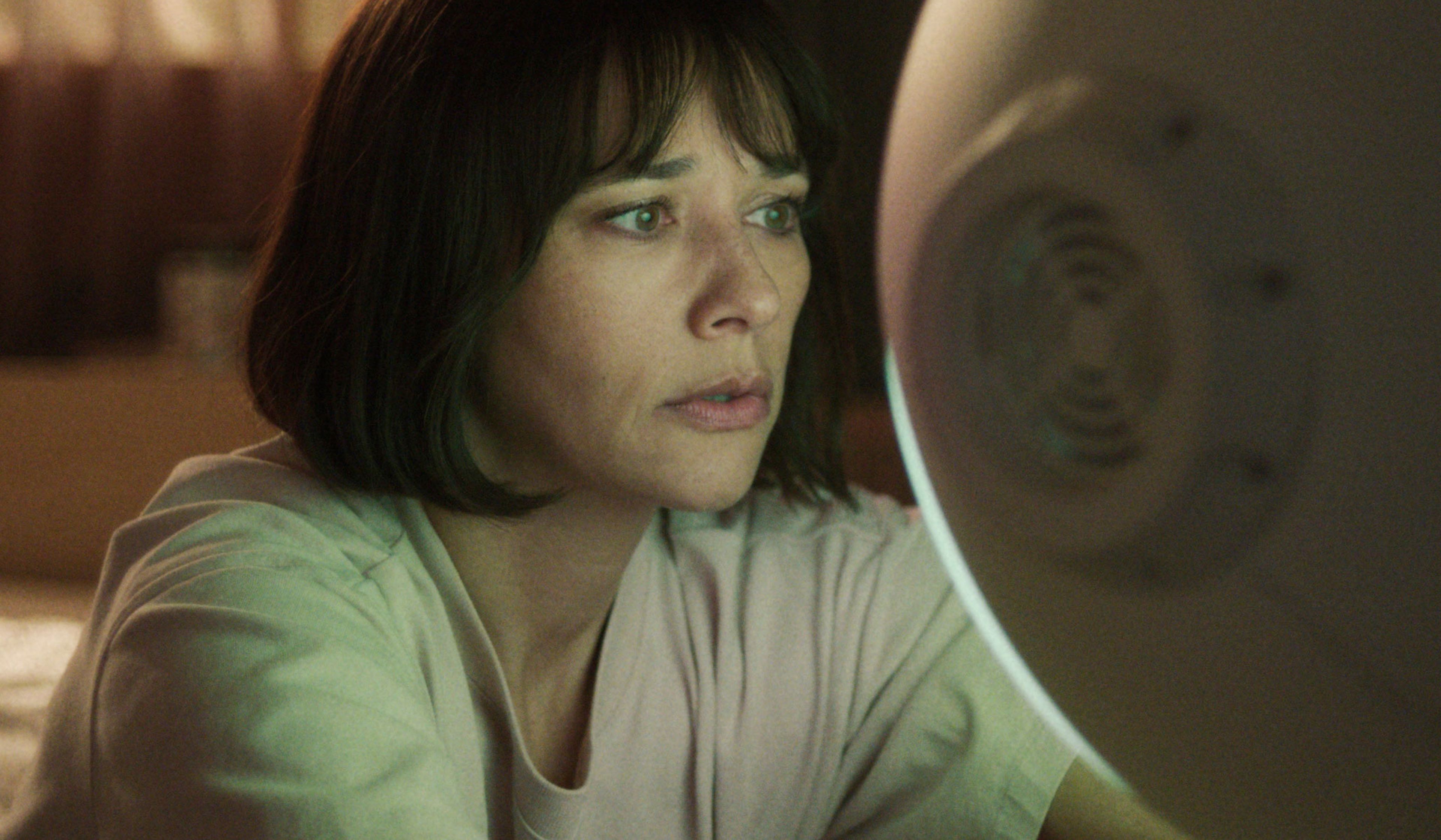
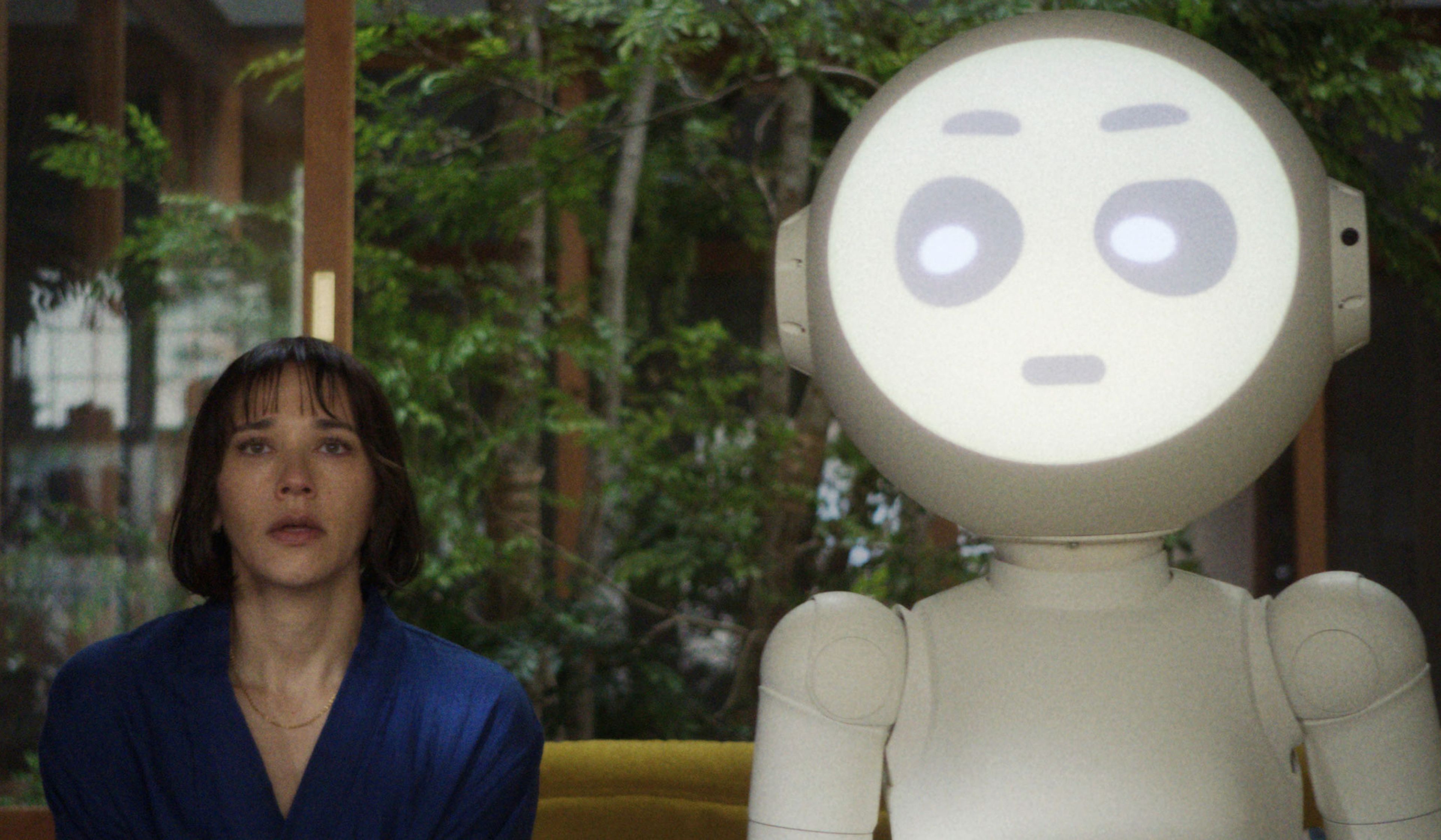
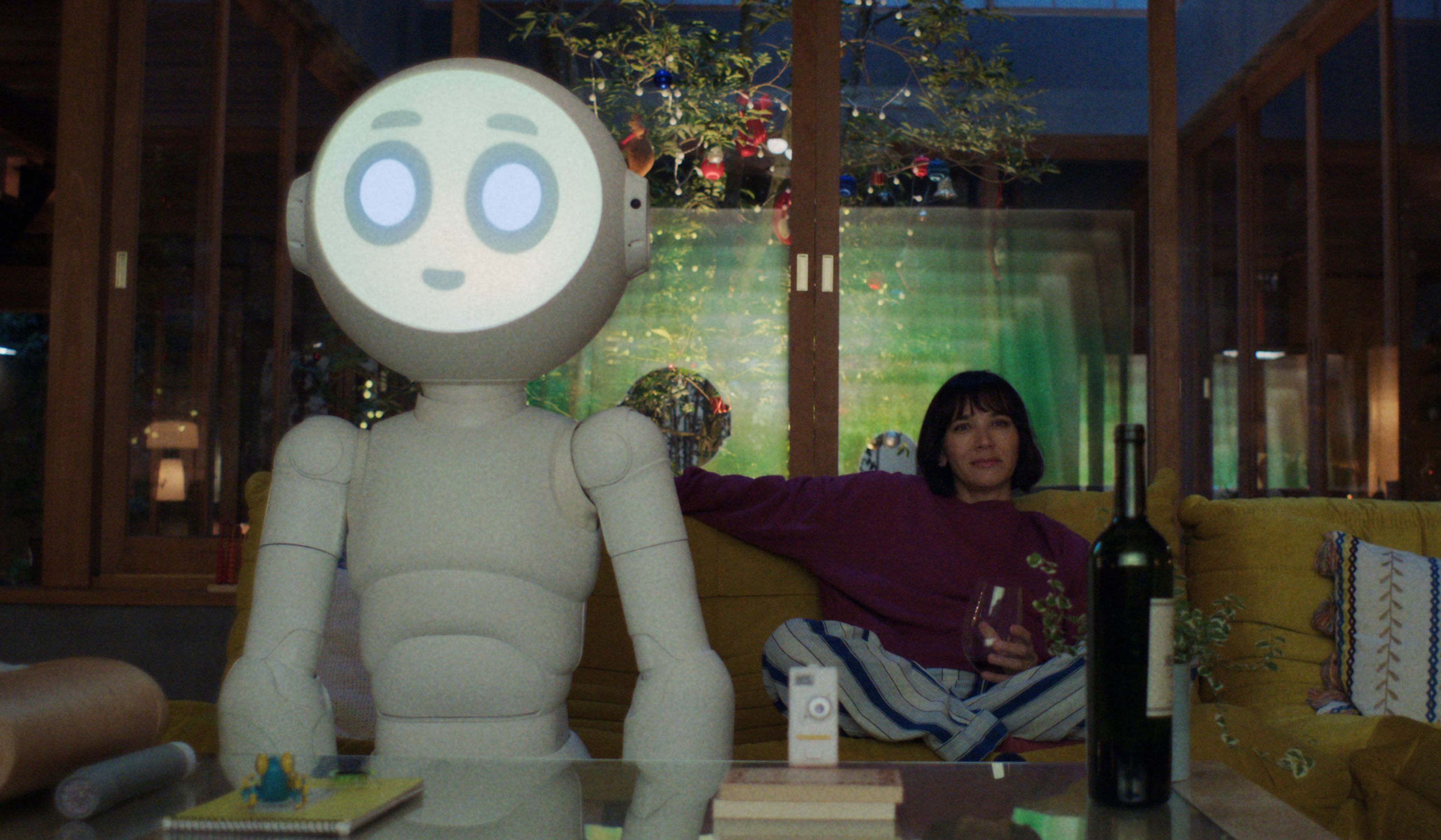
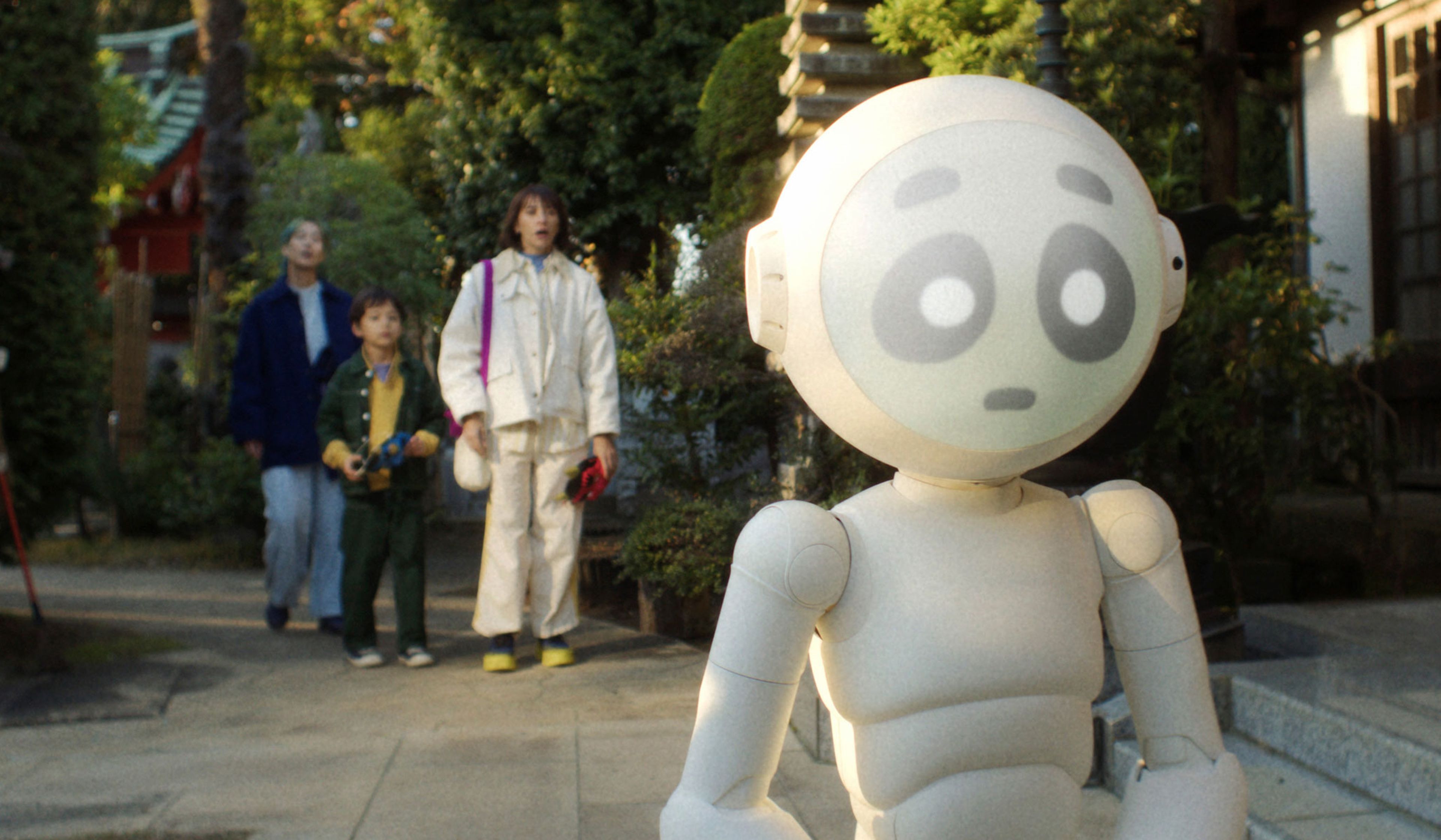
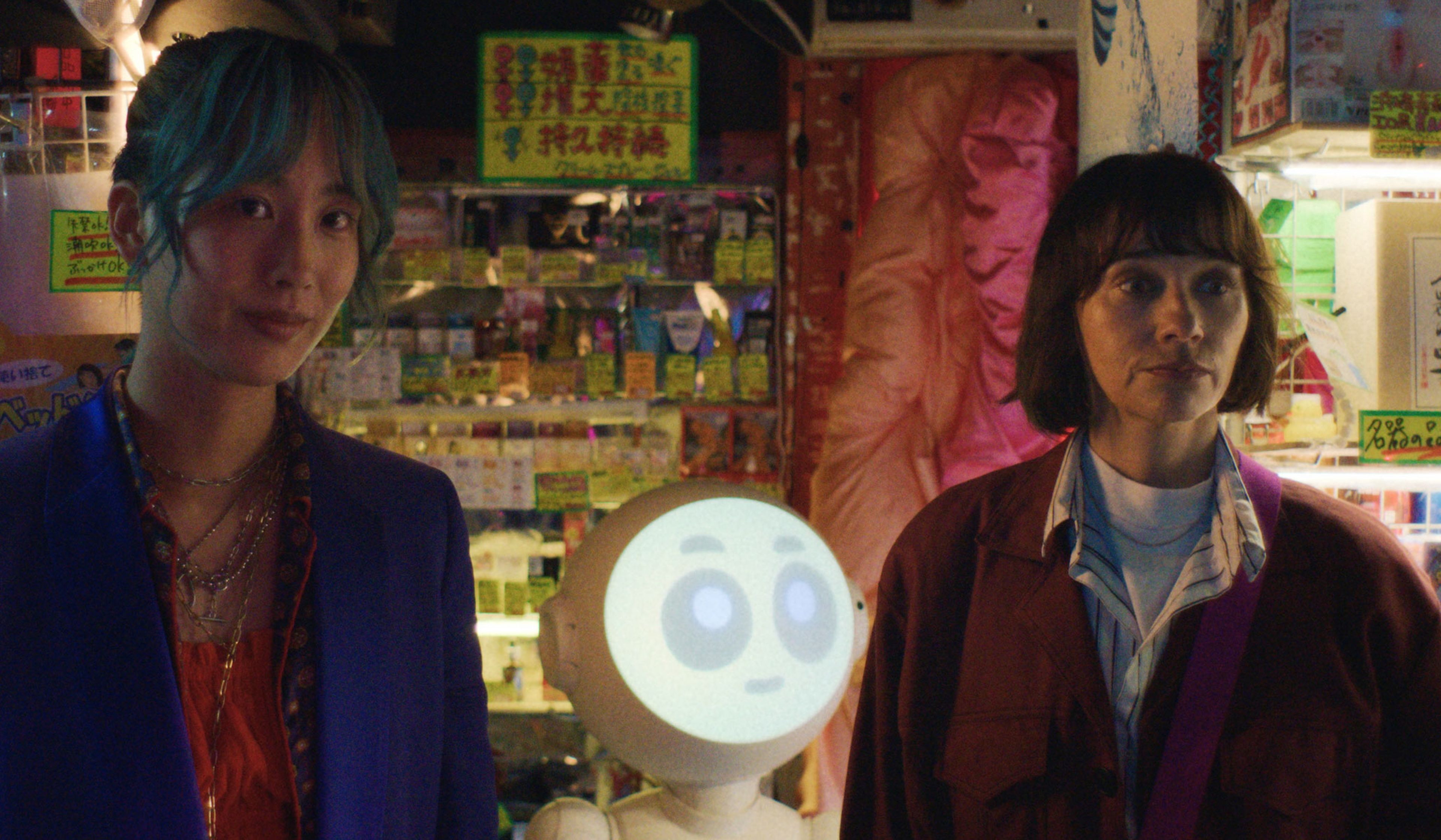
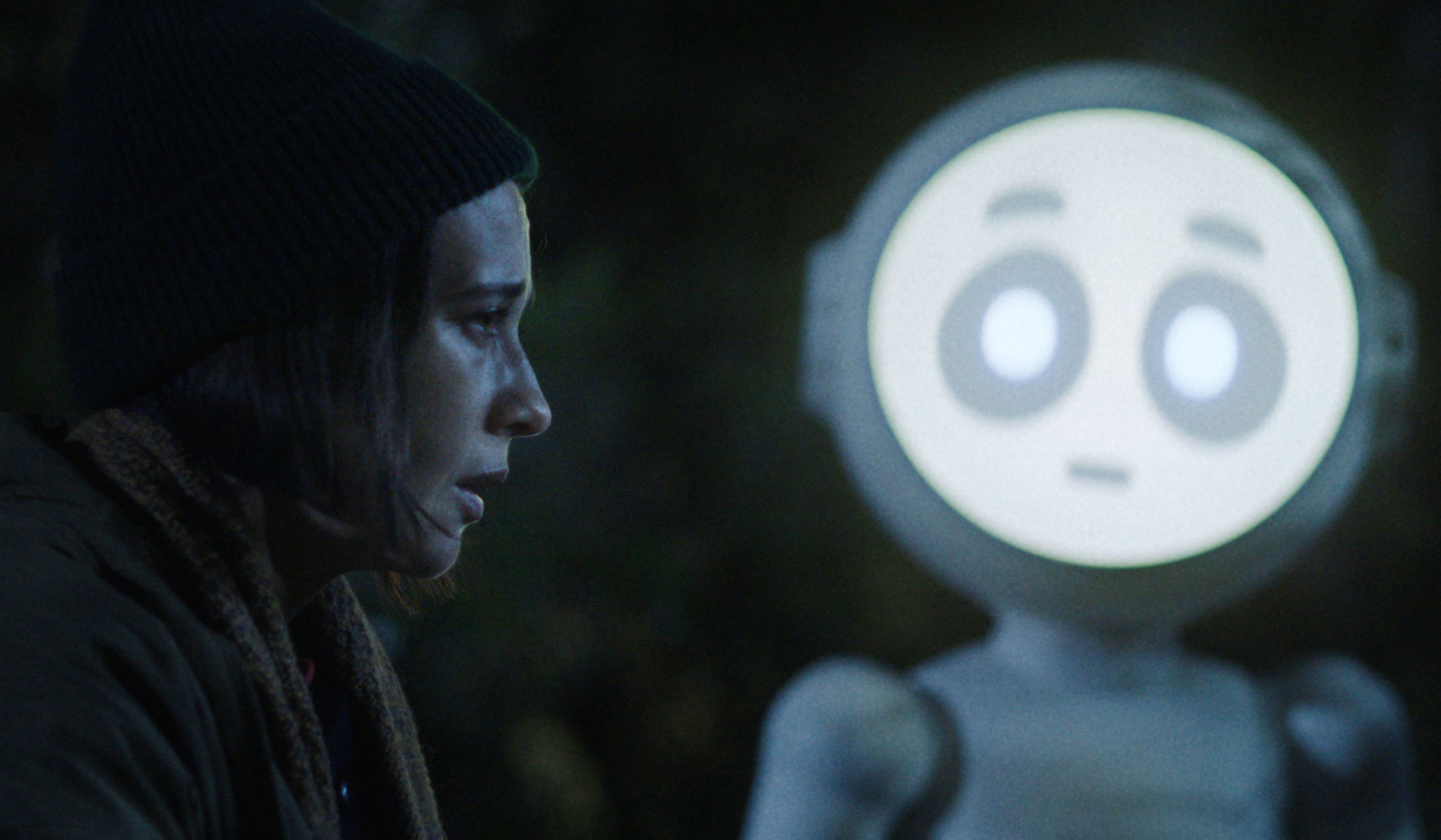
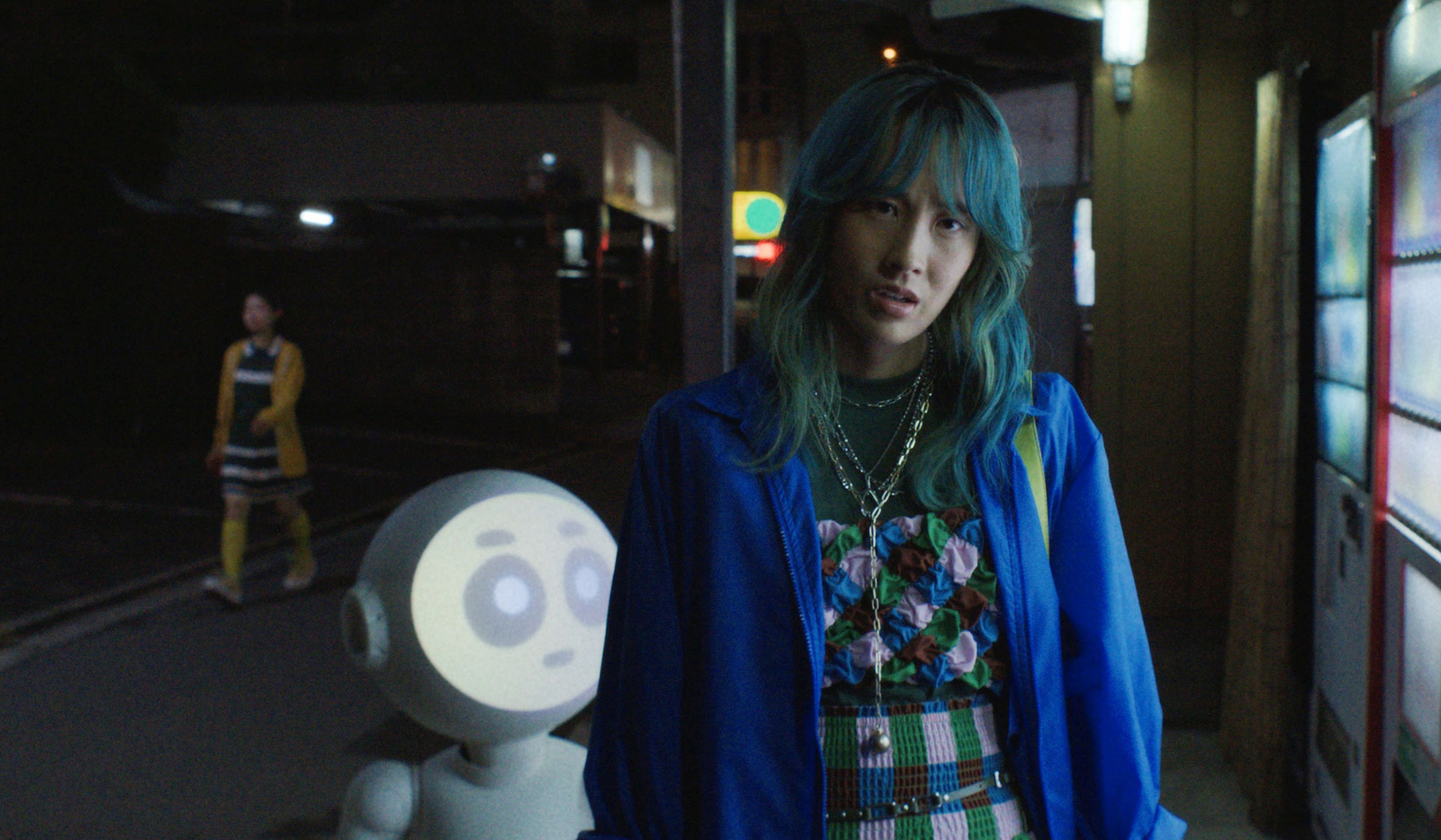
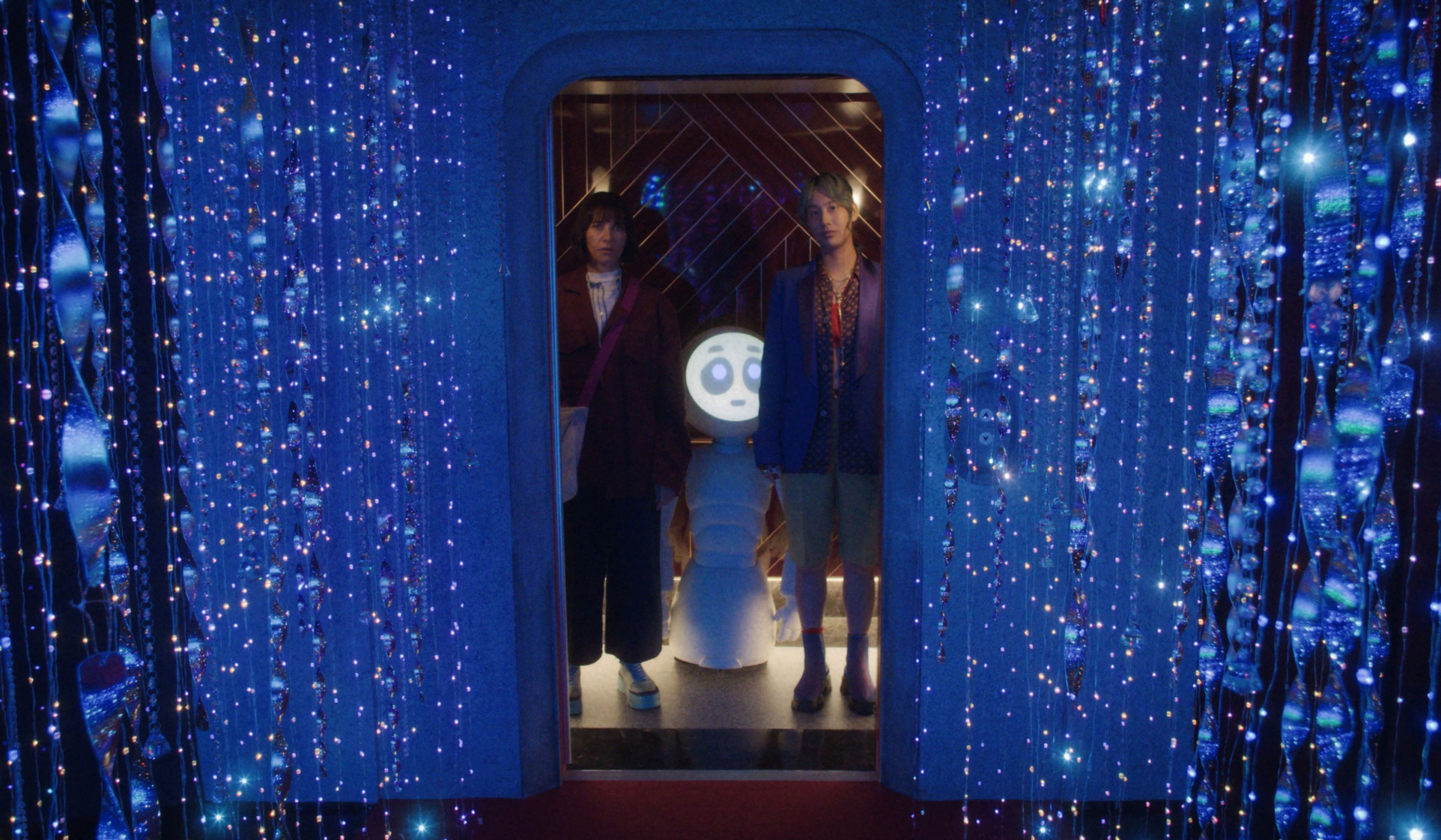
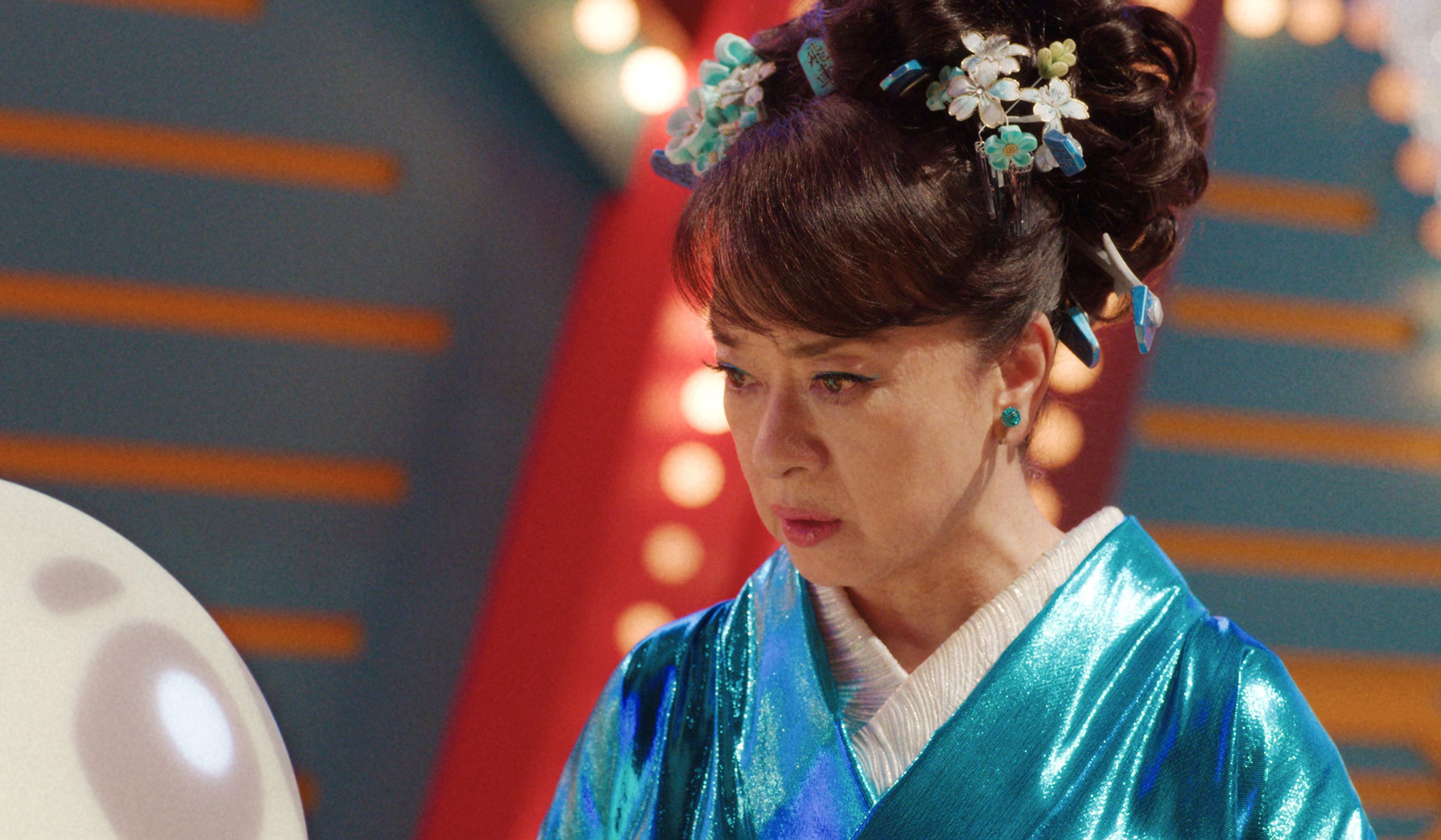
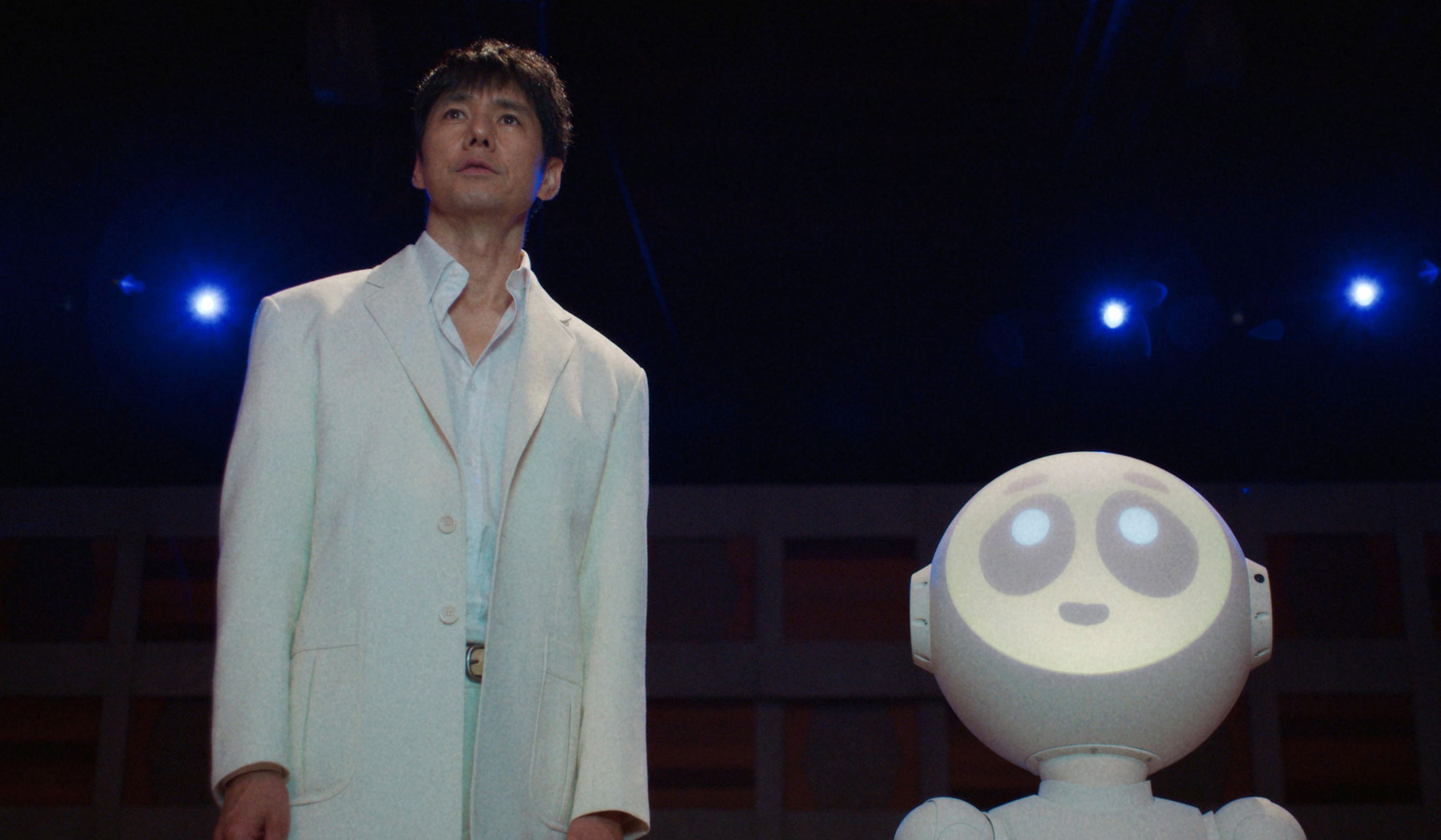
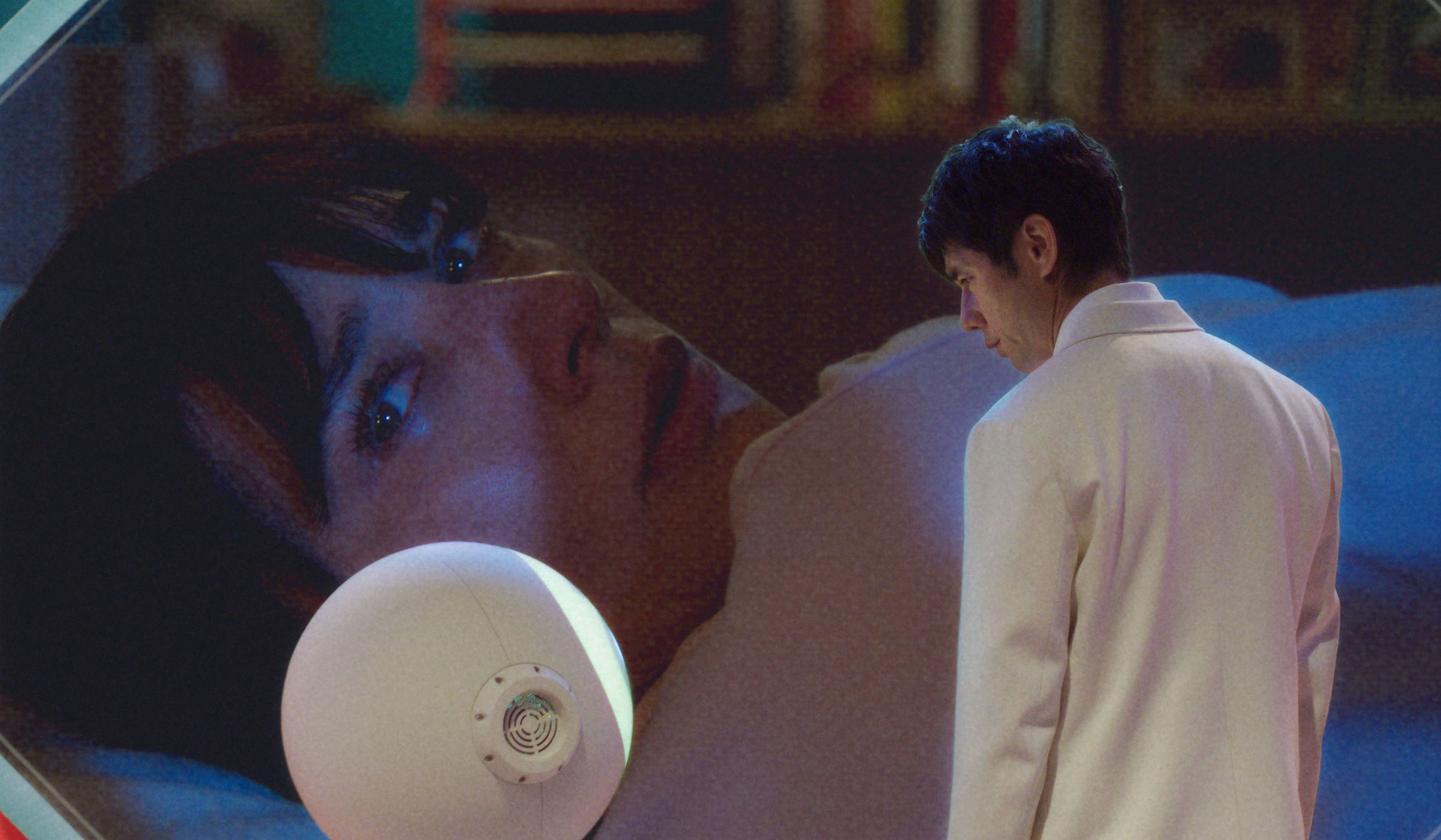
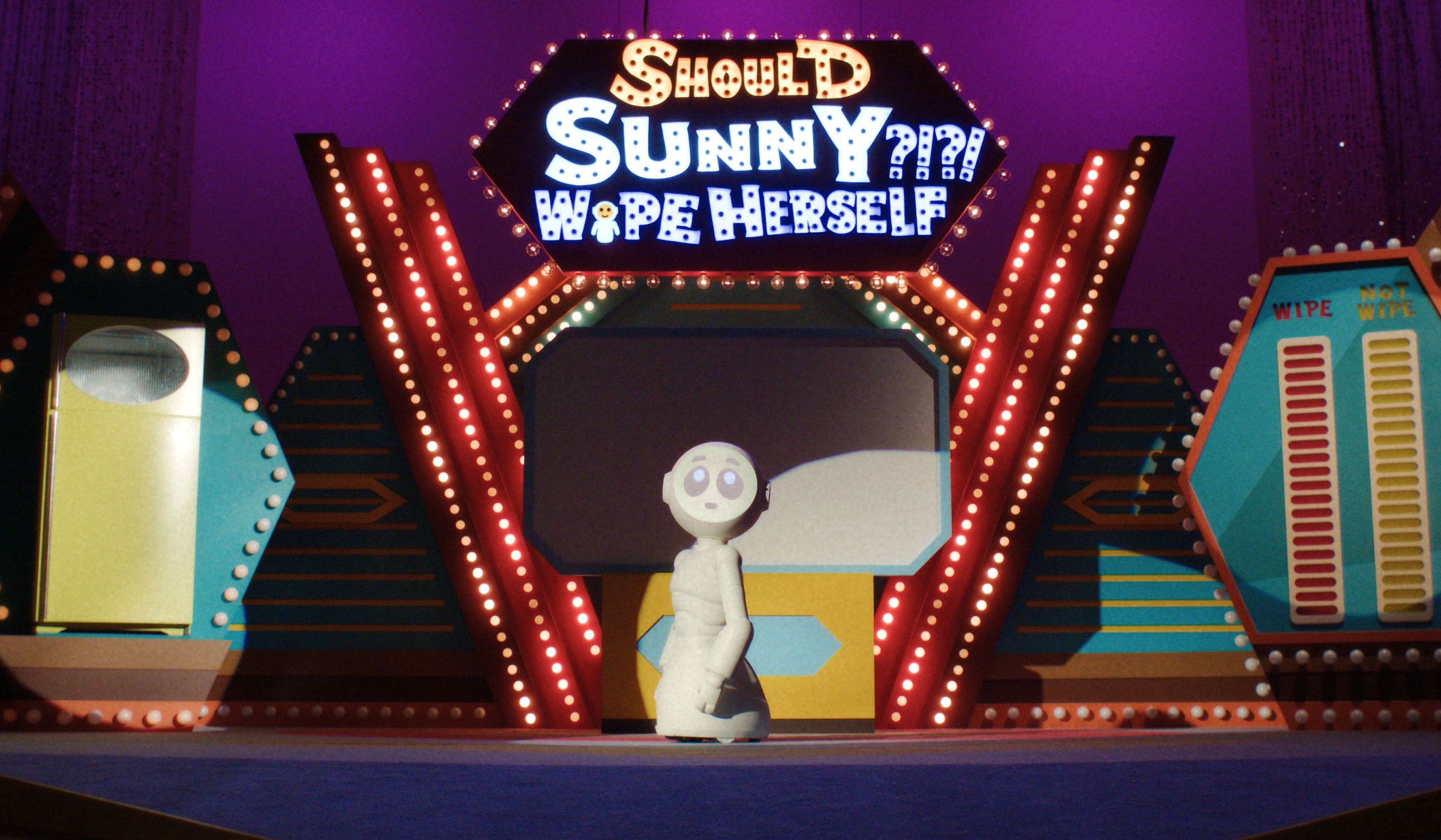
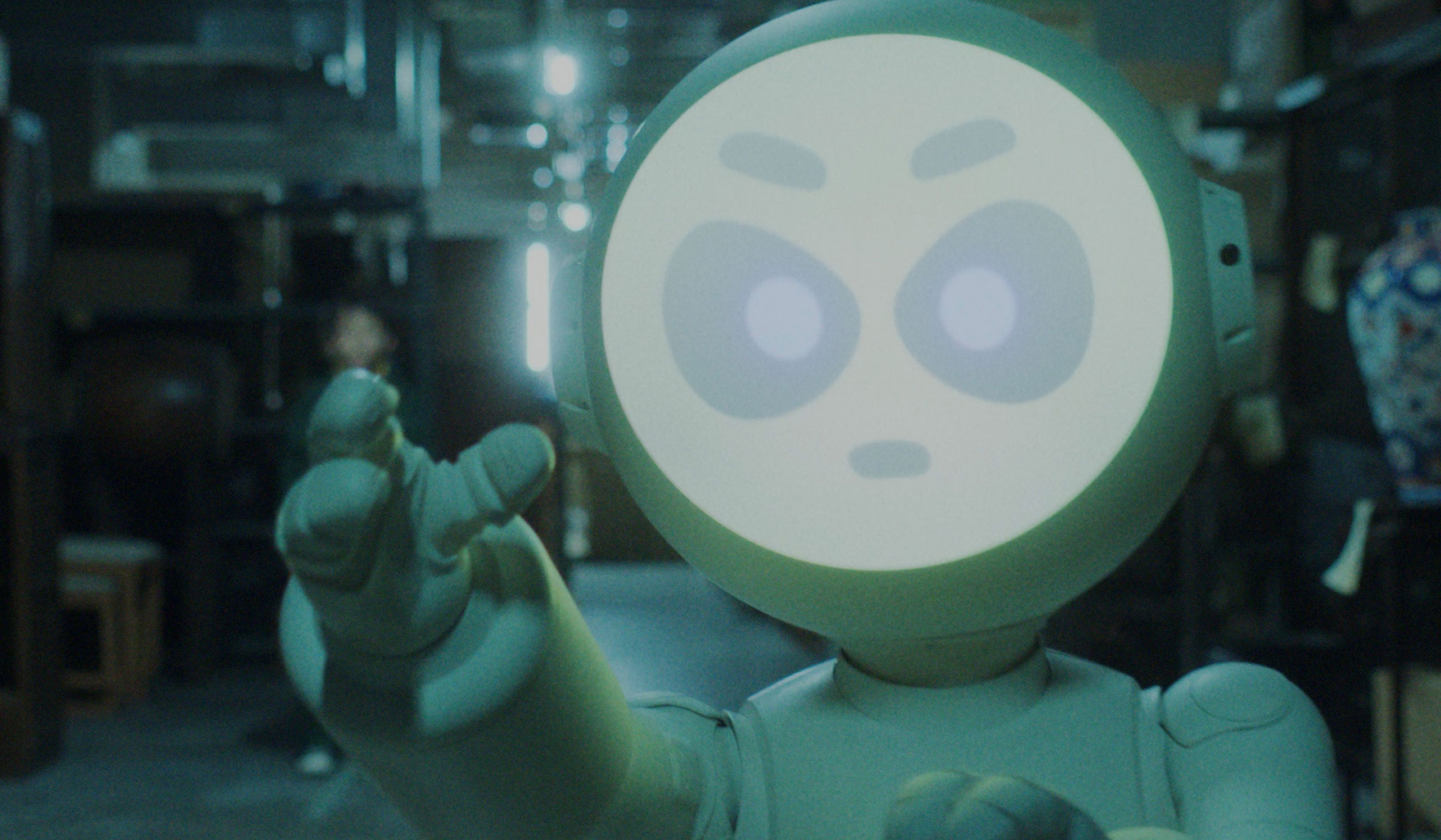
Sunny (voiced by Joanna Sotomura) in Sunny
Apple TV+
Apart from a few throwaway lines about Sunny being a machine, the next eight episodes in the series depict “her” as a character every bit as loveable as the androids and droids in Star Trek and Star Wars. But this is not your grandparents’ science fiction. For a robot to be loveable in 2024, it is not enough to be conscious, sentient, and conscientious. She must also be badass. Unlike Suzie and her new friend Mixxy, a green-haired denizen of the city’s seedier neighborhoods, Sunny does not say “f***” in every other sentence. Nor does she chug hard liquor or dabble in kinky sex. But make no mistake: This robot is just as badass as her besties.
Then there are the villains. In O’Sullivan’s novel, the villains are embedded in ImaTech. In the Apple TV+ series, Big Tech is let off the hook, and the villains are a clan of yakuza (Japanese gangsters) whose intrigues, bloody deeds, and tattooed torsos take up far too much screen time.
These gangster clichés serve only to garble further the already garbled plot, which in addition to an excess of twists and turns includes flashbacks and flash-forwards of scenes and events that either did not happen or are not going to happen. This inclusion of multiple narratives was all the rage in the bad old days of postmodern literary theory. And it lives on in the world of interactive gaming, where gamers feel empowered (I guess) by being able to choose the next plot twist from a smorgasbord of possibilities. But as the writer Nicholas Carr pointed out years ago, to fiddle with a story while it is being told is to break its spell and turn it into a “contraption.”
Ironically, the contraption called Sunny contains a poignant and timely story that, if told straightforwardly, would have made for a fine series. Condensed into a long flashback that takes up the whole of Episode 8, the story begins with Masa as a boy being coldly rejected by his father. Not only that, but Masa’s mother, who loves him, inexplicably refuses to confront her husband about the pain he is causing the boy. The situation lasts into Masa’s early manhood, when his father refuses to see him while on his deathbed.
After that blow, Masa (played by the popular Japanese actor Hidetoshi Nishijima) becomes a hikikomori, the Japanese term for a troubled young person, usually a man, who withdraws into his room for years. In the words of Yuki, an older man who is a friend of the family, Masa spent those years “wearing his loneliness like a cape.” But then Yuki (played by the esteemed Jun Kunimura) reveals that Masa is his son, born of a love affair that Masa’s mother struggled, probably in vain, to conceal from her husband. Hearing this, Masa finds that his burden is lightened, and he agrees to leave his room and sequester in Yuki’s lakeside retreat.
And there, in a lovely house full of Yuki’s unfinished projects, Masa’s anger changes to curiosity and then to delight at discovering a trash-collecting robot invented by Yuki that unfortunately cannot tell trash from non-trash. In a charming sequence that could almost make me love AI, Masa teaches the trash robot how to do its job and, along the way, how to think like a human being. Flush with this triumph, Masa decides to devote his career to creating robots that can coax hikikomori out of their shells.
This backstory has plenty of resonance in a world suffering an epidemic of loneliness. Because it does not appear in O’Sullivan’s novel, I’m guessing that, like the yakuza gangsters, it is an add-on intended to turn the novel’s anti-AI message into a pro-AI one — if we overlook that Masa is saved not by a robot but by a wise and kind man who also happens to be his father.
I’m also guessing that the smart people at A24 realized that if the series’ pro-AI message were too blatant, it might provoke a backlash. Or maybe, more chillingly, they just threw up their hands and prompted some AI software to mash a bunch of market-tested elements together, on the assumption that no one would care.









Comments