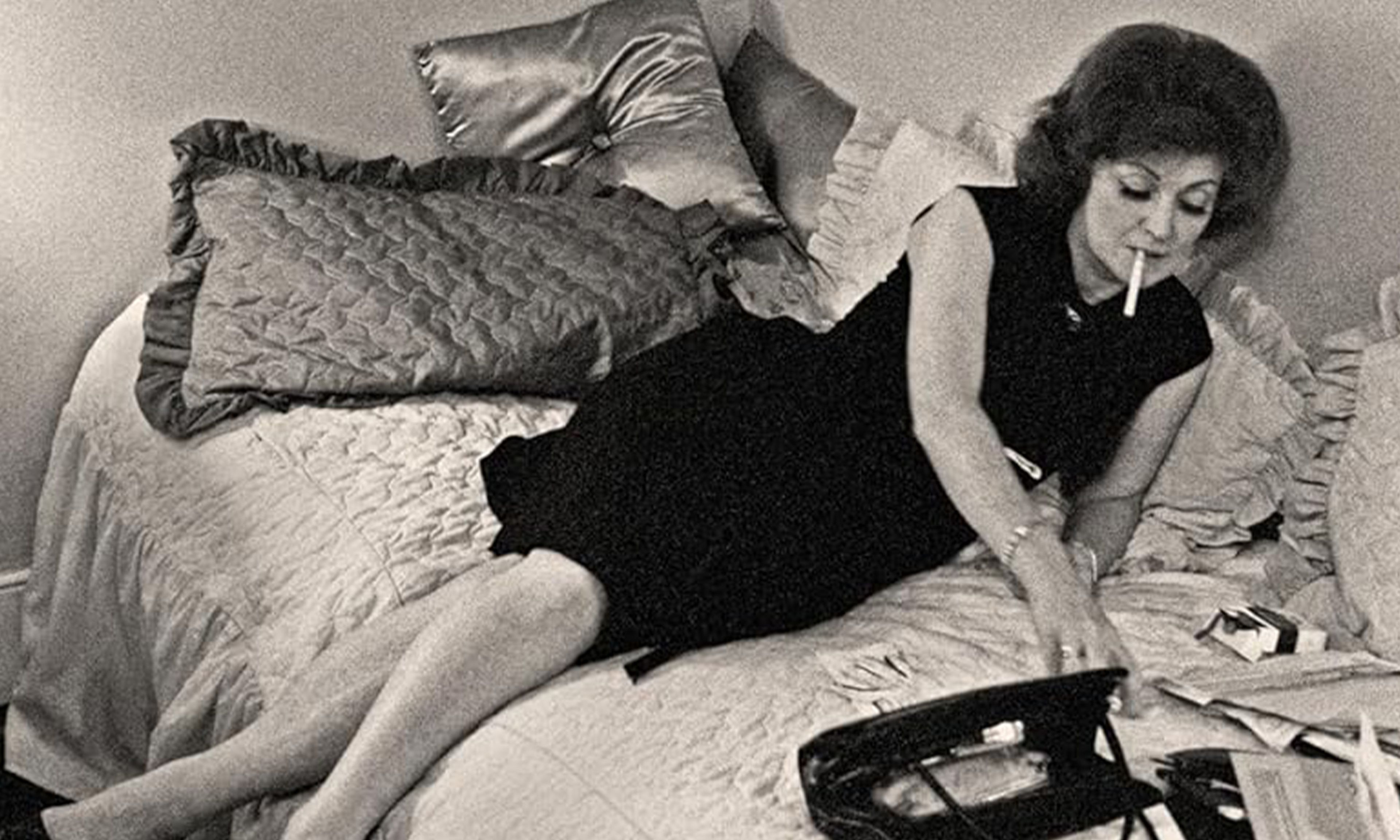
Among the literary arts, biography occupies an anomalous position. Many esteemed examples of the genre are written in workmanlike prose; they are highly regarded for their comprehensiveness (think multivolume bios of not only political figures but also writers, painters, and the like) and for their insights into the subject’s character and influence. Much less common are biographies that are themselves artful, sentence by sentence as well as in their grand conception. I can’t think of any biography I’ve read over the decades that achieves this as boldly, as provocatively, as Frances Wilson’s Electric Spark: The Enigma of Muriel Spark. (The repetition of “Spark” here is clumsy, to my ear, in a way that’s quite uncharacteristic of the book. The Farrar, Straus and Giroux edition is titled Electric Spark: The Enigma of Dame Muriel.)
Addicted readers of the genre will not be surprised; they will have read Wilson’s The Ballad of Dorothy Wordsworth: A Life (2008) and Guilty Thing: A Life of Thomas De Quincey (2016), two of the most striking literary biographies of the last quarter century. But in Electric Spark, there’s a new element: Wilson jousts with her formidable subject. This isn’t merely my projection; read a few pages and it will be unmistakably clear. And she earns the right to do so: “The ability of the man [or woman] justifies the presumption,” as Ezra Pound said (and never mind the dubious context in which he made this observation). But is it fair for a biographer to do this when her subject can’t fight back? You will form your own judgment.











Comments