‘What’s Birth Choice?” an Uber driver in Dallas asked me as we passed two signs, side by side, one to an abortion clinic, one to the pro-life ministry I was headed to. The tone of our previously friendly conversation had quickly changed. I explained that Birth Choice offers women and girls alternatives to abortion. “What alternatives?” he asked sharply. “Are they going to walk with the girl for 18 years?”
He’d be surprised. Many are willing to, if the woman can just be reached to offer help.
The front lines of the pro-life movement are one of the best-kept secrets in America. Beyond protest signs and prayer vigils, women and children are met where they are, loved, and cared for. With the passage of the Texas heartbeat bill and the Supreme Court set to hear Dobbs v. Jackson Women’s Health Organization, people are talking about the prospect of a nation no longer ruled by the insidious Roe decision. Women and girls need to know there are alternatives to abortion, loving communities around the country dedicated to giving them better options. (As chairman of Cardinal Timothy Dolan’s Pro-Life Commission in New York, I work closely with some of the ministries named in this piece.)
Maureen and Tim Cook are among those going about this quiet work. They regularly welcome children for respite care, for a few days or for weeks, to their New Jersey home, which is just suburban enough to be an exotic discovery for city kids who know nothing of swimming or bike-riding or the glories of nature. They carry on the work begun by Maureen’s parents, who would regularly take in pregnant women and mothers, some of them fleeing domestic violence, in need of a bed and safety and security. Her family didn’t have a lot growing up, but they knew they had love to share.
I was introduced to the Cooks by Sister Magdalene Teresa, S.V., of the Sisters of Life. Founded 30 years ago, the Sisters are a Catholic community of women religious, with over 100 sisters in the New York metropolitan area, Toronto, Philadelphia, Denver, Phoenix, and Washington, D.C., who take the usual vows of poverty, chastity, and obedience. They also take a unique fourth vow: “to protect and enhance the sacredness of every human life.” For almost two decades, Sister Magdalene has been at the helm of the Sisters’ Visitation Mission in Lower Manhattan, where the Sisters frequently meet abortion-minded pregnant women and girls.
Sister Magdalene is awed by the families willing to regularly open their homes to mothers and their children for temporary care and support. With a network of 20,000 co-workers across the United States and Canada, the Sisters regularly call upon about 3,000 of the most actively involved, whether it’s to accompany a woman to a doctor’s appointment or help her find a bed or offer long-term friendship and mentorship. “It’s a few more peas in the soup, a little more spaghetti in the pot — let’s just make this work,” Maureen Cook’s mother would always say.
If you stop by the Visitation Mission during the day, you will encounter women who have turned to the Sisters more than once. A few months ago, when I did just that, there was a mom with a toddler and an infant. She had seriously considered abortion in both pregnancies. But the love of the Sisters makes life possible. And when the moms visit in subsequent weeks, months, and years after birth, there is a deep and abiding affection, along with the material supplies that lift some of the financial burden of single motherhood. During the height of the COVID-19 shutdowns, through a generous ongoing donation from Goya Foods, the Sisters were able to make food deliveries to families.
The Sisters of Life convent in midtown Manhattan is a place where pregnant mothers, and mothers with their babies, can live until they are ready to leave on solid footing. The Sisters’ work extends beyond preventing abortion and other threats to human life. They have been known to take teens who lived with them as infants on college visits. Sister Virginia Joy, S.V., who runs the Archdiocese of New York’s Respect Life office, recently hosted a “feminine genius” brunch for women on the topic of mercy. The Sisters want all human beings to know they were made by love, for love. I call the Sisters of Life our pro-life credibility. But they are far from alone.
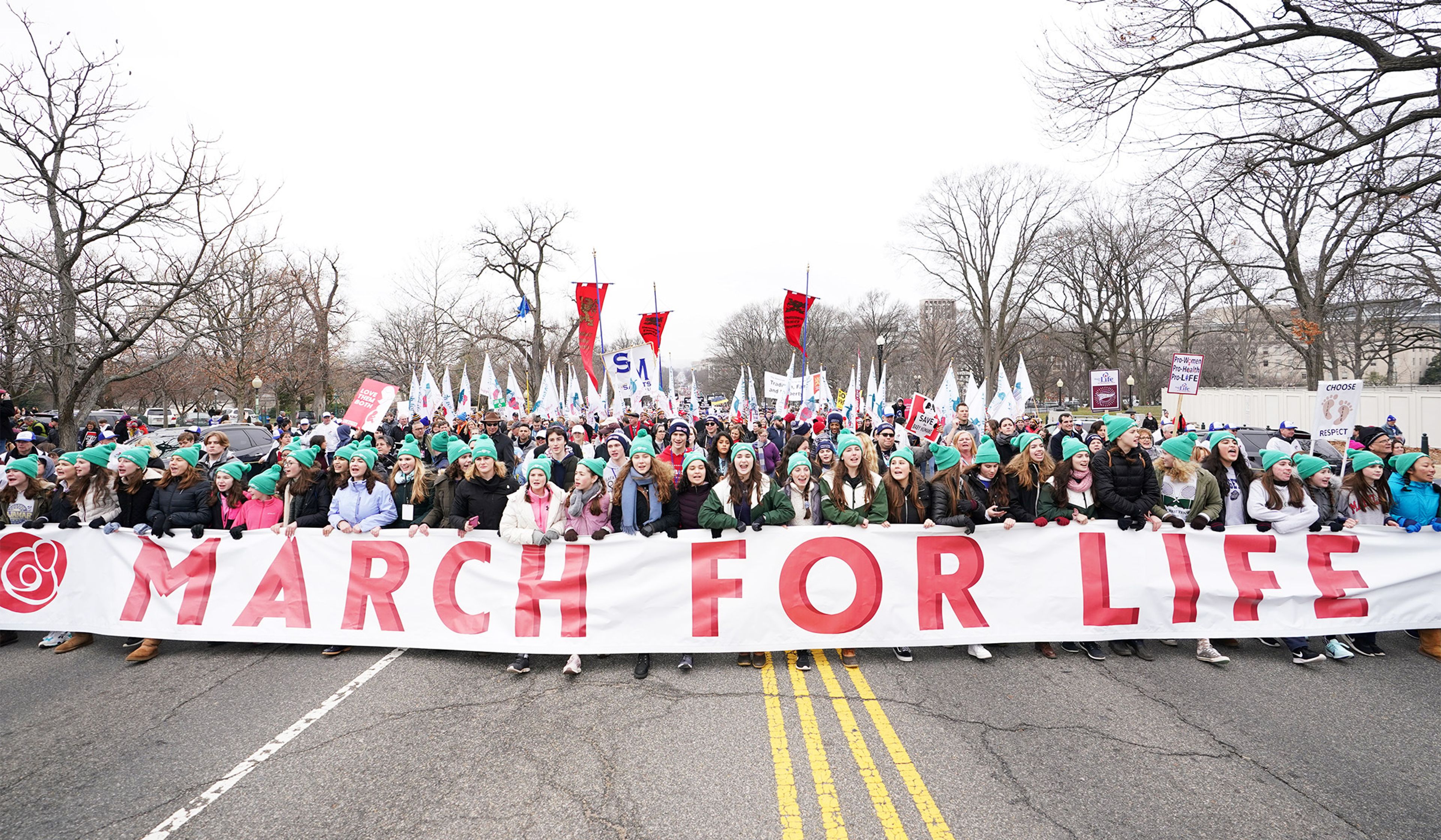


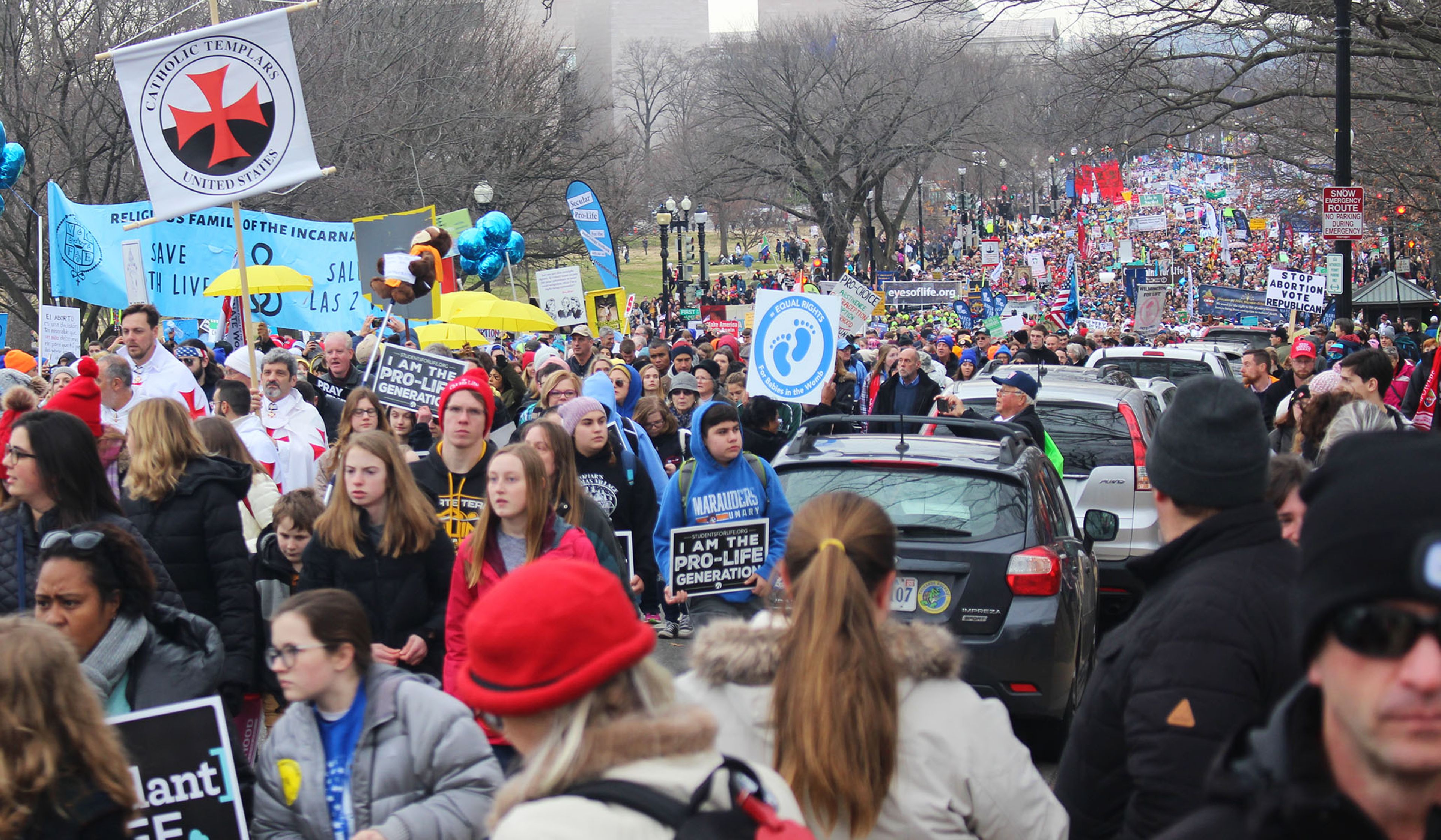
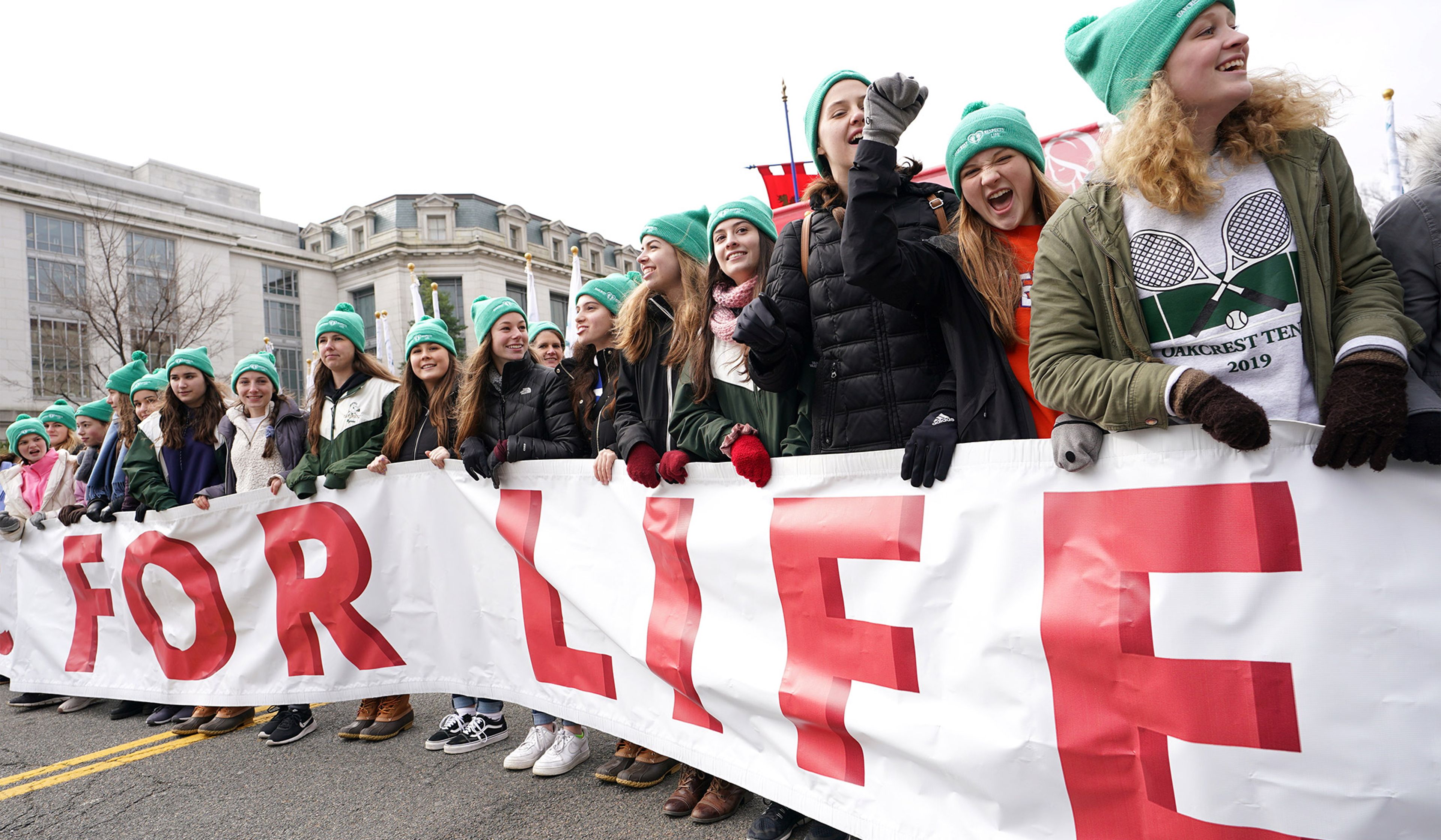
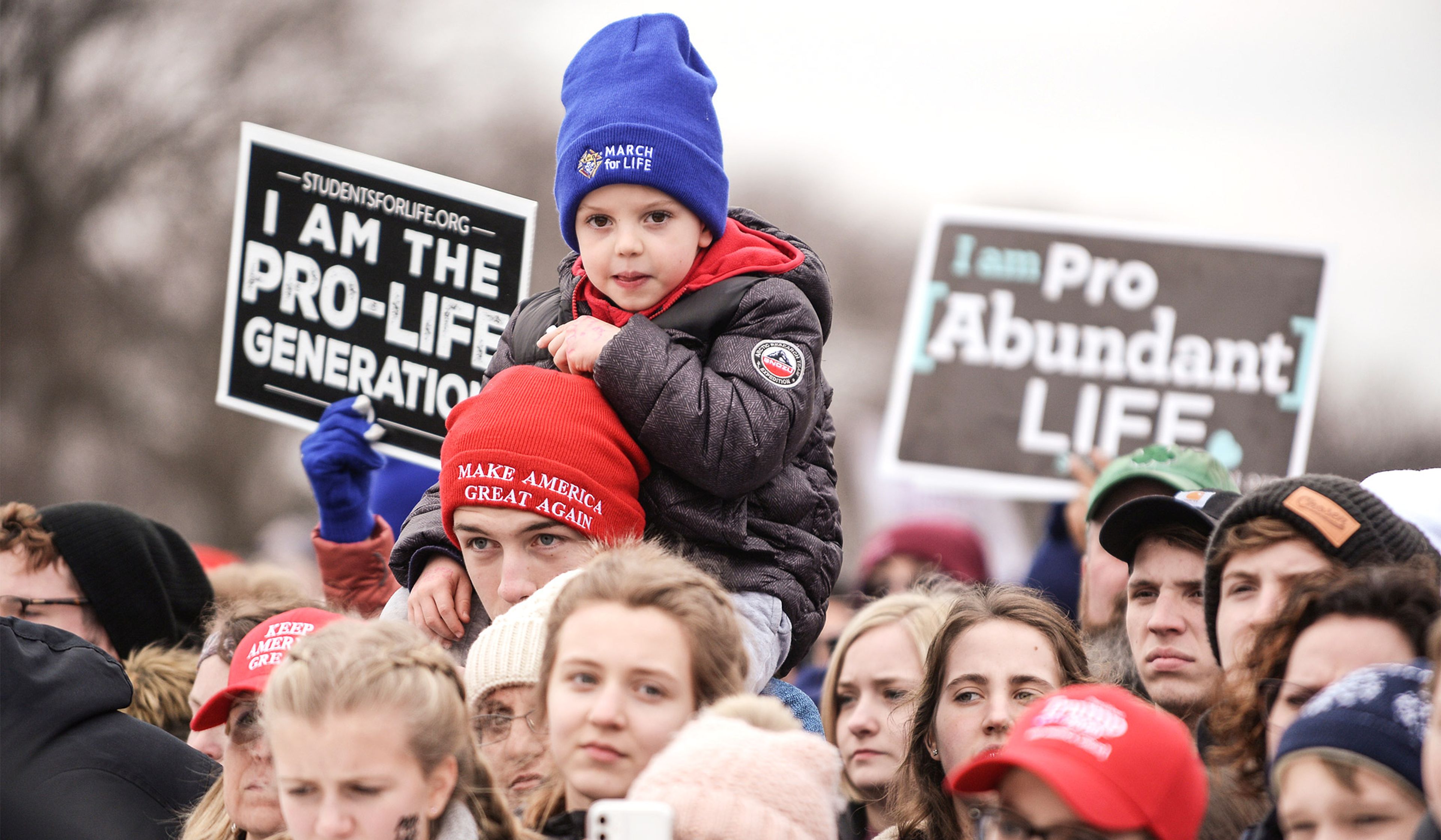
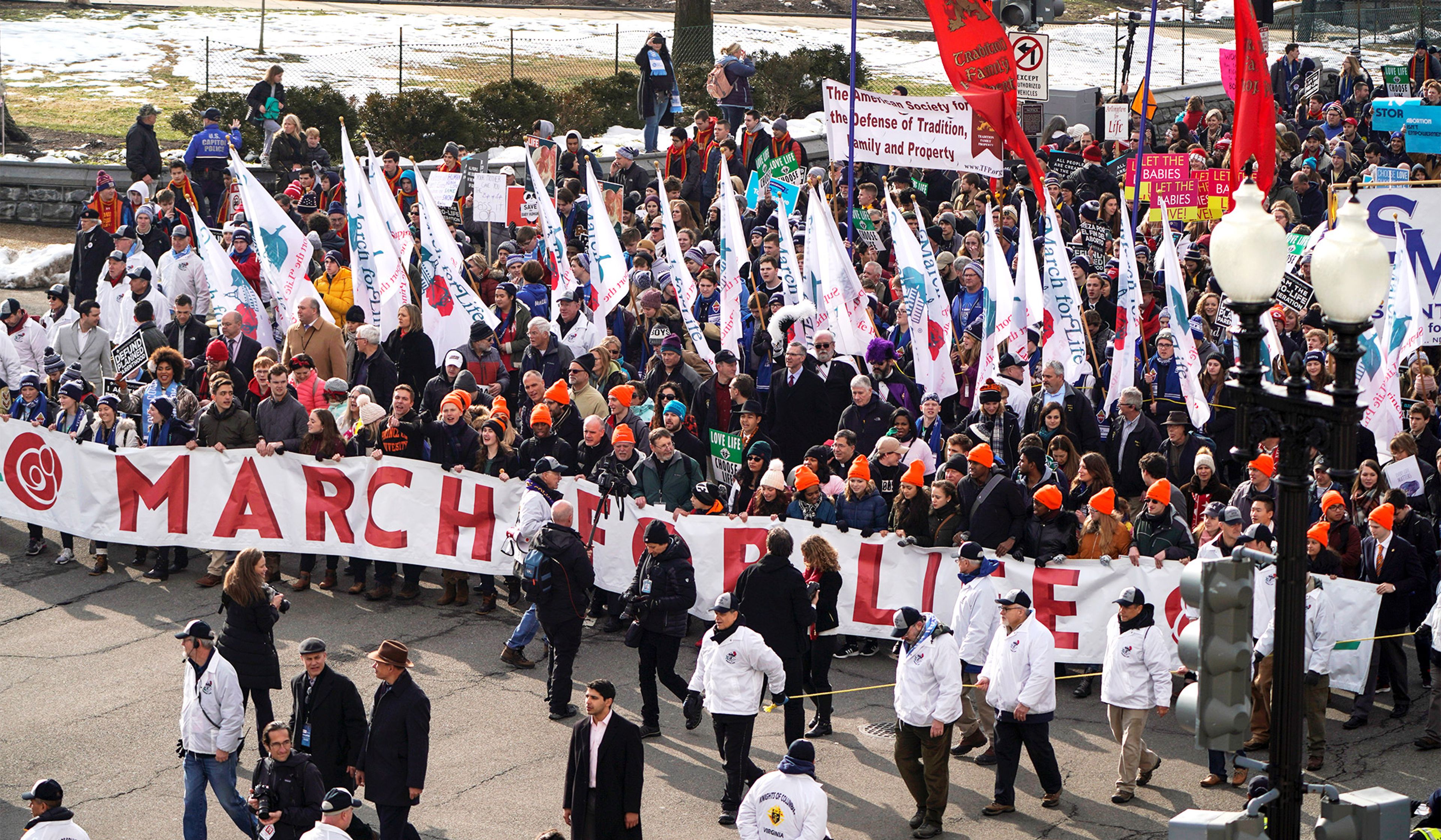
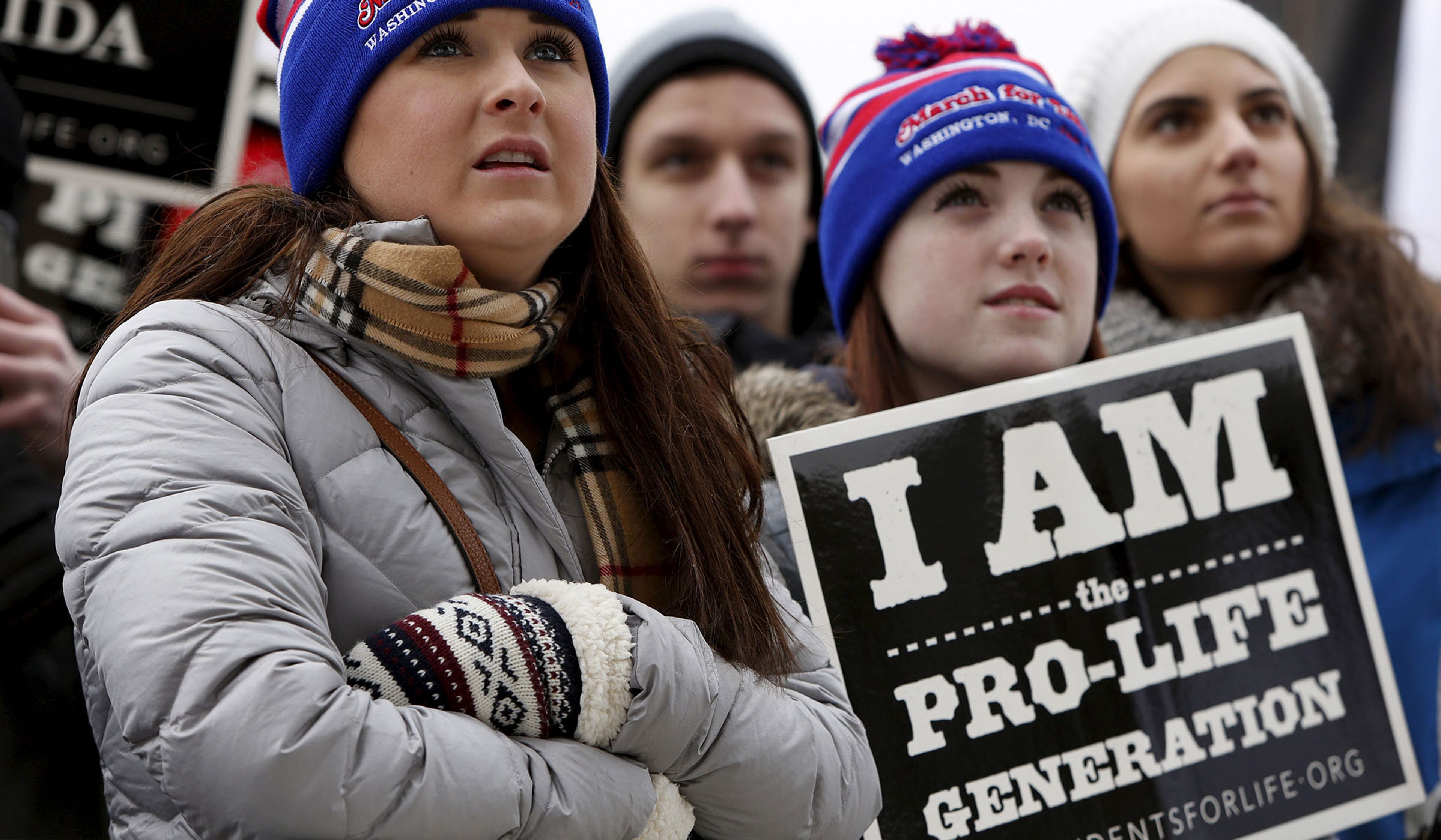
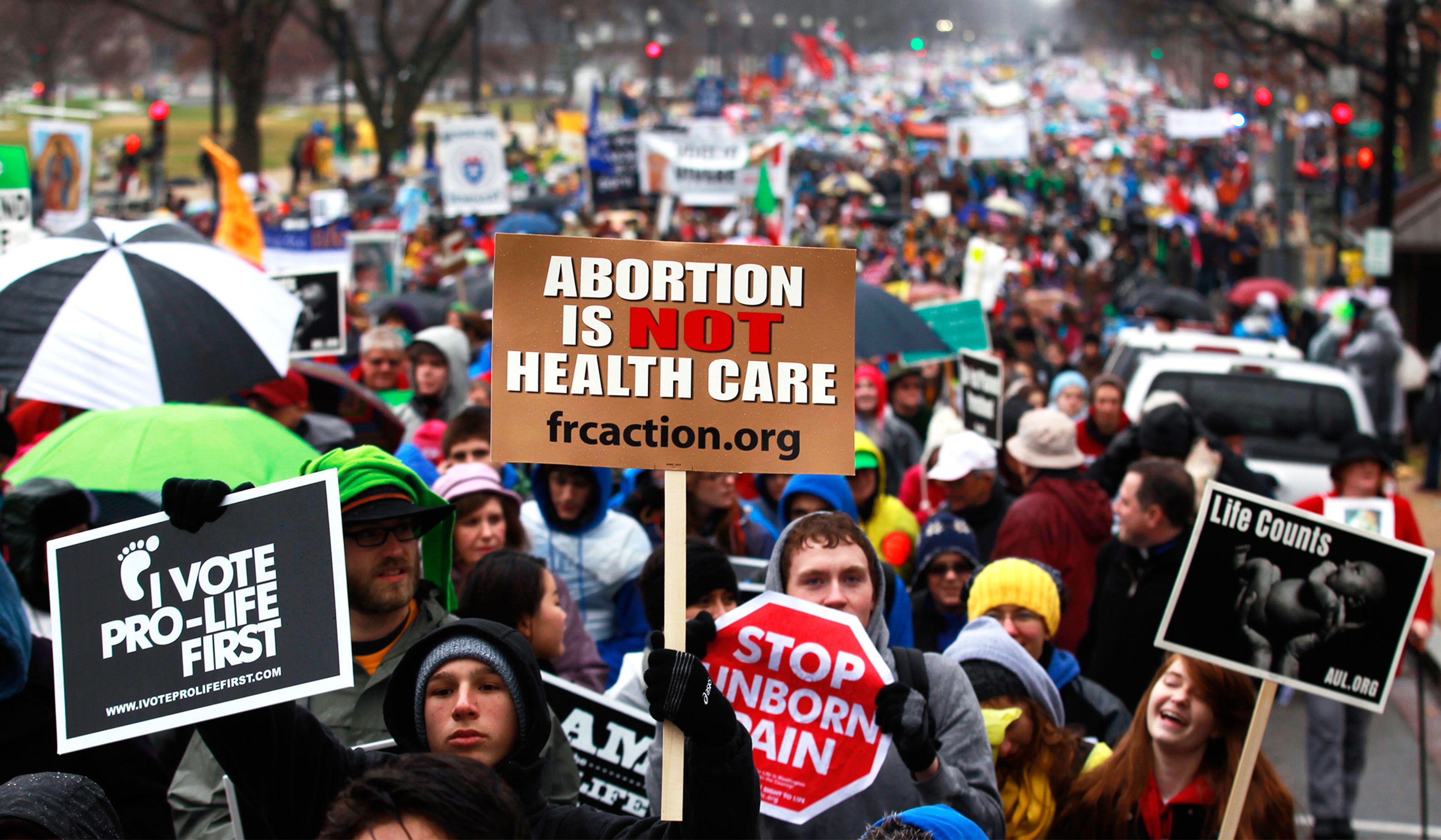
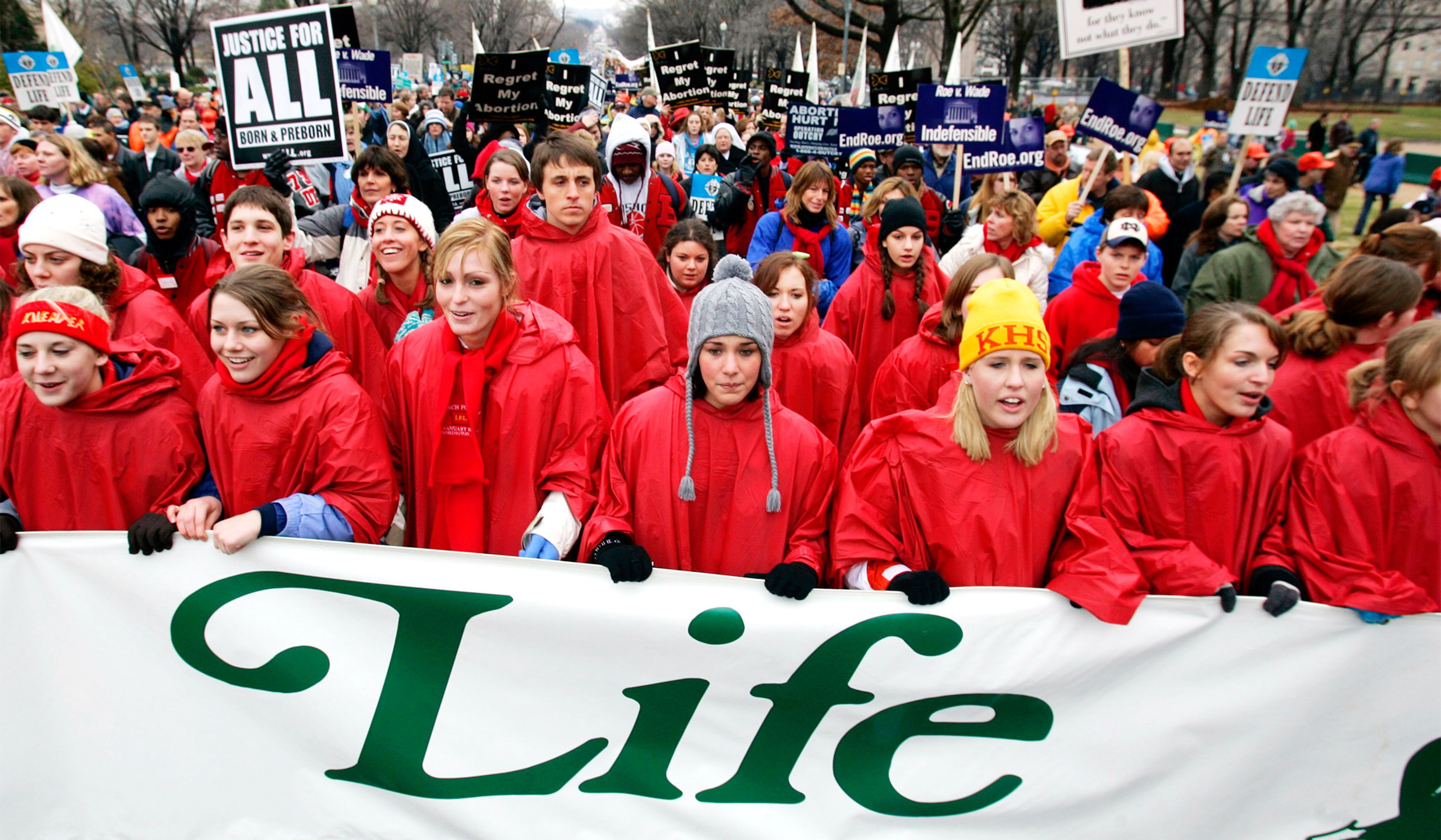
Pro-life demonstrators carry a banner during the the 47th annual March for Life in Washington, D.C., January 24, 2020.
Kevin Lamarque/Reuters
“Our goal is to see these women succeed and thrive,” says Kathleen Wilson, a founding director of Mary’s Shelter in Virginia. As the testimonies of women who have lived there suggest, it’s certainly not like the government shelters they might fear being stuck in. The moms might stay for three years, so that “independent living becomes a reality” through the accountability and authentic love that Mary’s Shelter is fueled by. Wilson explains that most of the women who wind up there come from “incredibly broken homes” — it’s not unusual for them not to know how many siblings they have. Mary’s Shelter offers them stability and plans. She tells me about a young woman who came to them escaping abuse, with a baby and another on the way. With the support of Mary’s Shelter, she earned a high-school diploma, went on to college, and now has a job in nursing. Beyond the financial aid that women might receive, Mary’s Shelter offers $5,000 scholarships to help cover the costs of books, babysitters, and other necessities.
Wilson and her husband, who have 15 grandchildren, are currently raising teenagers. They have sole legal guardianship of a boy and a girl whose mother fell into trouble and desperately didn’t want them to go into foster care. That kind of radical hospitality can be found throughout pro-life communities.
Among the heroes often talked about in pro-life circles are John and Donna Kurtz. In 1999, after adopting several children — including older children and those with special needs, for whom finding forever families is particularly difficult — they decided to start St. Joseph’s House in Pennsylvania, to be a family for children who would not otherwise have one. Eventually, they also opened a tuition-free school.
There are about 2,700 pregnancy-care centers across the country, most of them offering free or low-cost medical and other resources (and that doesn’t even count maternity homes). Some of the models, such as Human Coalition and Obria, seek to be full medical alternatives to hospitals that provide abortions along with their other services or to those Planned Parenthood clinics that do more than abortion. The Gianna Center in Manhattan, associated with a Catholic Long Island hospital, practices pro-life medicine by caring for the whole woman, resolving women’s medical problems without the use of hormonal contraception and other standbys in mainstream women’s medicine. Other pro-life medical help includes abortion-pill-reversal services.
The pro-life movement, largely supported by charitable donations, is only growing. A sampling of the movement includes the Gabriel Project, which helps churches meet the needs in their community; the Embrace Grace ministry, which guides churches in aiding pregnant women; the U.S. Conference of Catholic Bishops’ Walking with Moms in Need initiative, which challenges churches to get more involved with local needs; Students for Life, which provides pregnancy support on campus; and care networks such as Heartbeat International and Care Net. The Charlotte Lozier Institute, a pro-life nonprofit, chronicles the care model, which has existed since before Roe and has been growing and professionalizing since.
If a woman does have an abortion, for whatever reason, the pro-life movement does not abandon her. The Sisters of Life, Lumina, and Project Rachel are among those that offer post-abortion healing services.
Perhaps some of the most underappreciated people in America today are birth mothers. Some of them will never meet the child they gave birth to. BraveLove is a group dedicated to celebrating them; adult children of adoption wishing to thank their own and other birth mothers hold parties in their honor.
Back in Texas, the heartbeat-law controversy obscured a pledge of $100 million over two years for the state’s Alternatives to Abortion program, which “promotes childbirth and provides support services to pregnant women and their families, adoptive parents, and parents who have experienced miscarriage or the loss of a child.” According to the Texas Department of Health and Human Services website, the program has served more than 100,000 women in the 16 years of its existence.
Polls have long indicated that people who describe themselves as pro-choice often simply want to know that women in difficult circumstances have options. Abortion is all too often not a choice but a decision made under pressure. Greater awareness of what’s happening on the front lines of the pro-life movement could change everything. With a light on the truth of what it is, what misery it has brought, and what the alternatives are, abortion would become implausible — even without a Supreme Court ruling.
The prayer campaign 40 Days for Life has a placard that reads: “We Will Help You.” The work that points to is the best of the pro-life movement, and the least known. In a recent documentary, The Matter of Life, a woman explains that she had an abortion because it was the first option that came up when she did a Google search. That’s something to change. Inundate the culture and our communities with the alternatives to abortion, and with the pro-love movement.











Comments