• We were sort of expecting Cal Cunningham to make his concession on Match.com.
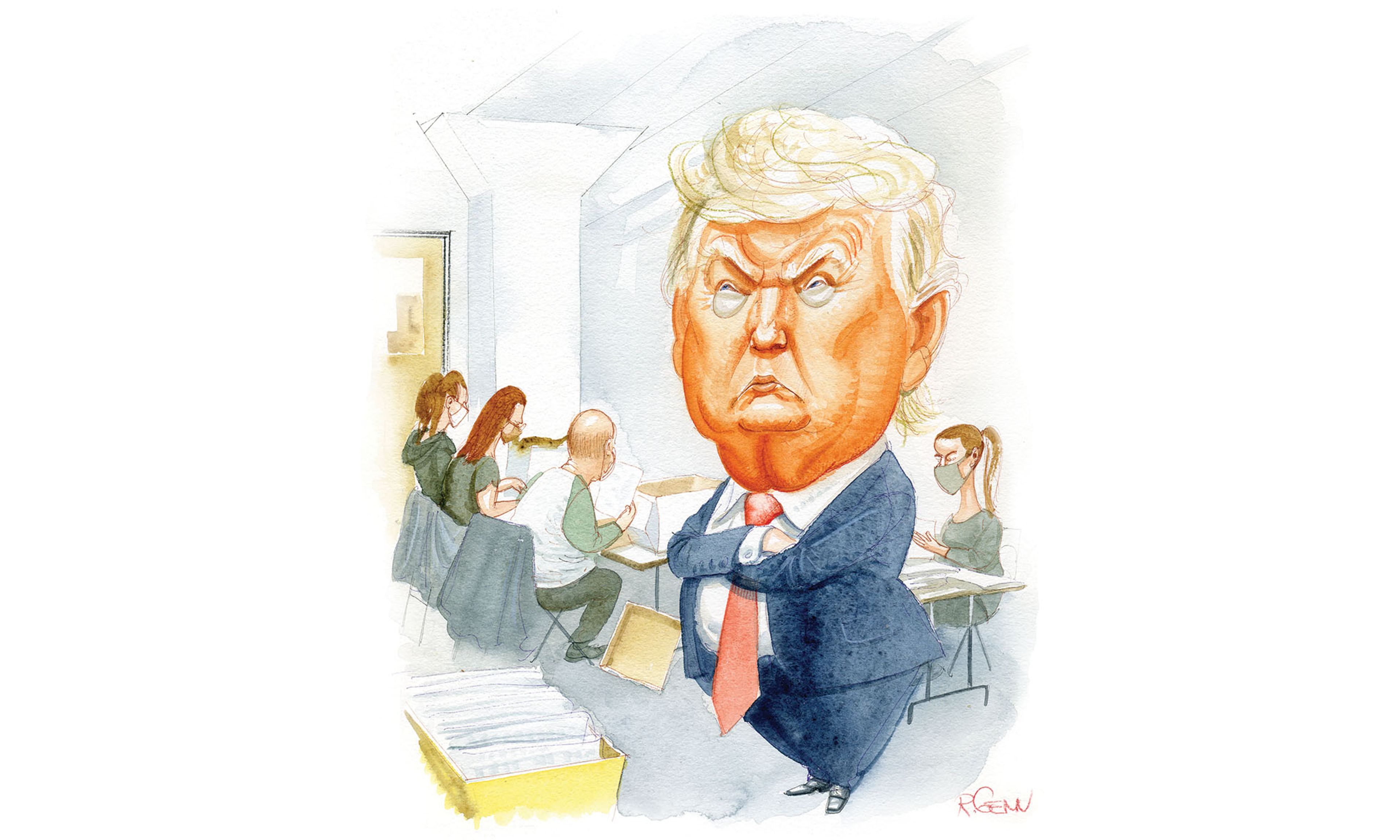
• Has anyone who pronounced himself “humbled” after winning an election actually been? Perhaps not. But there is a measure of humility in thinking it necessary to say so, and so it was nice to hear Joe Biden recite the formula after several news outlets announced their judgment that he will have a majority of the Electoral College. The theme of his remarks: “This is the time to heal in America.” He reiterated his pledge “to work as hard for those who didn’t vote for me as for those who did.” Megyn Kelly was among the conservative commentators who called this humbug after four years of “Resistance” antics, some of them continuing. But it was not a bad start, and we will have plenty of opportunity to remind the president of his words.
• Republicans have secured 50 Senate seats in the next Congress — thanks in large part to the victories of GOP senators Thom Tillis of North Carolina and Susan Collins of Maine, who outperformed the polls. But two runoff elections in Georgia on January 5 will determine whether Joe Biden and Nancy Pelosi will have to work with a 52–48 Republican Senate or a 50–50 Democratic Senate led by Chuck Schumer thanks to Kamala Harris’s tie-breaking vote. Georgia Republican senators David Perdue and Kelly Loeffler start out the race favored to win, but the 2020 election made clear that no one should confuse the word “favored” with “certain.” The election also made clear that Georgia has changed. It went for Biden by 0.25 points — the first time a Democratic presidential candidate won Georgia in nearly three decades. Perdue ran 1.7 points ahead of Democrat Jon Ossoff, and in the 2018 midterm election Republican Brian Kemp defeated Democrat Stacey Abrams by just 1.4 points in the governor’s race. “Now we take Georgia, then we change America!” That was Schumer’s rallying cry for Democrats on November 7 as he celebrated Joe Biden’s victory with revelers in the streets of New York. It will also be the rallying cry for Republicans and others who want to stop the minority leader from becoming majority leader and prevent the consequences of unified Democratic control of Congress and the White House.
• Surprised that they did not win a landslide, House Democrats are laying blame on one another. Alexandria Ocasio-Cortez (Queens) said that Conor Lamb (suburban Pittsburgh) had a close race because he had not spent enough on digital ads. Lamb shot back that he doesn’t have the luxury of running in a district where Democrats have a 30-point edge. Abigail Spanberger (outside Richmond), another relatively moderate Democrat who won a close race, said on a conference call with her colleagues — leaked as it was in progress — that Democrats should never again say the word “socialism.” James Clyburn (Charleston/Columbia), though himself quite liberal, assailed activists for popularizing the disastrous slogan “Defund the Police.” Ocasio-Cortez came back to the fight, saying that attacks on socialism are attempts to exploit “racial resentment” and lamenting that colleagues in tough races had not asked her to campaign for them. That these remarks are related has evidently not occurred to her. If AOC wants to travel the country campaigning for vulnerable Democrats two years from now, we’re sure the Republican Party would be happy to foot the bill.
• After the 2000 election, when a convoluted voting process set off a dispute over the presidential election in Florida, the state undertook a comprehensive overhaul of its election system. Under the leadership of Governor Jeb Bush, Florida modernized its voting equipment and instituted uniform standards across its 67 counties. The 2020 election was Bush v. Gore on steroids: Three days after Election Day, five states had yet to report official results. But alone among swing states, Florida reported the lion’s share of its votes within hours of poll closure. Just as the Sunshine State learned from the rocky experience of 2000, so should the entire country learn from this year’s debacle. Governors and legislatures should follow the example of Bush and enact uniform, statewide standards to deliver timely, accurate results. Our republic depends on public faith in elections; our leaders must live up to it.
• Public-opinion polls and mathematical models were riding high in 2012. Nate Silver became a celebrity for telling Democrats that Barack Obama’s reelection was safe. Polls have not stopped giving Democrats good news, but not always accurately. Their failures — in the United States and abroad — undercount working-class voters, usually (though not always) those who are voting for conservative parties and causes. In 2016, polls missed Hillary Clinton’s losses in Michigan to both Bernie Sanders and Donald Trump. In 2018, they missed Republican victories in Florida, Ohio, Indiana, and Iowa. This year, the national poll average had Biden winning by seven, with many highly publicized polls showing a double-digit blowout. His final margin will be south of four points. Four of the last five Wisconsin polls had Biden up by eight (one media poll said he was up 17), and he won by 0.62 percent. Senate races were even more ridiculous. Susan Collins, who never led in a poll all year, won by eight. Few pollsters saw the Republican gains in the House coming. Robert Cahaly of Trafalgar, much maligned for projecting a Trump win after doing so in 2016, was closer to the final hair’s-breadth results in swing states than many of his competitors. Fool me twice, shame on you.
• Both exit polls and precinct-level election returns suggest that Republicans, including President Trump, saw gains among Hispanic voters — big ones in some places. This wasn’t supposed to happen. Not only was Trump supposed to drive Hispanics away from the party, so was its general turn away from “immigration reform.” For much of the last two decades, the conventional wisdom had it that an immediate amnesty for illegal immigrants, an expansion of immigration, and a reduction in enforcement of immigration laws were all needed before Hispanics would give Republicans a hearing. A lot of Hispanic voters have refused to conform to these expectations. The election also lends some support to the view that Hispanics, like most other immigrant groups in U.S. history, will not be a one-party voting bloc for long. If “assimilation” is a dirty word on the left, it’s in part because it’s a political threat.
• The White House should not be used for campaign activities, and White House officials — i.e., government officials, taxpayer employees — should not participate in campaign activities. This has long been a line in our political life, although the line has often been blurry. The Trump White House has repeatedly erased the line. Most egregiously, the president and his team turned the White House into a GOP convention hall, complete with speeches by cabinet officers. The U.S. Office of Special Counsel is now investigating these matters. Here’s to the restoration of the line, and the holding to it.
• Nancy Pelosi declared that Justice Barrett is “an illegitimate Supreme Court justice.” She also said — perhaps she meant it to back up the charge — that Barrett would “dismantle” Obamacare and refused to tell senators whether she considers Medicare constitutional. Pelosi’s rhetoric is a dud grenade: Barrett’s vote will count just as much as that of any of her colleagues in settling legal disputes, and the speaker isn’t willing to take the cuckoo position of denying it. Her real quarrel is with the Constitution, with which Barrett’s elevation conformed to the letter.
• Just after Justice Barrett was confirmed, the Girl Scouts congratulated her on becoming the fifth woman to serve on the Supreme Court. Under fire from prominent leftists, the organization speedily recanted: “It was quickly viewed as a political and partisan statement which was not our intent and we have removed the post.” Kappa Delta, the sorority to which Barrett belonged at Rhodes College, met a similar fate after daring to laud the judge’s “significant accomplishment.” Shortly thereafter, Kappa Delta erased its statement, lamenting that it had been “disappointing and hurtful to many.” And you wouldn’t want to disappoint the wrong people.
• The House of Representatives included 13 Republican women before the election, and is now set to welcome at least 13 more. Several races are yet to be called. This victory breaks the previous record for the number of Republican women to serve in the House (25), which was set in 2004. According to the Rutgers University Center for American Women and Politics, a record-breaking 227 Republican women filed to run for the House, and 94 of them won their primaries. Democrats, who so frequently complain that the Republicans are old white men, are sure to cheer this development.
• California, bluest of blue states — it went for Biden by almost 67 points — soundly voted down a ballot initiative to undo Proposition 209, the Ward Connerly–inspired initiative that in 1996 banned racial preferences in public employment, contracting, and education. The reinstatement of race- and sex-based discrimination was framed as a response to the summer’s BLM protests: Police brutality would be ended by the state’s pushing favored minorities into jobs or schools wherever it could. California voters evidently saw the irrelevance of the proposed remedy to the alleged offense. Although Asian-American state legislators, most of them ambitious Democrats, supported the change, Asian-American voters, who see their high-achieving children facing quotas at elite private universities nationwide, did not. Score one for common sense, even in a one-party state.
• More good news out of the blue: In Illinois, voters rejected a measure to replace the state’s flat income tax with a graduated “fair tax” (the name was the giveaway). In California, voters wisely rejected a proposal to allow local governments to freeze rents and, at the time of writing, also appear to have rejected proposed increases on commercial property taxes. What’s more, Californians agreed to add Uber, Lyft, and similar enterprises to the list of businesses already exempted from the state’s law compelling many companies to treat freelance workers as employees, a law that has had predictably dismal consequences for the state’s gig economy. Meanwhile, Colorado may be close to completing its transformation into a blue state, but voters approved a small reduction in the state’s flat tax (icing on the cake after efforts to introduce a progressive tax didn’t even make it onto the ballot) and also okayed a measure that ought to limit the extent to which legislators can continue to get around the state’s taxpayer’s bill of rights by the introduction of “fees.” State and local governments are said to be closest to the people, and the people seem to want them out of their pockets.
• Oregonians voted by a whopping margin (almost 59 percent) for Proposition 110, a referendum that reduced the possession of small amounts of hard drugs to a minor misdemeanor, subject to no jail time and no more than a $100 fine. Selling hard drugs would still be a crime (marijuana is legal in the state). The revenue saved from enforcement is slated to be shifted to drug-treatment programs. In 1996, NR ran an issue proclaiming that “the War on Drugs is lost.” Proposition 110 is one way to act on that conclusion. Supporters of federalism speak of the states as laboratories of democracy; Oregon may now be the meth lab of democracy. Decriminalizing marijuana has always seemed to us an easier call. But if drug-dealing in Oregon remains static or even drops; if arrests that strike poor communities as harassing fall, and quality of life in those communities doesn’t; if drug-treatment programs successfully treat more addicts, as promised — then the Oregon experiment may count as a success.
• A regrettable sexual-education law passed by referendum in Washington State. The bill mandates some form of sex-ed in public schools for children as young as kindergarten age. School districts are permitted to craft their own guidelines, but many will choose the cheaper option of relying on state resources that lean toward the vanguard of sexual progressivism. The bill allows for parental exemptions from these courses, but this can only do so much absent en masse parental withdrawal. The sexual revolutionaries were better funded, with entities such as Planned Parenthood Votes chipping in to give them a nearly four-to-one advantage. Despite the setback, Washington parents should still do what they can to fight these changes at the local level.
• A pair of proposals aimed at protecting unborn children appeared on ballots in Louisiana and Colorado this election cycle. One ended in failure, the other in great success. Coloradans rejected a moderate measure to prohibit abortion after 22 weeks of pregnancy, when many unborn children are able to survive if delivered premature. Louisiana’s measure fared much better: Voters backed an amendment declaring that the state constitution does not protect a right to abortion or abortion funding. Louisiana is the fourth state to pass such an amendment, intended to preempt post–Roe v. Wade courts from discovering a right to abortion in state constitutions. If the Supreme Court overturns or even scales back its invented abortion right, expect to see many more such votes across the country. We hope voters take their cues from Louisiana.
• Sometimes the Mensheviks can win. In the runoff for Portland’s mayoral election, Ted Wheeler secured a second term with some 46 percent of the vote. This was after a year in which the city at times seemed close to chaos, with Wheeler clearly overmatched by circumstances. Failure on this scale would not normally be a pathway to reelection, but just enough Portlanders were put off by the prospect of having Sarah “I Am Antifa” Iannarone running the show (or show trials — in 2016 she wrote in Stalin’s name as a candidate for Oregon’s supreme court) from city hall to hand victory to Wheeler. Nevertheless, Portland is Portland, and almost 41 percent of voters opted for Iannarone, who also out-fundraised the incumbent. What it will take to put Portland on a better course remains a mystery. Some conservatives, following the famous (if possibly apocryphal) advice by Lenin (whom Iannarone wrote in for Oregon’s circuit court in 2016) that “the worse, the better,” might think that an Iannarone victory would have represented a useful teaching moment for the City of Roses, but only, we suspect, if they did not actually have to live there.
• During the campaign, Democrats used the coronavirus pandemic as a cudgel against Trump and other Republicans. Partisans in the media and in Washington charged the president and various GOP governors with criminal negligence, claiming their mismanagement of the COVID-19 crisis cost our country lives. If the state of Western Europe is any indication, our leaders did about as well as we could have hoped. Much of the region is now in total lockdown as a second wave overtakes the continent. Yes, Trump often foolishly downplayed the threat of the disease, but even enlightened heads of state in France and Germany have fared poorly of late. Once lauded for her handling of the pandemic, German chancellor Angela Merkel is now struggling to curb record numbers of infections. The good news is that a vaccine appears to be on the way, and American medical innovation may do what politicians couldn’t: end the pandemic once and for all.
• When the New York Times published a 2018 op-ed by an anonymous “senior official in the Trump administration” critical of the president, it touched off a classic Washington guessing game as reporters, pundits, and White House enforcers searched for a suspect. Who was Anonymous? Some fantastically hypothesized Nikki Haley or deputy national-security adviser Victoria Coates. Others, including Nancy Pelosi initially, theorized that Mike Pence was the man behind the pseudonym. Whoever it was, the media mandarins pronounced, the identity of the writer was certainly that of someone of great import and gravity: a household name, a cabinet-level official, or at least someone of that rank and profile. The Gray Lady’s editors would never risk their credibility by elevating a self-important deputy assistant undersecretary from the bowels of the federal bureaucracy. Those breathless assurances have landed with a thud now that Miles Taylor, a 33-year-old former chief of staff to homeland-security secretary Kirstjen Nielsen, has been revealed to be Anonymous. With the election over and the Times’ purpose served, we suspect Taylor will return to anonymity.
• The student government of the University of Wisconsin’s Madison campus voted unanimously against the Republican president — Abraham Lincoln, that is. A Lincoln statue sits atop Bascom Hill on campus; the resolution the student solons backed called it a “remnant . . . of this school’s history of white supremacy.” There was an Indian war in the Upper Midwest during Lincoln’s administration in which several dozen Indians were hanged; Lincoln pardoned a number of those slated to die. Lincoln meanwhile presided over the deaths of 750,000 white and black Americans in a war to defeat the slave power in arms, and was himself killed for advocating, at war’s end, citizenship for black Americans. The Lincoln statue will stay, according to Chancellor Rebecca Blank, because his legacy “should be both celebrated and critiqued.” Have to learn it first, kids.
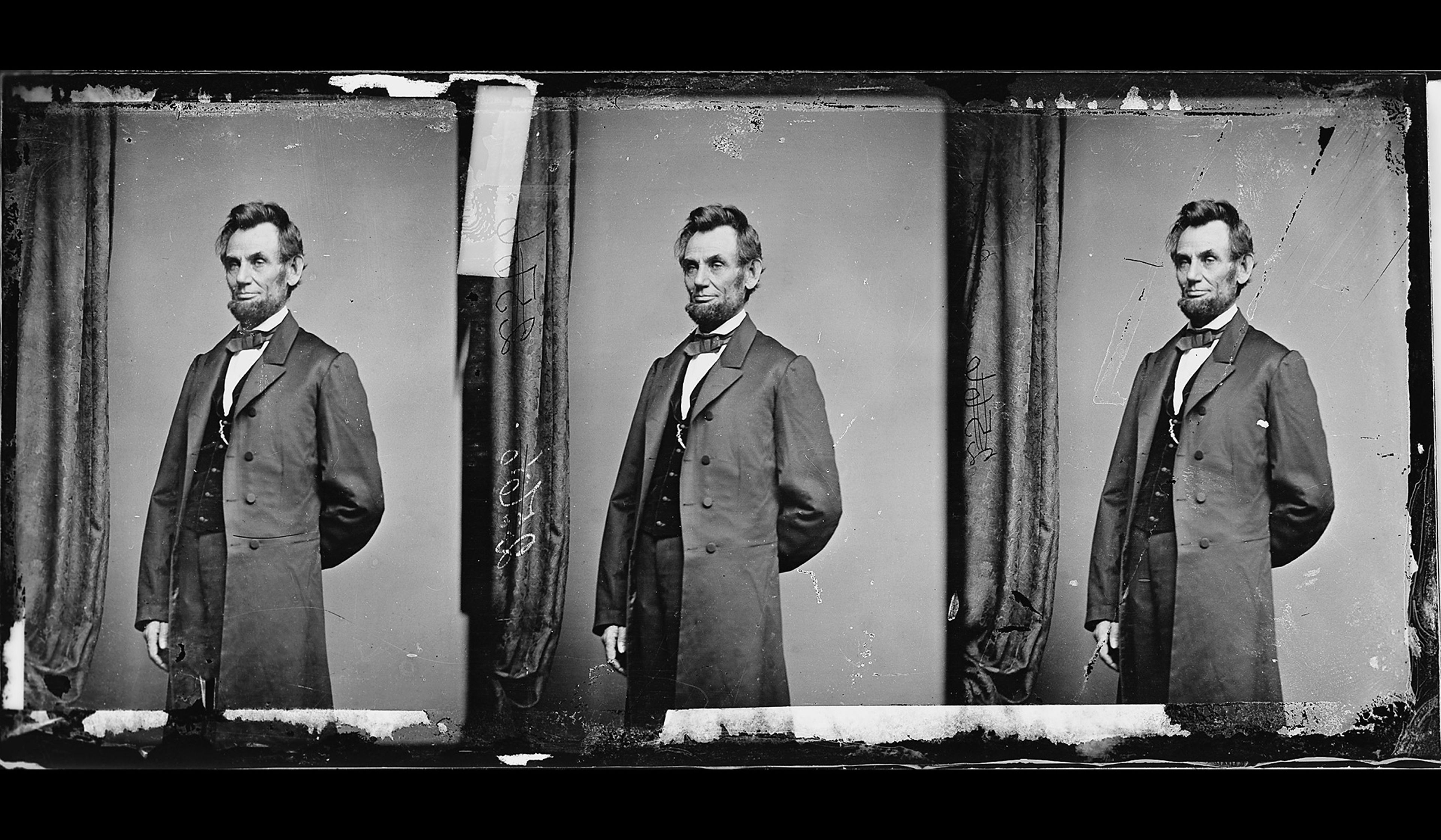
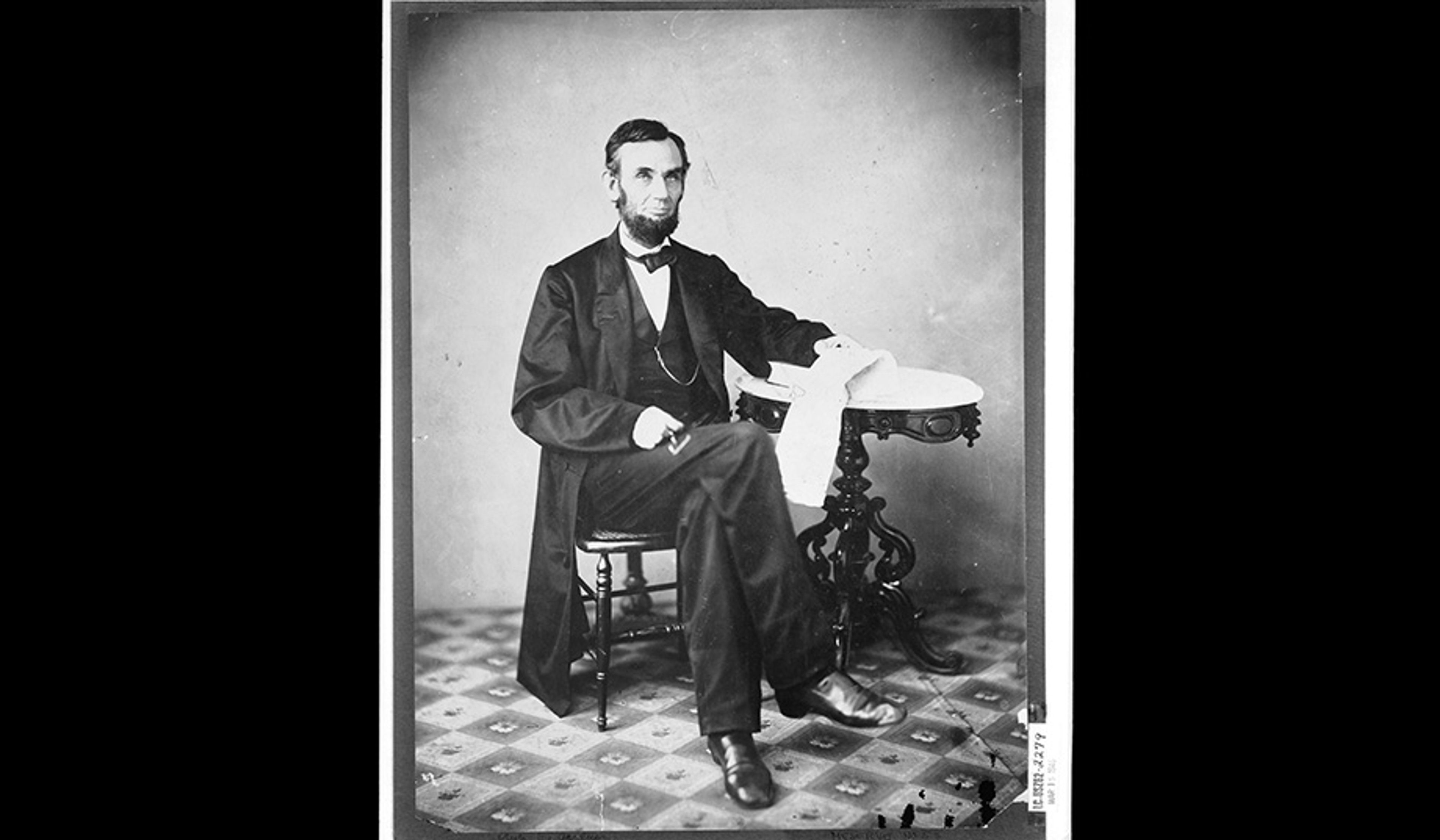
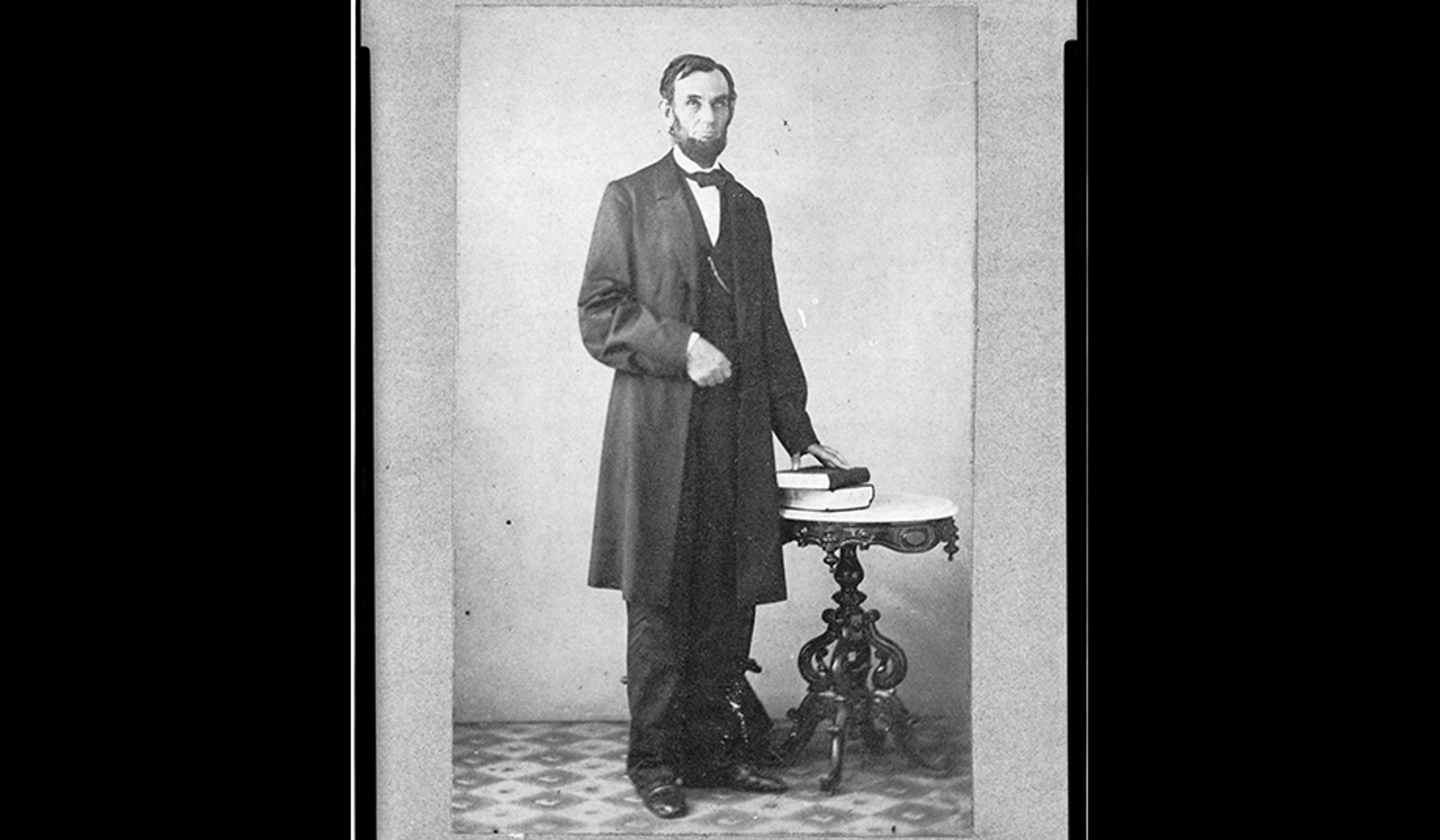
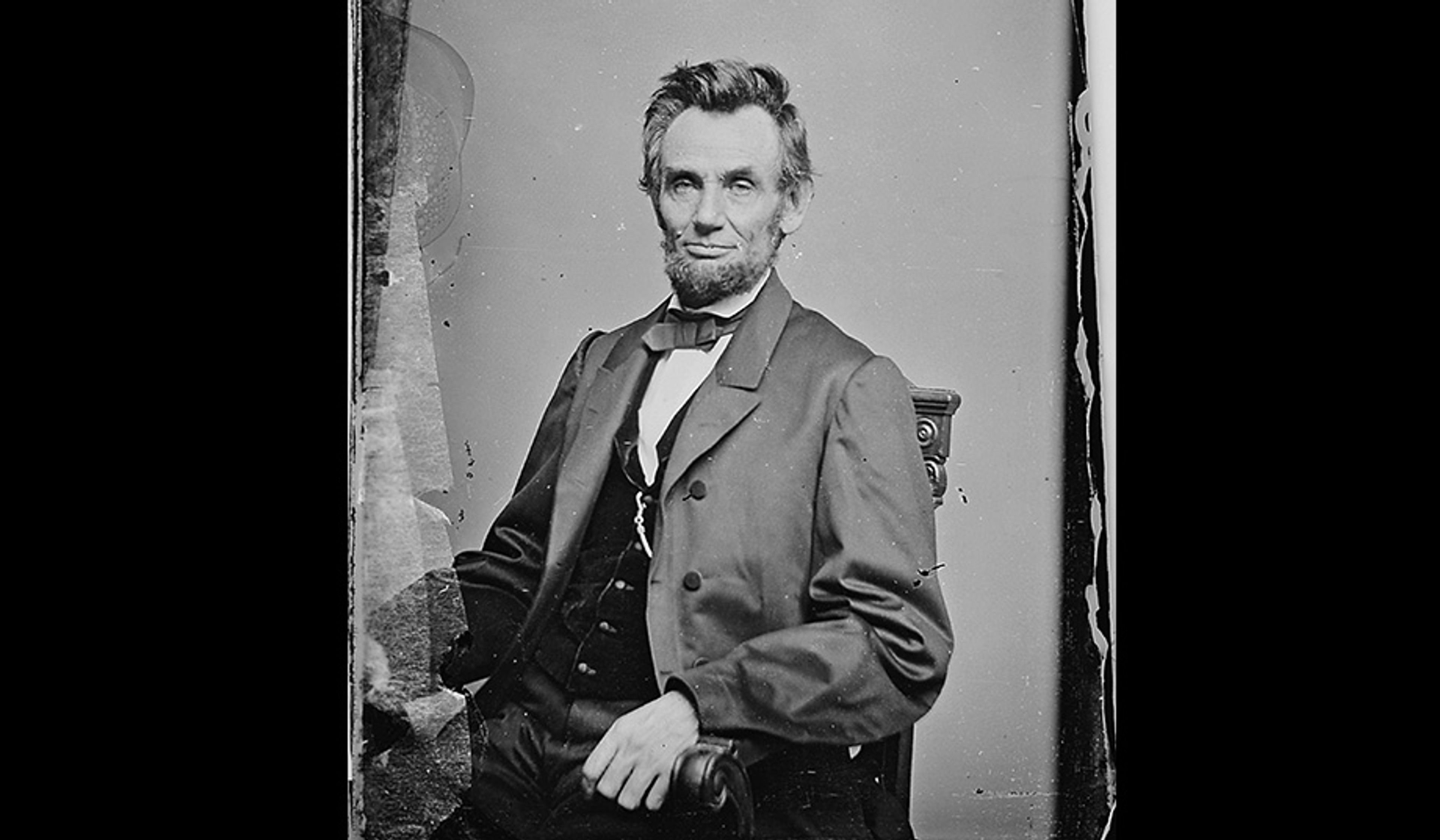
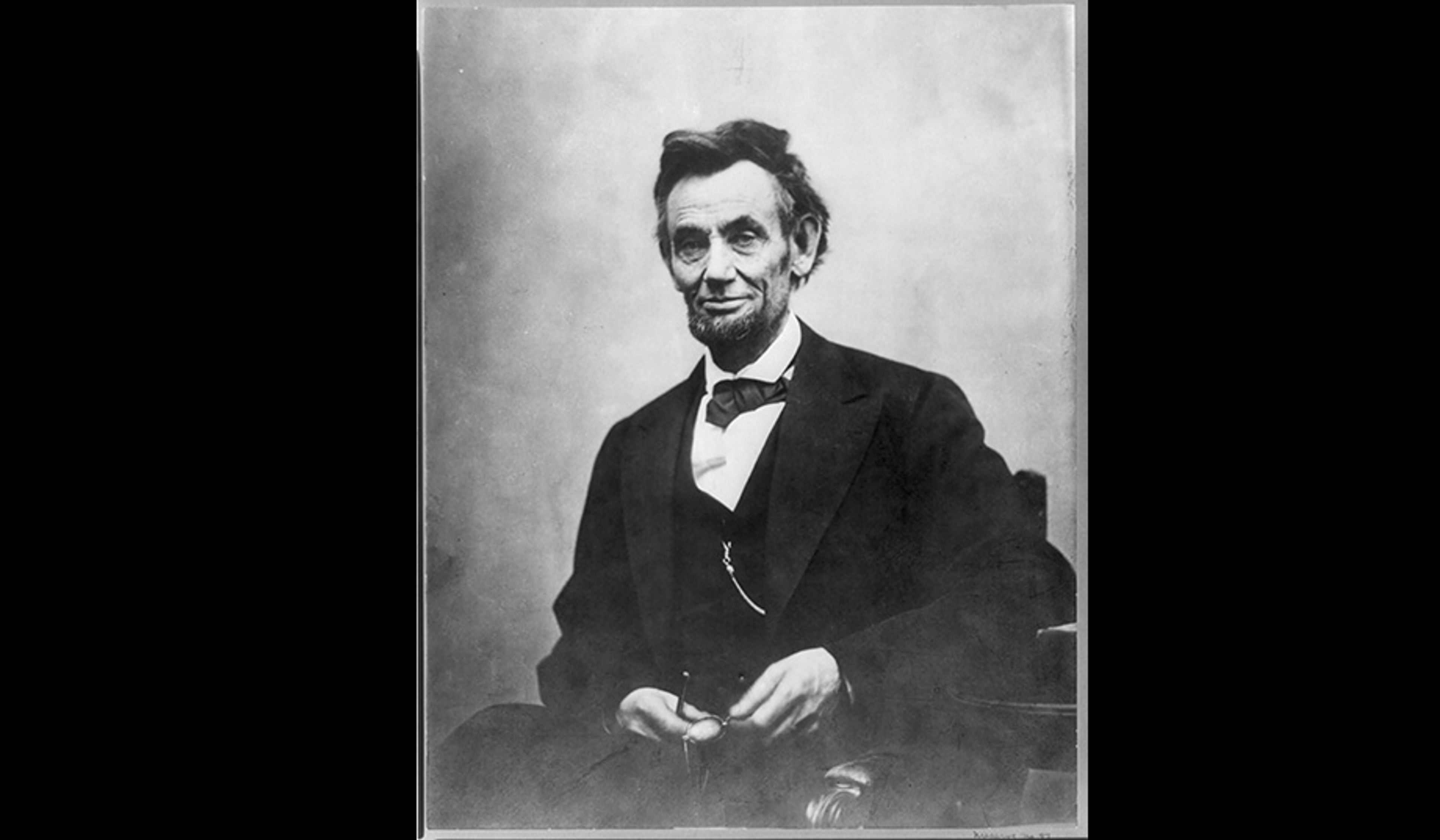
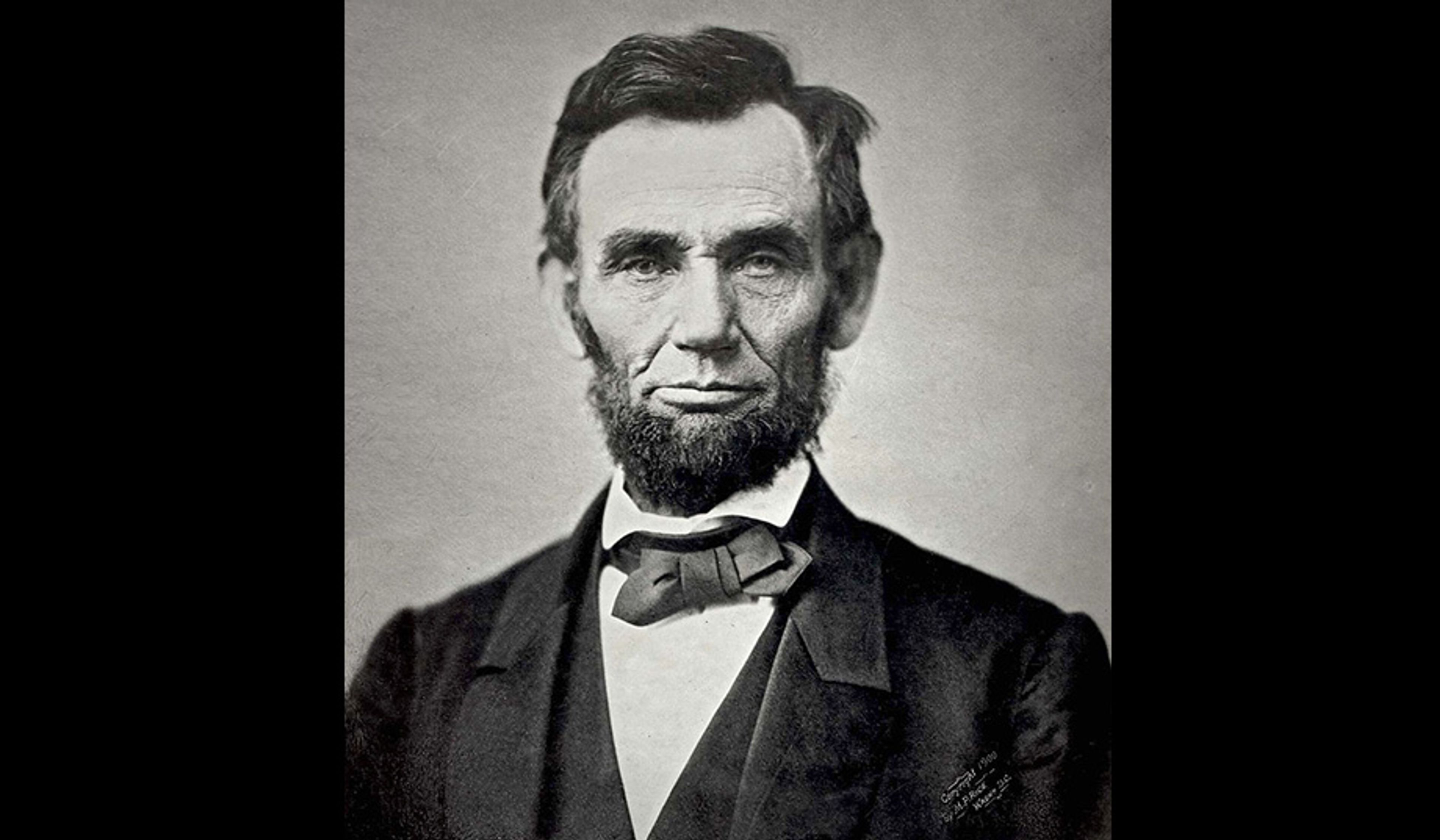
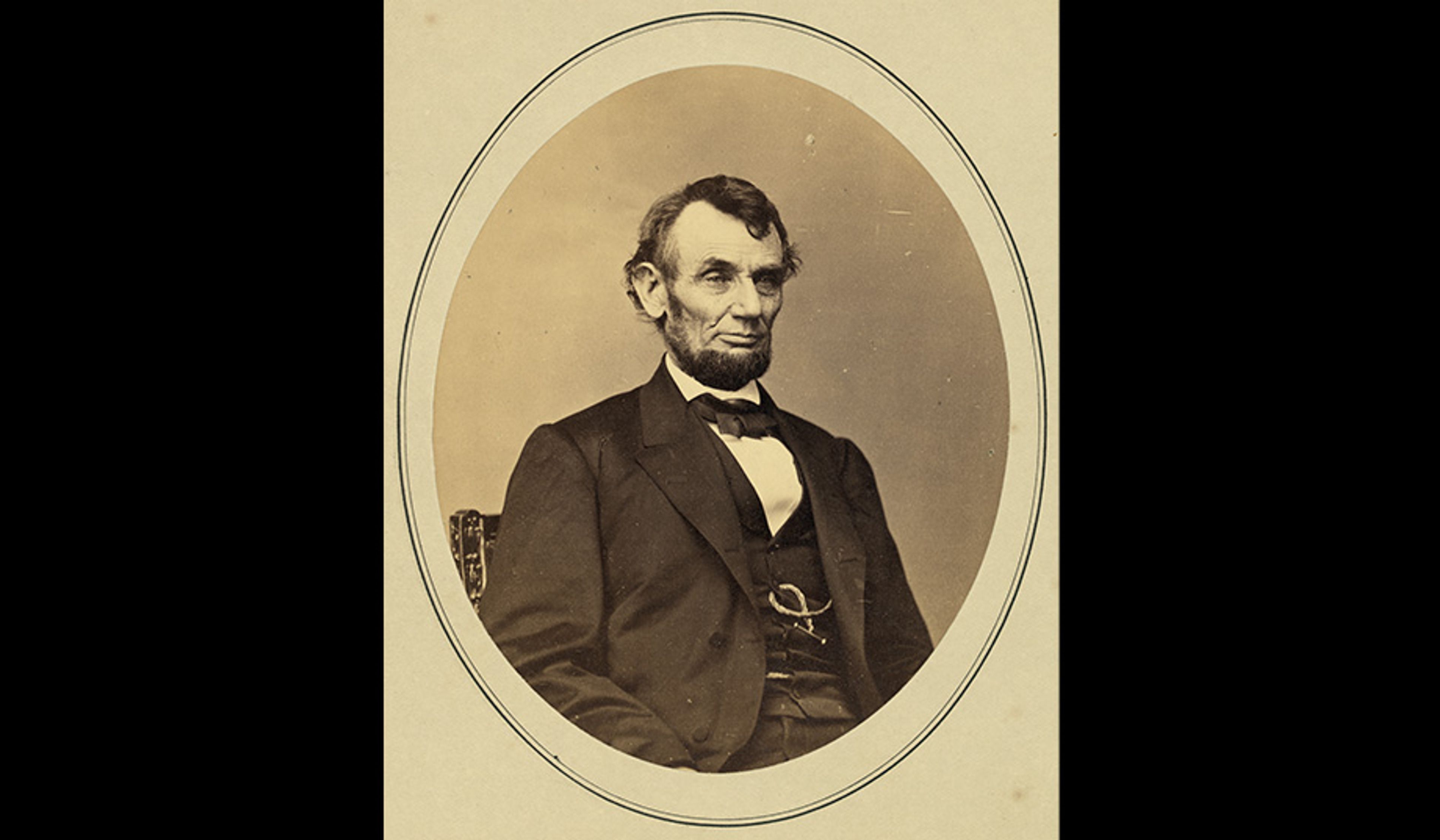
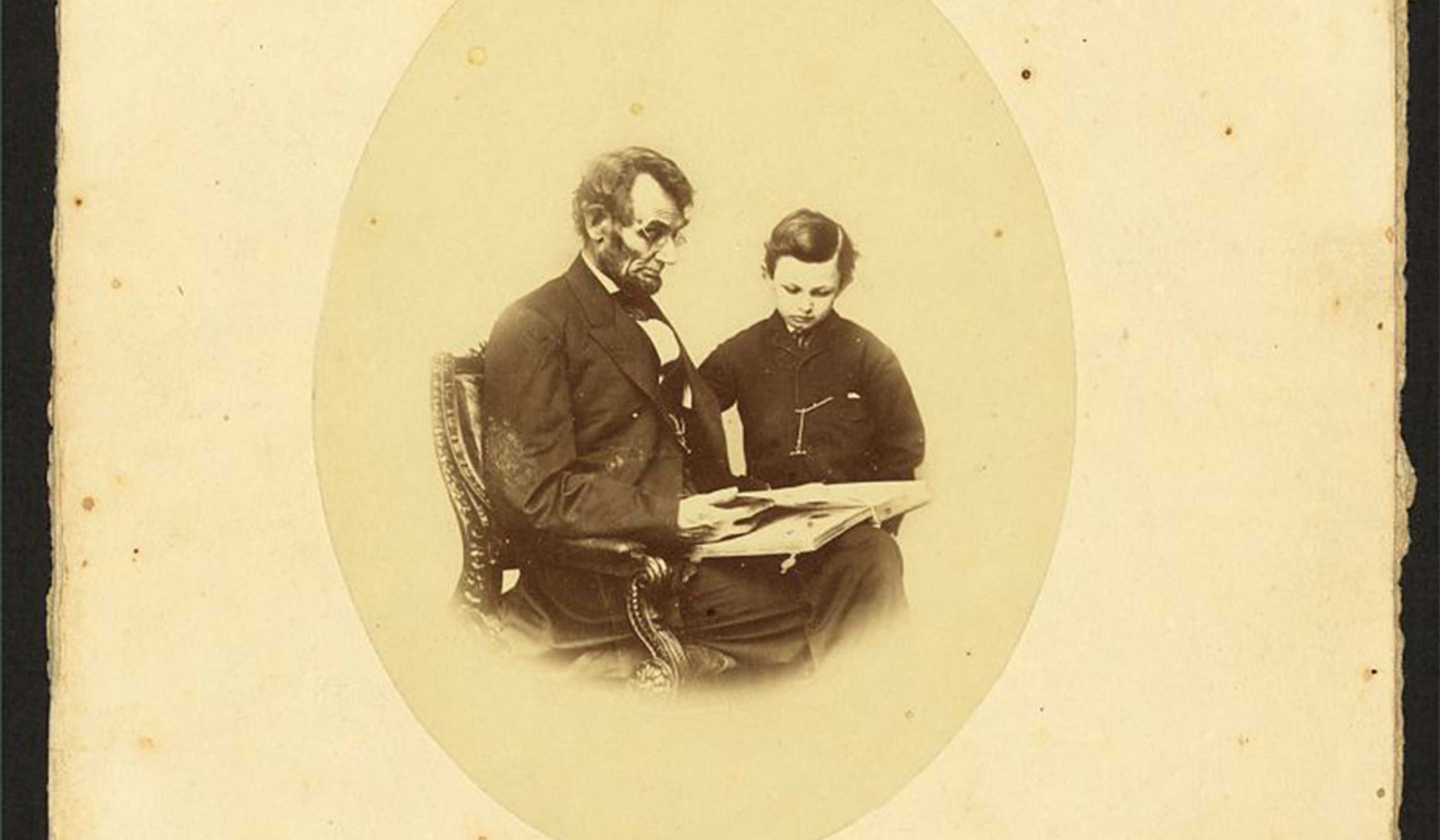
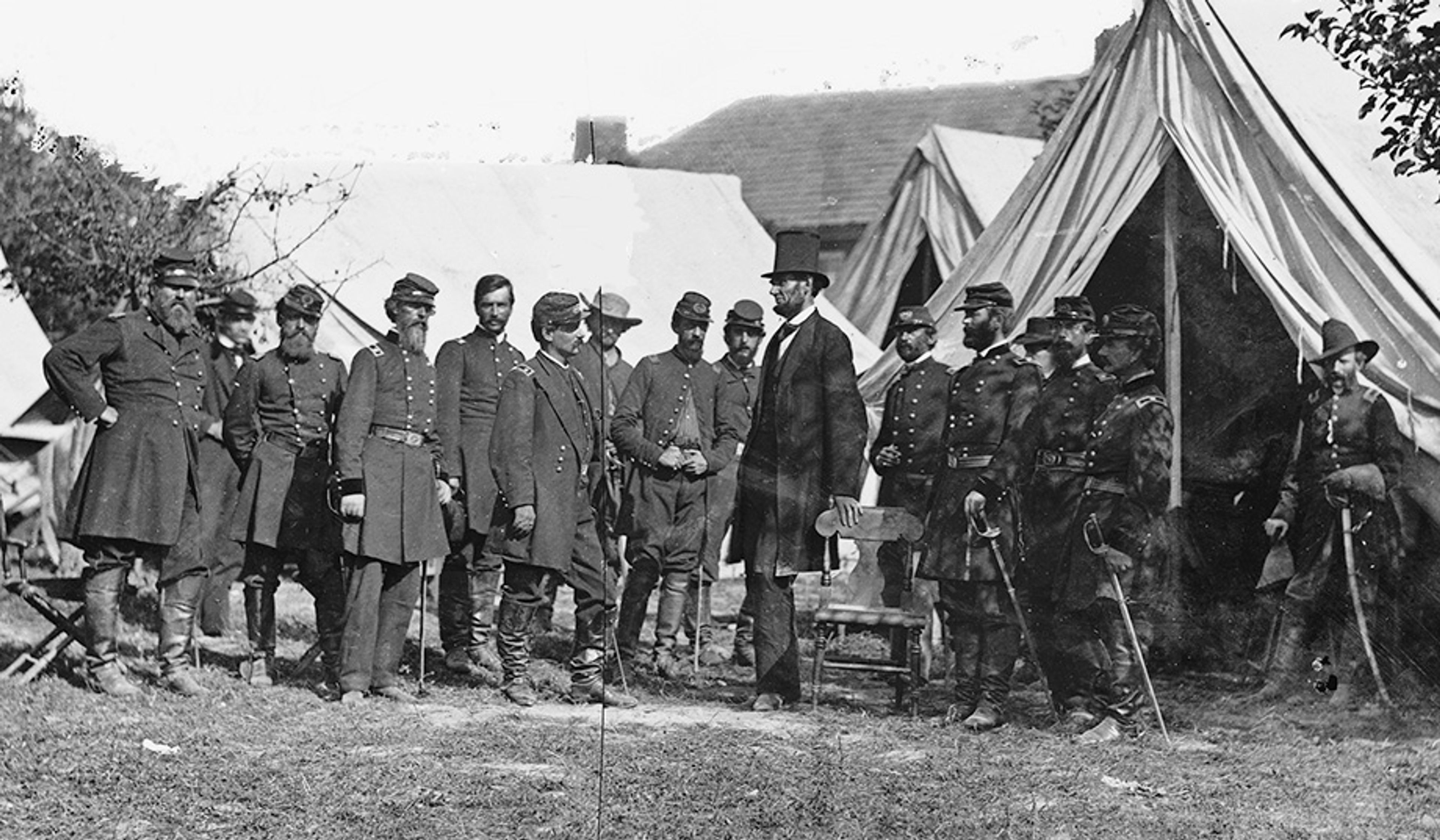
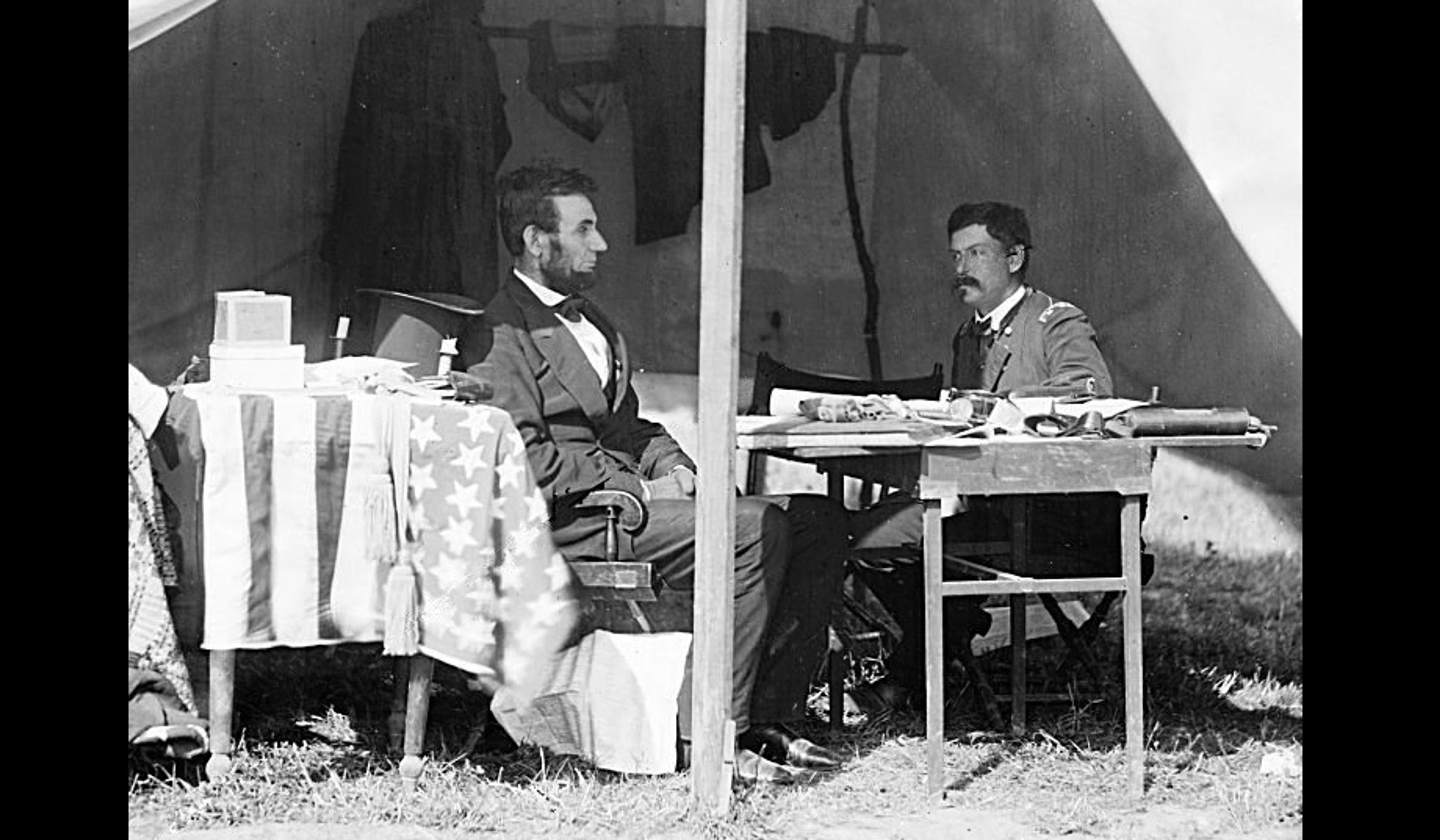
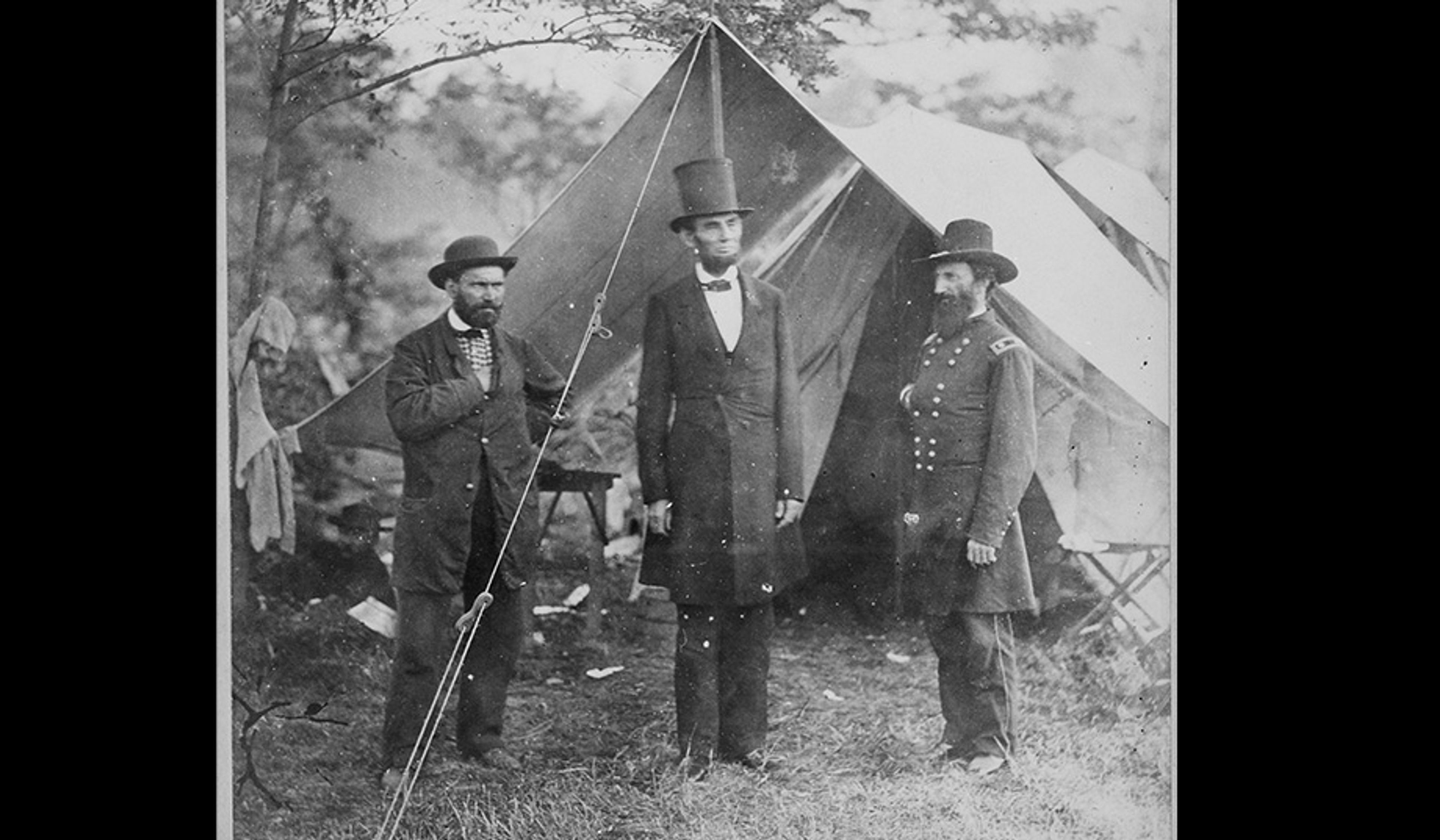
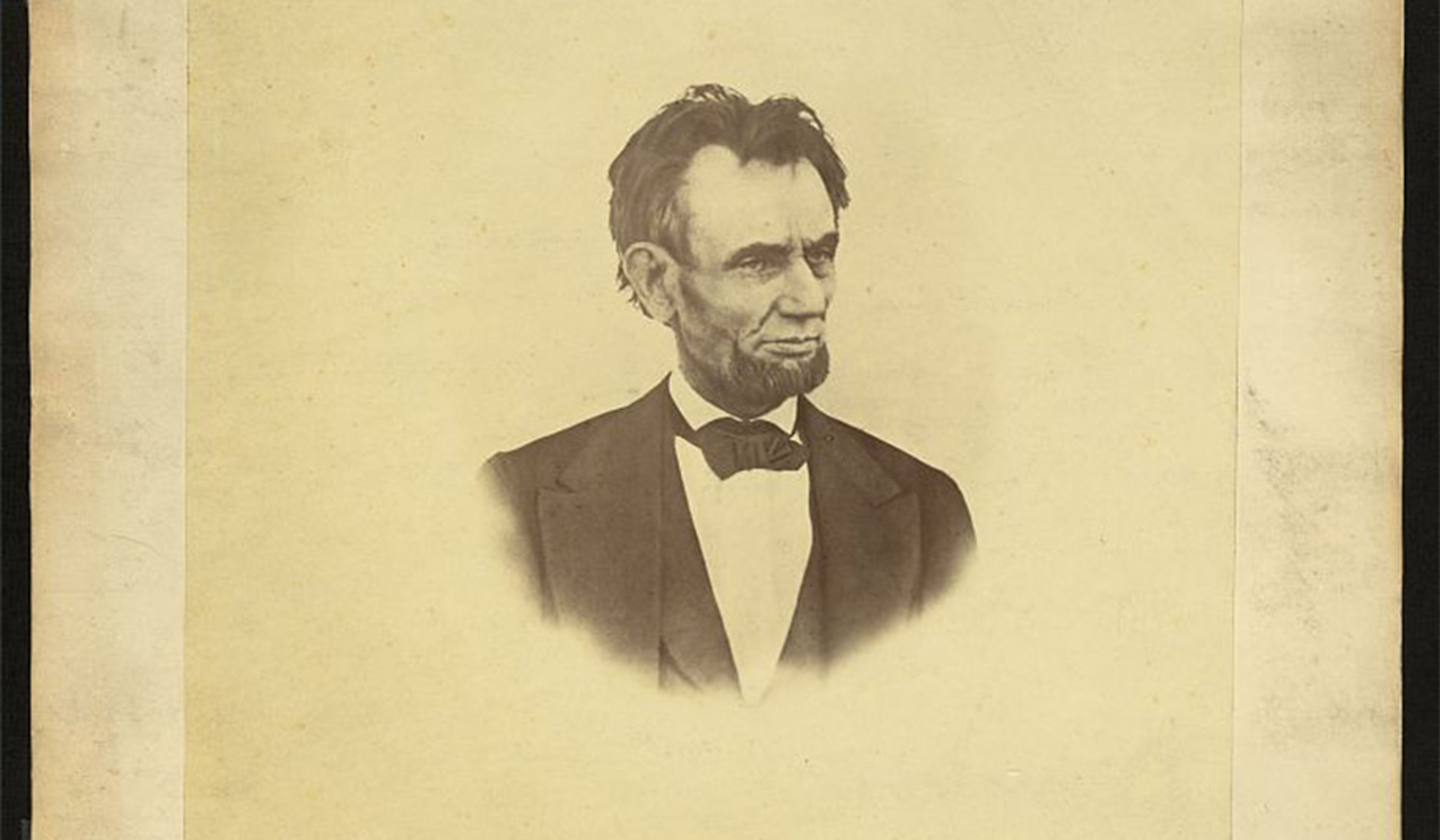
A series of standing portraits of President Lincoln taken by Mathew Brady, c. 1863.
• The New York Times recently confirmed the obvious: China is blocking the World Health Organization from investigating the origins of the coronavirus. That’s not to say that Beijing has prevented any such investigation from taking place, but the WHO’s inquiry, the Times reported, will be staffed by Chinese scientists and only “augmented” by experts from other countries. This is just the latest example of how the world’s premier health agency has been hijacked by the Chinese Communist Party, with serious consequences for global health. Since the outset of the pandemic, the Chinese leadership has been cagey about international scrutiny of the virus’s origins. The Party has brought its weight to bear on the WHO’s director general, who has obligingly complied with its diktats to steer clear of any criticism of Beijing’s initial failures. When Australia backed calls for an independent investigation into the coronavirus, Beijing responded with retaliatory trade measures. It has also continued to block Taiwan — which can boast of a highly successful COVID response — from participating in the World Health Assembly. Without an independent inquiry it will be difficult to ascertain precisely how this pandemic came about, but Beijing is more preoccupied with preserving its reputation than with getting to the bottom of what happened.
• This magazine has long been appalled that Beijing is scheduled to host the 2022 Winter Olympic Games. As a rule, the Olympics should not be held in police states. But the case of China is especially appalling, given the new gulag archipelago in East Turkestan, the crackdown on Hong Kong, etc. In September, more than 160 human-rights organizations appealed to the International Olympic Committee to withdraw the Games from Beijing. Australia is making noises about boycotting. So is the United Kingdom. So should the United States. After the Soviets invaded Afghanistan, and President Carter announced a U.S. boycott of the Moscow Games, an ex-president, Richard Nixon, agreed: “You can’t just go over there and high-jump with them.”
• Samuel Paty, the French schoolteacher who was beheaded by a Chechen immigrant for offering Charlie Hebdo’s Mohammed cartoons to a class in a discussion of freedom of thought, has become the most recent symbol of France’s clash with militant Islam. But the issue had been joined before his murder. Two days earlier, President Emmanuel Macron had given a speech branding Islamic separatism “a conscious, theorized, politico-religious project” at variance “with the values of the republic, which often results in the creation of a counter-society.” “Values of the republic” are weighty words in France. Laïcité, France’s doctrine of state-sponsored secularism, is sterner and less liberal than America’s commitment to religious liberty. Formally it is a product of France’s third, fourth, and fifth republics; but behind them lurks the first, which crushed Catholic royalist revolts by murdering priests and nuns wholesale. This is old and bitter history. What history has presented France today is a large, indigenous Muslim population whose younger, disaffected members are susceptible to the genies of jihad. Macron and France have their work cut out for them, and deserve our sympathy and support.
• Mere weeks after the brutal terrorist attacks in Paris and Nice, four people were murdered and more than 20 were injured near Vienna’s largest synagogue. The gunman, shot dead by Austrian police, was a 20-year-old Islamist who, maddeningly, had been let out on early release from prison last year, having been convicted of conspiring with the Islamic State. Austrian authorities later decided to close the mosque and Islamic association that the terrorist had attended, which they feared were a national-security risk. Surely prevention is better than treatment. If European leaders are meaningfully to contend with the domestic threat they face, they must abandon politically correct narratives regarding multiculturalism and reform their counterterrorism laws, beginning with harsher prison sentences.
• You have to rub your eyes at goings-on within the British Labour Party. Jeremy Corbyn, leader of the party from 2015 to 2019, has been suspended by Sir Keir Starmer — his successor, who was still willing to serve under him a few months ago — because Corbyn is so hostile to Jews and Israel. He speaks of Hamas and Hezbollah as “friends” and calls the Israel-based Islamist Raed Salah an “honored citizen.” Jewish staffers complained of “harassment and discrimination.” Jewish Labour MPs began resigning. Corbyn commissioned a whitewash report that found no anti-Semitism in the party. A government agency, the Equality and Human Rights Commission, did its own investigation and came to a very different conclusion. Among other wrongdoings, the party had intervened to head off complaints coming from Jews. Instead of making an apology, Corbyn said the whole issue was “dramatically overstated for political reasons.” An angry Starmer’s parting shot is reported to be, “We spoke like grown-ups.”
• As Game Six of the World Series neared its finale, Los Angeles Dodgers third baseman Justin Turner was informed that his previously inconclusive COVID test had come back positive, forcing him to be removed from the game before the eighth inning and placed in isolation. Turner watched the final two innings from the clubhouse as the Dodgers clinched their first title in 22 years. Then, with his teammates celebrating their victory, Turner rejoined the team on the field, flouting MLB’s isolation protocols, and was even photographed removing his mask for the team photo while sitting beside manager Dave Roberts, a survivor of Hodgkin’s lymphoma. “Turner’s decision to leave isolation and enter the field was wrong and put everyone he came in contact with at risk,” MLB said in a terse statement. Later, Turner apologized, speaking with “almost every teammate, coach and staff member.” In his foolishness, Turner acted all too humanly. His admission was manly.
• When Sarah Palin ran for vice president in 2008, some people expressed surprise that a woman with five kids and a state to run also had time to shoot and field-dress a moose. But women in the Pacific Northwest have been hunting (and multitasking) for centuries — and in other parts of the world, the practice goes back much farther. Scientists in the Andes recently found a 9,000-year-old skeleton clad in hunting gear, and when they took samples to the laboratory for analysis, the skeleton unexpectedly turned out to be female. Investigation of previous skeletal hunters found at least eleven more that were from women. Paleontologists called the discovery a breakthrough and expressed surprise to find so many women hunting. Those scientists have obviously never spent much time hanging around their local gun shop.
• White is the new black, according to scientists from Purdue University’s School of Mechanical Engineering who just developed an “ultra-white” paint that reflects 95.5 percent of light. Intense colors such as Vantablack and “pinkest pink” have captured the art world’s imagination in recent years, spurring competition to develop other extreme hues. The Purdue team that developed “ultra-white” isn’t in it for the artistic fame, however. Unlike typical paint, which absorbs sunlight, the new acrylic paint is designed to reflect sunlight, a type of “radiative cooling.” According to My Modern Met, during a two-day testing, the paint was found to be 18 degrees cooler than the surrounding area at night, and three degrees cooler than its surroundings at solar noon. As the world continues its search for more ways to conserve energy, this new paint is sure to open up a whole new set of possibilities. And who knows? It may be a boon to interior designers, too.
• London-born into a family in the textile business, Jonathan Sacks was an Orthodox rabbi whose love of learning matched his love of God. A philosopher, a theologian, and the author of some 25 books, he was one of the most celebrated and popular public intellectuals of the age, and perceived as the Jewish ambassador to the rest of the world. Among the rewards that came his way was a seat in the House of Lords. His last book, published a few months ago, Morality: Restoring the Common Good in Divided Times, demonstrated that he could hold his own with the Jewish prophets of old. Died aged 72, R.I.P.
• Thomas Sean Connery, known as “Tommy” in his Edinburgh youth, was many things before earning his license to kill: a sailor, a bricklayer, a nude model. His performance in a bodybuilding competition (he finished third) in London in 1953 earned him an audition to join the chorus boys of the stage musical South Pacific. He lied about his acting experience, of which he had none, and earned the role of Sergeant Waters for a wage of twelve pounds a week. “It turned out to be one of my more intelligent moves,” he recalled more than a decade later, by which time he was world-famous as James Bond. A working-class lad who had left school at 16, Connery effortlessly slipped on the dazzling bespoke suits and the Old Etonian airs while redefining screen masculinity as something panther-like: “cold and ruthless,” in the words of Bond’s creator, Ian Fleming. More than any other actor who played Bond, though, Connery successfully pivoted to more layered roles in movies much more interesting than his seven Bond exercises. The Hunt for Red October (1990), for instance, in which Connery played a wily Soviet submarine commander with hidden motives, is a Cold War thriller far superior to any Bond outing. Connery was delightfully professorial in Indiana Jones and the Last Crusade (1989), heartbreaking as the dying Robin Hood in Robin and Marian (1976), and iron-willed in his Oscar-winning role as Malone in The Untouchables (1987), memorably advising us all which weapon not to bring to a gun fight. And alongside Michael Caine, who shared his working-class zest for living, he embodied devil-may-care masculine thumos in the title role of one of the greatest adventure yarns ever put on film, The Man Who Would Be King (1975). A fierce promoter of Scottish independence with “Scotland Forever” tattooed on his arm, Connery pressed the matter when it came to the ballot in a failed 2014 referendum, but even then he had stopped spending much time in his homeland, preferring the tax benefits of the Bahamas. Now that he’s beyond the notoriously greedy reach of the British tax man, his wife of 45 years, Micheline, says his ashes will be scattered back home. Dead at 90. R.I.P.
• “He moderated the only debate in the Pennsylvania gubernatorial race in 2018.” That’s hard, but we know the answer. Let’s ring in. “Who is Alex Trebek?” Except for one episode in 1997, he hosted Jeopardy! every weekday evening for 37 years, reliable as the sunset. People told him, “We have dinner with you every night,” he recounted in his memoir, which he began to write after his diagnosis of pancreatic cancer last year. His video announcement of his condition elicited a shower of heartfelt get-well wishes across America, his adopted home, and Canada, his country of birth, where he got his start with the CBC. His credits include stints with a string of other nationally televised game shows, not to mention appearances in dozens of movies and TV sitcoms. He voiced himself once on The Simpsons. In 2012, having won more Emmys than Bill Gates owns houses, he received a Peabody Award for Jeopardy!, for its decades of “consistently encouraging, celebrating and rewarding knowledge.” Quick-witted but with an understated warmth, an unusual combination, he touched the American scene and gave it an example of grace and joie de vivre. Dead at 80. R.I.P.
Biden’s Empty Victory
Barring some extraordinary turn of events, Joe Biden won the presidential election, following a ferocious fight by President Donald Trump that defied the polls and media expectations.
The president’s supporters are understandably agonized, as the current vote counts show that Trump missed by less than 1 percent of the vote in each of Pennsylvania, Arizona, Wisconsin, and Georgia. If Biden has won all four, he will have won 306 electoral votes, just as Trump did in 2016. In order to overturn the result and get to 270 electoral votes himself, Trump would need to have actually won Pennsylvania plus two of the other three (or won the other three without Pennsylvania to get to a 269–269 tie). This seems exceedingly unlikely, requiring the miscounting or invalidation of at least 70,000 votes.
Reports of voting irregularities and fraud on any significant scale have so far not stood up to even minimal scrutiny, despite the president’s insistence that he won “by a lot.” Voters’ splitting their tickets and voting only in the presidential race are longstanding practices. States with same-day registration, such as Wisconsin, often see a number of cast votes that looks absurdly high compared with the number of voters registered before Election Day. Joe Biden’s margins in Detroit, Philadelphia, and Milwaukee were in line with previous elections. Seemingly large, late vote dumps are sometimes the result of how votes are reported.
The president’s team has launched a battery of lawsuits, most of which seem forlorn. The most legally vulnerable maneuver in one of the close battleground states, the Pennsylvania supreme court’s disregarding the statutory deadline for mail-in ballots, does not necessarily figure in the current count, and the number of late-arriving ballots may be relatively small. While the president has every right to present evidence to contest his defeat and demand recounts, his claim that he won is another example of the reckless self-indulgence that helps explain the actual outcome.
Meanwhile, Georgia is undertaking a hand recount, a welcome attempt to allay suspicions around the vote count. Assuming it is in keeping with their election rules, the other razor-thin battleground states should do the same.
When Trump won in 2016, his opponents drew energy from the ludicrous claim that he had done it illegitimately. For years afterward, polls showed that a majority of Democratic voters even believed the bogus conspiracy theory that Russians had changed the vote totals. But he took the oath of office, appointed Supreme Court justices, and signed laws all the same. So it will be — again, absent an extremely unlikely showing of contrary evidence about the vote — with Biden. Whether he is a wise president remains to be seen, though we have our doubts. He will be a legitimate president.
Biden is gamely trying to pretend that he has won a mandate for the policy agenda he occasionally mentioned during his campaign. That mandate does not exist, and Republicans have every reason to seek to stop that agenda from being enacted. That work should begin with an effort to reelect Republican senators in Georgia. A Republican Senate is a prerequisite both for blocking left-wing policy mistakes and for protecting some of the important policy achievements of the Trump presidency, such as a pro-growth and pro-family tax reform.
Trump also made political achievements on which Republicans should build, and left the party in far better shape than many Trump skeptics predicted. Republicans became less exclusively identified with managerial professionals during the Trump years. Republican politicians now need to internalize the more blue-collar orientation of their coalition while hanging on to many of their old supporters. That this is possible, but not inevitable, should be one obvious lesson of an election that has turned out to be neither a victory nor a catastrophe.











Comments