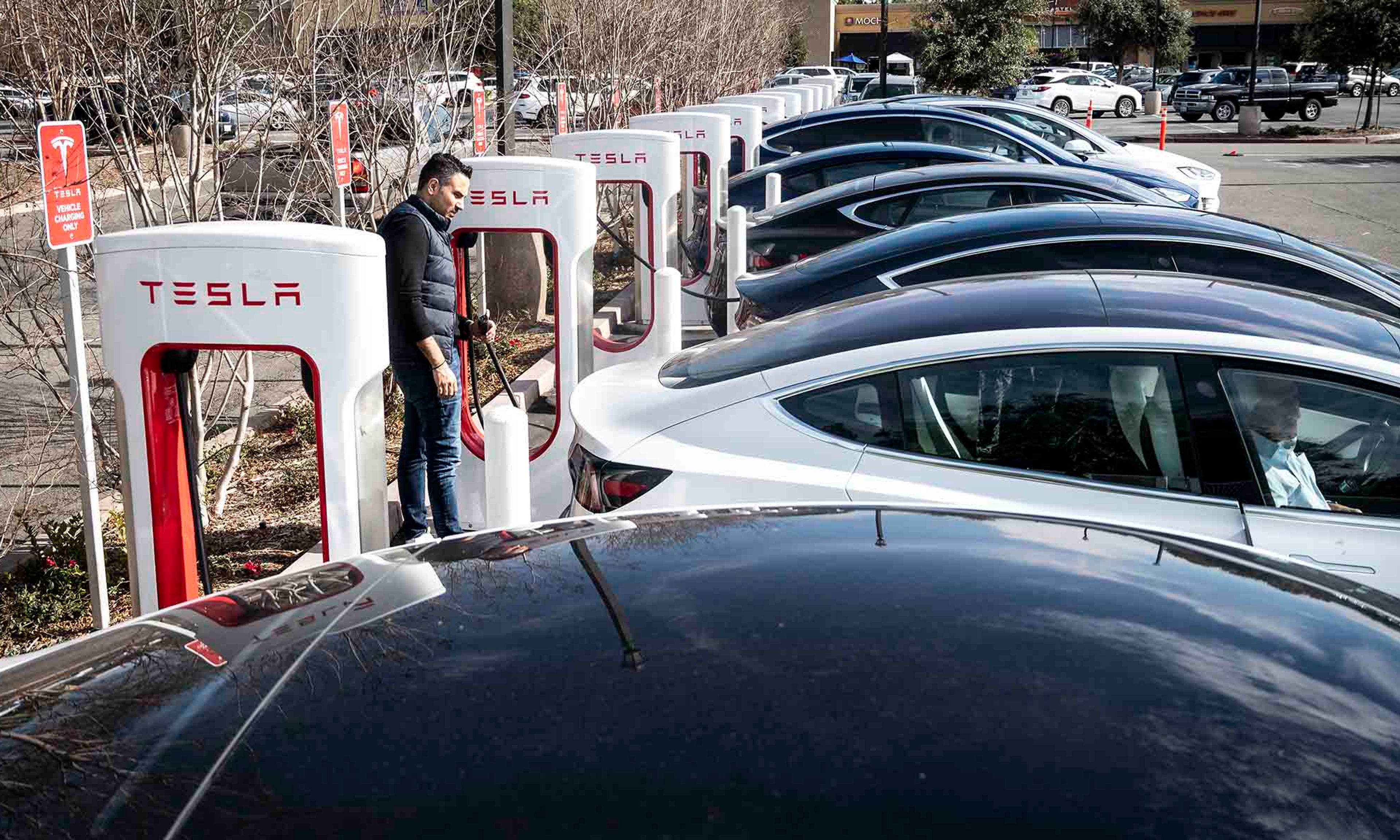
Late in August, America’s favorite loopy wine-swilling communist aunt who dabbles in astrology and mushrooms — I’m speaking, of course, of the government of California — announced a plan that might make your eyes pop: Through a mixture of mandates, quotas, ever-expanding bureaucracies, and fines, the state will essentially ban the sale of new gasoline-powered vehicles by 2035.
Wow! How forward-thinking! What could possibly go wrong?
Hold on to your socks: This saga is only beginning. Just days after this impressive and rather brazen announcement, a heat wave rolled over the Golden State. At times, it was hotter in California than it was in Texas. This is because God has an excellent sense of irony.
Clearly alarmed, California’s grid operator issued multiple warnings, noting that the oven-like temperatures were likely to strain the state’s power grid — and that, oh, by the way, Californians should refrain from charging their electric vehicles between 4 p.m. and 9 p.m. Ouch.
In a separate and equally amazing announcement, state officials advised residents who found themselves with undercharged electric cars to “freeze, just like a statue, between the hours of 4 p.m. and 9 p.m., avoiding movement that could cause an injury, lest you have to walk 16 miles to the ER with a broken scapula. Please also refrain from having any personal emergencies that might require a car during this specific time window. And for heaven’s sake, do not — please do not — go into labor between the hours of 4 p.m. and 9 p.m.”
Okay, I made that second announcement up. Faced with general ridicule over the state’s proudly declaring that everyone should buy an electric car and then days later informing the public that there were already too many of these cars to properly charge them, a spokeswoman for Governor Gavin Newsom had this to say: “We’re not saying don’t charge them. We’re just saying don’t charge them between 4 p.m. and 9 p.m.”
Ah. Remember: If you’re going to get appendicitis, don’t.
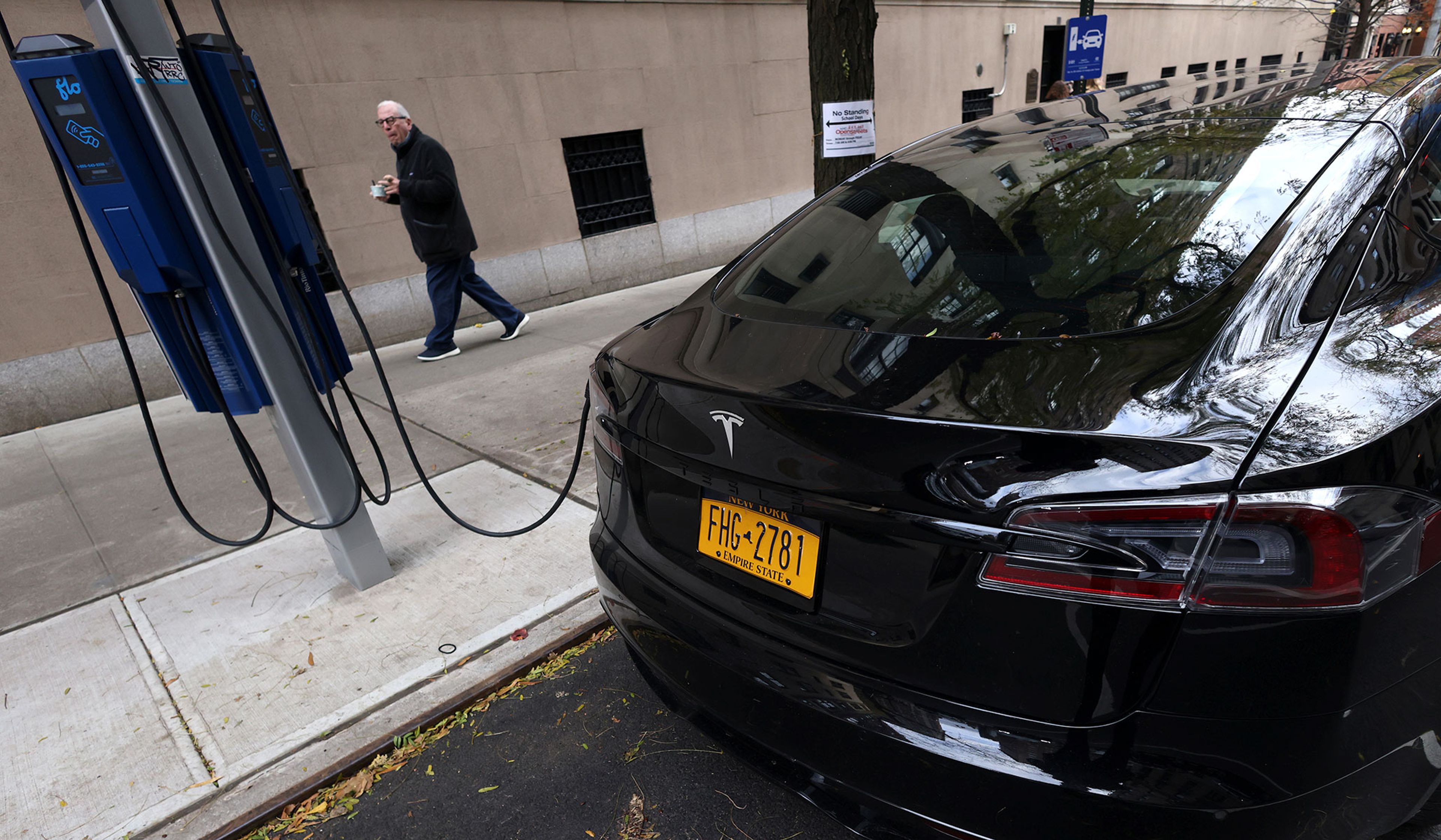
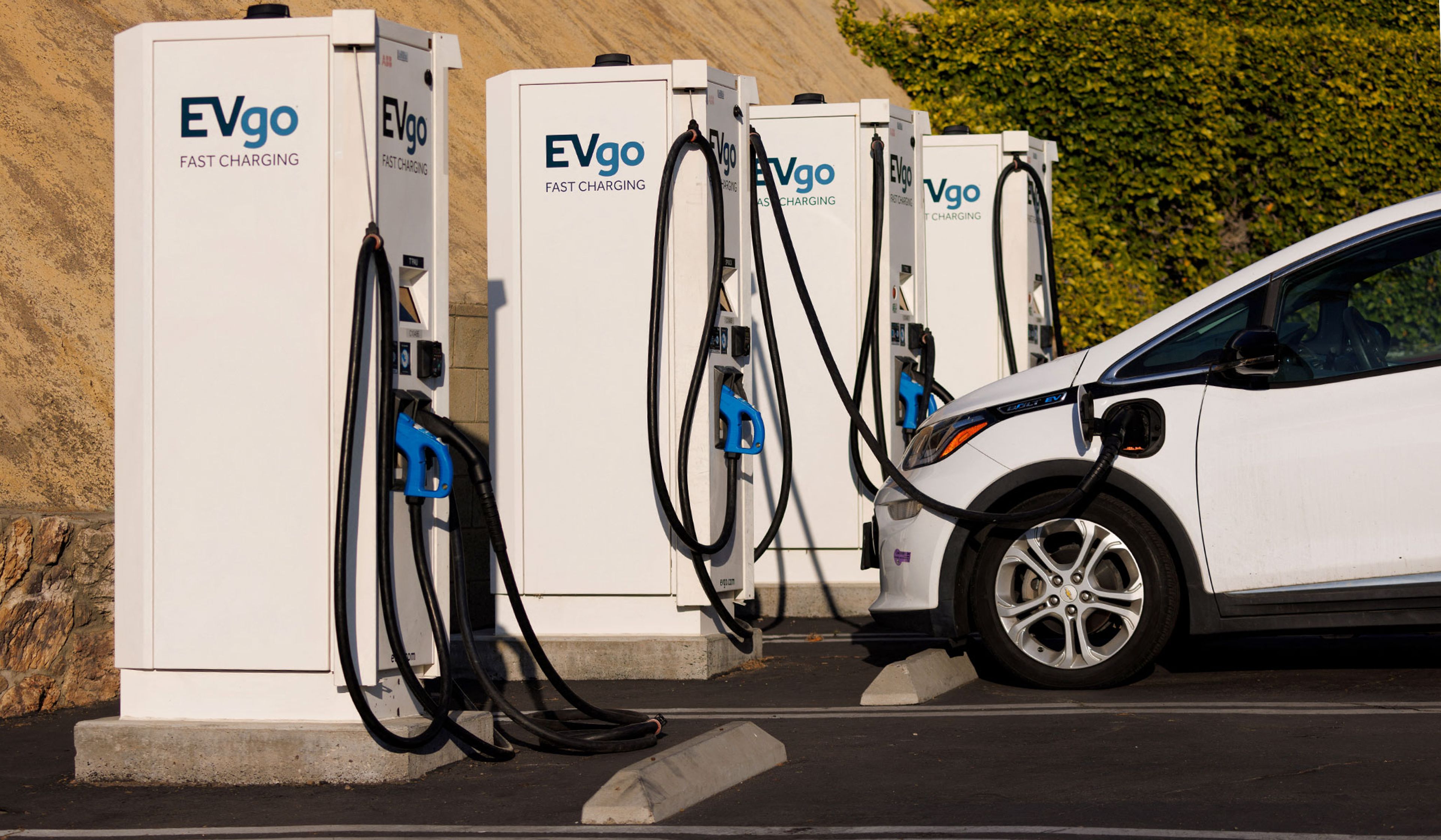
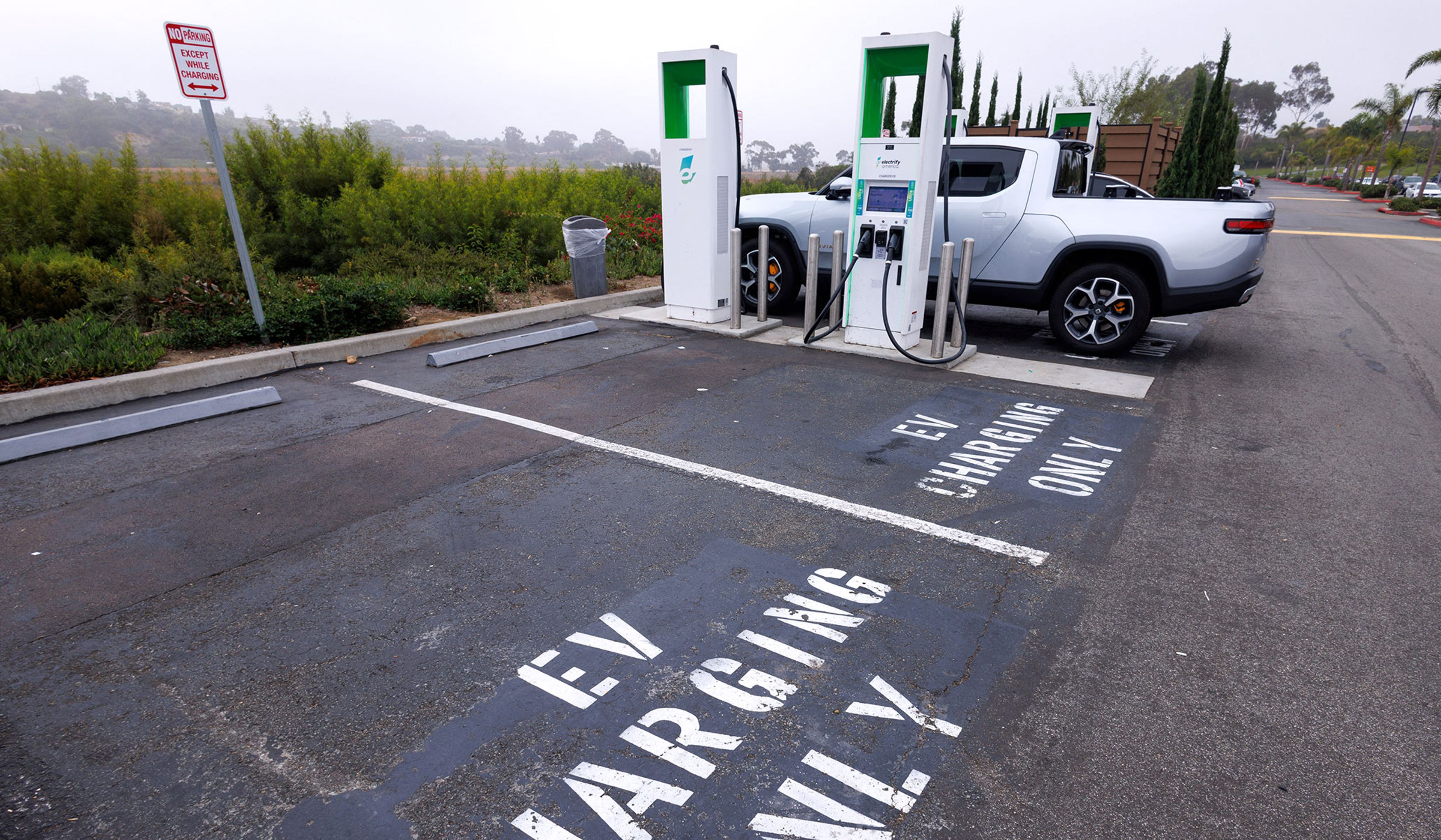
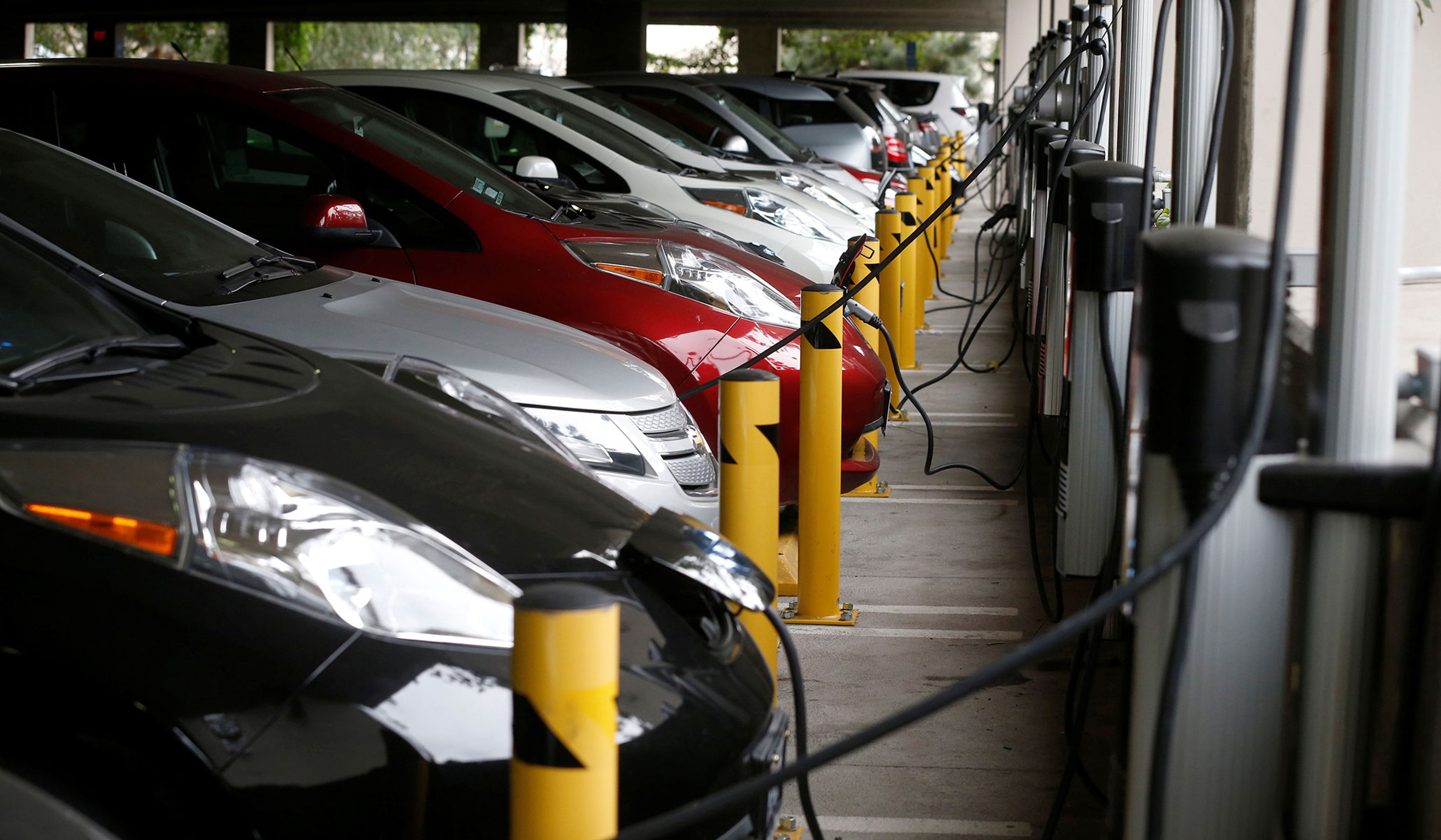
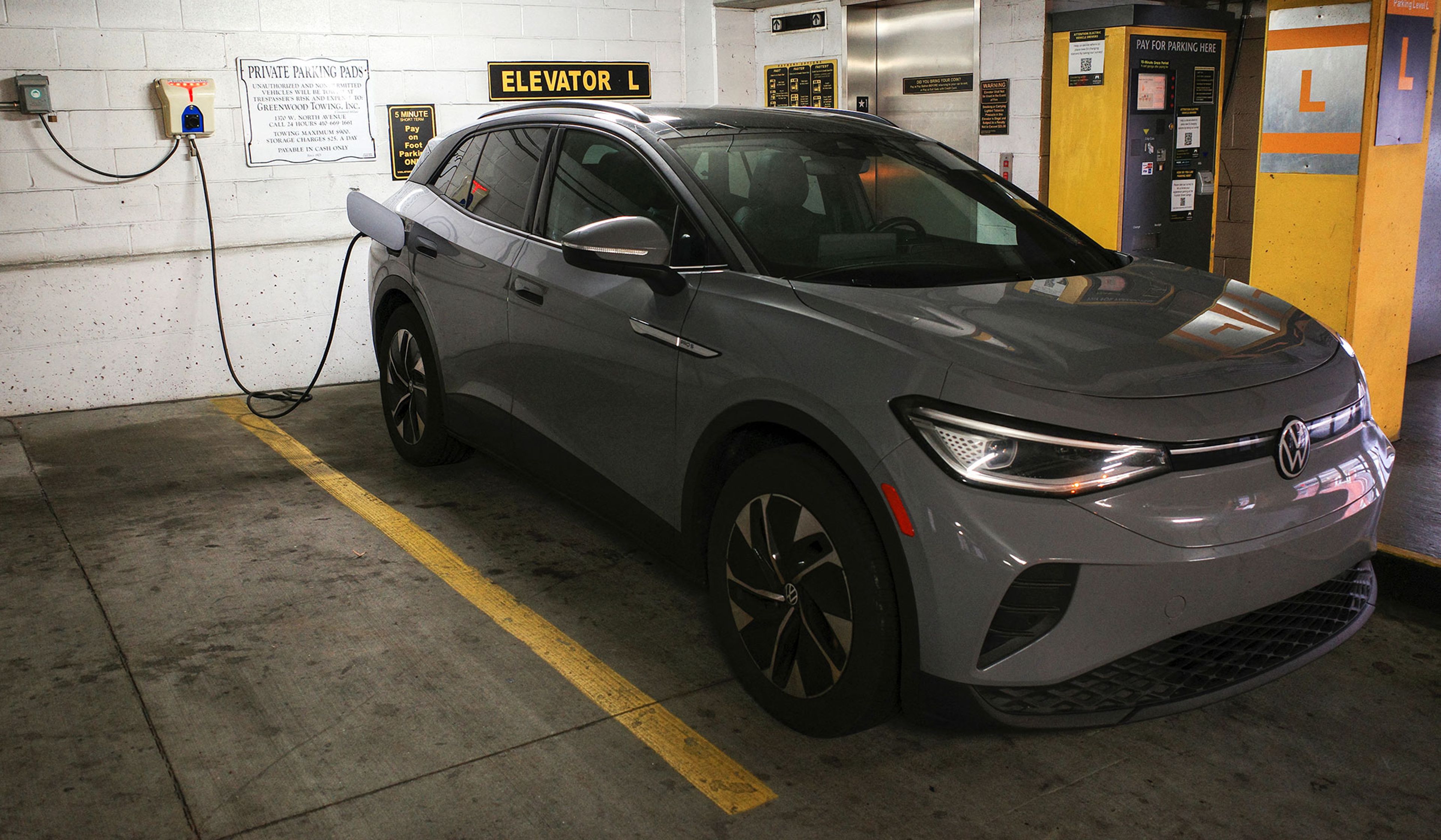
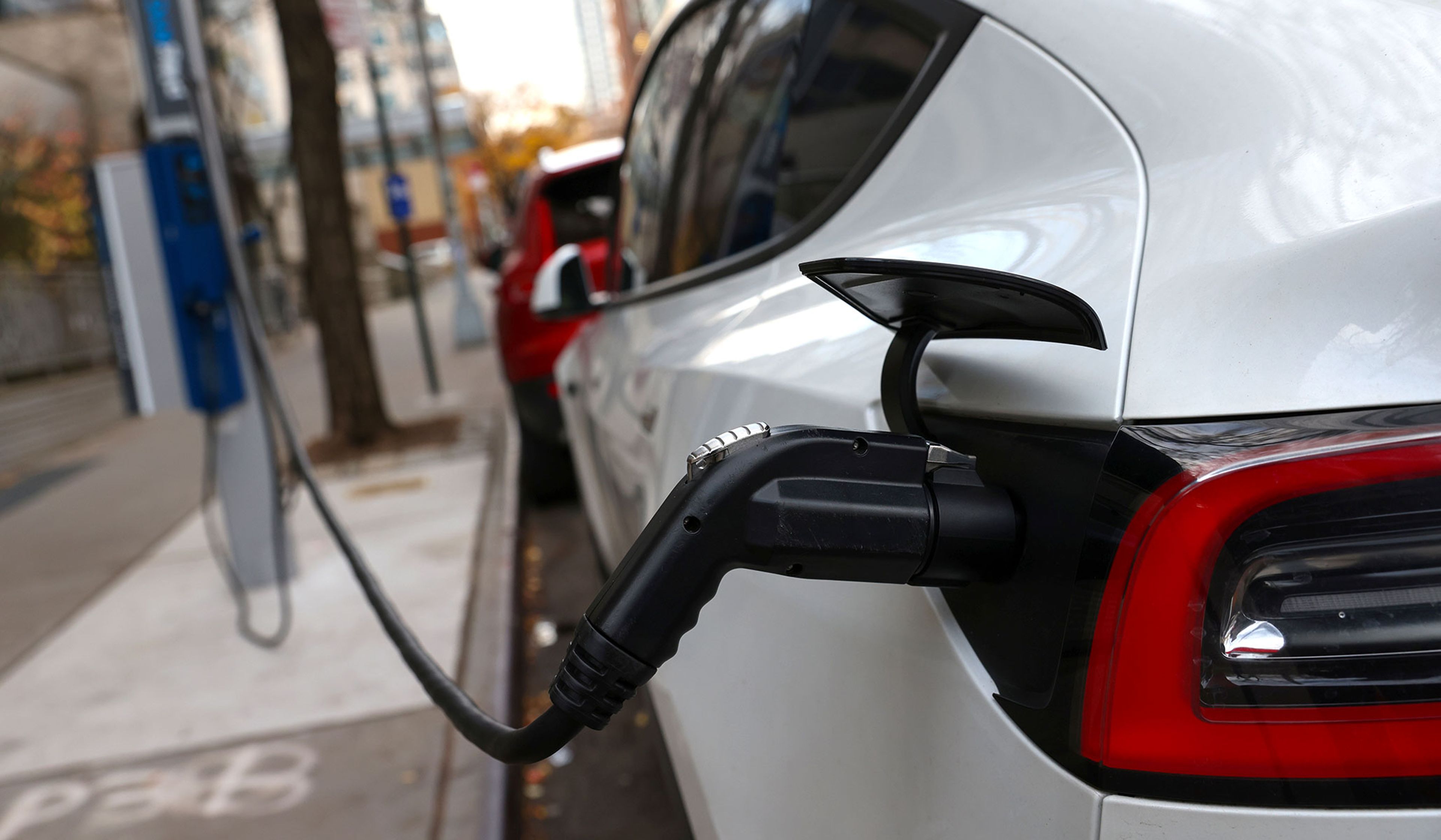
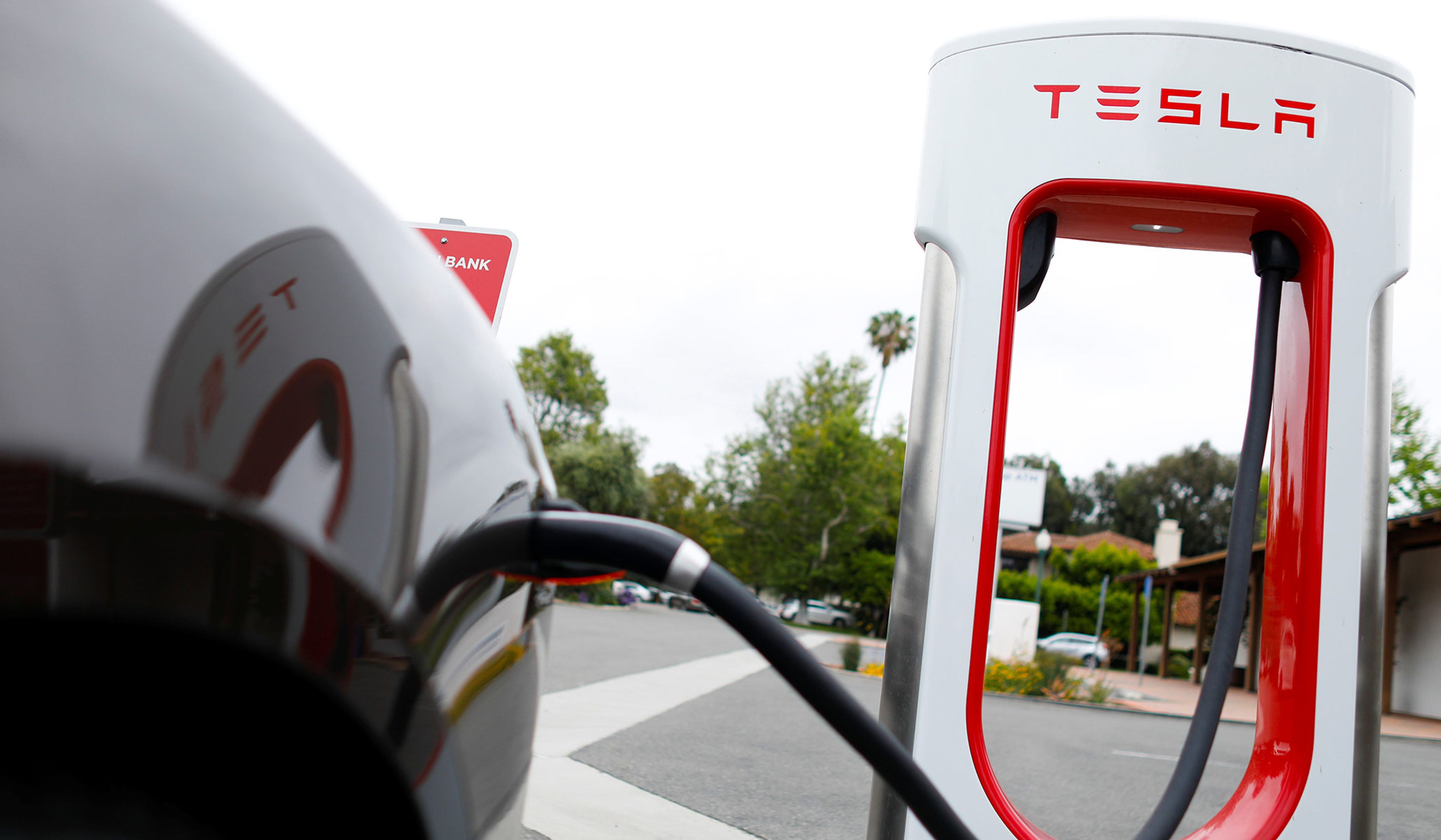
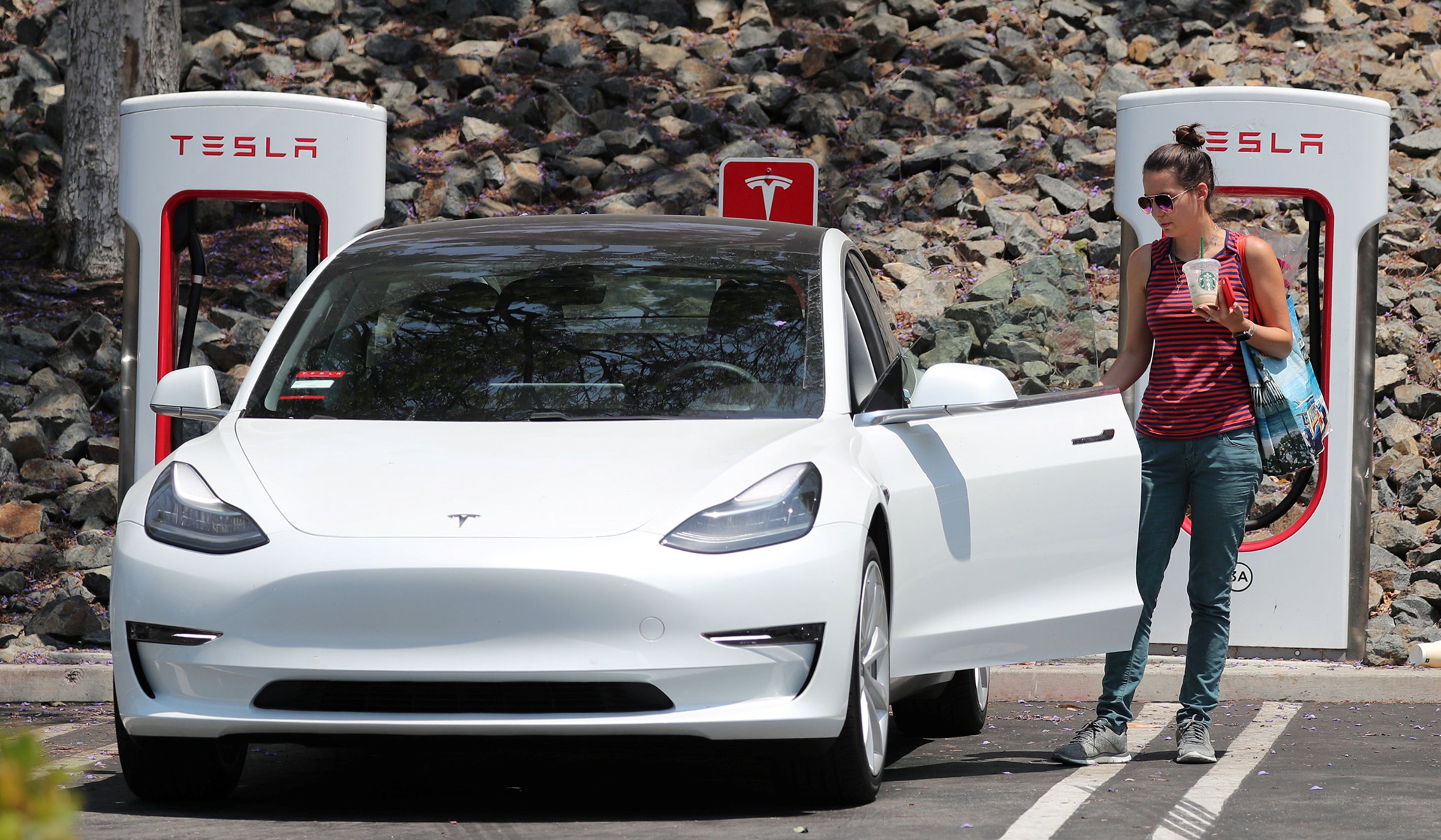
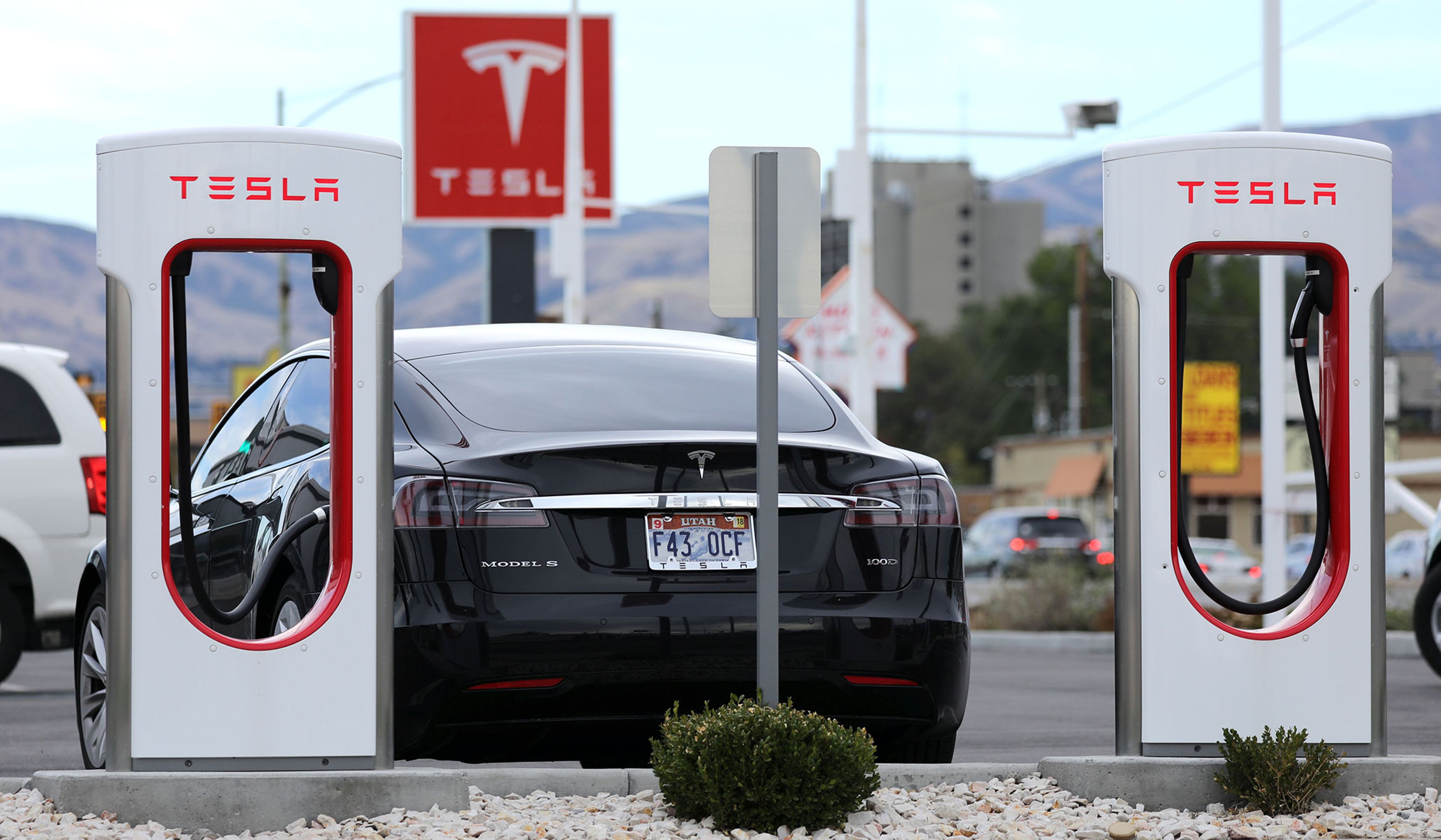
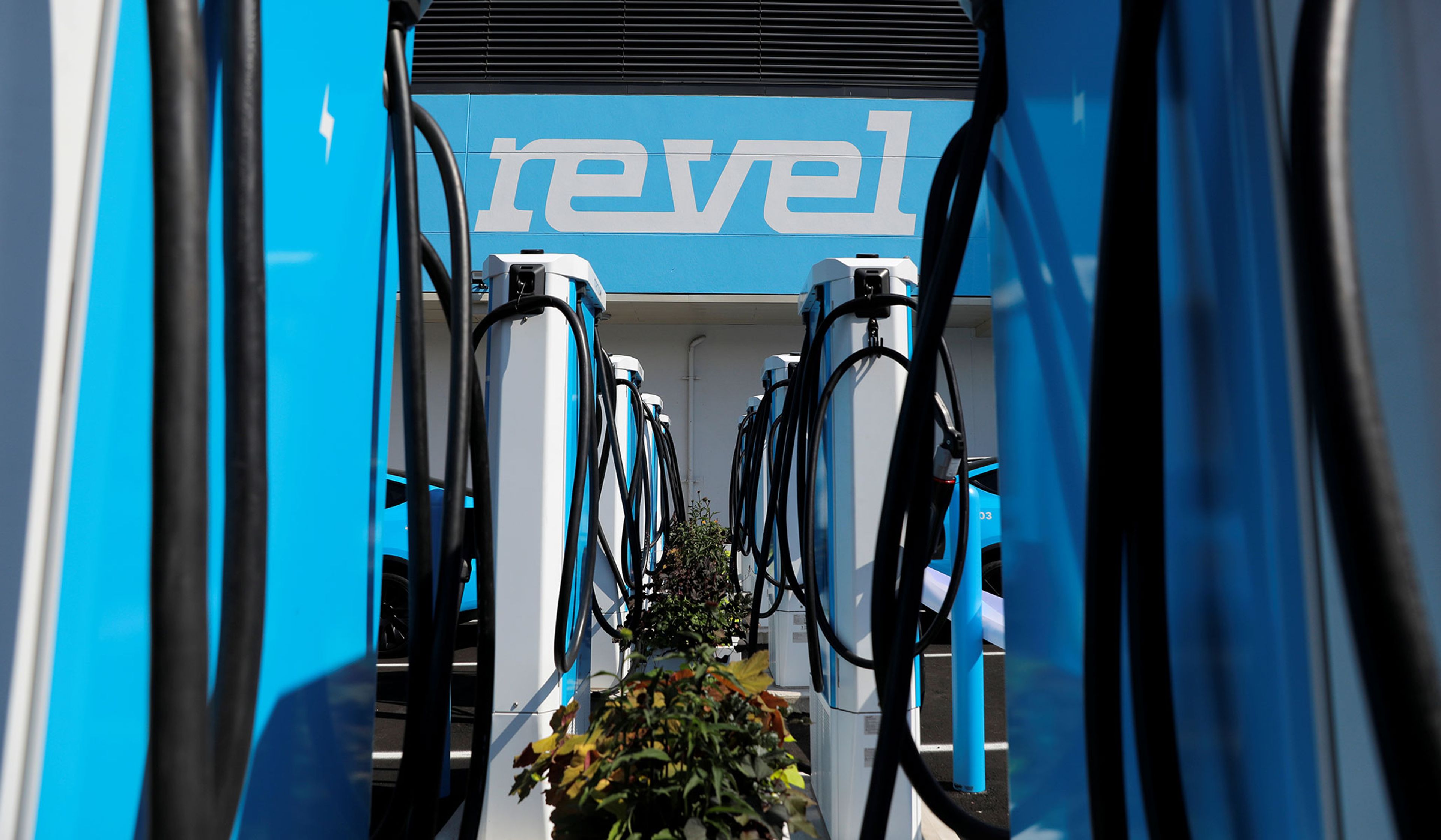
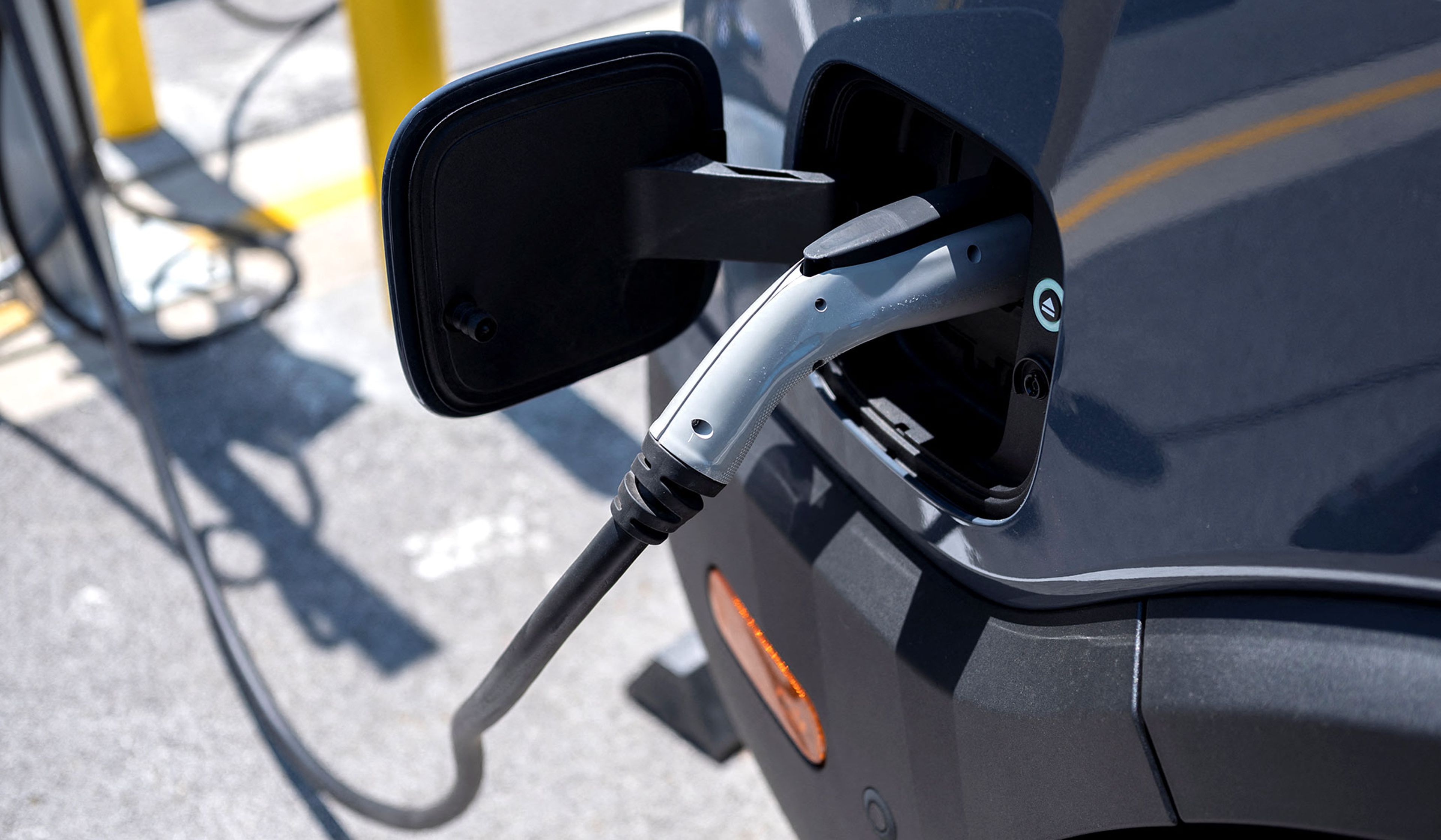
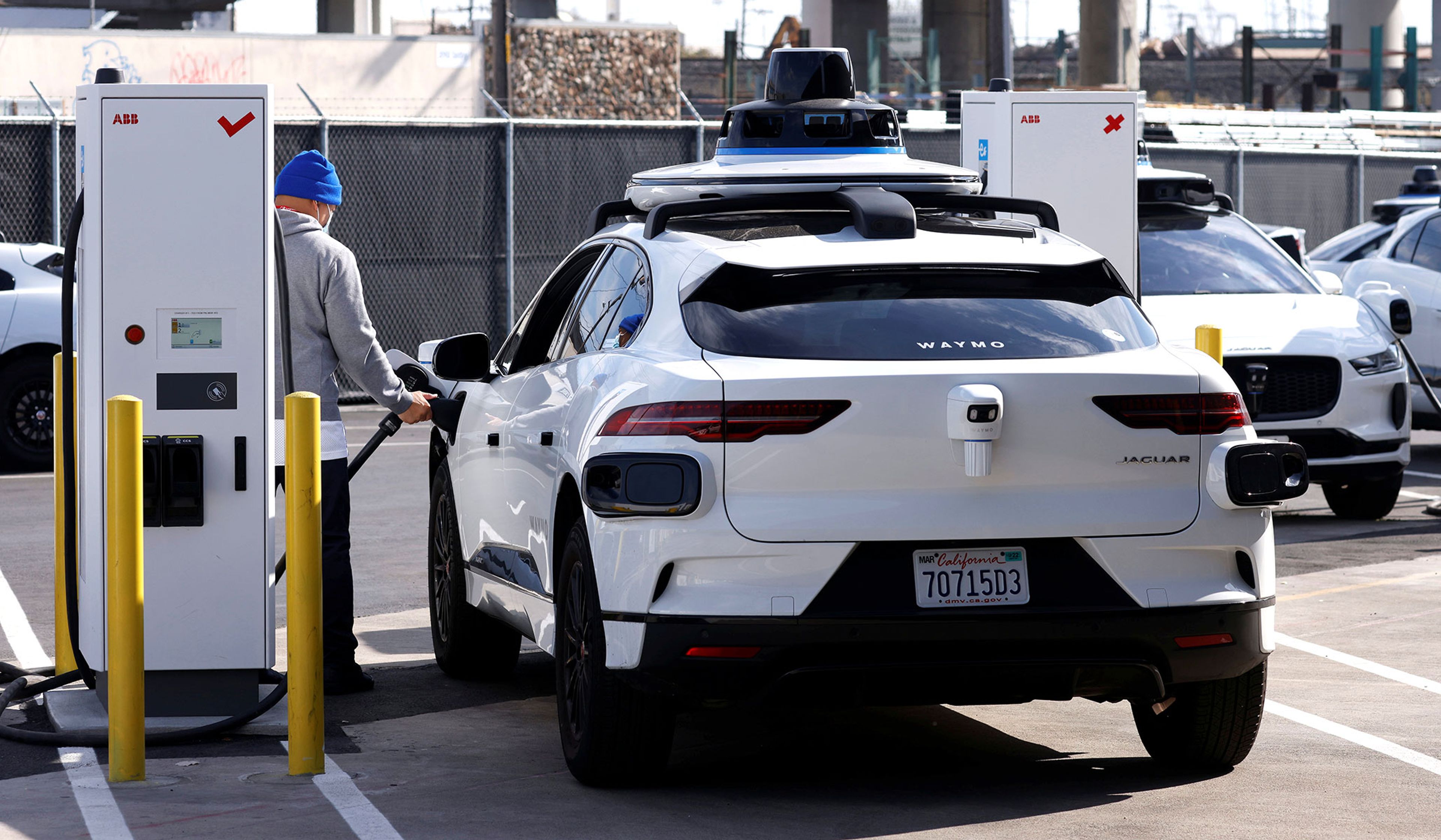
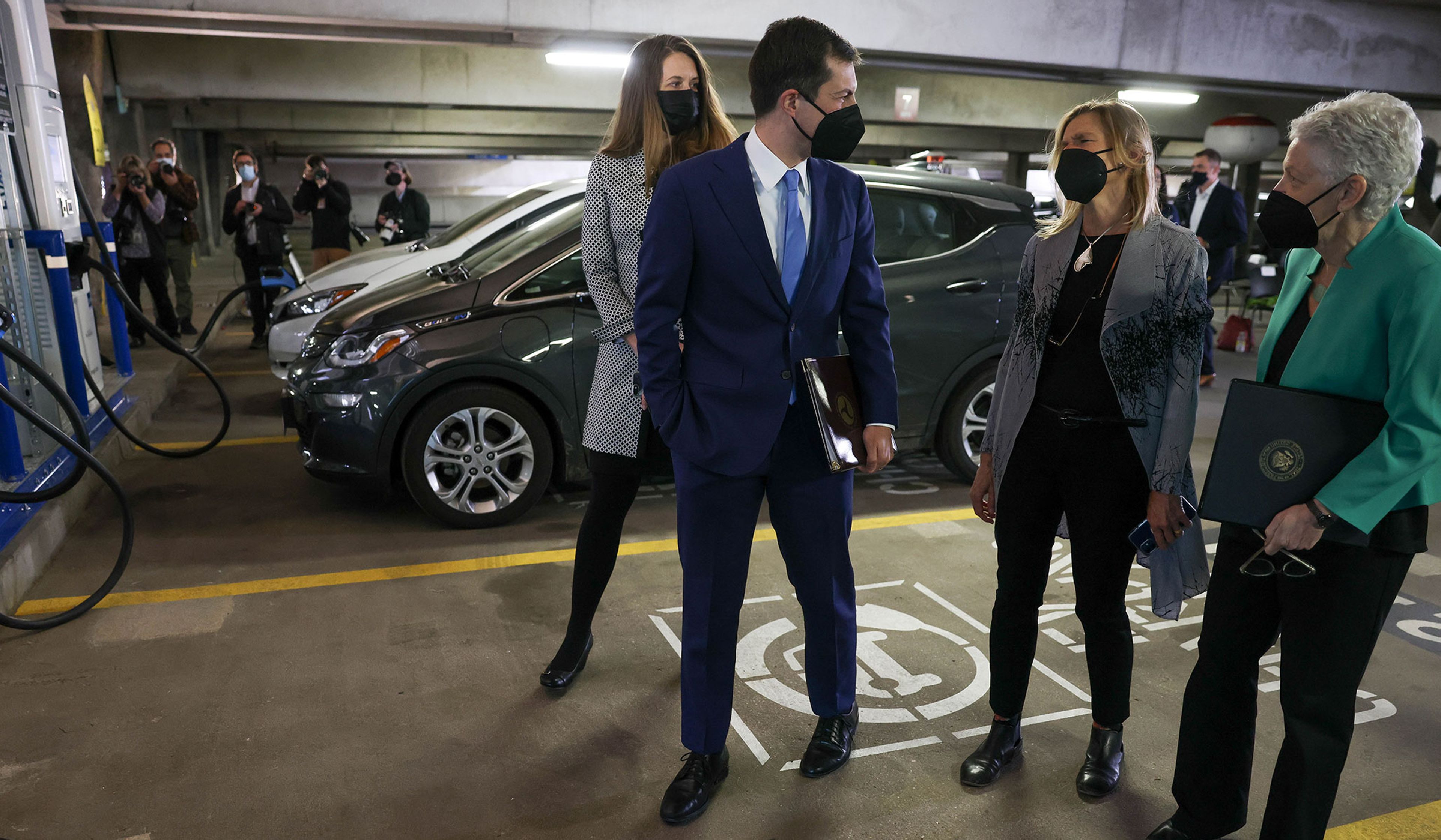
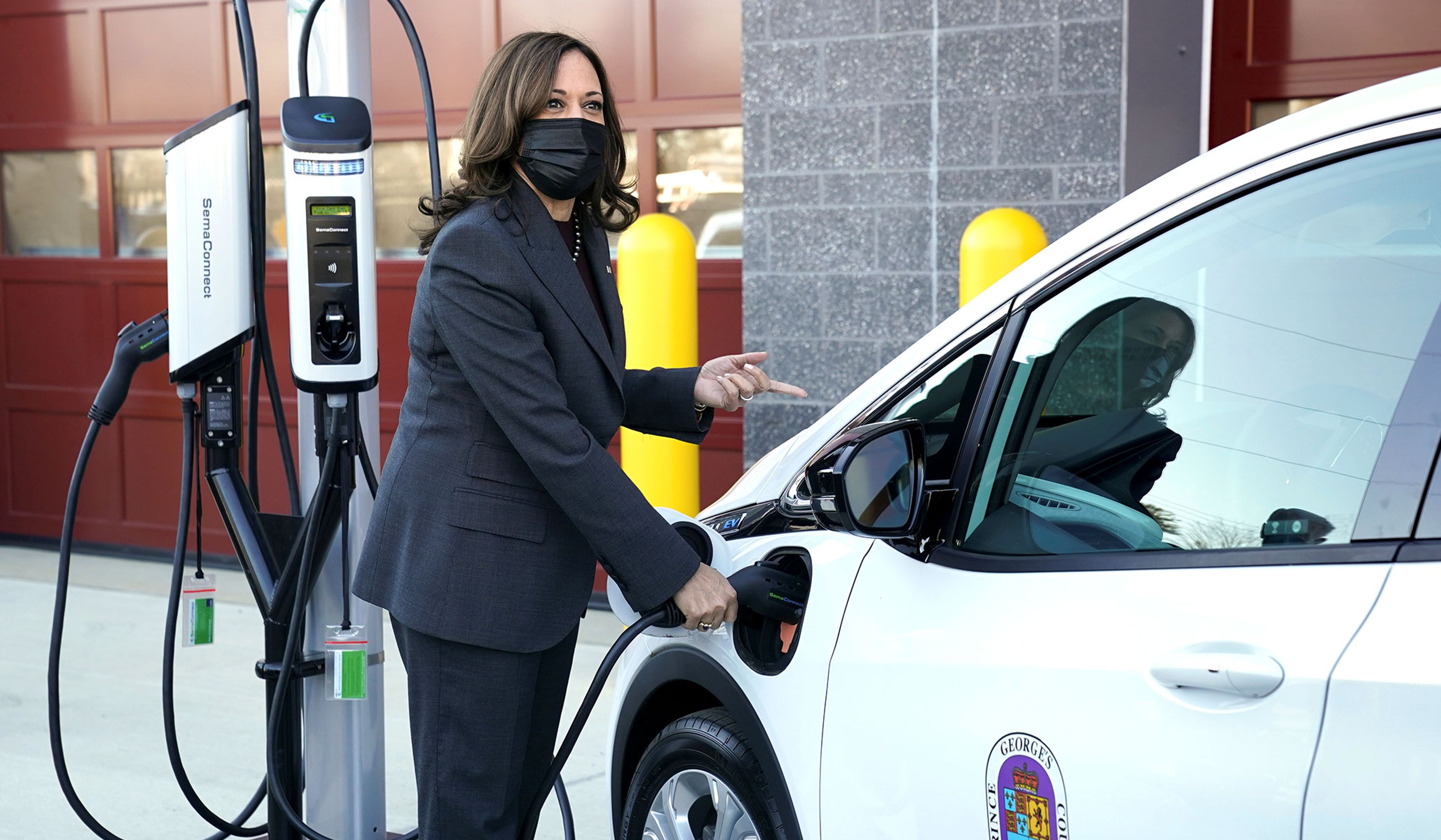
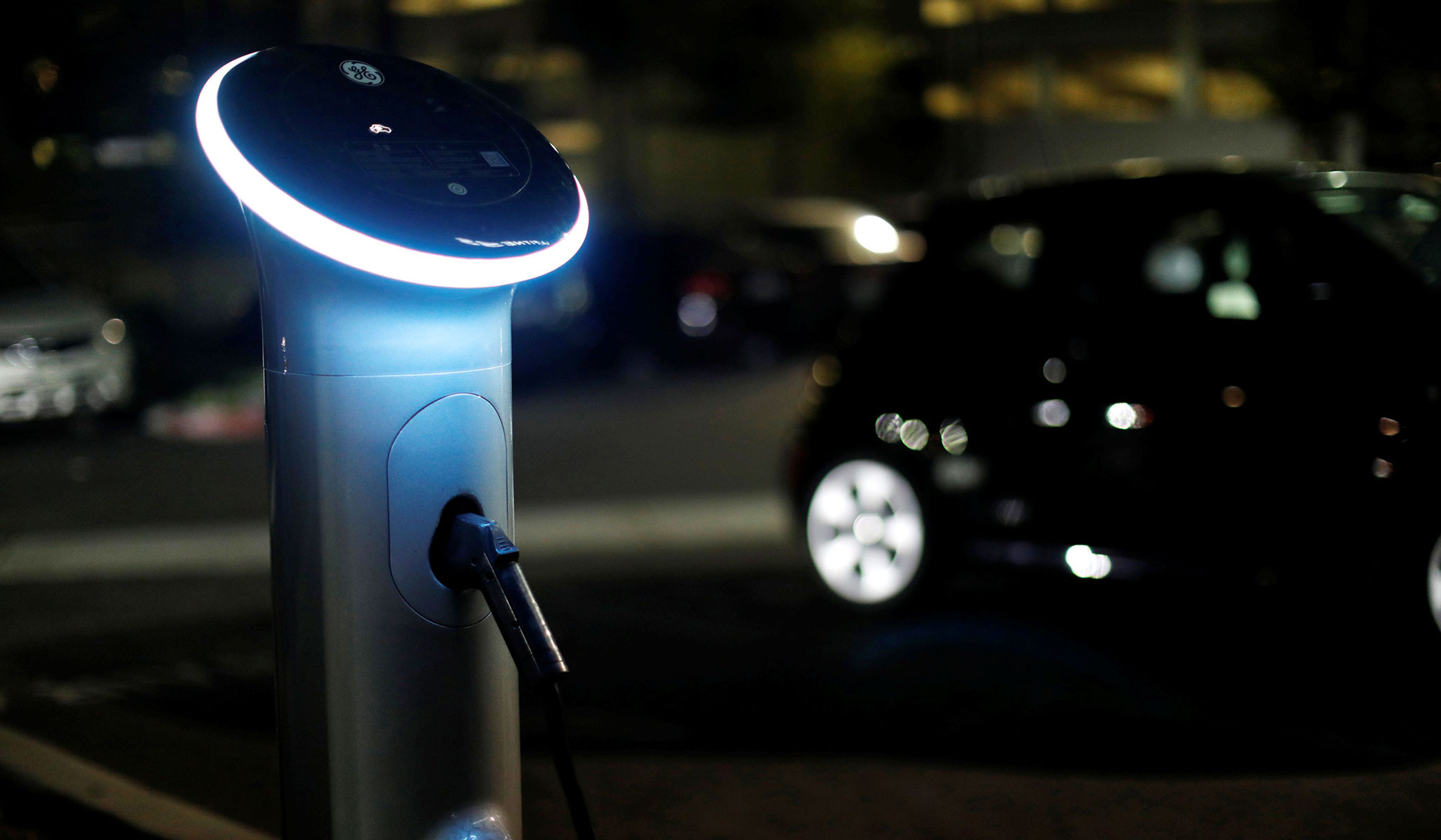
A person walks by as an electric vehicle charges in Manhattan, December 7, 2021.
Andrew Kelly/Reuters
I know what you’re thinking: While this tale of dysfunction and woe is alarming, it’s also kind of hilarious. And you’re right! You really can’t make this stuff up. California is a gorgeous state filled with natural wonders and wonderful people, but pretty soon the only way to get out of the place might involve the few remaining clusters of beleaguered residents’ begging Ron DeSantis to fly them to Martha’s Vineyard.
Don’t get me wrong: Electric cars are great, unless you actually want to go somewhere that’s, you know, far. There’s a new Porsche electric vehicle, the Taycan, that looks pretty fabulous, in case anyone wants to get me one for my birthday. It starts at $82,700. I would tool around town in that thing like a pro! But if you want to take a road trip with a car that plugs in, in a vast, sprawling country with multiple wilderness areas that will likely never have an abundance of places to plug it in . . . well, you might want to give the whole idea a second thought.
Earlier this summer, the Wall Street Journal ran a harrowing account of a writer attempting to achieve a seemingly simple mission: driving from New Orleans to Chicago — a route through several metropolitan zones — in an electric car. Spoiler alert: It was not simple. It was a minor-league nightmare, filled with mishaps and inefficient charging stops and underpowered batteries and more. A week after the trip, burned by her battery-powered-travel debacle, the writer gleefully filled up her gas-powered Jetta: “Gas is up to $4.08 a gallon. Fumes never smelled so sweet.”
This is not to say that in the near future there will not be an electric-charging station located every two hours on the tumbleweed-strewn highway route that runs through West Texas and up through New Mexico, eventually winding through the Colorado mountains. Maybe there will be! The University of California at Davis estimates that California alone will need 1.9 million new public charging stations to accommodate the expected influx of quasi-mandated electric cars. I mean, okay, I guess.
Also, look: I understand that I’m kind of weird. I love road trips. I believe in self-sufficiency, am a bit of a prepper, and always keep my gas tank at half full or higher in case the apocalypse breaks out or Beto O’Rourke somehow gets elected to some form of public office. It also seems fairly obvious that the more one’s car or thermostat or dishwasher or toaster oven gets tied to a larger grid or Internet-based system, the easier it becomes for some bureaucratic busybody to shut it down. This actually happened to 22,000 unfortunate souls this summer in Denver, when so-called smart thermostats capped their air-conditioning use during a heat wave. (Also, if you think Alexa isn’t going to turn on you someday, don’t say I didn’t warn you.)
In all seriousness, I value the environment, support local conservation efforts, have solar panels on my house, and appreciate efforts to push forward greener technology. If a sizeable chunk of the current flock of electric cars didn’t derive their electricity from coal and gas and draw their battery materials from questionable mines in impoverished countries — they do — I might be a bit more rah-rah.
But no one should be rah-rah about government overreach. Perhaps in the future, electric cars will be increasingly tied to nuclear and reliable renewable power. Perhaps in the future, someone will buy me that Porsche. But in the meantime, when it comes to electric cars, I’d bet on the free market to do a better job than a guy like Gavin Newsom. To expect otherwise is just running on fumes.










Comments