Whether you get your COVID-19 analysis through Twitter or the network Sunday shows, you have almost certainly benefited over the past year and a half from the incisive commentary of Scott Gottlieb — physician, former FDA commissioner under President Trump, and veteran of two presidential administrations.
So ubiquitous and admired is Gottlieb that plenty of people have said we’d be a lot better off if we had just put him in charge of America’s pandemic response. His book, however, explains why the problem runs a lot deeper than any one good leader or better set of decisions could fix.
Gottlieb offers a withering review of failures by America’s public-health agencies, from the early failure to scale up testing to long-delayed recognition of how the virus spreads. It is far sharper in identifying shortcomings and potential fixes than efforts by some other prominent writers so far, such as former Biden and Obama official Andy Slavitt (who unpersuasively argues that political leadership and government underinvestment is what separated the U.S. response from standouts such as Singapore and Hong Kong) and journalist Michael Lewis (who tells the wrenching but ultimately unsurprising story that some experts tried to raise alarms in the virus’s early days).
A good share of the book analyzes how the virus reached the United States and quickly spiraled out of control. Even with international-travel restrictions, it was inevitable that cases of COVID-19 would arrive on our shores. The government’s job was to detect cases on arrival, identify where the virus was transmitting in the community, and take targeted measures to mitigate the spread. But, as Gottlieb explains, the weeks-long failure of the Centers for Disease Control and Prevention to develop a working test crippled this effort. Limited testing also meant that the CDC experts were wrongly telling the White House task force that the virus was not rapidly spreading in the United States, because they were relying on ill-suited data streams such as trends in influenza-like illness symptoms.
It’s hardly all the CDC’s fault. As Gottlieb points out, the institution was never funded or designed to run an operational response to a global pandemic (and still is not), and the American health-care system was particularly ill-prepared as well. Large-scale testing was easier to achieve in wealthy European and Asian countries in part because their hospital systems more often use mass-produced test kits, rather than having laboratories assemble kits from their own supplies. South Korea was able to ramp up testing faster than any peer because, after a frightening outbreak of Middle East Respiratory Syndrome in 2015, it built a stockpile of testing supplies with the specific goal of scaling up testing for a respiratory virus.
Unfortunately, Gottlieb goes far too easy on one of the bureaucratic culprits: his former agency, the FDA. At points, the reader might come away thinking the regulations for medical tests in America are made in Atlanta, rather than at the FDA. Gottlieb never explains outright that, if it had not been for FDA decisions, state and local public-health laboratories and other advanced institutions could have easily developed and started performing tests on their own in January and February.
Instead, once COVID-19 was officially declared a public-health emergency, the FDA required that labs get pre-market authorization from the agency in order to diagnose patients — a process that would not only take weeks of data-gathering but was also totally unfamiliar because labs aren’t subjected to it except in a public-health emergency. This Kafkaesque situation — labs being subjected to a higher standard during an emergency than in ordinary times — was eventually fixed when the FDA relented at the end of February and announced it would allow labs to perform tests and then submit data to confirm their accuracy later on. As Gottlieb notes, without drawing the clear contrast, this is what South Korea’s CDC and FDA equivalents did essentially from the start. Gottlieb is on stronger ground in lamenting — as he said publicly in January and February of 2020 — that truly effective national testing would have required persuading large lab companies to scale up their own tests, although that would also have required funding that Congress was slow to appropriate.
The book — and our national conversation — would benefit tremendously from a frank assessment by Gottlieb of where the FDA went wrong. The closest he comes to a major critique is noting that a more flexible approach to reviewing the data from vaccine trials could have led to FDA authorization of the Pfizer vaccine for especially high-risk populations perhaps a month before it occurred.
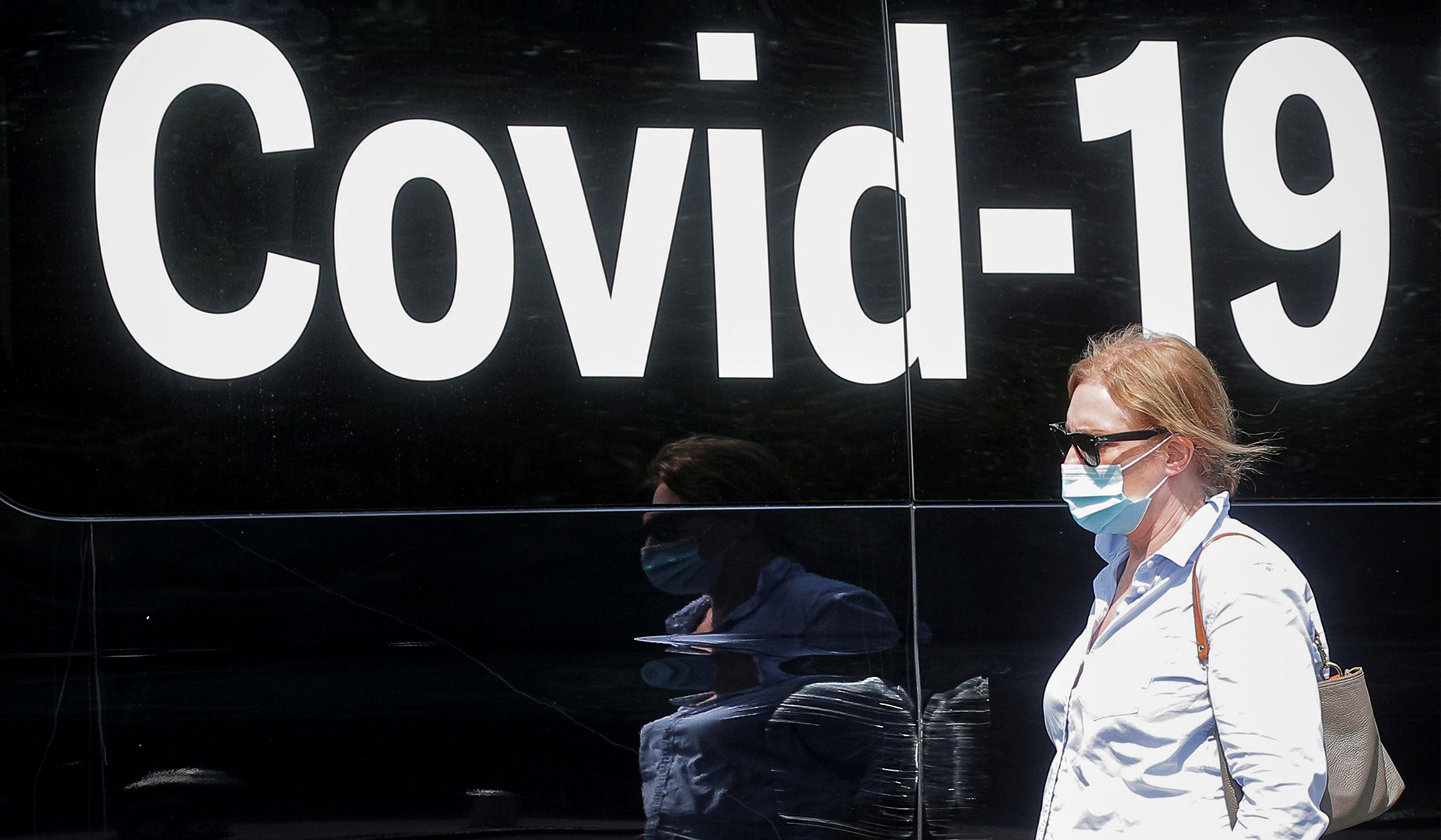



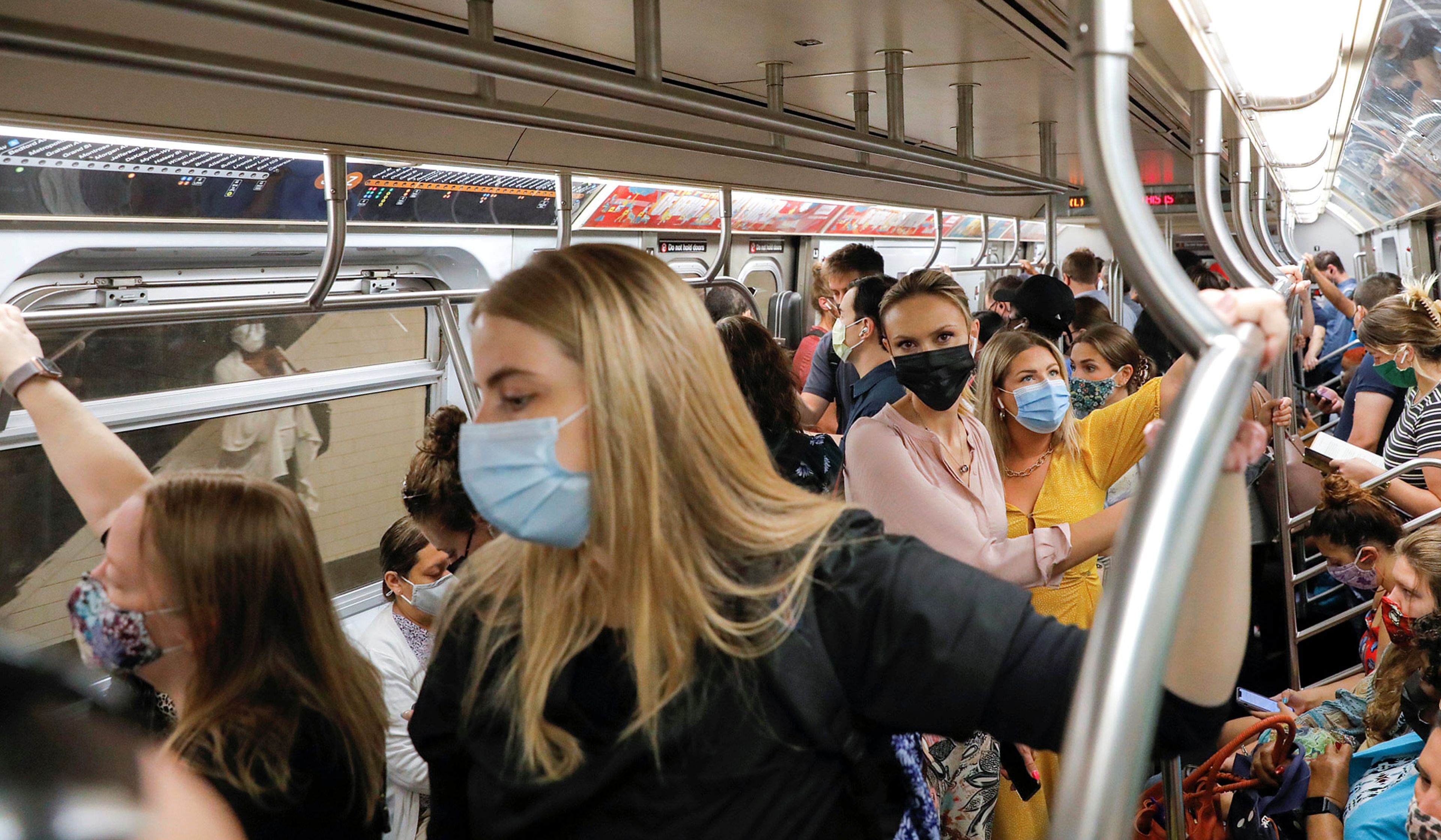
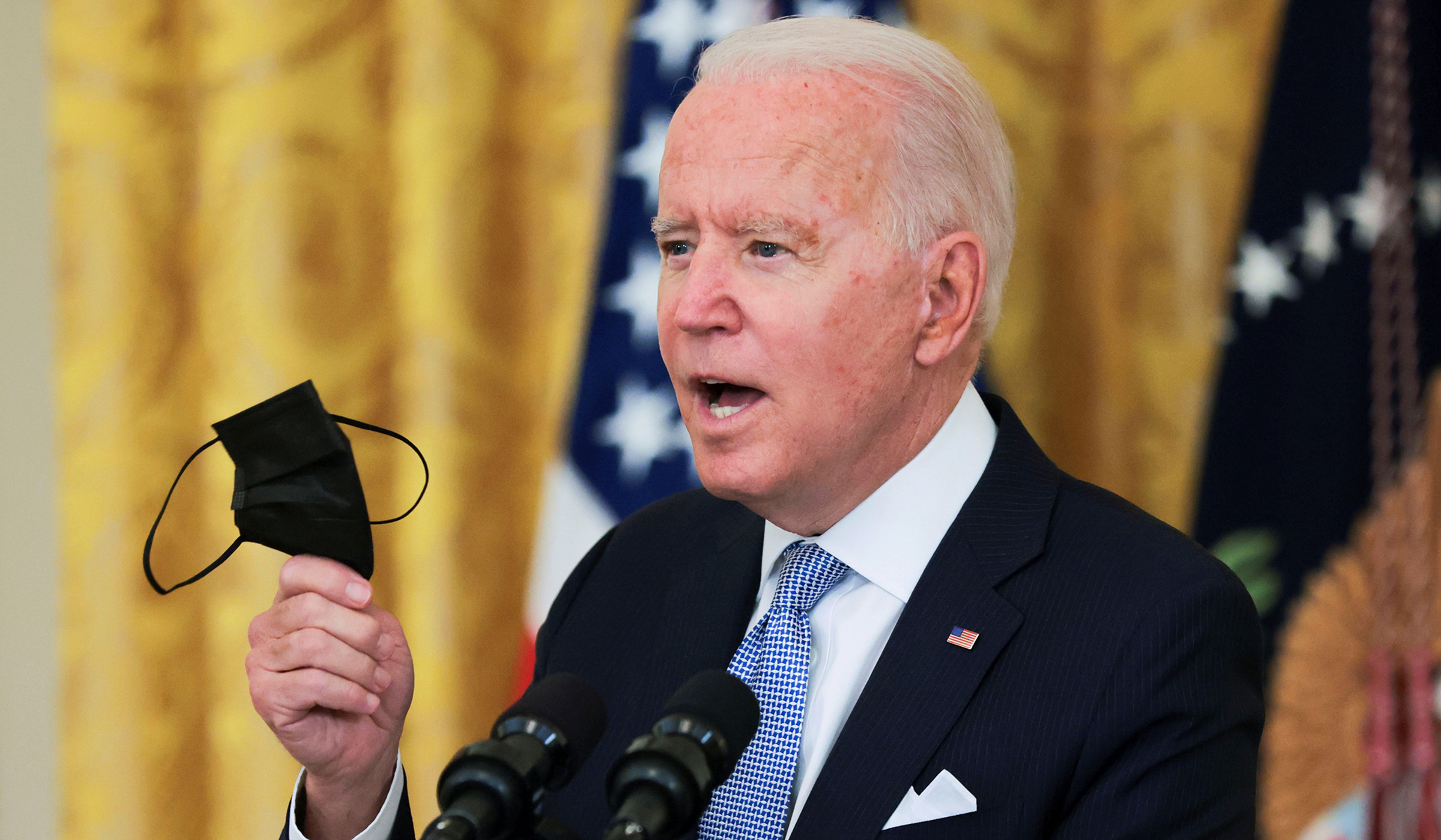
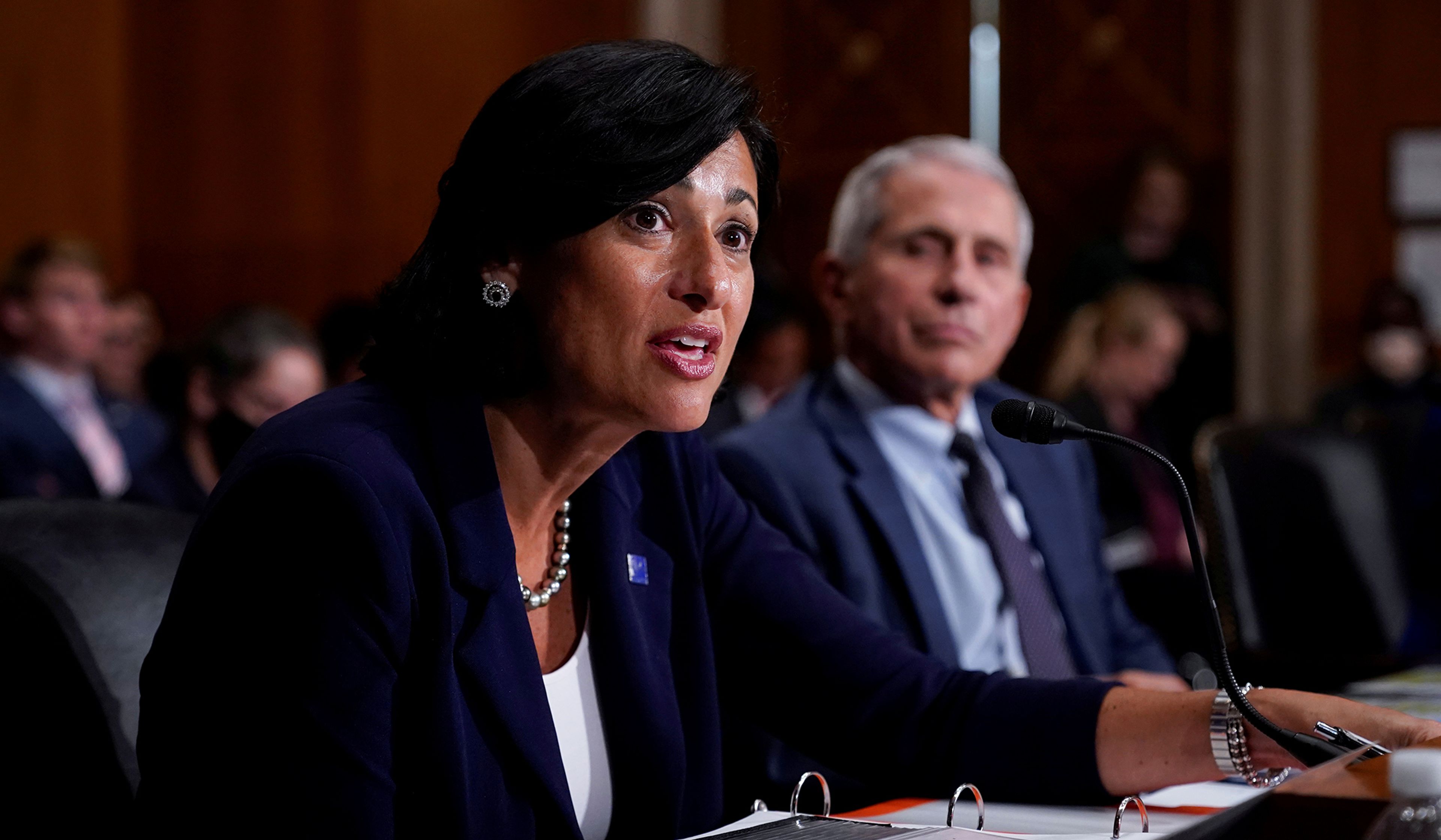
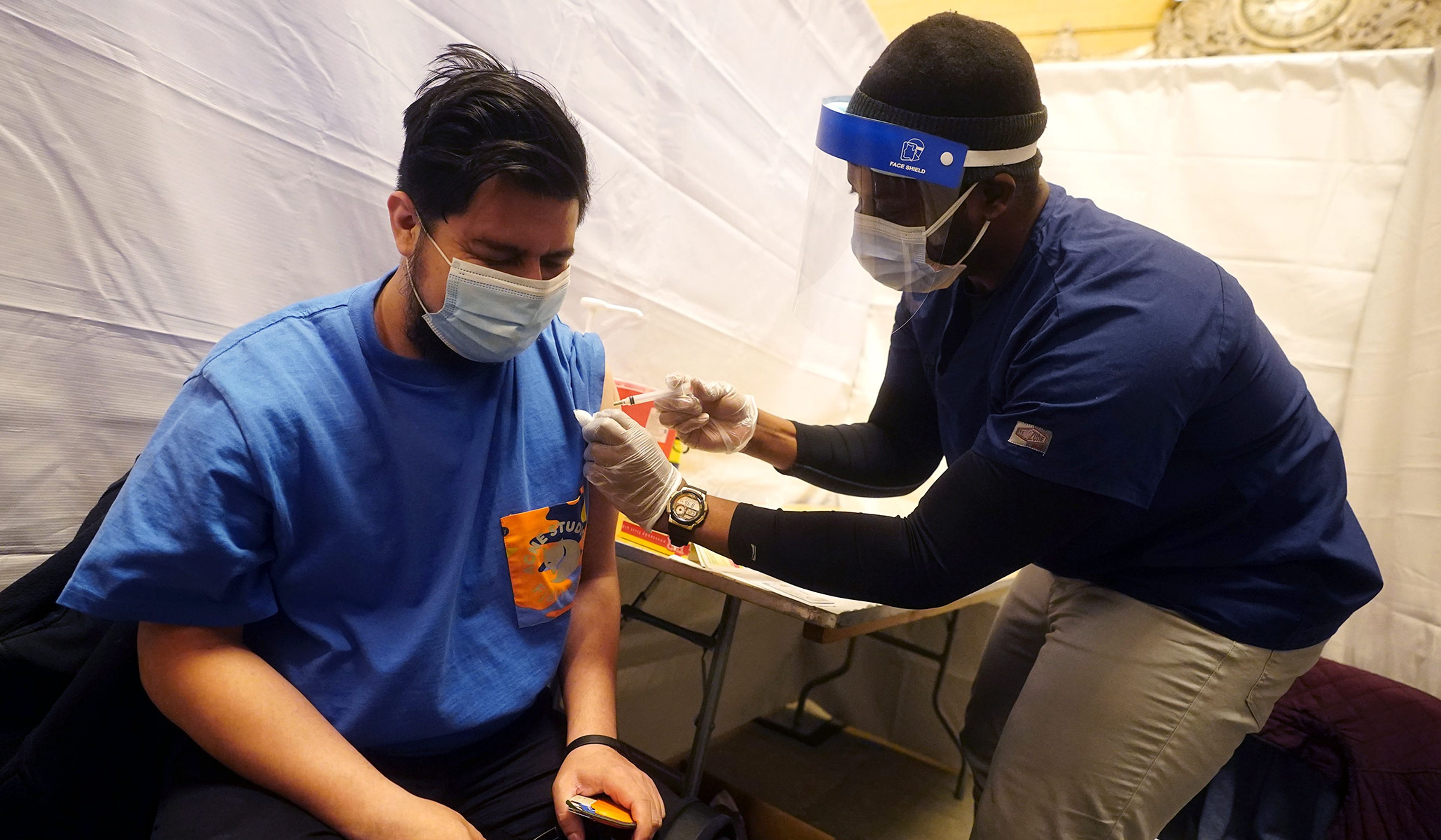
A woman passes a coronavirus mobile testing van in Washington Square Park in New York City, July 22, 2021.
Brendan McDermid/Reuters
The media have often missed the bureaucratic-failure story, preferring more salacious political narratives, and in some cases essentially covering up these once-renowned institutions’ shortcomings. For instance, at the beginning of the pandemic, the CDC had no ability to know how many patients were in American hospitals with COVID-19. In the spring of 2020, the CDC created a model to estimate such data, using an existing reporting system for hospital-acquired infections. But the model’s estimates, based on data from about a sixth of U.S. hospitals, weren’t accurate enough to show where scarce supplies should be distributed. There was, for instance, no reporting from the entire northern half of California, and the CDC’s system would reportedly take two or three weeks to add new data points beyond patient counts, such as how much of the antiviral remdesivir a hospital had on hand.
As Gottlieb explains, when officials elsewhere at the Department of Health and Human Services worked with private-sector partners to build a more agile, truly national system within days, there were months of media reports that this was an attempt to exert political control over the data — when in fact it was a rapid, workable solution to a problem the CDC had failed to fix.
Bureaucratic sclerosis helps explain why, despite the light-touch media coverage, President Biden has not been much more effective than his predecessor at mobilizing a federal pandemic response.
When President Trump left office in January, his administration was able to boast that the U.S. had more widespread access to rapid tests than any other large country on earth, thanks to large federal purchases and manufacturing investments. But today, availability of over-the-counter rapid tests, for a brief time easily available in pharmacies, has dried up quickly as case counts rise. They still often cost $30–$40 each, while competing tests that have not received FDA clearance are widely available in Europe for far less.
In mid August, President Biden’s announcement that all Americans should receive booster shots was a rapid reaction to waning vaccine efficacy — a reasonable way to place a bet on getting ahead of the virus with one of the most successful tools we have. But the White House announced the plan before the FDA and the CDC had formally signed on, and the effort was mired in a confusing bureaucratic morass for weeks, with lower-risk populations now still unsure of whether they’re eligible or would benefit.
Gottlieb focuses on the scientific aspects of vaccine development, but a deeper examination of why Operation Warp Speed worked so much better than the rest of the U.S. response reinforces the points he makes throughout the book. It is quite conceivable that we might not have procured enough shots to vaccinate our whole country within a few months (as the European Union and Australia failed to do), or that we might have invested in the wrong vaccine candidates or seen substantial delays in distribution. Instead, the United States ramped up its vaccination program faster than any other large wealthy country, through a coordinated public–private operation like what Gottlieb recommends to fix other areas of our response, such as testing.
In picking the leadership of Operation Warp Speed, HHS Secretary Alex Azar eschewed ex-government and public-health officials in favor of experienced private-sector drug executives and military operational experts. The leadership team built a broader portfolio of high-risk and low-risk vaccine bets than other countries had purchased, cut through bureaucracy with flexible acquisition powers created by legislation that Azar had helped pass in the Bush administration, and worked closely with manufacturers to expand capacity as soon as possible and long before vaccines were close to approval.
Delivering a more successful pandemic response will also require a cultural shift in American public health, toward more rapid incorporation of new data and greater comfort with frankness and uncertainty — exactly the tone and approach of Gottlieb’s tenure at the FDA. Under President Biden, we are still failing at even the simplest way to “follow the science”: merely keeping Americans up to date on what we know about how the virus spreads and how to protect ourselves. The federal government has still not put any serious weight, as a matter of investment or messaging focus, on better ventilation to slow the virus’s spread, despite indications from as early as the spring of 2020 that the virus could survive as airborne aerosols, not just as droplets that fall to the ground within several feet. American public-health leaders, unlike our European peers, have never highlighted that surgical masks and N95 or N95-like respirators are almost certainly much more effective than the cloth masks initially recommended last spring.
Bureaucratic failures are institutional, not individual. Gottlieb would be the first to recognize the hard work and heroic dedication of so many public-health officials during this nightmarish year and a half. Indeed, just about any member of America’s public-health bureaucracy could have told you in January 2020 that a catastrophic pandemic was in our reasonably near future — but it was not treated, by politicians or experts, with the urgency and focus that such a challenge demands. Building the capabilities and capacities we need to protect America from this pandemic and the next requires a clear view of how bureaucratic cultures can go wrong and whether institutions are succeeding at their most important missions. Where many analyses so far have missed the mark, Gottlieb has succeeded.







Comments