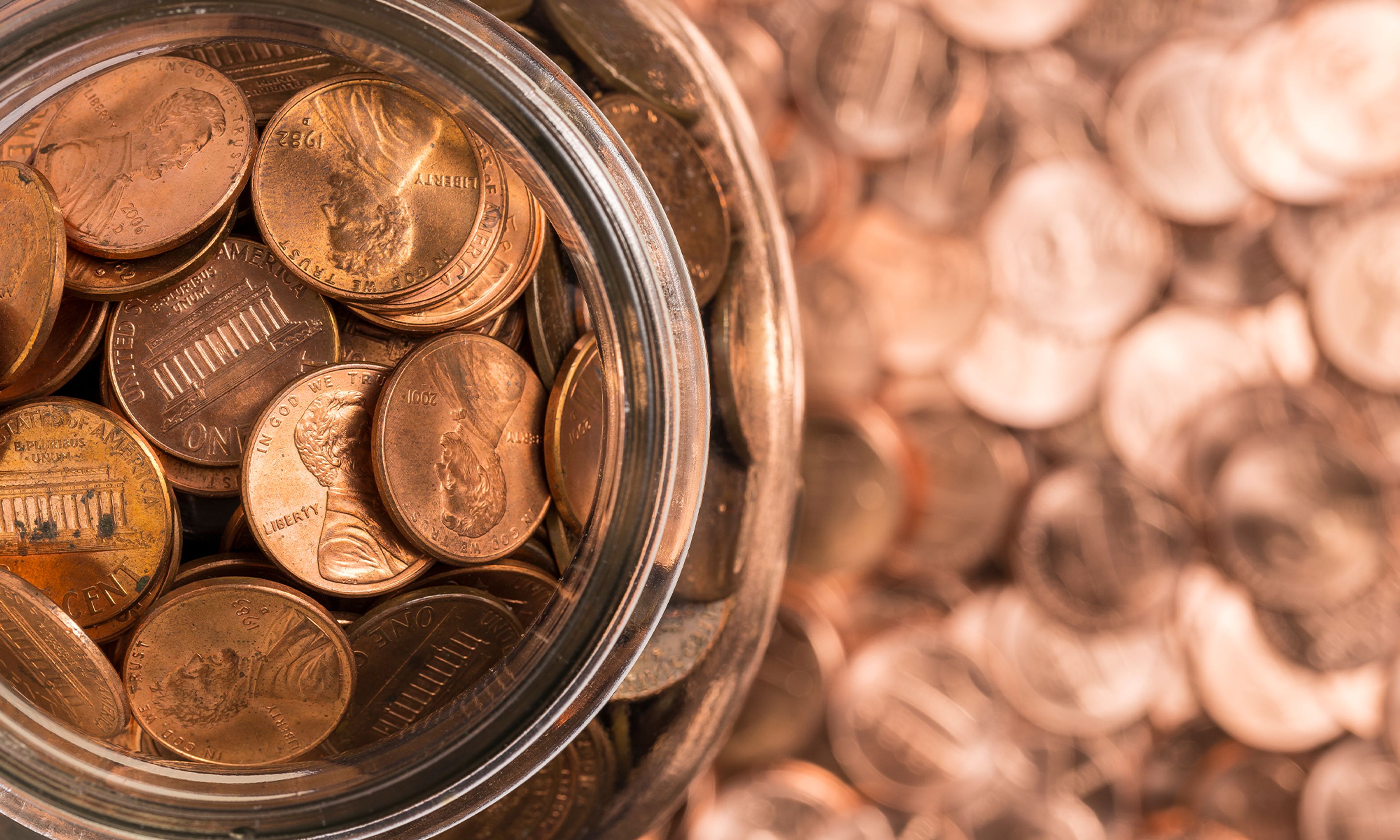
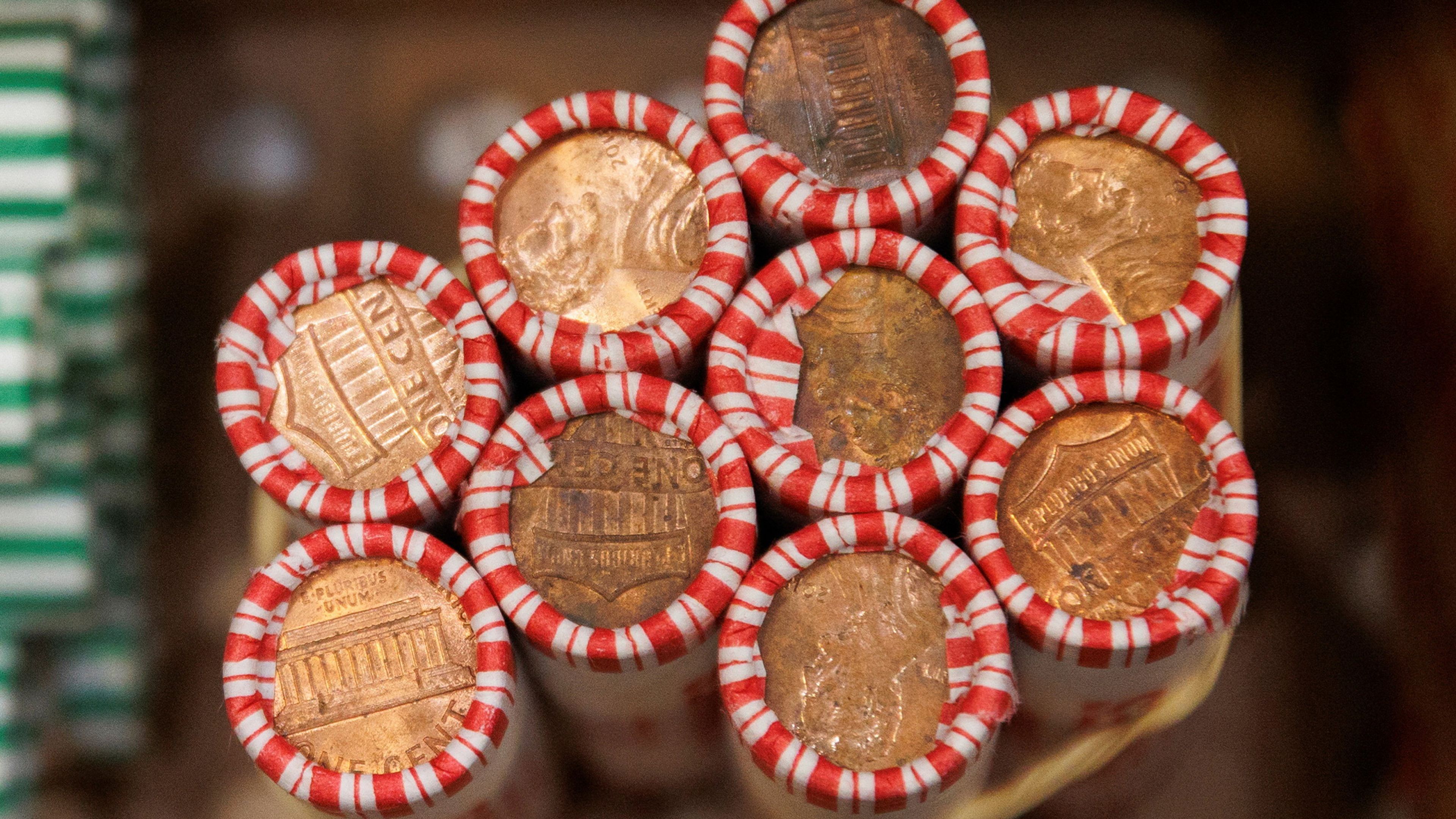
The last order for pennies was made in May, and after early next year, there will be none further to come. The coin, it turns out, is uneconomical, for it costs 3.69 cents to make each penny, and to cease making them, according to the Treasury Department, will result in a $56 million savings. Pennies were, the claim is, in any case falling out of use. The coins will remain legal tender — some 114 billion pennies are said to be floating about — but their availability figures slowly to decline. Elon Musk was all for doing away with the penny, and so was President Trump.
A figure of considerably less power, Joseph Epstein, is not. Lose the penny and straightaway we lose many congenial phrases. “A nickel for your thoughts” just doesn’t work. Nor does “a dime saved is a dime earned.” Girls named Penelope will doubtless no longer be called Penny. And we shall have to kiss goodbye the song, first made famous by Bing Crosby, “Pennies from Heaven,” a tune based on the lovely notion that when a deceased loved one misses you she drops a penny from heaven to remind you of her.
Then there are all the critical uses of the word “penny.” To call someone penny-ante suggests his cheapness. One doesn’t ever want to be accused of being “penny-wise but pound-foolish.” Or found reading those trashy English detective stories known as “penny dreadfuls.” Let us not forget about things that “cost a pretty penny,” though earning “a pretty penny” is a fine thing.
When I was a kid, on Pratt Avenue in Chicago, across from Daniel Boone grammar school there was Miller’s school store, then under the ownership of Mr. Lazar, a man with a strong Jewish accent, that sold what was known as “penny candy.” For a penny or two one could buy a licorice whip, wax lips or mustaches, candy called Snaps that came in a small red box, and much more. The shop has long since closed, Mr. Lazar has departed the planet, the school has been renamed the Mosaic School of Fine Arts, and I have no notion where to go today for a black wax mustache.
I save coins. Not rare or exotic ones, but everyday quarters, dimes, nickels, and pennies. At the end of each day, I put such change as I have accrued into a jar, and as the jar fills I insert the coins in coin-wraps acquired from my bank. By now I have more than a thousand dollars in such coins. I tell myself I shall one day buy something extravagant with the money, but thus far haven’t decided what that might be. Perhaps a rare tortoise or a suit of cashmere underwear from the Ben Silver shop in Charleston, S.C.
I suspect that dispensing with the penny may well be the first step toward getting rid of cash in the United States. Even now one encounters restaurants, shops, gas stations that do not accept cash payment. I live across the street from a Whole Foods and a block or so away from Northwestern University, and one day I noticed a student buying a single zucchini with a credit card. More and more customers pay through smartphones. Payment by cash is by now a minority practice.
With the penny on its way out, expect the nickel to go next, followed by the dime and quarter; the half dollar and silver dollar have long since been forgotten. Look then for paper money to exeunt. We shall become a cashless society, everyone everywhere aiming his or her phone to close out purchases.
I like the idea of leaving my apartment with keys, wallet, penknife, and cash. As for the amount of cash, I usually carry 50 or so dollars around with me, recalling that the poet W. H. Auden once remarked that he always went out with at least five dollars — I’m allowing for inflation here — so as not to disappoint a potential mugger, who might go harder on him for yielding up too little profit.
I don’t need your penny, but I’ll give you my thought anyhow: It is that without cash — paper bills, quarters, dimes, nickels, yes, even lowly pennies — we are, somehow, all much the poorer.








Comments