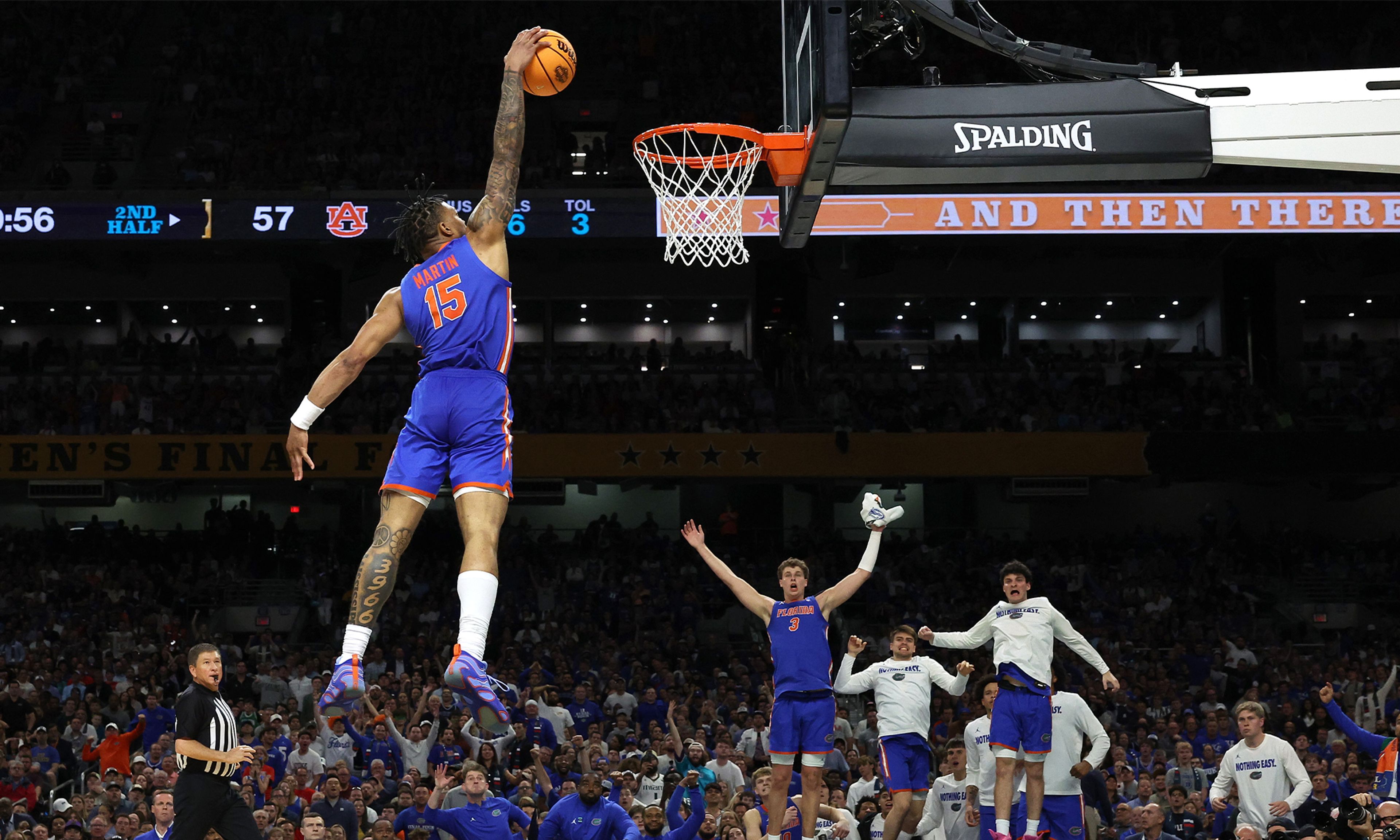
By the early 1950s, when Hugh McElhenny became known as the first college football player “ever to take a cut in salary to play pro football,” the National Football League (originally known as the American Professional Football Association) had been up, running, and increasing in popularity for over a quarter century. Still, the rugged University of Washington running back quipped, “A wealthy guy puts big bucks under my pillow every time I score a touchdown. Hell, I can’t afford to graduate!”
The McElhenny anecdote is related with brio in Unpaid Professionals: Commercialism and Conflict in Big-Time College Sports, by sports historian Andrew Zimbalist. The book is now a part of American antitrust jurisprudence. In 2021, Justice Neil Gorsuch relied on it heavily in National Collegiate Athletic Association v. Alston, a Supreme Court bombshell that eviscerated the long-held notion that amateurism is the essence of intercollegiate athletics and, according to the enterprise’s romantics and profiteers, its signature virtue.











Comments