I’m a journalist. I have only a tenuous grasp of the day-to-day workings of money. It’s no mystery why writers are reliant on “publishers” to keep their businesses afloat or why so many news organizations have become vanity projects for billionaire sugar daddies. We’re terrible with numbers.
Indeed, every fiscal year, the most important investment decision I make is deciding how to split my “portfolio” between the least risky mutual fund known to mankind and the one designed for only slightly less cowardly people. (Just kidding, I have no idea what a fiscal year is.) Like many Americans of my generation, my most fruitful fiscal ventures have been my homes. Even these successes, though, have largely been flukes. Due to the vagaries of my profession and circumstances, I’ve been fortunate enough to have fallen into situations in overpriced urban areas that have unexpectedly appreciated despite my aggressive neglect.
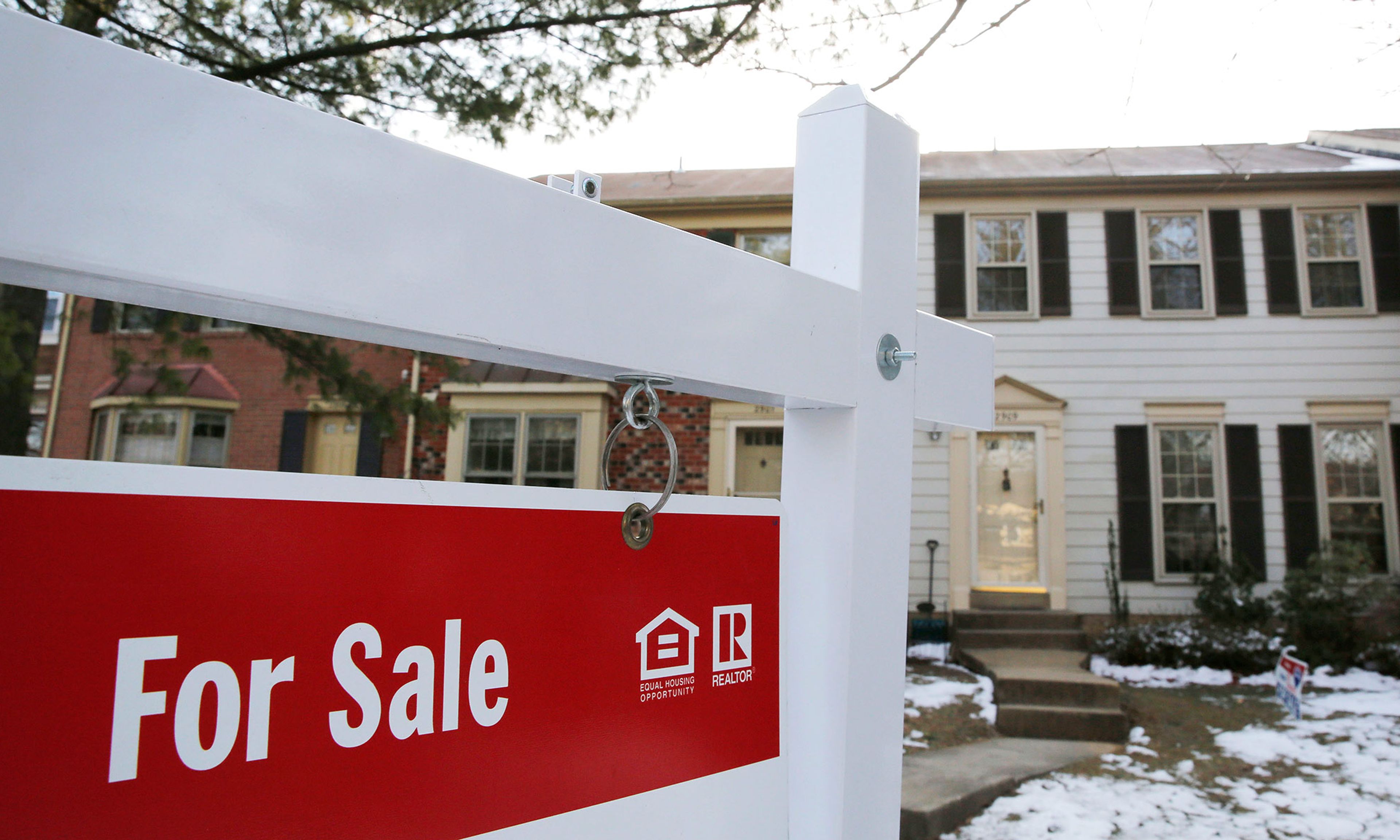
But I’m a journalist. And, as such, I also have a professional obligation to offer authoritative advice despite a lack of real-world expertise. The market is humming again, they say. House prices are soaring. With the pent-up demand caused by the pandemic, low inventory, a somewhat hot stock market, and still historically low interest rates, we have something of a frenzy going on. Maybe it’s time to cash in? A Washington, D.C.–area home recently sold for $1 million over asking price — the third time that threshold was reached in the country this year. Another rather modest-sized house in Seattle, listed for $725,000, was recently sold when buyers, without even seeing the home, offered $400,000 above asking price. House-hunters across the nation are paying all cash, skipping inspections and contingencies, and making offers without even seeing the place.
If you’re a seller, this is the dream. And the first step in maximizing your profits is creating an illusion. This, you should be warned, entails coming to terms with some uncomfortable truths about your living situation. As your real-estate agent will undoubtedly let you know (in the most polite way imaginable — they don’t split a mind-boggling 5 to 7 percent commission with the buyer’s broker on every sale for nothing), you basically have a hoarding problem. No matter how neat or quaint you think your house is, the place is really overstuffed, a crumbling mess. Your dreadful decorating instincts, in fact, will likely necessitate the services of a professional “stager” — who will roll up like Mr. Wolf in Pulp Fiction and turn that mess you call living into a Pottery Barn showroom.
Not only will you need to clear out your stuff in tonnage — the piles of clothing that will fit you once you start that diet, that dishware that’s been untouched since your wedding day, those old toys now being saved for hypothetical grandkids, those Spanish-language-lesson cassette tapes, that Commodore 64, and so on — you will be asked to jettison all your precious books. There is nothing, it seems, that stagers detest more than the written word. The few books that survive the purge will be turned backwards on the shelves as wholly nonthreatening, antiseptic white façades. And once your books are boxed and safely moved into a dank garage, your former library will be turned into a Potemkin gym, with near-mint-condition exercising machines you’ve used twice. (I’m not bitter. It’s not personal — it’s strictly business.)
By the time this is all accomplished you’ll wonder why you haven’t lived such a well-ordered existence the past decade. You and your spouse will then take a blood oath to adopt this spartan lifestyle in your next place (lol, as the kids say).
Even this deep cleansing, however, won’t be enough. Luckily for you, skilled professional photogs can now make your 100-square-foot “fourth bedroom or office” look like a capacious ballroom, using fisheye lenses and highly expedient angles. These people will touch up pictures of your scratched hardwood living-room floor with more creativity than a magazine editor airbrushing a fading celebrity.
Fortunately for you, the nation’s most gifted fiction writers also now work in the real-estate profession. Their descriptions of properties are euphemistic masterpieces. If your home features 1970s shag carpet, Formica, and linoleum, your house will have been “lovingly maintained.” If your home features absolutely no curb appeal, it will have “potential.” If your place needs full-blown renovations, it requires a few “finishing touches.” “Unique” means weird. “Character” means moldy. “Cozy” means tiny. And if your house is “within walking distance” of shops, the next owner had better start training for a half marathon.
This, I’m afraid, is the only way to trick any potential buyers into overpaying for a place to store all their own needless junk. Hopefully, they bid on the place without even coming in for a visit. Don’t feel bad. The real-estate market is a war, after all.
Your biggest problem in cashing out will be finding another place. One answer is to leave the big city. If not, you will have to uncover an undervalued cozy property with lots of potential.
There are those who worry that the 2021 housing frenzy is another bubble and may lead to a collapse similar to the last one. In the Aughts, spurred by government’s push for expanding homeownership and unadulterated greed, banks began eschewing credit reports and giving giant mortgages to anyone with a pulse over 50 beats per minute. Irresponsible buyers said, “Sure, I’ll take it.” And soon millions of Americans found themselves upside down in their mortgages, without any stake in the game. They simply walked away. These days, banks have gotten far stingier and the market is healthier.
Or maybe I’m completely wrong. Never trust a journalist.












Comments