China Hawk
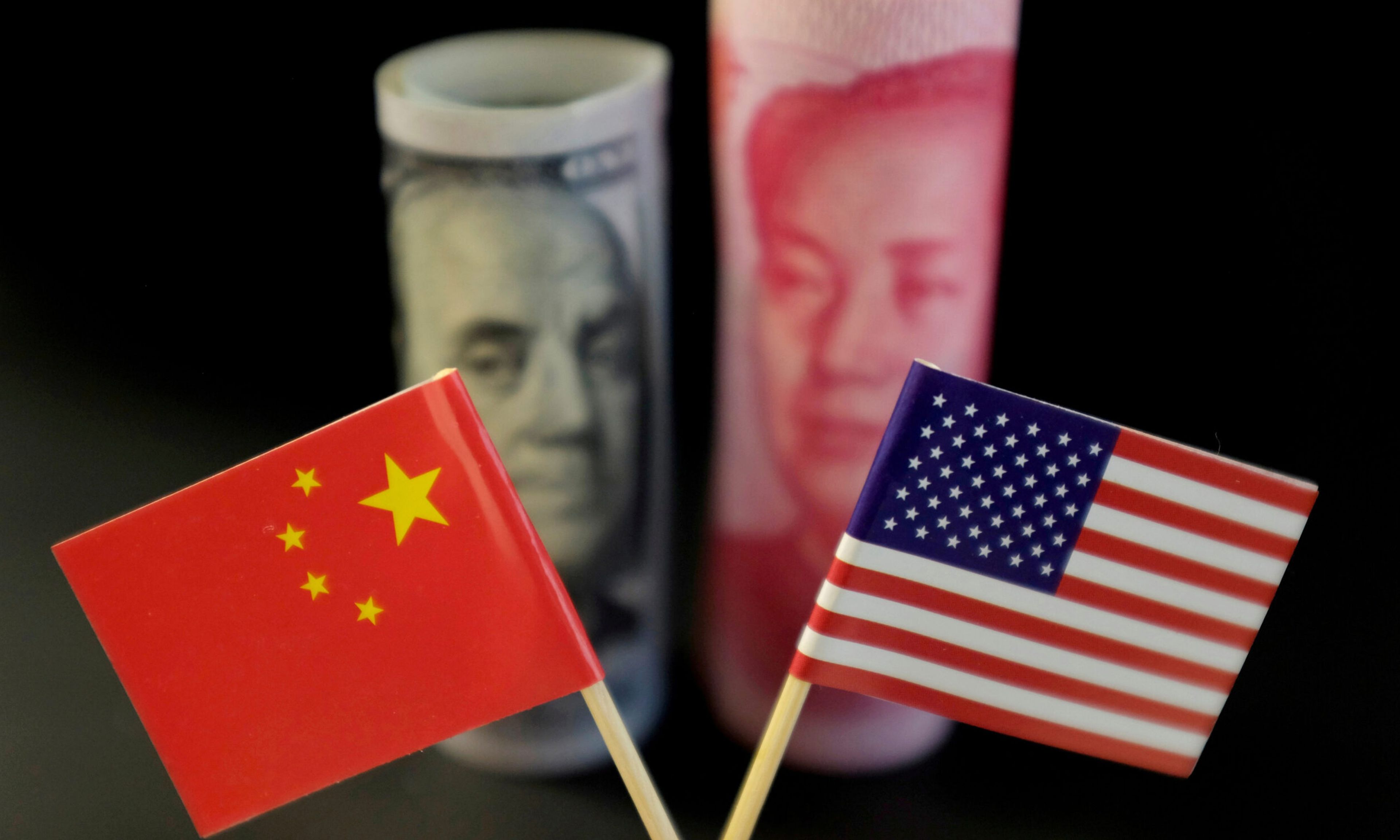
Senator Tom Cotton (R., Tenn.) (“How to Win This Cold War,” August 2) argues for a hawkish, protectionist, unilateralist alternative to decades of “economic appeasement with China,” in order to strengthen the U.S. economy and discourage Chinese malfeasance. Such goals are surely laudable, yet Cotton ignores how three-plus years of hawkish, protectionist, unilateralist policy have utterly failed to achieve them. U.S. tariffs and Chinese retaliation harmed our manufacturers, deterred investment, and lowered economic growth, while failing to motivate the widescale reshoring of essential industries or to secure Chinese compliance with President Trump’s “phase one” trade deal. China’s overall economic trajectory is essentially unchanged, and, far from being chastened, Communist Party planners have doubled down on economic nationalism (and once-resistant domestic companies have now joined them). Beijing’s stances on human rights, Hong Kong, and other important geopolitical issues have also deteriorated, and American hawkishness seems to have united China not only with other authoritarian regimes such as Russia’s but also with U.S. allies (via, for example, the EU–China bilateral investment agreement or the Regional Comprehensive Economic Partnership between China and other Asia-Pacific nations).
In the 2016 election, Candidate Trump was arguably successful in blaming incumbent “elites” for trade’s inevitable disruptions and imperfections, while promising voters that his protectionist, unilateralist alternative would magically neuter foreign adversaries and revive American manufacturing. But it’s easy to promise a simple “America First” alternative to the slow and messy reality of multilateral engagement when voters haven’t experienced that alternative in decades. After several years of its disappointing results, candidates in 2024 will have no such luxury.
Scott Lincicome Cato Institute
Washington, D.C.
Correction
The Week (July 15) identified Shohei Ohtani as a hitter and pitcher for the Los Angeles Dodgers. In fact, Ohtani hits and pitches for the Los Angeles Angels.











Comments