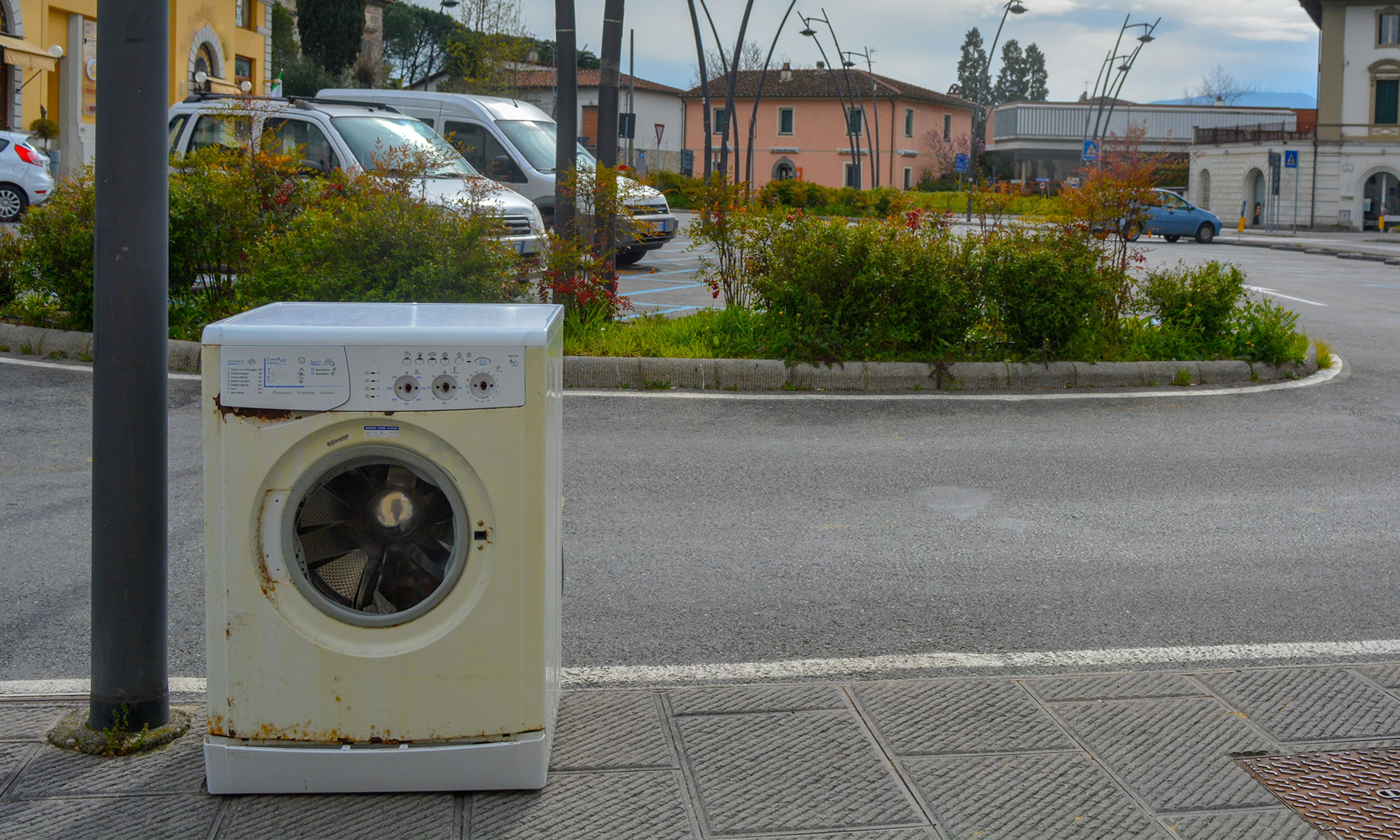
Last week, after a summer vacation in the Colorado mountains, I returned to Texas to find my house falling apart at the seams.
I do not exaggerate: In an astounding confluence of perfect timing and ironic spite from the greater forces of the cosmos, pretty much everything that could break did. The Internet pooped out. The dryer lost its heat. The air conditioning went kaput, just in time for 99 degrees. The septic tank — that murky, dank, and ominous household prop lurking beneath the yard that I would prefer to pretend does not exist — lost power. The pool pump broke, leading one repairman to note that the entire system of electrical work leading to said pool pump was a ramshackle mess and potentially kind of dangerous to boot.
Like a dog that gets mad at its owners for going on vacation too long — and if you’ve ever had a dog, you know that this usually involves a generous passive-aggressive deposit on your favorite rug — my house rebelled. Not to be outdone, my cat barfed, too.
I know, I know: Break out the world’s tiniest violin. I realize that these are not real or serious problems. They are the sort of problems displayed in HBO’s gleefully dark new miniseries The White Lotus, in which a bunch of sulky nihilistic rich people wander around constantly complaining while vigorously inhaling illicit drugs and (spoiler alert!) maybe occasionally murdering people at a Maui luxury hotel. But seriously: Have you noticed that when something breaks these days, it takes approximately 39 weeks to repair? Something is not right with the supply chain, my friends.
Did your dishwasher break? Good luck. Seemingly simple replacement parts can take eons to arrive; often, once they get there, no one is available to install them. I am now so used to repairmen telling me that this or that widget that I need will not be available until July of 2023 that I don’t even raise an eyebrow in surprise. Instead, I shout “This is just like Soviet Russia!” and dramatically storm out of the room.
Kidding! I am kidding, people. Before I get immediately canceled, let me be clear: I know we do not live in the communist former USSR. Our culture’s seemingly omnipresent and increasingly humorless cancellation police are indeed a little scary, but still. On the grand scale of human history, Americans live in an incredibly wealthy and undoubtedly decadent society — so decadent, in fact, that many of our rich people toss vats of money at other rich people like the international decluttering queen Marie Kondo to help with the daunting task of getting rid of their excess stuff.
When you think about it, it’s pretty wild: We have an entire flourishing subeconomy based on the fact that many of our citizens have too much stuff! Right now, my late grandmother, who lived on an Iowa farm during the harrowing years of the Great Depression and occasionally had to do things like help push the car home because her family couldn’t afford any more gas, is likely rolling her eyes. My other late grandmother, who once gave birth under a Dutch dining table during World War II while bombs were dropping overhead, is probably snorting.
In any case, while I am not a professional economist, I can officially declare that things are getting kind of weird. On one hand, many Americans are drowning in stuff. (I personally blame Amazon.com, but we’ll have to discuss that later.) On the other hand, we can’t seem to get some of that stuff fixed, largely because companies keep inserting ridiculously complicated computers into things such as slow cookers and toothpicks and wooden spoons.
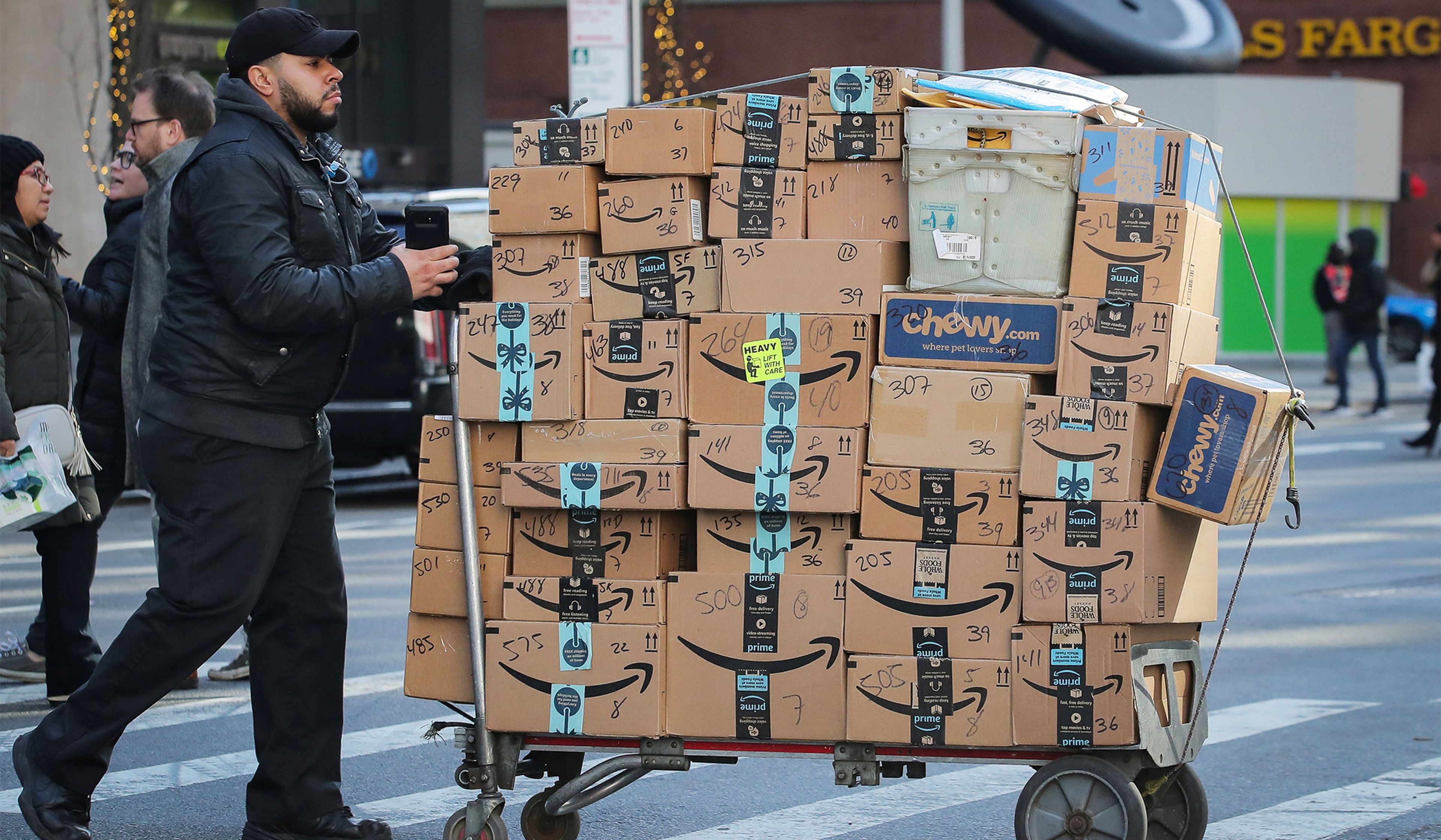
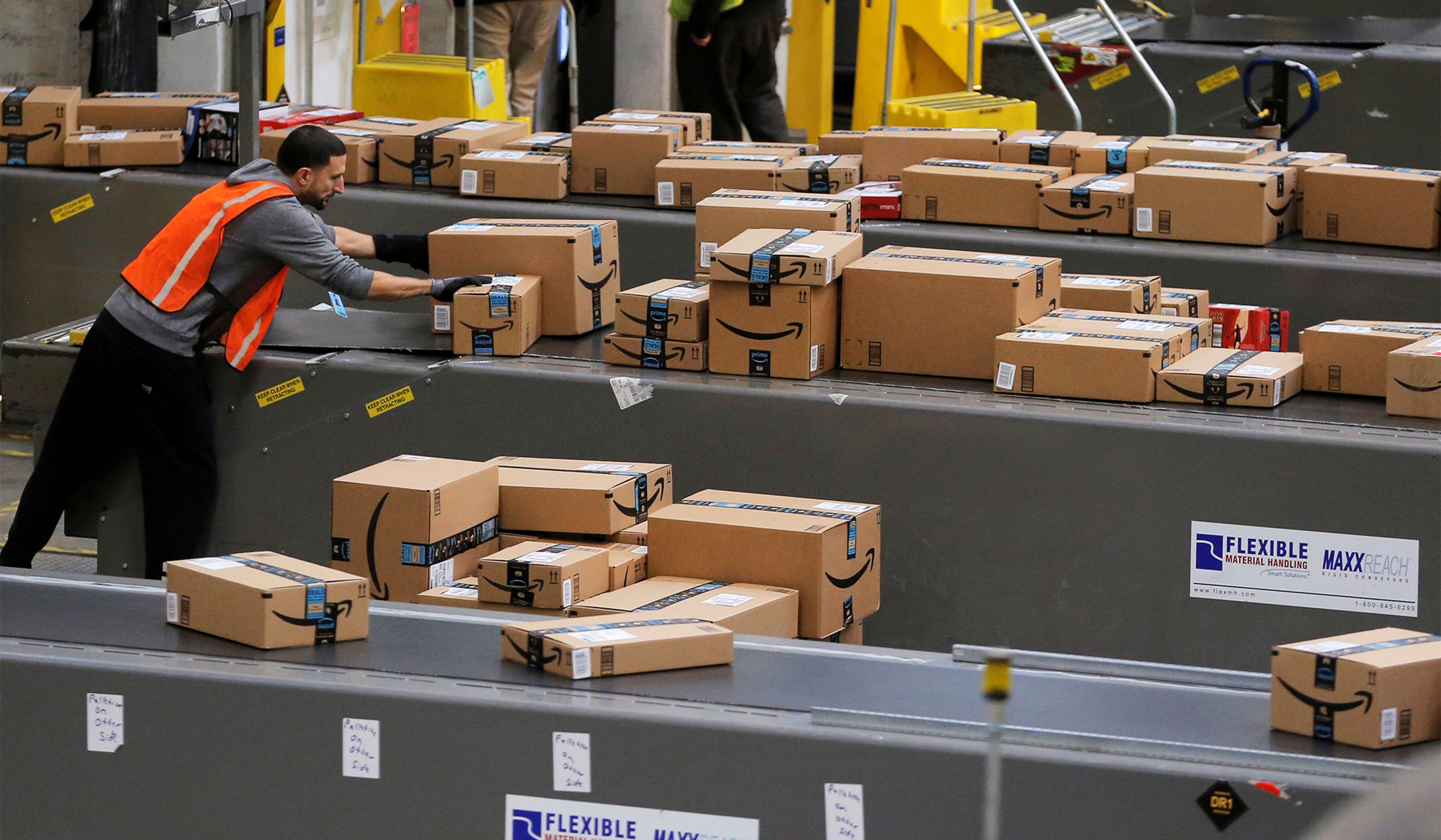
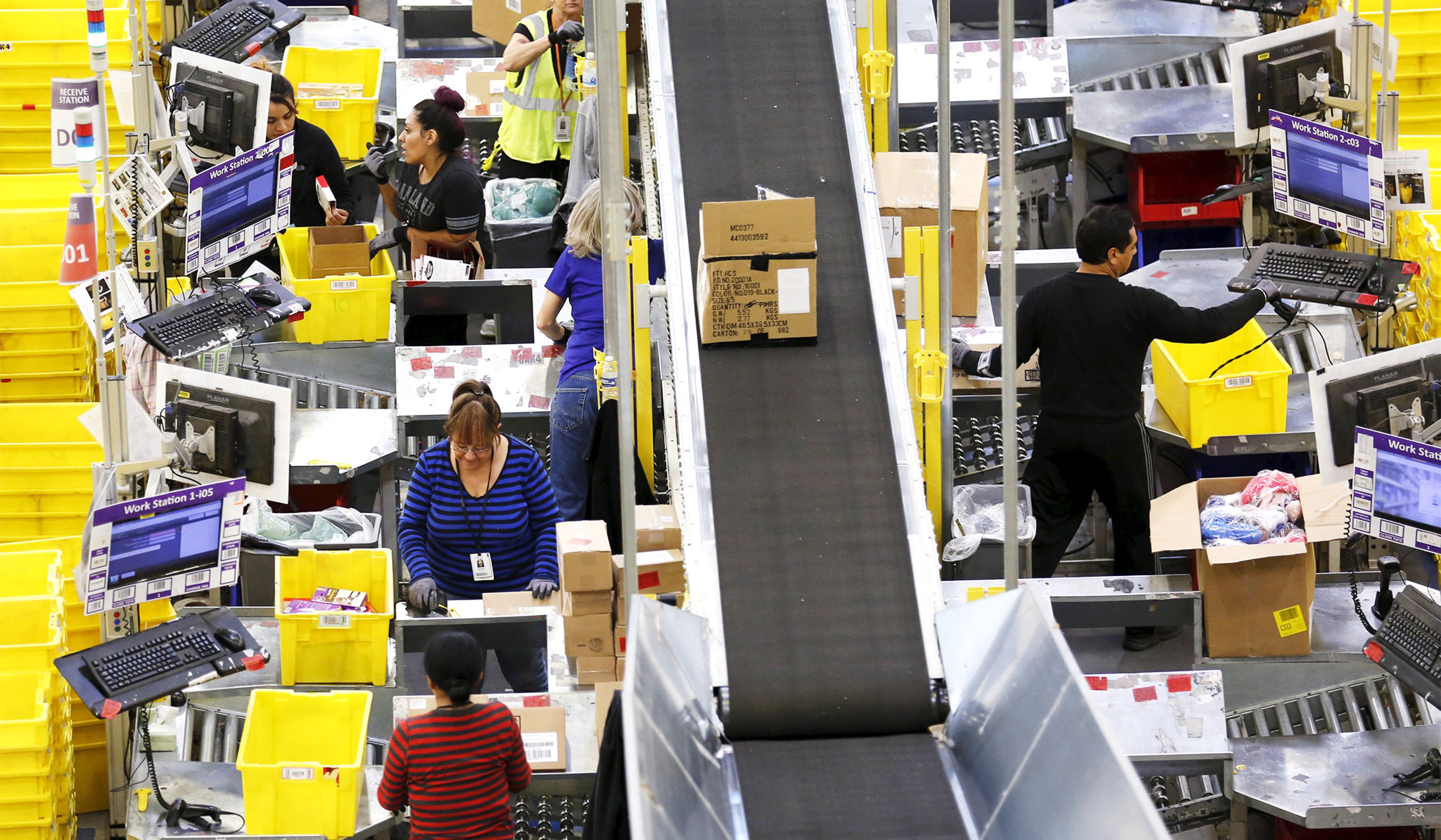
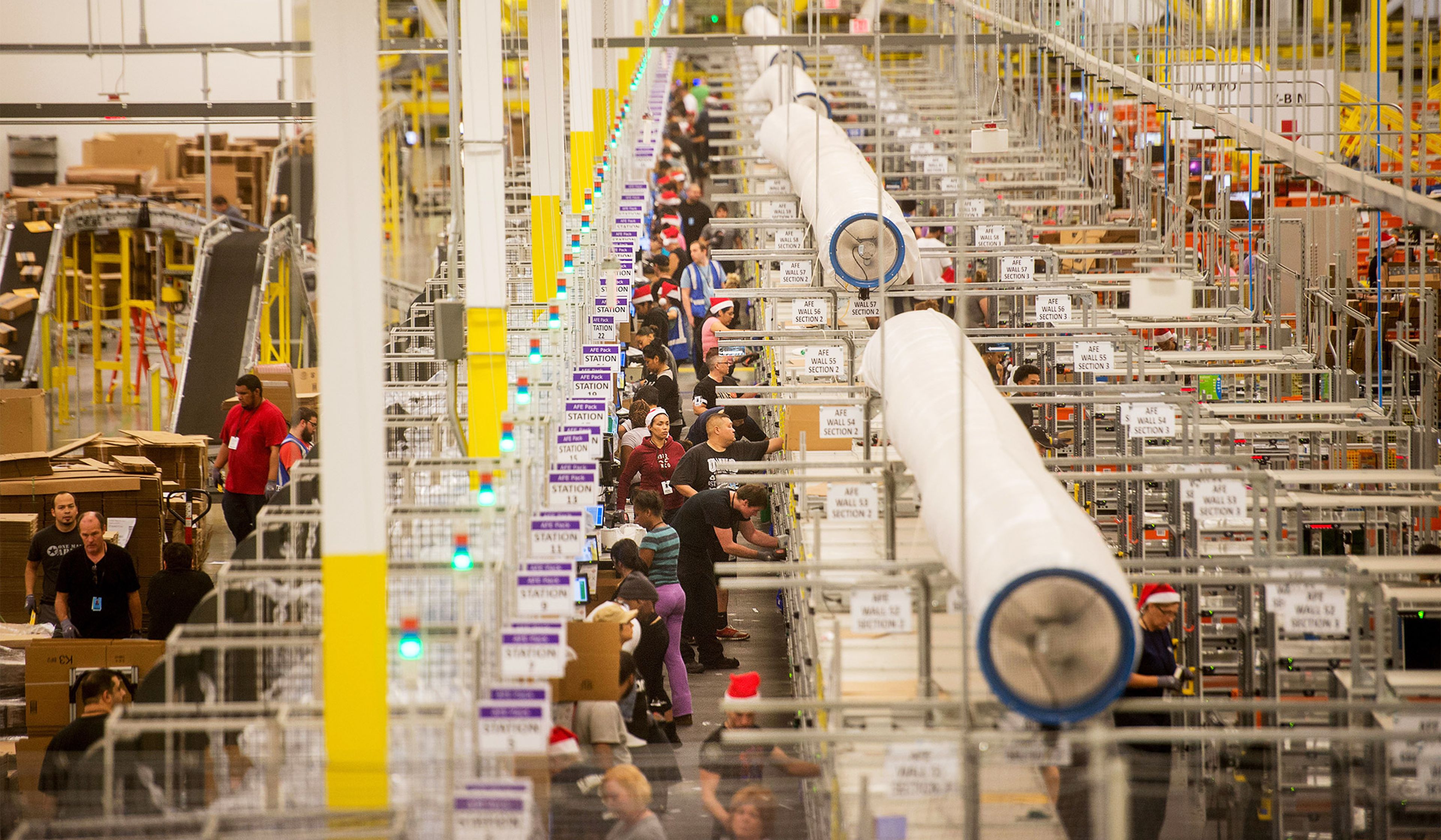
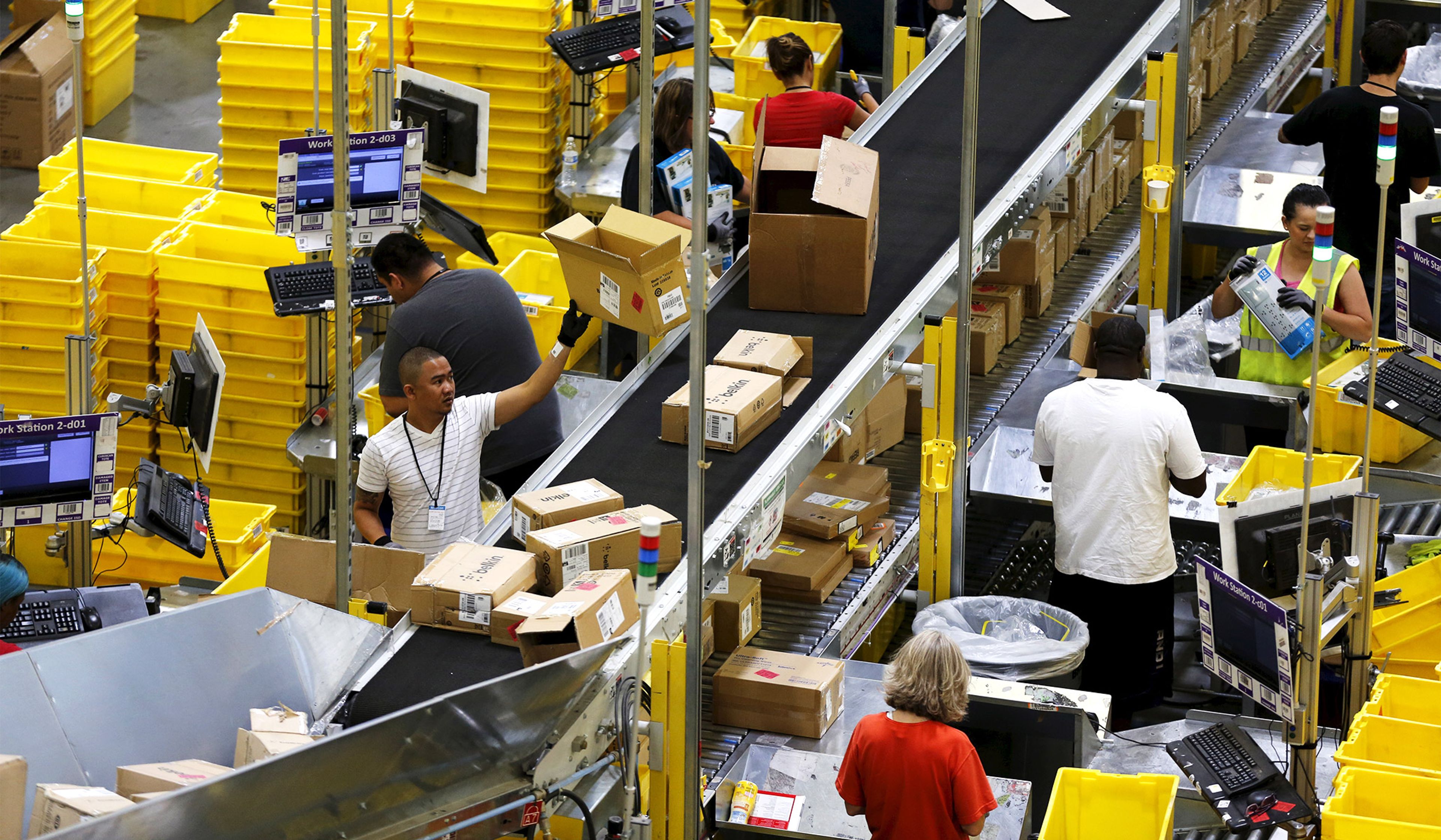
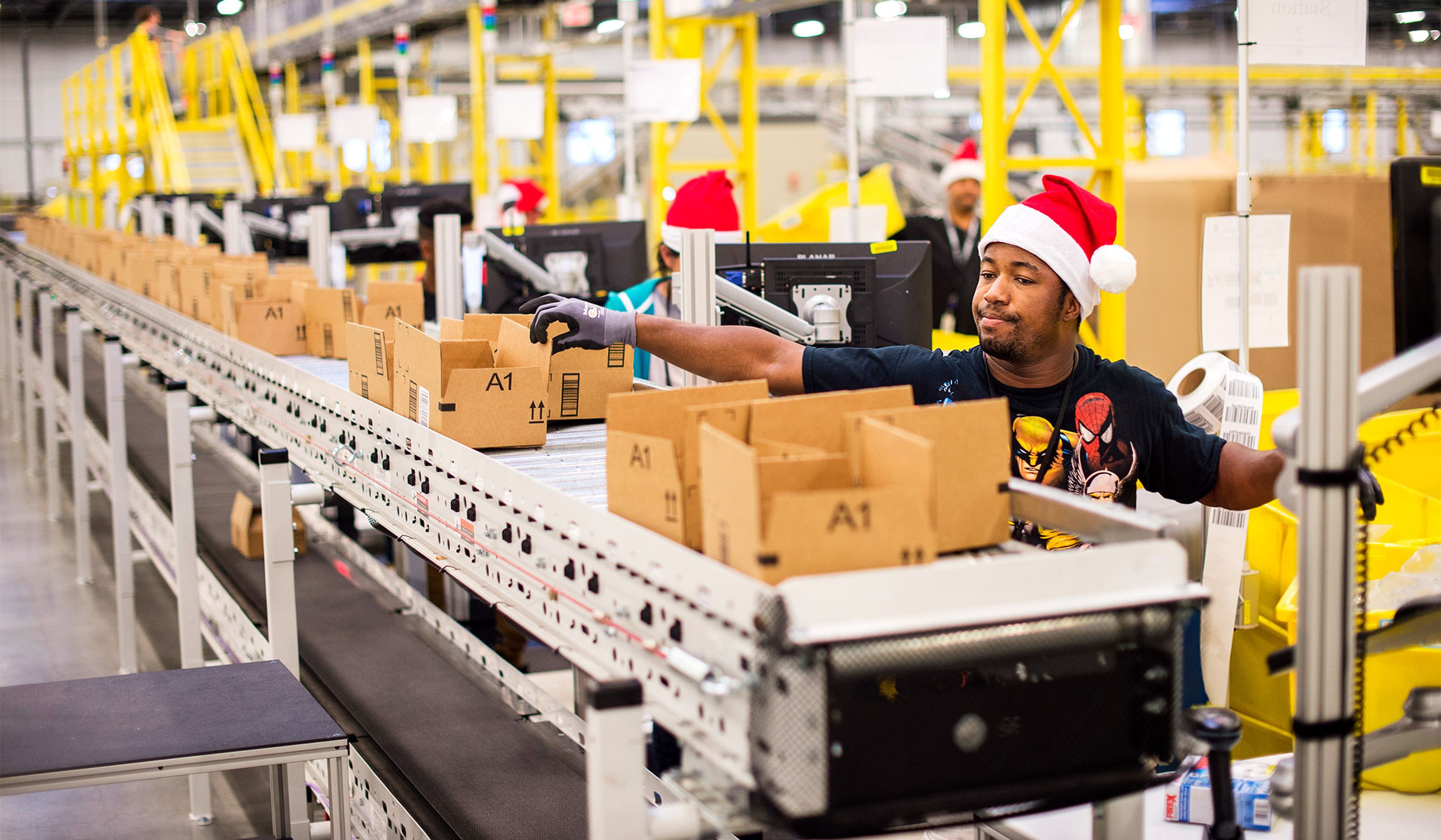
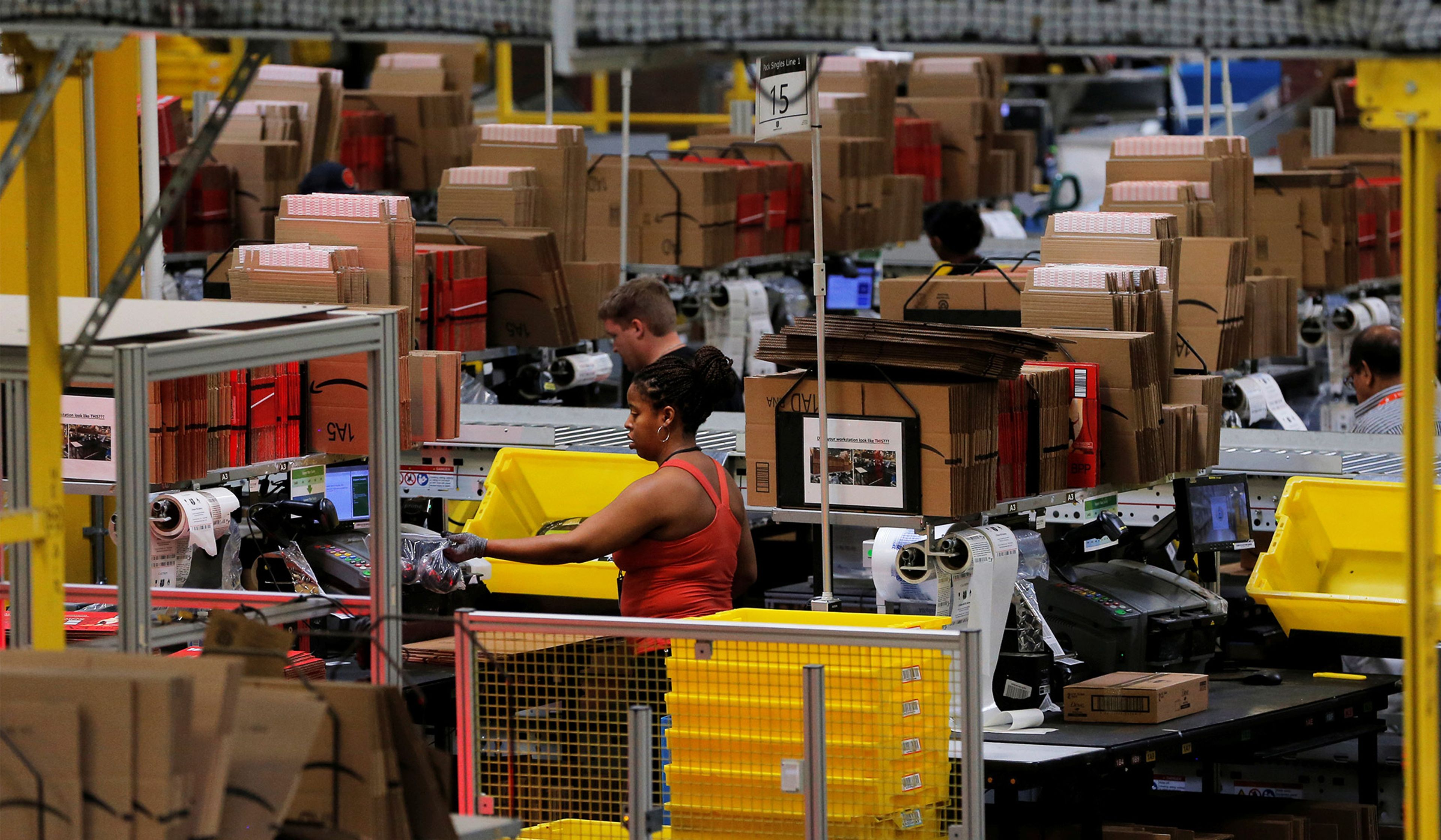
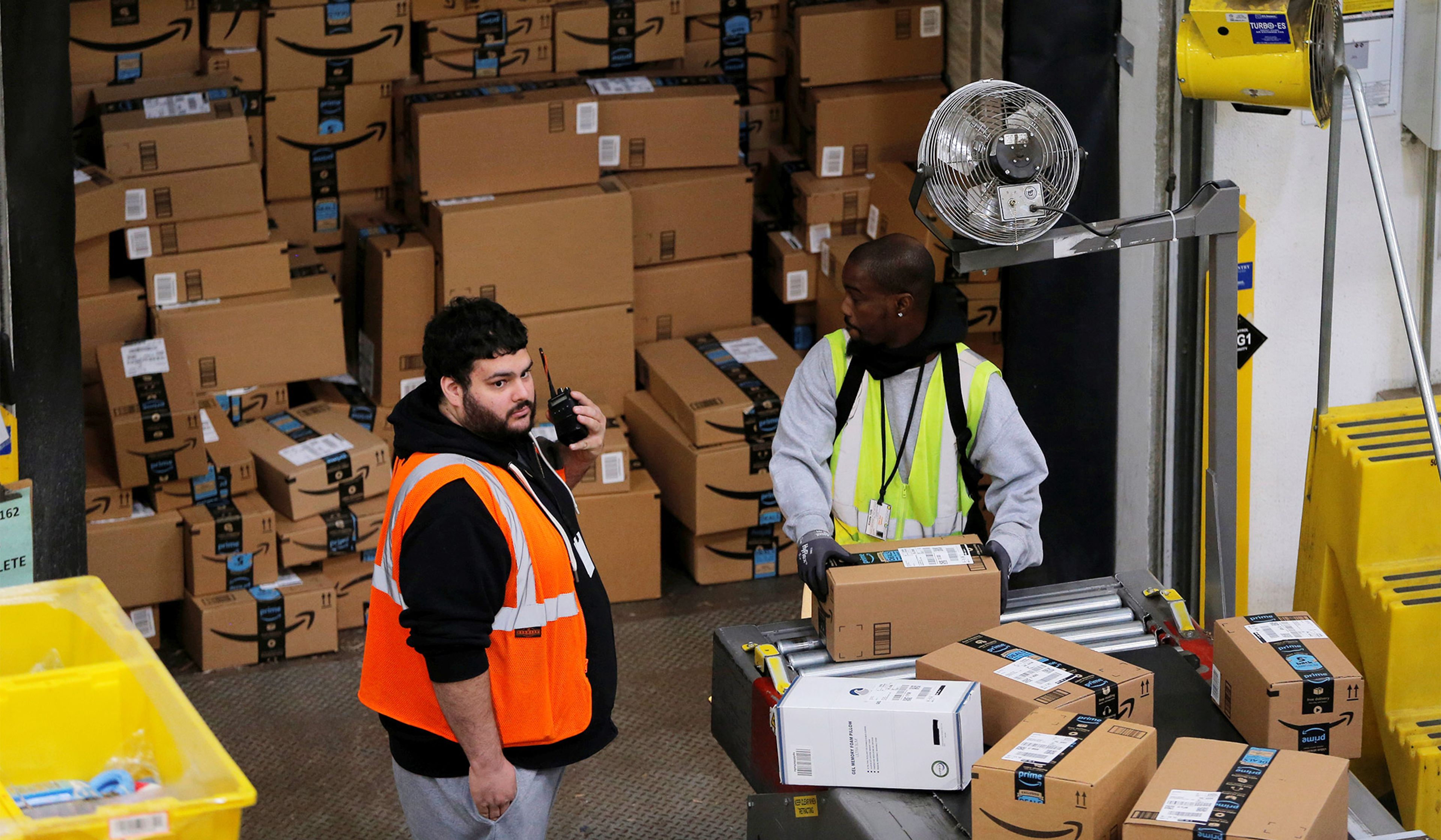
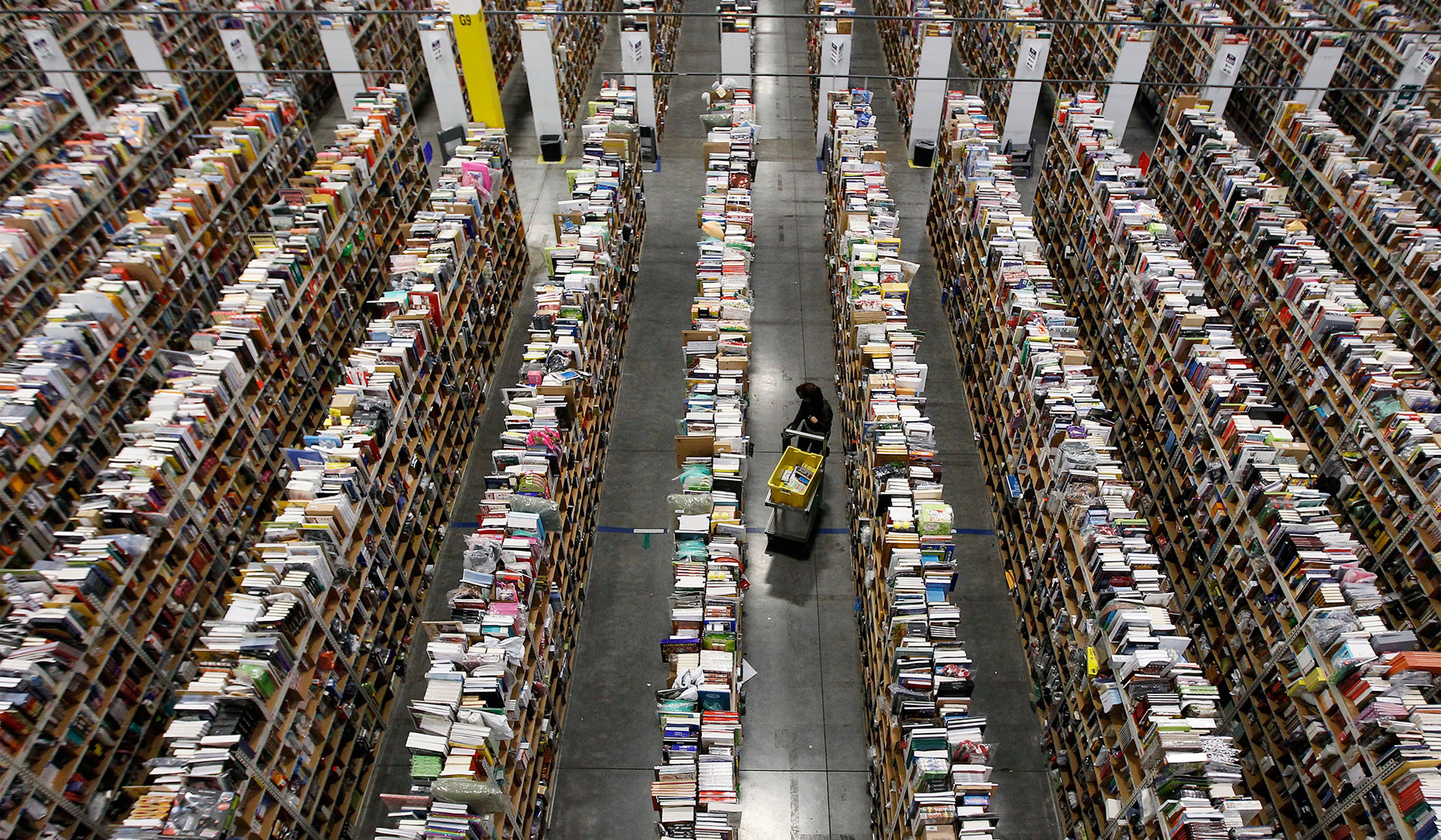
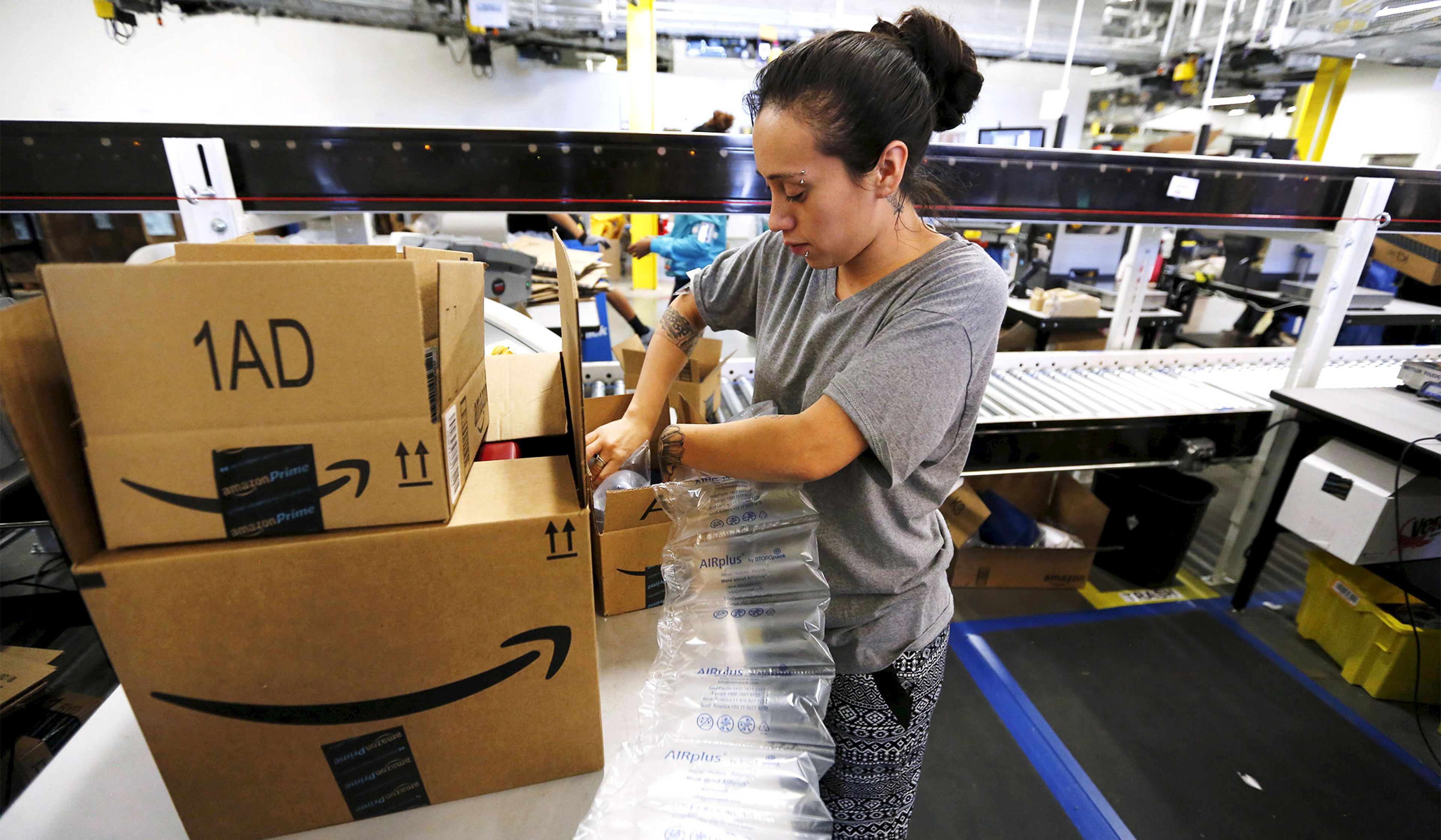
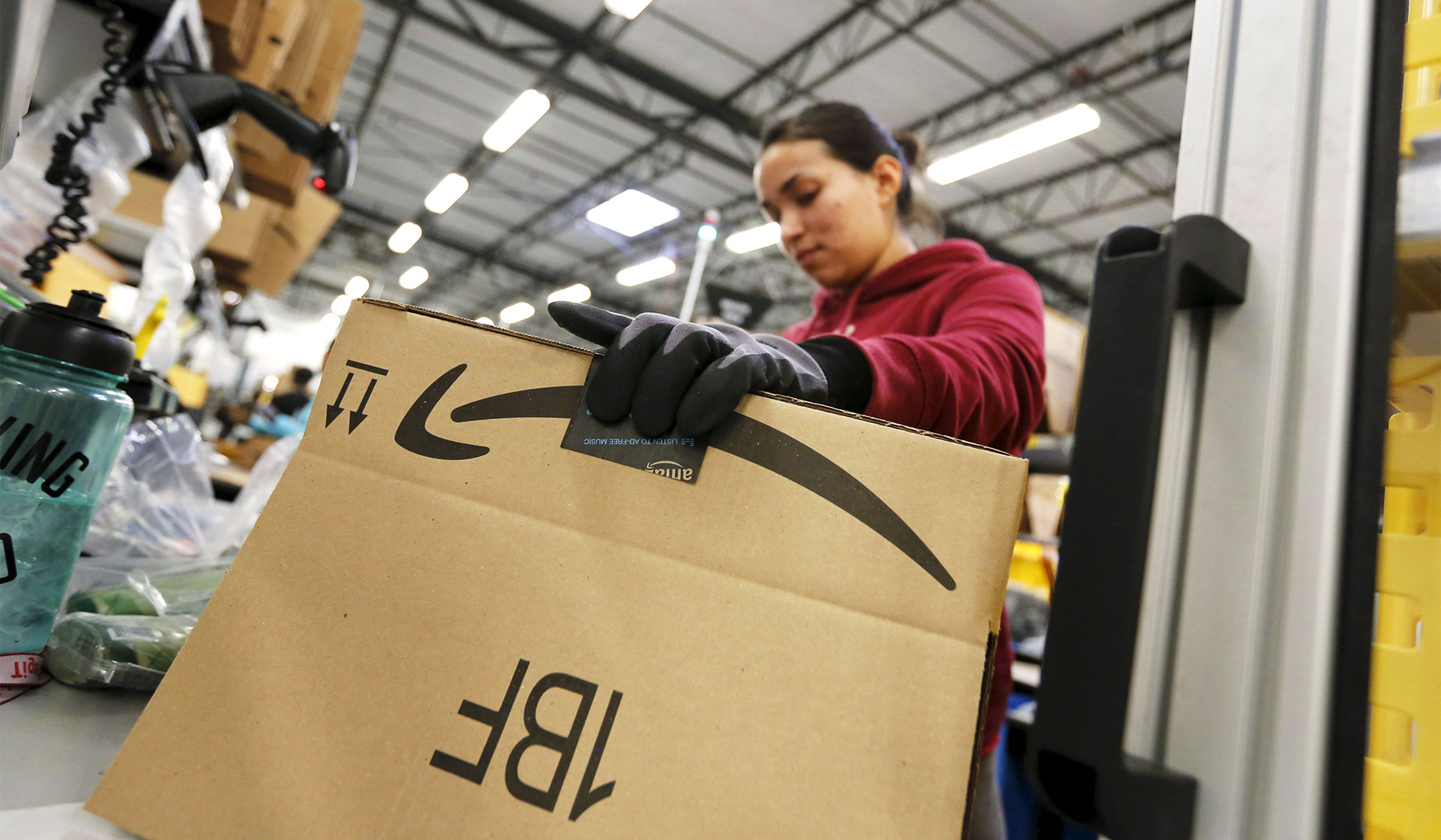
Amazon boxes stacked for delivery in New York City, January 29, 2016.
Mike Segar/Reuters
On the additional other hand, however, sometimes you simply can’t get certain stuff for months upon months, no matter how hard you try. Remember last year, when you couldn’t get Clorox wipes or toilet paper? That was kind of traumatizing. Now, oddly enough, you sometimes can’t get things like an obscure dryer vent or a mountain bike. One friend, whose car has morphed into a rather terrifying lemon — I’m talking about doors randomly locking and unlocking, or the car suddenly turning off in the middle of the street — has been told she cannot get a replacement for 15 months.
Is this a result of COVID-19? Is it a temporary adjustment, or a sign of something deeper? Does this stem from disruptions in the international supply chain? Are shortages fueled by people panic-purchasing certain items as a hedge against potential hyperinflation? Or is some of this based on the fact that the American government has spent months glibly tossing money at people, making certain individuals uneager to work and others eager to spend that money on things like a questionably manufactured fake-wood coffee table that was likely built in an unsafe or inhumane overseas work environment and is sold for approximately $125 at Amazon.com?
Ahem.
In any case, welcome to 2021. Let’s be optimists: Perhaps this is ultimately for the good. In a world of overnight Internet quasi-instant delivery, after all, one can get a little spoiled. Like the characters in The White Lotus, perhaps we could use a little introspection. Why are we buying this stuff? Where does it come from? Who made it and how? Do we even care? We can ponder the power of free markets. We could also ponder the question of proper government involvement in the economy. On the whole, we could definitely use some good old-fashioned deep thoughts.
Speaking of which, want to know an ideal setting from which to generate impressive and inspiring deep thoughts? You guessed it: in a shiny brand-new hot tub! Be sure to order one today! Don’t wait! And don’t worry: It will be here in approximately 23 months.












Comments