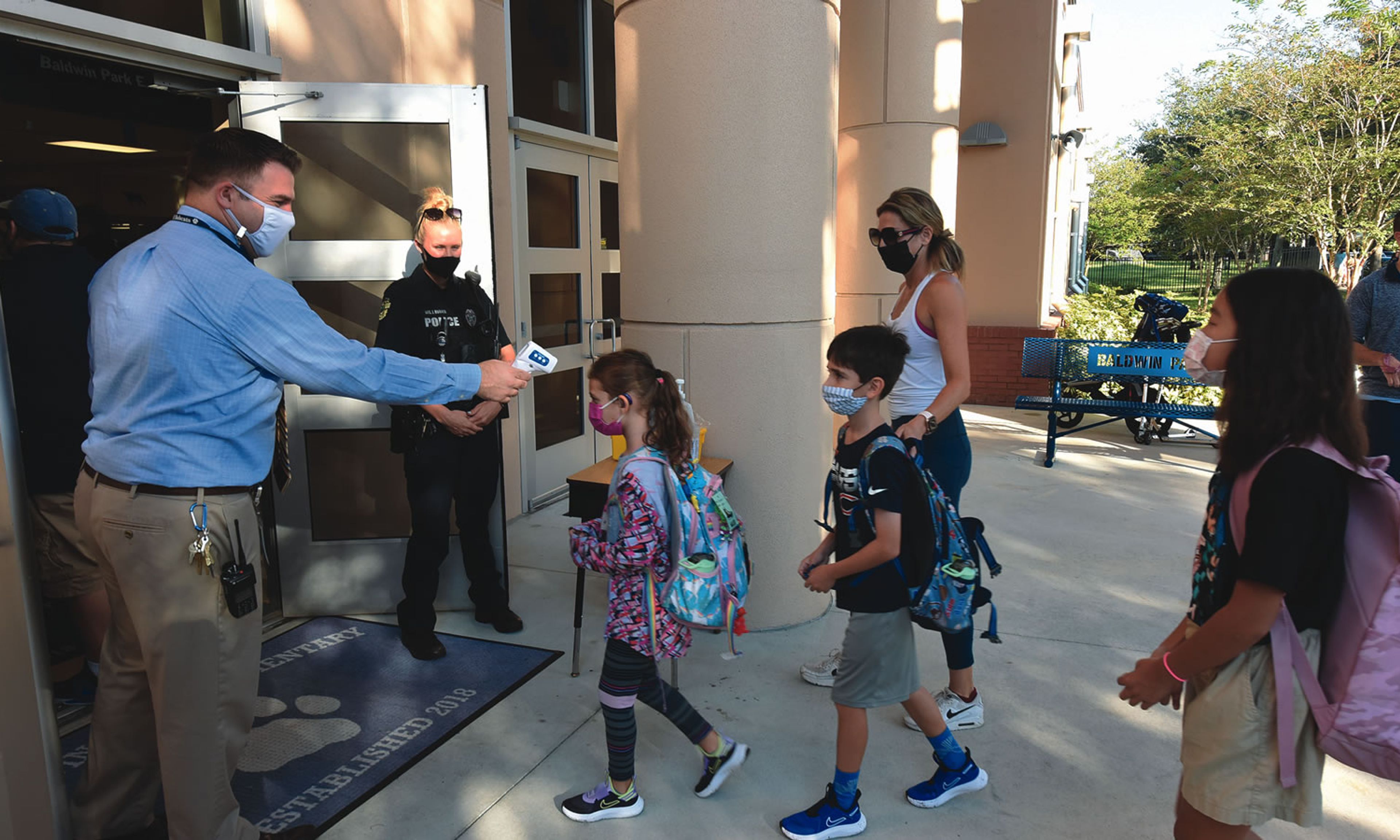
Autumn is here, and American children are finally returning to classrooms, five days a week, after the COVID-19 pandemic severely disrupted the past two school years. Or at least kids are returning to classrooms for a few days, before being sent back home again. By August 18, in 13 states, at least one public school had already temporarily closed because of COVID-19 outbreaks. The return of children to classrooms is also bringing back increasingly angry debates about whether children should be required to wear masks while in school — and those debates rarely include a clear-eyed assessment of what masks can and cannot do to protect those wearing them.
The CDC now recommends indoor masking for all teachers, staff, students, and visitors to schools, “regardless of vaccination status.” It is understandable that many Americans will feel some whiplash, because as recently as June 30, CDC director Rochelle Walensky was going on television and saying fully vaccinated people didn’t need to wear masks. She gave this assurance well after the public had learned of the Delta variant; by June 26, that variant made up 45 percent of all reported cases in the U.S.
While cloth masks were always less effective than N95 masks, the difference is likely to be more consequential with the Delta variant. Virginia Tech University environmental-engineering professor Linsey Marr, who studies the transmission of infectious diseases through aerosols, told NPR, “Delta transmits in the same way as the other variants that we’ve seen so far. It’s just that people who are infected seem to release a lot more virus into the air. So, masks still work, but with Delta, we need better-performing masks.” Marr said that N95s are ideal but that really well-fitting cloth masks should work.
This is bad news for everyone you have seen wearing their mask below their nose during this pandemic. It also suggests that we should not be surprised if students’ futzing and fiddling with their cloth masks during the school day leads to some less than perfect protection.
Mask opponents often argue that because the virus is about one micrometer wide and the holes in woven cloth are five to 200 micrometers wide, cloth masks can’t stop the virus from going out or coming in. But viruses rarely float around all by themselves; they’re in particles and droplets — and those particles and droplets are anywhere from 100 to 1,000 micrometers in diameter.
The aerodynamics of droplets are as you would expect — the heavier they are (carrying more virus), the quicker they descend towards the ground. If you’re within three feet of someone coughing, you’re going to get hit by about 65 percent of the droplets. Significantly greater droplets and viral deposition are found on a body one meter away from a cougher, compared to two meters. The more a person coughs, the more likely it is that at least some particles reach six feet away. Everything from air currents, humidity, and the height of the person coughing can be a factor in how far the droplets go.
In the most general sense, mask defenders are right, “masks work.” But what ardent advocates of masking omit is that masking mandates only slightly alter the rate of spread.
Back in March, the CDC released a new study that was touted with the headline “CDC study finds in-person dining bans and wearing masks make a difference.” When you dig deep into the actual CDC report, you discover that the findings were modest. Comparing counties with mask mandates to those without, from March to the end of December 2020, the researchers found that 100 days after the mandates were implemented, counties with mask mandates had case-growth rates that were 1.8 percentage points lower and death-growth rates that were 1.9 percentage points lower than counties without mask mandates.
Notice that the decrease was in the growth of the rates of cases and deaths, not in the number of overall cases or deaths. In other words the overall numbers grew more slowly where there were mask mandates. But the differences in the rates of growth added up to less than 2 percentage points for each rate over a three-month period. That’s not nothing; we obviously want to prevent every case and death that we can. But that’s also not a particularly dramatic difference. It is fair to wonder if the difference is even smaller when the more contagious Delta variant is dominant.
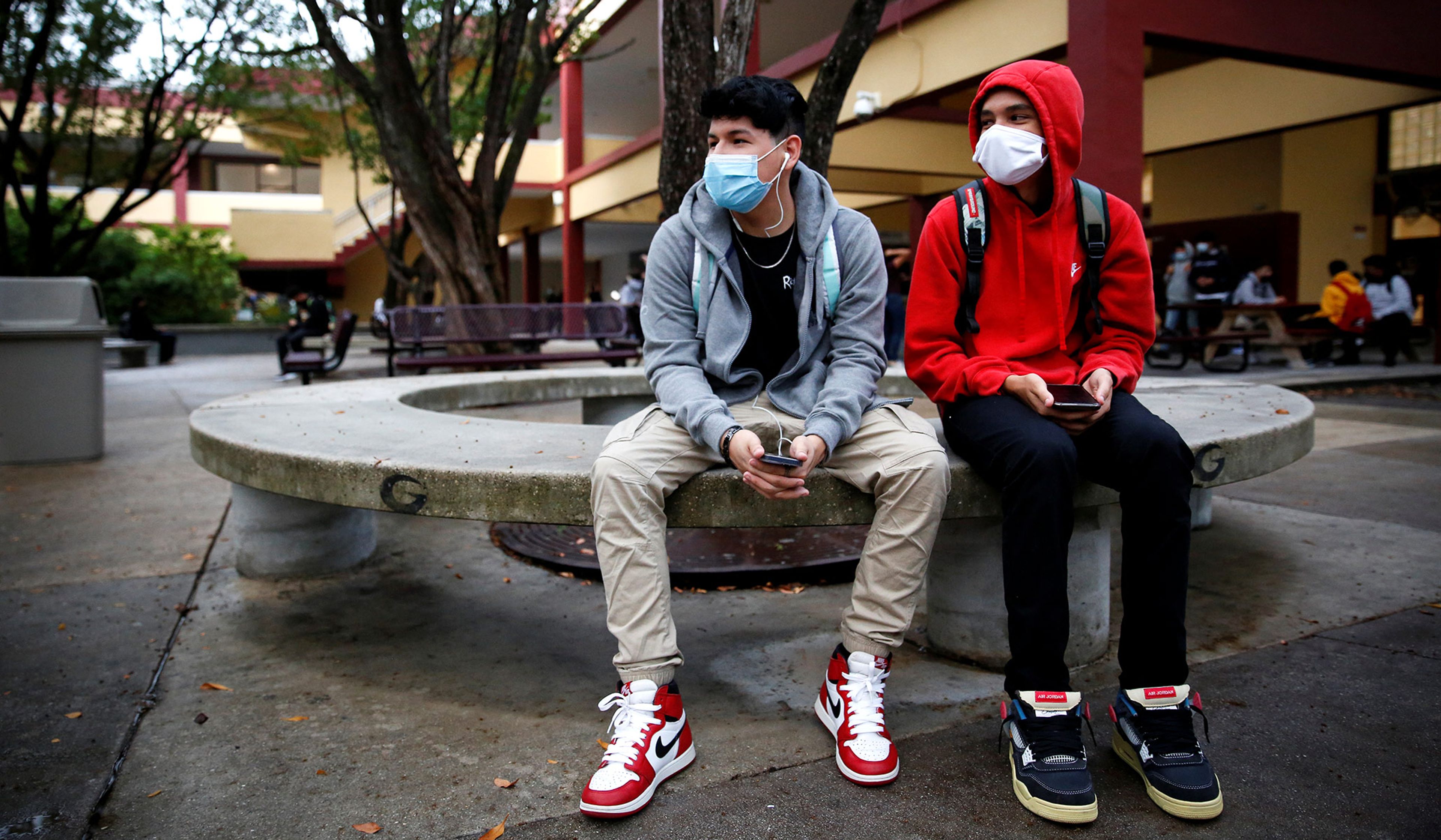
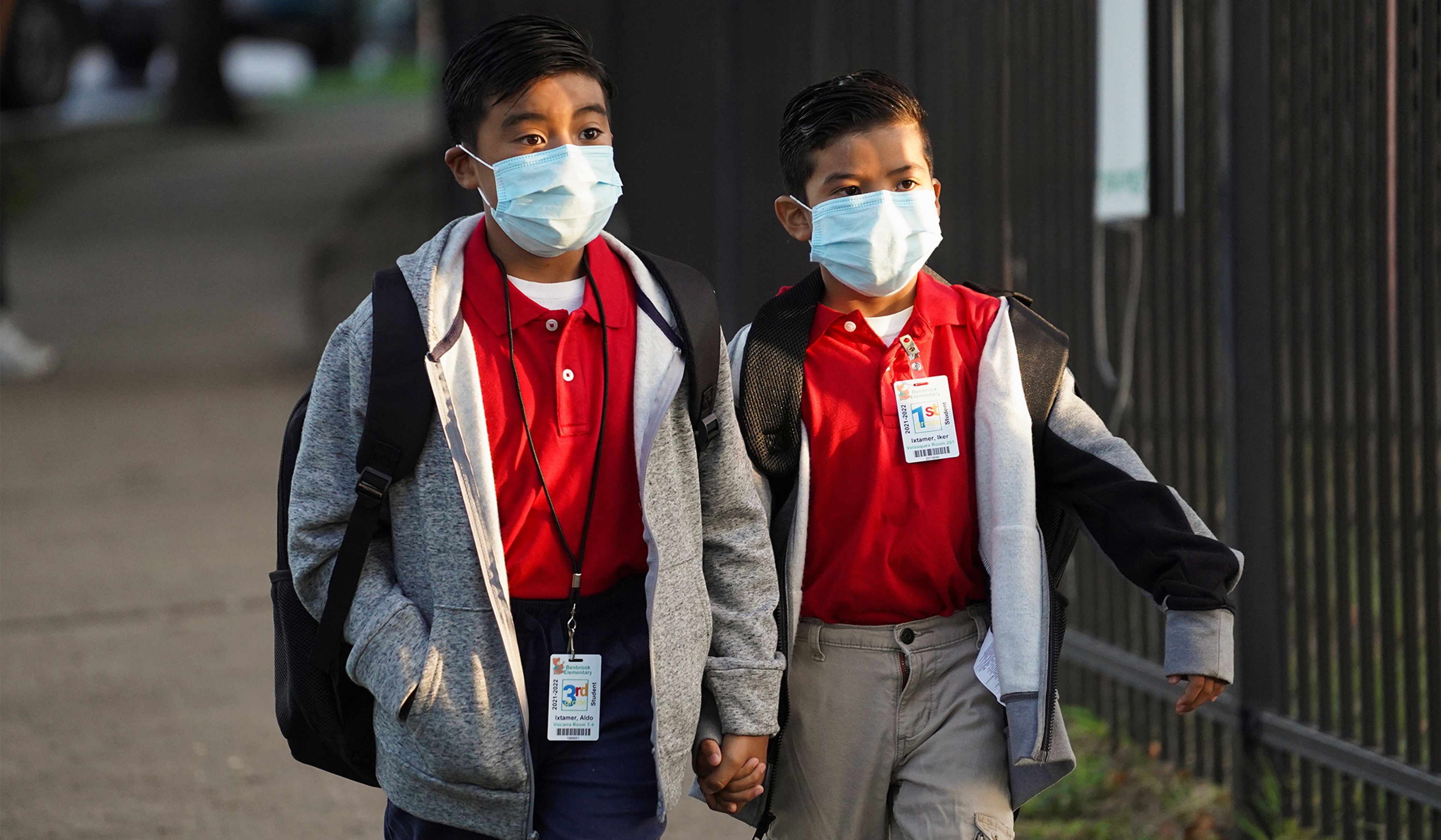
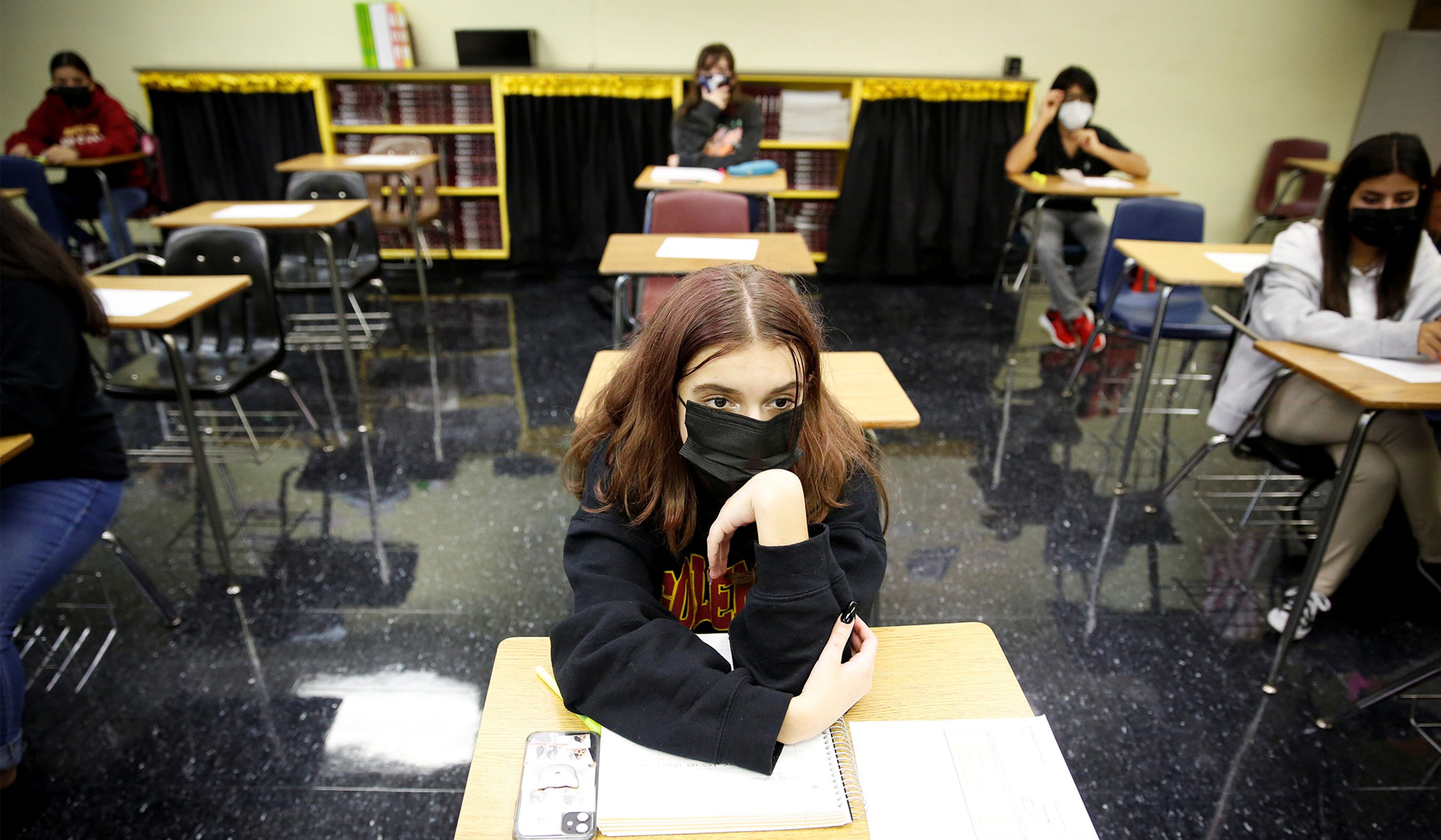
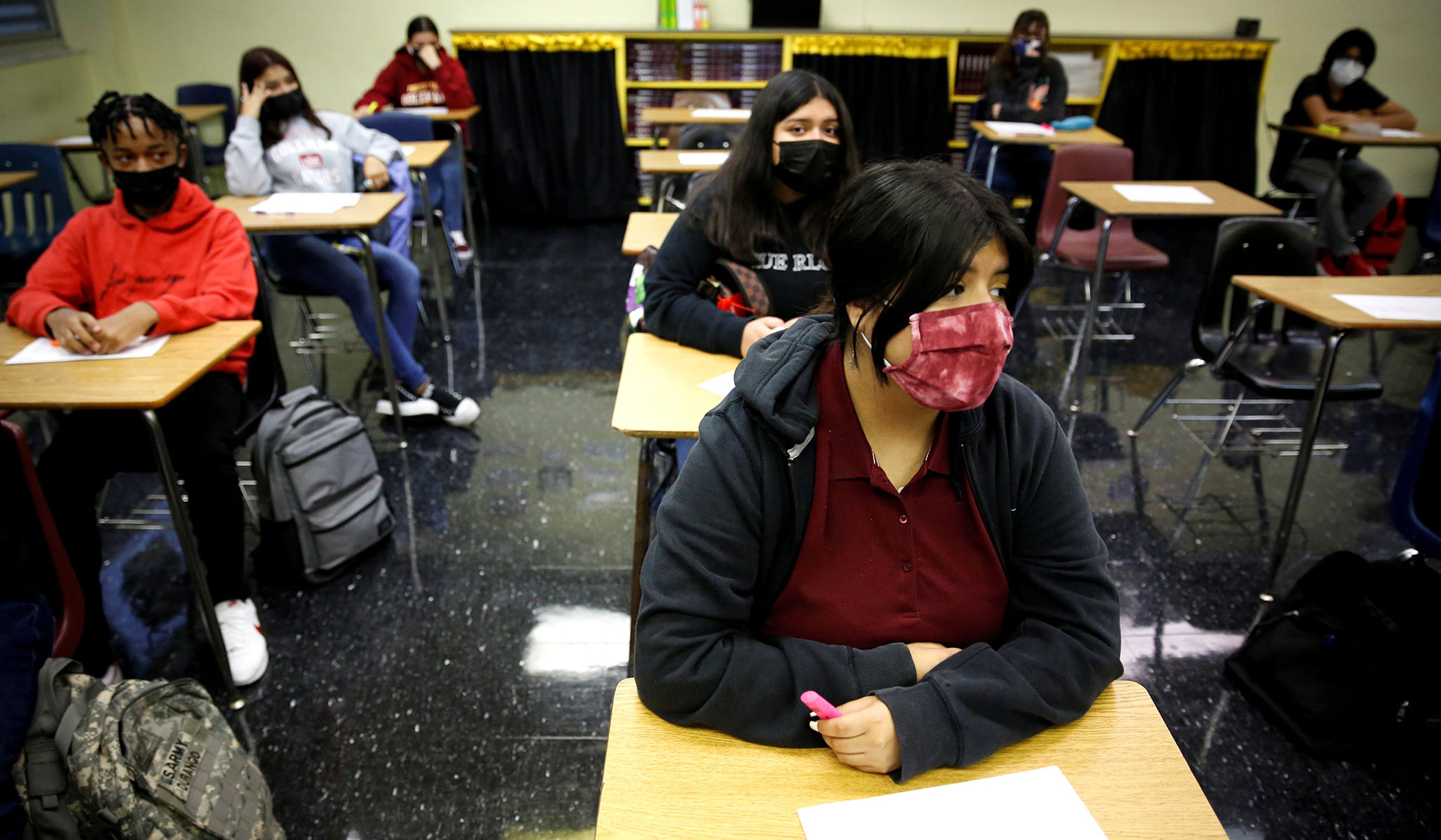
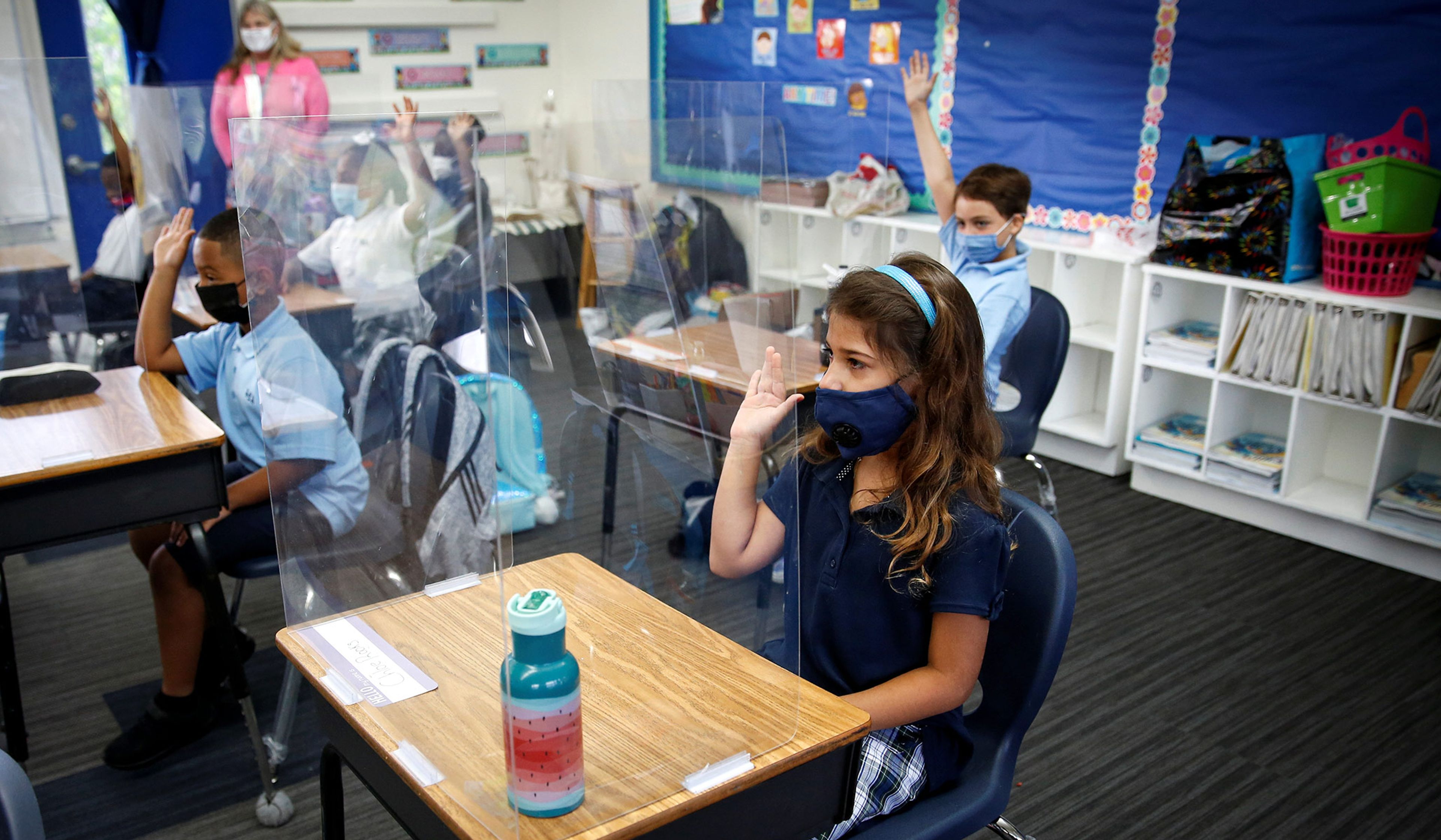
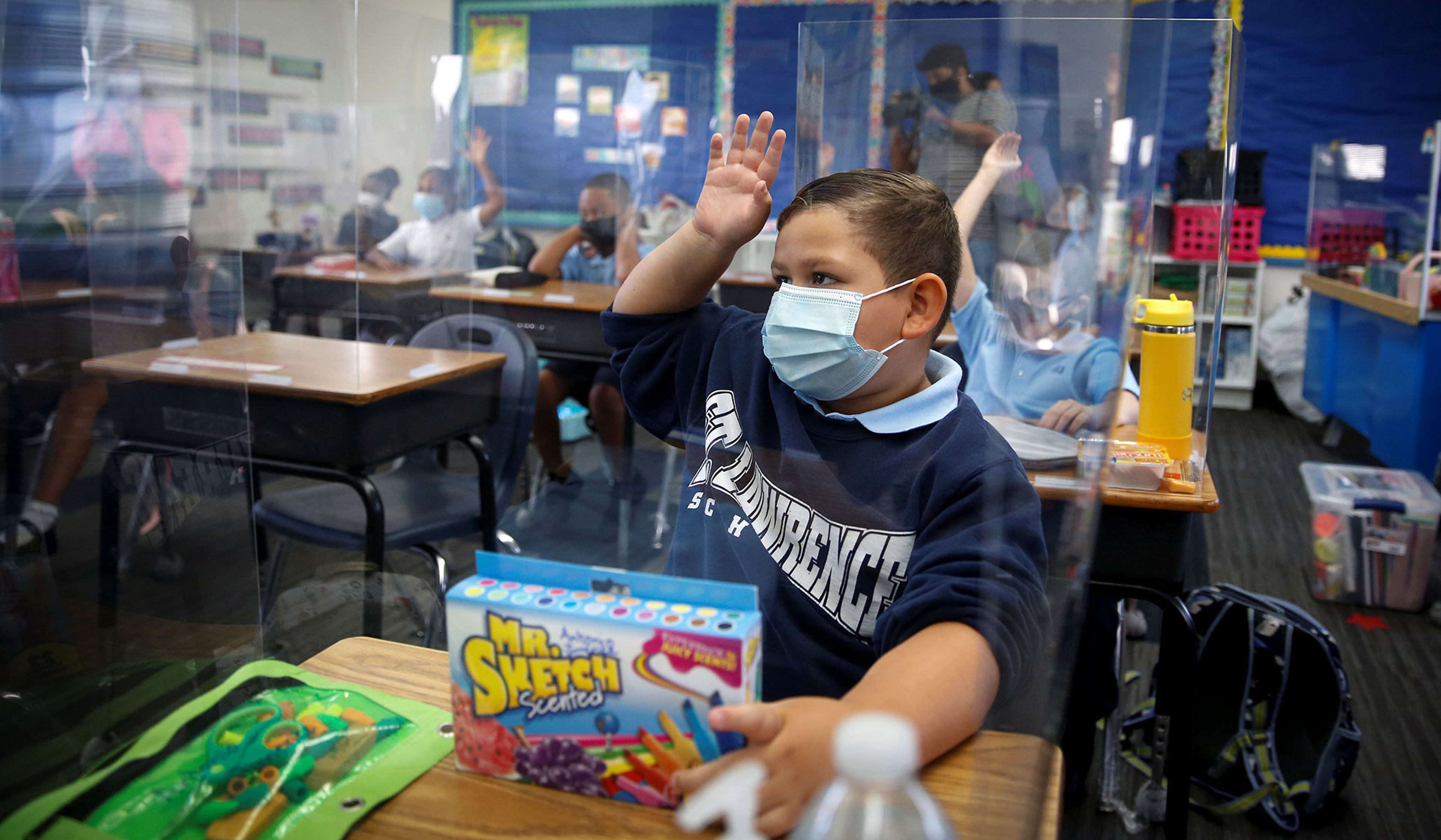
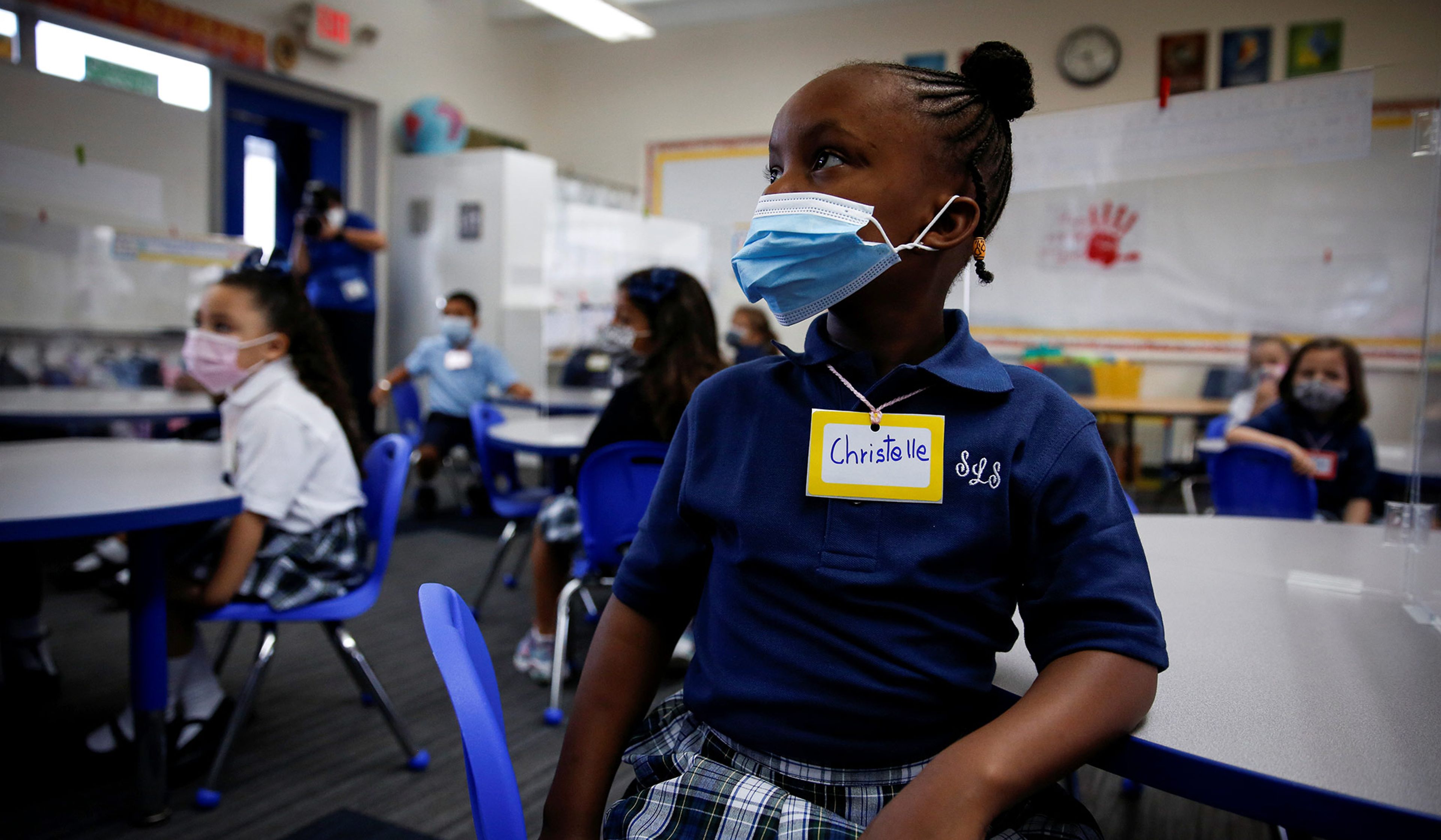
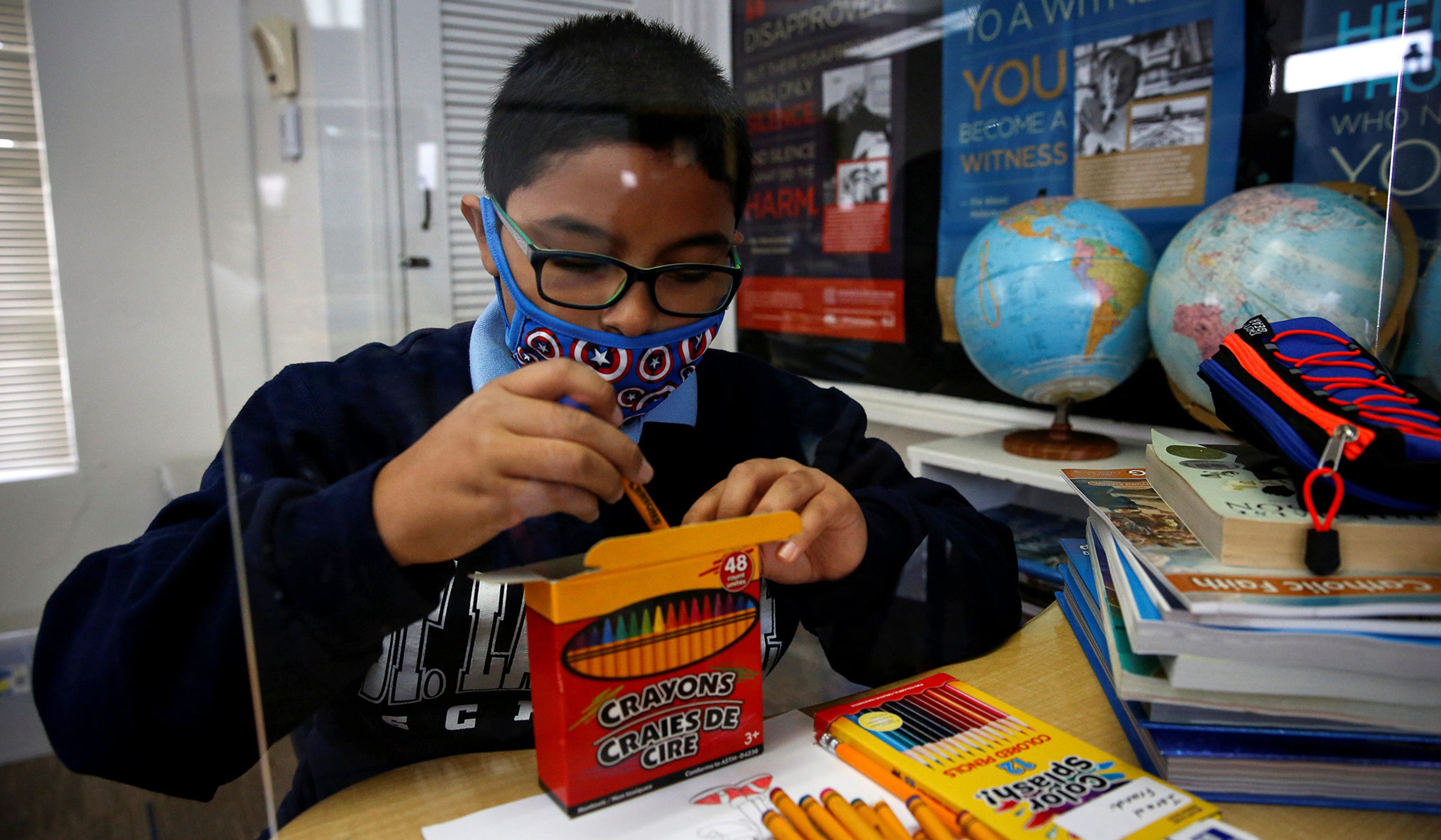
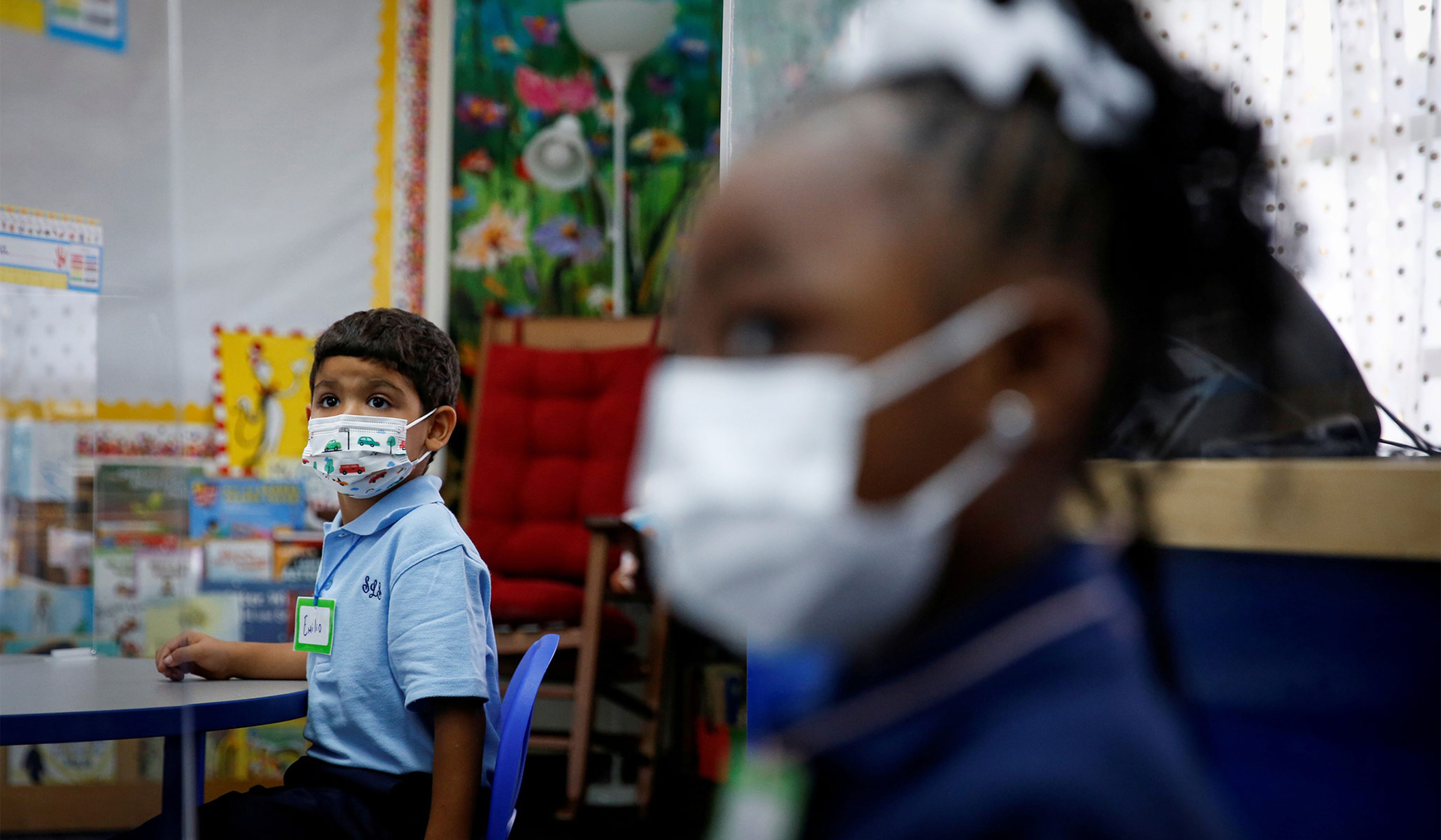
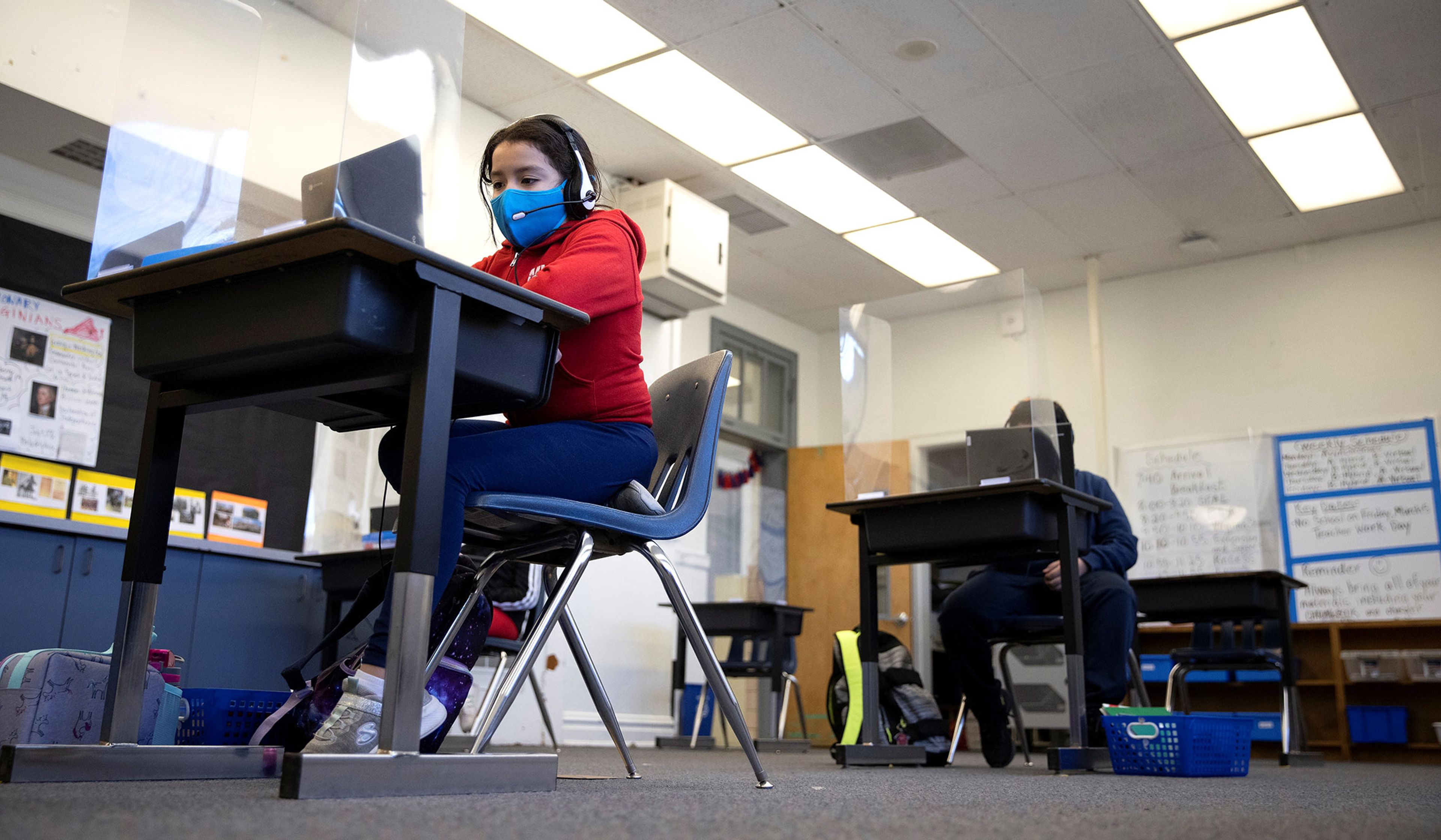
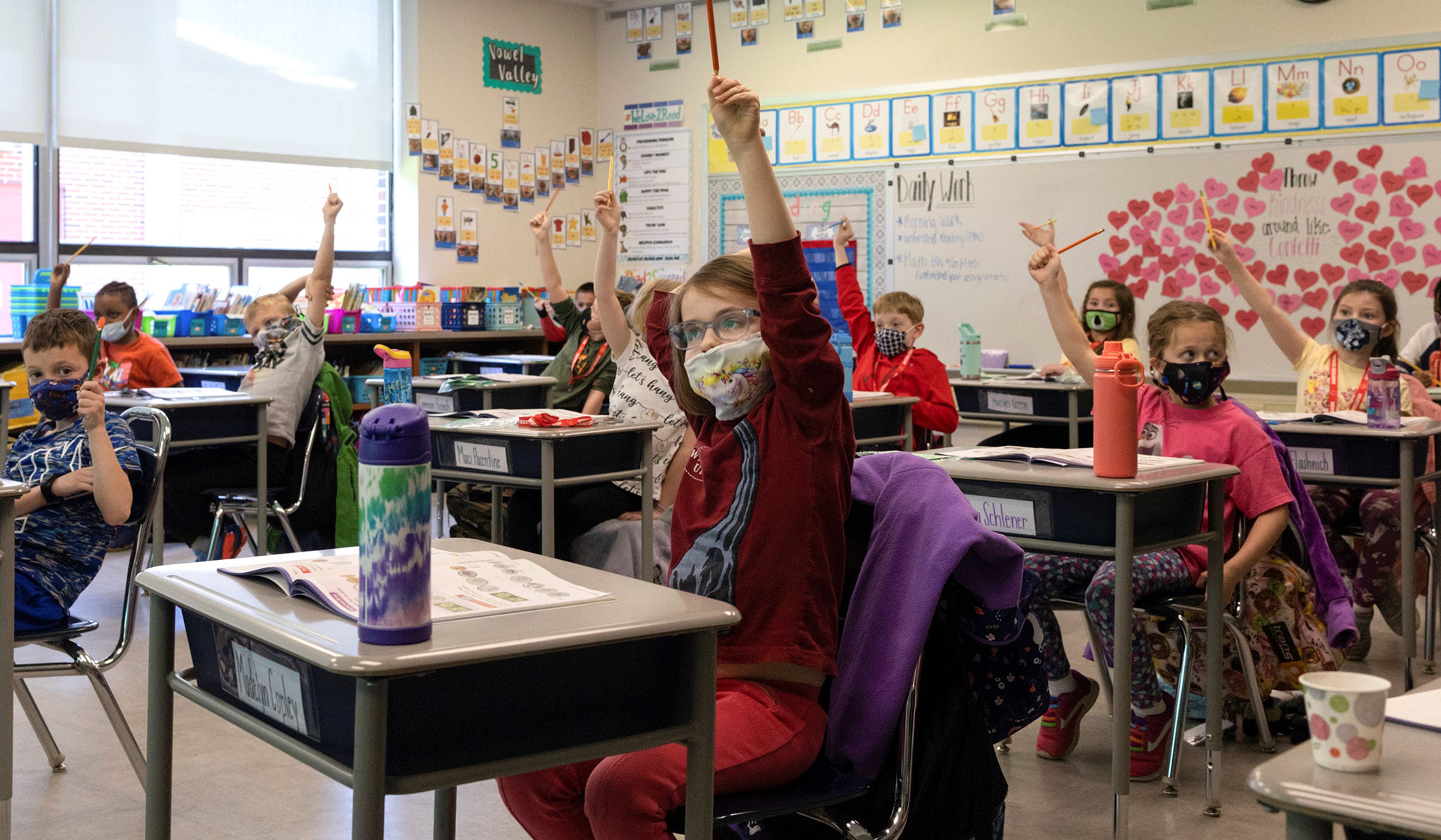
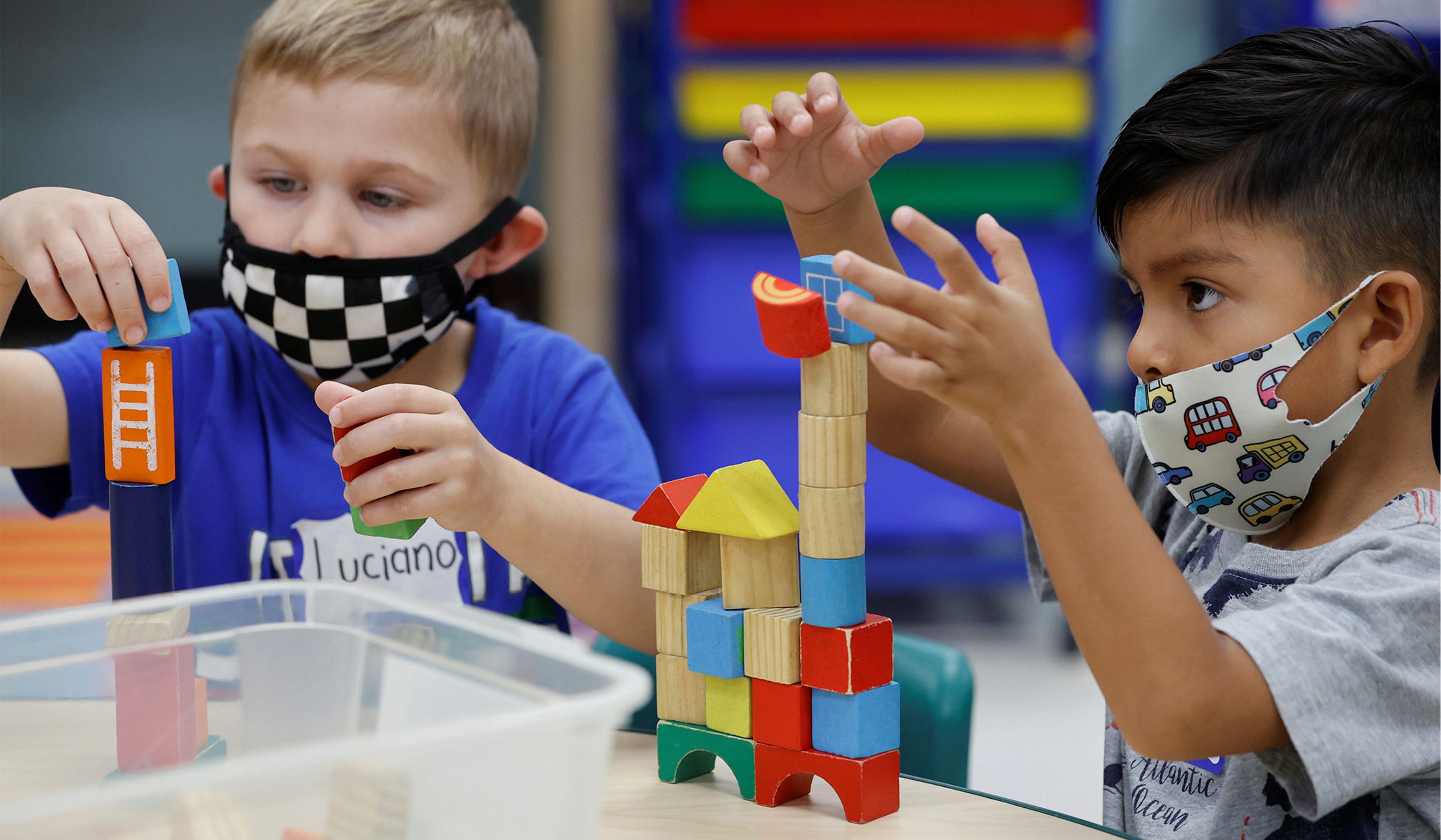
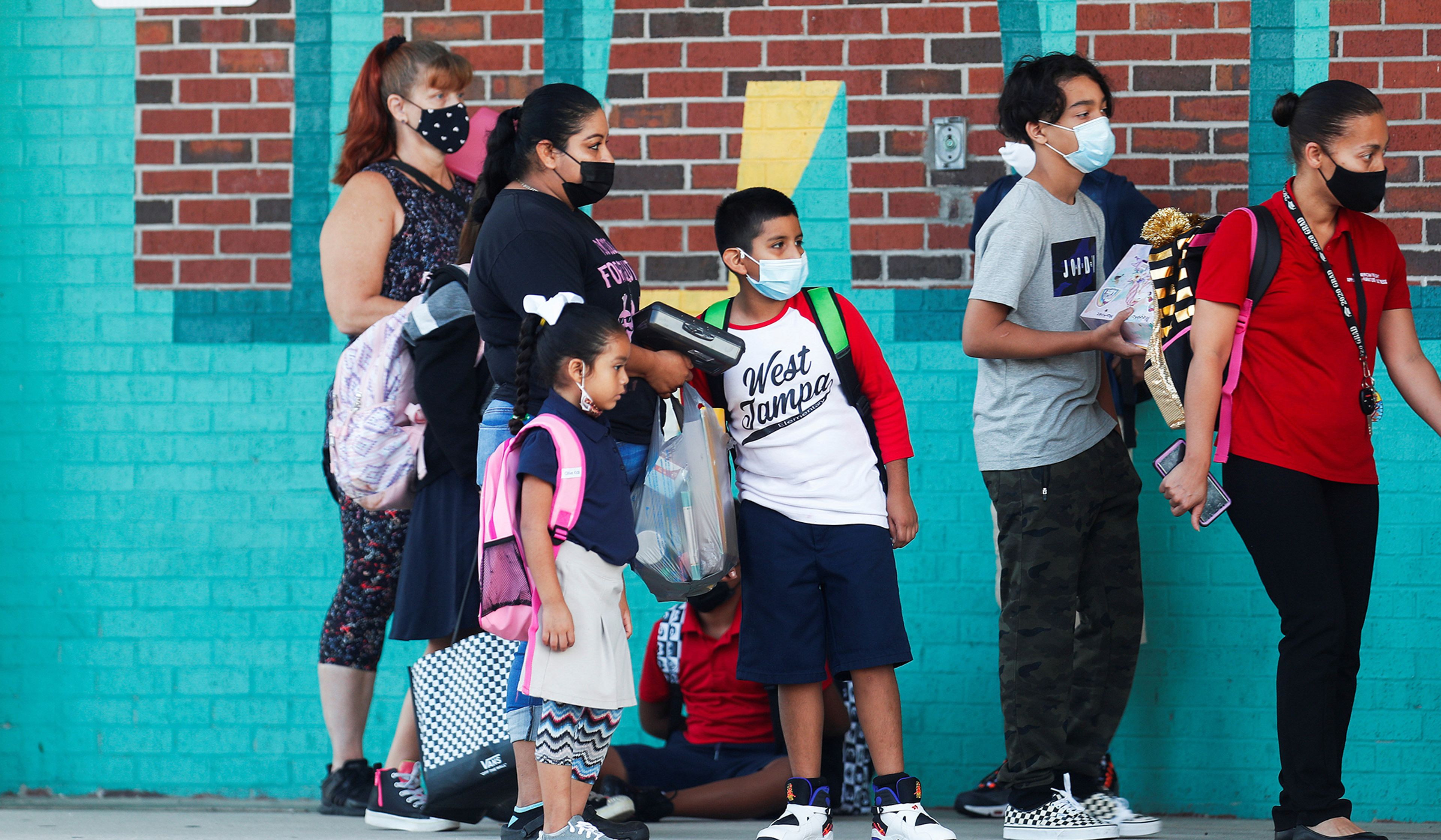
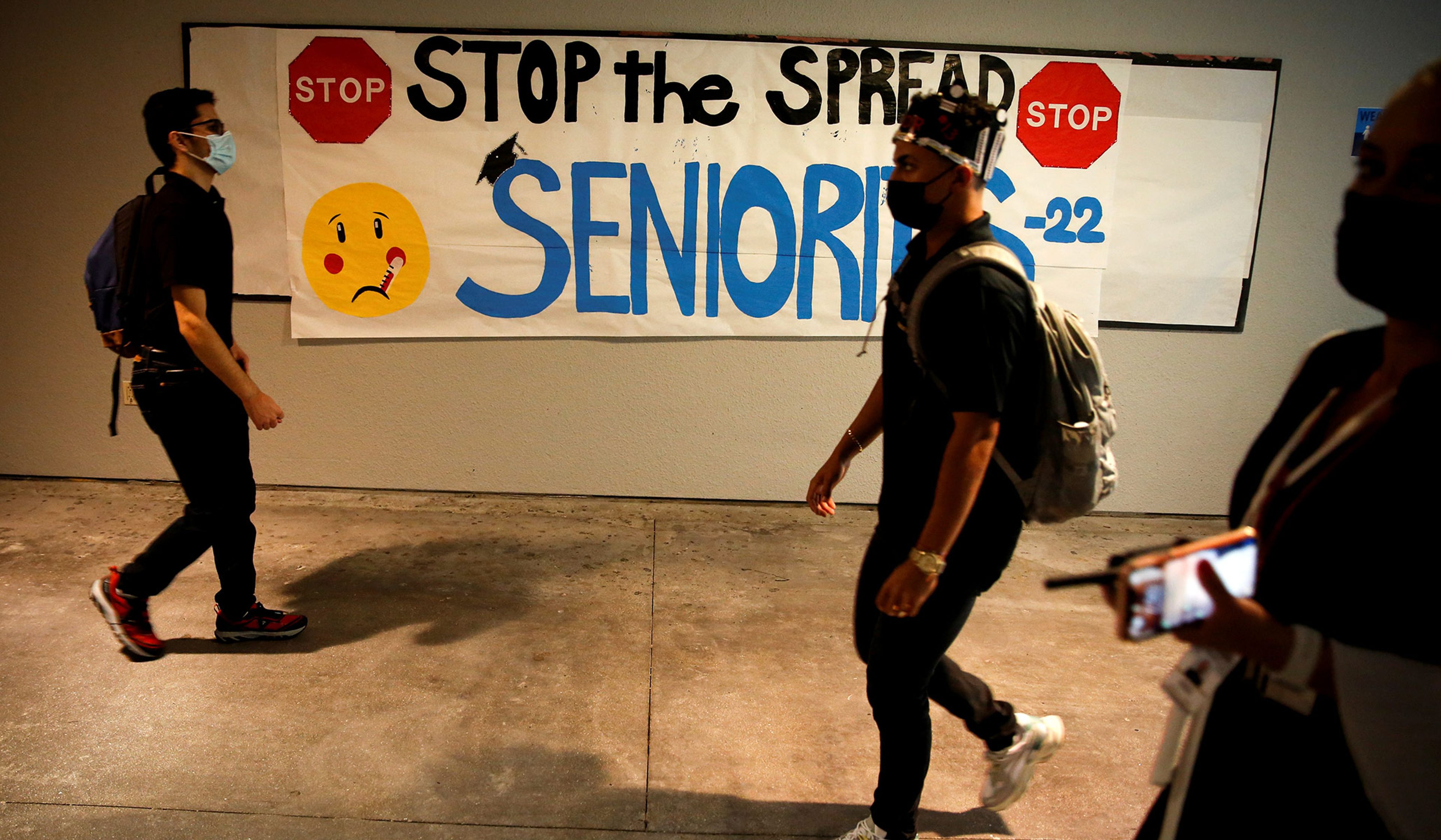
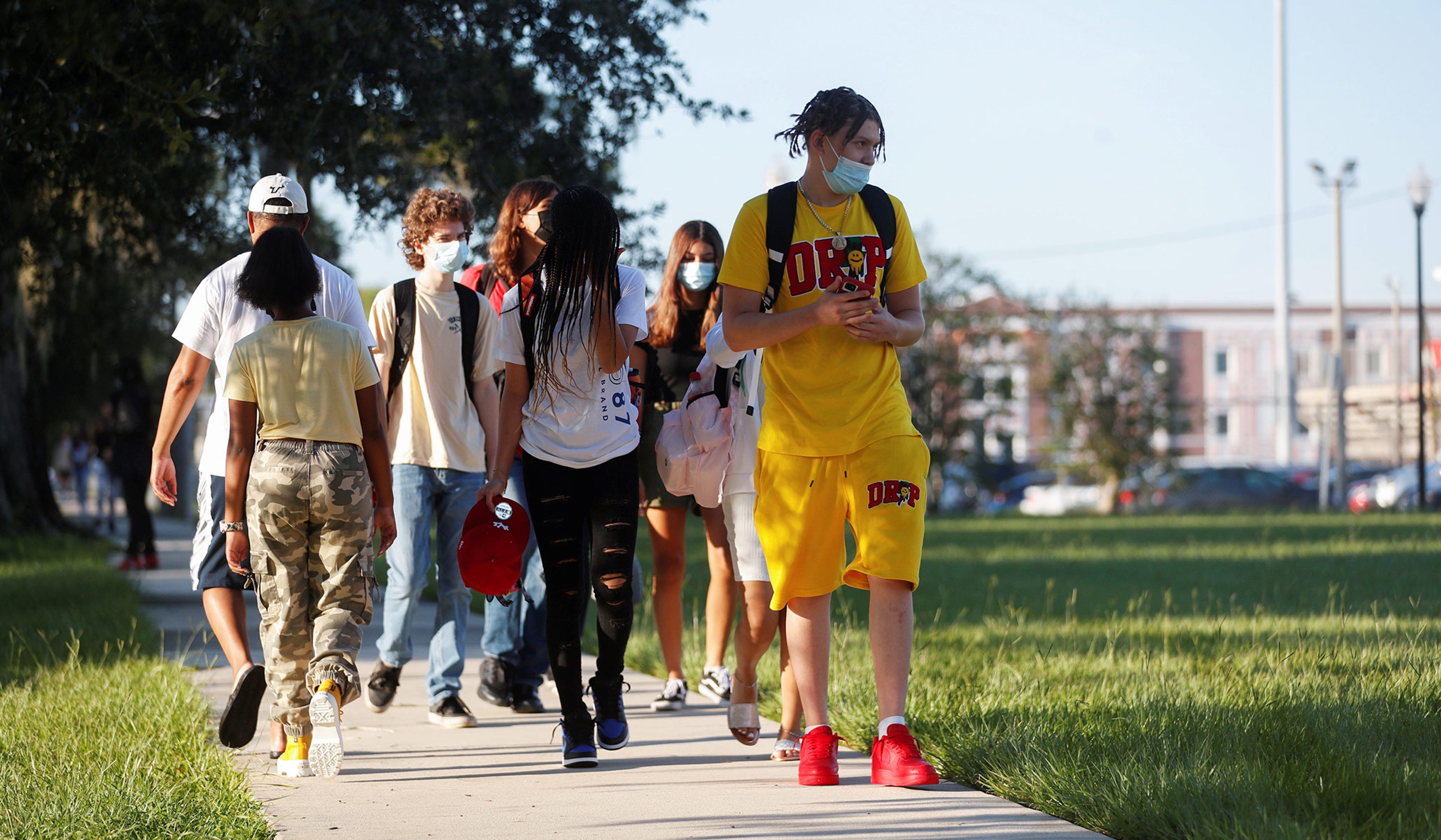
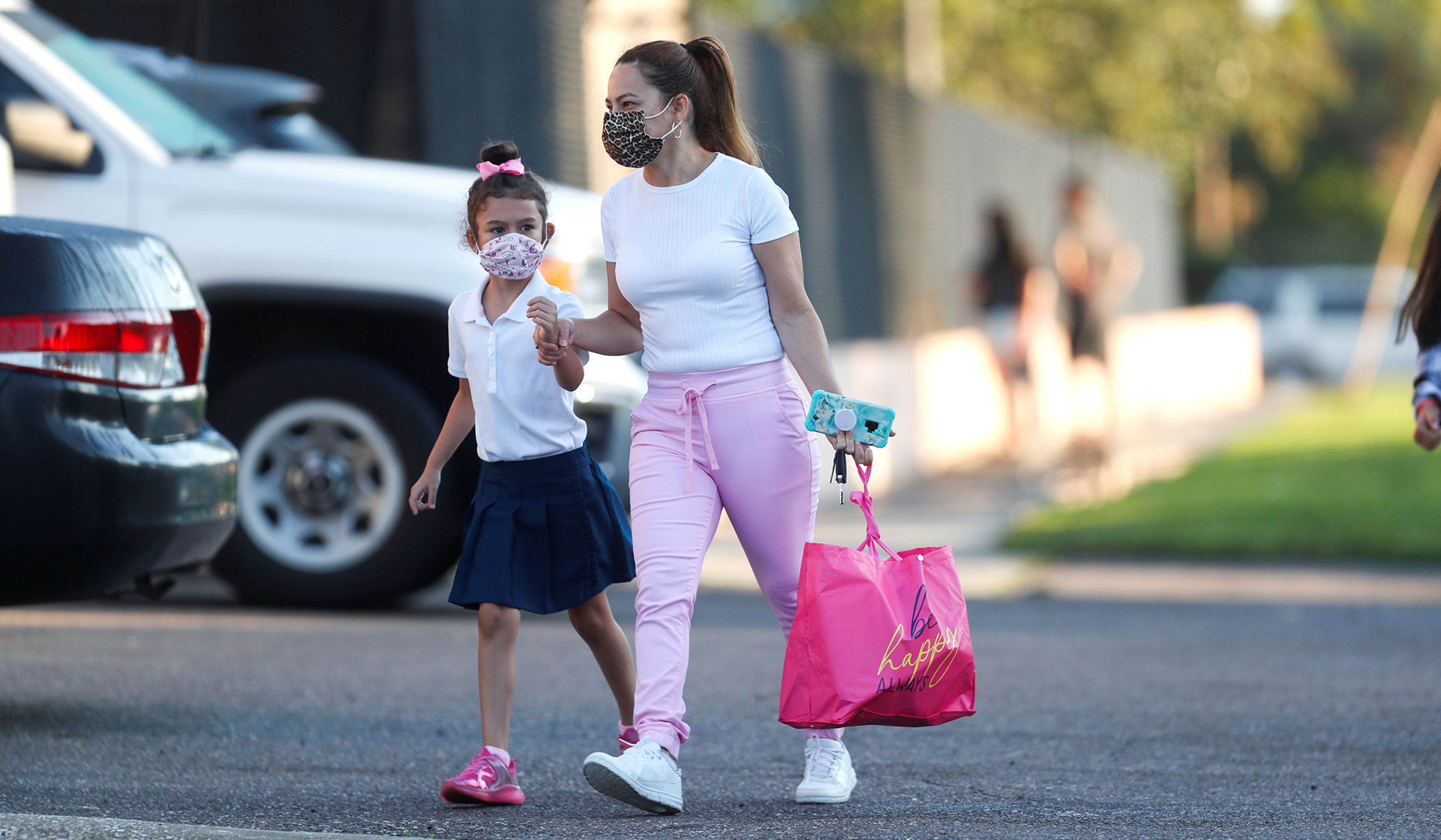
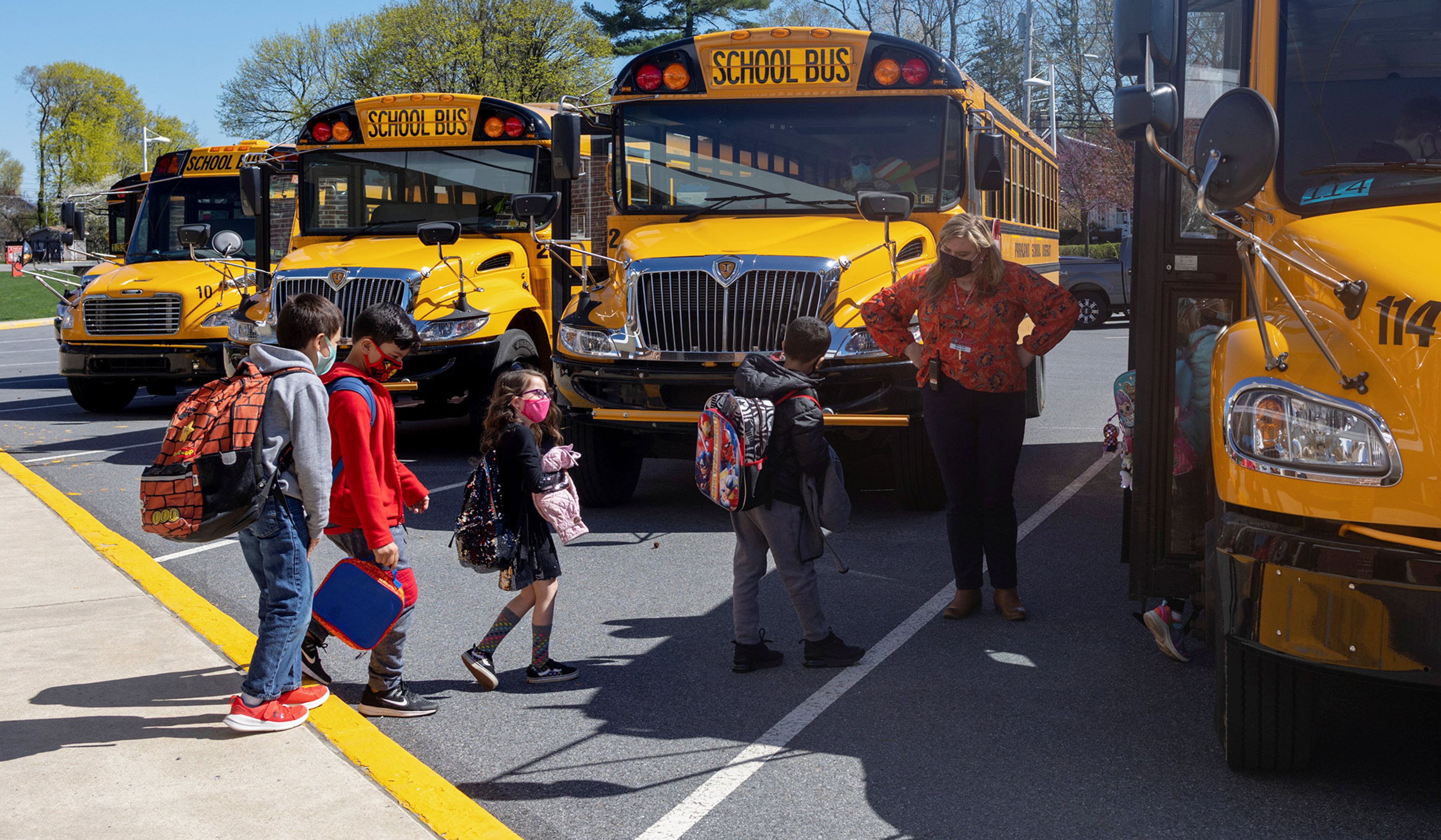
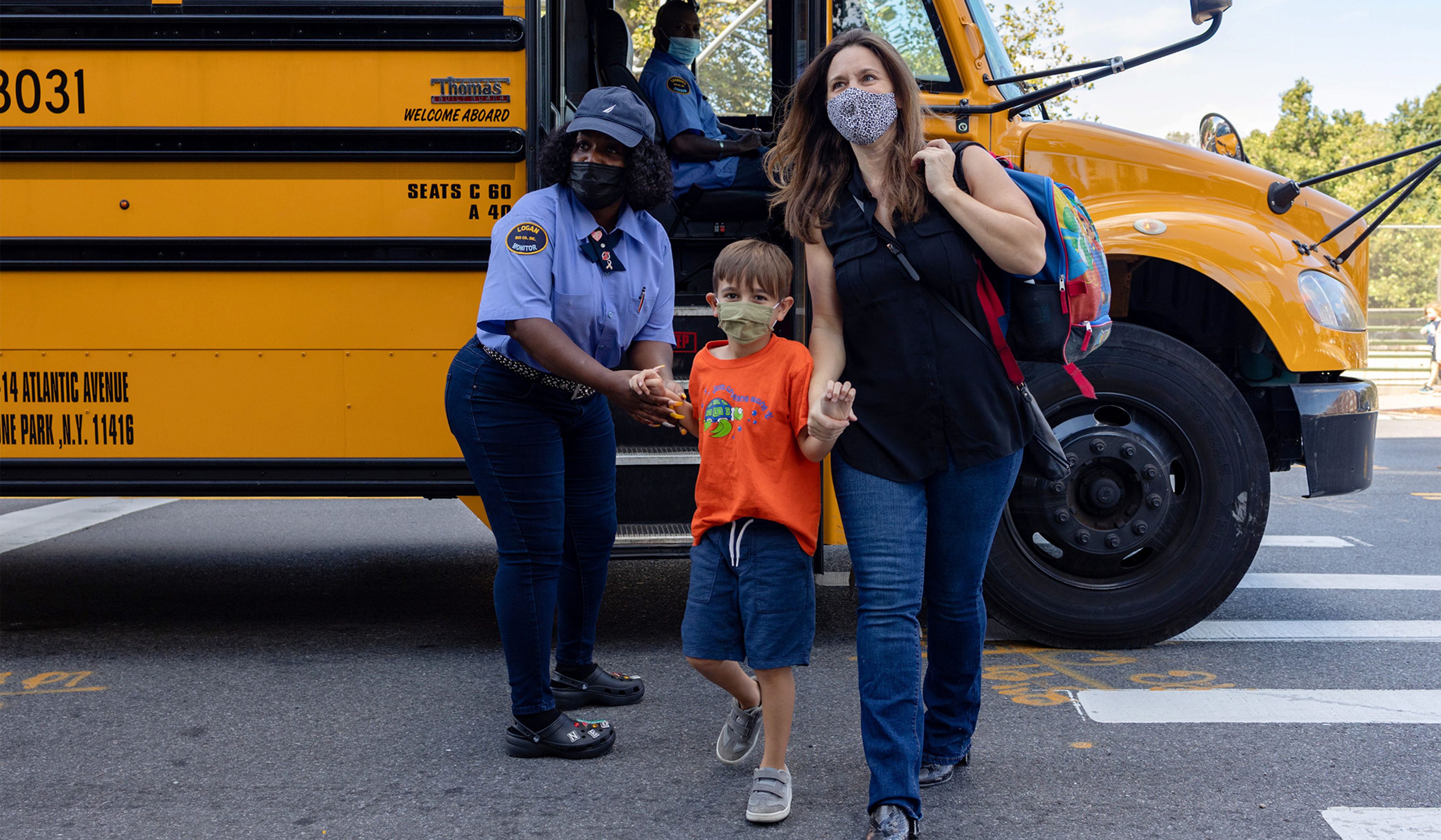
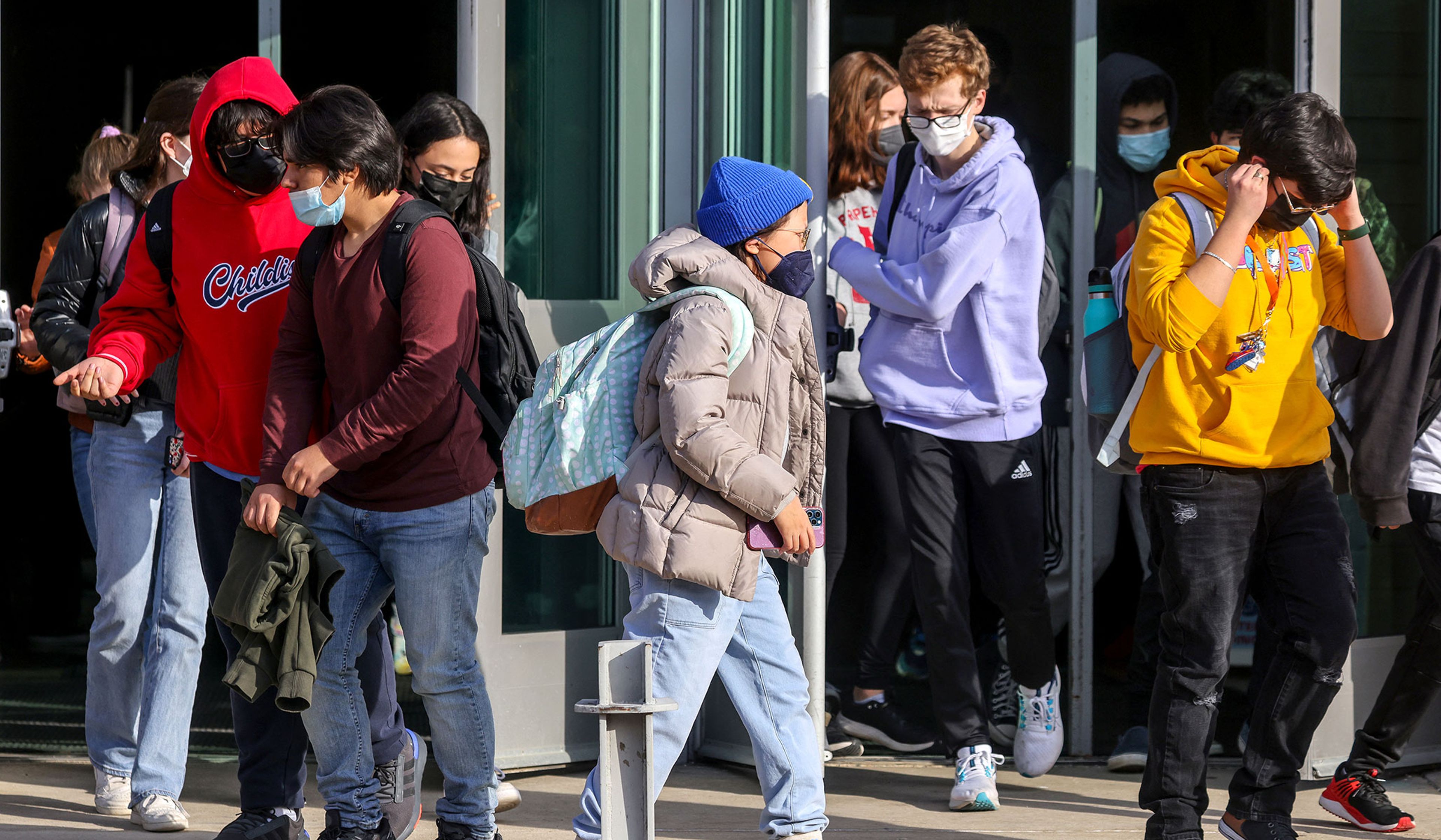
Students wearing protective masks arrive for classes on the first day of school in Miami-Dade County amid the coronavirus pandemic at Barbara Goleman Senior High School in Miami, Fla., August 23, 2021.
Marco Bello/Reuters
Requiring masks in schools will be largely moot anyway if kids are interacting without masks away from school. Jennifer B. Nuzzo, an epidemiologist at the Johns Hopkins Bloomberg School of Public Health, and Beth Blauer, the executive director of the Johns Hopkins University Centers for Civic Impact, noted in the New York Times that in November 2020, “contact tracing revealed that high levels of transmission were happening at family and friend gatherings in people’s homes — like for holidays and birthdays — where masks are less common.” Yelling at people who aren’t wearing masks in public spaces may make scolds feel good, but the unmasked people at the supermarket are probably not the main drivers of a rise in cases in their area.
America’s children eleven and younger represent the last significant demographic who can’t get vaccinated yet, roughly 50 million kids. Fortunately, children in this age group are at minimal risk of serious health issues from COVID-19. As of August 12, more than 4 million children have tested positive for COVID-19 since the start of the pandemic. State health departments report that children ranged from 1.6 percent to 3.5 percent of their total hospitalizations, and that 0.2 percent to 1.9 percent of all their child COVID-19 cases resulted in hospitalization. As of August 12, one one-hundredth of 1 percent of all known COVID-19 infections in children had resulted in death.
Yes, children who are infected should be kept home, treated, and monitored for those exceptionally rare cases of multisystem inflammatory syndrome. But most children’s encounters with COVID-19 will pass like a case of the sniffles, if it causes symptoms at all.
To the extent that the health of children is endangered by COVID-19, it is because they cannot yet get vaccinated. Pfizer began its first test vaccinations of children in March, and the FDA urged Pfizer and Moderna to expand the number of children in their trials in late July. U.S. surgeon general Vivek Murthy told CNN on August 19, “It is possible that we may have vaccines for under-twelves before the end of the calendar year. That’s certainly what I’m hoping for.” That aligns with a report earlier this summer indicating that the FDA expected to approve vaccinations for kids by “midwinter.” Halfway through the third straight school year disrupted by COVID-19, America’s regulatory system might offer a lasting solution that would enable American schools to look the same as they did before the pandemic.
Our society’s response to COVID-19 demonstrated a lot of frustrating mistakes, willful blindness, and failures. Perhaps the worst is that our kids — the demographic least vulnerable to the virus — ended up experiencing a disproportionately high disruption of their lives and development.












Comments