Knight Train
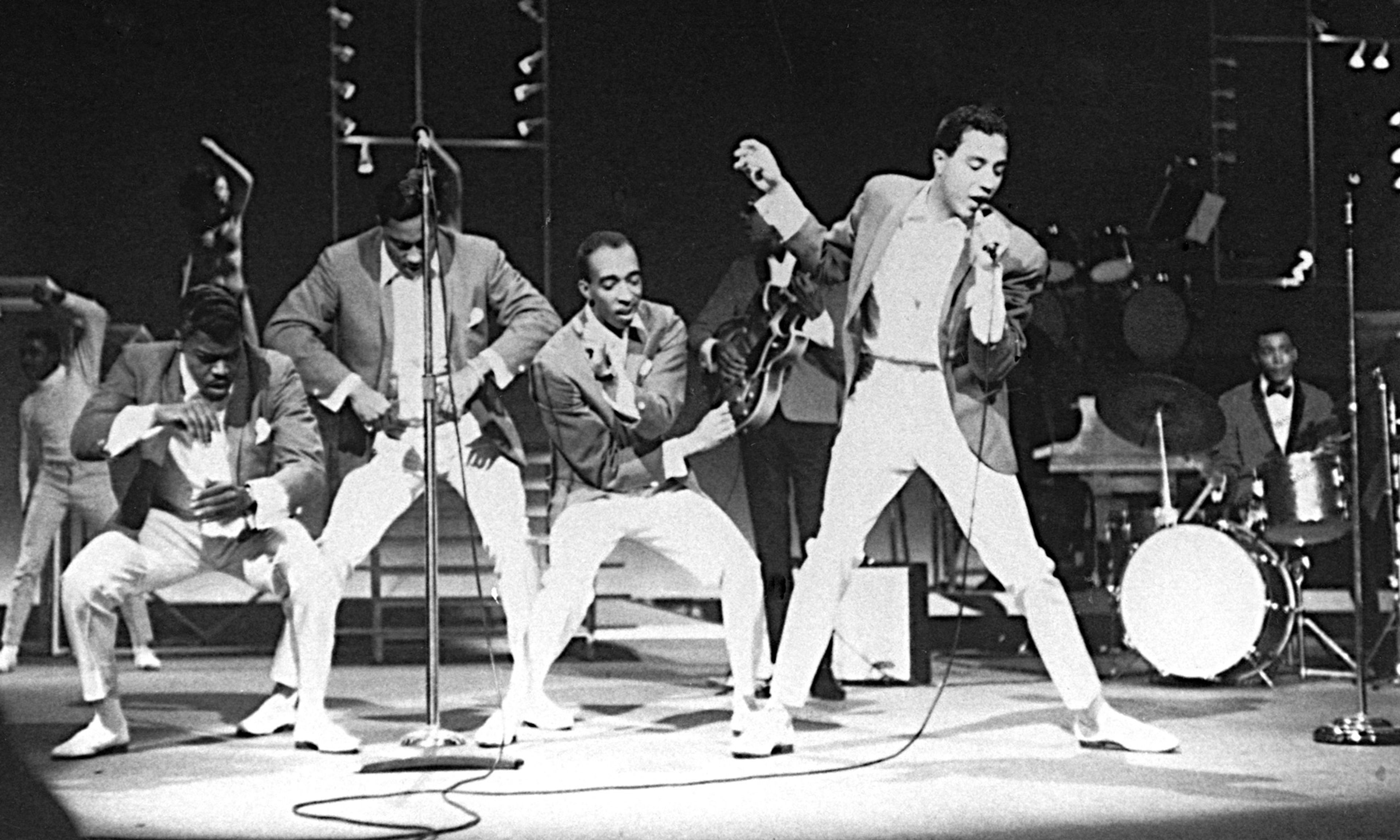
I enjoyed Armond White’s piece “Motown” in your wonderful July 27 issue. I am a white Baby Boomer and an unapologetic, devoted fan of the gorgeous pop music of the Carpenters, but I’ve always enjoyed Motown as well. I particularly adore “Midnight Train to Georgia,” by Gladys Knight and the Pips. Though Mr. White didn’t mention the song in his article, it exemplifies the spirit of Motown (despite having been released by Buddah Records) that his article conveyed. Written by a former Ole Miss quarterback (pre-integration); memorably performed by a classic Motown group (“woo, woo”); telling the story of a California girl who has fallen in love with a Georgia man and decided to accompany him back to his home after he’s given up on his dream “that someday he’d be a star.” Has there ever been a more thoroughly American song?
Jay Lewis Monroe, La.
First in Flight
Much though I hate to contradict Mr. Mamet, I must dispute a statement he made in his article “The Nazis Got Your Mom” (August 10). American aviation most emphatically did not begin in Los Angeles, Calif. It began 2,000 miles to the east, in Dayton, Ohio, where the Wright brothers began investigating the problem of powered, controlled, heavier-than-air flight as early as 1899, culminating in the first flight in 1903. True, that flight took place in North Carolina, but only because it has a windy coast. After the first few flights, they packed everything on a train and headed home to Dayton to begin the serious work of learning to fly. Working out of Huffman’s cow pasture with an improved version of their “flying machine” (the Wright Flyer III), they pioneered a number of aviation firsts (the first aerial turn, the first circle, the first figure eight, the first passenger) and in the process proved that their invention was more than just a rich man’s toy. By 1908, the airplane had become a commercial venture, and the rest, as they say, is history. Next time you are in Dayton, visit the Dayton Aviation Heritage National Historic Park, where you can see the fourth Wright Brothers’ cycle shop, the original Wright Flyer III (the first practical airplane), and Huffman Flying Field, where not just American but world aviation history began.
Tim Snyder Via email
David Mamet responds: Dear Mr. Snyder, you’re right, I’m wrong. Thank you for your correction. Allow me to amend my sentence: “The birthplace of American commercial aviation was that area once known as ‘California.’ ”
Corrections
“The Celestial Afterlife of Karl Marx” (Kevin D. Williamson, August 24) quoted a letter from Engels and characterized it as chastising Marx for his anti-Semitism. The letter is indeed published as part of the Marx–Engels correspondence, but it is not a letter to Marx. The intended addressee is unknown.
“Obergefell at Five” (John Hirschauer, August 24) stated that Jack Baker and Michael McConnell’s lawsuit to have their union recognized as marriage received from the Supreme Court the one-sentence response “Questions raised by this appeal are moot.” In fact, it was the Hennepin County, Minn., district court that gave this reply.












Comments