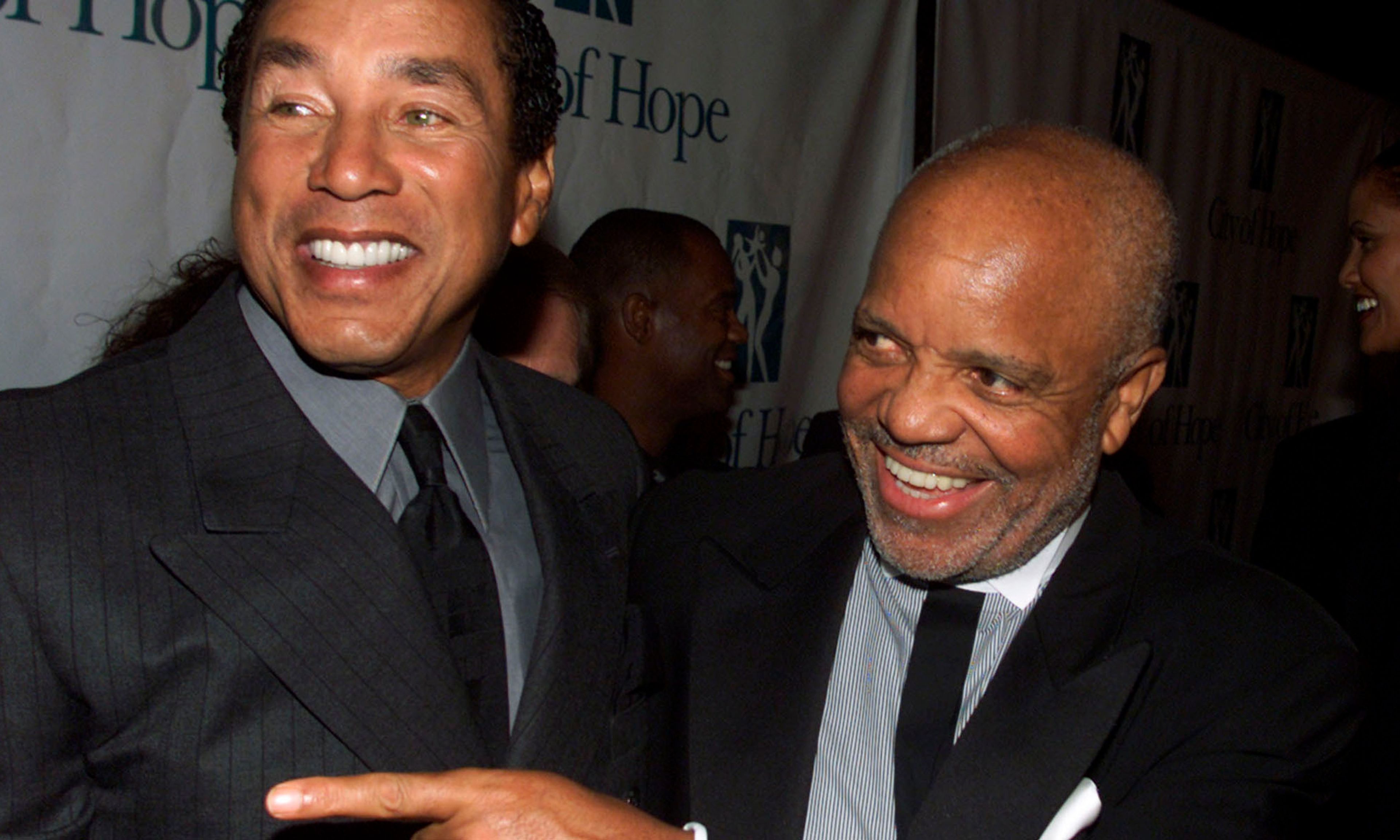
A sign in the window of its modest headquarters offered a big boast: “The Sound of Young America.” The only thing the slogan lacked was a proper amount of ambition. In the 1960s, Motown Records became the sound of all America, producing hit after hit on Detroit’s musical assembly line — and creating some of the finest pop songs ever written.
Founder Berry Gordy Jr. barely could play an instrument, but he possessed a genius for knowing what both black and white Americans wanted to hear on their radios. Half a century later, dozens of Motown hits remain standards: “My Girl,” written by Smokey Robinson and recorded by the Temptations, with its simple and infectious guitar riff; “Ain’t No Mountain High Enough,” with a soaring chorus by Marvin Gaye and Tammi Terrell, both doomed to early deaths (he at 44 from a gunshot, she at 24 from a brain tumor); “Where Did Our Love Go?” — originally penned by Motown songwriters for the Marvelettes, who rejected it, and then snatched up by the Supremes, who made it their first smash as they went on to become arguably America’s most commercially successful vocal group.
Forget all of the recent Woodstock nostalgia: The Motown sound dominated a decade. In 1966, reports Gerald Posner in his history of the recording company, 75 percent of Motown’s releases charted (when the industry standard was 10 percent). One week in 1968, Motown accounted for half of the top ten, as ranked by Billboard. Supporting the performers who became household names were the Funk Brothers, a baker’s dozen of mostly anonymous session musicians who collectively “played on more number-one hits than the Beatles, Elvis Presley, the Rolling Stones, and the Beach Boys combined.” That’s the claim of Standing in the Shadows of Motown, a 2002 documentary on their little-known accomplishment.
Much has been made of Motown’s role in improving race relations through the act of making and selling songs. Yet it’s also a story of American enterprise — and at one point, the record label was the largest black-owned company in the country. Gordy was passionate about the music, but he also grew up in a family that ran a small business and admired Booker T. Washington, who believed that black advancement depended on hard work and economic achievement rather than white pity. As it happens, Gordy’s first hit song was “Money (That’s What I Want),” with Barrett Strong on vocals (and later covered by the Beatles). The love of money may not be humanity’s worthiest desire, but, like the traditional love songs that were always Motown’s staple, it speaks to us all, no matter the color of our skin. And it’s easy to dance to.
Today it’s possible to hum “Money” as well as tunes by the Four Tops, Martha Reeves, Stevie Wonder, and more in the room where these artists recorded for the ages, in the basement studio of Detroit’s Motown Museum.










Comments