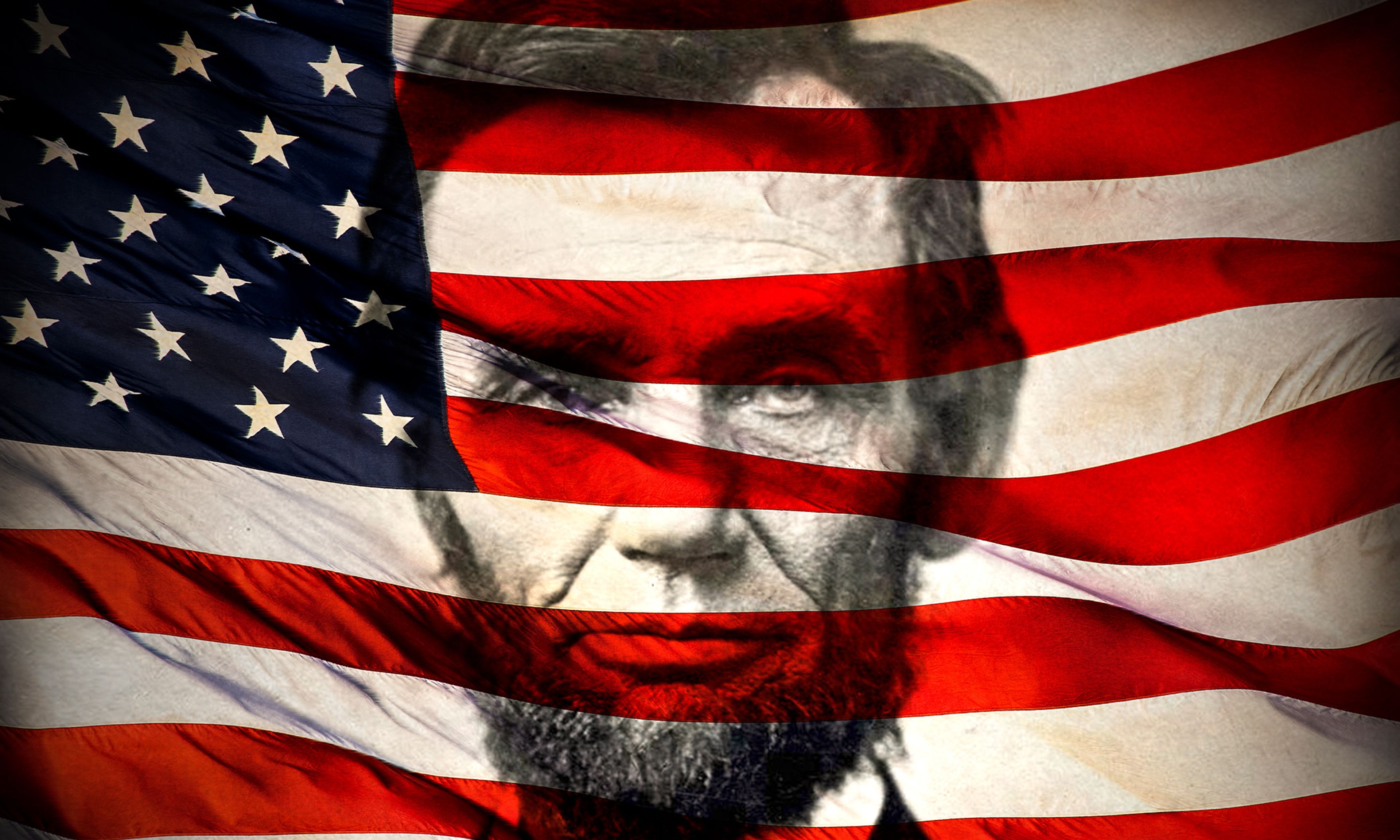
In August 1858, Abraham Lincoln scrawled to himself a brief note as he prepared for his debates against Democratic Illinois senator Stephen A. Douglas. The little fragment reads: “As I would not be a slave, so I would not be a master. This expresses my idea of democracy. Whatever differs from this, to the extent of the difference, is no democracy.” Only 33 words and unseen by others until long after his assassination, Lincoln’s pithy memo conveyed his full range of thought on self-government. Yet, one may wonder, if democracy was not slavery or mastery, then what was it? The renowned Lincoln scholar Allen C. Guelzo — director of the James Madison Program Initiative on Politics and Statesmanship at Princeton University — offers an answer in his timely book, Our Ancient Faith.
The trial of democracy during Lincoln’s era has resonances for our challenge today in practicing democracy. As public confidence in institutions wanes, demagogues treat politics as a zero-sum existential crisis. With malicious forces seemingly conspiring against the beleaguered masses, cynical ideologues across the political spectrum pledge to save democracy by discarding democratic norms. Arguing that we should not be in haste to forsake our democratic inheritance, Guelzo presents a Lincoln who evokes the necessities of principled statesmanship, political prudence, and devotion to the constitutional order.
Guelzo’s Lincoln claims fealty to transcendent moral truth, a nettlesome proposition for our relativistic time. Yet as the greatest exponent of American democracy, Lincoln may well still have something to teach us about ourselves and our duty to posterity. As Lincoln speaks, will we listen?
In Lincolnian fashion, Guelzo frames American democracy by what it was not as much as what it was. In the 18th- and 19th-century worlds of divine-right monarchy, aristocratic privilege, and oligarchic exploitation, democracy stood in stark relief to hierarchy. Bathed in the Enlightenment’s appeal to reason, justice, and equality, humans claimed the capacity to govern themselves, freed from the arbitrary dictums of noble elites. Popular government vests its authority in the consent of the people. Majorities rule, but not with absolute might. Democratic republicanism shields political and religious minorities from trampling by strongmen or mobs. All participants in a democracy ideally adhere to the rules of the game, subordinating petty self-concern to the common good. As the great leveler, the law erects essential boundaries between the state and the polity, establishes civil equality among citizens, and prevents one faction from crushing another. And yet democracies are often messy. As they thrive on debate and argument, so they strive for persuasion and consensus.
Lincoln subscribed to this democratic blueprint. But Guelzo reveals how Lincoln hardly reduced democracy to a system for channeling self-interest. “There is something back of [self-government], entwining itself more closely about the human heart,” Lincoln wrote on the eve of his 1861 presidential inauguration. The natural-rights doctrine of the Declaration of Independence formed the cornerstone of American democracy. Government can neither confer nor restrict unalienable rights but is bound to protect all individuals’ claims to life, political liberty, and economic opportunity. “In Lincoln’s world,” Guelzo concludes, “there need be no slaves and no masters except the self-driven and the self-mastered.”
Guelzo derives his book’s title from the democratic creed that Lincoln outlined in his first major anti-slavery speech. “According to our ancient faith,” he proclaimed in 1854 in Peoria, Ill., “the just powers of governments are derived from the consent of the governed. Now the relation of masters and slaves is . . . a total violation of this principle. The master not only governs the slave without his consent; but he governs him by a set of rules altogether different from those which he prescribes for himself. Allow all the governed an equal voice in the government, and that, and that only is self-government.”
For Lincoln, then, democracy relied on consent. But what happens when sordid passions undermine consent? In Lincoln’s philosophy, Guelzo observes, “democracy implied a political Golden Rule.” Lest they invite despotism upon themselves, true democrats must consent to the natural equality of those with whom they most vehemently disagree, even those whom they despise. One’s political foes are not vermin. They are humans, endowed with the same rights of nature as anyone else. Here, Lincoln’s August 1858 fragment comes into sharper focus. When he wrote, “As I would not be a slave, so I would not be a master,” he consented never to claim power over another’s dignified labor or sacred conscience. As Guelzo establishes, popular adherence to a liberal political economy, constitutional restraint, and natural law enables all people to improve their condition and maintain their personal sovereignty.
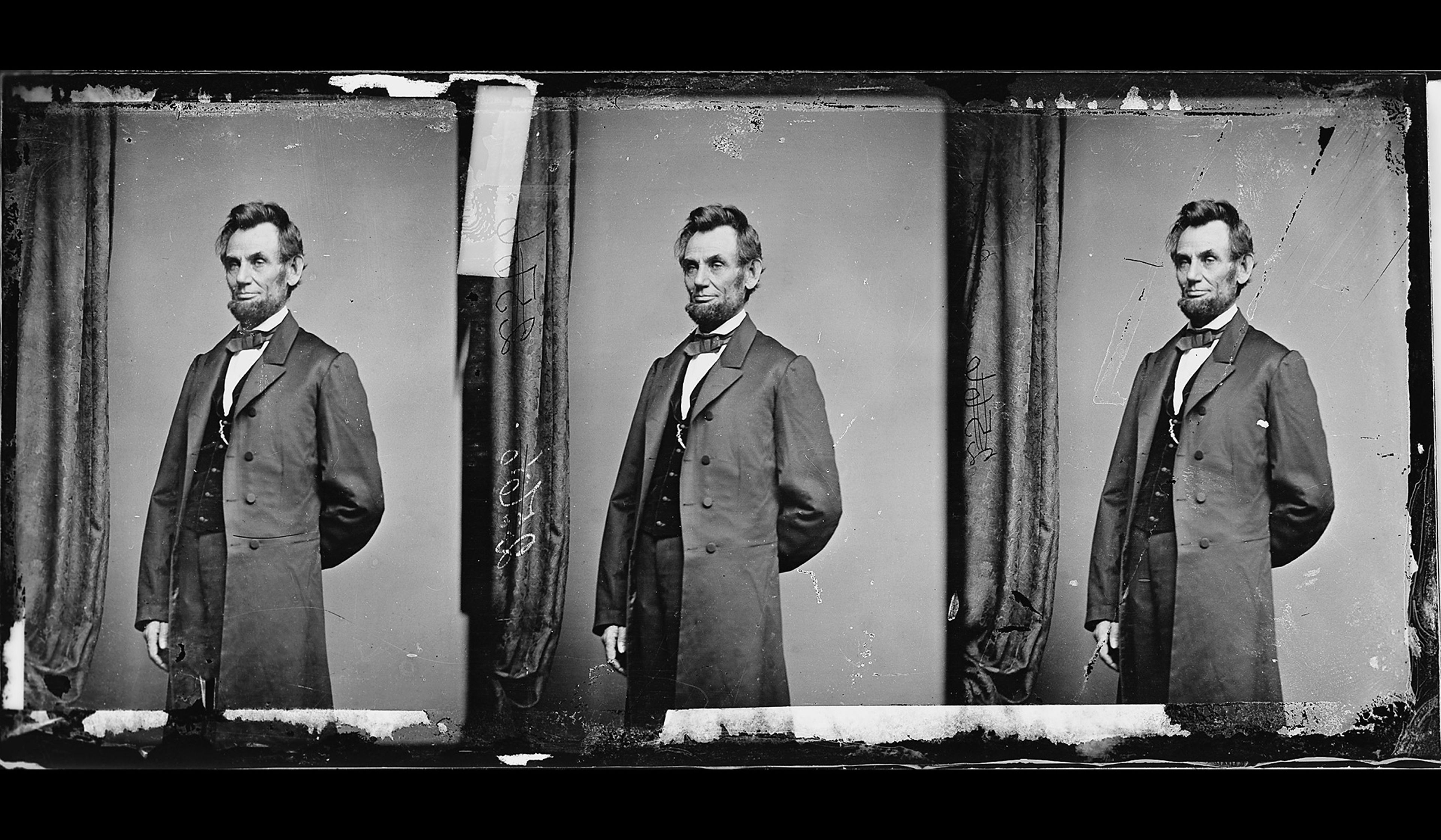
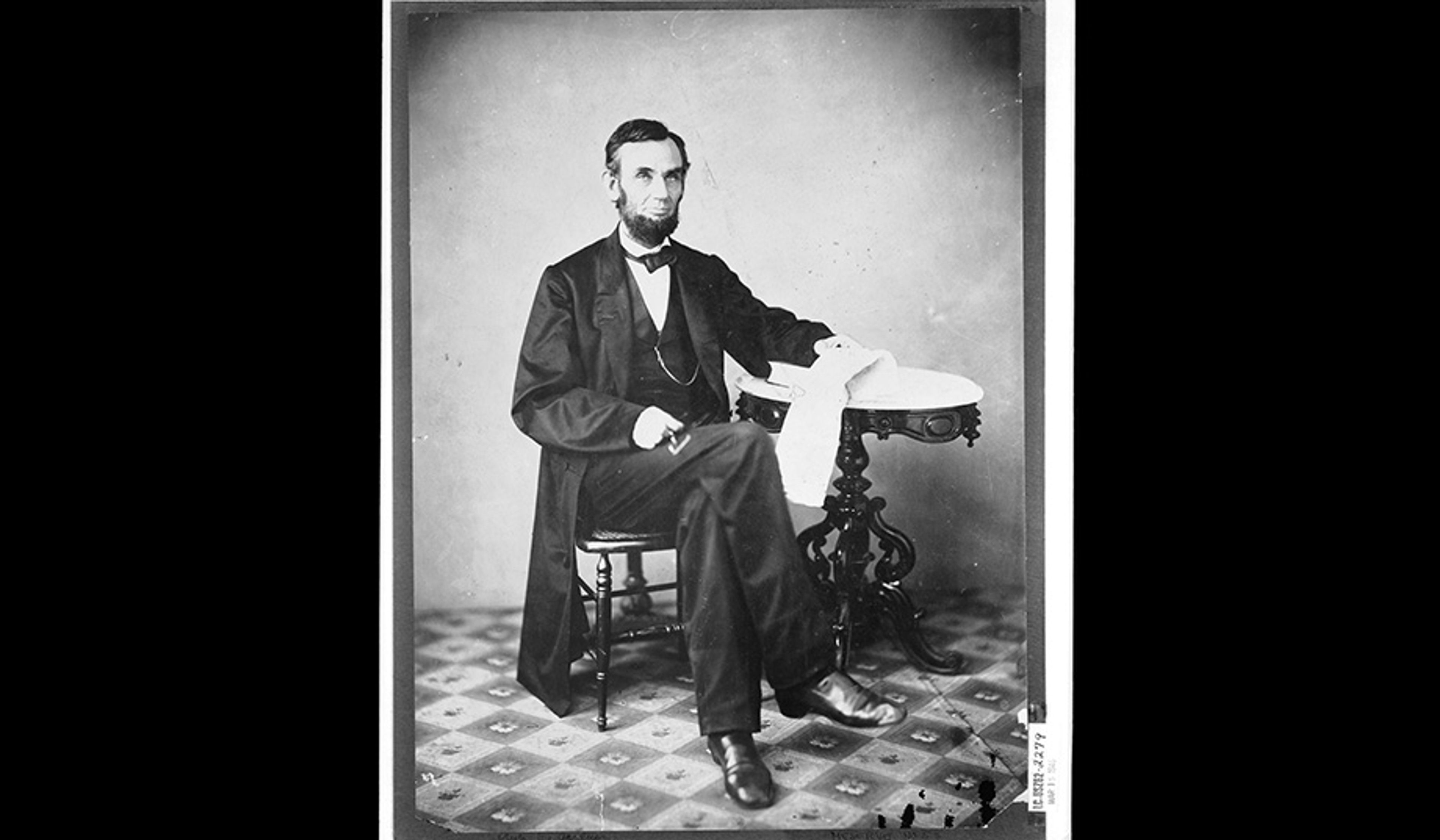
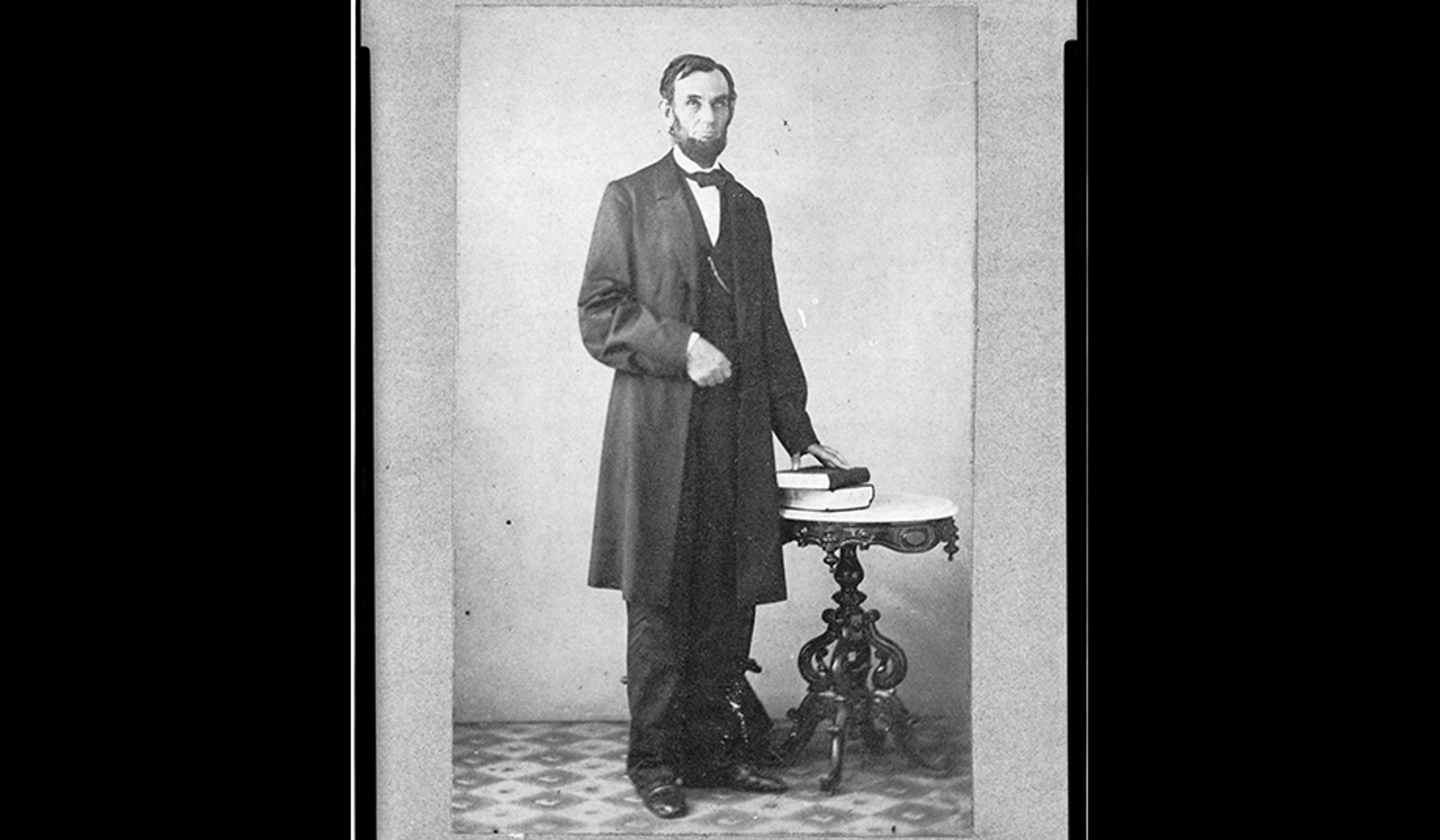
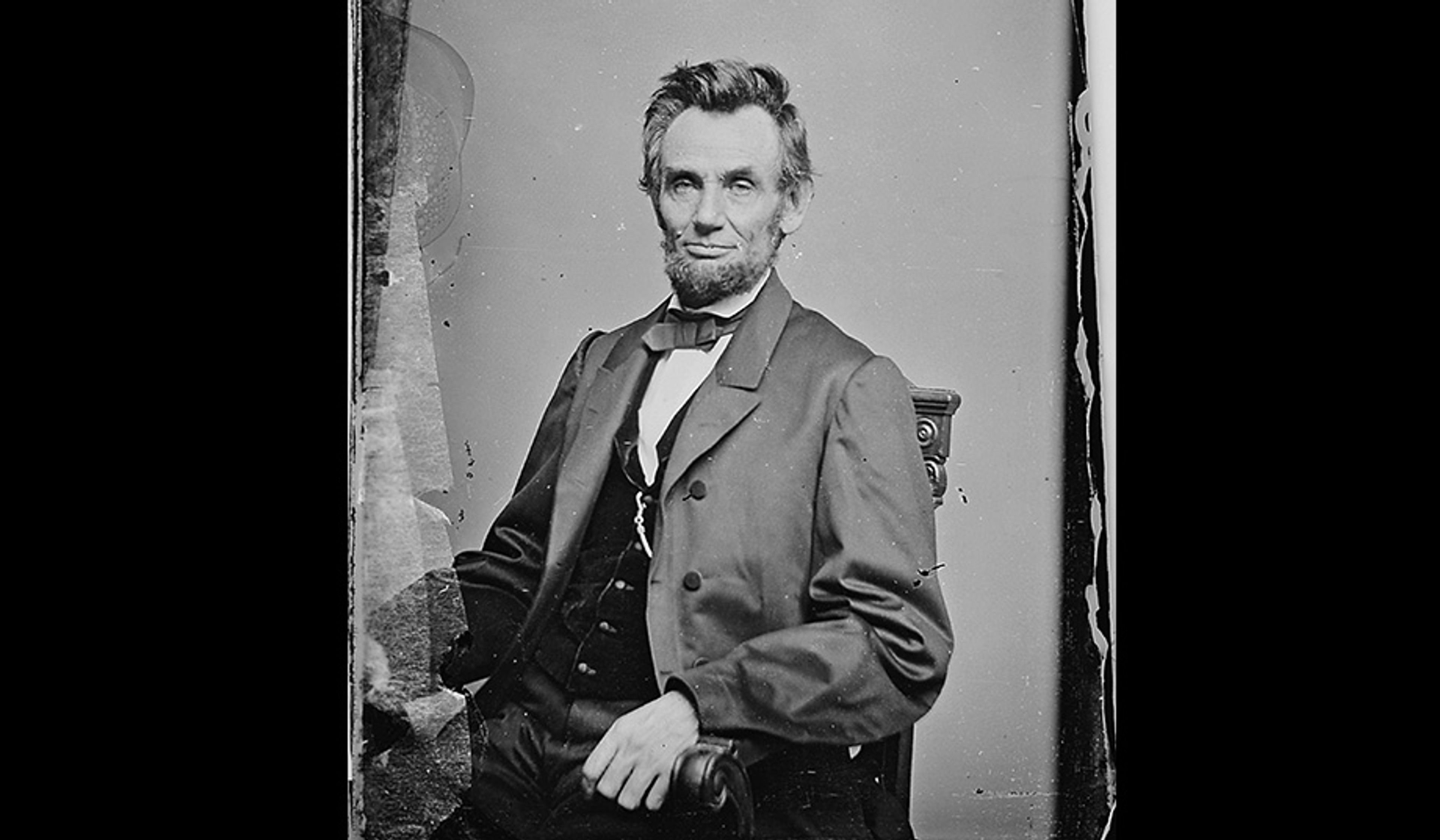
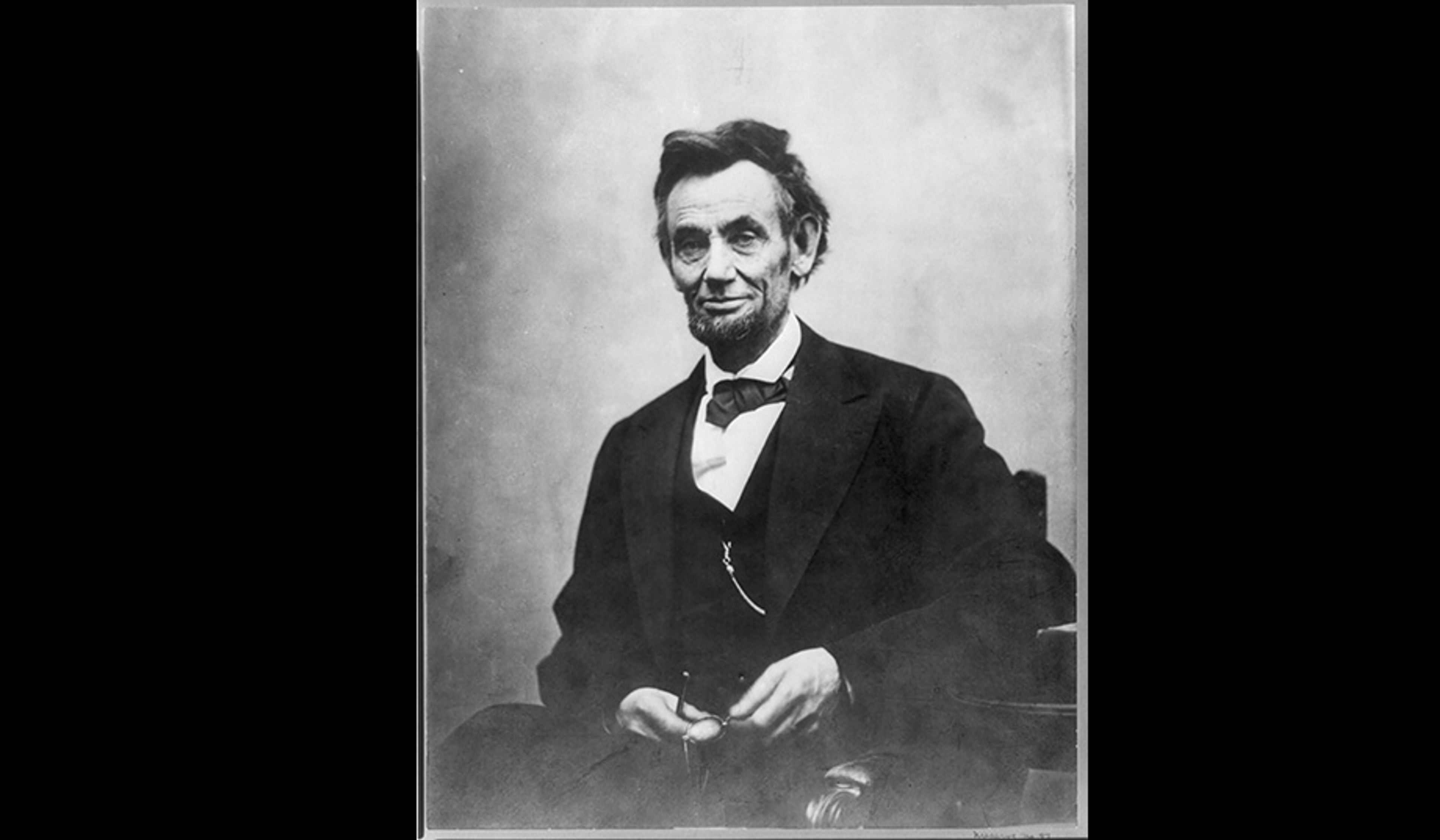
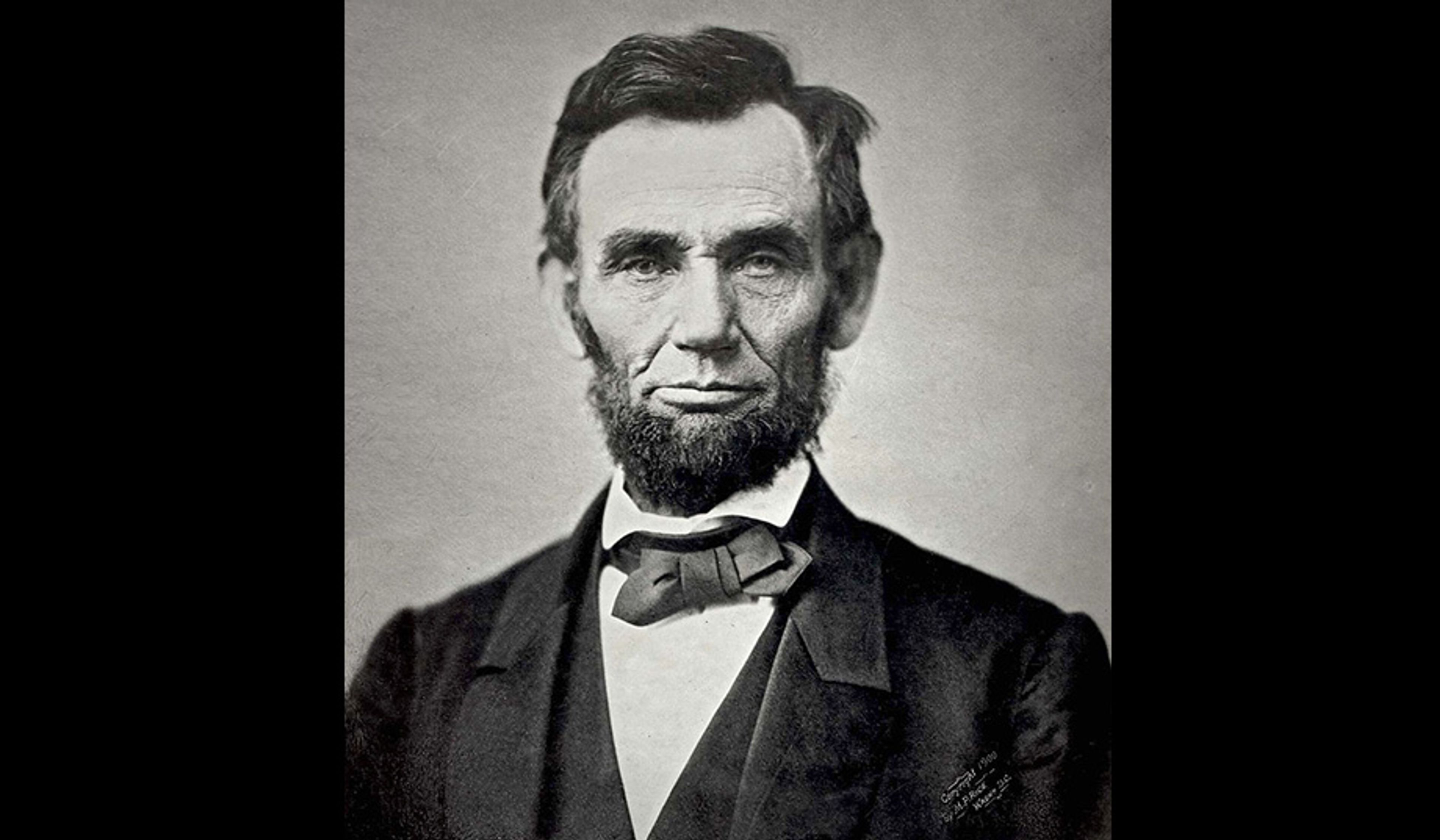
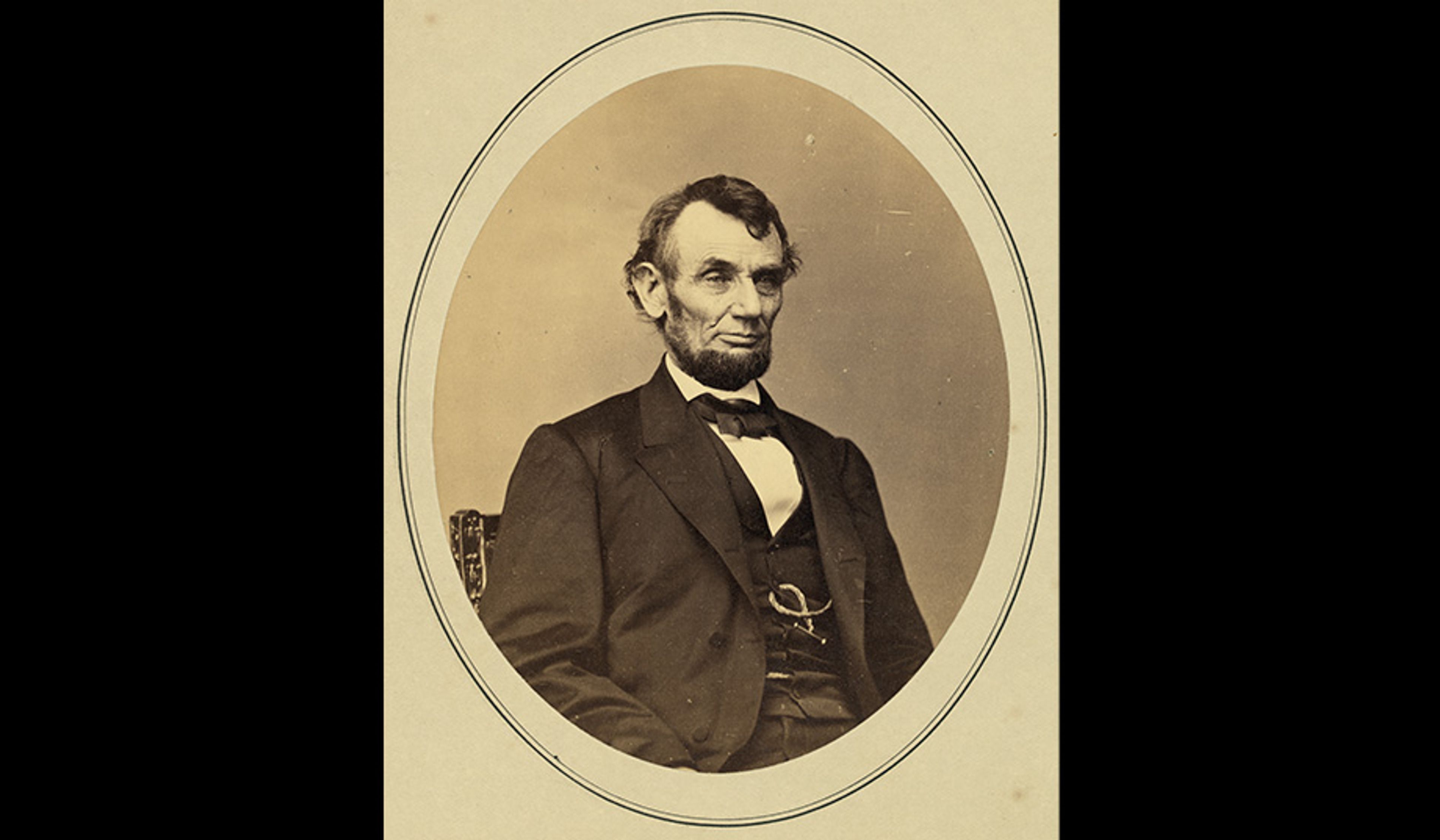
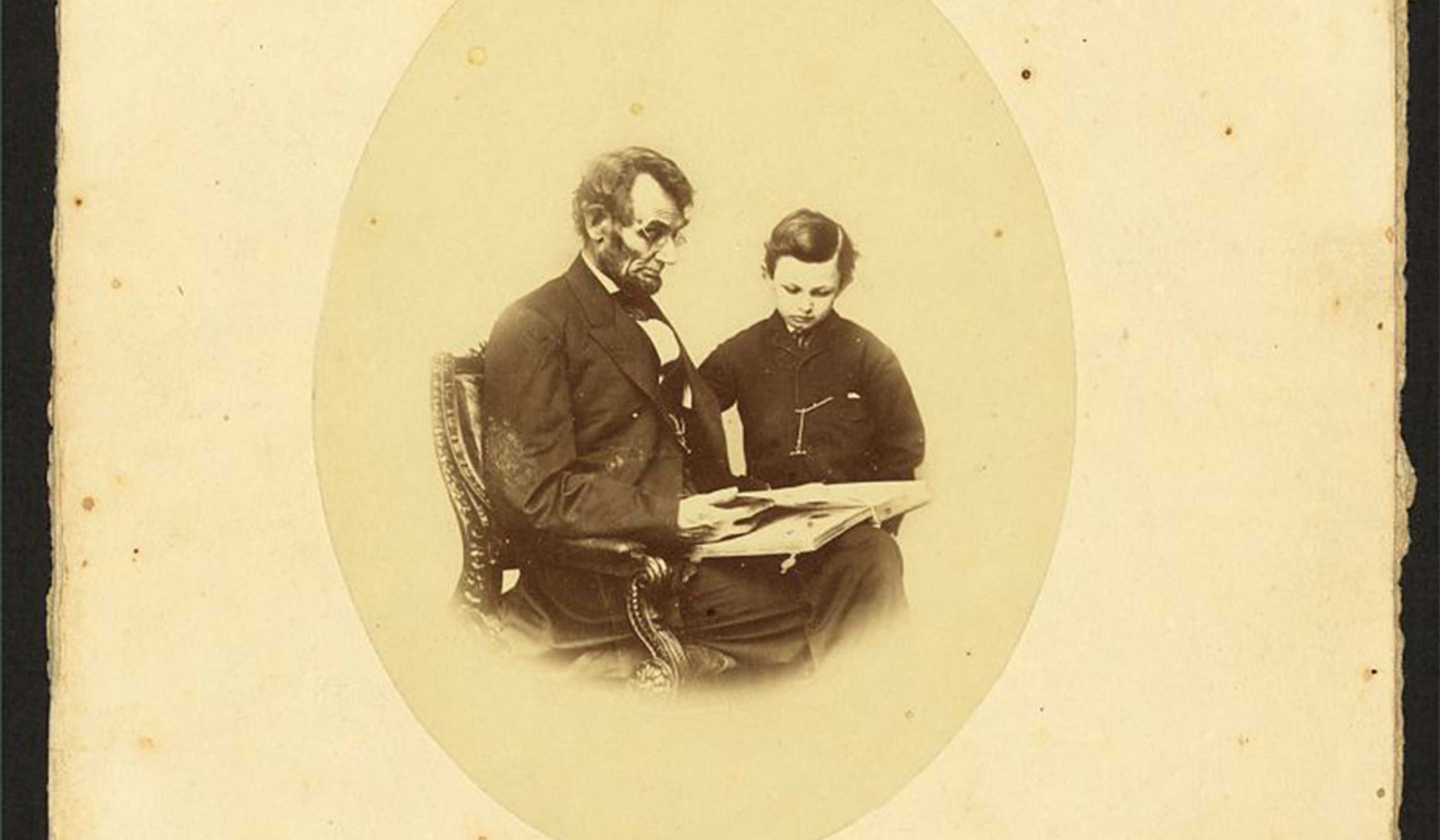
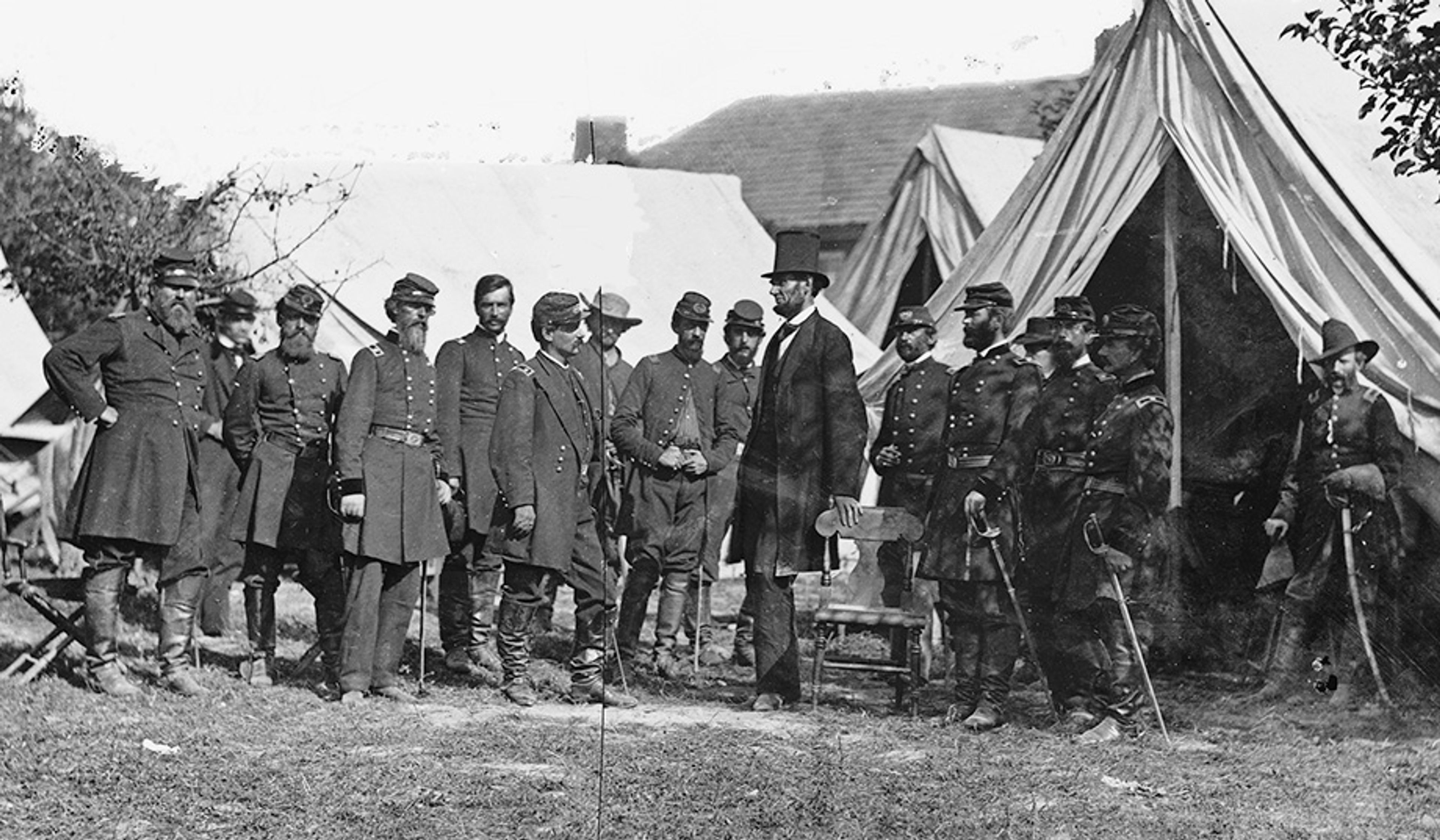
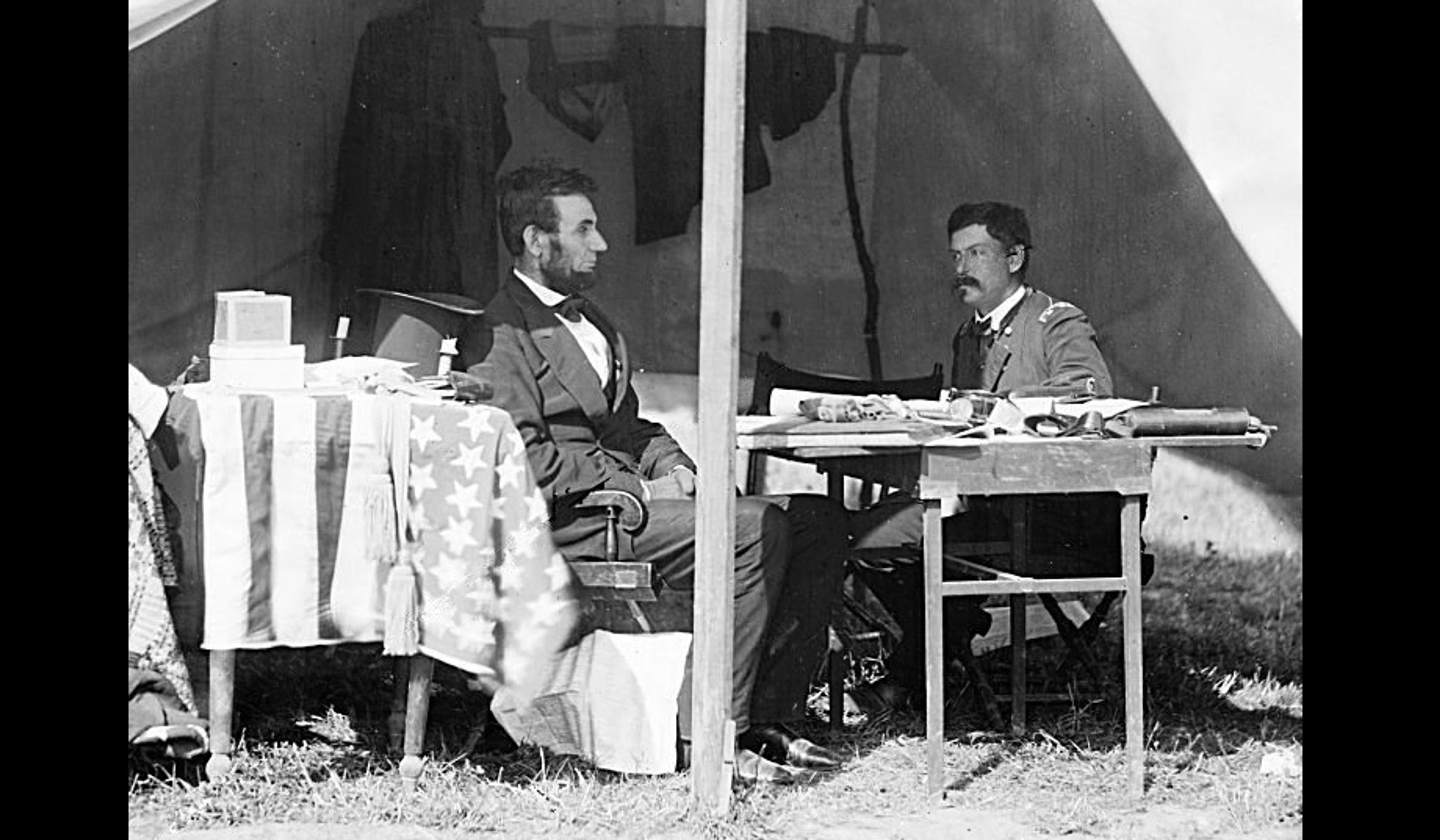
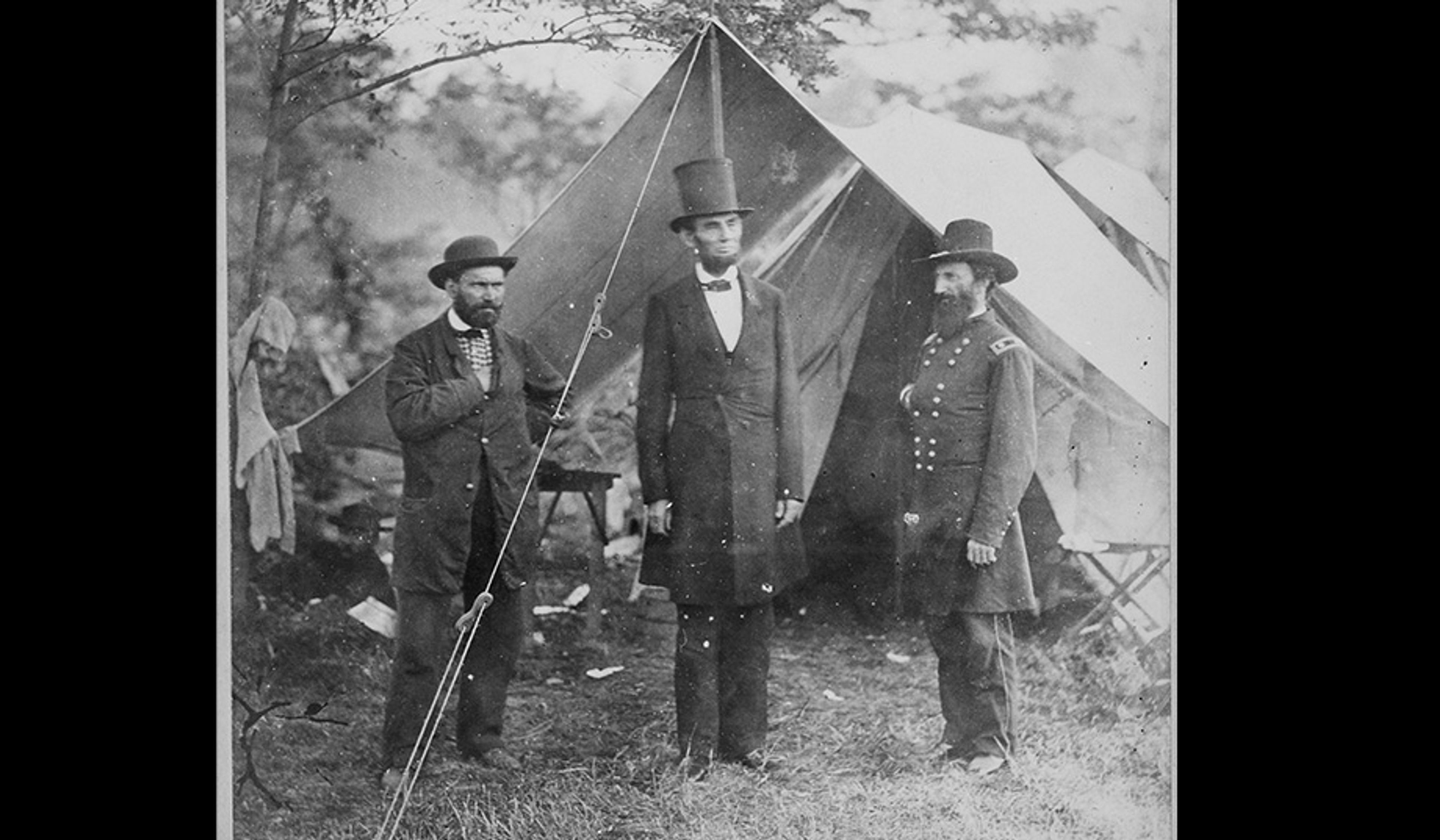
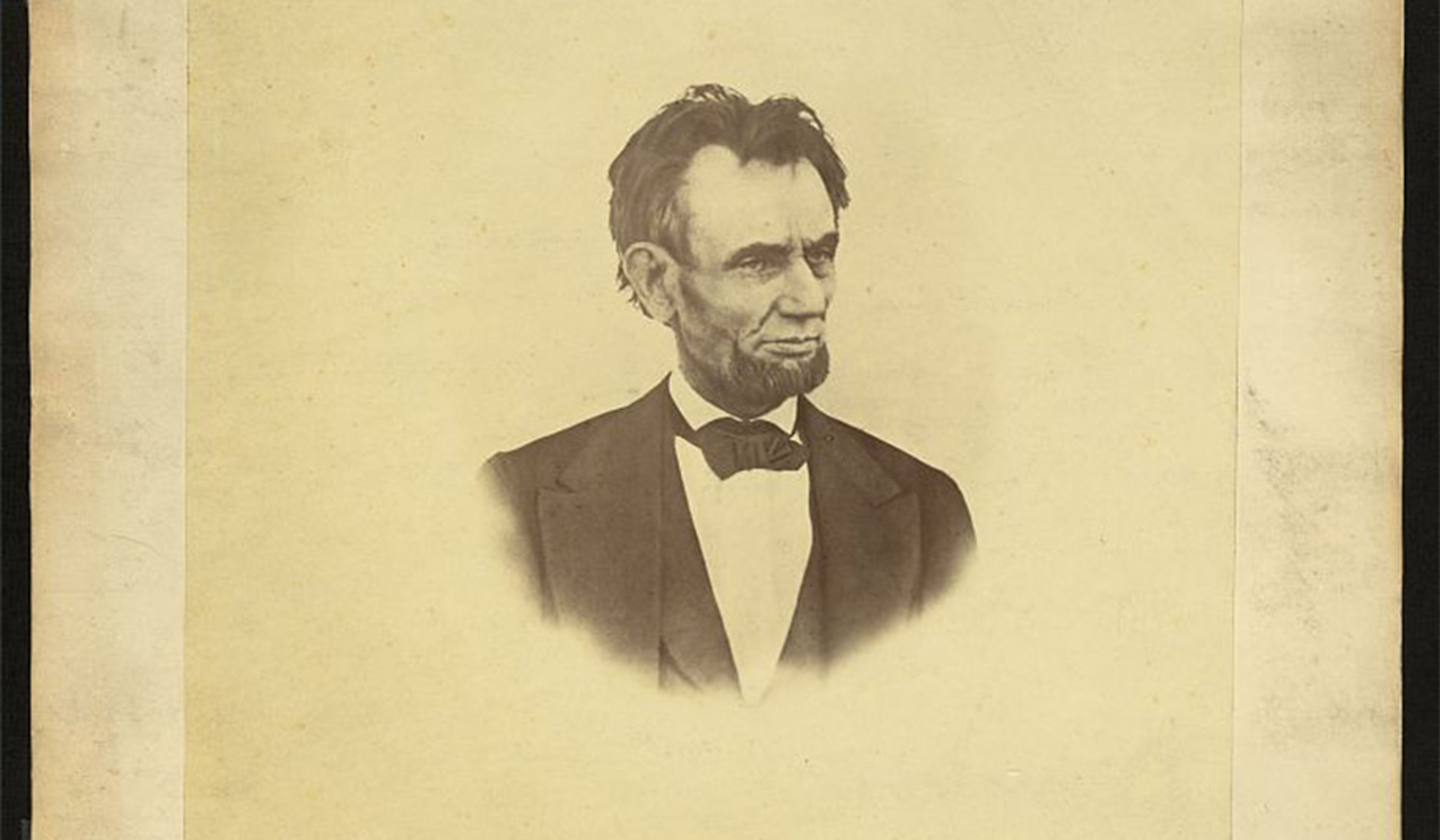
A series of standing portraits of President Lincoln taken by Mathew Brady, c. 1863.
Guelzo’s reading of Lincolnian democracy rests on what Alexis de Tocqueville called mores, or the customs and civic acculturation of a democratic people. “Without some sense that there are truths which not even majorities can defy,” Guelzo writes, “democracy becomes rudderless, hollow, morally relative, and difficult to sacrifice for.” Lincoln worried about the erosion of a free people’s reverence for constitutional norms and natural rights. In a modern society of complex opulence, what need do we have for the unsophisticated habits of the distant past? Such disregard, Lincoln cautioned, corrodes the ethics and institutions that sustain liberty. The people become complacent. Elected representatives ignore the checks on their office. The rule of law frays from neglect. Chaos then escalates, and the people beckon a looming authoritarian to restore calm. A new faith discards the ancient faith.
That was in danger of happening when, in 1854, Douglas’s Kansas-Nebraska Act promised to settle the vexing question of slavery in the federal territories via “popular sovereignty.” What could be more American than a simple democratic majority voting yea or nay on their local affairs? “The real damage,” Guelzo replies, “came from the implication that ‘popular sovereignty’ was real democracy, that democracy had no bedrock of principle beyond the mechanics of democratic process.” Lincoln saw the danger for the whole country of one group’s voting to enslave a minority without its consent. Such was not democracy but despotism, transforming a political regime of natural rights into one of raw might. “If A. can prove, however conclusively, that he may, of right, enslave B.,” Lincoln proposed, “why may not B. snatch the same argument, and prove equally, that he may enslave A.?” In such a regime, there would be nothing to prevent the subjugation of a class based on a claimed intellectual, social, or religious superiority, either. If slavery could not be set on a path to extinction, there would be little hope for free citizens to sustain their independence and guard their innate self-ownership.
In the vein of political theorist Harry V. Jaffa, Guelzo offers a splendid treatment of the mid 19th century as a high-stakes struggle. Jaffa maintained that the dispute between Lincoln and Douglas revived a philosophical debate that dated to antiquity over “whether the people make the moral order or the moral order makes the people.” Put another way: Is truth unchanging, discernible, and objective, or do mores evolve as societies evolve? Are all humans endowed with the same rights of nature, or not? Is democracy, as Douglas insisted, the exercise of unbridled majoritarian power? Are some born to rule, and others born to serve, as the champion of slaveholders John C. Calhoun avowed? Is American life, as Chief Justice Roger Taney alleged in his notorious Dred Scott ruling, organized by state-sanctioned white supremacy? Or, as Lincoln retorted, did the American founding ratify a “standard maxim for free society” — universal human equality — “which should be familiar to all, and revered by all; constantly looked to, constantly labored for, and even though never perfectly attained, constantly approximated, and thereby constantly spreading and deepening its influence, and augmenting the happiness and value of life to all people of all colors everywhere”?
Guelzo reminds us that Lincoln was a political realist, not an idealist. He hated slavery, but neither he nor anyone else could will it away. A moral absolutist, Lincoln also rejected some abolitionists’ haughty contempt for the democratic process. For some critics, Lincoln’s political program rings hollow. He advocated voluntary colonization abroad for African Americans. He doubted that the 19th-century United States would soon embrace biracial social and civil equality. He pledged to maintain slavery where it existed by virtue of state and local law.
Lincoln’s stances derived from political necessity. Guelzo is at his finest when showing how political reforms require democratic coalitions that work toward incremental change. For Lincoln, any anti-slavery program required guidance from the “standard maxim” at the heart of the American order. If the republic was founded on the proposition of human equality, then the federal government had to prevent slavery from expanding beyond the Southern states into the national territories. Meanwhile, citizens and politicians had to do the hard work of influencing public sentiment to abolish slavery gradually over time, first by containing its spread, even as electoral majorities in the slaveholding states might continue to legally sanction the institution. “The great advantage of a liberal democracy is that, with the persistent application of reason, defective laws can be changed as majorities change,” Guelzo writes. “But in the meantime, there seemed, in Lincoln’s mind, no choice, short of anarchy, but to wait calmly for the majorities, and the laws, to change.”
Anarchy arrived, but not in the way Lincoln anticipated. In response to the Republican Party’s winning the election of 1860, slaveholding states seceded rather than yield to an anti-slavery agenda. Constitutional democracy requires political minorities to acquiesce to the legitimate will of the majority. Guelzo offers a germane reminder that the peaceful transfer of political power is democracy’s essential virtue, not its irritating vice. If slaveholding disunionists had succeeded, they would have fatally undermined the ideas of self-government and natural rights. Secession pitted the devotees of ethno-nationalist hierarchy against what Lincoln designated a government of, by, and for the people. It was incumbent on common citizens, no matter their views on race, to join in dismantling the cancerous slaveholding regime that so threatened democracy’s viability.
When Lincoln called at Gettysburg for “a new birth of freedom,” Guelzo concludes, he did not advocate something new. He urged a rededication to the ancient faith devoted to the sanctity of the individual, the consent of the governed, and the hope of something better for all, regardless of race or status. Lincoln was neither a master nor a slave. He was a faithful democratic citizen. And that is what he — and Guelzo — would ask of us all.











Comments