I first encountered Jonathan W. White when a university press sent me a dissertation-length manuscript he had written on the celebrated Civil War–era confrontation between Abraham Lincoln and Chief Justice Roger Taney over the suspension of habeas corpus and the uncivil arrest of rebel sympathizer John Merryman. I settled resignedly into my academic duty to read through the manuscript and give a thumbs-up or -down for publication by the press.
After ten pages, I was hooked. I read through the entire manuscript in a single sitting. I knew more than a little about the case that became known as Ex parte Merryman in 1861, but this was an epiphany. I wrote at once to the press and told them they simply must publish it, and I have seen nothing about Abraham Lincoln and Treason in the Civil War: The Trials of John Merryman in the years since that suggests I was working on too much caffeine. In the decade since his Merryman book, White, an associate professor at Christopher Newport University, has gone on to publish a bountiful series of sharply pointed studies: books on Lincoln’s 1864 reelection and on the USS Monitor, a collection of essays on another key Civil War–era civil-liberties case, Ex parte Milligan, and now a meticulously researched chronicle of how Abraham Lincoln opened the doors of the White House to African Americans in a way not seen before, and not seen afterward until well into the 20th century.
Given Lincoln’s longtime standing as the Great Emancipator of black slaves, this may not seem at first to be any great surprise. After all, no one less than Frederick Douglass described Lincoln as “emphatically the black man’s president,” who was “too great to be small in anything” and who “never reminded” Douglass at any point in their interactions of his “humble origin” or his “unpopular color.” But the vast, incoming tide of racial skepticism since the 1960s has cast Lincoln in a very different role. “I cannot swallow whole the view of Lincoln as the Great Emancipator,” wrote Barack Obama in 2005. “As a law professor and civil rights lawyer and as an African American, I am fully aware of his limited views on race. Anyone who actually reads the Emancipation Proclamation knows it was more a military document than a clarion call for justice.”
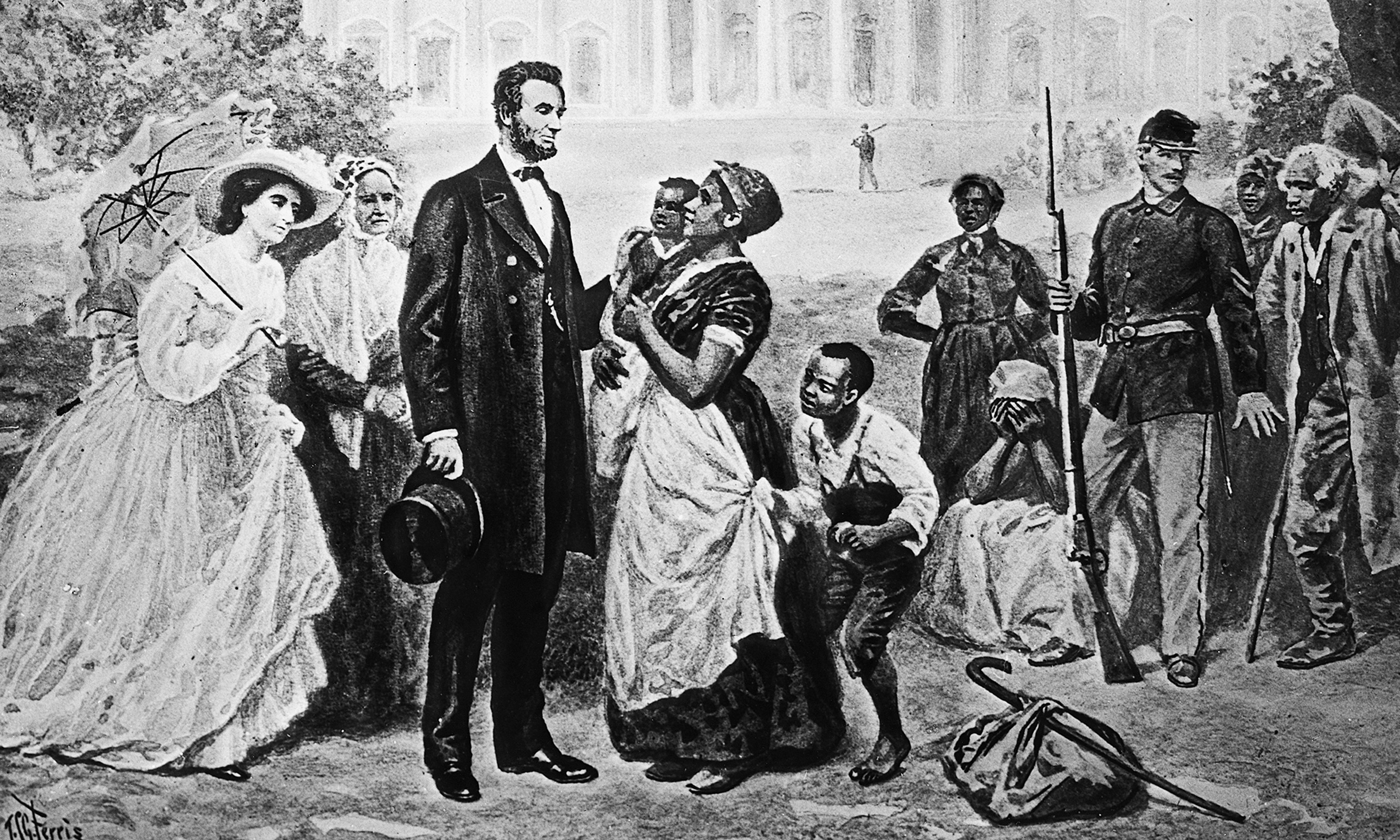
That skeptical tide has now become a denunciatory flood, as the 1619 Project attests. But Jonathan White, like King Canute, bids the tide recede — and he has more authority to do so than Canute. In A House Built by Slaves (a title he borrows from Michelle Obama’s address to the Democratic National Convention in 2016), White pieces together the substantial history of Lincoln’s open-handed welcome of “black visitors into his home and office, regardless of their race, color, or previous condition of servitude.” It was a welcome all the more remarkable for occurring in the middle of a century when most white Americans would never have dreamt of inviting black people under their roofs, except as slaves or menials.
Lincoln’s easiness with black visitors was not because he had been born wearing a racial halo. He entered political life in Illinois, which was technically a “free” state, but which winked at forms of quasi-slavery (such as indentures) and subjected free black people to onerous “black codes.” And the young politician was not free himself from race-baiting or the demeaning and careless use of racial insults. Still, Lincoln was, at the same time, a frank critic of slavery and became more so as time passed. Once installed as president, he found himself confronted with a massive rebellion by the slaveholding states to protect slavery, and with it, a civil war that would carve deep, bloody grooves through the republic.
As he struggled to manage the war, Lincoln also began experimenting with a variety of strategies for slave emancipation. As he did so, his first black visitors made their appearances, starting on April 14, 1862, with African Methodist Episcopal bishop Daniel Alexander Payne, who encouraged Lincoln to sign an emancipation bill for the slaves of the District of Columbia (which Lincoln did two days later). Payne was struck by how “there was nothing stiff or formal in the air and manner” of Lincoln, no Weberian charisma. “President Lincoln received and conversed with me as though I had been one of his intimate acquaintances or one of his friendly neighbors.”
Payne’s reception set a pattern; it was followed by appointments with Alexander Crummell and John D. Johnson three days later, the reception of black diplomats from Haiti and Liberia, and Frederick Douglass himself in August 1863. Douglass was not entirely sure of how welcome he would be at the White House, since he had been sharp and unsparing in his criticism of Lincoln’s slow pace toward an emancipation proclamation, and of the president’s reluctance to promise reprisals against Confederate POWs when the rebels began threatening to enslave captured black soldiers. To his astonishment, Douglass “was never more quickly or more completely put at ease in the presence of a great man than in that of Abraham Lincoln,” who “listened with patience and silence to all” he had to say. When Douglass recounted this meeting at the American Anti-Slavery Society’s 30th-anniversary convention in Philadelphia the following December, he described his reception at the White House as what occurred when “you have seen one gentleman receive another”; “I tell you I felt big there.”
From that point, the stream of black visitors to Lincoln’s White House only widened further. For the first time, in January 1864, black callers joined the crowds waiting to shake Lincoln’s hand at his annual New Year’s levee. Free black Louisianans — Arnold Bertonneau and Jean Baptiste Roudanez — arrived to lobby for black voting rights in Reconstruction Louisiana (triggering a letter from Lincoln to its new Unionist governor, Michael Hahn, urging the enfranchisement of “the very intelligent, and especially those who have fought gallantly in our ranks”). The cutting edge of American black leadership — Abraham Galloway, Martin Delany, Sojourner Truth, and once more Frederick Douglass — moved through Lincoln’s office, and in 1864, black missionary and fraternal organizations were authorized to hold fundraising picnics on the White House lawn.
The response of uncomprehending white people — and especially Lincoln’s Democratic opponents — was open-mouthed horror. “What a hideous travestie this is,” raved one newspaper, “what an abject and shameful truckling to the shocking and unnatural doctrine of negro equality.” And Lincoln’s old nemesis, the Chicago Times, raged that blacks “now jostle white people and even ladies everywhere, even at the President’s levees.” Yet Lincoln persisted, singling out Frederick Douglass at his Inaugural reception in March 1865, as “my friend Douglass,” adding, “there is no man in the country whose opinion I value more than yours.”
The one shadow cast on this picture is Lincoln’s August 14, 1862, White House meeting with a delegation of black leaders from the District of Columbia in which he delivered a condescending invitation to American blacks to consider colonization — effectively, deportation to Africa — after emancipation. “Even when you cease to be slaves, you are yet far removed from being placed on an equality with the white race,” Lincoln lectured them. “If this is admitted, it affords a reason at least why we should be separated.” But White points to how utterly — and suspiciously — inconsistent this was with every other Lincoln encounter with blacks at the White House, leading White to speculate that Lincoln was deliberately playing to the press corps and hoping to use talk about colonization to dampen white resistance to the Emancipation Proclamation (which Lincoln already had sitting in his desk). And White has on his side the testimony of another AME bishop, Henry McNeal Turner, who described Lincoln’s colonization speech as “a strategic move upon his part in contemplation of the emancipatory proclamation,” pulling the pin on white-supremacist objections to emancipation “while the proclamation went forth in the strength of God and executed its mission.”
White’s careful accumulation of Lincoln’s unfettered interactions with black Americans provides a valuable resource, alongside Michael Burlingame’s The Black Man’s President: Abraham Lincoln, African Americans, and the Pursuit of Racial Equality (2021) and David Reynolds’s Abe: Abraham Lincoln in His Times (2020), for understanding a more farseeing Lincoln than the shriller voices of despair have described. Beyond that, it opens a tantalizing window into the enduring question of what would have happened had Lincoln lived. Douglass was convinced, based on “conversations with him,” that Lincoln “would have stood with those who stand foremost . . . in the cause of equal and universal suffrage.” But it was not to be. Andrew Johnson, whose hostility to blacks quickly erased their presence from the White House, made it a whiter and sadder house than it had been before. The pattern laid down by Lincoln would have to wait for another century to return.
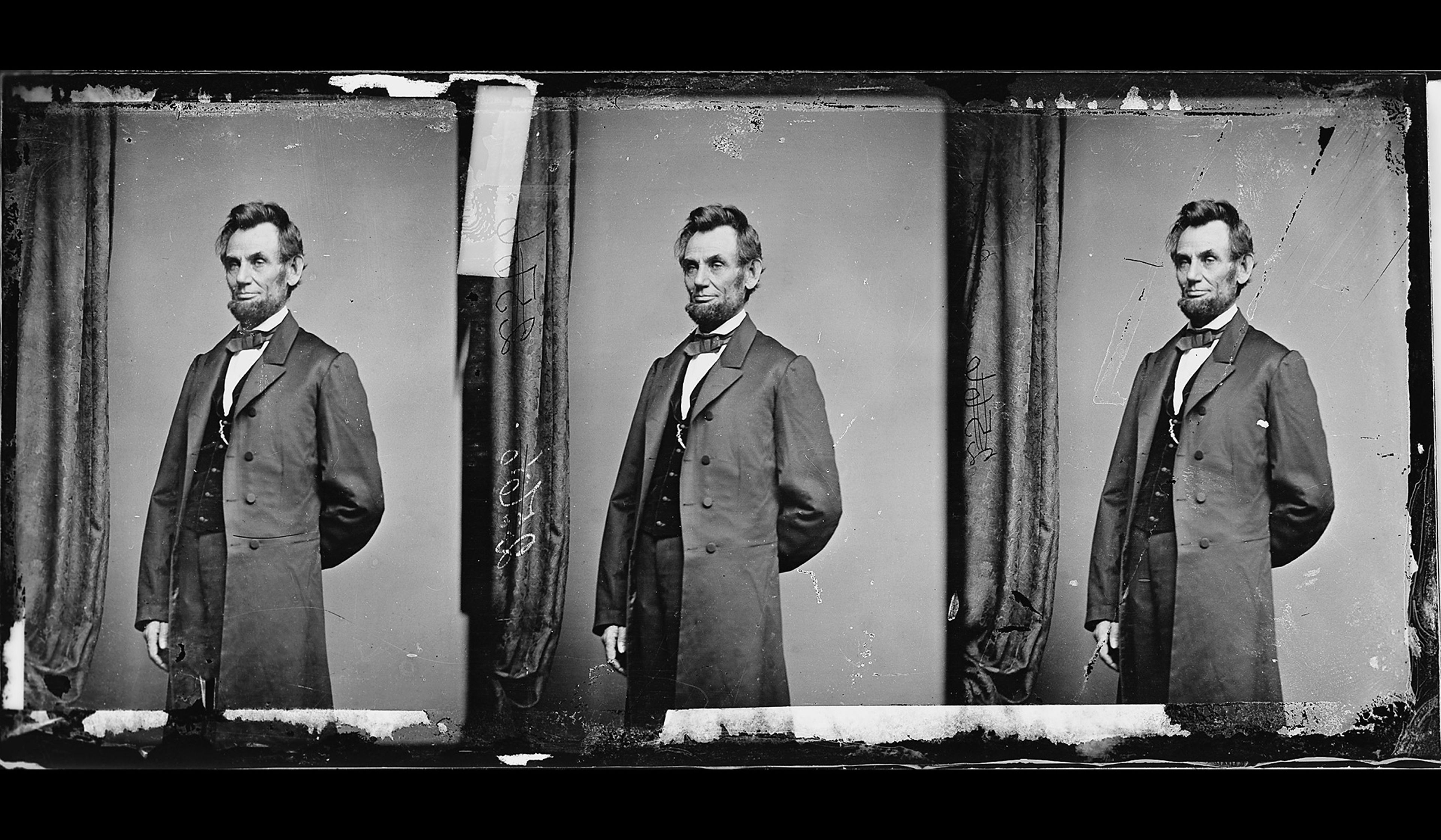
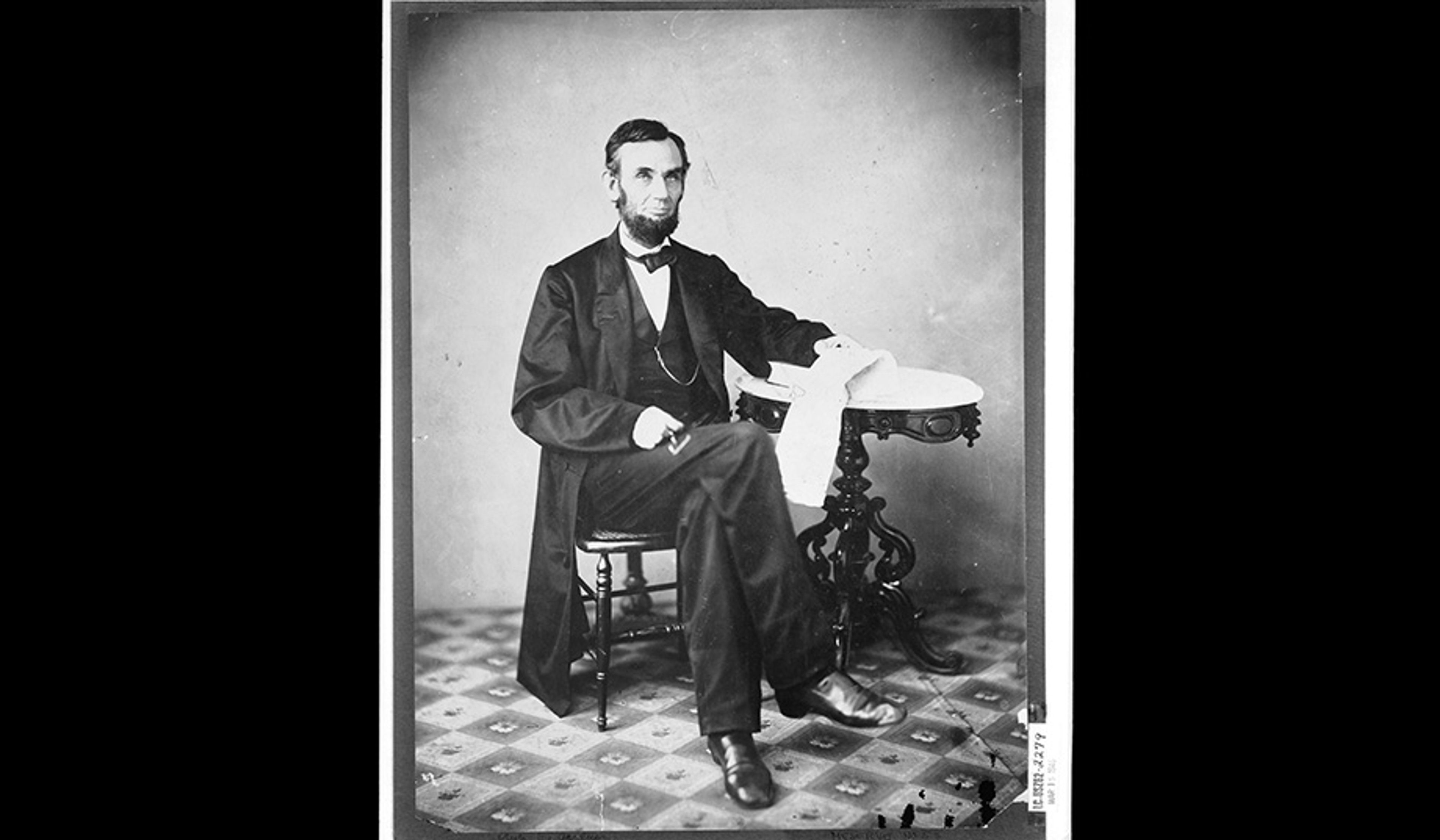
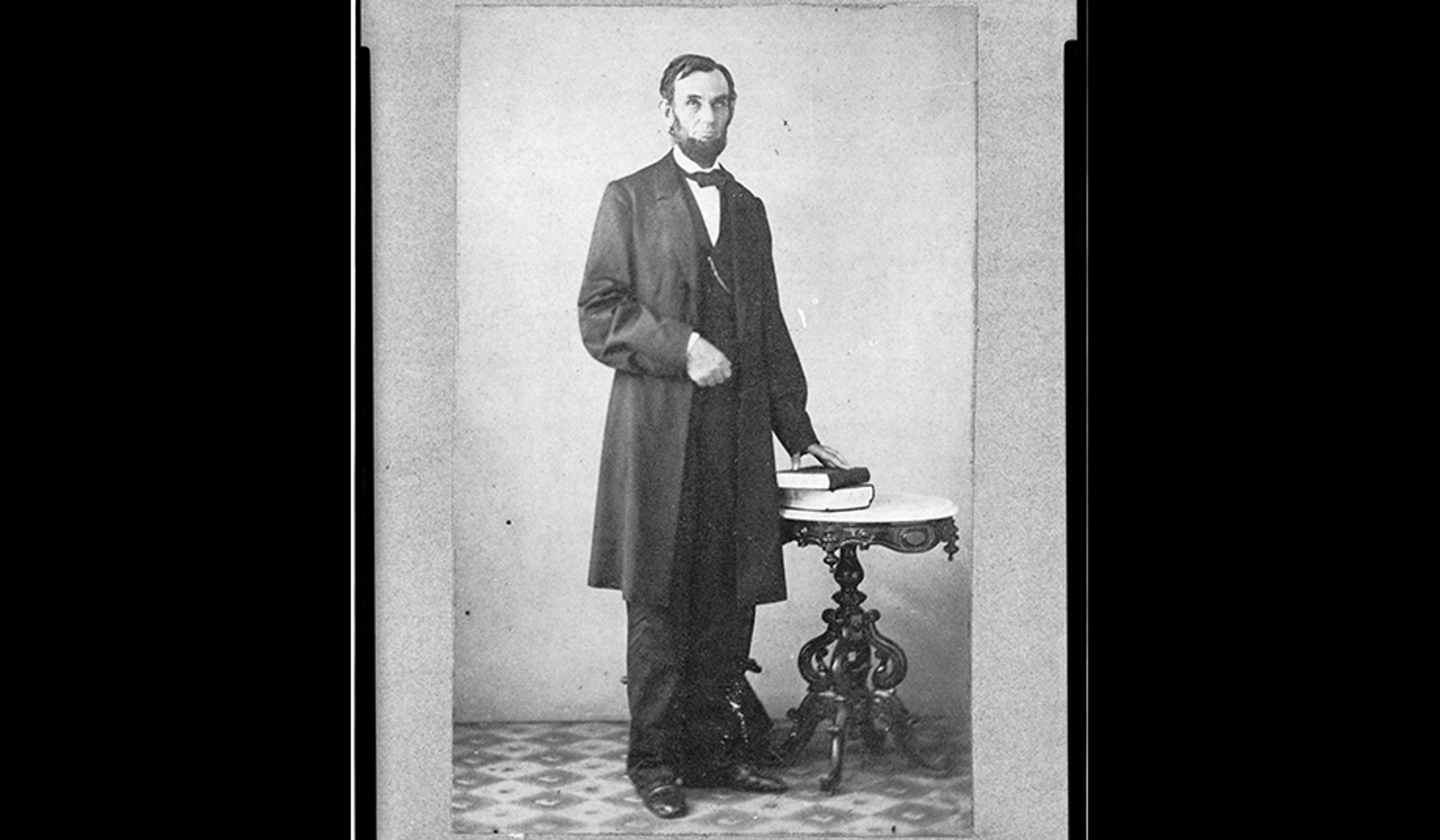
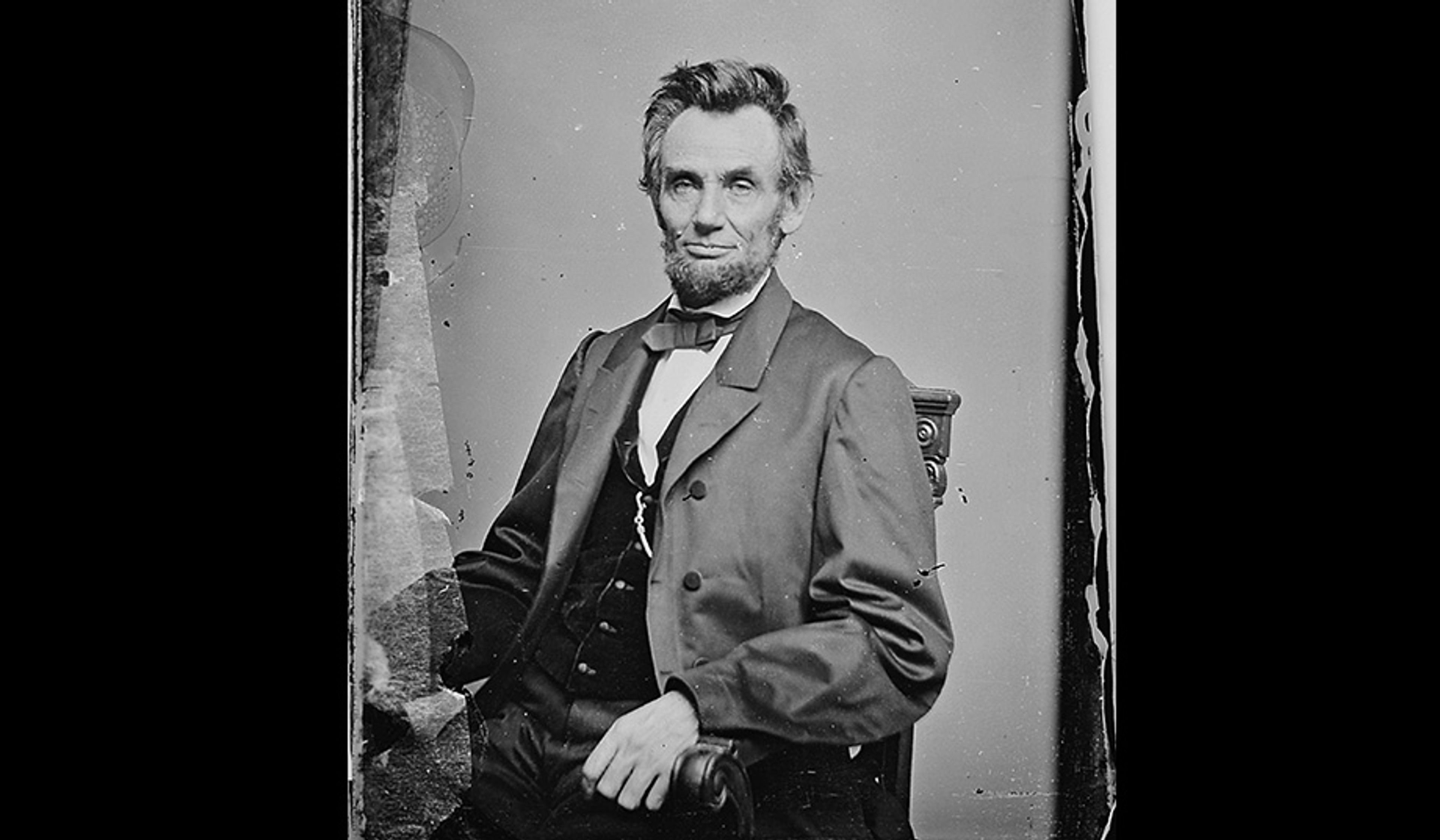
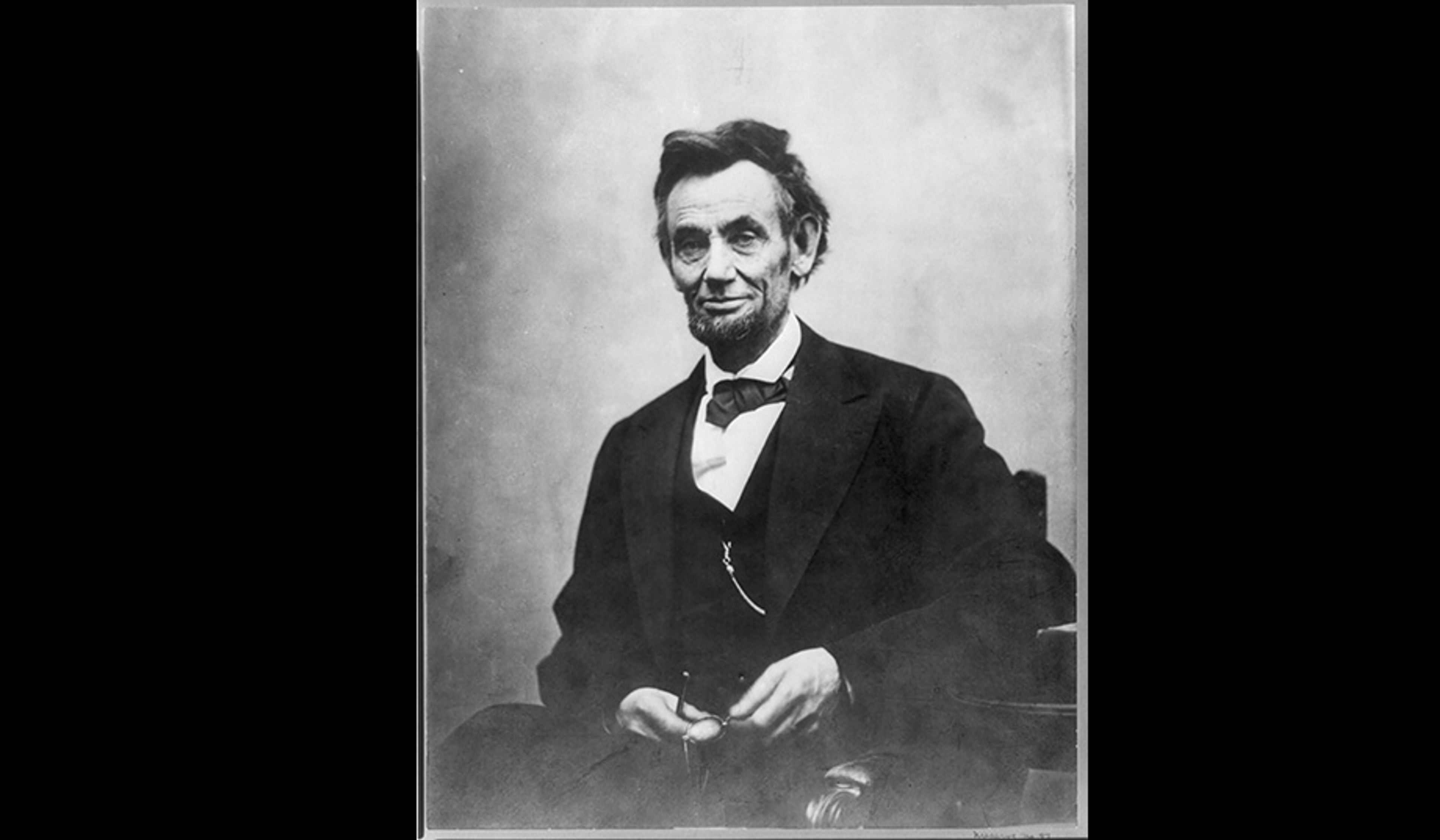
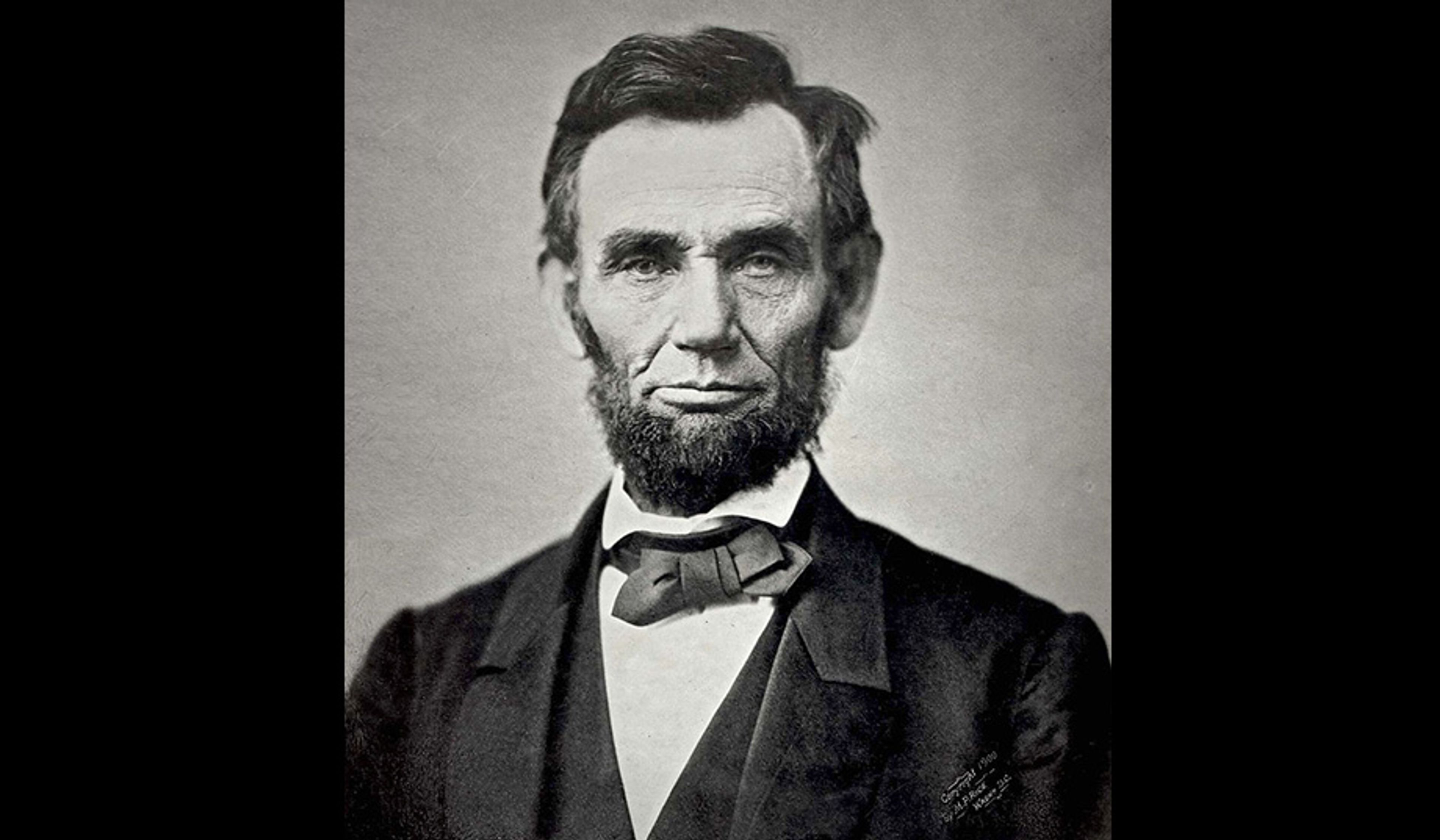
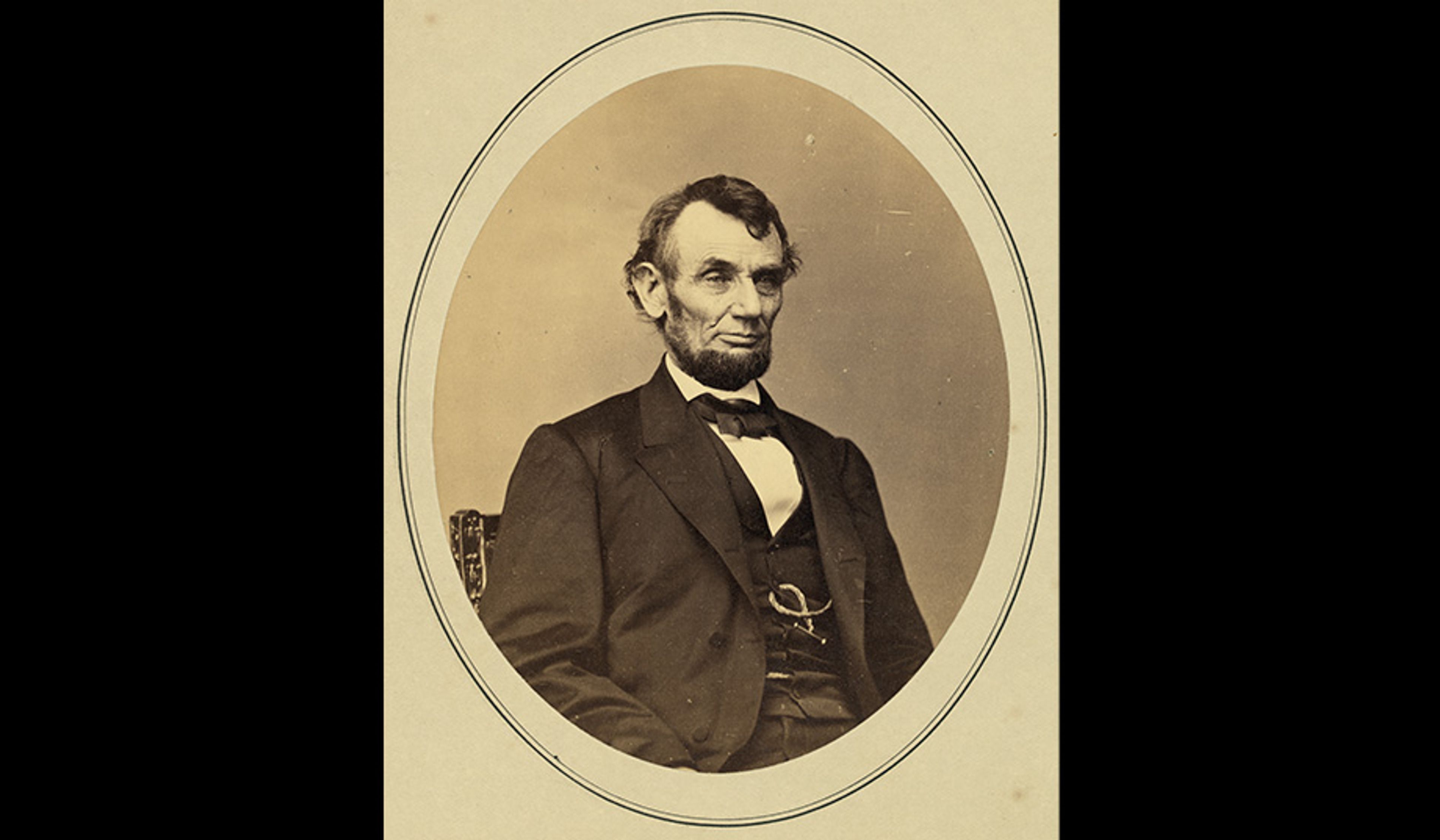
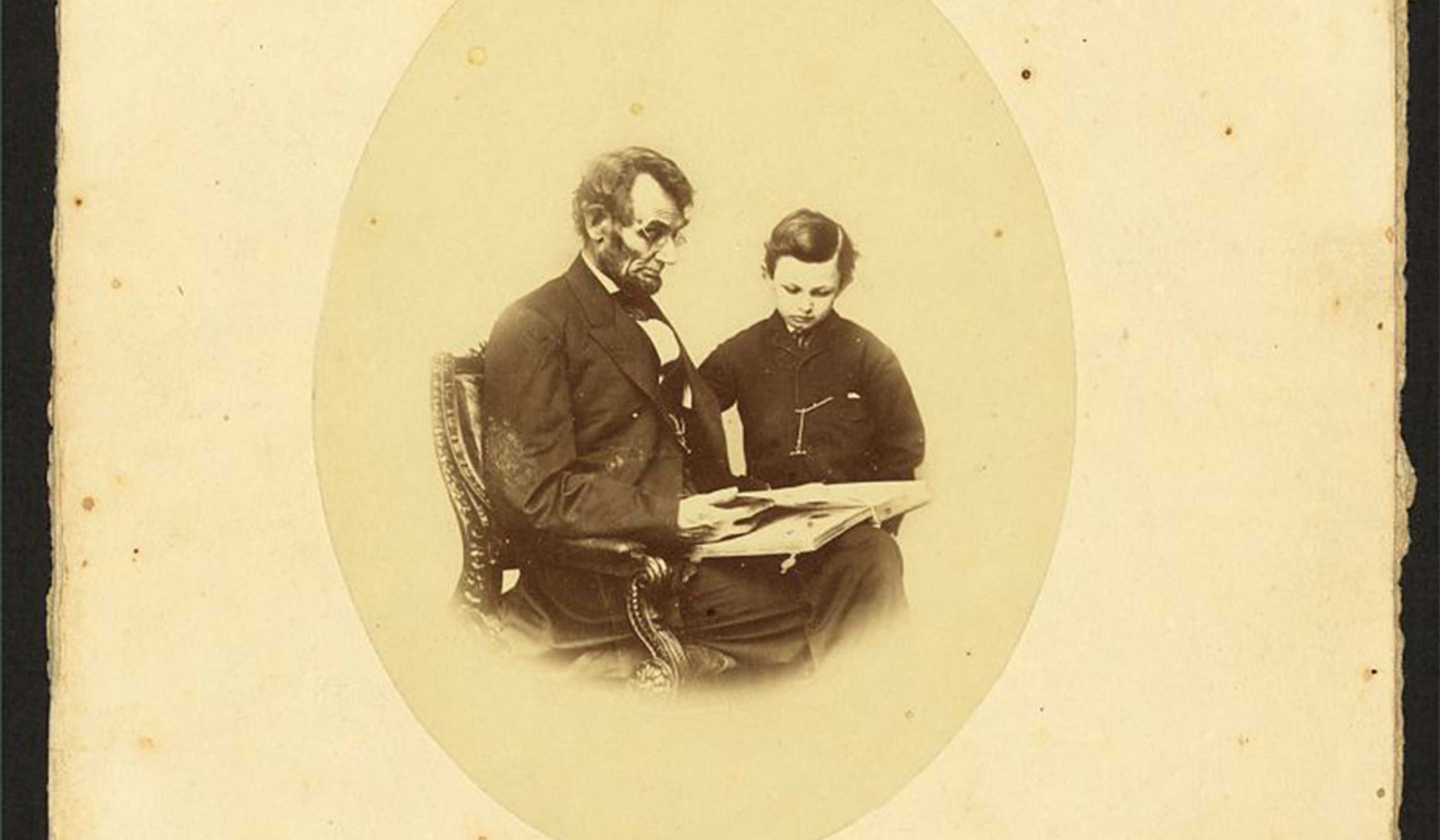
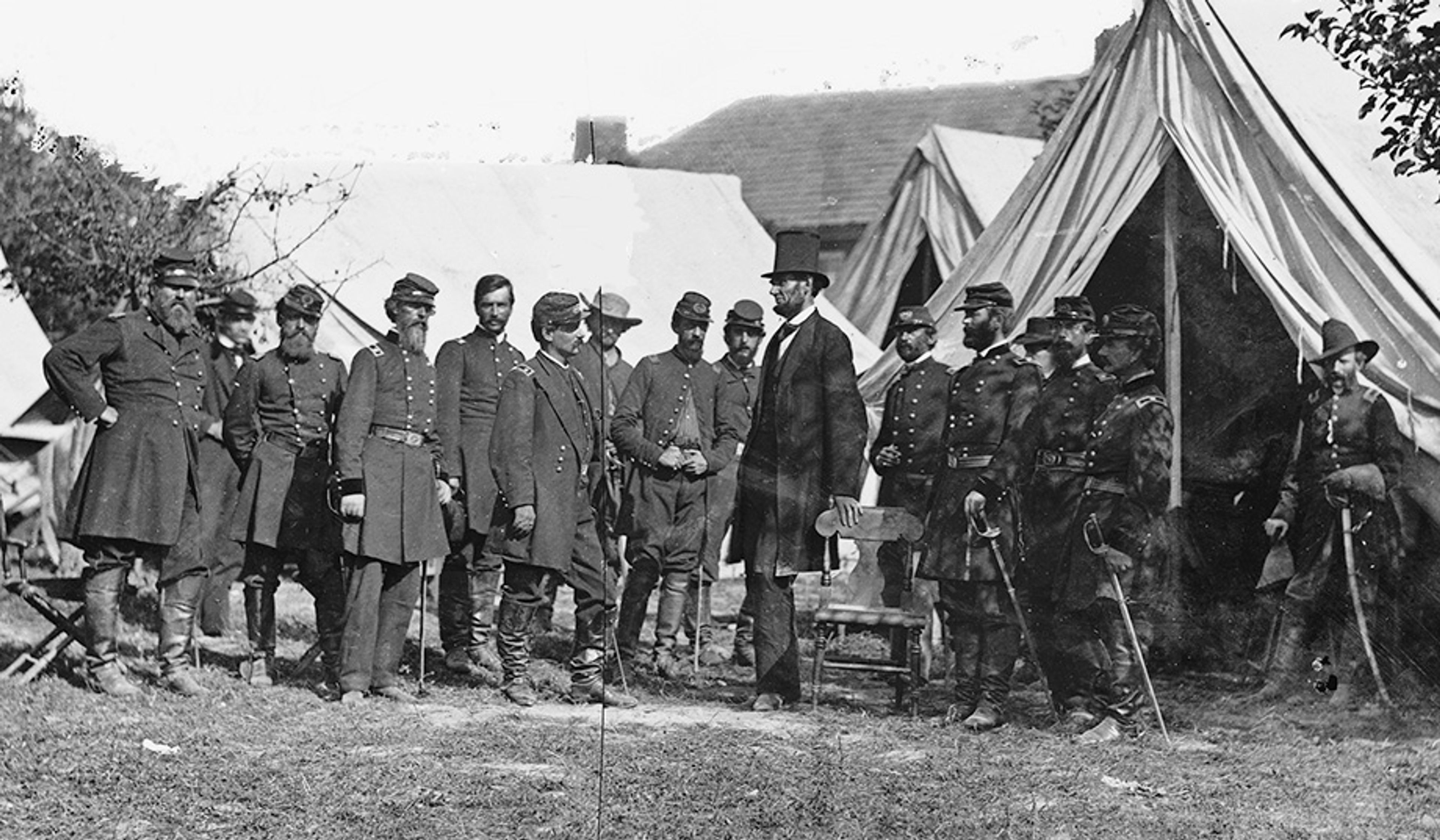
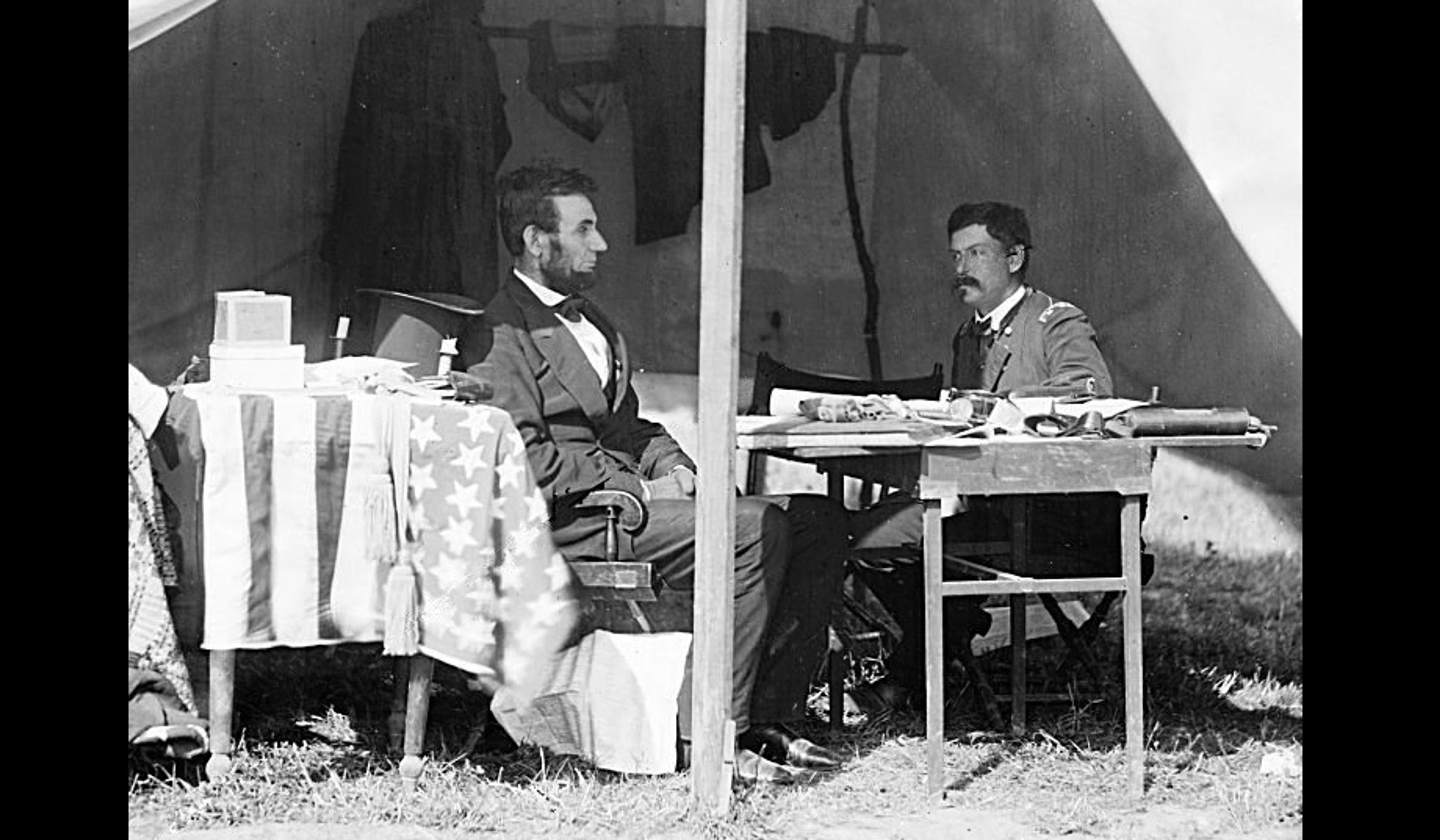
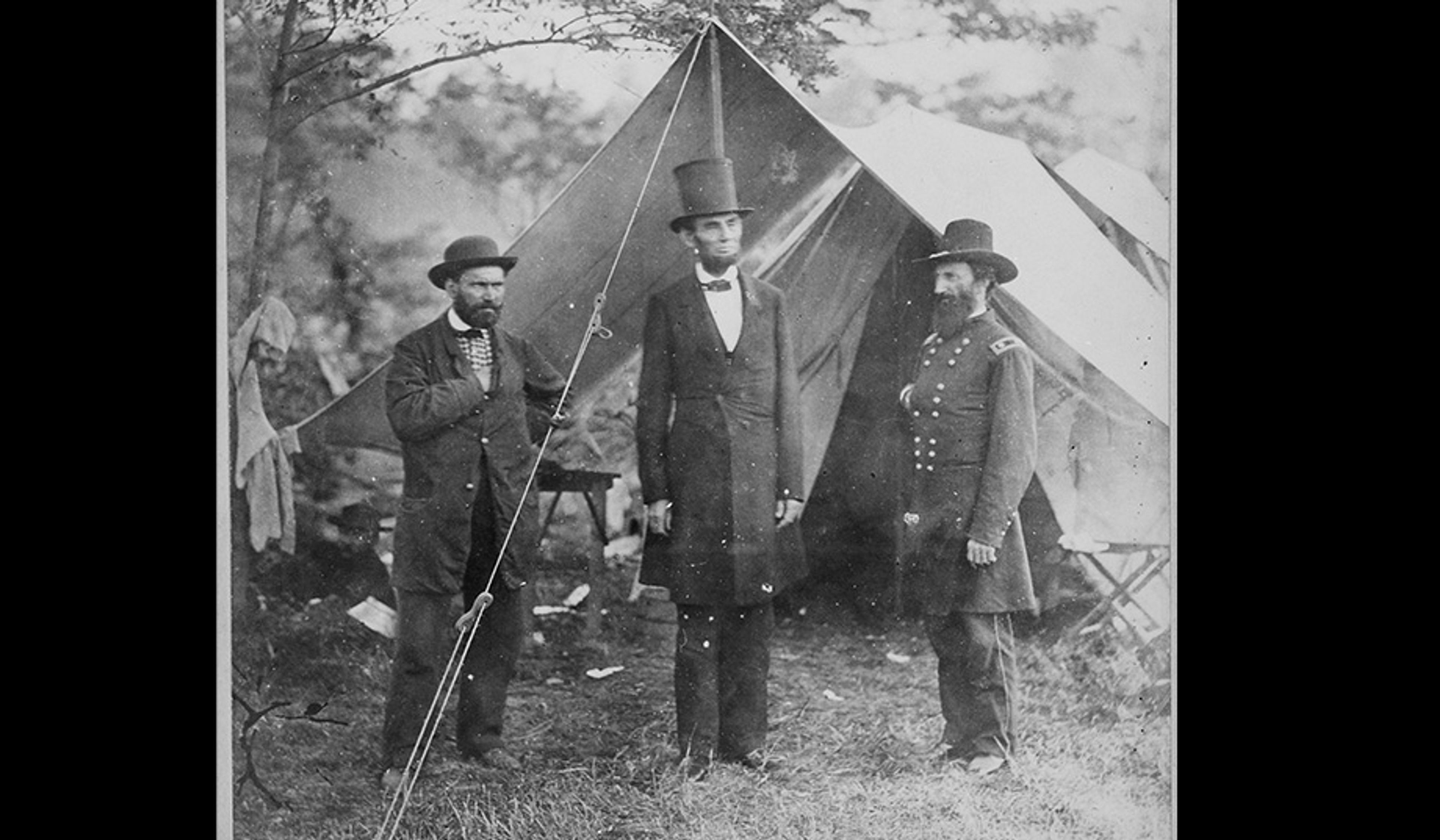
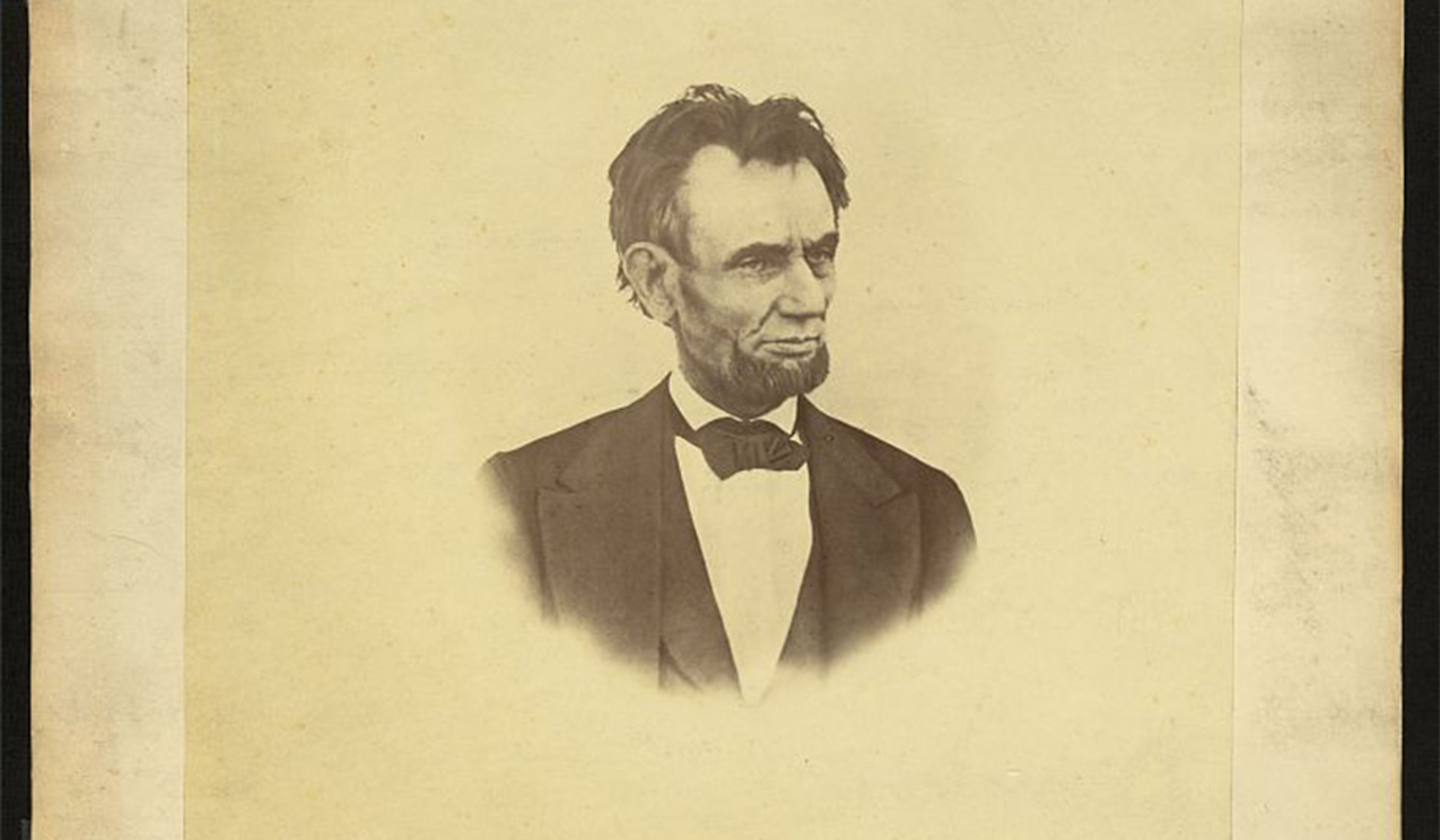
A series of standing portraits of President Lincoln taken by Mathew Brady, c. 1863.











Comments