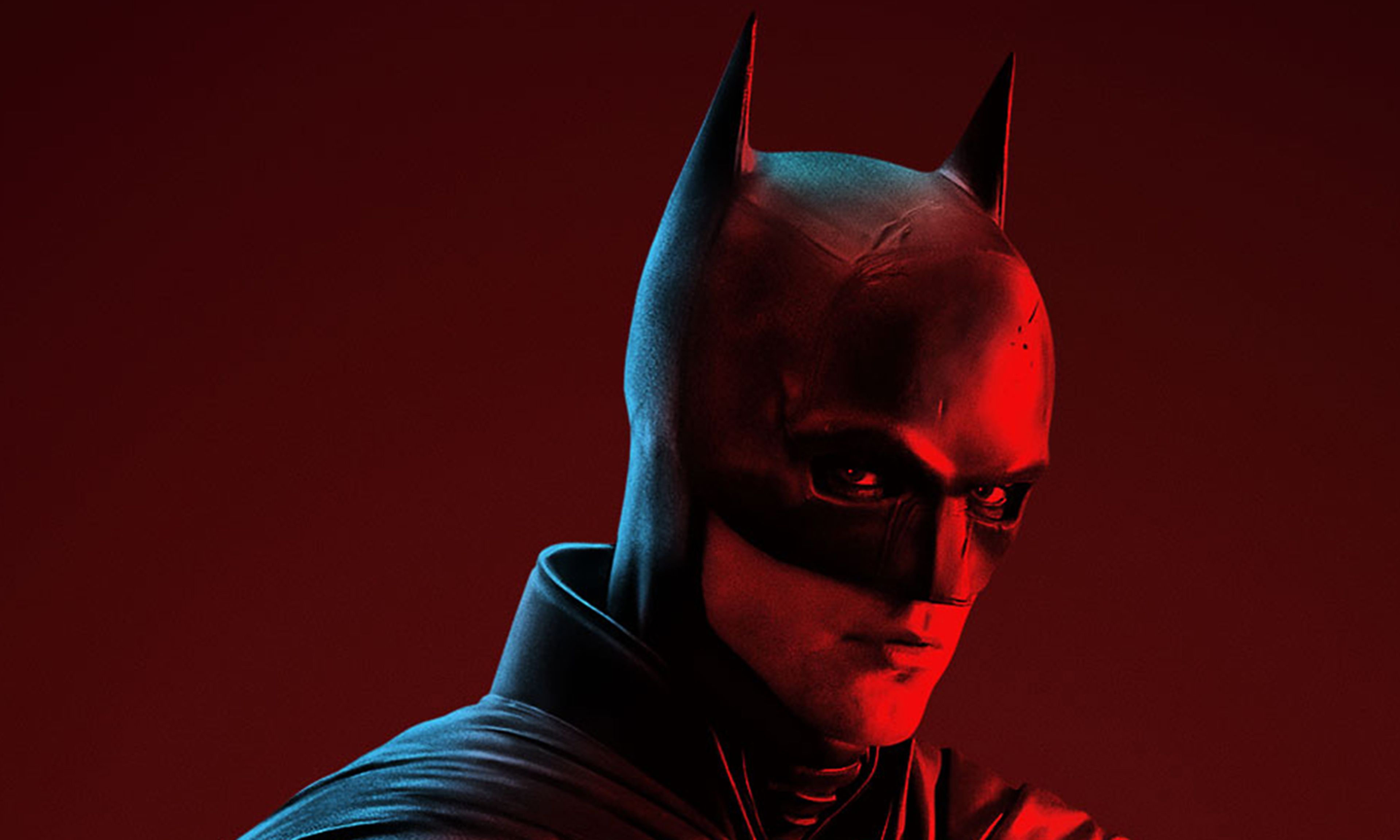
Matt Reeves, the director of the latest Batman flick, has built a career making the kinds of movies that define current-era Hollywood — remakes of existing properties and reboots of famous franchises, basically — to an unusually exacting standard. There are few better reimaginings of a successful foreign film than 2010’s Let Me In, Reeves’s New Mexico–set revision of the Swedish vampire movie Let the Right One In. Then came his takeover of the Planet of the Apes franchise, in which he completed a trilogy of homages to ’70s science fiction that put the Star Wars prequels and sequels in its shade.
The new Batman, titled “The Batman” and telling a not-quite-origin story set during the caped crusader’s third year on the job, continues the pattern. Do we need another movie about Gotham’s Dark Knight and his enemies, another director’s take on Bruce Wayne and his demons? Not on any reasonable artistic grounds: After two Burtons, two Schumachers, three Nolans, and two Snyders, to say nothing of all the ancillary properties and Joker movies, the world would survive without another trip to Gotham City for a little while. But if you’re absolutely required to take the journey — and the structure of the movie business basically demands it — then Reeves is here to make sure that you’ll get something handsome and reasonably effective, something that doesn’t feel like it’s just made for the money even if, come on, you know the score.
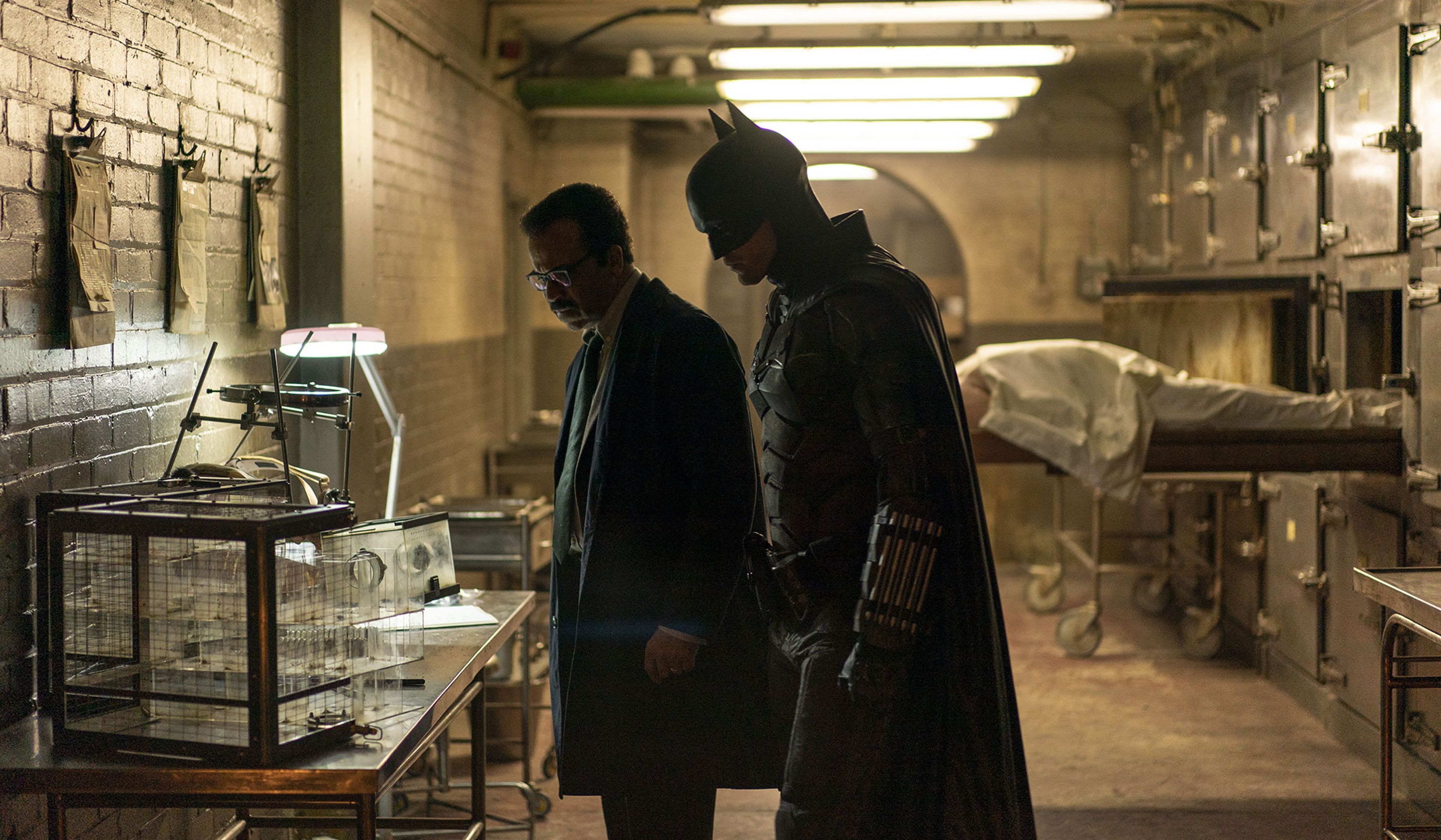
The star this time is Robert Pattinson, the former vampire prince of the Twilight movies, still a pallid gothic creature but now sculpted rather than slender, with muscles in his long pale arms and broad shoulders that have never seen the sun. On the evidence of the movie, neither has his city: The Batman owes a big debt to David Fincher’s Se7en, and like the city in Fincher’s serial-killer movie, this Gotham always seems to have a hard rain falling on its graffiti-scarred buildings, its crime-ridden streets.
Pattinson’s Batman carries his own clouds with him. There’s no balance between a vigilante secret identity and a public playboy persona in this phase of his career. Wayne Manor is derelict, Wayne Enterprises neglected, the Batcave and Batmobile still in their rough-draft phase, and while the story has the Dark Knight playing detective, it’s clear he’s mostly just looking for a fight. Reeves wisely doesn’t replay the killing of his parents, but the wound is obviously fresh: This is a Batman stuck in a protracted adolescence, complete with melodramatic teenage journaling after every night he spends out on the streets.
His grim rhythm is disrupted by the Riddler (Paul Dano), conceived here as a serial killer in the style of Kevin Spacey’s character from Se7en, who starts knocking off the city’s leaders, inflicting increasingly baroque torments along the way. The Riddler claims to be unraveling some great and sordid secret that ties together Gotham’s officials, an urban-renewal project funded by Thomas Wayne before his death, and a mafia underworld ruled by Carmine Falcone (a silky John Turturro) and his right-hand man, the scarred and bloated Penguin (Colin Farrell, doing a Goodfellas impression under layers of prosthetics).
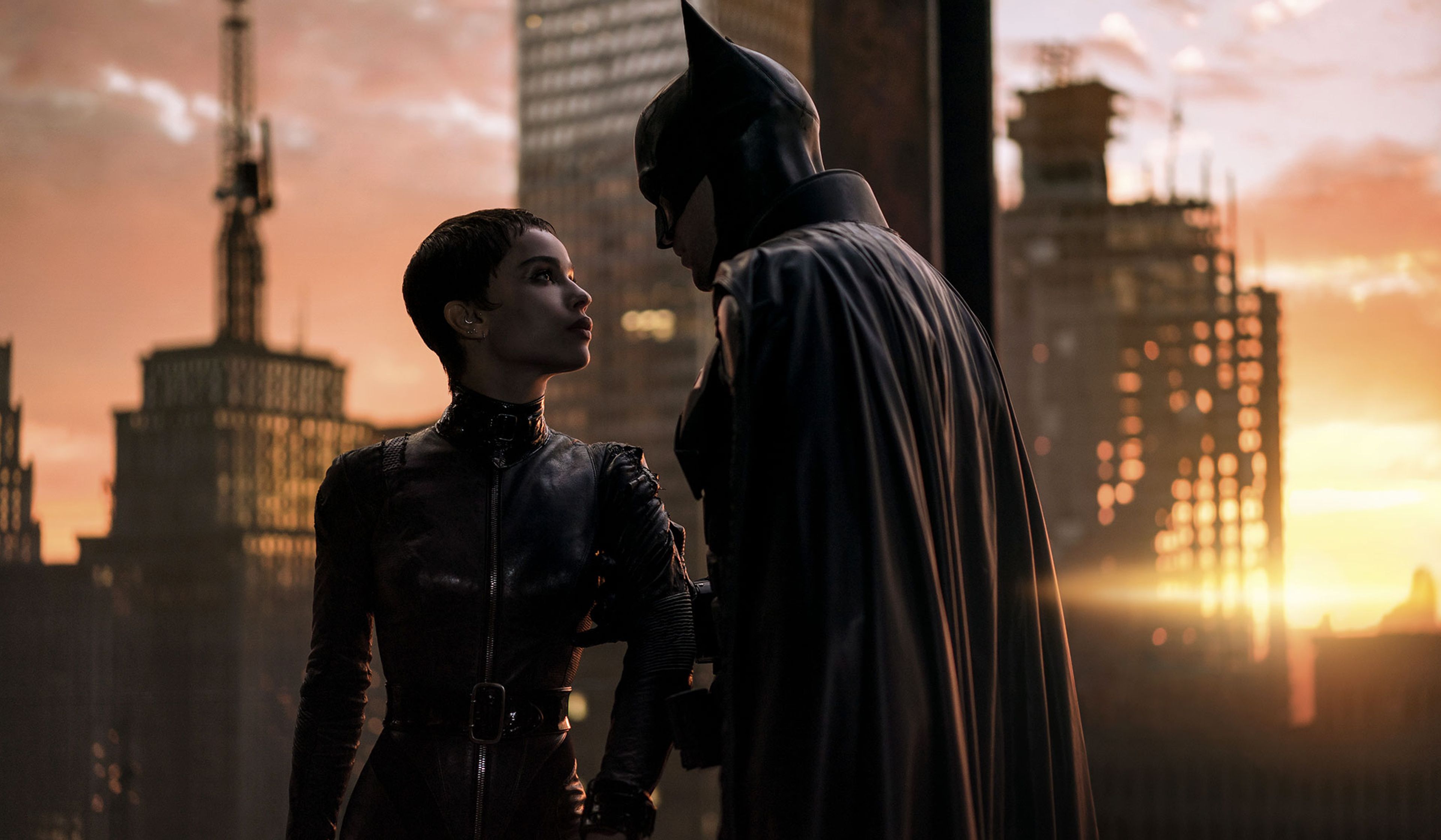
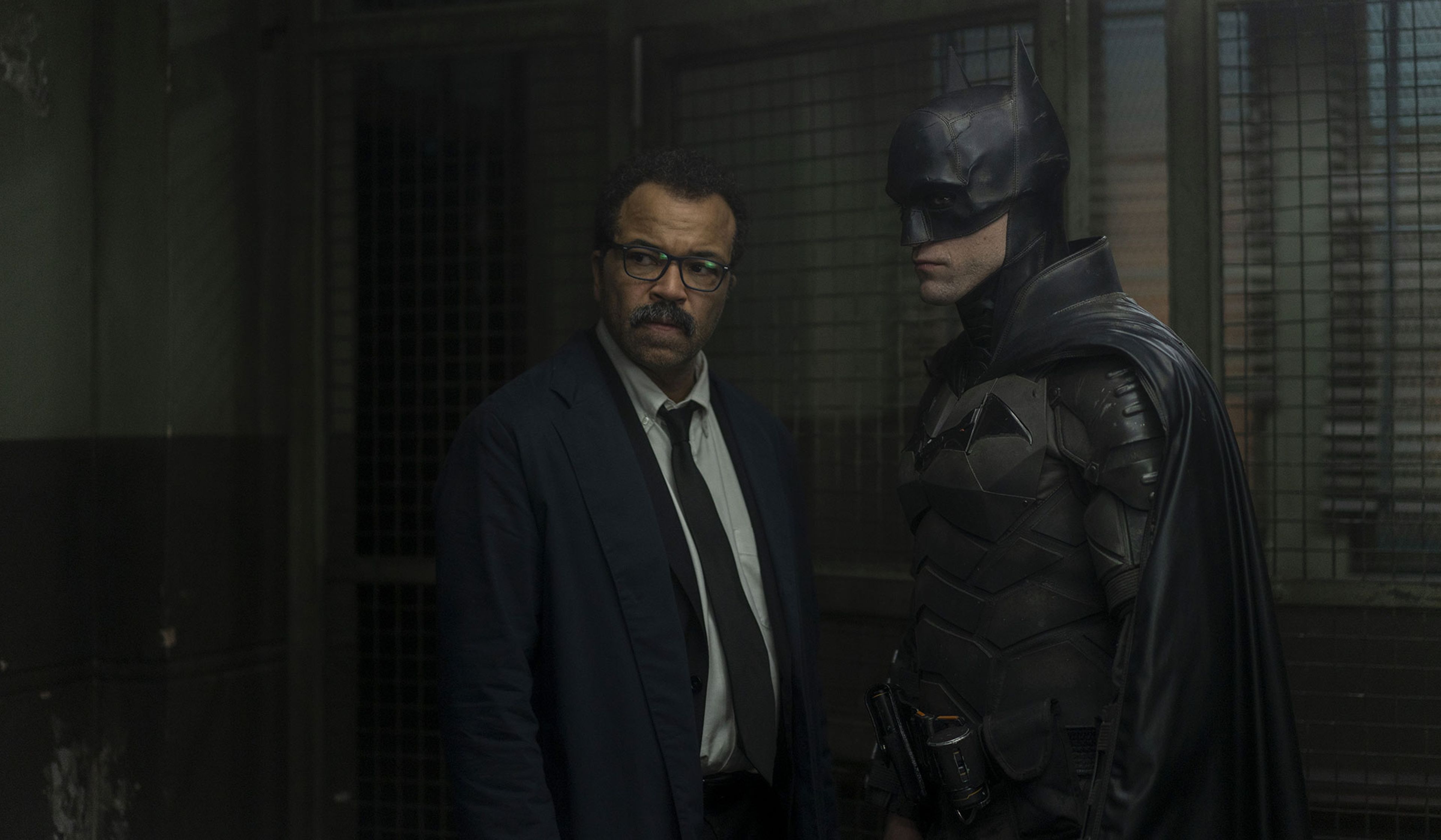
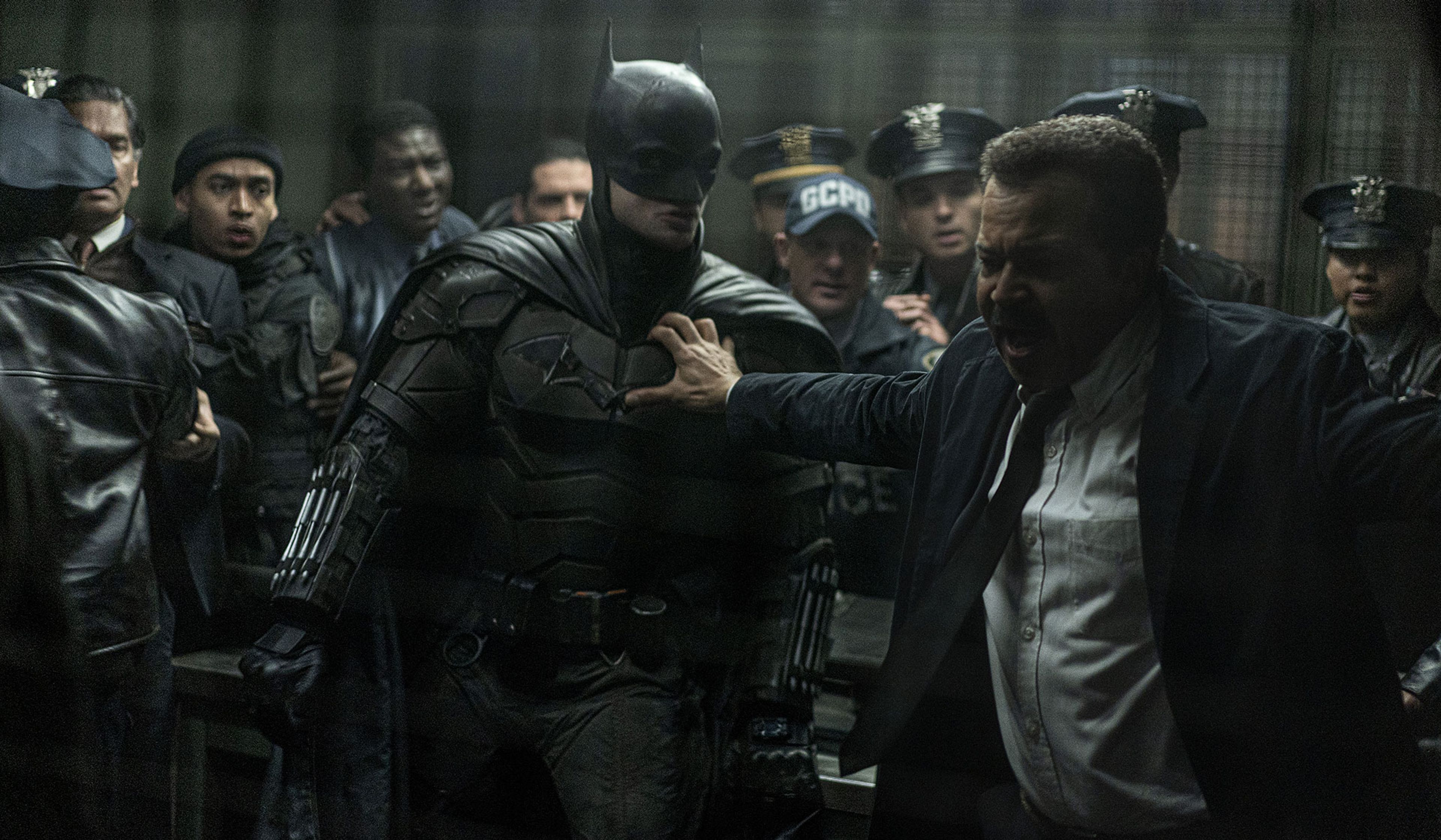
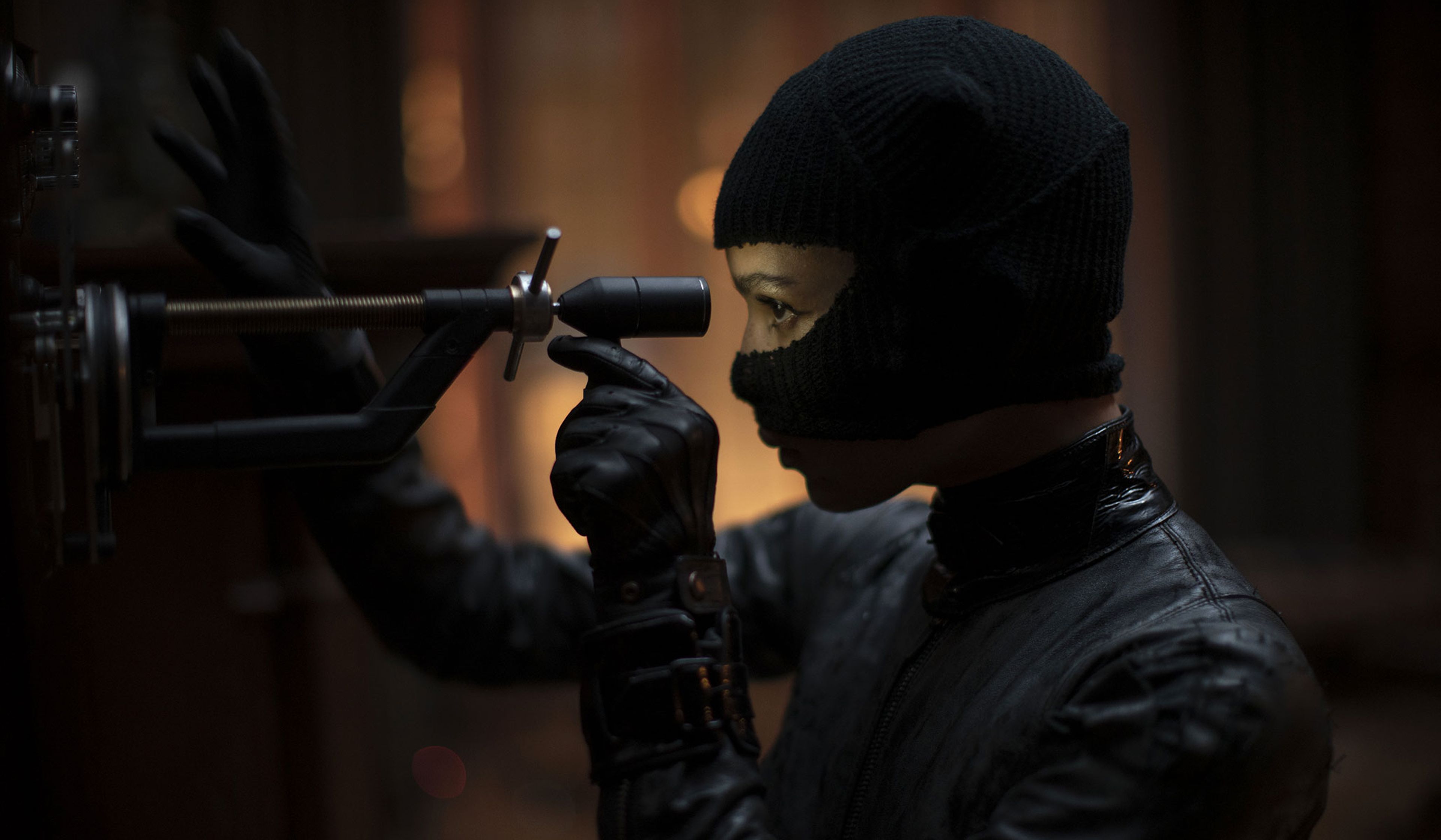
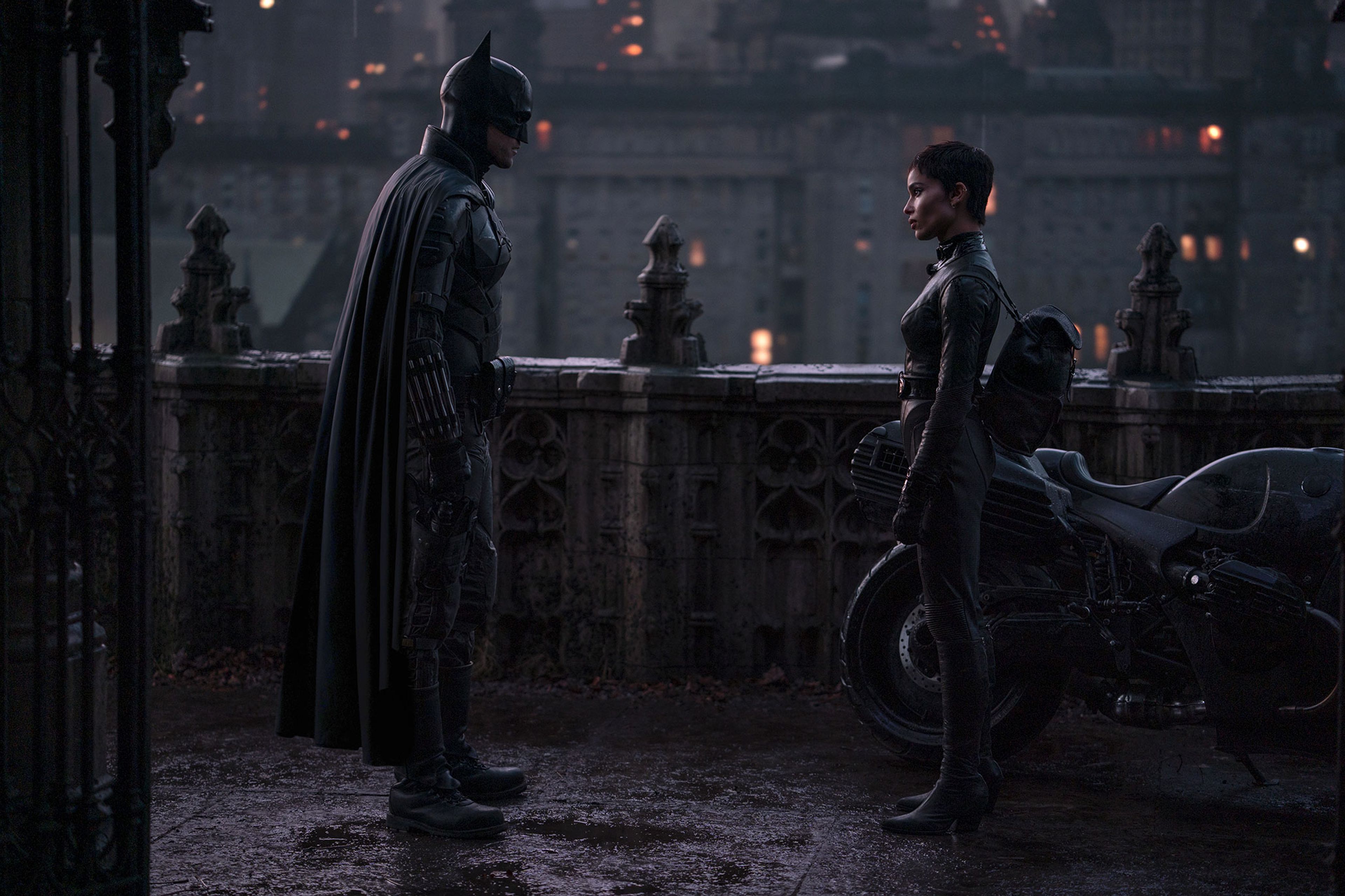
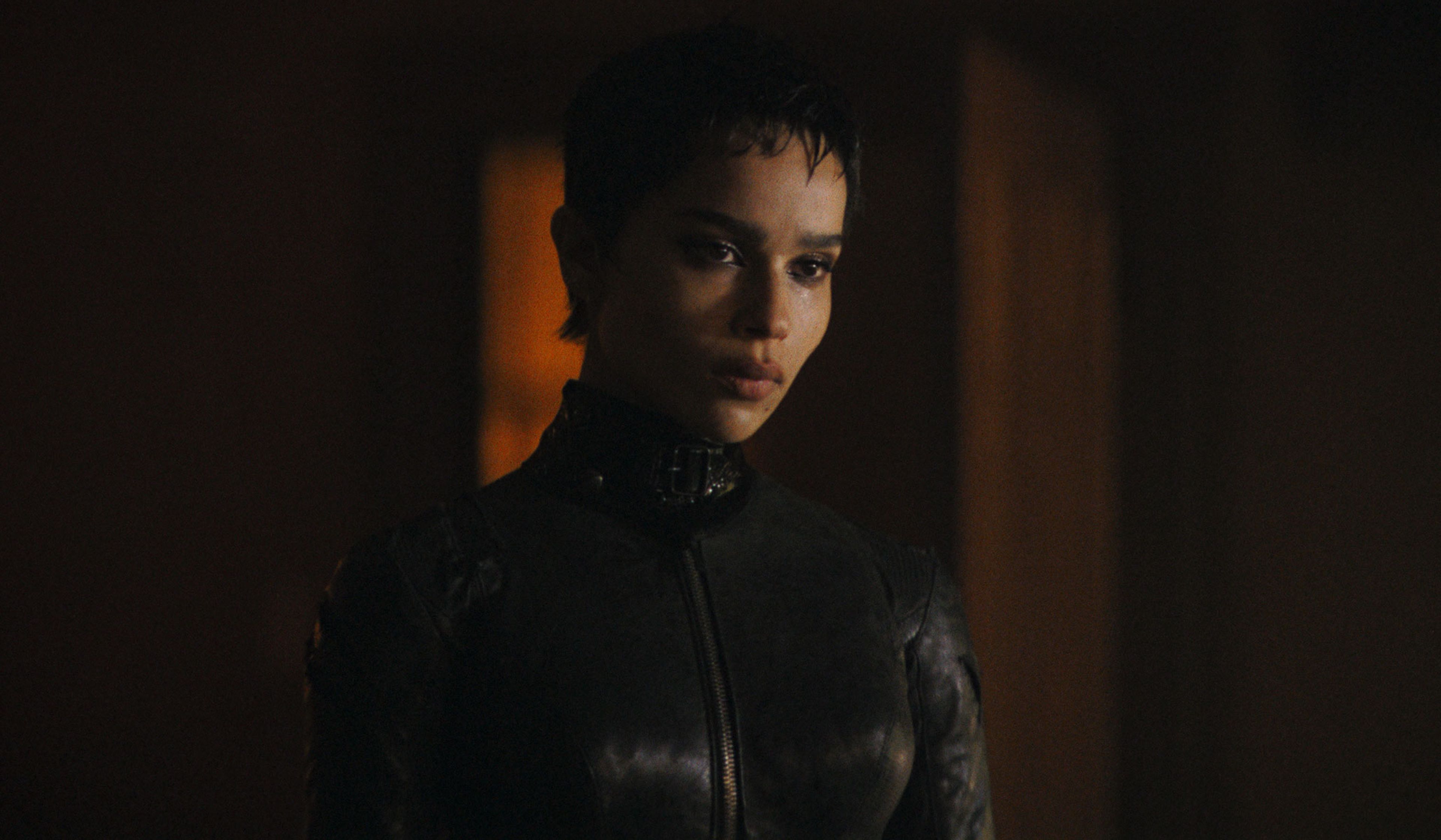
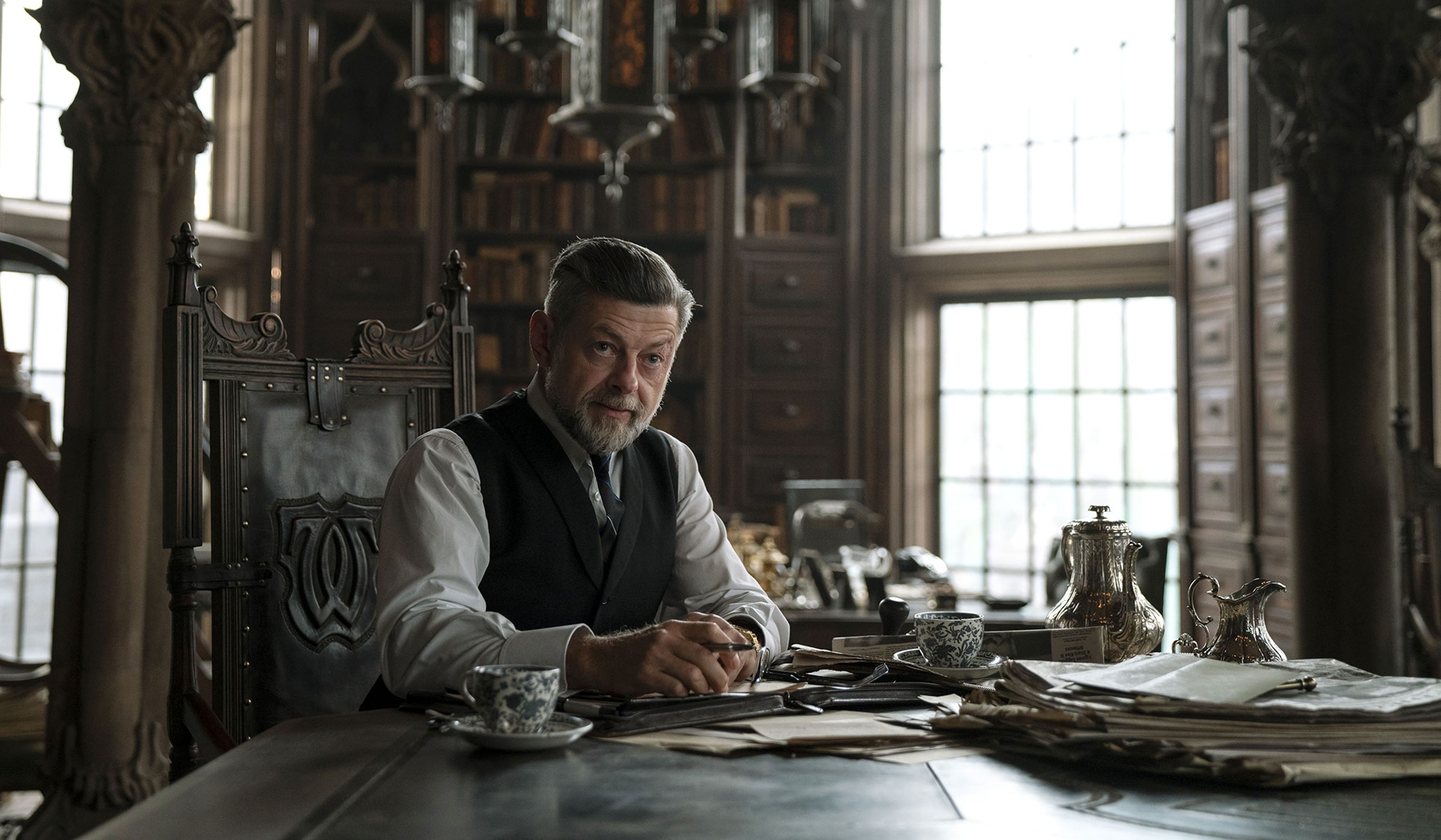
Chasing the same secret, Batman finds himself working not just with the reliable Alfred (Andy Serkis) and the honest Captain — not yet Commissioner — Gordon (Jeffrey Wright), but with a leather-clad club girl (Zoë Kravitz) with underworld ties, a flair for burglary, and an apartment full of cats. Which is to say, the gang’s basically all here (including an all-too-predictable cameo near the end), save for poor Robin, who seems to have been permanently banished from Batman reboots ever since the nippled batsuits of the Schumacher era.
Since the Batman mythos is fundamentally the most interesting of the major comic-book dramas, it would be churlish to complain too much about these infinite reworkings. Pattinson and Kravitz have chemistry, Farrell and Turturro are having lots of fun, Reeves has settled on a solid fusion of gothic, art deco, and iPhone-modern for his urban design, and the cinematography and staging are excellent if you don’t mind straining your eyes a little in the dark.
But still, I’m going to complain a tiny bit. The Batman is almost three hours long, and while its longueurs aren’t exactly boring, they aren’t really merited either. The “shocking” secret is predictable long before our Bat-detective and his policeman pal discover it: There’s none of the genuine surprise of a good murder-mystery here let alone the gonzo horror of Se7en’s climax. And the last 30 minutes of the movie are basically a waste: first a tête-à-tête with the bad guy that replicates what Christian Bale and Heath Ledger did earlier and better, and then a final action sequence in which Batman is asked to save one character we don’t particularly care about from a set of antagonists who are literally faceless.
Of course criticism like this is almost as futile as resistance. As of this writing, The Batman has made $238 million at the domestic box office; it may make $500 million in the end, doubling or trebling all other big-budget rivals, save of course for Spiderman: No Way Home, which made $788 million in its recent run.
These comic-book colossi simply are the movie business at this point, while everyone else walks under their huge legs and peeps about. And as long as talented directors such as Matt Reeves are available to steer them, their rule promises to last a thousand years — or at least until their audiences choose the Gotham metaverse instead.
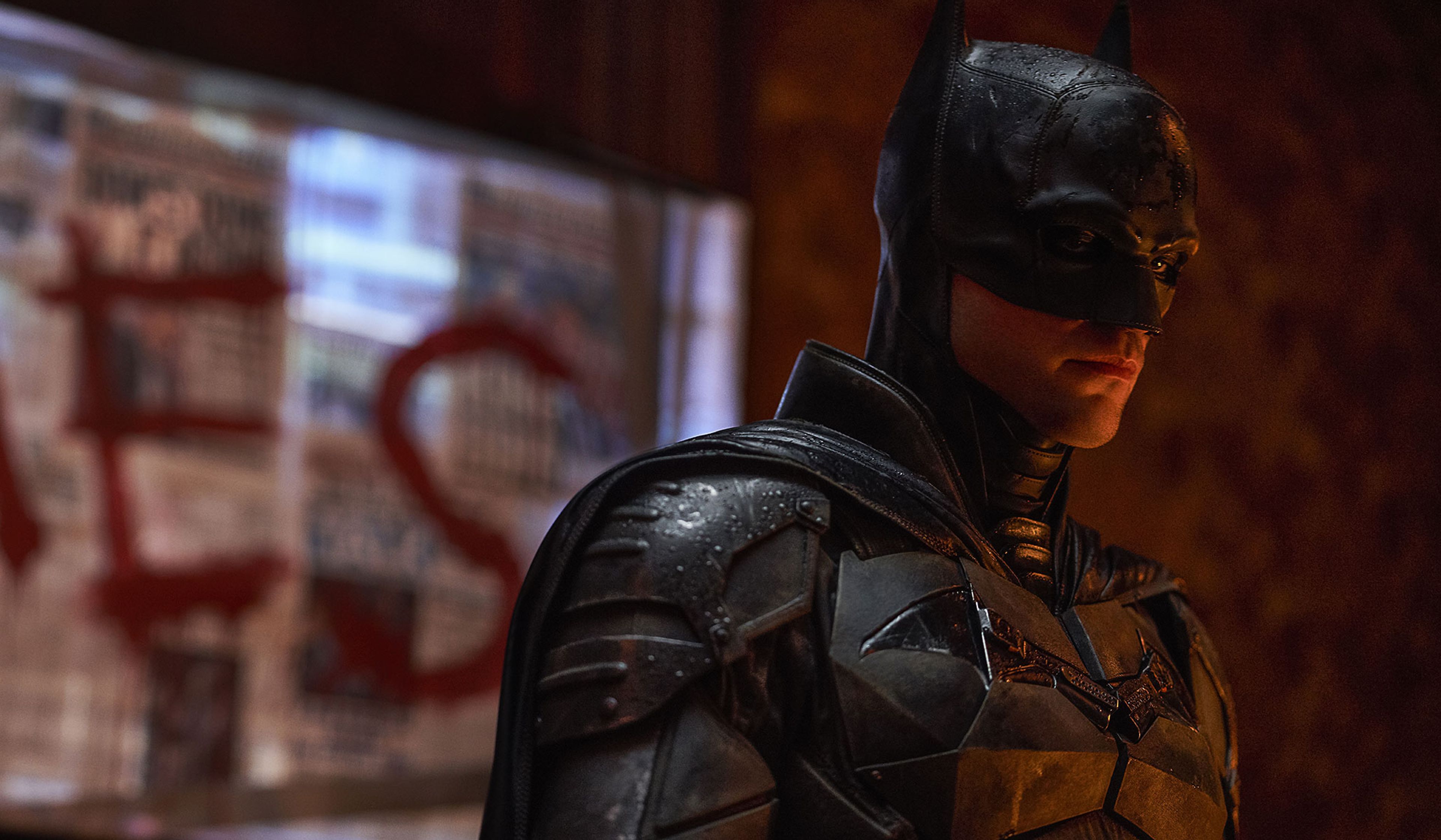
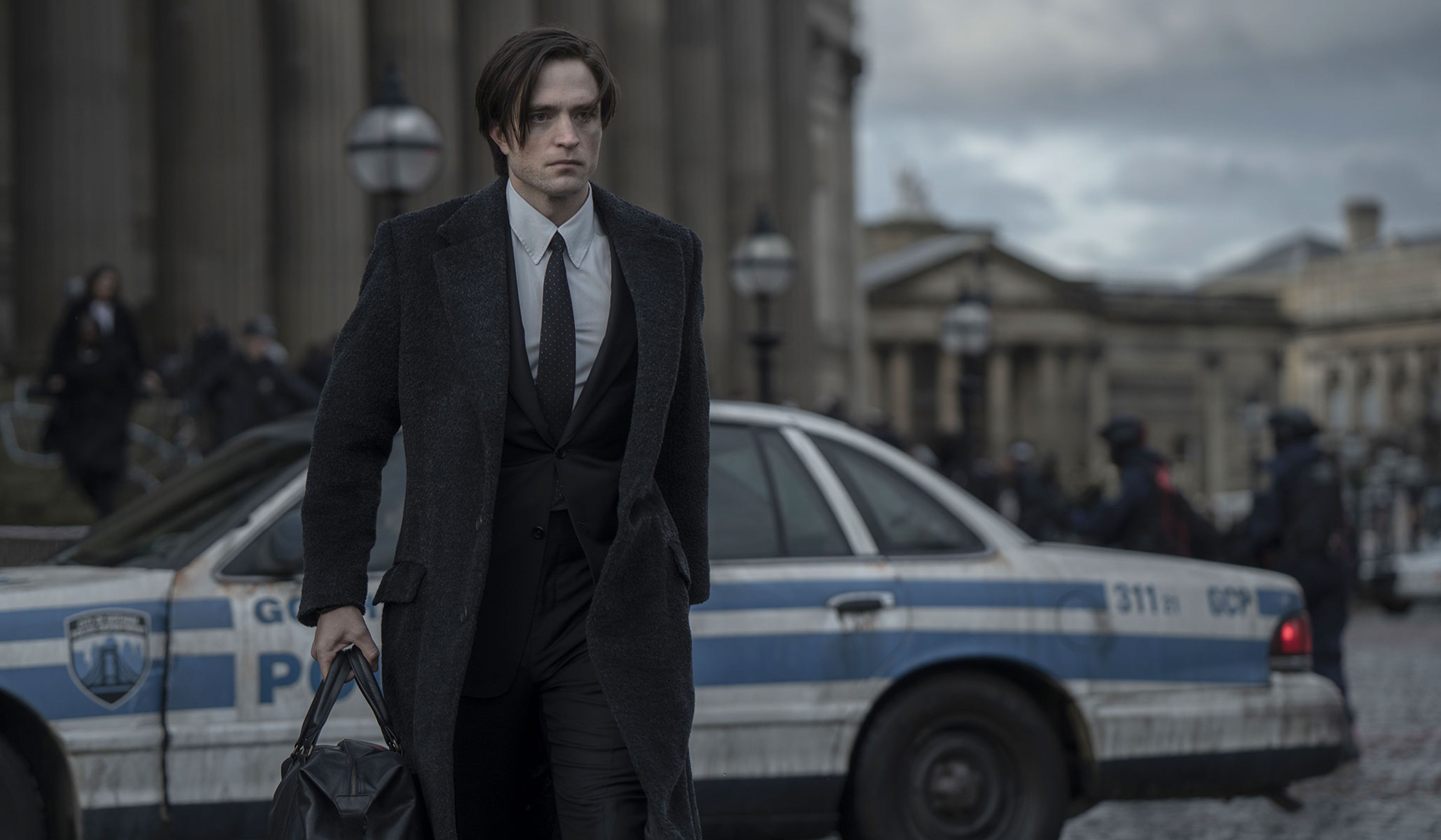
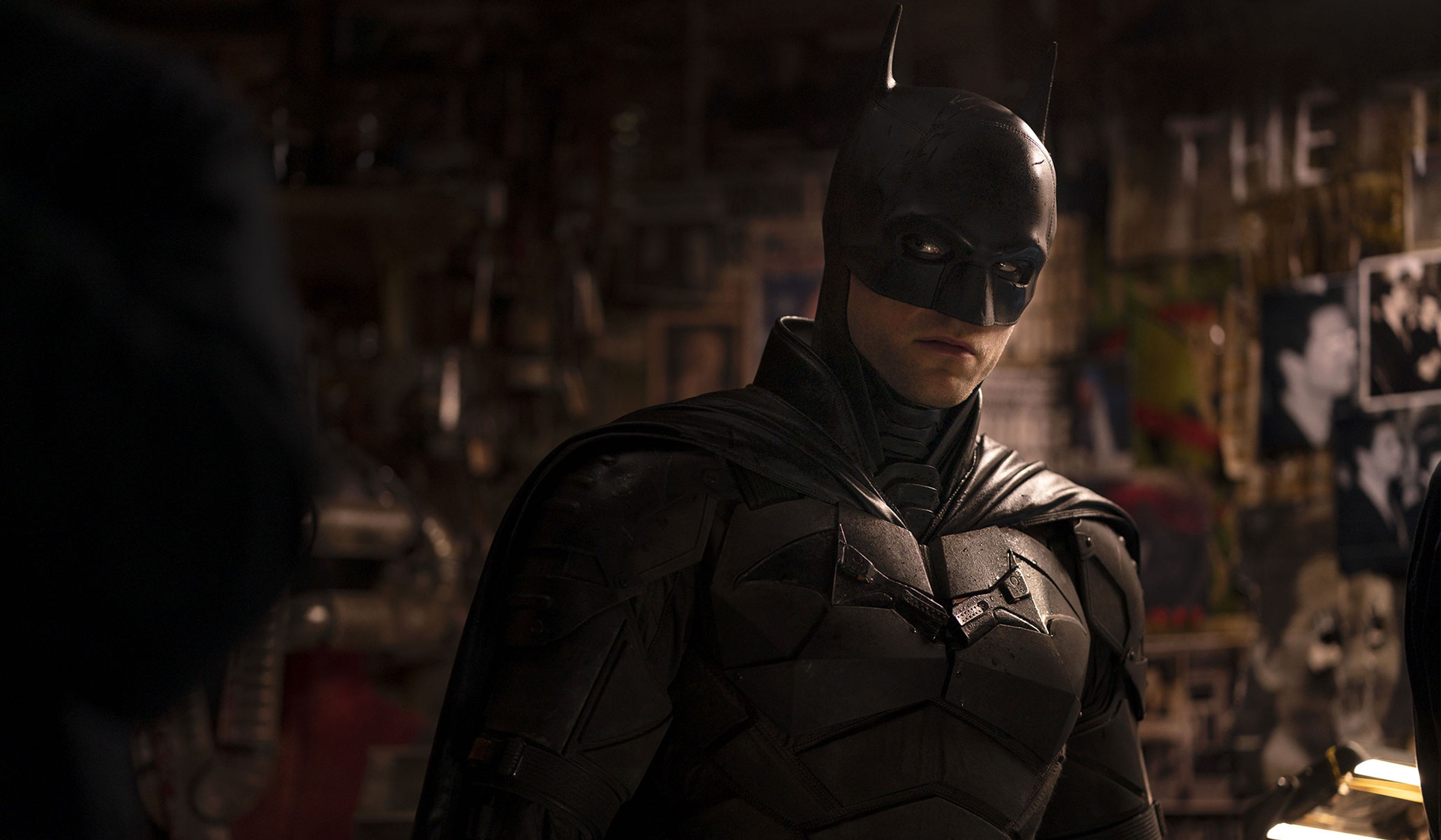
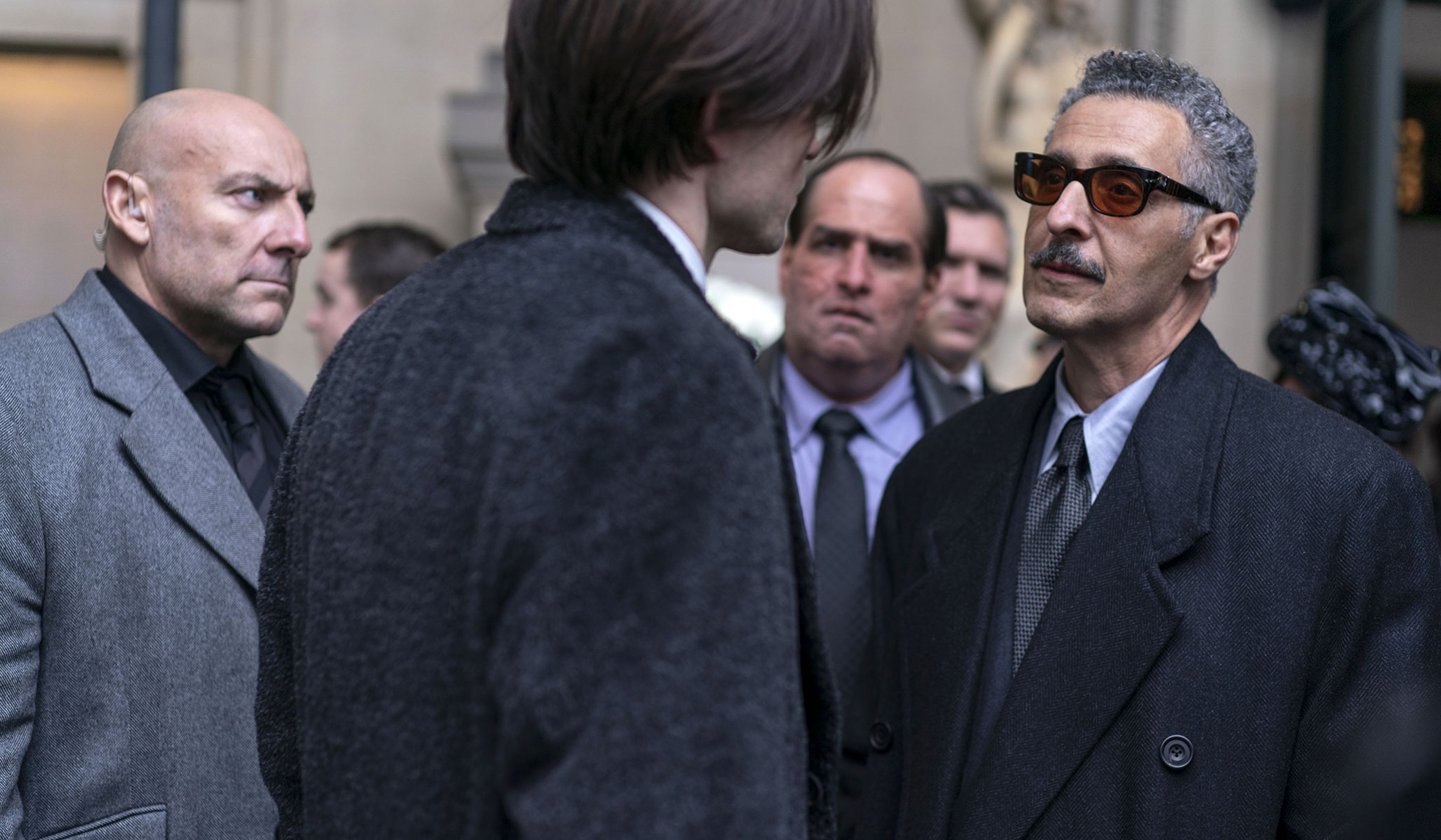
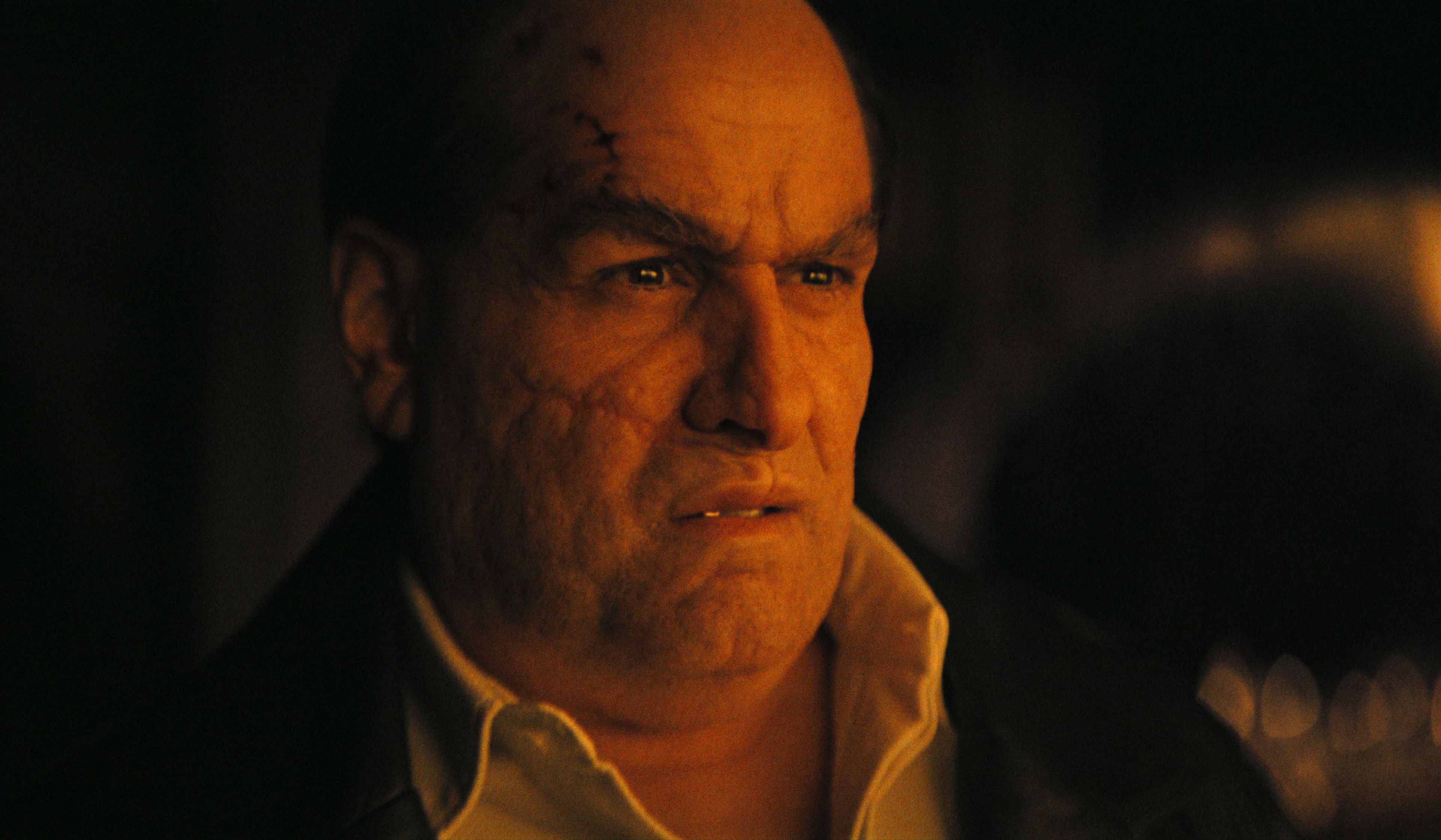
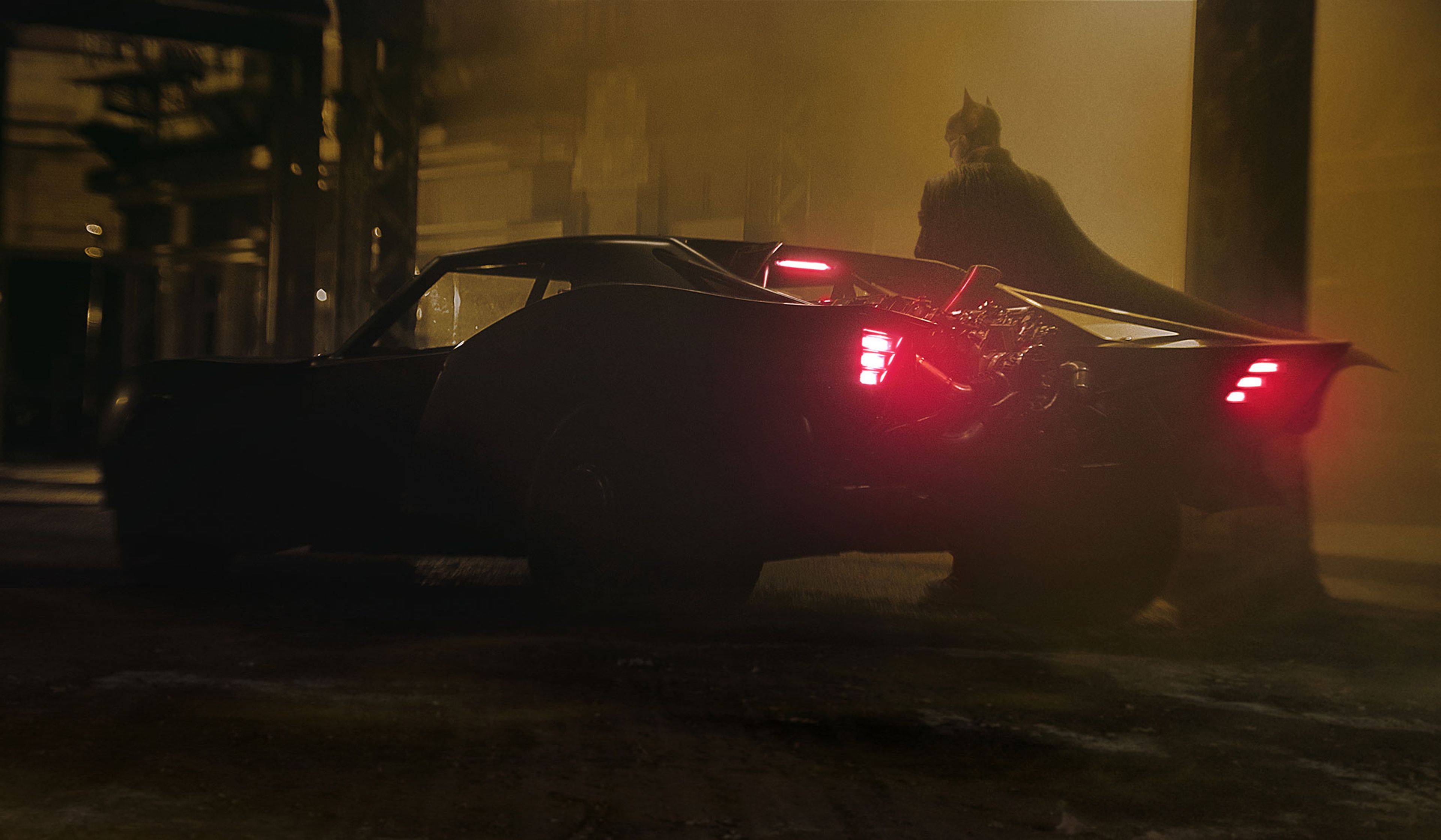
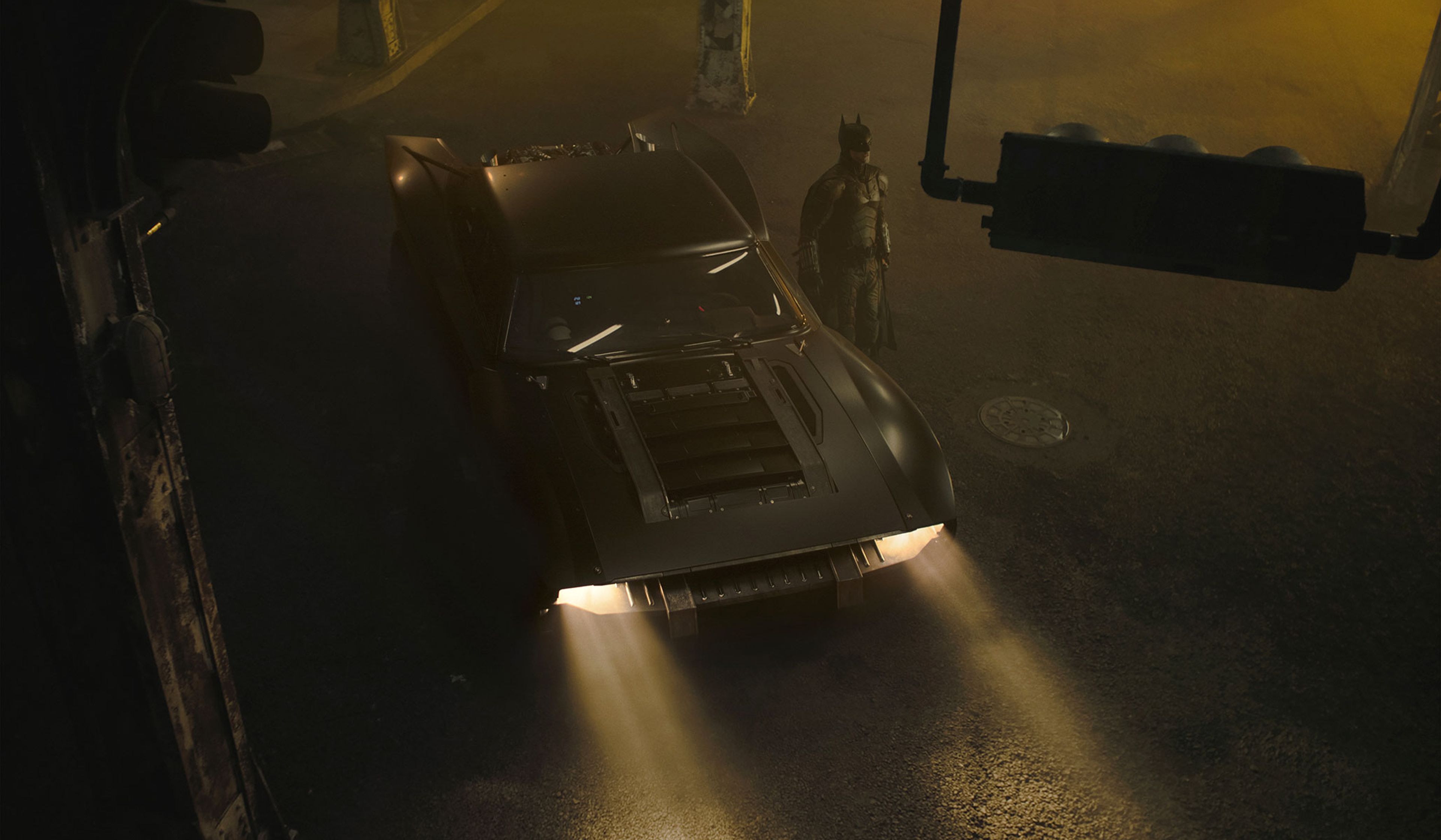
Robert Pattinson (Bruce Wayne/Batman) in The Batman.
Jonathan Olley & DC Comics/Warner Bros. Pictures












Comments