• Jussie Smollett’s lawyers say he should be released because he’s getting “vicious threats.” Well, of course: They put him in a cell with his attacker.
• If Democrats were hoping that President Biden would benefit from a “rally around the flag” effect as a result of U.S. support for Ukraine, recent polls must be severely disappointing. Not only is his approval rating mired in the low 40s, but he is not winning the public over on key issues. A CBS/YouGov poll found that a majority of the public disapproved of his handling of the Russia–Ukraine conflict (54 percent to 46 percent) — and that was one of his better results. Of his handling of inflation, the public disapproved 69 percent to 31 percent. In potentially worse news for the Democrats, a Wall Street Journal poll found that by nine percentage points, Hispanics said they would rather back a Republican congressional candidate than a Democratic one. Meanwhile, support for the Republican candidate in a generic ballot more than doubled among black voters, to 27 percent from 12 percent a few months ago. Biden’s pledge to unify the country seems to be working out, after a fashion.
• Sarah Bloom Raskin, President Biden’s nominee to be the Federal Reserve’s vice chairperson for supervision, withdrew from consideration after it became clear she wouldn’t have sufficient support in the Senate to be confirmed. Republicans on the Senate Banking Committee, led by ranking member Pat Toomey (Pa.), raised concerns over Raskin’s public stances on the role of financial regulation in addressing climate issues. Raskin has written that financial regulation should be used to “allocate capital and align portfolios toward sustainable investments that do not depend on carbon and fossil fuels.” She also appears to have used her position as a former government official (she worked at the Fed and in the Treasury Department under President Obama) to help the payments company Reserve Trust, on whose board she served, get special access to a Federal Reserve bank account. Additionally, her husband, Representative Jamie Raskin (D., Md.), failed to report her stock holdings in Reserve Trust as required by congressional ethics rules; she made $1.5 million selling those holdings after Reserve Trust’s Fed account was secured. Toomey offered a deal to Banking Committee Democrats: Republicans would vote to advance four less controversial Biden Fed nominees, including Chairman Jerome Powell, out of committee in exchange for blocking Raskin. Committee chairman Sherrod Brown (D., Ohio) declined. But Joe Manchin (D., W.Va.), who isn’t on the Banking Committee, said he would not support Raskin’s nomination if it were brought to the whole Senate. Without Manchin’s support, the nomination was sunk. Defeating Raskin is a huge win for Senate Republicans, and Toomey deserves credit for pulling it off. With inflation still going strong, the last thing the Fed needs is more climate activism and revolving-door Washington self-interest.
• Donald Trump has been a voluble ex-president, as he was expected to be. He has been using the word “love” freely. Of Vladimir Putin, he said, “He loves his country, you know? He loves his country.” A lot of Russians would beg to differ — including the many political prisoners. Asked to explain Putin’s assault on Ukraine, Trump said, “They had a country. You could see it was a country where there was a lot of love, and we’re doing it because, you know, somebody wants to make his country larger or he wants to put it back the way it was.” Asked whether he expected China to invade Taiwan, Trump said, “I do, because they’re seeing how stupid the United States is run. They’re seeing that our leaders are incompetent. Of course they’re going to do it — this is their time.” A warning to China, and solidarity with the Free World, would have been better. In times of crisis, especially, ex-presidents should be supportive of the incumbent, constructively critical of him, or silent. Trump is oh-for-three.
• Manhattan district attorney Alvin Bragg refrained from indicting Trump for business fraud because of concerns that criminal intent could not be proved. The New York Times laments that investigators were denied timely access to Trump’s financial records by his exhaustive legal challenges and frustrated in the quest for a reliable accomplice witness by the Trump organization’s culture of loyalty. What seems to have scared Bragg off, though, was that the one willing insider was Michael Cohen. Earlier, the self-described Trump “fixer’s” credibility problems — pleas to false statements and tax fraud — convinced Justice Department prosecutors not to build a Trump case on his testimony. Bragg may also have fretted about the unseemly zeal with which the DA’s office under his predecessor, Cyrus Vance Jr., went after Trump. One senior prosecutor even came out of retirement and worked gratis to try to make the case, but then quit in a huff when Bragg and his aides asked tough questions about the dependence on Cohen, the investigators’ changing story about the nature of Trump’s misconduct, and the decision of three career prosecutors to transfer off the case. Too much like a quest for the white whale, so Bragg cut bait.
• Campaigning for elections in November is under way, which means that so too is flip-flopping from candidates on key issues. Take Beto O’Rourke, who is running to be governor of Texas. Readers will recall that earlier this year O’Rourke reversed his position on guns. Distancing himself from the “hell, yes, we’re going to take your AR-15” pitch of yesteryear, he said that he’s interested in defending the Second Amendment, not in “taking anything from anyone.” But there’s more yet. Speaking recently to a crowd in Victoria, Texas, O’Rourke was asked about the appropriateness of teaching critical race theory in schools. First, he demurred, claiming that CRT was not seen in curricula at present: “We don’t see CRT being taught in our schools right now. It is a course that is taught in law schools.” But then, when pressed further, O’Rourke conceded, “No, I don’t think it should be taught in our schools.” He is the first high-profile member of the Democratic Party to say so, perhaps recognizing that race essentialism is politically radioactive. May others catch on, too.
• The Florida Senate passed the Parental Rights in Education bill, which, at this writing, awaits Governor Ron DeSantis’s signature. The bill strengthens school transparency by requiring schools to include parents in “critical decisions” and to give them access to “education and health records” pertaining to their children. The bill also says that “classroom instruction by school personnel or third parties on sexual orientation or gender identity may not occur in kindergarten through grade 3 or in a manner that is not age-appropriate.” The progressive response, from Star Wars actor Mark Hamill to President Biden, has been to misrepresent the legislation — calling it the “Don’t Say Gay” bill — and to denounce its provisions as “hateful.” Under pressure, the CEO of Disney, Bob Chapek, contacted DeSantis to set up a meeting and express “disappointment and concern.” But DeSantis showed no signs of budging. The governor criticized Disney’s cozy relationship with the Communist Party of China (a reference to the movie Mulan, partly filmed in Xinjiang) as moral hypocrisy and said that a family-friendly company should understand better than anyone why parents don’t want a woke takeover of education. If DeSantis runs for president, he can consider Disney’s criticism his first corporate contribution.
• Utah governor Spencer Cox announced he would veto recently passed state legislation protecting female-only sports. The bill bans “biological males,” as defined by “an individual’s genetics and anatomy at birth,” from participating in girls’ leagues. Cox told KUTV News that transgender-identifying athletes “are awesome kids, and they’re not out there breaking any records. I just want that community to know, look, we care about you, we love you, it’s going to be okay. We’re going to get through this together.” On Twitter, Cox, seeking to please everyone, said, “We care deeply about Utah’s female athletes and our LGBTQ+ community.” But to govern is to choose, and caring deeply about female athletes should lead to action to protect their sports.
• February’s consumer-price-index report from the Bureau of Labor Statistics put inflation at 7.9 percent over the previous twelve months, the highest it has been since January 1982. Unlike inflation then, though, inflation today is still on its way up. The White House wants to blame Putin, and Russia’s war in Ukraine will certainly cause major problems in the global markets for oil, wheat, and metals. But it’s not as though inflation had been coming down or flattening out before Putin’s invasion. In the past, the White House liked to point to specific markets, such as the one for used cars, and say they were pulling the average up. That may have been true last summer, but it certainly isn’t now. All six grocery-store food categories the BLS measures saw increases in February, and inflation has been broad-based since October 2021. That situation was not changing, Russian invasion or not. The Fed should raise rates as it has planned — if not faster.
• As gasoline prices hit $5 a gallon and more, Transportation Secretary Pete Buttigieg touted electric vehicles: “Rural to suburban to urban communities can all benefit from the gas savings of driving an EV.” He’s certainly correct; switch to an EV and you will definitely use less gas. But even setting aside the practical difficulties of electrics and the costs of charging and maintaining them, following Mayor Pete’s advice requires buying an electric car, which can set you back about $55,000 or more. Even in today’s economy, electric propulsion can be cheaper than gas only if you exclude the cost of the capital expenditure needed to make the savings happen. As ever, be wary of applying Washington math to your own budget.
• Congressional Democrats have proposed a punitive new 50 percent windfall-profit tax on oil companies to punish them for what Senator Elizabeth Warren calls “profiteering.” The idea is idiotic and probably cannot be implemented. There are at least three kinds of stupid at work here. One: Democrats propose to lay the 50 percent tax on any profits derived from selling oil above $66 a barrel — a figure Democrats have precipitated from the ether — as though the profits of oil-energy companies, some of the world’s most complex business enterprises, were a matter of a – b = c. Two: There are many factors that go into gasoline prices, from the location and configuration of refineries to transportation expenses to taxes to retail competition — there is a reason gasoline typically costs a lot more in California than it does in Florida, and that reason isn’t that the Sunshine State gets a discount on crude. Three: A new tax on energy companies will make them less likely to invest in serving the U.S. market, which would very likely leave Americans paying higher prices and which would certainly leave the domestic industry less able to respond to geopolitical shocks. If you want low gas prices, then you should want more wells, more refineries, and more pipelines — i.e., all the things Democrats have been opposing for years.
• When the secretary of the Treasury announces that there is no need to worry about something, it’s often time to start worrying. But when Janet Yellen said that there was no danger that the dollar could lose its role as the world’s leading reserve currency in the wake of the sanctions imposed on Russia, she wasn’t wrong. For now, there’s no serious challenger to the greenback, which accounts for more than 60 percent of global foreign-exchange reserves. That’s about three times the share of the euro, its nearest rival. Nevertheless, the more Washington weaponizes the dollar’s dominance and, a closely related phenomenon, America’s leading role within the world’s financial infrastructure, the more this country’s rivals will look elsewhere, whether to alternative payment systems or to other currencies as a store of value. That’s not something that we should want to see. America’s position within global finance is a source of both influence and power, and the world’s willingness to accept U.S. dollars makes it much easier to finance our debt. It will sometimes be worth treading more lightly than we otherwise would in order to preserve a status quo that serves us very well.
• Though the CDC announced — right in time for Biden’s State of the Union appearance — that most of the country could safely go maskless in nearly all places, one domain was prominently left out: transportation. The Transportation Security Administration has subsequently extended, for an additional month, the mask requirement for airplane, train, and bus travel. It makes no sense for the U.S. to have rules for all other businesses that are separate from those for the travel sector, which is still struggling to get back to where it was before the pandemic and whose recovery efforts have been hindered by the various vaccine, testing, and masking requirements. The effort to enforce the mandate (even on toddlers) has led to intense conflicts on airplanes. One flight attendant recently complained to Condé Nast Traveler that she hated being the “mask police” and found it “tiring and soul-crushing.” Let them, and the passengers, go free.
• A world of falling mail volumes can no longer support the expensive structure of the U.S. Postal Service, which includes a unionized workforce and a six-day-a-week universal national delivery mandate. Unlike other Western nations, we are not adjusting to reality. Instead, Congress passed the bipartisan Postal Service Reform Act, which includes only the most trivial reforms. Without real reform, there are two options. The business option is for the USPS to make more money from package delivery. But we already have a private package industry (FedEx, UPS, DHL), and the USPS can take business away from these competitors only by leveraging its status as a governmental entity. In practice, that would mean shifting the costs of its package-delivery business onto its monopoly mail service, effectively subsidizing high-volume package-mailers such as Amazon. The big-government option is to get on the train of permanent, ongoing federal bailouts. The bill does that, too. It dumps USPS retiree-health-care costs onto Medicare. Previously, USPS retirees had USPS-provided health insurance, and a 2006 law required the USPS to fund its future health-care obligations so as to protect taxpayers. No such luck. The Postal Service projects that the combination of putting its retirees into Medicare and ending its obligation to pre-fund future retiree health benefits will save it $48 billion over the next decade. Guess who gets stuck with that tab? Congress should have returned this bill to sender.
• Like most states, New York sees many conflicts between state and local officials. The latest example has to do with chocolate milk: Governor Kathy Hochul thinks it should be included in school lunches, while New York City mayor Eric Adams, himself a vegan, says that only plain milk should be allowed. Adams objects to chocolate milk’s added sugar (equivalent in a half pint to about one-third of a candy bar), while Hochul points out that plain milk often goes untouched on the lunch tray, usually in favor of sugar-laden soda. The implicit bargain here is that parents accept the extra sugar in chocolate milk in return for its vitamins and other nutrients. Kids will find other sources of sugar, but it’s hard for their parents to find another way to get those vitamins into them. The concern over sugar is real, but milk that isn’t drunk holds no benefit for kids, except perhaps as an early lesson in the pitfalls of nanny-statism.
• The nice progressives at Berkeley want Californians to live under cumbrous environmental regulation — but they don’t want to live under it themselves. And, thanks to Sacramento, now they don’t have to. A big part of California’s insane environmental-regulation situation comes from the California Environmental Quality Act, signed into law in 1970 (damn it, Governor Reagan!), which requires environmental-impact reviews for any project larger than a Barbie Dreamhouse and empowers courts to order extensive mitigation measures. Residents of Berkeley the town used the law against Berkeley the university, charging that the school’s decision to expand its undergraduate enrollment was taken without due regard for its environmental impact. A court agreed and ordered Berkeley to revert to its 2020–21 enrollment level and maintain it until after an extensive environmental assessment. Berkeley would have been obliged to get rid of 400 students and forgo millions of dollars in tuition payments. What happened next was what happens almost invariably when a well-intentioned progressive regulation gets in between some well-intentioned progressives and some money: Berkeley administrators howled that the rule wasn’t supposed to apply to their plans. And so the California General Assembly stepped in, with both houses passing — unanimously — a bill that changes the way the law applies to universities, thereby saving Berkeley’s vegan bacon.
• Cook County, Ill., judge James Linn spoke for America when he told the convicted race-hate liar Jussie Smollett at sentencing, “You knew this was a country that was slowly trying to heal past injustices and current injustices and trying to make a better future for each other. . . . You took some scabs off some healing wounds, and you ripped them apart for one reason — you wanted to make yourself more famous, and for a while it worked.” Smollett’s crime was so outlandish that it drove some sense into Chicago mayor Lori Lightfoot, who said the sentencing “should send a clear message to everyone in the City of Chicago that false claims and allegations will not be tolerated” because “the malicious and wholly fabricated claim made by Mr. Smollett resulted in over 1500 hours of police work that cost the City over $130,000 in police overtime.” He was consequently sentenced to 150 days in jail, plus 30 months’ probation and fines and restitution totaling $145,000. Still not confessing to having staged the ridiculous racist/homophobic/MAGA-espousing fake hate crime of January 29, 2019, even after his own friends and accomplices testified against him, Smollett was hauled away insisting farcically on his innocence. “I could’ve said I was guilty a long time ago!” he shouted. Indeed he could have. Smollett departed the courtroom just the way he had entered it: like a jackass.
• Michael Madigan, known simply as “Madigan” to those in Springfield, was speaker of the Illinois house of representatives from 1983 to 2021 for all but two years. First elected to the house in 1970, he amassed power for himself as few have done in state government, running the Democratic Party as a personal fiefdom and possessing, in effect, more power than the governor. Federal investigators had never quite been able to put together a criminal case against him, but the walls were closing in last year when Madigan announced he wouldn’t seek another term as speaker and then abruptly resigned his seat. Finally, the other shoe has dropped: Out of office at the age of 79, Madigan has been indicted on 22 counts of racketeering and bribery. As part of the investigation, federal investigators interviewed Governor J. B. Pritzker and had Chicago alderman Danny Solis wear a wire in conversations with Madigan. The indictment goes after a deal Madigan allegedly struck with Commonwealth Edison, Chicago’s public utility company, in which his political allies got jobs involving “little or no work” in exchange for the passage of legislation that benefited the company. It also accuses Madigan of using his position in government to attract business for his private law firm, which specializes in property-tax appeals for Chicago’s wealthiest owners. Where corrupt former governor Rod Blagojevich was brazen and stupid, Madigan was calculating and sophisticated. He may finally be brought to justice, but it will be after 50 years of unparalleled corruption.
• The Supreme Court reinstated the federal death sentence of Boston Marathon bomber Dzhokhar Tsarnaev, who killed three and wounded hundreds. The jury unanimously voted for capital punishment after weighing proof of the barbaric jihadist attack by Tsarnaev and his older brother, Tamerlan (whom Dzhokhar accidentally killed as they tried to flee). The trial judge imposed the death sentence, but the First Circuit reversed. The appeals court was plainly hostile to capital punishment but lacked constitutional grounds to invalidate it. The panel thus mined the record and found two alleged errors — involving jury-selection questioning about media bias and the admissibility of hearsay evidence about a murder Tamerlan, but not Dzhokhar, may have committed — and inflated them as a basis to throw out the sentence. The Supreme Court reversed 6–3 along the conservative–progressive divide, with Justice Clarence Thomas showing that the disputed rulings were not erroneous at all, much less abuses of discretion, and the liberal justices predictably sympathizing with the First Circuit’s sentiment. There are principled arguments against capital punishment. The Constitution calls for them to be worked out democratically.
• More than a week after Vladimir Putin ordered a full-scale invasion of Ukraine, the Russian government alleged that the United States had been secretly funding a Ukrainian bio-weapons program. The allegation was both baseless and alarming. Ukraine has biological-research facilities, but there is simply no evidence that Ukraine has a biological-weapons program. Treating the two as one and the same is like saying a nuclear-power plant is a nuclear-weapons program. The big cause for alarm was the timing of Russia’s allegation. In a long speech before the war began, Putin cited many rationales for invading Ukraine — reuniting allegedly Russian peoples, countering NATO expansion, and “denazification” — but not once did he claim that Ukraine had biological weapons. Why, only after Putin’s forces became bogged down, did Russia begin sounding the alarm about bioweapons? The timing created a reasonable fear that Russia could be laying the groundwork to deploy such weapons in besieged Ukrainian cities. “It is classic Russian technique to blame on the other guy what they’re planning to do themselves,” Undersecretary of State Victoria Nuland said in congressional testimony. Anyone buying Putin’s spin is simply playing the part of useful idiot.
• Top U.N. officials continued to shield the perpetrators of some of the world’s most horrific crimes against humanity. The Irish Times revealed that the U.N.’s Department of Global Communications instructed the organization’s employees not to call Russia’s brutal invasion of Ukraine an “invasion,” suggesting the more neutral “conflict” or “military offensive” instead. The only possible reason for this could be to maintain a perception of neutrality as the Kremlin carries out war crimes against Ukrainian civilians. Unsurprisingly, the U.N. issued an unconvincing denial — which the Irish Times’ correspondent swiftly debunked by posting email correspondence on Twitter. Meanwhile, the U.N.’s top human-rights official, Michelle Bachelet, said that she and the Chinese government had reached an agreement for her to visit Xinjiang. Bachelet has delayed the release of a report on the Uyghur genocide for at least two years, saying that she wanted to visit Xinjiang first. But she will likely see only a Potemkin village, as she must know. These international “civil servants” are serving the most egregious human-rights violators of the 21st century.
• Patriarch Kirill of Moscow, the head of the Russian Orthodox church, rationalizes the war on Ukraine. He refrains from calling it a war, following Kremlin diktat. In a sermon on March 6, he dwelt on gay-pride parades in the West and insinuated that the aim of preventing their spread to Russia justified the military invasion of its close neighbor. He and Putin are allied in their commitment to “Russkiy Mir,” a Russian World marked by territorial expansion and spiritual communion with the Moscow patriarchate. Kirill still claims jurisdiction over all of Ukraine despite the establishment, in Kyiv, of a nationwide autocephalous church in 2018. Defying him, hundreds of priests in Russia have signed a letter condemning the “murderous” aggression against Ukraine. Eastern Orthodox Christians outside the Russian church have been especially vocal, branding Russkiy Mir a heresy and denouncing Russia for both the current war and its precursors in Crimea and the Donbas in 2014. Patriarch Bartholomew of Constantinople visited the Ukrainian consulate in Istanbul and spoke with President Zelensky. “He asked us to pray and we will do it with pleasure,” Bartholomew said. “He gives such an example to his people. They don’t want to surrender and they are right.”
• Talks to bring the U.S. back into the 2015 Iran nuclear deal stalled in Geneva, as Russia made new demands that even the Biden administration couldn’t stomach. Moscow wants written guarantees from the secretary of state that Western sanctions for its brutal invasion of Ukraine will not prevent it from trading with Iran. Surprisingly, for Biden’s negotiating team — which had continued to talk with Russia about the deal, despite promising to turn it into a “pariah” over the invasion — that was a bridge too far. The EU’s foreign-policy chief, Josep Borrell, announced via Twitter that the talks would be on hold. Thus far, Robert Malley, the U.S. envoy to the talks, seems to have agreed to massive concessions, pledging to lift a bevy of antiterrorism sanctions targeting the Iranian regime and rolling back other aspects of the U.S. maximum-pressure campaign. Career officials, spooked by the trajectory of the negotiations, have in recent weeks resigned their positions on the team, apparently in protest. Despite the pause, Malley hasn’t had his fill yet. The administration, bereft of foreign-policy accomplishments, wants this deal bad, and it may just get it bad.
• Iran is working on assassination plots against John Bolton, Mike Pompeo, and Brian Hook, according to new reports. Since leaving office, the three former Trump officials have been granted a level of security typically reserved for current officials. Puzzlingly, the Department of Justice has declined to indict Iranians involved in the Bolton plot despite possessing the evidence to do so, the Washington Examiner’s Tom Rogan reported. Iranian threats against former American officials involved in the assassination of terrorist-general Qassem Soleimani are not new; the Iranian supreme leader’s office released an animated video earlier this year depicting a drone strike targeting Donald Trump on the Mar-a-Lago golf course. Regime dissidents are also targets: A plot to abduct journalist Masih Alinejad from her home in Brooklyn was previously foiled. These threats are real. The White House should treat them as such, inconvenient as that may be to its dream of a nuclear deal.
• The regime in Tehran likes to make sure that other people don’t know what it’s really up to, so it comes as a surprise to find it patting itself publicly on the back for firing a volley of missiles at Irbil, one of the historic cities in what is now the autonomous Kurdish region of Iraq. Twelve missiles, to be exact, all falling in the same civilian area, damaging only property and businesses. Not far off, the newly built United States consulate was untouched, and no Americans were hurt. The regime’s spokesmen put the attack down to retaliation either for the targeted assassination by American forces of Qassem Soleimani, or for the killing of two Iranians in an Israeli strike on Iranian positions in Syria. The intention may have been to cast a shadow on the final stages of the reworked nuclear deal with the United States. Tehran hasn’t forgotten, after all, how to make sure other people don’t know what it’s really up to.
• Raif Badawi was the most prominent political prisoner in Saudi Arabia. He was a blogger who asked for fundamental human rights in his country: freedom of speech, freedom of worship, and so on. In 2014, he was sentenced to ten years in prison and a thousand lashes. The lashes were to be administered in installments of 50 every Friday for 20 weeks. The first lashings almost killed him. They were meted out in a square outside a mosque in Jeddah. The crowd cried, “God is great!” A video of the flogging was seen around the world, prompting international outrage. Badawi was not again flogged. Many people campaigned for his release, chief among them his wife, Ensaf Haidar, in exile with their three children in Canada. The European Parliament awarded Badawi its Sakharov Prize for Freedom of Thought. Badawi has now been released, though he is forbidden to travel, presumably because he would talk about his experiences. Why did the Saudi regime release him? This is unclear, at present. In any case: On to the release of other political prisoners — such as Waleed Abulkhair, whose crime was to run a human-rights organization.
• In Nicaragua, the dictatorship of Daniel Ortega arrested a slew of opposition politicians. Now two of them — Juan Sebastián Chamorro and Félix Maradiaga — have been sentenced to 13 years in prison. Their crime: a “conspiracy to undermine national integrity.” In other words, they opposed the government. Their trial was the usual farce. It was held in a prison, not a court of law. The defense lawyers were forbidden to speak to their clients. The defendants were not permitted to speak at all. They and the other political prisoners are held in cruel and inhumane conditions. The hold of this little sadist, Ortega, and his comrades over Nicaragua is one of the horrors of our hemisphere and our time.
• Russian restaurants across the United States are reporting a decline in business and a rise in harassment in the wake of Putin’s invasion of Ukraine. Vlada Von Shats, co-owner of the Russian Samovar in New York City, told Reuters that business is down 60 percent, and that she has been called a Nazi and a fascist on the phone despite supporting the Ukrainian cause: “From day one of the war, we have put the sign up, we stand with Ukraine.” Shats, like so many Russian immigrants, has roots in Ukraine as well: She is married to a Ukrainian man, raised half-Ukrainian children, and has family in both Ukraine and Russia. The Russian Samovar was founded in 1986 after its owners fled the Soviet Union, choosing to reject communism in favor of America’s free society and capitalist market. Yet former customers shamefully punish them for their mere association with Russia. We do not fight tyranny an ocean away by becoming illiberal at home.
• Emma Camp, a senior at the University of Virginia, published an essay in the New York Times about self-censorship on campus. She wrote that she went to college “to learn from [her] professors and peers” in an “environment that champions intellectual diversity and rigorous disagreement” but instead encountered “strict ideological conformity.” Progressive academics and journalists responded to Ms. Camp’s piece on self-censorship by suggesting . . . more self-censorship. Others pointed out the apparently racist legacy of her university. It’s a common progressive maneuver; you should self-censor because you’re wrong anyway. But it often goes further; if you continue to disagree with the prevailing progressive standard, you’re not only wrong, but you’re entitled. Then you support racism and sexism. And if you haven’t given up yet, you’ll soon be a full-blown bigot. Kudos to Ms. Camp for not self-censoring.
• Fear not. The Show goes on. Major League Baseball is back. After a long winter of bitter negotiation, owners and the players’ union approved a new collective-bargaining agreement on March 10, ending the lockout imposed by Commissioner Rob Manfred in early December. Minimum salaries jump by more than 20 percent, to $700,000. They’ll climb by $20,000 a year through the end of the agreement in 2026. The threshold at which clubs with high payrolls become subject to the competitive-balance tax rises to $230 million in 2022 and to higher amounts in subsequent years. Players have reported to spring training. Opening Day has been moved to April 7. The postseason, which in baseball’s golden age was an exclusive affair restricted to the two pennant winners — they called it the “World Series” — has been expanded by increments over the decades and will now accommodate twelve teams, sapping the long regular season of much of its significance but promising to boost box office a little. The National League will join the junior circuit in adopting the designated-hitter rule. Buck up, baseball purists. There’s no crying in baseball.
• On November 21, 1915, the Endurance slipped below the icy waters of the Weddell Sea, east of the Antarctic Peninsula. Sir Ernest Shackleton and his crew watched her go down from their camp on the ice that had trapped the ship in place and begun to crush her some ten months earlier. Captain Frank Worsley wrote down the coordinates of the spot. Incredibly, Shackleton and the 27 men he led would all survive the unimaginably grueling ordeal to follow — months of encampment on an ice floe and treacherous lifeboat journeys over miles of open sea. One hundred and six years later, an expedition to find the wreck of the Endurance succeeded in locating it four miles south of the spot Worsley had recorded, 10,000 feet down, on the Arctic seabed. Underwater drones captured crystalline images of the remarkably preserved wooden ship: “Endurance” in gold letters across the stern, a ghostly white anemone perched on the starboard bow. Under the terms of the Antarctic Treaty, the wreck will remain in place. It was discovered on the 100th anniversary of Shackleton’s burial in a small graveyard in South Georgia, the island from which the Endurance last set off.
Week Three
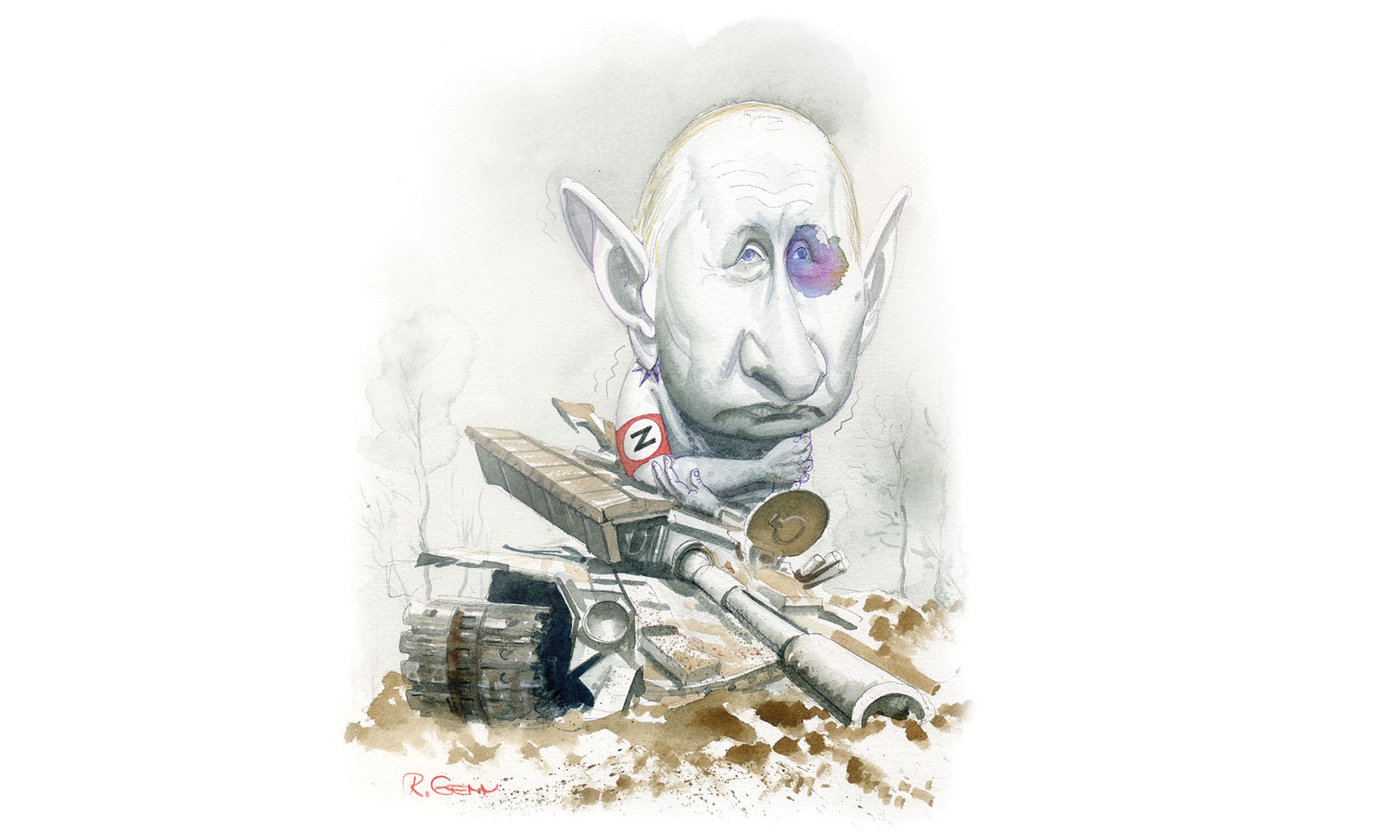
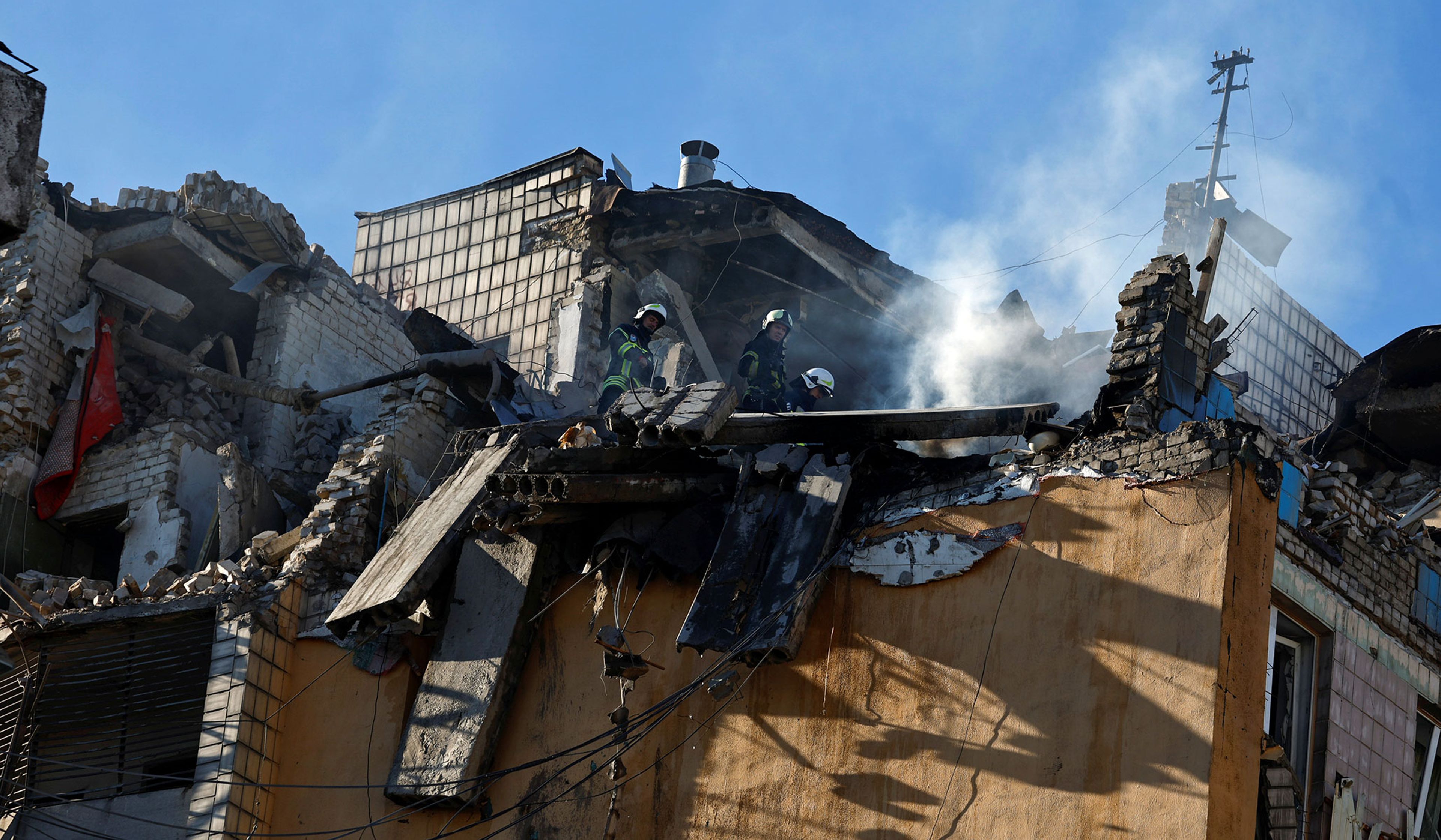
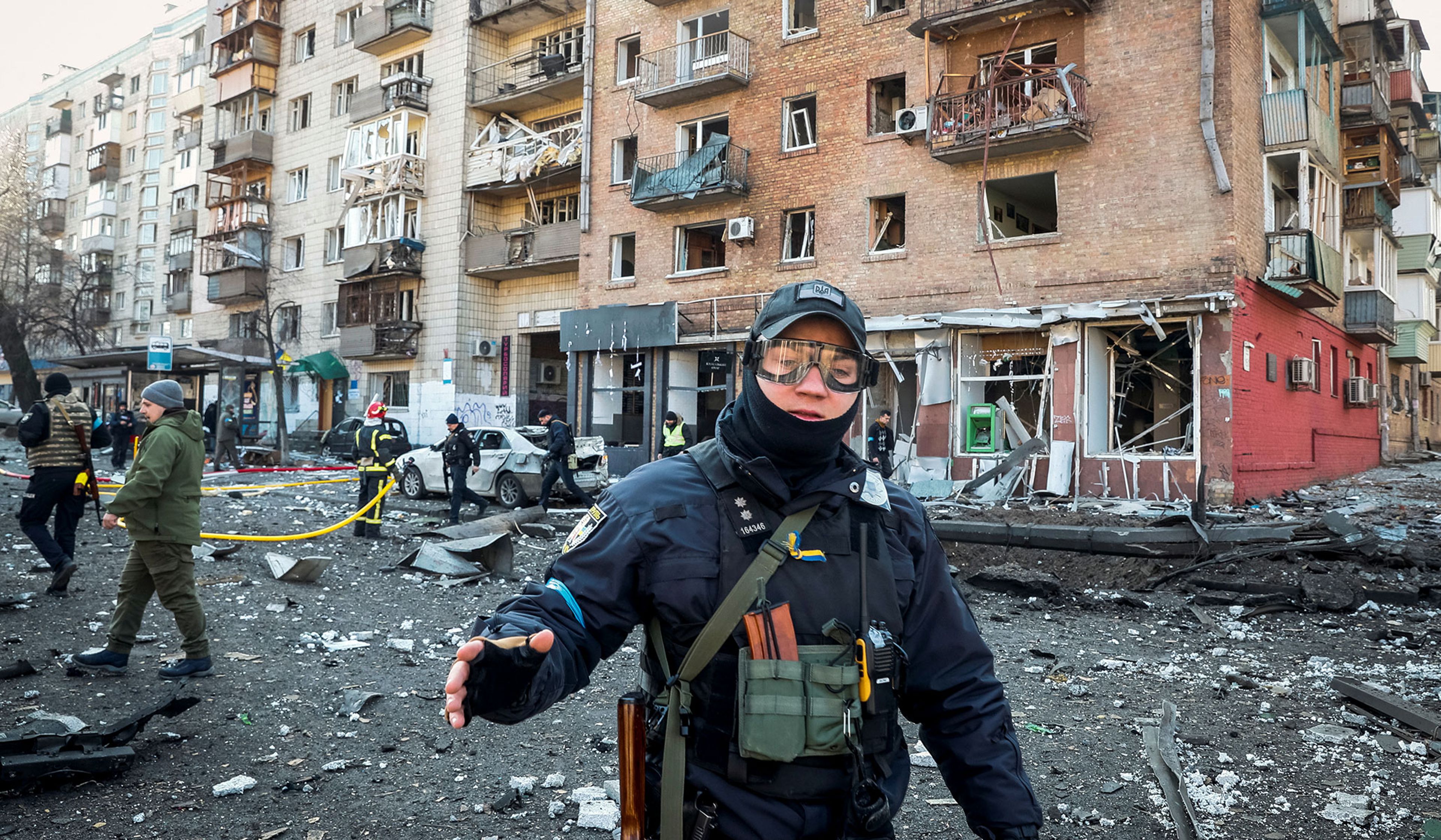
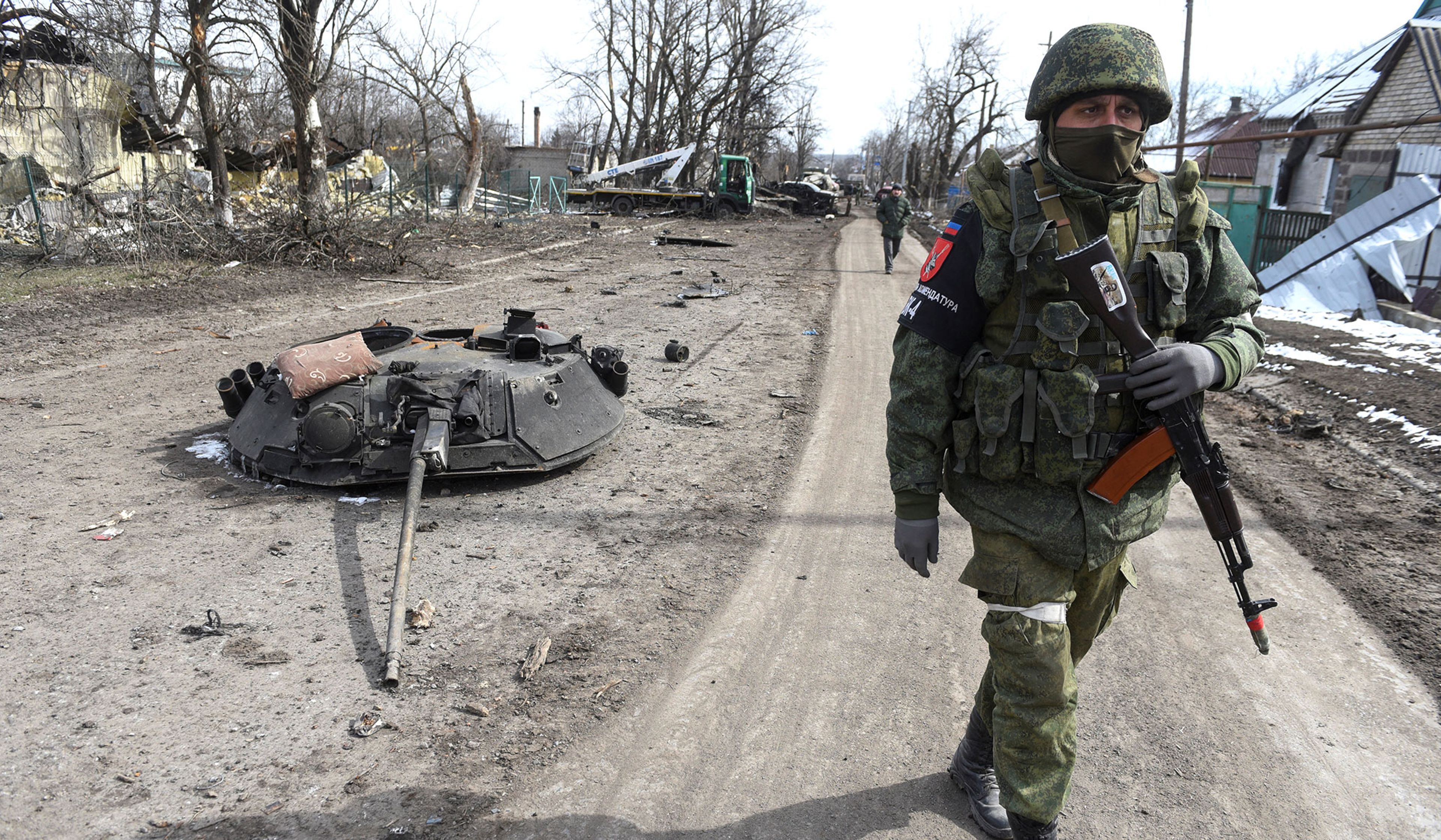
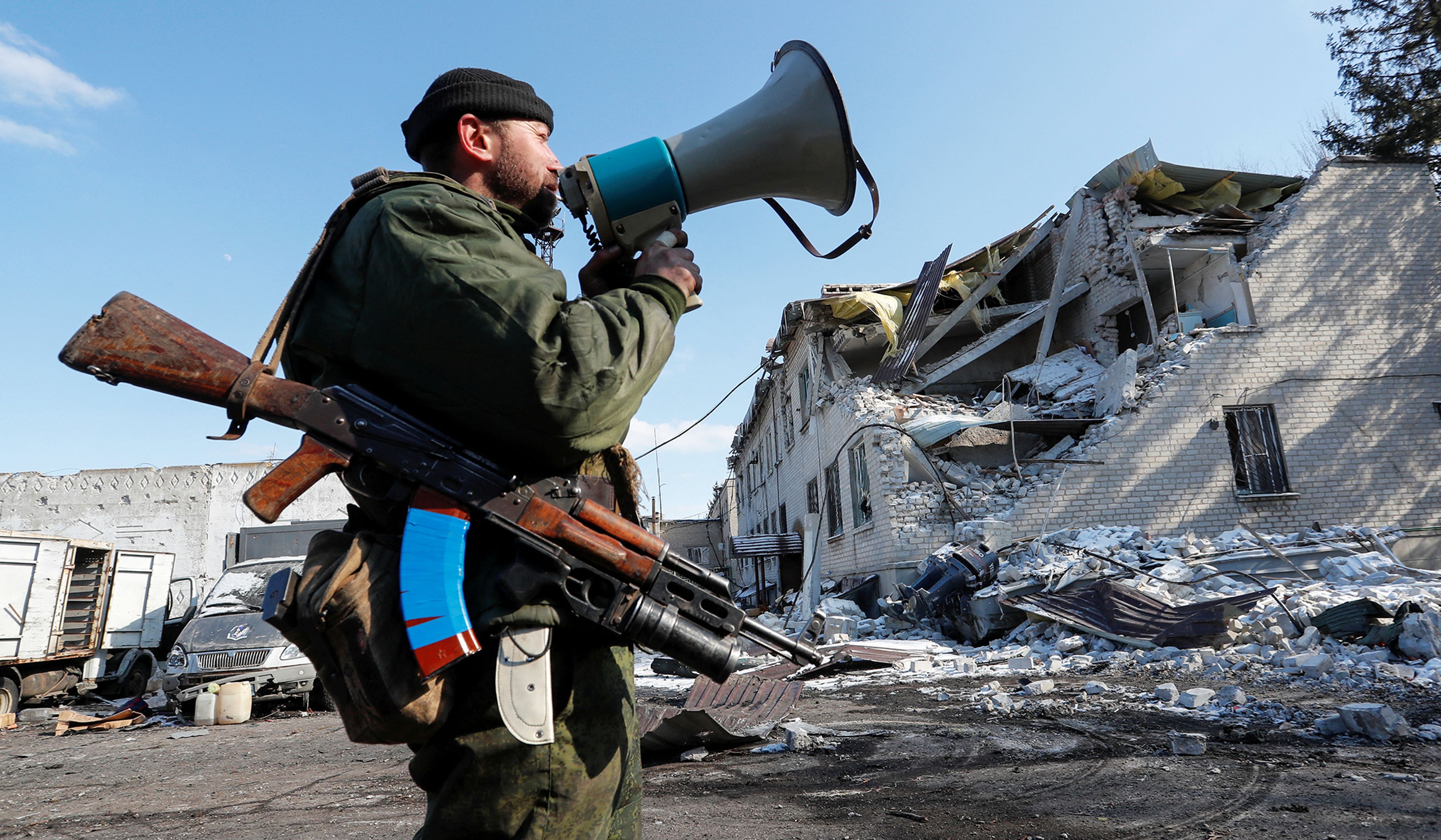
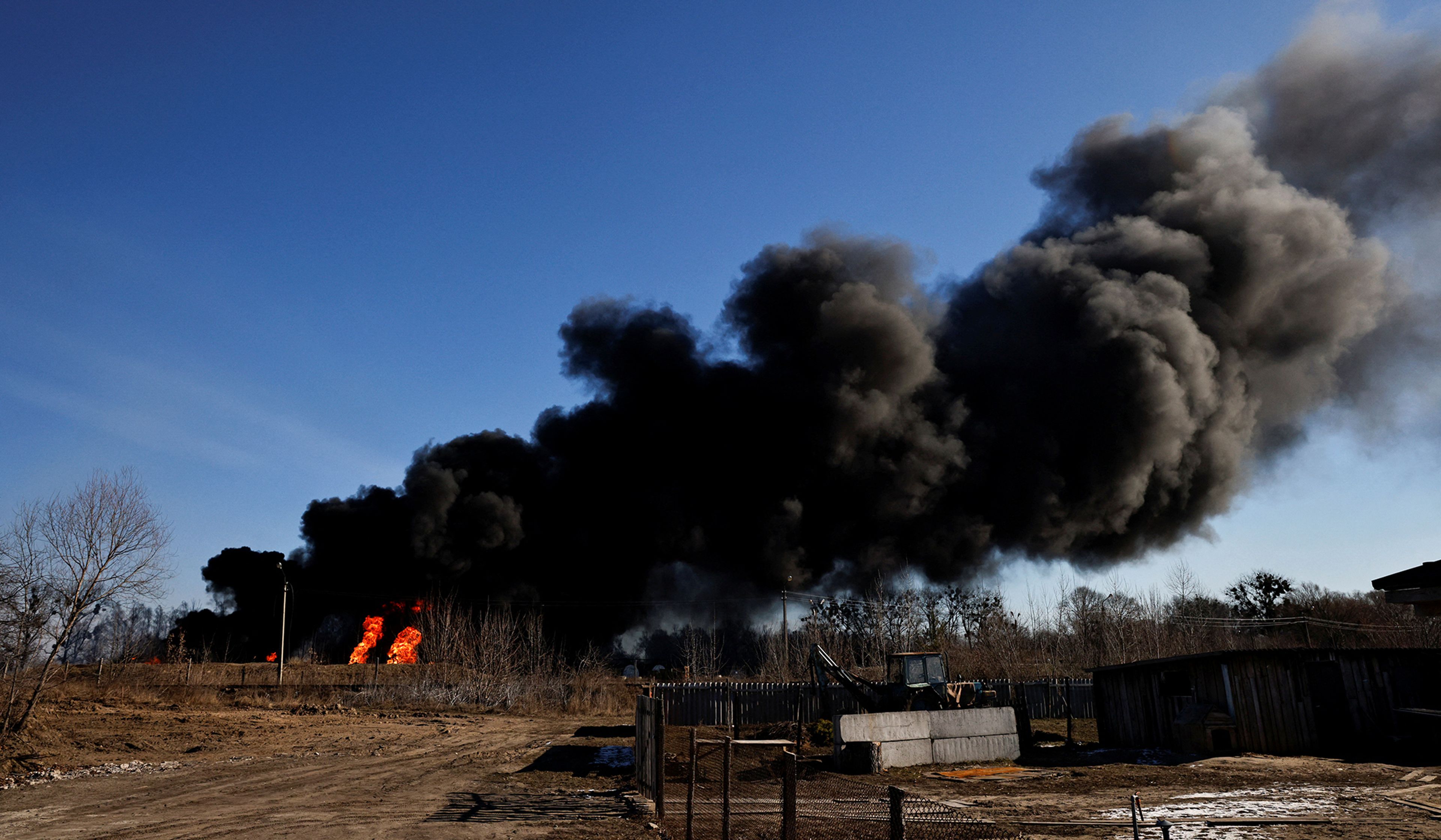
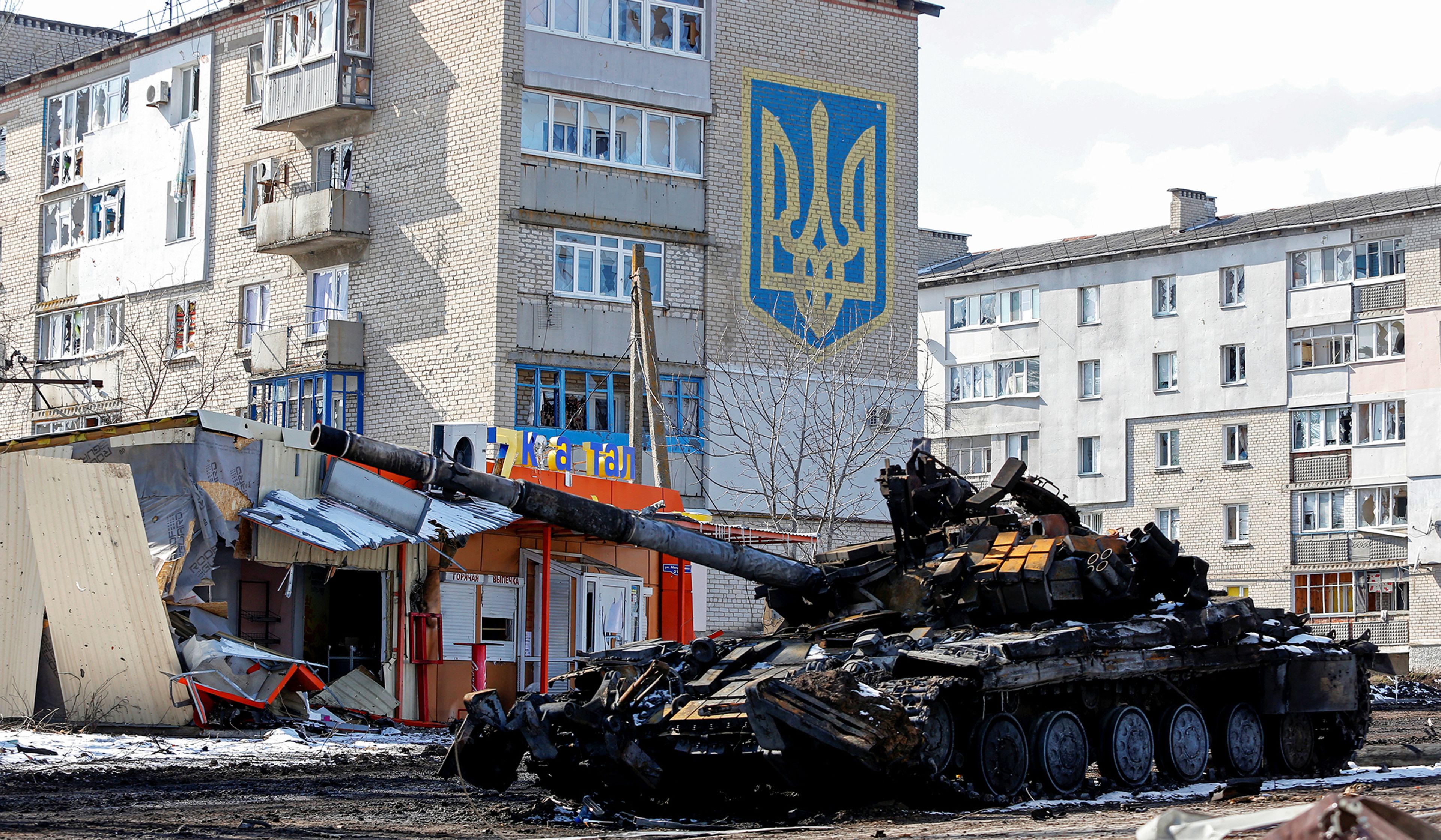
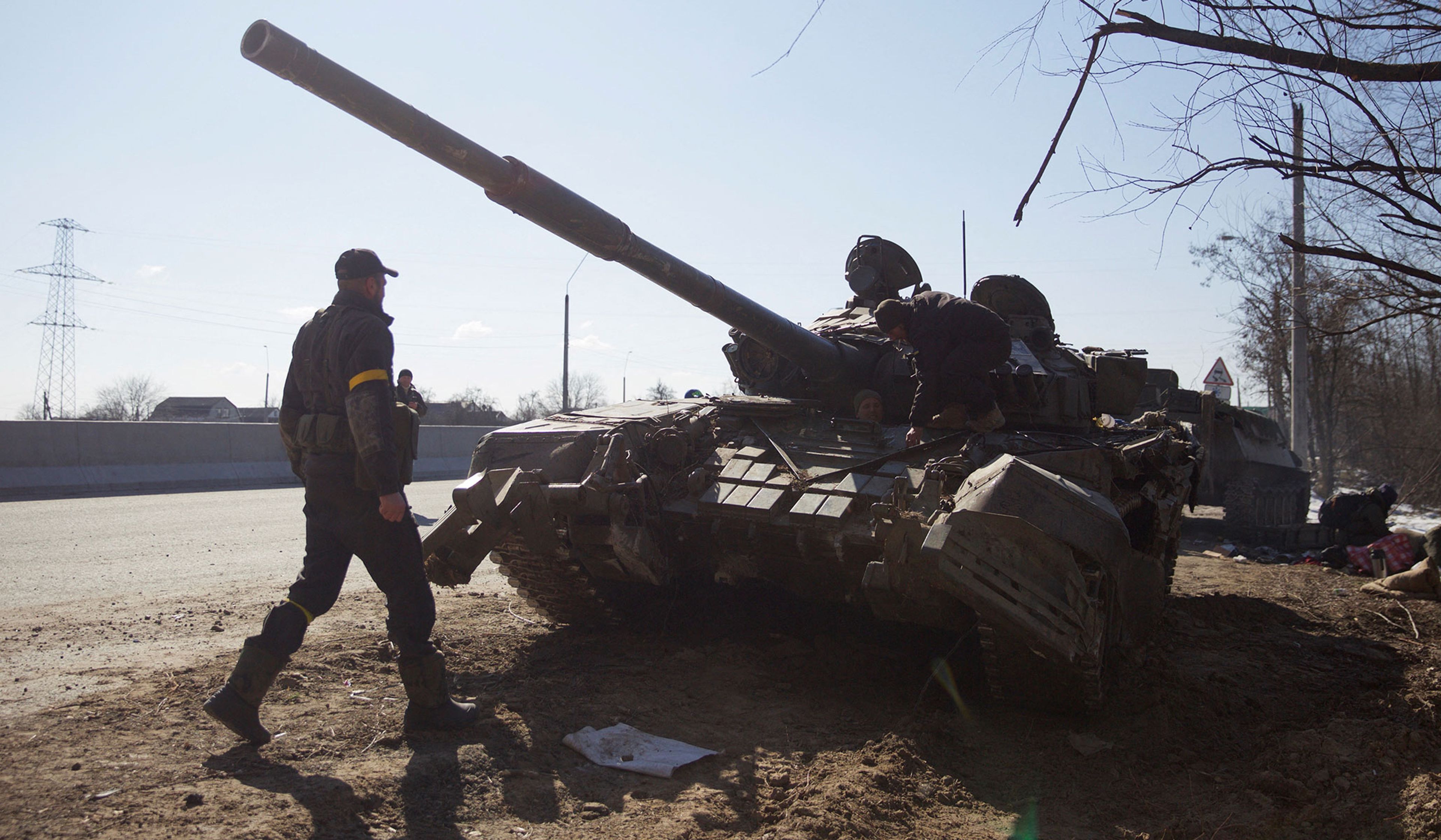
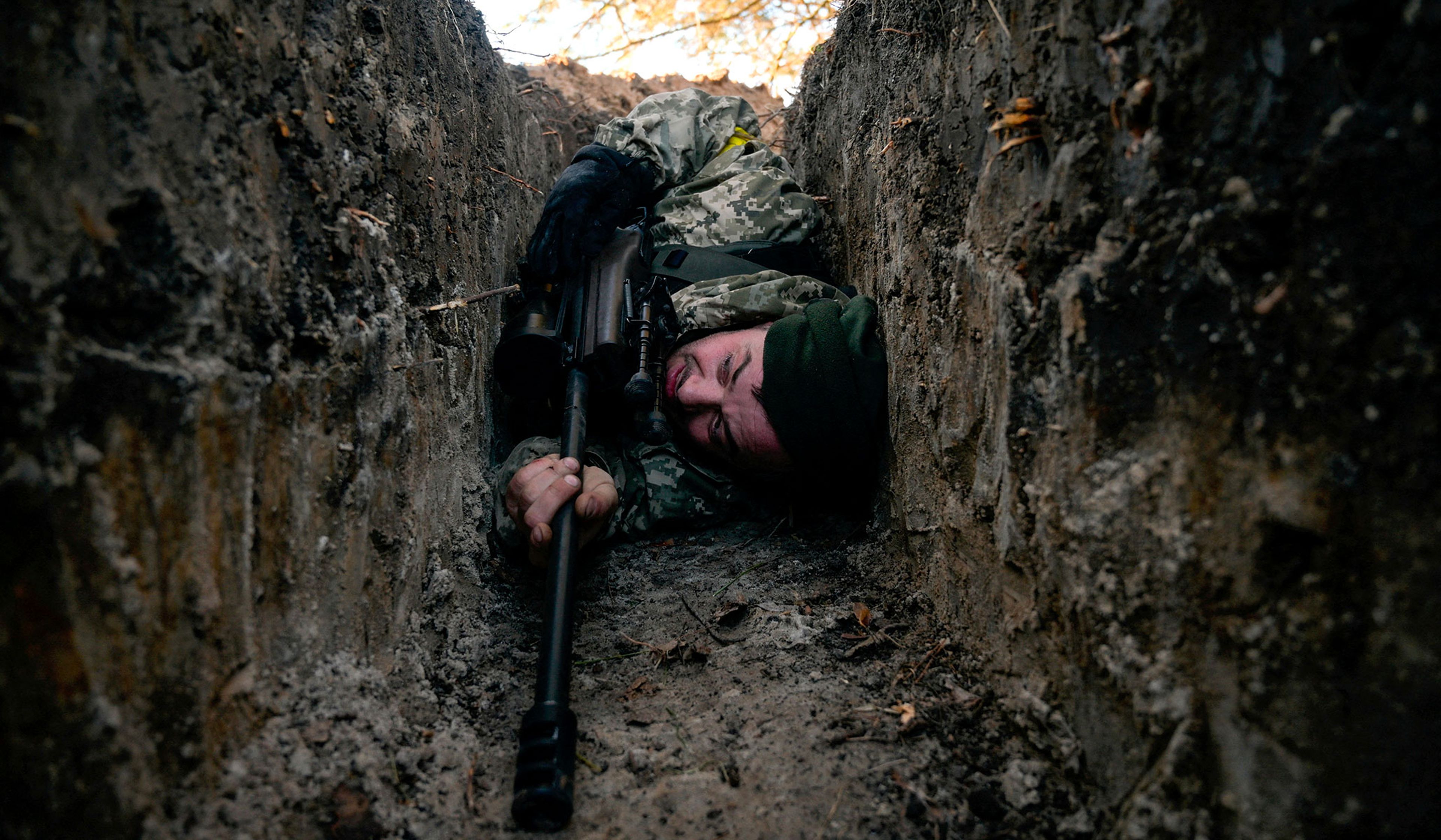
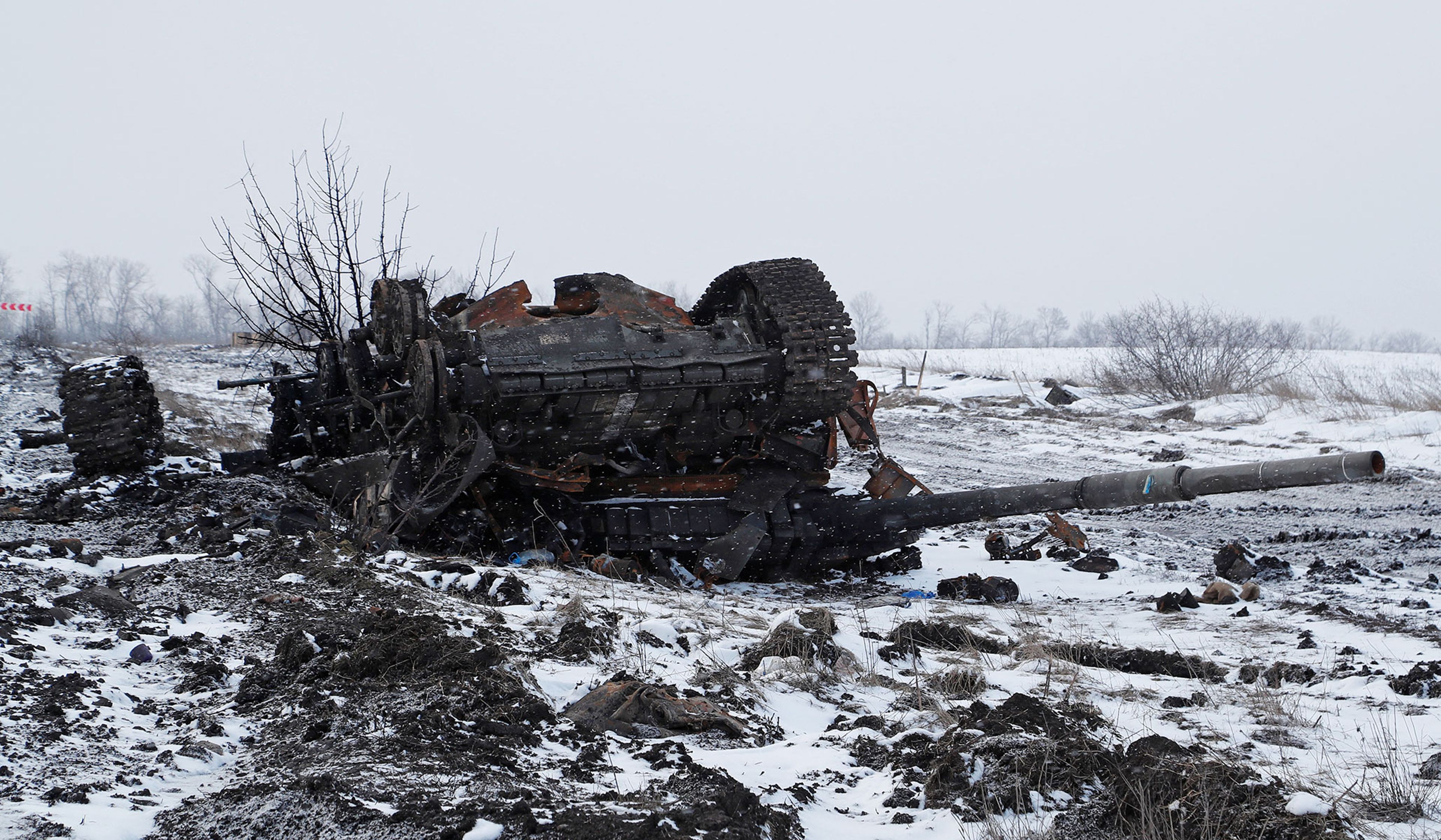
The third week of Russia’s war on Ukraine shows, like its predecessors, gallant resistance, pitiable suffering, and slow Russian progress.
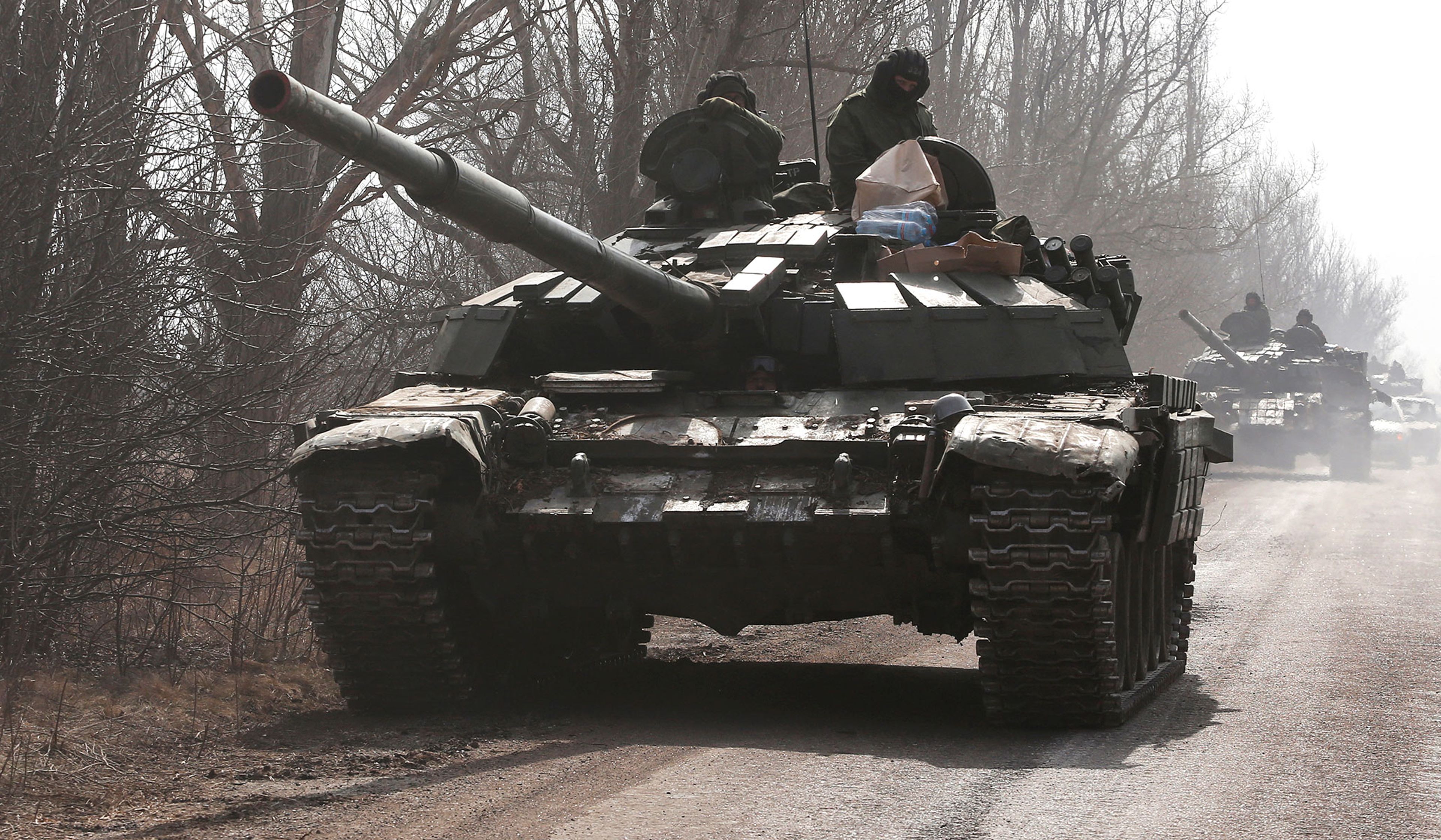
The invaders have made their greatest gains in the south, creating the risk of a Ukraine split in pieces, west and east. In the north, Ukrainians still prevent the encirclement of Kyiv.
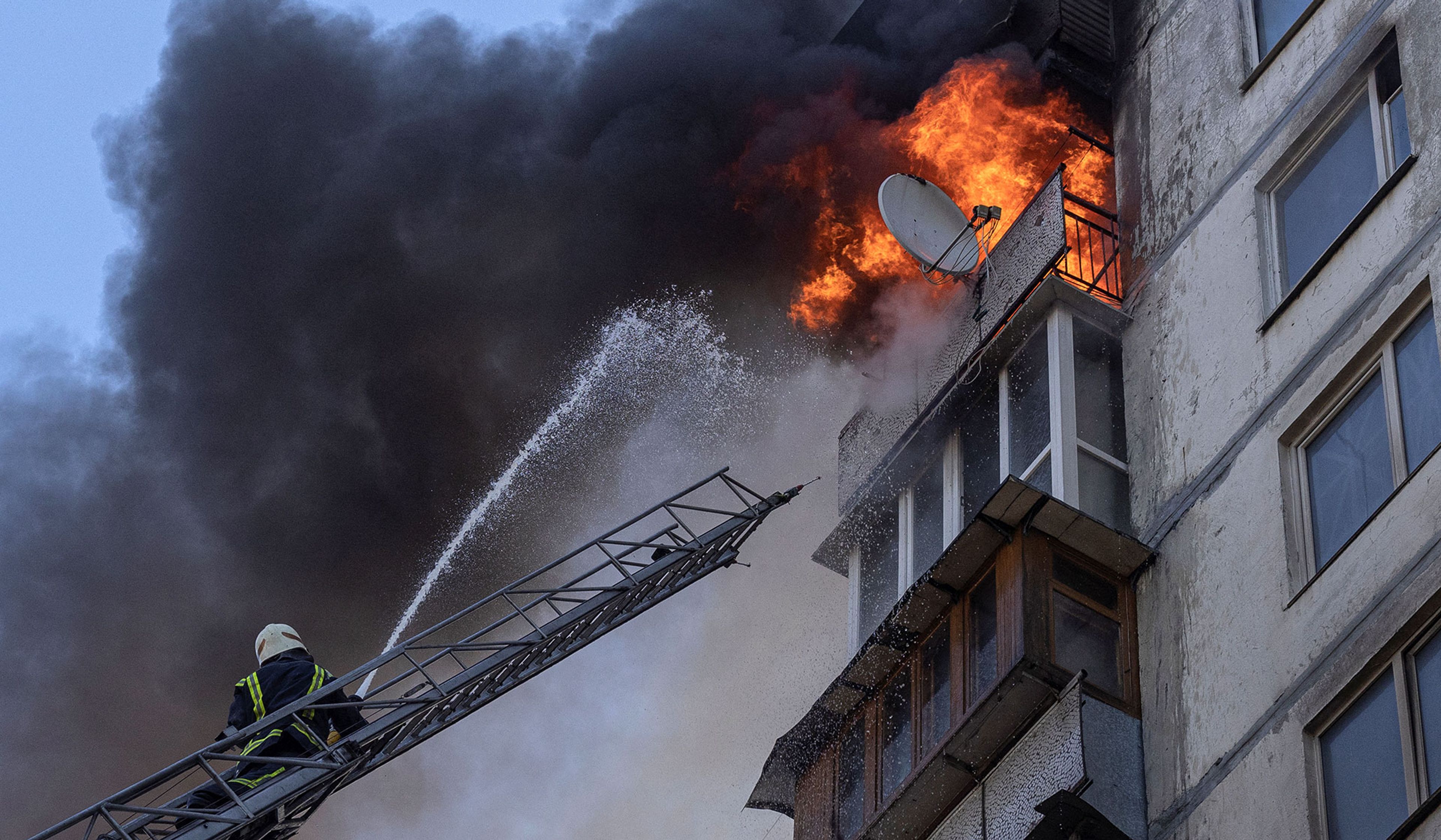
This was not the timetable Vladimir Putin hoped to follow. The usual snafus of war have been multiplied for him by the wretched state of a military whose equipment and readiness have been downgraded by corruption at all levels and whose conscript troops find themselves ill-informed and often unimaginatively led. To make up for lost time, plodding units have resorted to shelling civilian targets. What they cannot take by maneuver they grind down with war crimes. The cities of Kharkiv in the north and Mariupol in the south have been pulverized. Such assaults are not “indiscriminate” in the sense of random; they are intended to terrify.
Images gone viral captured the human cost. A pregnant woman, rescued from a bombed hospital in Mariupol, later died, along with her baby. Doctors in the ER to which she was taken had no time to learn even her name. (The Russian ambassador to the U.N. called photographs of her “fake news.”) A clip broadcast on RFE/RL showed the routine woe of displacement: a pianist near Kyiv playing a Chopin étude as a farewell to the dust-choked piano in her blasted apartment.
The Biden administration too has progressed, though slowly. On March 8 the president announced a ban on new purchases of Russian oil and gas, with a 45-day wind-down of existing contracts. He wisely declined to attempt a no-fly zone over Ukraine, however passionately desired by President Volodymyr Zelensky: The territory involved would be much larger than anything we covered over Serbia or Iraq in earlier wars, and there would be an unavoidable risk of contact with Russian forces. Supplying weapons is different from direct conflict. Why then did the administration first encourage, then veto, Poland’s offer of MiG fighters? The Pentagon claims Ukraine can better use anti-aircraft missiles. Perhaps. But the U.S. and NATO must not back into a position of doing everything except the things that might make a difference, for fear of Russian wrath.
Russia continues to press its second front, which is against its own people. Brave demonstrators are hustled off the streets by goons for holding up blank sheets of paper, thus incarnating a Soviet-era joke (a man is arrested for passing out blank leaflets; “Everyone knows what’s wrong,” he tells the KGB, “so why should I bother to write it down?”). Speaking of the Soviet Union, Russian tanks have been flying hammer-and-sickle flags. Paging Mitt Romney: The Eighties called, and they are back.
Russia has reportedly asked China for military supplies. National-Security Adviser Jake Sullivan warned that America would “not stand by” if China helped Russia evade sanctions. China’s reactions merit careful attention. What has it learned from Russia’s mistakes, relative to its own designs on Taiwan? Does it find Russia a useful ally, or a blundering client?
Americans have been overwhelmingly supportive of the ambushed country. The most glaring exceptions have been on the nationalist-populist right. Strange for nationalists to admire a rival power, or populists a one-man ruler, but so it is, for too many. The syndrome manifests itself in a variety of ways, from praising Putin personally to retailing his lies (e.g., that Ukraine harbored U.S. biolabs).
The Ukrainian war rivets Western eyes more than equal or greater hecatombs in Africa or the Middle East, for reasons greater than racism or simple indifference to the other. Twice in the last century European wars soaked the world in blood. But for a long generation, with the exception of Yugoslavia’s crackup, and even despite the Cold War, Europe was quiet. We are right to be dismayed, and alarmed, by gross violence there.
We must not, however, be fearful. It is natural to hope that Putin and his intimates will fall from their own overreach. But even stopping them in their tracks will require America’s and the West’s energy and will.
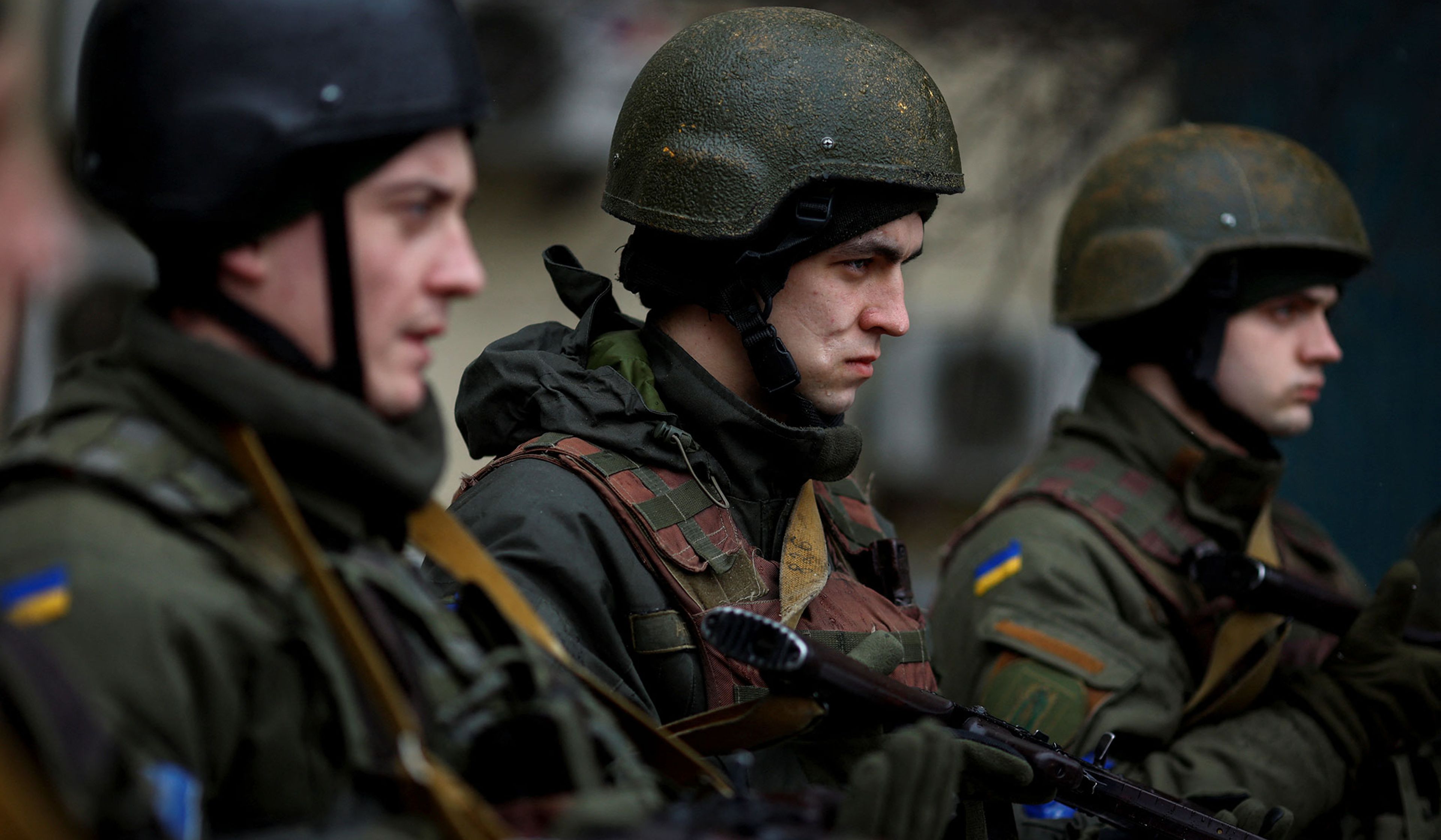


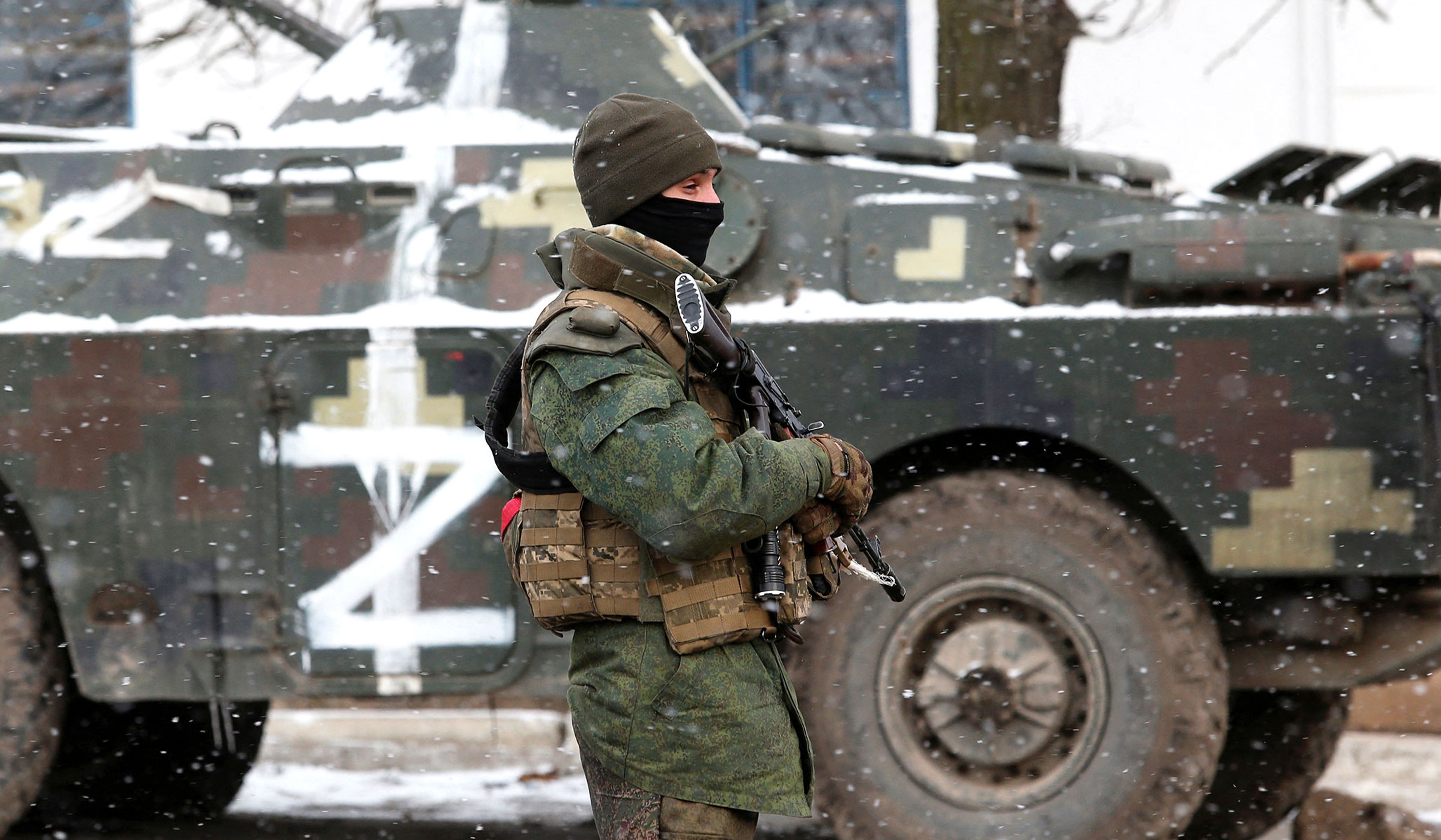
Ukrainian servicemen attend a prayer service in Kyiv before going into battle, March 13, 2022.
Thomas Peter / Reuters











Comments