
I’ve written more than 950 columns, essays, and reviews for National Review but I guess I won’t make it to 1,000. Not without tears, I’m moving on to [name of rival media outlet redacted]. I’d pictured working at NR until politicians stopped being blowhards, until there were no more new movies to review, until I ran out of things to ridicule.
I wound up spending five years here after the Rt. Hon. Charles C. W. Cooke (I think we call him that because it’s so preposterous to imagine this guy speechifying in the House of Commons, given that he always looks like he’s on his way to a NASCAR rally or an elk hunt) asked me to coffee via a Twitter message in the winter of 2017. Charlie, then the editor of National Review Online, was pulling a Charles Foster Kane and simply poaching his favorite writers from other publications. He knew exactly how to reel me in: by waxing rhapsodic about Supertramp, for whom our mutual love is boundless.
At the time I had been working for the New York Post for many years — also a great job. But the gig Charlie had in mind for me sounded ideal. I could write about anything I liked, and no one would ever hassle me about whether I was “driving traffic” or “generating clicks.” And so it came to pass. For five years I sprang out of bed every day and just wrote about whatever fool thing was on my mind. Yacht rock! Saturday Night Fever! John Roberts’s interior monologue! I even got to choose my own title, “critic-at-large.” At last, I was duly licensed to criticize everything.
Most news outlets demand that their writers forge some connection, however obscure or tenuous, to that particular day. But liberty isn’t just our philosophical inclination, it’s what we run this little pirate-radio station with. I was free to skip meetings or even to eschew showing up at the office. As long as I kept lashing together 800 words of publishable prose four times a week, the rent check would not bounce. Working at NR is like being part of a gang of exceptionally imaginative and frolicsome nine-year-olds playing in the backyard on a summer day, making up new games on the fly for no purpose except to amuse ourselves. In stark contrast to the other publications I’ve worked for, I never heard anyone say, “But what will the readers think if we do that?” We write whatever pleases us. The readers either get it or they don’t.
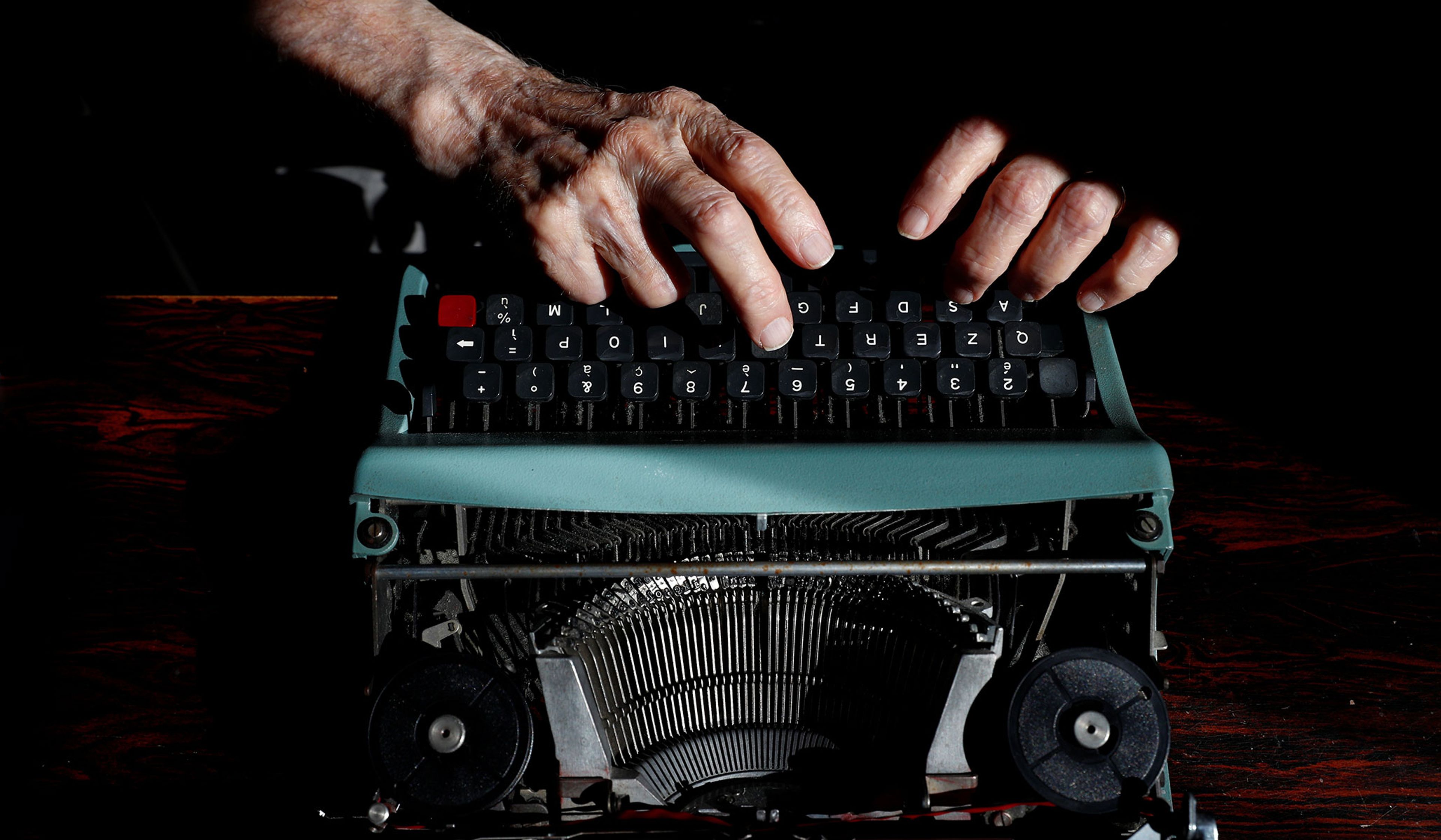
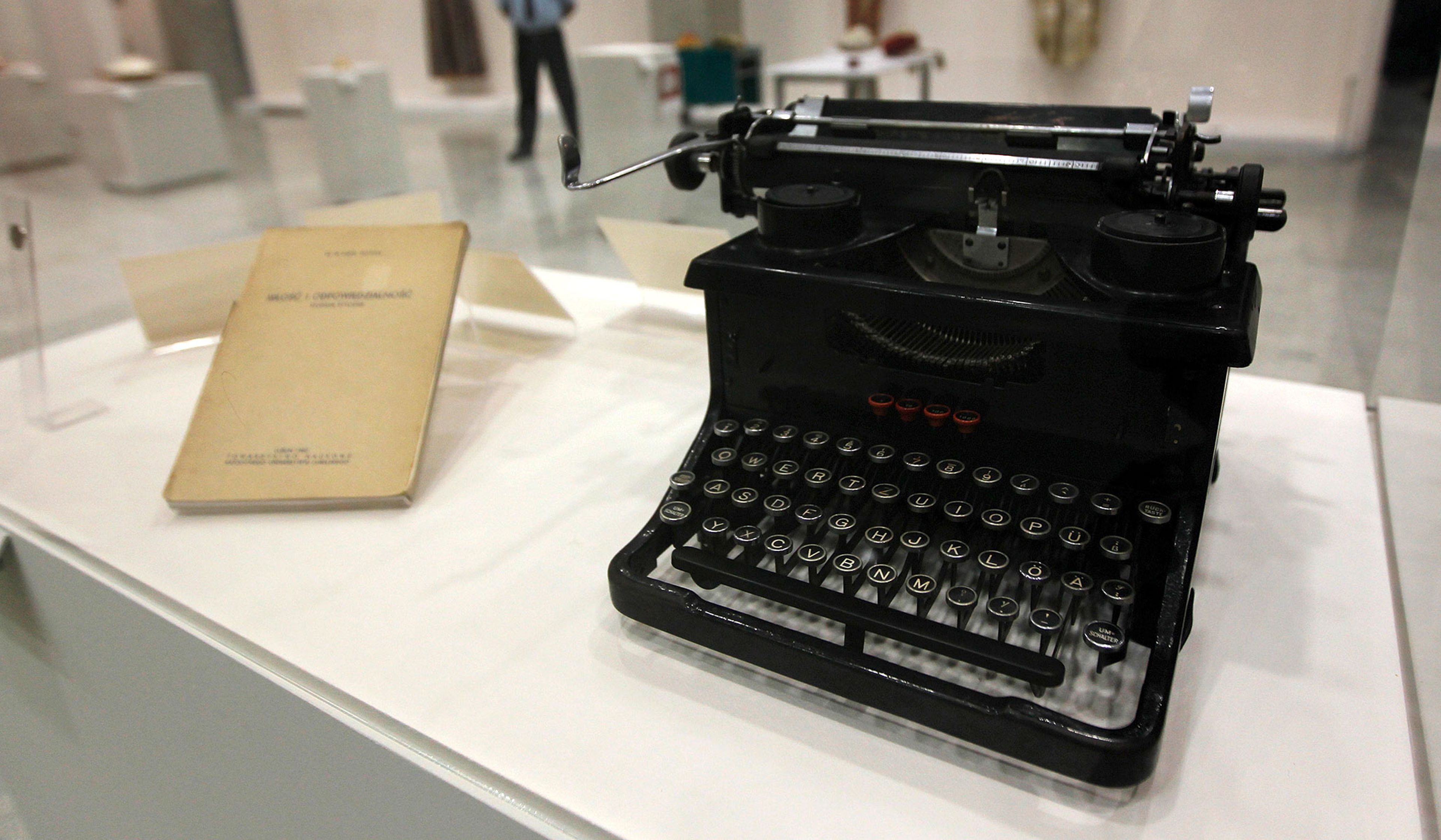
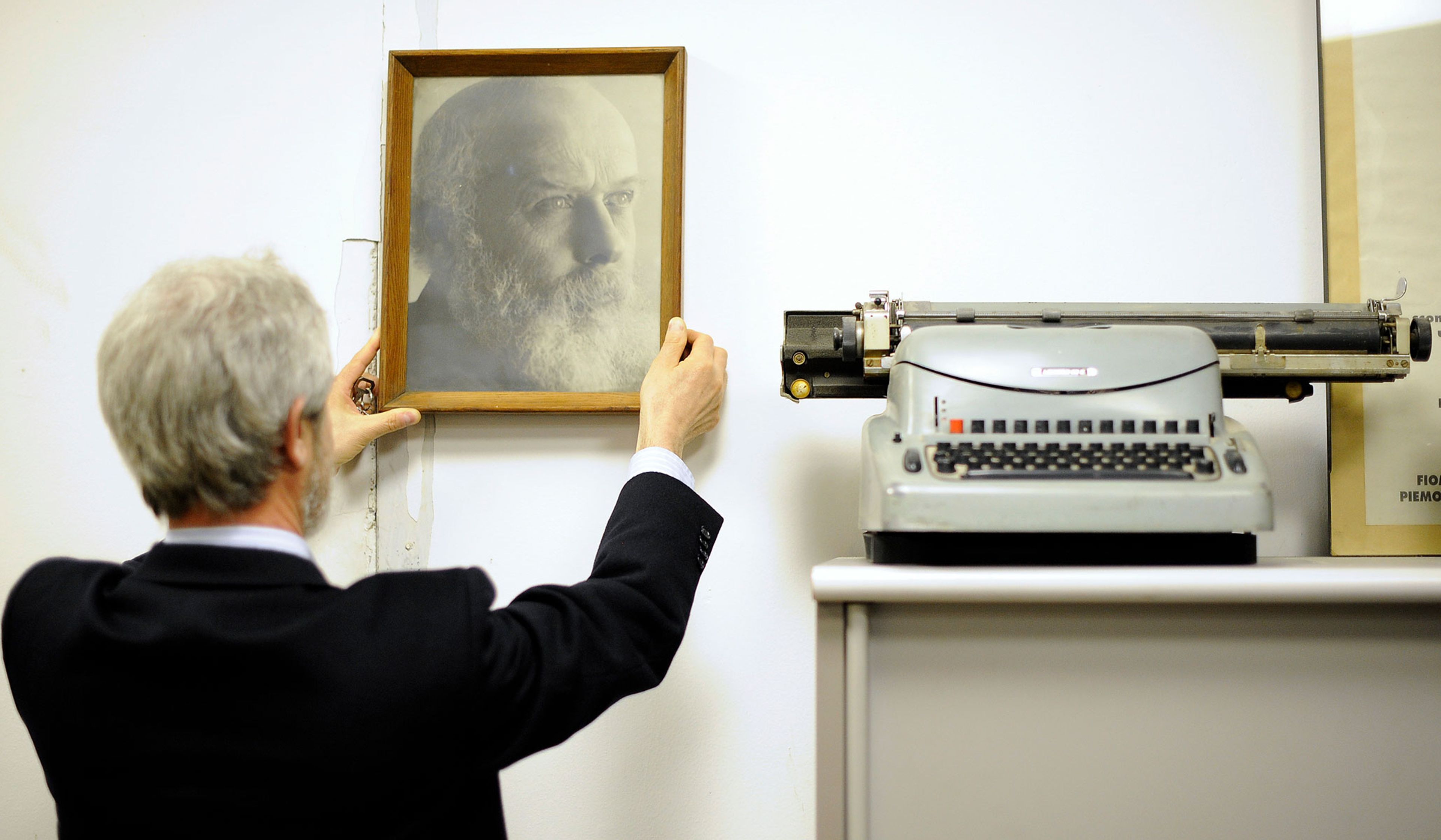
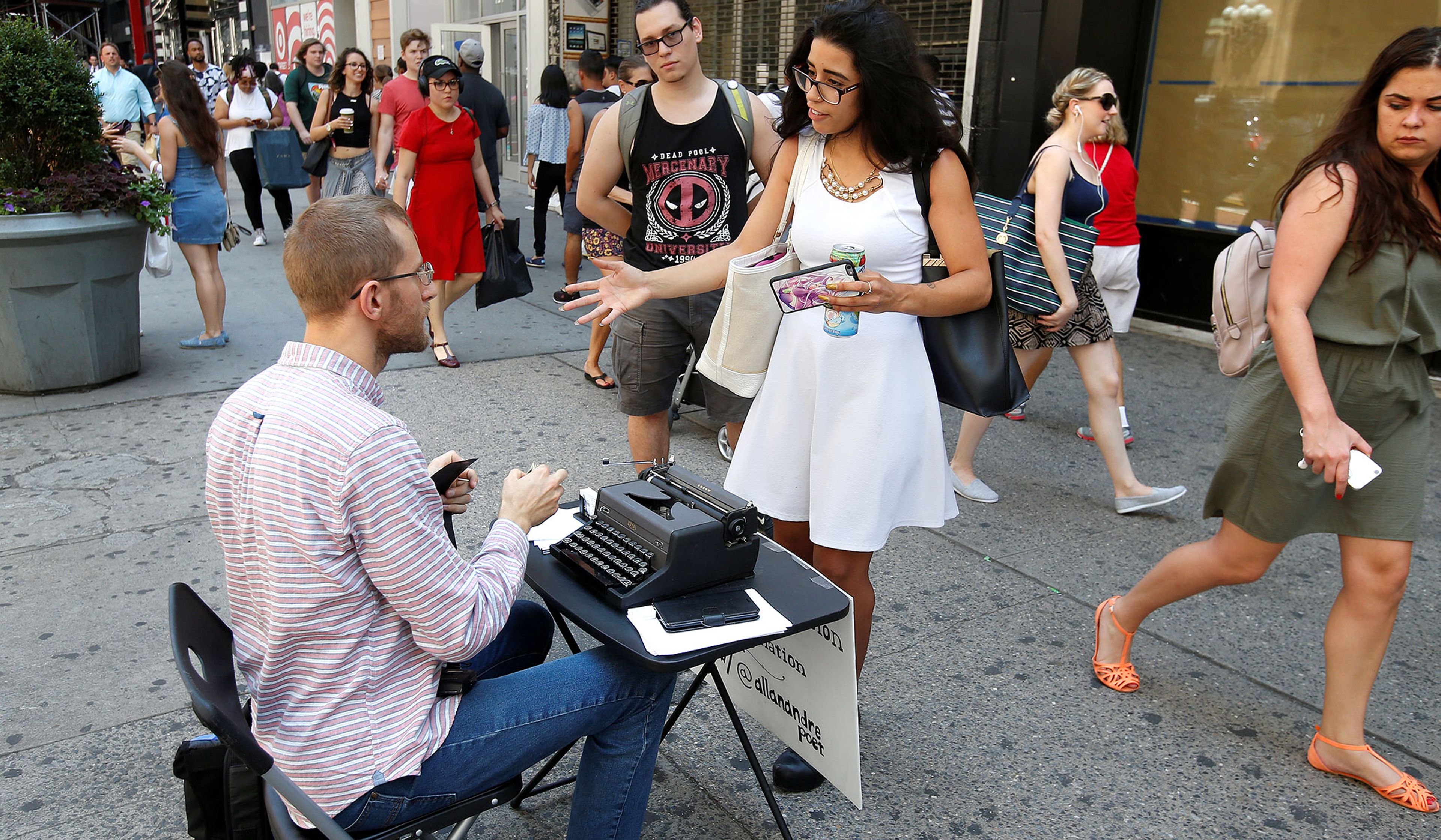

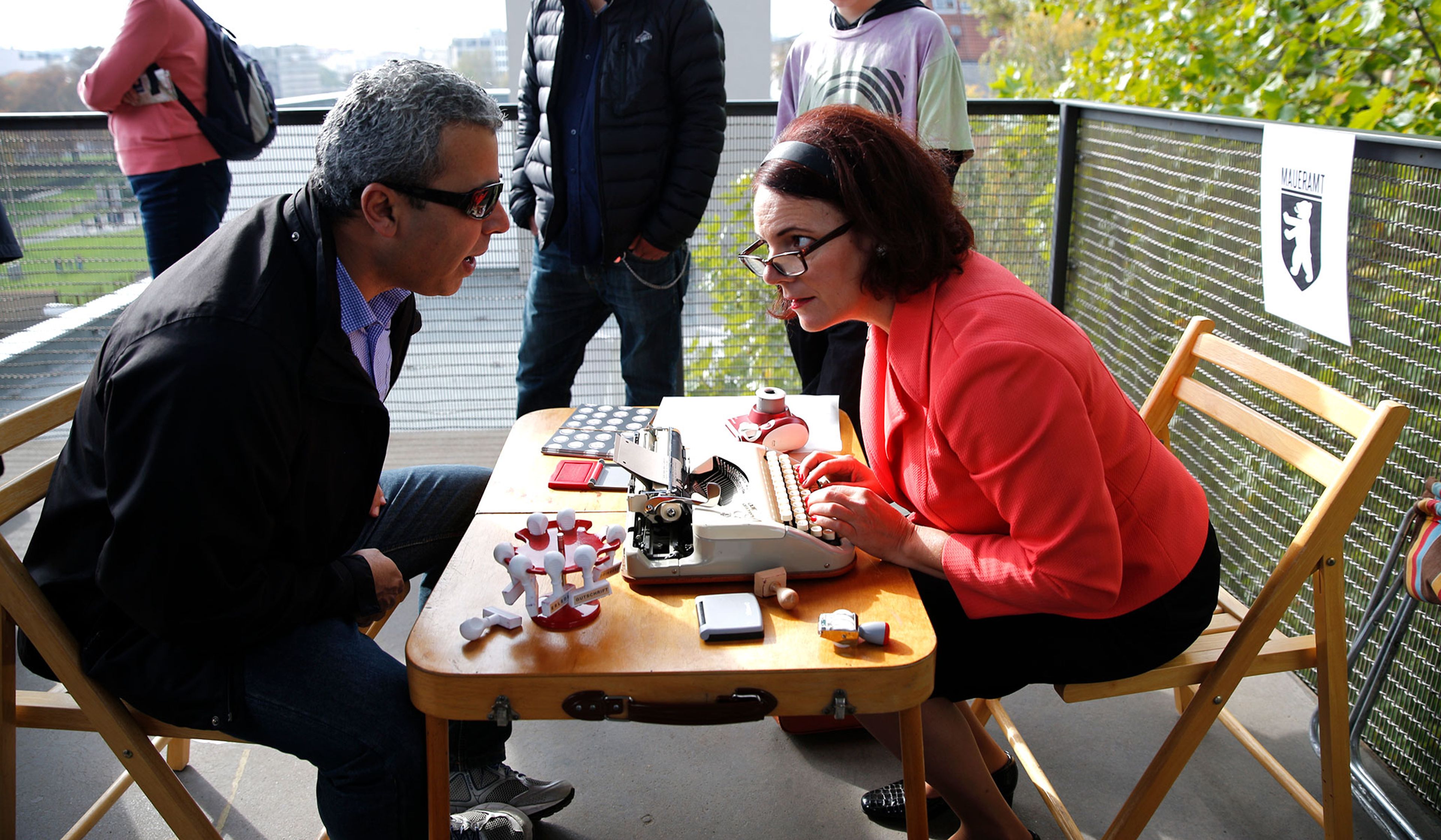
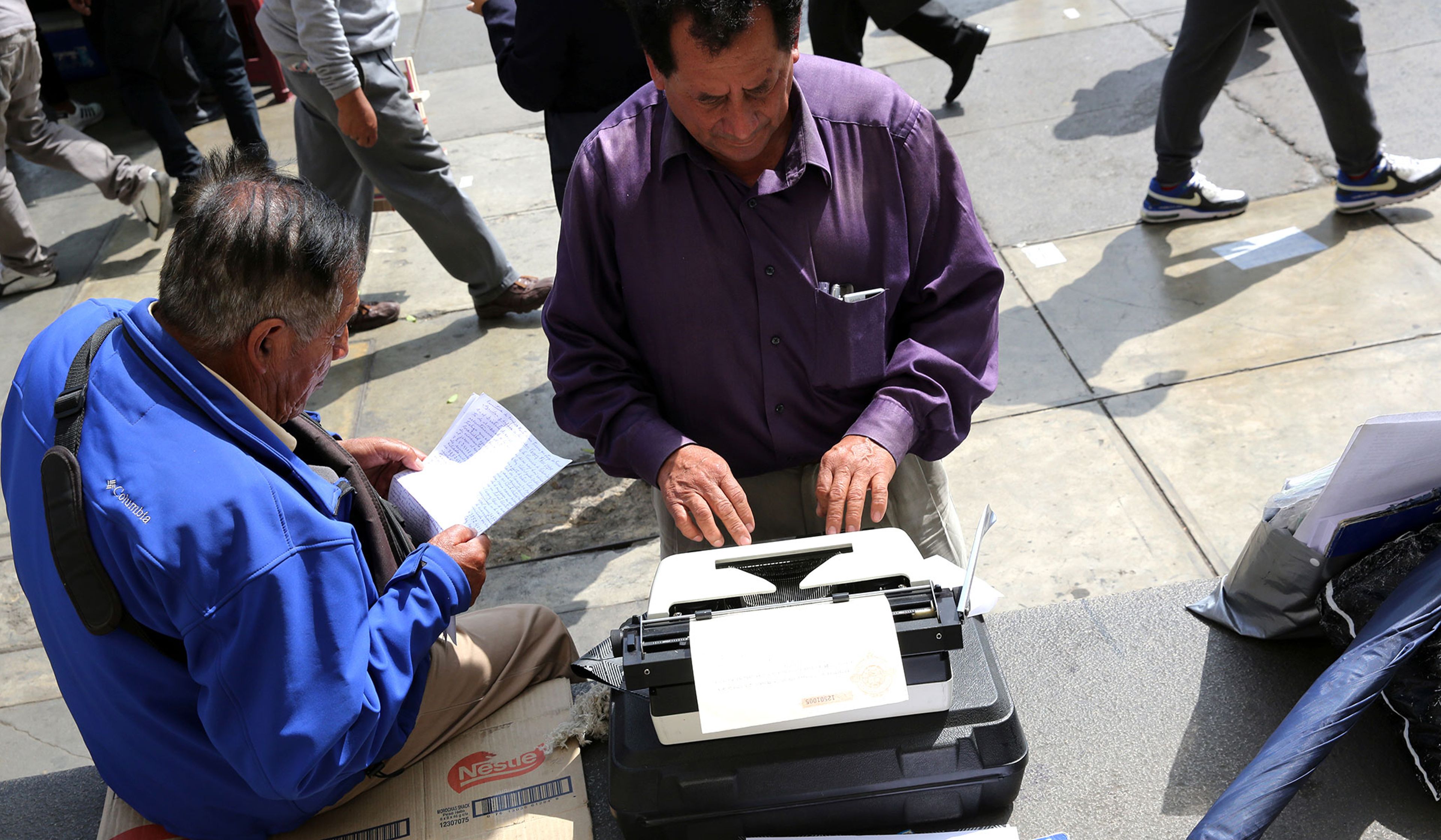
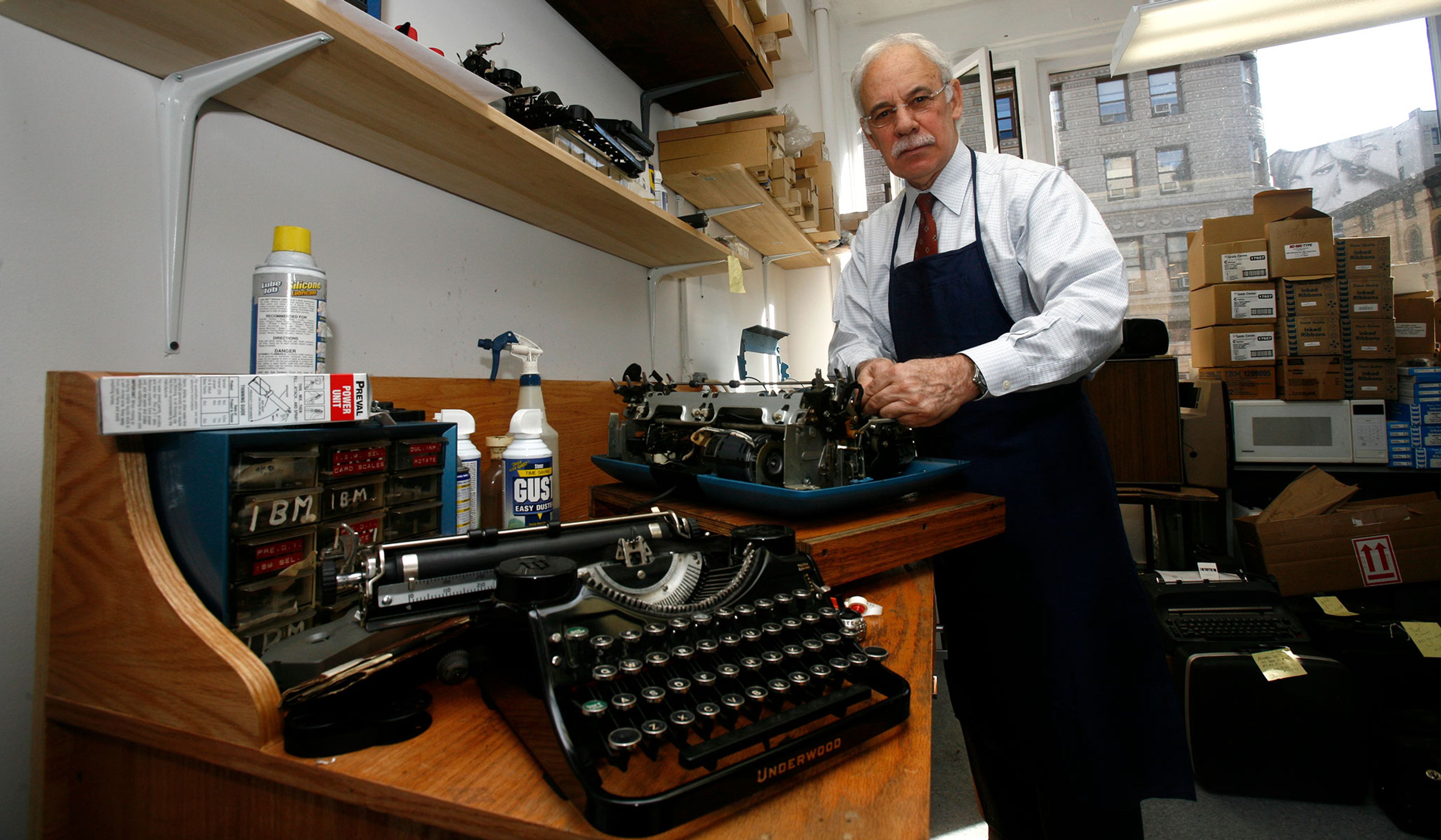
Giuseppe Paterno, 96, Italy’s oldest student, uses his typewriter a day before he graduates from The University of Palermo with an undergraduate degree in history and philosophy, at his home in Palermo, Italy, 2020.
Guglielmo Mangiapane/Reuters
Before I joined NR, I would eagerly go to the home page after lunch, and there was almost always something new by one of the three most hilarious columnists I know — Charlie, Kevin Williamson, or Jonah Goldberg. Sometimes all three of them would be there at the same time, dragon-breathing on the latest Washington idiocy or shredding some cultural piety. The idea of seeing my name on the screen beside theirs was intimidating, but I kept telling myself that even the 1927 Yankees needed a backup second baseman. Besides, those guys were too busy rereading the Federalist Papers or pondering the Hegelianism of Woodrow Wilson to bother making fun of the Golden Globes. I like to think I helped shine WFB’s light on precincts of the culture that would have escaped his notice. Conservatives should resist the impulse to turn up our collective nose at mass-market entertainment and peer down at the world through our monocles. Also, a lot of things that shape the American psyche have nothing to do with the emanations from Capitol Hill.
I’d be exaggerating, however, if I said I actually enjoyed working here, because it was an awful lot of writing, and, as with most writers, a thing I really hate to do is write. I do it, moaningly, because I can’t do anything more useful. Previously, the men in my family worked with their hands, but if I were an electrician, I would have zapped myself to ashes a long time ago. If I were a bricklayer, your building would fall over.
Someone pointed out that my profile of Beto O’Rourke was a lot of fun, and I had to disagree because I’d forgotten what I wrote. All I could remember was how I wrote it: the Platoon-like jungle slog of inching ahead, sentence by agonizing sentence, partly at the St. Agnes Library on the Upper West Side of Manhattan, and then, as the evening deadline loomed, moving over to the Barnes & Noble on Broadway and 82nd Street so I could swill coffee as I wrote, each syllable like doing a squat thrust. Structuring a joke is about as much fun as structuring a tax shelter. Now that I’ve forgotten what was in the piece, though, I can read it over — the three minutes’ worth of words that are left after nine hours of rubbing my forehead and staring into space — and amuse myself. As a reader, I’m completely in tune with the writer’s sense of humor.
So it was worth the effort even though, as with everything else I wrote for NR, right before I hit “Send,” I thought: This isn’t quite good enough, but I’m tired and my time is up. Then I thought: And yet they not only pay me for this, they toss me in there next to Cooke and Williamson and all the rest! “Good night, geniuses!” our longtime publisher Jack Fowler used to say when he was leaving the office, and the gobsmacking level of talent around me proved him right every day. Like the guy who played backup second base for the 1927 Yankees (Ray Morehart), I excelled at one thing: adjacency to greatness.












Comments