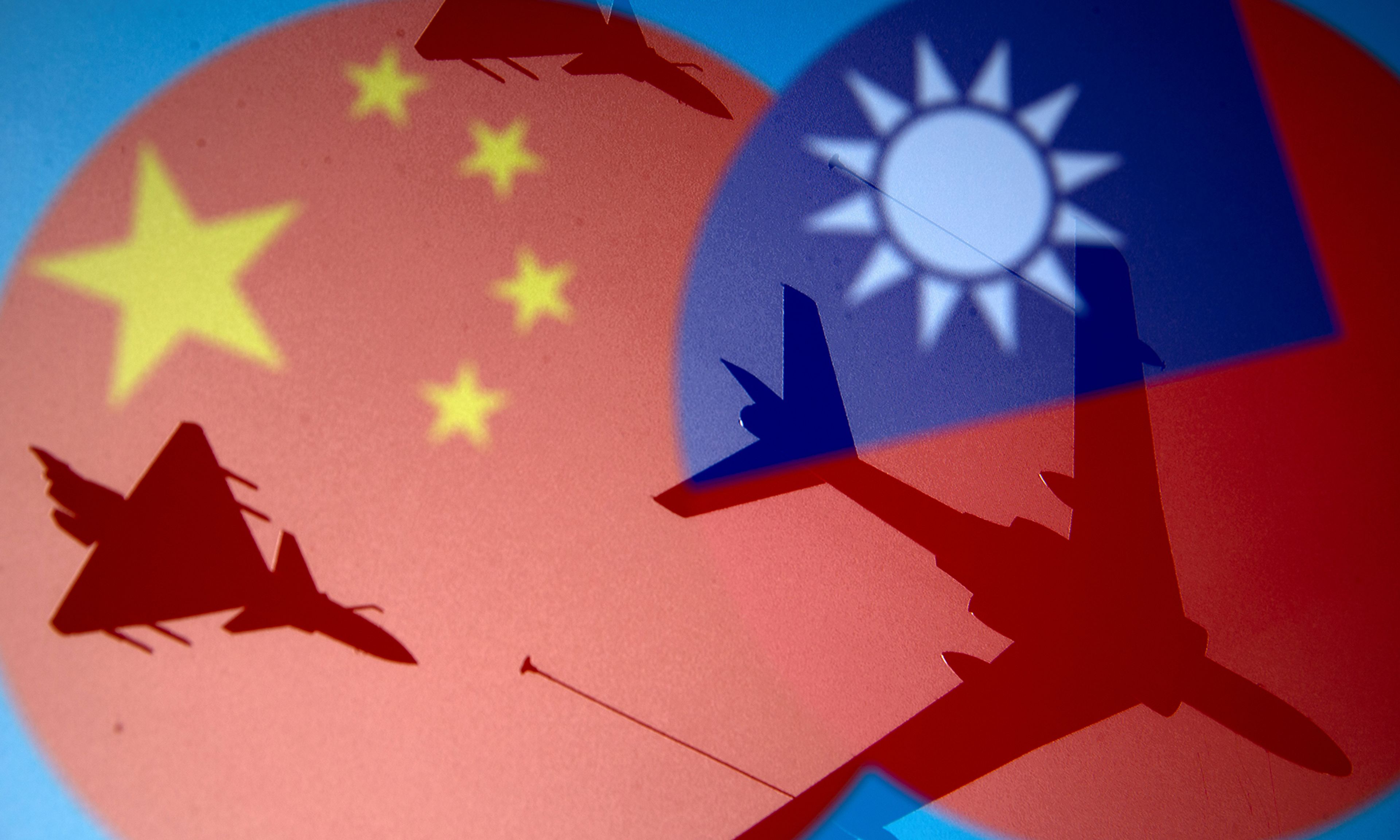
In May 2001, the top Democrat on the Senate Foreign Relations Committee wrote in the Washington Post about U.S. policy toward China and Taiwan. The column chastised the new president, George W. Bush, for saying the U.S. would do “whatever it took” to defend Taiwan. It noted that the U.S. had no explicit obligation to defend Taiwan but had helped maintain peace for decades through “strategic ambiguity”: provide Taiwan military support, encourage peaceful resolution, do not support either side’s changing the status quo by force.
That senator is now the president. Much else has changed since 2001, when Senator Biden’s comments reflected the policy consensus that we should accommodate the emergence of the People’s Republic of China (PRC) into the community of nations that many thought would follow Deng Xiaoping’s market-based economic reforms. This approach led to tolerance of Beijing’s transgressions and the need to keep Taiwan at arm’s length while professing support.
Today the world sees the PRC quite differently. Policy-makers and leaders of both parties acknowledge their error over many years in assuming that China would join the world on the world’s terms. Today the PRC is seen as a threat to international order and an assertive, aggressive competitor that must be kept in check. So far, the Biden administration’s words and actions reflect this approach.
But Taiwan also has changed in fundamental ways since strategic ambiguity was developed, after President Carter broke diplomatic relations with the Republic of China on Taiwan in 1979 in favor of the PRC. The Trump administration recognized these changes and upgraded U.S. diplomatic and political engagement with Taiwan. Biden’s team has sustained some of the more forward-leaning practices of its predecessor. It only makes sense that if policy toward China is changing, so too should policy toward Taiwan.
The debate is joined on the question of whether strategic ambiguity should continue, but the alternative isn’t necessarily “strategic clarity,” which is how the issue is unfolding. The U.S. can reserve the flexibility a superpower needs even while it provides more clarity about its intentions. What really is needed is “strategic coherence” — a policy based on the reality of today, not on what existed 40 years ago.
No less an authority than the outgoing commander of the U.S. Indo-Pacific Command, Admiral Phil Davidson, told the Senate Armed Services Committee in March that he welcomes a reassessment of U.S. policy. Davidson noted that “more than 40 years of the strategic ambiguity has helped keep Taiwan in its current status” but that “these things should be reconsidered routinely.”
Reviewing Taiwan policy starts with acknowledging how much has changed since 1979, when Taiwan was a one-party authoritarian state. The Kuomintang (KMT), or Chinese Nationalist Party, reflected the vision of Generalissimo Chiang Kai-shek, Mao Zedong’s anti-communist foe, who had died just four years earlier. The KMT’s goal was reunification with the mainland to establish Nationalist rule — from Beijing. Taiwan’s politics and society were dominated by the more than 1 million Chinese who had fled there with Chiang after the Communist victory in 1949.
But the Taiwanese adapted to survive, as always, and thrived in the process. Taiwan is often called “the Heart of Asia” because of its central location, but the image goes beyond geography. On a rocky Pacific outcrop roughly the size of Maryland, one of the world’s most vibrant democratic capitalist nations sits with its 24 million people. Modern Taiwan’s culture and identity draw on the languages, traditions, and histories of the aboriginal Austronesian people, on the descendants of 17th-century Hoklo and Hakka immigrants from southeastern Chinese provinces, and on the mid-20th-century wave of immigrants fleeing mainland communism. These strands have combined to form a progressive people with a distinctive global image: innovative, agile, creative, and trend-setting. Strategic ambiguity depends on denying an inconvenient truth: Taiwan is an important, modern country in its own right.
And a wealthy one. In per capita GDP at purchasing-power parity, the IMF ranks the U.S. as the seventh wealthiest country in the world. Taiwan is twelfth, higher than Germany (15th). The PRC is 70th. Taiwan holds a strategic geographic position in the South China Sea, through which about a third of global maritime trade passes each year. That includes about 40 percent of the PRC’s total trade and most of its energy imports. Taiwan exports electronics, petrochemicals, stainless steel, telephones, LCDs, integrated circuits, and semiconductor devices. Taiwan is known as “Asia’s Silicon Valley,” and some of the most sophisticated technology in the world is developed and produced by Taiwanese engineers and entrepreneurs. Silicon Valley itself has welcomed Taiwan’s innovation; Nvidia, Yahoo, YouTube, and others have Taiwanese-born founders. About 60 percent of the global semiconductor market is sourced in Taiwan; one company alone — Taiwan Semiconductor Manufacturing Company — is responsible for more than half of global production.
Because of its obvious importance in the region and in the world economy, Taiwan hosts representatives of more than 60 countries, despite having formal diplomatic relations with just 14 plus the Vatican. The U.S. is represented by the American Institute in Taiwan (which I chaired from 2002 to 2004), a government-run private body whose 450-member staff, a mix of U.S. State Department personnel and local nationals, provides visas and other consular services. Some 145 countries allow visa-free travel for Taiwanese citizens.
Taiwan’s politics also have evolved since 1979. The KMT remains an important party, but it has lost the last two presidential elections and four of six since 2000. It suffers from being seen as too aligned with the notion of a “China” identity encompassing the mainland.
The beneficiary and voice of a distinct Taiwanese identity is the Democratic Progressive Party (DPP), which had its origins as a liberal, intellectual, anti-nuclear-power, pro-independence opposition to the KMT. The DPP came to prominence as the “not-KMT” party at a time when the KMT had become corrupt and entrenched after half a century of rule. That began to change when three-term KMT president Lee Teng-hui, the first president born in Taiwan, forced through democratic reforms that eventually saw him expelled from his own party. He responded by establishing the pro-independence Taiwan Solidarity Union, which is allied with the DPP in the so-called Pan-Green coalition.
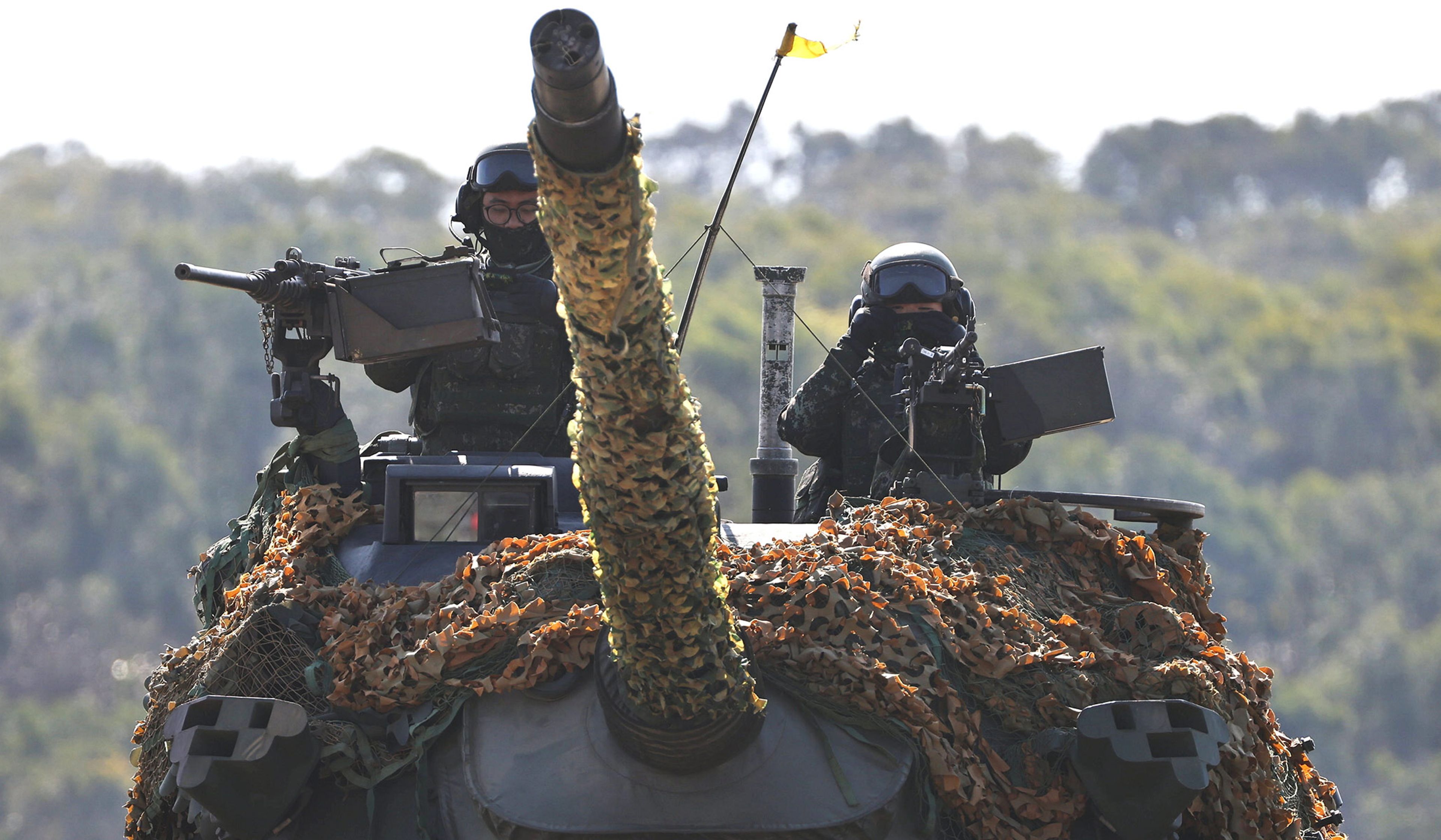
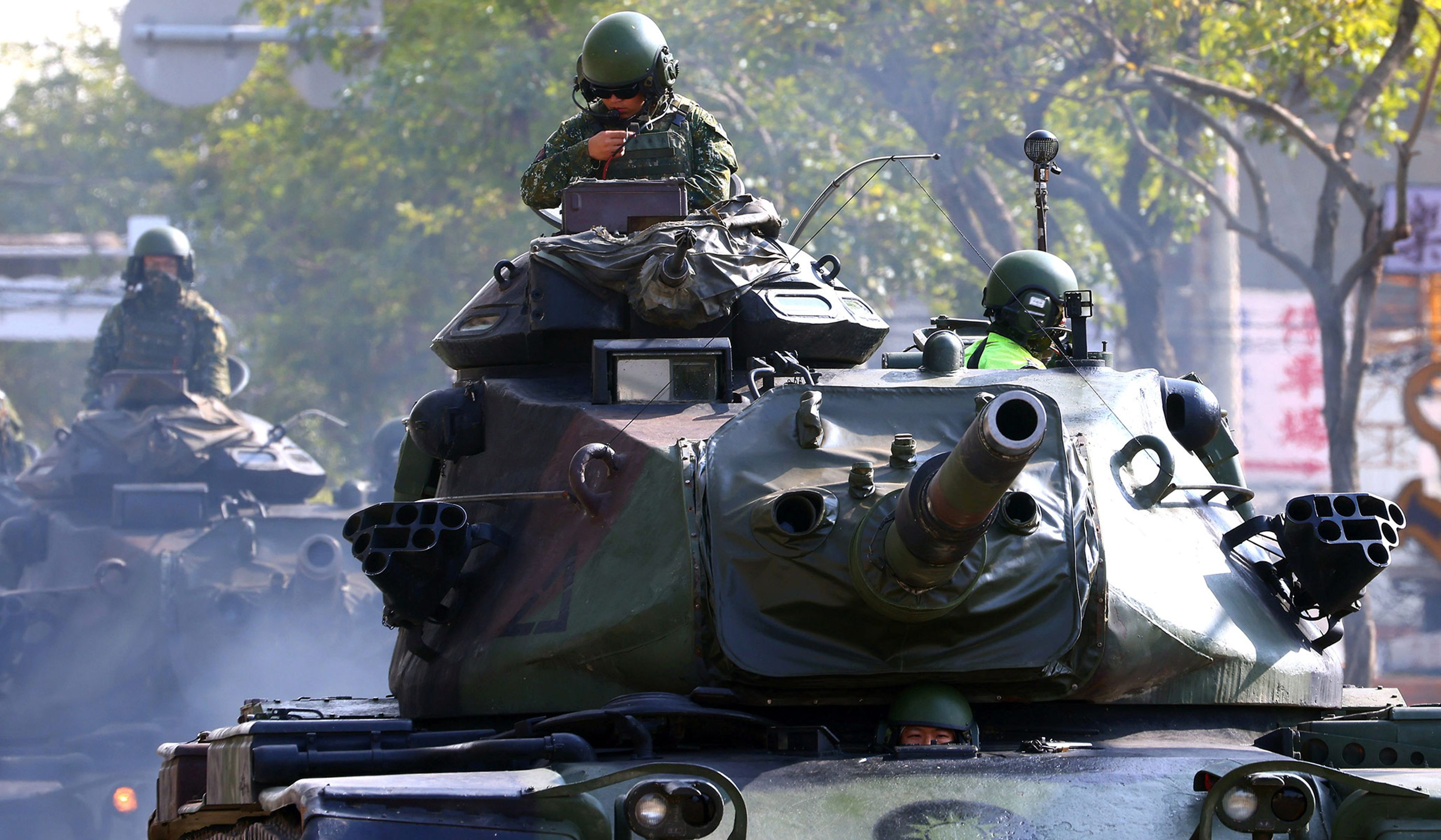
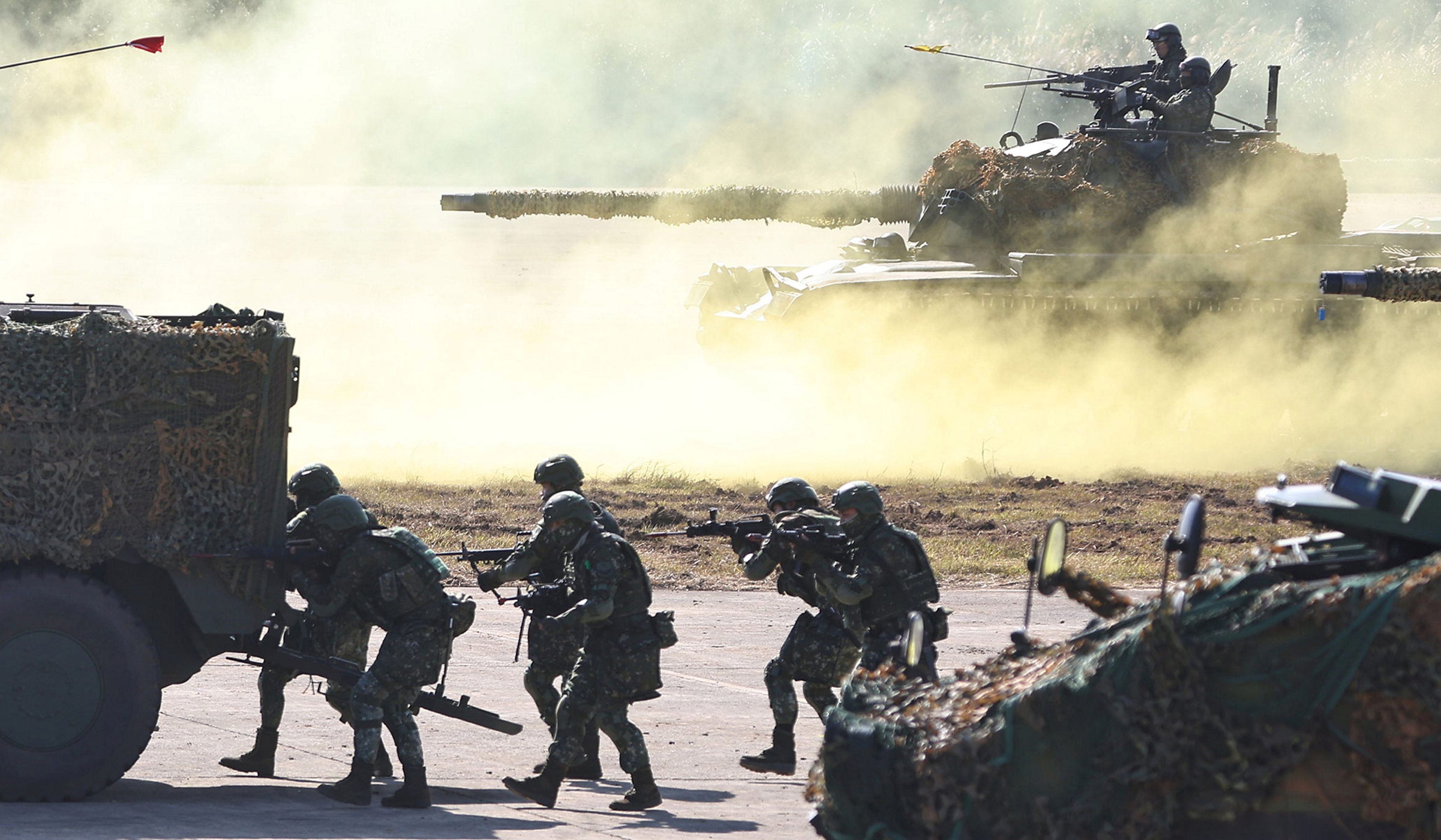
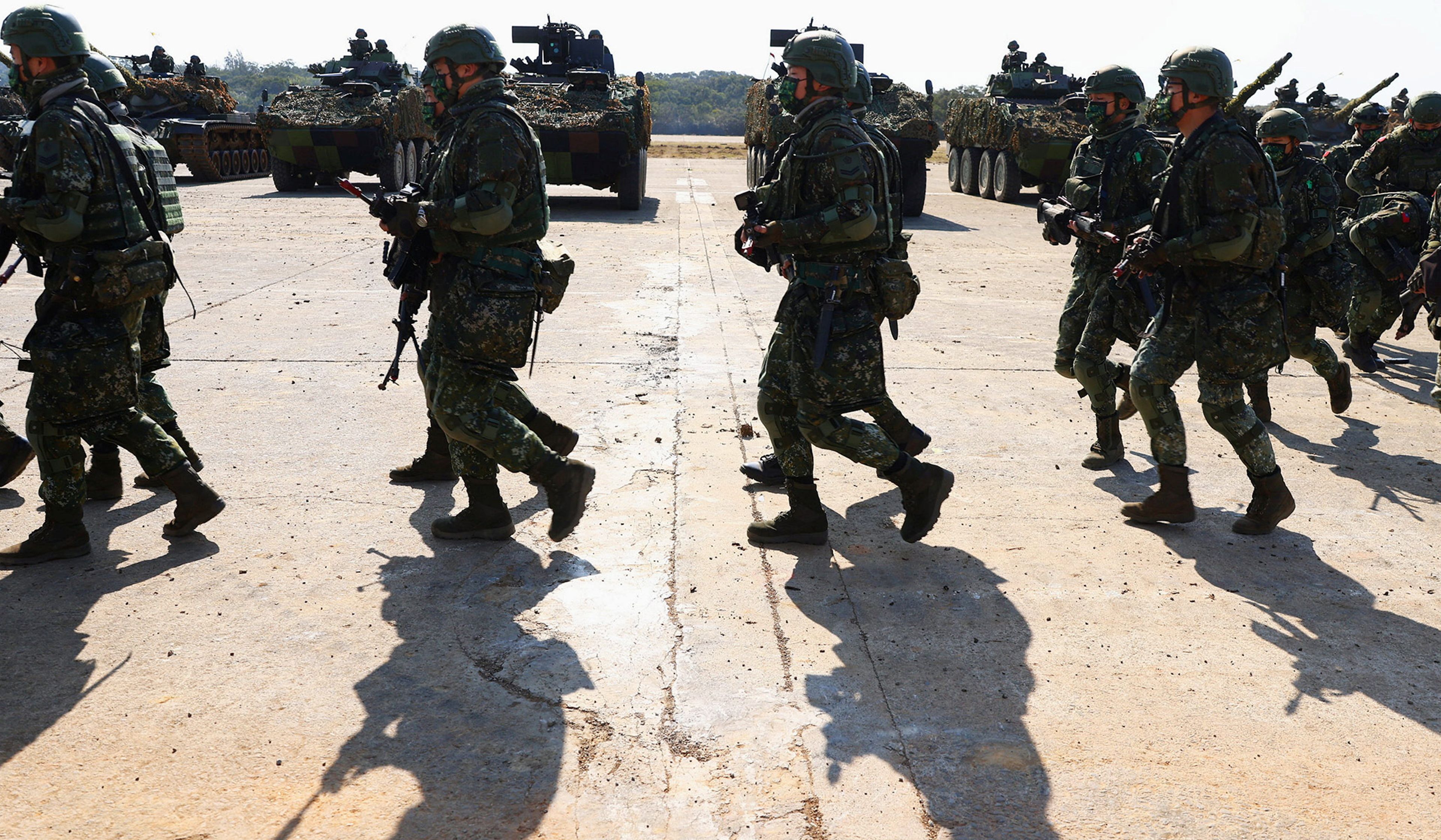
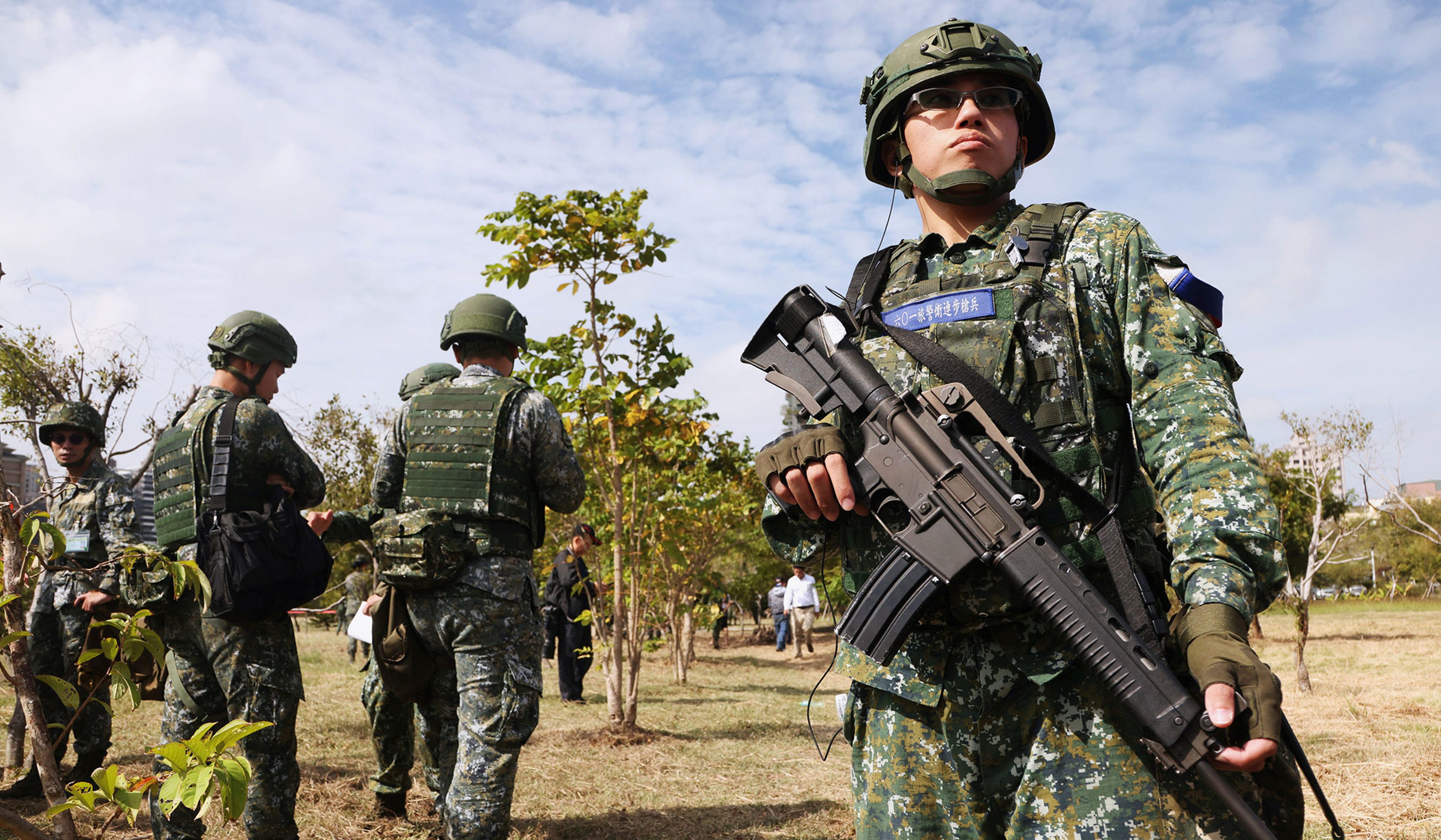
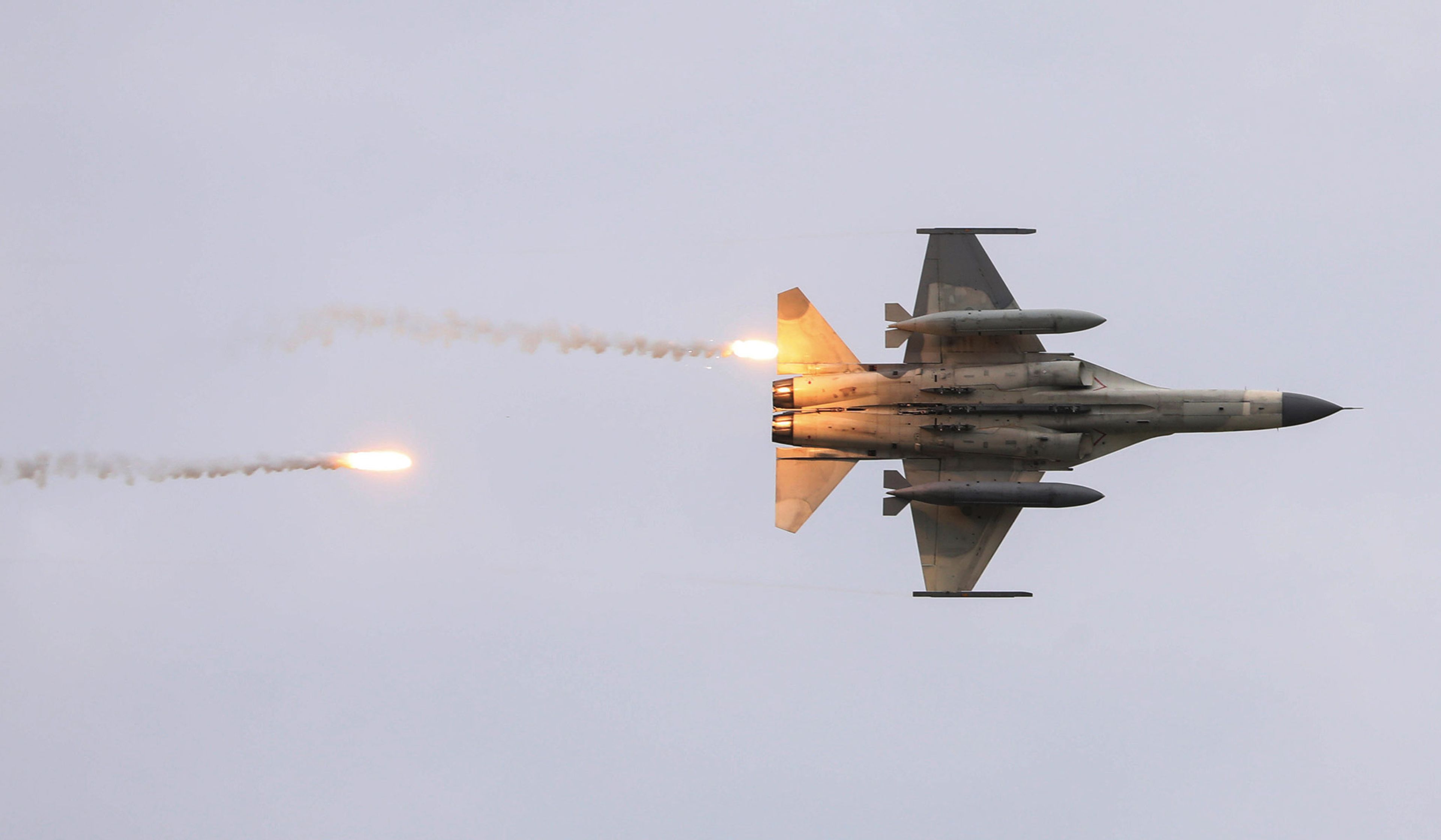
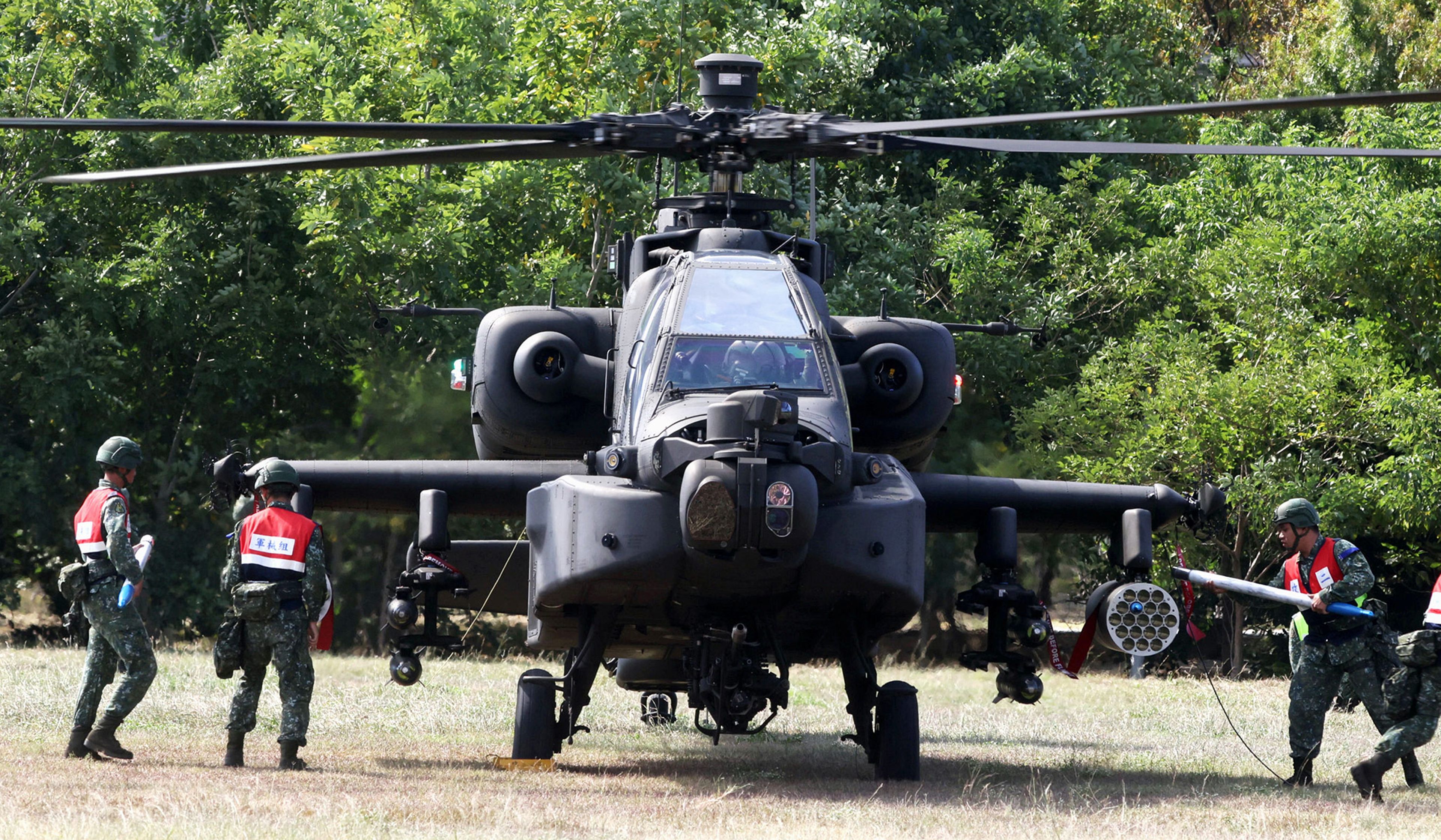
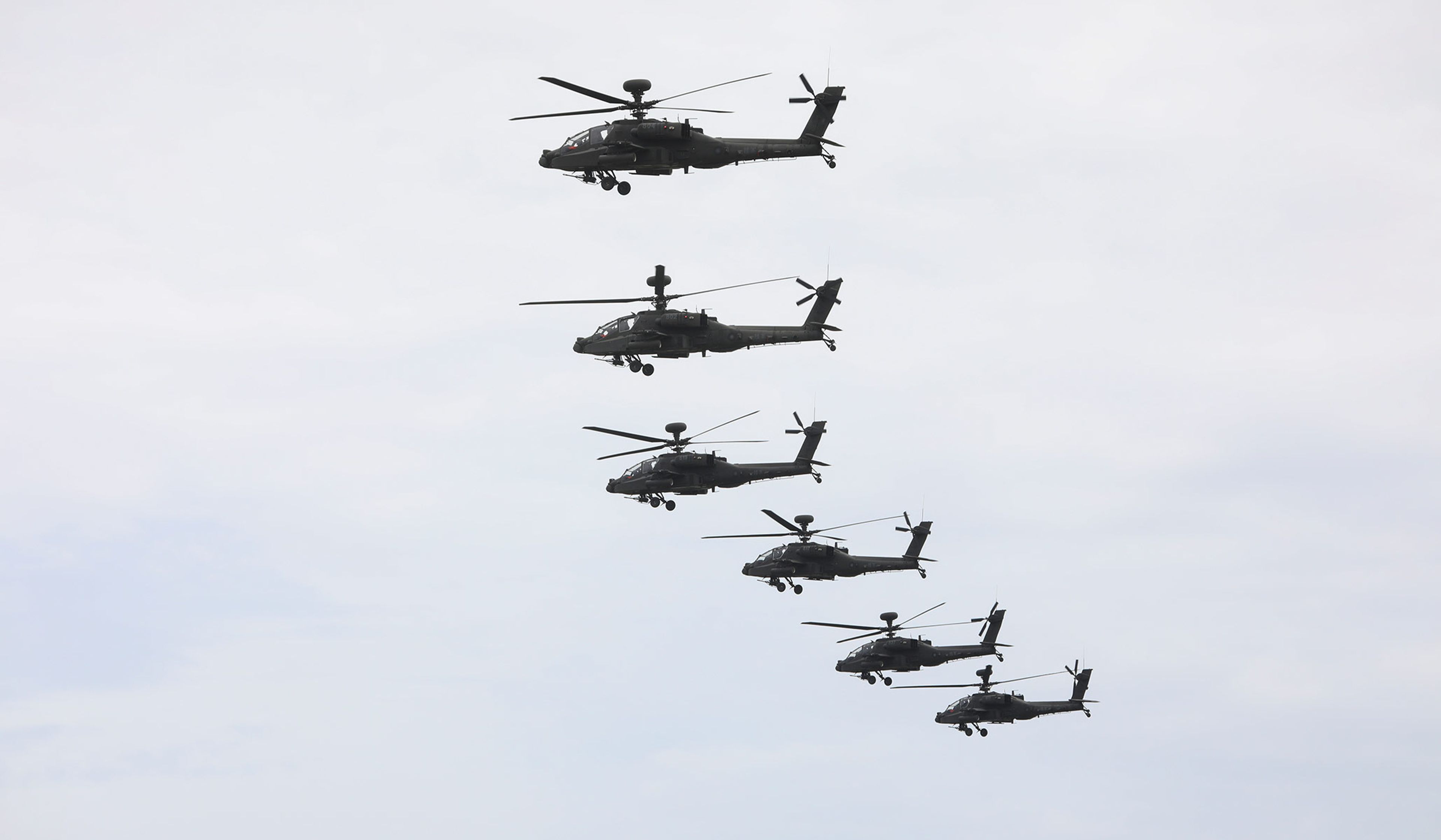
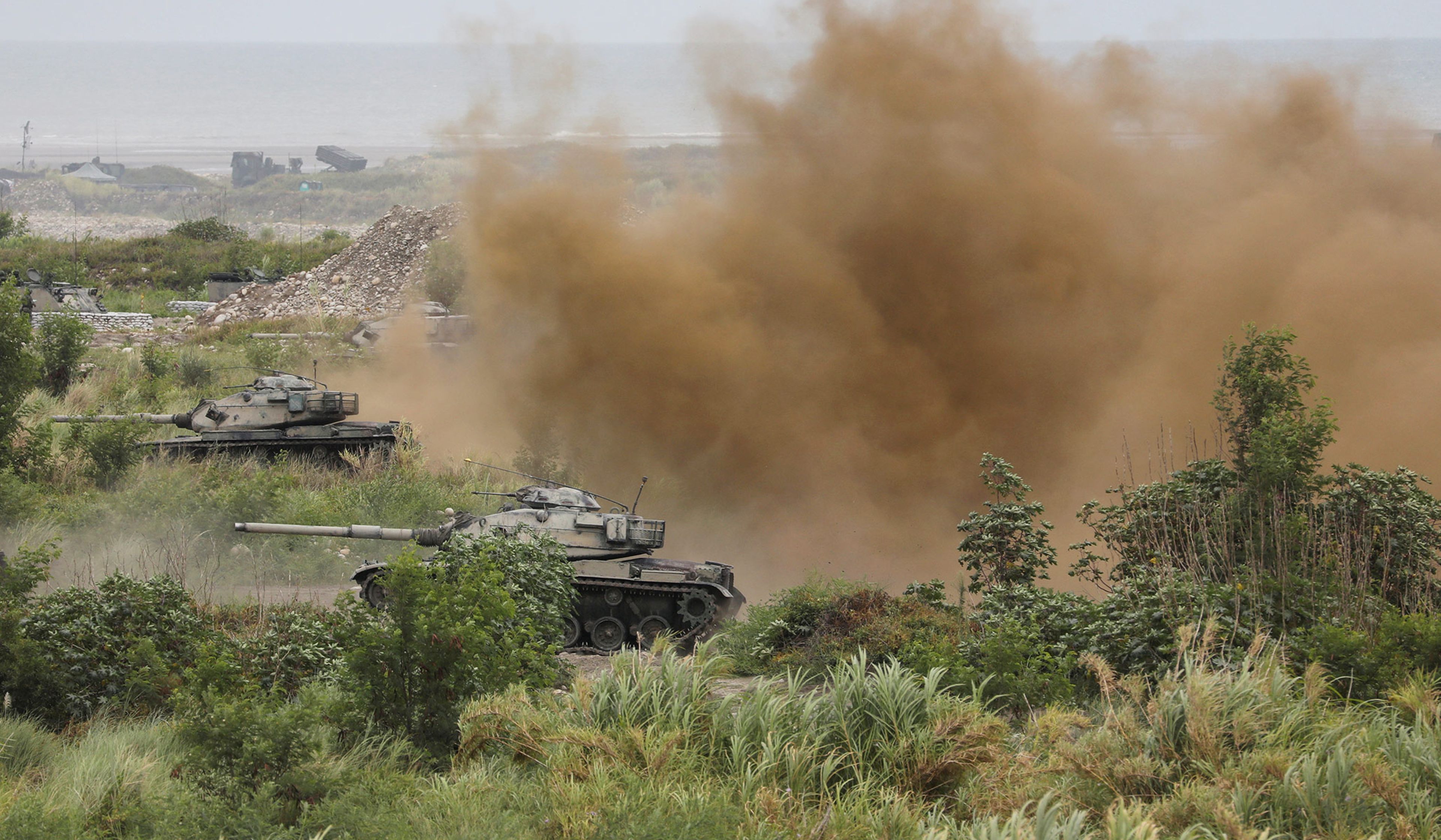
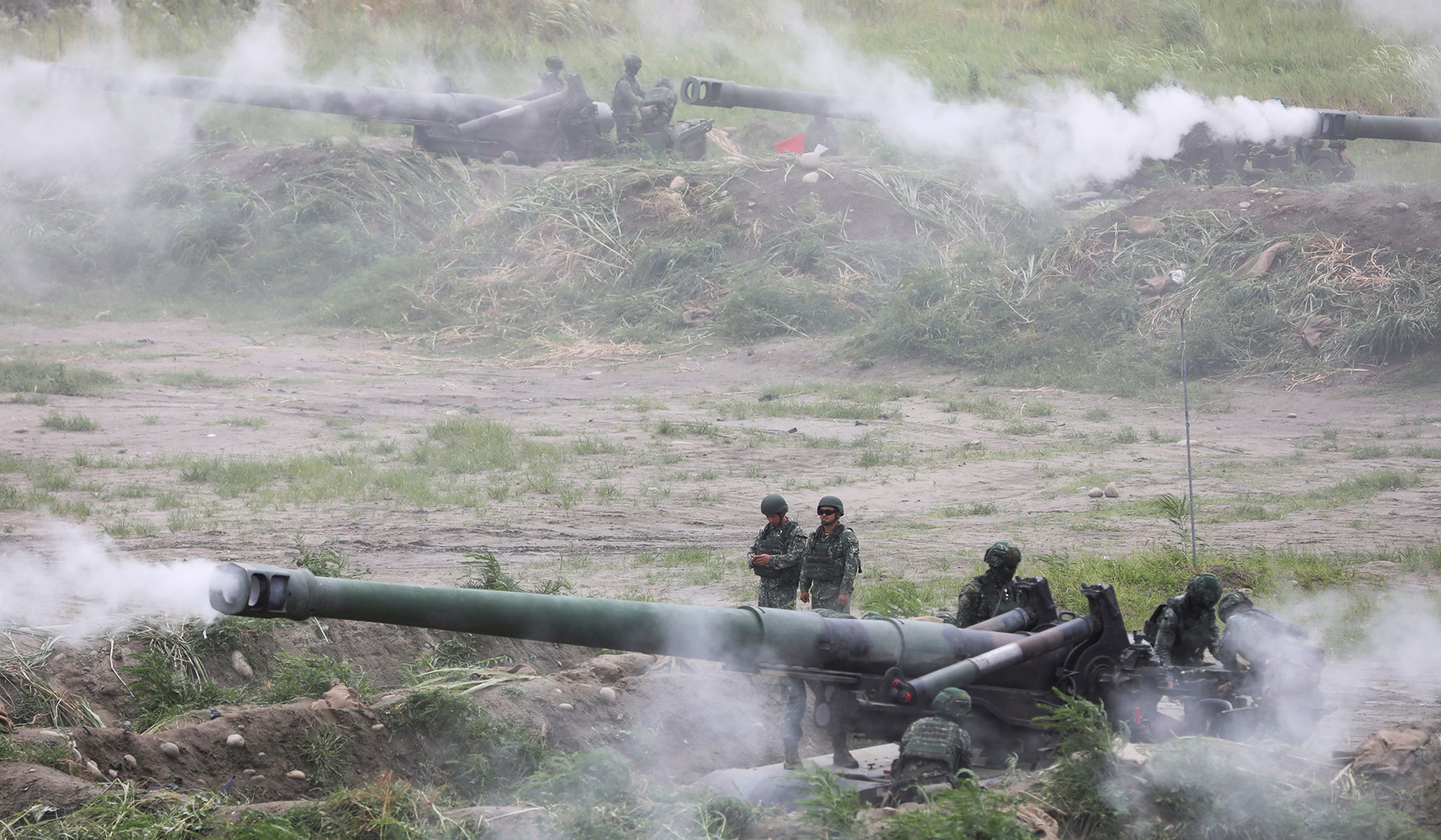
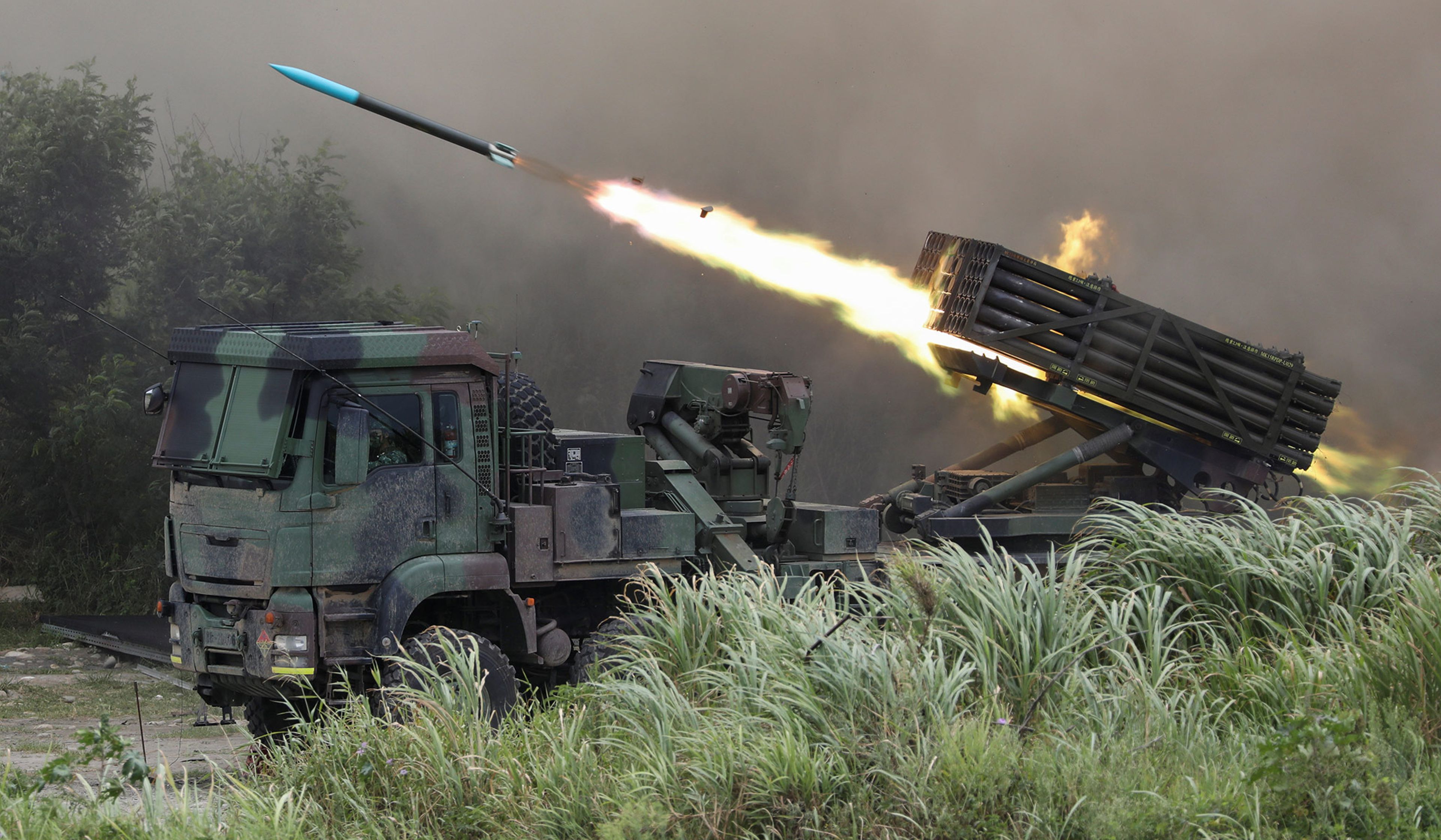
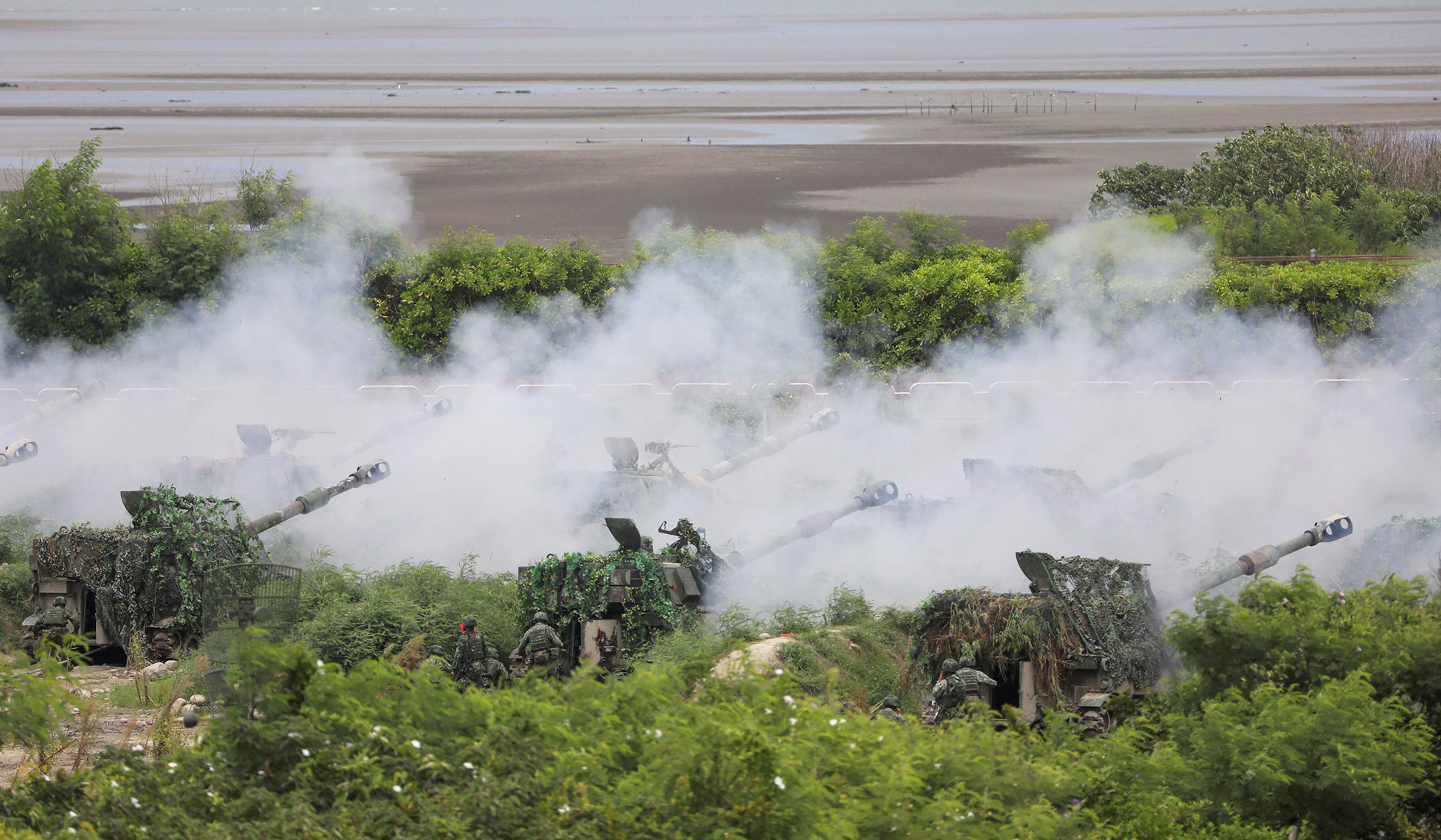
Soldiers take part in a drill in a military base in Hsinchu, Taiwan, January 19, 2021.
Ann Wang/Reuters
While there is no meaningful support in Taiwan for reunification with the mainland, views on the other side of the Taiwan Strait are quite different. PRC president Xi Jinping has sharpened the focus on unification, accelerating investments in military capabilities that would enhance the chances for that outcome should other means of unification fail. In a 2019 defense-policy paper, the PRC government highlighted its right to impose unification by force.
For now, the Chinese Communist Party (CCP) believes that its formulation of “one country, two systems,” formerly applied to Hong Kong, could be the basis for relations with Taiwan. But it is not surprising that, after seeing Hong Kong’s democracy and individual rights snuffed out, nine out of ten Taiwanese oppose that formula, according to recent polls. In lieu of military force, the apparent near-term CCP intention is to, in effect, rely upon strategic ambiguity to retake Taiwan through intimidation and induced capitulation, with minimal loss of life. In other words, the Hong Kong model.
To further pressure Taiwan, the CCP has embarked on an aggressive program of geographic isolation to create the perception of domination and inevitability. China has claimed sovereignty over the Paracel Islands, nearer to Taiwan, and the Spratleys. The PRC is creating artificial islands from reefs and rocks, declaring sovereignty in the newly created territorial waters, and covering them with air-defense systems, hangars, helicopter pads, runways, and deepwater ports. No fewer than seven countries have overlapping maritime claims in the South China Sea, yet the PRC claims 90 percent of it. The PRC also is stepping up military incursions into Taiwan’s airspace: Beijing has violated Taiwan’s air-defense identification zone once a week since last fall.
All these actions rely upon strategic ambiguity to succeed. Given the lack of an overt PRC military threat to Taiwan, it would be difficult for the U.S. and Asian allies to point to any single action as threatening Taiwan’s status. In response, the U.S. and its allies have stepped up their own military activity, including freedom-of-navigation operations to challenge the PRC’s bogus territorial claims. At present, the greatest chance for military confrontation is through miscalculation by one side or the other. That may be the most compelling reason to provide more clarity about what is at stake.
The PRC, too, has changed over the years. In many ways, it is stronger and acts more self-confident, with the second-largest economy in the world, an expansionist military, and the use of soft power to increase its global influence. The CCP is employing all these strengths in its campaign to pressure and threaten Taiwan.
More likely to define Beijing’s actions over time, though, are not these perceived strengths but the social, demographic, and economic challenges the CCP faces. Its one-child policy, meant to stop overpopulation, led instead to zero population growth and an aging workforce. What will follow is disastrous population decline. While conspicuous wealth and consumption are on display in top-tier cities, half a billion rural poor scrape by on a few dollars a day. Total debt in the economy, public and private, is three times GDP. A severe water shortage affects power generation, drinking water, and agriculture. And the country faces global scrutiny for its lies and obfuscation about the COVID-19 pandemic, which has killed more than 4 million people.
Given these and other fault lines, strategic ambiguity actually helps the PRC to avoid what it knows it cannot accomplish: military domination of a wealthy, democratic, independent island of 24 million, the vast majority of whom want nothing to do with unification. War would put tremendous pressure on China’s economy and society. A military mobilization would deprive many families of only children (read sons), who must support two parents and four grandparents. A military campaign against a determined Taiwan also runs the risk for the CCP of stimulating social unrest, a risk that is glossed over by the state-controlled media. Such incidents also are difficult to report by Western media, whose access is restricted or monitored. China-based researchers have been arrested for publishing reports about protest activities (a practice the CCP is now carrying out in Hong Kong as well). Jennifer Pan of Stanford and Han Zhang of Princeton have developed an algorithm called “Collective Action from Social Media” to identify more than 130,000 incidents of unrest at the local level from 2010 to 2017. Grievances run the gamut: labor or land rights, corruption of local officials, forced evictions, destruction of property for development. Beijing uses all the tools of a totalitarian state to control public opinion about the national government, and CCP leaders would be loath to engage in a military campaign that fractured the country along internal economic or social fault lines.
The PRC’s combination of bluff and bluster, enhanced military posture, and economic encirclement of Taiwan is its response to strategic ambiguity. We’re past strategic ambiguity, and strategic clarity is a false alternative. Rather, the U.S. as a great power should seek coherence in its engagements. We know China is a threat, and we know Taiwan is important. Our strategy should be based on those realities, not on what existed 40 years ago.
There is room for hope. In some ways, the Biden administration has been more straightforward than its predecessor about the challenges the PRC presents and the importance of Taiwan to the U.S. and the world. In its March Interim National Security Strategic Guidance, the administration cites China as “the only competitor potentially capable of combining its economic, diplomatic, military, and technological power to mount a sustained challenge to a stable and open international system.” The guidance notes that the U.S. “will support Taiwan, a leading democracy and a critical economic and security partner, in line with longstanding American commitments,” and will rely on “democratic alliances . . . to enable us to . . . hold countries like China to account.”
A former director of the American Institute in Taiwan (AIT) was the great U.S. diplomat Jim Lilley. Jim, born and raised in China, also served as ambassador to China and to South Korea. Mentoring me when I was appointed chairman of the AIT in 2002, Jim advised: “Therese, remember the song from Damn Yankees: ‘You Gotta Have Heart.’ That’s how you relate to the Taiwanese.”
Despite its isolation and lack of security guarantees, Taiwan in 40 years has evolved from military authoritarian rule into a vibrant democracy, with its own identity, culture, languages, industry, and charm. Over the same period, despite fawning attention from the world, the PRC has evolved into a threat to global order and a massive abuser of human rights, riven with internal fault lines that are not sustainable. It is a Goliath, with 58 times the population and 285 times the landmass of the tiny island nation it seeks to absorb. And absent any guarantee of support from the world, Taiwan risks all to remain free and independent.
The Heart of Asia, indeed.











Comments