
• That journalist with three hostages in his apartment sure missed the scoop of a lifetime.
• President Biden’s son Hunter was convicted on three felony gun charges. The federal jury in Delaware deliberated only briefly. There was overwhelming evidence that the younger Biden, as a habitual user of crack cocaine, unlawfully possessed a firearm he’d purchased after denying on a required federal form that he was a drug-user and addict. With no plausible defense against that charge, the Biden family, led by the first lady, showed up at the trial in numbers, hoping their presence would favorably sway the Wilmington jury. But sympathy for loved ones rarely moves a jury to nullify strong criminal charges. On appeal, the president’s son will push a Second Amendment claim that the criminal charges on which he was convicted, and that his father has championed for decades, are unconstitutional restrictions on the right to keep and bear arms (which some of them may be). Hunter Biden is expected to be sentenced in late summer — around the time that his second criminal trial, on tax charges supported by similarly daunting evidence, is scheduled to commence, just two months before Election Day. The president has vowed not to pardon his son. We’ll see.
• “I’ve done all I can do, just give me the power,” President Biden said in January, trying to persuade Congress to pass an immigration bill. It turns out there is something more that Joe Biden can do: He can blow more smoke in a desperate attempt to hide the mess his administration created when it abandoned Donald Trump’s border policies. Already, some are bragging or falsely complaining that Biden is “shutting down” the border with his executive order. The new executive order will supposedly impel administration officials to close the border once the seven-day average of illegal entries hits 2,500 per day. But many loopholes will allow the administration to avoid that and continue to admit more than a million asylum-seekers per year. The executive order does not address the 1,500 migrants per day who use the CBP One app at ports of entry. It doesn’t affect the tens of thousands of migrants a month who fly directly to the United States and are “paroled” into the country via a kind of rolling amnesty for Cubans, Haitians, Nicaraguans, and Venezuelans. The executive order does little to combat the pipeline of asylum-seekers who come from outside of the Western Hemisphere. Ukrainians, Russians, Afghans, and Eritreans have been pioneering a path of flying to South America and then crossing the formerly impassable Darién Gap on foot before trekking through Mexico to the U.S. border. The U.S. encountered nearly 6,000 Chinese nationals crossing the Mexican border in December 2023 alone. Biden is putting a Band-Aid on a gaping wound.
• Donald Trump is slated to be sentenced on July 11 for the 34 felonies on which he was recently convicted in Manhattan. That is just four days before the Republican National Convention, at which he will be nominated as the party’s presidential candidate. The sentencing process has begun, with Trump sitting for a pre-sentencing interview with the New York Probation Office. If reason prevailed, no sentence of imprisonment would be meted out to a first offender for nonviolent and legally creative bookkeeping charges. Nevertheless, the elected progressive-Democratic prosecutor, Alvin Bragg, presented the case to Judge Juan Merchan and the jury as if it were about a conspiracy to steal the 2016 election. It’s a preposterous theory, but one that will ratchet up pressure on Merchan (a Biden 2020 campaign donor — small-dollar, but in violation of New York law) to impose jail time. Lawfare is hell.
• The Trump veepstakes are said to include Senators Marco Rubio, Tim Scott, J. D. Vance, and Tom Cotton; Governor Doug Burgum; Representatives Elise Stefanik and Byron Donalds; former HUD secretary Ben Carson; and maybe others. The ticket can’t have two Floridians, and Trump seems unlikely to relocate, so Rubio and Donalds aren’t currently eligible. Because Mike Pence wouldn’t break his oath of office by helping to overturn the 2020 election, he’s not on the list. Where would Trump’s next pick stand on stolen-election theories? Rubio and Scott, in recent interviews, steered the discussion to Democrats’ riot-free rejections of Republican victories in elections for lower offices. Neither Cotton, Rubio, nor Scott went along with the spurious objections to the electoral count of the 2020 election. Stefanik and Donalds were among the objectors. Vance was evasive. Burgum, who has also been evasive, said when he was running for president that “Mike Pence did the right thing on January 6.” Yet he could get the nod. While bland and little known, the North Dakota governor could contribute some of his vast personal fortune to the campaign — a factor that was enough to get 81-year-old Henry Gassaway Davis onto the Democrats’ ticket in 1904.
• Late in her primary campaign, Nikki Haley began deploying tough rhetoric against Trump’s fitness for office that cemented her support among Democrats and die-hard anti-Trump Republicans. Now she says that she will vote for Trump, even though she takes back nothing she said about him, because Biden is worse. It is a reasonable position, although we cannot help but wonder whether it reflects a political calculation that Trump is likely to win. Mike Pence, in contrast, has declined to endorse either Biden or Trump. Which side of the argument a voter takes will turn in part on his view of protest votes. Haley’s quasi-endorsement will have little effect on the election, affecting her recent fans’ views of her more than their views of Trump.
• Politics has always made strange bedfellows, but a political party is supposed to be more than one man’s private club. Republican Senate nominee Larry Hogan wrote right before Donald Trump’s New York conviction: “I urge all Americans to respect the verdict and the legal process. At this dangerously divided moment in our history, all leaders — regardless of party — must not pour fuel on the fire with more toxic partisanship.” A noble sentiment, even if an understatement of how badly the legal system was abused to produce a conviction. But Hogan is running in deep-blue Maryland. To win, he needs both his independent, Trump-critical brand and the support (however grudging) of the pro-Trump base of the party. If the Republican National Committee were run by people who prioritized the party’s interests, they would let Hogan do what he needs to do. Instead, RNC co-chairwoman Lara Trump, the former president’s daughter-in-law, went on CNN to denounce Hogan as a man who “doesn’t deserve the respect of anyone in the Republican Party at this point, and quite frankly anybody in America.” Trump loyalists are fond of lecturing others on needing to be team players in binary-choice elections. They should try the same.
• Distorting the Mar-a-Lago search warrant, Trump claimed that Biden had authorized the FBI to use lethal force against him. It is one of the former president’s more appalling outbursts, which is saying something. The FBI develops an operational plan whenever it executes a court-ordered search warrant. That plan customarily includes a refresher on the FBI’s use-of-force guidelines, which have been developed over many years under administrations of both parties. Carrying out a search can be dangerous for both the agents and the people whose residences are entered. To protect the agents and others from harm, and the government from legal liability, reviewing the guidelines ahead of time is standard practice and common sense. In this instance the FBI intentionally conducted the search when Trump was not home: He was never in danger, either in theory or in reality.
• 2000 Mules, a documentary produced and directed by Dinesh D’Souza, told a Trumpist campfire story, alleging that ballot drop-off boxes were stuffed with bogus votes in 2020. Mark Andrews, one of the supposed mules, or box-stuffers, sued for defamation. The Salem Media Group, which distributed the movie and the spin-off book, has withdrawn both from its platforms and issued an apology. The premise was preposterous: How can 2,000 people conduct a secret operation? (Ben Franklin said, “Three can keep a secret if two of them are dead.”) But the movie has made over a million dollars, and it got a thumbs-up from the Pauline Kael of conspiracy films, Donald Trump.
• President Biden insists that special counsel Robert Hur misrepresented him when, after a series of interviews about Biden’s mishandling of classified documents, Hur concluded that a jury would perceive Biden as “a sympathetic, well-meaning, elderly man with a poor memory.” President Biden also insists that the audiotape of those interviews cannot, under any circumstances, be released to the public. Indeed, Biden has gone so far as to assert executive privilege over the tapes. Among the excuses that have been offered up by the White House are that the recordings could be used to create AI versions of Biden’s voice; that the recordings could be chopped up and distorted; and that the release of the recordings might make future investigations more difficult to conduct. The transcript, meanwhile, remains a matter of public record. Americans may not be allowed to make their own judgments of the recording, but they can make their own judgments about the administration’s reticence.
• The Wall Street Journal reported that Joe Biden is too old. The piece had the usual caveats: It limited its critique to “behind closed doors”; it used the euphemisms “slipping” and “appears slower”; it contained the usual Democratic Party insistences that Biden “remains a sharp and vigorous leader” and that any suggestions to the contrary must be the product of “partisan politics.” To anyone with eyes, however, the main thesis is clearly and obviously true. Five years ago, one might have had a shot at convincing the public that Joe Biden had always been like this. Now, the exercise is futile. President Biden is weak; he is slow; he is confused — and these shortcomings are the product not of a boyhood stutter, or of an unfair press, but of his advanced age. At 81, he is already the oldest person ever to have served as president. Were he to win a second term, he could continue in the role until he was 86. It is, no doubt, mightily inconvenient for the Democrats that Biden is determined to do just that, but that does not make it incumbent upon the voting public to pretend otherwise.
• Trump-appointed federal judge Carl J. Nichols ordered former Trump adviser and confidant Steve Bannon to surrender to federal authorities by July 1. Trump-world caterwauling about that is misplaced. In July 2022, Nichols imposed a four-month sentence after a Washington, D.C., jury convicted Bannon of contempt for refusal to comply with subpoenas from the House January 6 Committee. There is room to complain that the committee was politically biased and that the Department of Justice departed from decades of precedent by putting the executive’s prosecutorial muscle in service of a congressional probe. Still, Bannon was swiftly convicted because he had no defense — it turned out that a Trump lawyer had rightly advised him that much of what the subpoenas demanded could not be covered even by an expansive executive-privilege claim. Though found guilty, Bannon remained at liberty for nearly two years because Nichols was generous about the possibility of an appeal. But in May, once the D.C. Circuit unanimously affirmed his convictions (with a Trump appointee on the three-judge panel), there was no longer a basis in federal law to delay his sentence. Bannon got a pardon from Trump when he was convicted of defrauding people who thought they were contributing to a border wall; he would need a favorable election result to repeat that luck.
• Dr. Anthony Fauci, the former director of the National Institute of Allergy and Infectious Diseases, admitted there was no evidence of the efficacy of six-foot social distancing to limit the spread of Covid-19. “You know, I don’t recall. It sort of just appeared. I don’t recall, like, a discussion of whether it should be five [feet] or six or whatever,” he testified. Fauci also conceded that he couldn’t recall any studies that showed the utility of masking children, acknowledged that it was contrary to recommendations from the World Health Organization, and said that no one ever bothered to do a cost–benefit analysis. In additional testimony, Fauci distanced himself from his former adviser, Dr. David Morens, repeatedly denying knowledge of Morens’s efforts to evade transparency by conducting official business on his personal email account. Meanwhile, the public-health world continues to wonder why it has lost so much credibility.
• Nobody of note in the U.S. wants to ban contraception, however much Democrats and the press are trying to persuade voters otherwise. Even Clarence Thomas, the only justice to say that the Supreme Court got it wrong when it found a constitutional right to contraception, has left open the possibility that other constitutional grounds for the right might exist. The Democrats are promoting a “Right to Contraception Act” that goes considerably beyond the unnecessary task of making sure that contraception is legal. The bill includes such policies as funding for Planned Parenthood, the nation’s most prolific abortionists. Since Republicans have blocked the bill, however, Democrats can portray them as stealthy opponents of contraception. Republicans are right to oppose the bill — and must do their best to expose the deceptive tactic.
• It was supposed to be the resurgence of the United Auto Workers (UAW). The union that made front-page news for its strike against automakers last year — despite losing members overall, and despite thousands of layoffs of autoworkers — was supposed to go on an organizing rampage through the right-to-work South, to which auto manufacturing had moved largely to avoid the UAW. Workers did vote to join the UAW at a Volkswagen plant in Tennessee, where the UAW had twice before failed to win. But workers at Mercedes-Benz in Alabama voted to remain nonunion, ending the winning streak at one. Between the two major votes in the South, workers at a Nissan facility in New Jersey who had experienced UAW representation for four years voted to decertify the union. It shouldn’t be a surprise that most workers aren’t interested in giving part of their paycheck to an organization whose president, Shawn Fain, is under investigation from a monitor appointed by a federal court after the conclusion of a yearslong corruption probe and uses member dues to fund progressive politics on everything from electric cars to the war in Gaza. The UAW is now asking its friends in the Biden administration to figure out a way to get a do-over election in Alabama, even though the result wasn’t close. The workers in Alabama wish to remain with the 94 percent of private-sector workers who aren’t union members, and that wish should be respected.
• In March 2022, Texas Children’s Hospital announced that, under pressure from GOP state officials, it would no longer be offering gender-transition drugs and surgery. But behind closed doors, the hospital continued its medically dubious regimen. We know this thanks to Eithan Haim, a resident surgeon who leaked evidence of the hospital’s subterfuge to City Journal’s Christopher Rufo. Now the 33-year-old surgeon has been indicted on four felony counts of violating the Health Insurance Portability and Accountability Act (HIPAA). Based on the publicly available information, there is no reason to believe Haim violated HIPAA. Both Haim and Rufo insist that sensitive personal information was redacted in the documents they exchanged; it was redacted in what Rufo published. The wrongdoers here are not the ones the administration has identified.
• Minnesota Democratic-Farmer-Labor state senator and erstwhile Weather Channel personality Nicole Mitchell faces felony burglary charges after being arrested, dressed all in black, in the basement of her widowed stepmother’s home. The DFL gained a trifecta in the state when it claimed a one-vote, 34–33 majority in the state senate in the 2022 midterm — making Mitchell’s vote crucial to the avalanche of far-left legislation it has passed since. Now, DFL governor Tim Walz is leading a chorus of his party calling on Mitchell to resign. Are they putting integrity above party? Hardly. The DFL waited until the 2024 legislative session was over, and resisted — with Mitchell herself casting the deciding vote — Republican efforts to keep her from voting on the bills that the DFL passed through the chamber. Then it turned up the heat on Mitchell to quit quickly so that it could schedule the replacement election on the November ballot rather than in a less predictable special election. Minnesota nasty.
• In May, Governor Greg Abbott of Texas issued a full pardon to Daniel Perry, a U.S. Army sergeant who, in 2023, had been sentenced to 25 years in jail for the murder of a Black Lives Matter protester in Austin. In an indignant statement, Abbott pointed to a recommendation by the Texas Board of Pardons and Paroles, which had suggested a full pardon, as well as to Texas’s Stand Your Ground law, which, Abbott said, had been “nullified by a jury.” It is certainly true that this case was more complicated than the partisans on either side have allowed. It is also true that Abbott’s characterization of his pardon runs too far in the other direction. Rhetorically, Abbott has cast the case for a reprieve as a self-evident proposition that he has dutifully followed; in reality, Abbott criticized the verdict before it even arrived, and then initiated a review within 24 hours of its publication. Prior to the day of the murder, Perry had sent a text message in which he promised to “go to Dallas to shoot looters.” In the end, he didn’t do that. But, a few weeks later, he did shoot someone. Was it murder — worth 25 years in jail? Perhaps not. But it didn’t deserve a full pardon, either.
• Four New York Times reporters and some Democratic lawmakers keep hounding Justice Samuel Alito over an upside-down American flag that flew at his Virginia home and a 1775 “Appeal to Heaven” (Pine Tree) flag that flew at his Jersey Shore beach house. Yet the more that gets reported, the weaker the story gets. Alito says that his wife flew both flags, in one case over his objections. It is plain from reporting dating back to 2021 that the flag in Virginia was part of a dispute between Mrs. Alito and profane, harassing neighbors. The Washington Post’s Supreme Court reporter even witnessed Justice Alito trying to defuse a confrontation involving his wife, which is why the Post didn’t print the story then, having concluded that the upside-down flag was not a political statement by the justice. Meanwhile, it was only weeks after the Times story that San Francisco — no MAGA hotbed — took down the Appeal to Heaven flag that had flown for years without controversy in front of its city hall. That, along with a vote by Maine’s Democratic-controlled legislature in 2023 to hold a referendum on the question of reinstating a similar design for the state flag, suggests that the symbol is not the “stop the steal” icon that the Times imagines. Alito, in his election rulings, has already demonstrated that he can be impartial; the Times’ reporting adds to the voluminous evidence that it cannot.
• Maria Vullo leveraged her position heading the New York Department of Financial Services to pressure companies that did business with the National Rifle Association (NRA) into cutting ties with it. The Supreme Court, in an opinion written by Sonia Sotomayor, unanimously ruled that this violated the First Amendment. It describes how, in a 2018 meeting with Lloyd’s of London, Vullo told the company’s executives “‘that DFS was less interested in pursuing’ infractions unrelated to any NRA business ‘so long as Lloyd’s ceased providing insurance to gun groups, especially the NRA.’” The Court heard other cases this term on similar topics, including the Biden administration’s pressure on social-media companies to shut down pandemic “misinformation.” It’s good news that it got the easiest one right.
• The Supreme Court ruled 7–2 that the appropriations clause of the Constitution allowed Congress, in 2010, to authorize the Consumer Financial Protection Bureau (CFPB) to fund itself in perpetuity out of the Federal Reserve rather than seek annual funding from Congress. This setup is an egregious violation of the constitutional design, but as Justice Clarence Thomas argued in an originalist opinion for the Court, the Constitution’s text requires time limits on appropriations only for the Army. Courts can therefore do only so much to stop Congress from giving away its power of the purse. That said, we think that Justice Samuel Alito in his dissent made a persuasive case that the CFPB’s design, taken as a whole, is a menace and not comparable to Founding-era statutes that let the post office and the customs collectors fund themselves out of fees. The Court left open the possibility of “other constitutional checks on Congress’s authority to create and fund an administrative agency” by means far removed from user fees. The funding mechanism, absurd as it is, ultimately shouldn’t matter — because Congress should abolish the CFPB entirely.
• Some critics of the West’s response to Russia’s unprovoked war of conquest in Ukraine say it will cause “World War III.” The latest Western provocation that is forecast to incite a global thermonuclear exchange is Joe Biden’s reluctant decision to acquiesce to the demands of America’s European allies and allow Ukraine to use U.S.-made weapons in strikes against staging areas in Russia. Much like the introduction of tanks, long-range missiles, cluster munitions, and a variety of other Western weapons platforms into this theater, the anti-interventionist belief that the West is playing with fire exists independent of Russia’s opinion on the matter. “Putin stated that he does not think such an ‘exceptional’ case has arisen, so ‘there is no such need’ for Russia to use nuclear weapons,” read the Institute for the Study of War’s analysis of the Russian autocrat’s recent remarks. That’s comforting. Just don’t expect that Putin’s caution will rub off on his Western stenographers.




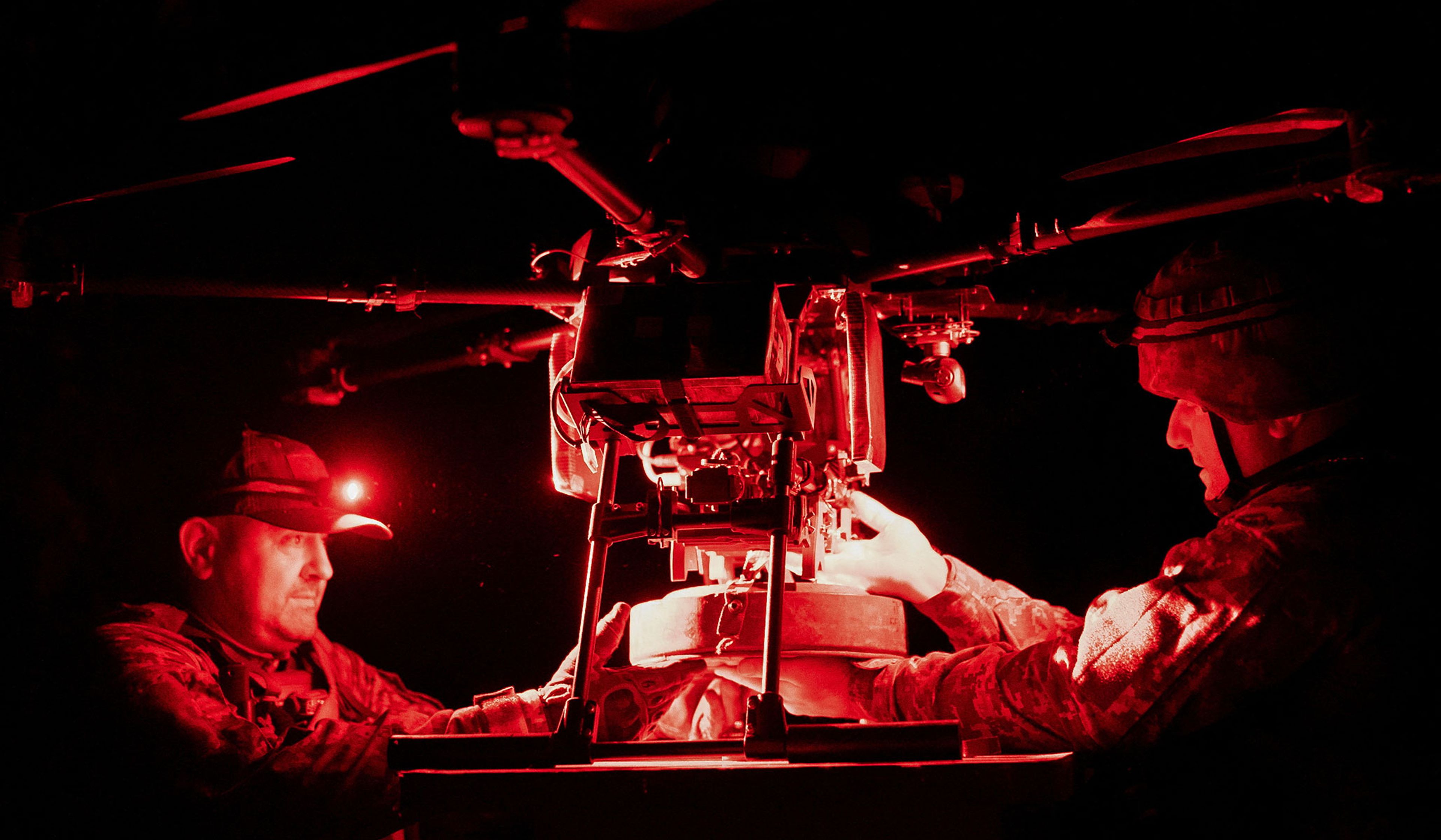
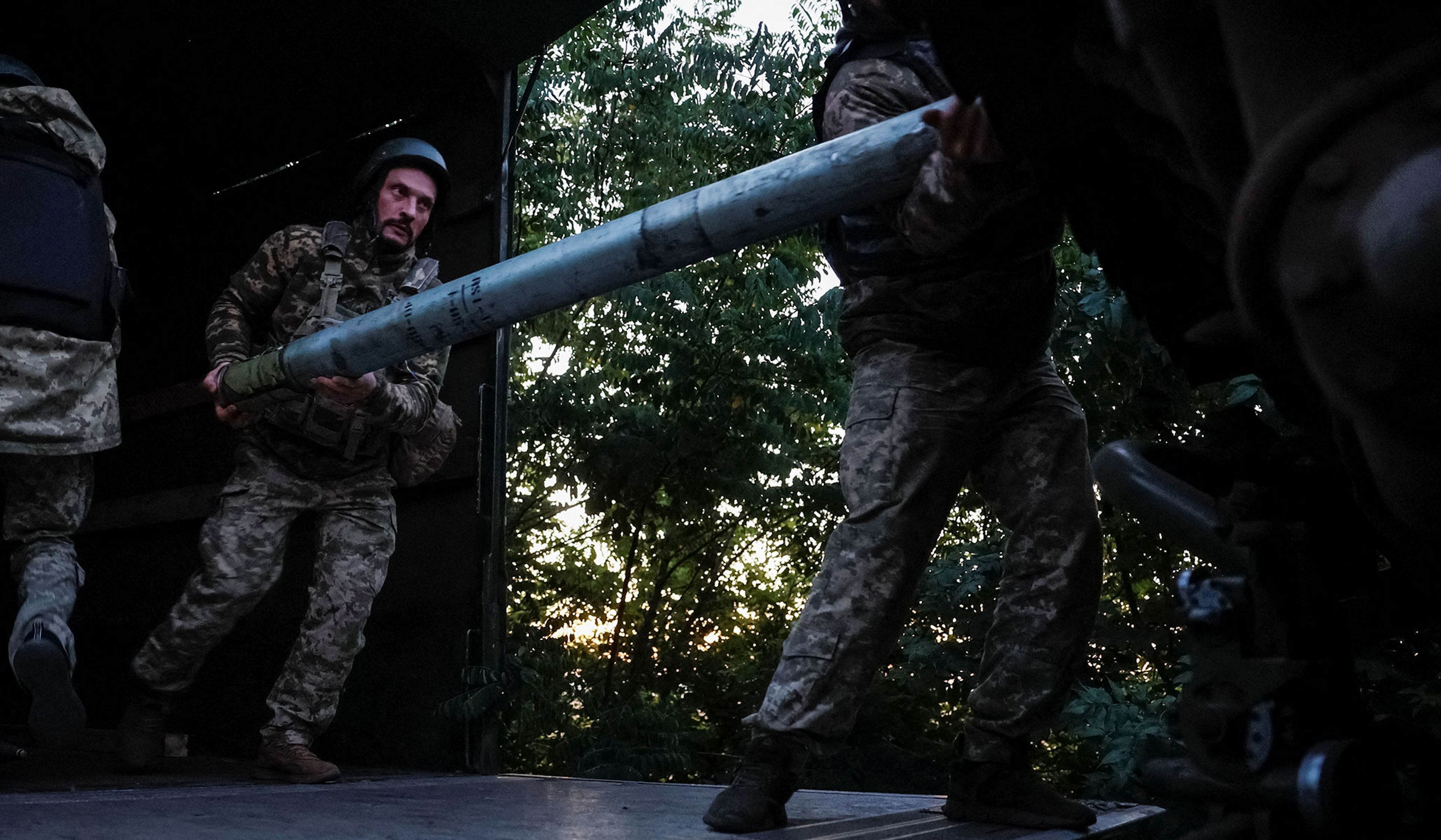






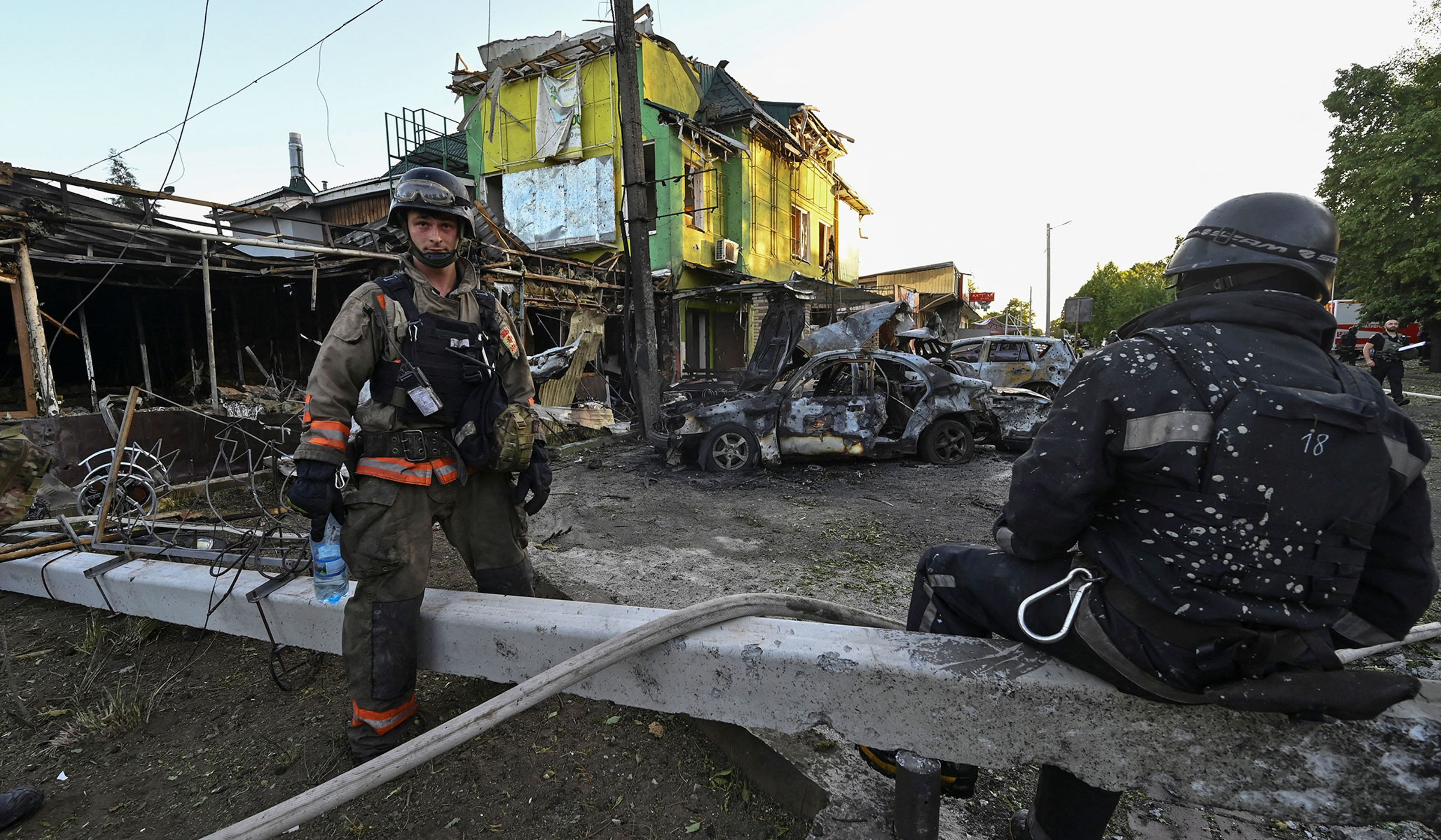





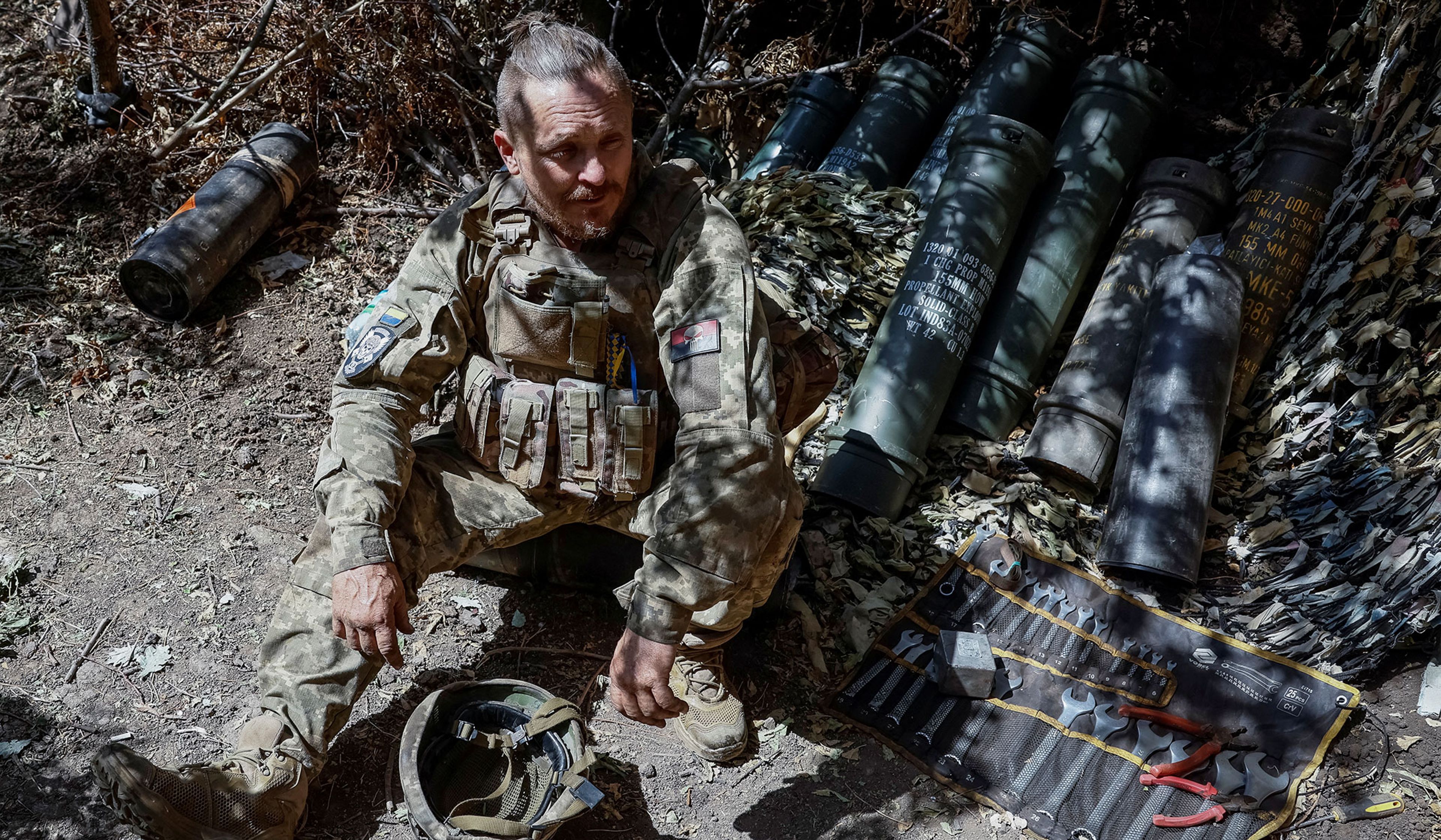
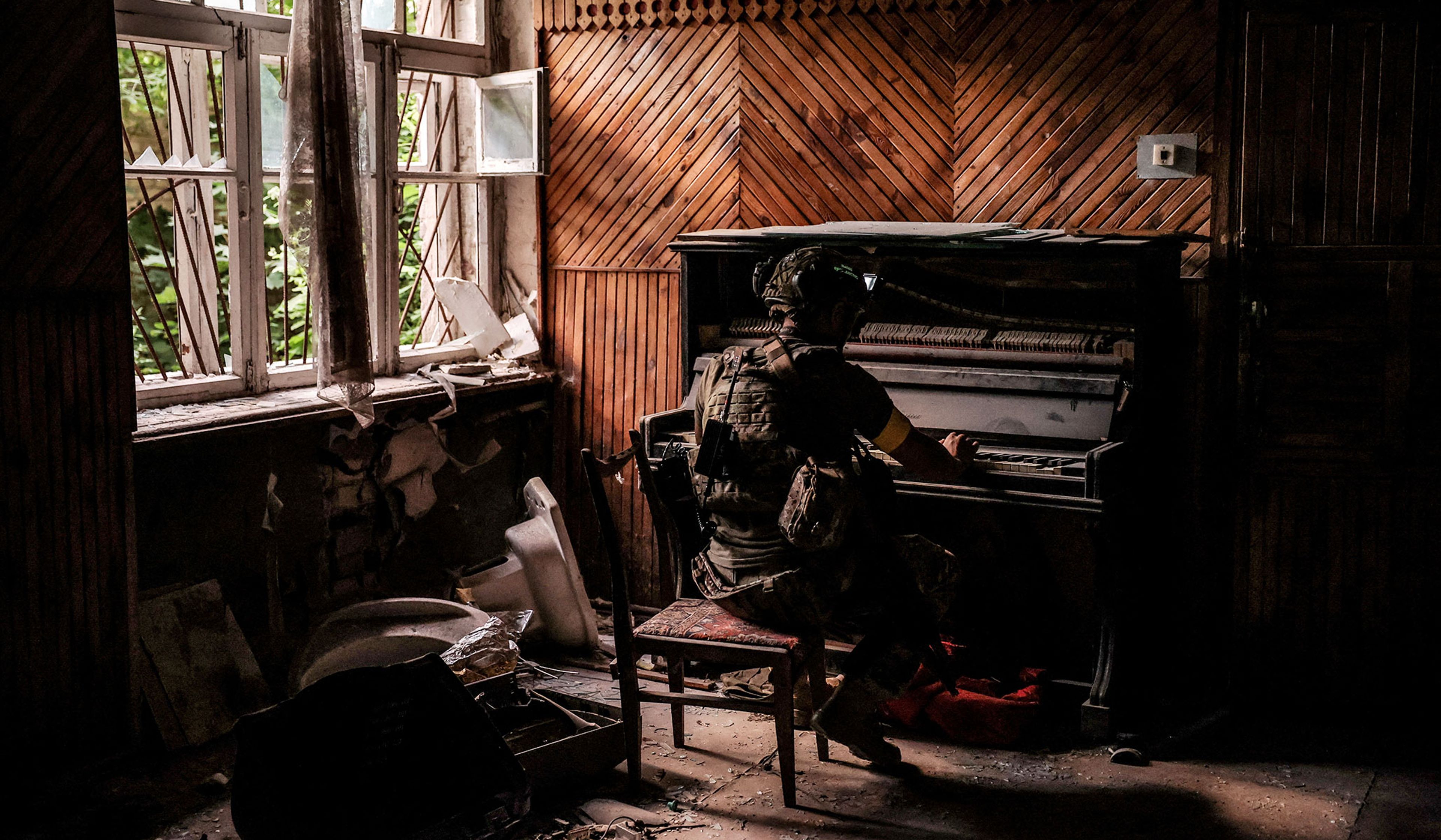

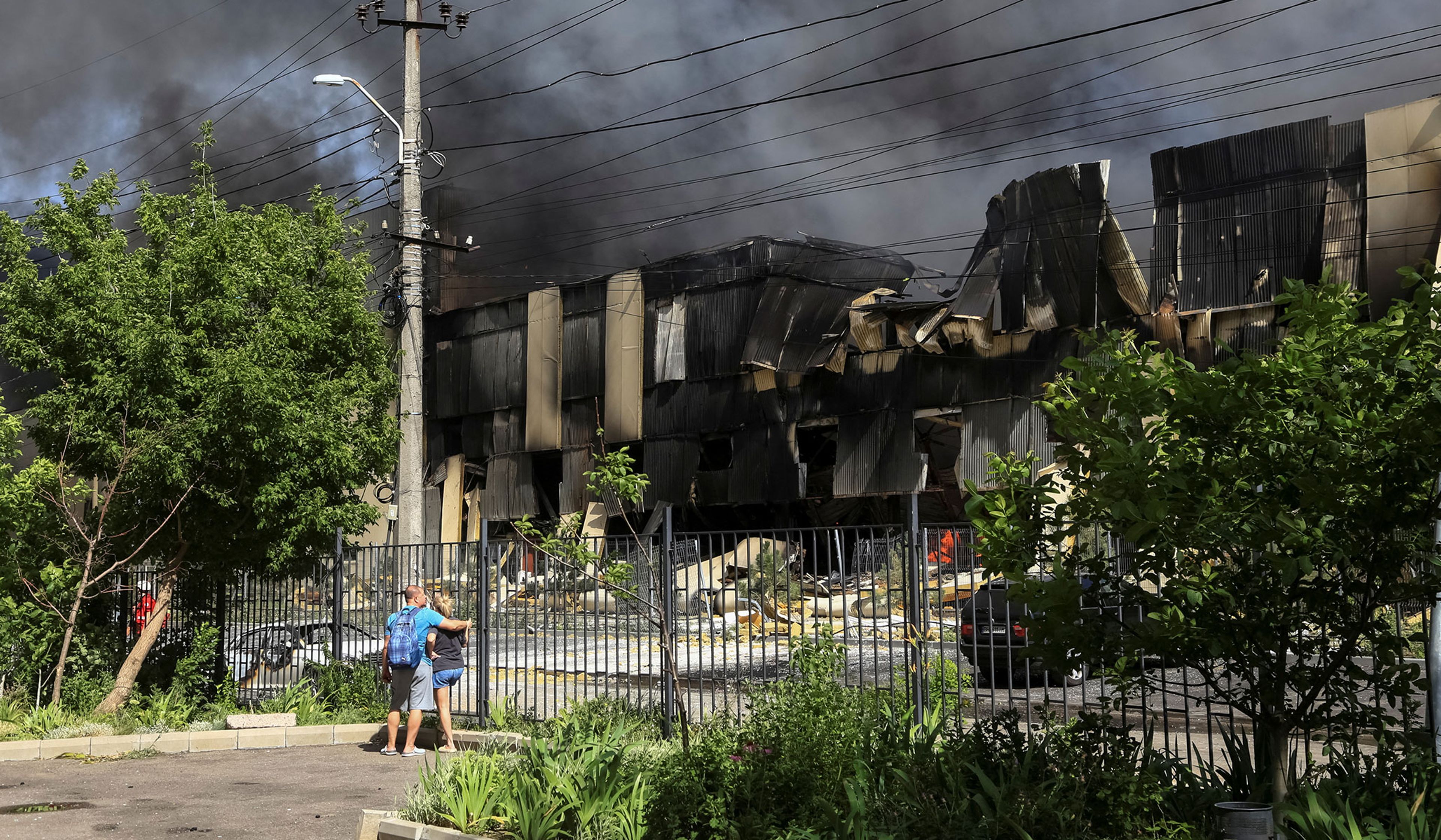






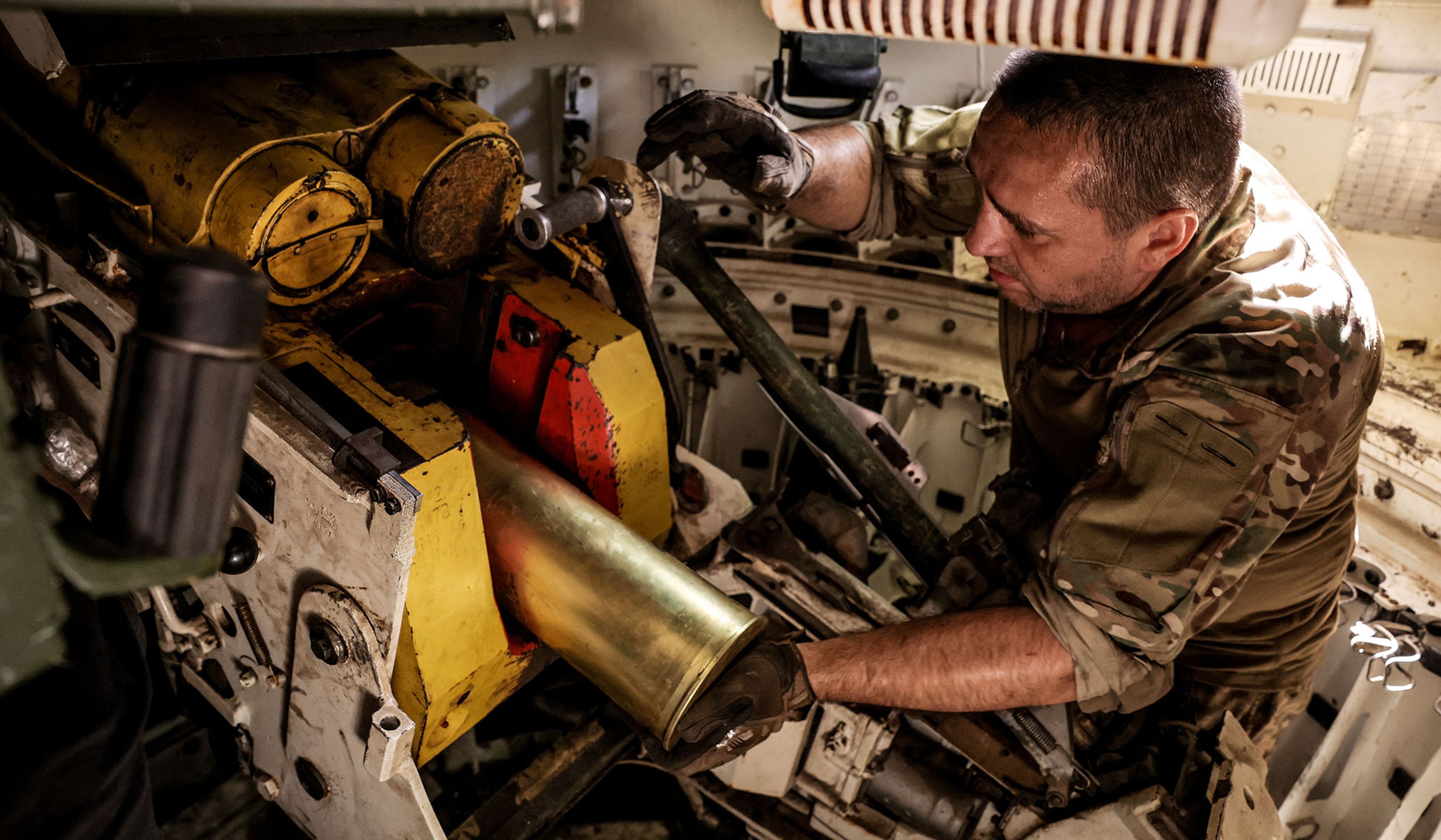



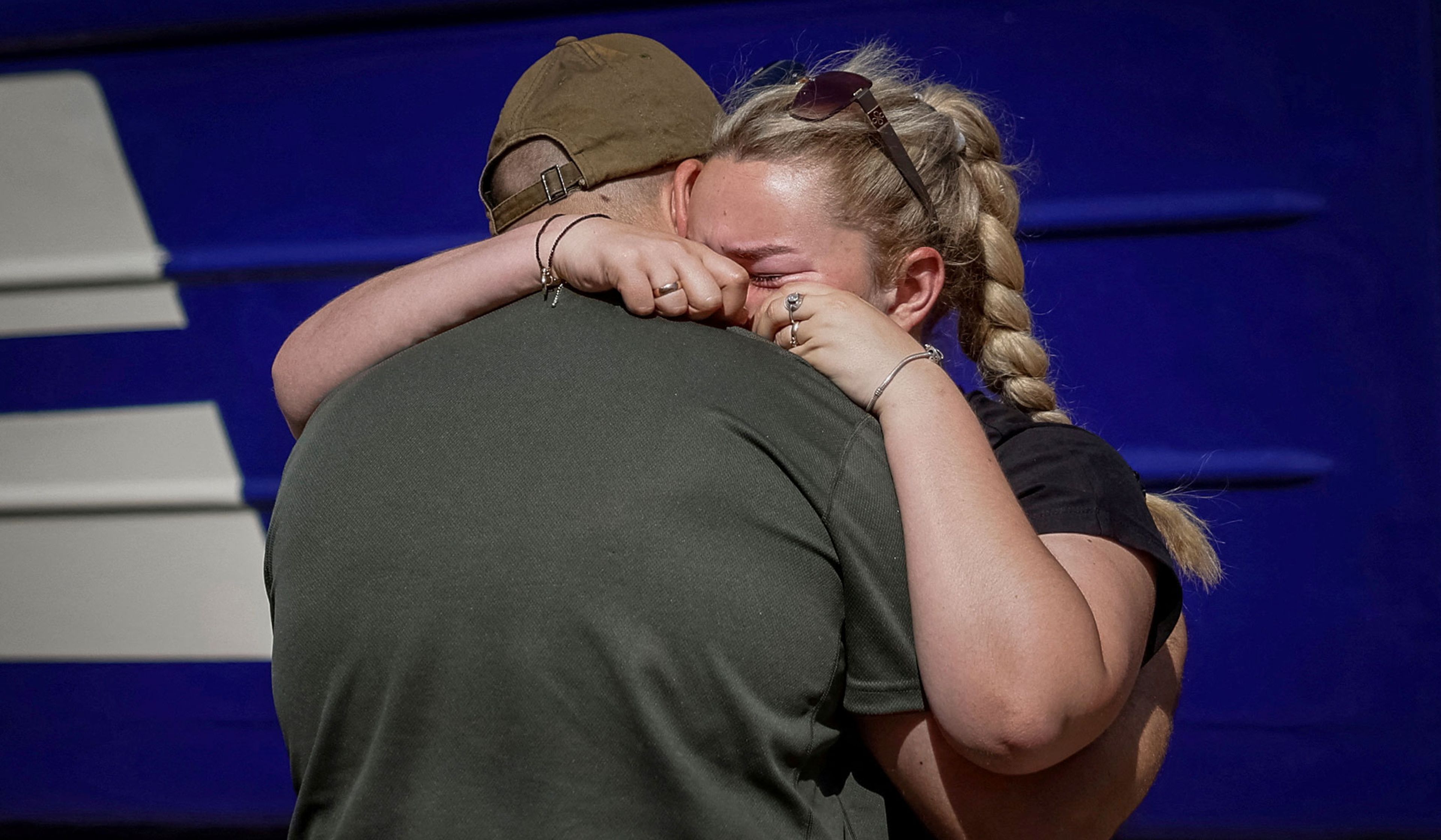









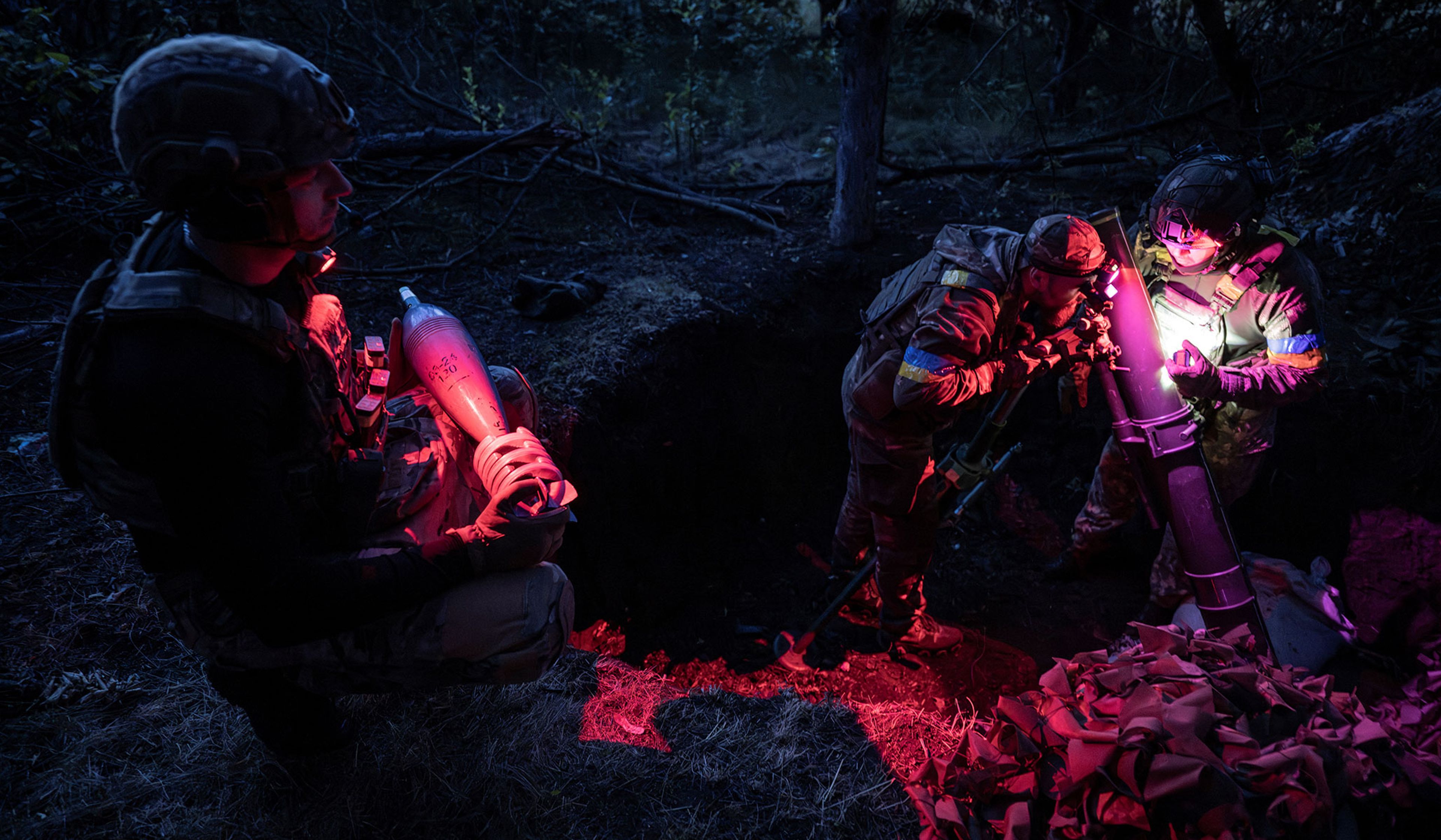

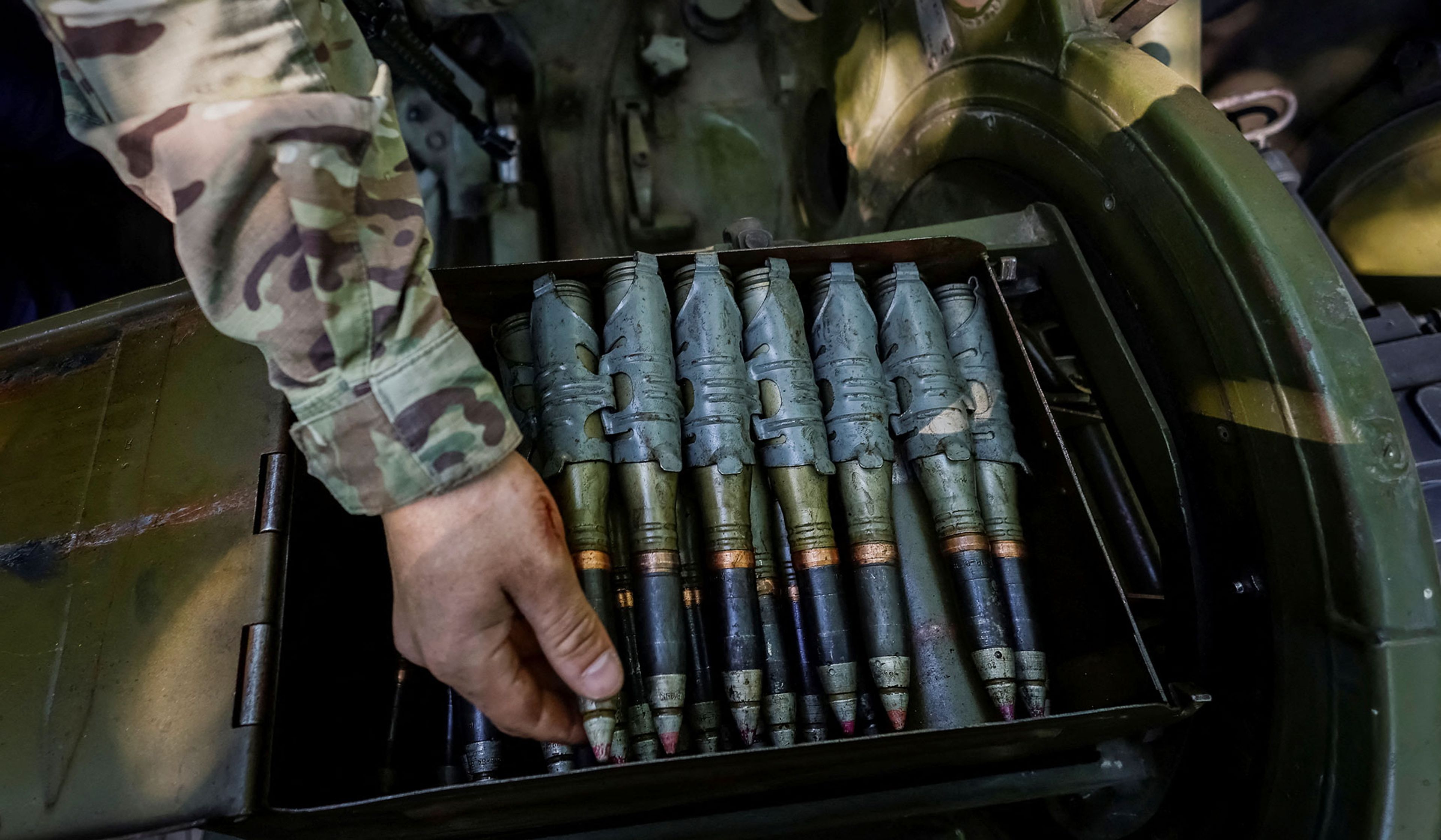



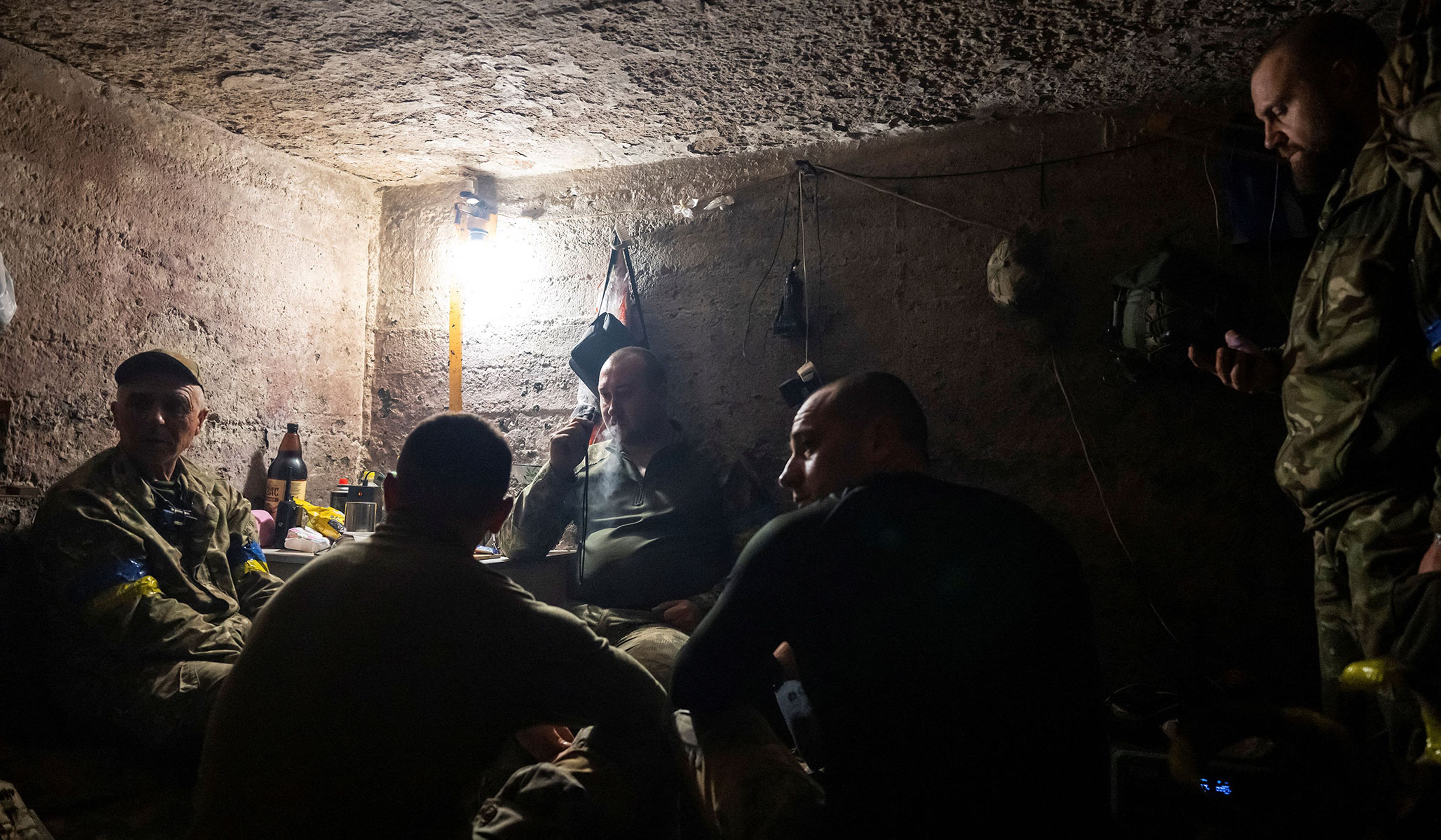
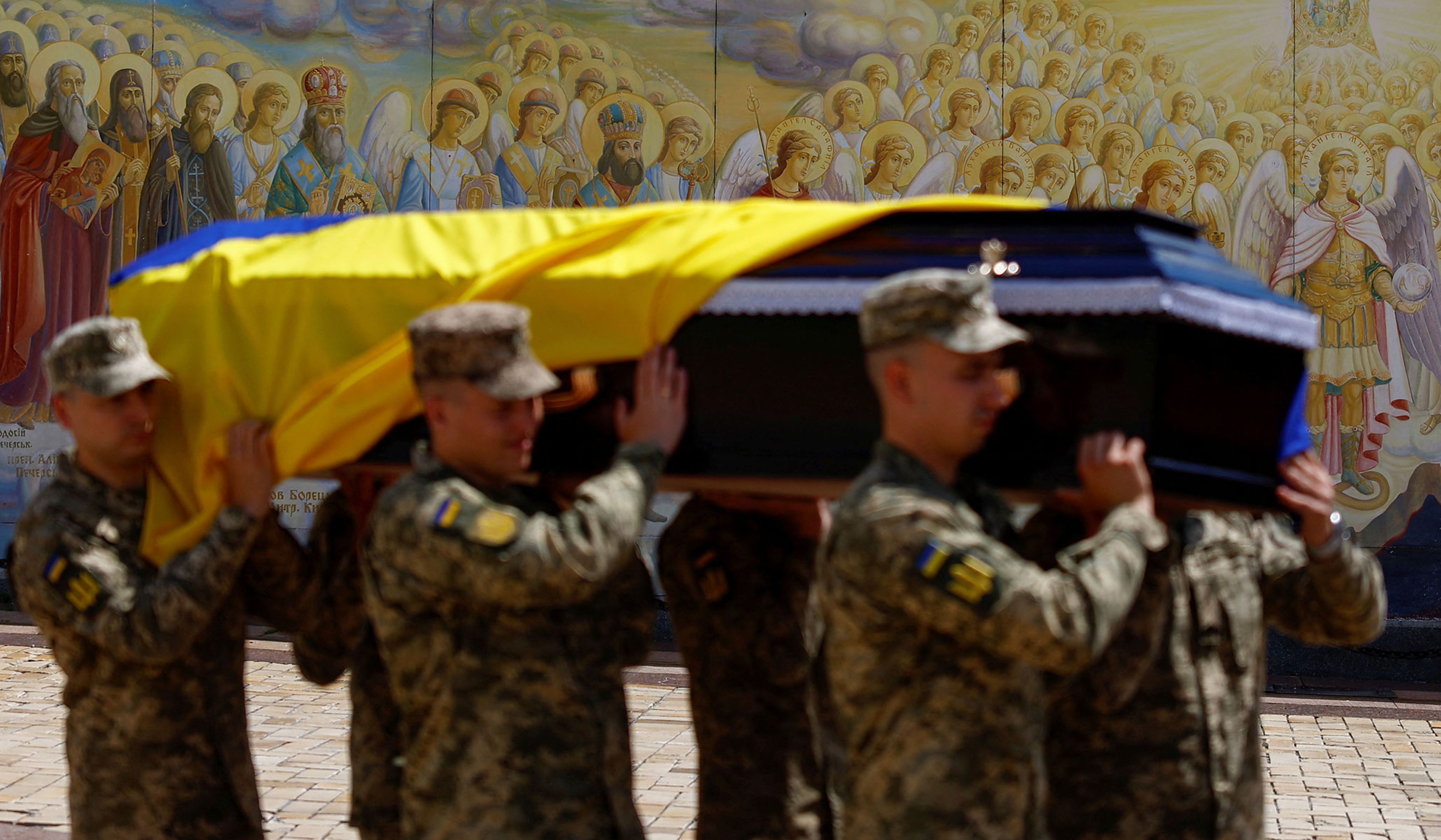



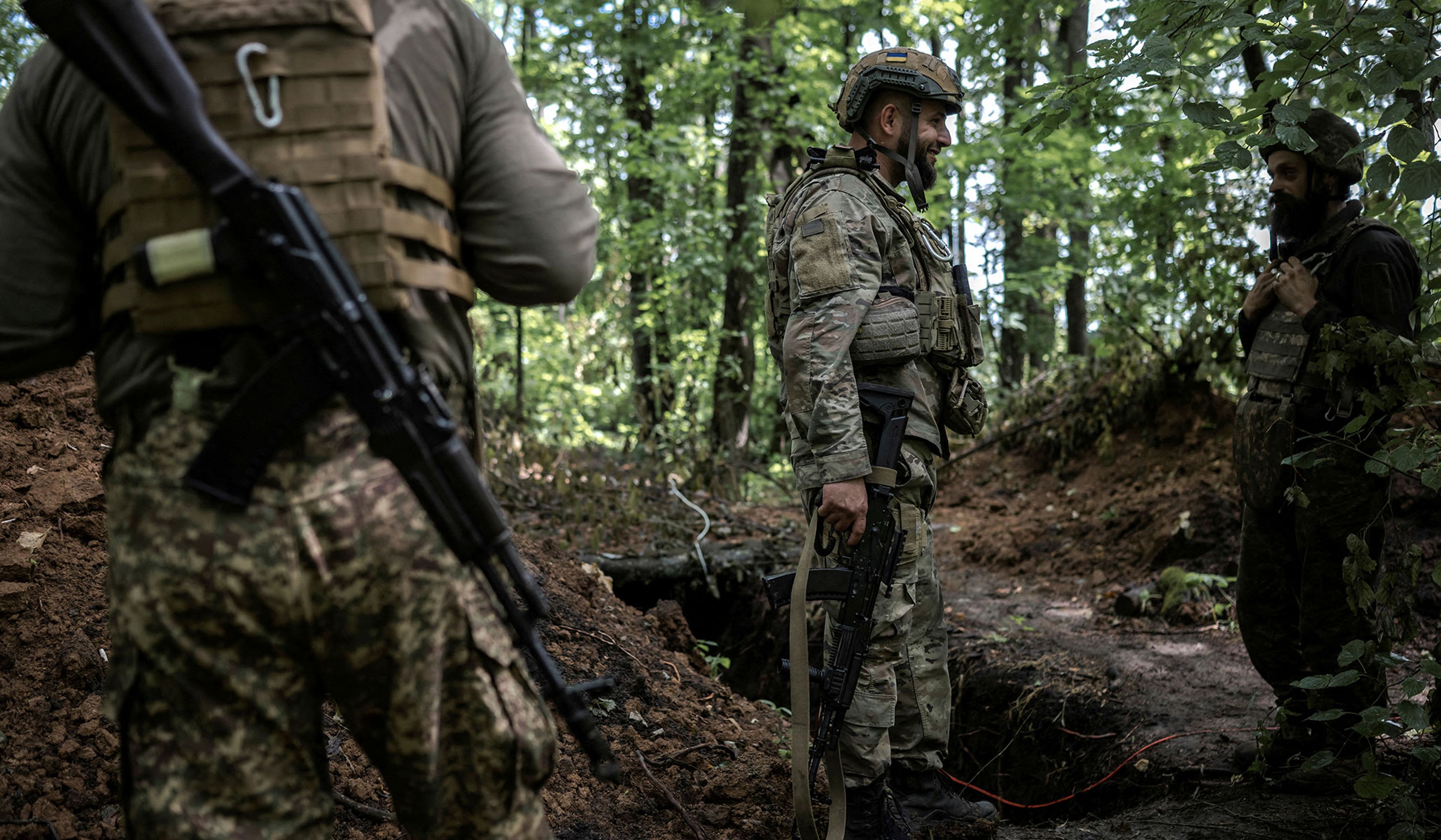
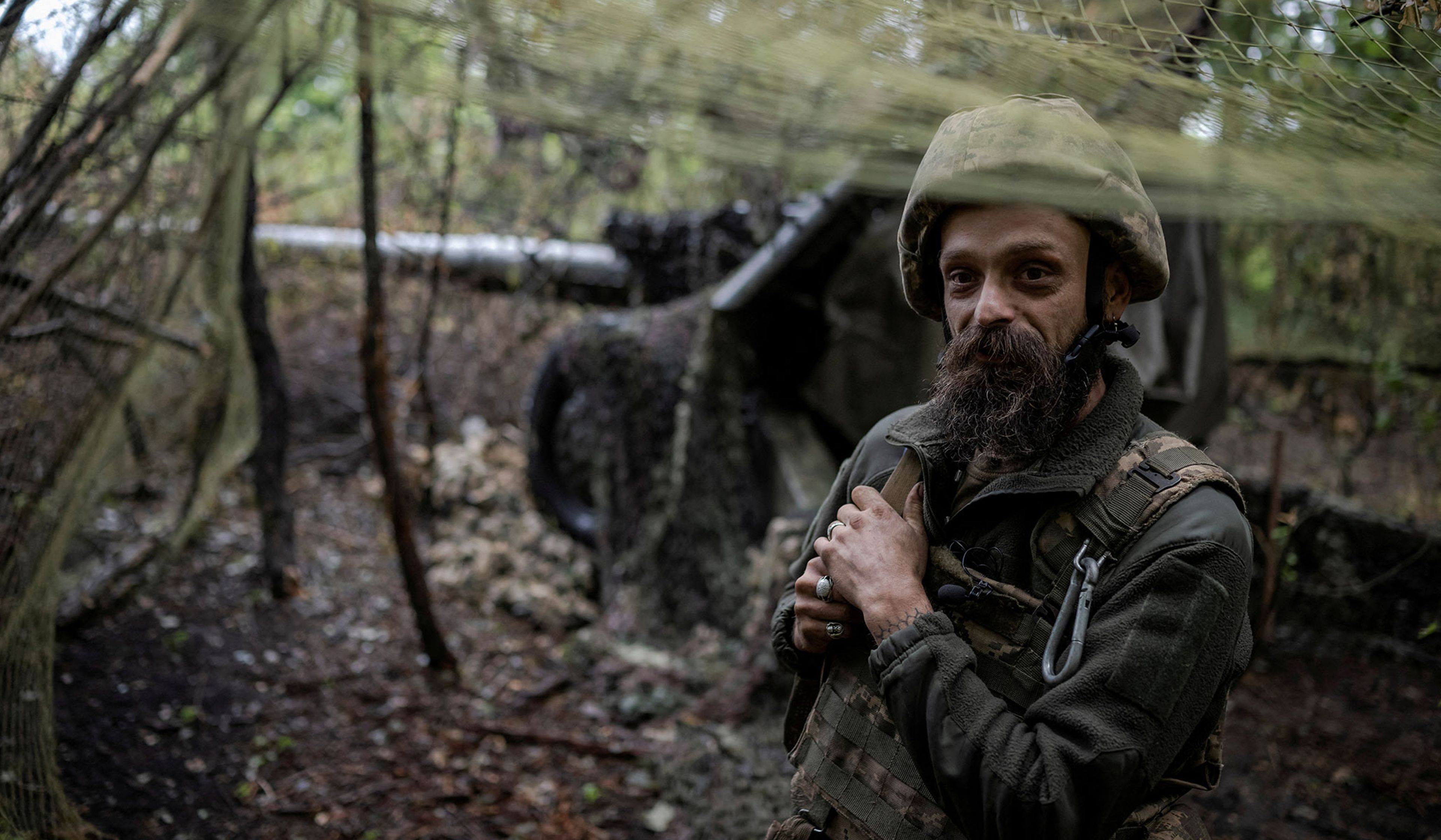


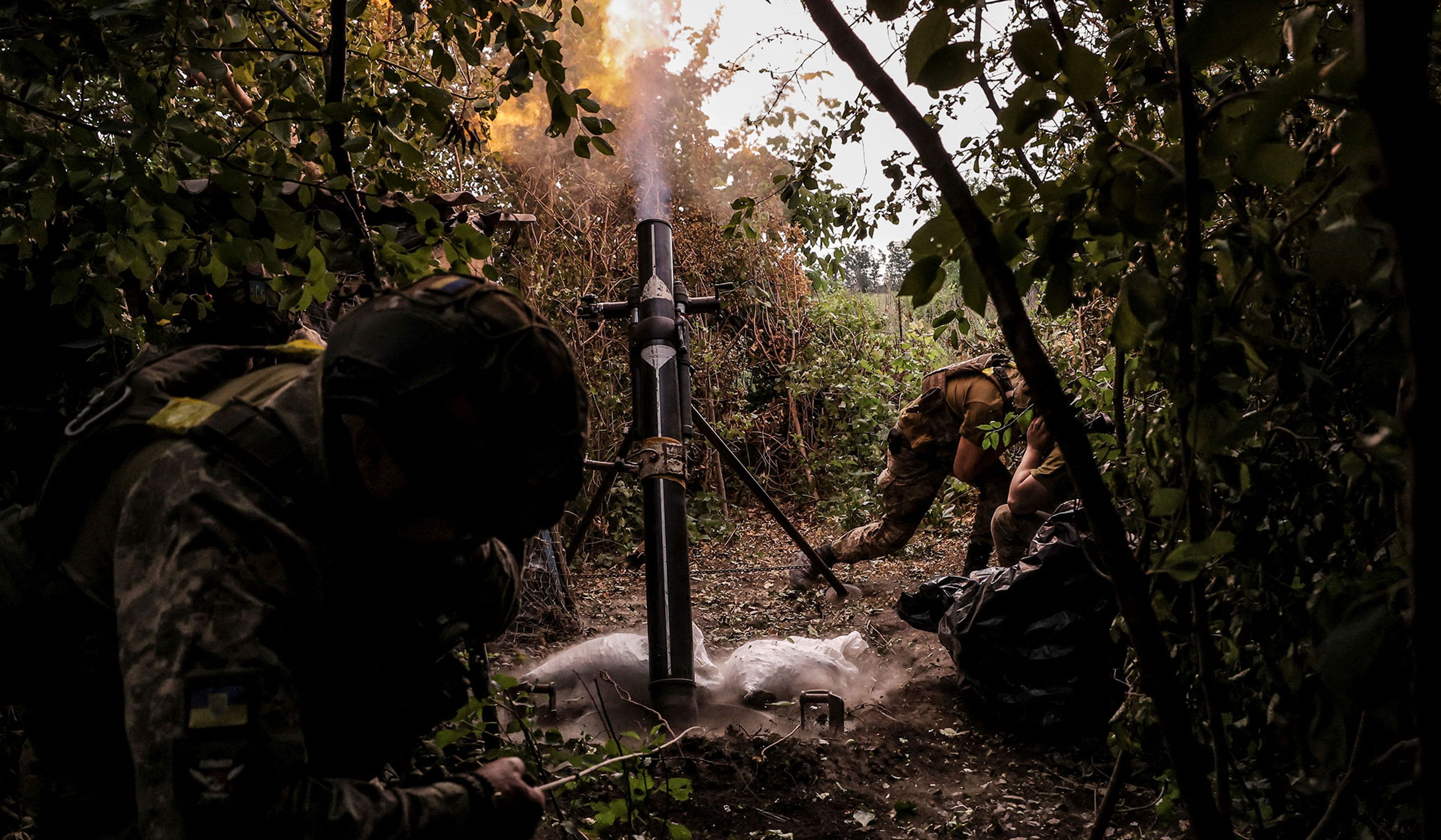
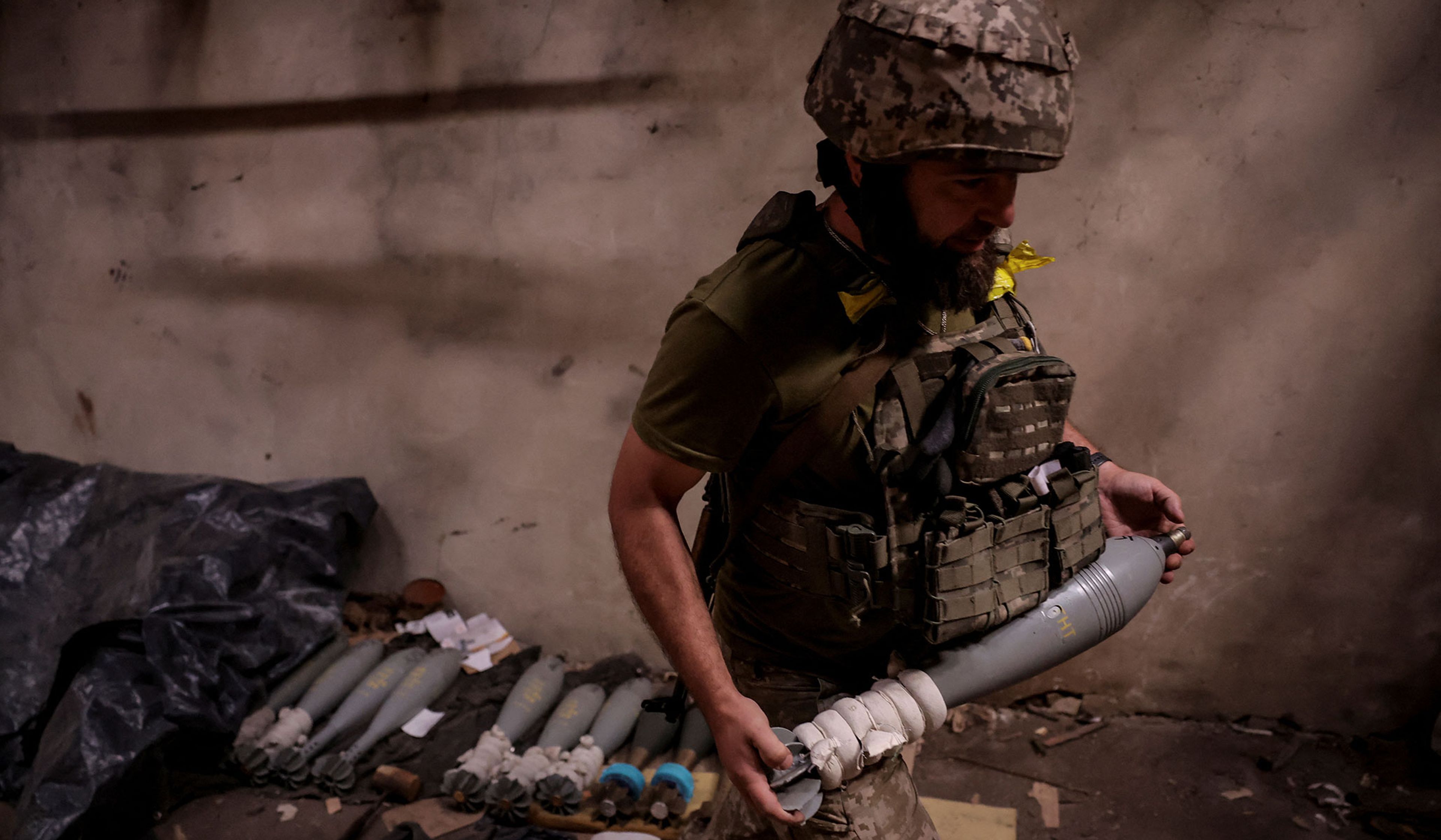
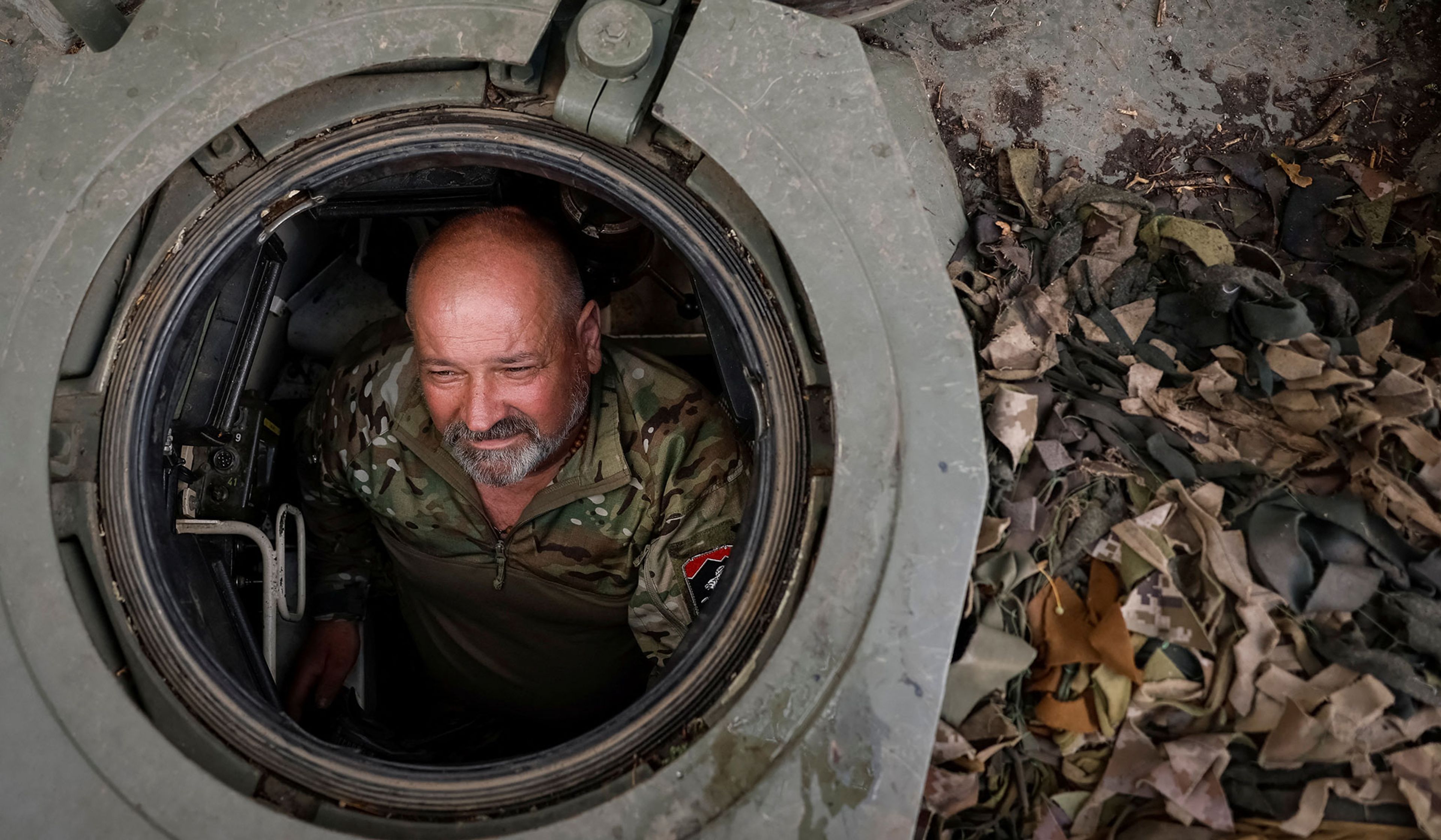




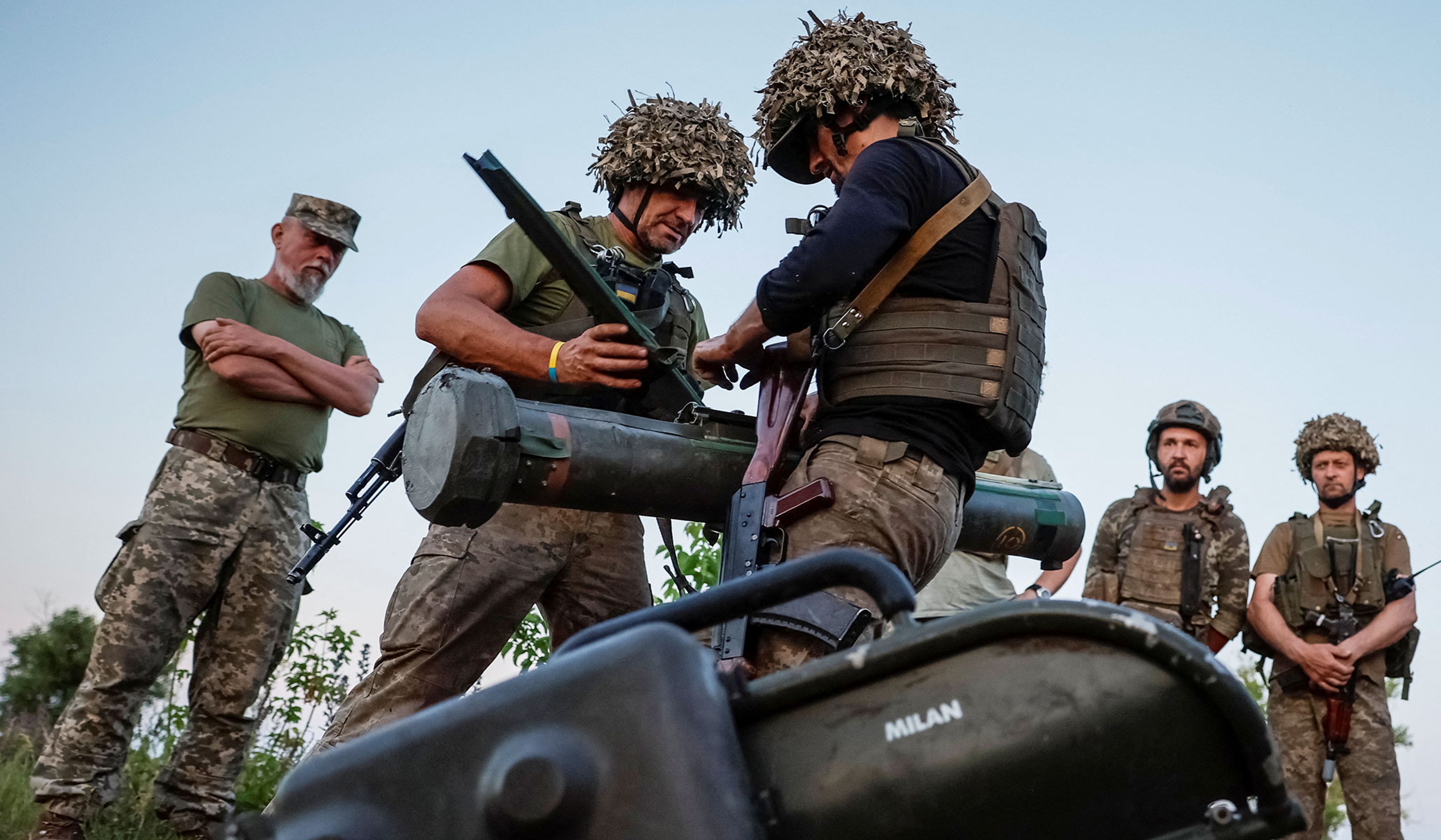


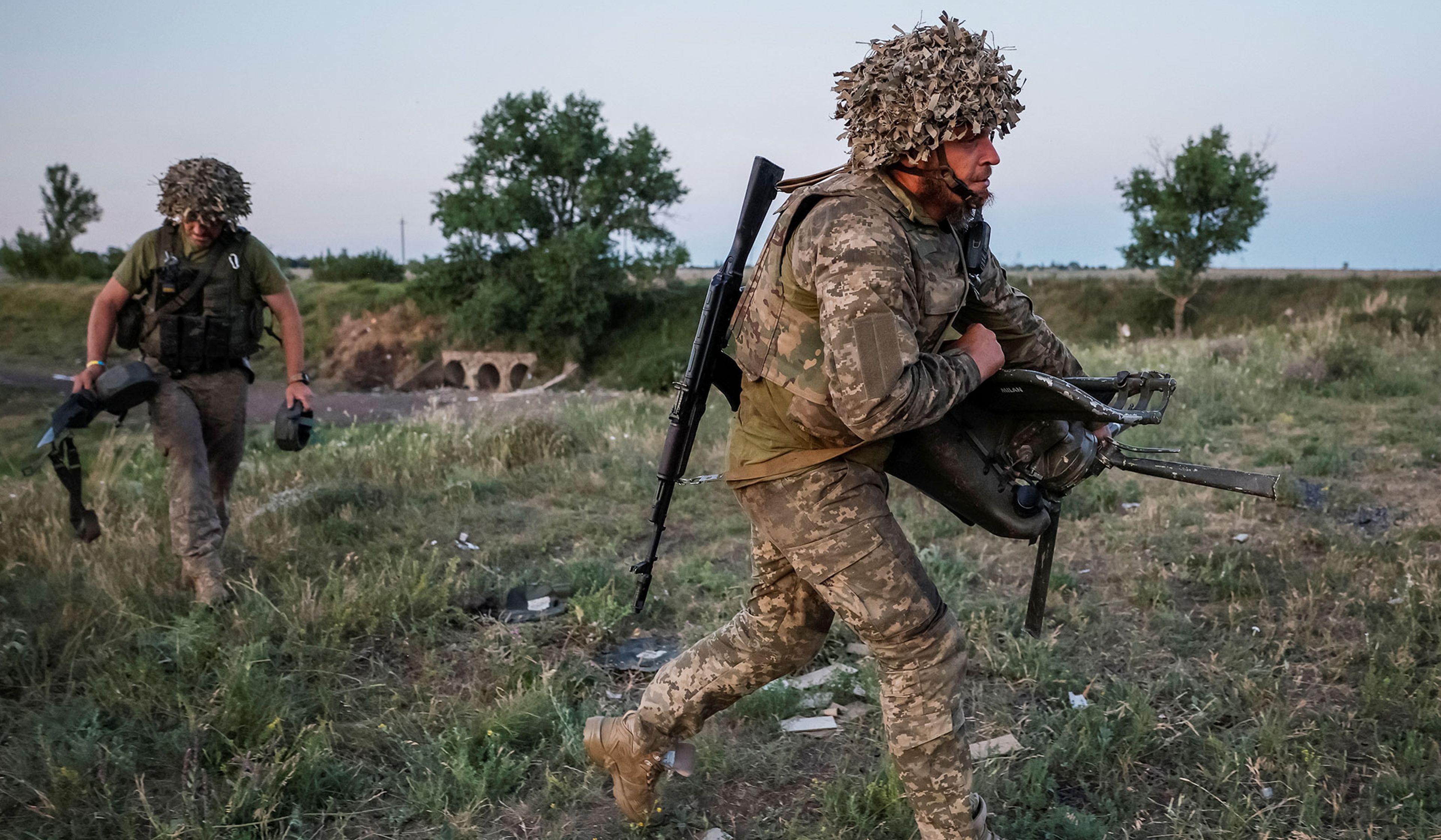

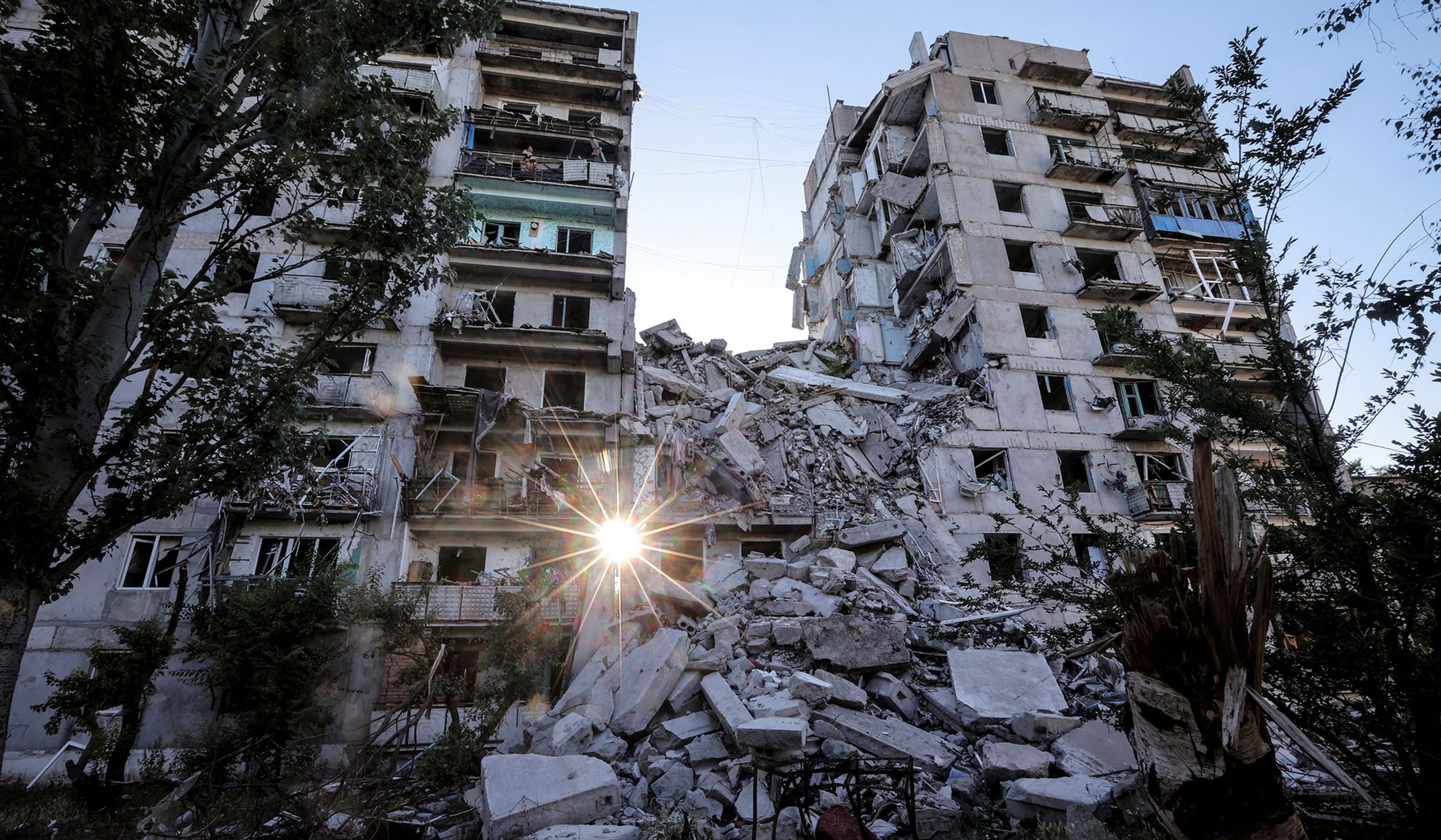







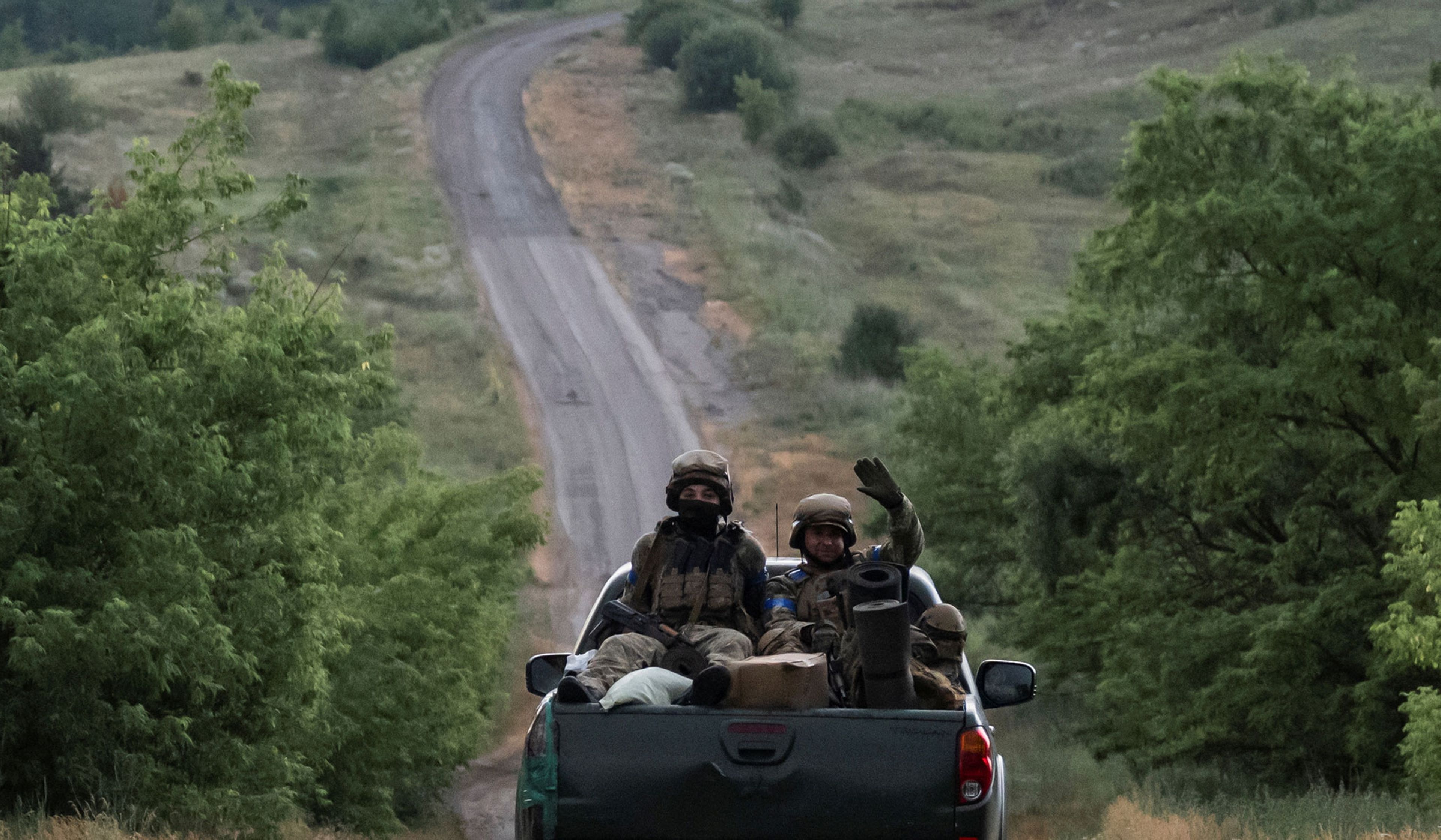
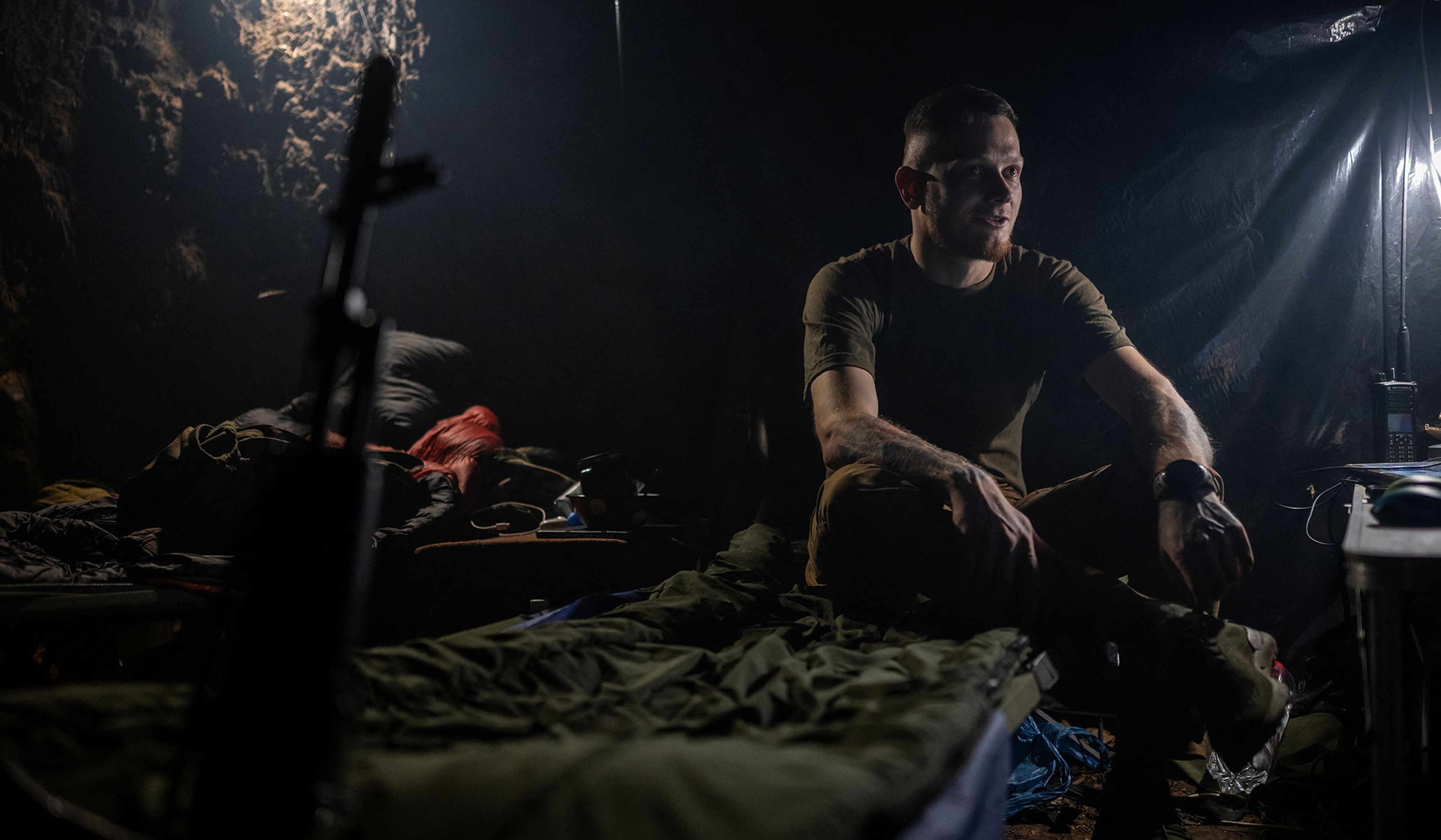
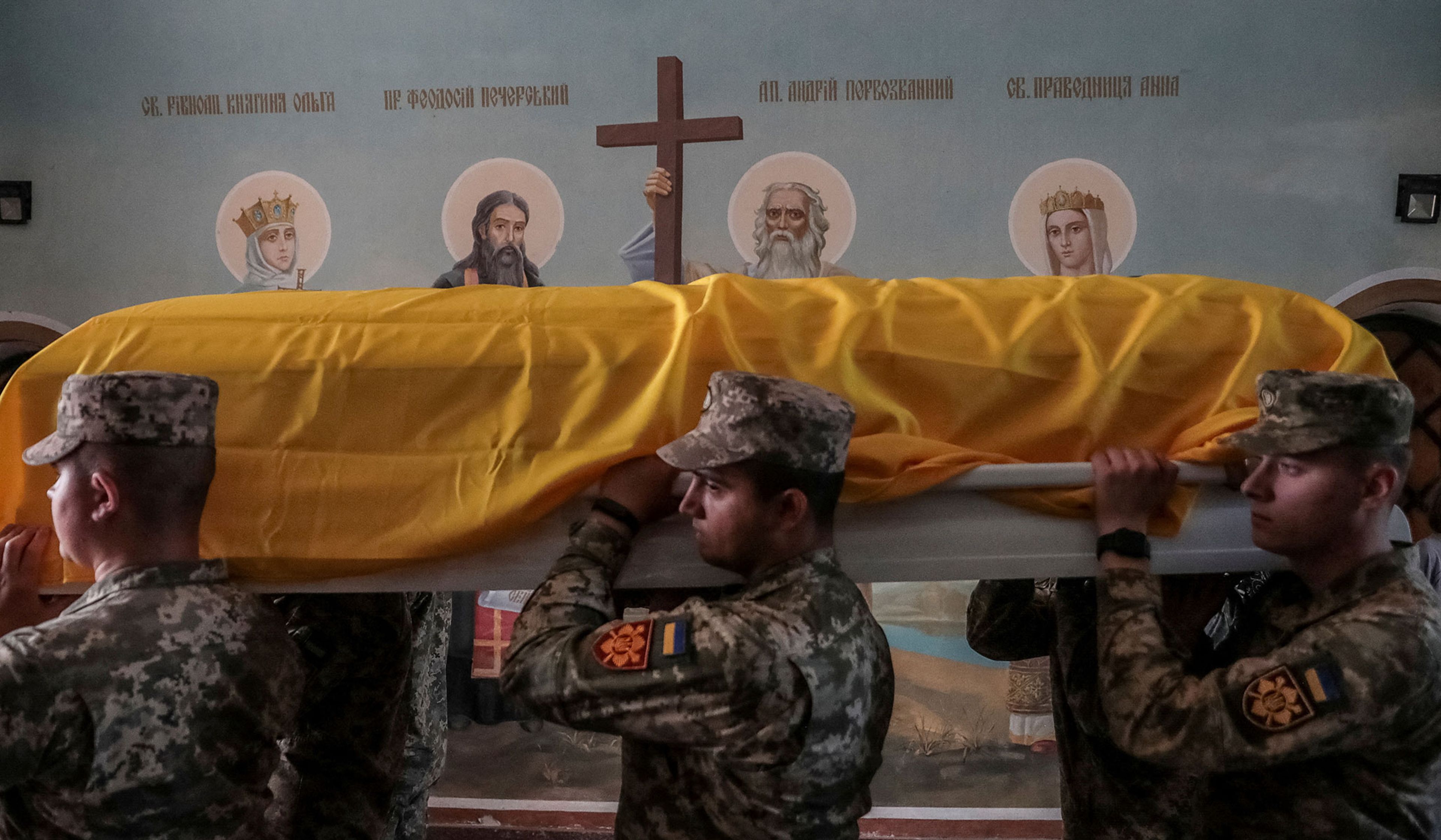

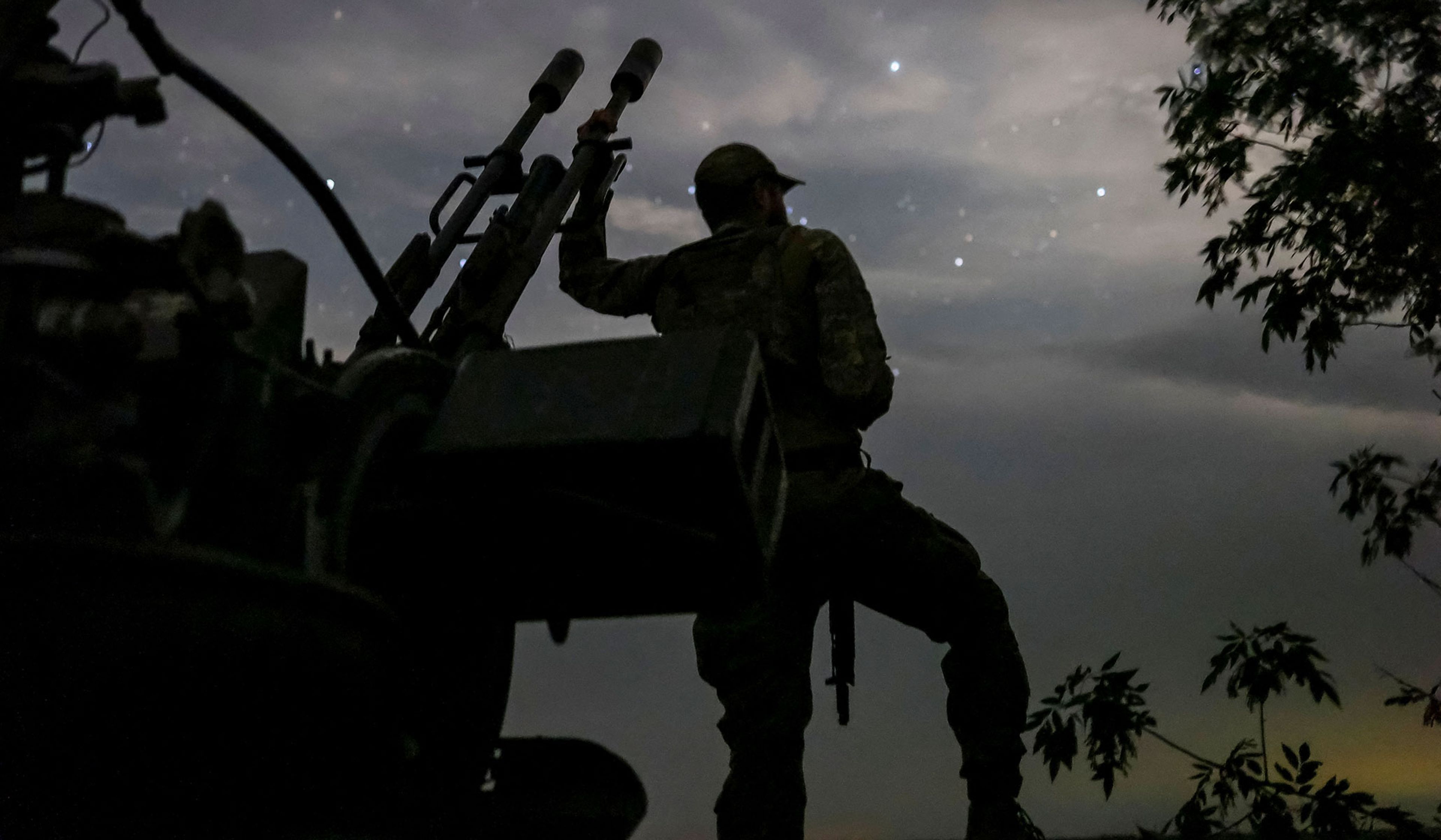
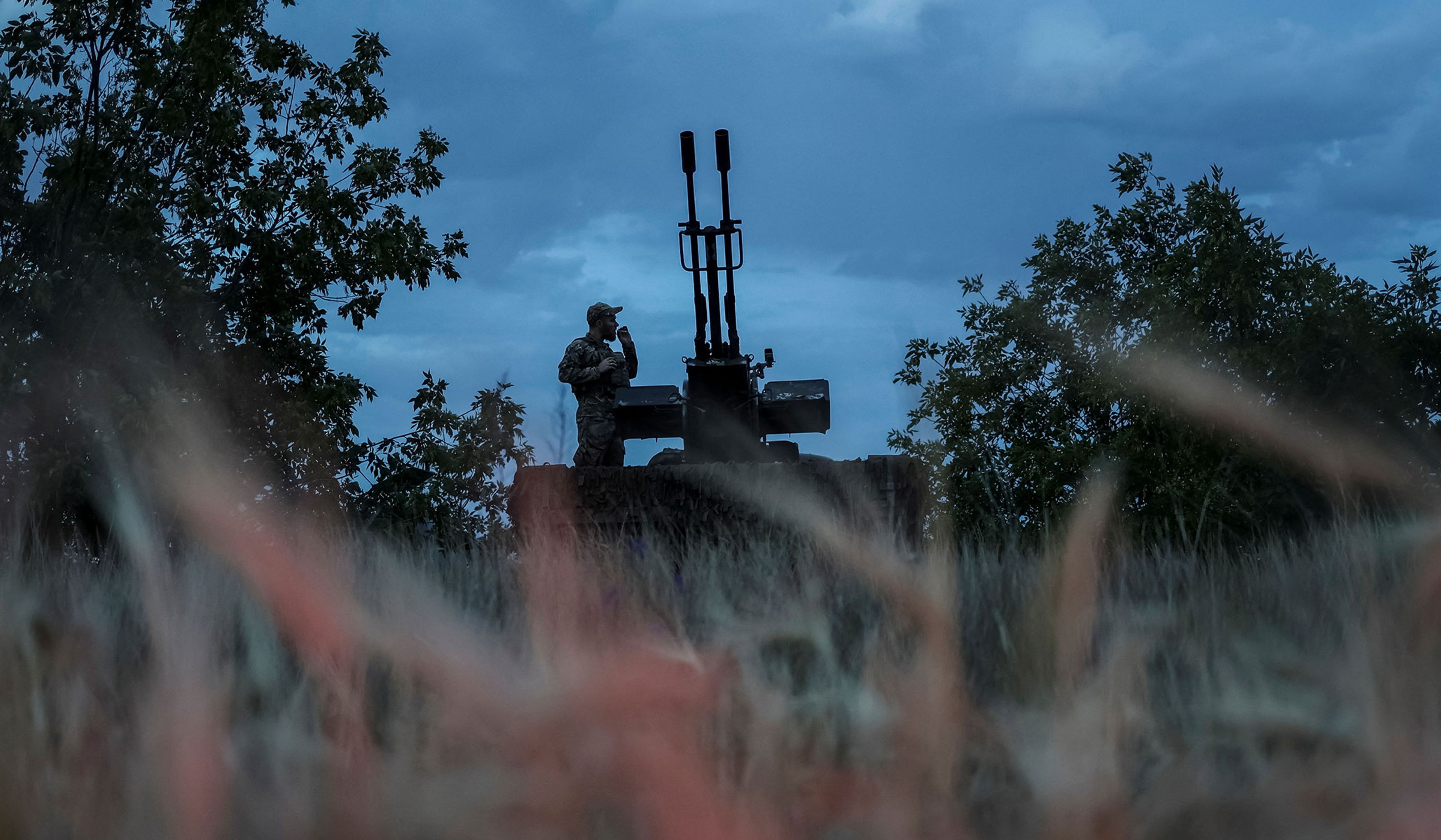

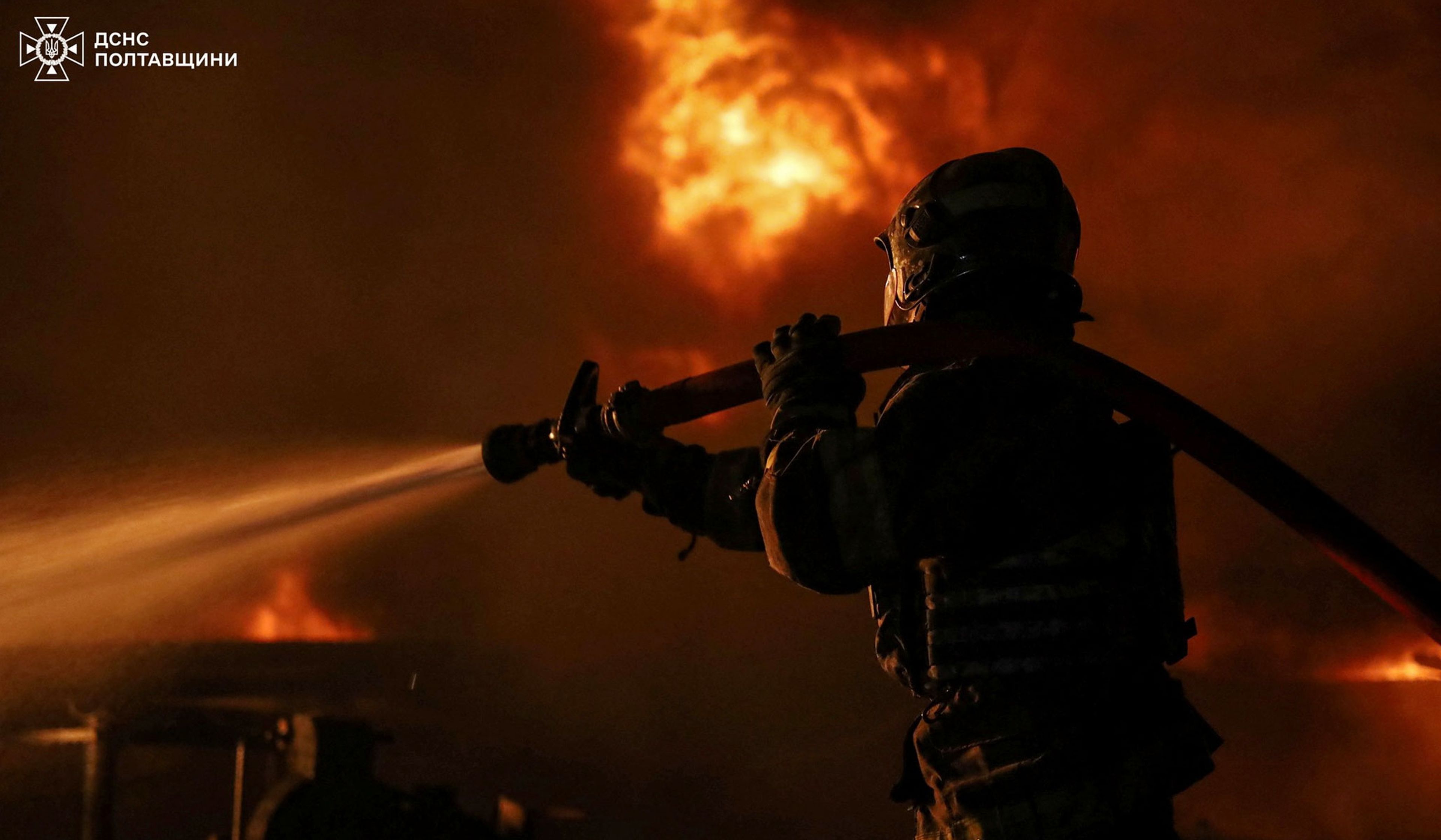



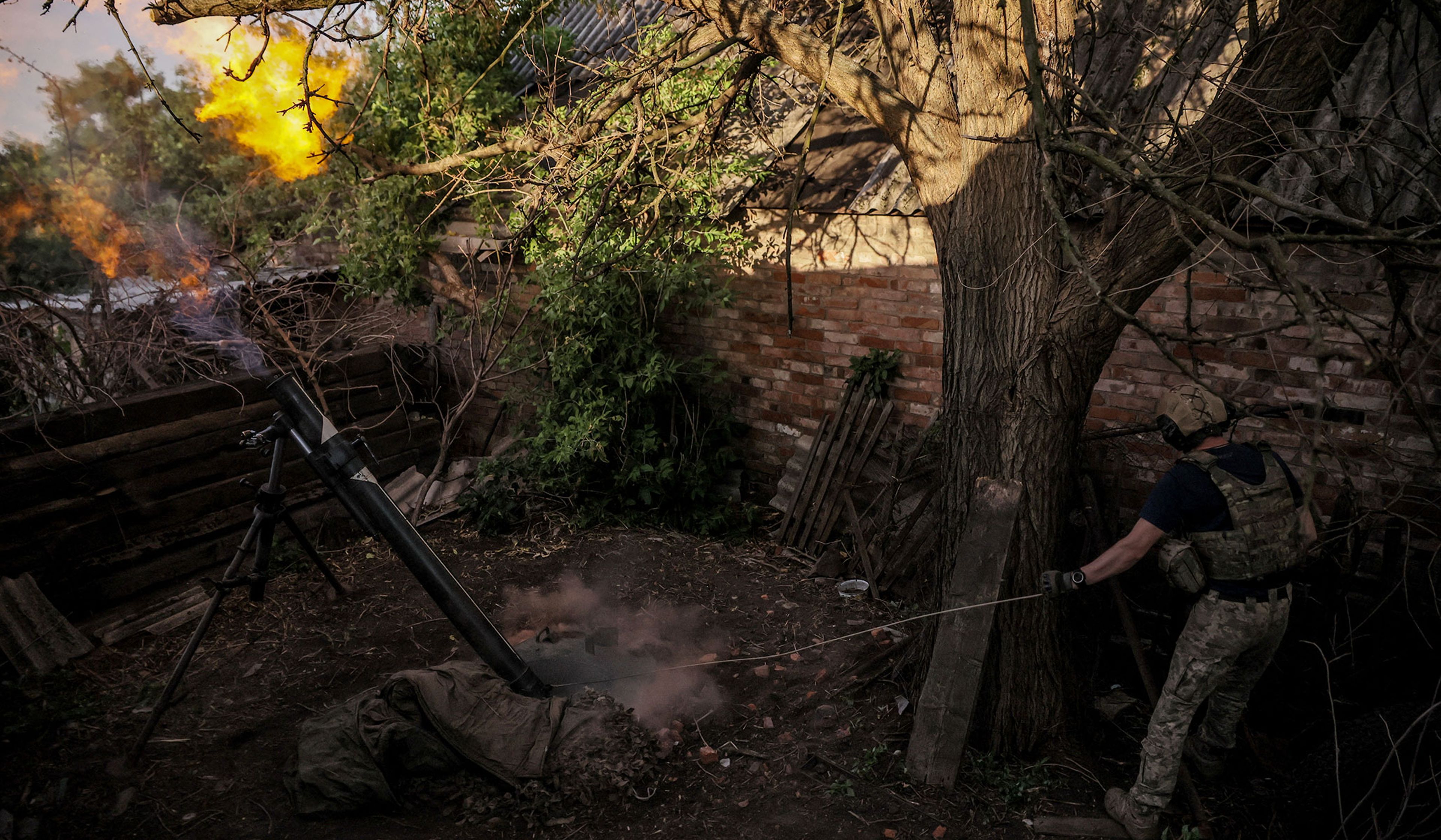
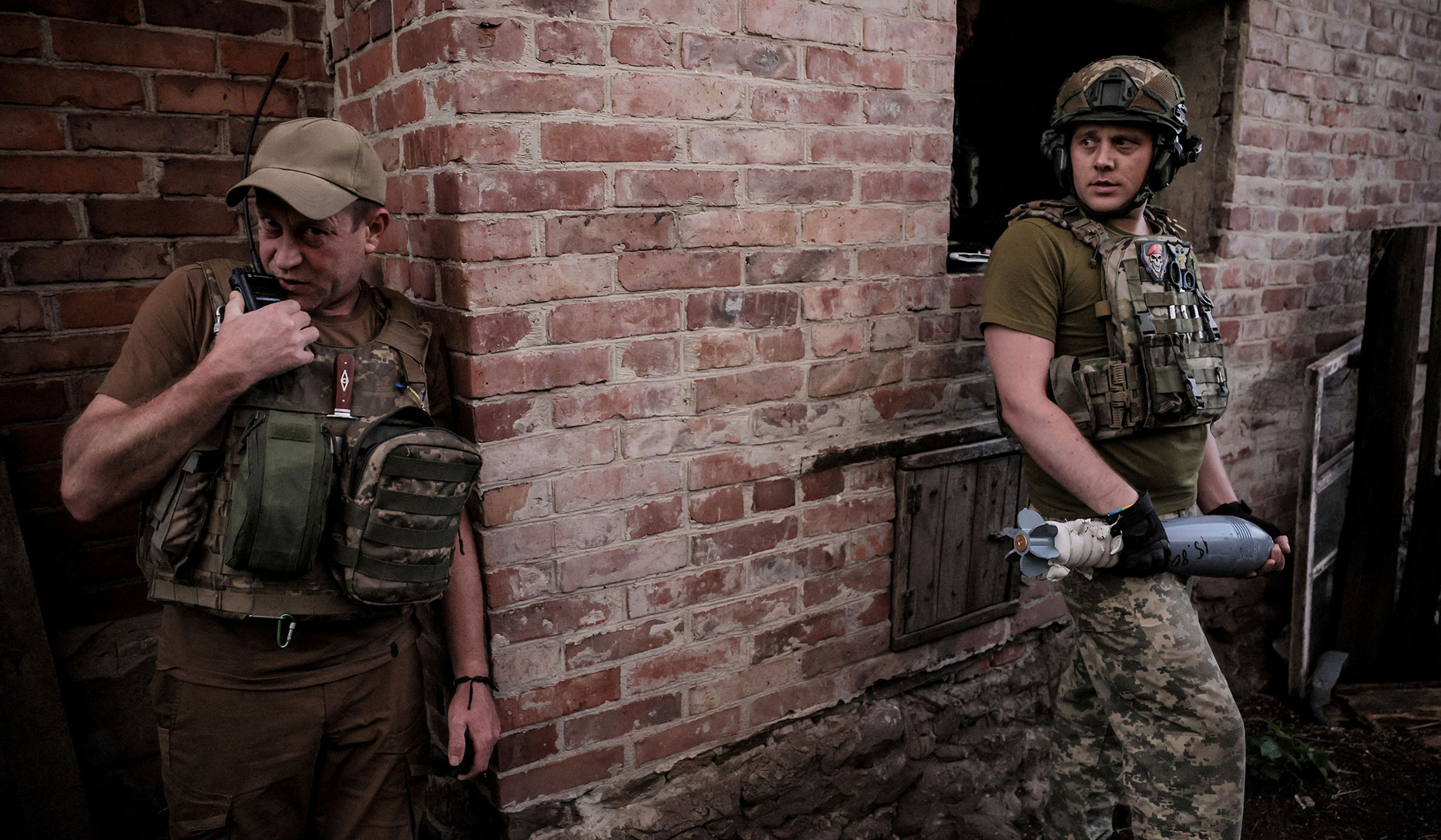
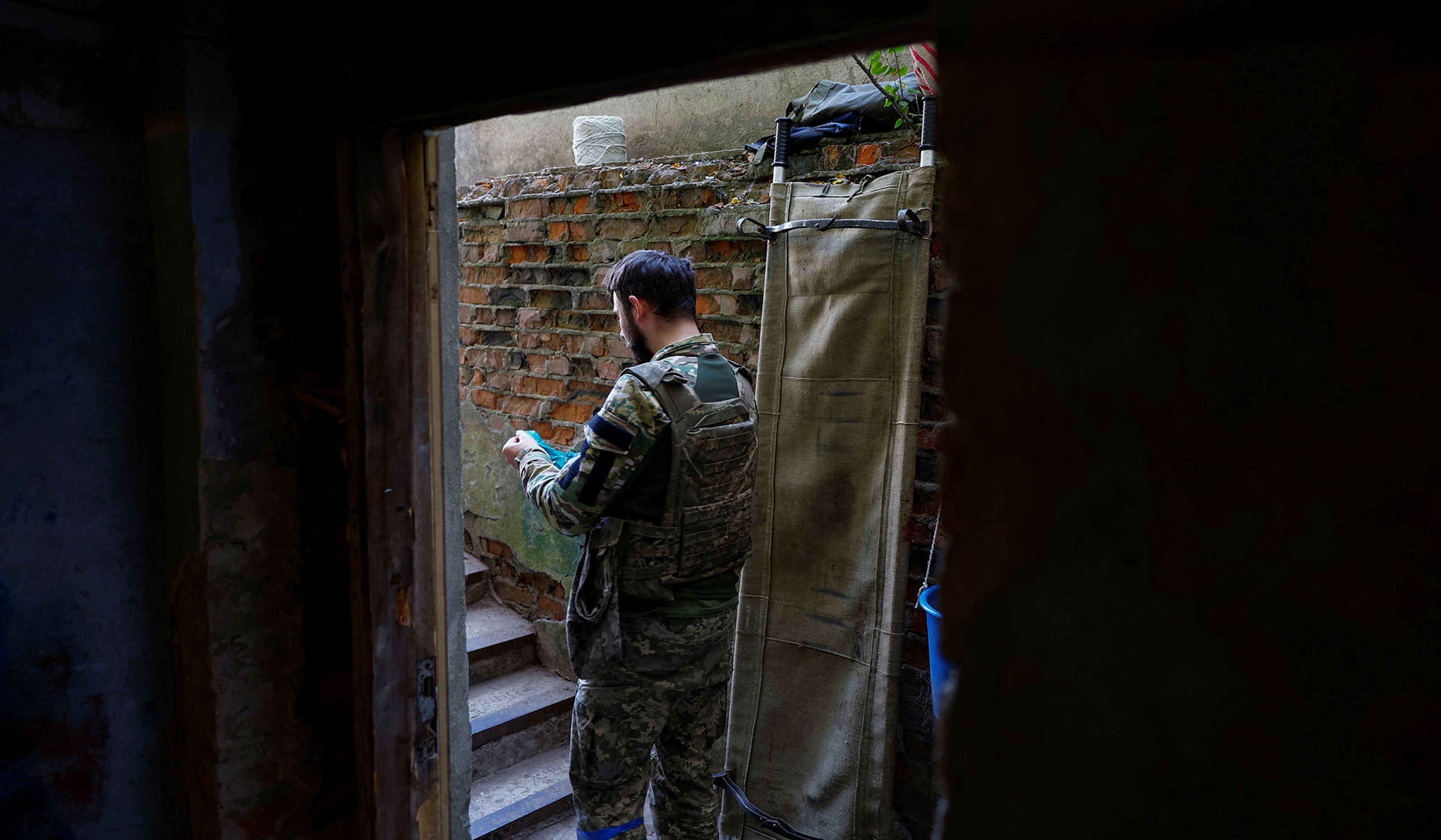



Servicemen of 24th Mechanized Brigade of the Ukrainian Armed Forces, named after King Danylo, prepare a 2S1 Gvozdika self-propelled howitzer to fire towards Russian troops on a front line near Chasiv Yar, Donetsk Region, Ukraine, June 30, 2024.
Oleg Petrasiuk/Press Service of the 24th King Danylo Separate Mechanized Brigade of the Ukrainian Armed Forces/Handout via Reuters
• In elections to the EU parliament, the EPP (a group of center-right parties) made gains and once again came out on top, winning about a quarter of the seats. It could renew its grand coalition with the center-left S&D, which lost a little ground, and the centrist Renew Europe, which took a battering. But the EPP should note the major hits taken by the enthusiastically EU-integrationist Renew, and the Greens should note that EU voters have signaled their unhappiness with Brussels’s Green Deal. Rather than stick with the status quo, the EPP should respond to the electorate’s broader swing to the right by trying to come to an arrangement that incorporates the conservative ECR, the most mainstream wing of the insurgent Right. The elections will also have ramifications in the domestic politics of some EU member-states, above all in France, where Marine Le Pen’s RN took about twice the votes of President Macron’s Renaissance Party. Macron called a snap parliamentary election. The RN is expected to win the most seats but not a majority, with consequences that, for now, can only be guessed.
• Mexico’s presidential election didn’t get a lot of attention in the U.S. until it was over, and the initial American coverage of Claudia Sheinbaum’s victory mostly amounted to “Yass, queen!” cheerleading for Mexico’s first female president. But the press has belatedly recognized that Sheinbaum, a protégé of outgoing president Andrés Manuel López Obrador, offers another round of AMLO’s policies — a half-hearted fight against the cartels at best, more statism, an expansion of the power of the presidency, and a steady chipping away at the checks and balances of the Mexican system. Earlier this year, new evidence emerged that AMLO had been cozy with the notorious Sinaloa Cartel for a long time, while the record of the cartel’s extensive and lucrative ties to China — in production of fentanyl and methamphetamine — grew clearer and clearer. The results of the Mexican election are likely to be bad news on both sides of the border.
• Much has been made of “democratic backsliding” in India. The concern is not baseless. Freedom of religion and freedom of the press have been curtailed by the Hindu-nationalist government of Prime Minister Narendra Modi and his Bharatiya Janata Party, in power since 2014, and two opposition leaders were charged with crimes in the lead-up to this year’s general election. But an anti-BJP coalition significantly overperformed pre-election polling to deny the BJP an outright majority in the Lok Sabha, the directly elected lower house of India’s parliament. Modi will remain prime minister, but only with the aid of his coalition partners. The BJP won only 240 seats, not the 400 Modi had hoped for on the campaign trail. The main opposition, the Indian National Congress party, embraced socialism in its campaigning, which makes its electoral resurgence troubling. But if more than 600 million people can vote in an election with universal adult suffrage and stun an overconfident ruling party, with results viewed as trustworthy and fair by Indians and international observers alike, that’s a democracy, even if a flawed one.
• On May 28, Harvard University announced that it would hereafter “refrain from taking official positions on controversial public policy issues.” This marks a distinct change from its prior policy of positioning itself publicly on matters of social justice; the crisis point came with 10/7, when Harvard conspicuously declined to denounce the mass slaughter of Israelis but some students and professors demanded that it criticize Israel. Many have noted that Harvard’s new position seems to be little more than a restatement of the conclusions of the University of Chicago’s famous Kalven Report, which prescribed a policy of pure “institutional neutrality” during an era when protests against the Vietnam War were tearing campuses apart nationwide. Gaza splits the Democratic Party; let’s wait to see how Harvard behaves on issues that unite it.
• The New York Times ran a lengthy op-ed explaining, as the headline said, “Why the Pandemic Probably Started in a Lab, in 5 Key Points.” Alina Chan wrote that Covid emerged in Wuhan, the city where the world’s foremost research lab for SARS-like viruses is located; that in the year before the outbreak, the Wuhan Institute of Virology, working with U.S. partners, proposed creating viruses with SARS-CoV-2’s defining feature; that the Wuhan lab pursued this type of work under low biosafety conditions that could not have contained an airborne virus as infectious as SARS-CoV-2; that there was minimal evidence that Covid-19 came from an animal at the Huanan Seafood Market in Wuhan; and that evidence was lacking of the sort that would be expected if the virus had emerged from the wildlife trade. The op-ed doesn’t present any bombshells, but the Times’ decision to run it — and put in the staff work to create maps and infographics and other bells and whistles to illustrate the points — is something of a bombshell in itself. This is a concession by the New York Times opinion editors that the lab-leak theory is no longer a conspiracy theory, disinformation, or far-fetched nonsense. It brings the Times up to where some of us were in, oh, April 2020.
• “A slow-rolling nightmare.” That’s how one Wall Street Journal staffer described life at the paper under its new editor, British transplant Emma Tucker, and her band of deputies from across the pond. Tucker has slashed the paper’s Washington, D.C., bureau, has prioritized clickbait lifestyle stories, and lacks a basic understanding of American culture and government, according to eleven current and former Journal veterans. At one point, Tucker was surprised to learn that Congress includes two chambers. In at least one meeting, she made a dismissive comment about American gun culture. (A Journal spokesperson denied the allegations.) The Journal has historically enjoyed high levels of trust across the political spectrum. But staffers are worried that Tucker and her team are jeopardizing that increasingly rare commodity through short-term thinking and questionable personnel decisions. The Journal is one of the few profitable newspapers in America, and not for its lifestyle features.
• As a headline said, “X has new rules that officially allow porn.” “X” is the name of the platform formerly known as “Twitter.” “X” turns out to be all too apt a name.
• An NFL player has gotten in trouble again. Not for wife-beating, drugs, or hiring prostitutes, but for giving an aggressively traditionalist commencement address at a Catholic college. Addressing graduates of Benedictine College, Harrison Butker, the Kansas City Chiefs kicker, reinforced unpopular church teachings and drew some political conclusions. He warned against the “deadly sin [of pride] that has an entire month dedicated to it,” as well as contraception, cohabitation, abortion, IVF, surrogacy, euthanasia, and other “degenerate cultural values” and “dangerous gender ideologies.” He said that women had been told the “most diabolical lies” about what makes them happy, and gave the example of his wife, whose life “really started when she began living her vocation as a wife and mother.” The speech certainly could have used an editor to cut a few strange remarks and fend off misinterpretations. Still, the reaction to the speech has been preposterous. Nearly 230,000 people signed a petition calling for Butker to be fired. The NFL issued a statement explaining that Butker’s views “are not those of the NFL as an organization.” One teammate, Patrick Mahomes, defended him while expressing some disagreement, as did Chiefs head coach Andy Reid. Butker’s career appears to have survived the debacle, which may yet move the ball for opponents of cancel culture.
• Caitlin Clark is a good basketball player. In college, she was national player of the year. Twice. She is the leading college scorer of all time. Now she is in her first season in the pros, playing for the Indiana Fever. Plenty of people are interested in taking her down. Some have complained that she benefits from “white privilege.” As the Chicago Tribune observed in an editorial, she actually benefits from a “talent privilege.” A rival player committed a nasty foul on her, uttering an epithet as she did it. (The player was neither ejected, suspended, nor fined.) When news got out that Clark would not be selected for the U.S. Olympic team, there was sniping satisfaction. Through it all, Clark has been poised and gracious, which is in itself a victory over envy.
• When Oregon State’s Micah McDowell was called out on strikes at the end of a 3–2 loss to Kentucky on June 10 in an NCAA baseball superregional game, it was curtains for the Pac-12 Conference. The league has origins that date back to 1915 with the founding of the Pacific Coast Conference, but it has now been killed by the changing landscape of big-time college sports in hot pursuit of TV money. When the fall collegiate-athletic season begins, UCLA, USC, Washington, and Oregon will play in the Big Ten (which will then have 18 teams); Arizona, Arizona State, Colorado, and Utah will join the Big 12 (which will have 16); and Cal and Stanford will play in the — checks notes — Atlantic Coast Conference. If you think that’s hard to keep track of, don’t worry: They’ll probably change conferences again before too long.
• The United States of America beat Pakistan in cricket. That’s not supposed to happen. The U.S. qualified for this year’s T20 World Cup because the International Cricket Council named it one of the host countries, with matches being played in New York, Texas, and Florida. Pakistan qualified because it is one of the best teams in the world. T20 cricket is a shortened version of the game, with action-packed matches lasting three hours. Most Americans need that explained to them, but no Pakistanis would. Pakistani cricketers are highly paid celebrities who play full time before millions of adoring fans. The U.S. team captain and leading run-scorer against Pakistan, Monank Patel, ran a restaurant for two years in South Carolina after playing junior cricket in India. The U.S. bowler who held off Pakistan in the cricket equivalent of overtime, Saurabh Netravalkar, also played junior cricket in India, before moving to the U.S. to get a master’s degree in computer engineering from Cornell. He will have to ask for additional time off from his job at Oracle if the U.S. advances past the group stage of the tournament. American sports fans might not know a yorker from a bouncer, or even how to score a run, but we do know a thing or two about winning.
• A constant in our lives has been D-Day anniversaries: the 20th, the 40th, and so on. We have just observed the 80th. Veterans gathered in Normandy, as usual: But now they are about 100 years old, and soon these ceremonies will be without veterans. It is well to remember the bravery exhibited by Allied soldiers that day. It is well to remember the purpose of their fighting, the importance of their fighting. We must remember, too, that the course of events gives us little rest. President Biden said, “In their generation, in their hour of trial, the Allied forces of D-Day did their duty. Now the question for us is: In our hour of trial, will we do ours?” We had better.
• As John Leicester of the Associated Press observed, their combined age was almost 200. The groom was 100, the bride 96. Harold Terens, an American World War II vet, married Jeanne Swerlin near the beaches of Normandy on the 80th anniversary of D-Day. They were special guests at the state dinner hosted by President Macron at the Élysée Palace. Vive la liberté, et vive l’amour.
• Often misunderstood and caricatured by its adversaries and even self-proclaimed proponents, libertarianism cries out for a clear definition. David Boaz had one. “The philosophy of freedom,” he called it. He saw libertarians as “heirs” to the tradition of “classical liberalism,” dedicated to “individual freedom, equality under the law, pluralism, toleration, free speech, freedom of religion, government by consent of the governed, the rule of law, private property, free markets, and limited constitutional government.” In the 1980s he joined the Cato Institute and remained for life, serving as its executive vice president. He wrote for the top libertarian magazine, Reason, as well as publications left and right, including National Review. The author, co-author, or editor of half a dozen books, he appeared often as a quick-witted but adamantly civil commentator in mainstream media. He knew the value of kindness and an occasional joke. Dead at 70, the godfather of contemporary American libertarianism and its éminence grise. R.I.P.
• Bill Walton, a garrulous mophead free spirit with a stutter and friends among the Grateful Dead, played center for the UCLA Bruins in the 1970s. He helped power them to two NCAA championships under John Wooden, the legendarily buttoned-down, old-school basketball coach. The two had surprising odd-couple chemistry. When Walton was jailed after a protest against the Vietnam War, Wooden came to bail him out. Walton called Wooden often in retirement, just to chat. “I love talking to him,” Wooden told a reporter, although “I don’t do much of the talking.” Sports announcer Marty Glickman had helped Walton overcome his stutter decades earlier. In 14 seasons in the NBA, Walton was named to two All-Star teams, won both the finals (1977) and regular-season (1978) MVP awards, and played for two championship teams, the 1977 Portland Trailblazers and the 1986 Boston Celtics. Long-standing foot and knee injuries impeded but did not stop him. As a basketball color commentator for national TV networks, he delivered many stream-of-consciousness digressions, sometimes controversial, never boring, often stimulating. “English is my fourth language,” he said, “after Stumbling, Stammering, and Bumbling.” The Basketball Hall of Fame enshrined him in 1993. Dead at 71. R.I.P.
Rescue and Recrimination
Men and women of goodwill were electrified by Israel’s daring daylight rescue of four hostages, held by Hamas terrorists since its attack on Israel last October. Whether it represents a change in the dynamics of the Gaza war remains to be seen.
The four hostages, three men and one woman, were being held in civilian apartments in Nuseirat in central Gaza (even if they were enemy combatants, stashing them among the general population would have been a war crime — only the latest in Hamas’s skein of depravities). Israel moved after conducting practice raids on replicas of the apartments; it chose daytime for the element of surprise.
Hamas, as is customary, reported hundreds of civilian casualties. Any Gazan holding a valuable hostage had to have been a Hamas higher-up; the total figures are pulled from thin air. That has not stopped media outlets worldwide from repeating them, sometimes with a note that they cannot be verified.
The pro-Hamas Left — a compound of Islamists, Marxist-Leninists, Islamist-Marxist-Leninists, and garden-variety deadbeats — reacted with the fury of losers. Washington, D.C., was immobilized by masked and keffiyeh-wrapped protesters, whose particular target was the White House. They hurled abuse at President Biden, as a tool of Israel, painted “Death to Amerikkka” and other charming slogans, and defaced statues of Rochambeau and Lafayette in the park named after the latter. (Nice touch after the Franco-American celebration of D-Day.) Washington’s Metropolitan Police and federal security stood down to let them have their way, in a shameful dereliction of duty.
Biden’s legendarily bad foreign-policy instincts were on display in the latest peace plan touted before the rescue mission and reaffirmed in a U.N. Security Council vote afterward. Since Hamas is now incapable of another October-style attack, Biden claimed, there should be a three-phase process wherein Israel releases terrorist prisoners in return for the most vulnerable surviving hostages (including five Americans believed to be still alive), Israel gradually withdraws its troops, and a massive reconstruction of Gaza begins. The flaws of such a scheme are obvious. Hamas cannot launch a new slaughter raid now, but if its cadres are freed, it will begin planning the next, as its charter promises. And who will supervise post-war Gaza? Israel? It will have withdrawn. The U.S.? As Bismarck might have said, Gaza is not worth the bones of one Marine. The U.N.? It allowed Hamas to batten under its very eyes. Arab countries? Come on.
In Israeli politics, centrist Benny Gantz quit the unity war cabinet — a move as opportunistic as it was ill timed (who bails on a victory?). Fans of Prime Minister Benjamin Netanyahu must recognize, however, that he has signed off on the Biden plan. It was on his watch that Hamas invaded. There is plenty of blame to go around in the Israeli establishment, and few so far have shouldered it. Ever looming, meanwhile, is the threat of an attack from the north by Iran’s other client, Hezbollah — although Iran’s inability to transport its president and foreign minister safely by helicopter should moderate fears of its might.
Israel is caught in a cleft between heart and head. The social pact by which Israel goes to all lengths to bring its own home is part of the creed of the country. Negotiations to achieve that end have, however, hobbled the Israeli military in its efforts to crush a mortal enemy. Israel might have achieved more of both goals without unending caution flags from the Biden administration.
June 8 was a great day. So was D-Day. There is now, as there was then, plenty of war left.
Correction: “The Week” (June 2024) stated that O. J. Simpson once broke into a hotel room in Las Vegas to steal back his old Super Bowl rings. In fact, although the former football player and his fellow perpetrators were after sports memorabilia, no such rings were in the collection. Simpson never played on a team that won the Super Bowl.
The Stat
2.7 percent — the proportion of non-elderly Americans with preexisting conditions who got health insurance because of Obamacare, according to the Department of Health and Human Services.
One of the main selling points for the Affordable Care Act was that it forbade insurers to deny health coverage for a preexisting condition. Supporters of this provision argued for its importance by pointing to the 100 million–plus Americans who had a preexisting condition. That argument should have been suspicious from the start: Why would health insurers refuse to sell their product to half of the non-elderly U.S. population? Then, in January 2017, in the final days of the Obama administration, the Department of Health and Human Services issued a report on the impact of the Affordable Care Act on people with preexisting conditions. It used a broad definition of the term to say that 133 million Americans had at least one preexisting condition in 2014. And it found that only 2.7 percent of those people gained health coverage after Obamacare went into effect (both the individual-market reforms and the Medicaid expansion). The report found that 14 percent of people with preexisting conditions were uninsured in 2010 and 11 percent were uninsured in 2014. Three percent of Americans with preexisting conditions were covered on the individual market in 2010; it was 4 percent in 2014. The report found that in 2010, 44 percent of uninsured Americans had a preexisting condition. In 2014, that proportion had risen to 46 percent. This supposedly transformational law for people with preexisting conditions ended up hardly changing who got health coverage.
by Dominic Pino










Comments