Not since the 2016 Republican primary have conservatives been so divided. Lines are being drawn, manifestos issued, endless Twitter threads unspooled. The stakes are nothing less than political reality itself.
I speak, of course, of the debate over whether Barbie is a liberal or a conservative movie.
Most Americans, happily for them, are experiencing Greta Gerwig’s Mattel adaptation in a more uncomplicated way. Its billion-dollar success should be understood first and foremost as a repetition of the extraordinary success of Top Gun: Maverick last summer. In both cases you have a movie that participates to some extent in the contemporary Hollywood reliance on familiar brands, while also weaving in more creativity and star power than you get from the superhero factory. And in both cases the movies became megahits because they were showing theatergoers something vivid and distinctive — in the case of the Top Gun sequel, aerial stunts and derring-do that seemed way more real than the CGI usual; in the case of Barbie, the fantasy landscape of a million girlhoods blown up to full cinematic scale.
So the mobs of pink-clad women filling theaters are not walking out deep in arguments about feminism and patriarchy. But that doesn’t make the ideological issues unimportant, especially because Barbie references them constantly, basically asking for this wave of internet debate.
The mistake of the debaters, though, might be to assume that there is a stable worldview, rather than a characteristically contemporary confusion, at the heart of Gerwig’s hit.
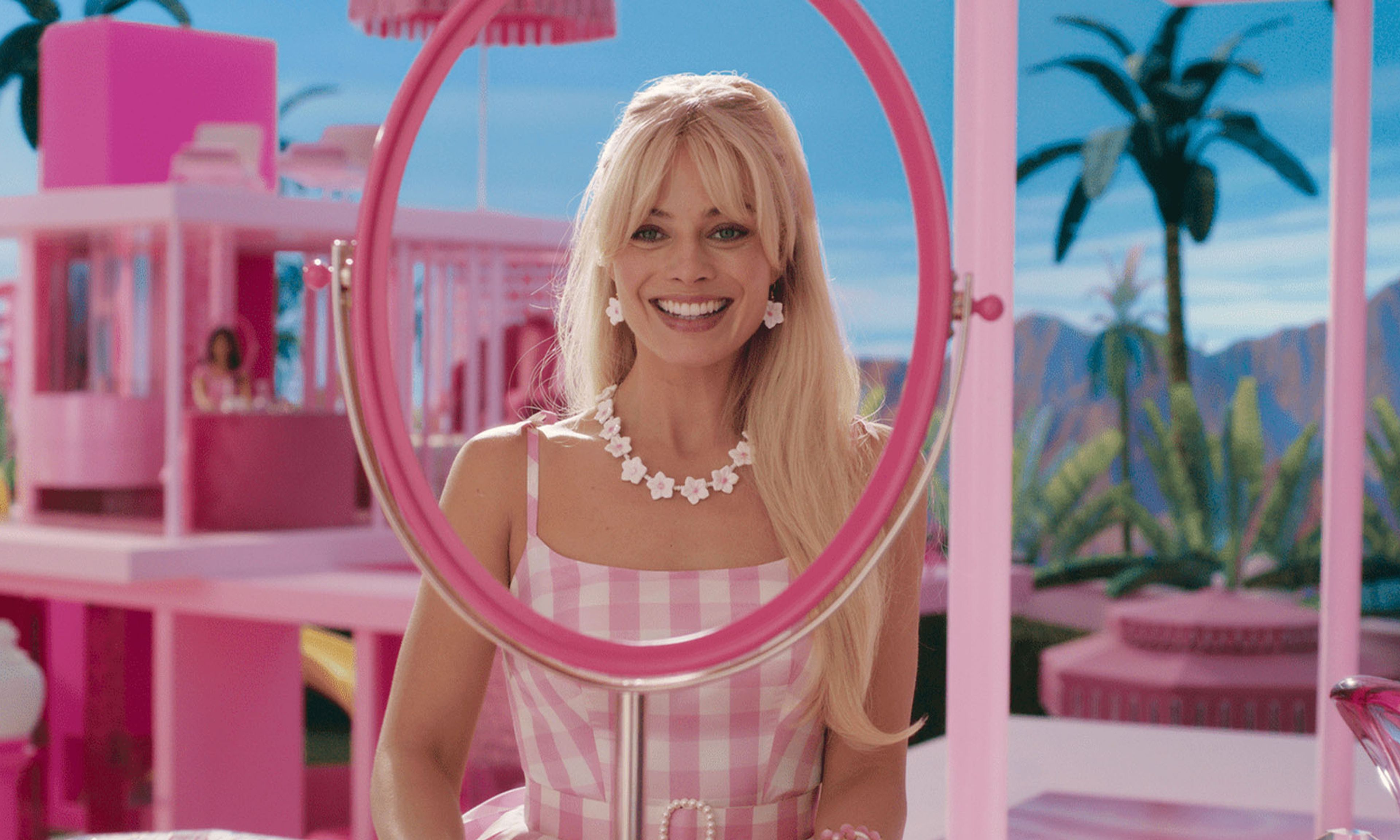
As embodied by the appropriately pneumatic Margot Robbie, Barbie first appears in her movie as a 2001-style monolith rising above a bunch of little girls playing baby dolls; stunned by her perfection, they smash their babies and embrace her vision of feminine adulthood.
Flash forward to some interdimensional version of the present, and Barbie inhabits Barbieland, a doll’s utopia of female empowerment, with perfect hair and clothes, where every night is girls’ night and the various Kens hang around as literal castrati. Led by Ryan Gosling, the stereotypical Ken to Robbie’s original-version Barbie, their existence is purely ornamental, their only purpose to draw an occasional glance from President Barbie or Airline Pilot Barbie.
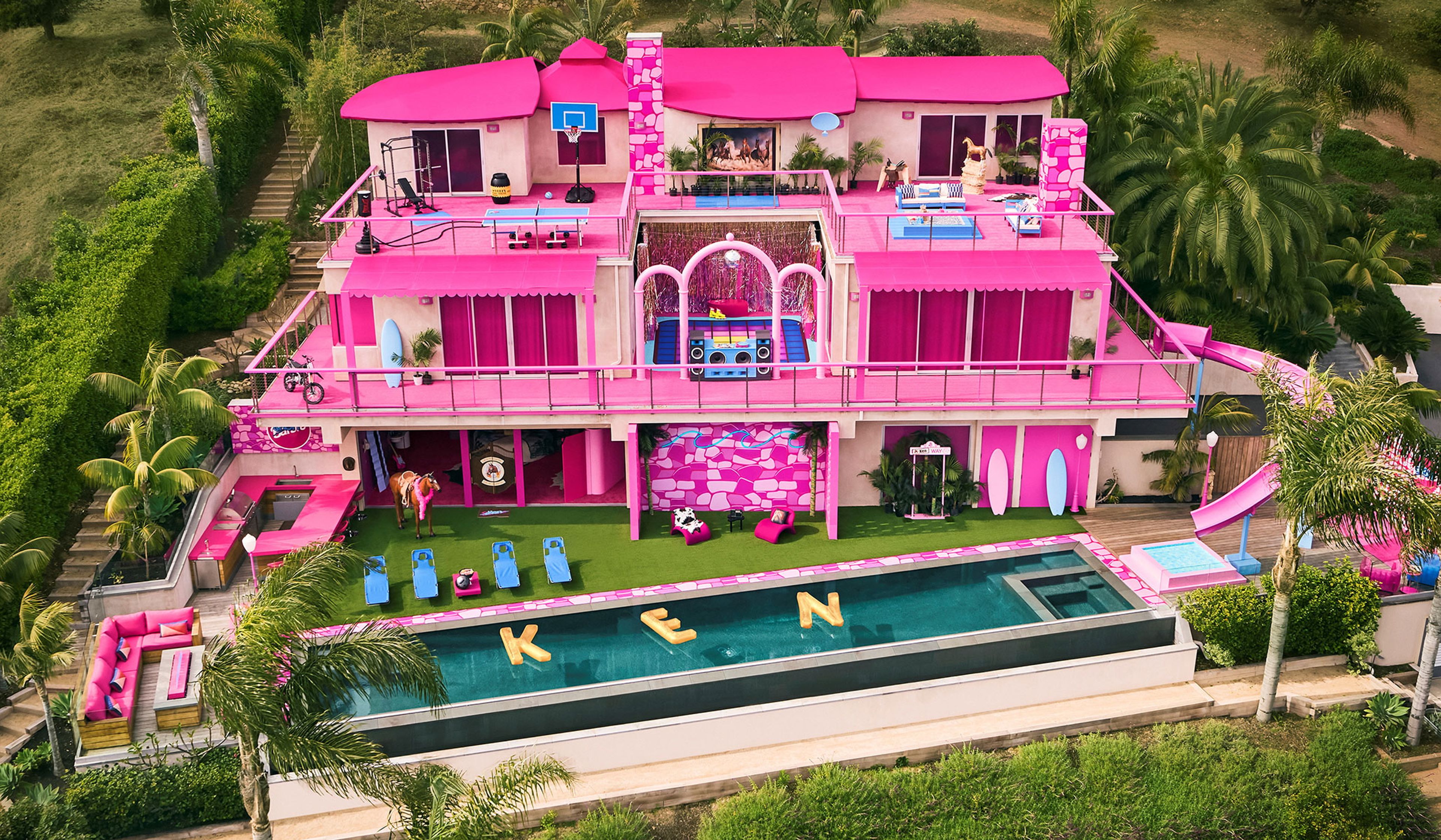
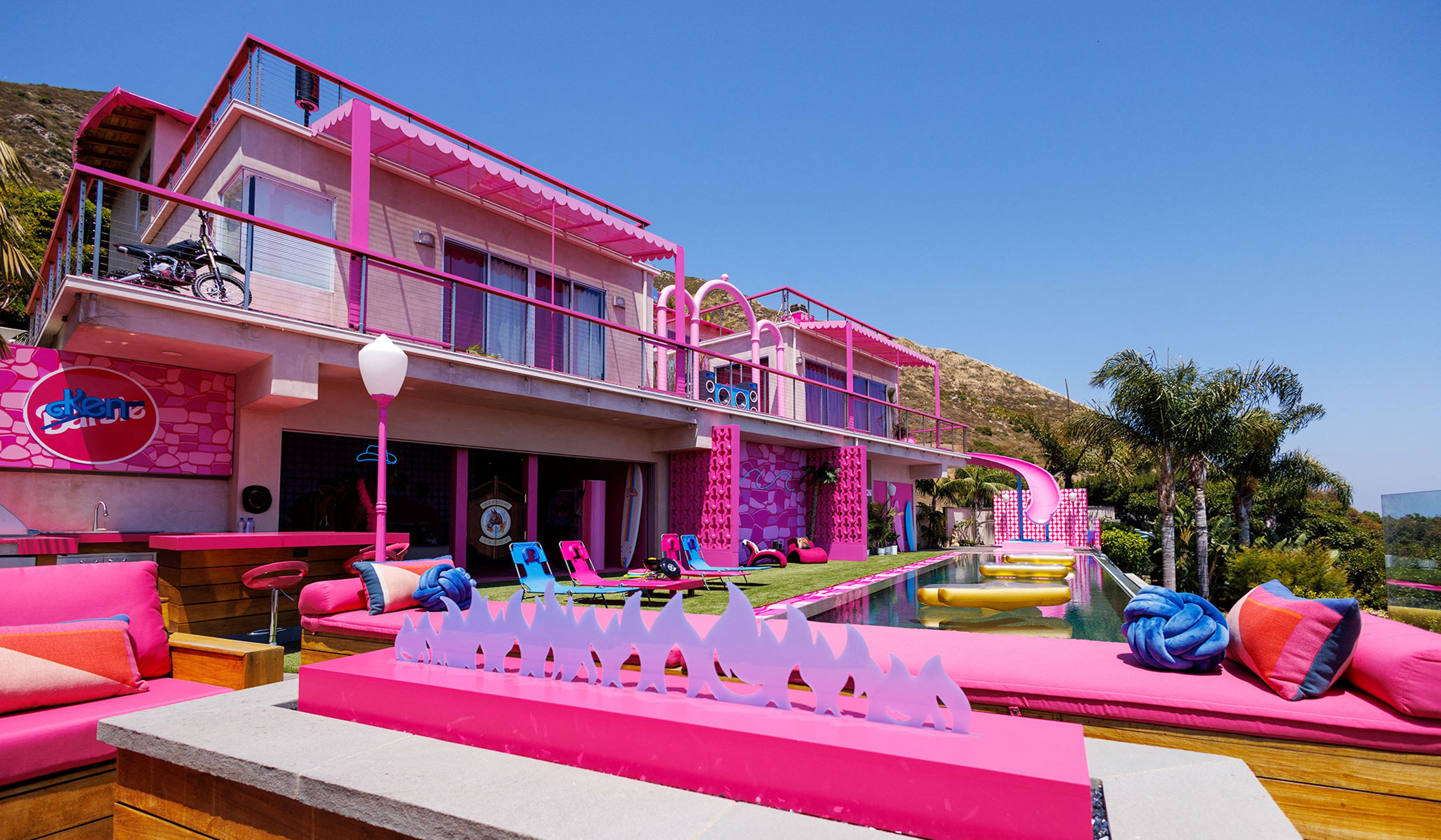
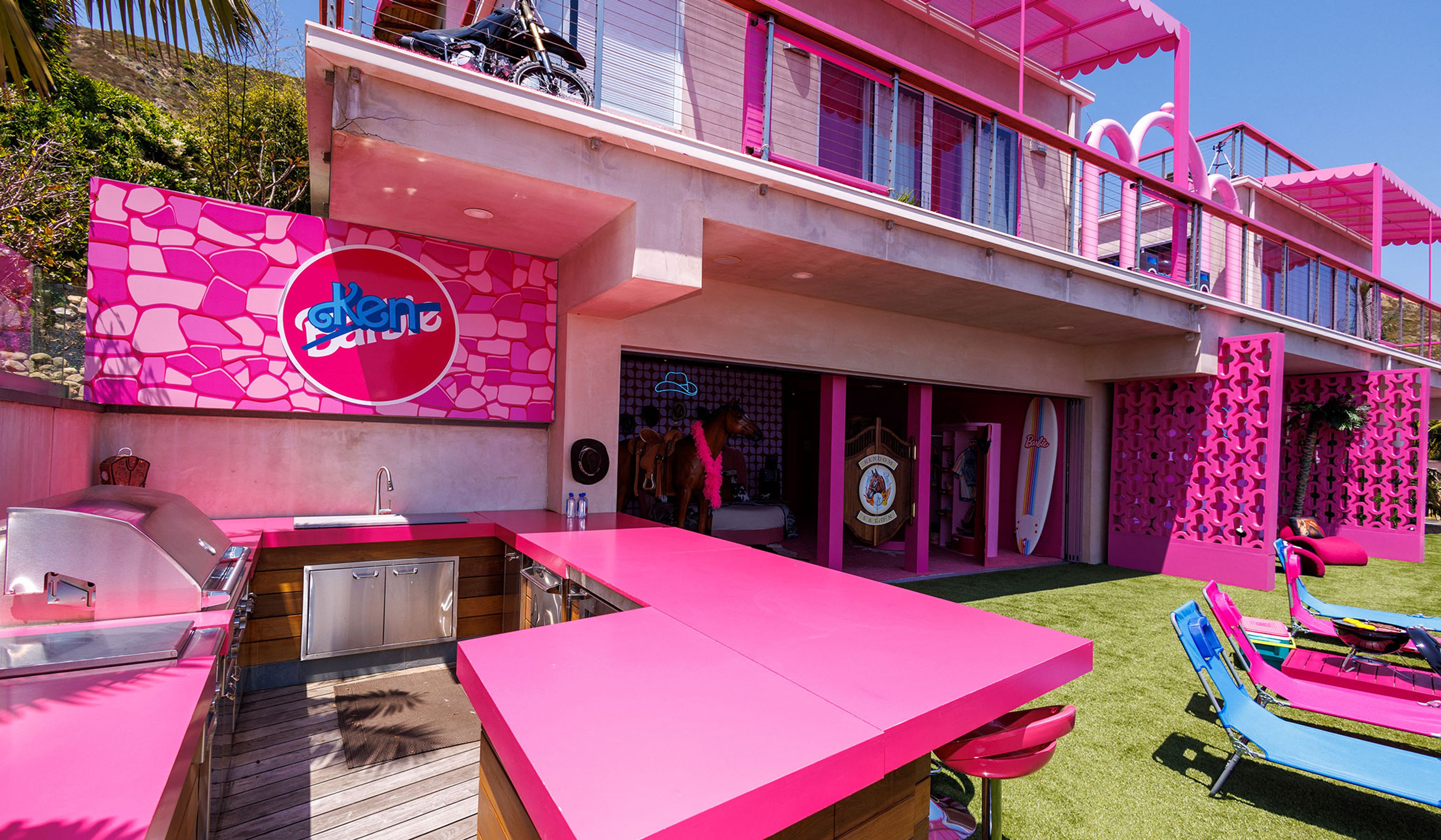
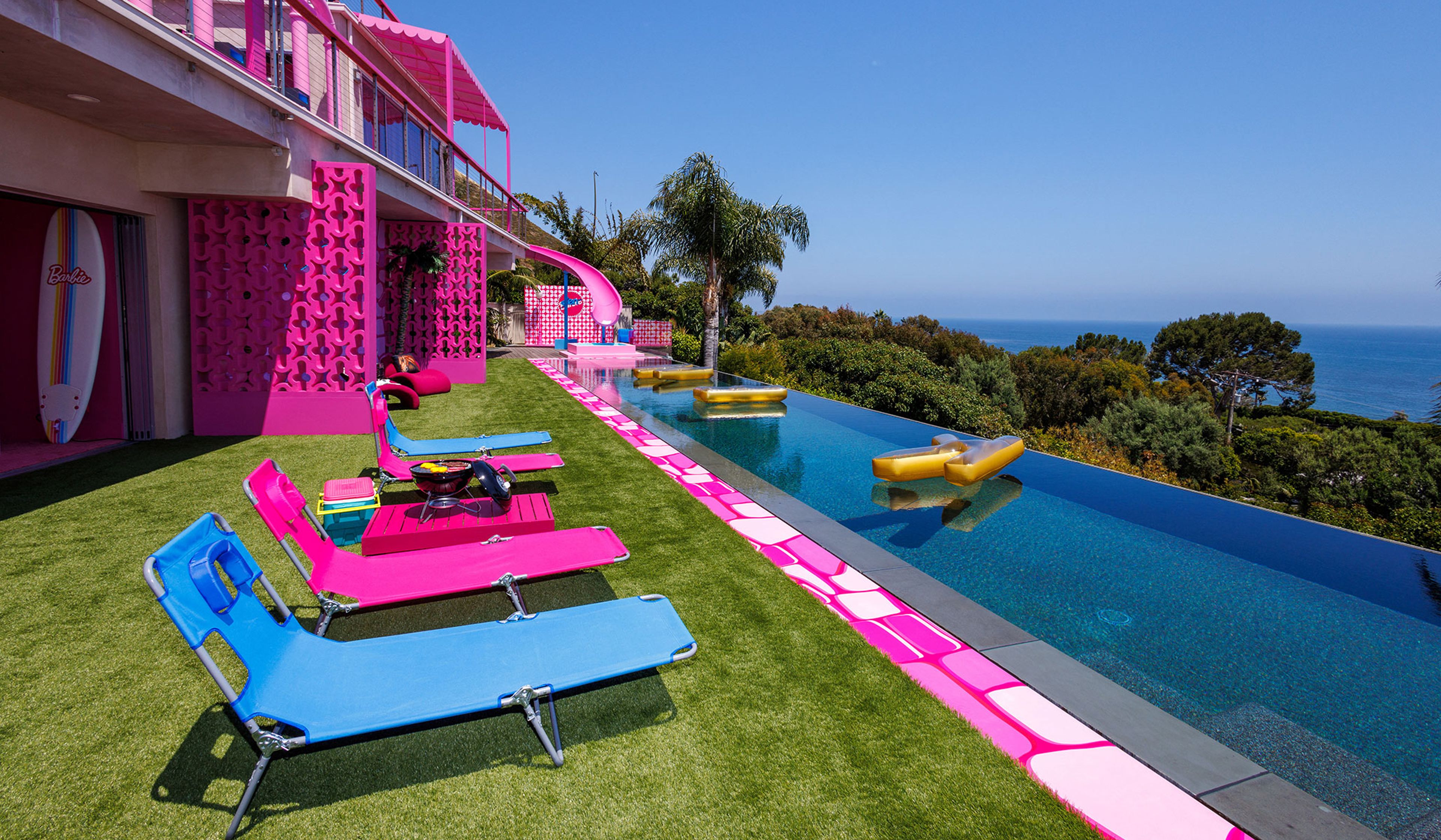
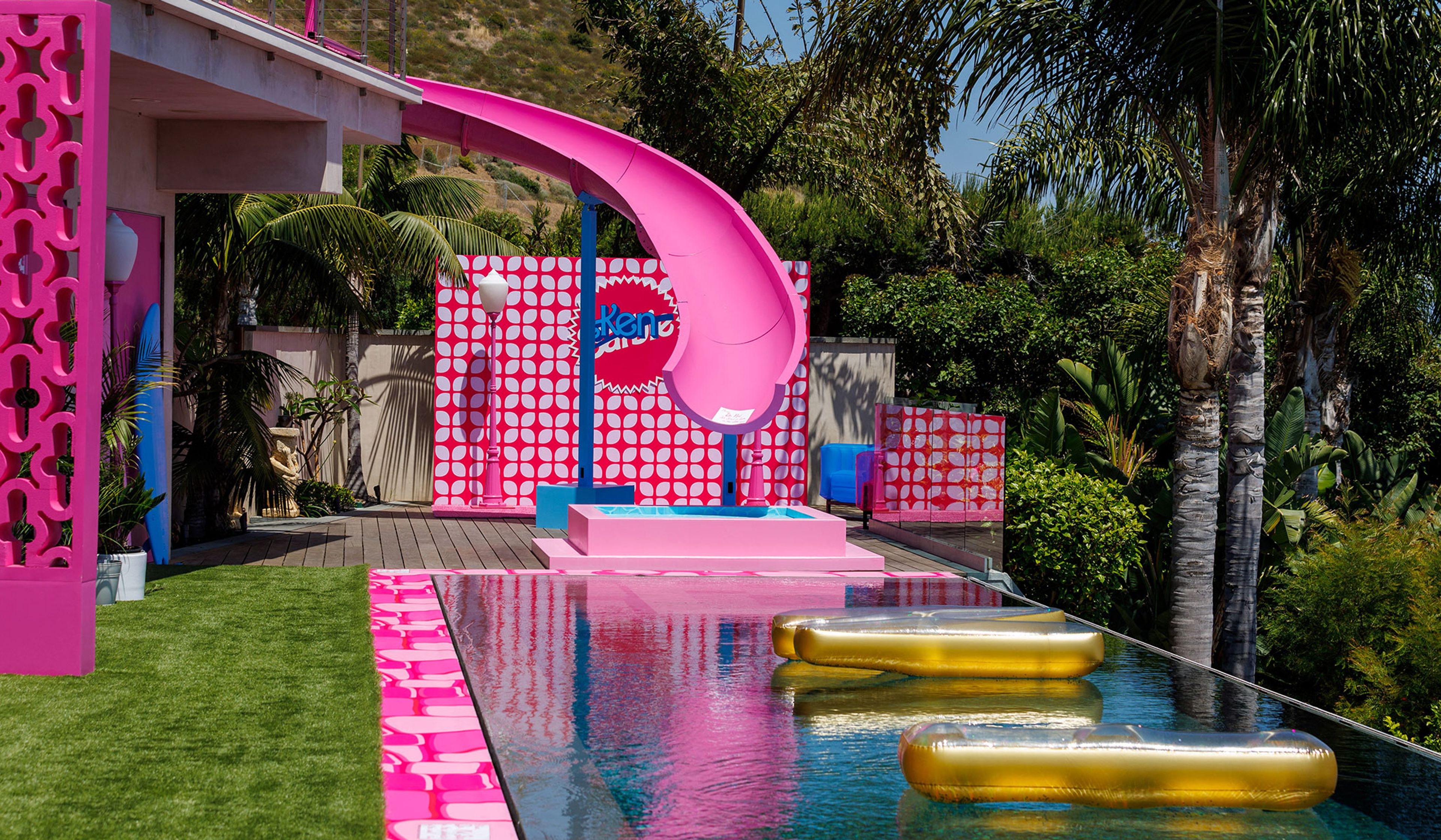
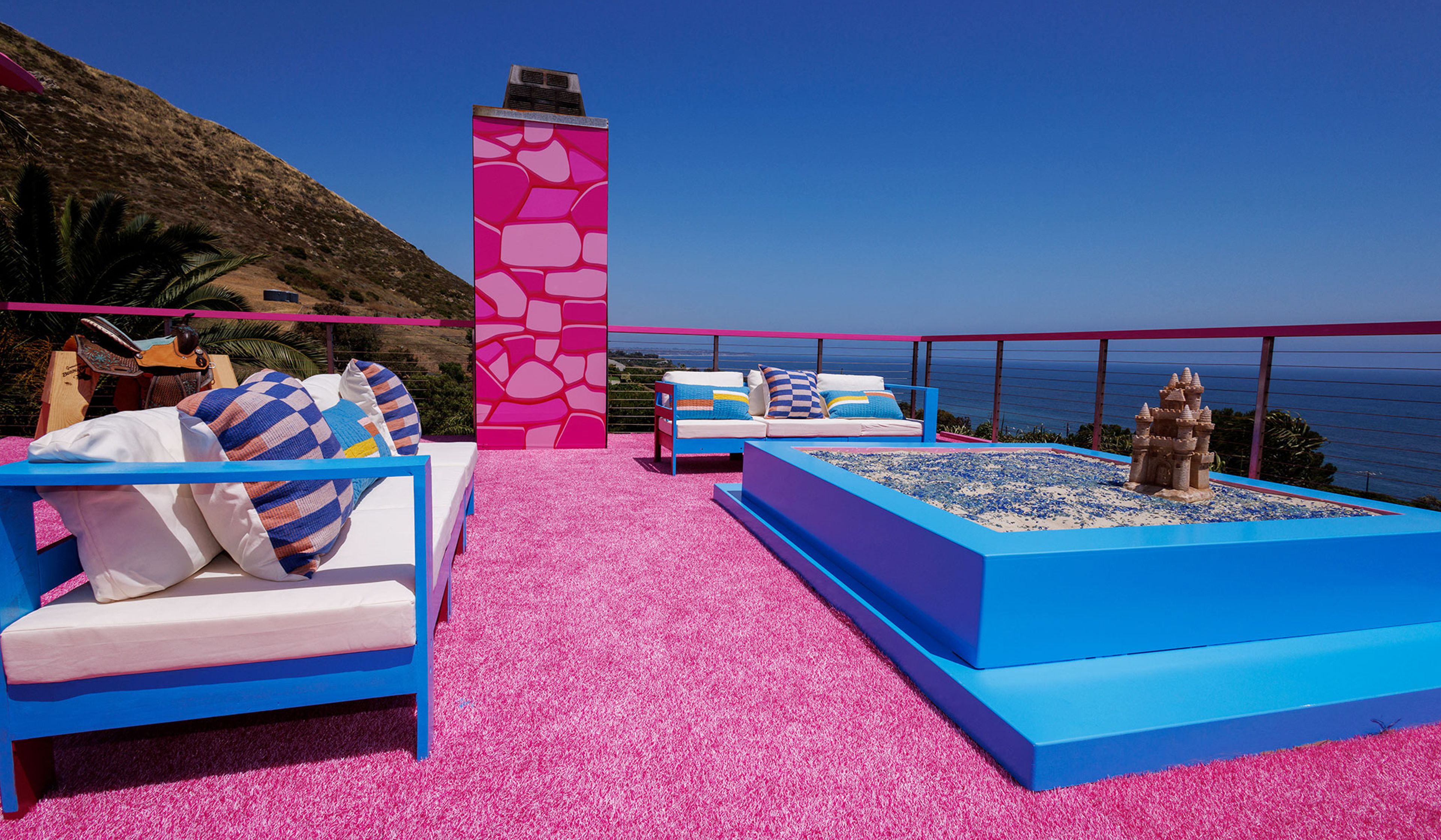
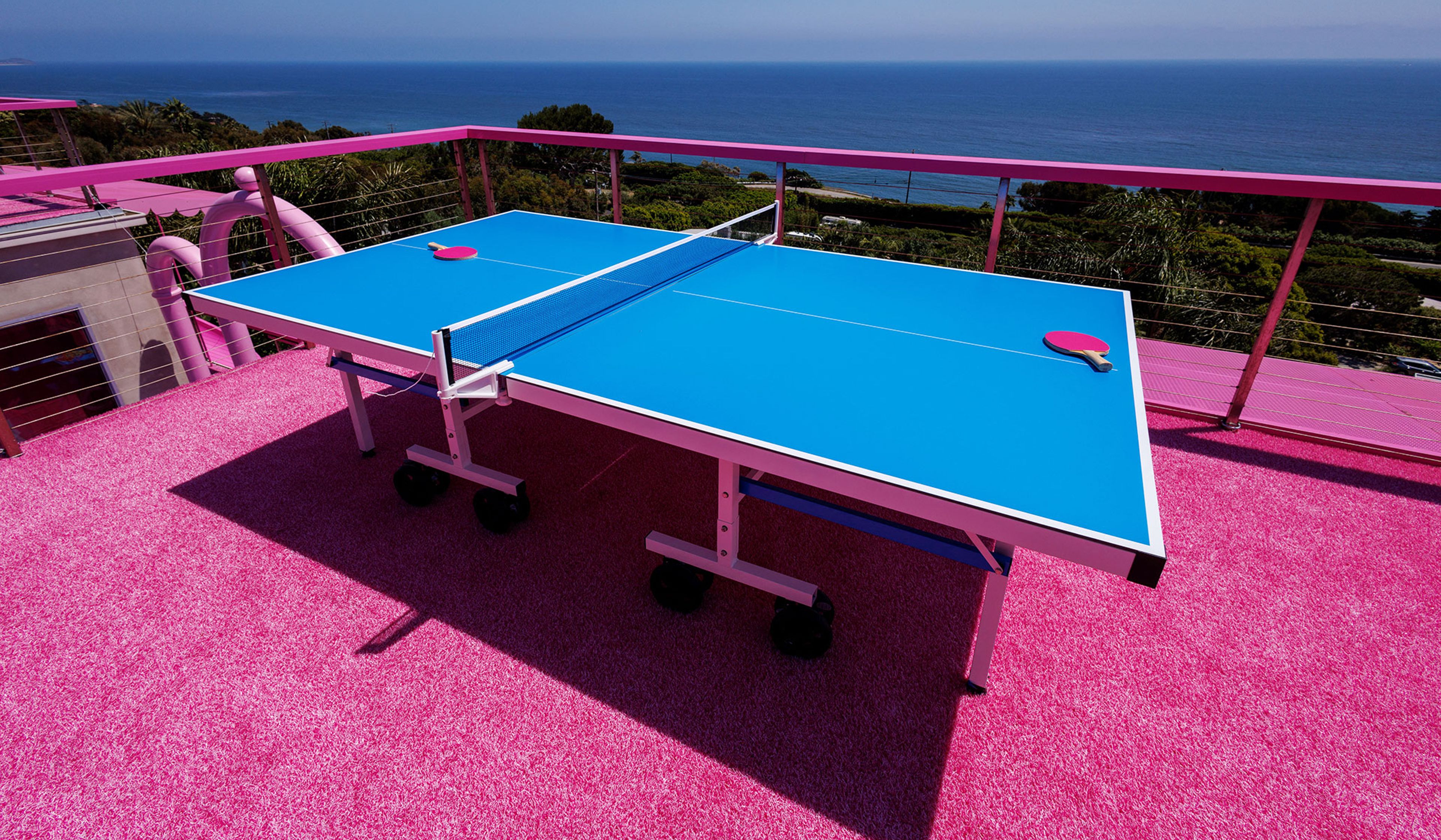
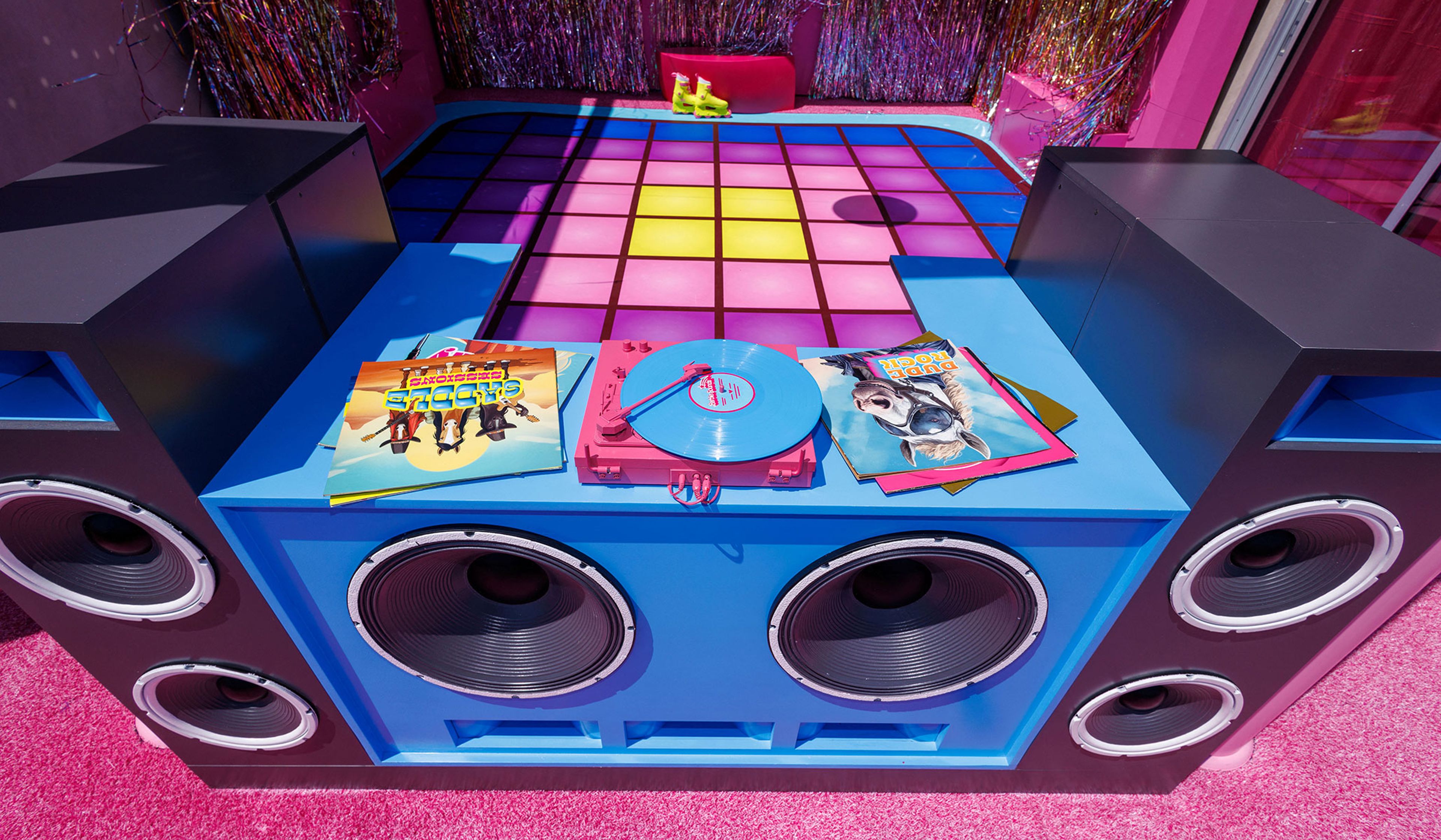
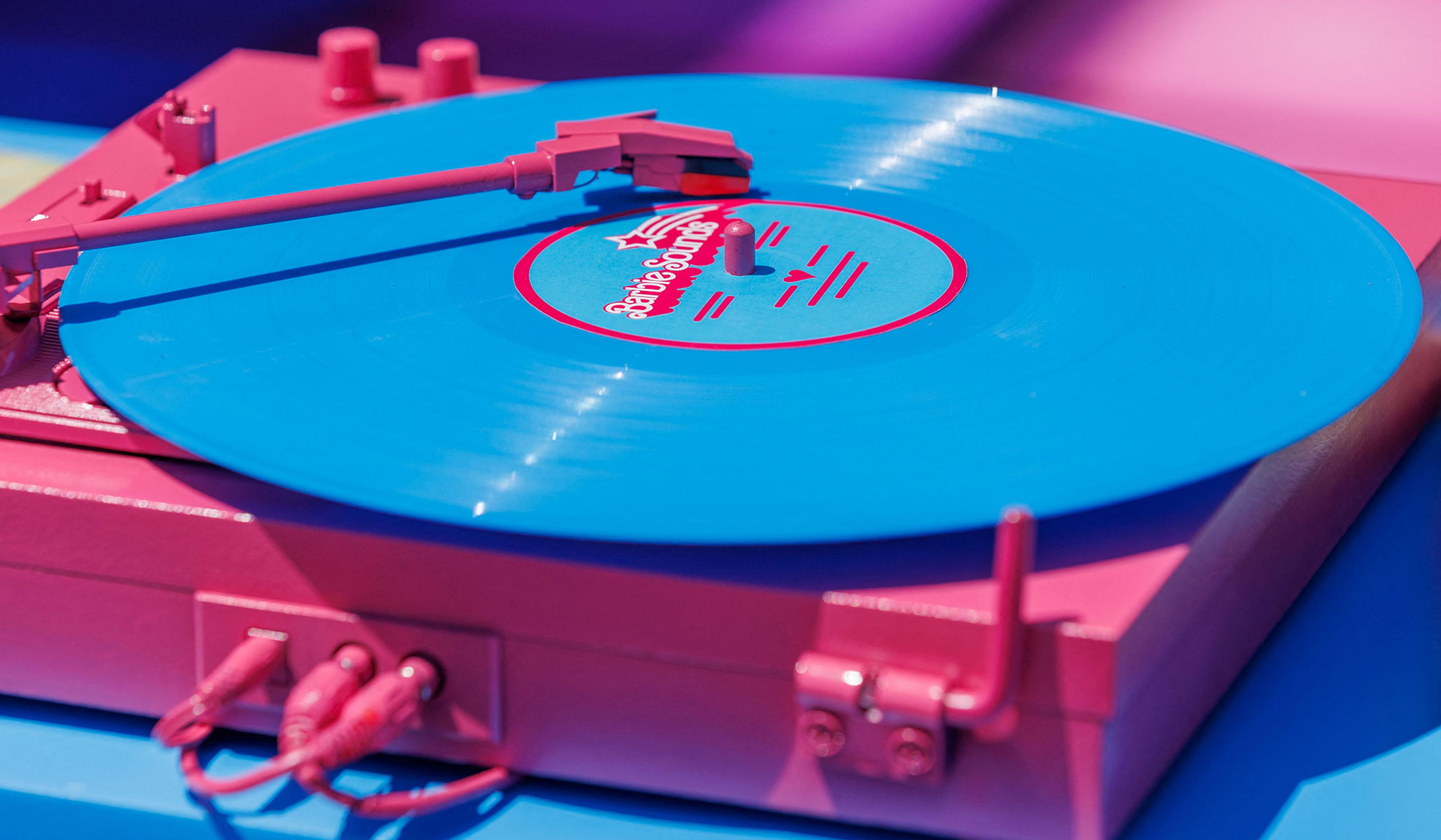
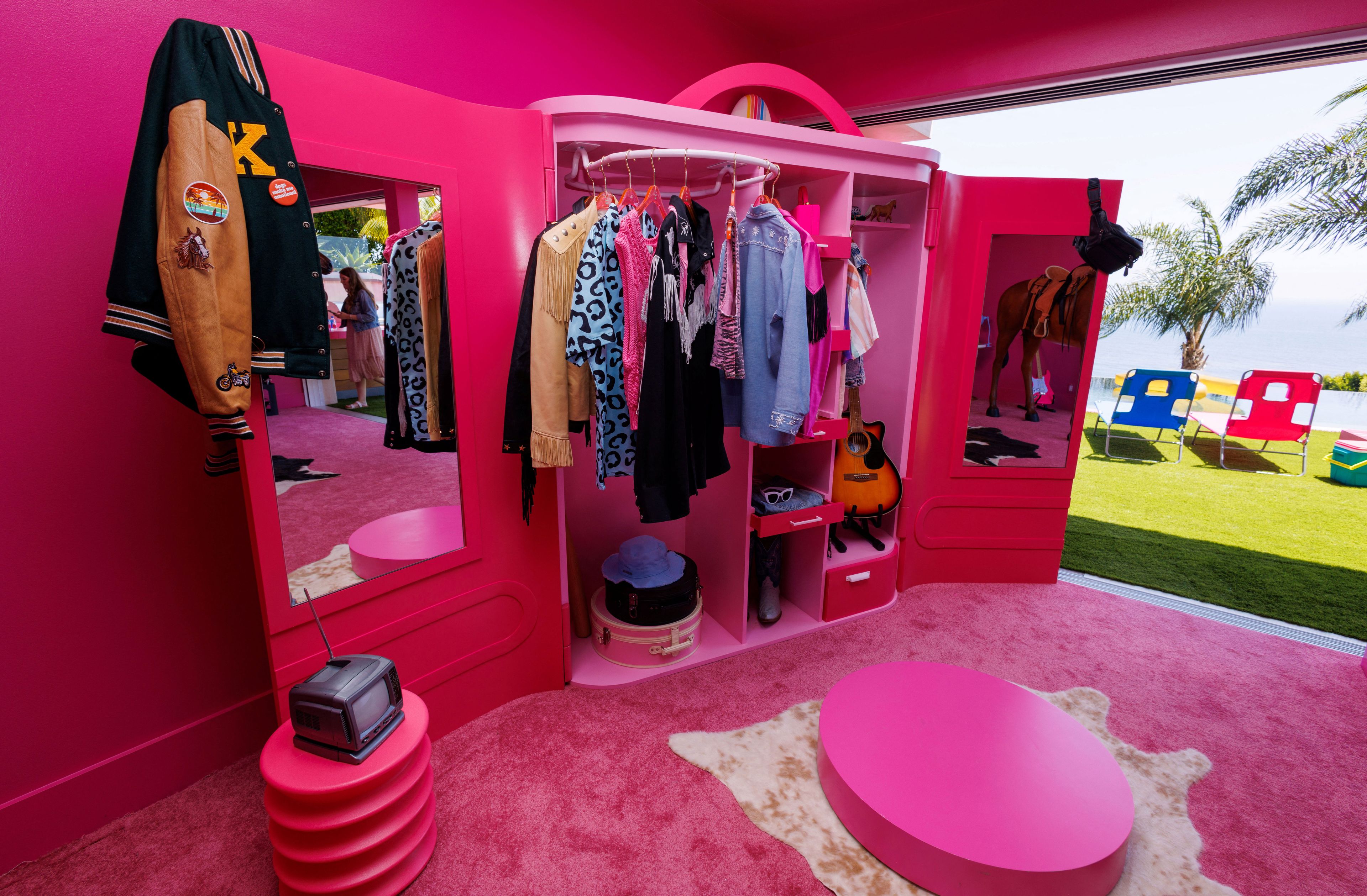
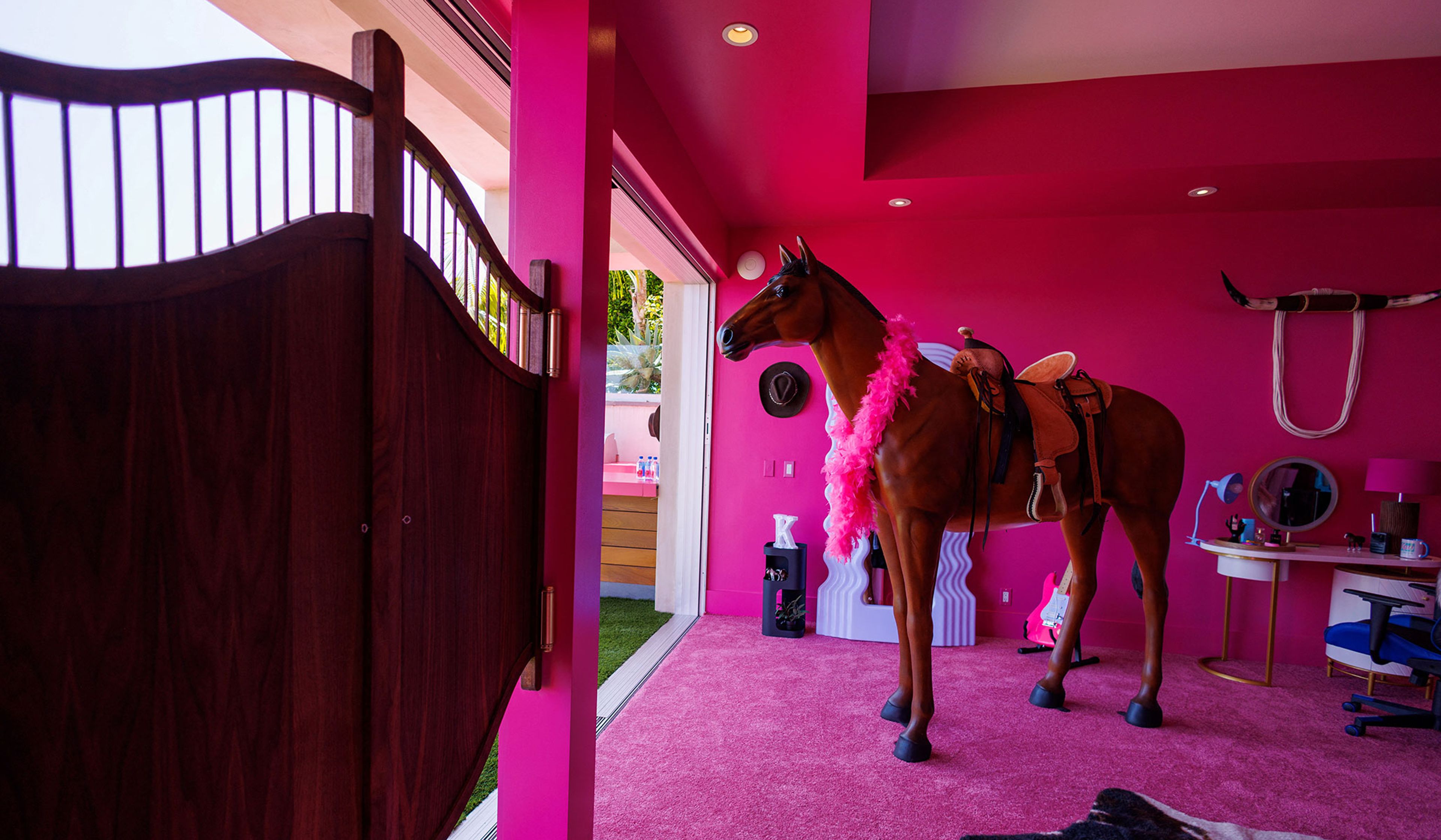
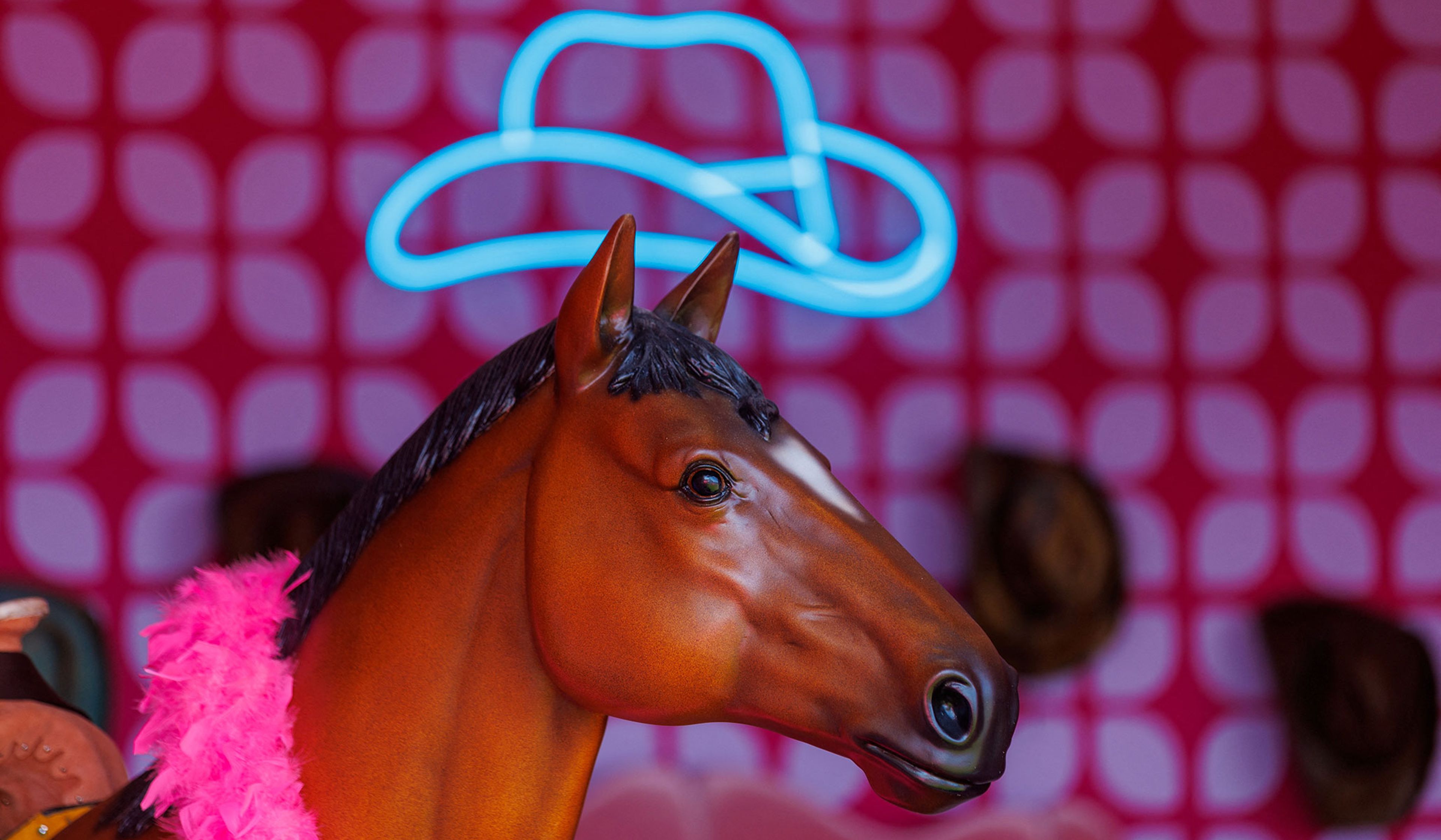
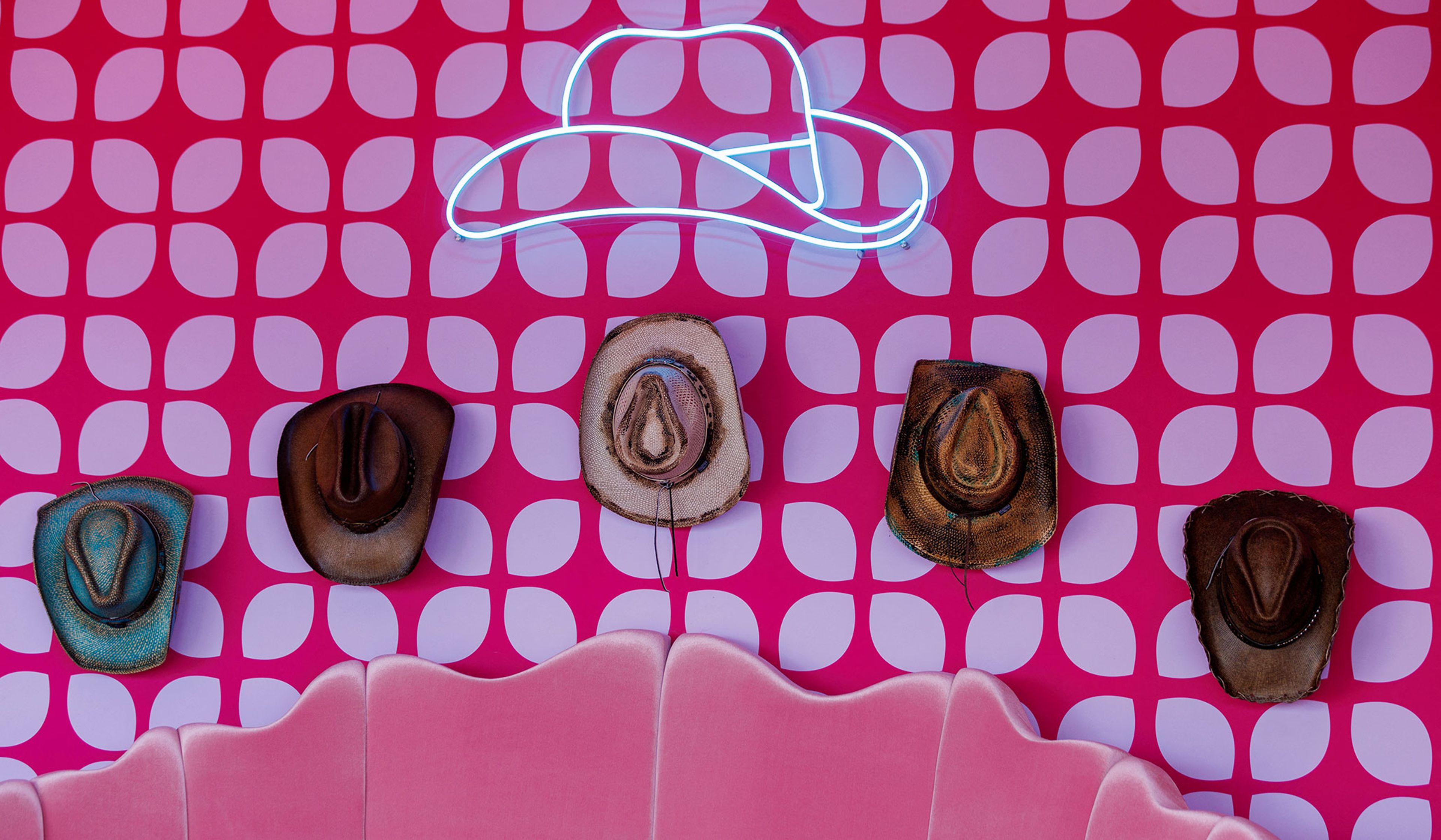
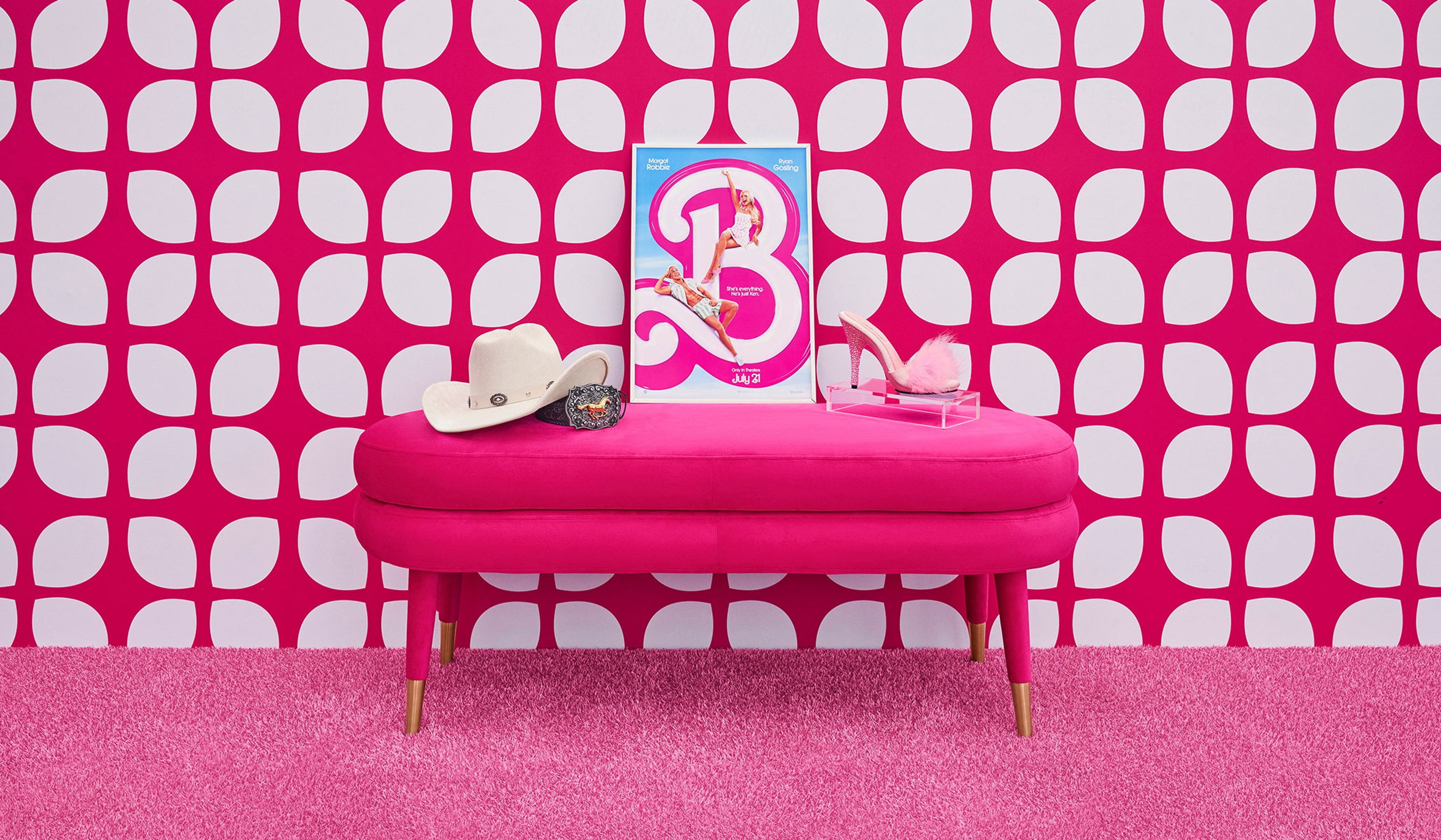
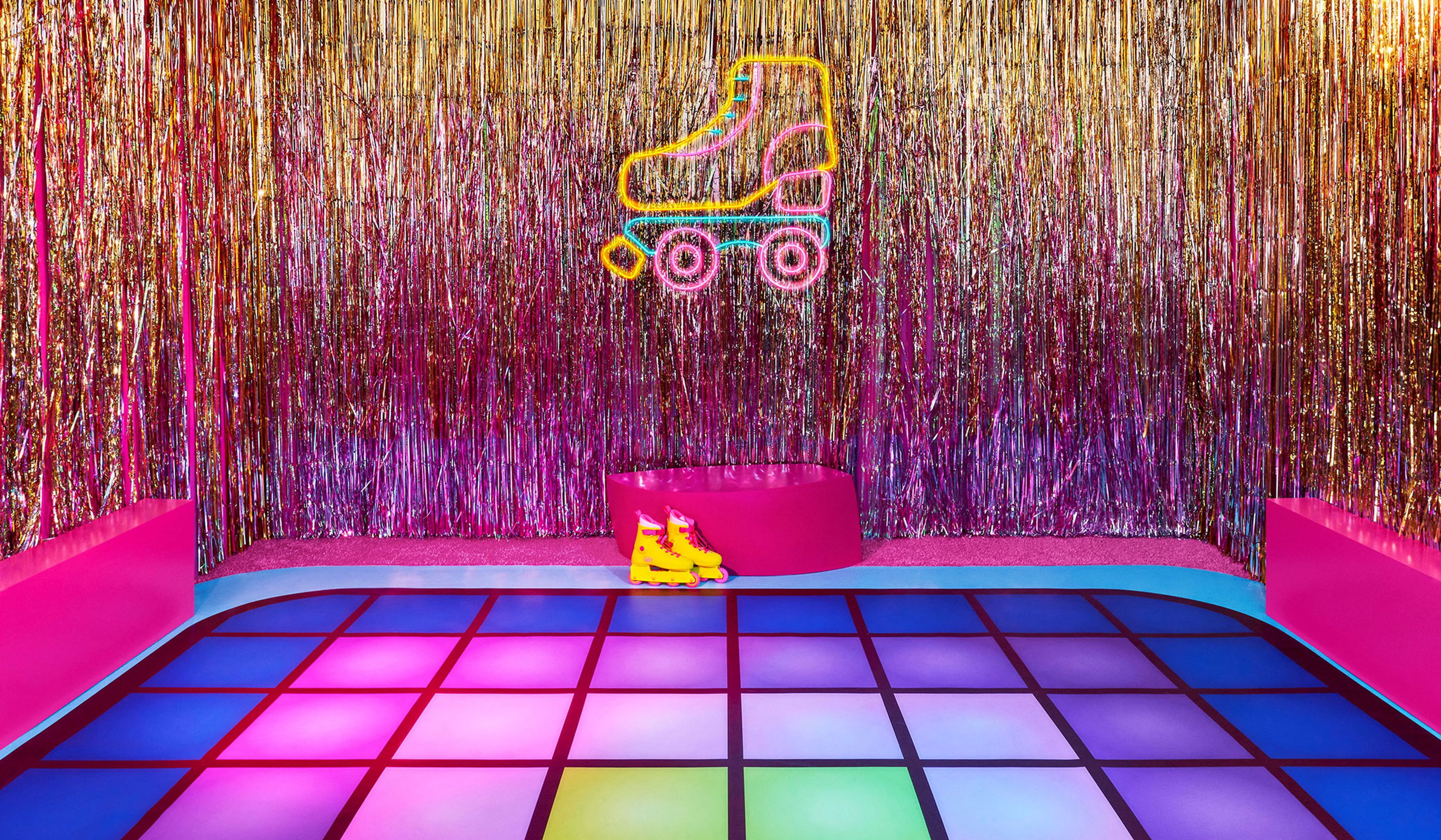
Barbie’s iconic Malibu Dreamhouse, making a return in real life with a three-storey lookalike mansion that mirrors the set of Warner Bros’ Barbie film and made available for booking via Airbnb, in an undated handout image.
Airbnb/Handout via Reuters
Into this Eden comes a shadow of mortality: Robbie’s Barbie starts thinking about death, and as those thoughts multiply, so do other problems, including a hint of cellulite and her heels suddenly hitting the earth. Seeking out Weird Barbie (Kate McKinnon), a played-with-too-much variation on the doll, she learns that the misery of Barbie’s owner out in the real world is leaking through into Barbieland — an interdimensional rift that can be closed only if she ventures into reality herself and puts the unhappiness to rights.
Thus advised, she sets off on her quest, acquiring Gosling’s Ken as a stowaway, and reaches a version of our Los Angeles, where she discovers a mother–daughter pair (America Ferrera and Ariana Greenblatt) sunk in a post-sexual-revolution malaise. The mother is an underappreciated Mattel employee working under Will Ferrell’s obtuse male-feminist CEO, the daughter is hoodie-wearing and woke and extremely anti-Barbie. While Barbie tries to cheer them up, dodge Mattel agents trying to capture her, and figure out why (contrary to what she was taught in Barbieland) the real world isn’t now a sexism-free utopia, Gosling’s Ken discovers the possibility of patriarchy and returns to Barbieland to run a coup — so that when Barbie finally gets back home, she finds a “Kendom” where the Kens lounge outrageously while the disempowered Barbies serve drinks and dote on them.
All this sets up a third act in which Barbie and her real-world friends have to save Barbieland via various battle-of-the-sexes maneuvers, and Barbie herself has to choose whether to stay in her plastic utopia or embrace embodiment, mortality, the works.
What isn’t set up is a single coherent vision of where we are as a society or where we ought to go. The portrait of Barbieland parodies a certain kind of feminist utopia, and the movie sends signals that are pro-motherhood and skeptical of gender-interchangeability. At the same time, the portrait of the real world offers a fairly conventional feminist critique of ineradicable sexism, with men maintaining power while paying lip service to feminism and demanding the impossible from supposedly liberated women.
Meanwhile the portrait of Ken does three conflicting things at once. First there’s a straightforward critique of contemporary male anti-feminism of the Andrew Tate variety. But then Gosling makes Ken’s heel turn so fun that it partially escapes the script’s moral cues: Like Gordon Gekko becoming an avatar of Wall Street bros, this Ken will exist forever as a pro-patriarchy meme. And then, finally, the script extends a certain degree of sympathy for Ken’s dilemmas, more than current feminism usually affords to would-be masculinists. But it can’t figure out what to do with him at the end, how to answer male unhappiness, and so he’s basically dropped in favor of an ending that celebrates mothers and daughters but marginalizes dads.
Which is to say, an ending that has some conservative vibes, some liberal values, and no fundamental answer for the question that drives so much contemporary discontent: Amid all their conflicts, how can men and women reunite?












Comments