
Once in a museum I tripped an alarm. I was attempting to get a close-up shot of a detail in some rote Baroque altarpiece. It was a standard iteration of the devotional scene: Mary in the middle, sitting on a throne, looking down at a solemn infant with his hand raised in a portentous gesture. Classical columns topped with Corinthian capitals, the floor made of polished marble tile that showed off the artist’s ability to paint polished marble tile. Perhaps one of the understudies did it, a nameless guy who died in a bar fight or got the syph and never made a name for himself. Perhaps the painter took a few lire from a local tile merchant in case anyone wanted to have that look for their foyer. No reason an object of beauty and religious expression can’t have a sales brochure.
There were the usual hangers-on in the painting, looking at us with blank expressions, pointing at Jesus. Thanks for the hint, dude, would have totally missed him. They were friends of the guy who commissioned the painting, or local notables. Hey, if you knew the director of the next Star Wars movie, you’d ask if you could be an extra in a scene, too. They wore modern clothing, because this sort of anachronistic time-blending was normal. If the tradition had continued into the 1970s, the men in the margins pointing at Mary and the Infant would be wearing leisure suits or Sansabelt Dacron trousers, grinning at us from behind aviator glasses.
I leaned in to get a photo of the objects on a table — a globe, an astrolabe, something that looked scientific. They reminded the viewer that the man who commissioned the work was smart and forward-looking. Again, in modern terms, this would be like Mary and Jesus sitting in the atrium of a McMansion, with an iPod and a Blu-Ray player on a bench off to the side. There was an inscription in tiny letters on one of the objects, so I leaned close —
And that’s when the alarms went off. I’d gotten too close. A guard moved towards me and I backed away, holding out my hands to indicate I did not have a box cutter and would not be carving The Adoration by Giuseppe Spammetti out of its frame and then grabbing onto a hook that had just crashed through the skylight so I could be lifted by helicopter to make my escape. Sorry, sorry.
He scowled: Idiots. You breathe on these paintings and they degrade. You come in here chewing an Altoid, huff your minty American breath on this work of art, and the molecular bonds of the paint unravel a little. The ropes are there for a reason.
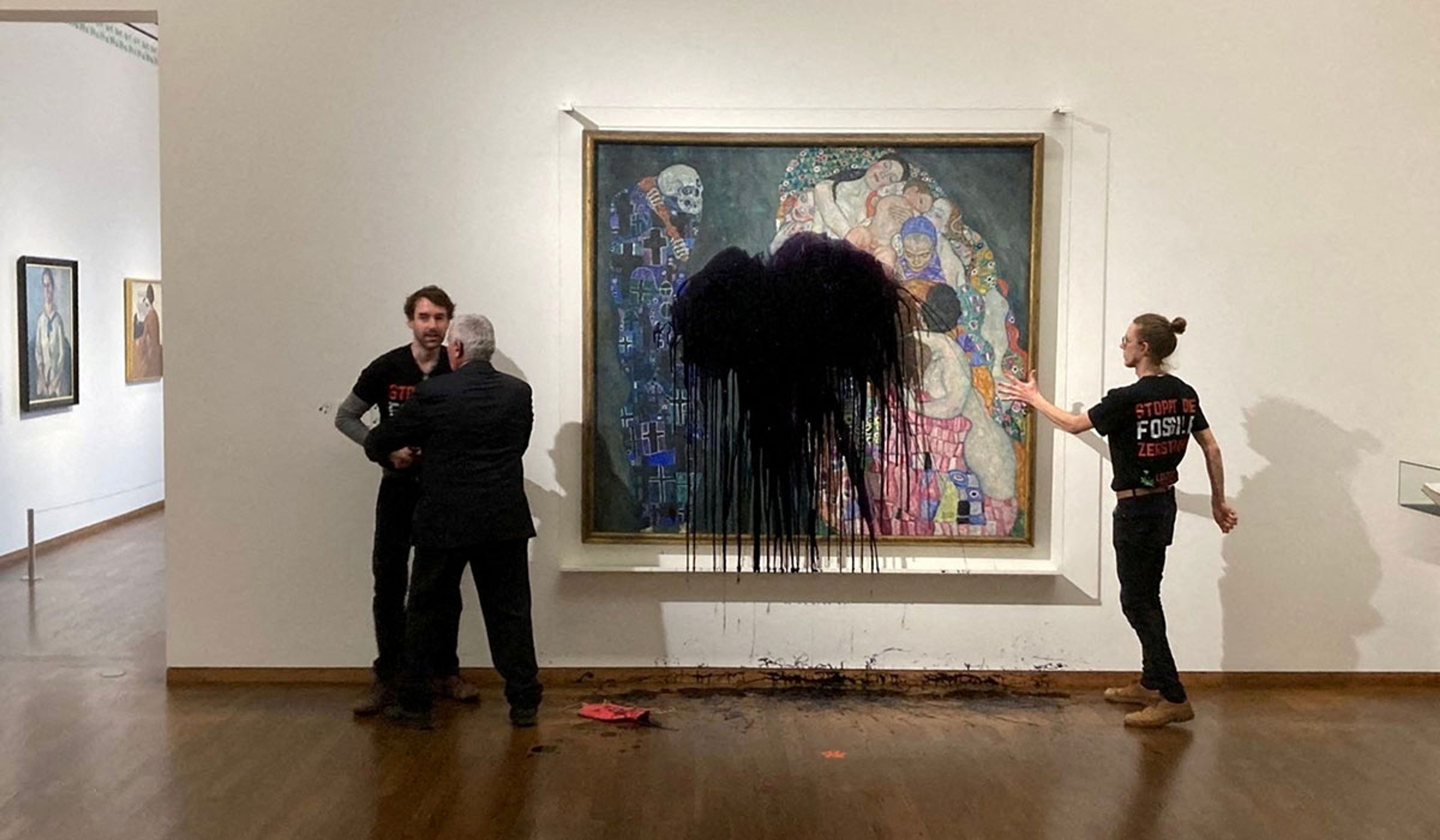
He was right. I’d gone about it the wrong way. What I should have done was dyed half my hair chartreuse, donned a black shirt with a grim slogan, entered the gallery with two confederates one of whom was carrying a sloshing bucket of black ink, one of whom was shooting video with a phone, and then shouted “STOP FOSSIL FUELS!”
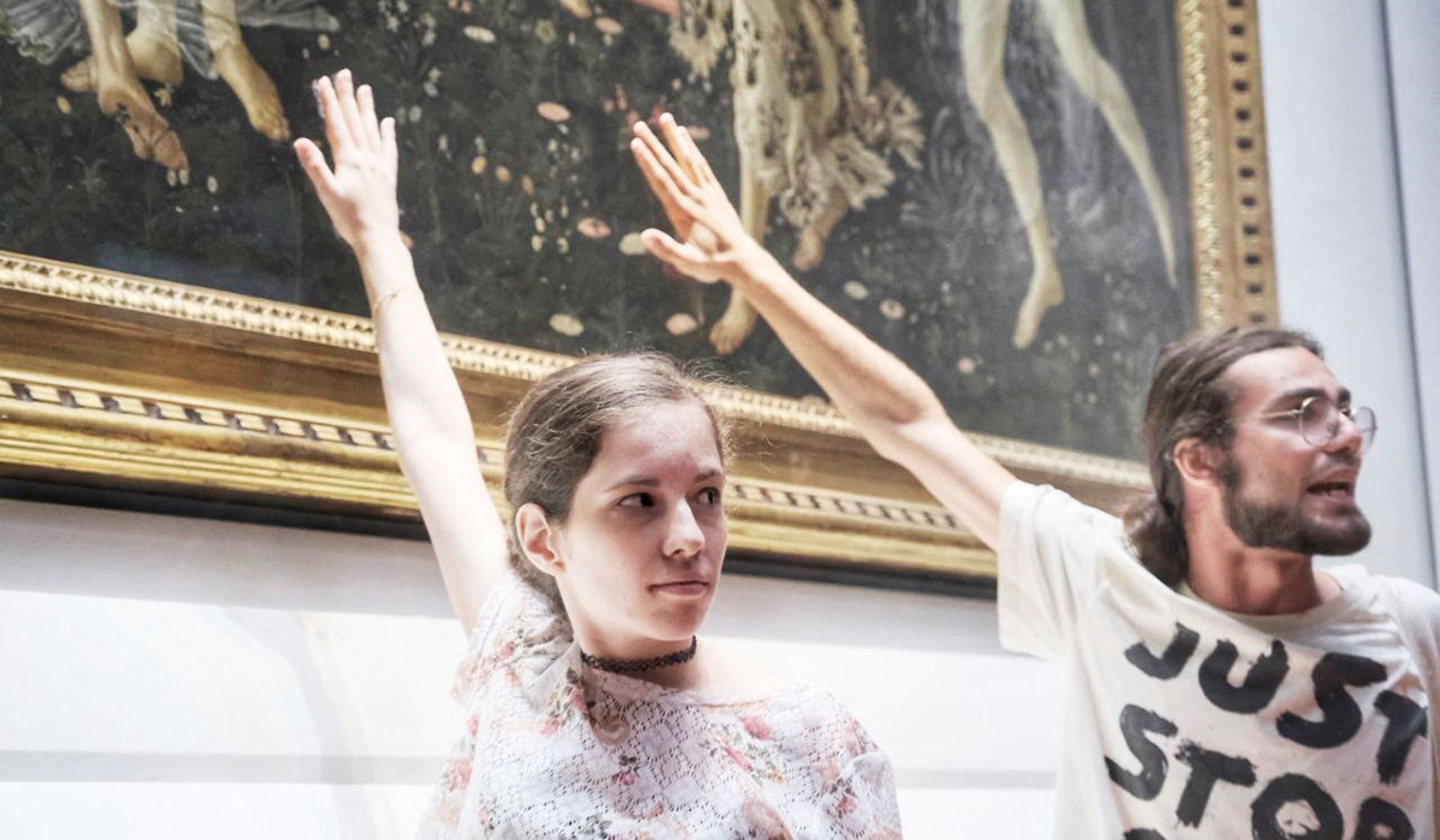
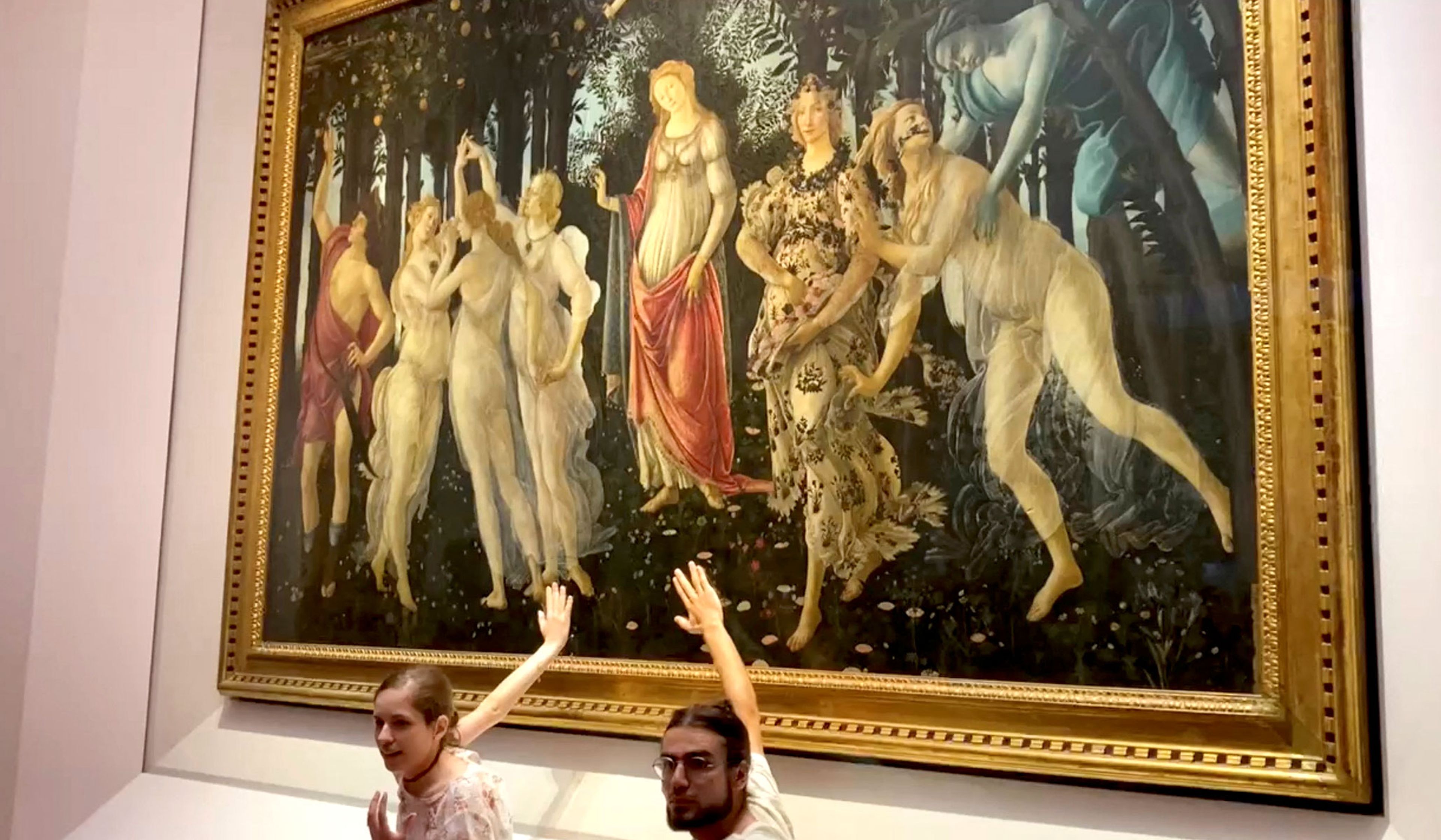
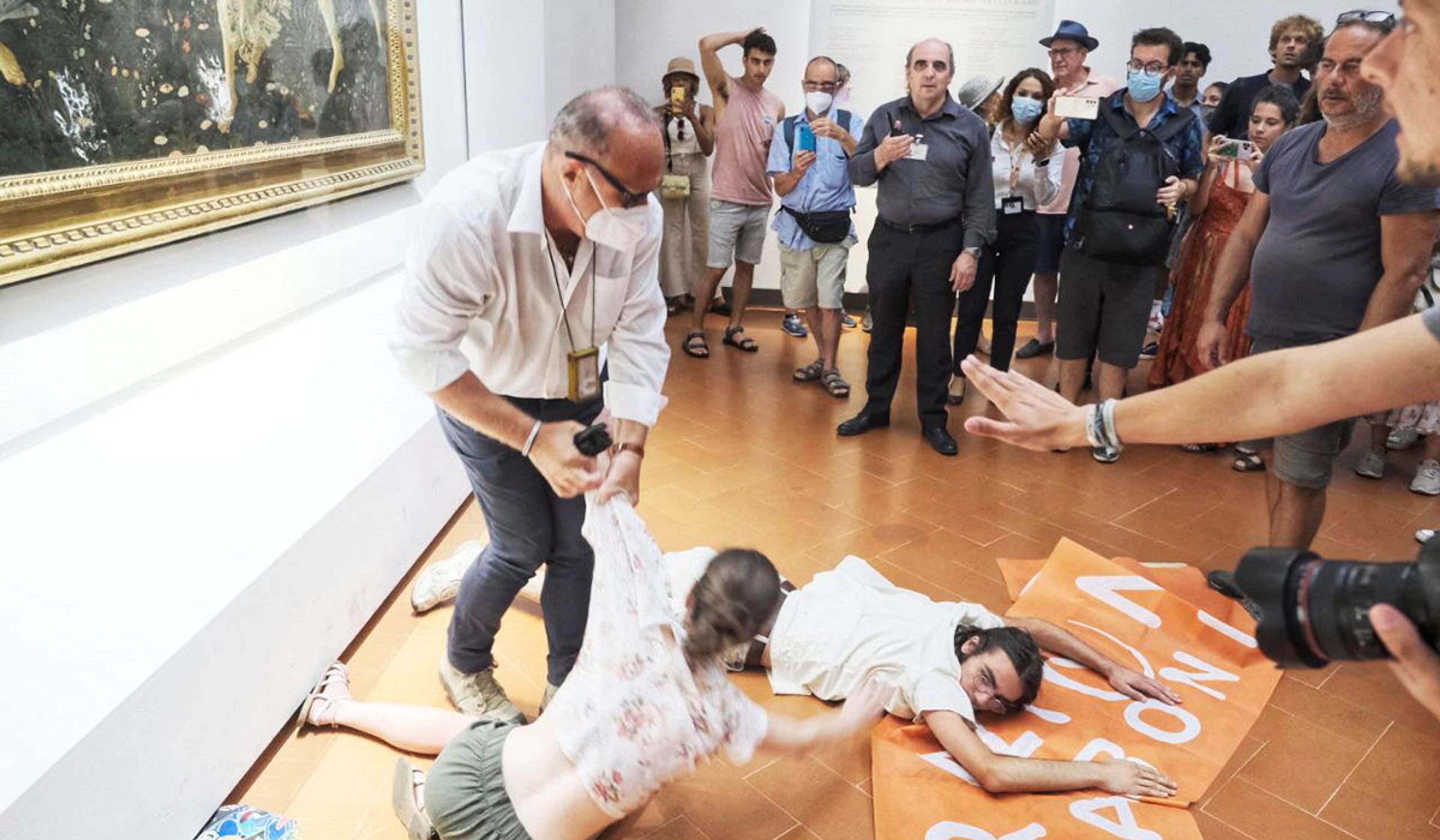
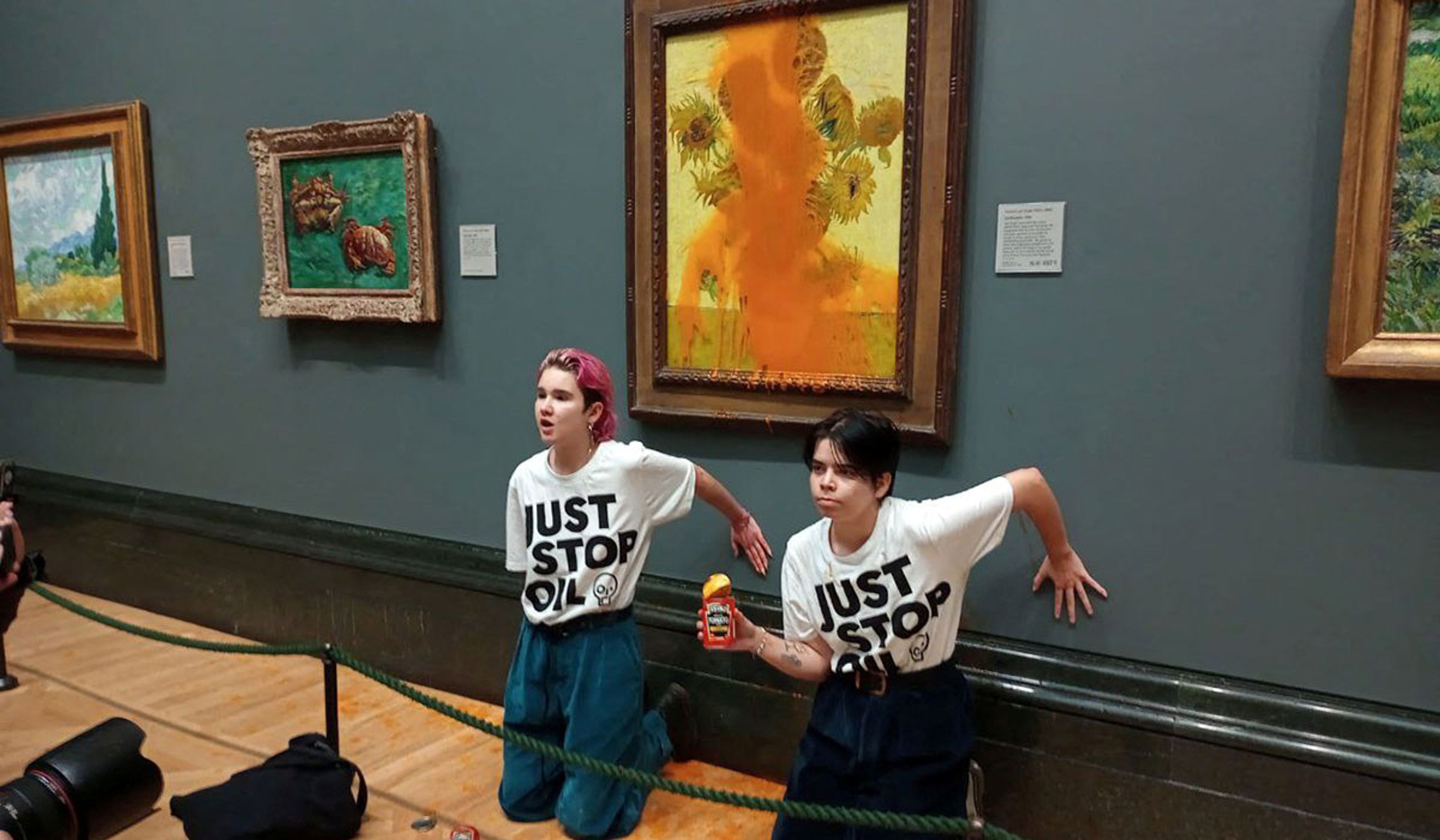
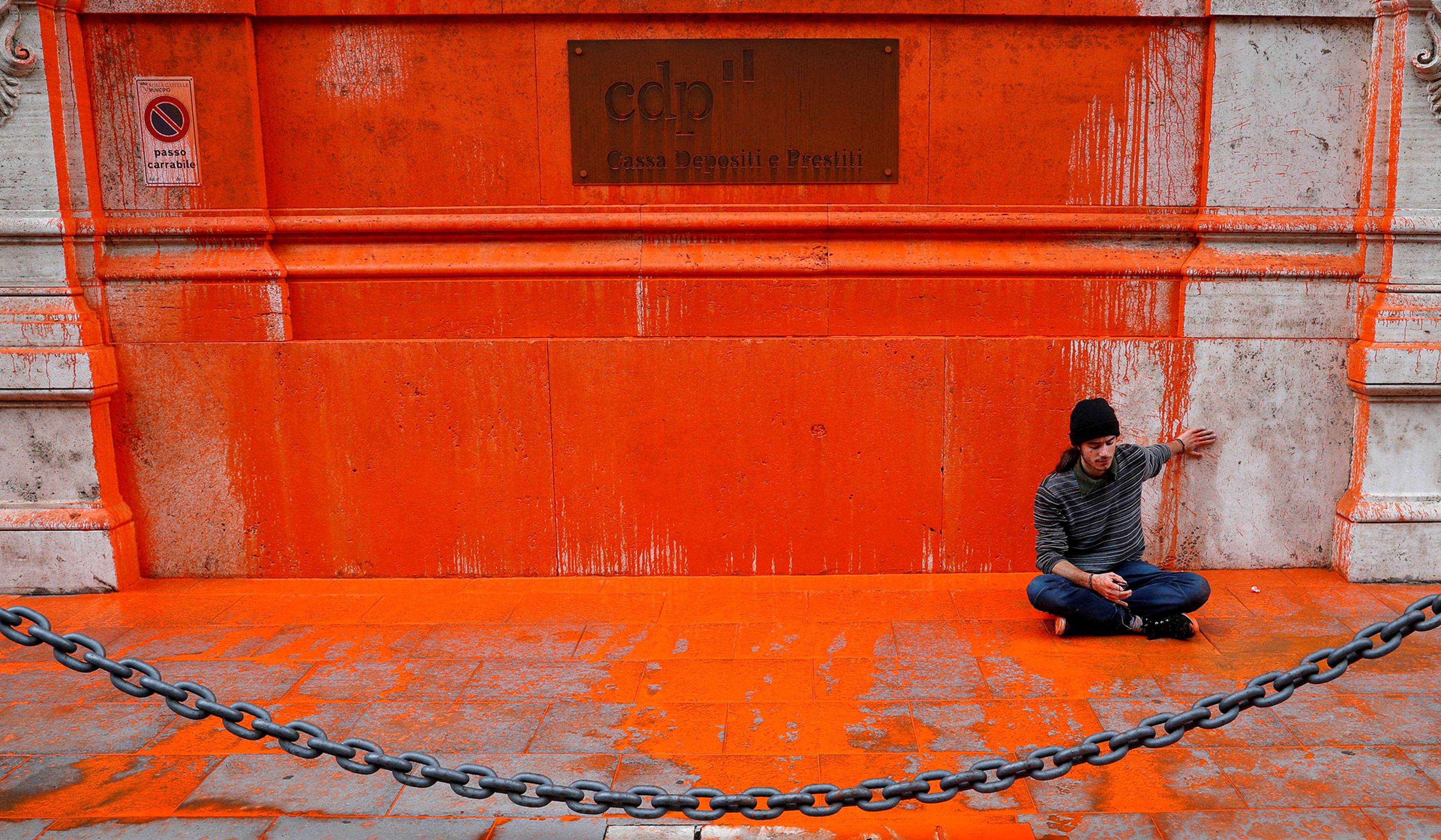
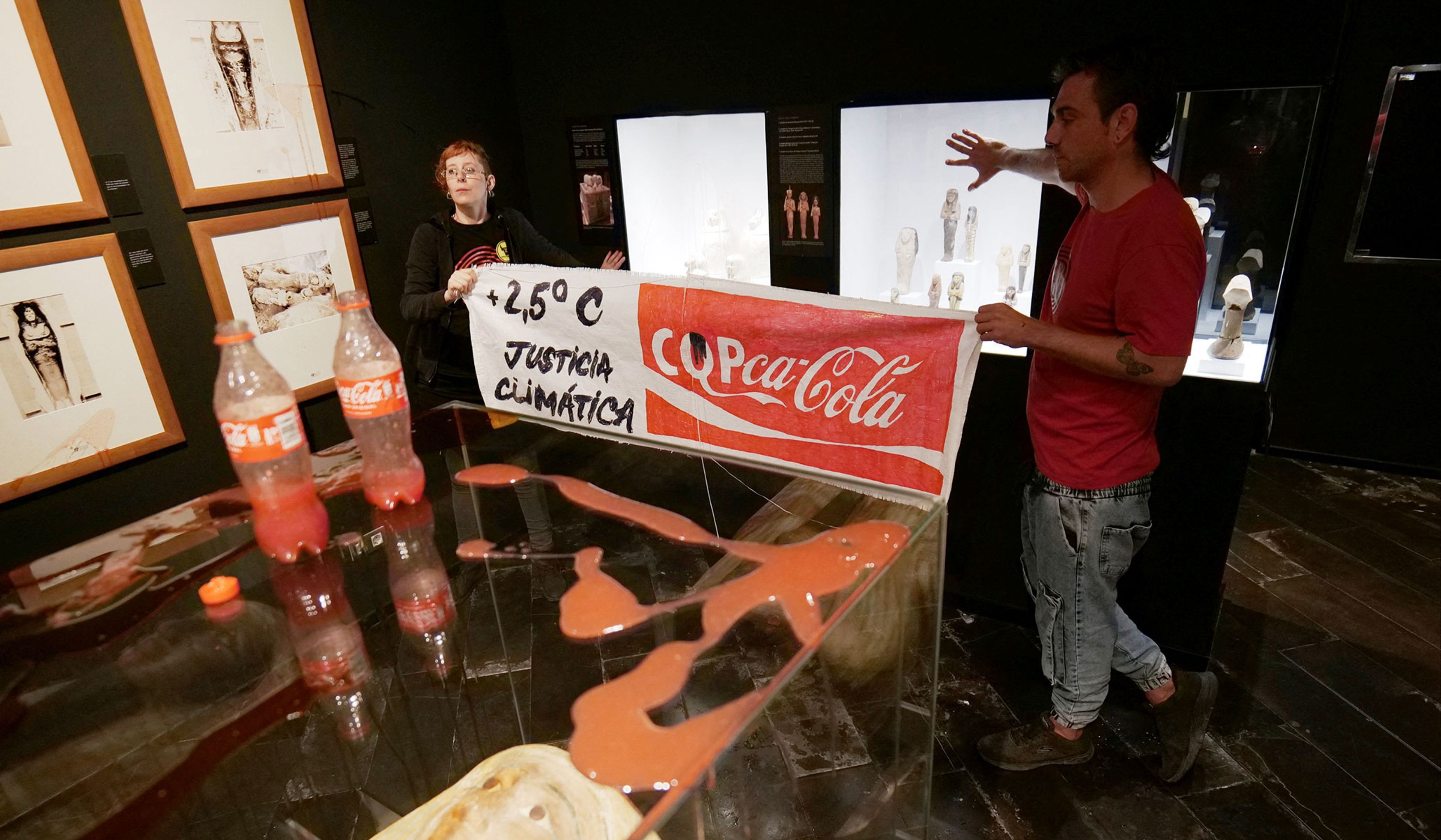
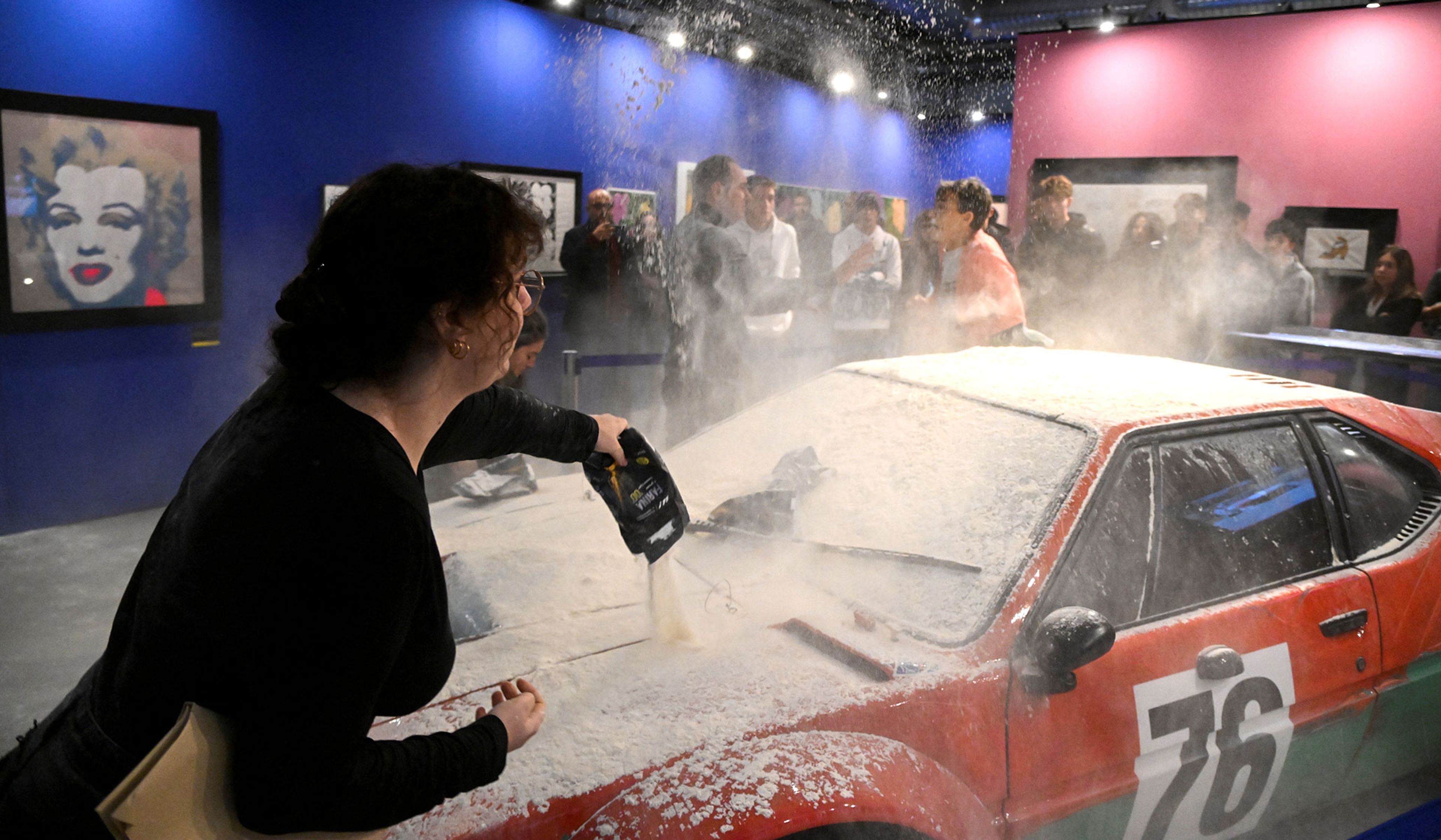
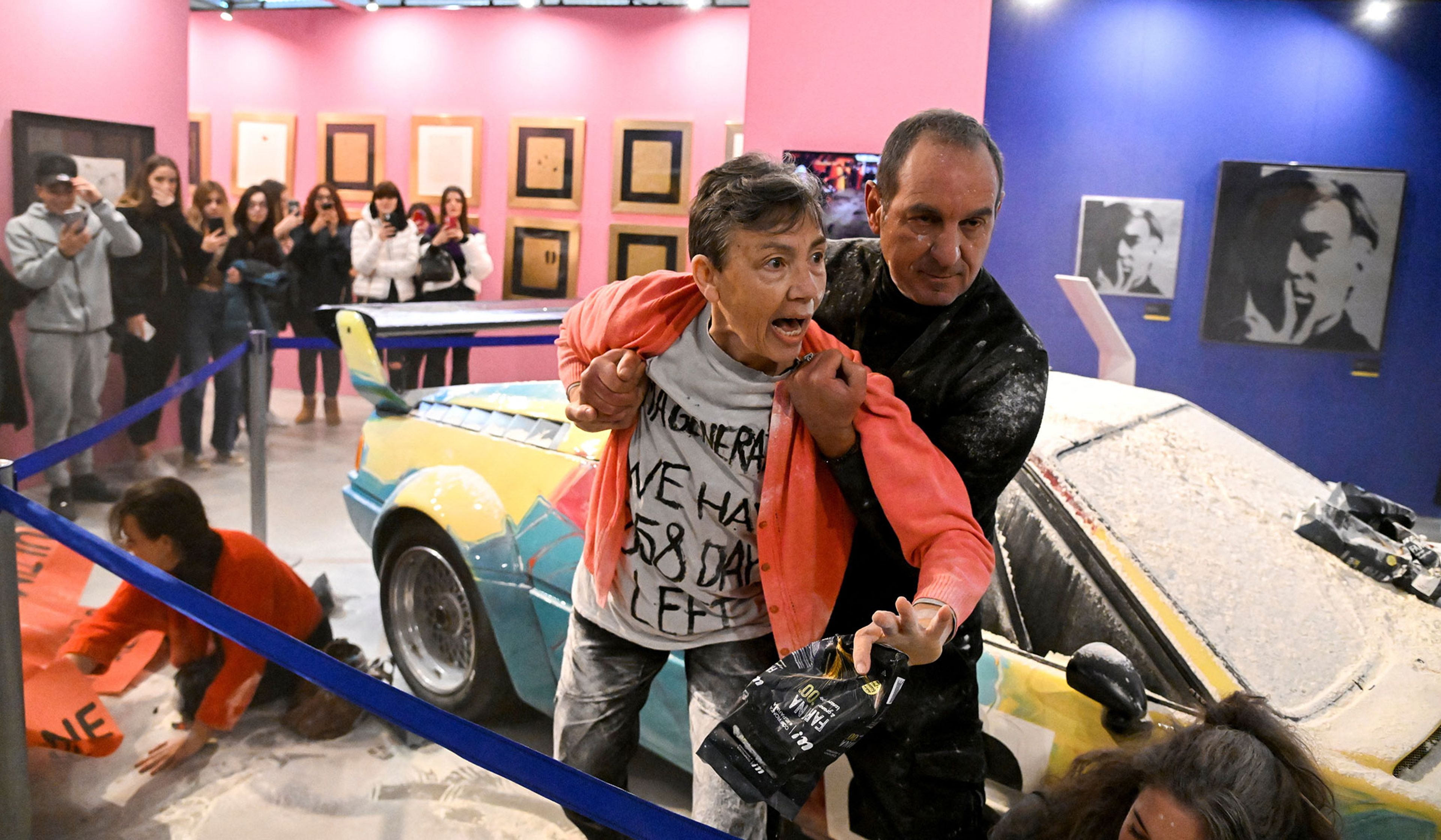
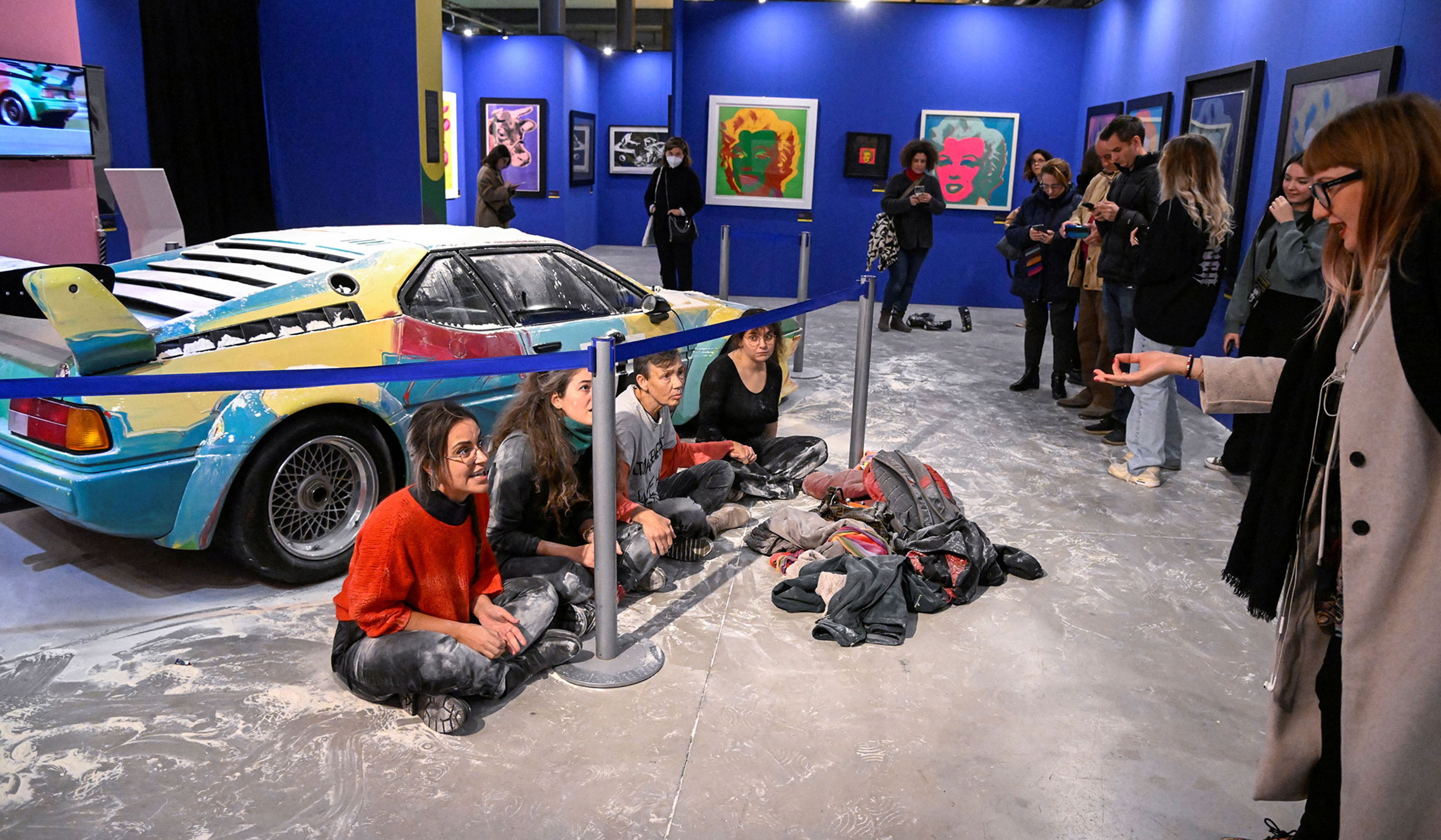
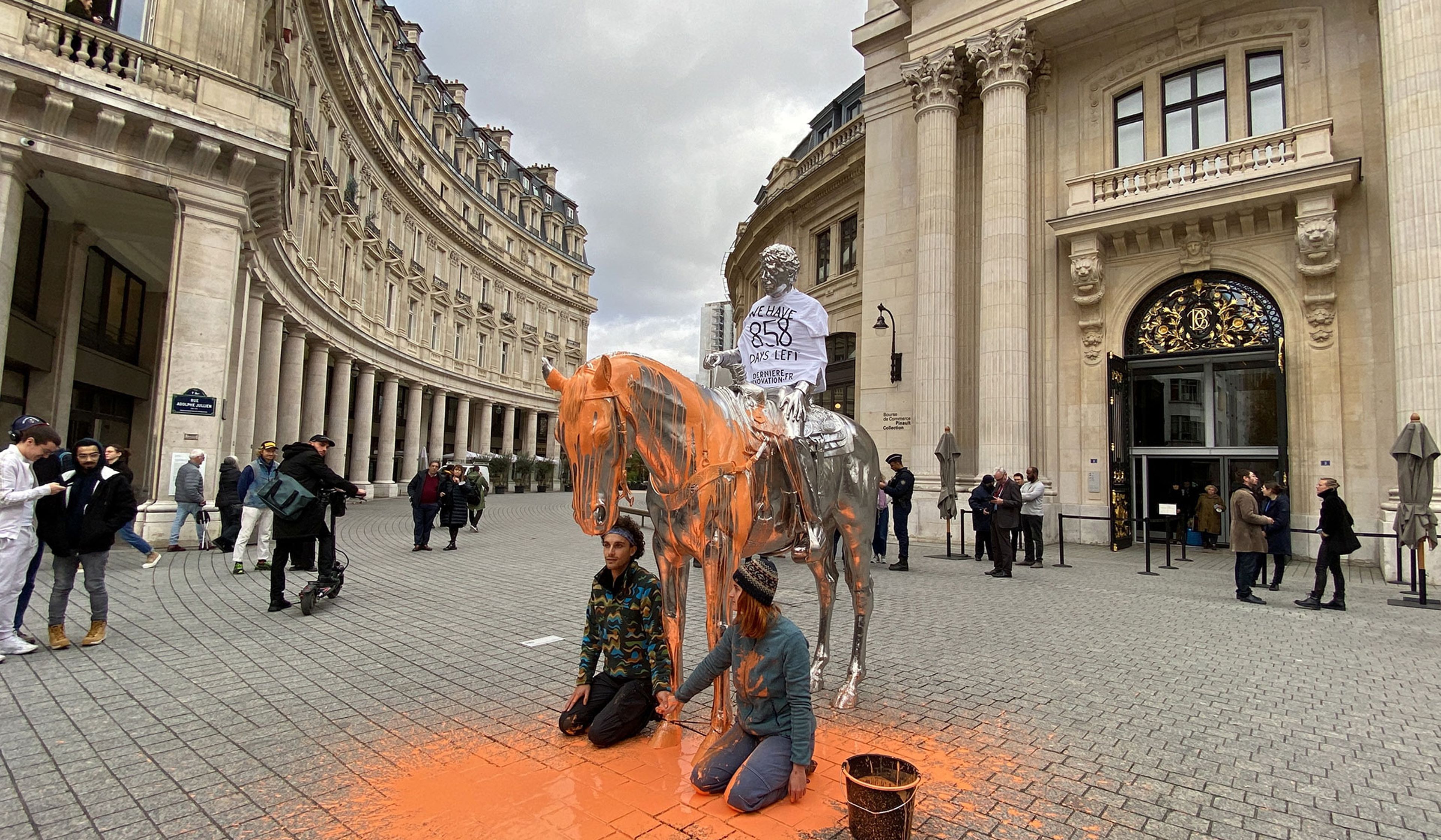
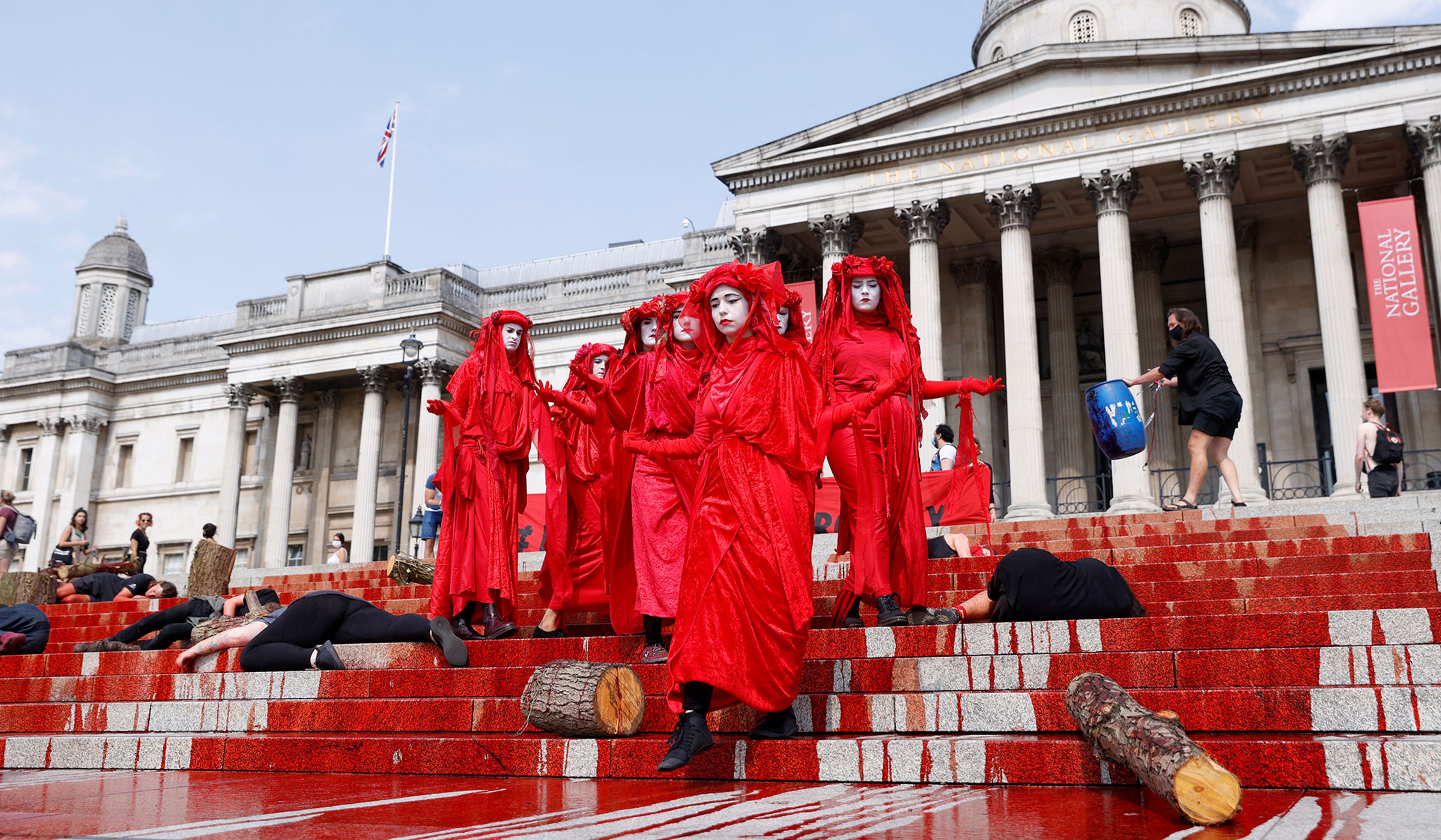
Protesters glue themselves to Botticelli’s Primavera in the Uffizi Gallery in Florence, Italy July 22, 2022.
Ultima Generazione/Handout via Reuters
Apparently this combination freezes everyone into place and no one can react to what you are doing. You are instantly granted permission to do whatever you wish, like throwing ink on a priceless painting.
People fantasize about ways to punish the art despoilers. They glued themselves to the frame? Let them stay there in the dark and soil themselves and grow hungry! But this will never happen, because it would be mean. The vandal’s hand must be gently prized, and perhaps an emollient offered to soothe the sting. After all, he is right in a lofty sense. It’s just his means.
Ask why no one tackles these idiots and the answer is always the same: Well, you’d be liable. That would be assault. They’d arrest you. Possibly so, because modern cities are run by moral eunuchs. Throwing ink on a painting, well, that’s bad, but there is a glass sheet over it, and even if some ink spatters on a Gainsborough, that can be fixed, maybe, but someone driving his knuckle into the earlobe of a delusional evangelist is violence, and we can’t have that.
The act of “protest” is sacrosanct if the objective is sanctified. You suspect that protesters opposed to immigration or modern gender theories would get one, maybe two instances of defacement on their side of the ledger and then the security guards would become much more interested in the hot-faced museumgoers who strode through the galleries with pails of gunk.
I’d like to think I would do something. Maybe just bump into them, hard, and make them drop the bucket. Even if it meant standing trial in The Hague for the crime of Hard Bumping with Malice Aforethought. In previous eras a fellow would be lauded on the front page of the journals: Man Stops Hairy Anarchist from Despoiling Jacques-Louis David’s Masterwork. The mayor would hang a medallion around your neck; the band would play an anthem. Now, apparently, knocking down some vandal who’s afraid that carbon molecules will kill him in his sleep is an act of violence, and those are never right.
Also, glory to the French Revolution, the overthrow of the bad czar, the revolution that deposed the shah, and especially the massive act of concentrated violence that defeated the Nazis. Those were all excellent examples of violence. But the time for that has passed. Now the civilized man pauses, notes, and watches the bucket empty its black load on a precious ration of beauty. It’s bad, of course, but that doesn’t mean one should do something as ridiculous as stop it.








Comments