Of all the realms of human entertainment, the one that is most alien to me is the elite food show. The ordinary food program, with the friendly celebrity chef who walks you through a simple-to-prepare meal, is not my cup of tea, but I can grasp the utility of the experience, insofar as it invites a form of participation — you, too, can cook and eat this dish!
But the shows that depict cuisine preparation at a higher level, the world of “top chefs” and their would-be imitators, always feel like a cheat. Yes, of course, you get a window into a specific culture, an encounter with a particular range of personalities. But in other reality shows focused on some kind of specific craftsmanship, you get to have a version of the central experience for yourself. That is, you can see the outfits on Project Runway and pass your own judgment on how they look, you can hear the performances on American Idol, you can glide through the finished house at the end of a design or real estate show. But no matter how long the camera lingers over some perfect main course or rich dessert or complex insalata created in a Darwinian kitchenspace, you never, ever get to actually eat it.
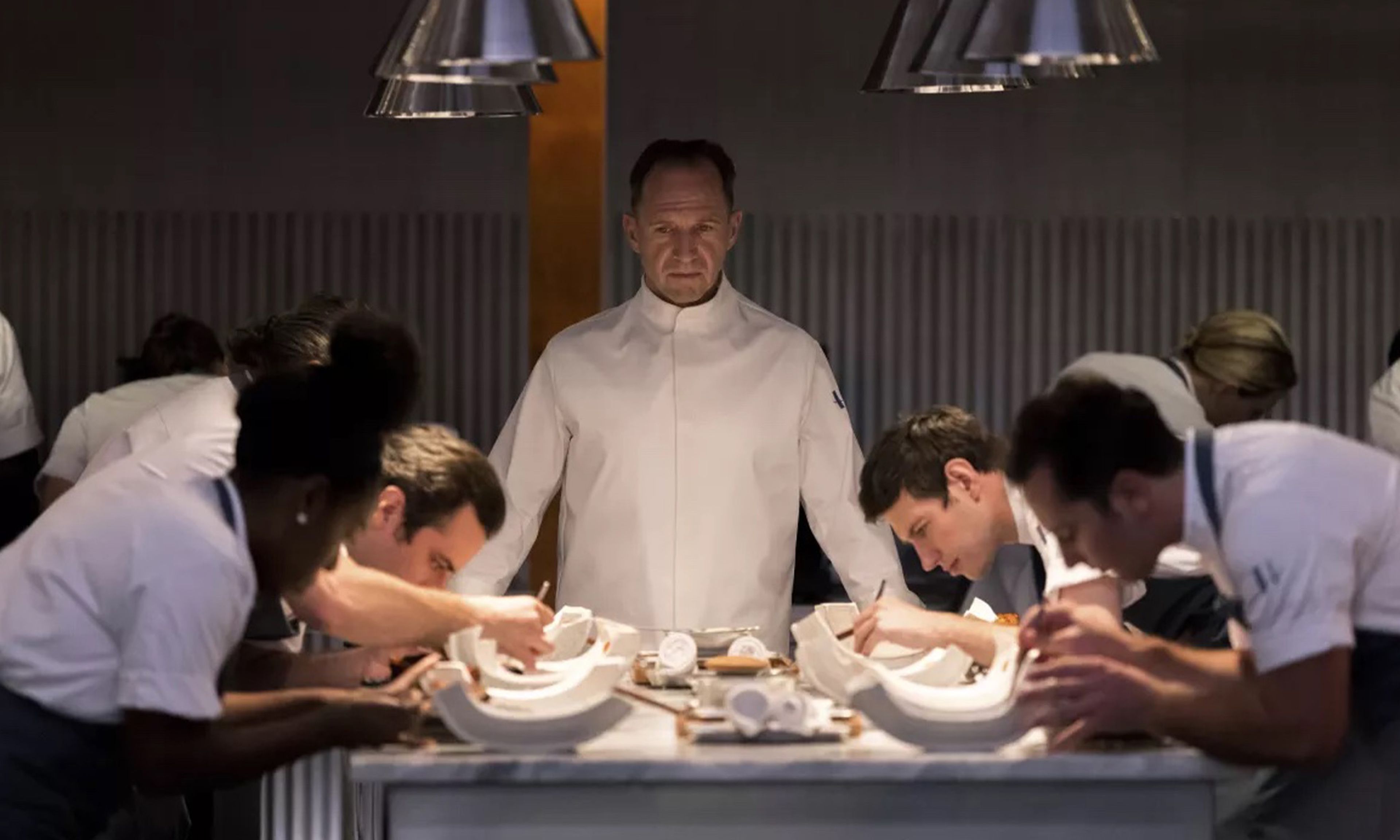
I cannot tell if this complaint makes me the perfect viewer for The Menu, a savaging of elite-restaurant culture in the form of a savagely funny horror movie, or whether I’m just an ideal target for its ruthless celebrity chef, Julian Slowik (Ralph Fiennes), who runs his island restaurant like an aesthete’s monastery and suffers entitled diners — the kind who demand, say, actual bread with their breadless bread course — not at all.
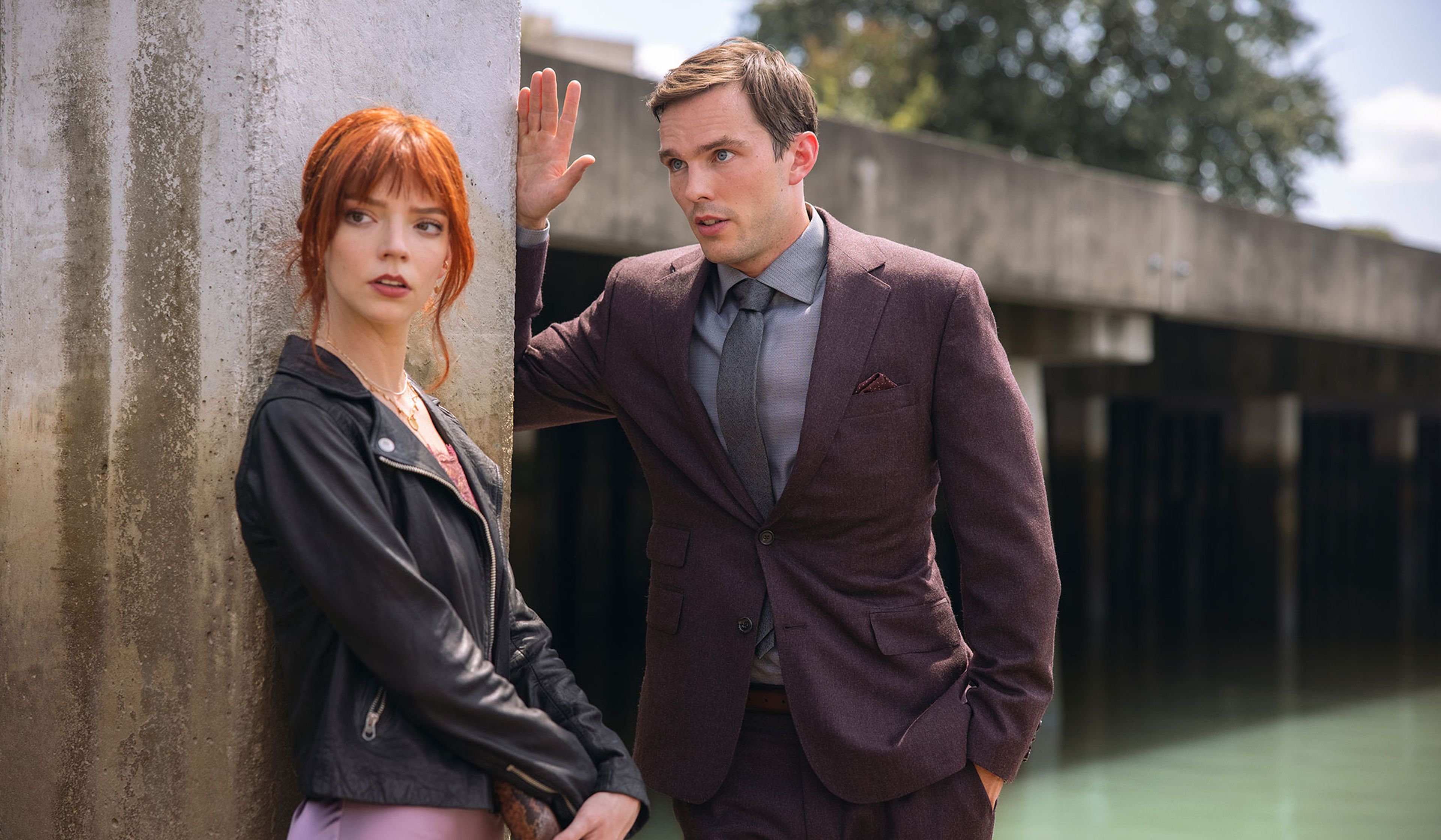
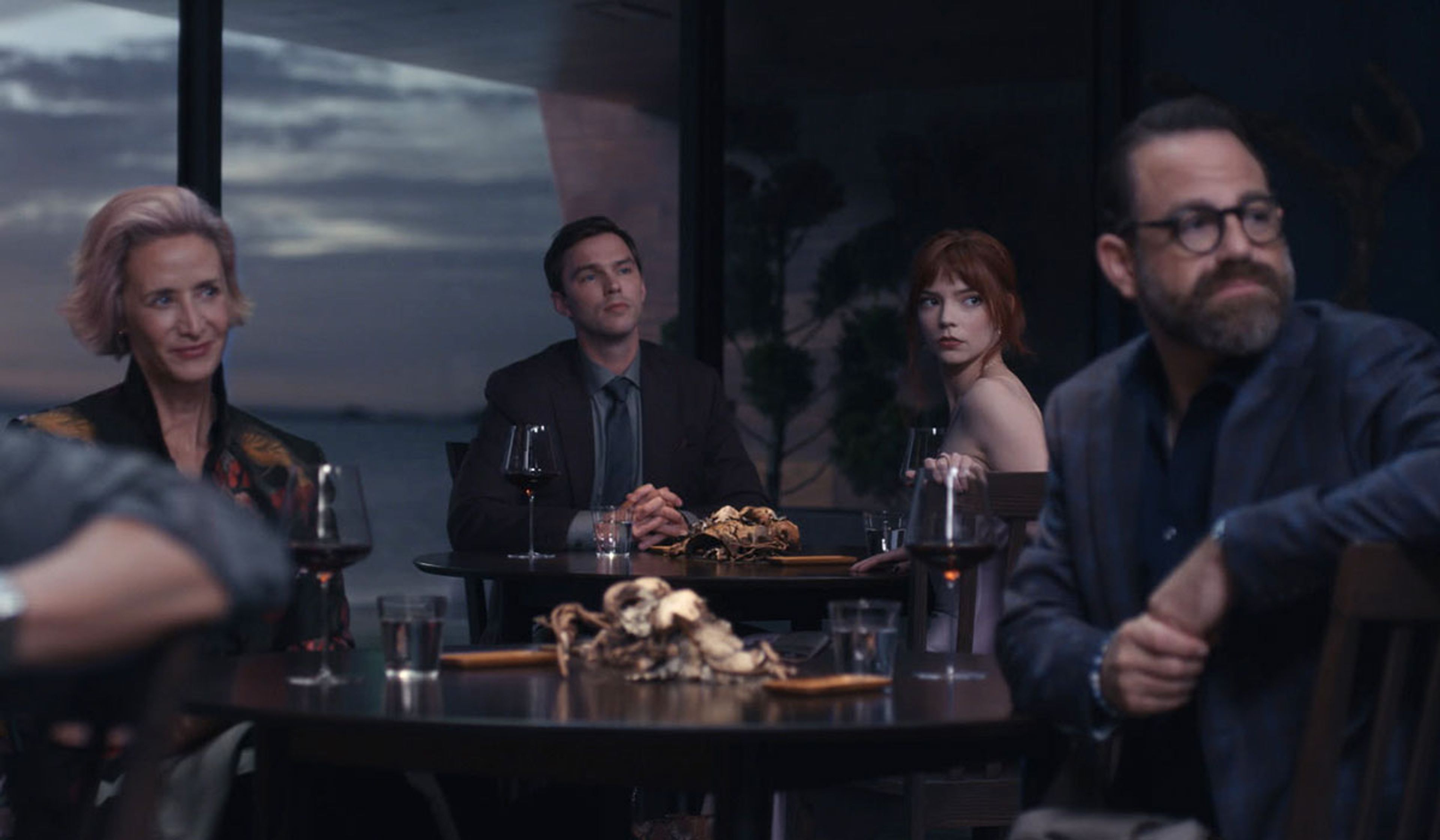
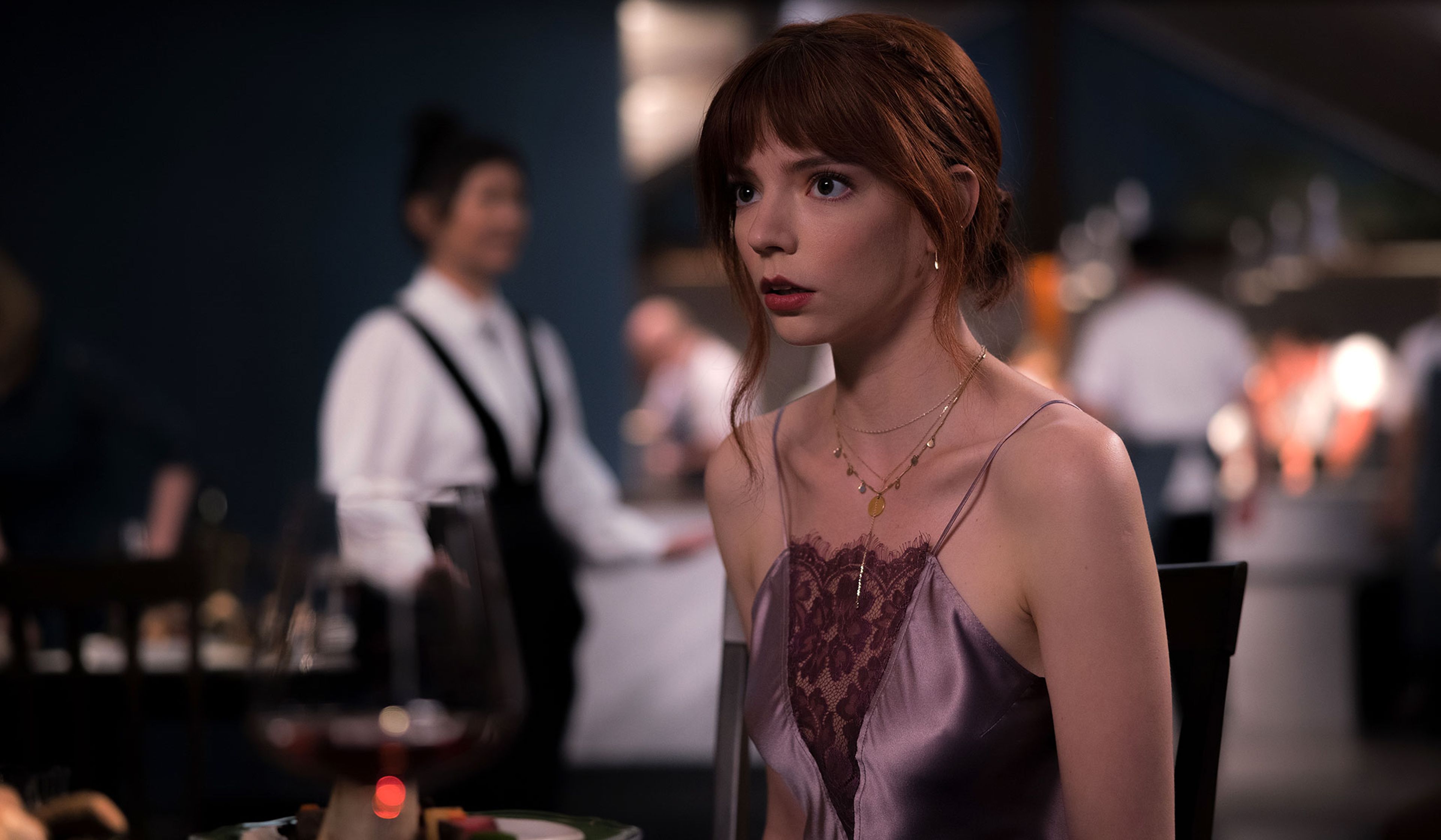
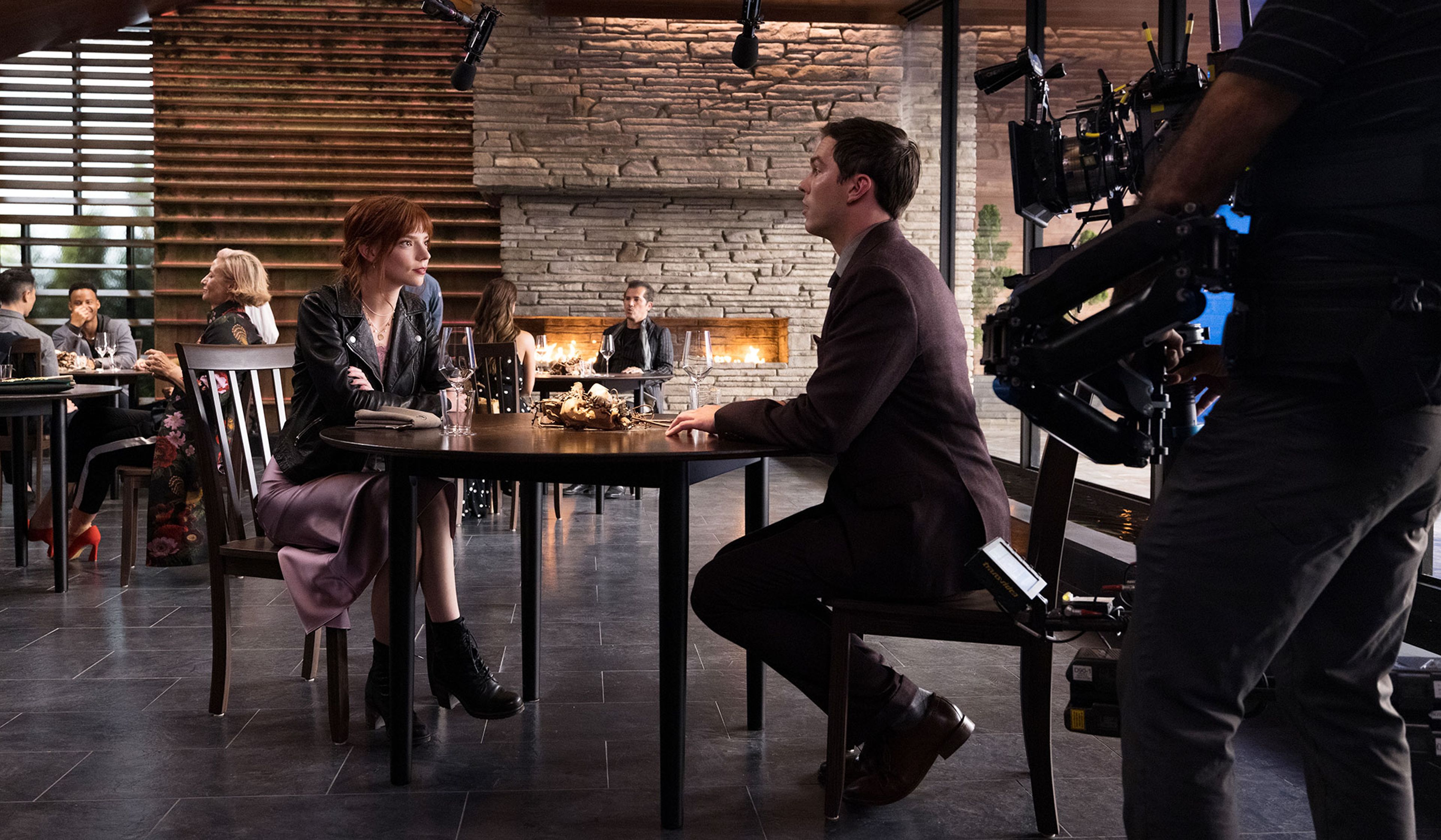
“Taste, savor, relish, consider every morsel that you place inside your mouth,” Slowik admonishes his guests early in the experience. “But do not eat. Our menu is too precious for that.” As a proud eater, I’d like to think that I’m like the audience surrogate, Anya Taylor-Joy’s skeptical Margot, who’s tagging along as a last-minute plus-one with Tyler (Nicholas Hoult), her maybe-boyfriend and the most worshipful of foodies, for whom this is clearly a culminating experience of his spoiled and solipsistic life.
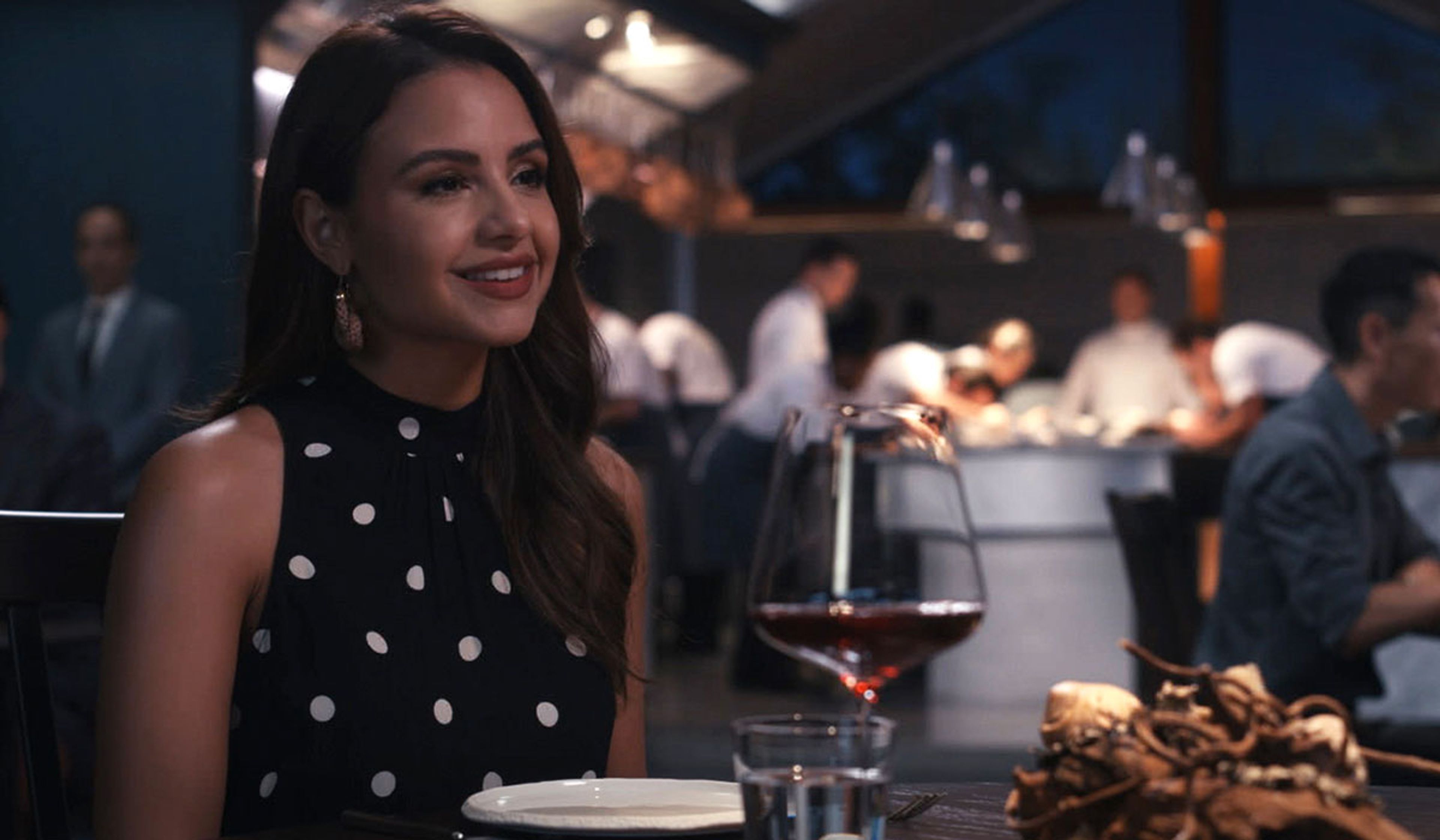
But give me money and a reservation at Slowik’s restaurant, and maybe I’d be more like the wealthy couple, repeat diners at his table, who at a crucial moment in the later action can’t identify a single dish from their past visits — philistines, wasters of a master’s art, the kind of moneyed face-stuffers who are crucial to both the movie’s satire and the motivations behind its chef’s murderous intentions.
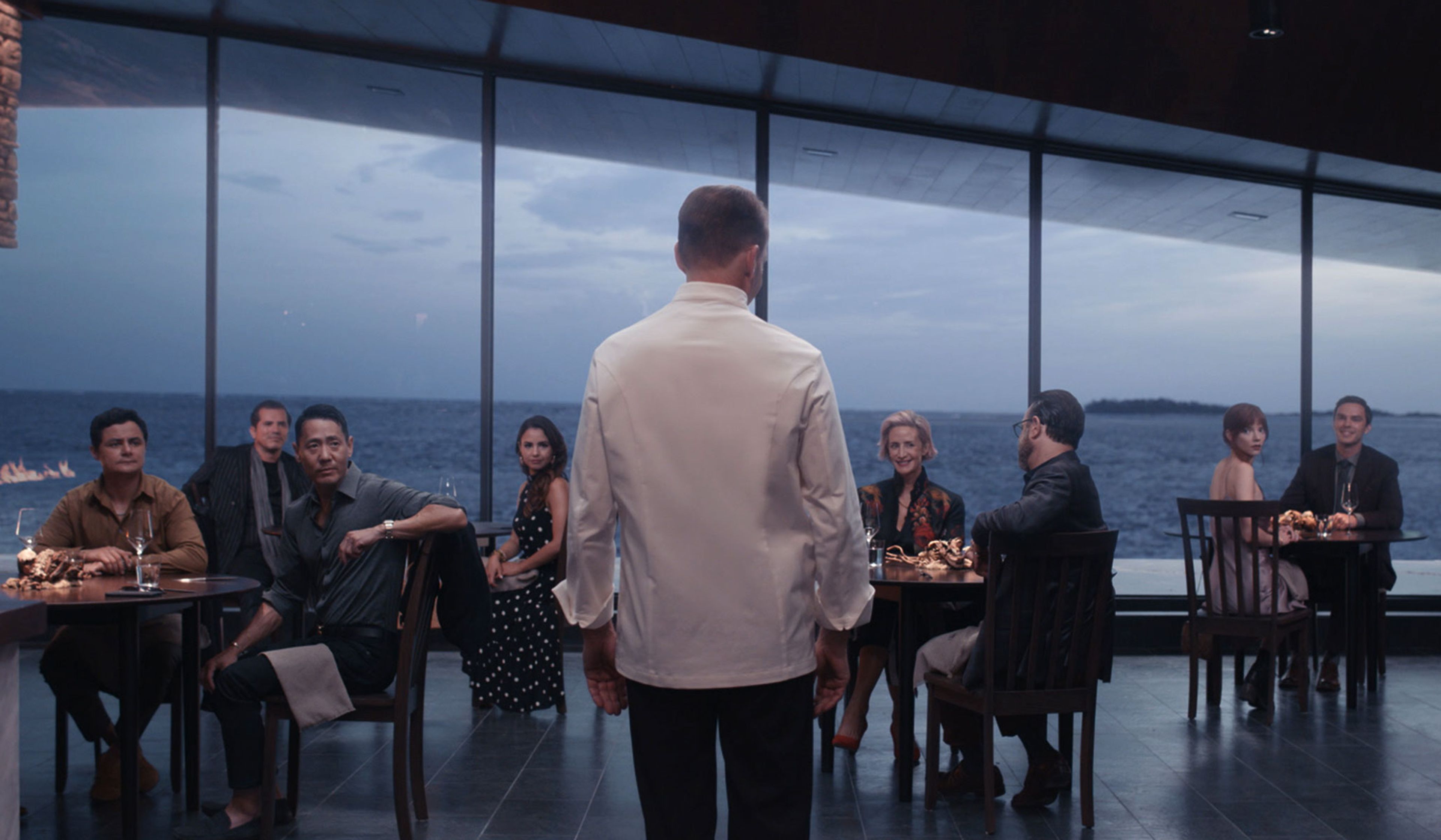
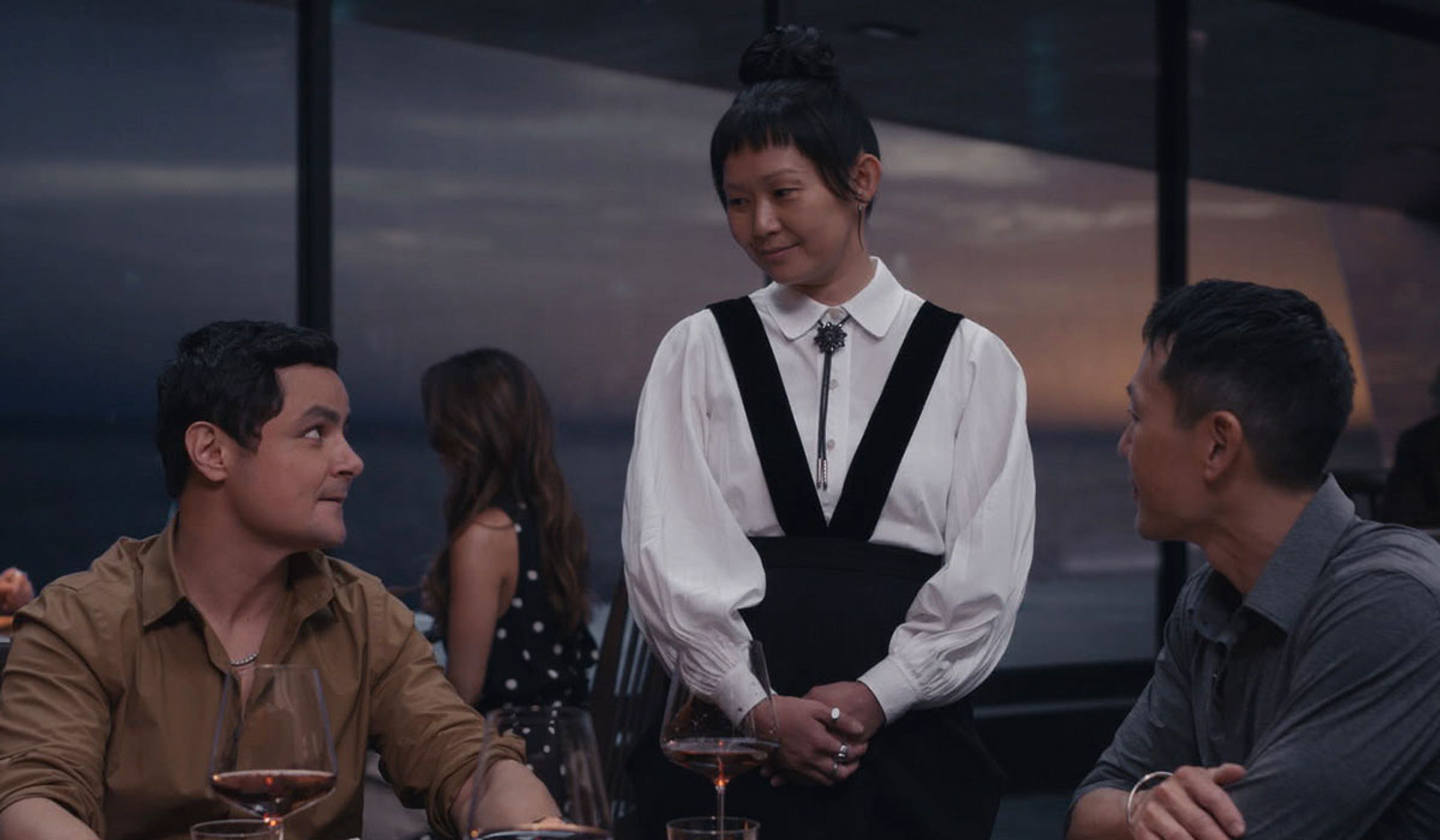
The restaurant is called Hawthorne, named for the small island it occupies, from whose shores and soul and paddocks the ingredients for Slowik’s meals are harvested, and where his team of sous-chefs leads a military existence under the smilingly rigid supervision of his majordomo, Elsa (Hong Chau). One of the movie’s writers and its director are veterans of HBO’s Succession, and they show a well-seasoned flair for capturing the different ways of being among the spoiled and super-rich — at one table, the simple arrogance of a finance bro (Rob Yang) and his work buddies; at another, the self-loathing of an ageing movie star (John Leguizamo); at still another, the aestheticized cruelty of a powerful food critic (Janet McTeer).
Indeed, for half its running time, The Menu is basically a movie in the spirit of Succession — a bleakly funny send-up of the manners and mores of the coastal upper class, distilled into the particular cult of the celebrity chef and the “sustainable” dining experience, albeit with unsettling and sinister-seeming undercurrents.
Then comes the pivot, the reveal of Slowik’s true intentions, which is sharper and more complete than you might expect, and makes the film’s vantage point a bit unsteady. The satire in the early going is comprehensive, encompassing both the awful diners and their dictatorial host. But once we realize that the host is planning to do worse things to his guests than serve them butters and oils without a loaf to dip in them, it becomes a little bit unclear where our moral sympathies should lie. Are we watching a righteous rebellion, the imprisoned artist breaking his chains, even the service sector rising up against its masters (some revelations about Margot contribute to this reading)? Or is all the horror and mayhem just an extension of the initial symbiosis being satirized, between the arrogance of the pseudo-artist and the pretensions of the pseudo-cultured?
In the end, The Menu wants to have it both ways, redeeming the art of cooking while also pushing its satire of the chef–patron relationship all the way to a Grand Guignol conclusion. I’m not sure the balance quite works, but I will give the finale this: Before it made me horrified and queasy, it did make me briefly desperate for a cheeseburger.
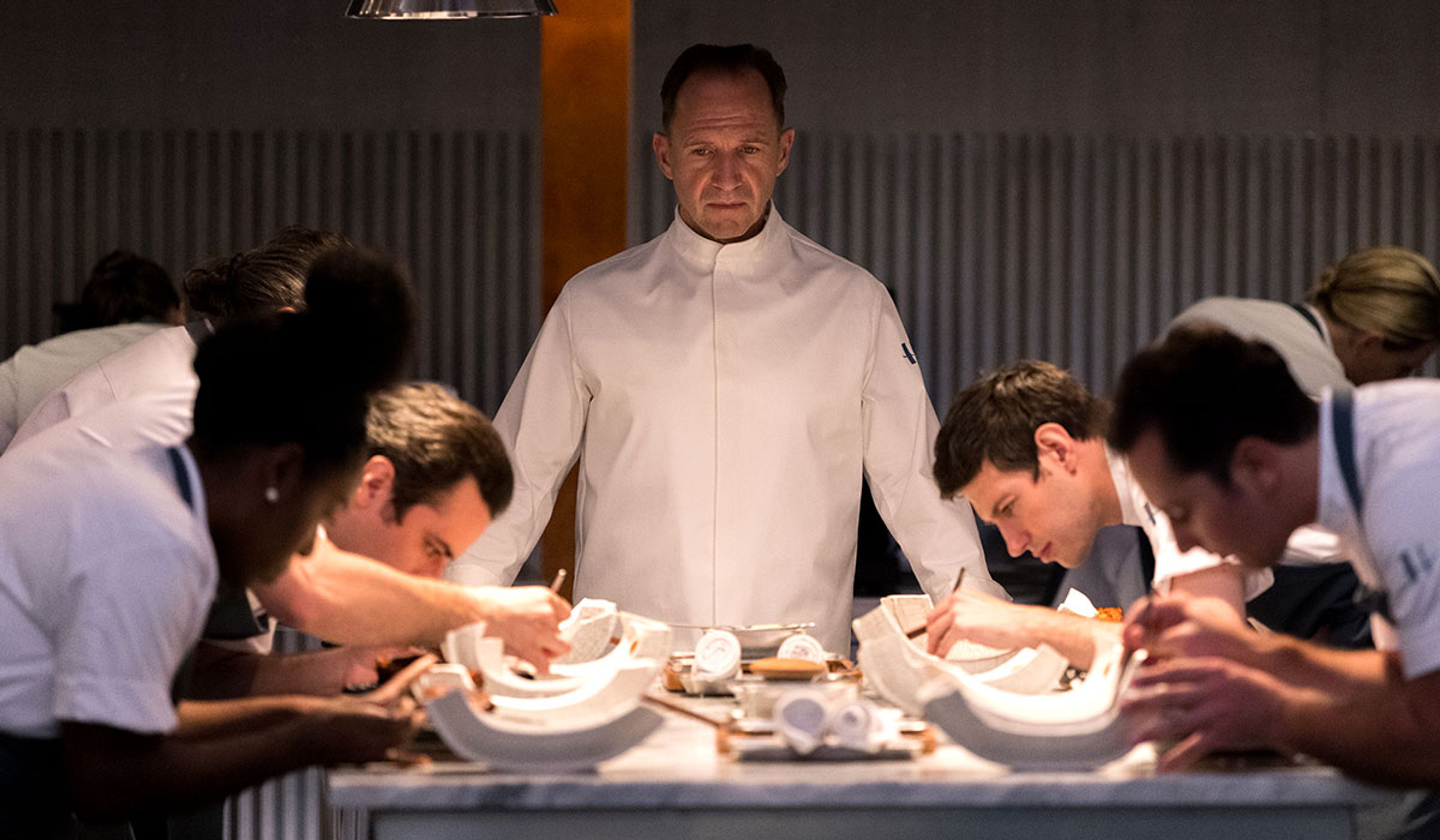
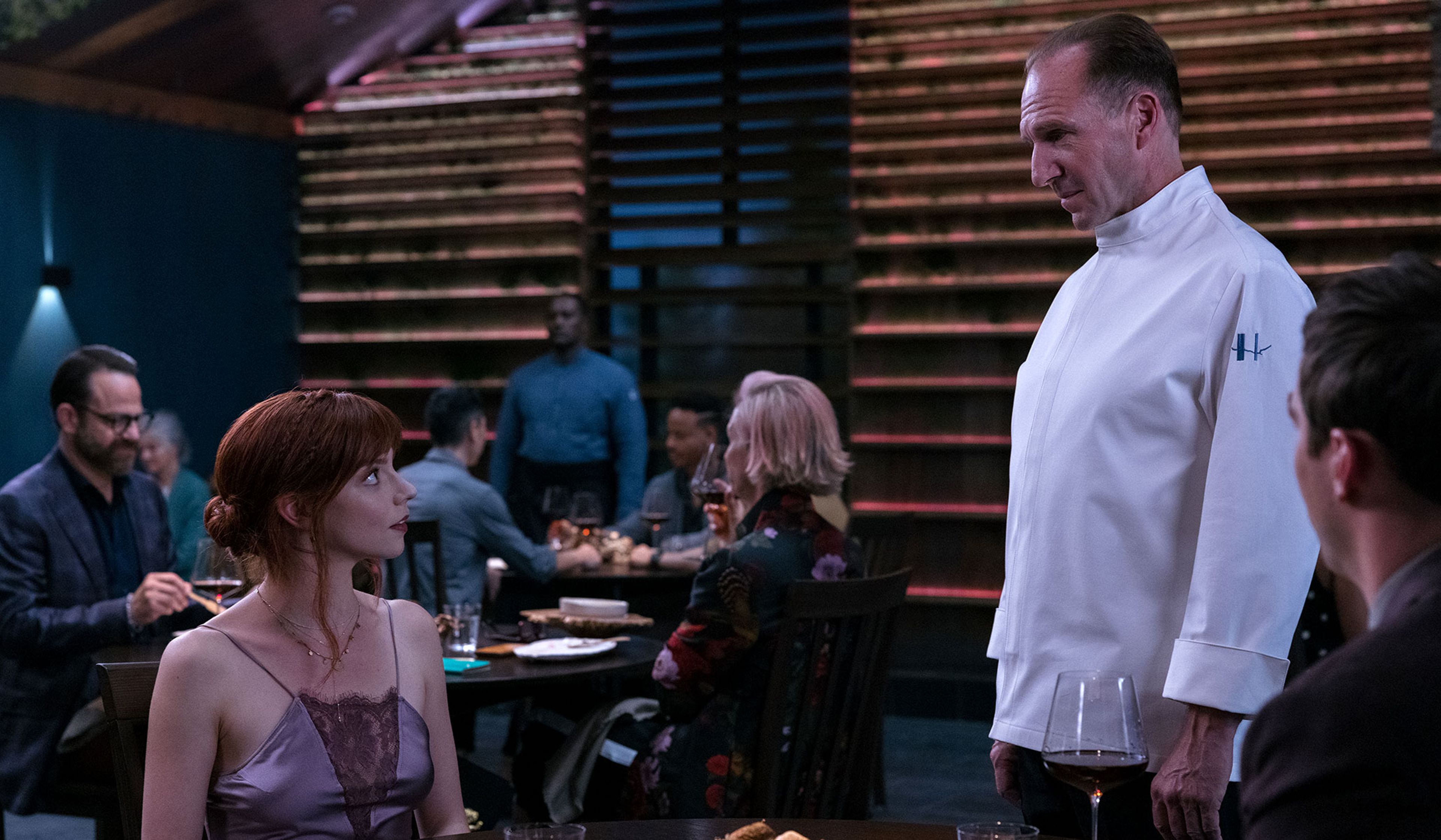
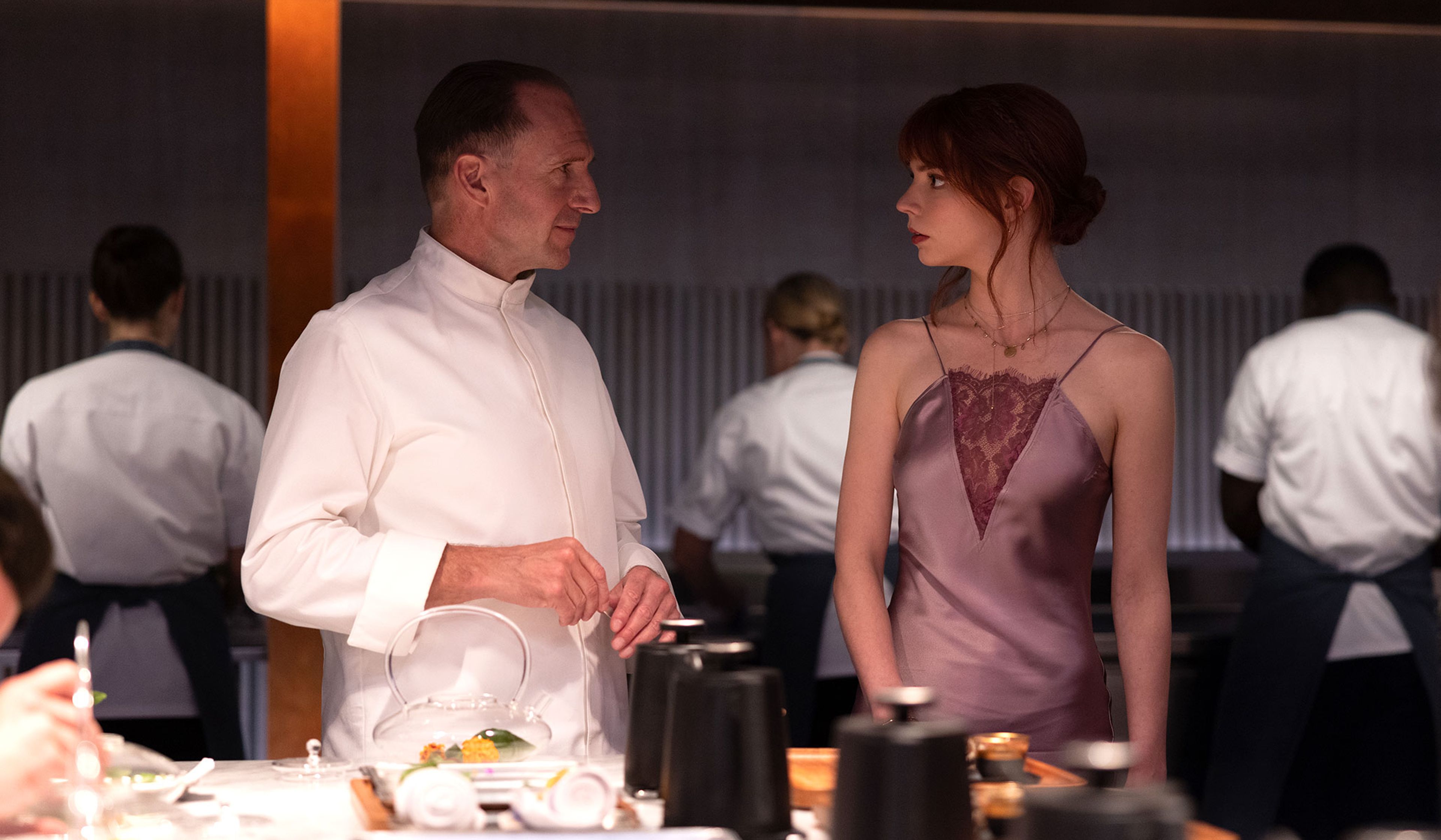
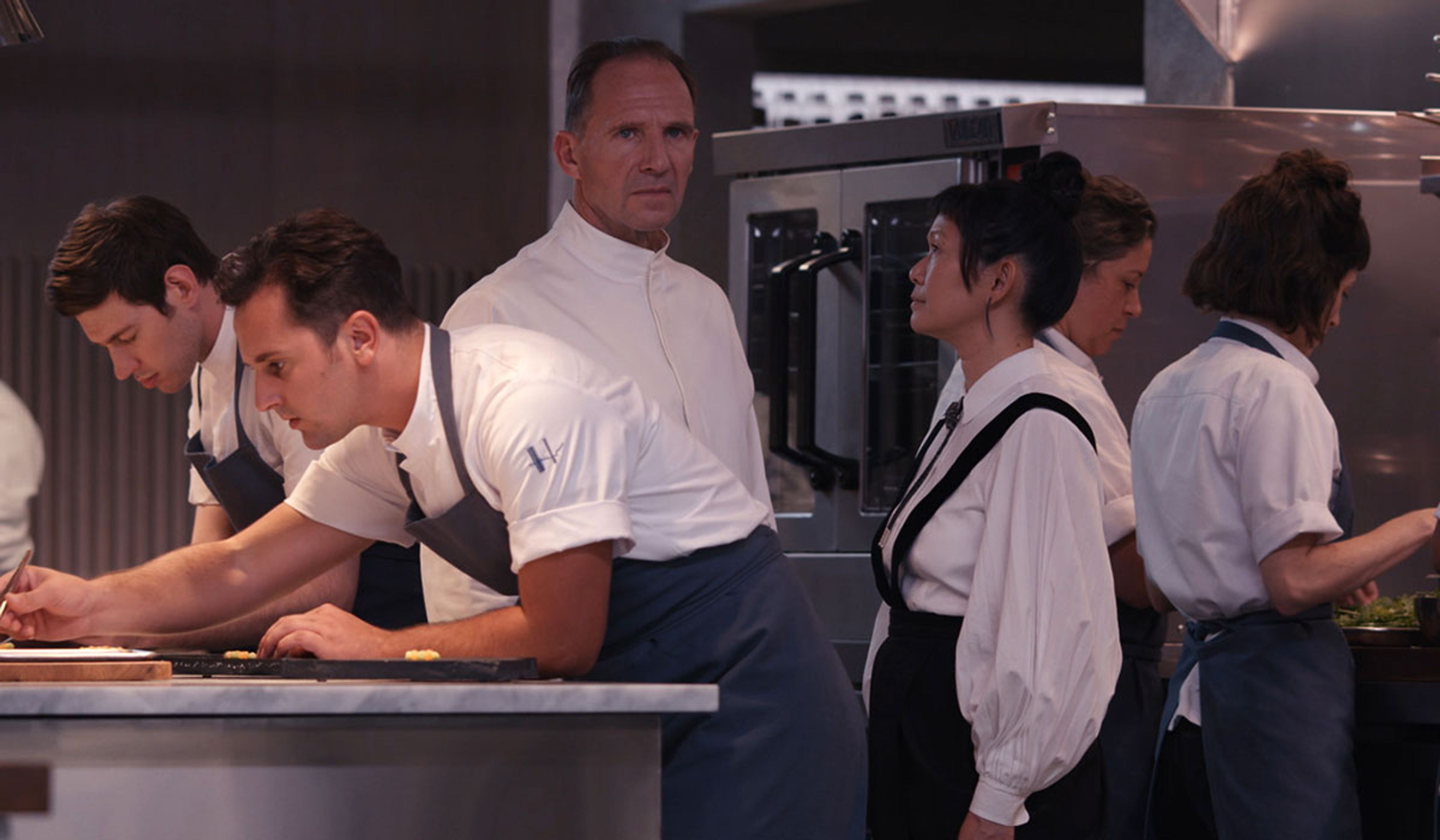
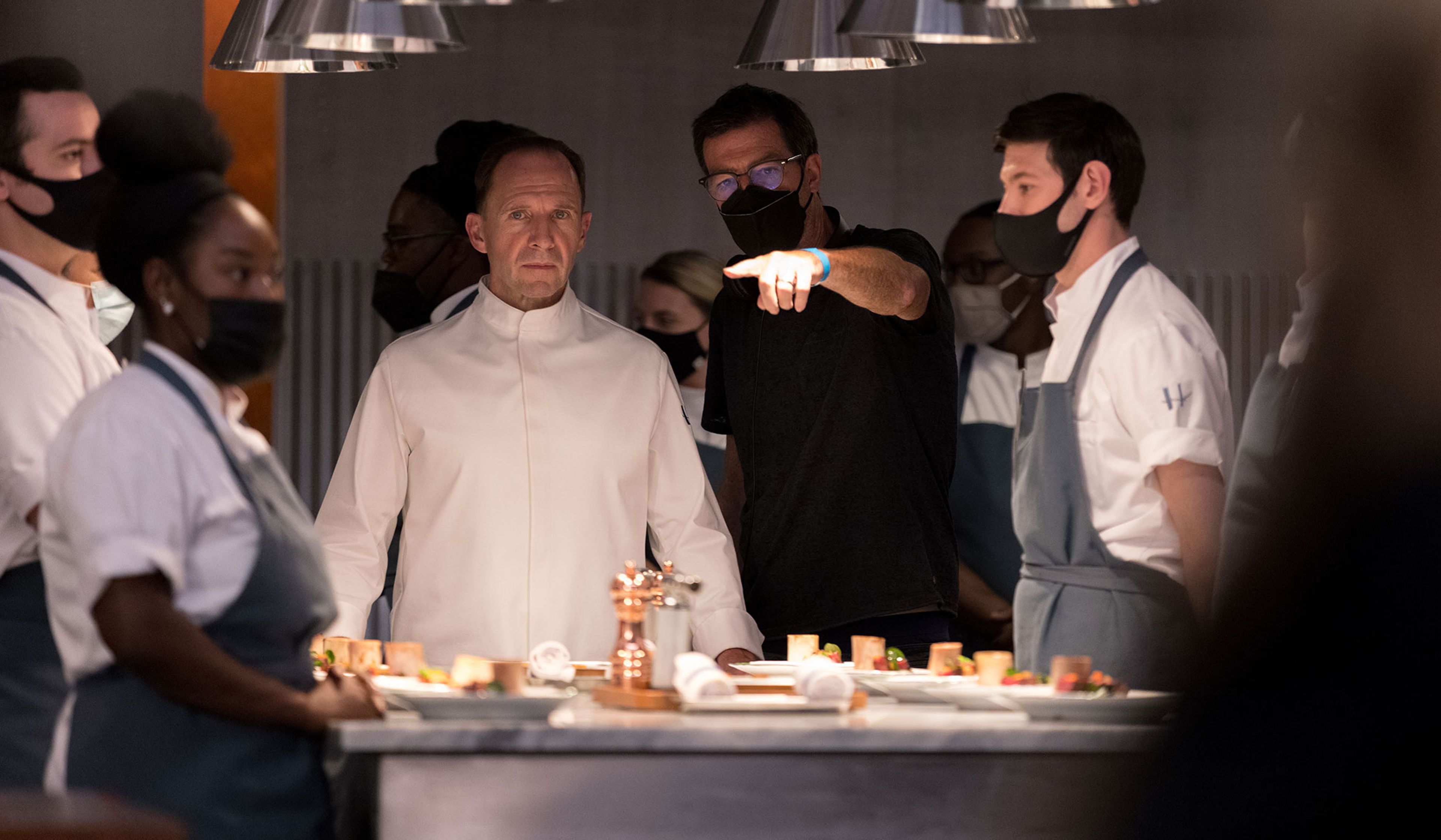
Ralph Fiennes in The Menu.
Eric Zachanowich/Searchlight Pictures












Comments