In the summer of 2016, I went into a bookstore in Maine looking for a book that I thought my wife would like to read — a memoir about growing up as the heir to rural Appalachian culture and passing from that world into the gilded precincts of the meritocracy, written by a guy I knew a little bit through a few mutual friends in Washington, D.C.
The bookstore was a safe space for a certain kind of New England lefty politics, with Bernie bumper stickers sharing wall space with New Age slogans, and a curated display of political titles that covered the spectrum from Gloria Steinem to Noam Chomsky. But when I inquired about the book, the clerk looked at me brightly from behind her horn rims, brushed at her bluish hair, and said, “Oh, Hillbilly Elegy? People have been buying so many, we can’t keep that one in stock!”
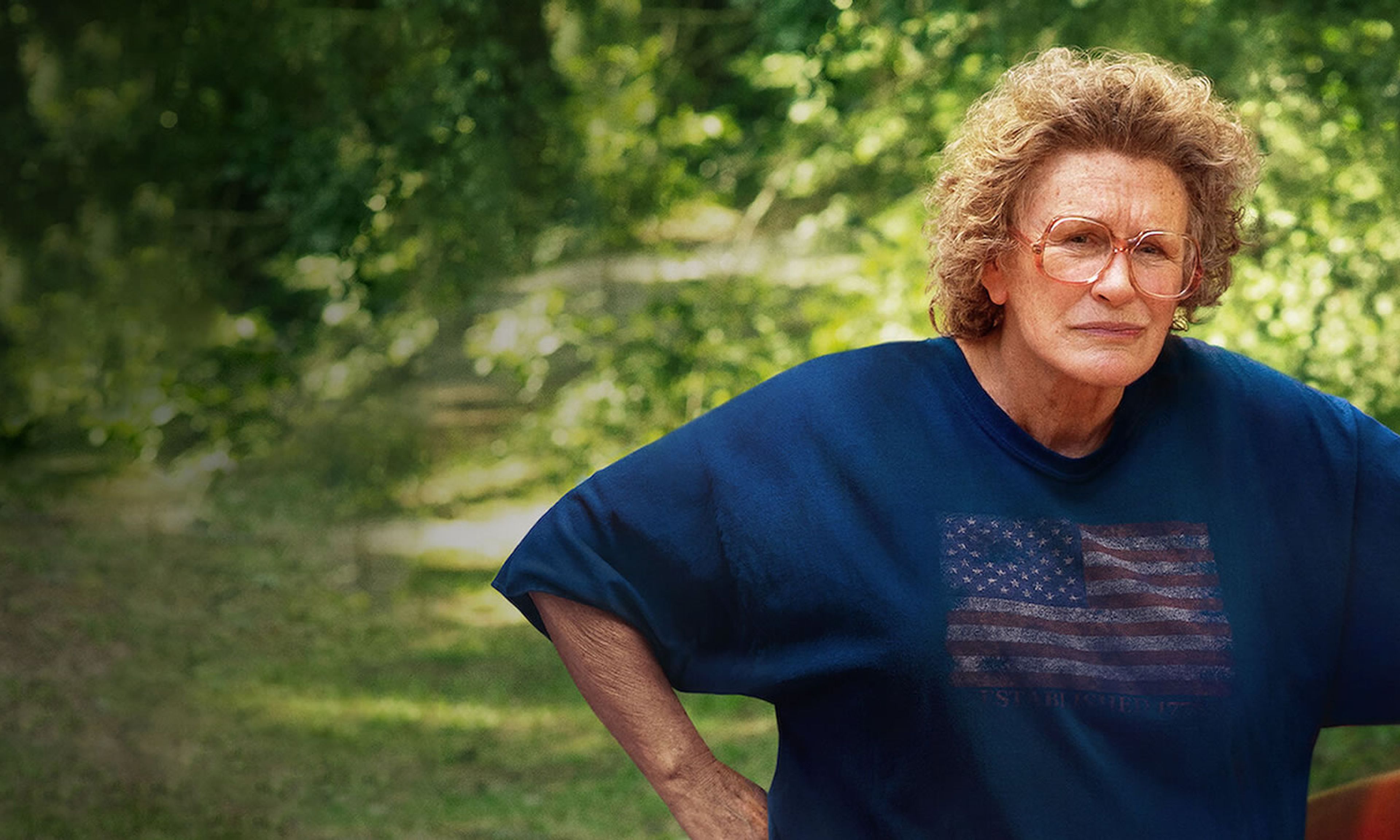
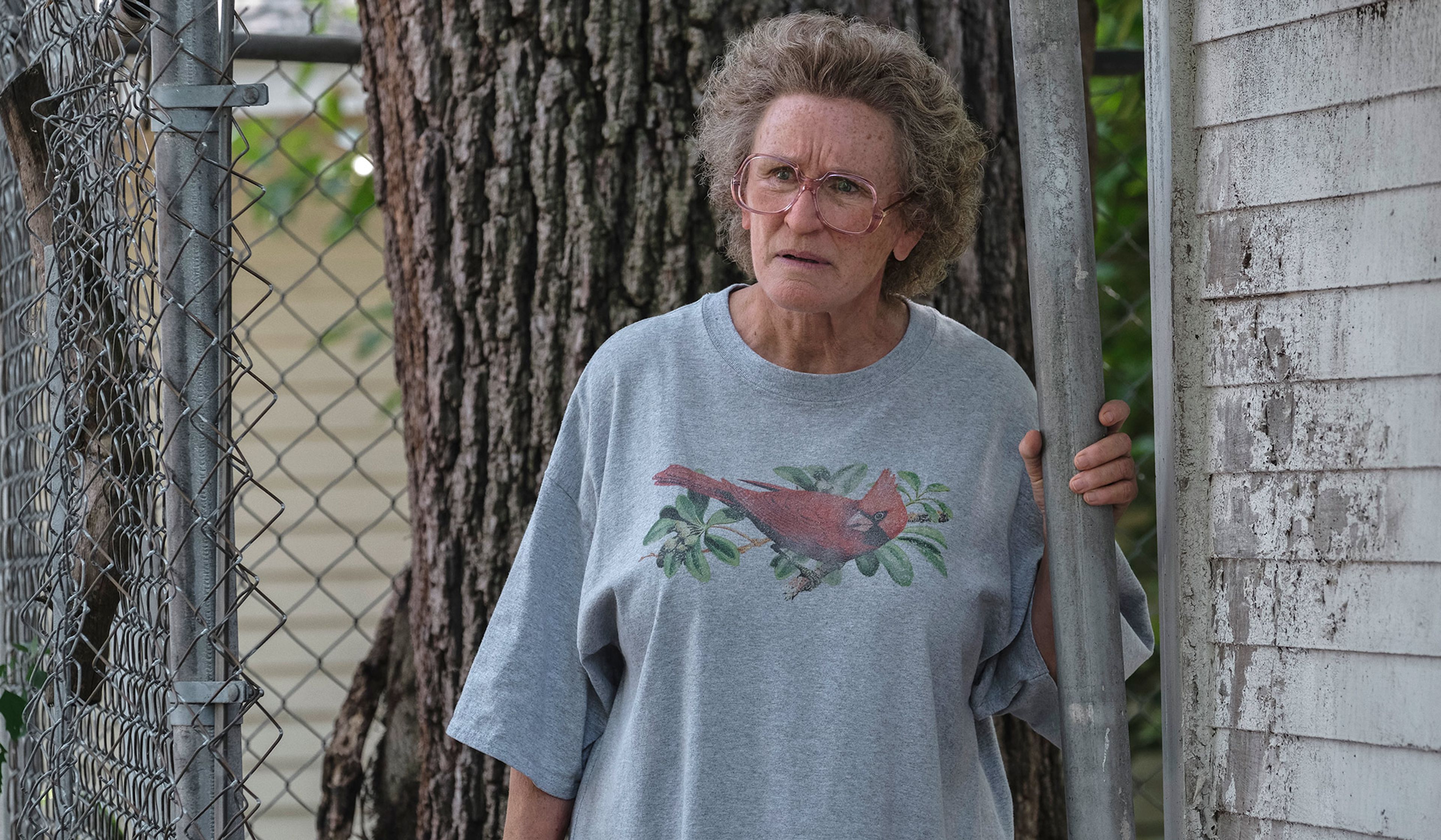
That was my first introduction to what became the J. D. Vance phenomenon, which has now, four years later, given us a Ron Howard adaptation of his book, with Amy Adams and Glenn Close playing the Rust Belt women, the addict mother and the intimidating Mamaw, who put their stamp on Vance’s pre-military, pre-Yale childhood. And as a phenomenon, Hillbilly Elegy has transcribed a strange Trump-era arc. Four years ago it was the must-read book for liberals trying to understand the events of 2016, the cultural underpinnings of Trumpism in deindustrialization and opioids and family breakdown. But now in the world of 2020, that project of understanding has been mostly abandoned, a reductive treatment of the heartland has returned, and Vance, as a conservative writer interested in the cultural as well as economic problems of his native region, is considered an enemy rather than a guide.
This shift has been apparent in the reviews of the Howard movie, which have been extraordinary in their vitriol, often with a potted critique of Vance-the-conservative thrown in — as though the critics had never watched a family melodrama or an Oscar-bait movie before and were shocked, shocked, to find famous actors adopting accents and uglying themselves up to play people with bigger problems than their own.
The movie is not a masterwork. It is, I would say, aggressively fine, with some strong performances illuminating a cultural story that Hollywood doesn’t often touch. (Indeed, it’s hard to think of any other high-profile recent movie dealing with opioid abuse among working-class white people, which happens to be one of the biggest social crises of our time.) But the book it’s based on doesn’t have an obviously cinematic structure, and Howard’s movie is long on Dickensian atmosphere but lacks the incident and action of a good Dickensian plot. He relies on flashbacks to a somewhat fragmented extreme, and the stakes in the framing story — the now-older Vance (Gabriel Basso) might need to miss a big-law interview so he can take care of his still-addicted mother — aren’t quite dramatic enough to carry the movie through its climax.
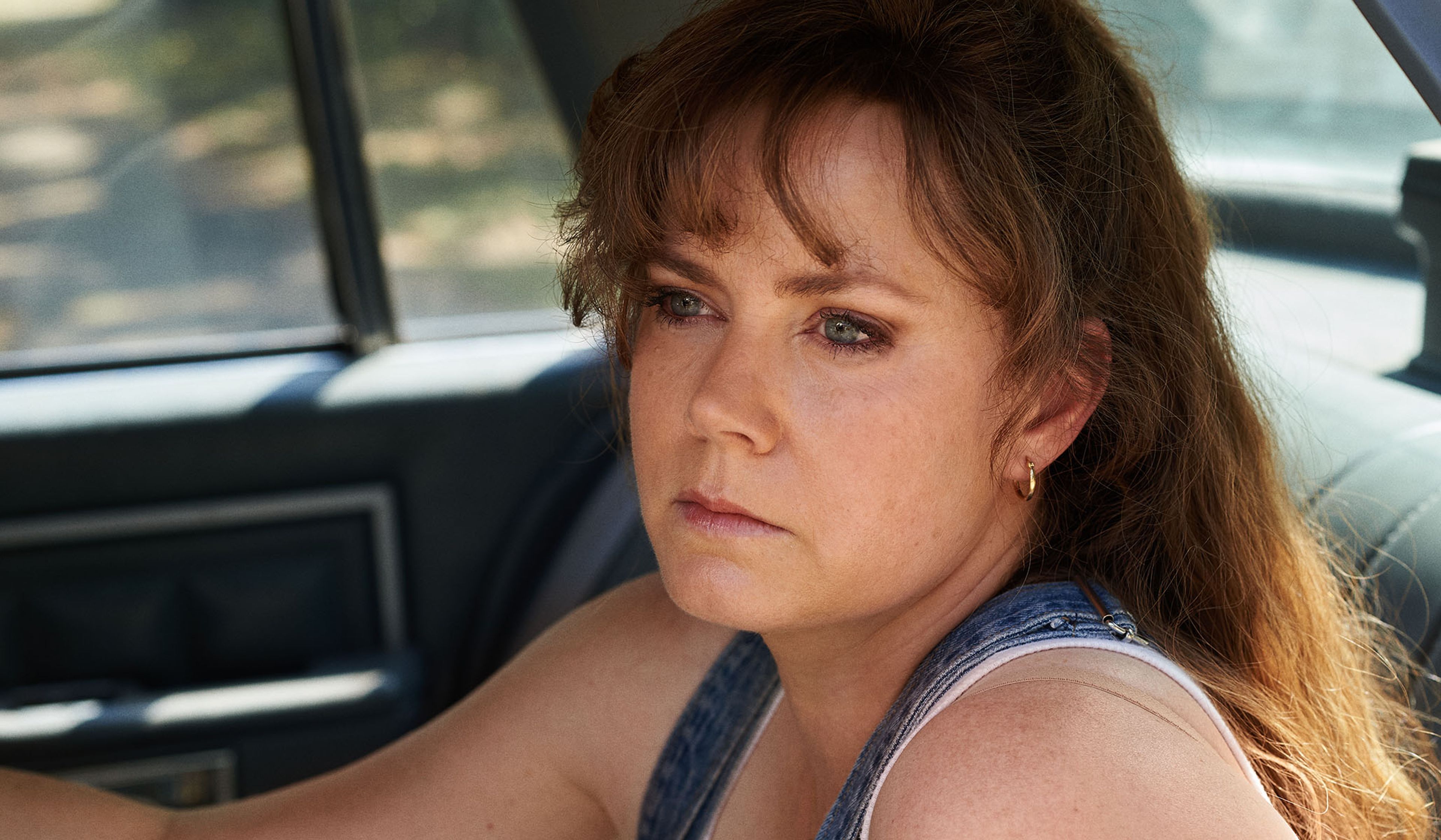
On Rotten Tomatoes, the review and audience-reaction aggregator, the audience rating for Hillbilly Elegy the movie is 86 percent fresh, which seems a bit too high to this snobbish critic. If you averaged that 86 percent with the critics’ rating, a rotten 26 percent, you’d be closer to a reasonable take — but wait, again, 26 percent? What? Because Amy Adams supposedly overacts? (Maybe a little, but she is playing a heroin addict; meanwhile Close is terrific and so is Haley Bennett in a more muted role as J.D.’s sister.) Because the movie is lighter than the book on sociology and politics? (If it had included more of Vance’s politics, I think the critics would have hated it more.) Or because it tells a tale of uplift and bootstrapping, of a determined grandma helping her eventually determined grandson, of personal success that’s earned by escaping a broken family and a failing culture — and conventional American stories of uplift are apparently verboten now?
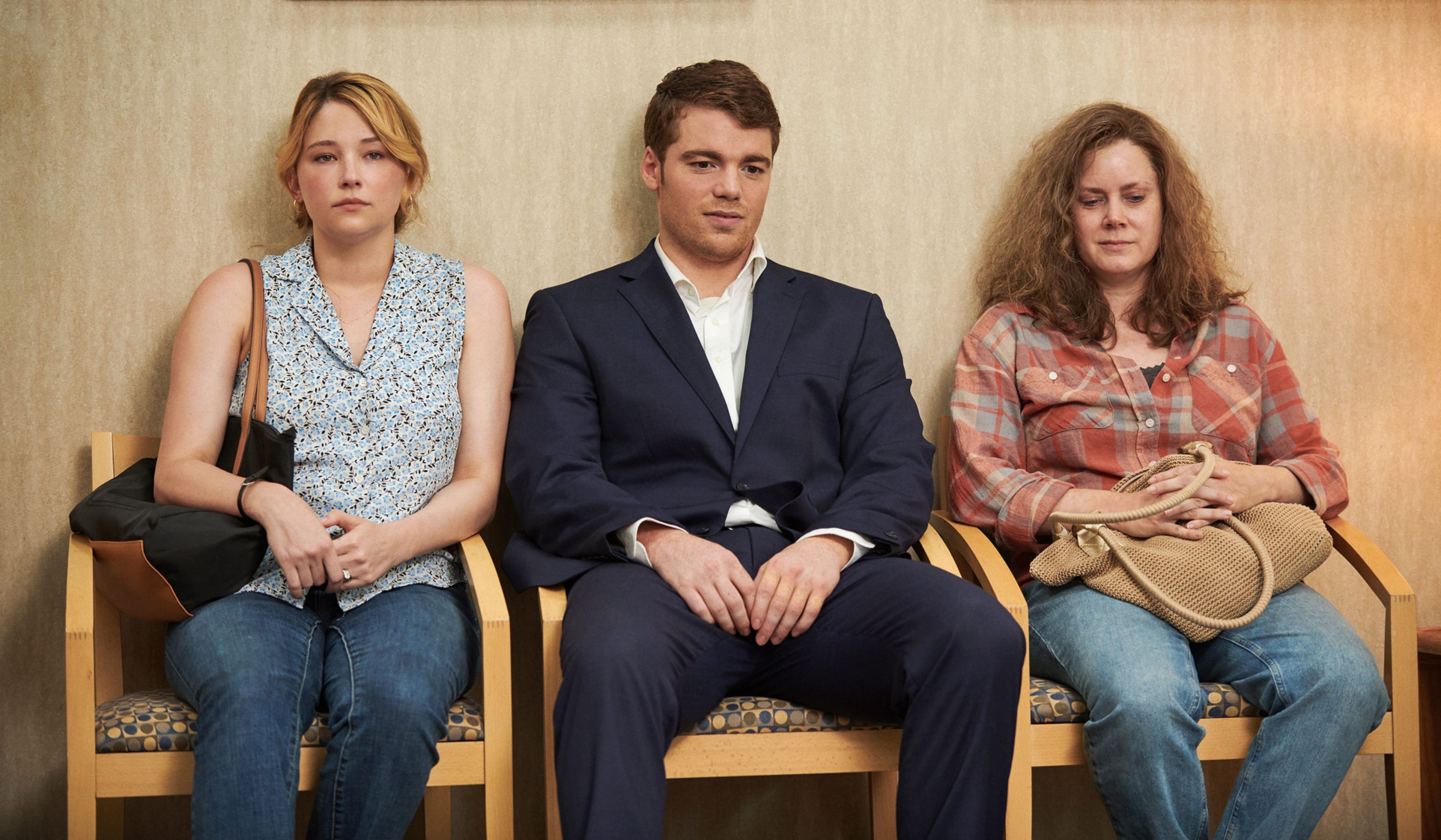
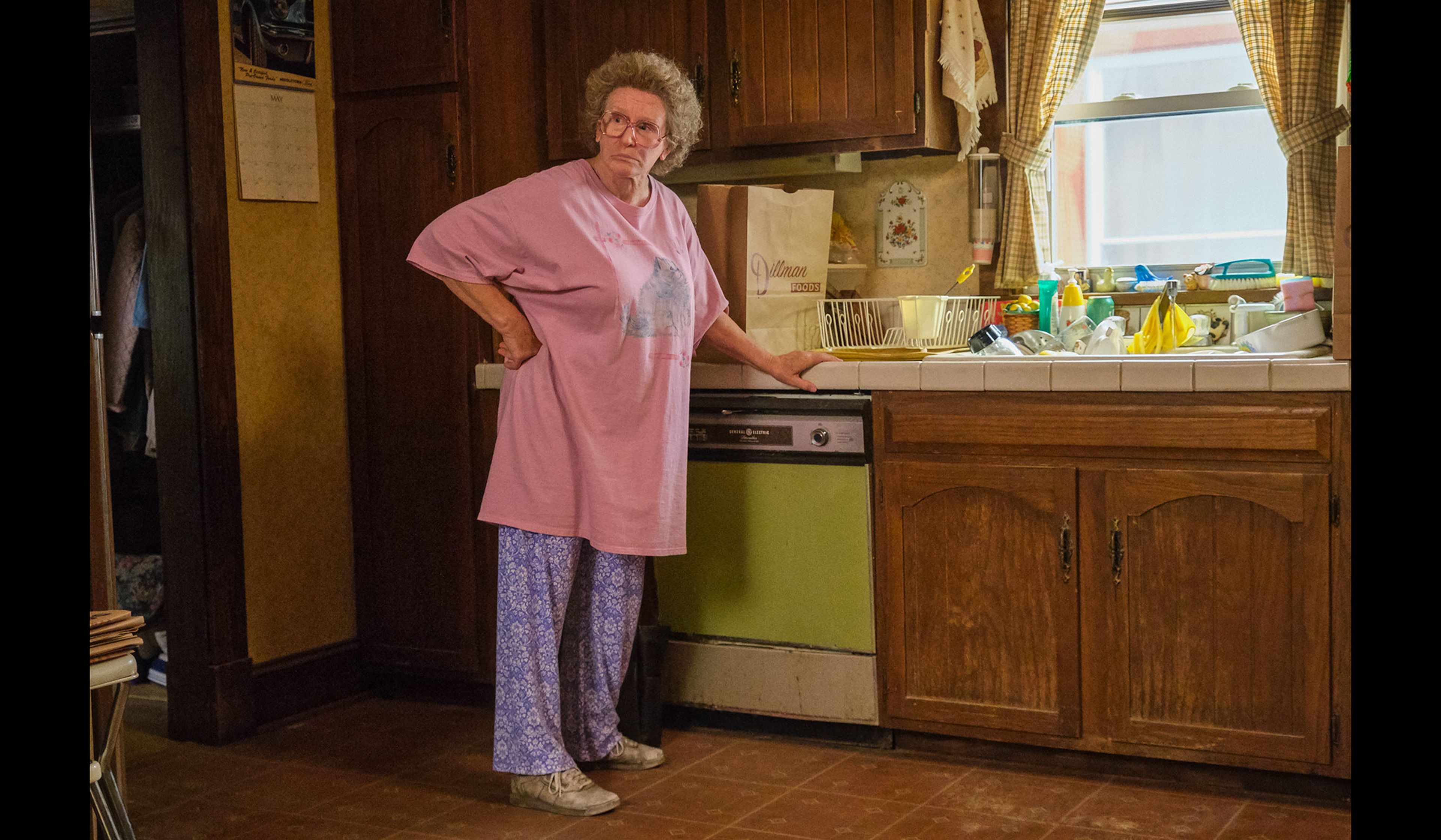
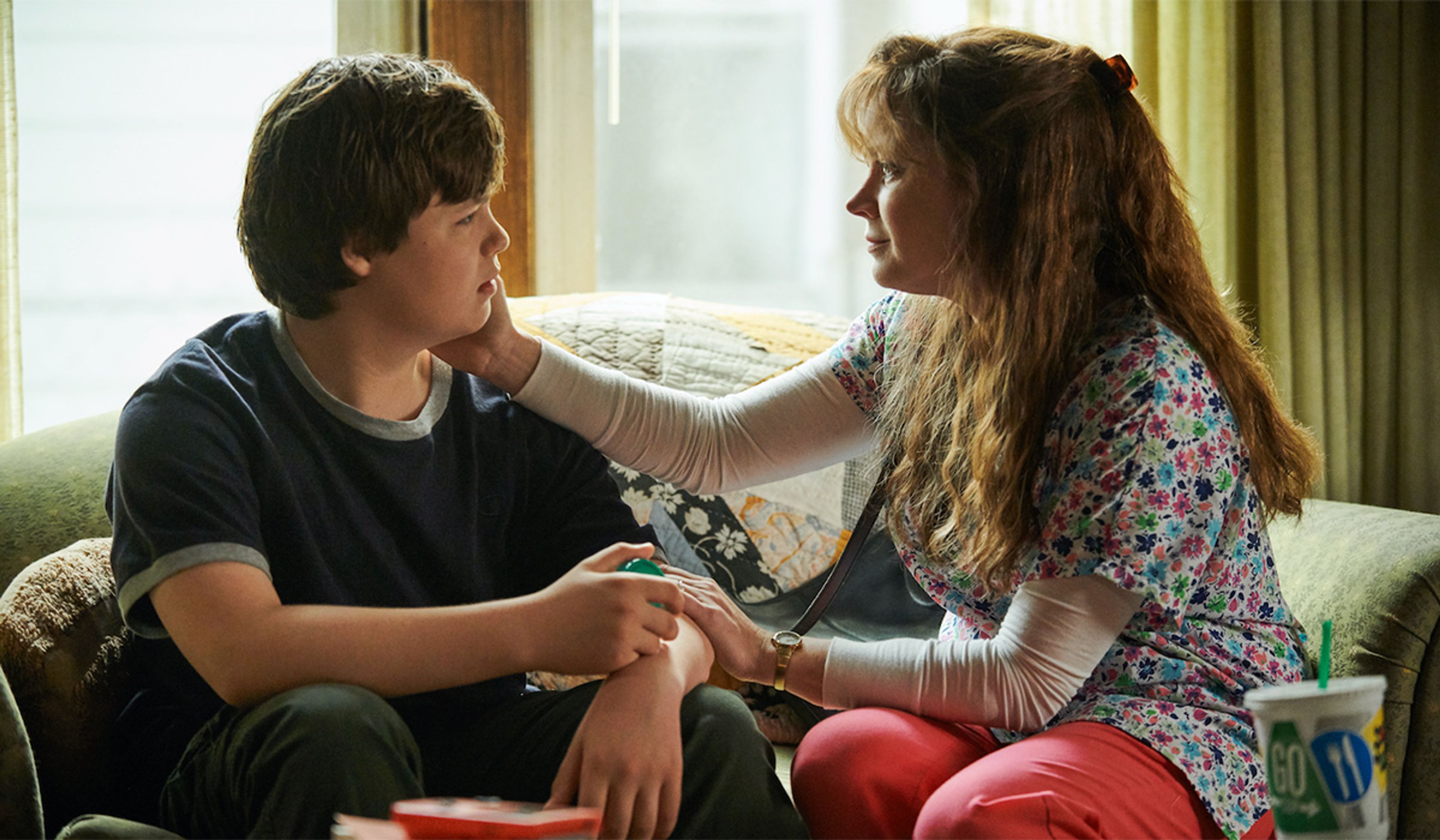
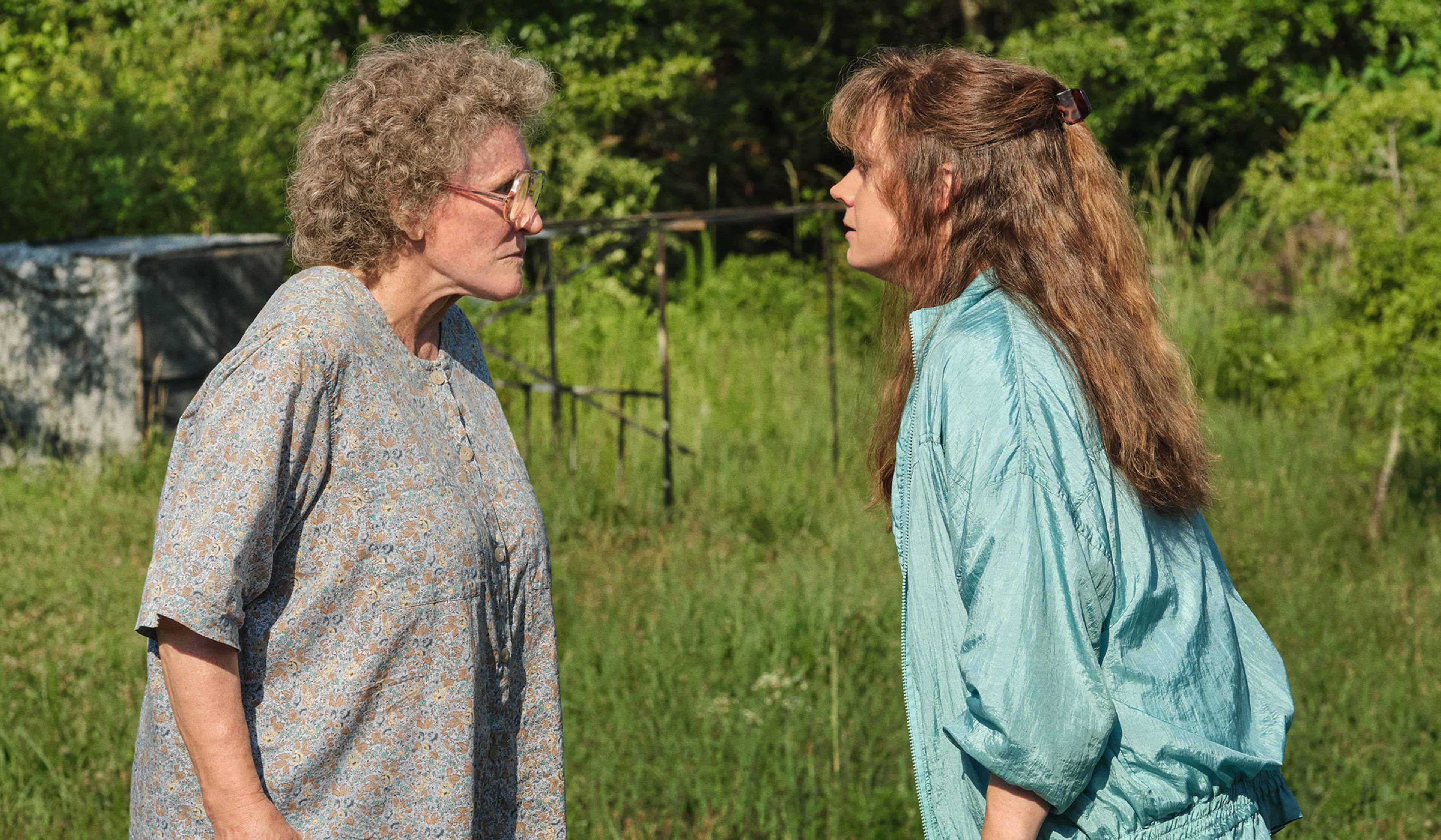
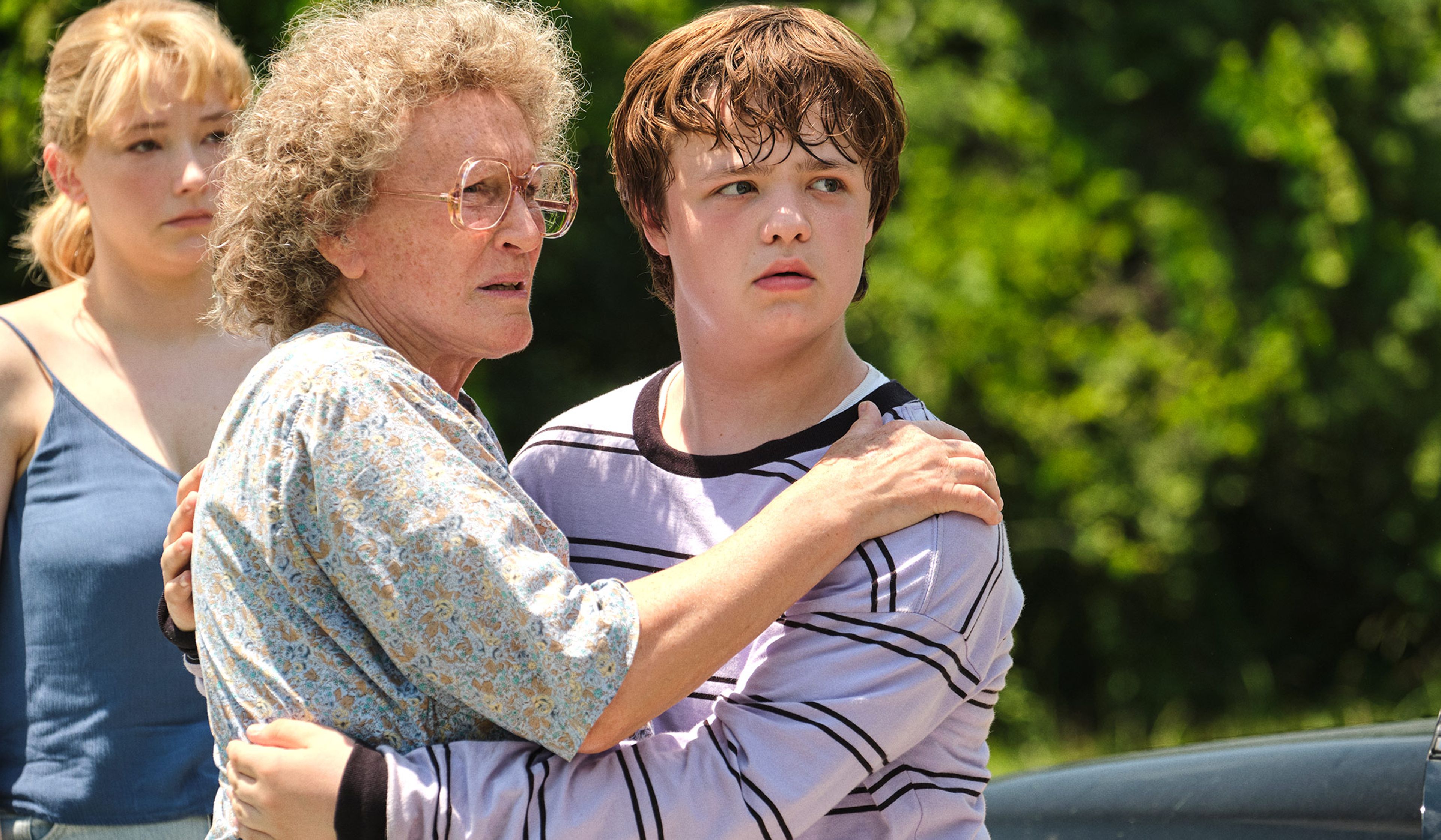
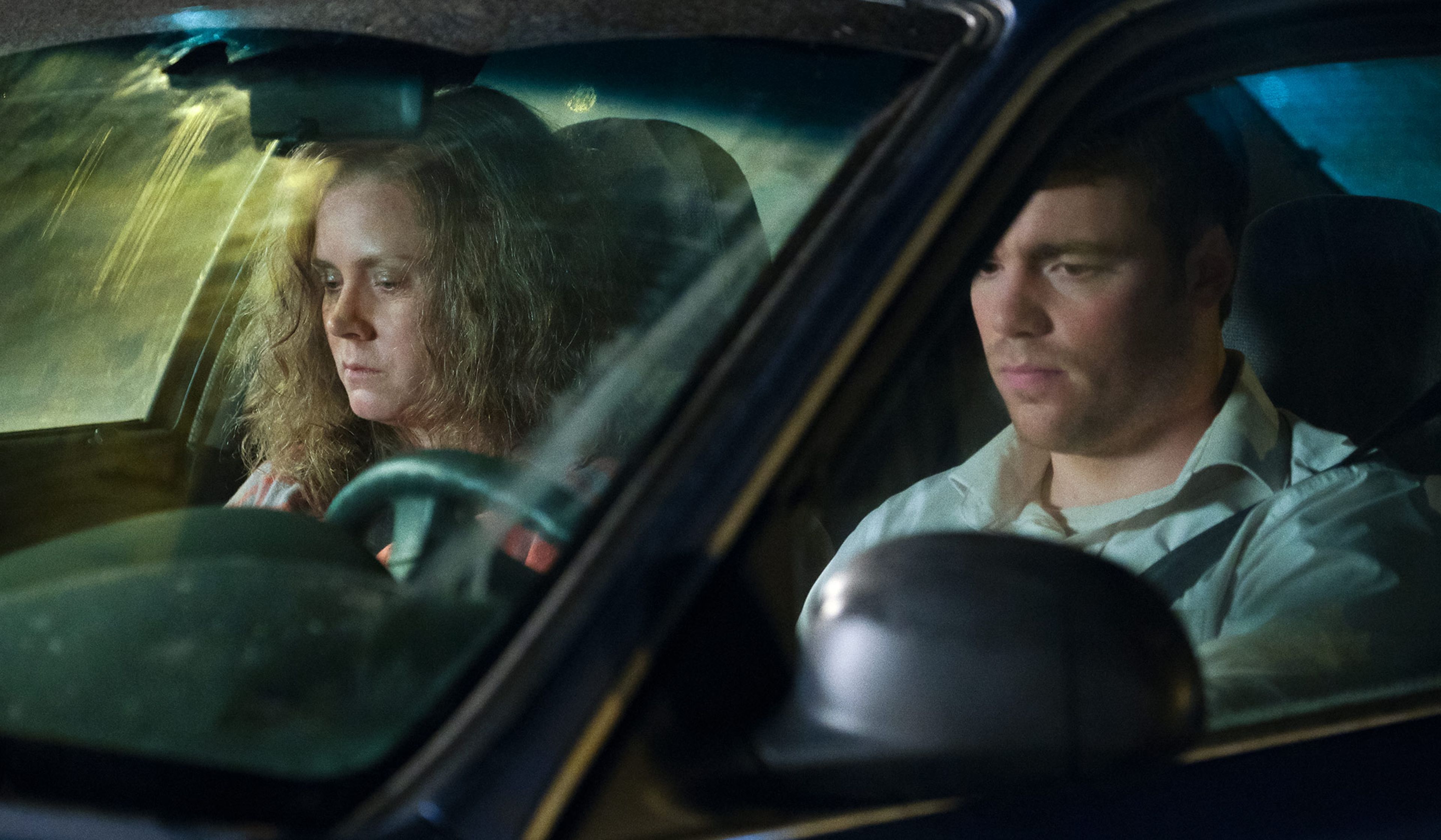
From left: Haley Bennett, Gabriel Basso, and Amy Adams in Hillybilly Elegy.
Lacey Terrell/Netflix
There is an antecedent to this last critique in the Internet anger over Green Book, last year’s Best Picture winner, another movie that offered an ultimately uplifting portrait of American possibilities — with race rather than class as the key theme — and attracted a lot of ire for its conventional liberal optimism, its failure to be as woke and pessimistic as the Trump-era moment supposedly demanded. But on average Green Book still got the critical notices it deserved: It was an aggressively okay movie, and the typical critic didn’t overpraise it but still acknowledged its okayness, which is why its fresh rating sits at 77 percent today.
The Hillbilly Elegy phenomenon is different and considerably more absurd. It’s being treated as the greatest turkey of all time: Amy Adams fans are writing essays about how they don’t want her to get her long-deserved Oscar for this role; Ron Howard fans are writing essays trying to rescue his reputation from this extremely Ron Howard–ish film. The movie itself is unrecognizable from its reviews: There are cases where right-wing or traditionalist works of art stir understandable controversy, but The Passion of the Christ this ain’t.
I wouldn’t recommend that anyone kick back and watch Hillbilly Elegy on Netflix just to own the libs. But I would stress that Vance’s story, in its original form and in this intermittently successful adaptation, is a more interesting testimony than its reputation as either the Key to Trumpism or, now, the basis for some sort of right-wing Ishtar would suggest. And I suspect it will have a longer afterlife than the period of political derangement in which it has been so peculiarly caught up.












Comments