• We’d always assumed that “suitcase full of wine” was Boris Johnson’s retirement plan.
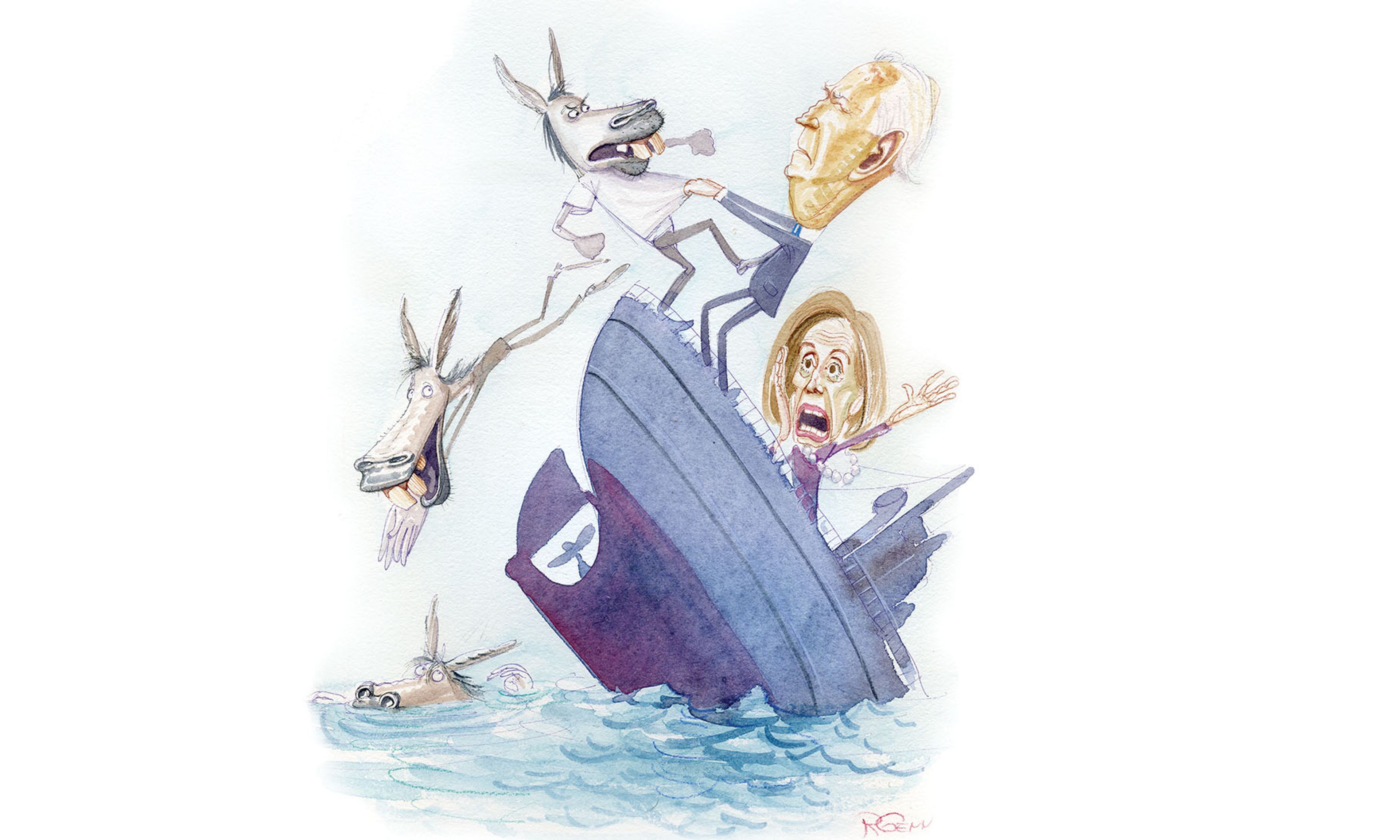
• As that great American philosopher Kenny Rogers famously understood, “If you’re gonna play the game, you’ve got to know when to hold ’em, know when to fold ’em, know when to walk away.” Clearly, Senate majority leader Chuck Schumer does not know when to hold ’em, fold ’em, or walk away. If he did, he would have backed away from his quixotic attempt to force a vote on the Democrats’ “voting rights” agenda the moment he learned that neither Kyrsten Sinema nor Joe Manchin was on board with his plan. Instead, Schumer is barreling ahead with a strategy that has fractured his own side, united his opposition, and put his more vulnerable members at electoral risk. In January, the pressure on Joe Manchin became so intense that he felt obliged to shrug publicly at the prospect of a primary challenger. “I’ve been primaried my entire life,” Manchin said, “that would not be anything new for me.” Meanwhile, the pro-abortion advocacy group, EMILY’s List, announced that it would be withdrawing its support for Kyrsten Sinema unless she relented on abolishing the filibuster. “Senator Sinema’s decision,” the outfit wrote, “means she will find herself standing alone in the next election.” And for what? A bill that will fail. The time to fold has long, long passed.
• The endgame of the 2020 election exposed weaknesses in the Electoral Count Act of 1887, which the two parties should work together to reform. Unlike the Democrats’ push for a radical federal takeover of voting and elections, ECA reform would be modest and aimed at advantage for neither side. Proposed reforms include raising the thresholds for objections to state-certified electors and clarifying the limited role of the vice president. Republicans have been warming to the idea, with Mitch McConnell and John Thune both signaling openness from Senate leadership and Jim Banks, head of the Republican Study Committee in the House, noting the need for reform so long as it is not a “Trojan horse” for other Democratic proposals. House Democratic leaders are supportive, and a bipartisan working group has formed in the Senate. But under public pressure from Democratic elections lawyer Marc Elias, both Joe Biden and Chuck Schumer have scoffed at ECA reform for excluding their other election proposals. Republicans should make them level with the public about what’s more important to them: addressing a real issue raised by January 6, or carrying on with their long-standing agenda on voting laws.
• Senator Mike Rounds (R., S.D.) said the 2020 presidential election was “fair.” In a retaliatory statement, Donald Trump said, “‘Senator’ Mike Rounds of the Great State of South Dakota just went woke on the Fraudulent Presidential Election of 2020. . . . Is he crazy or just stupid?” Mitch McConnell agreed with his colleague: “I think Senator Rounds told the truth about what happened in the 2020 election.” McConnell has announced that he will run again for Republican leader in the Senate. Lindsey Graham (R., S.C.) asked Sean Hannity, “Can Senator McConnell effectively work with the leader of the Republican Party, Donald Trump? I am not going to vote for anybody for leader of the Senate, as a Republican, unless they can prove to me that they can advocate an America First agenda and have a working relationship with Donald Trump.” The political calendar will, however, give Graham the opportunity to change his mind a few times before the event.
• The Justice Department brought charges of seditious conspiracy against Stewart Rhodes and ten other members of the Oath Keepers, a right-wing militia group, for plotting to disrupt the count of electoral votes and storm the Capitol on January 6. The law deliberately makes seditious conspiracy hard to prove: NR’s Andrew McCarthy successfully prosecuted the Blind Sheikh for his plot to bomb the World Trade Towers in 1993 in part because the sheikh and his cronies were so forthrightly anti-American in their public and private statements. The Oath Keepers have uttered their own doozies: “We aren’t getting through this without a civil war,” read one of Rhodes’s encrypted chats. The prime mover of the efforts to overturn the 2020 election, however, was no humble Oath Keeper. Lame-duck president Trump, determined to hold on to his job, filled his followers with lies about fraudulent votes; pursued legal challenges that were dismissed and often frivolously conceived; and pressured officeholders great and small to violate their duties. His actions may actually give legal cover to small fry — the president said the election was stolen. His moral culpability, generated by his pathological fear of losing, should debar him from ever having a chance to win, or lose, again.
• Trump and Florida governor Ron DeSantis are trading insults without naming each other. Trump said that politicians who refused to say whether they had had boosters lacked guts; DeSantis had recently dodged the question. Then DeSantis said he regretted not speaking up early against federal pressure to institute lockdowns. Left unsaid: That pressure came from Trump’s administration, and sometimes from Trump himself. The equities, in our judgment, are split. The initial shutdowns were driven first by individual behavior and then by states, but governments stuck with them too long. But Trump has tried to have it every which way on Covid policy, and it is refreshing to see a Republican politician not surrender to him after the first blast.
• Back in 2017 and 2018, the growing list of Republican retirements augured badly for the party’s fortunes in the midterms; it eventually reached 34. By the time the elections for the House of Representative were over, the GOP had lost 42 seats. Now, the shoe is on the other foot. At press time, a remarkable 28 House Democrats — more than 12 percent of the party’s caucus — have announced that they do not intend to run for reelection. More alarming still for the Democrats, many of the representatives who are retiring occupy the competitive seats that would be first to fall in a Republican wave year. The worst for Nancy Pelosi may be yet to come: Historically, the pace of retirements tends to increase after Christmas.
• Last January, the Democratic Party was riding high, with Gallup recording the largest percentage of Americans who identified with the party since it began asking the question in 1991. By the end of the year, however, it was the Republicans who were breaking records for party identification. Gallup said the GOP had “an advantage over Democrats larger than any they had achieved in more than 25 years.” The single-year shift was a stunning 14 points. President Biden has squandered the goodwill of the voters with astonishing rapidity. Happily, there is still a price to pay in America for political overreach and constitutional vandalism.
• Republican objections to the Commission on Presidential Debates have been building for years. In 2008, vice-presidential-debate moderator Gwen Ifill was under contract to write a book about Barack Obama. In 2012, Candy Crowley erroneously “corrected” Mitt Romney. Republican National Committee chairwoman Ronna McDaniel informed the commission that the GOP will try to keep its candidates from participating in CPD events. This may well be a negotiating ploy. But it is long past time to ask whether presidential campaigns need a commission of retired politicians to organize a debate.
• Virginia’s new Republican governor, Glenn Youngkin, is not starting slowly. On his first day he signed executive orders and actions prohibiting the use of critical race theory in public education, rescinding the vaccine mandate for all state employees, withdrawing from a regional carbon-cap compact, and directing all state agencies to cut the number of regulations by 25 percent. Perhaps most contentiously, Youngkin signed an executive order allowing parents to make decisions on whether their children wear masks in schools — although giving this order full effect may require changing state law. The main Democratic reaction so far has been shock that the governor intends to keep his campaign promises.
• At press time for our last issue, teachers’ unions in different parts of the country were making noise about not returning to class on account of Covid, but the stinkers in Chicago actually did it. Chicago Public Schools were closed to in-person instruction for five days as the Chicago Teachers Union flexed its political muscles by ordering its members not to report for work. Of the union’s 22,000 members, 73 percent voted to approve the “remote work action” and deprive Chicago’s students of in-person instruction. The strike (let’s call it what it was) was based on the idea that the surge in cases from the Omicron variant made schools unsafe. Never mind that workers in every other industry have been expected to show up to work; the teachers are special. Chicago mayor Lori Lightfoot, to her credit, did not indulge their melodrama, saying they were holding students “hostage.” That’s true, but it’s not unusual. Teachers’ unions hold students hostage as a matter of course, prizing the job security and benefits of educators above the actual results of education (which, in Chicago Public Schools, are dismal). The Chicago Tribune reported that many disgruntled parents phoned Catholic schools, looking to enroll their children. Now that this sorry episode is in the rear-view mirror, one hopes that it illuminated the need for more choice in K–12 education and made clear to more people the true character of teachers’ unions. Kids shouldn’t be denied education because adults choose to pitch a fit.
• Last year, the National School Boards Association (NSBA) sent the White House a letter likening school-board protesters to “domestic terrorists” and requesting that the administration use any laws at its disposal, including the anti-terrorism PATRIOT Act, to investigate. At the time, parents across the nation were confronting school boards over masks, shutdowns, and critical race theory. Attorney General Merrick Garland swiftly acquiesced to this request by instructing FBI and U.S. attorneys’ offices to investigate parents protesting school boards. After the issue blew up, the NSBA apologized for sending the letter, noting that there “was no justification for some of the language” it included. It turns out, though, that the association had coordinated with the White House and the Department of Education before sending the letter. Further investigation is warranted, albeit not the kind the NSBA had sought.
• In between bouts of fighting with Republican senators, Anthony Fauci said something interesting: Everyone is going to get the Omicron variant of Covid-19. The variant is highly infectious, including among the vaccinated; but it is, especially for the vaccinated, usually mild. Public-health experts are increasingly outspoken about the ineffectiveness of cloth masks as a means of stopping transmission. The obvious conclusion is one Fauci does not draw: Mask and vaccine mandates are hardly ever called for. Almost all unvaccinated adults are voluntarily assuming the risk of contracting Covid-19, unvaccinated children are at low risk, and we can take steps to protect those who cannot benefit from the vaccine without upending society. If Covid is ubiquitous, Fauci need not be.
• The Supreme Court blocked President Biden’s attempt to impose a sweeping Covid-vaccine mandate on 84 million Americans. OSHA’s unprecedented rule would have applied to all businesses with 100 or more employees. In the 6–3 decision (with the liberals predictably dissenting), the justices concluded that Congress, in establishing OSHA as a regulator of workplace safety, had not given it broad authority over workers’ lives. A separate Biden mandate on health-care workers survived, with Chief Justice Roberts and Justice Kavanaugh joining the liberals in thinking that Congress had given the secretary of HHS the authority to impose requirements on hospitals accepting payment from Medicare and Medicaid. While we side with Justice Thomas and the rest of the conservative dissenters, the justices were correct in recognizing that HHS has long exercised powers over health-care workers’ threats to patient safety while OSHA has no comparable mission or history. The Court remains cognizant of the separation of powers even if the Biden administration does not.
• Yet another mandate covers truckers who drive between Canada and the U.S. Hundreds of billions of dollars’ worth of goods travel by truck across the northern border every year. Until now, truckers have been exempt from border restrictions between the two countries, but in January each country started to apply vaccine mandates to the other’s truckers. Trade groups on both sides of the border have warned that 10 to 15 percent of cross-border truckers aren’t vaccinated, and the reduction in capacity that will result from the mandates will only cause more price increases and chaos in supply chains. We already have a shortage of truckers. The Biden administration regularly notes that supply chains are not entirely within its control, but this is a self-inflicted problem it could have easily headed off.
• Malik Faisal Akram, a British national, held the rabbi and three congregants of a synagogue in Colleyville, Texas, hostage, demanding the release of Aafia Siddiqui, a Pakistani jihadi imprisoned in a nearby Air Force base on an 86-year sentence for the attempted murder of an American soldier in 2010. One hostage was released during negotiations. The other three escaped when the rabbi, trained in hostage-crisis management, threw a chair at their captor. After all were safe, law enforcement shot and killed Akram. Another day in the jihad and its war on America and on Jews. So why did an FBI agent characterize the crime as “not specifically related to the Jewish community”? (A later FBI statement called it “a terrorism-related matter, in which the Jewish community was targeted.”) Akram targeted Jews because he thought, per ancient antisemitic tropes, that they were powerful enough to do his bidding; and because, if the operation went south, he would take some with him en route to martyrdom. Crime-fighting requires knowing your criminals.
• The inflation rate went up again in December, coming in at 7 percent year-over-year, the highest since June 1982. The rate of monthly change slowed from 0.8 percent in November to 0.5 percent, but that is still high, and the inflation is still broad-based. In hearings over his reappointment as Fed chairman, Jerome Powell told senators that the economy needs no more stimulus and the Fed is prepared to raise rates to quell inflation. The first rate increase is set for March, and others will take place later in the year. Powell is certainly correct that no more stimulus is needed, and any new spending measures the Biden administration cooks up should be opposed. The chairman appears to be headed in the right direction, which makes him a rarity among policy-makers in Washington.
• The Chamber of Commerce proposes doubling immigration to the United States in order to solve what it calls a “labor crisis.” Not so fast. Wages are up sharply in the past year, with paychecks rising most dramatically for workers in traditionally lower-paying fields: hospitality and food service, transportation, and warehousing. At the same time, corporate profit margins remain at or near record highs: Firms and shareholders are doing just fine. Flooding the market with cheap immigrant labor at a time of record profits in response to the “crisis” of higher wages at fast-food restaurants and Amazon warehouses is an almost cartoonishly self-serving proposal. A policy designed to retard wage growth for low- to middle-income workers is a political loser — it will be laughed out of the public square, and deserves to be.
• The latest CDC data on drug-related deaths tell an underreported story: Single men have been disproportionately hit by the opioid epidemic. As Patrick T. Brown noted in City Journal, while this trend has been apparent for the past decade, it has accelerated sharply in recent years even if the effects of the pandemic are accounted for. The drug-related death rate for unmarried men increased by 125 percent between 2010 and 2019, and single men in the male prime-working-age population die of opioid overdoses at a much higher rate than their married counterparts. Policy-makers who have been reluctant to acknowledge the benefits of marriage, especially for young men, should take note: Its breakdown has a body count.
• The odds of a renewed Russian assault on Ukraine increased, as diplomatic initiatives to prevent conflict muddled along. U.S. officials met their Russian counterparts at three different venues across Europe. The U.S. delegations to these talks, led by Deputy Secretary of State Wendy Sherman, pressed for a compromise on the positioning of intermediate-range missiles in Europe — of the sort that the INF treaty restricted before the U.S. left the agreement in 2018 over Russian cheating. But Russian officials showed no signs of wavering from their unreasonable demand that NATO not admit further members. After those discussions, Moscow sent Russian forces to Belarus for new military exercises, bolstering one key part of its potential invasion force. An alarmed Senator Ted Cruz (R., Texas) put up a bill to sanction Russia’s Nord Stream 2 pipeline. But the Biden administration beat it back. Why should the Kremlin back down when the White House is lobbying against steps to demonstrate Western resolve?
• From 1990 to 2019, Nursultan Nazarbayev ran Kazakhstan as if it were private property. The nation’s oil and mineral companies were put in the hands of family members. Among the many assets accumulated by Dariga, his eldest daughter and dynastic heir, were no fewer than three of the most expensive houses in London. Her husband, Rakhat Aliyev, was accused of murder and torture, money laundering, extortion, and kidnapping, only to take his own life in an Austrian prison. In his eighties and still self-titled “Leader of the Nation,” Nazarbayev appointed Kassym-Jomart Tokayev as prime minister many years ago and as president in March. In the absence of organized opposition, street protests about the cost of living spread recently in several cities. Tokayev saw a chance to prove that he was his own man. The protesters were really bandits and terrorists, he claimed, and there were 20,000 of them. He gave orders that the security forces were to shoot to kill without warning. According to official figures, 225 protesters were shot dead and 10,000 arrested. Accused of treason and also arrested was Karim Massimov, former head of security, and with him his daughter. President Putin declared that the unrest had been coordinated by “a single center,” and his response was to dispatch 2,000 Russian soldiers, mostly paratroopers. Unusually for dictators losing power, Nazarbayev simply disappeared; he went to ground but nobody knew where.
• On Twitter, the Russian embassy in London related a view of Sergey Lavrov, the Russian foreign minister: “#NATO has become a purely #geopolitical project aimed at taking over territories orphaned by the collapse of the Warsaw Treaty Organisation and the Soviet Union.” Radek Sikorski, the Polish statesman and onetime National Review writer, had a response: “Get this, @RussianEmbassy, once and for all, in a language you can grasp. We were not orphaned by you because you were not our daddy. More of a serial rapist. Which is why you are not missed. And if you try it again, you’ll get a kick in the balls.” Central and Eastern Europe will need more and more of this spirit, as might we.
• Swedish intelligence operatives have observed multiple drone aircraft circling three nuclear facilities and the royal palace. Swedish authorities are very pointedly not saying that these are part of a Russian operation, but it is likely that they are. Sweden is on high alert as Russia threatens to invade Ukraine, and Swedish military forces recently were deployed to Gotland, an island in the Baltic Sea, after three Russian landing craft entered the area. In an interview with the BBC, a Swedish official described the drones as military-style aircraft rather than the sort operated by hobbyists. Moscow is working to sow chaos everywhere Vladimir Putin’s arm can reach, from Ukraine and Georgia to Sweden, as well as on social media and in the energy economy. Sweden is not a NATO member, but it is worth keeping in mind that Swedish troops served alongside U.S. forces in Afghanistan and in other conflicts, including the 1991 Gulf War — they are an important American ally and deserve to be treated as such.
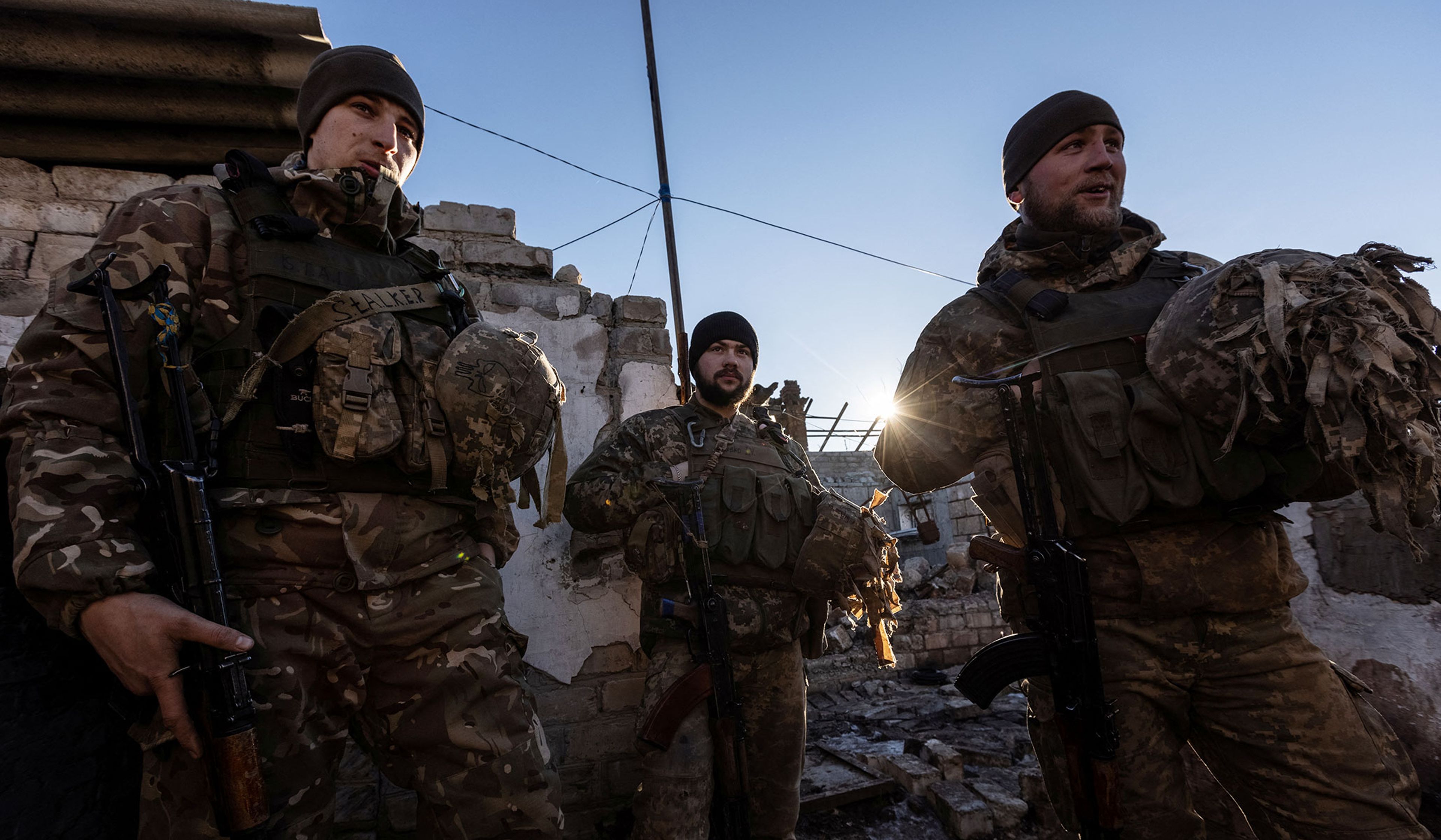
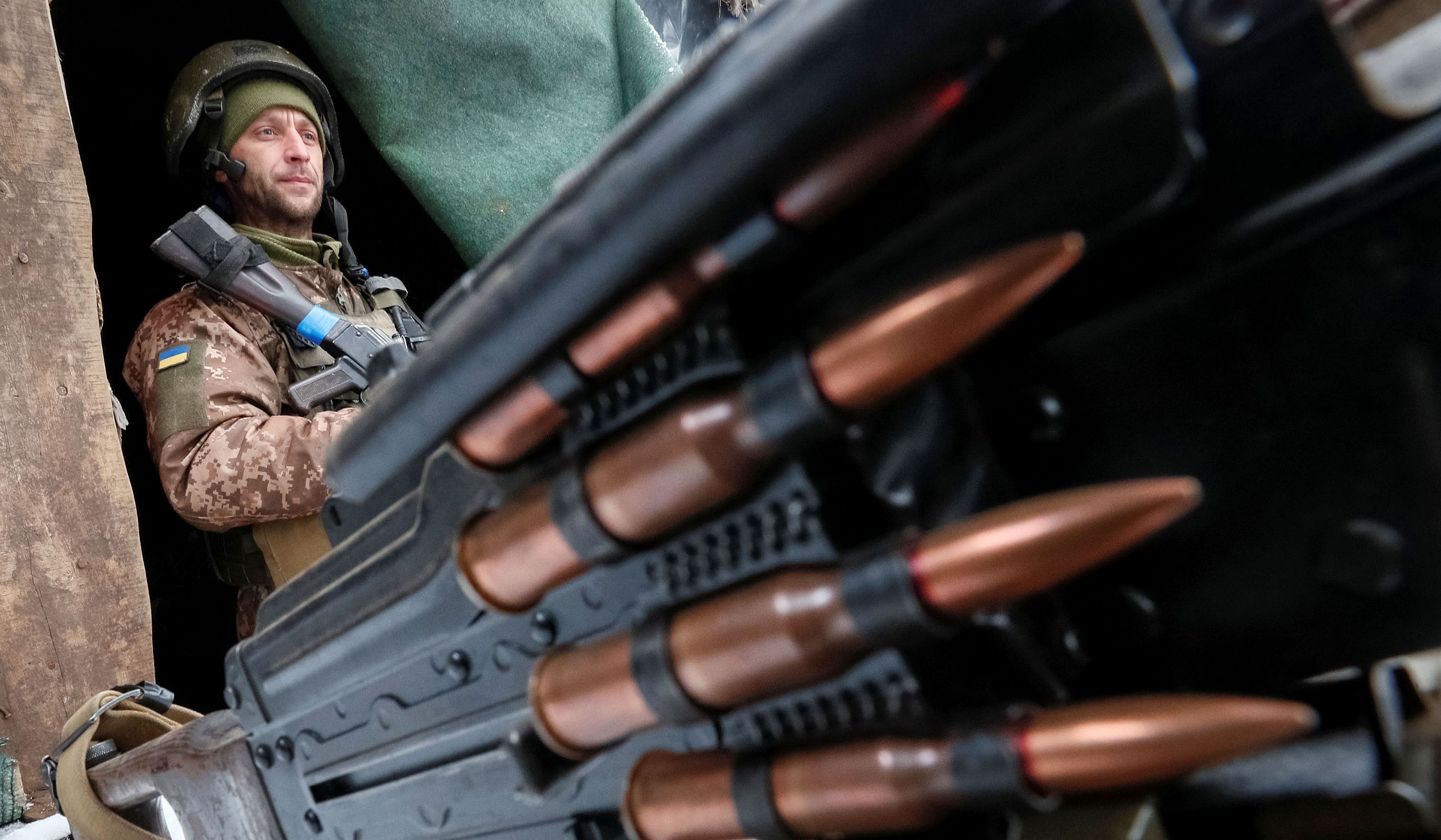
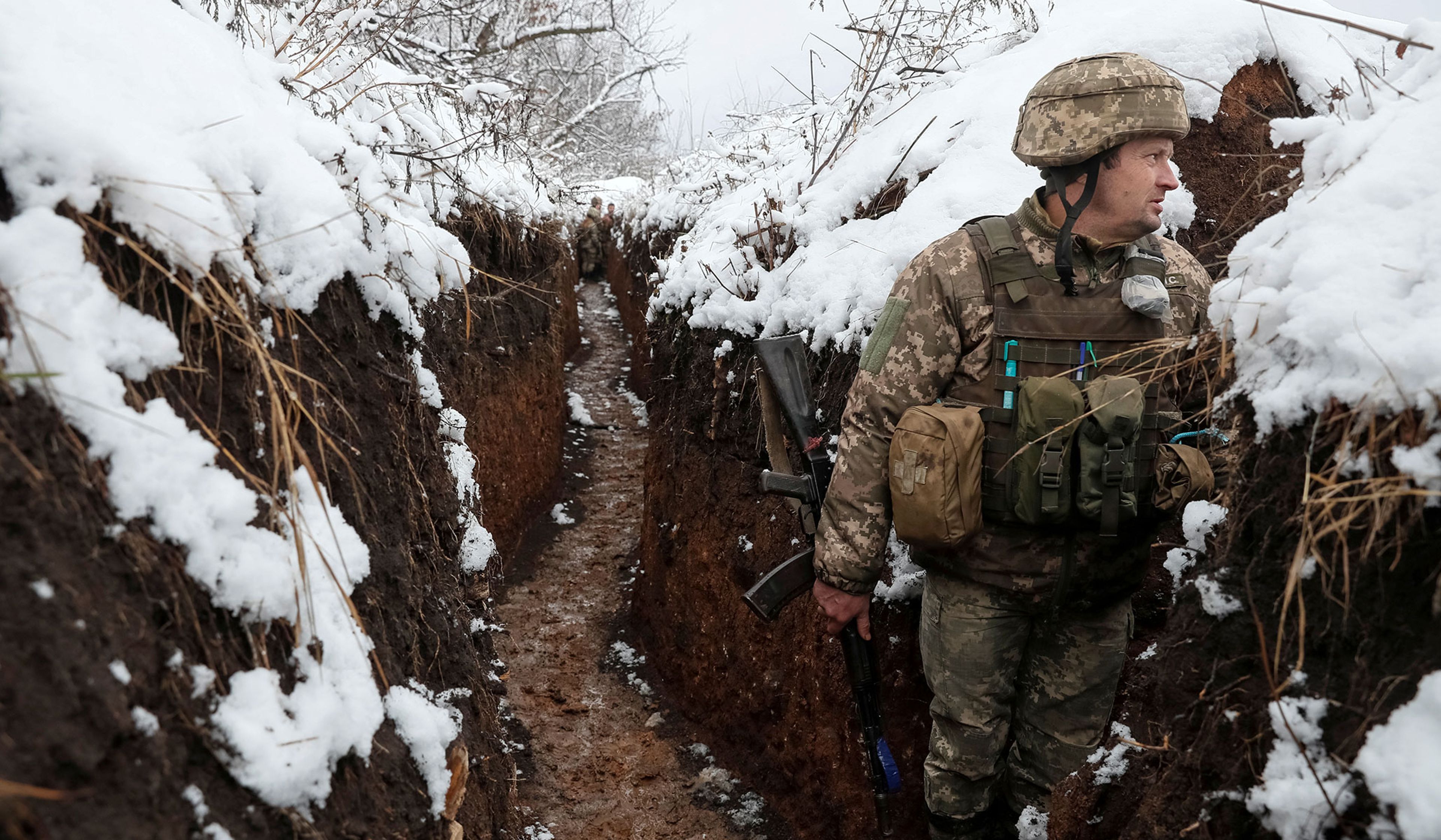
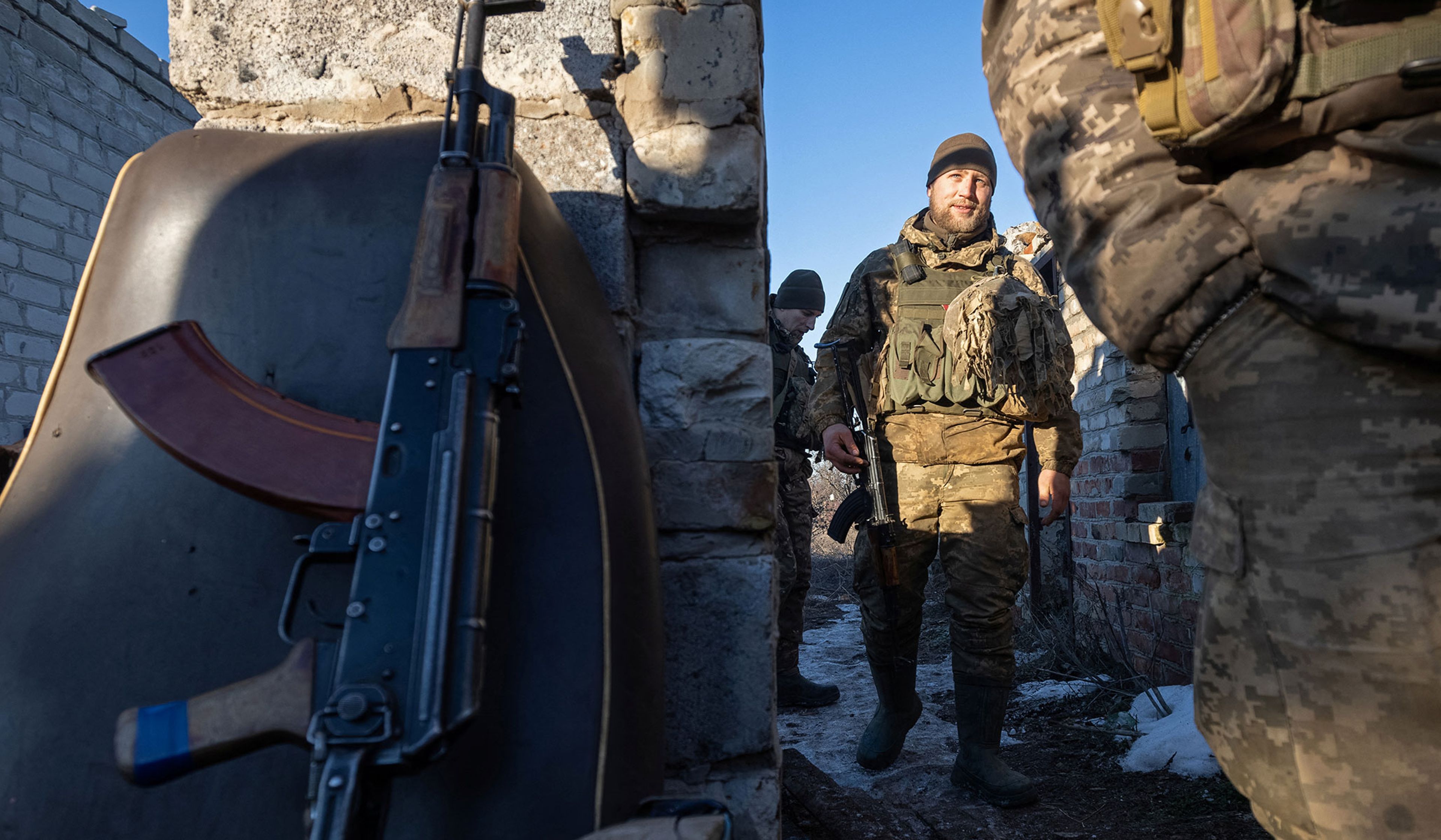
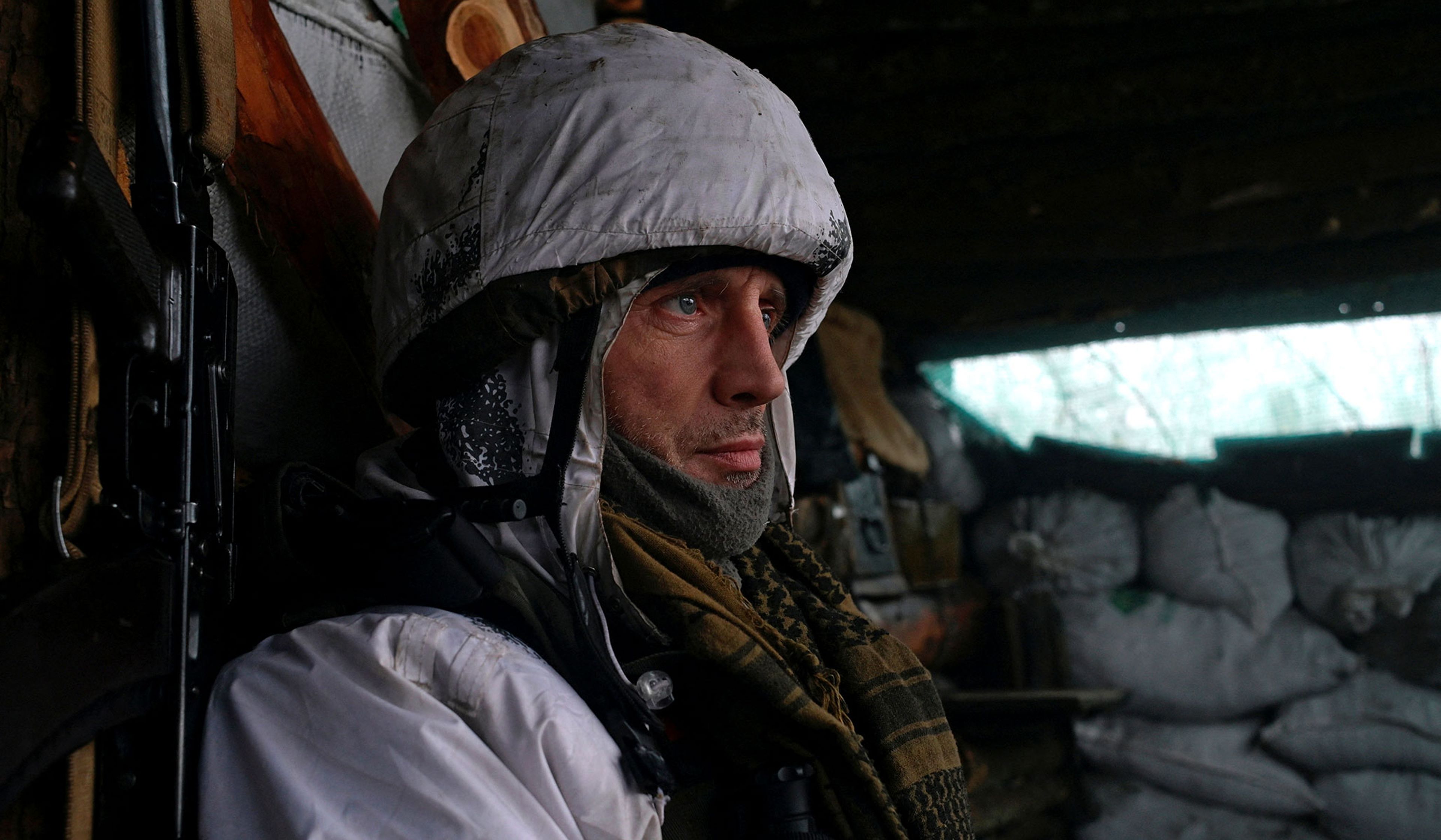
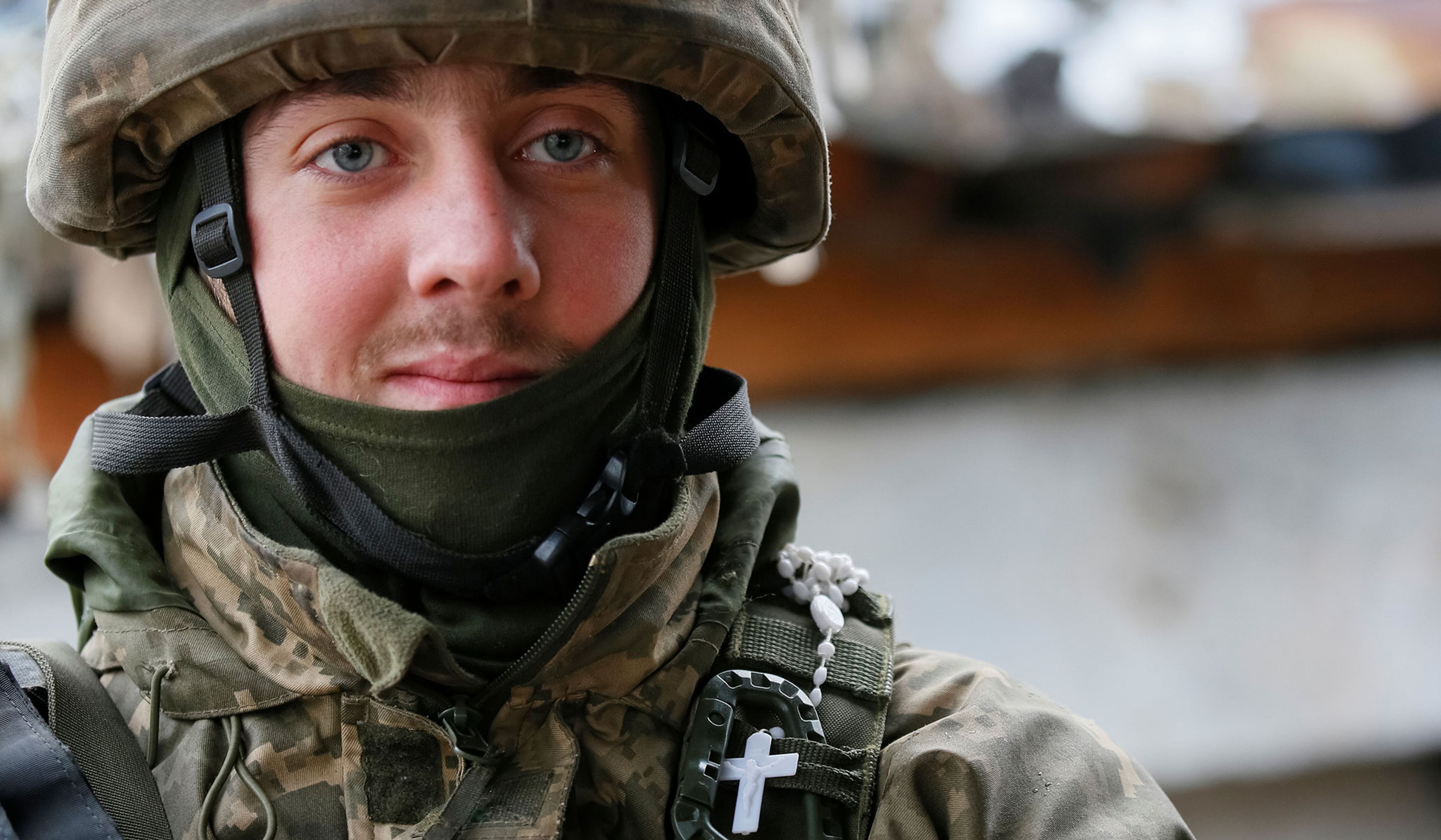
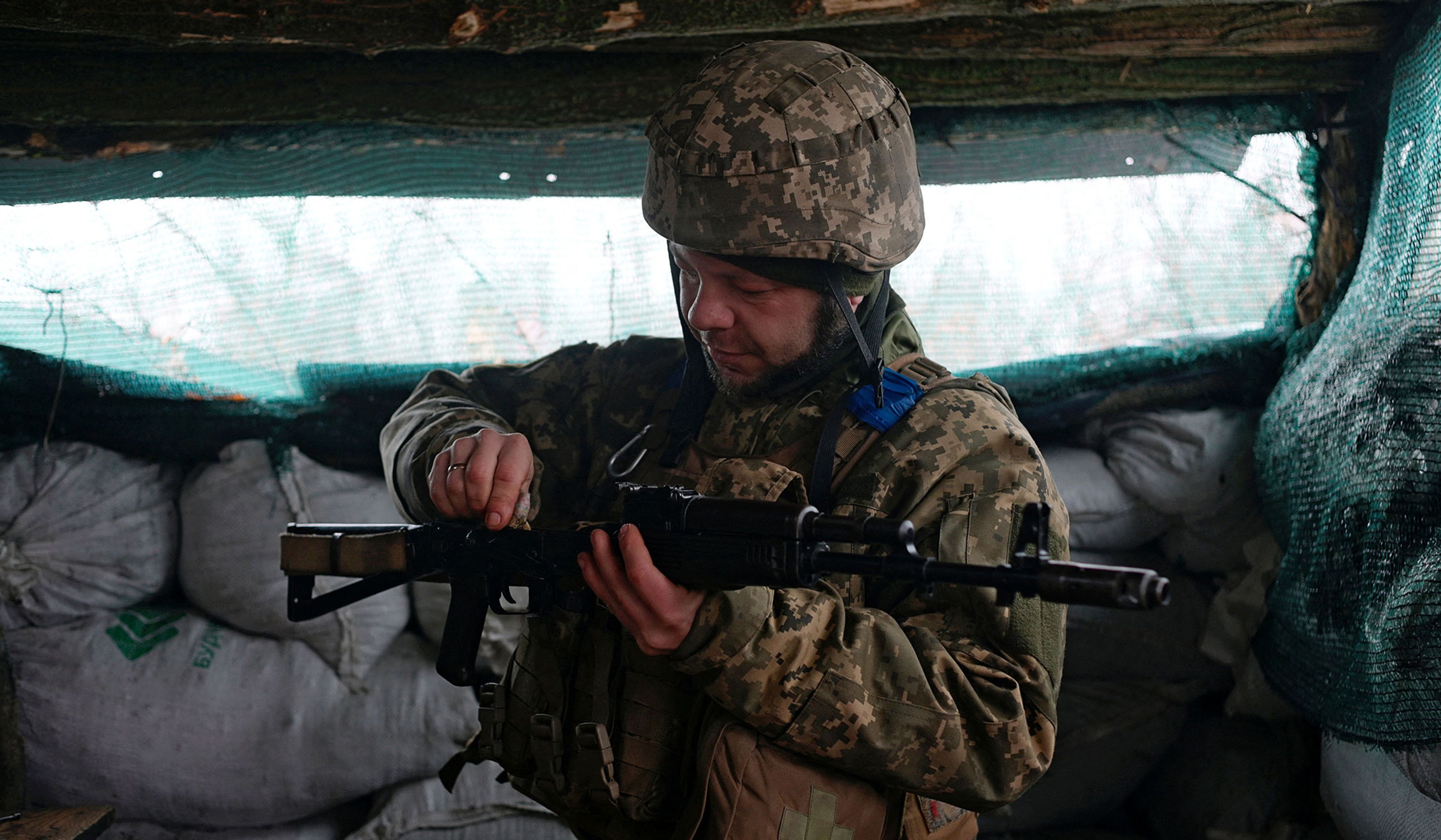
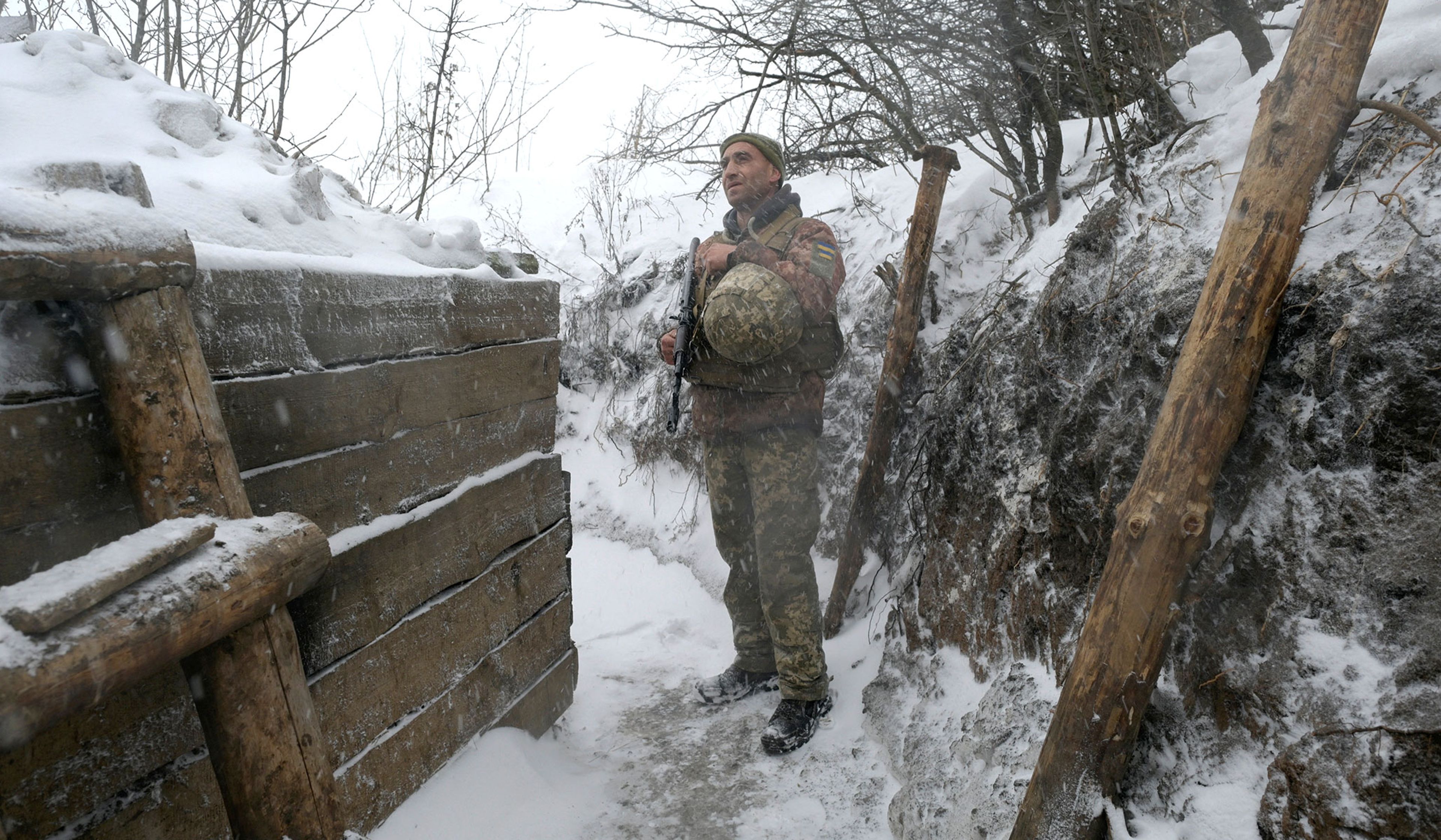
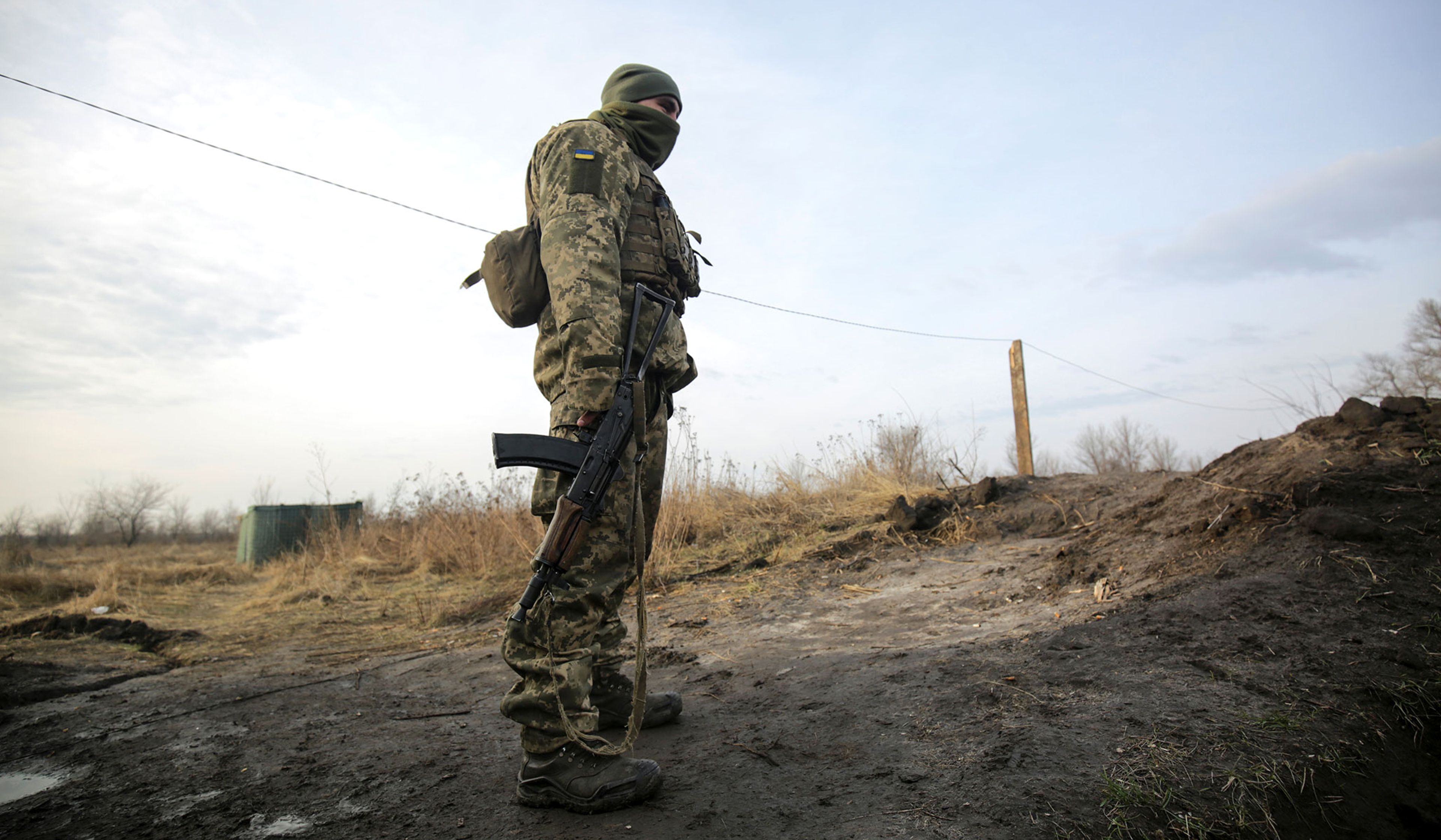
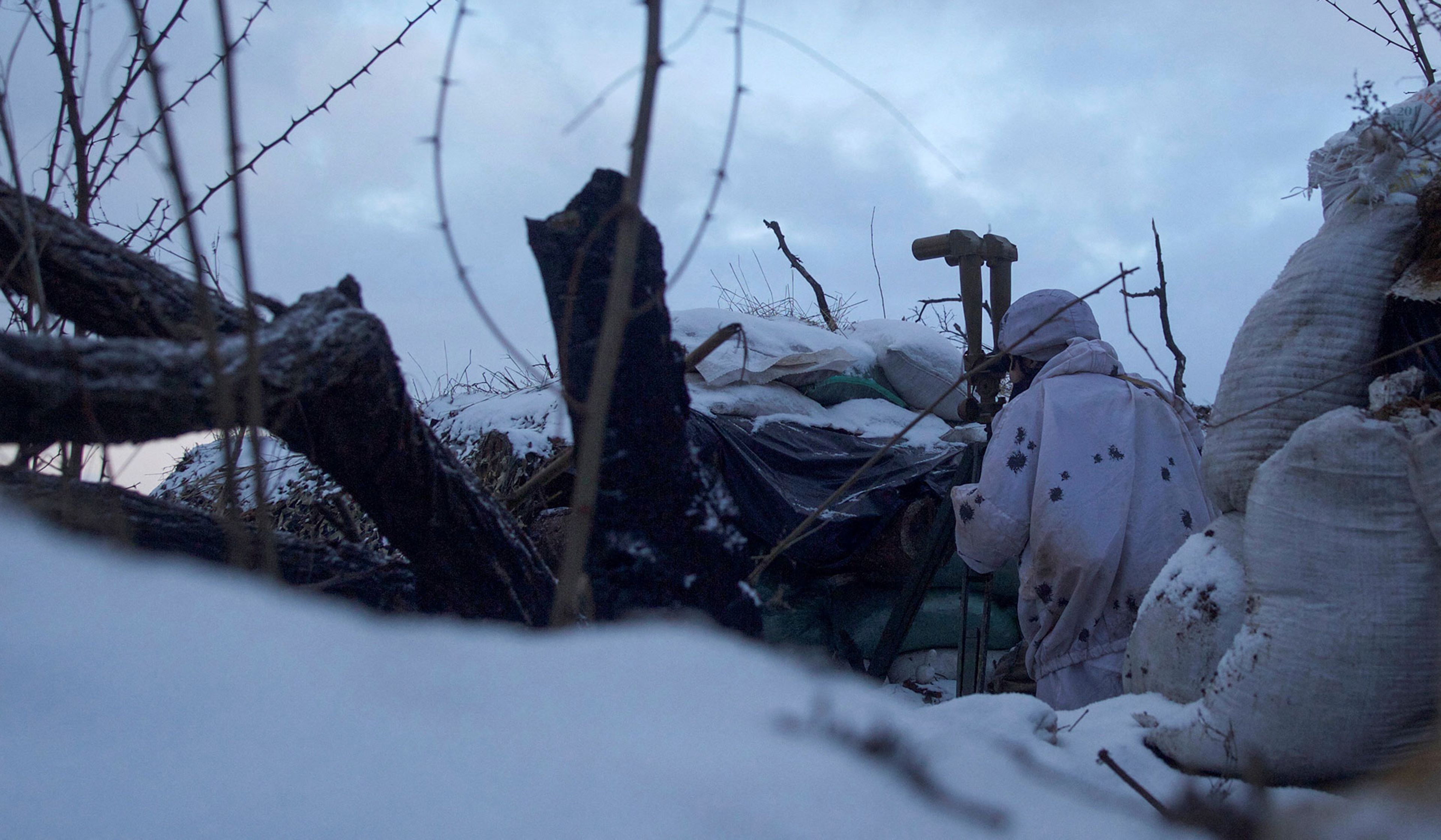
Service members of the Ukrainian armed forces at combat positions near the line of separation from Russian-backed rebels near Horlivka in Donetsk Region, Ukraine, January 8, 2022.
Andriy Dubchak/Reuters
• Throughout 2020, the U.K. was under strict lockdowns. In late May, Britons were permitted to meet only one person outside of their household. Hugs and family visits (including visits to the dying) were banned. Those caught breaking the rules were fined hundreds of pounds. But having just survived the scandal of an illicit 2020 Christmas party, Boris Johnson and his staff have just been revealed to have been operating under a different set of standards in the spring as well. On May 20, Johnson’s private secretary sent out a mass email telling Downing Street staff to “make the most of the lovely weather” and “bring your own booze” to a party in No. 10’s garden. Johnson says that he believed this was a work event, though he has offered a “heartfelt apology” to the public for how it appears. The loyalty of MPs is now in question. If Boris Johnson falls, there will be something poetic in a party’s being the cause.
• Two weeks after announcing that it would not renew the license that enabled the Missionaries of Charity to receive foreign donations, the Indian government reversed its decision. “We never thought it would happen so fast,” a spokeswoman for the Catholic religious order told the Hindustan Times. Possible reasons for the swift turnabout include not only the hope that Pope Francis will follow through on his stated aim to visit India this year but also the bad publicity provoked by the action against an organization that provides care and shelter to thousands of indigent persons worldwide, disproportionately in India. In response to the initial decision not to renew the license, the chief minister of West Bengal criticized the central government, tweeting that she was “shocked” and that “humanitarian efforts must not be compromised.” The chief minister of the neighboring state of Odisha allocated $100,000 to the organization to tide it over. Such support from Indian officials is all the more welcome given the increased persecution that Hindu nationalists have been visiting on Christians and other religious minorities. In the spirit of their founder, Saint Teresa of Calcutta, the Missionaries of Charity carry on, fearless and tenacious.
• To mark the second anniversary of the U.S. drone strike that killed its general Qasem Soleimani, Iran added 52 current and former U.S. officials to a sanctions blacklist. The Iranian regime purports to be able to seize assets from the likes of General Mark Milley and Robert O’Brien, one of Trump’s national-security advisers. The Biden administration responded by vowing to retaliate against any attacks on Americans. Then the Iranian supreme leader’s office released an animated video depicting a drone strike targeting Trump on the Mar-a-Lago golf course. The absurdist quality of the 90-second video might make it seem more a joke than a national-security threat, but Tehran has long aspired to carry out assassinations and kidnappings on U.S. soil. As the Biden administration continues nuclear talks with Iran, let us entertain no illusions about the nature of the regime.
• Tennis star and anti-vaccine kook Novak Djokovic had a hard time of it in Australia. Australia requires foreign visitors to be vaccinated, and Djokovic refuses to become so. Instead, he sought — and, temporarily, won — a visa based on a medical exemption recommended by Tennis Australia and the state government in Victoria. But the Australian Border Force was not having it: Djokovic was detained, his visa was revoked (twice, because of legal wrangling), and he was ultimately deported. That deportation notionally means that he is banned from reentering Australia for three years, but it is unclear whether that provision will be enforced. Australia offers a temporary deferral of its vaccination requirement in cases in which a recent “acute illness” makes immediate vaccination inadvisable. Djokovic, who says he has tested positive for Covid in the recent past (and who appeared at a number of public events in the days immediately after that diagnosis), did not suffer an acute case of Covid, or an acute case of anything else that would make it dangerous to vaccinate him. He just doesn’t want to be vaccinated. Australia would have been better off simply sticking to its rules without trying to bend them to accommodate the celebrity — and, probably more to the point, the ambitions of Tennis Australia.
• Outside Hollywood, extinction (or some lesser devastation) by asteroid was not a cataclysm we used to spend much time worrying about. It was unlikely, and there was nothing we could do about it. But technology has moved on. NASA is keeping a wary eye on the trajectory of “near-earth objects,” and a test spacecraft, shot into space on one of Elon Musk’s rockets, is currently hurtling towards a (harmless) asteroid with a view to knocking it off course. Less happily, it has emerged that there is an angle of approach that would allow an asteroid to sneak up on us undetected until almost the last moment. The problem can, apparently, be fixed by tweaking some algorithms. Until then, keep watching the skies — if only to know when to duck.
• The bird-watching world recently celebrated a significant achievement: Tiffany Kersten broke the record for the highest number of birds seen in one year in the lower 48 states. In birding lingo, what Kersten did happened in a “big year,” an endeavor that runs from January 1 until December 31 and can include a number of regions, for example Hawaii, Canada, and some French islands. Kersten, a 35-year-old from Texas, found herself without a job and dealing with difficult personal issues last February. While trying to make money leading birding tours in the area, she met another birding record-maker, Charlie Bostwick, who encouraged her to attempt a big year. After countless hours flying, driving, and hiking all over the contiguous U.S., Kersten broke the original record of 724 birds when she saw the bat falcon. But because this bird isn’t on the American Birding Association’s official list yet, she solidified her achievement with a sighting of the northern lapwing. Congrats to Kersten on her impressive accomplishment.
• Sidney Poitier was an actor of exceptional elegance, dignity, and grace. He grew up on a farm in the Bahamas. Living in New York, he worked as a dishwasher, wanting to be an actor. This dream was hampered by his limited ability to read. Discovering this, an elderly Jewish waiter helped him with his reading, night after night, after closing, for weeks. Later in his life, Poitier talked of this in an interview, with considerable emotion. In 1967 alone, Poitier starred in three popular films: To Sir, with Love; In the Heat of the Night; and Guess Who’s Coming to Dinner. In the way he conducted his career, he had a very positive impact on race relations. He received a slew of awards: an Oscar, for Best Actor; a Grammy, for Best Spoken Word Album; the Presidential Medal of Freedom; an honorary knighthood from Queen Elizabeth. For more than a half century, Poitier was a radiant presence. He has died at 94 in Los Angeles. R.I.P.
• Charles E. McGee was a sophomore at the University of Illinois when Japan bombed Pearl Harbor. Ten months later, he enlisted in the Army. It sent him to the Tuskegee Army Air Field, where he trained to be a pilot, joining other recruits in a unit reserved for African Americans. The Tuskegee Airmen, the first black aviators in the U.S. armed forces, served with distinction, a quiet reproach to the racial segregation that blemished the military and much of America at the time. Stationed in Italy, McGee escorted bombers on missions in central Europe. After V-E Day, he continued his service, now with the Air Force, as a pilot in Korea and then Vietnam. He rose to the rank of colonel and retired in 1973, having flown 409 combat missions. In 2020 he was promoted to the rank of brigadier general by an act of Congress and honored as a special guest at a State of the Union Address. “No noise,” he told the Washington Post in 1989, recounting his 6,308 hours in the cockpit. “No clutter of the earth.” Winking, he added, “It’s probably the closest I’ll ever get to heaven.” Maybe not. Dead at 102. R.I.P.
• The reviews that Terry Teachout began writing for NR in the mid Eighties had the smoothness of a professional and the authority of an elder. They were in fact the product of a small-town boy and recent college grad then working in a bank in Kansas City. Terry found his voice so early because he always had a love of the arts, and of the people who were its creators and subjects, matched by a desire to know as much about them as he could and share it as widely as possible. He spent four decades play-, concert-, and gallery-going, reading reading reading, and writing it all up, to length and on deadline, in prose that was amiable, clear, and wise. Besides his journalism he produced librettos, plays, and books, all worthwhile, though the best of them may be his Louis Armstrong biography Pops — a lovable man depicted by another one. His many readers, the art world, and his friends at NR will miss him dearly. Dead, a month before his 66th birthday. R.I.P.
A New Low for Biden
Joe Biden has had a long career of careless pronouncements and demagogic speeches, but he outdid himself with his cynical rant on voting rights in Georgia.
In a push to pass two sweeping Democratic voting bills federalizing a swath of election rules, Biden took a rhetorical sledgehammer to the legitimacy of America’s elections and identified opponents of the bills as domestic “enemies” on par with some of the most reprehensible figures in U.S. history.
It was a disgraceful performance, witless and sloppy even by Biden’s standards.
He picked Georgia as the location of his speech because the state has been smeared by the Left, with Stacey Abrams (a conspicuous no-show at his speech) leading the way. Georgia has supposedly been a hotbed of voter suppression for years, culminating in the election-reform law that Republican governor Brian Kemp signed last year.
To the contrary, Georgia long ago adopted some of the rules that Democrats now consider indispensable to democracy. The state has had no-excuse absentee voting for 15 years, widely available early voting for more than a decade, and automatic registration since 2016. The League of Women Voters in Georgia has complained that it has difficulty finding anyone new to register to vote.
Turnout has been boffo in the state. In the 2020 election, it exceeded 2008, when Barack Obama fueled big numbers, and the Senate runoffs last January doubled the previous record for a runoff election.
The charge now is that Georgia’s reforms will reverse all this. That’s hard to believe. The law continues to allow no-excuse absentee voting and expands hours available for early voting.
The specific elements of Biden’s indictment were no more compelling than his general picture. He mentioned long lines, which are a function of incompetent local election administration, not state policy (and the reform law tries to address long lines). He assailed limits on drop boxes, a pandemic innovation that is being preserved, if scaled back. He alleged that it will be harder to vote by mail, presumably a reference to the state’s moving away from signature match as a way to verify ballots — signatures have long been thought to be too inexact — and using driver’s-license numbers instead. Inevitably, he returned to the activist complaint about restrictions on giving food and water to voters standing in line, a provision meant to prevent politicking among them that was inspired by a similar rule in New York State.
Biden also hit a change that allows the state election board to remove the local election board in underperforming counties. The worry is that this capability will be used to rig the vote in localities. That’s not very plausible. Under the law, an investigation has to take place for 30 days before such a takeover, and the county can appeal to a judge. Since elections in Georgia have to be certified in ten days, the law doesn’t leave enough time for the state board — assuming it were so brazen — to take over a county and change its vote count.
More broadly, Republicans around the country who are on board with Donald Trump’s lies about 2020 and running for office in state and local elections would encounter insuperable legal obstacles if they tried to disregard the popular-vote tally after another Trump run in 2024.
Biden’s speech fell flat. The White House tried to squirm away from its comparison of opponents to Bull Connor and Jefferson Davis, and as soon as Biden got back to Washington, Arizona Democrat Kyrsten Sinema reiterated her long-standing opposition to changing the filibuster, dooming the whole effort.
Biden thus shredded his own credibility in Georgia, and got nothing for it. A typical moment for his presidency.












Comments