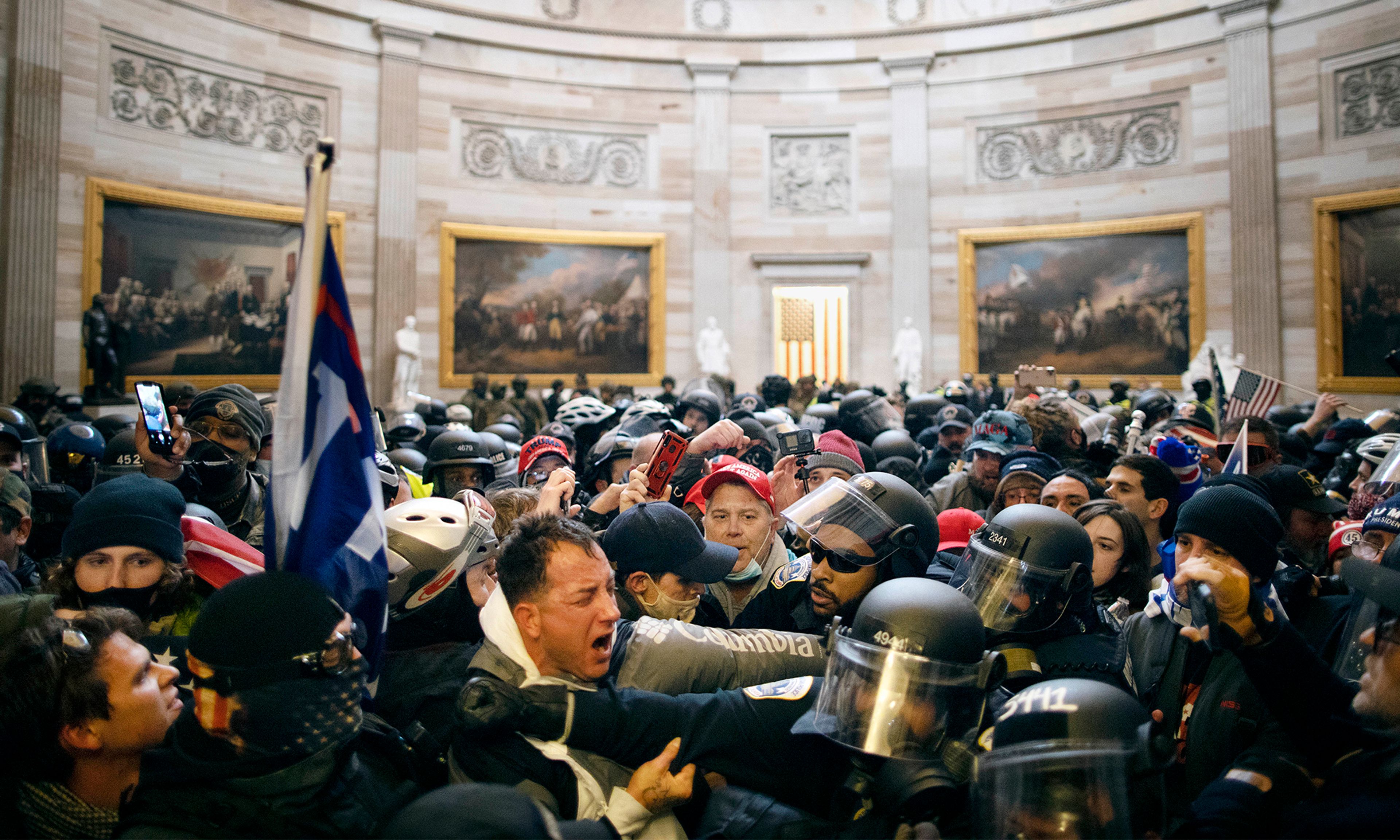
Washington, D.C.
As I walked from my car to the U.S. Capitol on the afternoon of January 6, 2021, Donald Trump’s disembodied voice could be heard blaring from speakers in a nearby park. At that moment, the president was ranting to a large crowd gathered near the White House about “the highly troubling matter of Dominion voting systems” switching votes from Trump to Biden.
It was just one of many delusional claims Trump made that day. “We will never concede,” he said. “This election was stolen from you, from me, and from the country.” He told the crowd that there were “more votes than voters” in the city of Detroit — “you had 139 percent of the people in Detroit voting.” In the state of Pennsylvania, he claimed, there were 205,000 more votes than voters. He said the election was “the most fraudulent thing” anybody had ever seen — that it involved a “criminal enterprise” and that it was a threat to “national security.”
President Trump urged Vice President Pence to unilaterally reject the counting of Electoral College votes in swing states that Trump lost. “When you catch somebody in a fraud, you’re allowed to go by very different rules,” Trump said to rebut those opposed to such an unconstitutional abuse of power. “So I hope Mike has the courage to do what he has to do.”
“If you don’t fight like hell, you’re not going to have a country anymore,” Trump told the crowd toward the end of his speech. By that point, some of his supporters might have forgotten his comment made about an hour earlier that the march to the Capitol should be done “peacefully.” As the president’s lawyer Rudy Giuliani shouted earlier from the stage, “let’s have trial by combat!”
At 1 p.m., the joint session of Congress convened to count the Electoral College votes, and about ten minutes after that, as Trump’s speech was still wrapping up, I was standing outside the U.S. Capitol near the Senate on the east side of the building. Elsewhere, I would later learn, some protesters had already clashed with police, but the protest I saw was mundane at that time and location. The crowd was still pretty small. I didn’t witness anyone shoving police, and the protesters did not seem threatening. About 50 protesters stood in line for four Porta Potties.
Inside the Capitol, things took a worrisome turn around 1:30 p.m. Senate majority leader Mitch McConnell was on the Senate floor warning his colleagues that “if this election were overturned by mere allegations from the losing side, our democracy would enter a death spiral.” While McConnell was speaking, rioters were confronting police, and reports began to circulate that police had ordered a House office building and one of the Library of Congress buildings to evacuate.
“We cannot keep drifting apart into two separate tribes with a separate set of facts and separate reality,” McConnell said. “I will not pretend such a vote would be a harmless protest gesture while relying on others to do the right thing.” Texas senator Ted Cruz, who was objecting to Arizona’s electoral votes, took to the floor to criticize the “moralizing” from “both sides of the aisle.”
At 2:05 p.m., a voice announced over a loudspeaker in the Senate press-gallery workspace that everyone should stay away from doors and windows. In nearly 14 years as a reporter in Washington, D.C., I’ve covered events at the Capitol when tensions were high — from the Kavanaugh hearings to Trump’s first impeachment — but I’d never heard such a warning before. About 2:13 p.m., a Washington Post reporter who had been observing the Senate floor debate burst through the press-gallery door and announced that Mike Pence had left the Senate. Within a minute or so, someone shouted that police were locking the Senate press gallery and everyone needed to get inside a room and lock the door.
I sprinted back down the hall to the Senate periodical-press gallery, a small room across the hall from the Senate chamber. The same voice announced over the loudspeaker at 2:18 p.m. that there was a “security threat inside the building.” Two staffers, two other reporters (Politico’s Burgess Everett and Marianne LeVine), and I barricaded the door of the periodical-press gallery with a couch and some chairs. The sound of an approaching mob grew louder.
At 2:24 p.m., President Trump tweeted, “Mike Pence didn’t have the courage to do what should have been done to protect our Country and our Constitution, giving States a chance to certify a corrected set of facts, not the fraudulent or inaccurate ones which they were asked to previously certify. USA demands the truth!”
About 2:45 p.m., we heard a report that there had been gunfire in the Capitol, but we didn’t know any details beyond that. (We learned much later in the day that a woman participating in the riot was shot and killed by Capitol police as she was climbing through a smashed-out window in the House Speaker’s Lobby.) A photo posted on Twitter showed multiple Capitol police on the House floor who had drawn their pistols and pointed them at a shattered window.
Around 3:00 p.m., we in the Senate periodical-press gallery didn’t know whether there was an active-shooter situation in the Capitol. We sat on the floor behind a desk in the dark and listened for several minutes to the deep and repetitive bang bang bang of rioters somewhere in the distance trying to batter down a locked door to either the Senate chambers or the Capitol building itself.
There didn’t seem to be any police nearby, as rioters could be heard shouting and roaming freely in the hallway. If the mob broke through our door, I thought, the five of us would probably be okay. They wanted the senators, right? Then it occurred to me — as a member of the press sitting inside a room marked “press” — that even QAnon believers would be smart enough to identify me as a credentialed “enemy of the people.” I thought of the lunatic who burst into the D.C. pizzeria with an AR-15 in 2016 and discharged his weapon as he sought to liberate children who he believed were being held captive and raped by prominent Democratic officials.
For the two hours inside the locked room, there was a lot we didn’t know, but there was not much for me to do other than check Twitter, send reassuring texts to my wife and parents, and pray silently.
By 4:30 p.m. police had cleared the Senate chambers and then escorted the remaining press to a Senate office building through basement tunnels. We passed scores of police — MPD, FBI, DHS, even Fairfax County Police — who had rushed to the Capitol. It was a relief to see them.
By 7 p.m. law enforcement had secured the building, and members of Congress and the press then returned to the Capitol. I watched from the gallery as the Senate finished its debate. When Utah senator Mitt Romney rose to speak, he told his colleagues, “We gather due to a selfish man’s injured pride and the outrage of supporters, whom he has deliberately misinformed for the past two months and stirred to action this very morning.”
“The best way we can show respect for the voters who are upset,” Romney said, “is by telling them the truth.” The line received sustained bipartisan applause, seemingly from every senator who was not objecting to certifying the Electoral College results — even from Lindsey Graham. “That’s the burden — that’s the duty — of leadership. The truth is that President-elect Biden won this election. President Trump lost.” To laughter from his colleagues, he added, “I’ve had that experience myself. It’s no fun.” A Senate GOP aide later told me that the Senate would have had the votes to convict Trump if an impeachment trial had been held that night.
The Senate wrapped up its business certifying the Electoral College results about half past midnight, when it voted 92–7 to reject Missouri senator Josh Hawley’s objection to the certification of Pennsylvania’s electoral votes.
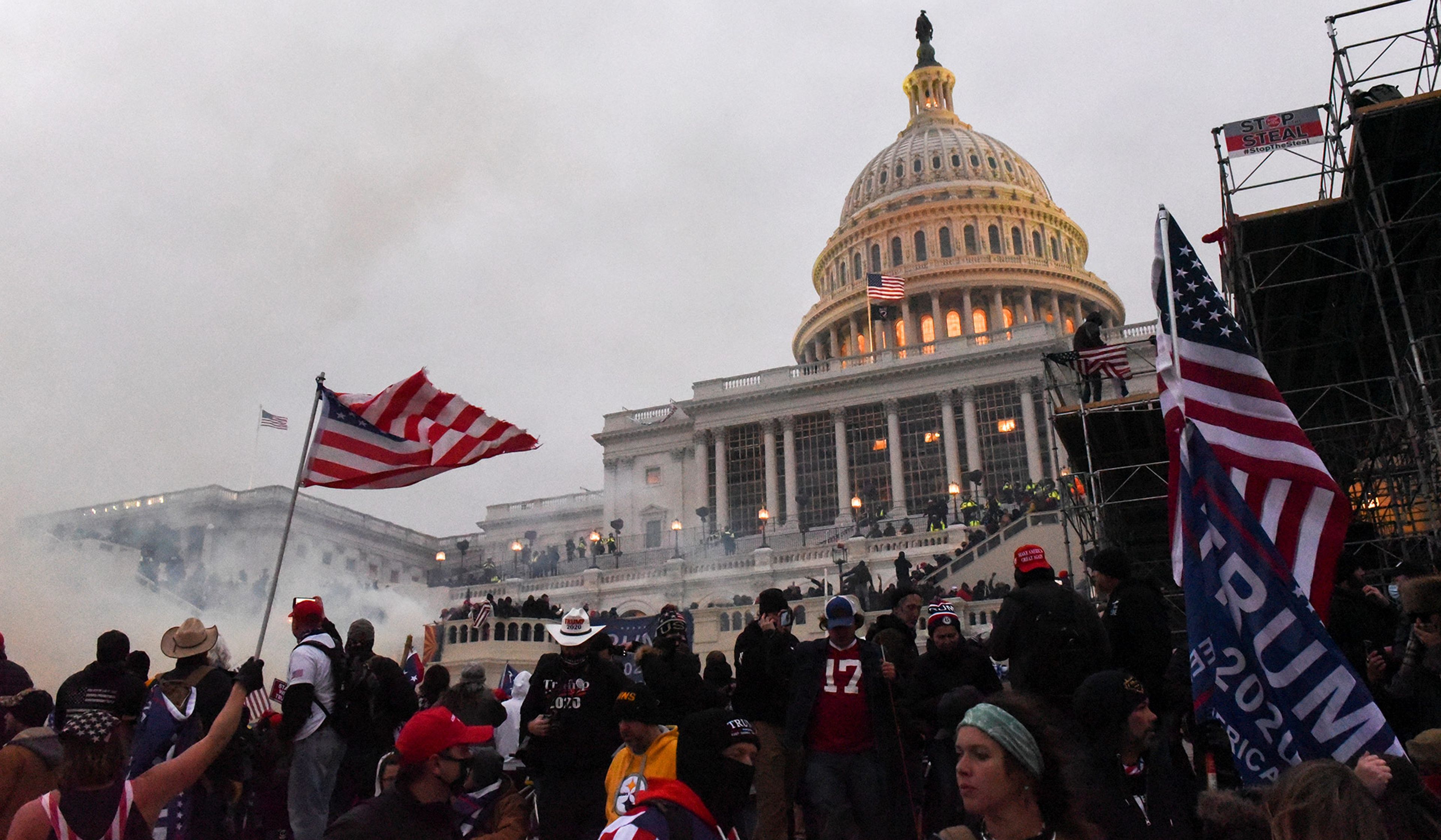
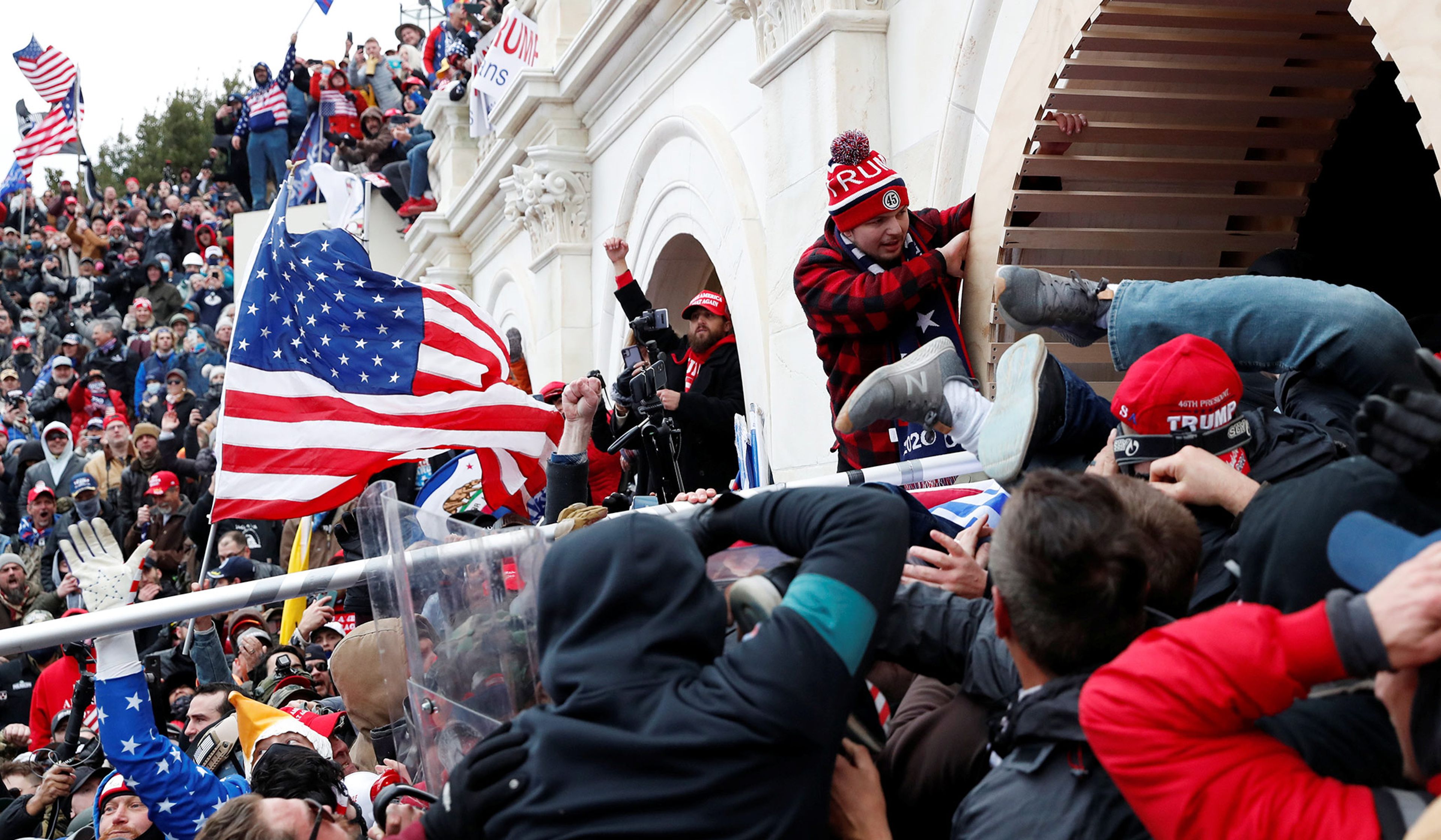
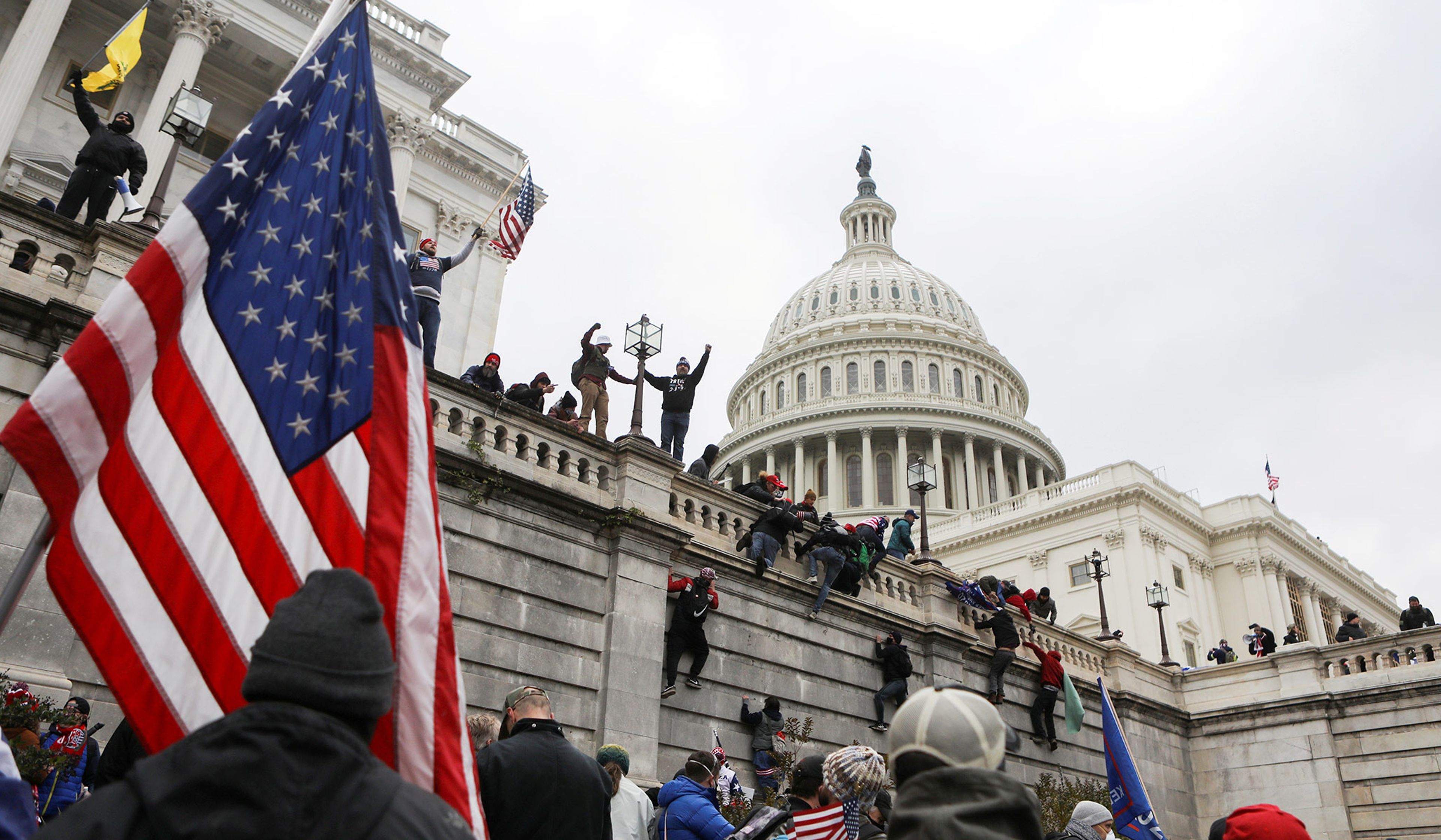
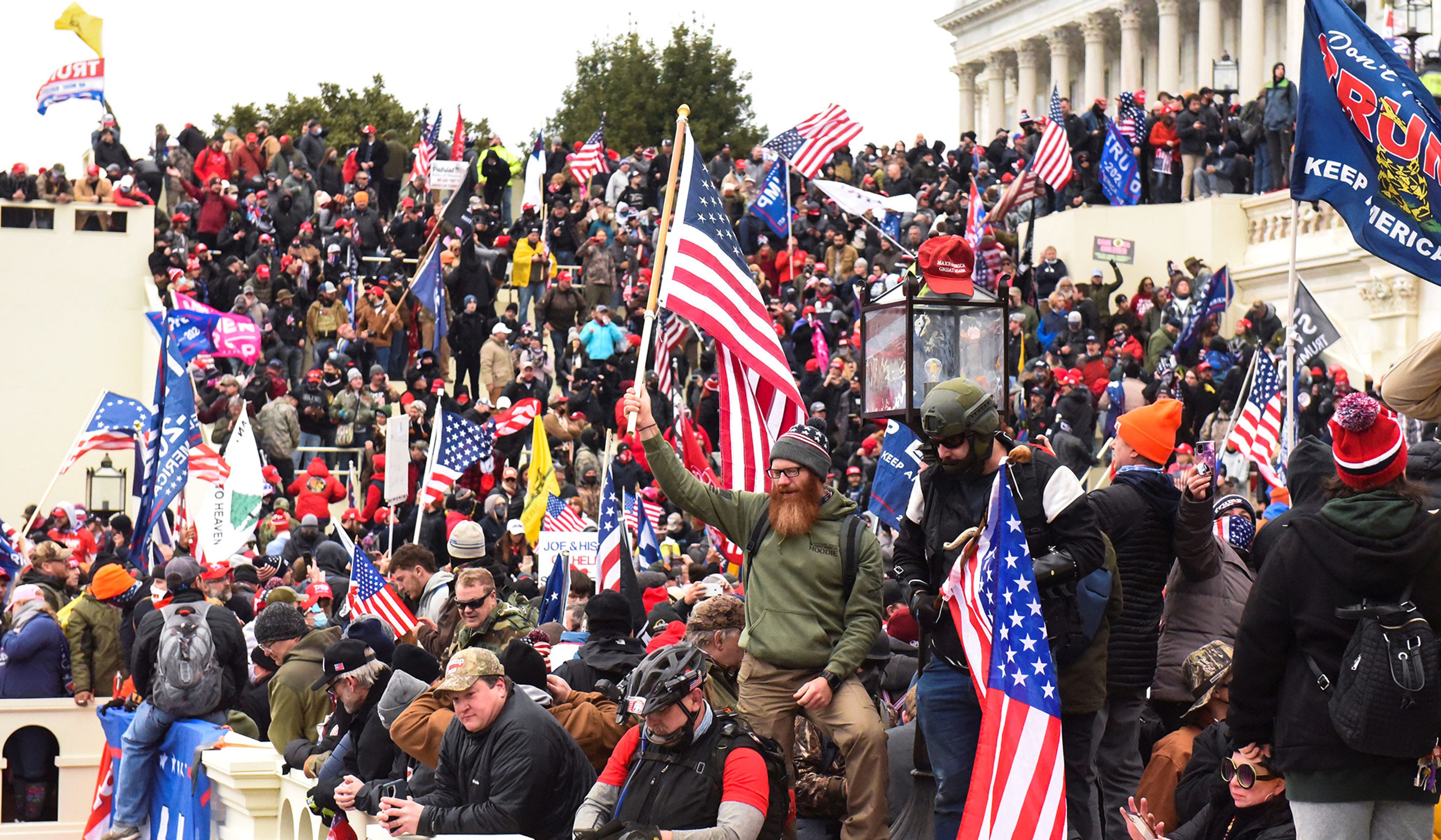
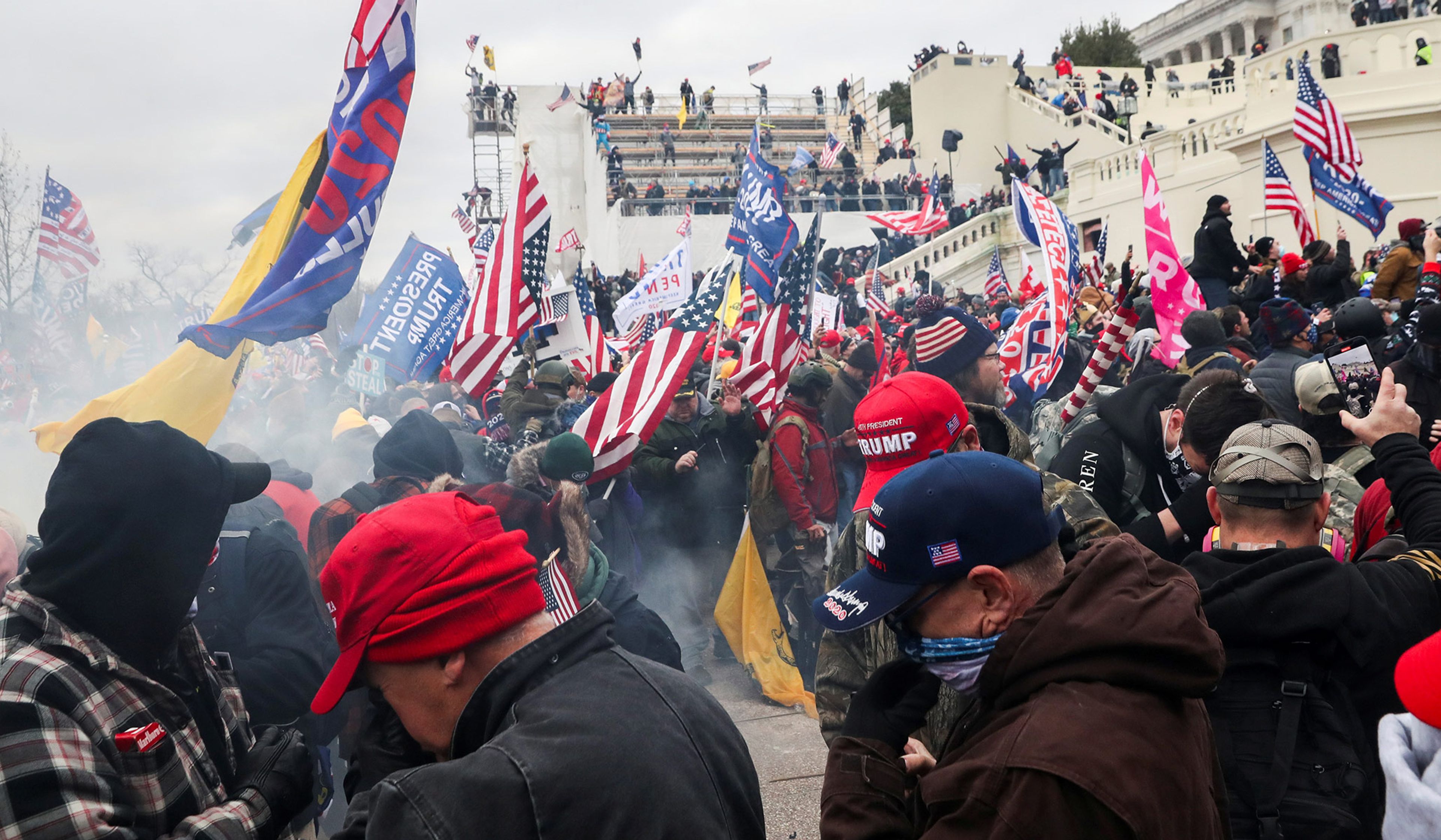
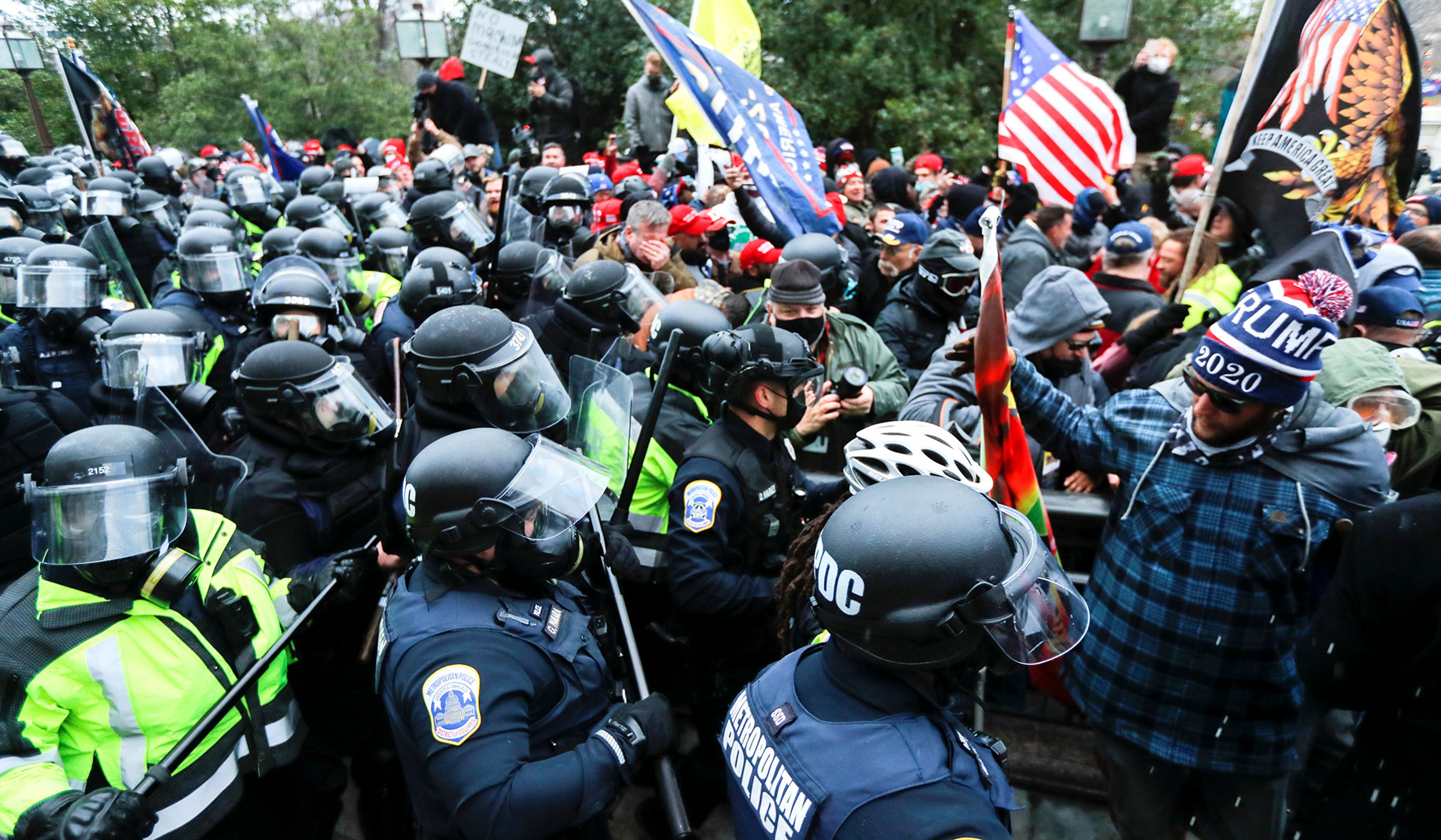
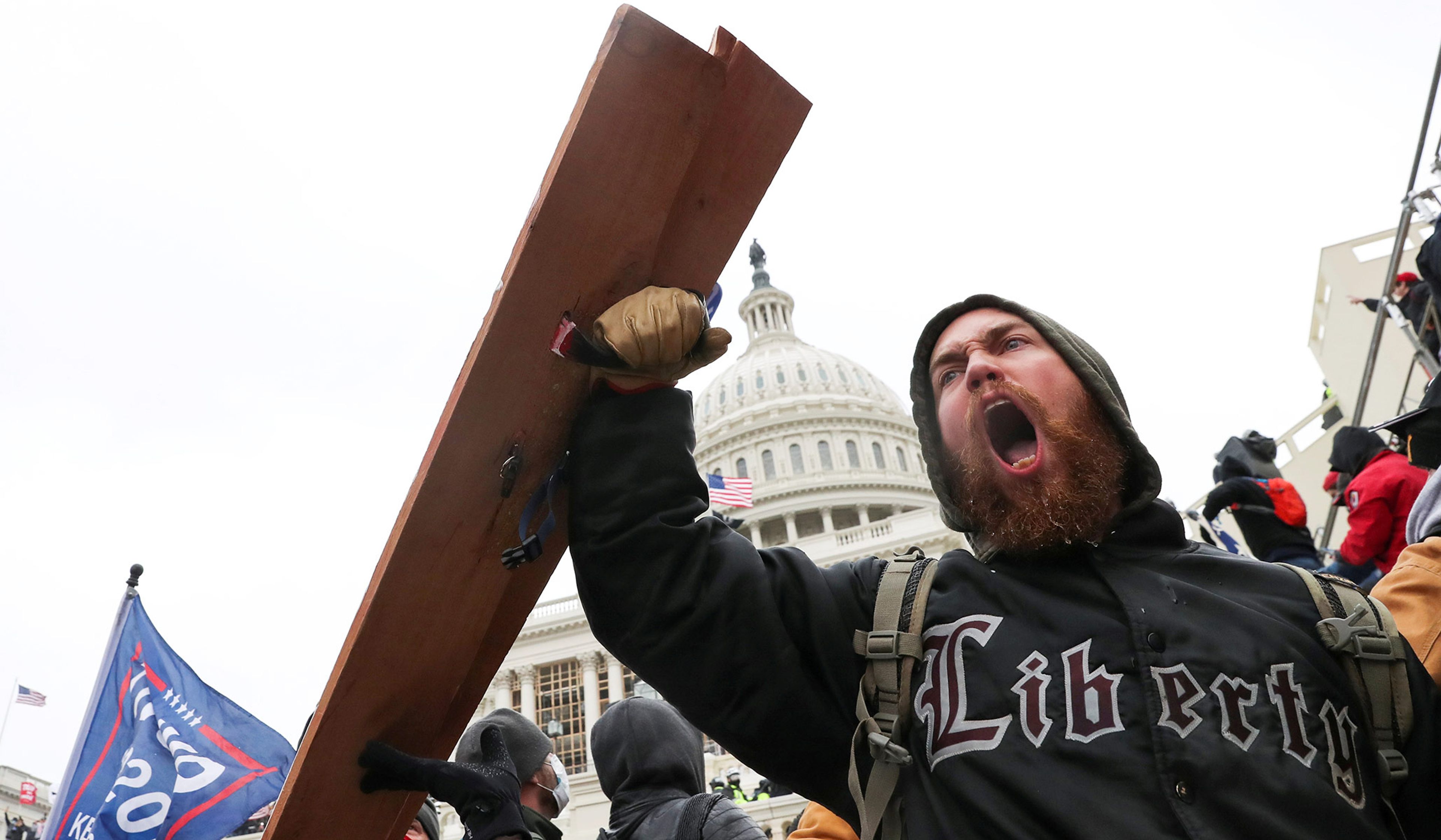
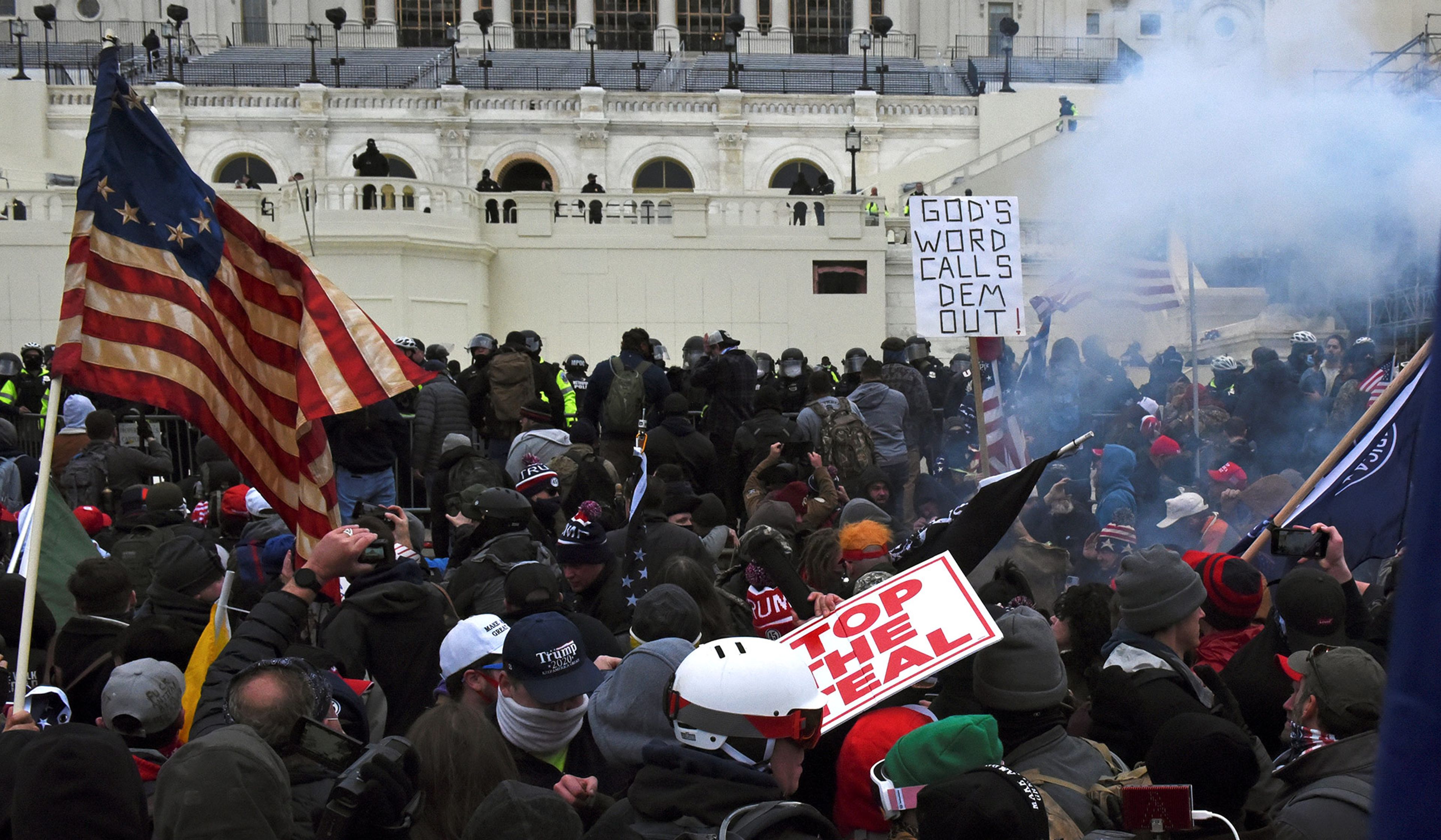
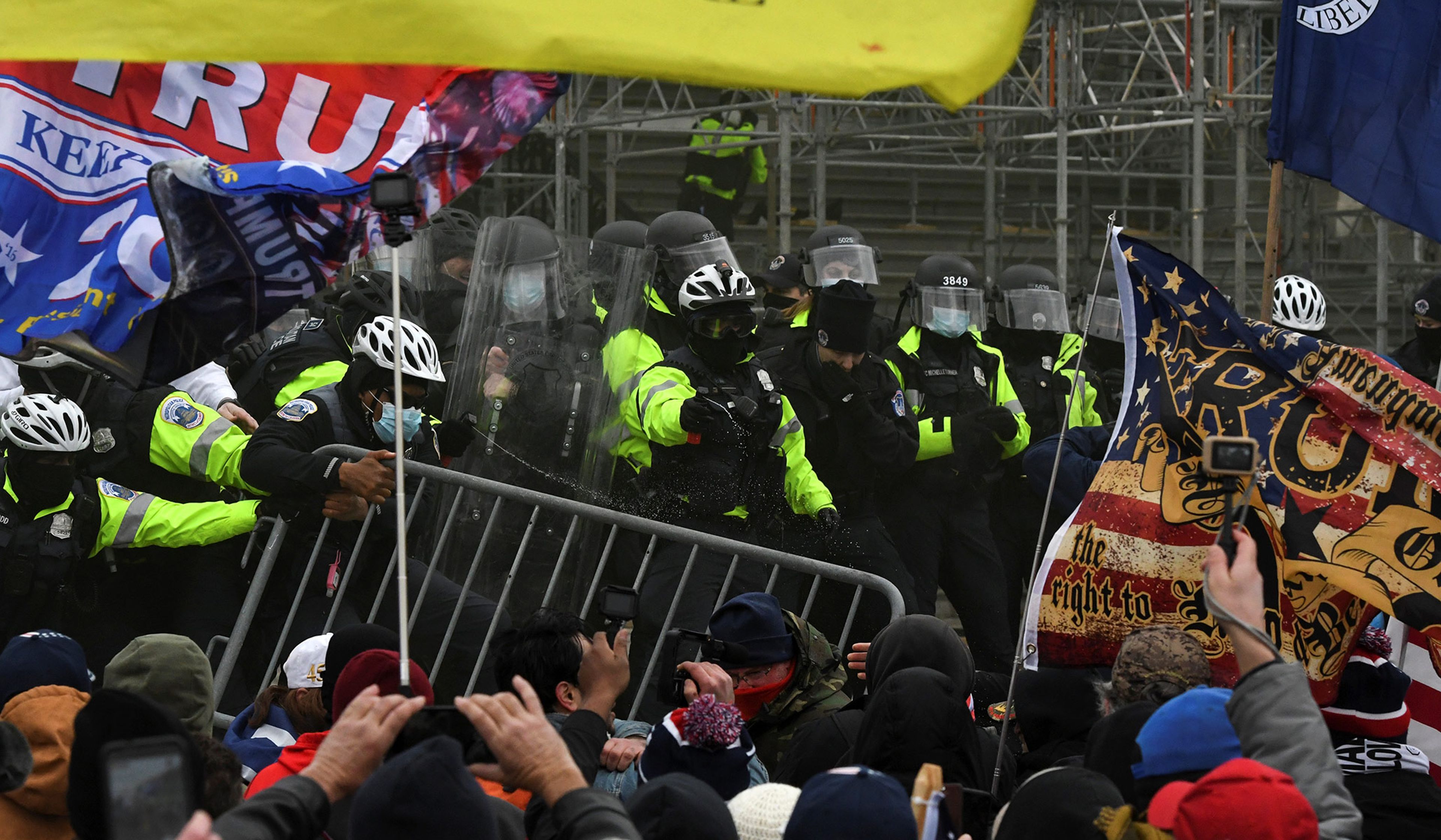
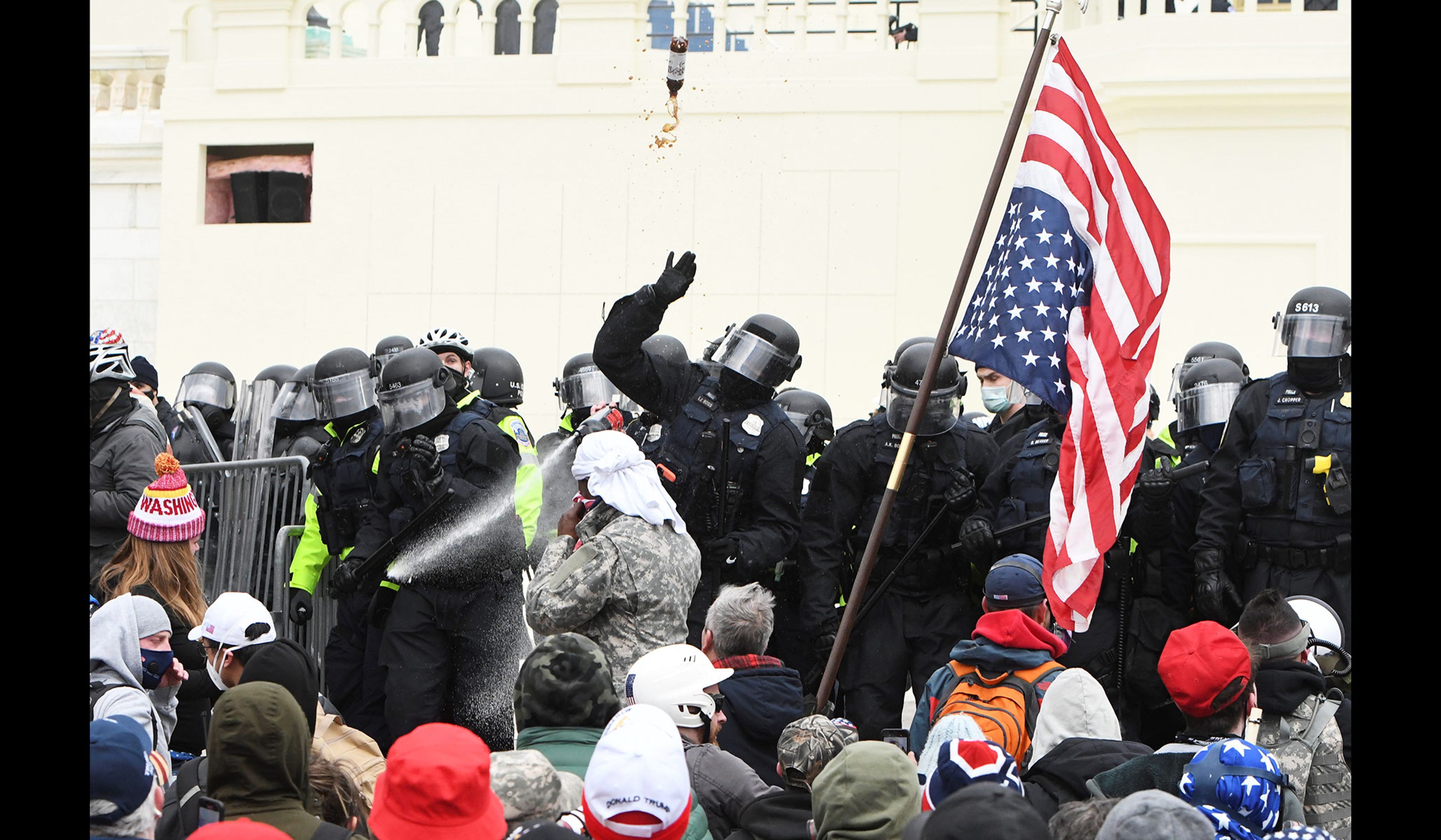
Police clear the U.S. Capitol with tear gas in Washington, D.C. January 6, 2021.
Stephanie Keith/Reuters
Just before stepping onto the Senate floor for that final vote, Alaska senator Lisa Murkowski stopped and talked about the day’s events. She recalled that the Senate sergeant at arms had at first assured senators, after Mike Pence had left the chamber, that it was secure. About 15 minutes later, the sergeant at arms told them they needed to evacuate quickly.
“And that’s where it gets a little scary, because everyone is trying to move at the same time,” Murkowski said. She saw fellow Alaska senator Dan Sullivan, a colonel in the Marine Corps Reserve, a few steps ahead of her and hooked him by the arm. “I just said, ‘I’m gonna lean on a Marine.’ We went hand in hand, running.”
“Yeah, I was scared. I was scared for our country,” Murkowski said. “Anybody who says they weren’t scared — I think maybe they were too busy helping others.”
In the days following the attack on the Capitol, everyone tried to piece together how much of a threat Congress actually faced on January 6. Was it just a vandalistic clown show? A lynch mob? Something in between?
The truth is that it was likely all of the above. Those who sought to minimize the storming of the Capitol could point to a collection of goofballs. There was the guy in the Viking hat and face paint who calls himself “the QAnon Shaman.” There was the redheaded doofus who mugged for the camera as he carried Pelosi’s lectern through the building. There was a little old lady standing in the rotunda holding a miniature American flag. There was even a video of police who stood calmly by as protesters entered the building at one location.
Whatever violence occurred, the minimizers argued, was probably the result of Antifa or other left-wing agitators. The Antifa claim, promoted by some House Republicans such as Florida’s Matt Gaetz, quickly fell apart. A Washington Times report had falsely claimed that a facial-recognition company identified Antifa at the Capitol. As of this writing, only one left-wing agitator, videographer John Earle Sullivan, has been identified. He has been arrested for breaking into the Capitol.
The minimizers would downplay the large number of pro-Trump rioters who savagely attacked police officers at the U.S. Capitol. Fifteen law-enforcement agents were reportedly hospitalized. Capitol police officer Brian D. Sicknick died on January 7 at the hospital from injuries he sustained during the attack. Video emerged of D.C. police officer Daniel Hodges screaming in agony as a mob pinned him in a doorway and ripped off his gas mask. D.C. police officer Mike Fanone, who was beaten with a flagpole attached to a pro-police “thin blue line” flag, said he heard some in the mob chanting “Kill him with his own gun!” It wasn’t until four days after the attack that CNN played footage of rioters’ dragging a few D.C. police officers down the steps of the U.S. Capitol. About 4:30 p.m., as police inside the building were escorting us to safety, one of the officers dragged down the Capitol steps was beaten with a flagpole carrying an American flag.
The FBI arrested the alleged assailant, who said in a video shot that day at the Capitol that “everybody in there is a treasonous traitor” and “death is the only remedy for what’s in that building.” Washington’s police chief said at a press conference that he had spoken to officers who had “done two tours in Iraq” and who said the attack on the Capitol “was scarier to them than their time in combat.”
Two men who breached the Senate chamber were carrying flex-cuffs that can be used to restrain people. According to the FBI, another man who breached the Senate chamber and was carrying a knife said in a video posted on the Internet: “Once we found out Pence turned on us and that they had stolen the election, like officially, the crowd went crazy. I mean, it became a mob. We crossed the gate.” The man said he didn’t intend to use his weapon. But mobs tend to have a frenzied mind of their own. They are as dangerous as their worst elements.
If the mob was willing to beat cops and kill one to get inside the Capitol, what would the mob have done if it had actually reached its intended targets — Mike Pence and members of Congress voting to certify the Electoral College vote? Thankfully, the question remains a hypothetical because of the heroes present at the Capitol on January 6: the law-enforcement agents who defended the Capitol, cleared the building, and allowed Congress to return to fulfill its constitutional duty.












Comments