
Soylent Green, a 1973 movie about a hot, overpopulated, ecologically devastated planet, is set in 2022. It’s a downbeat, unhappy movie in which everyone sweats a lot, especially Charlton Heston. He plays a slightly corrupt cop half-heartedly investigating a murder, while sweating, and after some punching and sleuthing and sweating, he uncovers the horrible truth. As he’s led away, he utters the words that stunned audiences and became one of the most famous lines in 20th-century movies.
Luke, I am your father!
No, wait, sorry. It was “Soylent Green is people.” The audience had suspected as much. I mean, we were told there was a big dark deep secret concerning Soylent Green — what else could it be? Horsemeat? Tofu? Spam? Eh, so it’s people. A little salt, some Tabasco, could be worse.
In retrospect, it’s a ridiculous premise. If the population of New York City is 40 million, you won’t have enough daily deaths to furnish the multitudes with a snack, let alone a day’s grub. You’re going to need some People Helper, and a lot of it. Edward G. Robinson gets turned into Soylent Green, and you’d think he’d be rather stringy to furnish a supper. Maybe they minced him up and sprinkled the bits over some lettuce. Little Caesar Salad, if you wish.
Heston does not thwart the Cannibal-Industrial Complex, because it is a movie from the Seventies, when all heroes failed. He had quite the run of dystopian flicks — in Omega Man, he died, Christlike, skewered on a piece of modern statuary by plague zombies led by a former TV anchorman, as one does. In Beneath the Planet of the Apes, he blew up a nuclear bomb that extinguished all life on Monkey Earth; if nothing else, the universe certainly smelled better after that. If Heston’s Ten Commandments had been shot in the ’70s, Moses would’ve drowned in the Red Sea, or fallen down the mountainside while schlepping the Ten Commandments and watched them tumble into a crevasse, lost forever. You couldn’t have a happy ending.
The movie gets everything wrong about the future. New York is overcrowded, but no one lives on the streets. No computers. No Twitter, which is just as well; if Heston had tweeted “Soylent Green is people lol” he would have had his account suspended for misinformation. It’s meant as a cautionary tale, of course. We should be good to the planet, or this is where we’re headed: living in a world so ruined that celery is a delicacy.
Celery! It’s the worst vegetable. Tastes like water and sheds dental floss.
Those of us who grew up in the early to mid ’70s held several fates in our head that competed for primacy in the Existential Dread Sweepstakes.
- Imminent Ice Age, with woolly mammoths romping down the street tossing cars with their tusks.
- A nuclear war, which would be bad, but probably fast. I lived in one of the world’s most heavily armed nuclear powers, North Dakota, and we were assured that the Russians would pay special attention to us from the git-go. We didn’t practice duck-and-cover, because there wouldn’t be time; we just practiced looking at the window to see what that bright light was.
- If not nuclear war, then the other Horsemen of the Apocalypse would trot over and kick us insensate. Overpopulation would mean the world would teem with billions of people who had moved to major cities for the sole purpose of milling around and moaning a lot. Famine would stalk the land, and billions would die. So, it all evens out in the end? No; the world would simultaneously starve to death and be overpopulated, which suggests that most women would give birth to octuplets.
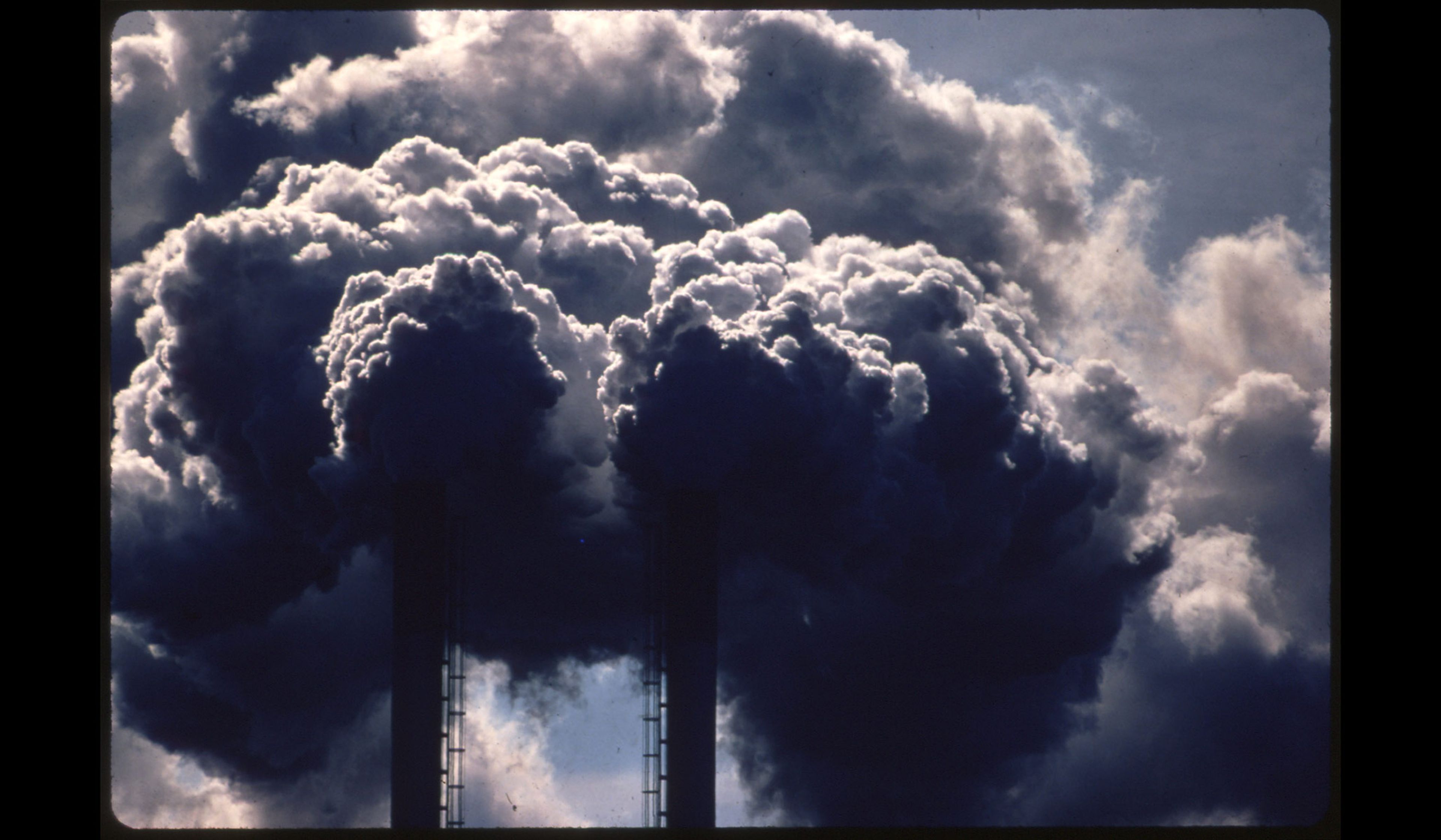
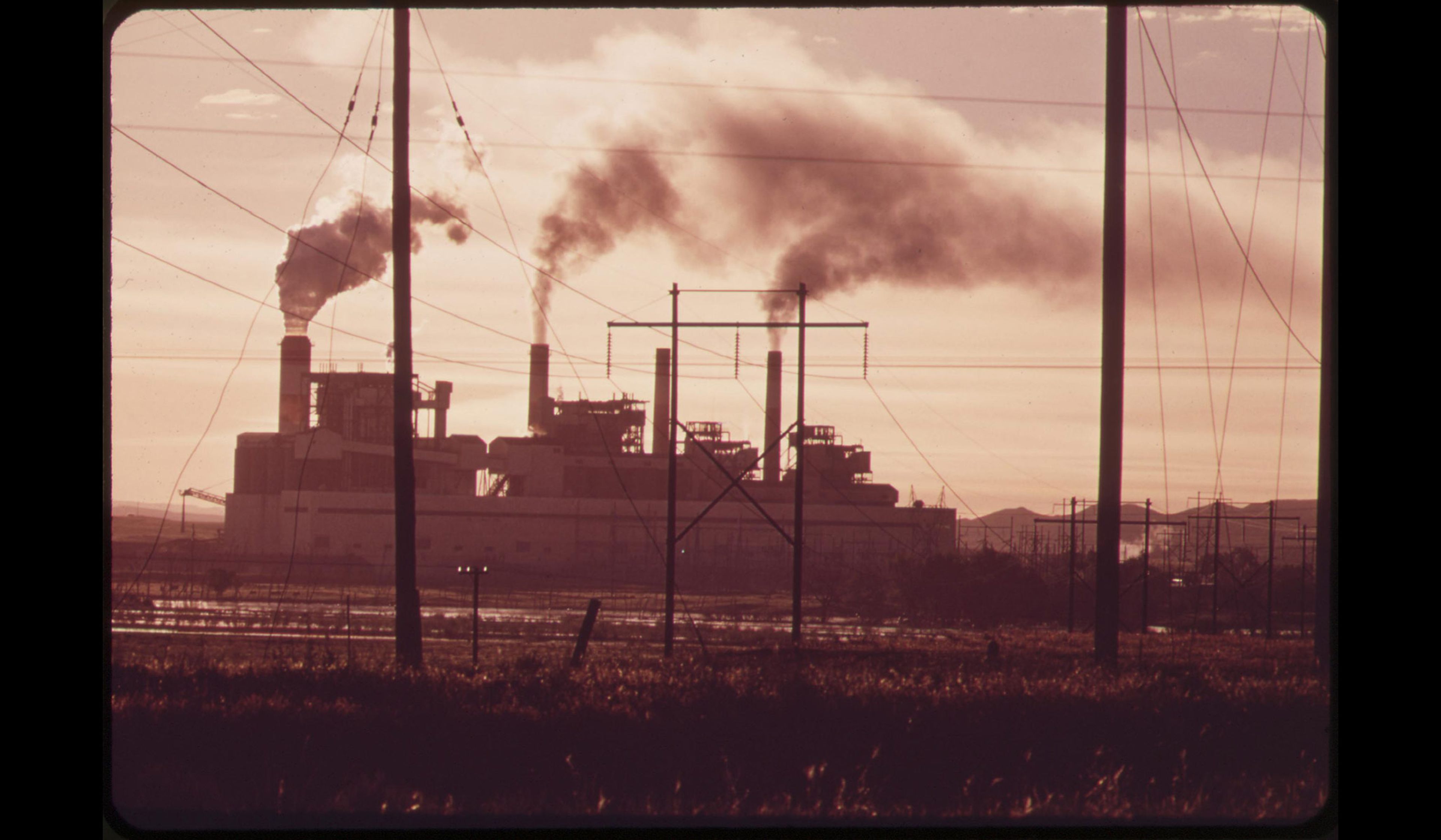
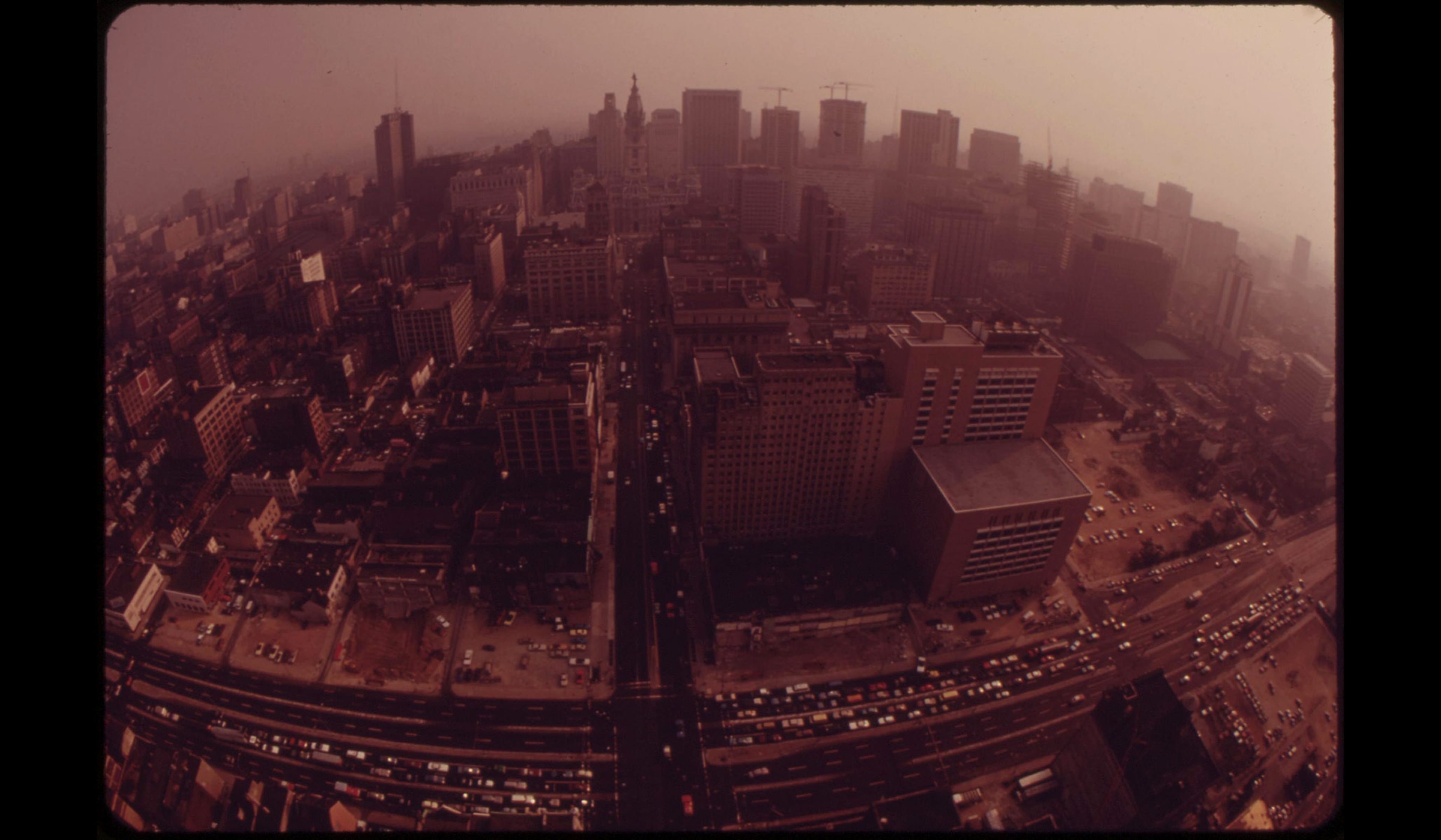
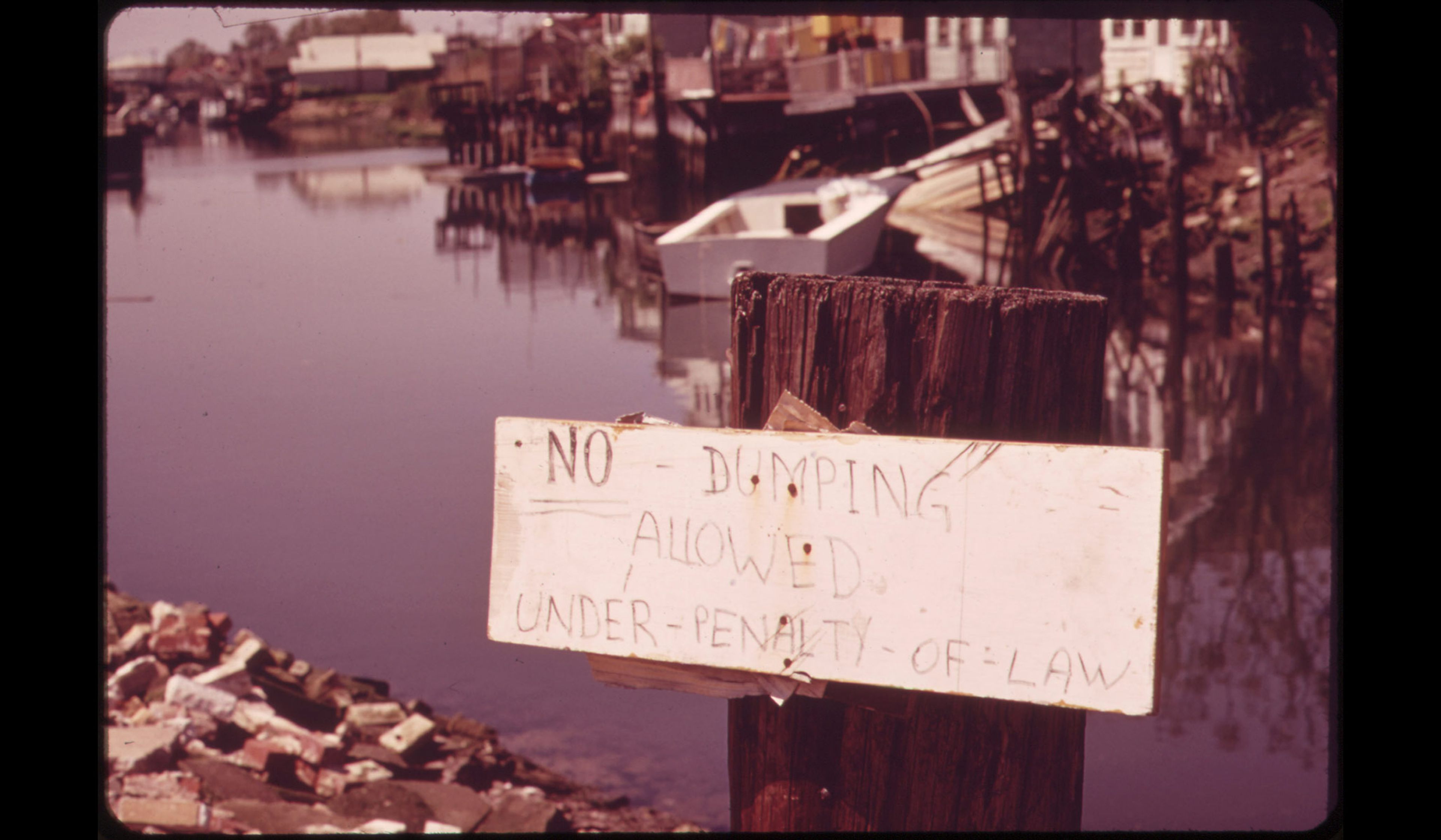
- If not famine, then pollution. Everything would be poisoned because all the factories were barfing out pure cyanide into the rivers, while smokestacks exhaled pure mercury and plutonium into the air. You couldn’t have told us otherwise; we’d seen the stock footage of dead fish in the documentaries. We also were pierced to the pith by the sight of Iron Eyes Cody turning to the camera with a stoic look of contempt, his single tear working down his weathered face. WE HAD MADE AN INDIAN CRY. We deserved everything we got.
(Yes, yes, I know, Iron Eyes Cody was an Italian American who lied about being an Indian. A true trans-racial pioneer.)
The fifth idea in our heads: Yeah, maybe that stuff will happen, maybe not. That might be the horrid future of 2017 or some other impossible year, but right now it’s 1976 and the committee for the senior prom needs a theme. We’re thinking . . . Disco Bicentennial.
“No! We should do ecology!”
“C’mon, Brenda, they did disco ecology last year.”
It was just assumed that the 2000s were so impossibly distant that somehow we shouldn’t worry about them until everyone was wearing monochrome jumpsuits. At which point it would be too late, because we would have numbers for names and maybe shaved heads. So we soldiered on, hoping the future would be better. And it was! No ice age, no nuclear war, no mass famine. Nothing in Soylent Green came true, except for two things. The Swiss have legalized 3-D-printed suicide booths, so you can go out like Eddie G., on your own schedule. And there’s a company that makes a “meal replacement” slurry called . . . “Soylent.” No artificial colors, no high-fructose corn syrup, no irony.
The beauty of capitalism: “Soylent,” it turns out, is the last thing we need. But there it is. I hear it pairs well with celery.




Burning discarded automobile batteries in Houston, Texas, July 1972.
Marc St. Gil/DOCUMERICA/National Archives












Comments