
• We hope everyone is enjoying the beginning of 2020, Part Three.
• One of the biggest myths in American politics is that the practice of gerrymandering U.S. House districts gives Republicans a huge advantage, but that myth is easily busted. In 2020, when Joe Biden won 51.3 percent of the national popular vote, he also carried 51.5 percent of all U.S. House districts (224 of 435). David Wasserman of the Cook Political Report now observes that redistricting is shaping up in such a way that there will actually be a few more “Biden districts” in 2022 than there were in 2020. The truth about gerrymandering is that both sides do it, and the current redistricting process is actually benefiting Democrats. The reason why Republicans still remain overwhelming favorites to take back the House is that Biden’s job-approval rating is mired in the low forties, and Republicans are on track to win many of those “Biden districts” in 2022.
• The Constitution and the Electoral Count Act of 1887 create a division of labor in presidential elections. Congress sets Election Day; states decide how to choose electors that day, generally by statewide popular vote. Subsequent election contests are resolved by courts and state election officials. Winners are certified by each governor. Electoral votes are counted by the vice president; if a state sends multiple slates, the House and Senate vote on which to recognize. This design respects the primacy of states and the need for certainty. But the ECA has ambiguities that Donald Trump exploited in 2020. Knowing that Trump may run in 2024, Republicans have every incentive to want the rules to be clear enough that they are not again asked to bend them. They should also want the system reinforced against future Democratic mischief. So they should support amending the ECA to raise the thresholds for objections, clarify the limited role of the vice president, and explicitly bar states that held a popular vote from having the legislature take a second bite at the apple after seeing the results. Democrats talk a good game about the lessons of January 6, yet Chuck Schumer remains intent on linking ECA reform to Democrats’ proposed federal takeover of state voting and election laws. Republicans should back a clean ECA bill and call Schumer’s bluff.
• Eric Adams was sworn in as mayor of New York City after the ball dropped on New Year’s Eve. Since he follows Bill de Blasio, a conceited, incompetent ideologue, an uptick is almost guaranteed. But putting New York back on track will take a herculean effort. Mayor Adams ran on a public-safety message. But his police force, battered by inattention and contempt, has unlearned the lessons of proactive policing. Misguided bail reform has put more bad actors on the streets. Covid has wrecked the economy and the tax base, even as his predecessor ran up debt and locked in reckless future spending. A left-wing-dominated city council, and a newly elected progressive district attorney, seem designed to hamper Adams at every turn. During his campaign and his transition into office he appeared to know what he thought, to say it, and to stick to it. His race gives him a footing in one of the largest segments of the Democratic base. He will need savvy, guts, and a mania for detail work. Godspeed.
• Steadily, and steeply, crime has worsened in San Francisco. It has gotten so bad that the city’s mayor, London Breed, has woken up. “It’s time for the reign of criminals who are destroying our city,” she said, “to end.” From now on, law enforcement will be “more aggressive” and “less tolerant of all the bullsh** that has destroyed our city.” A mayor who has been mugged by reality is a wonderful sight to behold.
• Donald Trump is pretty sensible about Covid vaccination, which puts him on the outs with the talk-radio/cable-news consensus. While interviewing the former president amid the Omicron upsurge, right-wing celebrity Candace Owens expressed skepticism about Covid vaccines. Trump disagreed, noting that the vaccines are effective and encouraging Americans to get them while opposing mandates. Owens later did her best to explain away the disagreement, noting that Trump is “old” and comes from a time “before television.” We would like to have heard the former reality-television star’s reaction to that.
• As the Omicron variant began to rip through the U.S. before the holidays, Americans were told that they should consider using at-home tests before indoor gatherings. But when they sought tests at their local drugstores, they often left empty-handed. The Food and Drug Administration appears to be partly to blame. The agency’s approval process for rapid antigen tests is slow, onerous, and needlessly focused on whether they are as sensitive as PCR tests. (They are not, nor need they be to have value when PCR tests are unavailable.) The administration’s decision to purchase a half billion at-home tests to be distributed beginning in January is welcome but late. Meanwhile, the CDC has announced new guidance on quarantining: Those who test positive should, if asymptomatic, isolate for five, not ten, days, followed by another five days of mask-wearing. Dr. Anthony Fauci explained on CNN: “If you are asymptomatic and you are infected we want to get people back to jobs — particularly those with essential jobs to keep our society running smoothly.” Though the ever-evolving guidance may be adjusted again, we welcome the apparent movement toward living with the reality of the virus.
• Just before Christmas, the Biden administration extended by executive decree a student-loan moratorium. Thirty-six million Americans were given an additional three-month extension, at 0 percent interest, from January 31 to May 1, on $1.37 trillion of student debt. The moratorium was originally established early in the Covid-19 pandemic, when the government quite reasonably was offering many kinds of relief in exchange for ordering the closing of workplaces. That was nearly two years ago. Not even this Democratic Congress is willing to expand entitlements for college grads — which is a good sign it shouldn’t be happening.
• Anthony Fauci, Miguel Cardona, and National Review agree: Schools need to be open. So why is this even an issue? Teachers’ unions. In Chicago, New York, Massachusetts, and elsewhere, they claim that schools aren’t safe because of Covid. It isn’t true, and politicians need to stand up to them. Teachers are not at any more risk than grocery-store workers, restaurant workers, or any of the other “essential workers” who have been working in person throughout the entire pandemic. If fast-food employees can show up to work, so can teachers. Children are at extremely low risk for Covid. In 2020–21, 678 people aged zero to 17 died from Covid. To put that in perspective, 1,161 people in that age cohort died from influenza in 2012–13, and 803 died in 2014–15. Covid is more severe for adults than the flu, but it is not significantly different from the flu for children. The adults have multiple safe and effective vaccines, and now antiviral pills, to prevent or treat Covid. We don’t close schools for influenza, and we shouldn’t close schools for Covid.
• In response to a shortage of antibody treatments, the New York State Department of Health chose to prioritize vulnerable populations: those age twelve or older, those who have mild to moderate Covid-19 symptoms, those who are within five days of symptom onset, those who have a medical condition or other factors that increase their risk. But also: “Non-white race or Hispanic/Latino ethnicity should be considered a risk factor, as longstanding systemic health and social inequities have contributed to an increased risk of severe illness and death from COVID-19.” In other words, a patient’s race should explicitly be considered when determining which patients should be prioritized for potentially lifesaving treatment. But as Dr. Joel Zinberg, an associate clinical professor of surgery at the Icahn School of Medicine at Mount Sinai Hospital in Manhattan, objects in the New York Post, “race and minority status do not, on their own, lead to more severe COVID-19 disease.” He argues, correctly, that prioritizing patients because of the color of their skin is “immoral, illegal and bears no relation to the science.” This guidance should be challenged in court, and rejected by clear-eyed judges, as soon as possible.
• In December, the FDA announced a permanent change to its regulations on the distribution of prescription abortion drugs through the mail. It had previously announced a “temporary” pandemic-related relaxation of the requirement that mifepristone be prescribed only after a doctor visit. The administration is clearly attempting to subvert states’ pro-life legislation. This is one more example of the hard fact that a victory for conservatives next summer in the Dobbs case would not be the end of abortion in America — but rather the beginning of a new struggle.
• Americans are waking up to the Chinese Communist Party’s manipulation of our universities. Former Indiana governor Mitch Daniels, who is currently the president of Purdue University, set a standard in a December email to faculty and students by calling the harassment and intimidation of Chinese students by their pro-Beijing peers “unacceptable and unwelcome.” He was responding to a ProPublica story about a Chinese graduate student who had been harassed by other Chinese Purdue students, and whose family had been visited by Chinese officials, for posting a letter about the Tiananmen Square Massacre. In so doing, Daniels took a stand against a pervasive problem on American campuses. Meanwhile, a federal court has found Harvard professor Charles Lieber guilty of lying about his affiliation with China’s Thousand Talents Program and a school in Wuhan. The Wuhan Institute of Technology had granted Lieber a monthly salary and $1.5 million to set up a lab. Research collaboration with Chinese entities is not illegal, but Lieber lied about his affiliations and hid his income from the IRS. Slowly but surely, Americans are pushing back against CCP malfeasance on U.S. soil.
• Slaves picking cotton: In this case, the image comes not from the antebellum South but from contemporary China, where members of the Muslim Uyghur minority in the Xinjiang region are held in “reeducation” camps and forced to labor in the cotton fields or pressed into other manual work. Just before Christmas, President Biden signed into law the Uyghur Forced Labor Prevention Act, a bipartisan bill that requires importers of goods made in Xinjiang to prove that those goods are not produced with slave labor. It was about time. The legislation had stalled for months as congressional Democrats declined to take it up — and, on a few occasions, blocked it. Take one example: After the House passed the bill, Senator Ron Wyden (D., Ore.) announced his initial opposition to it, demanding that it include an extension of the child tax credit (he eventually relented). It strikes us as not coincidental that Nike, which opposed the law, has its headquarters in Wyden’s state, and has donated tens of thousands of dollars to him over the years.
• Meanwhile, Elon Musk’s Tesla Motors marked the bill’s passage by . . . opening a new Tesla showroom in Xinjiang. There is no reason to suppose that Tesla is directly involved in slave labor, but every firm doing business in China is involved with the Chinese Communist Party and thereby at least indirectly involved in its extensive array of horrifying abuses. Elon Musk is one of the wealthiest men alive — the wealthiest on days when the market smiles on him — and he has been bracingly frank in his criticisms of misgovernment in California. Sacramento is a menace, to be sure, but it would be something if Musk could take as strong a stand vis-à-vis Beijing. It would matter.
• The annihilation of Hong Kong’s autonomy and democracy continued over the holidays. Beijing arrested the Cantopop icon Denise Ho, a champion of the pro-democracy movement, as well as raided the office of Stand News and detained the outlet’s senior journalists. Following an international outcry, the Hong Kong authorities released Ho on bail. The seven Stand News staffers, on the other hand, have had no such luck; a court denied them bail. Worse, a few days later, Citizen News, another independent website, said that it would voluntarily shut its doors to protect its staff. The party has already asserted its control over Hong Kong, but what it has is never enough.
• Two of Vladimir Putin’s chief goals are the subjugation of Ukraine and the dismantlement of NATO. Putin has issued a number of ultimata to the West, concerning troop deployment, nuclear weapons, the membership of NATO, etc. He insists on “unconditional compliance” with his demands, or else — or else he will widen his war on Ukraine. All of this, of course, is in violation of agreements that Russia has previously signed. Putin is demanding no less than that NATO “commit suicide,” as Françoise Thom, a French scholar of Russia and the Soviet Union, says. Anders Fogh Rasmussen, a former NATO secretary-general, says, “Putin plays a bad hand well — but his tactics will only work if we fold.” For his part, the president of Finland, Sauli Niinistö, used the occasion of his New Year’s address to say that Finland is a sovereign and independent country that has the right to determine its own destiny. Less vulnerable than Finland, we should be at least as firm.
• The Memorial society, formed at the behest of Andrei Sakharov, was the conscience of Russia. Its purpose was twofold: to expose the truth about the past and to promote democracy in the present. Putin’s government — increasingly defensive and imitative of the Soviet Union — could not abide Memorial. So it shut the society down. At the same time, one of Memorial’s researchers, Yuri Dmitriev, a political prisoner since 2016, had his sentence extended to 15 years. In Russia, the darkness deepens.
• On December 26, the Taliban announced that they had dissolved Afghanistan’s two election commissions. A Taliban spokesman said the commissions were “unnecessary institutes for the current situation in Afghanistan.” Sadly, he is correct. This move is yet another indication that the Taliban do not particularly care what the “international community” thinks about how they govern Afghanistan. Expect the Taliban’s reign to become more brutal as the Afghan economy collapses. The currency has lost much of its value, food prices are soaring, and electricity shortages are rampant. All of this was predicted by anyone who was paying any attention, a group that does not appear to include the Biden administration.


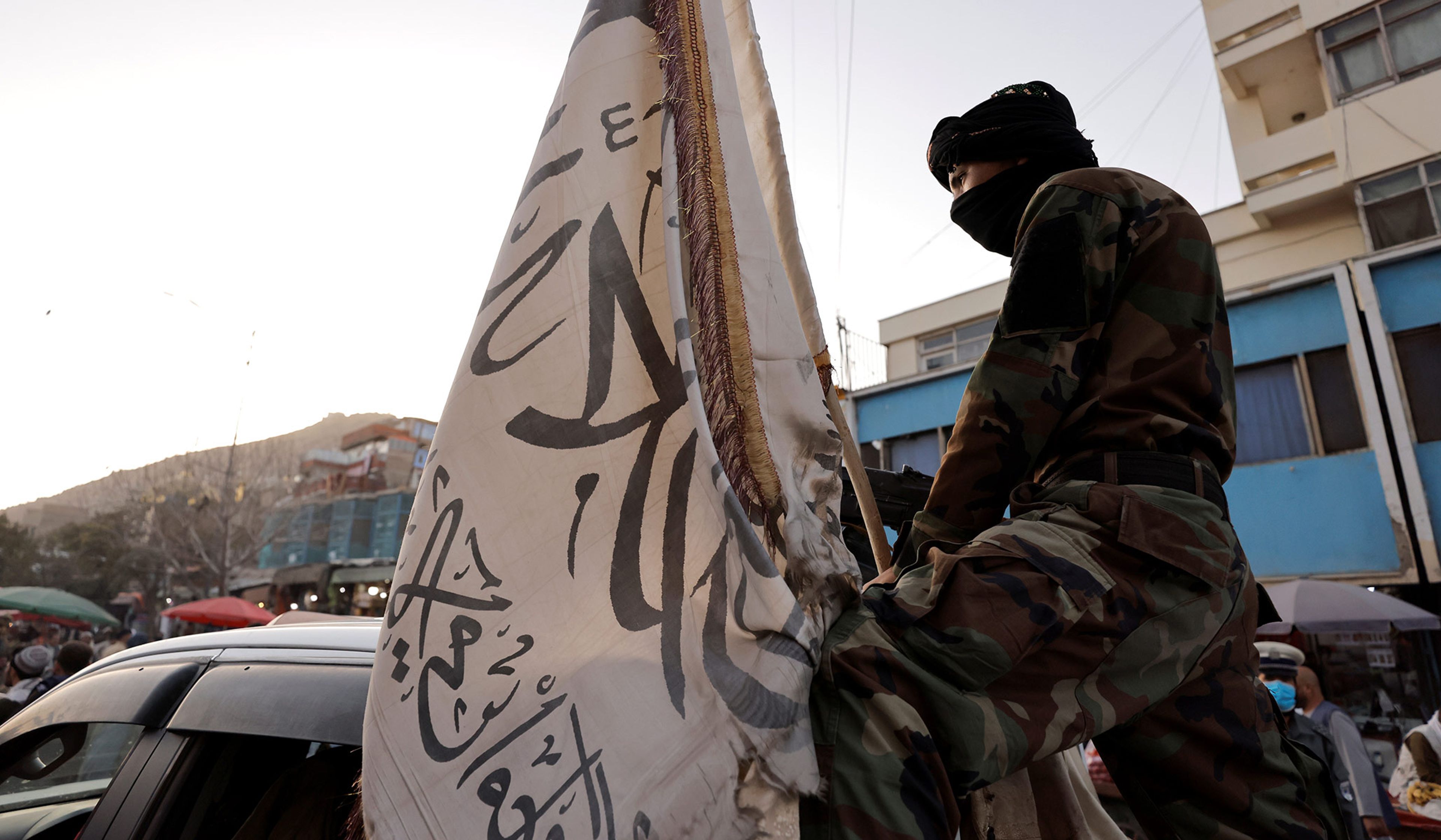








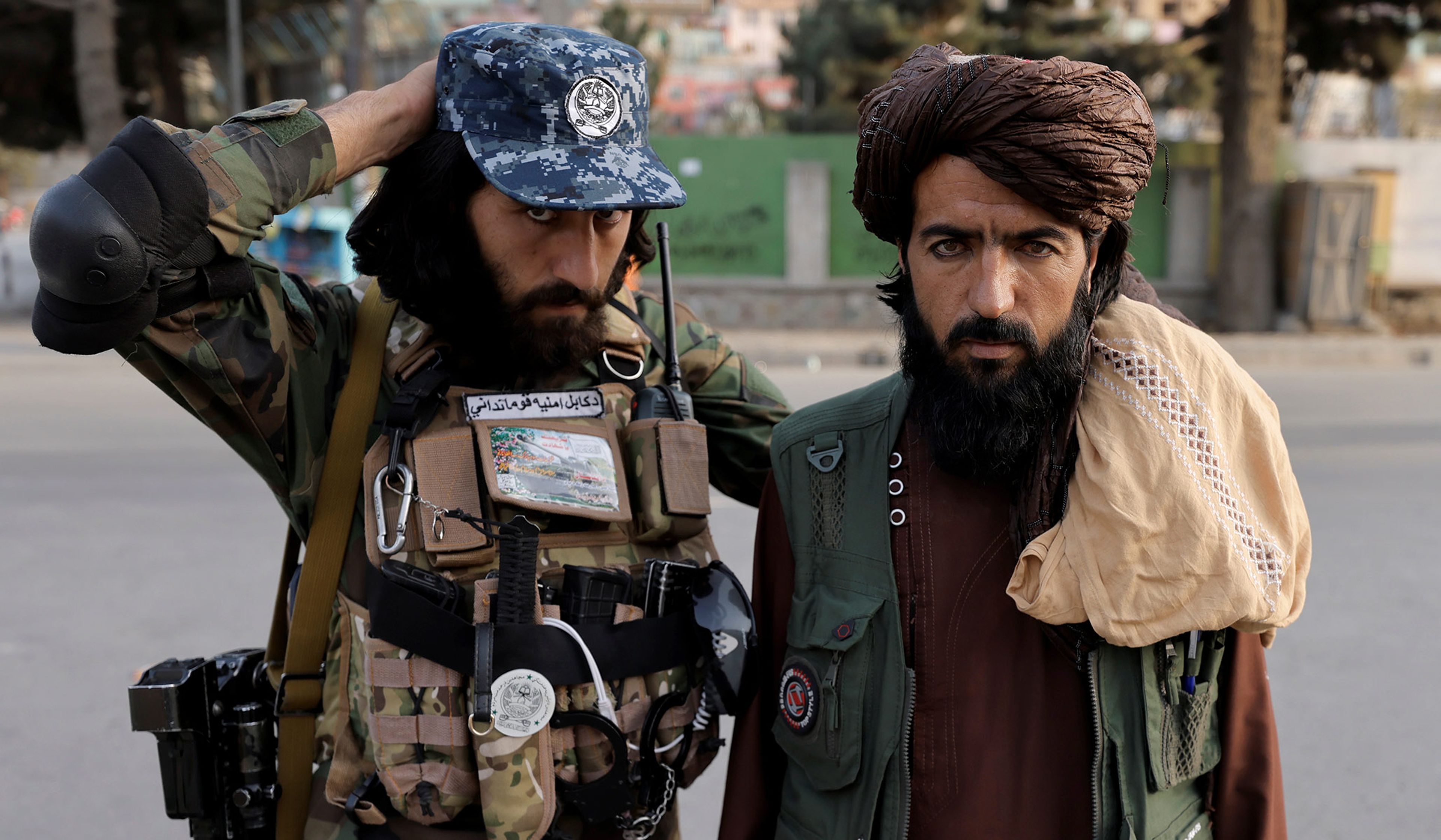



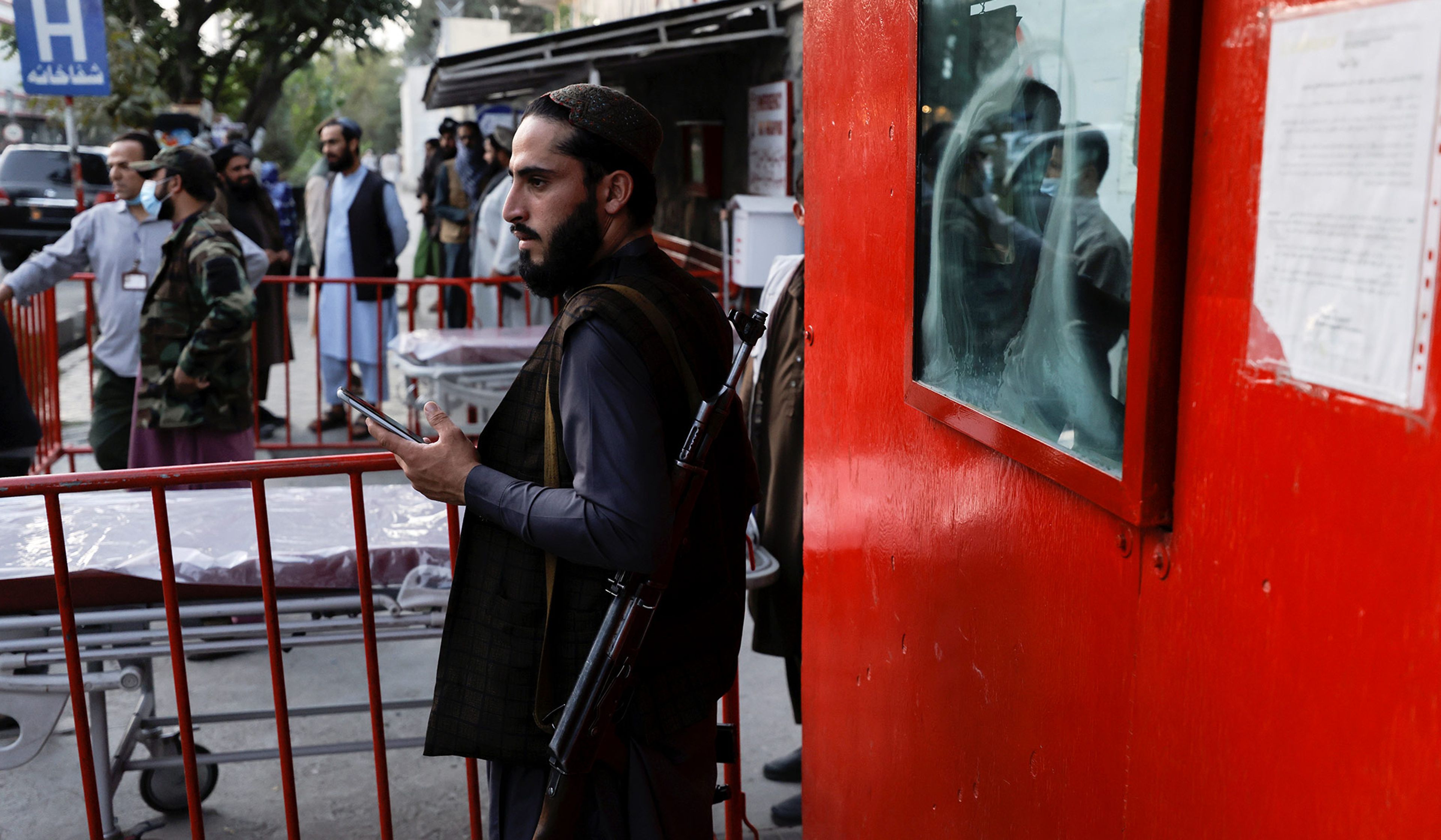
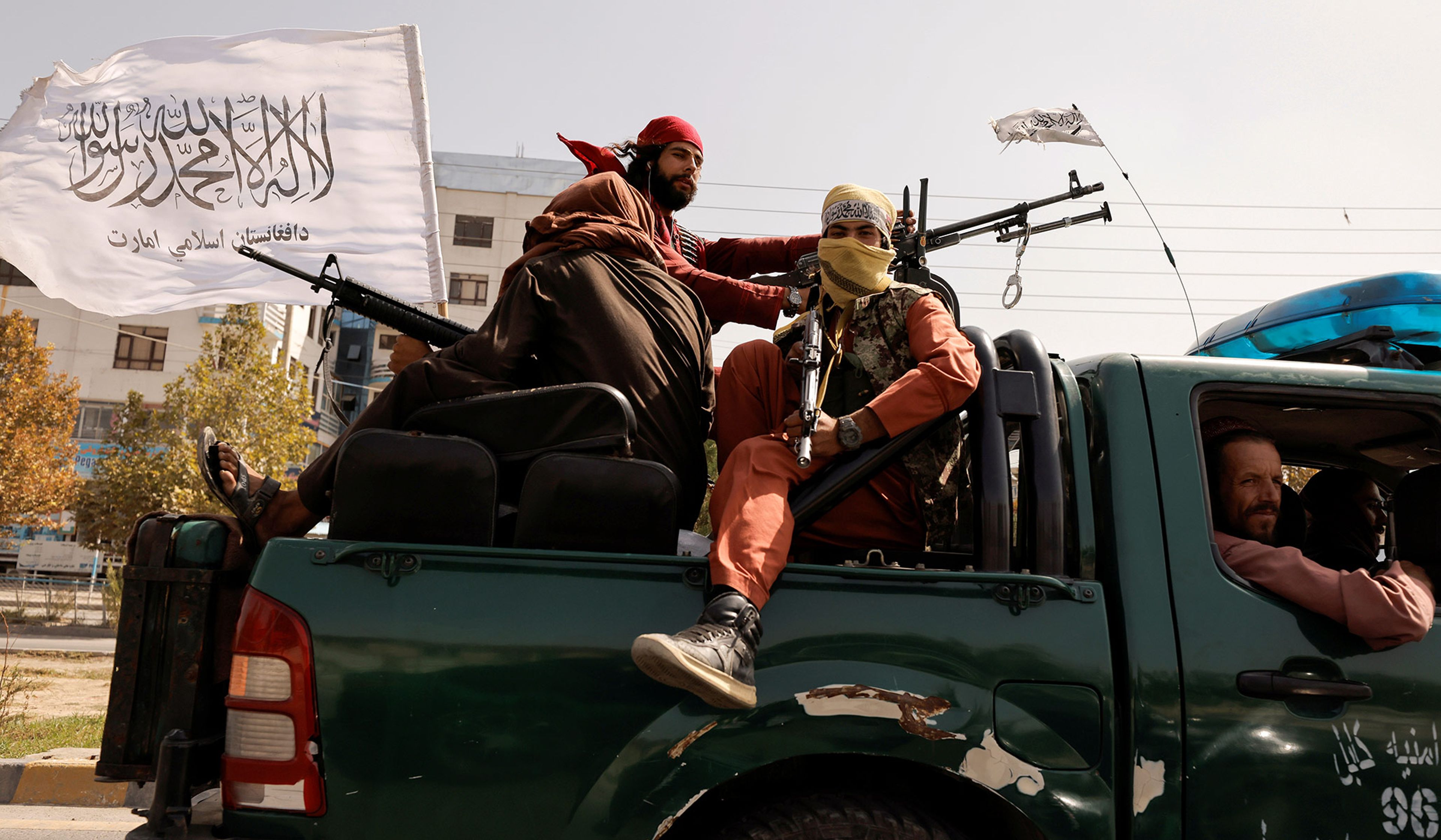





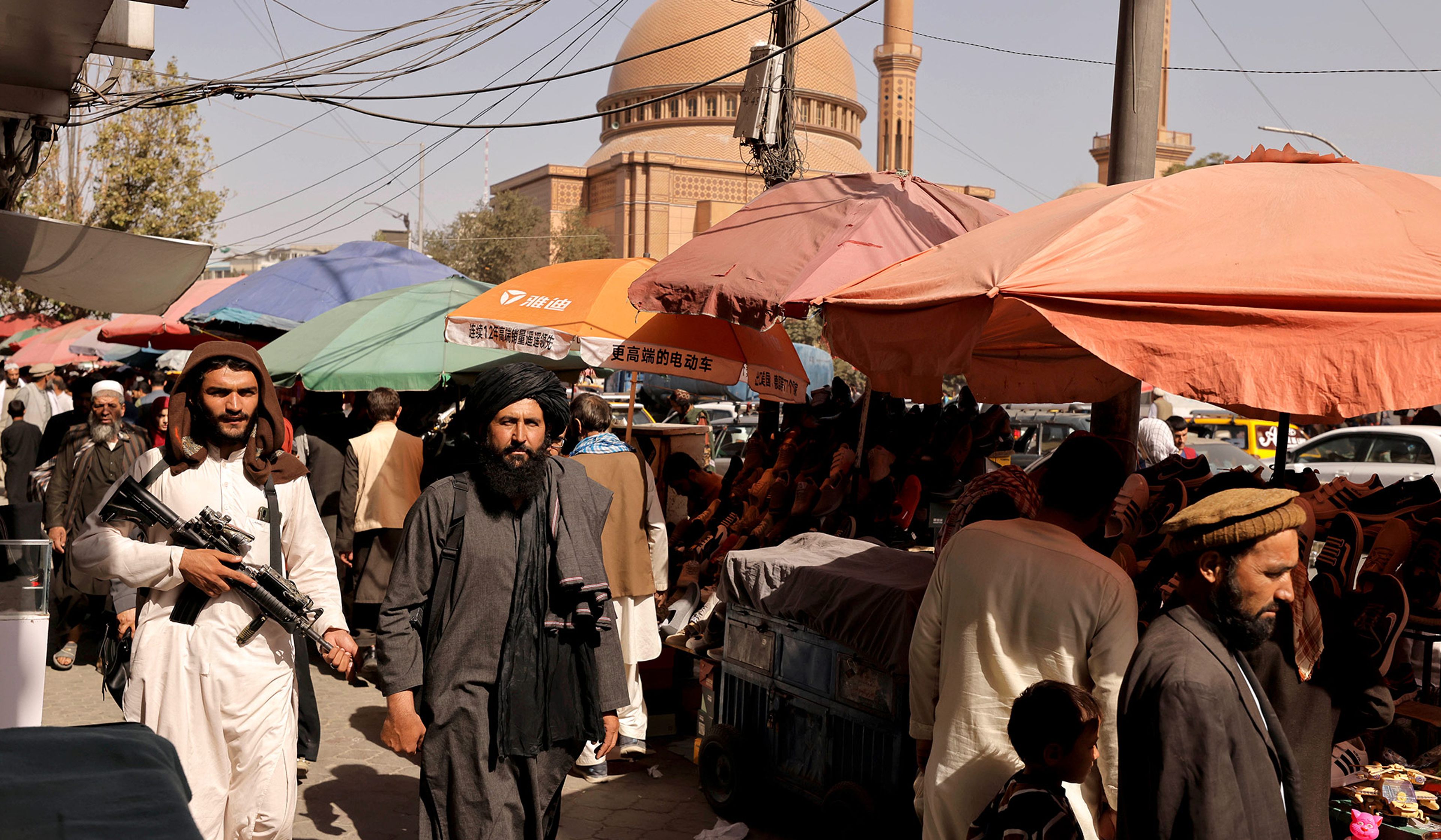
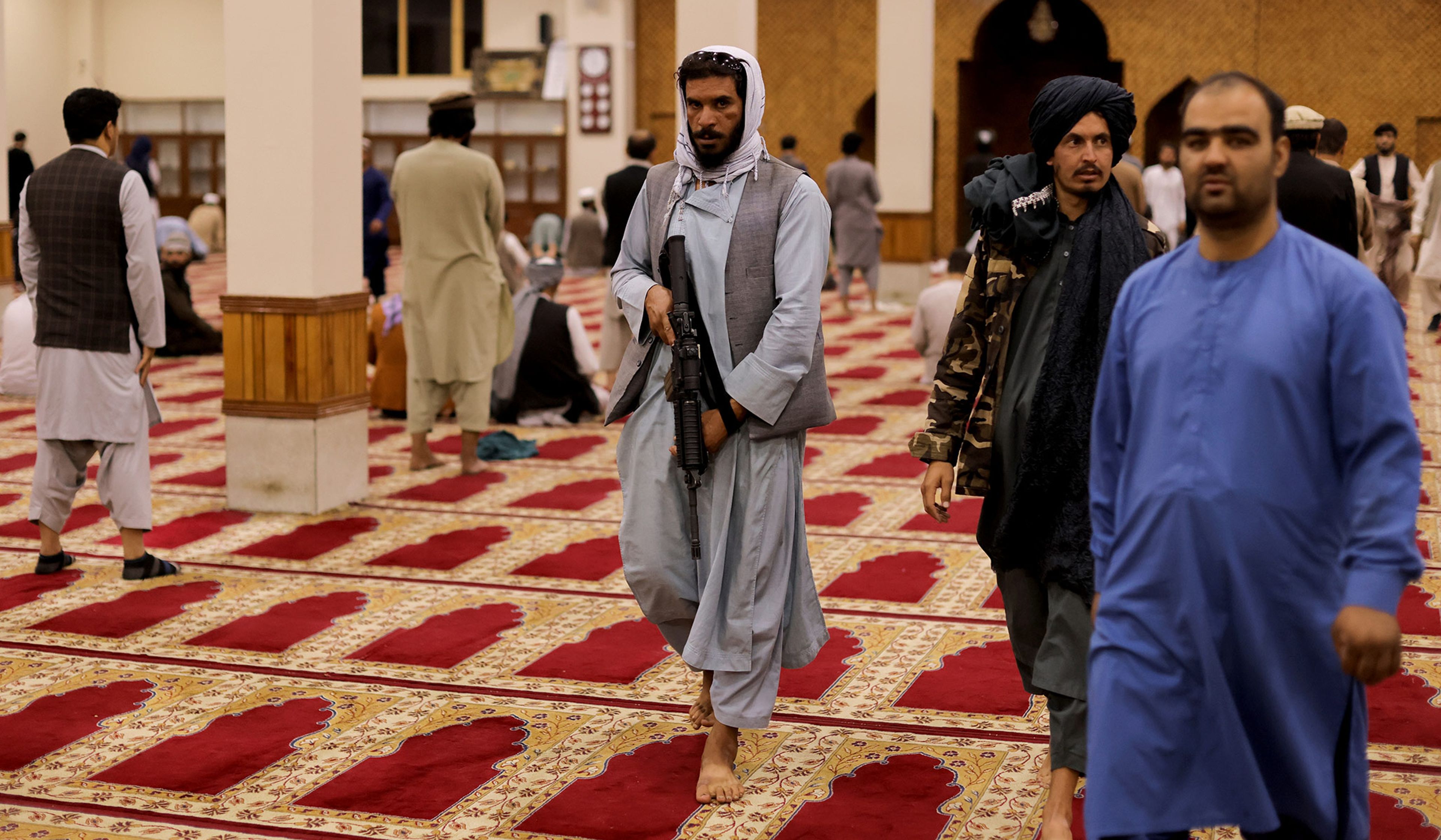





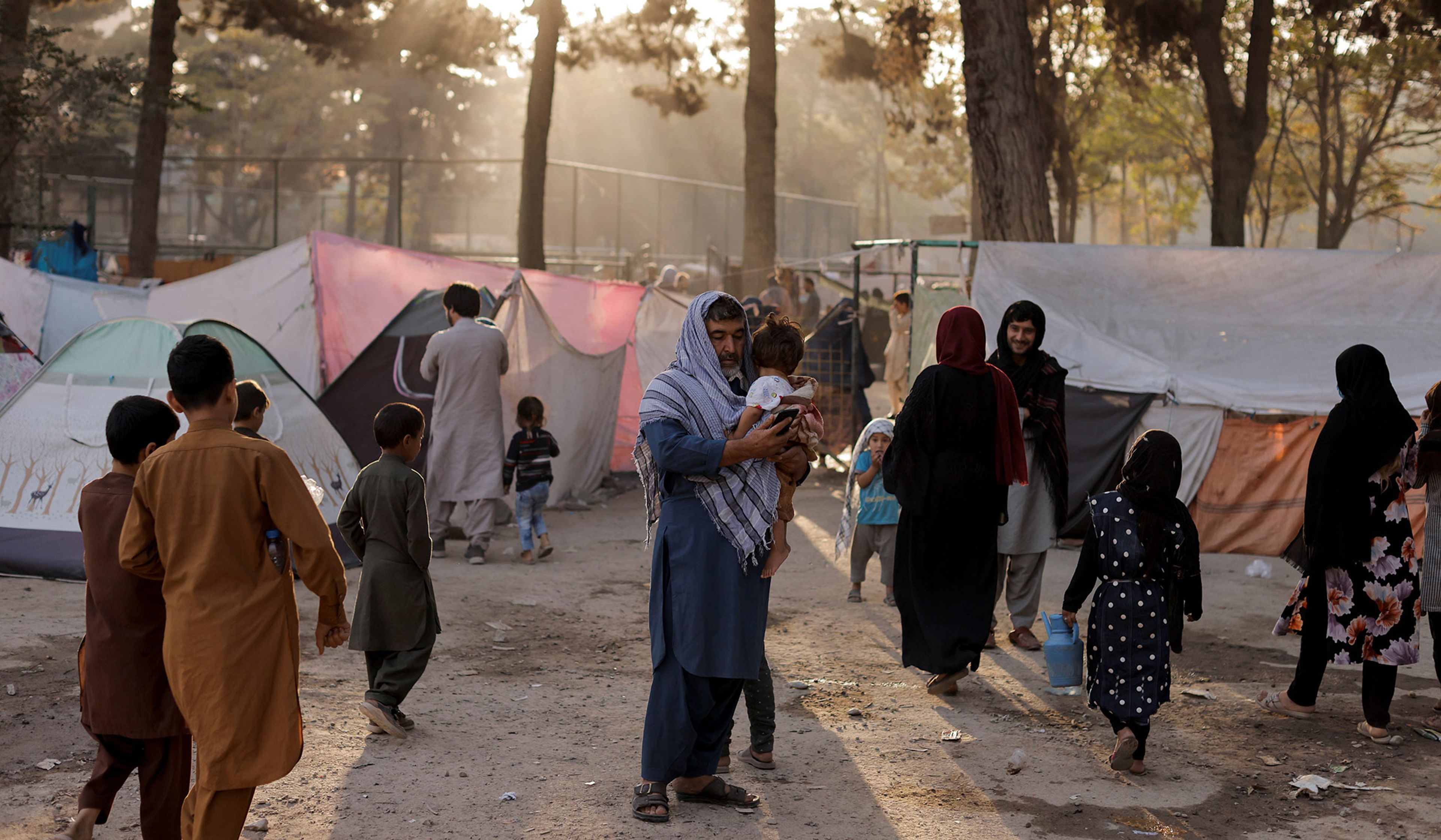


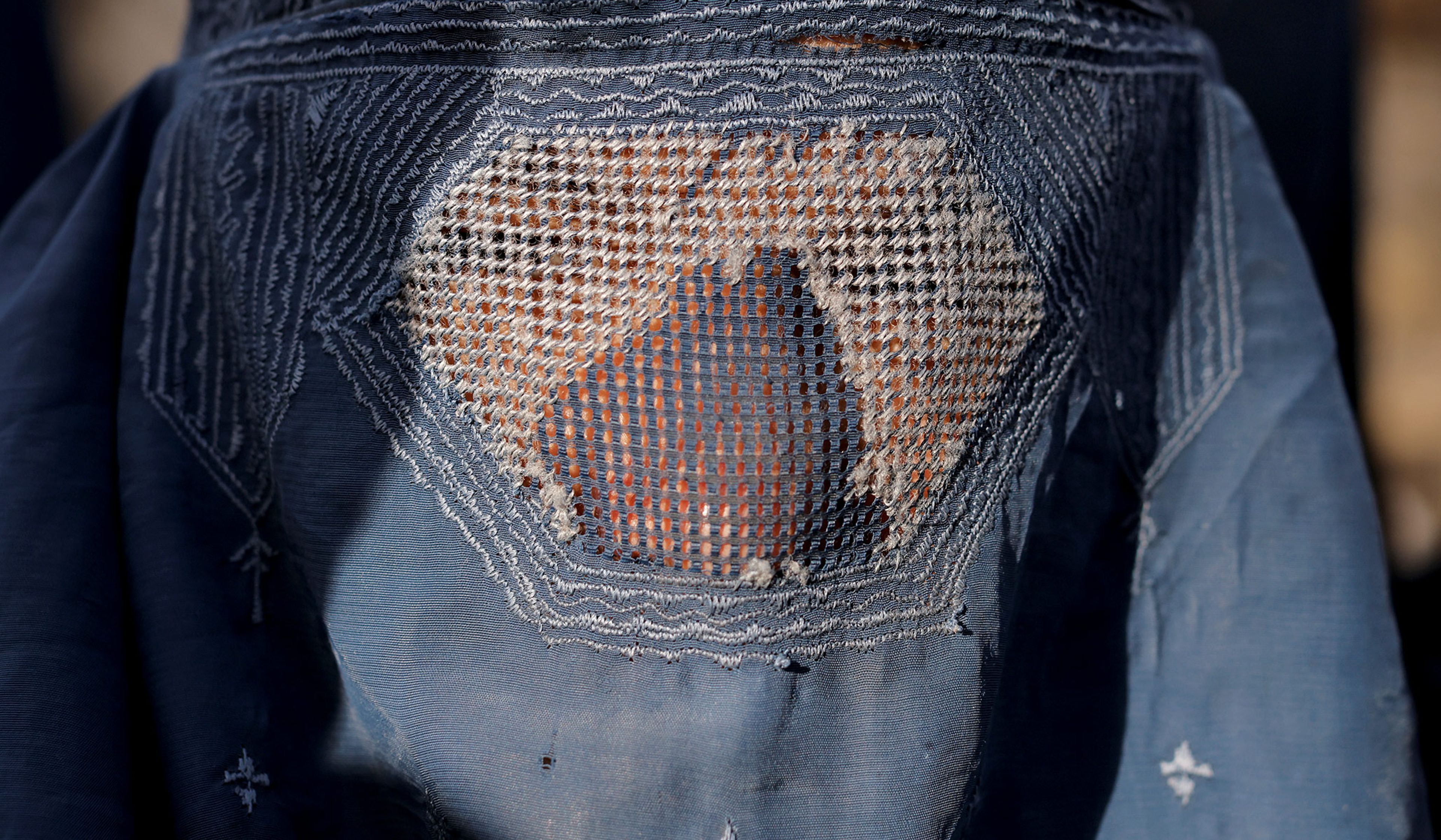

A member of the Taliban stands guard on a street in Kabul, Afghanistan, October 3, 2021.
Jorge Silva/Reuters
• On the third day of Christmas, India’s home ministry announced that it will not renew the license that has enabled the Missionaries of Charity, the religious order founded by Mother Teresa in 1950, to receive donations from abroad. The decision stands to cripple the organization’s humanitarian service to “the poorest of the poor,” says an official of the Archdiocese of Calcutta, the home base of the mission since its beginning. The decision also coincides with a spate of church vandalism and attacks on Christian schools and worshipers as well as on Muslims, another religious minority in a nation that is a constitutional secular republic but that many Indians seek to make over into a Hindu confessional state. They have been emboldened by the Hindu nationalism espoused by Prime Minister Narendra Modi and his ruling Bharatiya Janata Party. The Missionaries of Charity are appealing the revocation of their license. Against the upsurge of religious violence, they can only set an example, continuing their good works while redoubling their prayer.
• On December 31, Germany switched off three of its last six nuclear-power stations. The result will increase the country’s already alarming reliance on Russian gas and may even end up increasing Germany’s carbon emissions. That these power stations were disconnected from the grid in the middle of a European energy crunch completed a miserable trifecta.
• François Fillon, a Reuters report tells us, “has joined the board of Russia’s largest petrochemical producer.” Fillon was prime minister of France in the time of President Sarkozy. The report adds that “large Russian corporations frequently employ former high-ranking European politicians to utilize their ties and influence.” They do indeed. There are many ways for ex-pols to cash in. They do not need to hop into bed with dictatorships and mafia states.
• “Information for your peace of mind.” “Total confidence in every result.” That’s some of the marketing for prenatal tests that are wrong most of the time in detecting rare disorders. The New York Times reports that for every 15 times the tests find a genuine problem, they are wrong 85 times. “These tests initially looked for Down syndrome and worked very well. But as manufacturers tried to outsell each other, they began offering additional screenings for increasingly rare conditions,” the Times says. It doesn’t note how many abortions happened on account of these tests, although it does discuss the agonizing “termination” decision put before women. When you try to decide which lives deserve to continue, you embrace a culture of death.
• Is J. K. Rowling being faded out? The Harry Potter author is mysteriously absent from HBO Max’s 20th-anniversary reunion. She is barely acknowledged in the recent Fantastic Beasts trailer, her name appearing only in minuscule lettering after having been prominently acknowledged in the series’ previous movie trailers. A statement from the president of Quidditch U.K. — a group devoted to a game that is inspired by Rowling’s fiction and involves adults running around on broomsticks — explains: “We cannot continue to call ourselves quidditch and be associated with JK Rowling while she continues to make damaging and hateful comments against the many transgender athletes, staff and volunteers who call this sporting community home.” None of Rowling’s comments have been hateful. Her real sin is to acknowledge that in this nonmagical world, biological sex exists.
• Harvard has joined a host of other universities in extending the “test optional” admissions policy adopted during the pandemic, citing continued Covid-related barriers to testing. Unlike the University of California system, Harvard stopped short of phasing out the SAT entirely, but the extension of test-optional admissions through 2026 all but guarantees that hard academic measures will take a backseat to the subjective factors that favor those from wealthy, educated households. The decision comes at a time when Harvard is under scrutiny for alleged discrimination against Asian-American applicants, who score higher than other demographic groups but appear to be held to a higher standard on “soft” admissions criteria. Absent standardized tests, holding universities accountable for discrimination will be nearly impossible. Which may be the point.
• The views of celebrities, especially young ones, are seldom surprising. But many were taken aback when Billie Eilish, the 19-year-old pop-singer megastar, told an interviewer that pornography “is a disgrace” and that her exposure to porn at a young age had “destroyed” her brain, causing her nightmares and emotional harm. The Grammy Award winner also said that watching porn from age eleven distorted her view of relationships and encouraged her to make poor sexual choices in which she did “not say no to things that were not good.” Journalists have begun to notice that progressive Gen Z women are trending away from so-called sex positivity. One 23-year-old woman interviewed by BuzzFeed explained that “it feels like we were tricked into exploiting ourselves.” Michelle Goldberg at the New York Times thinks they might be onto something, writing, “Perhaps now that the old taboos have fallen, we need new ones.” Could this be the dawn of a sexual counterrevolution?
• By consensus, Steph Curry is the greatest shooter in basketball history. This Golden State Warrior has now set a record: most three-point shots made. (We would give the number, but it increases virtually every day.) Thirty-three years old and in very good shape, Curry presumably has several fruitful seasons ahead of him. Some say that his new record will never be broken. One should be careful about saying “never” in sports, as in other areas of life — but Curry does seem a unique talent.
• At an estate sale in Concord, Mass., in 2016, a man paid $30 for a small drawing of the Virgin and Child. He took it home and left it unframed. The sellers had assumed that it was a 20th-century reproduction of a sketch by Albrecht Dürer. An art dealer who was told about it dismissed the possibility that it was an original but agreed to visit the new owner and take a look. Surprise: “It was either the greatest forgery I have ever seen,” he told The Art Newspaper, “or a masterpiece.” He paid the man a $100,000 advance, with the intention of finding a buyer. First he sent it to experts for authentication. One of them thinks that the artist was Hans Baldung, an apprentice to Dürer. The rest concur that the artist was the master himself. The date of composition is estimated to be 1503. Agnews Gallery in London plans to sell the piece for “an eight-figure sum.” The Massachusetts man, who wishes to remain anonymous, will share in the proceeds. Be patient if the world fails to recognize your value. Give it at least 500 years.
• Desmond Tutu was a South African Anglican clergyman who became, successively, bishop of Johannesburg and archbishop of Cape Town. His collar, and his mitre, gave him necessary protection in his role as a campaigner against the apartheid regime of his homeland. His courage, his energy, and the outside world’s approval of his cause gave him global stature (he won the Nobel Peace Prize in 1984). He had his blind spots: He dismissed Ronald Reagan as a racist “pure and simple,” and he accused Israel of being an apartheid state. But he saw the biggest issues of his life clearly: He opposed the real apartheid state, he labored to change it peacefully, and he sought, in his service on the Truth and Reconciliation Commission, to tell the story of apartheid-era violence without indiscriminate reprisals. He was also not afraid to criticize black leaders, at home and abroad, when they behaved unjustly. Dead at 90. R.I.P.
• Harry Reid came from a background of Dickensian squalor in Searchlight, Nev. His father was a depressed, brutal miner; his mother did the laundry for local brothels. The family lived in a cold-water shack with an outhouse and no telephone. A politically ambitious high-school teacher introduced Reid to both ambition and politics. He won some and lost some, before winning the Senate seat he would hold for 30 years. For twelve of those years he led the Democratic Senate caucus. One of his most notable acts was bad for his party: nuking the filibuster for executive and judicial nominations, except those for the Supreme Court. When the GOP regained the majority, they nuked it for the Court, whence three Trump-appointed justices. His other notable act was a disaster for democratic norms. In 2012 he accused Mitt Romney of not paying taxes for ten years; when asked about this lie in 2015, he said, “Romney didn’t win, did he?” Romney lost; so did honesty, big-time. Dead at 82, R.I.P.
• In the aftermath of the disastrous 1980 mission to rescue 53 American hostages in Iran, Navy Commander Richard “Dick” Marcinko was tasked with creating a specialized counter-terror and hostage-rescue team. A decorated Vietnam veteran, he founded what came to be known as “SEAL Team 6.” (Legend holds that Marcinko designated the team “6” in an attempt to deceive the Soviets about the true number of elite SEAL teams.) Over the next 40 years, Marcinko’s creation achieved mythic status — but the man himself, fairly or unfairly, gained a reputation for recklessness, self-promotion, and rule-breaking. In the late ’80s, Marcinko was tried and convicted for contract fraud. He always maintained his innocence, arguing that the charges stemmed from senior Navy officials’ embarrassment: Marcinko’s “Red Cell” unit had repeatedly demonstrated lapses in military-security measures, even infiltrating a nuclear submarine and Air Force One. In 1992, after his release from prison, Marcinko published the best-selling memoir Rogue Warrior. He died, 81, at his home in Virginia. R.I.P.
• Jonathan Spence was a great China scholar, the author of The Search for Modern China and many other books. Born in England, he taught at Yale, where he was a Sterling Professor. He was an authority on the Qing Dynasty, but he also knew a lot about the Communists, and boldly told the truth about that ongoing disaster. Spence died on Christmas Day at 85. R.I.P.
• Like his hero Darwin, the Harvard biologist E. O. Wilson had literary gifts to match his scientific ones, winning two Pulitzer Prizes for nonfiction. Like Darwin, he was at heart a naturalist: instinctively drawn to fieldwork more than the laboratory; a world expert on insects and, especially, ants. In his early work with colleagues, he developed equations to predict the amount of biodiversity in island ecosystems (it varied with the island’s size and its distance from the mainland). Later, he brought his naturalist’s eye — the one he could use, having blinded the other in a fishing accident during his hardscrabble Alabama childhood — to the newer fields of molecular biology and genetics, attempting to explain the social behaviors of human and non-human animals. The result was a new subdiscipline, sociobiology. Critics within and without the academy oversimplified what he had written into biological determinism, and this made him, again like Darwin, an object of bitter popular and scientific attacks. That genes influence individual and social behavior is now beyond doubt, though it is possible to overstate the case and — as the alt-right tends to do — invoke it to justify the kinds of invidious bias that Wilson always opposed. In his retirement, Wilson became a champion of conserving endangered species, something we should care about even if we do not, like him, favor leaving half the Earth wild. Dead at 92. R.I.P.
• The title of Joan Didion’s late-life anthology was “We Tell Ourselves Stories in Order to Live.” The story she told — after outgrowing the venturesome-pioneer story that she grew up with in a family that came to California before the gold rush — was one of anomie in a world of decadence. The pioneers arrived, and it was dark; they brought the darkness with them. As she repeated this story, in fiction, essays, and journalism, it became hard to separate her subjects from Didion herself as the bearer of the distress she catalogued. Whatever future readers make of her body of work, she created a voice — astringent, razor-sharp — that was unmistakable. Next to her, other clear stylists — Philip Roth, Andrea Dworkin — sounded positively verbose. NR takes a modest bow as one of the magazines that gave young Didion her start. Dead at 87, R.I.P.
A Disgrace Remembered, and Exploited
On January 6, 2021, Mike Pence presided over a constitutionally mandated joint session of Congress to count electoral votes. The Trump-Pence campaign disputed the 2020 results in election contests and in court, but by January 6, the legal options were exhausted. Each state government submitted only a single slate of electors.
Under our Constitution and laws, nothing remained but to count the votes. Instead, an angry mob descended upon the Capitol to prevent that from happening. This will, and should, be remembered as a stain on our history.
There is no defense for what the mob did that day. None. The people have a right to form loud, angry crowds to petition and protest their government. They need not be pleasant or polite about it. The “Stop the Steal” protesters who listened to the speeches and went home were exercising their rights as citizens.
But ours is a government of laws, not of men. A rule-of-law system has no place for physical intimidation or mobs obstructing the peaceful, constitutional transfer of power. The Founding Fathers feared few things more than mob rule. They created a federal district to avoid a repeat of the 1783 riot around the Continental Congress in Philadelphia.
There is also no defense of what Donald Trump did to summon the crowd, pretend to it that there remained any option but counting Biden’s electoral victory, and urge the assemblage to march on the Capitol because “if we allow this group of people to illegally take over our country, . . . you’re not going to have a country anymore.” Trump’s recklessness disgraced the office of the presidency.
There is no defense of Trump’s pressuring Pence to take unilateral, unlawful action against counting electoral votes and then telling the crowd that Pence might do so, knowing full well that they would discover when they reached the Capitol that Pence would not. Some of them, entering the Capitol, chanted, “Hang Mike Pence.” It was Trump who led them to believe that his own vice president was allowing their country to be stolen.
There is, for that matter, no defense of Trump’s prolonging the election contest far beyond the point of plausibility, spreading blatant lies about the election, and pressuring state legislators and governors to usurp their states’ popular votes and certify electors not chosen by the people.
What happened at the Capitol that day is best understood as a riot that was particularly dangerous because of its setting and context. It was not a peaceful protest, or a cartoonish costume party with a little bit of trespassing. The Secret Service had to rush Pence to safety. Members of Congress emptied the chamber and fled for cover. The vote-counting process was interrupted for five and a half hours. The Capitol was wreathed in smoke. This is the stuff of a banana republic.
Past Democratic misconduct helped to set the stage for January 6 but does not in any way exonerate Trump or the rioters. For two decades, prominent Democrats have attacked the legitimacy of American elections. It would have been wrong for Trump to emulate this behavior; but he went well beyond what even the most reckless Democrat has done in contesting an election. Left-wing mobs have conducted their own mischief against the processes of government, for example overwhelming the Wisconsin state capitol in 2011 to protest Scott Walker’s union-dues bill. But such mob actions did not involve a similar level of violence or target the peaceful transfer of the highest office in the land. In the summer of 2020, riots convulsed many American cities, with courthouses and businesses burned and police assaulted. Democratic politicians pandered shamefully to the rioters and in many cases went easy on prosecuting them. But again, two wrongs do not make a right.
The January 6 anniversary calls for serious reflection on how it happened and why it failed. Unfortunately, Democratic politicians and their media allies prefer hysteria, hyperbole, and crass opportunism.
Congressional Democrats have broadcast that they intend to use the anniversary to press for abolishing the filibuster to pass a federal takeover of voting and elections. This is cynical politics.
The New York Times editorializes that “Every Day Is Jan. 6 Now,” and one of its columnists argues that Democrats should “Wave the ‘Bloody Shirt’ of Jan. 6” as Republicans did against Democrats after the Civil War — as if this compares with a war in which 3 million Americans served and 750,000 died. Other opportunists (including Joe Biden) call the riot the “worst attack on our democracy since the Civil War” or say it is comparable to the terrorist attacks of September 11, 2001.
This is a loss of perspective. In 1915, a former Harvard professor set off a bomb at the Capitol. In 1954, five congressmen were shot by Puerto Rican nationalists in the House chamber. In the early 1970s, the left-wing Weather Underground bombed the Capitol, the Pentagon, and the State Department. In 1983–84, the Communist group M19 bombed the Capitol, an FBI office, Fort McNair, and the Navy Yard in D.C. In 2001, 3,000 people died on 9/11, and a wing of the Pentagon was destroyed. In 2018, a gun-toting Bernie Sanders supporter attempted to massacre Republican congressmen at a baseball practice, gravely wounding Steve Scalise, the Republican House whip.
America has the world’s oldest constitutional democracy. Our system has outlasted many others because we distribute power that in other nations is centralized and bounded by rule-of-law norms. Power to overturn the vote counts did not lie in one man or one city; it was spread out among state legislatures, governor’s mansions, state and local elections officers, the vice presidency, Congress, and the courts, beyond the reach of a single Parisian-style mob. Over and over, Republicans in those positions turned away Trump’s pressure — but the burden never lay on a single pair of shoulders.
Many of the January 6 cynics want to respond by enacting centralizing changes to the American system. But in January 2022, as in January 2021, we should mistrust anyone who says we won’t have a country if we let the system work as it always has. America works, and its system should not be burned down in the name of saving it.
Build Back, Busted
Build Back Better, instead of being the signature achievement of President Biden’s first year in office, seems bound for the political junkyard. The Biden White House and congressional Democrats assembled a Rooseveltian package of progressive spending programs and tax increases, without the earthquake-proof congressional majorities FDR enjoyed in his first term and a half. Making this wish list a law was like hoisting a grand piano through a second-story window with twine.
The near-fatal blow was delivered by Joe Manchin. The moderate Democrat represents West Virginia, a state Donald Trump carried by 39 percentage points. The Congressional Budget Office scored Biden’s monster package at more than twice its ostensible price tag — $4.6 trillion over ten years if its programs are made permanent, as its advocates wish. Ten years of new child tax credits alone will cost $1.6 trillion. “I cannot vote to move forward on this mammoth piece of legislation,” Manchin announced last month.
In response, press secretary Jen Psaki accused Manchin of negotiating with the White House in bad faith, while Representative Jamaal Bowman (D., N.Y.) branded him as a white millionaire, insensitive to blacks, Latinos, immigrants, women, and the poor. Love talk like that is ill calculated to bring Manchin around.
Conservatives from time out of mind have criticized Democrats for being mathematically challenged. They have to learn how to count votes in Congress, too.












Comments