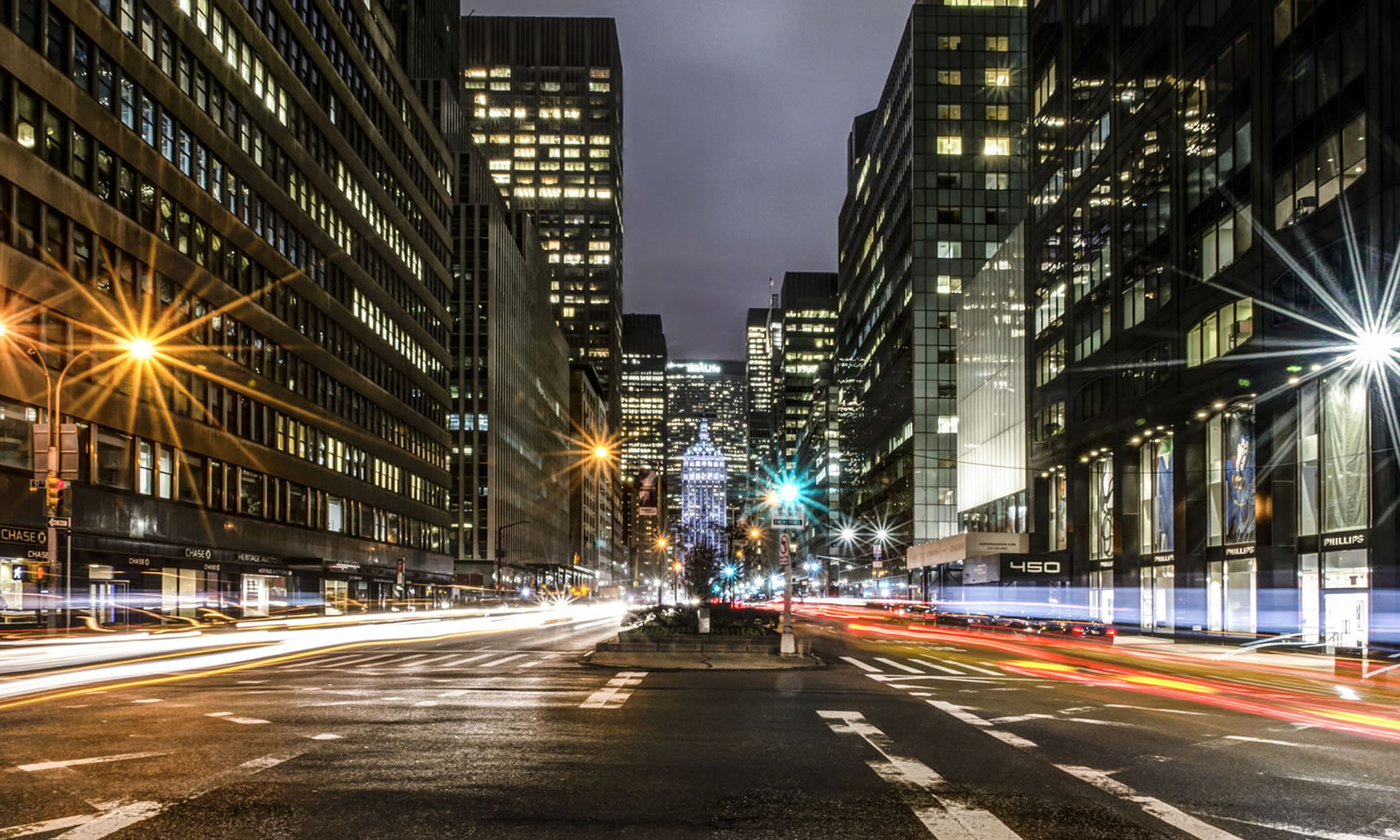
Iwant to wake up in the city that never sleeps . . .
So the old hep cat sang, with the studio orchestra behind him swinging like dancing elephants, in an arrangement so retro it sounded almost new wave when it was released. And even though it was so hep/corny, we all agreed, because we all knew it was true.
. . . the city that never sleeps . . .
What did I know about it? For years the Coke Factory was three blocks from my apartment, and I never went to it, assuming I could have got past the velvet rope. And the Polish VFW-hall-turned-rock-palace, whose lines to get in snake down the block and halfway down the next, is only two blocks from my apartment, and I’ve never been to that either. I did frequent the Turkish after-hours belly-dance club, where all the girls were “direct from Ankara,” meaning direct from the No. 7 train, though the club closed decades ago. But still I knew about the late-night city because you always heard it.
. . . the city that never sleeps . . .
There were distinguishable sounds — traffic on the avenue 14 stories below my window; firetrucks, ambulances; the occasional boom box; the occasional reveler or madman. Behind them, like a textured backcloth, was a hum. Record producers speak of the wall of sound; this was the foundation of sound, the pilings of sound, suggestive of always toiling machinery and the night-shift men who keep it running. You need light from one of your light bulbs? You need water from your tap? Cold in your refrigerator? Heat from your radiator? Will you need these things, and dozens more, tomorrow? We will produce them for you.
. . . the city that never sleeps . . .
Then the virus came and we moved to the country. We were there without interruption for maybe two seasons, but who could tell, since we lost track of time. The country, unlike the city, sleeps. As it happens, our country is the very region where the old Dutch layabout drank the mysterious draft and slept for 20 years. His story was well set. The nights are hum-less. People and businesses, gas stations excepted, close early. If you are making a late takeout pickup at the Chinese restaurant, Asians always working longer than their neighbors, at 9 p.m., the drive home feels like three in the morning. A nighttime siren — they are heard occasionally — is like a catastrophe: What in the world? Even dogs hardly bark after dark (and if they do, you wonder, who’s prowling?).
Not that nights in the country are silent. This time of year is the noisiest. The spring frogs and toads are mating. The former make discrete, high-pitched peeps, the latter trill. When numbers of them sound at once, which they always do, since a spot that is attractive to one is equally attractive to all his acquaintance, the sound is positively Caribbean. Peter Kalm, an 18th-century Swedish traveler and scientist, described insects in the local trees so loud at night that you could not hear yourself talk; he was probably hearing amphibians. They will fall silent once reproduction is accomplished; bass and baritone croakers will take their place, individually louder but much less numerous. When summer succeeds spring, insects will fill the night — first the high silvery singers, then the back-to-school bugs (but let’s get the kids in school first, before we even think about them). In all seasons, there are barred owls, and their repertoire: single hoots; who-cooks-for-you? who-cooks-for-you-all?; demoniac cackling. I have noticed lately a preliminary sharp descending shriek: throat-clearing? Or dinner? And I have heard, though not lately, coyotes, the awfullest, lonesomest sound, equal parts threatening and forsaken. My nearest neighbor saw six pairs of eyes when he was out walking his dog; their owners were silent then, for they were stalking his neighbor’s chickens. And now that the leaves are out, there is the sound of the wind rustling them, hardly there on a calm night, gentle in a breeze, desperate in a storm.
Country nights make noises, but we sleep through them, because we don’t make them; they are other creatures’ business. If we lived on a volcano, or in a hurricane-evacuation zone, where nature can become everybody’s business, we would rest less easily. As it is, we listen in the dark only to imagine, or to lull ourselves back to rest.
The first few times I came back to the city, it was stricken, pathetic. The multi-laned avenue emptied out an hour after dark. The interior of my apartment building mimicked the stillness outside: no parties on my floor, or any floor; no stereos below the rug or above the ceiling; no deliverymen coming up the service elevator. The city that never sleeps was like an ensorcelled king, awaiting his return.
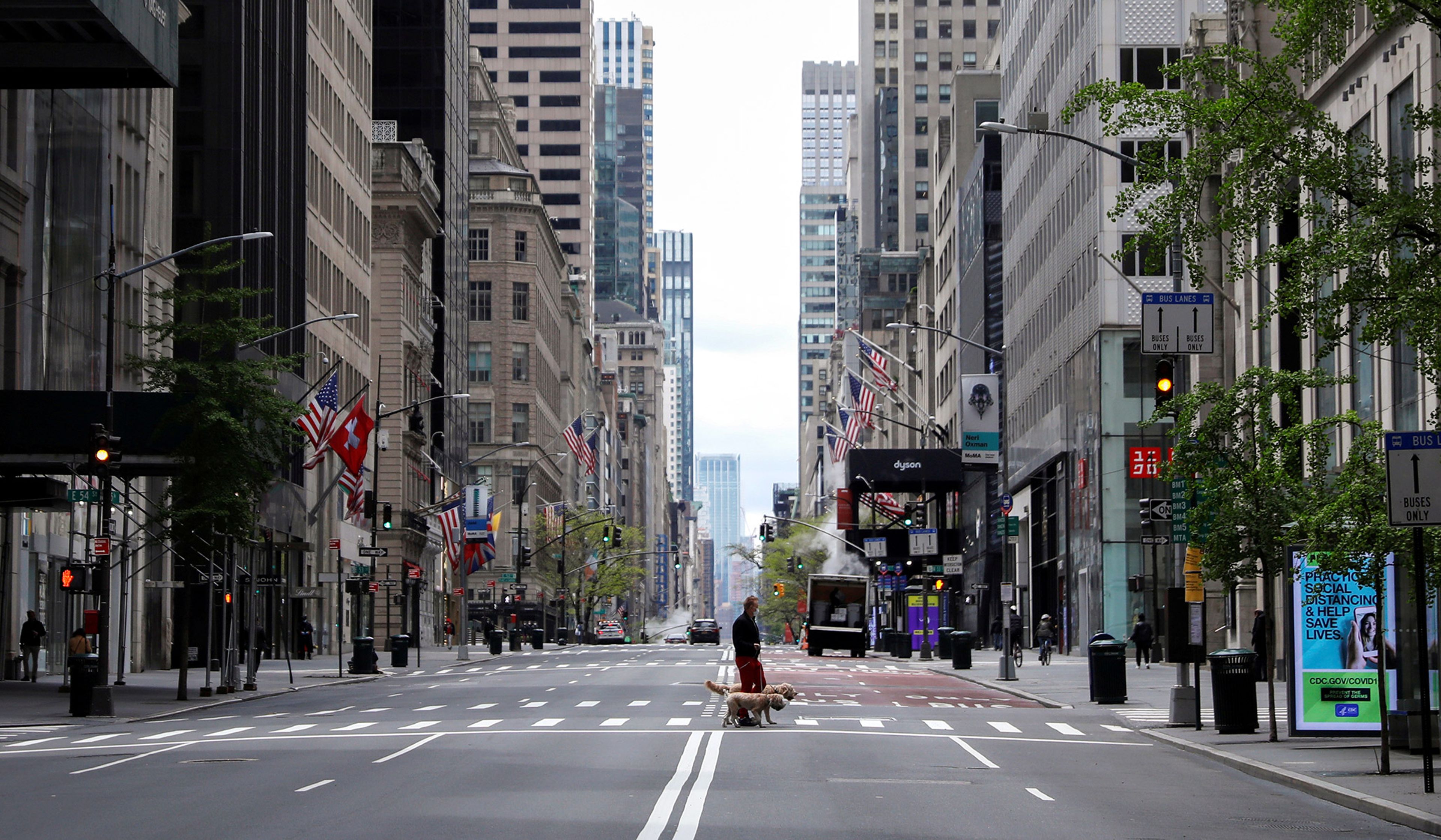
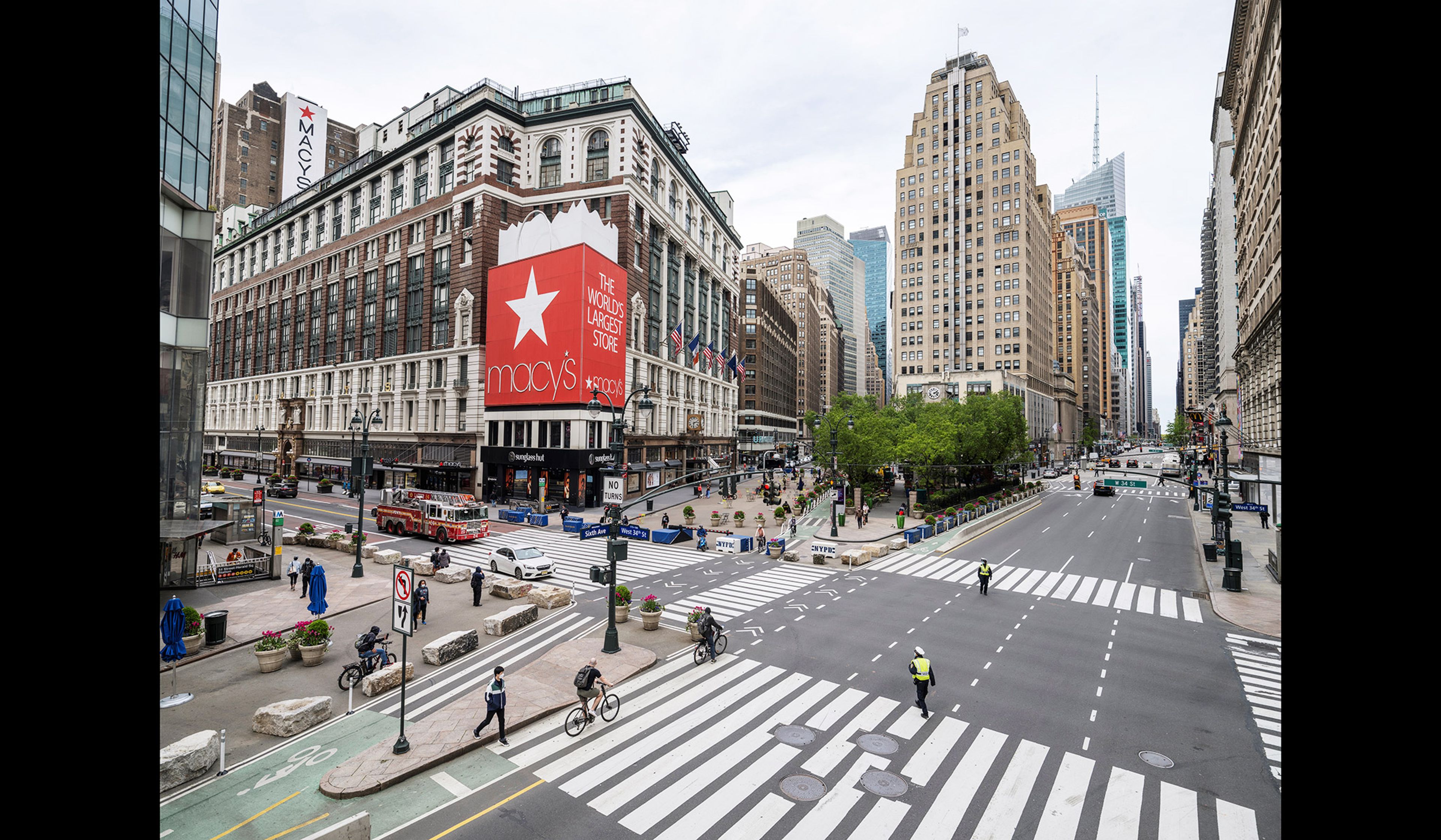
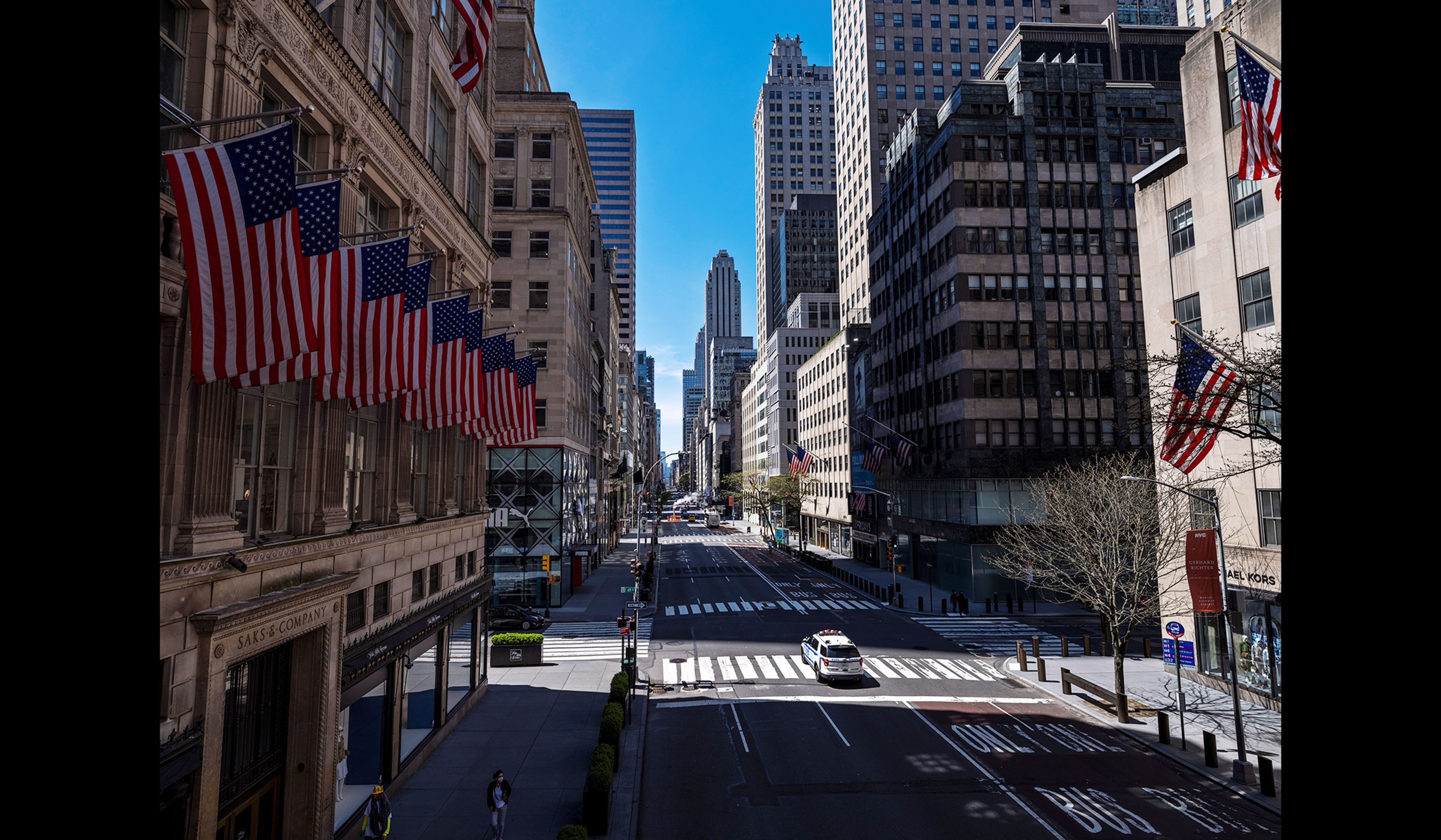
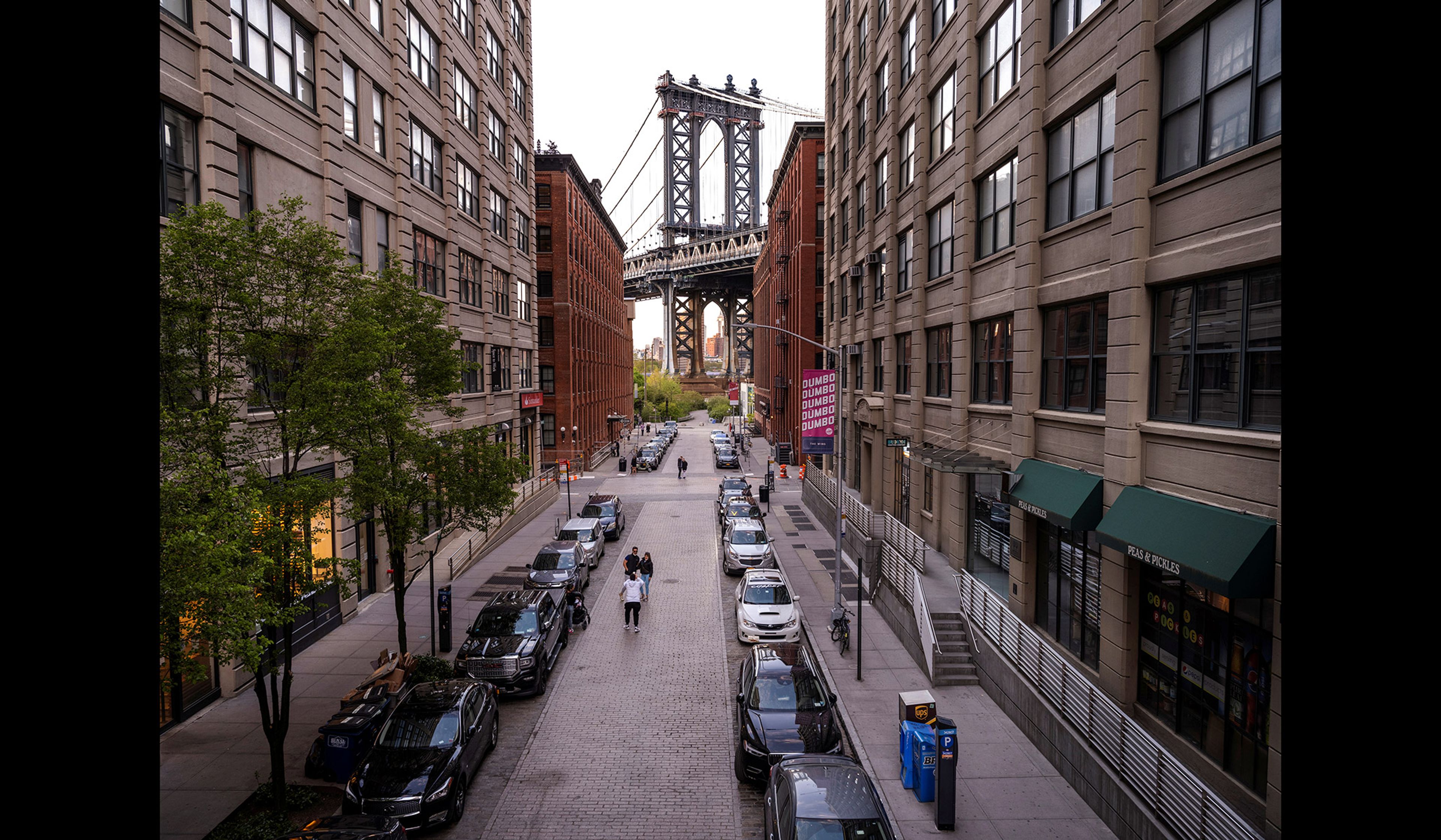
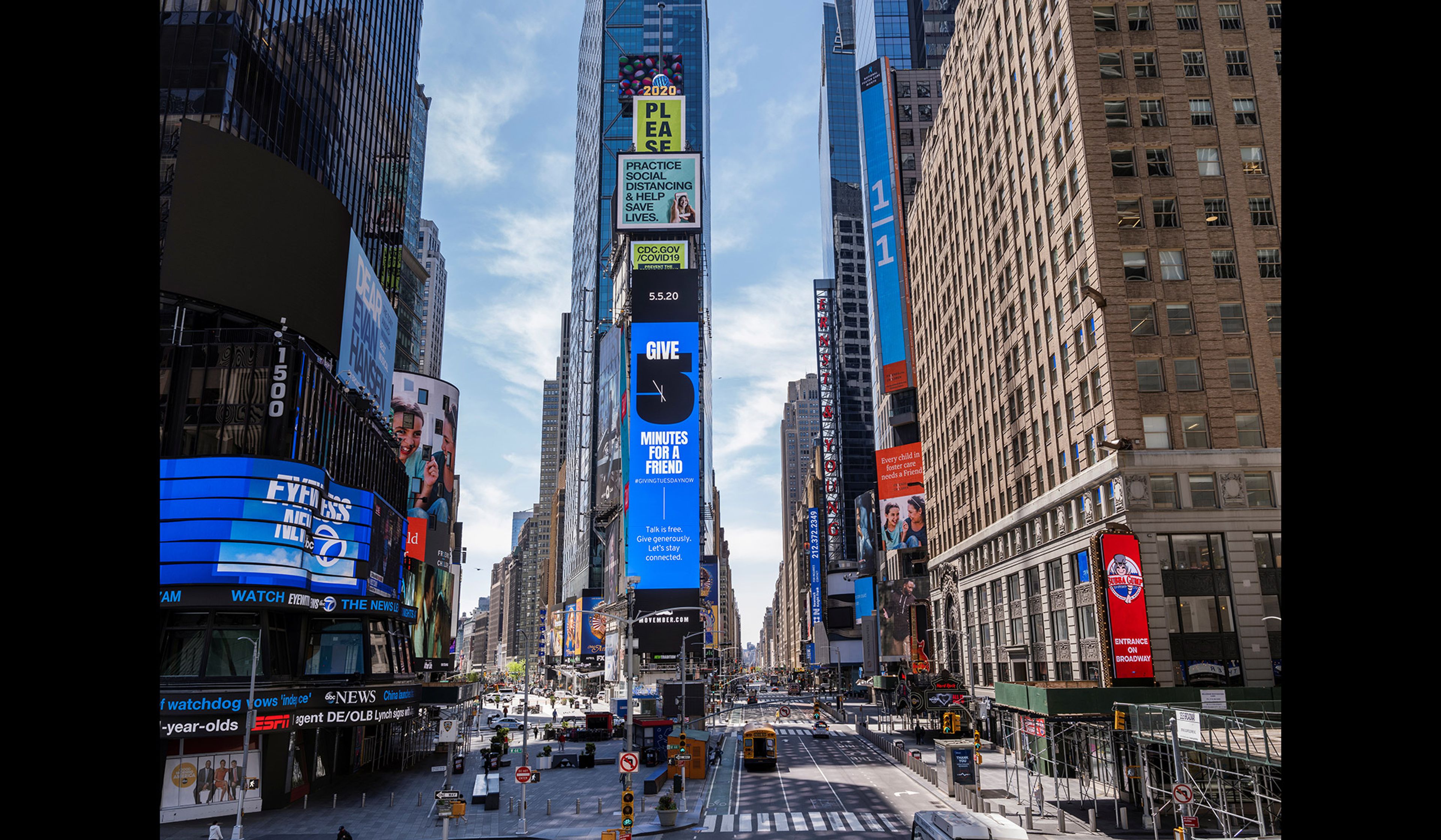
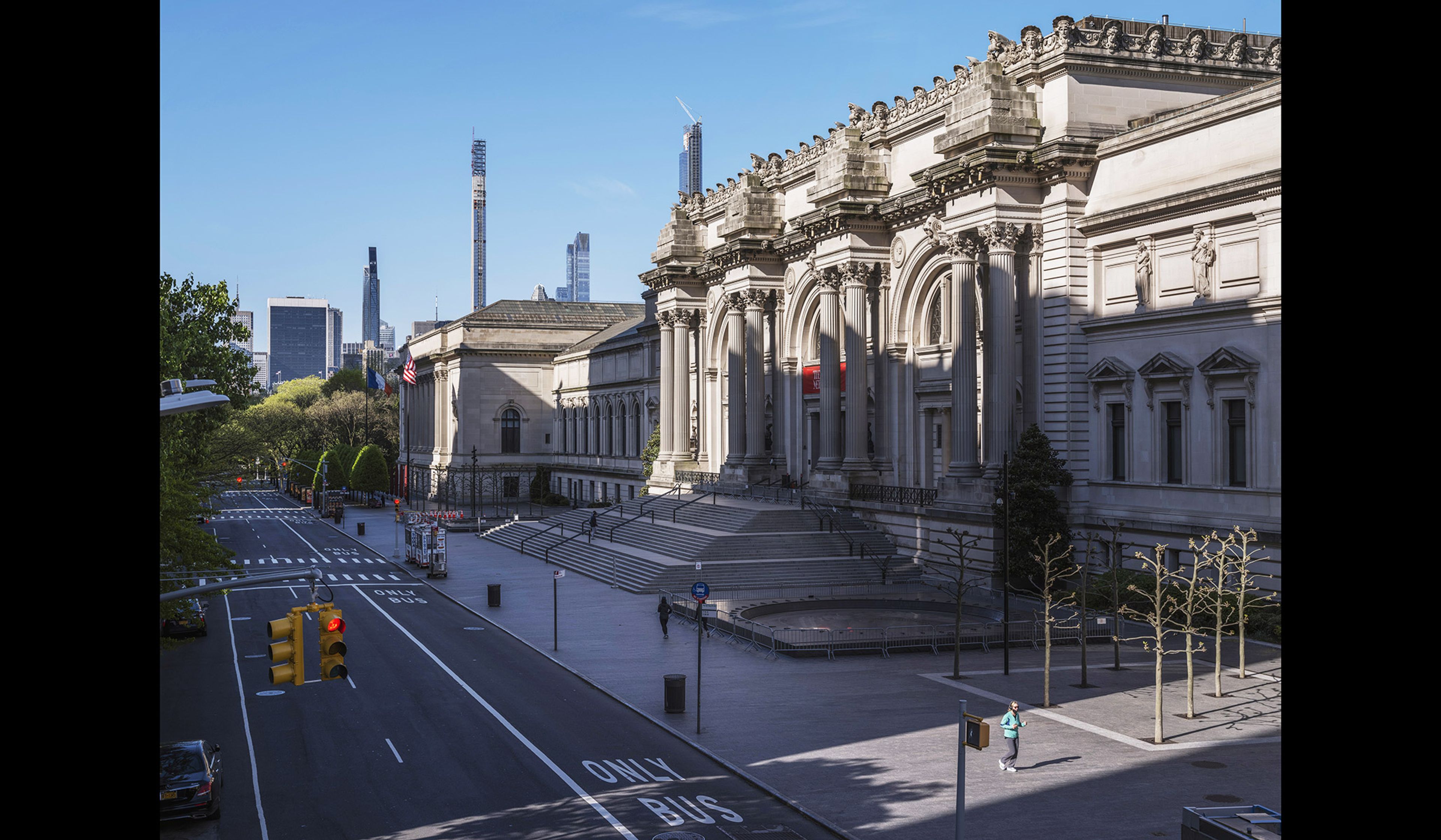
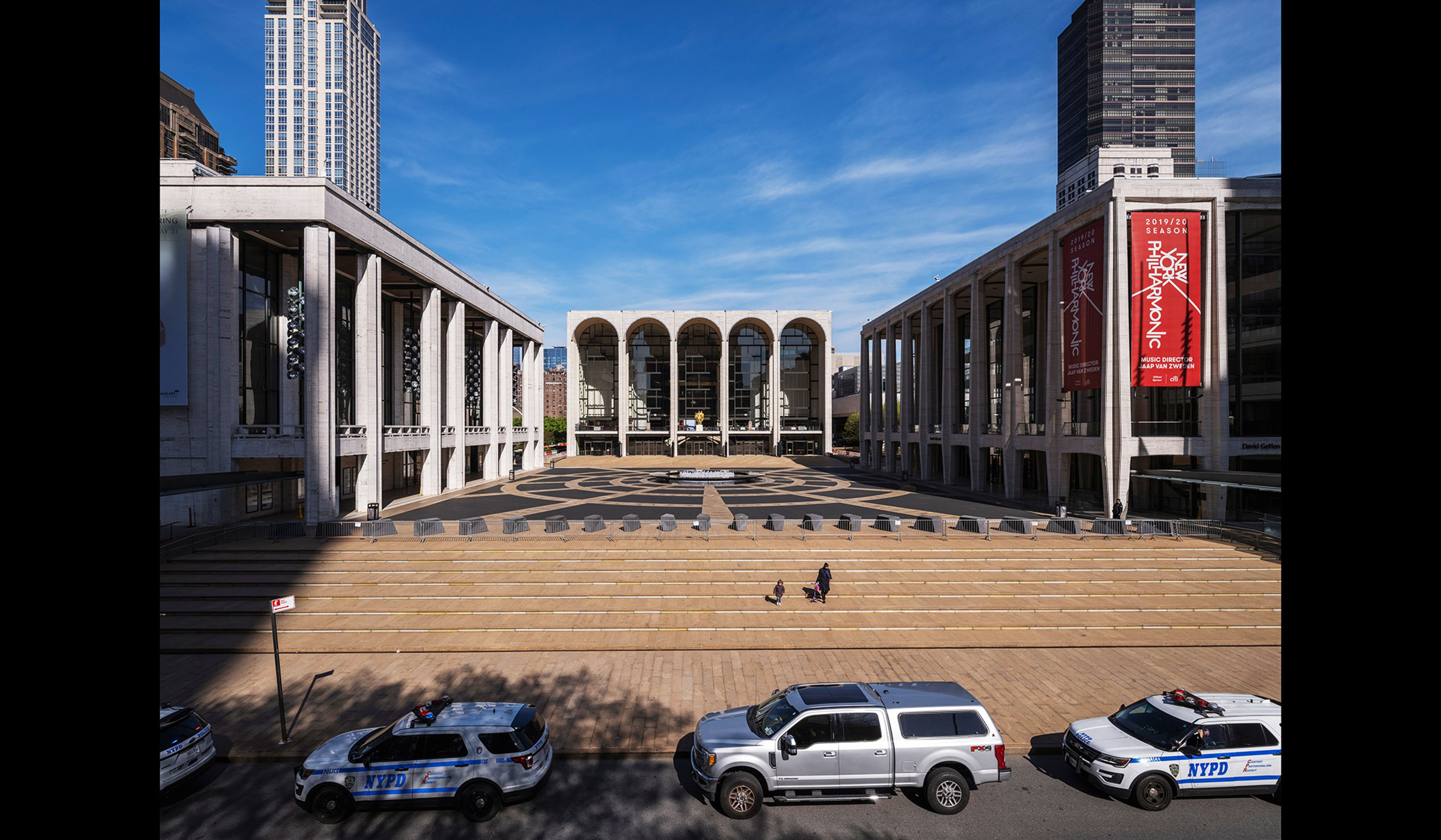
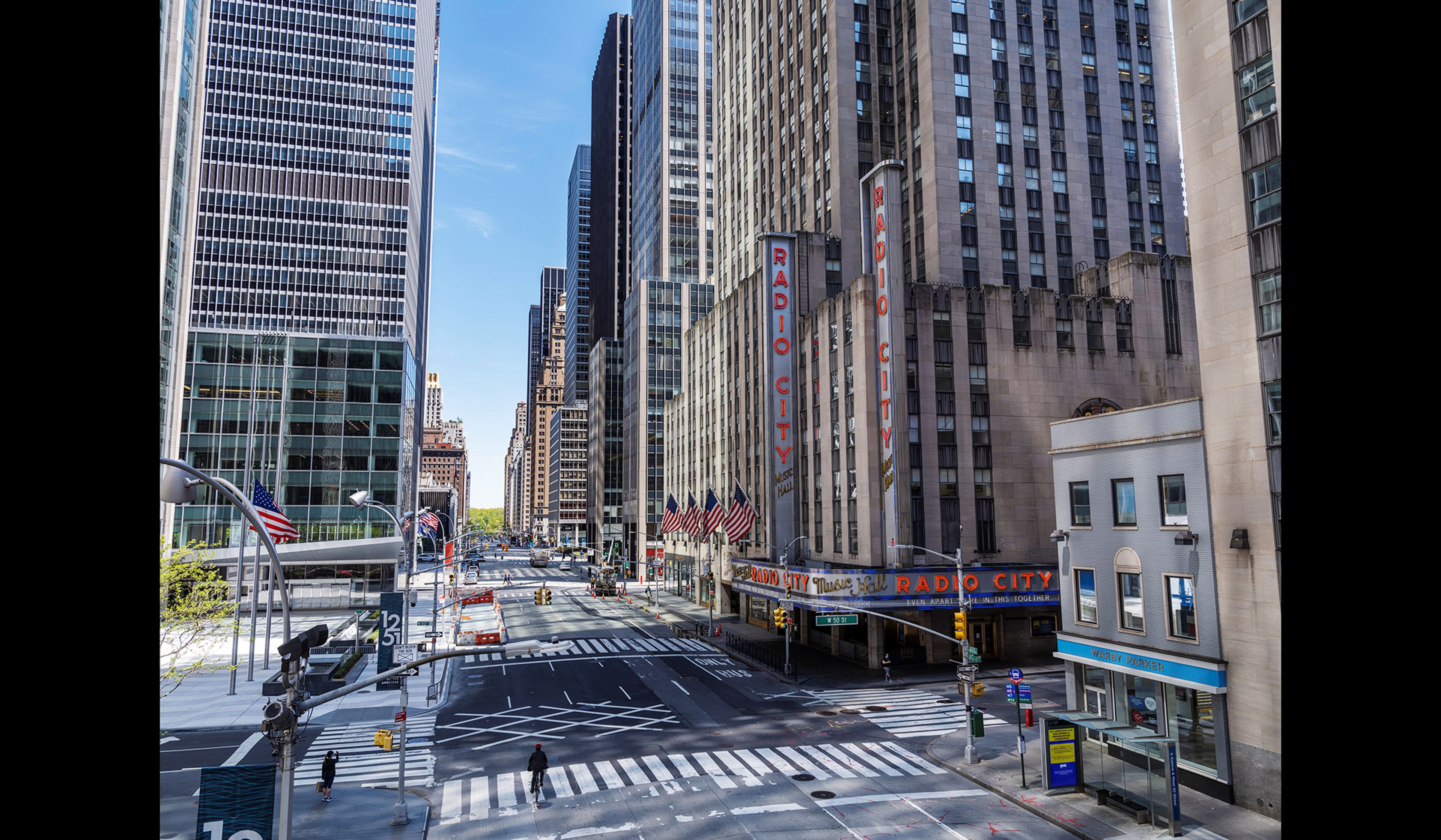
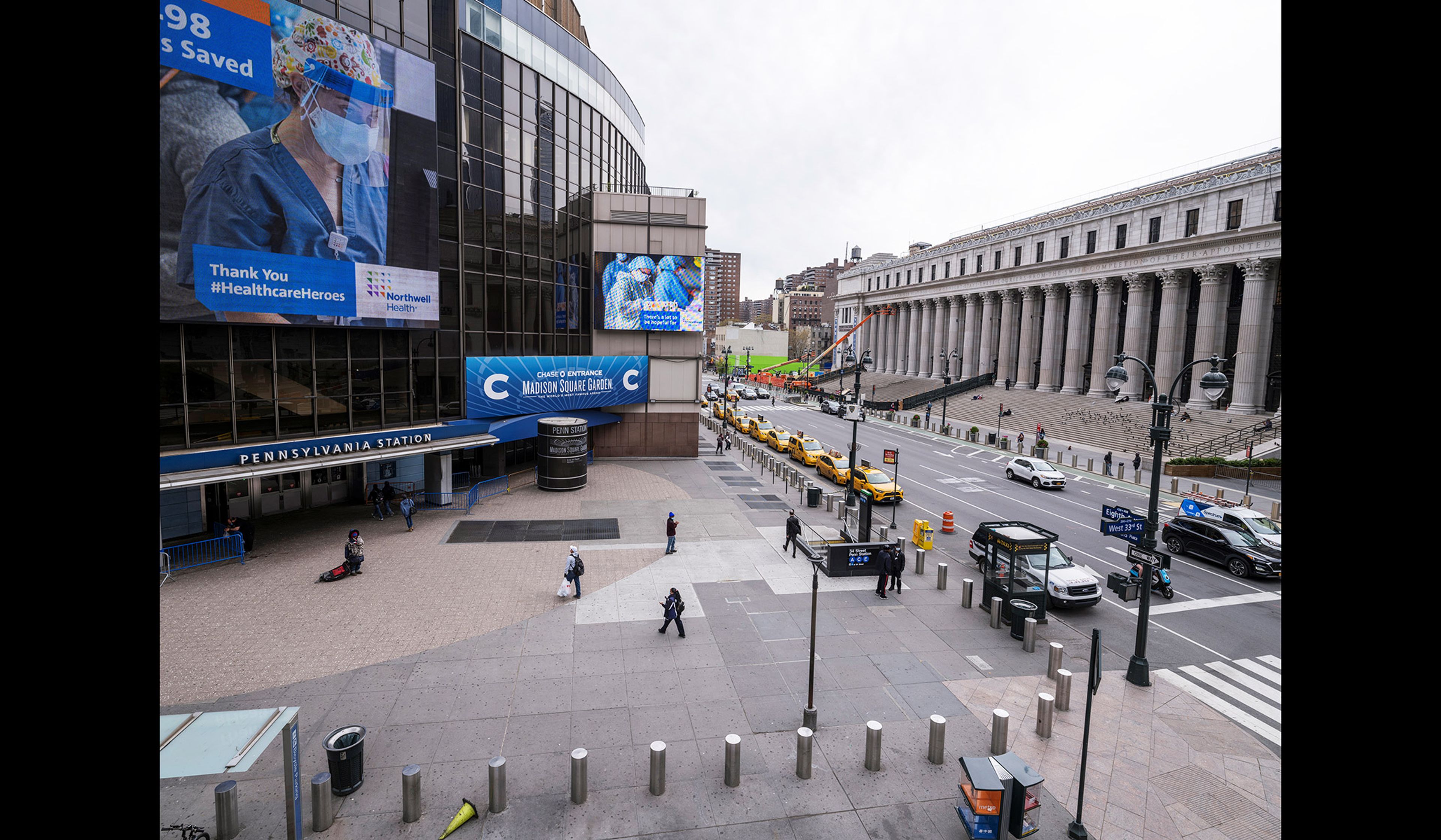
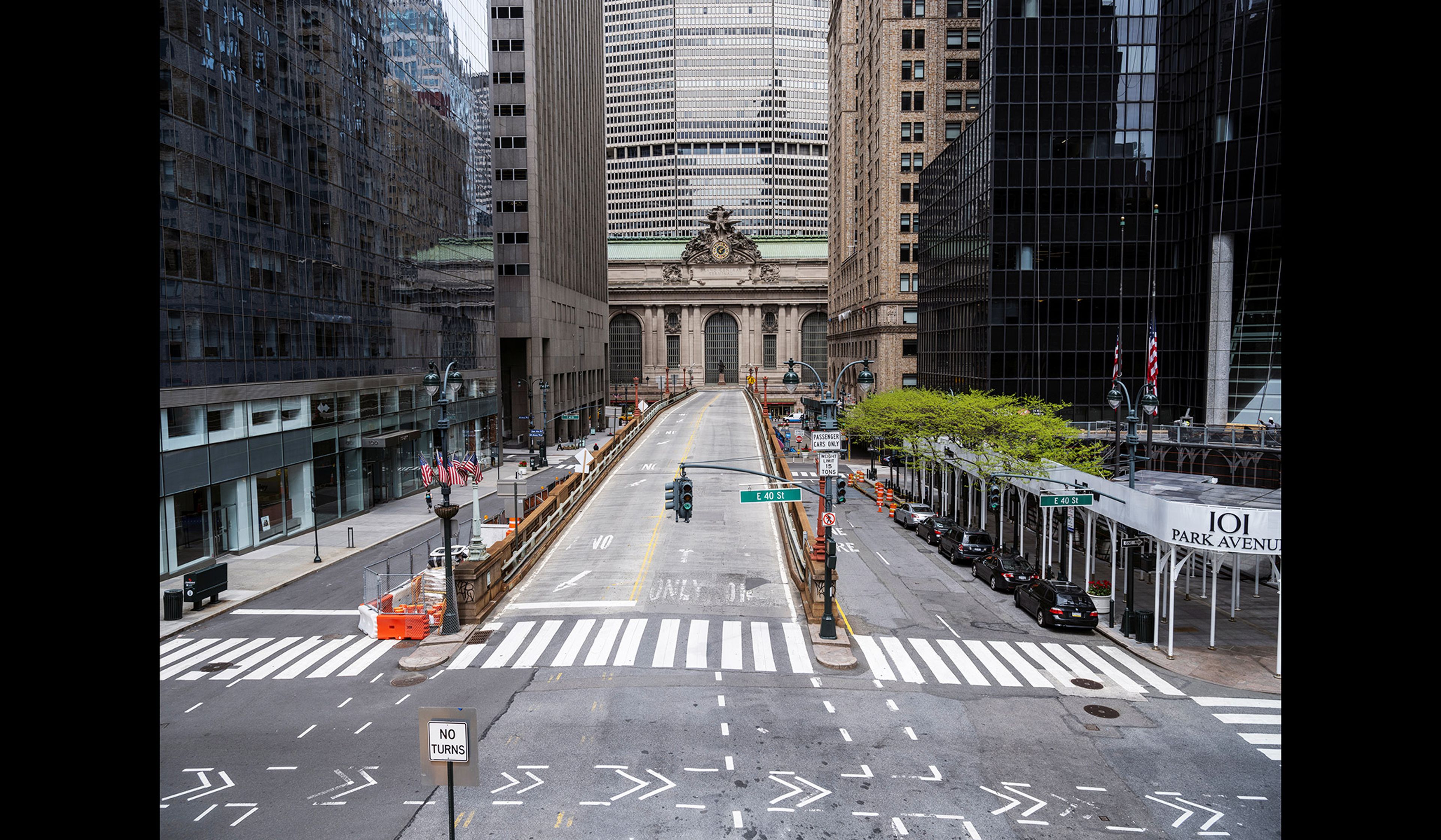
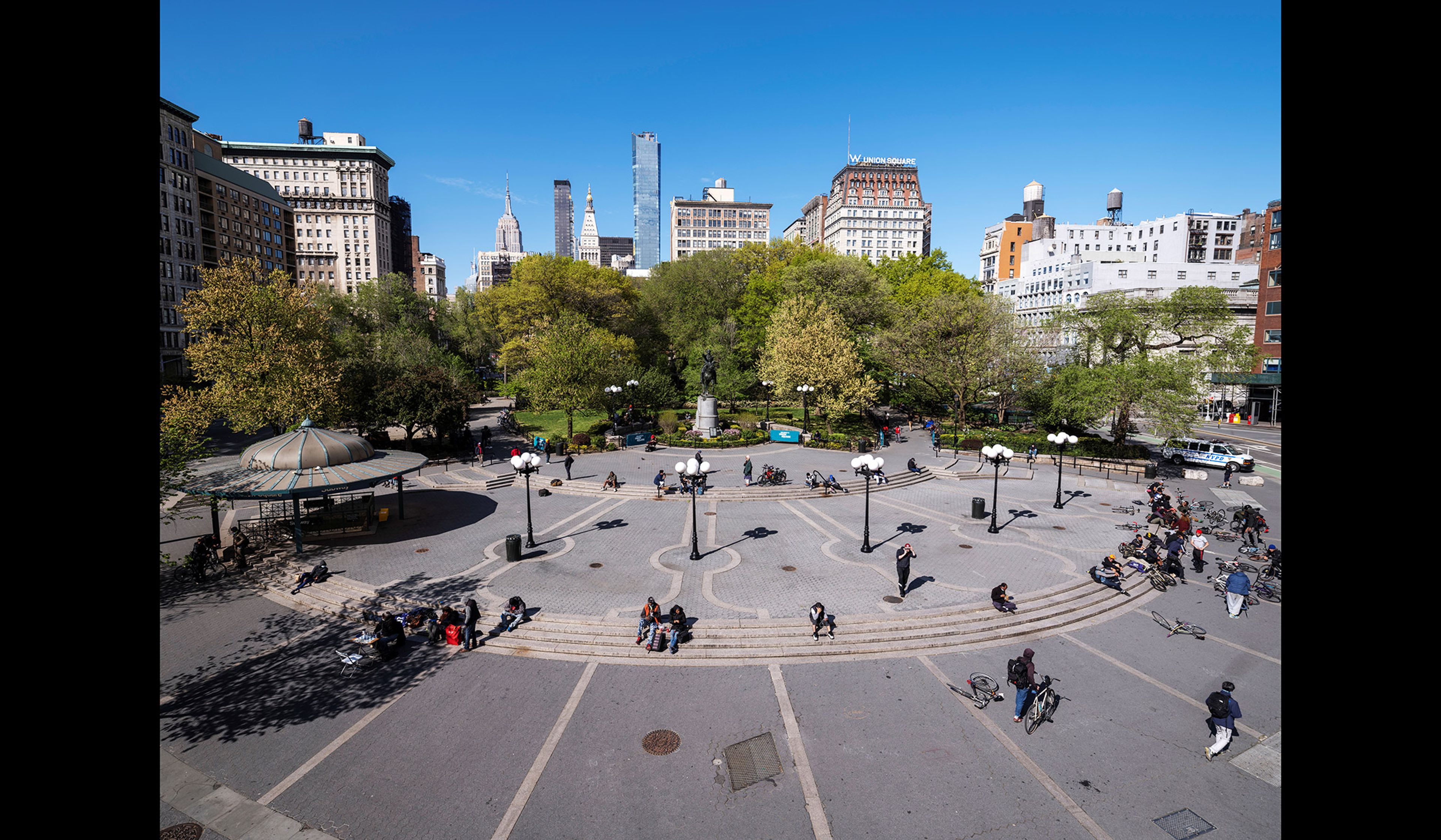
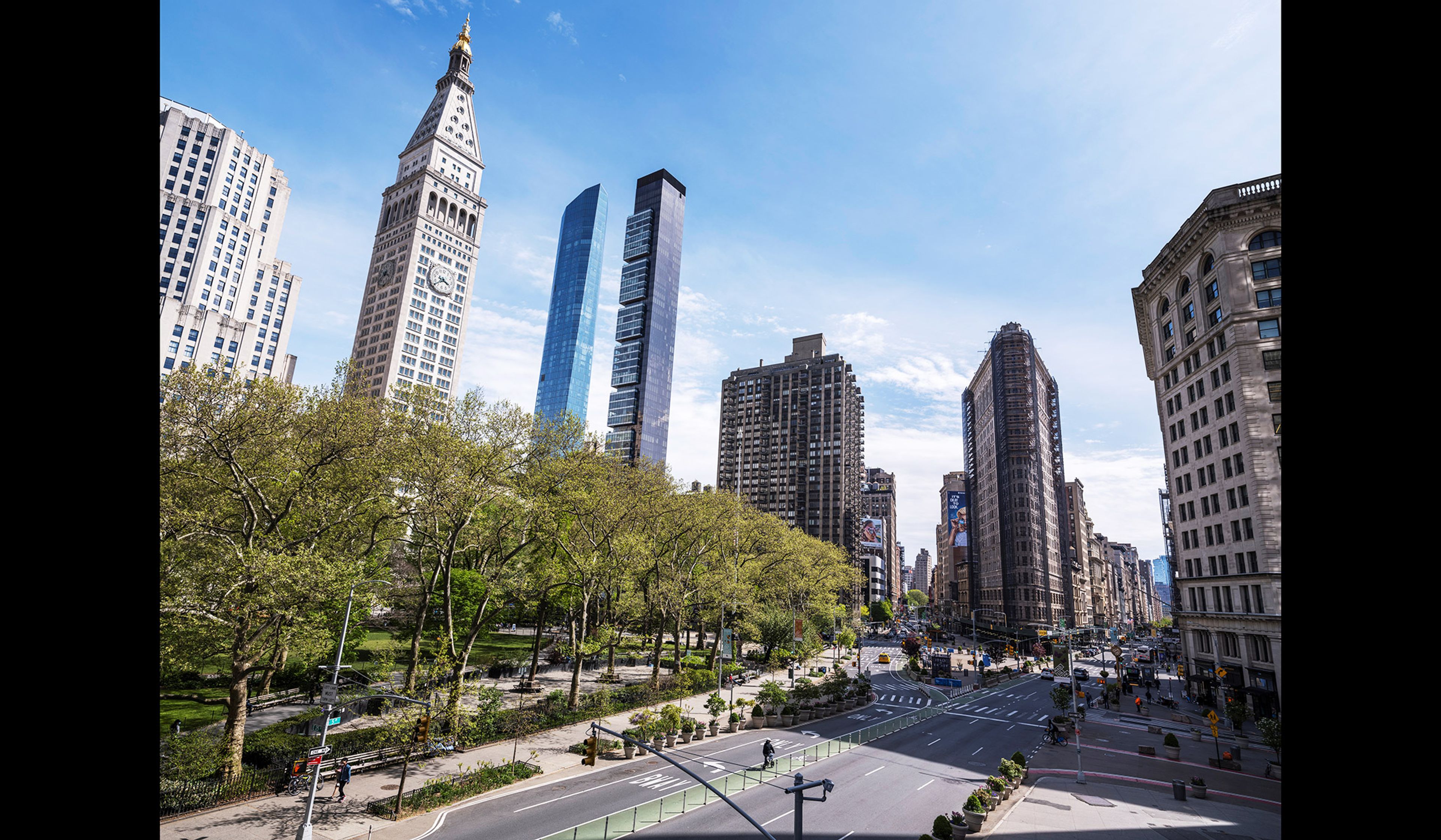
A man walks dogs across a nearly empty 5th Avenue during the coronavirus outbreak in Manhattan, May 11, 2020.
Mike Segar/Reuters
The deliverymen were the first to reawaken. As people came back, they needed to eat but there was still hardly any place to eat out, so the sturdy immigrants in their bicycle helmets and insulated backpacks began arriving with pizzas and souvlaki. Then, when I left my apartment to make a night deposit in the garbage chute, I began to hear loud music in some of the courtyard-facing studio apartments (quickest to turn over because less desirable). In time traffic picked up. One countertrend: A friend who lives near one of the great hospitals told me the sound of ambulances dropped — fewer sufferers needing ventilators.
One night I saw down the avenue a blaze of winking lights. An enormously long truck, hauling I don’t know what, was turning from a cross street and heading downtown. To accommodate its radius, patrol cars were blocking traffic in both directions. The truck was festooned with warning lights, and the flashers on the police cars were red and blue. All these lights pulsed off the windows of the nearby buildings, especially of the newer, taller glass boxes.
I want to wake up in the city that never sleeps . . .
Keep waking.










Comments