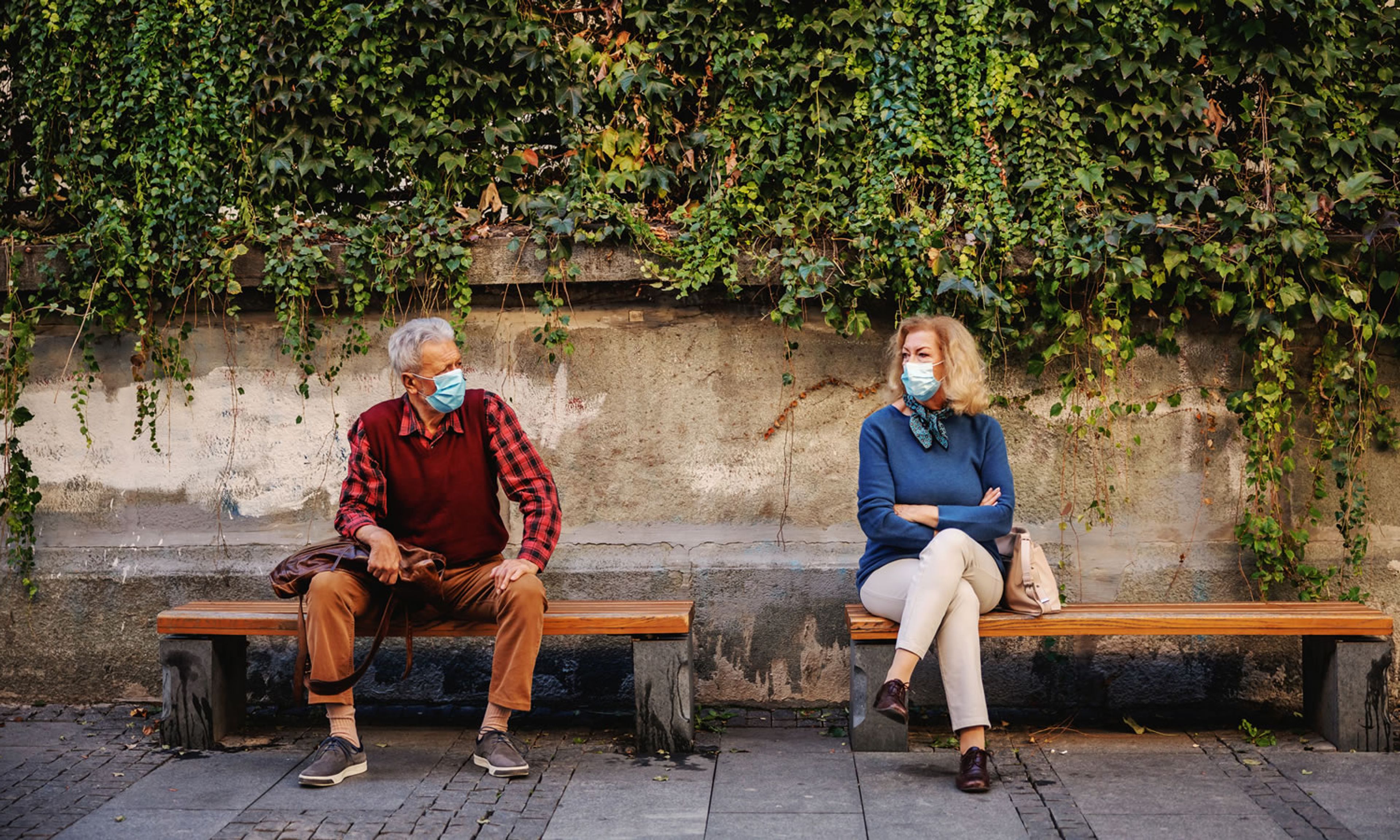
My neighbors, let’s call them Barb and Bob, are a delightful middle-aged couple with two older kids. I’ve lived next door to them for nearly a decade. Not long ago, Barb and Bob installed wind chimes in their backyard. These contraptions are quite popular around these parts, as I hear them clanking and clanging wherever I walk my wheaten terrier. This particular model, set up in close proximity to my bedroom window, sounded like an inebriated chimpanzee performing dissonant experimental music on giant empty pots. Now, one can get used to anything. The chimes, however, were keeping a certain high-ranking official in my household awake at night. To maintain domestic tranquility, I called my neighbors to complain.
Barb answers. She is confused by my request, but also by my name. “Who are you again?” she asks. Being an exceptionally forgettable middle-aged man, I offer my address for better context. Ah, she replies, she no longer lives on my street, or in my state, for that matter. She and Bob divorced about a year ago, Barb informs me (“Oh, I’m so sorry to hear that,” I say). Both of them, in fact, have already remarried (“Congrats! That’s great!”). Barb, who had the good sense to relocate to a low-tax state far away, promises to inform her ex-husband, who still lives in the house next to mine with his new bride — let’s call her Beth — about the wind-chime predicament.
How embarrassing for me.
Apparently, I had spent months thinking a masked Barb was walking past my house, waving to me from afar. No, it was a stranger, who, no doubt, is also quite lovely. We have never spoken, Beth and I, because approaching within a 100-foot radius of anyone these days is basically attempted murder.
If I’m being honest with myself about my assuming that Beth was Barb, I have to chalk it up to my introvert inclinations. I generally do my best to avoid other humans. So the coronavirus pandemic, as gloomy and heartbreaking as it is, hasn’t dramatically affected my social situation. Bob and Barb lived maybe ten feet from me, and I do not exaggerate when I say that al-Qaeda could have been setting up a cell in there and I probably wouldn’t have known in the best of times.
Yet it hit me that even I was starting to crave more interactions. What kind of mental toll, I wondered, were these lockdowns taking on the extroverts? At some point, distance becomes alienation. It’s the realization not only that I haven’t spoken to my immediate neighbors in nearly a year that was disconcerting but that we live in fear of each other. I never thought I’d want to attend one of those tedious block parties, chitchatting about how fast the kids are growing up or gossiping about those fascists on the neighborhood association board. And yet I do. I wouldn’t mind an impromptu face-to-face chat at the communal mailbox or an exchange of pleasantries with other parents milling about after a high-school concert or play.
Nor is it merely about the obvious personal interactions. It’s also about the derivatives of the ordinary social life: the trivial banter with a cashier, the smiles exchanged when walking past someone, the random snippets of conversation overheard when crossing paths with people or eavesdropping on them in a coffee shop or restaurant. Today, a waiter will take your temperature and stick you inside a plastic hazmat bubble on the sidewalk.
We are often lectured about how wearing a mask is a preventive measure with no downside. This is a lie. The tradeoff is considerable. Masks are at best a necessary evil. I mean evil in the most literal sense. They are dehumanizing. Degrading. There is a good reason why misogynistic theocrats compel women to cover their faces. Masks should be worn with disdain and thrown in the garbage at the first possible moment.
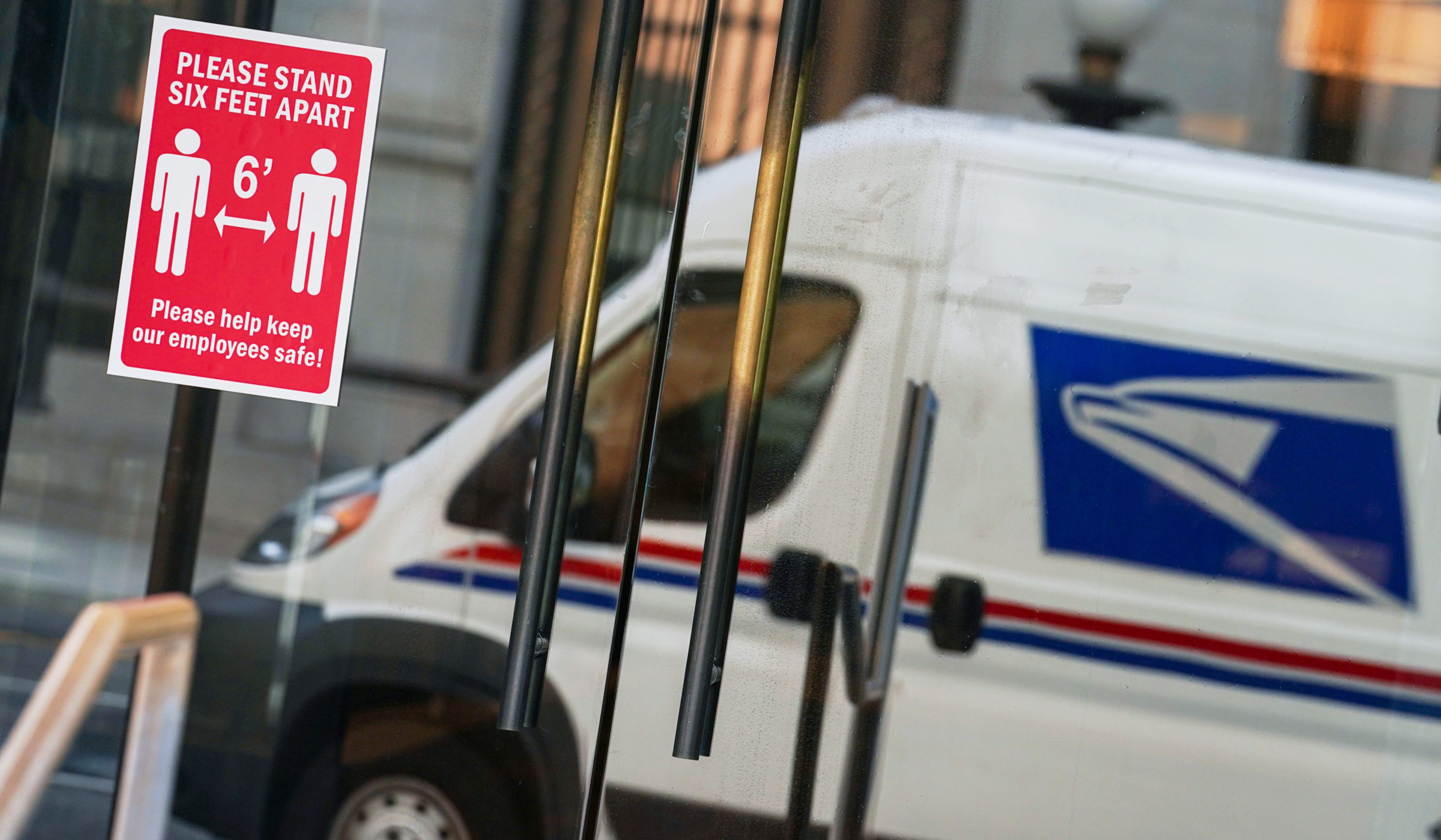
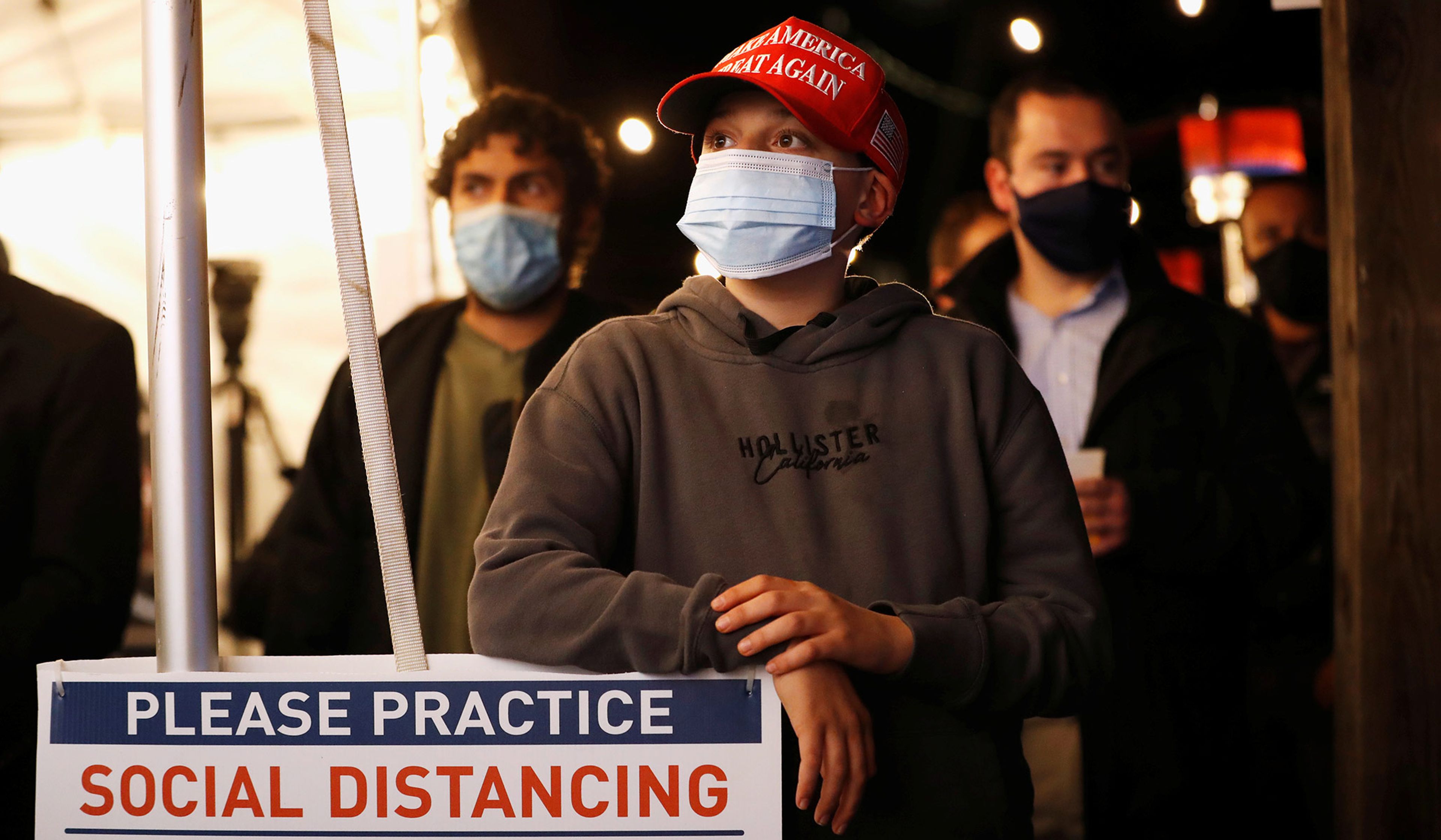
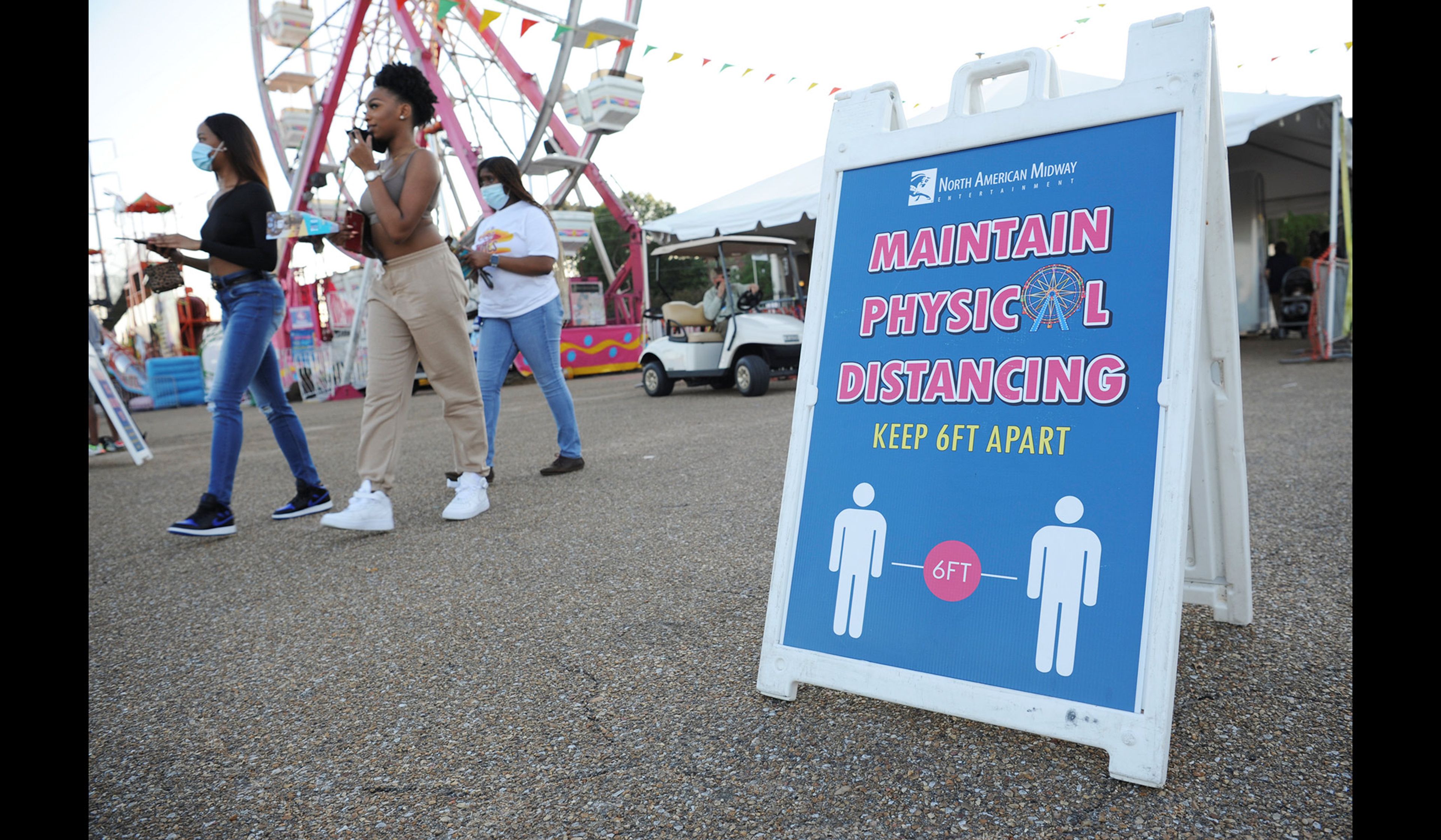
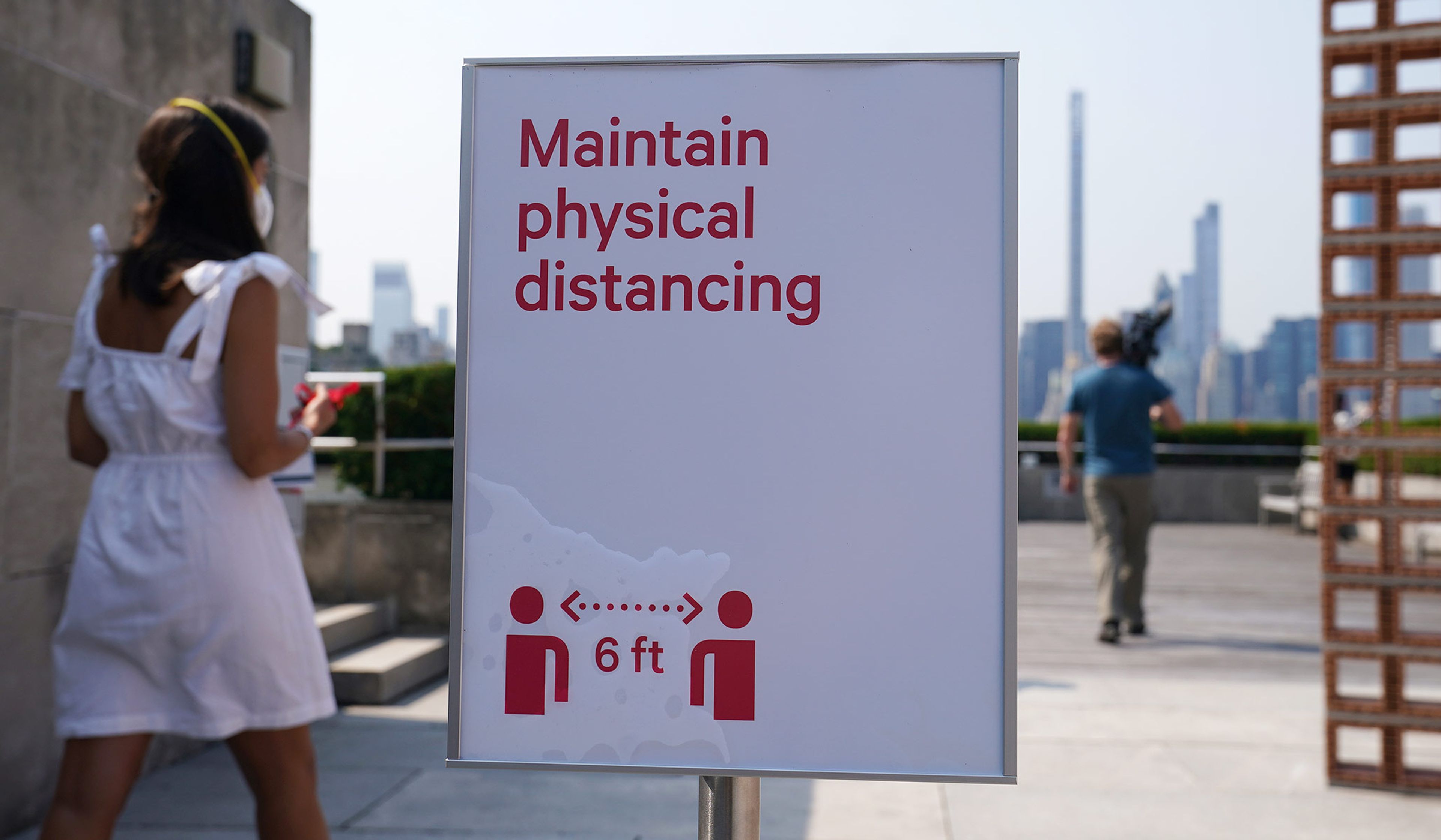
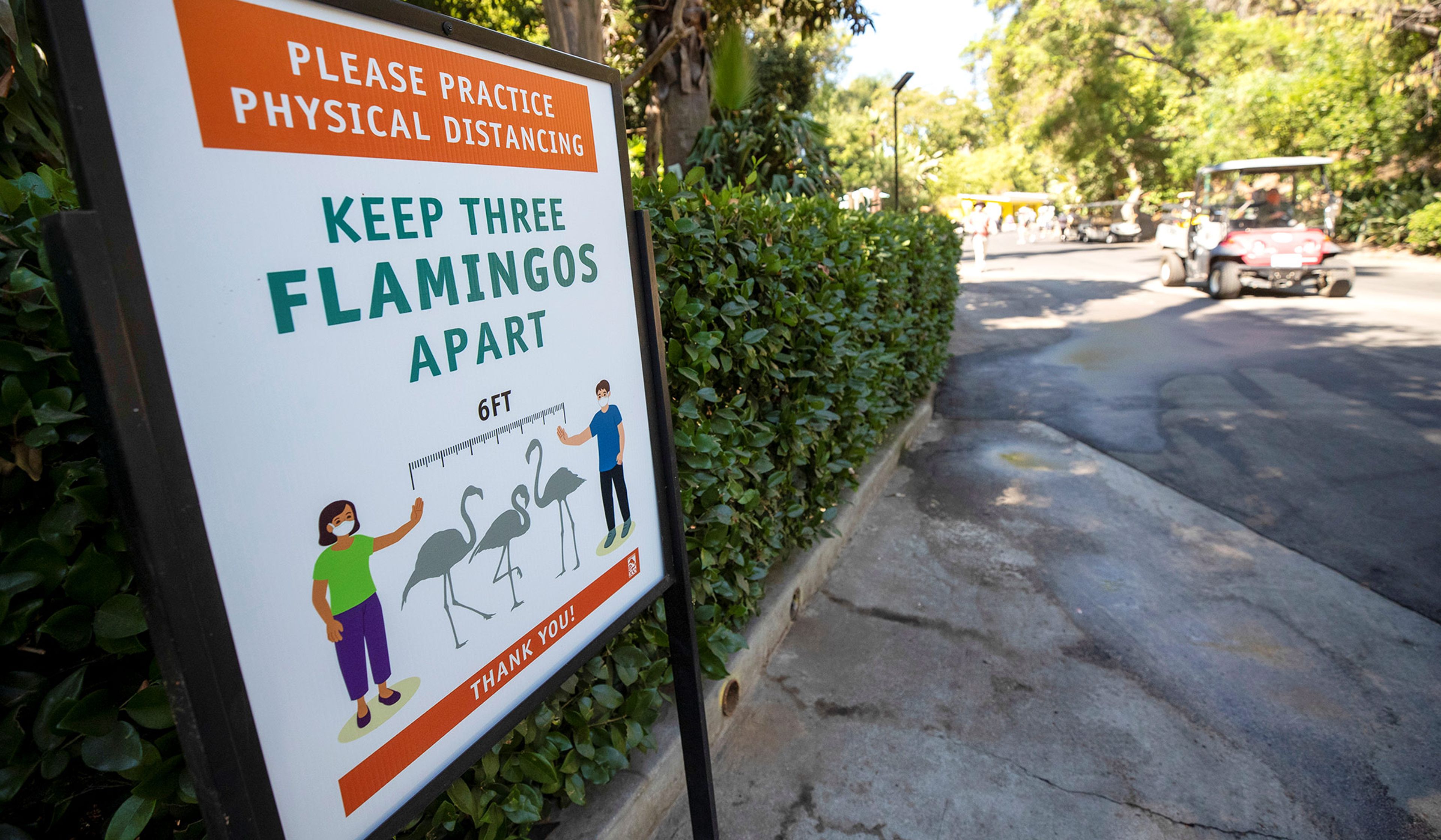
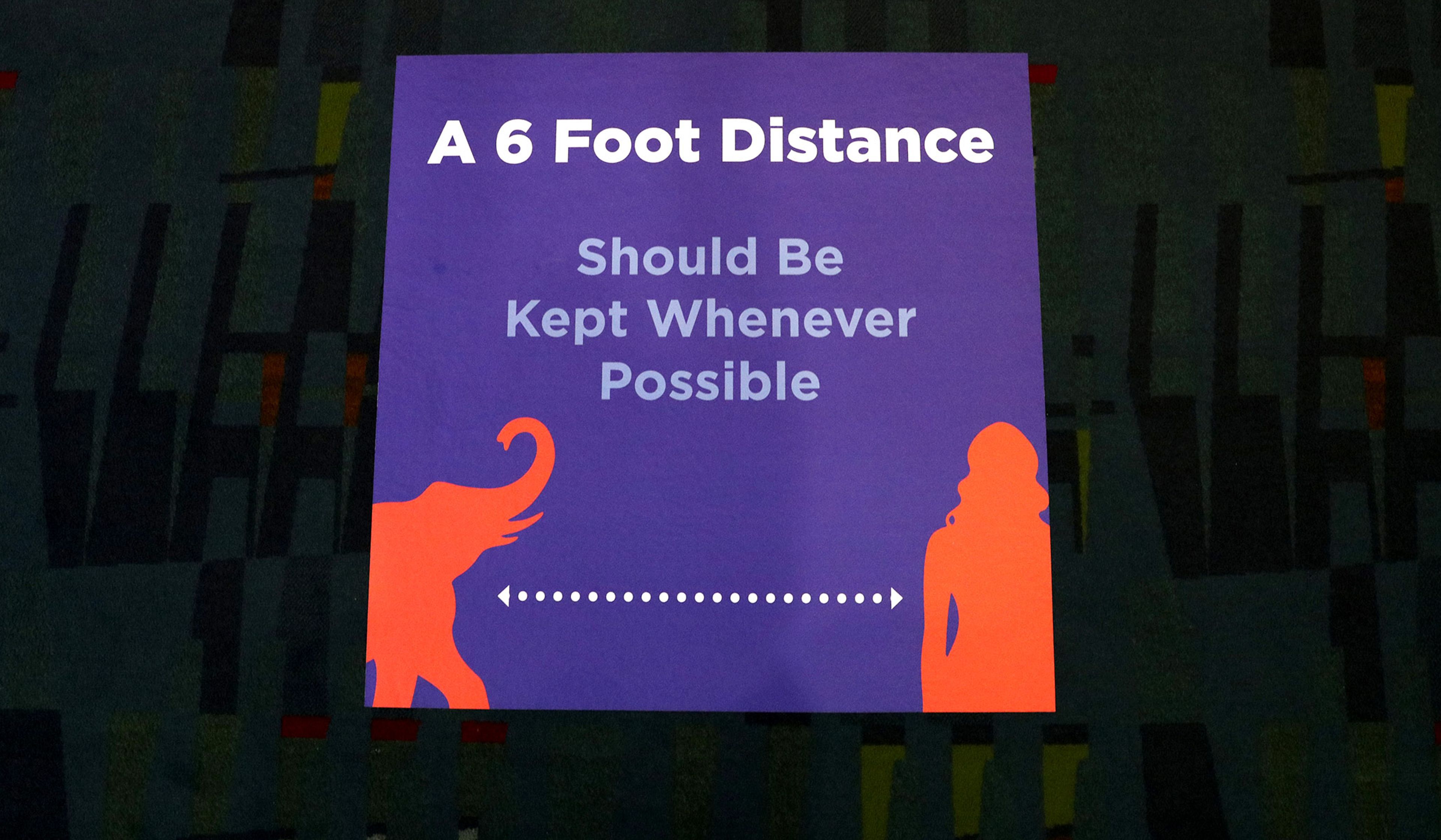
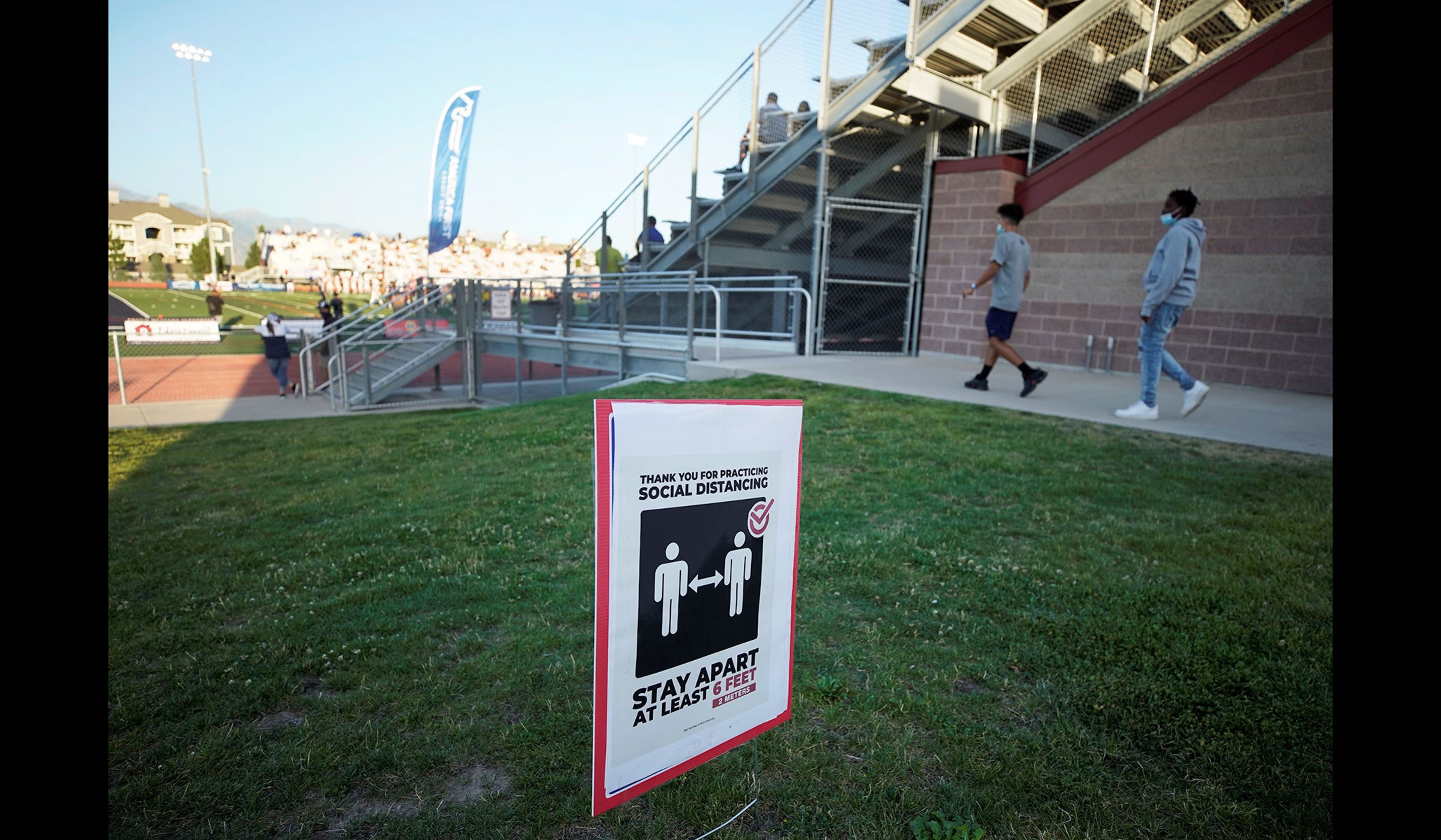
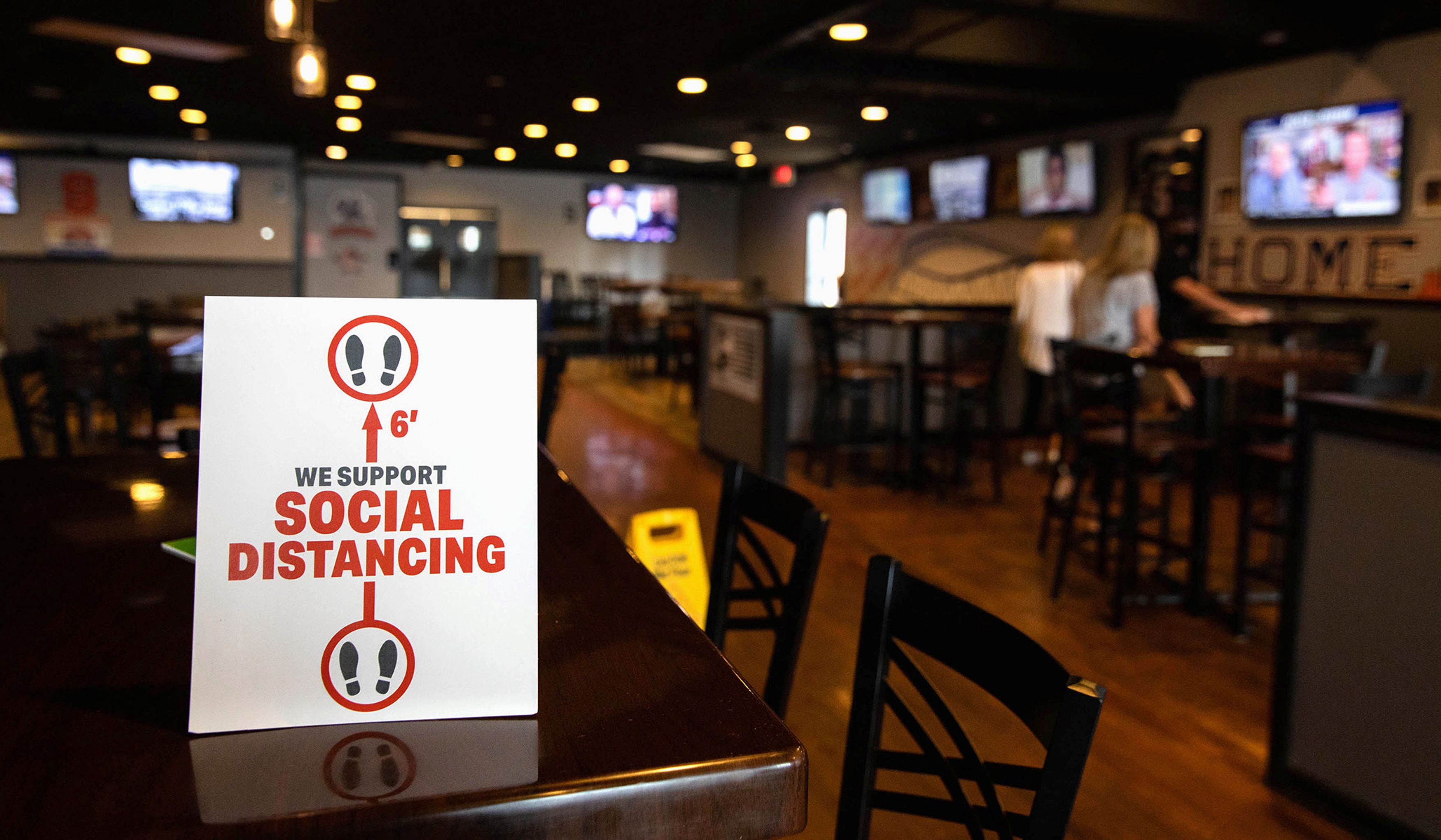
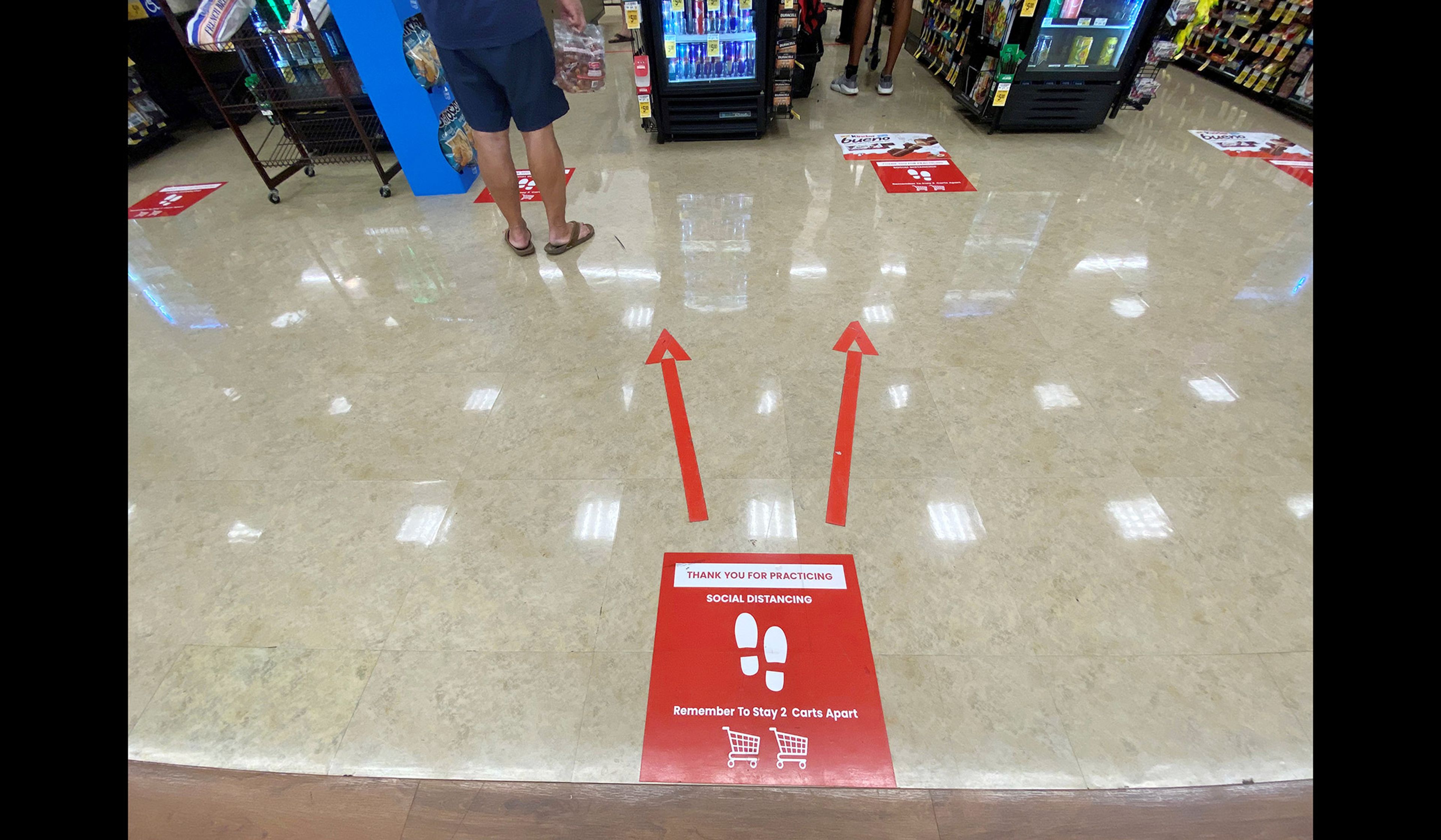
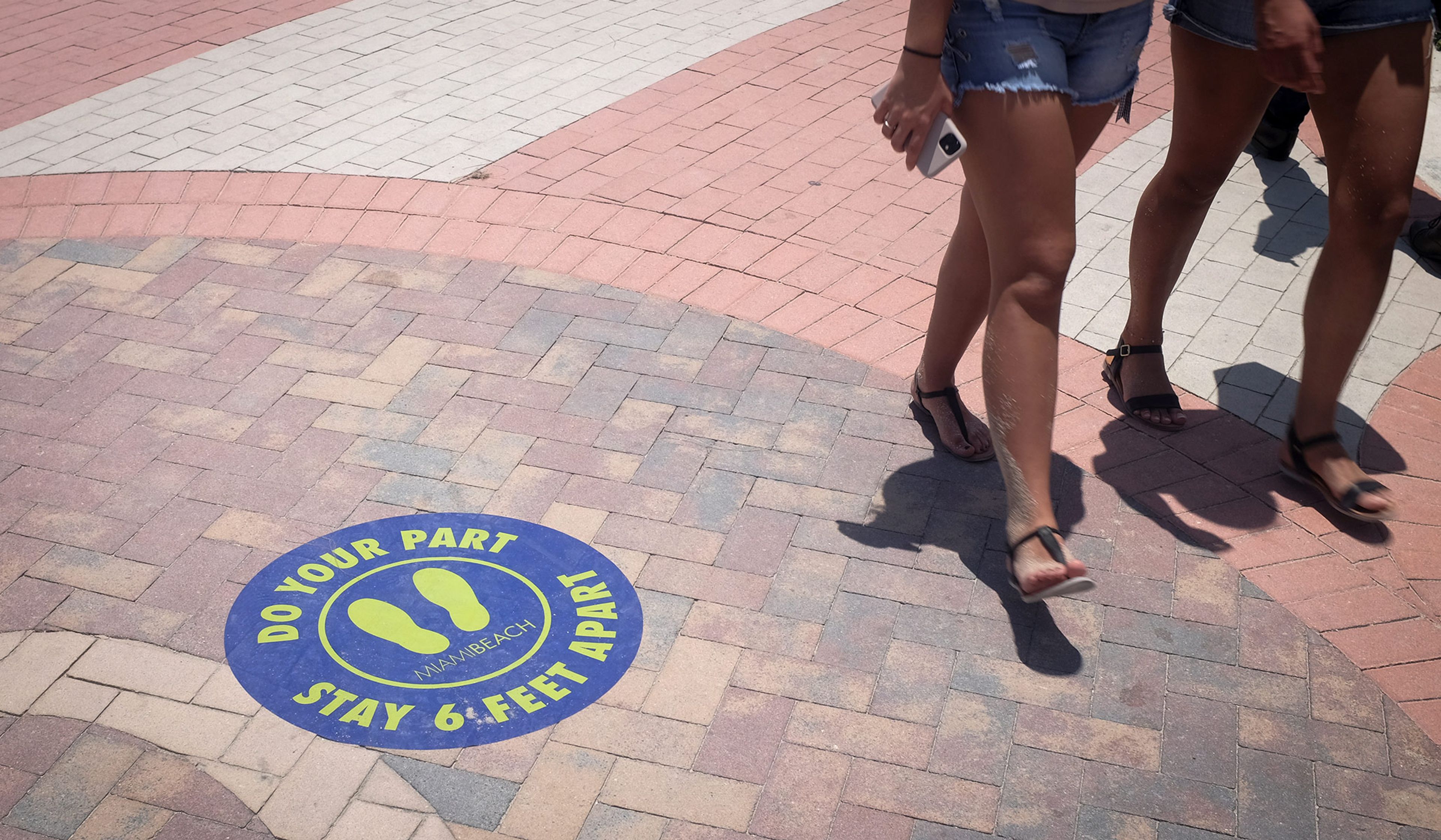
A United States Postal Service truck on a delivery alongside a sign encouraging social distancing during the coronavirus outbreak in Washington, D.C., August 20, 2020.
Sarah Silbiger/Reuters
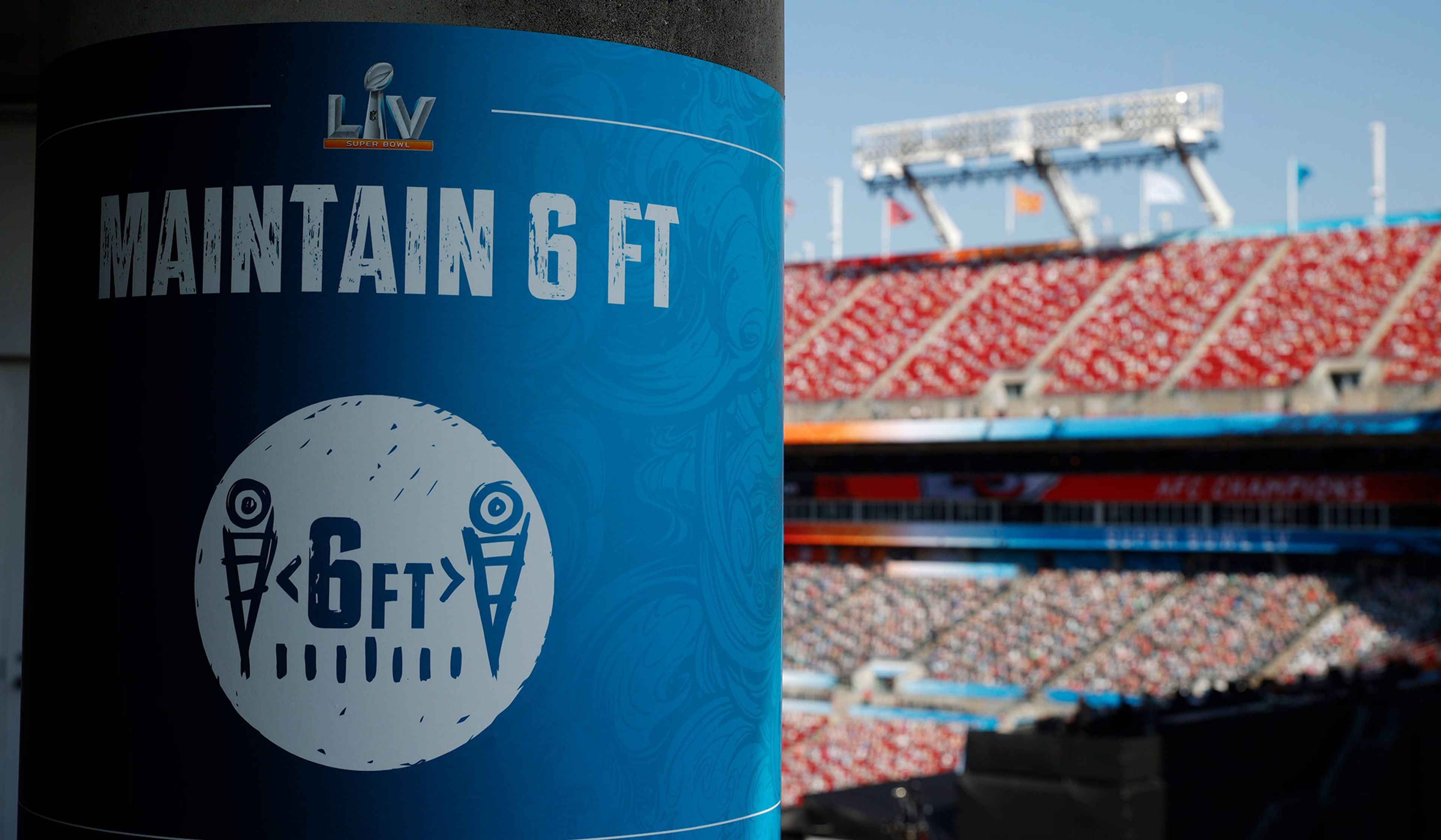
Yet, lately, experts talk about post-vaccine social distancing and mask-wearing. Wear two of them, says Dr. Fauci, it’s safer. It’s repulsive to listen to politicians celebrating these pieces of cloth as if they were American flags. None of these elected officials have ever shown the same zeal for any of our liberties. After the Tampa Bay Buccaneers won the Super Bowl, Tampa mayor Jane Castor warned maskless fans who were celebrating outside that they would be “identified” by law enforcement, who would then “handle” the situation. It’s frightening how quickly large swaths of a free society have acquiesced to such control.
Not long ago, a 15-second video taken inside a supermarket in Naples, Fla., went viral. In it, employees and customers, most of them appearing to be in their 60s and 70s, were going about their lives — shopping, chatting, bagging — with no masks on. The video made national news. The horror, cable hosts explained. Admittedly, after a year of social distancing, even watching this scene gave me some anxiety — the kind of apprehension I now feel when actors shake hands or hug in a movie. But I wasn’t horrified. Maybe these Floridians were being reckless, but I was envious of their freedom. Maybe that’s an irrational thought during a pandemic. Then again, maybe it’s irrational to live in constant fear.
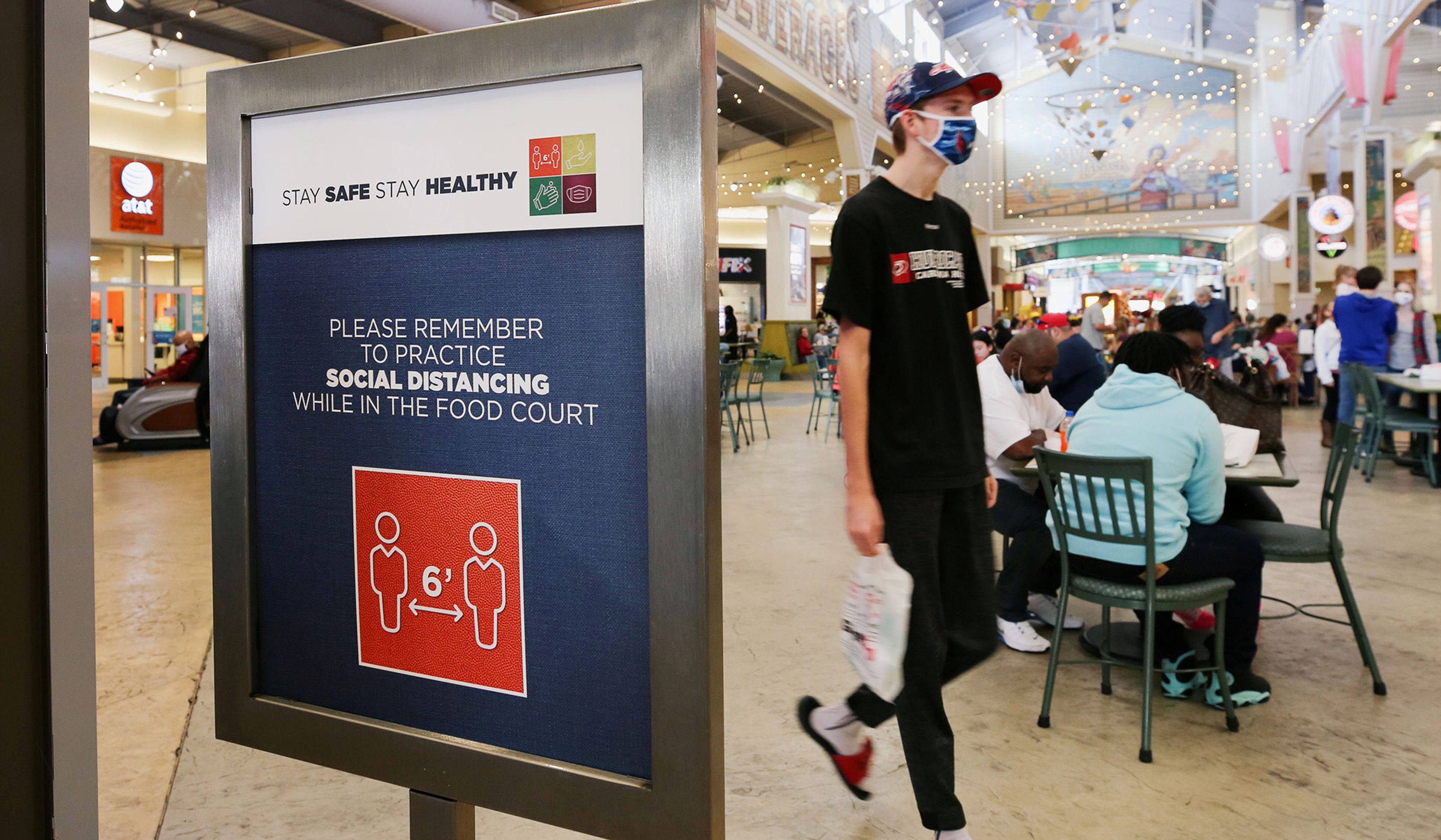
“It is what it is” is the kind of thing the helpless usually say. I find myself saying it quite a lot these days. “Social distancing,” the writer Armin Rosen recently noted, “is an oxymoron, worse than a meaningless pair of words, an insult to language, horrible to even hear in your own mind.” I agree with the sentiment. The words are meaningless, but the practice is damaging us in ways we might not comprehend.
And not only because I don’t know who lives next door.








Comments