My daughter Clara, aged four, began a speech, “When I’m a baby again . . .” Equally, I, her father, find myself periodically rehearsing the caveat that, should I reappear in 1929, I must sell short before October; and, the more pressing admonition, if traveling on the sinking Titanic, there are half-full lifeboats offering safety on the starboard side.
Speaking of which, Walter Lord (1917–2002) was a Titanic scholar, and a hell of a writer. See his book A Night to Remember, and the superb film that was made from it. An interviewer asked Lord where, if he could travel back in time, he would like to be on that night at sea. He responded instantly, “on the Californian.”
This was the merchant ship, hove to, ten miles off. The sinking Titanic sent up distress rockets and constant radio calls, but the Californian did not respond.
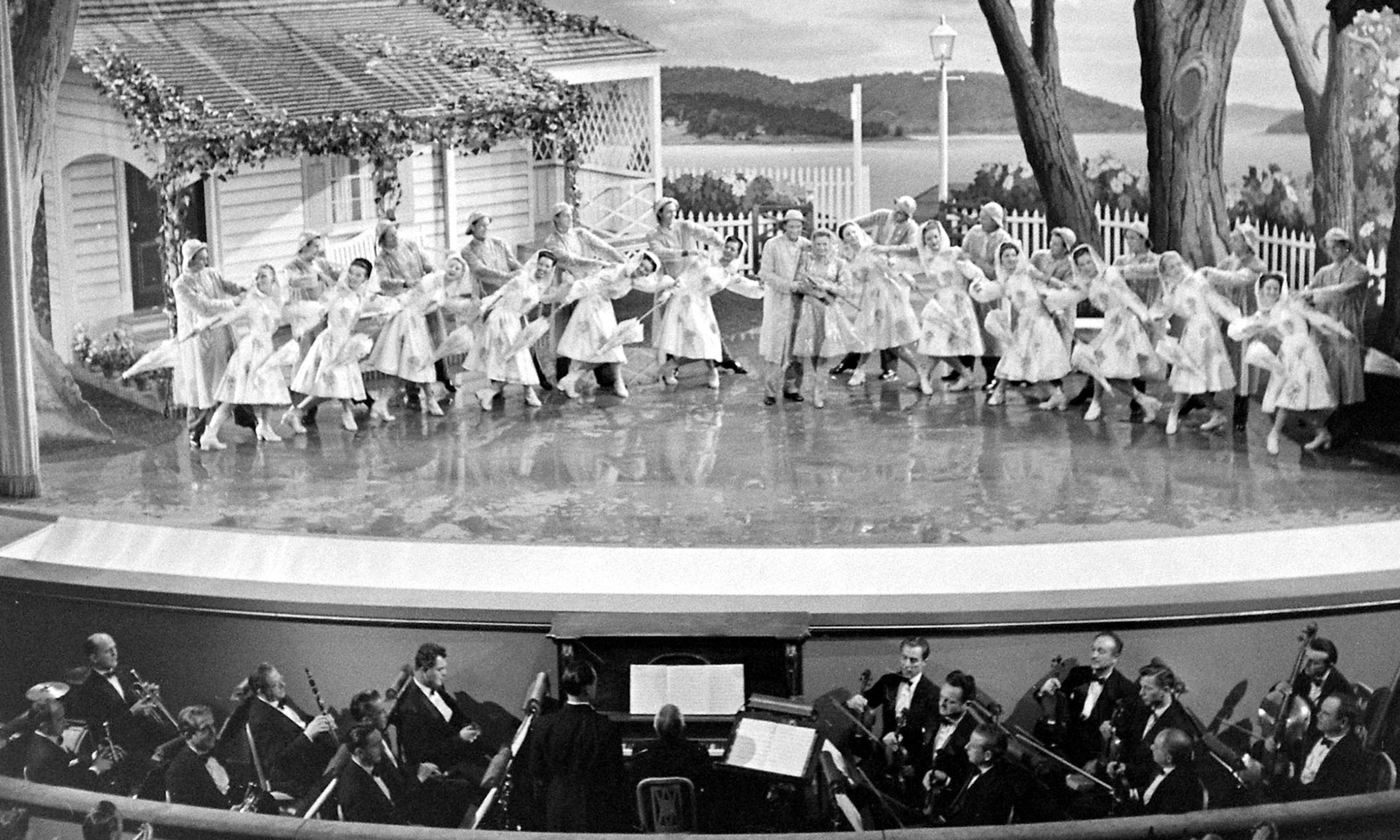
If I could travel back in time, I’d go to 1927, to the opening of Show Boat. It’s reported the audience was so stunned at the play’s conclusion, they sat immobile for some minutes before they began to shout their applause. The genius Jerome Kern, an American Jew, took “The Song of the Volga Boatmen” and turned it into “Ol’ Man River.” We can see the show’s concluding reprise of that number in the 1946 film Till the Clouds Roll By. The film is pretty good MGM Technicolor moosh, with the fig leaf of a story. But the musical numbers are swell, and the finale is astounding. It is a re-creation of the exact staging and employs many of the same performers who played onstage in Show Boat.
Stanislavsky said that the most important part of any play is the last 90 seconds, and he had that right: If it’s the conclusion of Bolero you can not only pay the rent but ruin your kids through luxury.
While in New York, in 1928, I’d attend the opening of The Front Page, to see Lee Tracy et al. speed-talking their way through the best of all gang comedies; and I, a time traveler attending their opening night, would be wistful because of my foreknowledge of the play’s tagline. I could appreciate but could not be shocked into delight by “The sonofabitch stole my watch.”
I never entertained fantasies of “going back to fix things,” as I grew up in Mayor Daley’s Chicago and could translate the phrase correctly as “Pay me or I’ll make it worse.” And what on earth does more damage than a “reform administration”?
There’s a vast literature of time travel. In H. G. Wells’s The Time Machine, the Edwardian traveler to the future finds a humanity peopled by the gentle fainéant Eloi (liberals) and the vile subhuman Morlocks (conservatives).
Wells, here, is recasting Swift’s vision of Gulliver among the Houyhnhnms. These are sentient horses, incapable of falsehood, greed, lust, and all their companions. They keep, as slaves, the Yahoos, vile, stinking, depraved creatures (humans).
Edward Bellamy had a similar vision of perfection in his Looking Backward (1888). Its hero, Julian West, falls asleep and awakens 113 years later, in a perfect world. Here disease, crime, and private ownership are unknown. All share equally and all is Peace.
The book spawned Looking Backward clubs, and was influential in the formation of various schemes of social improvement and the promulgation (though unattributed) of Marxist thought. (With thanks to Wikipedia.)
Bellamy, like Lincoln Steffens writing of Stalin’s Terror, had “seen the future, and it works.”
In The Star Rover (1915), Jack London’s hero is the convict Darrell Standing. Tortured in San Quentin prison, he learns to leave the body laced into a straitjacket and travel through time. He does not influence events, but merely experiences them, dying, for example, at the Mountain Meadows Massacre in 1857. We see this device in G. F. Borden’s magnificent war story When the Poor Boys Dance (1995).
Here a young Marine recruit is accidentally abandoned on a training mission in the Mojave Desert. As he tries to walk his way out he is transported to the great Marine battles of the past. In each he behaves heroically, and in each he dies, while doing his duty.
We have the comic treatment in Twain’s A Connecticut Yankee in King Arthur’s Court, Irving’s “Rip Van Winkle,” and myriad science-fiction and fantasy books in which the hero sets out to the past to forestall a wrong.
What Jew of my day didn’t entertain the fantasy of killing Hitler?
The power to alter the course of events is given to few, those known as heroes (Lincoln, Churchill, Dr. King) and monsters (Stalin, Mao, Pol Pot). But what of a possible third category, preternatural beings both omnipotent and omnibenevolent?
Mired in the present, I could not enjoy surprise at the discovery of Show Boat, but the enforced leisure of the current jollity allowed me to read widely and rapaciously, and I discovered William Godwin.
He was a late-18th-century novelist, the husband of Mary Wollstonecraft (A Vindication of the Rights of Women, 1792), and the father of Mary Shelley. Many observed that her Frankenstein was inspired by her father’s Travels of St. Leon (1799).
Here Count Reginald de St. Leon romps through various wars of the 16th century, pursuing honor and fame. He gains both, returning home from the Spanish Wars in high renown. He marries the beautiful Marguerite, who, get this, was taught drawing by Leonardo da Vinci.
All is hunky-dory until he gambles away his fortune and hers. They retreat in near-poverty to a cottage in Switzerland, and St. Leon learns to appreciate the beauty of a calm mind and simplicity.
He is despoiled of his meager but sufficient house and land by a Bad Neighbor. He applies for public relief, and is banished from Switzerland for his (a foreigner’s) impertinence.
Things are eventually put aright and Reginald and the flock return to simple Lake Constance and life down on the farm. But then a Mysterious Stranger arrives. He is ragged and near death. He confesses that the Inquisition is hot on his trail, and Reginald hides him. In return, the Stranger reveals to St. Leon his secret: that he can transmute base metals into gold, and live forever.
He entrusts St. Leon with the Philosopher’s Stone and the elixir vitae. And then things begin to go truly wrong. St. Leon restores his family fortune, but Bad Neighbors want to know how he came by it. His son asks for an explanation, but St. Leon, sworn to secrecy, cannot supply one. His son then says that honor demands that he, the son, leave his father’s presence, change his name, and distance himself from the shame his father (obviously concealing a crime, if not a sin) has brought on the family name.

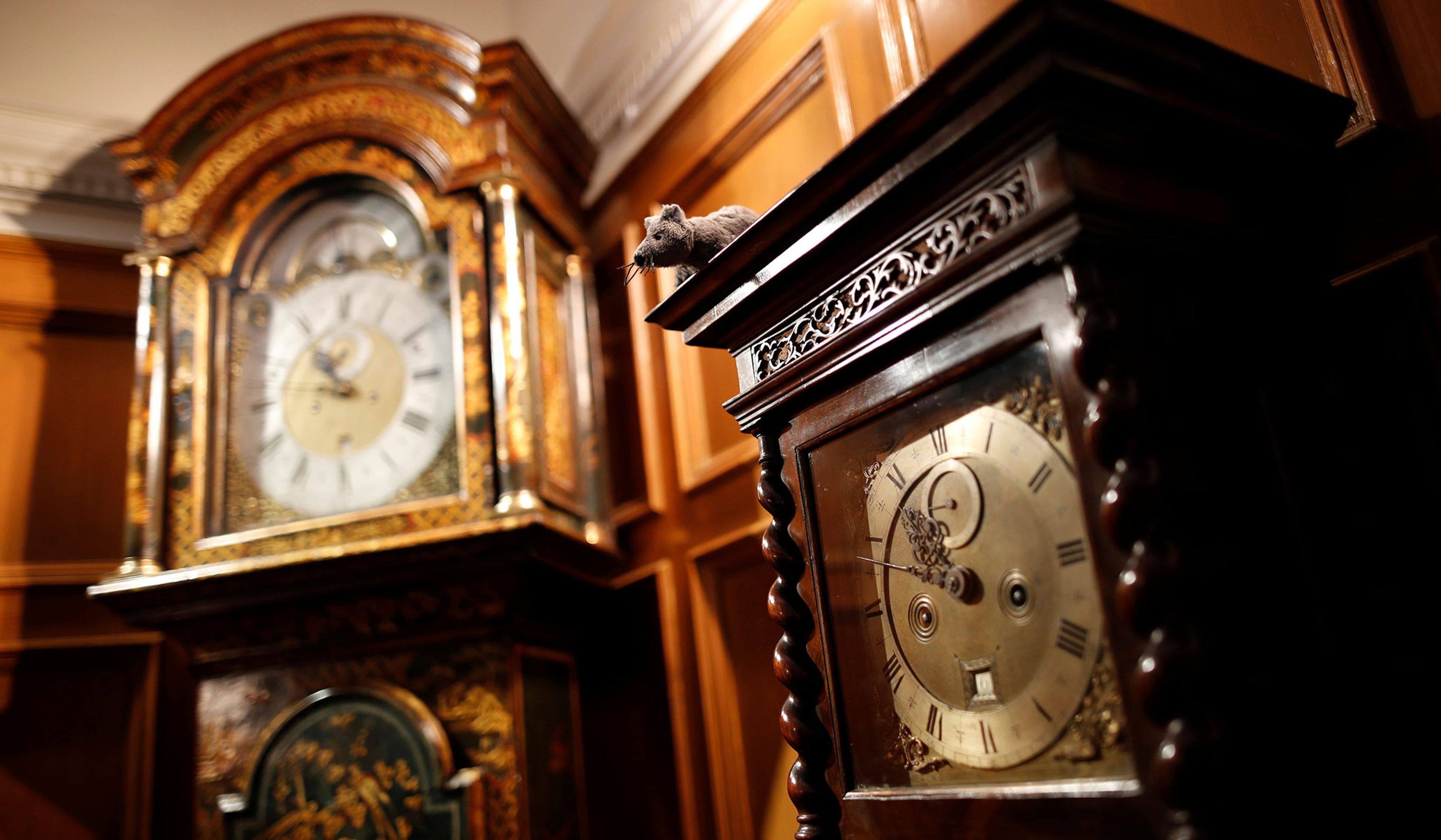
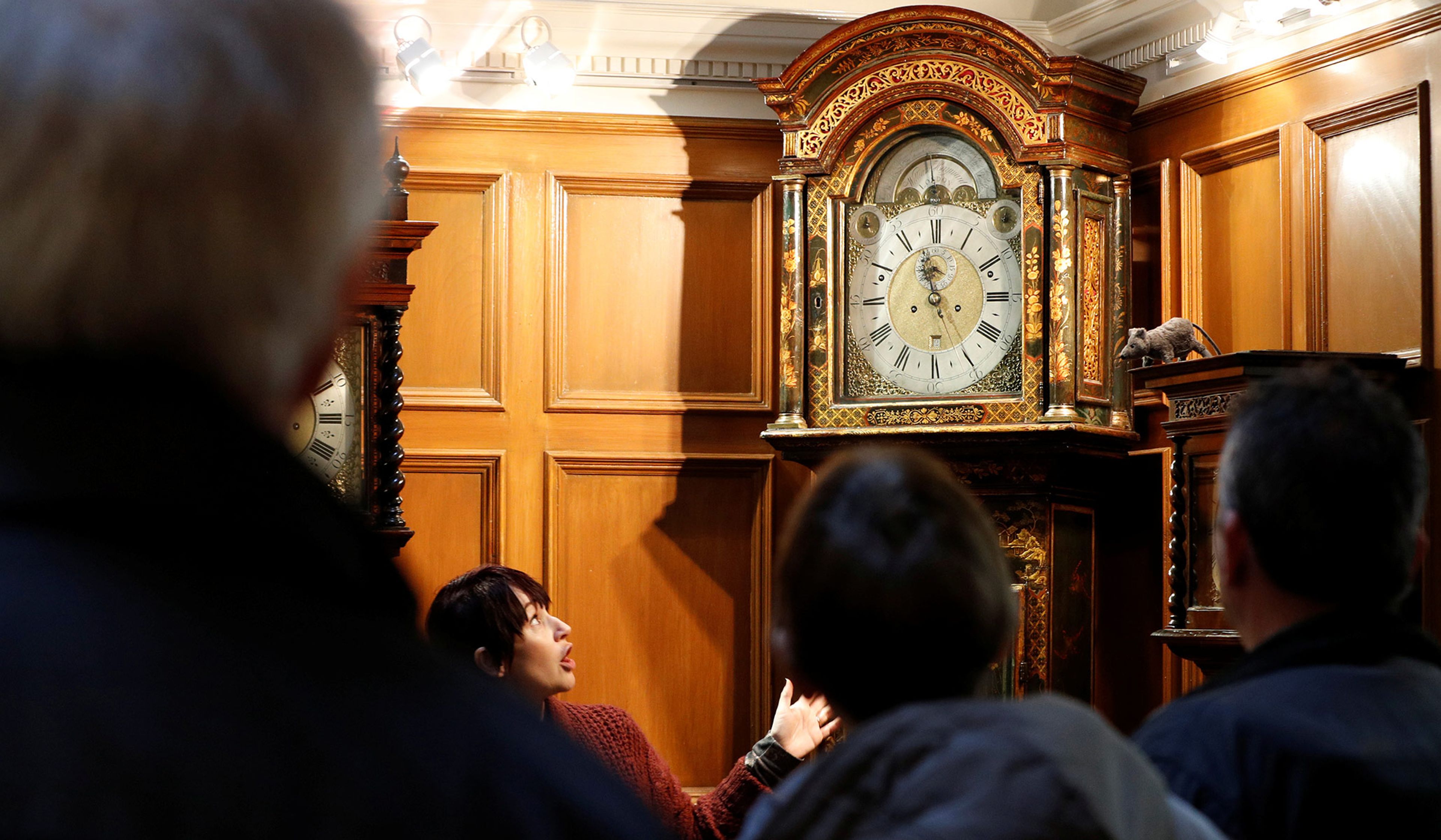
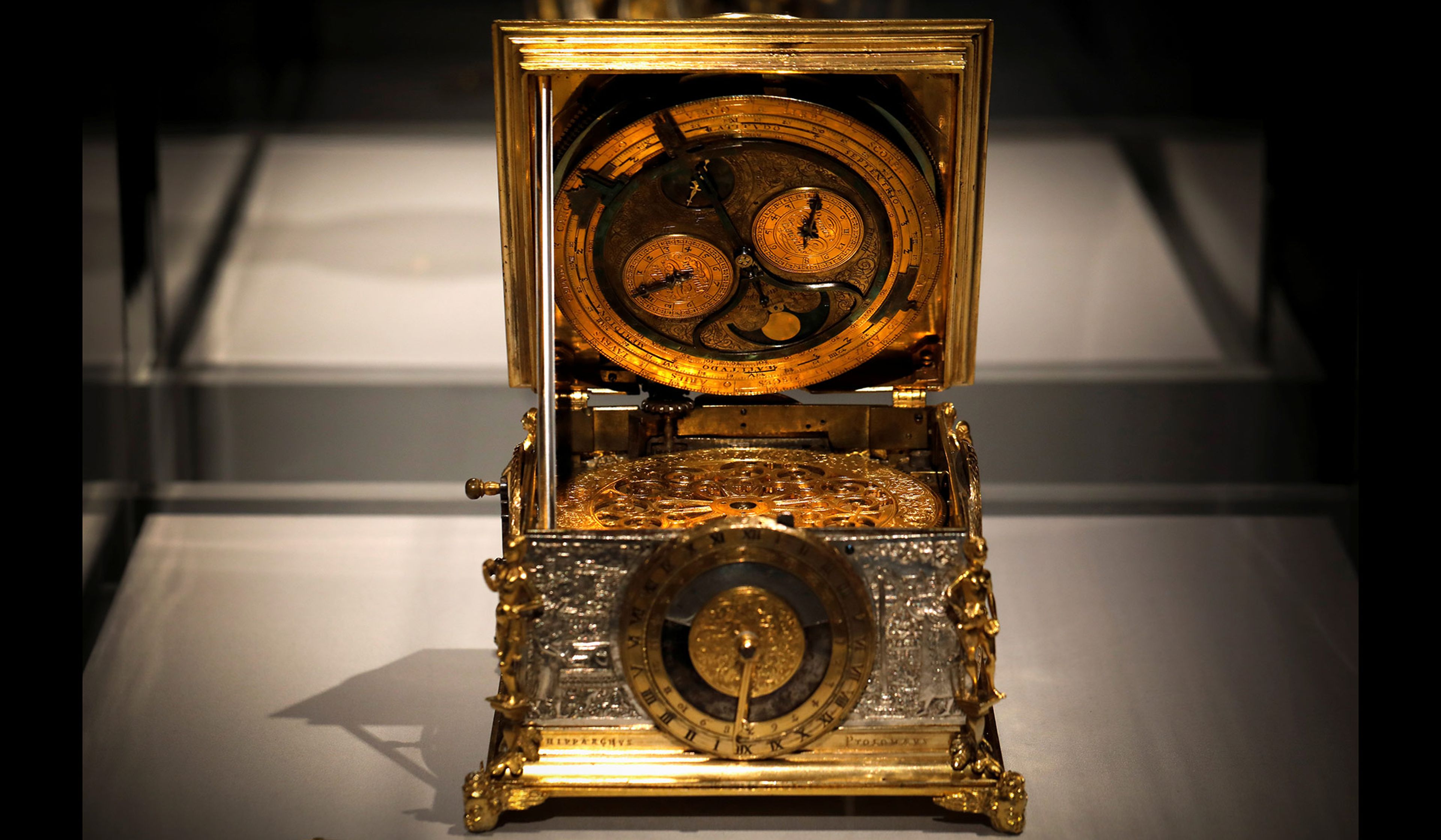
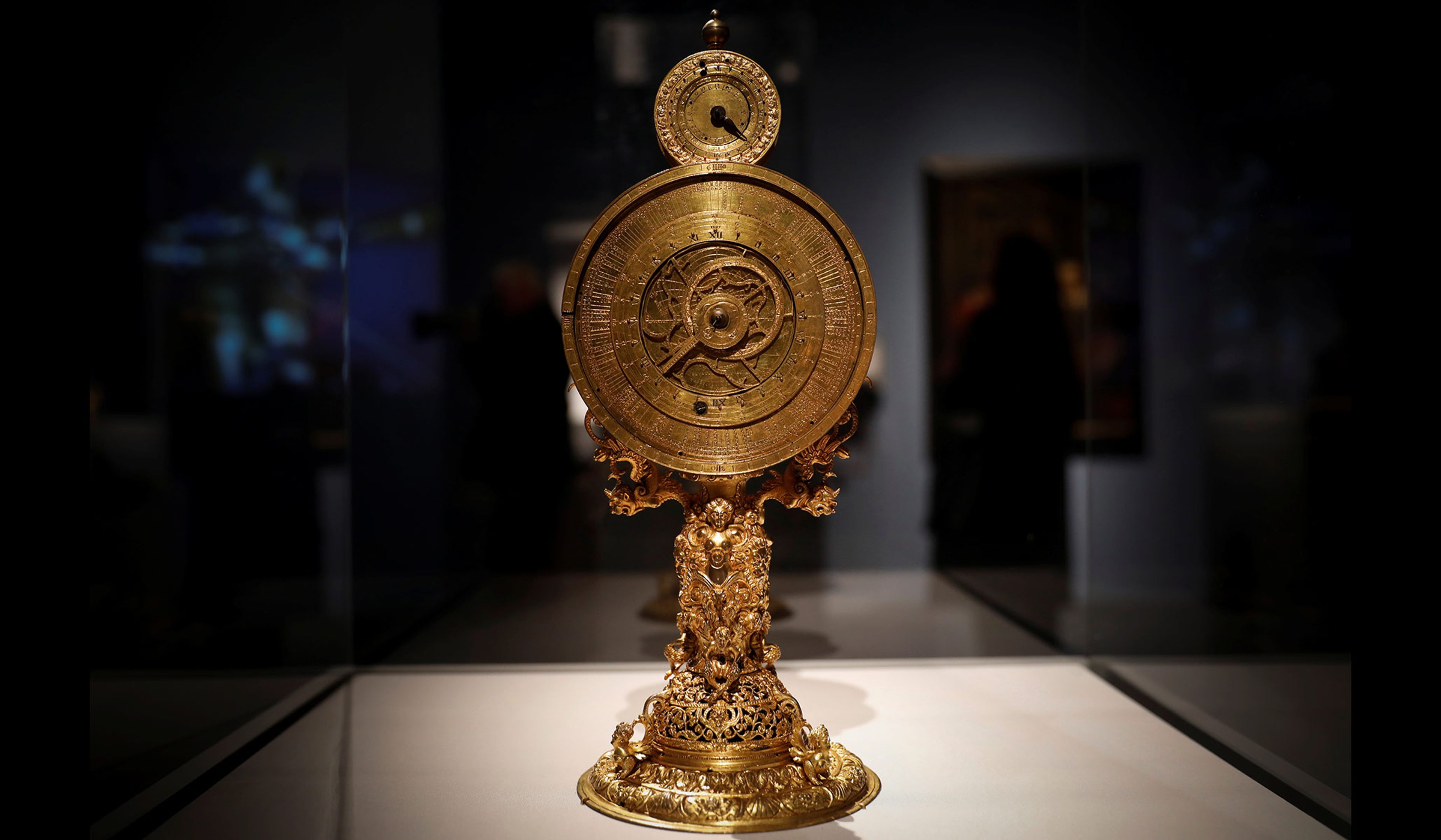
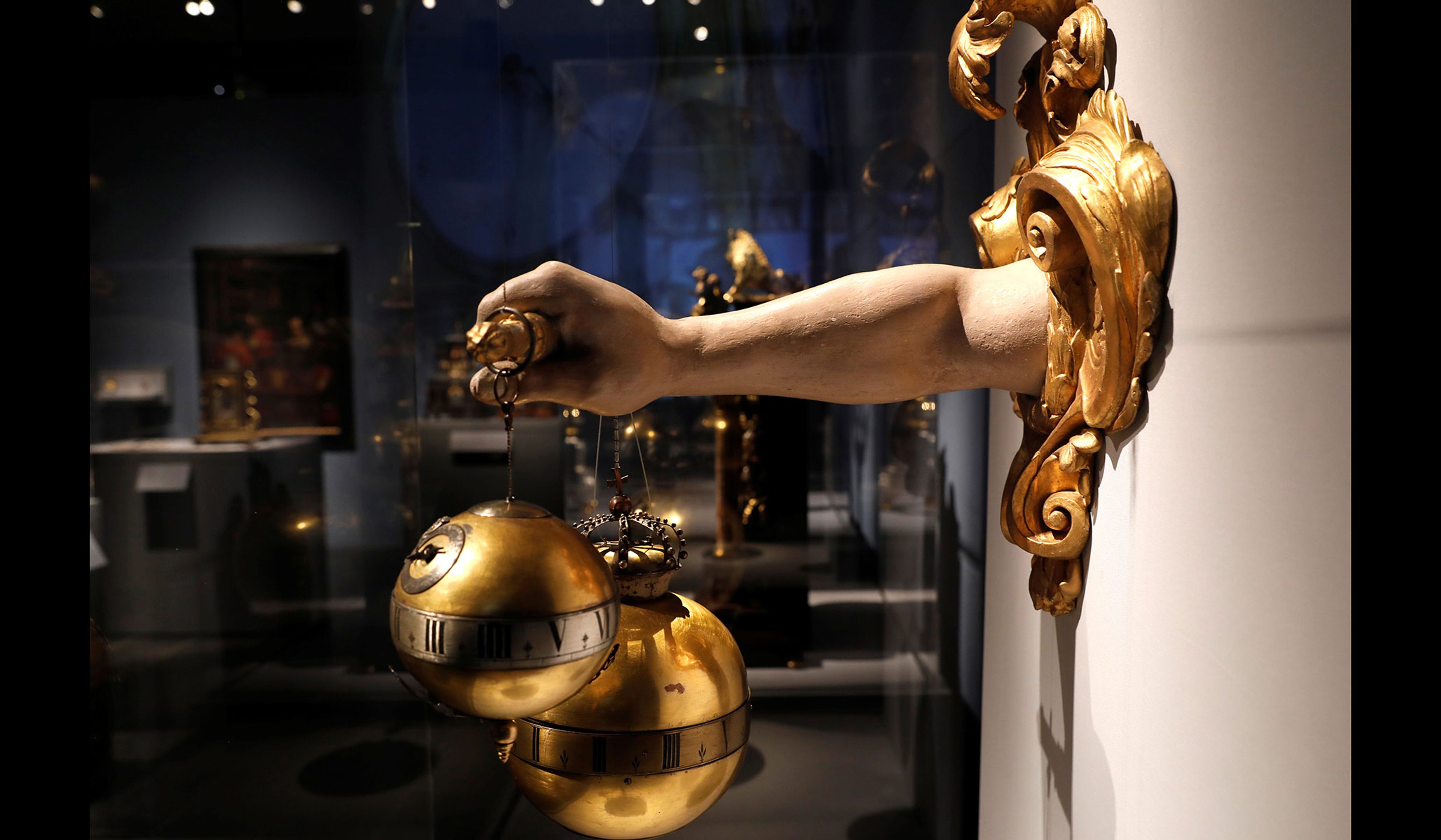


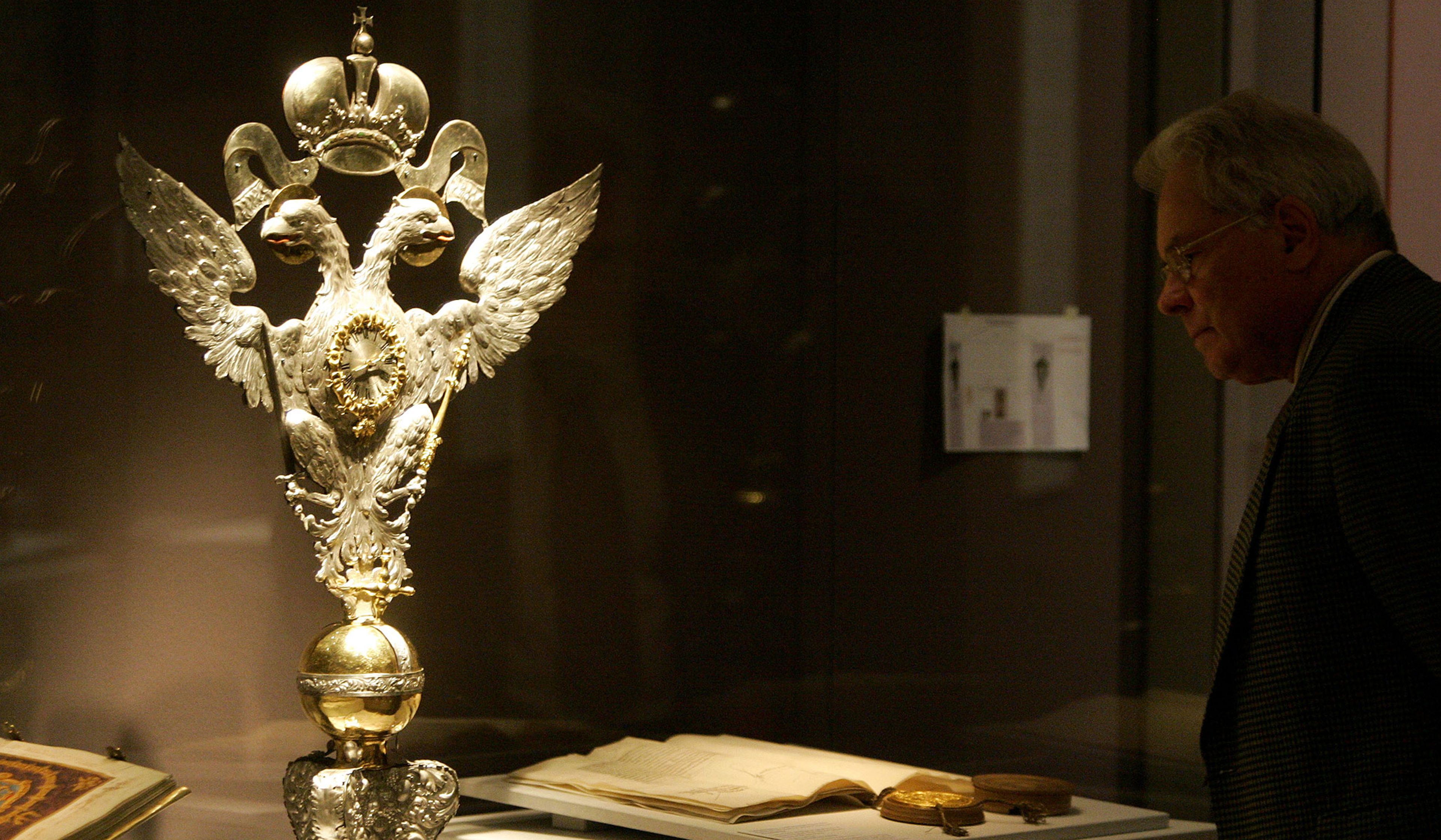
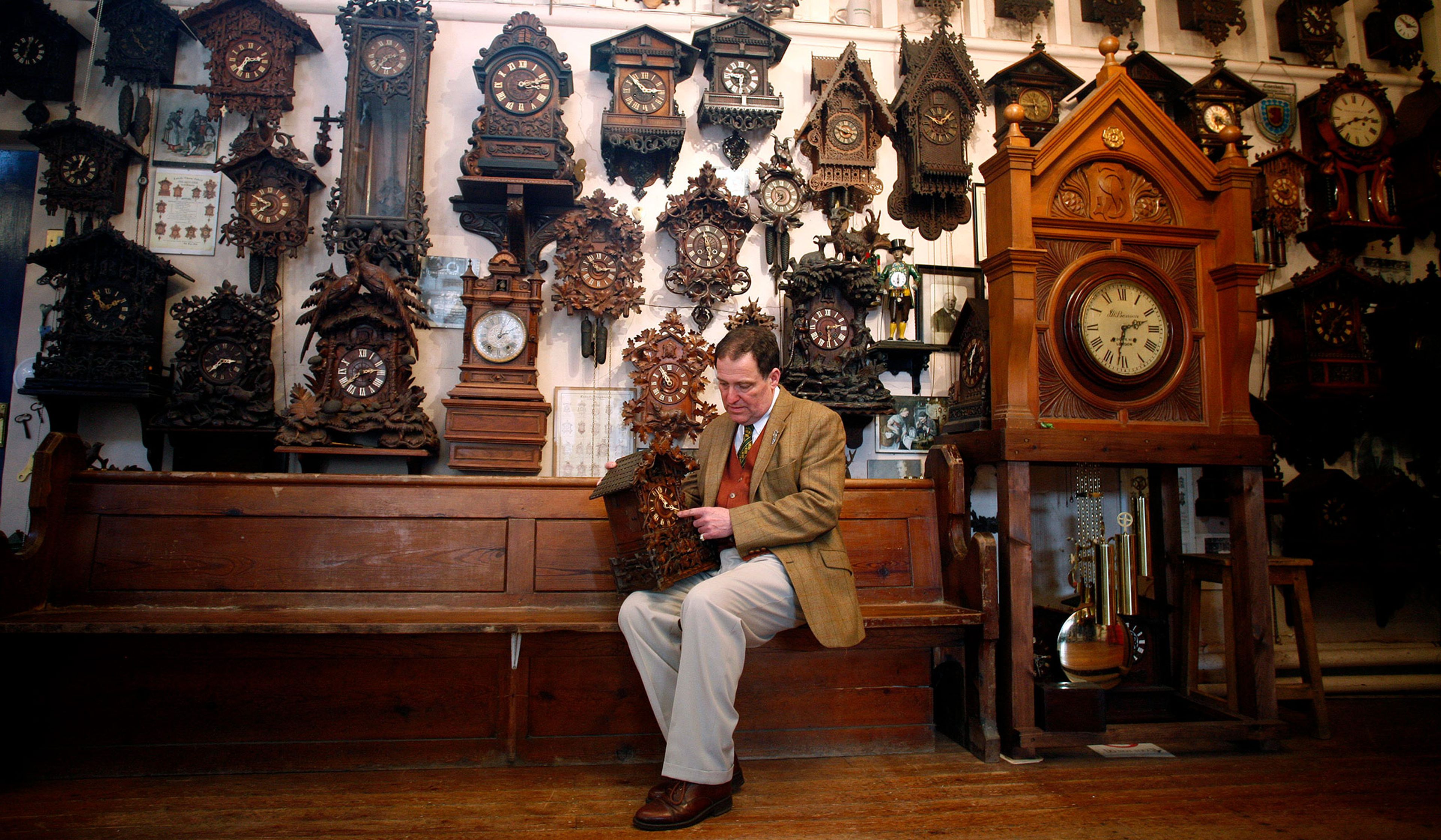
Britain’s Prince William, Duke of Cambridge and Catherine the Duchess of Cambridge look across the River Seine through the clock face at the Musee d’Orsay during their visit to the museum in Paris, France, March 18, 2017.
Francois Guillot/Pool/Reuters
The fat now being in the fire, Reginald travels throughout Europe. His efforts at beneficence (he forestalls a famine in Hungary) awaken suspicion and hatred among the nobles, and the horror of the mob, suspecting (correctly) that he is a sorcerer. His wife dies, his daughters marry, and he gets himself imprisoned and then flees, hounded through Europe by everyone and his Uncle Max.
It is, of course, the story of Midas, and that of the well-known (and perhaps actual) winners of the lottery, who go from rags to riches to rags just that quick. Travels of St. Leon is a page-turner — and, should one desire it, a Cook’s Tour of politics in 16th-century Europe — the punch line of which we find today, in any rational reduction of “Our Current Situation,” as have our saddened brothers and sisters since the dawn of time: “I guess I’ll Just Play These.” For who is wise enough to understand, let alone to change, the time in which he lives?
But what of the wish to travel through time to meet The Great? We might want politicians to kiss our babies, but no one who has ever lunched with them desires to repeat the experience.
Those who might like to meet Admired Authors would do well to recall the wisdom of Hemingway, “Madam, it is always a mistake to meet the author.” As it is, for anything of worth we may have had to say we’ve written, and expecting an author to “be interesting” is like requesting Gutenberg to “say something in moveable type.”
No, the wish for time travel is fine fantasy, but we note that most fantasies end badly. See Pandora’s Box and Wilson’s Fourteen Points. See even the seemingly harmless wish to “be a fly on the wall.” We might wish to be such, for example, during a conversation between Roosevelt and Churchill; but, should such a wish be granted, we should find, to our dismay, that we’d forgotten to add that, at the conclusion of the conversation, we should cease being a fly on the wall.











Comments