‘The fox knows many things; the hedgehog one great thing.” Classicists, presumably, know many quotes attributable to the Greek lyric poet Archilochus. I know just this great one.
Likewise, the analysts and prognosticators in these pages — your Jims Geraghty, your Johns McCormack — could offer many well-informed views about the contours of the Virginia gubernatorial race, but I pretty much have just one big view: Glenn Youngkin seems inoffensive enough, and I can’t bleeping stand Terry McAuliffe.
As a pundit I’m not supposed to admit this sort of thing. As a Virginia resident and voter, I probably shouldn’t either. But that’s what it comes down to for me.
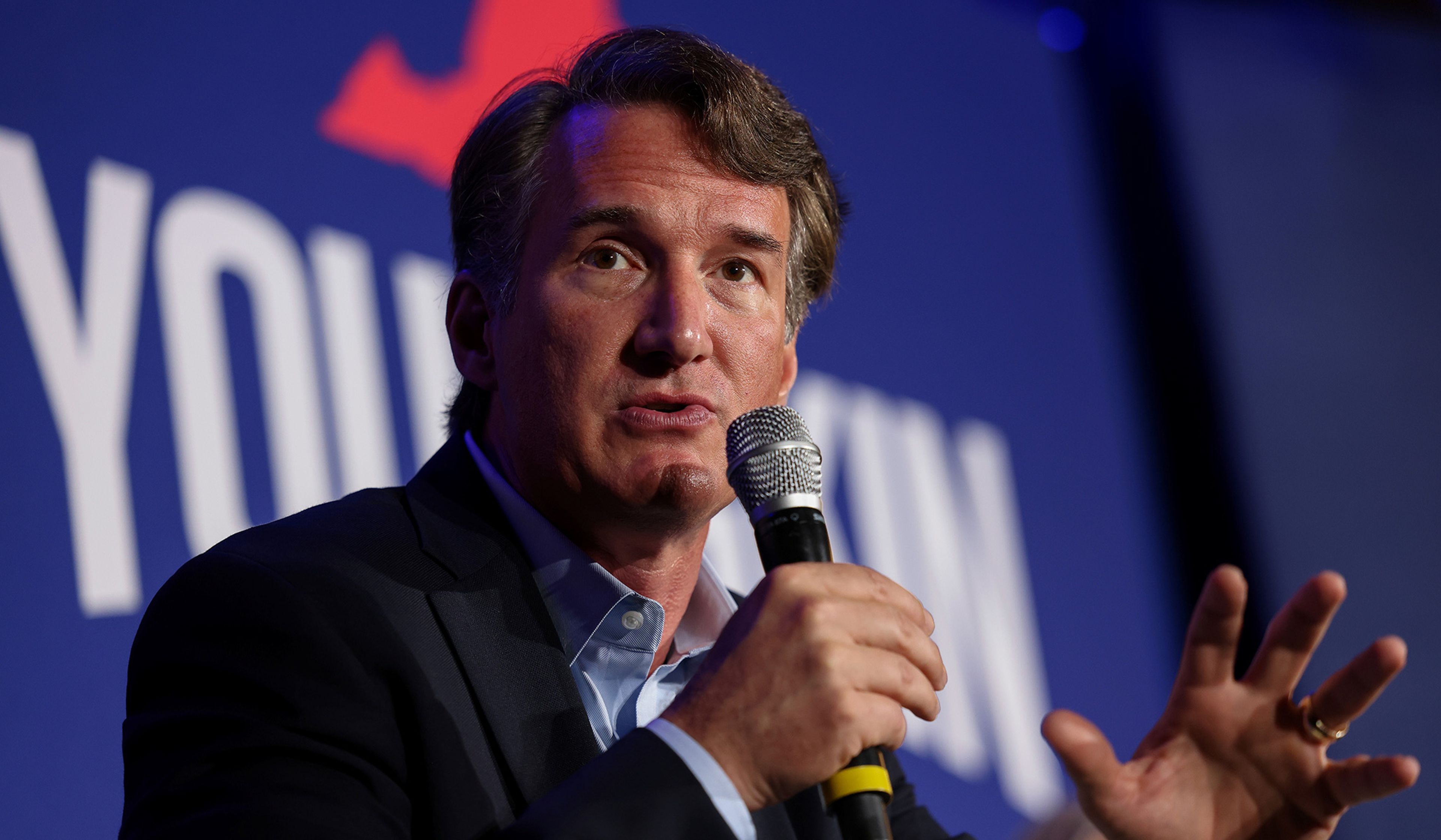
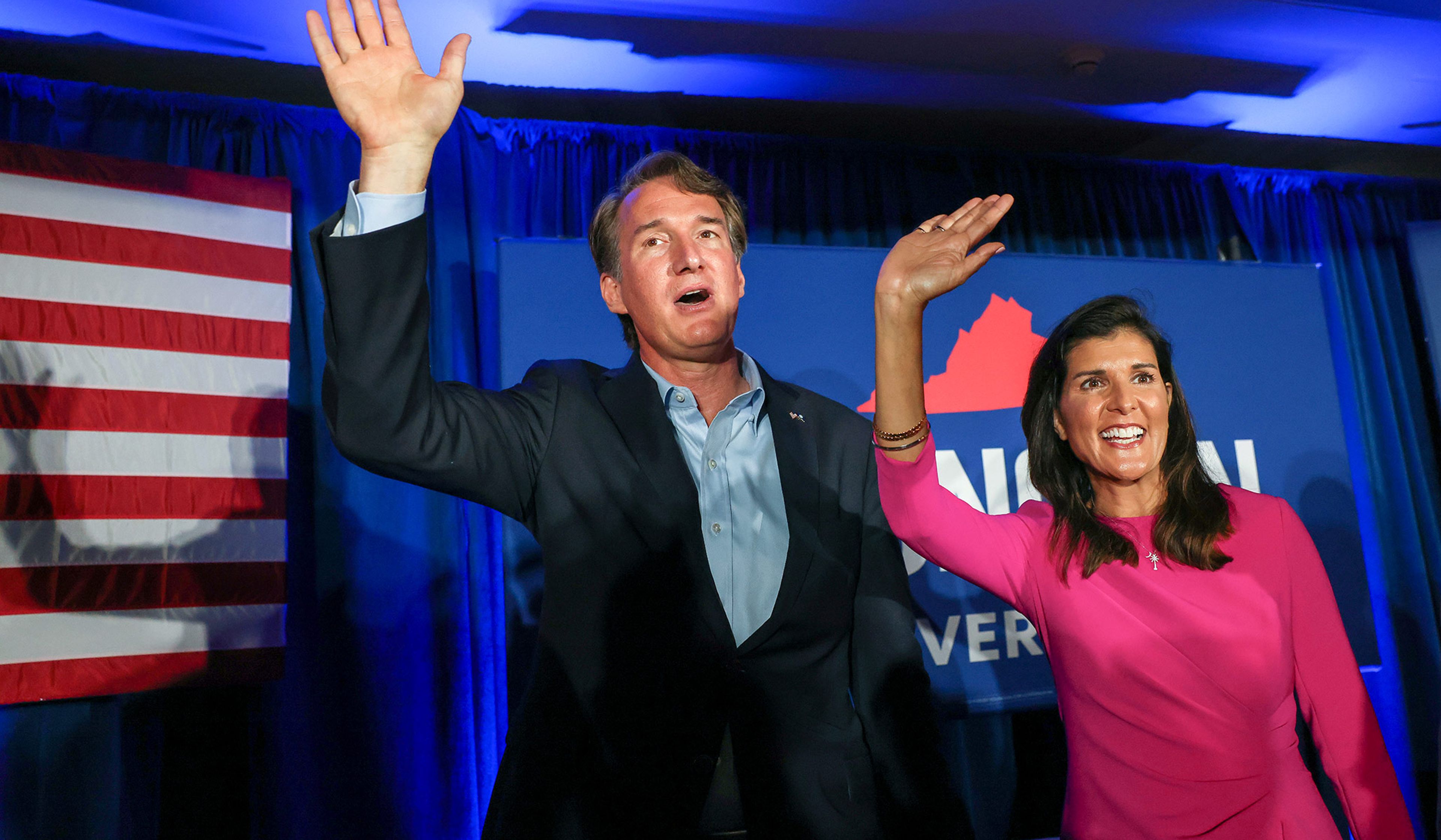
I know a little bit about Youngkin. He’s a C-suite guy from a financial-services corporation, and he wears a lot of fleece zip-up vests (but I repeat myself). He’s very tall. And though he’s a political neophyte, his campaign ads are well done and his stump speeches competently delivered.
And I know more than a little about McAuliffe. Four decades a DNC henchman, three of them in behalf of Clinton Inc., he’s like Lucifer in the Rolling Stones’ “Sympathy for the Devil,” seeming to show up in a sulfurous cloud wherever morally dubious demagogues aping empty progressive slogans need a guy who doesn’t mind wet work.
I know that he and his co-partisans increasingly treat the large and diverse state of Virginia as a Democratic duchy, a kind of Calais across a narrow strip of Potomac, colonized by a settler class of lawyers and consultants and government contractors.
I know that he’s been lying in wait since his last stint as Virginia’s governor, from 2014 to 2018, forced to observe the state’s quaint bar against consecutive terms while Ralph Northam keeps his seat warm. Like when Vladimir Putin briefly became “prime minister” to Dmitry Medvedev’s “president” of the Russian Federation, except Medvedev was a figurative minstrel and Northam a literal one.
I know that Youngkin shrewdly clinging to “normie” positions on highly polarized education issues down the stretch has forced McAuliffe, somewhat ill at ease in the contemporary Democratic Party, to talk a lot more about “critical race theory” and gender-fluid bathrooms than he’d probably like.

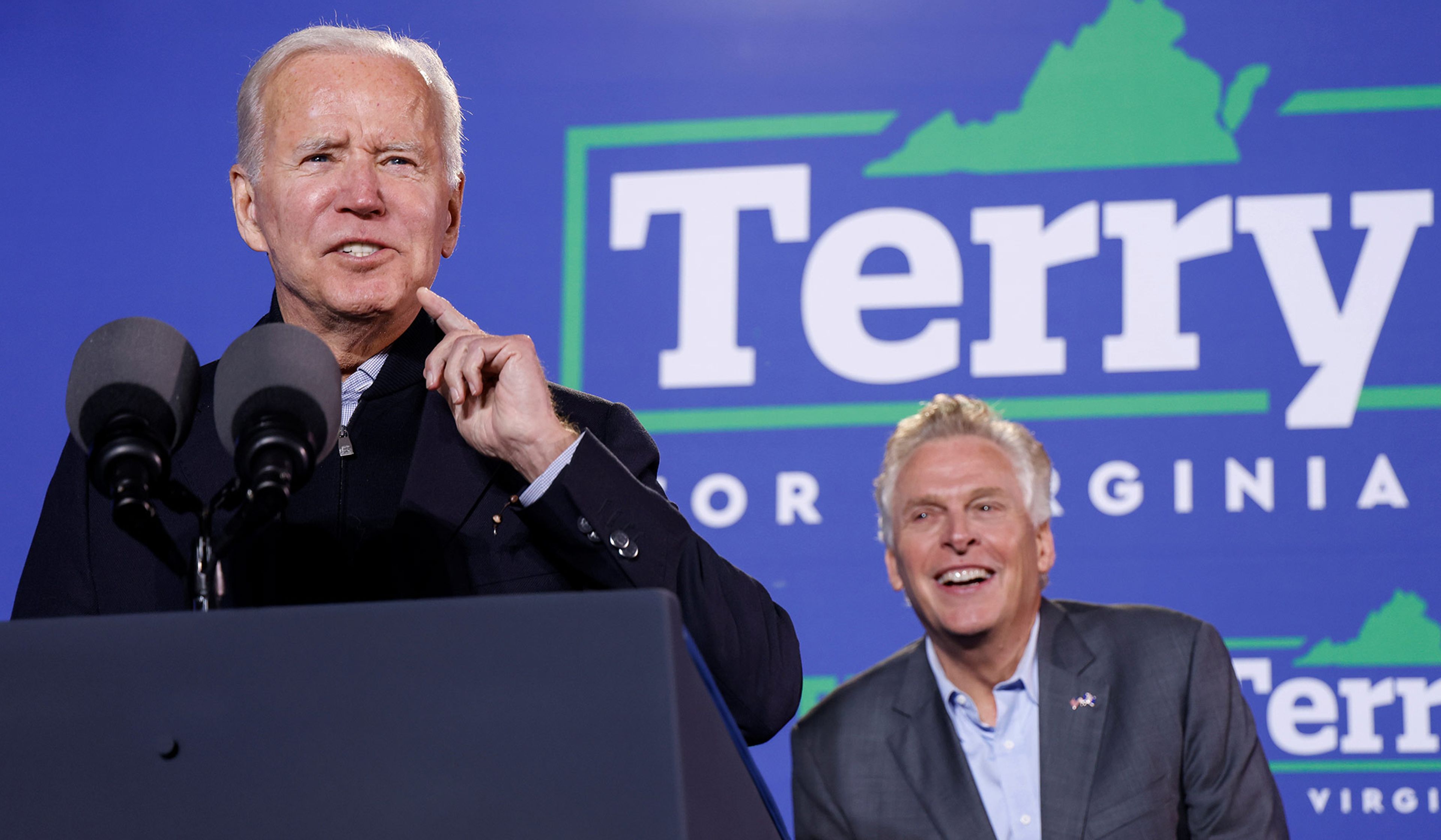
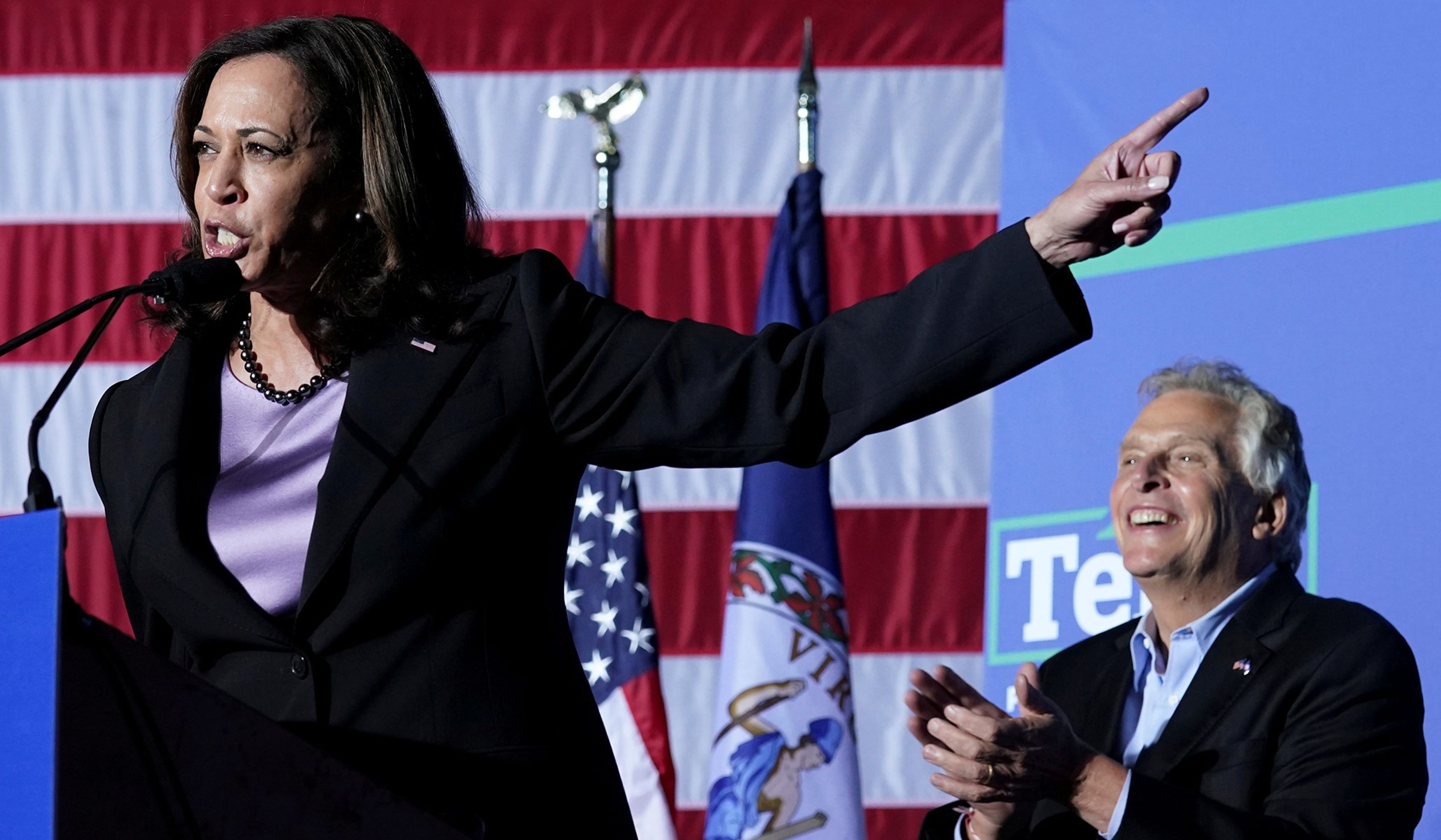


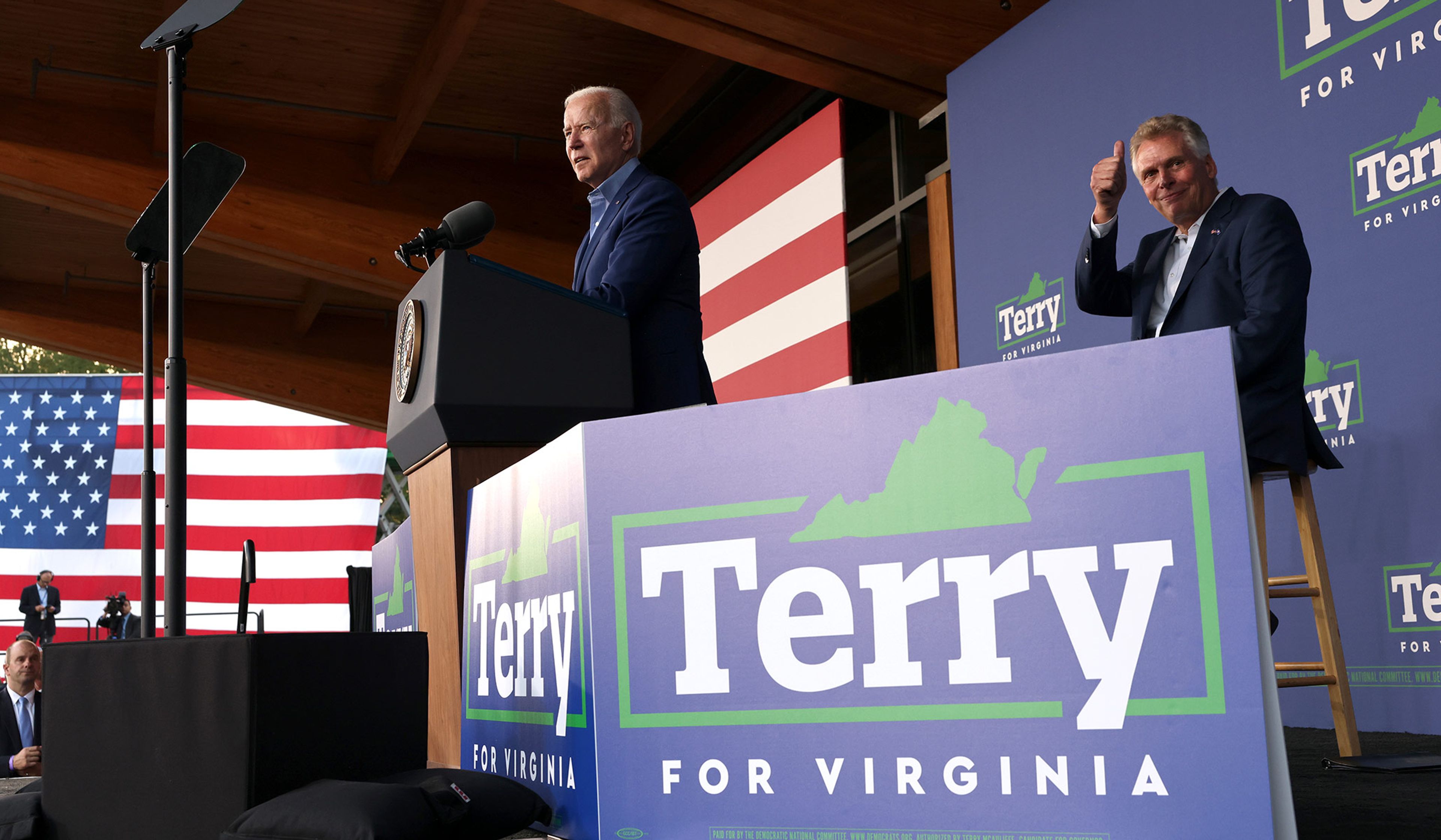
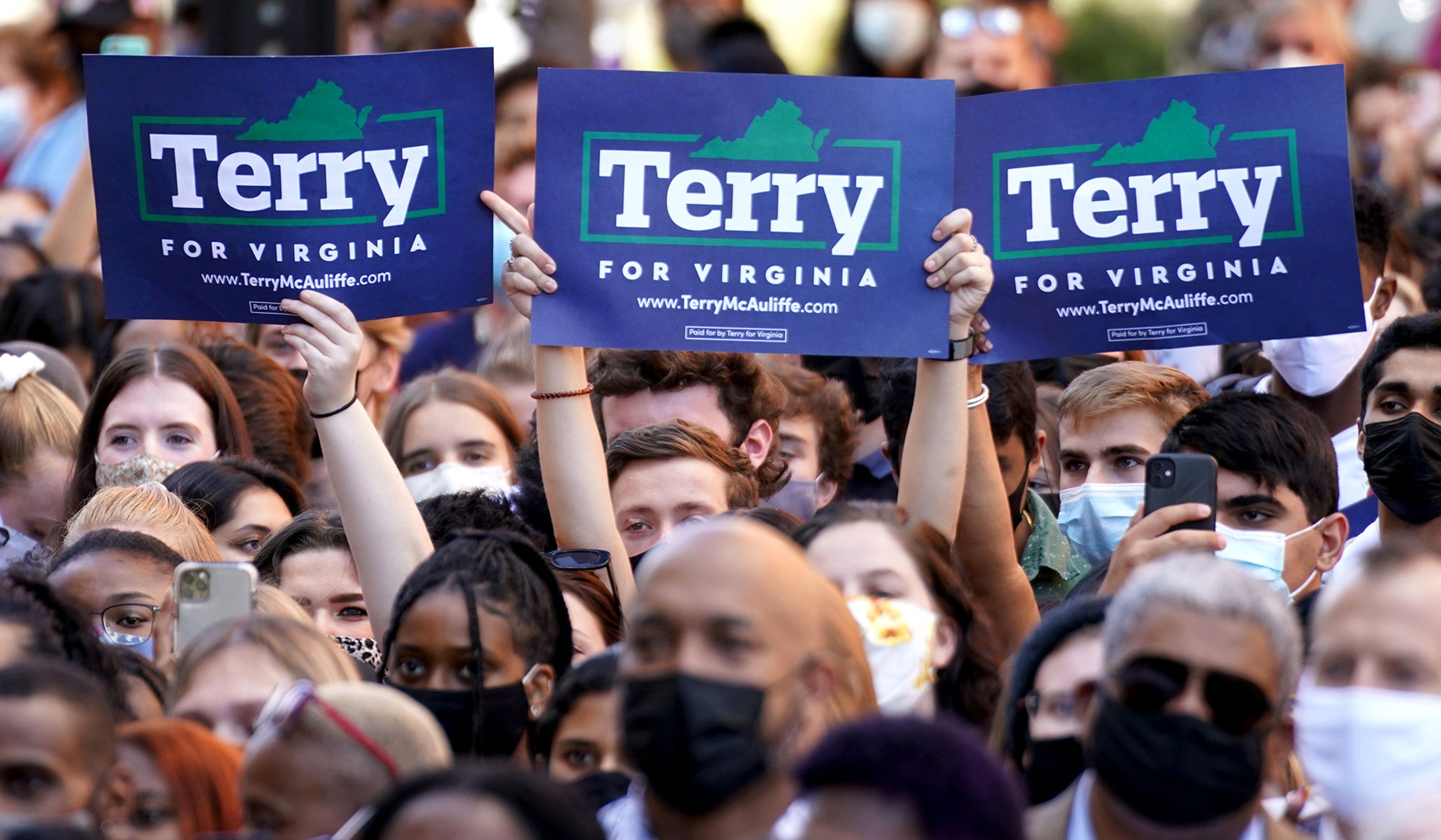
Candidate for Governor of Virginia Terry McAuliffe speaks during his campaign rally in Dumfries, Va., October 21, 2021.
Kevin Lamarque/Reuters
But most importantly I know that McAuliffe looks like a giant cheese-eating rat who can get you a deal on a lightly used Toyota Corolla. I just hate the guy.
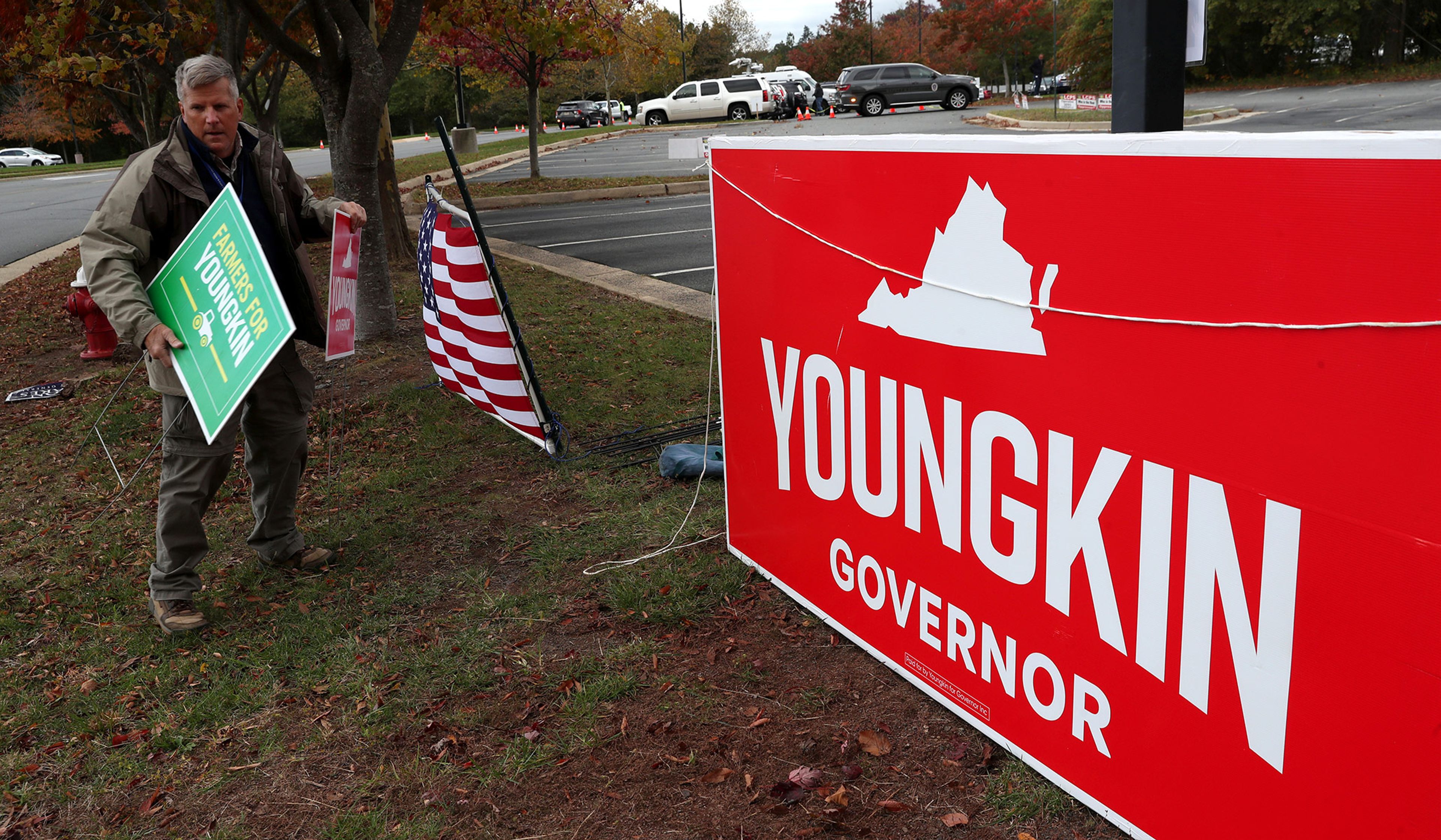
I’m not proud of it. I don’t hate many politicians, not even the ones I’m supposed to. I like even fewer. Usually I can keep my wits about me by remembering that they aren’t much more than bundles of incentives — some good, mostly bad — and imperfect reflections of the fickle beast they serve: the public. But McAuliffe, the live-action mayor of Whoville, skeeves me so much that I will take unusual pleasure in marching down to the local elementary school to vote against him on Election Day.
Of course, I’m a political conservative and a small-government guy and philosophically opposed to the Democrats’ agenda in Virginia, so my vote is overdetermined. But my secret shame is that even if I weren’t I would probably still vote against McAuliffe. It’s just so transcendentally obvious to me that He Is Bad.
I’m generally skeptical of the suggestion that American politics has gotten dumber over time. But I do think there has been a consequential shift. It used to be that complex questions of policy and prudence collapsed into pat, oversimplified views. Republicans and Democrats mostly sorted neatly on binaries like “unions good/unions bad” and “tax more/tax less.” But now — in the midst of not just a great reshuffling of voting coalitions but an honest-to-goodness reassessment of the meaning of the American political project — things are far too fluxed up for anyone to have hard-and-fast views on subjects. So we increasingly default to hard-and-fast attitudes toward people.
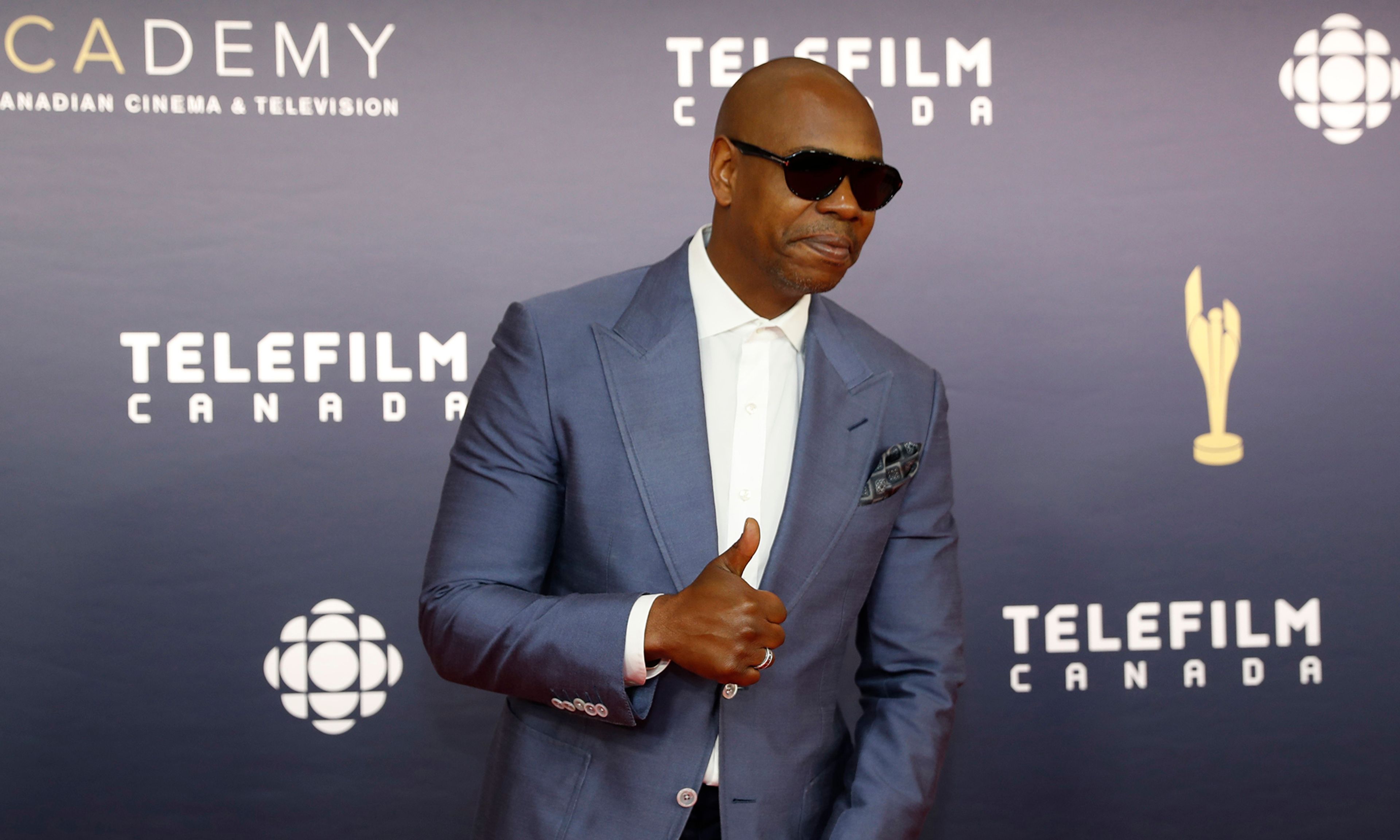
Comedian Dave Chappelle is a perfect example. Five years ago, almost to the week, culture mavens on the left turned to him as a source of comfort and solace in the form of the perfect host for the first episode of Saturday Night Live to air after the 2016 election. He gave a thoughtful and surprisingly charitable monologue about the prospects for an incoming Trump administration. But the subtleties didn’t really matter. In 2016, if you were on the left, Chappelle good. A year ago, in the chaotic and violent summer of 2020, it was still thus: Chappelle praise BLM. BLM good. So Chappelle good.
On the culturally active right, it was much the same, with the relevant adjectives substituted. But then, in 2021, Chappelle do trans jokes. So if you were Team Trans Jokes Bad, you became Team Chappelle Bad. And vice versa.
I should say I haven’t watched the stand-up special in question — and it seems that in this I have plenty of company among commentators on it! — and that not everyone falls into this simplistic trap. I distinctly remember criticizing Chappelle as overrated at a 2009 National Review editorial meeting and Rich Lowry snapping back, “Dave Chappelle is a comedic genius.” I distinctly remember this because it was Rich Lowry calling Dave Chappelle a comedic genius at a 2009 National Review editorial meeting.
But idiosyncratic thinking is going to become rarer as the in-group/out-group dyad becomes the most important dynamic in the political discourse. Think of how many syllogisms for simpletons run like this now: Trump do vaccine. Trump bad. Therefore, vaccine bad. Aha, but then: Biden do vaccine. Biden good. Therefore, vaccine good. And so forth for everyone from here to Nicki Minaj. And dissent will be kept to a minimum in part by Internet mobs on both sides who have gotten very good at delivering real-world consequences to people who don’t have the correct views.
It’s an unfortunate, even dangerous, development, but the underlying impulse is all too human. I understand it well. And with any justice, that six-foot dung beetle McAuliffe will understand it soon enough!












Comments