Global disorder is growing rapidly even as domestic political support for the post-war order that America’s power underwrote is diminishing. The prospect of a direct war between two or more of the world’s great powers, something that has been avoided for 78 years and counting, seems more likely now than at any time since the end of the Cold War. The United States has a great deal of experience in fighting other great powers through proxy wars, whether during our own interventions (Korea, Vietnam) or our opposition to adversaries’ interventions (Afghanistan in the ’80s, Ukraine today). Our policy continues to be to deter direct major-power conflict. Resorts to violence — as seen most recently in the savage attack on Israel by Iran-backed Hamas, which occurred just before this issue went to press — are increasing in frequency across Africa and Eurasia, and ultimately such deterrence could fail. Americans would benefit from thinking about what a direct clash with China or Russia would look like and what it would demand of us as a nation.
Would such a war be civilization-devouring like the world wars of the last century? Would nuclear weapons again be employed? Or would the conflict be limited in geography and means, as in the proxy clashes since 1945? If we seek to limit any direct conflict, which seems wise, would this desire provide an advantage to our adversary?
A strategic nuclear exchange would render any kind of resulting “victory” entirely Pyrrhic for the major power that initiated it. That fact suggests that strategic nuclear arsenals will remain an incentive to keep military campaigns conventional and their objectives limited, even in a direct clash. Of course, this incentive structure depends on the continued strength of our nuclear triad of weapons deployed from land, sea, and air. And even then the incentives could be tested in harrowing new ways. The battlefield employment of nuclear weapons by an enemy for tactical effects, for example, would confront us with questions that no American president has yet had to answer. Furthermore, escalatory cycles in new domains of warfare (e.g., space) could present novel dilemmas. But patterns visible in the Cold War and in what we have seen recently in Ukraine suggest that the combination of escalatory threats from our adversaries and an American desire not to escalate would have the net results of a conventional battlefield advantage for the enemy and no strategic nuclear escalation. As it was in the Korean War, so it has been so far in Ukraine.
If future direct major-power war indeed remains conventional, what would the actual fighting be like? We would see for the first time a direct confrontation between two powers equipped with sophisticated versions of what Soviet military analysts once referred to as a “reconnaissance-strike complex.” Scholars from Andrew Krepinevich to H. R. McMaster have explained how the Gulf War affected the thinking of our adversaries, especially China. Following Saddam Hussein’s invasion of Kuwait, the American military combined its capability for expeditionary operations with its mastery of key emerging technologies — stealth and precision bombing in particular — to deliver a swift knockout of a reasonably well-regarded adversary force halfway around the world. As the phrase “reconnaissance-strike complex” indicates, our success in the Gulf was fundamentally a consequence of our ability to harness advances in information technology. We created a battle network that could see and destroy enemy assets quickly and with an economy of munitions previously unseen in the history of war. The results of our air campaign were devastating, and in concert with our high-quality and highly mobile ground units, it led to swift victory. The combination was key. Explosives delivered from aircraft and also cruise missiles launched from the sea allowed tanks, and troops mounted in vehicles who had spent months gathering in Saudi Arabia, to maneuver swiftly into Kuwait and Iraq — a one-two punch of fire and maneuver on a regional scale.
Today, America’s networks are even more robust, we can hit targets faster, and our maneuver units remain impressive — but our major-power adversaries, especially China, have caught up and, in many cases, outpaced us. The People’s Liberation Army has spent the years since 1991 preparing to defeat us, in part by developing comparable capabilities. It has created zones in the Pacific where a Desert Shield–like buildup of American expeditionary forces would be highly vulnerable to a high-tempo Chinese reconnaissance-strike complex. We are therefore in what Krepinevich, in his outstanding book The Origins of Victory, calls a “mature” military revolution — one in which multiple combatants have made the same advances, denying one another a significant edge.
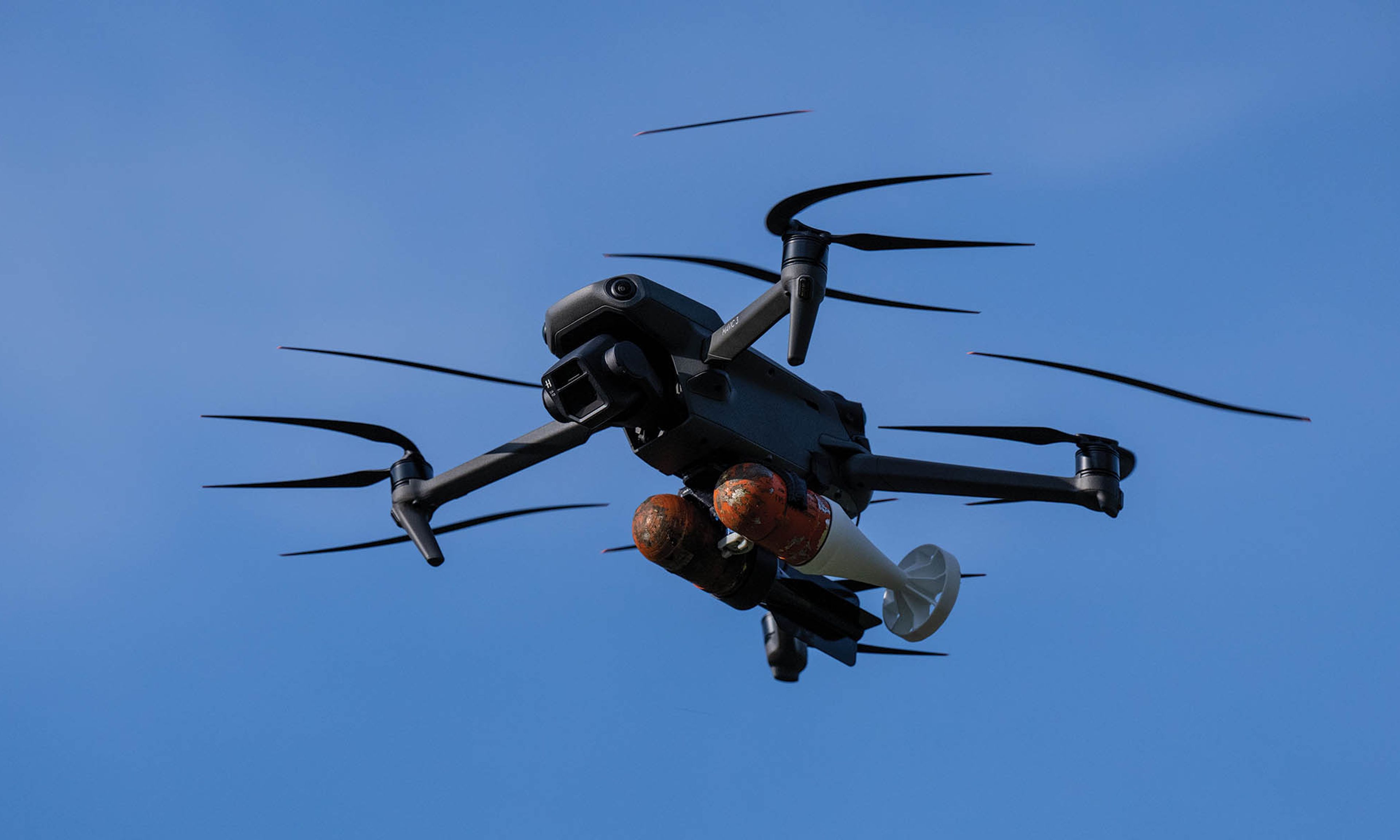
The war in Ukraine gives some indication of what two robust reconnaissance-strike complexes would look like in conflict, even though the clash is primarily a ground, not a maritime, fight and is not quite at the level of intensity that we could expect from a direct war with China in the Pacific. Following the failure of Putin’s opening coup de main, what we have witnessed is the dominance of fires over maneuver. In other words, it is easier to find and kill the other guy attempting to move around on the battlefield, using weapons such as artillery and drones, than it is to move around yourself. In combination with quite old-fashioned defensive operational concepts that involve trenches and minefields, this dominance has led to a stalemated attritional fight. Notably, both sides have given up on attempts to secure air superiority, which was a defining feature of the American way of war when we enjoyed the one-sided effects of being first to a revolution. In ways that would have been familiar to, say, generals in the War of the Spanish Succession, both sides show an understandable reluctance to commit expensive, slow-to-be-replaced assets (from well-trained and well-equipped maneuver units to high-end aircraft) to conditions in which their loss would be likely. There has been a corresponding impulse, well reported on for the Russian side, to mitigate or forestall the loss of high-performing quality by substituting less-capable mass, often in the form of poorly trained conscripts.
How much of this pattern will hold for other fights involving major powers is unclear, but the overall picture we see in Ukraine points us, perhaps surprisingly, to the period of European warfare in the century or so preceding the Napoleonic Wars. Then, a multipolar collection of major powers regularly fought one another, but great coups of maneuver were the exceptions, not the rule. Moreover, from the end of the Thirty Years’ War to the French Revolution, combatants generally pursued limited objectives. Today, it’s similarly worth planning for a pattern of dramatic openings followed by long attritional struggles that tax the manufacturing bases, manpower, and economies of the major-power combatants, even if they are pursuing limited objectives.
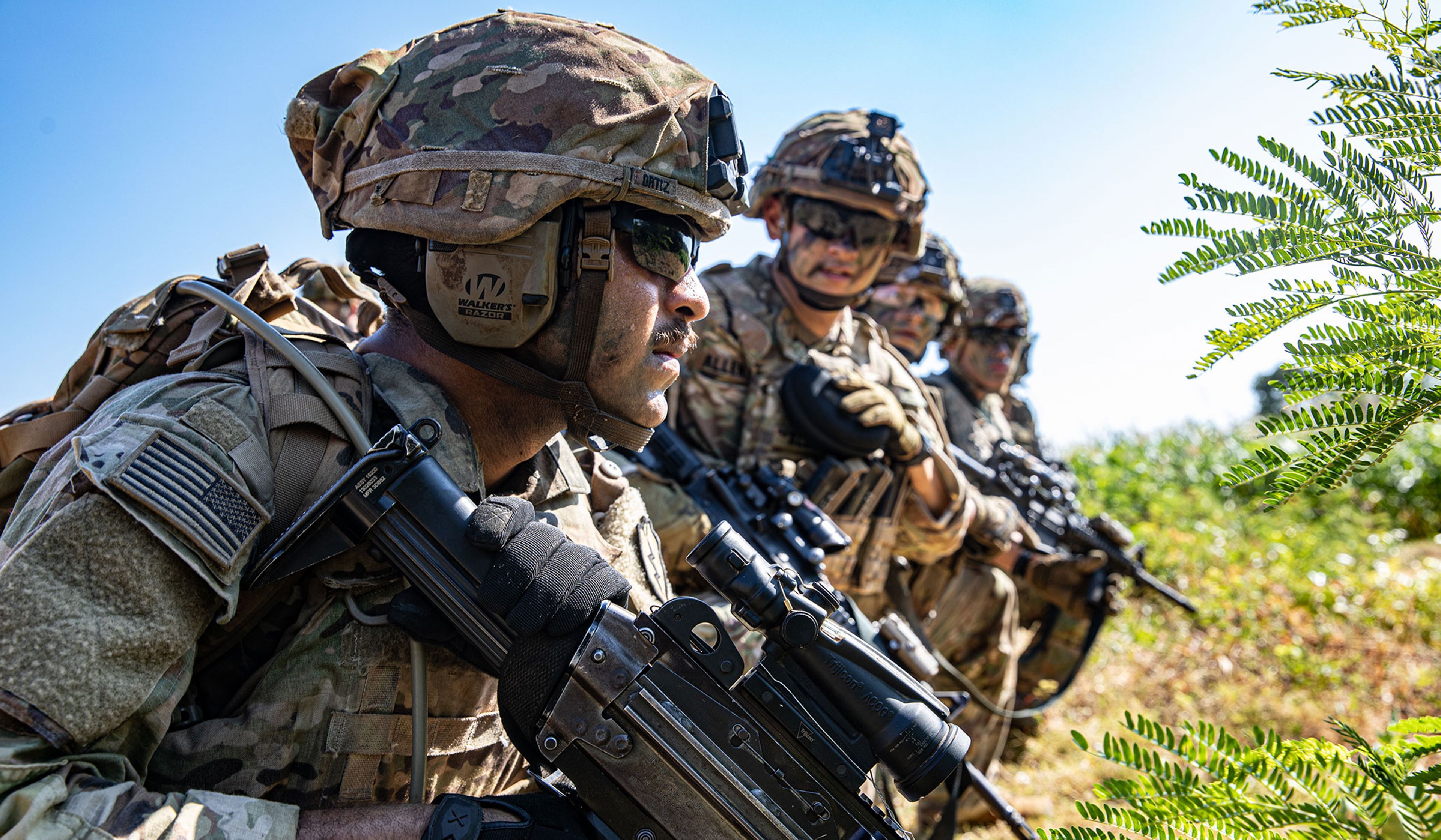
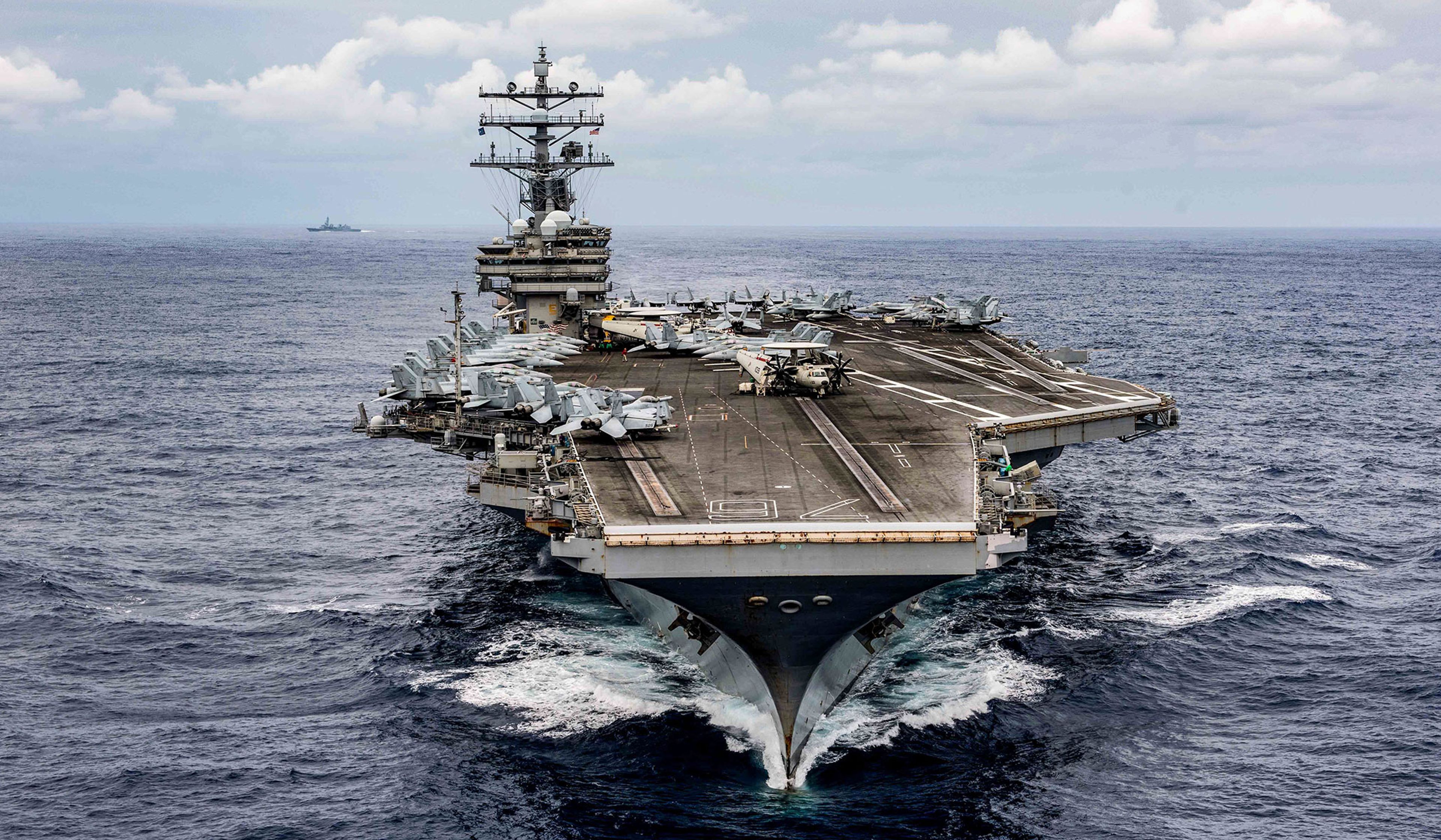
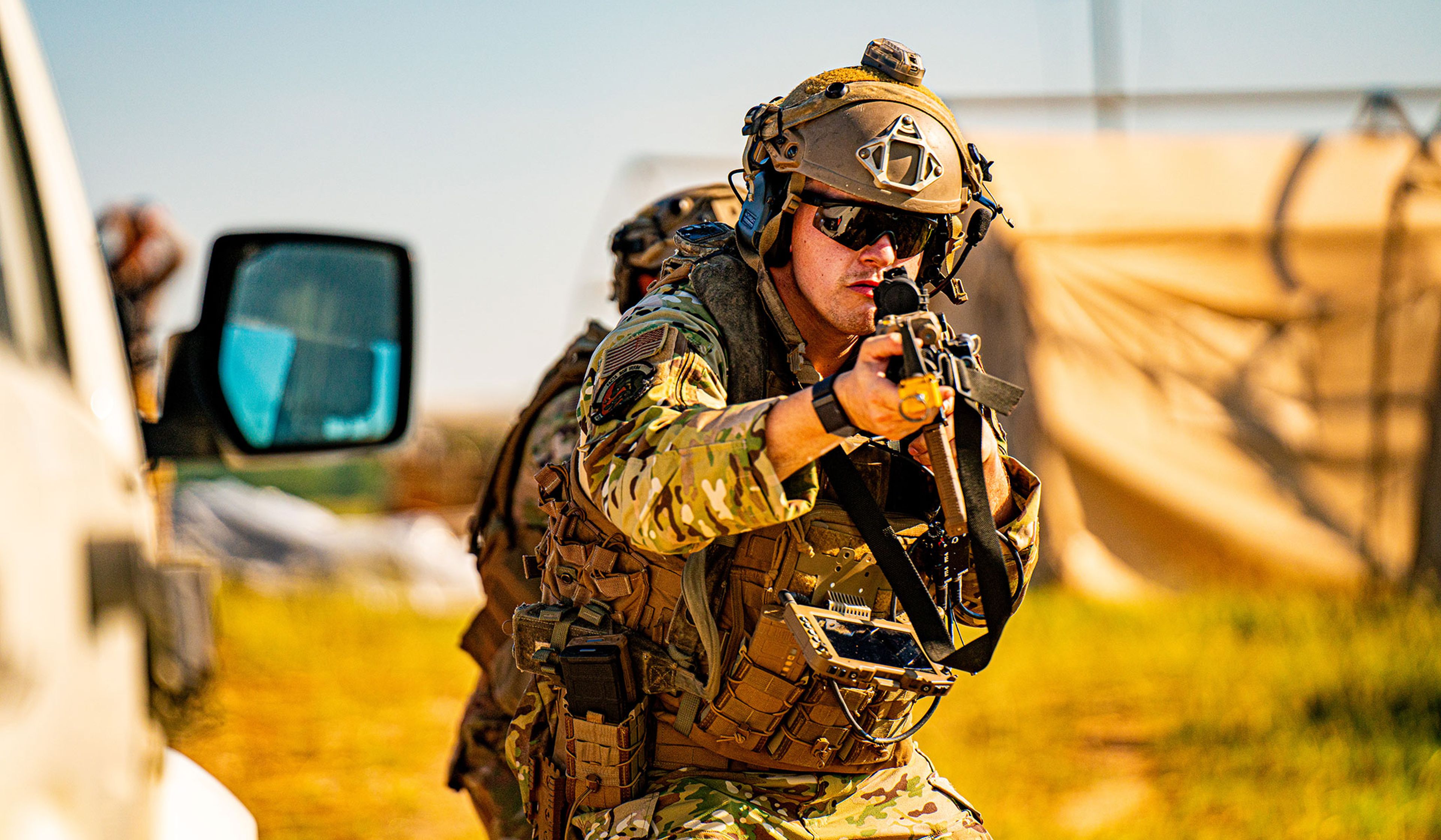
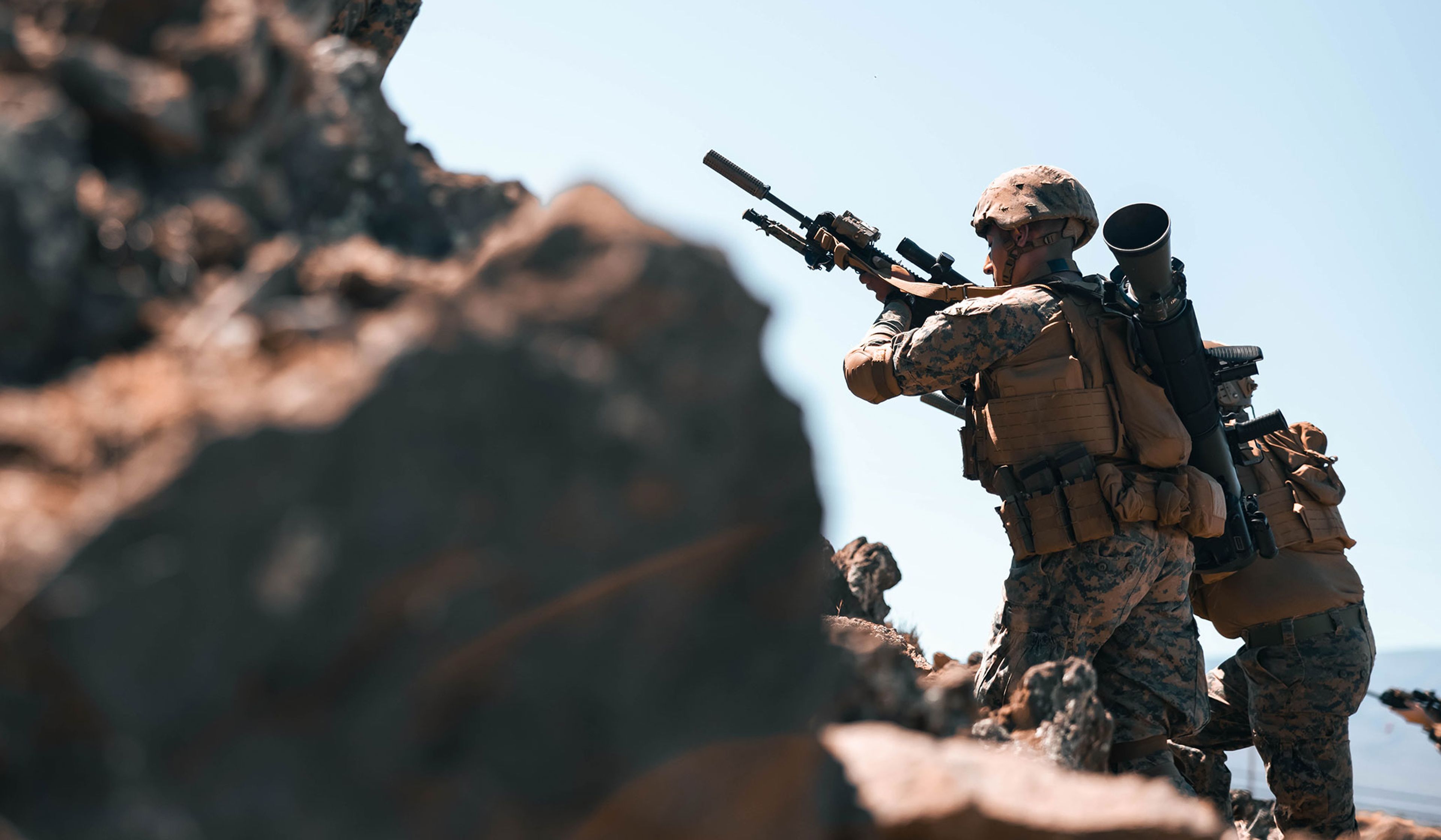
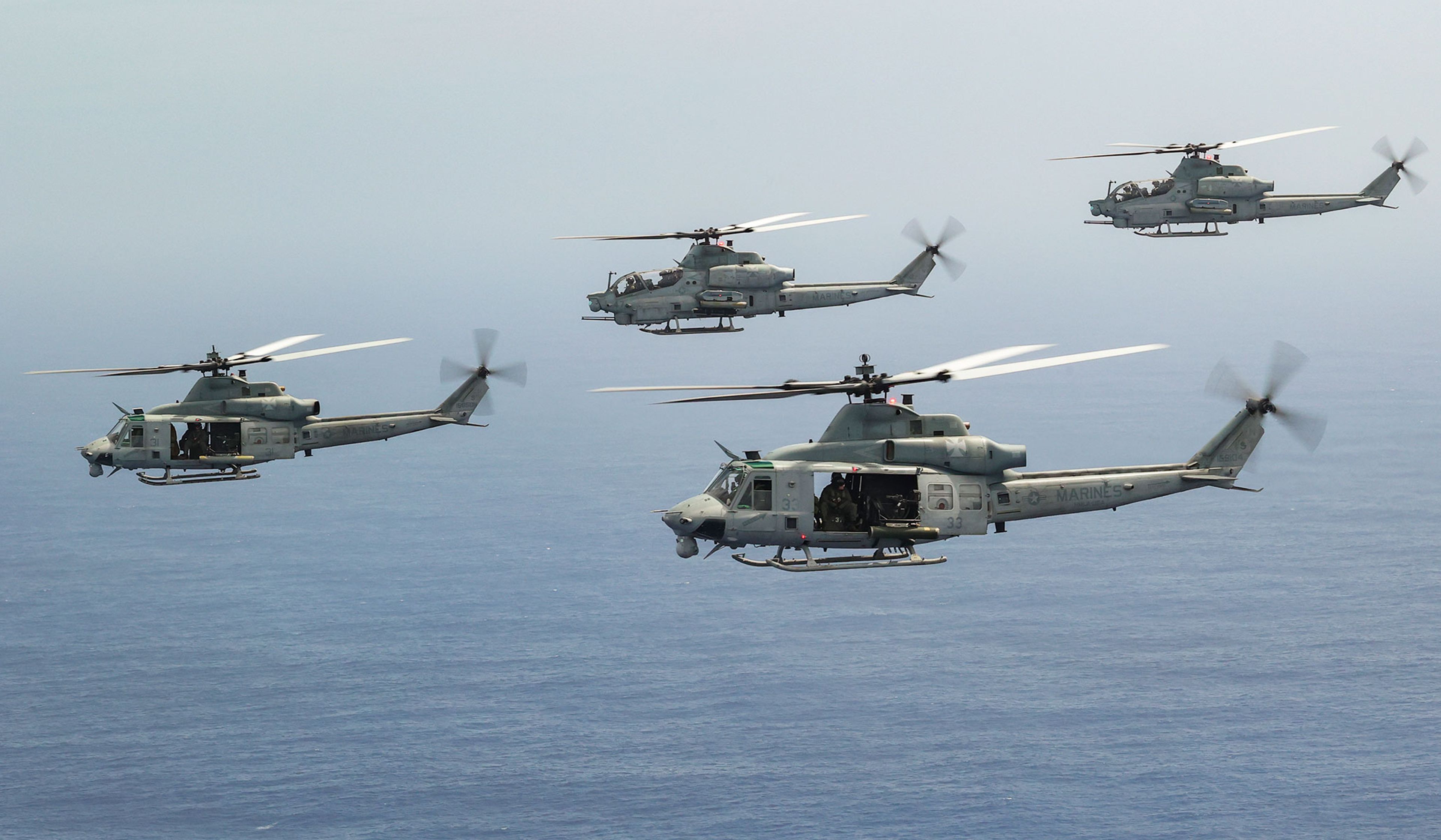
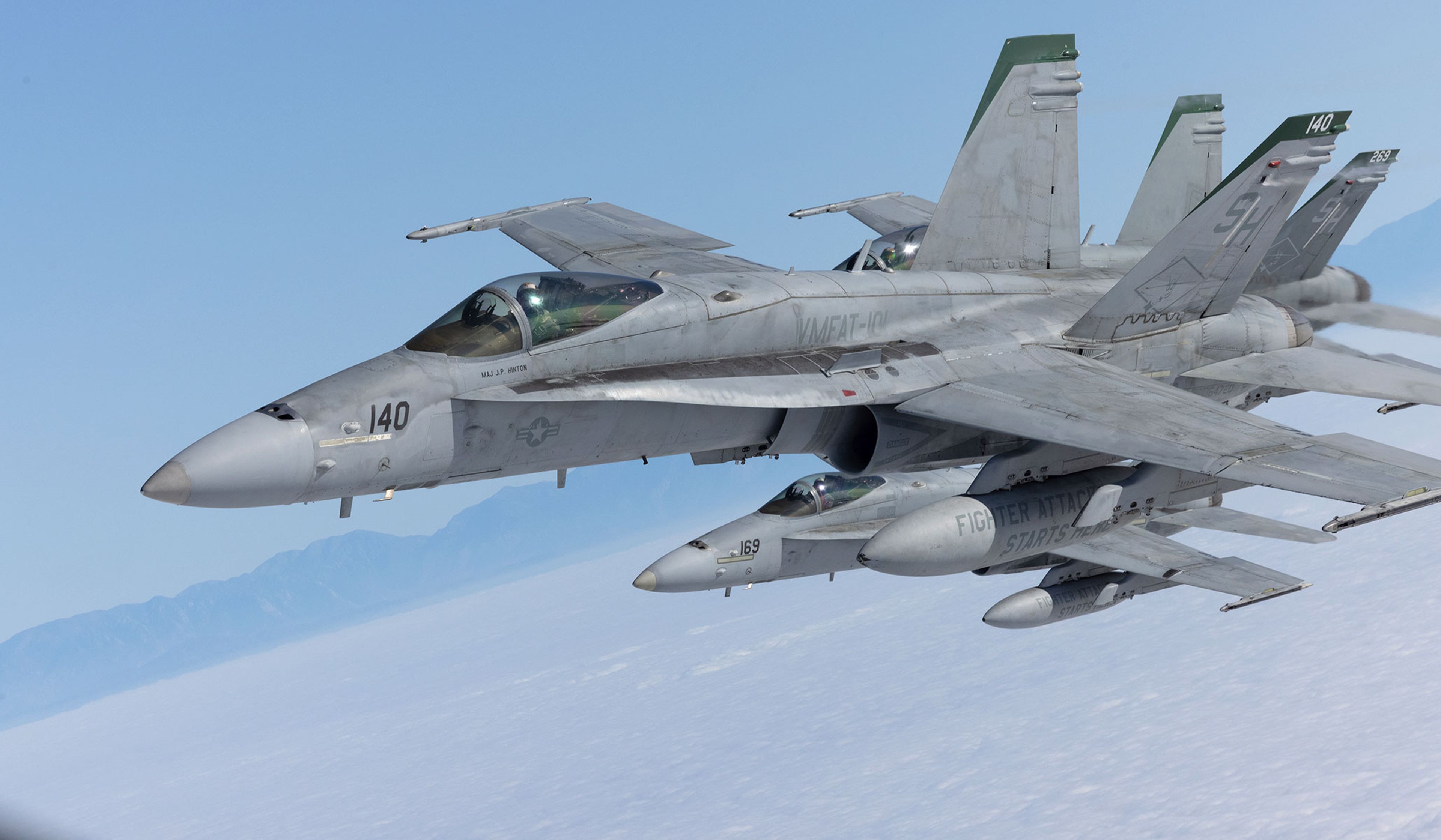
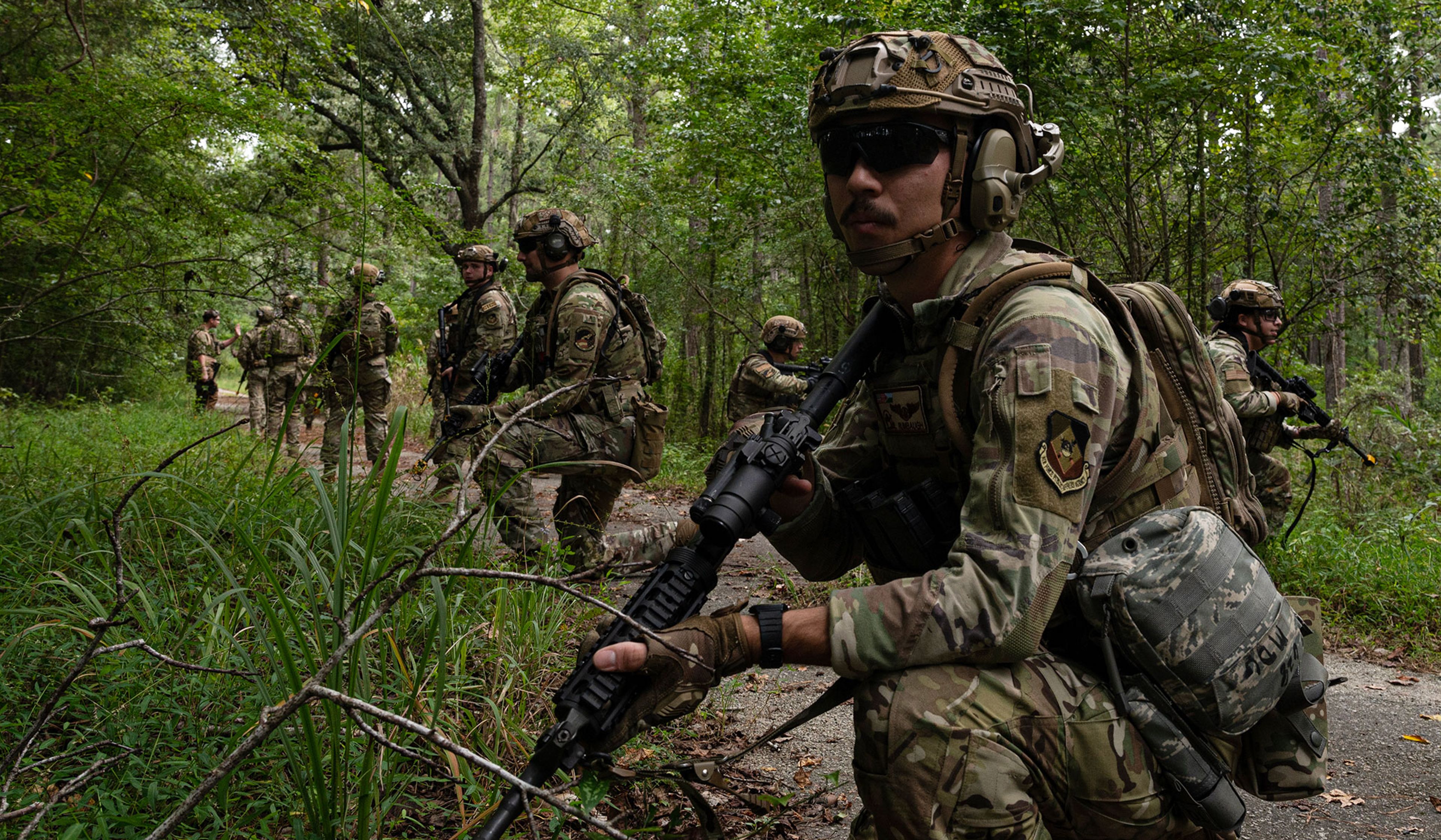
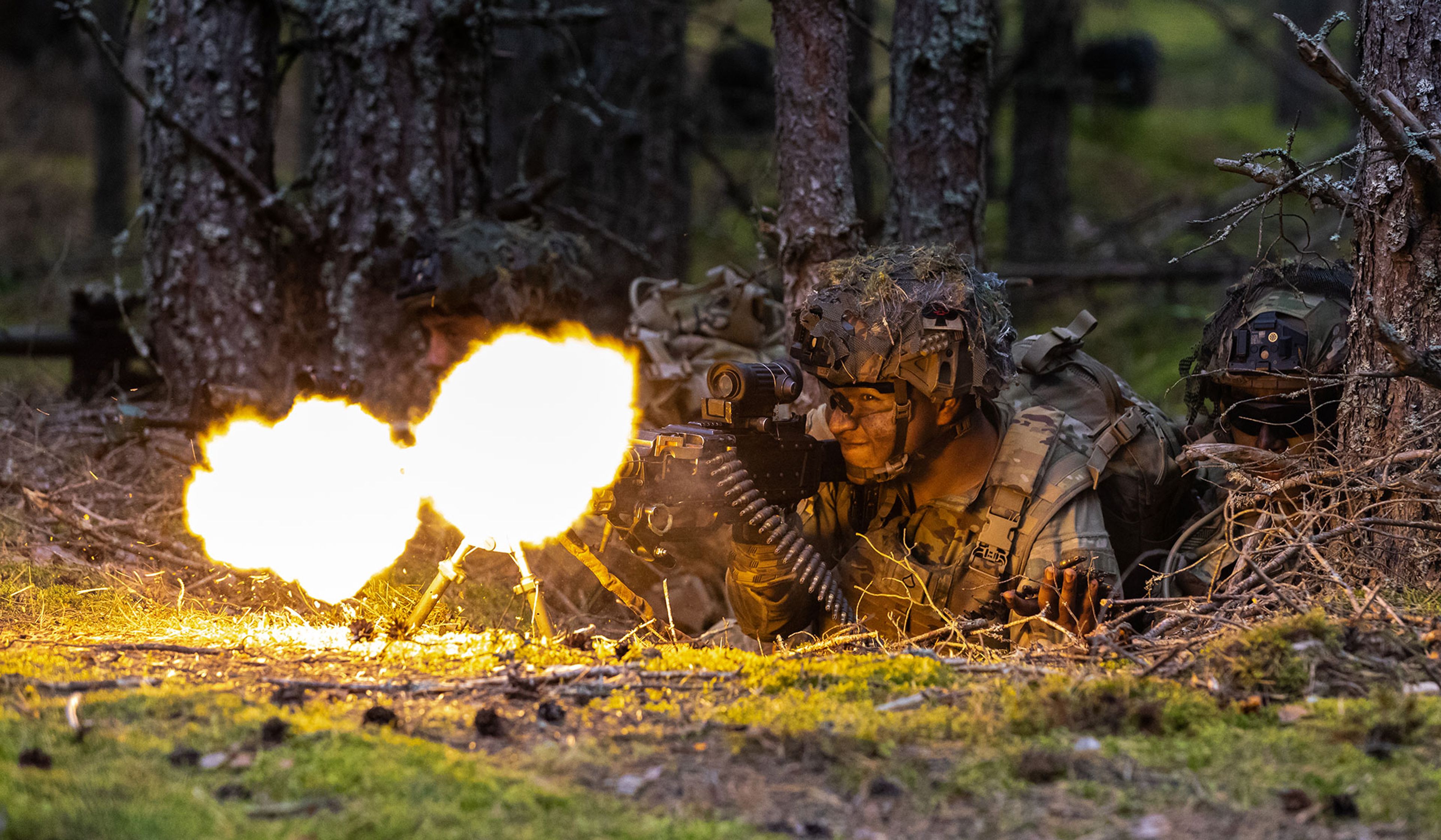
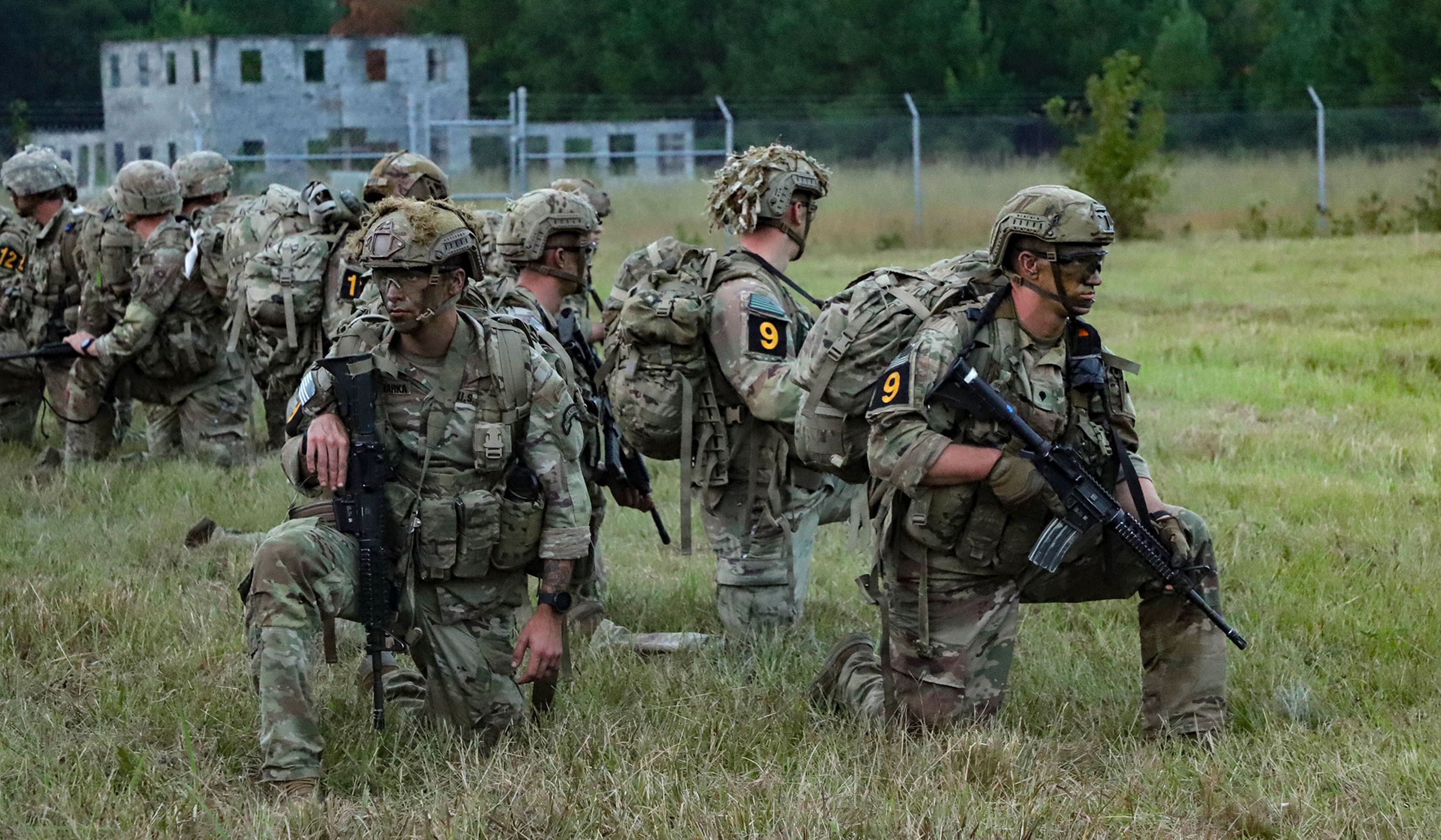
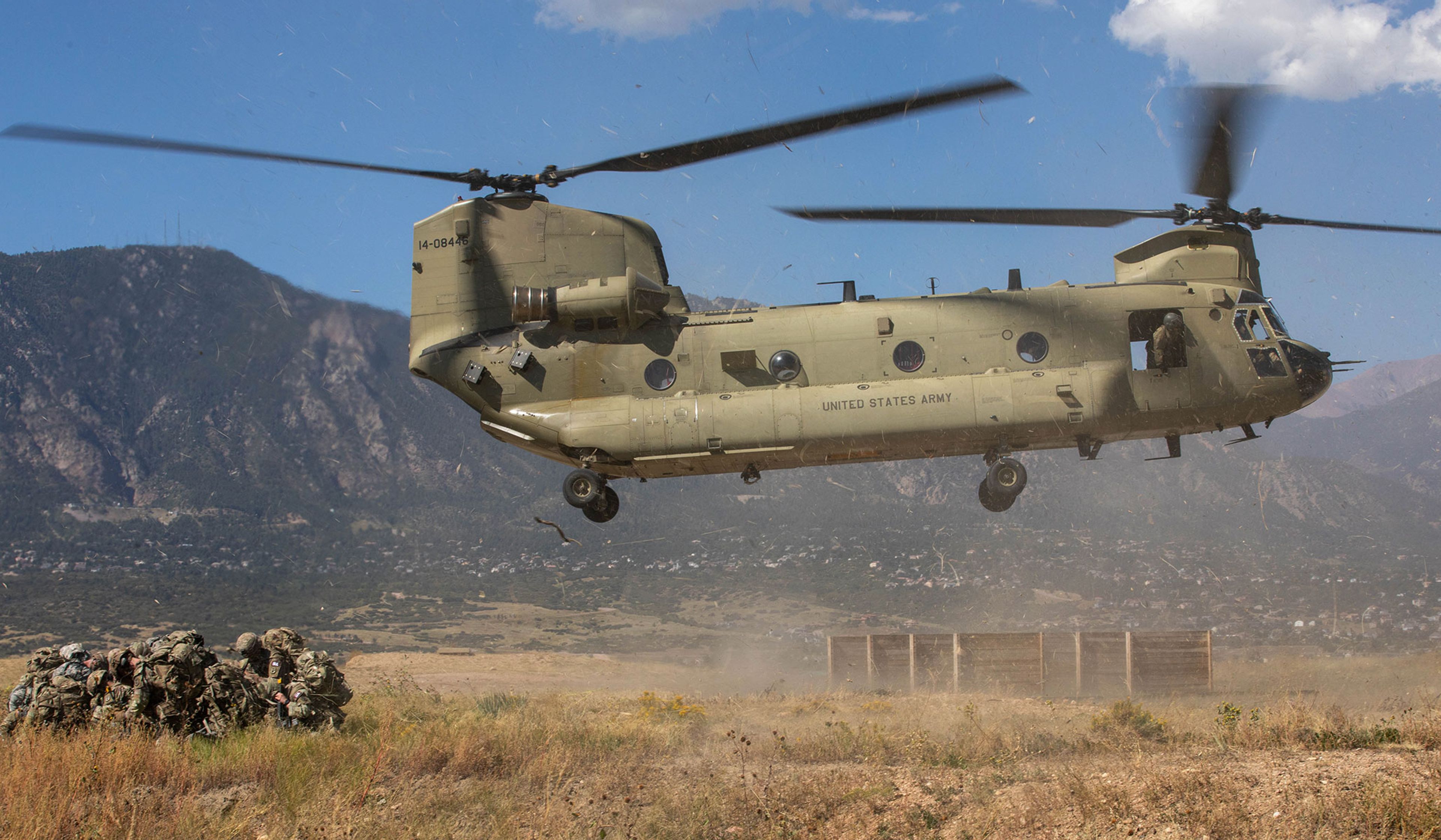
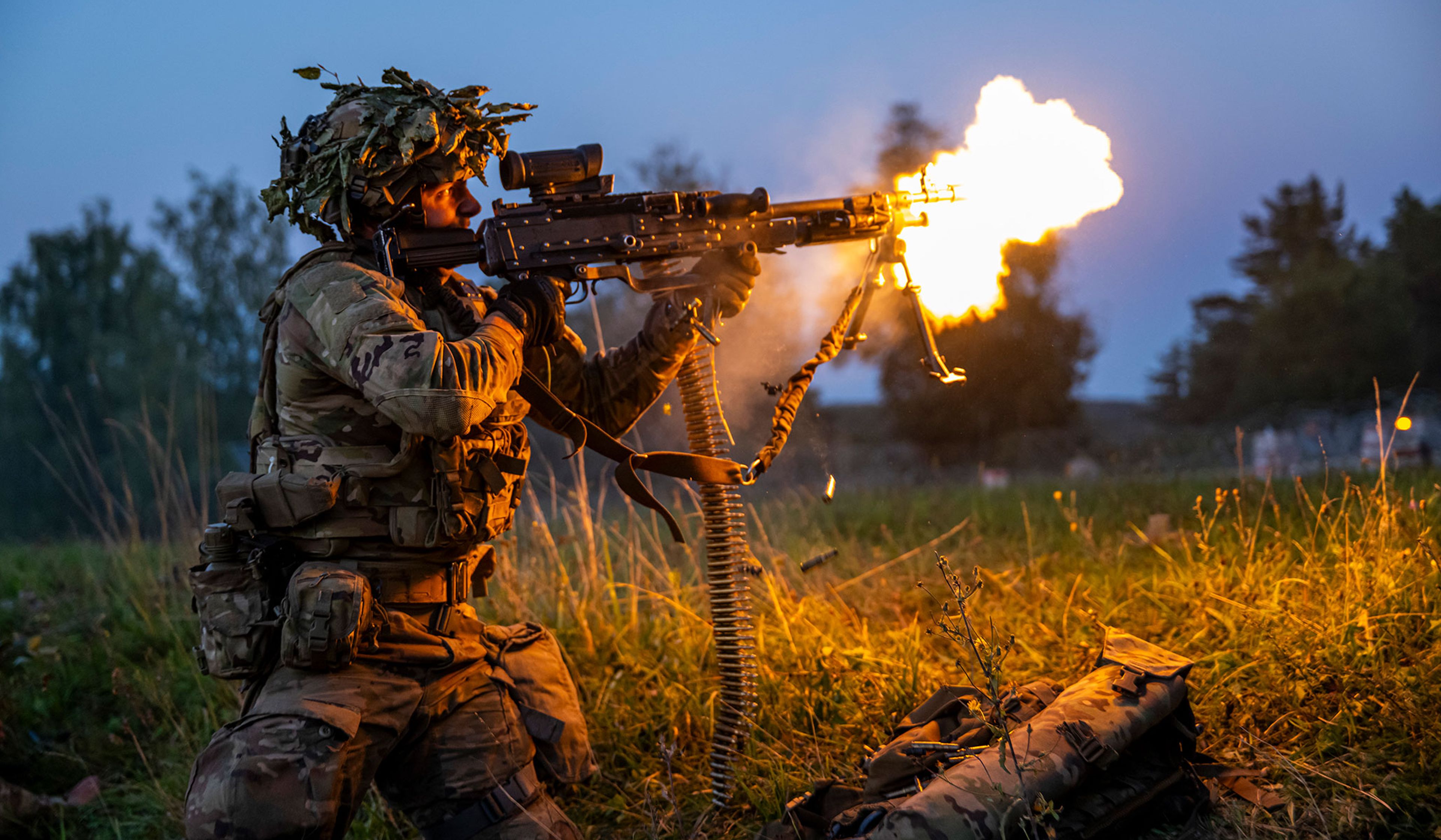
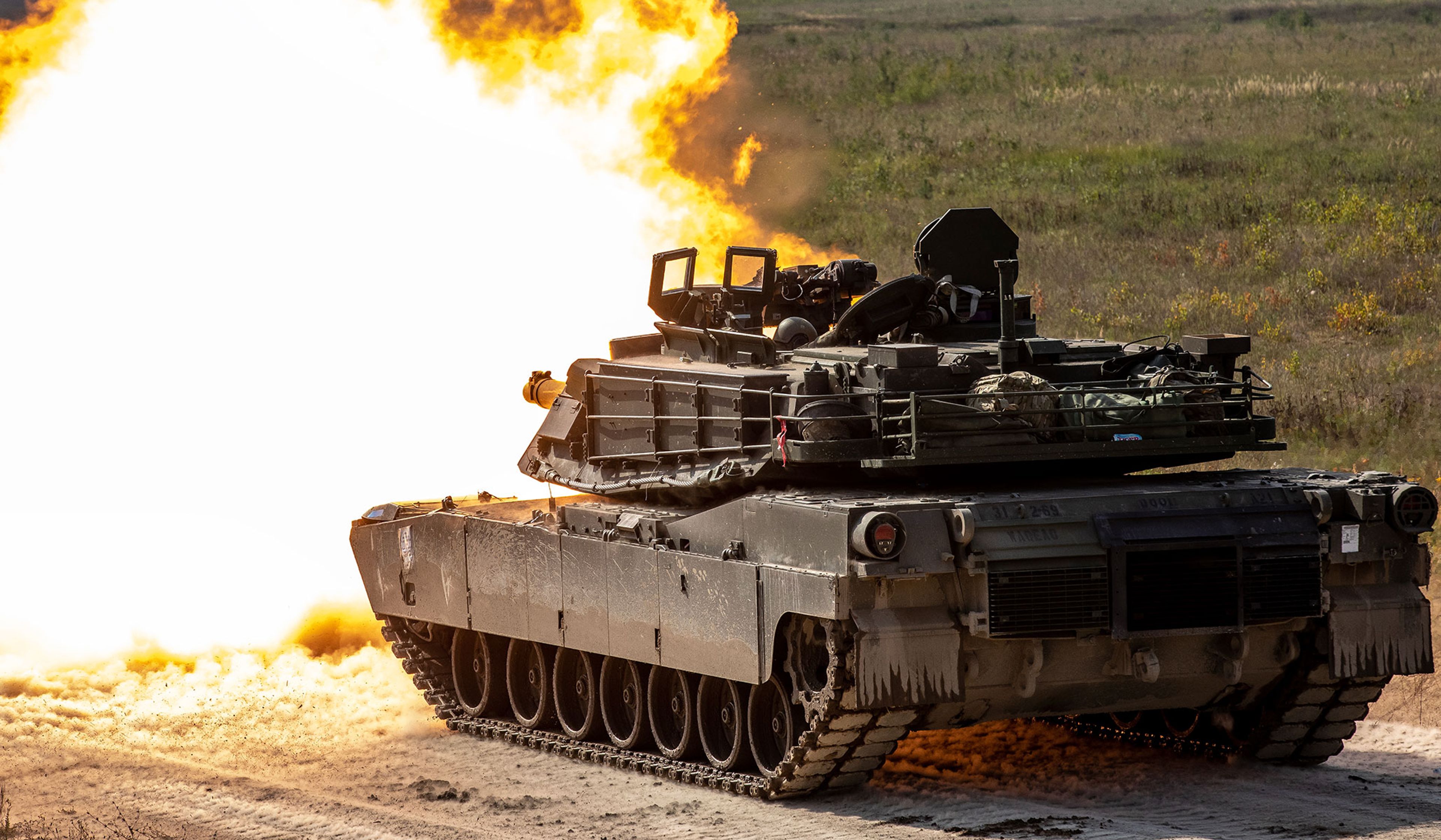
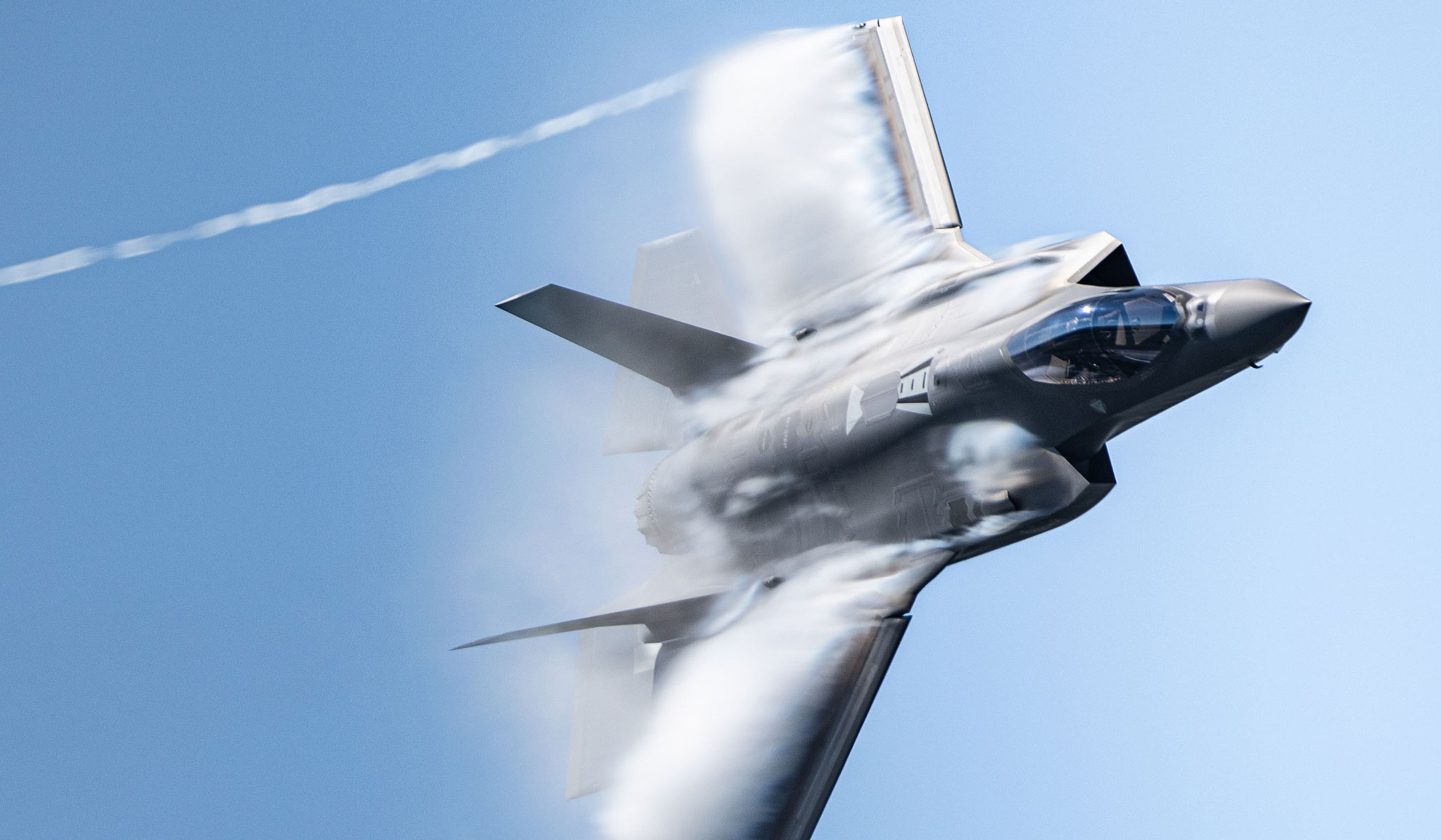
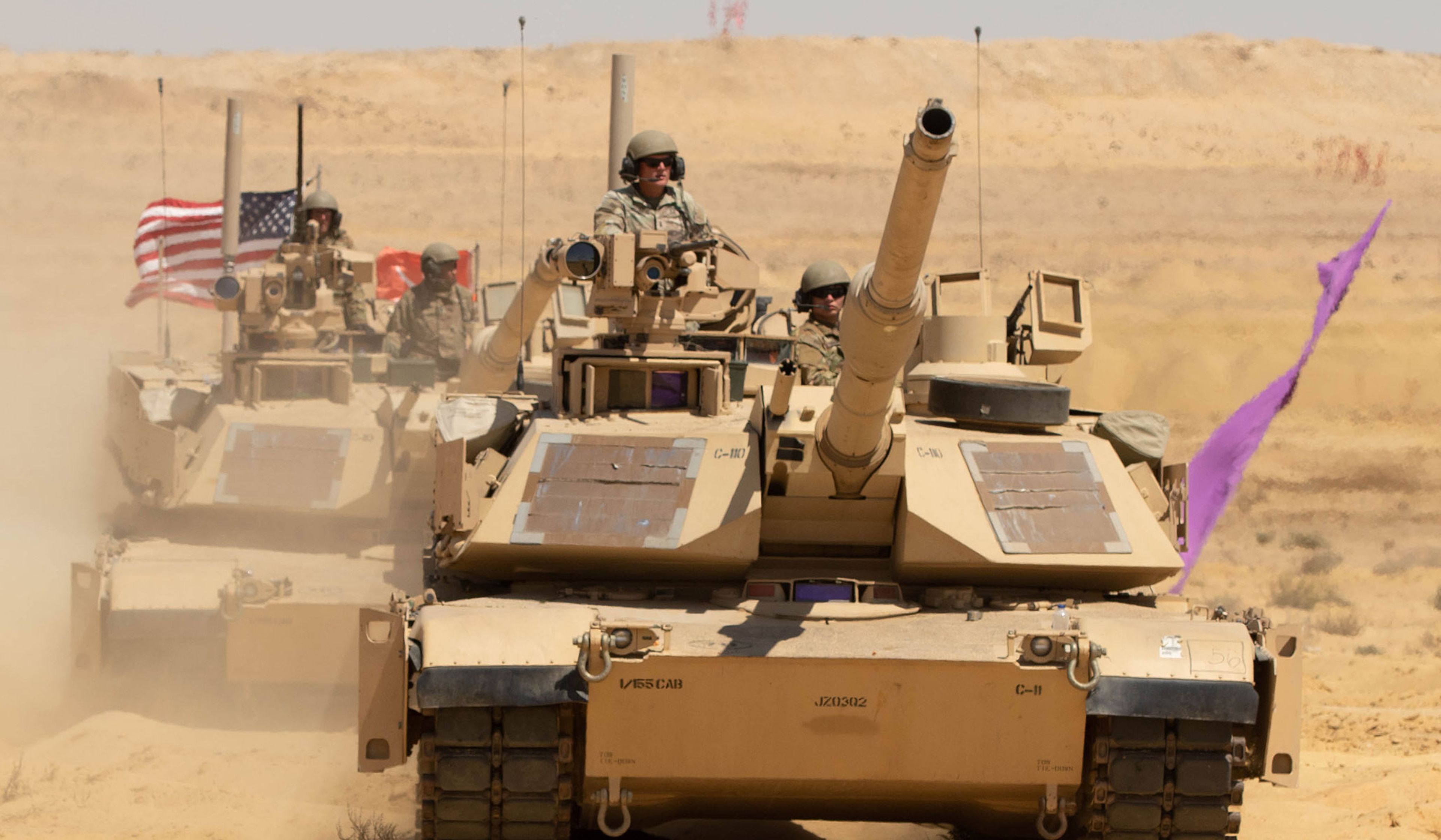
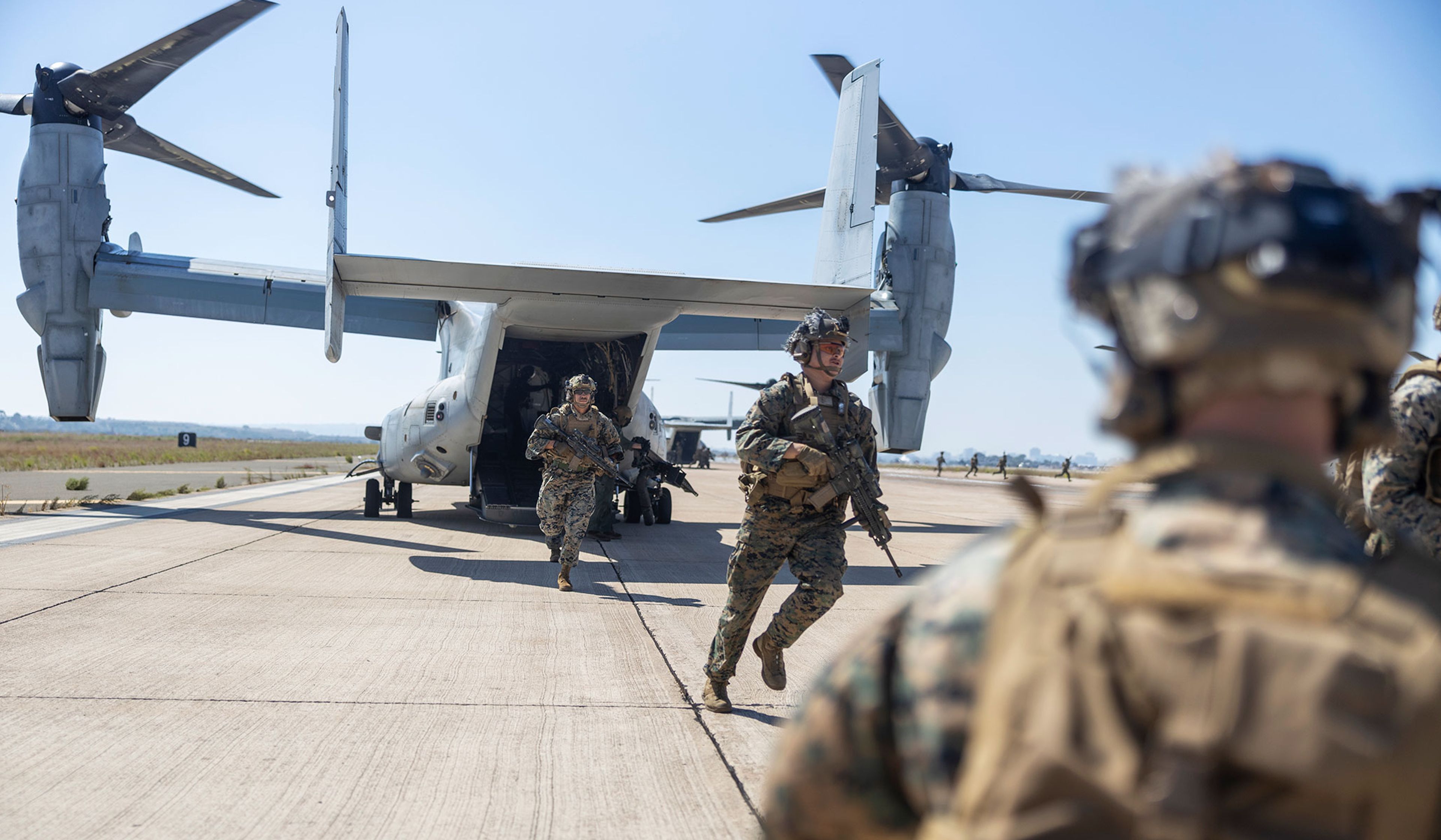
A group of U.S. Army soldiers assigned to Charlie (Cold Steel) Company, First Battalion, 27th Infantry Regiment “Wolfhounds,” Second Infantry Brigade Combat Team, 25th Infantry Division, along Australian Defense Force soldiers, takes a knee while on their way to an objective for a Combined Arms Live Fire Exercise during Exercise Super Garuda Shield 2023 at the Fifth Marine Combat Training Center, Puslatpur, Indonesia, September 11, 2023.
Sergeant First Class Austin Berner/U.S. Army
As noted, however, this likely pattern is due to the maturity of the last revolution in military affairs. Are there other, newer revolutions quietly shifting the ground beneath our feet?
It certainly seems likely, given that military revolutions tend to be downstream of more-general technological revolutions. In 2023, the pace of technological change is so dizzying that we seem to be facing, as Walter Russell Mead has put it, a civilizational singularity, a “point when the rate of change is so fast that the future is unknowably other than the past.” It seems impossible to picture a world even a decade or two from now when AI, advanced genomics, quantum computing, and any number of other cutting-edge technologies make their impact felt in our daily lives. War is being affected by these changes too — and just as European citizens of the early 20th century felt dizzied by the pace of technological change, we are largely blind to how these new achievements might be made murderous. Drones are already prevalent in the Ukraine war, but we’re seeing a rapid evolution of the ways in which unmanned autonomous systems will yet be employed — perhaps in much-hypothesized “swarms” directed by AI — and the countermeasures to them that will be developed. Operational cyberwarfare is underexplored country. Hypersonic weapons are newly significant. Militaries, like the rest of society, rely on mobile communication devices and make other uses of the electromagnetic spectrum, and the cat-and-mouse game of jamming, counter-jamming, and exploiting an adversary’s use of the spectrum to locate and kill him — electromagnetic warfare — is an increasingly central consideration on the battlefield. How war in space might affect operations in limited wars is as yet undiscovered. And public understanding of such advances lags well behind their importance.
The sheer complexity of the new revolution we are likely already in the grip of is troubling in its own right. It will render the development of coherent and successful operating concepts (as when the German military used technological advances in radio, motorization, and aviation to create the operating concept of blitzkrieg) quite challenging. And while strategic nuclear arsenals still make escalation potentially suicidal for all involved, we must consider the possibility of escalations that aren’t meant to reach the nuclear threshold. Would China attempt to shut down our electric grid using cyberattacks as part of a war over Taiwan? How would we respond? How would we respond if the lights stayed out for months and many thousands died as sanitation failed, hospitals couldn’t treat patients, and urban food supplies dwindled? Another scenario: How would we respond to the global release of a deadly virus against which one nation had already vaccinated its people?
One aspect of strategic escalation that can certainly be expected is political-influence operations, which can precede, accompany, or follow actual hostilities. The political impact at home of limited war can be decisive to a country’s ability to keep fighting; in long wars of attrition, combatants have an acute interest in the collapse of their adversary’s will. In America, the problem has several aspects about which there is no need to speculate. The historical record is eminently clear that Americans like wars to proceed successfully, on a time line they find reasonable, in behalf of a cause they find just — preferably because some suitably villainous power has struck the first blow. The absence of any of these factors makes it harder to maintain support for the war and renders the possibility of domestic upheaval more likely. But as we can see in Ukraine, limited wars can bog down combatants. They are sometimes waged purely to set conditions for the next war. And waiting to absorb a first blow can come with real costs.
Clearly there are challenges aplenty for our military, its civilian leadership, and Congress to contemplate. How do we assess our prospects in such a rapidly shifting world? On what technologies do we focus our investment? What, if any, diplomatic initiatives could be launched to keep emerging technological devils down in their holes? The state of Congress is not reassuring. As for the military and its civilian leaders, they are addressing some of the issues raised here (and others just as important) in their official doctrine and public statements, but typically in generic terms that do not refer to specific enemies, their capabilities, and the ways in which those capabilities might be deterred or defeated. Now, it is not advisable to publish one’s cutting-edge strategic thinking for enemies to examine, and it is indeed possible that behind its jargon and the generally uninspiring public statements, the Department of Defense is enjoying a golden age of strategic clarity and planning. It is also possible that large swaths of our defense establishment are suffering from failures of imagination and deficits of urgency. It wouldn’t be the first time.
The public debate about war and future war, especially on the right, now often involves asking whether America has any interest in Eurasian affairs at all — and if so, whether that interest lies primarily in Asia, perhaps to the exclusion of the Middle East or Europe, whose problems we might leave to our local allies. The most likely direct clash we face is one with China over Taiwan. But such a probability generates a dilemma, because the focusing of scarce resources to deter such a fight could, while succeeding in its specific aim, destabilize other areas where American forces have long played an important role in regional balances of power. We could deter one major war only to invite another. A technical debate about the precise lay-down of forces needed in the Pacific is valuable and necessary, but a large degree of hedging is also wise. So are a revitalized defense–industrial base, generous defense budgets, and — perhaps most challenging — efforts to foster a strong and resilient national will.
Writing in his Marlborough of the limited wars of the 18th century, Winston Churchill rejected the notion that those fights, conducted on so much smaller a scale than the wars of the 20th century, were less violent. “We do not think that the warriors of our own time, unsurpassed in contempt of death or endurance of strain, would have regarded these old battles as a light ordeal.” So it will be in future “limited” fights. Plenty of violence can occur in circumscribed theaters and through restricted means.
Furthermore, the military history of the past two centuries is littered with much-heralded new weapons and operating concepts that were falsely predicted to render war relatively bloodless and swift. For all that we need to traffic in speculation and probabilities regarding the wars to come, a few things seem certain. New technologies will not make these wars bloodless. They will not ensure that they are swift. And while deterring direct major-power confrontation is by far our best strategy, to expect another 78 years of its success, even as the order that contributed to that success comes apart, is to hope for a lot.












Comments