
Bozeman
If you drive west on I-90 in Montana from Bozeman to Helena, one of the least remarkable things you’ll see in this vast-plained, mountain-dappled, huge-horizon land is a billboard. “Make Montana Montana Again,” it reads, urging passing motorists to vote Republican. The implication is clear: Democrats have caused the state to stray from its true essence; Republicans can restore it. You don’t have to look very hard, however, to find political signage with the opposite message. Yard signs for Ryan Busse, the Democratic candidate for governor, promise to “get your Montana back.”
Electoral contests inevitably revolve around a state’s character. But in Montana, elections can become fierce battles over the state’s identity to an unusual degree. The Senate race between incumbent Democrat Jon Tester and his Republican challenger, Tim Sheehy, is a perfect example.
A trip out to Big Sky Country proves how apt Montana’s nickname is. It contains a sprawling culture of political idiosyncrasy that belies the state’s reliably red hue in recent presidential elections. A fiercely independent streak manifests in unique ways. Recreational marijuana has been legal since 2021; dispensaries dot its urban areas, along with casinos. Republicans and Democrats alike have resisted the implementation of the Real ID system, decrying it as federal overreach. Abortion is also complicated here: A state-level court decision in 1999 expansively legalized it, a precedent that continues to thwart legislative attempts to protect the unborn. The state is pro-entrepreneur, but memories of corporate malfeasance have left a lingering skepticism of Big Business in some places, such as Butte, the formerly thriving mining town once labeled the “Richest Hill on Earth.” The state has a “real strain of rugged populism,” says Jeff Krauss, a former mayor of Bozeman. The state’s residents seem largely to want to be left alone, as much as possible.
The biggest political issues in Montana are also unique. Many of them center on the state’s natural endowments: federal ownership of public lands (more than a quarter of the state is federally owned), access to sites for hunting and fishing, water scarcity, forest and fire and wildlife management, restrictions on farming and ranching, and the development of natural resources such as coal and oil (part of the Bakken oil formation sits in the state). In the fourth-biggest yet third-least-densely-populated state, the condition of rural hospitals, supposedly dependent on the Medicaid expansion the state began in 2016, also ranks high on the list of issues important to voters.
Many Democratic politicians have successfully navigated this tricky terrain. Brian Schweitzer and Steve Bullock, the two governors before Greg Gianforte, the incumbent Republican, were Democrats. Democrat Max Baucus represented the state in the Senate for nearly 40 years, until 2014. It may still tilt Republican, but its college towns, unpredictable voters motivated by local issues and affected by distinct regional cultures, and other attributes can produce electoral surprises. “I wouldn’t say it’s strictly a red state,” says Charles Steele, an economics professor at Hillsdale College who grew up in Montana and maintains a residence there. “It’s maybe in many respects a conservative state, but that’s not the same thing.”
Montana’s precise political character may be hard to pin down. Much easier to discern is the contempt of voters for what Ken, a retired stoneworker in Helena, calls “pretend politics”: the attempt by people from out of state to pass as authentic residents. Accusations of carpetbagging are common in American politics. They’re widespread, and frequently potent, in Montana, where they can help sink a candidacy: Representative Matt Rosendale, who unsuccessfully challenged Tester in 2018, got labeled “Maryland Matt” for having lived there until 2002. And they’re tried even if they don’t stick: Steve Daines, who succeeded Baucus in the Senate, was criticized for being born in California, despite moving to Montana with his family at age two.
This suspicion of out-of-staters has faced a new complication in recent years: A lot of people are moving in. Montana attracted people tired of governments that were restricting their behavior while failing to keep them and their property protected during the oddities of 2020. “It was a flight to safety and a flight to a much larger amount of freedom,” Krauss says. From 2021 to 2022, Montana nabbed a net 24,000 residents from other states, according to the U.S. Census. This migration accelerated an older trend: financially successful people from other states buying up land. Area home prices are up 42 percent since the pandemic, according to the Wall Street Journal. If Montana were ever a secret, the secret is now out.
Who is fit to master the politics of such a place? In recent years, few can lay a better claim to have done so than Jon Tester. Tester, now 68, in 2006 narrowly defeated compromised incumbent Republican Conrad Burns, who had the stink of Jack Abramoff on him and — perhaps more important to Montanans — had insulted a group of firefighters. Since then, in addition to Rosendale (who bowed out of the Republican Senate primary earlier this year), Tester has also defeated a challenge from former representative Denny Rehberg. As voters’ tendency outside of swing states to split their tickets has diminished in recent years, Tester’s endurance places him in rare company, alongside Senator Sherrod Brown (D., Ohio), also first elected in 2006, and Senator Susan Collins (R., Maine).
Tester leans heavily into his personal appeal. A third-generation Montanan from the small town of Big Sandy, he still farms the same land that his grandparents did. He butchers his own meat, undaunted by losing three of his fingers in a meat grinder when he was a child. He even still uses the same machine. (“What?! It’s a good meat grinder!” he recently tweeted.) He proudly displays the same flattop haircut he has worn for decades (“$12, plus tip,” his campaign website reads). His campaign has doubled down on these appeals: He takes pride in not looking “like most other people in Washington,” and has claimed that his goal as a senator is to make “Washington look a little bit more like Montana.”
He focuses intently on local issues and frames his positions on national issues in the most palatable possible manner to his constituents. He presents his views on abortion as anti-government. “If there’s one thing that makes you a Montanan, it’s your love of freedom,” Tester said at a September rally in Bozeman with Planned Parenthood. “You don’t want a politician or bureaucrat or judge telling you, especially if you’re a woman, what health-care decision you’re going to make.” (Montanans will vote this fall on a constitutional amendment to expand abortion.) Such positioning has generally worked for him.
But there’s reason to doubt it will continue to. In a less partisan, less politically nationalized past, it may have bothered people less that “he runs against himself when he comes back” to Montana, as Krauss puts it. But Tester’s ties to the Biden-Harris administration are now harder for Montanans to ignore. Politically convenient and showy breaks from Democratic presidents and bills are essential for electoral anomalies such as Tester. He has supported the Keystone XL pipeline and opposed the DREAM Act and certain Biden-administration environmental regulations. Yet such moments are rare: In every tiebreaking vote Kamala Harris has had to cast as vice president, including on such controversial pieces of legislation as the so-called Inflation Reduction Act, Tester has voted with her.
Ever canny, Tester continues to finesse. Up for reelection, he started voting drastically less often with the Biden administration, according to a FiveThirtyEight analysis. He was one of the first Senate Democrats to call for Biden not to run for reelection and has declined to endorse in the presidential race, because “folks want to nationalize this race, and this isn’t about national politics, this is about Montana.” It’s possible to tie him to Harris in other ways, however. In addition to voting with her, Tester, as chairman of the Democratic Senatorial Campaign Committee, encouraged her to run for the Senate in the first place. Tester’s seat may end up being key in a closely divided Senate: If Republicans hold their current Senate seats and win in West Virginia, the outcome in Montana would determine majority control of the chamber. Tester may not be interested in nationalized politics, but nationalized politics are interested in him. And that’s a problem for him. “Unless you’re happy with the Biden administration, I don’t see how you’re comfortable with someone like Tester,” Steele says.
Enter Tim Sheehy, Tester’s Republican challenger. Age 38, originally from Minnesota, and a wealthy businessman, Sheehy moved to Montana about a decade ago. These characteristics have inspired Tester to employ his typical tactics. His campaign refers to Sheehy as “a rich newcomer running for Montana’s Senate seat” while lambasting (and caricaturing) his views on such topics as public lands and health care. In a statement to NR, a spokesperson for Tester’s campaign called Sheehy a “multimillionaire transplant who has lied to Montanans on everything from what he believes to his own biography.” Sheehy’s campaign has made some missteps, including ill-advised leaked comments about Native Americans, and he has faced a controversy over the nature of a bullet wound. Sheehy initially claimed that a bullet lodged in his arm from an accidental discharge in Glacier National Park in 2015, but now he says he lied about this to protect fellow soldiers from investigation into the actual circumstances of the injury, incurred in Afghanistan in 2012.
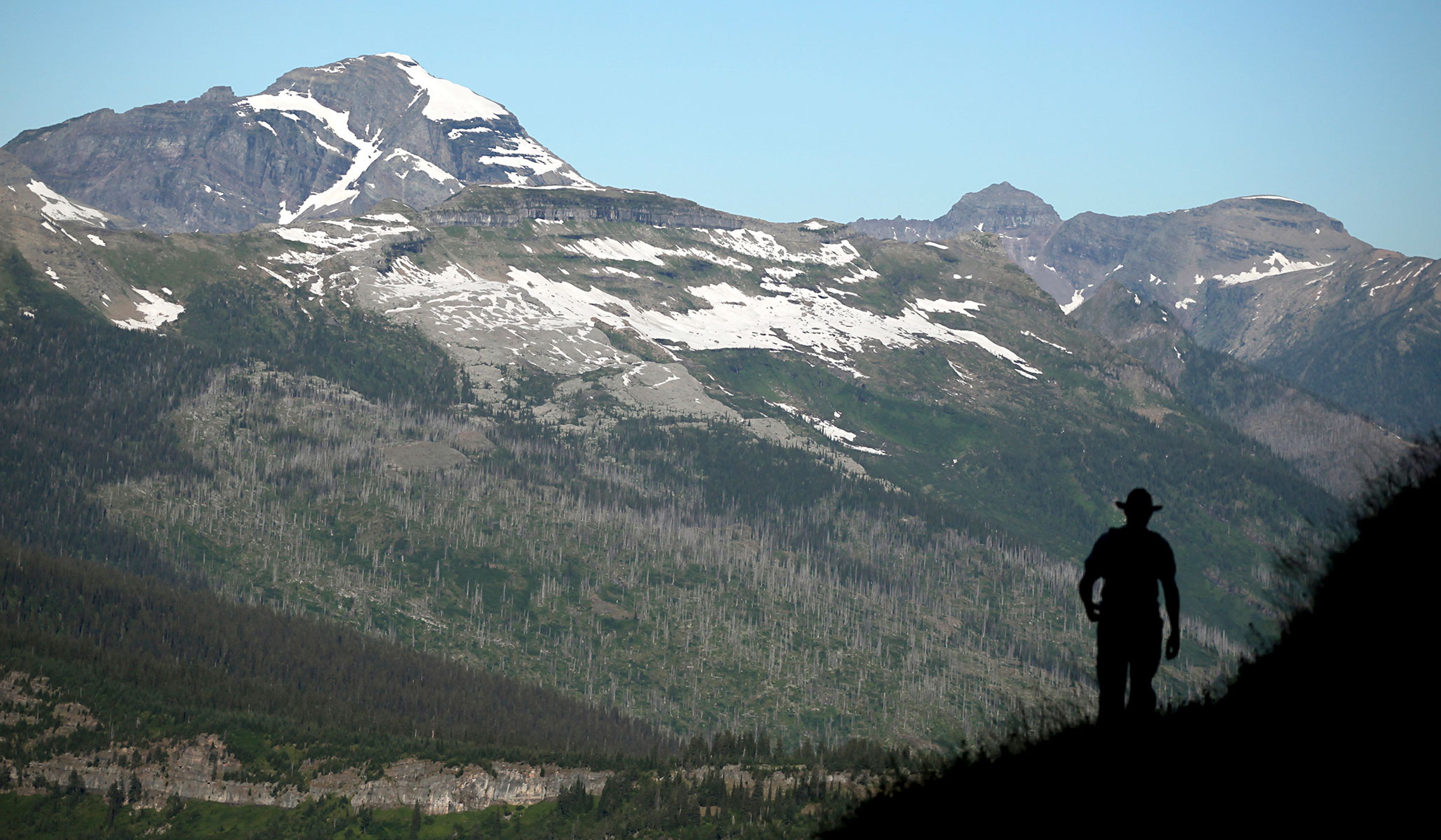

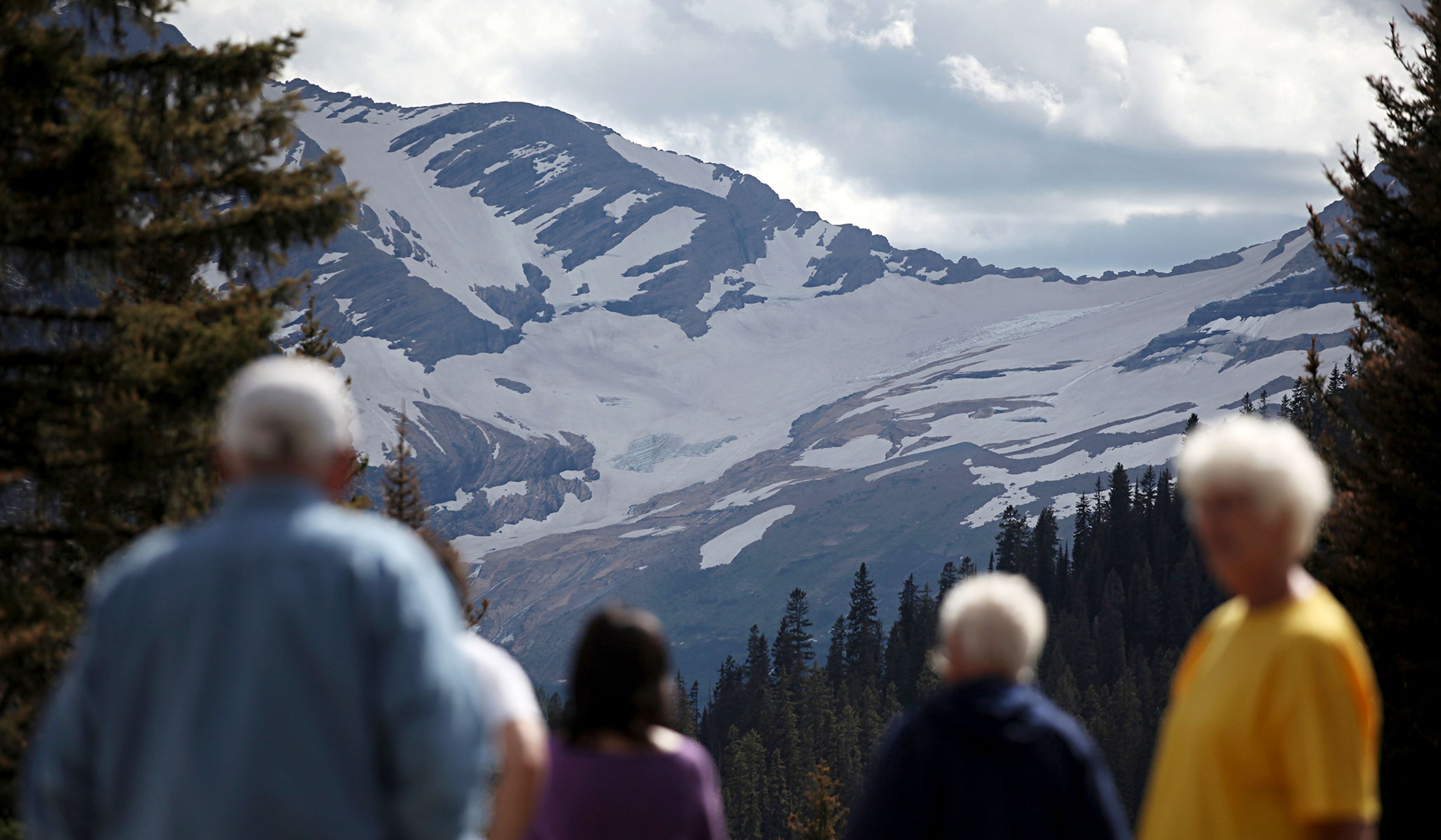
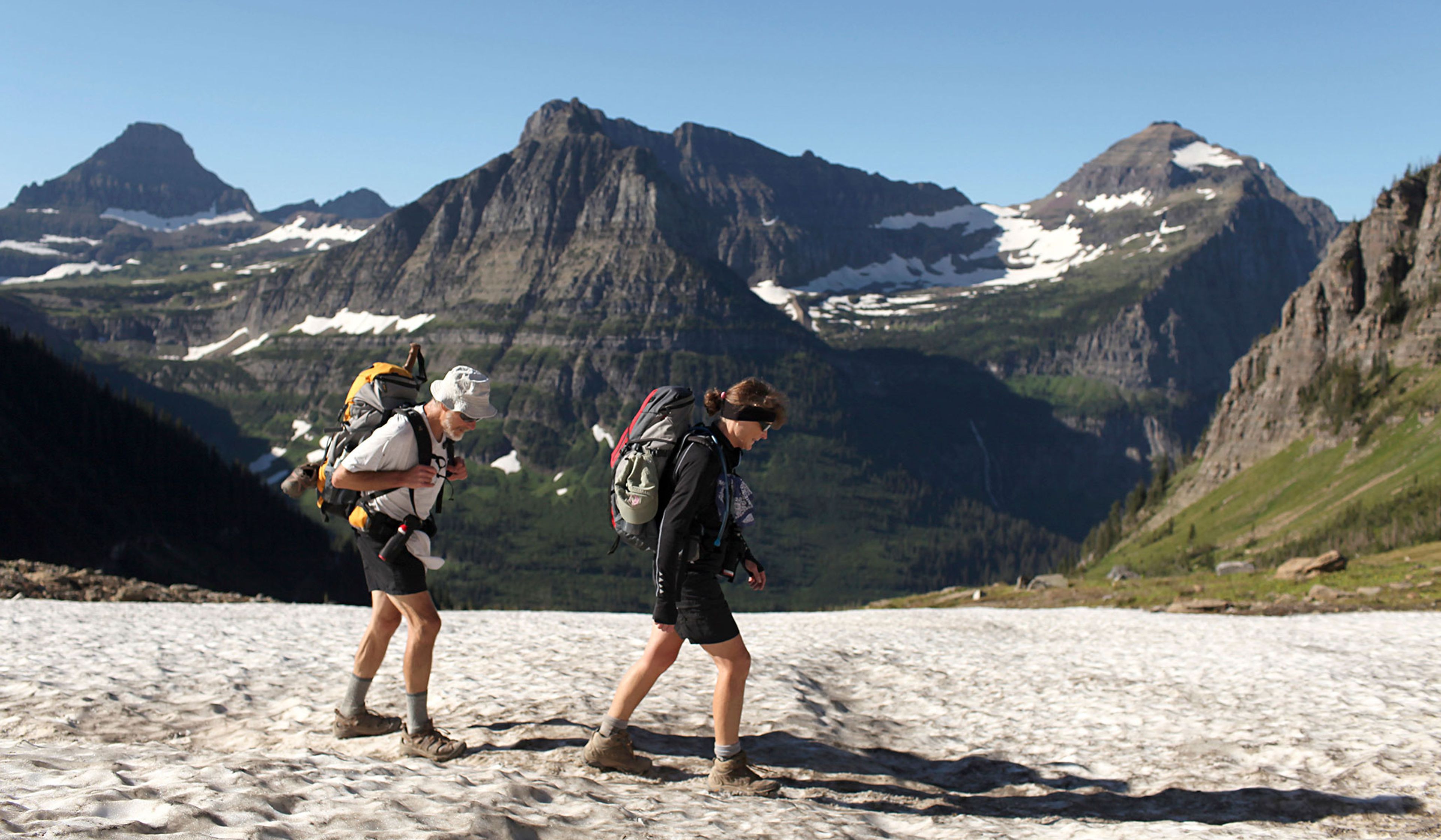
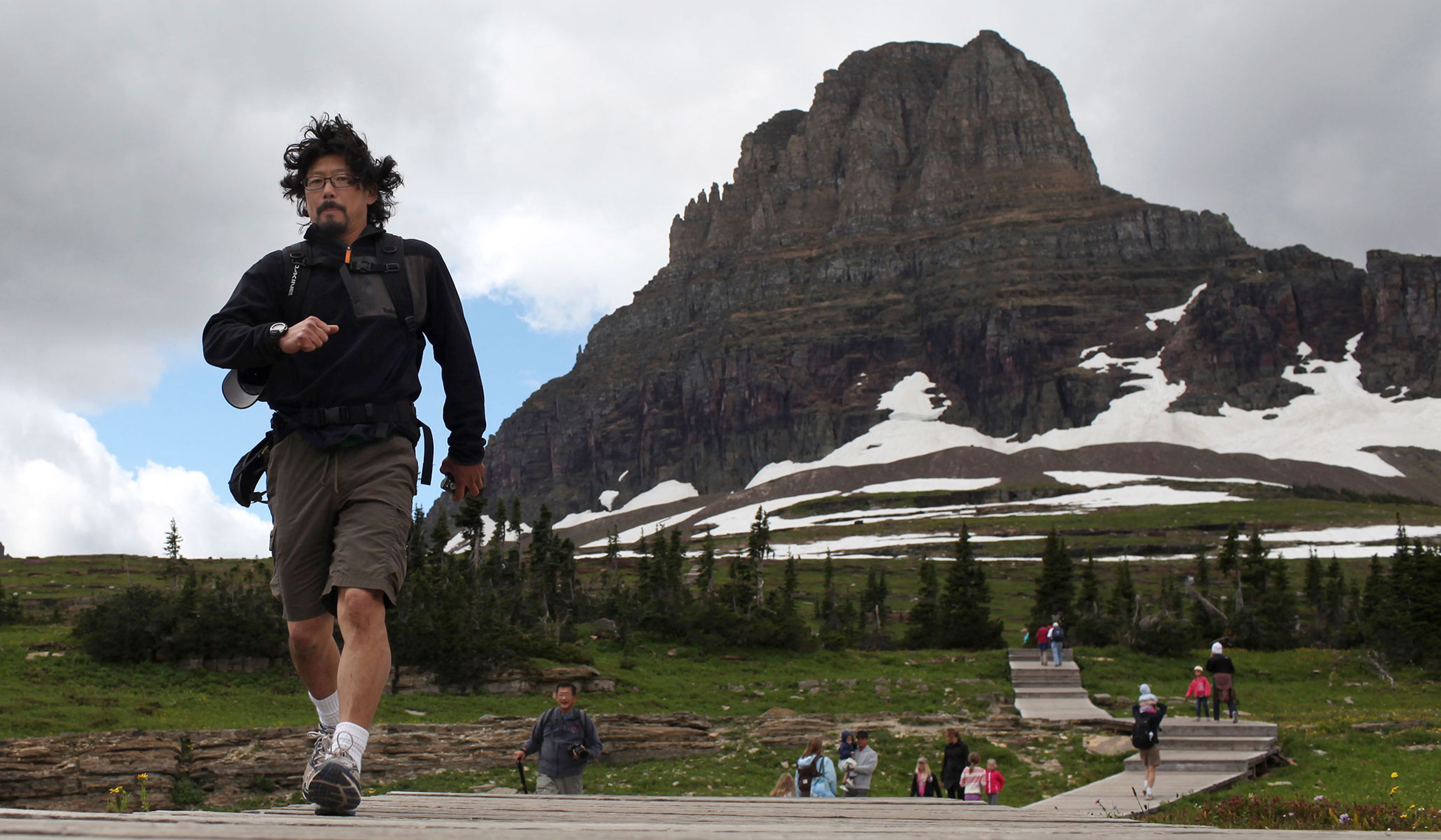
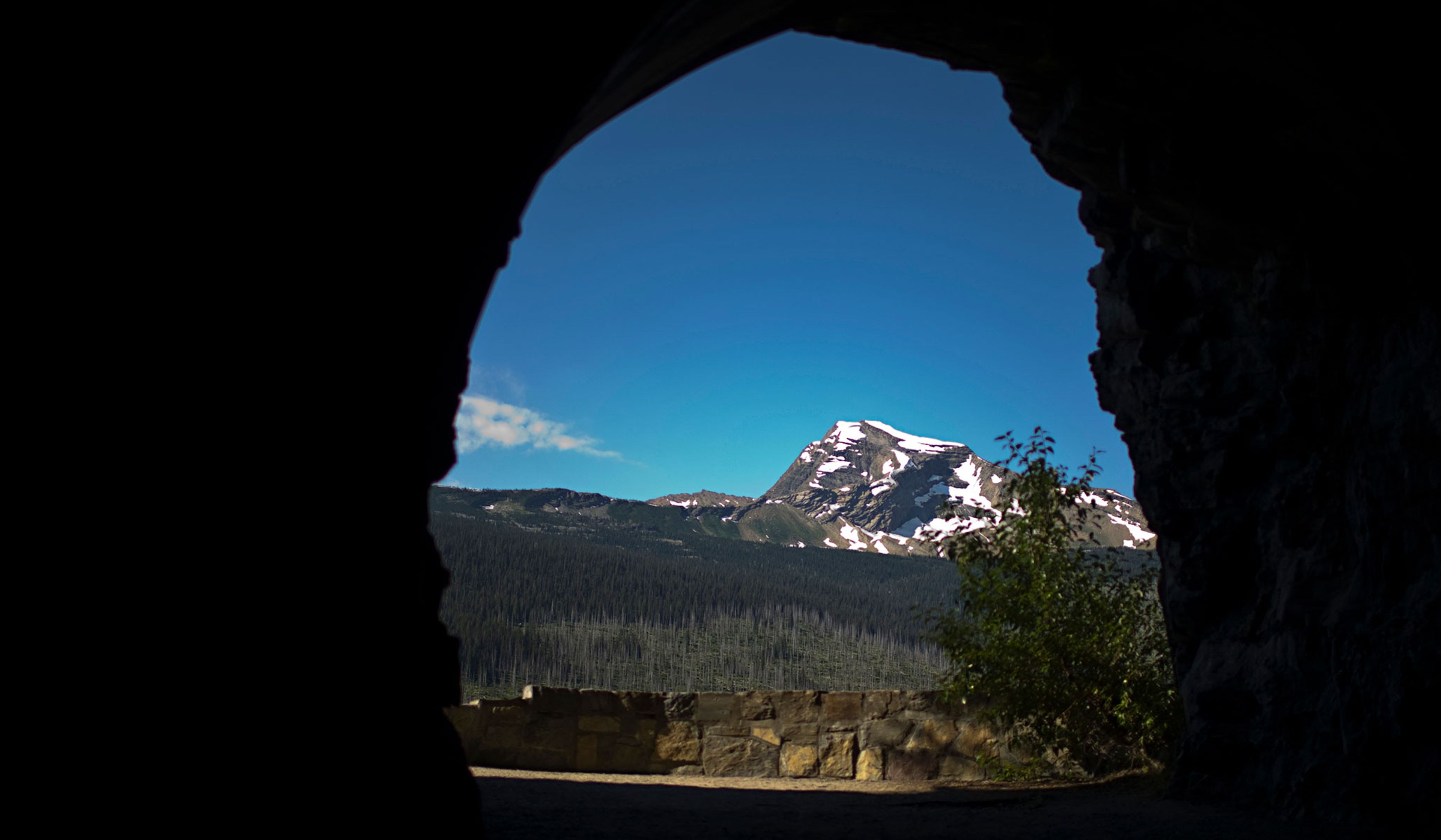
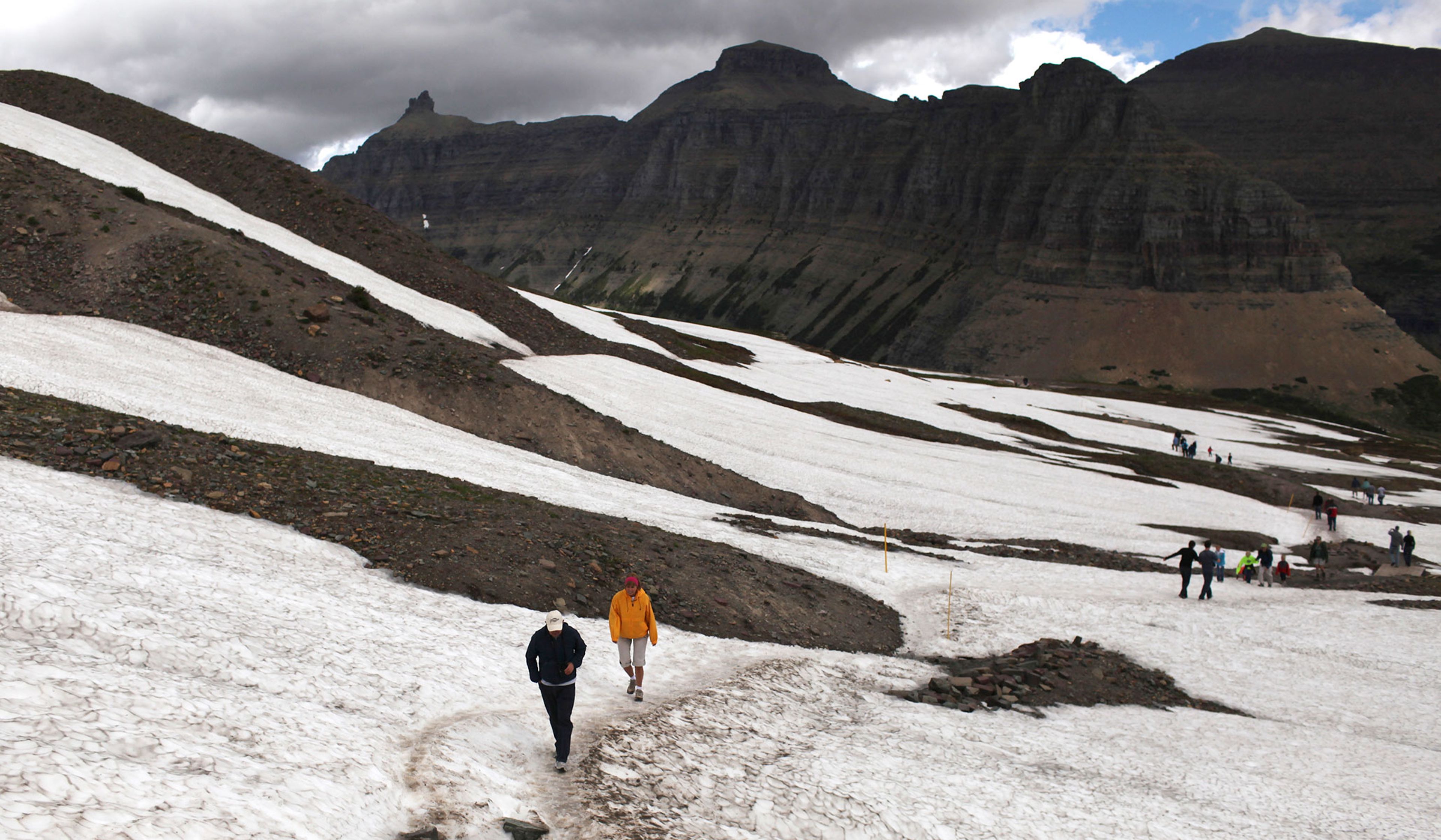
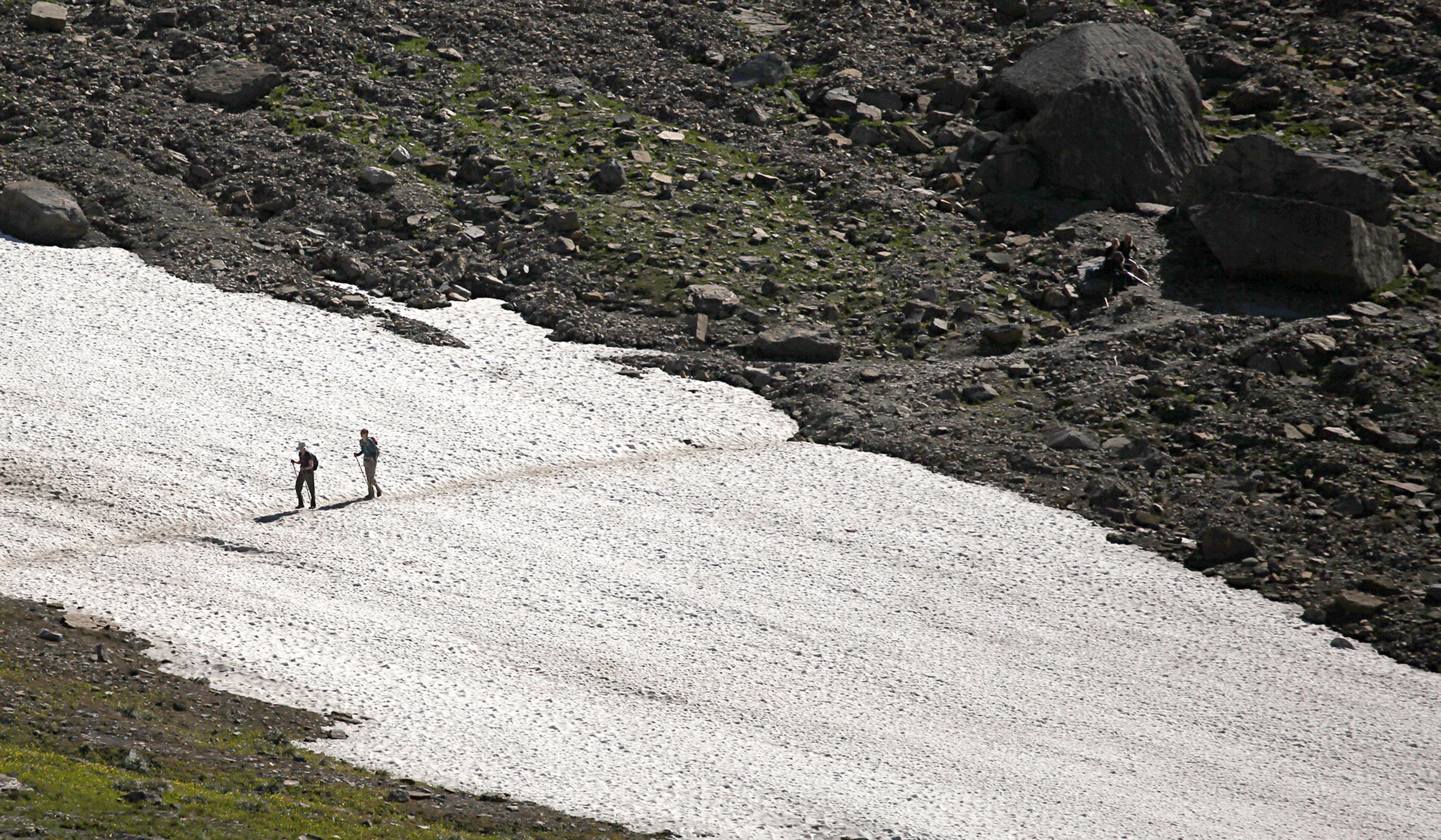
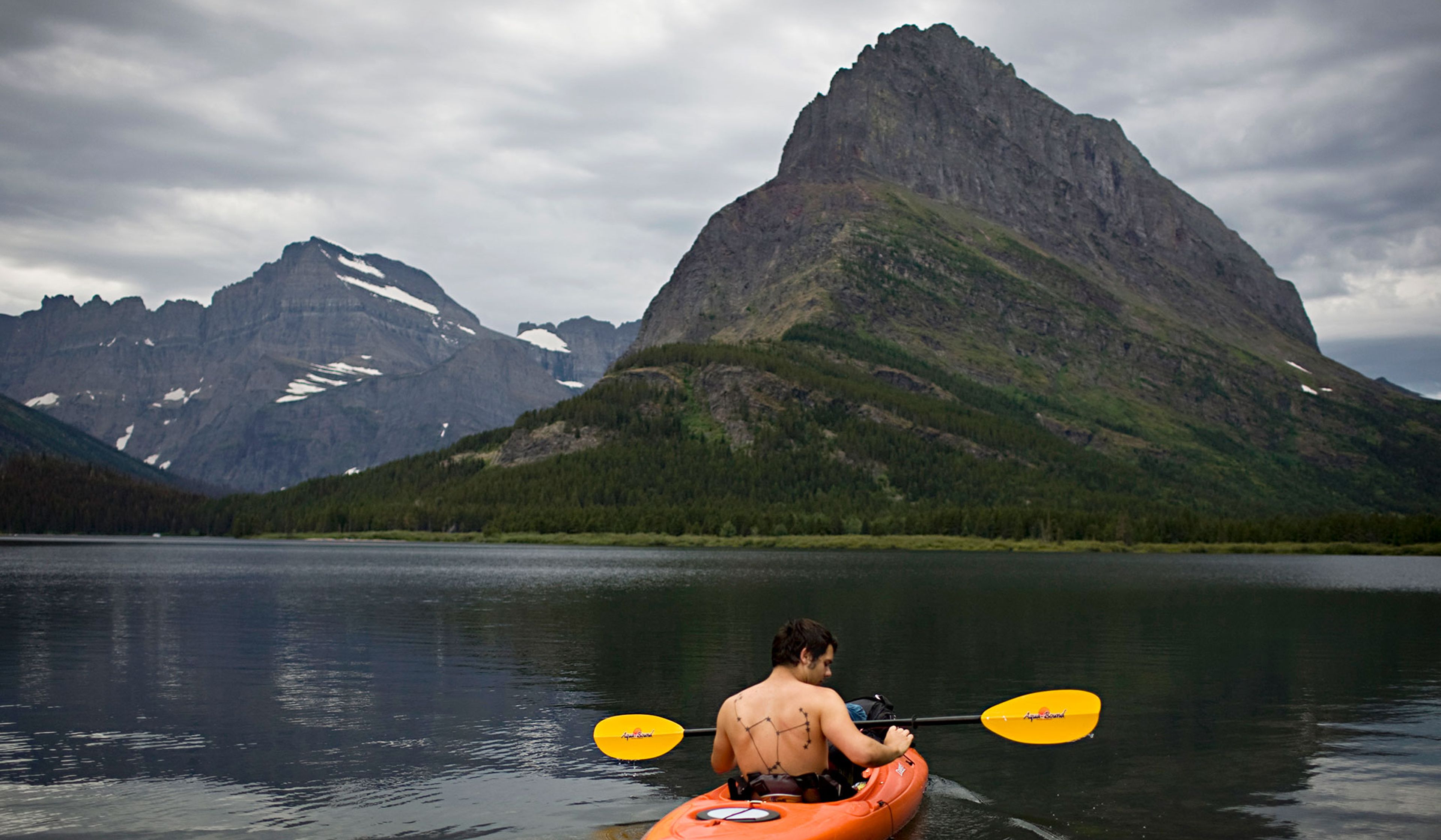
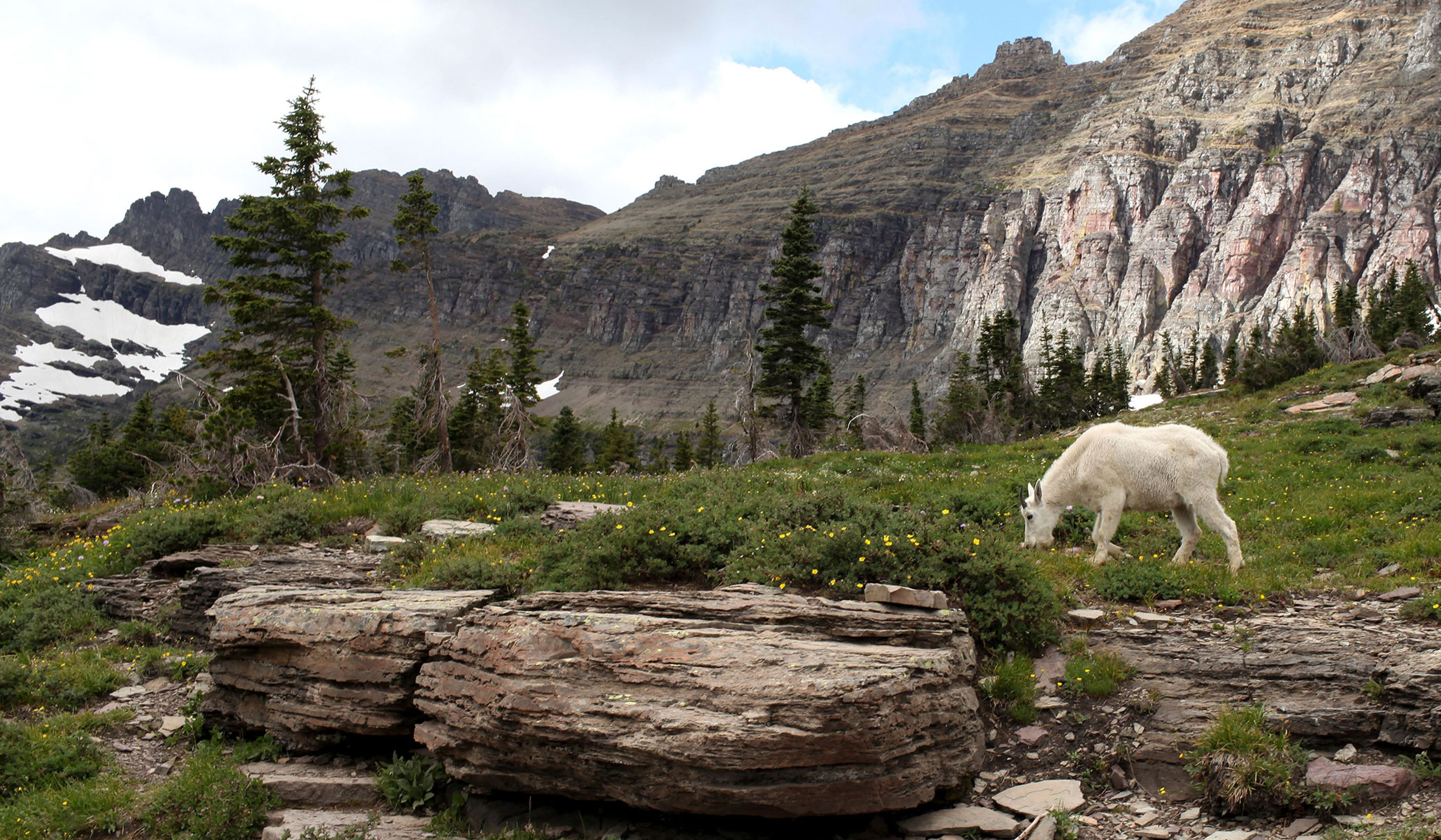

Nick Wieland of Eagan, Minn., hikes the Highline Trail with a view of Heaven’s Peak in Glacier National Park, Montana, 2011.
Matt Mills McKnight/Reuters
Yet Sheehy confounds the Tester playbook. He may be relatively new to the state, but he has prospered in it as the co-founder of an aerial firefighting company. He has donated to area hospitals. And he is a decorated veteran. A retired Navy SEAL, he earned a Bronze Star and a Purple Heart. There’s reason to believe that this background endears him to Montanans in a way that those of prior Tester challengers didn’t, especially in a favorable political environment. Recent polling has moved in Sheehy’s favor. “You can beat on him all you want about not being from here,” Krauss says. “But if he was sleeping in a tent in a war zone, as far as I’m concerned, that was Montana ground.” (Sheehy’s campaign declined repeated requests for an interview with the candidate.)
An irony arises in this campaign. While each candidate tries to claim the mantle of the true Montanan, each has, in a sense, succumbed to trends beyond the state. Tester’s time in Washington has weakened his claims, personal and ideological, to be a Washington outsider. And Sheehy has relied on Tester’s transformation, as well as broader political shifts, in the effort to oust him; in August, Sheehy rallied with Donald Trump. And out-of-staters may help both sides. Though some recent arrivals have made purple and blue parts of Montana bluer, Republicans believe that others are “refugees, not missionaries” from blue states, as Daines, also chairman of the National Republican Senatorial Committee, put it. He thinks they are “moving to Montana to join us, not to change us.”
Whatever happens in November, anyone who has ever been to Montana should hope its unique character — which you can find throughout the state, even on its highways — endures.











Comments