Here Comes the Sun
Lamar Alexander is correct to be concerned about the potential destruction of the environment in “Fisson, Baby, Fission!” (November 2). He is right about the benefits of nuclear power and the problems with wind farms. But he is wrong in his objections to solar.
The most efficient use of solar power does not require large land areas and miles of transmission wires to connect to the grid. Solar-panel systems can be installed on the rooftops of tens of thousands of large low-rise buildings in industrial areas throughout the U.S. Rooftop solar installations can directly supply a large part, if not all, of the power required by the facilities below them (on cloudy days, they would purchase electricity from the grid, as they do now). If the rooftop solar energy generated exceeds a facility’s needs, battery storage is not required — excess electricity is sold back to the grid via the existing interconnection point without requiring additional transmission wires.
Rooftops of warehouses and industrial buildings all across America are perfect locations for solar-energy installations. It is a localized and relatively inexpensive micro-approach to clean energy that does not come with the enormous cost and long approval processes required by nuclear-power plants.
A. L. Wolovick
President, BGO Solar LLC
Brooklyn, N.Y.
Lamar Alexander Replies: Mr. Wolovick is exactly right that rooftop solar panels take up no extra space and can be installed on many buildings across the country; it’s an idea I support and hope we’ll see implemented more widely. However, we have to get the cost of solar panels down. Solar energy can cost four to five times as much as other forms of electricity. He’s also right when he says that these rooftop solar panels would need to maintain connections to the grid — which would require coal or nuclear plants to be kept running on the other end — to make them work when the sun doesn’t shine.
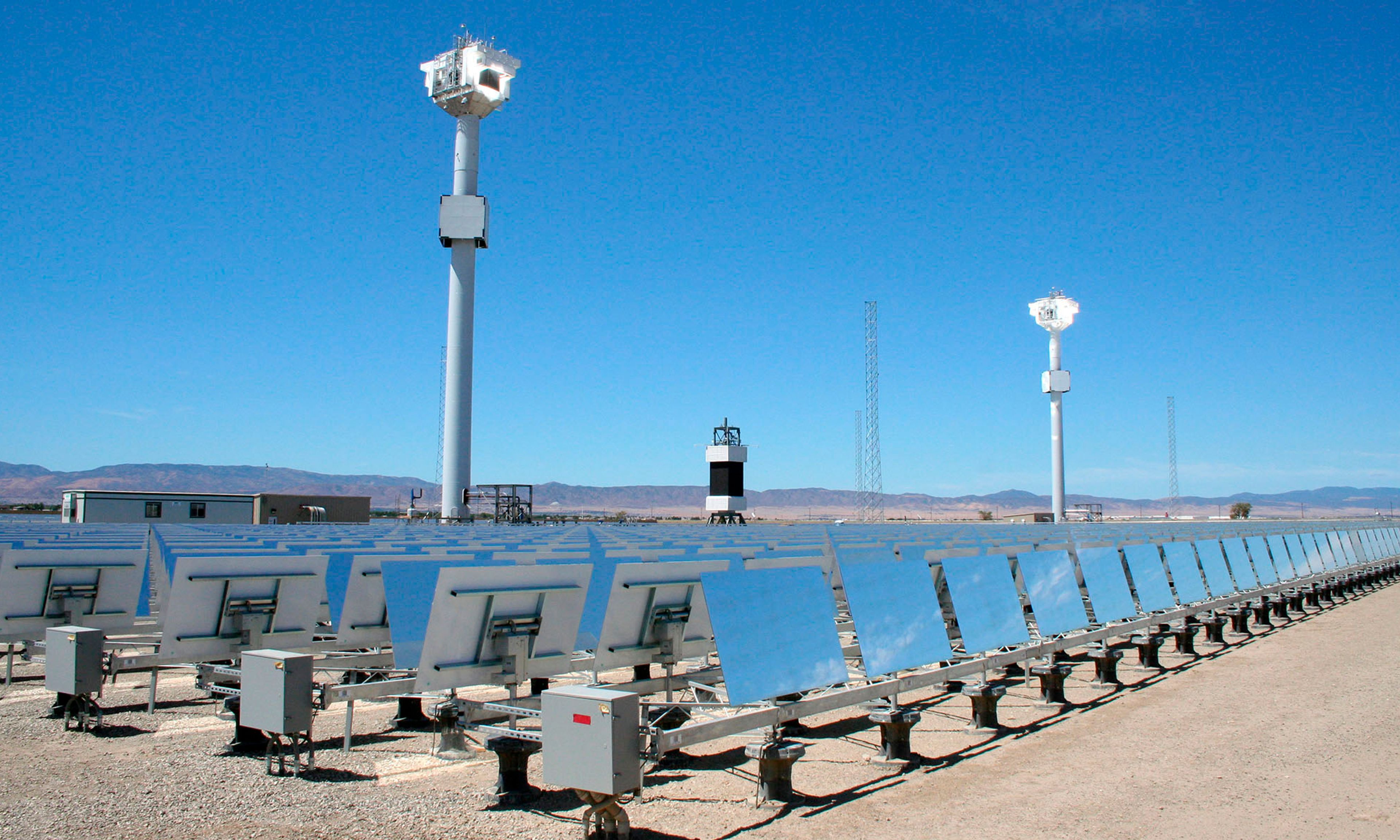
But the current proposals coming from the Obama administration would cover 1,000 square miles of our land with large solar facilities, which — as I suggest in the article to which Mr. Wolovick responds — should be cause for concern among all who, like myself, are worried about conserving America’s landscapes.
We Were Just Tweeting About That
Organizations that promote articulate dialogue, such as National Review, should take more seriously the accelerated decline of attention spans and conscious thought produced by the (mis)information age, as described by Mark Helprin (“In Defense of the Book,” September 21). The frantic, noisy distractions and capricious dominance rituals of our high-tech toys are transforming our species in a fundamental way, from brooding, contemplative great apes into clicking, chittering insects.
Ralph deLaubenfels
Via snail mail












Comments