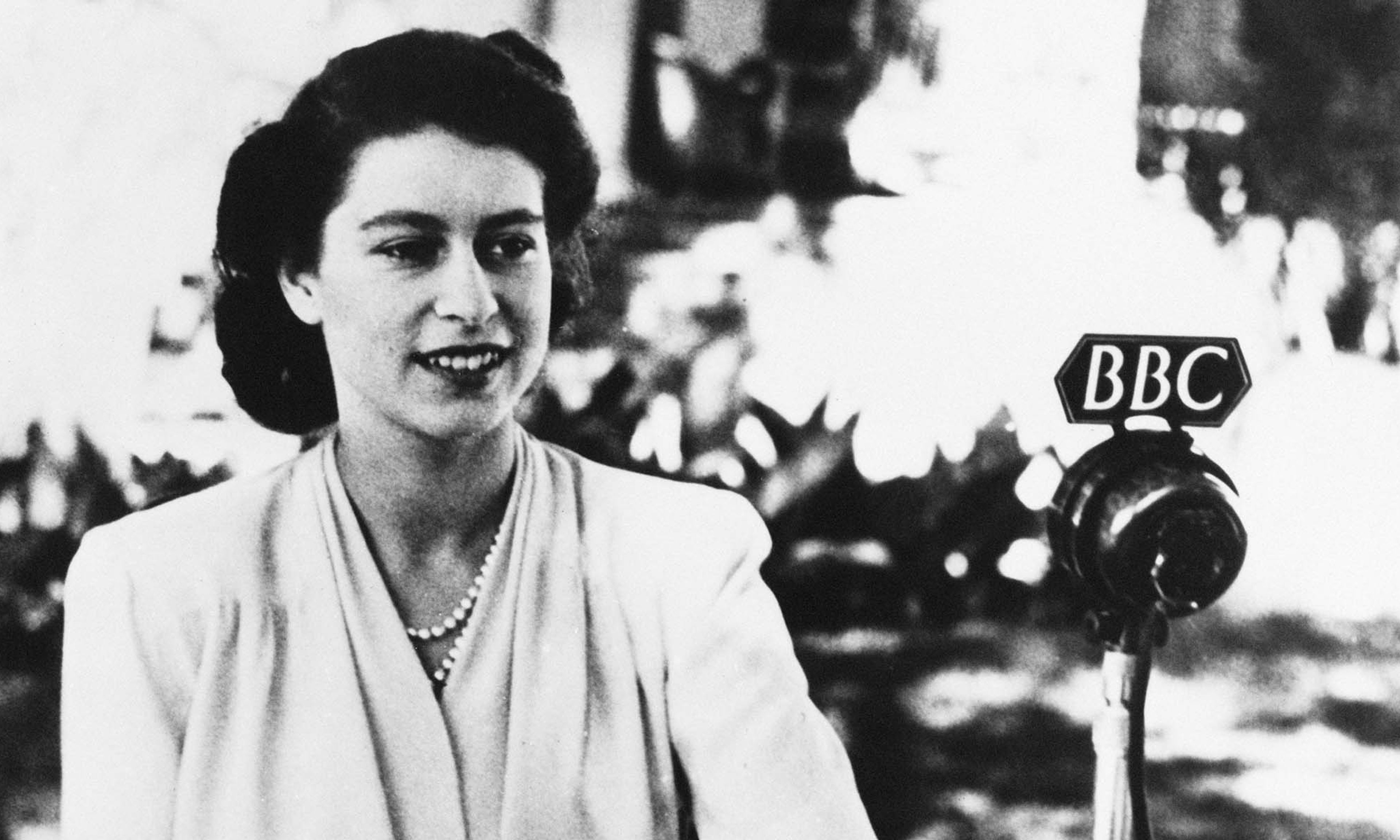
As the queen’s mortal remains were transported from Balmoral, where she died, first to Edinburgh, then to London, to rest in state for her subjects to say a final farewell, large crowds gathered to show their respect and affection, along silent roads in oddly personal tributes. A line of horses and riders stationed themselves on a Scottish hill overlooking the route as the procession went by to mark Her Majesty’s love of horses and horse racing.
But then, for many people in Britain, the death of this queen was a genuinely personal loss. Elizabeth the Second of Great Britain and Northern Ireland has been the sovereign for the entire life of anyone under the age of 70. It’s said that the number of British subjects she met in her reign amounted to about a third of the U.K. population. It sounds unlikely but not impossible. For I met her twice — once when she visited the offices of the Daily Telegraph in the year of her Silver Jubilee, another time when I received a decoration from her after serving in government. We exchanged two sentences, and then, as I had been warned, the queen signified that the interview was over. How did she signify this? Blessed if I know, but I did know, bowed, and returned to my appointed seat. My experience of this modest personal contact is that of millions of people in Britain alone. And others lined the streets to cheer her at the opening of a hospital or the premiere of a movie.
As a result, there are millions of people who want to pay their respects to someone they feel they know. To make this possible, she lay in state in Scotland for two days, in St. Giles’ Cathedral, Edinburgh, and for a further four days in Westminster Hall in London, until 6:30 a.m. on the day of the funeral itself. These occasions are inevitably somber and not very colorful: People who have queued in line for hours merely file past the coffin placed on a raised catafalque, maybe bow, say a short prayer, and move immediately on. On one of the nights, four senior members of the royal family stand guard around the catafalque, a tradition known as the Vigil of the Princes. Otherwise, there is little in the way of the ceremony and pageantry that otherwise surround the main events of the queen’s passing. Yet the official estimates of the numbers who will devote most of a night to queuing in uncertain weather run into the hundreds of thousands. And if the size of the informal crowds along the route of her procession in Scotland is any guide, the real numbers are likely to be far higher. But then the mourners are not there for themselves; they’re doing it for her.
While expressing their love and respect for the late queen, the British people have been surprised by the extent to which their reverent affection is shared by the rest of the world. Not all the rest, perhaps. There have been some expressions of bile directed at her on the grounds that she was the sovereign of a worldwide genocidal empire. Even if such a fantastical condemnation were deserved in a general sense, Elizabeth Windsor would be a most unjust recipient of it. Unless we read the full wording of Princess Elizabeth’s now-celebrated 1947 vow — celebrated ironically as an unintended consequence of the television series The Crown, a season of which was based on it — we won’t realize what a heavy burden of duty she willingly placed on her young shoulders:
“I declare before you all that my whole life, whether it be long or short, shall be devoted to your service and the service of our great imperial family to which we all belong.”
Never has a vow been more faithfully kept. Few people in Britain would dispute that she kept the vow to them. That’s a political reality demonstrated by the crowds that sang for her outside Buckingham Palace at successive jubilees, in a stream of expressions of respect for her from Britain’s few avowed republicans, and most ironically in the fulsome tributes through gritted teeth from politicians such as Scotland’s secessionist first minister, Nicola Sturgeon, to whose ambitions the queen’s popularity was a serious obstacle. It was also a personal reality for the sovereign, who dutifully read the state papers on all important political questions in red boxes that followed her everywhere. Reigning for 70 years, dealing with 15 prime ministers (and, not incidentally, 14 U.S. presidents) and helping them to negotiate crises from the Suez affair to the Covid-19 pandemic, she almost never put a foot wrong. And on the rare occasions when she may have put a foot wrong — as in the Commonwealth crisis over Rhodesia — she left no footprint.
There was skill and prudence as well as virtue behind that record. She was careful to observe the limits on her power and influence, limits that the status of constitutional monarch imposed on her. The most impor-tant such restraint was that she should avoid making politically controversial statements. Necessary in itself to ensure constitutional fairness between the political parties, that rule also protects the ability of the monarch to act as a constitutional umpire when a major political row threatens conflict or irresolvable instability.
There have been many crises during her reign, but we don’t know of one that threatened the constitution. She never had to call the parties together in Buckingham Palace to resolve a deadlock between them, as her grandfather had done in 1931. That’s a tribute to others in government as well as to the sovereign. But crises elsewhere had to be tackled too. Consider that during the span of her reign there were seven popes, seven archbishops of Canterbury, ten chancellors of Germany, eleven leaders of Russia, twelve presidents of France, 44 prime ministers of Italy, and nearly 200 prime ministers of Commonwealth realms. Relations with all those countries and institutions that touched upon Britain meant more state papers in more red boxes for her to read on their crises and more counsel to give the prime minister of the day on British policy. All the prime ministers who served her, from both major parties, testify to the soundness and prudence of the advice she gave them. Even in the present atmosphere of celebratory grief, their unanimous testimony can’t be dismissed.
Recall, however, that the young Princess Elizabeth’s vow was to “our great imperial family to which we all belong.” Since 1947 massive social and political changes such as anti-imperial nationalism, the Cold War, Suez, the “satire boom,” mass immigration, multiculturalism, the Falklands War, the miners’ strike, paparazzi, the Internet, and a hundred other forces have scattered and wounded both the imperial and the royal families.
That did not deter both princess and queen from continuing to serve them, to hold together those who wished to be held together, and to do so with more success than some commentators have noticed. At the time of her death she was the head of state of 15 “realms,” including Australia, New Zealand, and Canada, but also eleven other countries, including, for example, Grenada in the West Indies. She was also the head of the Commonwealth — a position to which the new king has succeeded. She took those relationships very seriously, again receiving all the state papers, going through her red boxes every night, giving advice to 15 prime ministers on every issue — and sometimes giving a helping hand to a government in distress. In the Grenada crisis, for instance, she was far more realistic and helpful than the Foreign Office in urging that U.S. intervention be welcomed because it would restore civil government. She regularly attended the meetings of Commonwealth prime ministers. In the course of these duties, she visited Commonwealth countries more than 200 times. A conservative estimate is that she has shaken at least 630,000 hands on these tours — and overall possibly more hands than any other person in history.
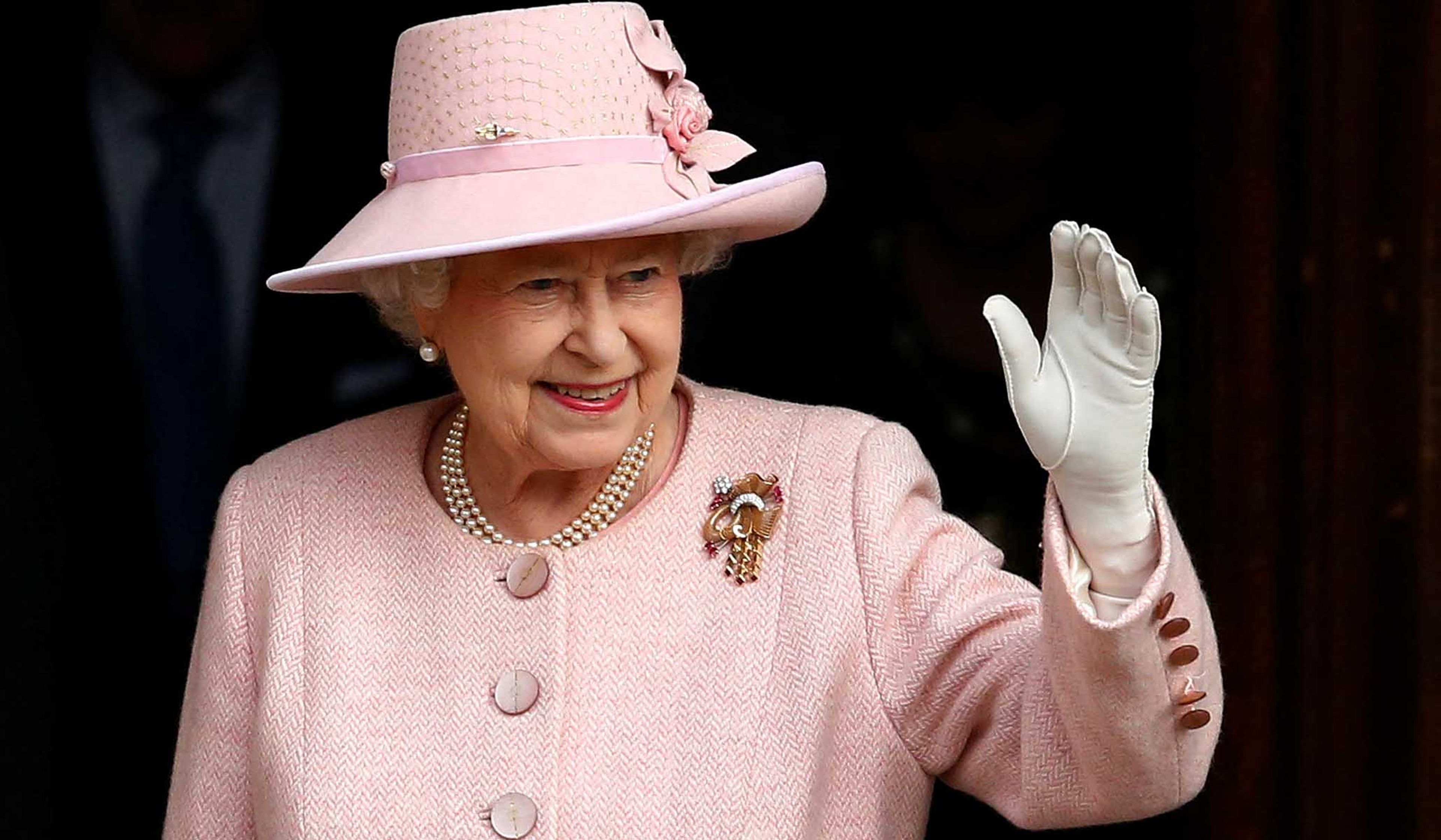
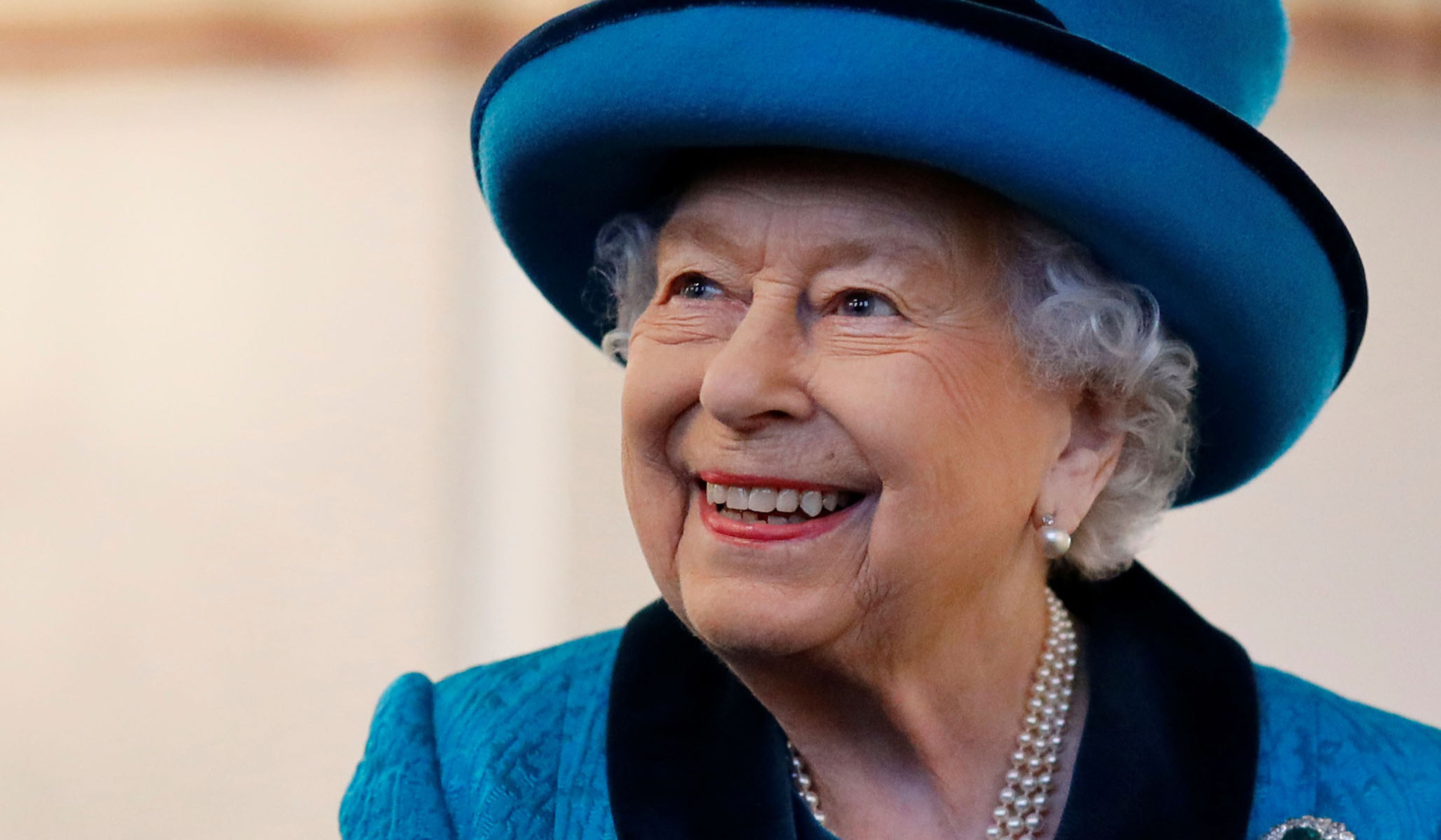
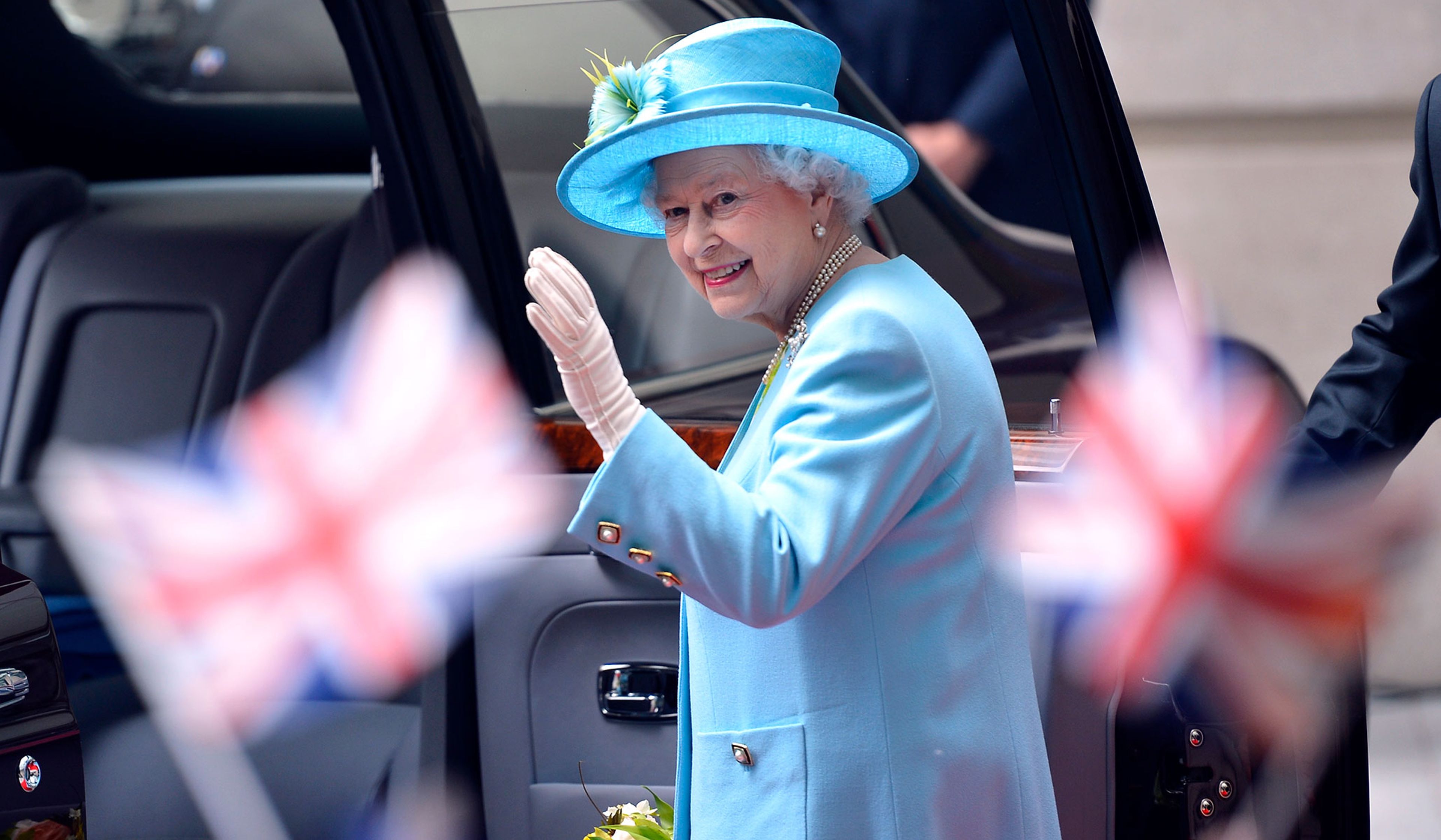
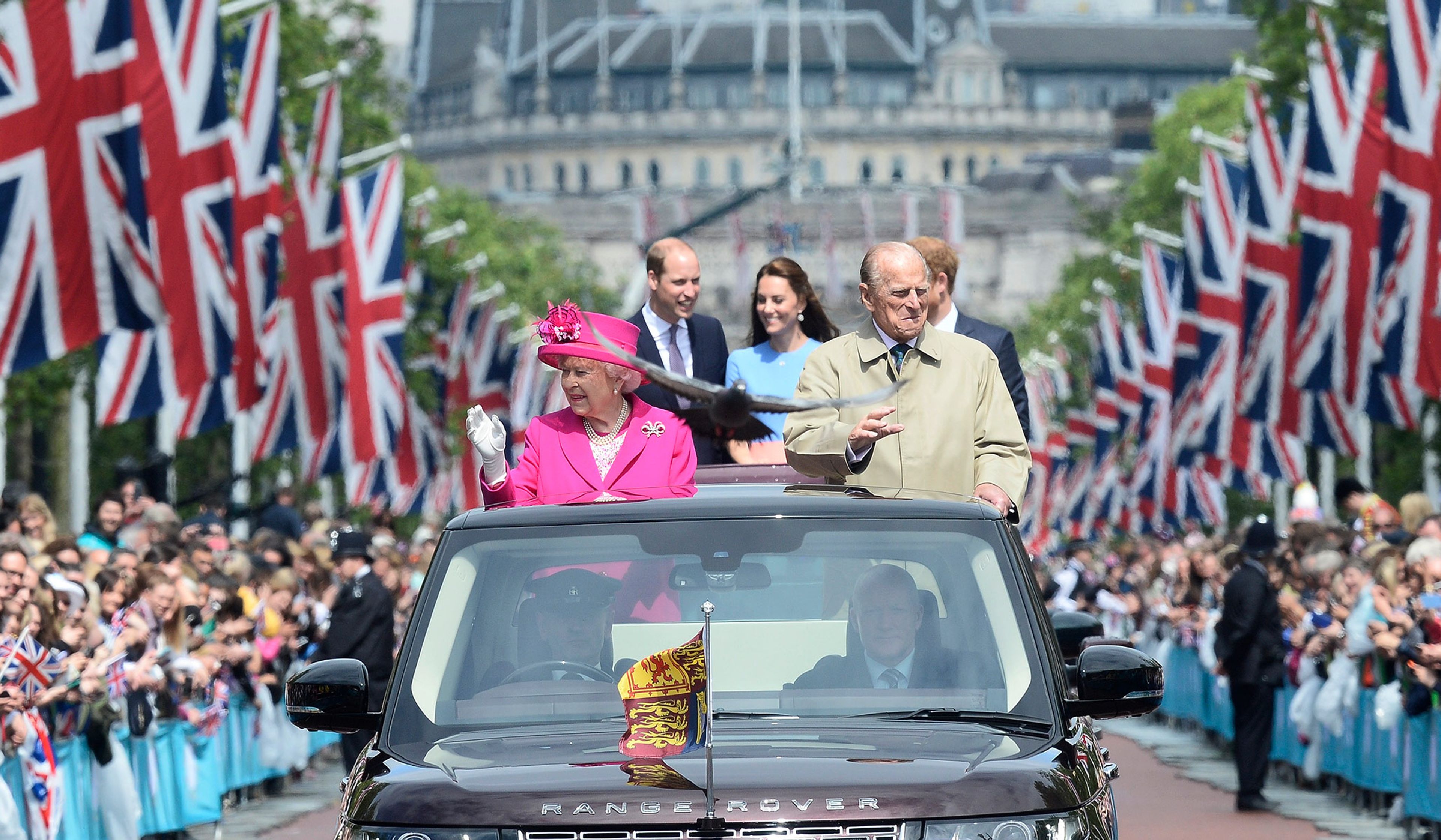
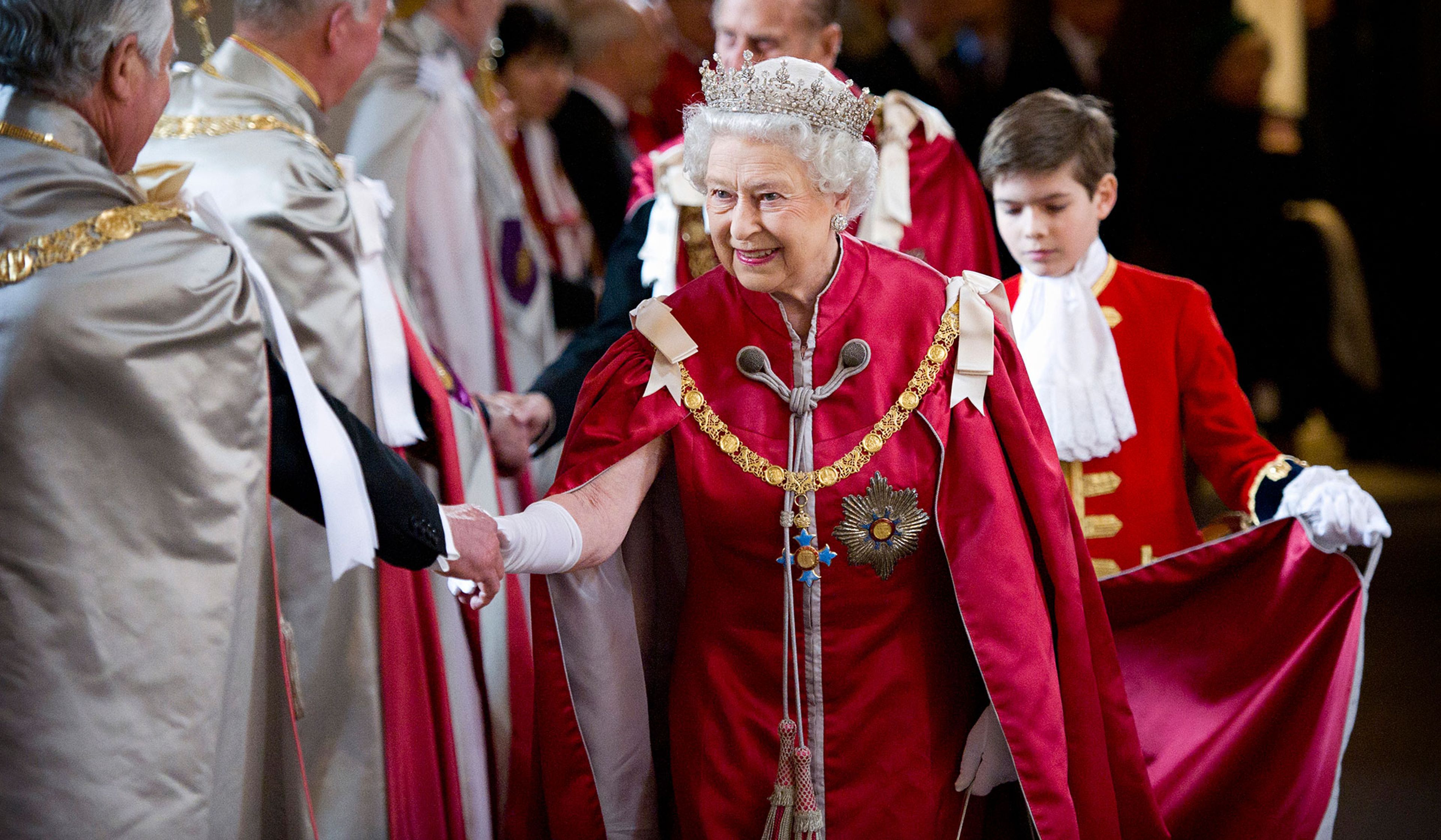
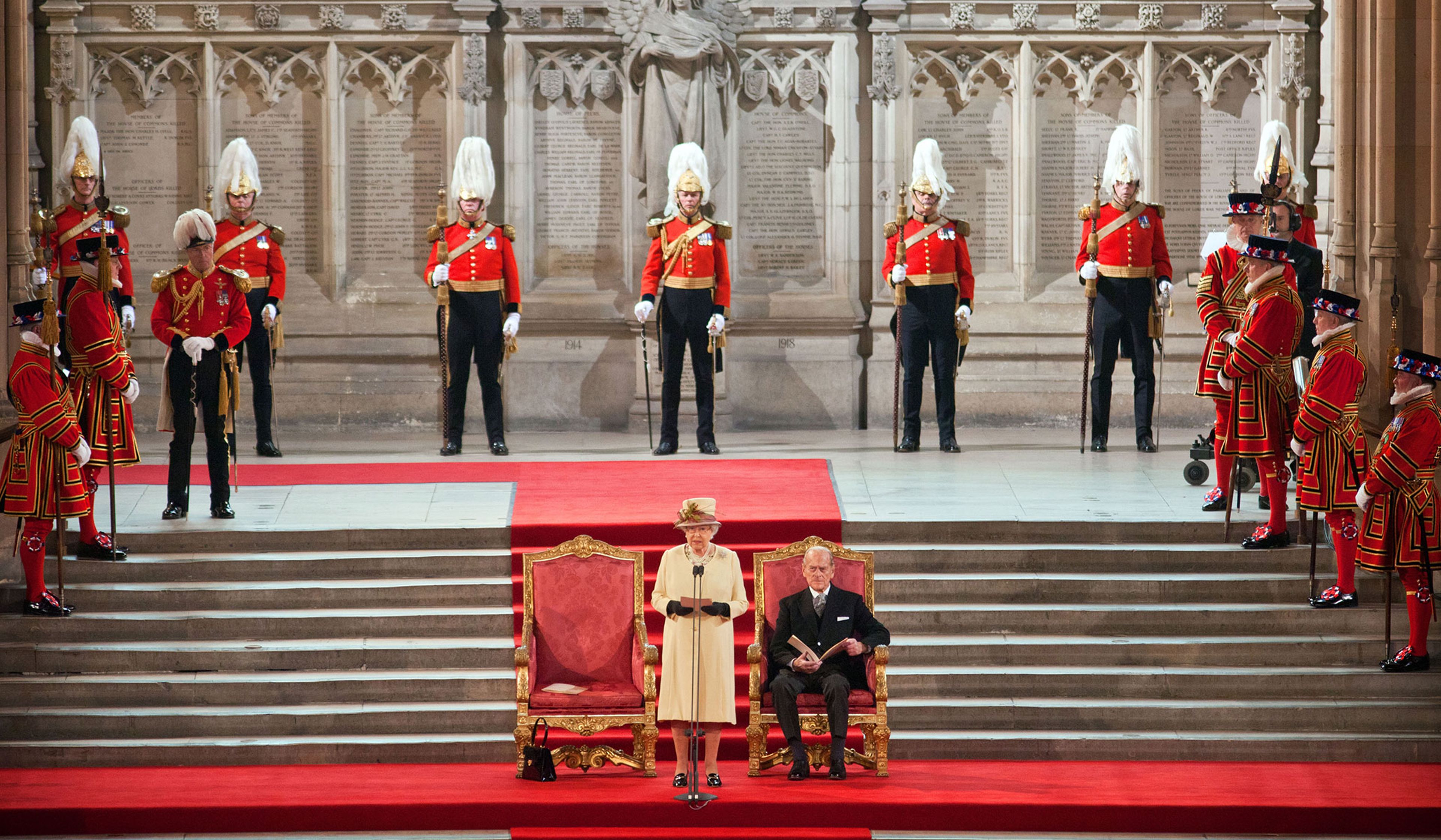
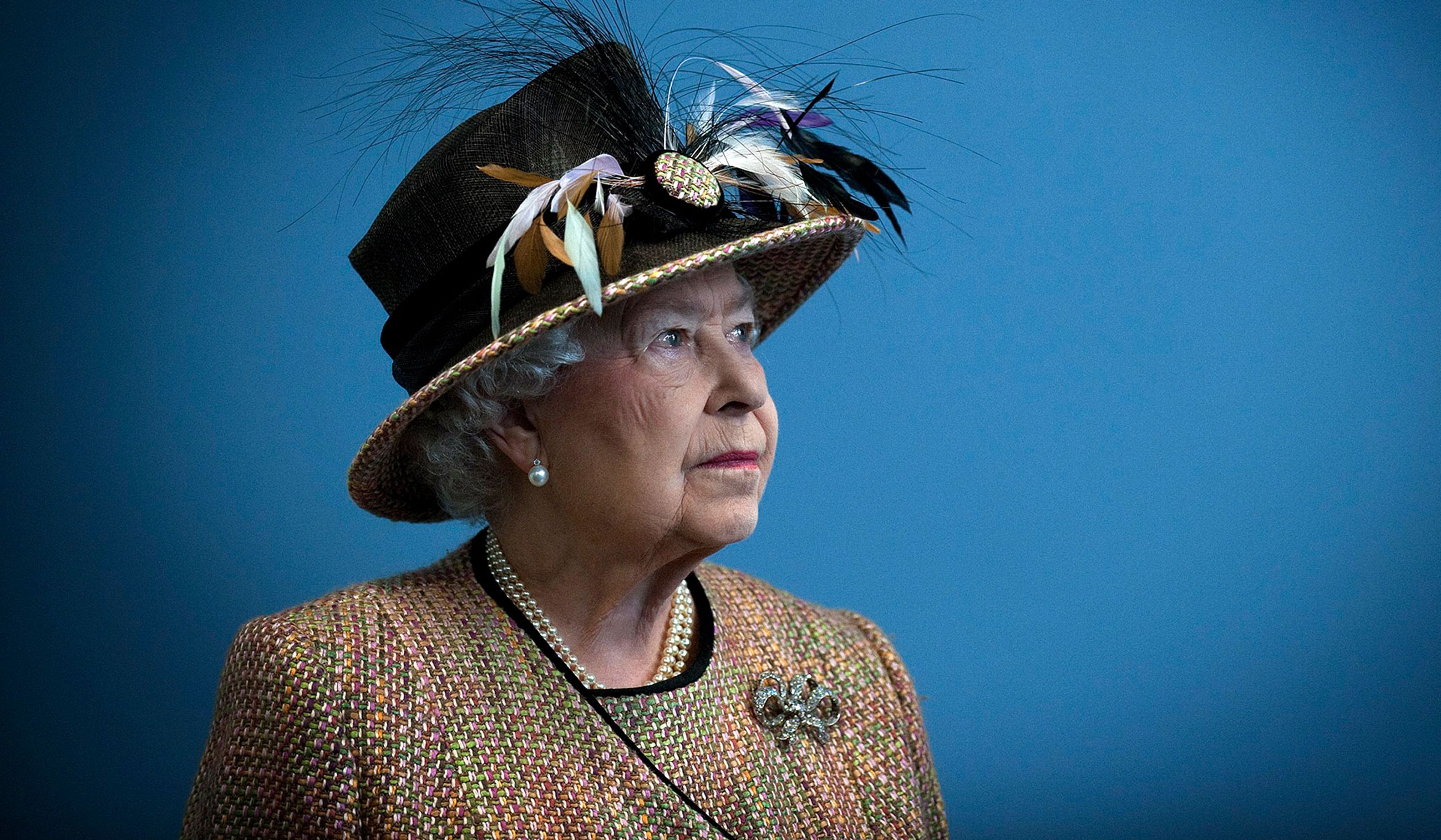
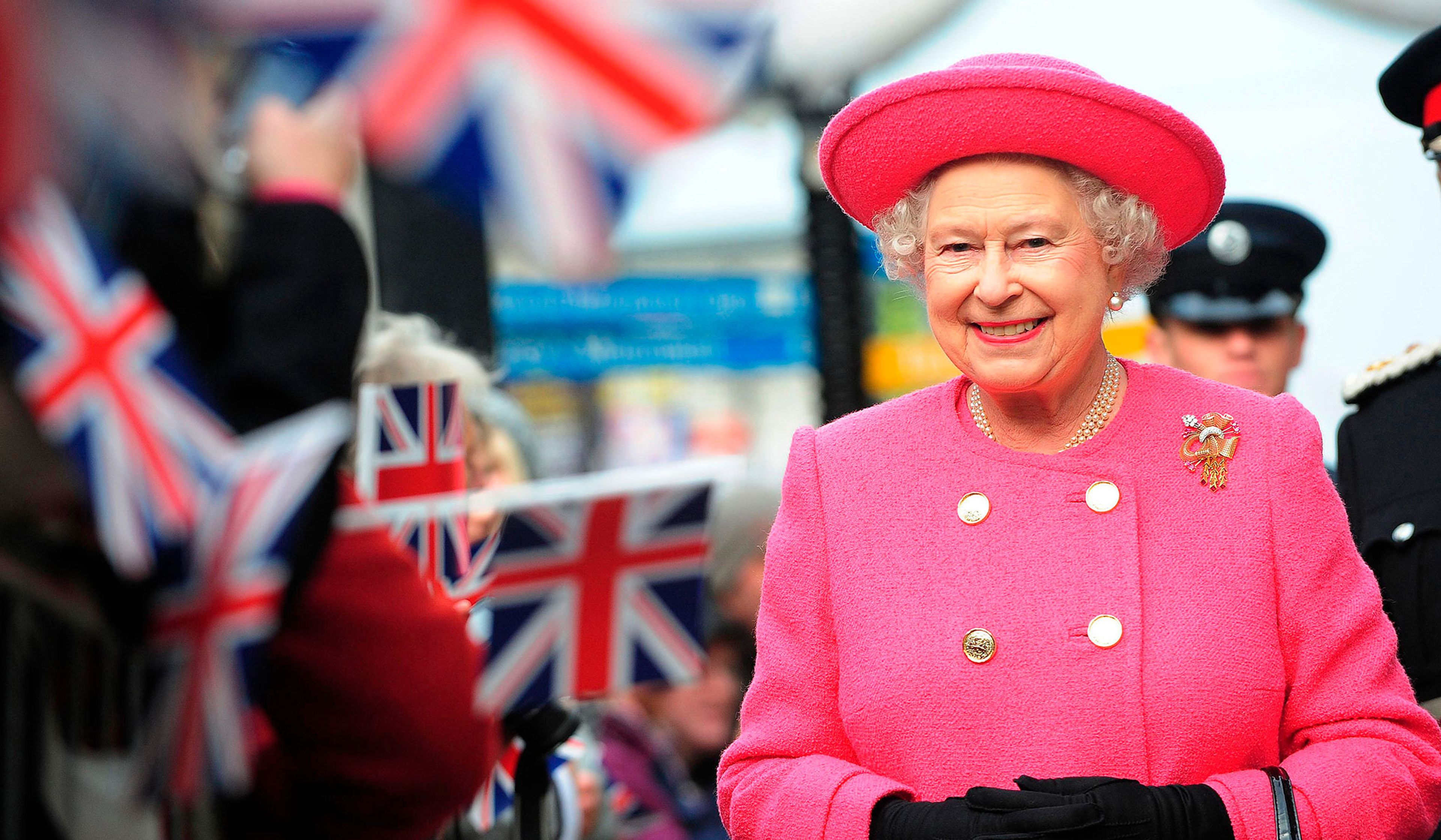
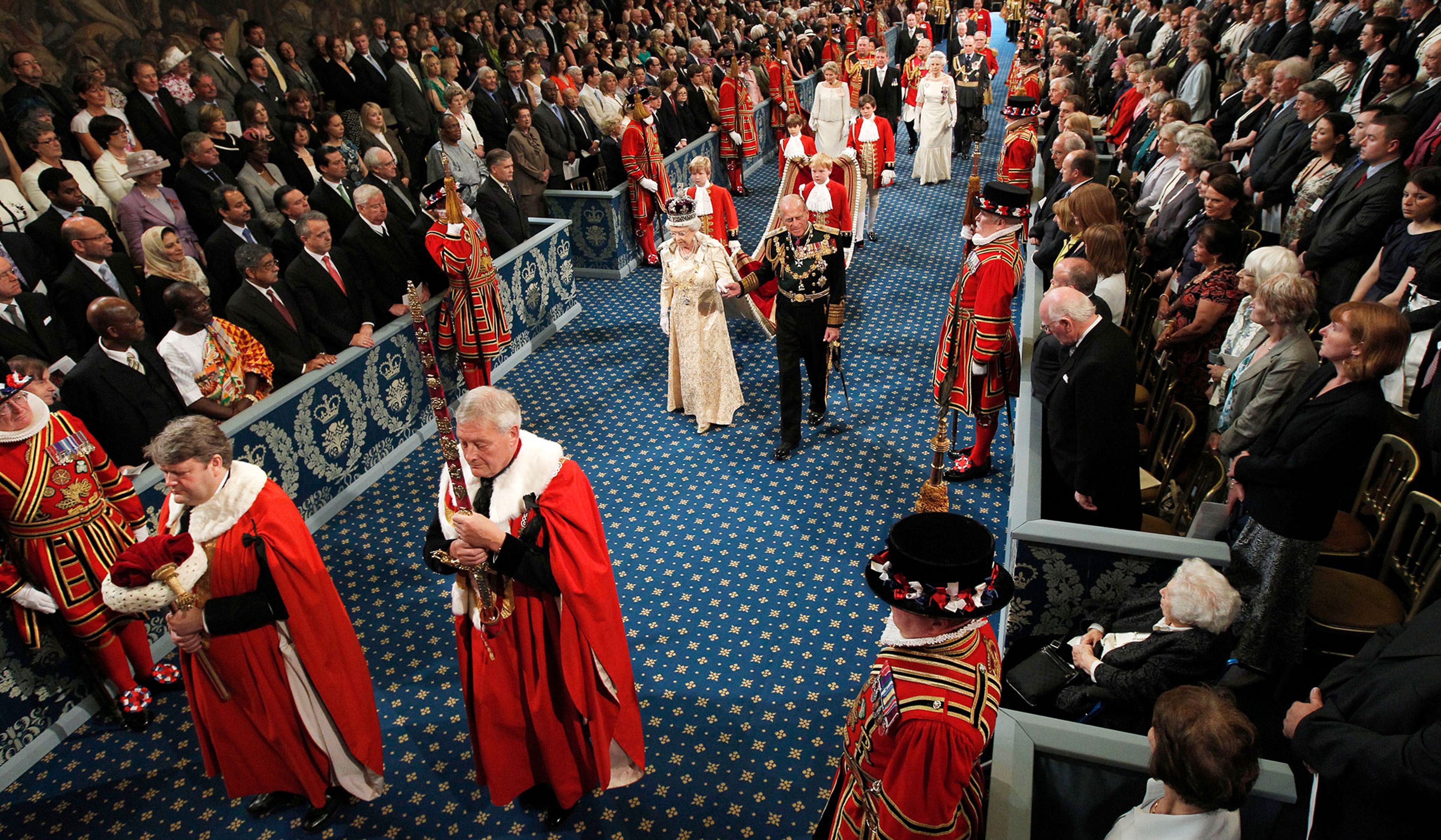
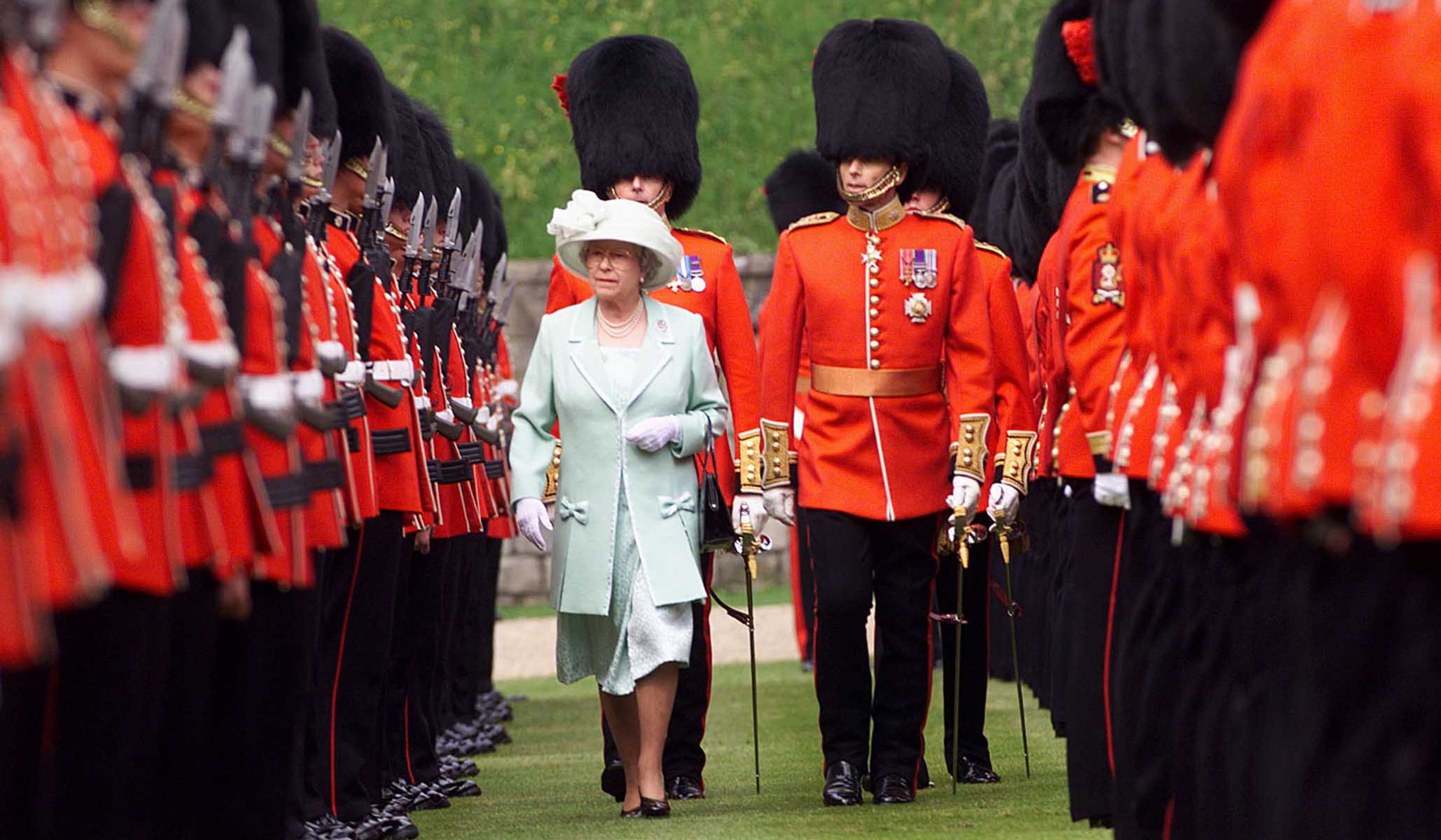
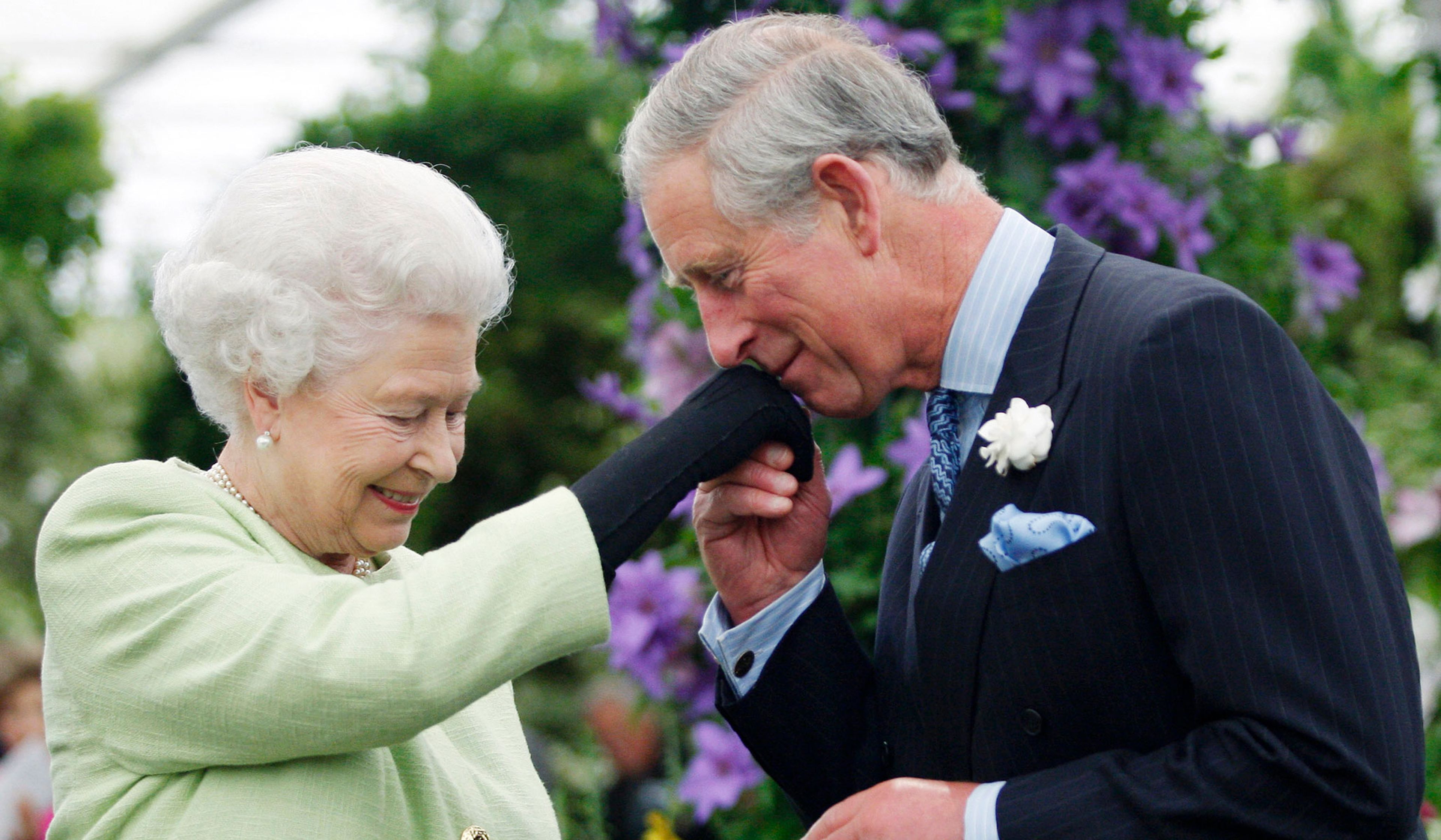
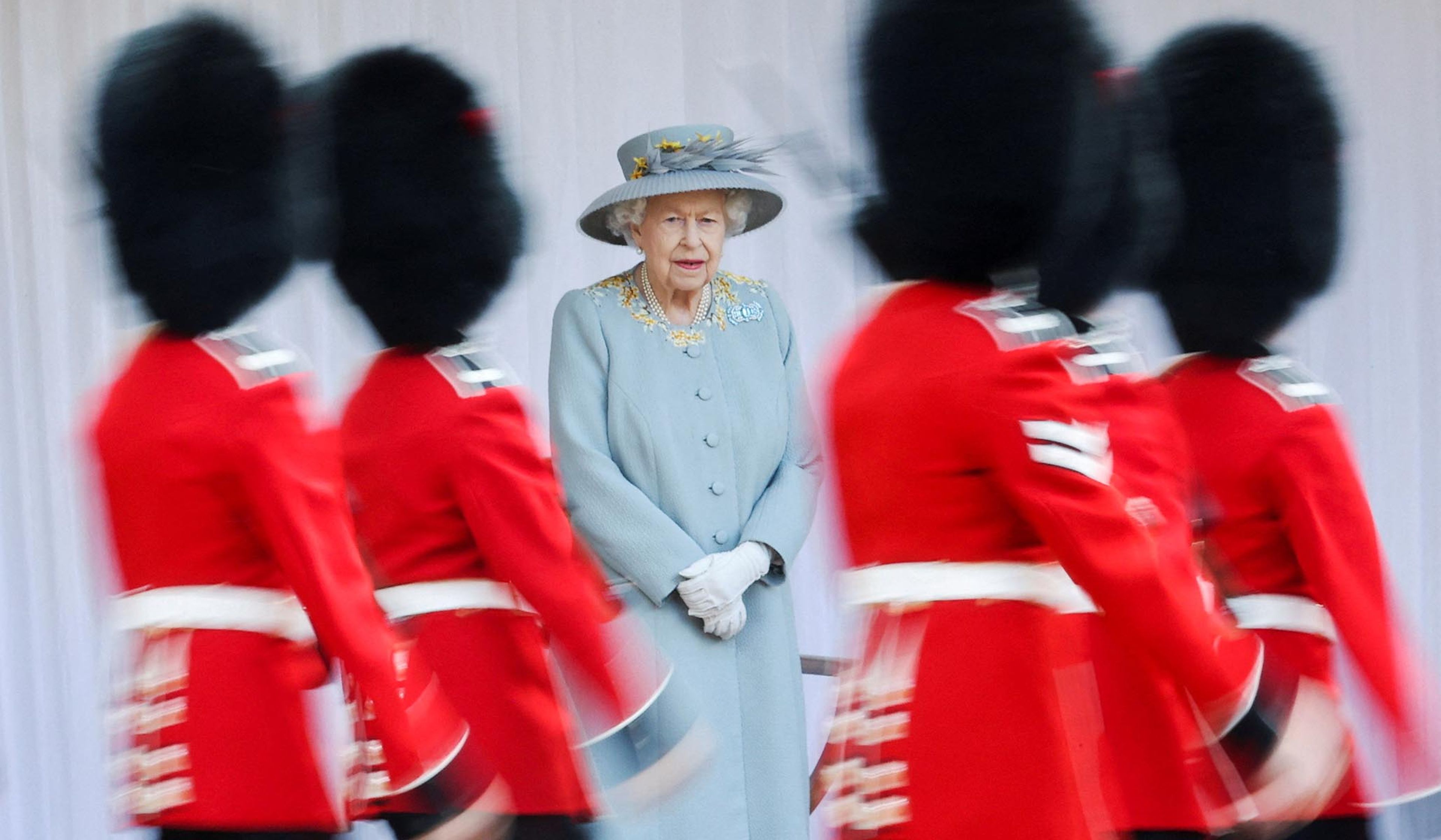
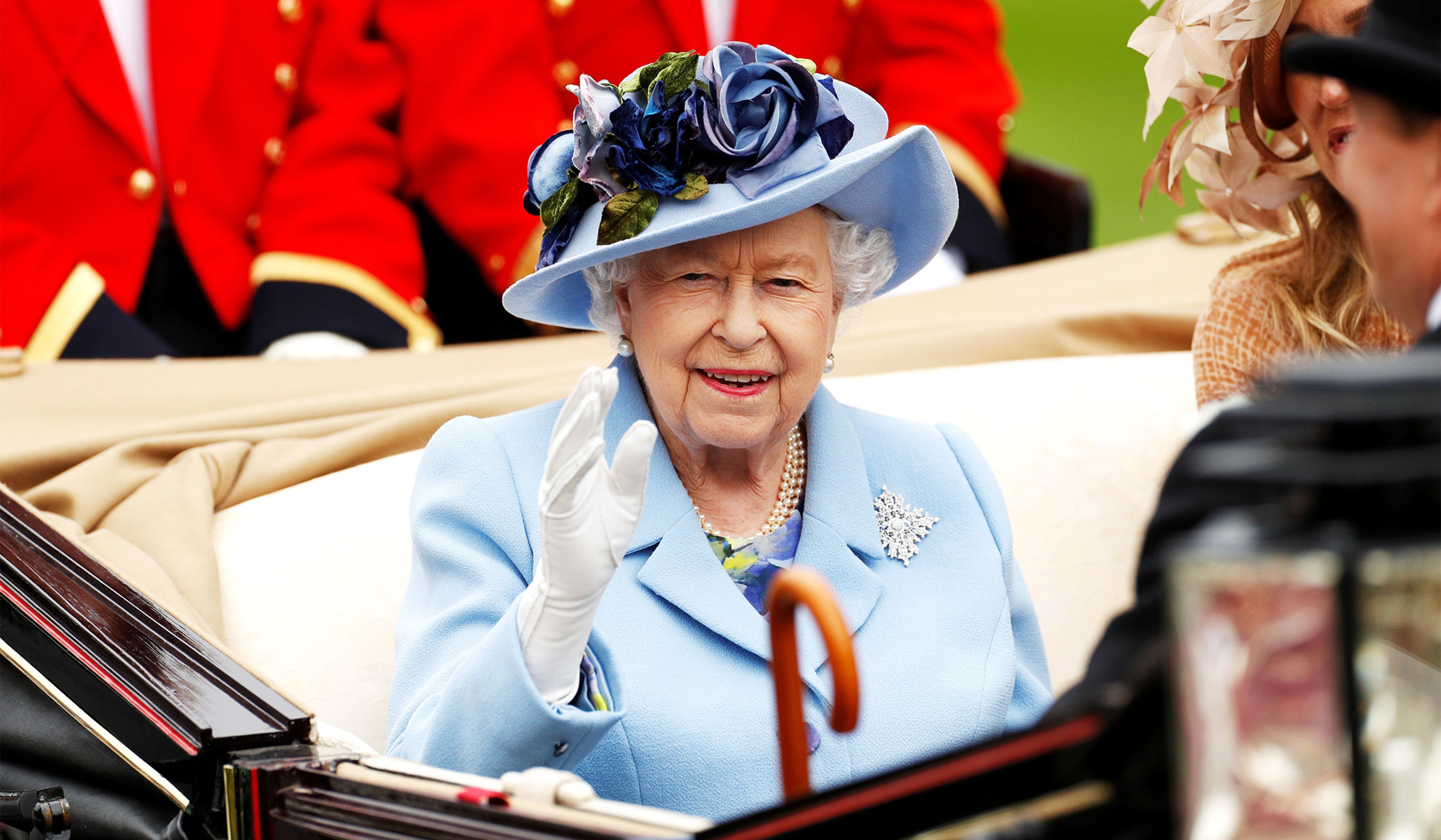
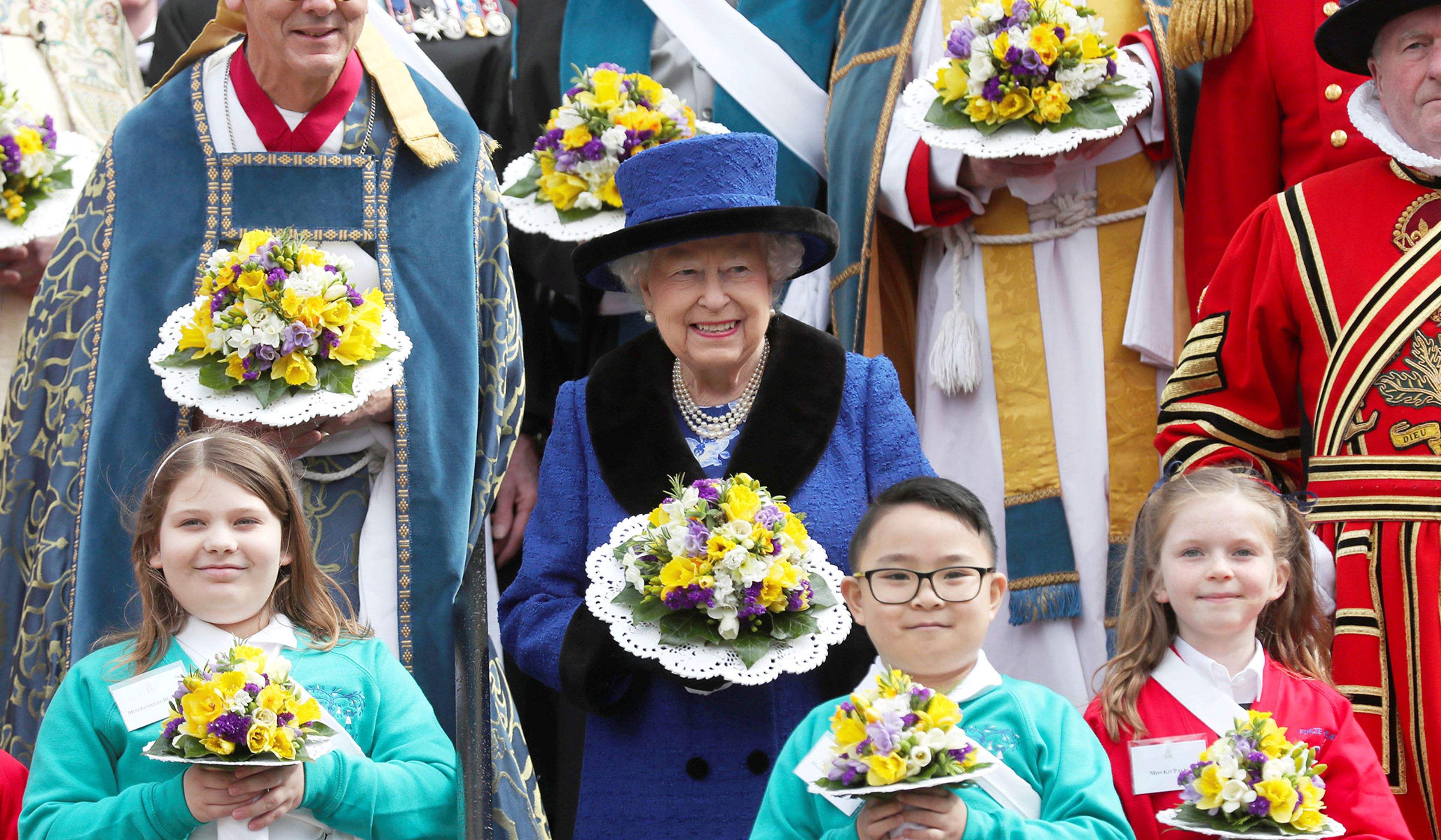
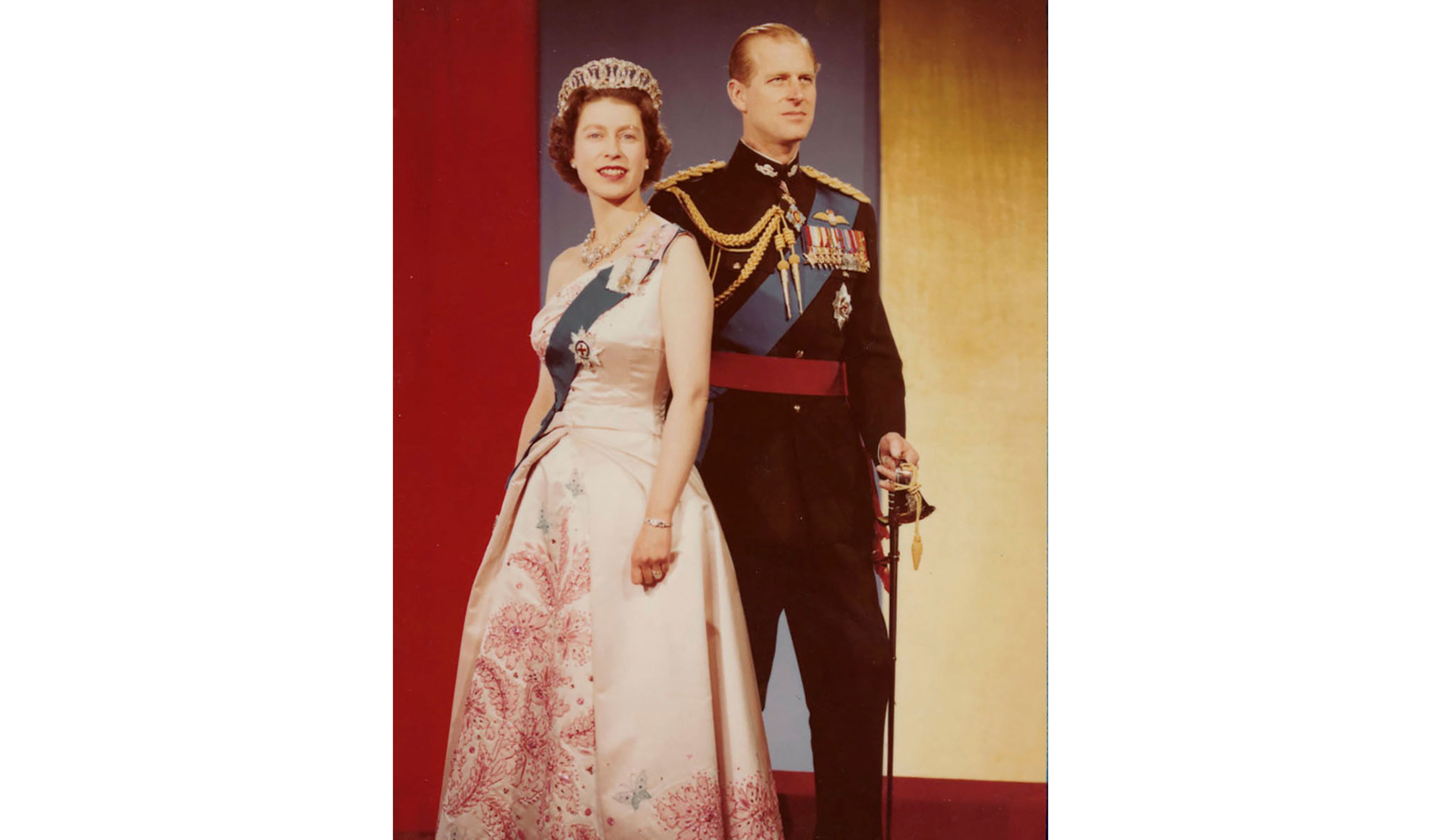
Britain’s Queen Elizabeth waves as she leaves Manchester town hall in northern England, Britain, March 23, 2012.
Phil Noble/Reuters
Her continuing role in these post-imperial activities is both mocked as meaningless and made the basis of attacks, by a combination of the New York Times and critical-race-theory academics, on her imaginary role in imperial crimes. What is the purpose of such ill-timed expressions of bile? Their detachment from reality — whatever its faults, the British empire eradicated slavery, introduced modern medicine, and oversaw an increase in the population of its territories — means they cannot persuade anyone who has not already drunk deep of toxic anti-colonialism. And such splenetic anger sounds like a desire less for justice than for revenge on a civilization that has given them gifts that should have been theirs to give in a better world. They contrast badly with the cheering crowds present at all those 200 visits.
True, the Chinese have just bribed the Barbadian government to break the link with the monarchy, but that could be done only without a referendum and must be regarded as provisional — unless Beijing keeps paying. Jamaica may follow. But the wider picture is the opposite of decline and dissolution. Not only is the Commonwealth now a prosperous and growing group of 56 states — four new member nations that had never been British colonies have joined in the last few years — but also King Charles was invited to take up its headship by a 2018 agreement of its members. It’s hard not to see all this as a real achievement by his mother.
Finally, Elizabeth Windsor enjoyed ultimate success in a more subtle and risky campaign — though the interpretation that follows is not the conventional one. Walter Bagehot, the Victorian author and constitutional pundit, had argued that the monarchy couldn’t survive too much publicity, since you can’t “let daylight in upon magic.” By the 1970s, however, the monarch and her servants had decided that the monarchy couldn’t survive too much distance either. She welcomed the cameras into her family circle, and they showed a nice, friendly, middle-class family, living a private life much like the rest of Britain but, of course, with larger responsibilities. It wasn’t an altogether false picture, and for a time it succeeded as public relations, but the unexpected flaw was that nice, friendly, middle-class English households were changing everywhere under the delayed 1960s impact of “sex, drugs, and rock ’n’ roll,” divorce, and family breakdown.
The royals were not sufficiently different from the rest of us. That led in time to the psychodrama of the marriage of Charles and Diana, revelations of their separate affairs, their divorce (and other royal divorces), the death of Diana — all under the microscopes of television and the tabloids — and finally what looked like a national popular uprising of aggressive sentimentality against Her Majesty for failing to mourn Diana with sufficient emotional expressiveness. She wouldn’t let her hair down.
The truth in that moment was that the queen (and her consort, Prince Philip) were different. They were stoic and reserved, formed in a war when friends died weekly at sea and in battle but life had to go on. It wasn’t indifference but the duty to carry on that shaped their responses. Though she and Prince Philip carried out what was paradoxically their latest duty and mourned Diana very publicly, adding flowers to the mountain of them outside Buckingham Palace and sitting quietly through a showbiz funeral at which they were insulted, her character shone through the hostile media coverage. It later turned out that letters to the BBC overwhelmingly sympathetic to the queen had been suppressed. The movement of forced sentimentality had not been a true picture of national opinion. Not long afterwards, the queen mother died and was given a funeral ceremony that reflected the traditional values of the older England that she too had incarnated. It struck another deep chord with public opinion.
The crises did not stop. But with every crisis she seemed to grow in strength and authority. And just as she never left a footprint in politics, so later in her reign she perfected the art of meaning more than she seemed to say — as, for instance, on Covid, in a talk that calmed public anxieties without arousing controversy. Her subjects simply felt comforted in a way that all the scientific explanations from Whitehall had not calmed them. On the first official royal visit to the Republic of Ireland since the 1920s, she appeared at a garden of remembrance for those who had fallen in the Troubles. She spoke in Gaelic, expressed regret for “things that should have been done differently, or not at all,” and provoked a surge of warmth and gratitude from ordinary Irish people for removing the hint of official disapproval that had hovered over Anglo–Irish friendships private and public. After Harry and Meghan’s tell-all-and-more television interview, she issued a statement that included: “Recollections may vary.” More deaths in the queen’s family, more funerals, some scandals, a royal wedding followed in succession until the funeral of her husband, at which we saw her grieving alone in black.
“Grief is the price we pay for love,” she said, and after an interval resumed her official duties.
In short, she let daylight in upon magic, but the magic didn’t vanish, because it wasn’t magic — or at least not only magic. It was wisdom, balance, and the accumulated experience of carrying out official duties in 16 different realms and diplomatic duties across the world — and never playing herself false or the rest of us false. When lesser public figures were unable to mention God, she did so unaffectedly, in her Easter and Christmas messages, speaking as the head of a Christian church to the hearts of her many religious subjects of other faiths too.
She represented us in so many ways, and she did so brilliantly. But she wasn’t representative of us. She was in truth better than us, reminding us of what we once were and perhaps could be again if we would imitate her example. Having fulfilled her vow, she has finally laid aside her burden of duty. She now goes to the God whom she served so well for so long.
I don’t think it’s presumptuous to believe she has already heard the words “Well done.”











Comments