Two or three more advances in personal technology, and I may have to leave the country — make that the planet. As things stand at the moment, the end of my tether is already well frayed. Examples are not difficult to adduce.
I currently have a Latin app on my iPhone, which I find very useful. So I thought I would add a French app. Only after having done so did I learn that the French app would cost $6.99 a month. Since I probably do not look up more than four or five French words a month — my most recent was ficelle — the app didn’t seem worth the monthly charge. I set out to cancel it. A simple enough procedure, you might think. In doing so I was straightaway asked for my iTunes passcode. iTunes passcode? Didn’t know I had one. Still don’t. I had to walk over to my local AT&T store and, abashed, have one of the fellows perhaps a fourth my age who works there cancel the app for me.
Earlier this year my ten-year-old desktop computer gave up the ghost. I brought it to an Apple store to buy a new one, hoping that someone there could transfer all the material from my old computer onto its replacement. And, lo, presto change-o, a bright and accommodating young man there did just that, entirely successfully. Some things my new computer couldn’t do that my old one could — copying CDs, for one, though I gather that CDs are now thought obsolescent — but I was by and large a satisfied customer. And so I remained, until the announcement one day appeared on my new computer that updates were available. I tapped the button to bring them on and promptly lost my beloved Microsoft Office word-processing program, which was replaced by something called Pages, which represented a serious step backwards. Even now, four months under the reign of Pages, I cannot figure out how to set words in italics. Pages and I can’t seem to get on the same page.
I have resisted using a Kindle, chiefly because of my love of books, the look, feel, even the smell of them. I have done FaceTime with my granddaughter, who lives in New Jersey. But I may well be the last American standing never to have Skyped or Zoomed. I am supposed to give a lecture next spring over Zoom to a group at the University of Arizona, and so will lose my Zoomiginity then. I haven’t decided what to wear for this Zoom lecture; just now I am thinking tie, shirt, suit jacket, and pajama bottoms.
Then there is banking. Of late a number of the magazines I write for wish to send the checks for my payment directly to my bank. I am chary about this, for I once had $5,000 withdrawn from my checking account by someone who forged two checks with my name on them, and so am hesitant about giving out any information whatsoever about my bank account. (My bank, not at all by the way, made good on my loss.) I have done so, reluctantly, nevertheless. But the other day one such magazine asked for the email connected to my bank account. I didn’t know I had such an email. I pled ignorance, something, under the new goal of a paperless society, I seem to be doing more and more, and the magazine agreed to send the check to my home.
A newspaper for which I write fairly often asked some while ago that, along with the pieces I write for them, I send them invoices through an agency called the Tungsten Network. Filling out the invoices, I discovered, took a bit longer than writing the pieces themselves. Ah, the jolly dance of progress, one step forward, one to the side, and three steps back!
I am no Luddite, opposed to new technology or ways of working. I am a subscriber to Apple TV, which has given me much pleasure through shows and movies played on Netflix, Acorn, and Prime Video. I have been toting an iPhone around for many a moon, and much enjoy the convenience of it. I have an Echo device, and frequently ask its voice, lady name of “Alexa,” to play the music of Mozart, Haydn, Handel, Ravel, and Reynaldo Hahn; Scott Joplin, I discovered, is very good to accompany my doing the dishes. I also consult Alexa on the daily weather forecast and the starting time for Chicago Cubs and White Sox games. When away from Alexa, I have been known to check in, via my iPhone, with her half-sister Siri about various sports statistics and the ages or death dates of movie stars, athletes, and politicians.
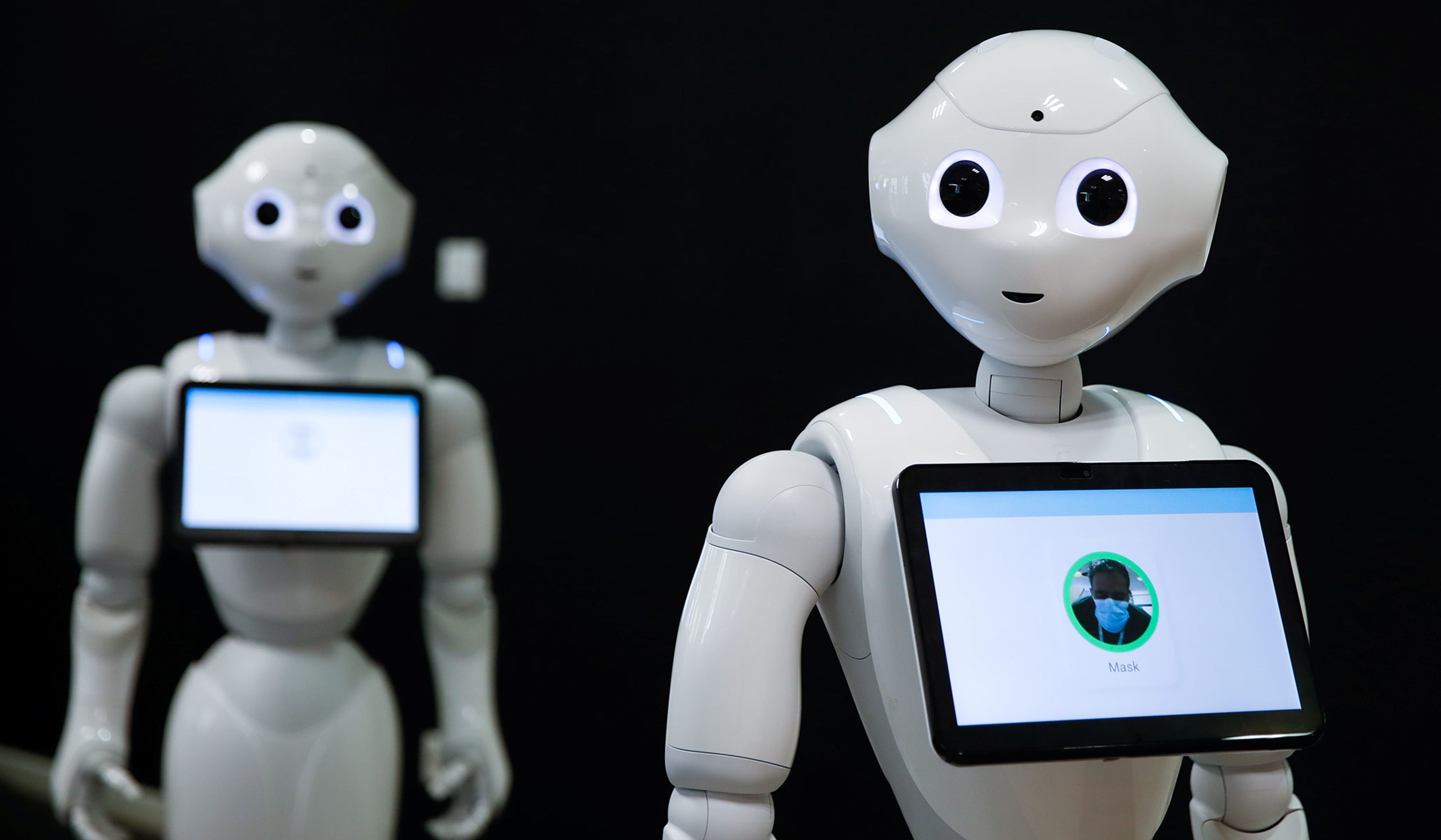
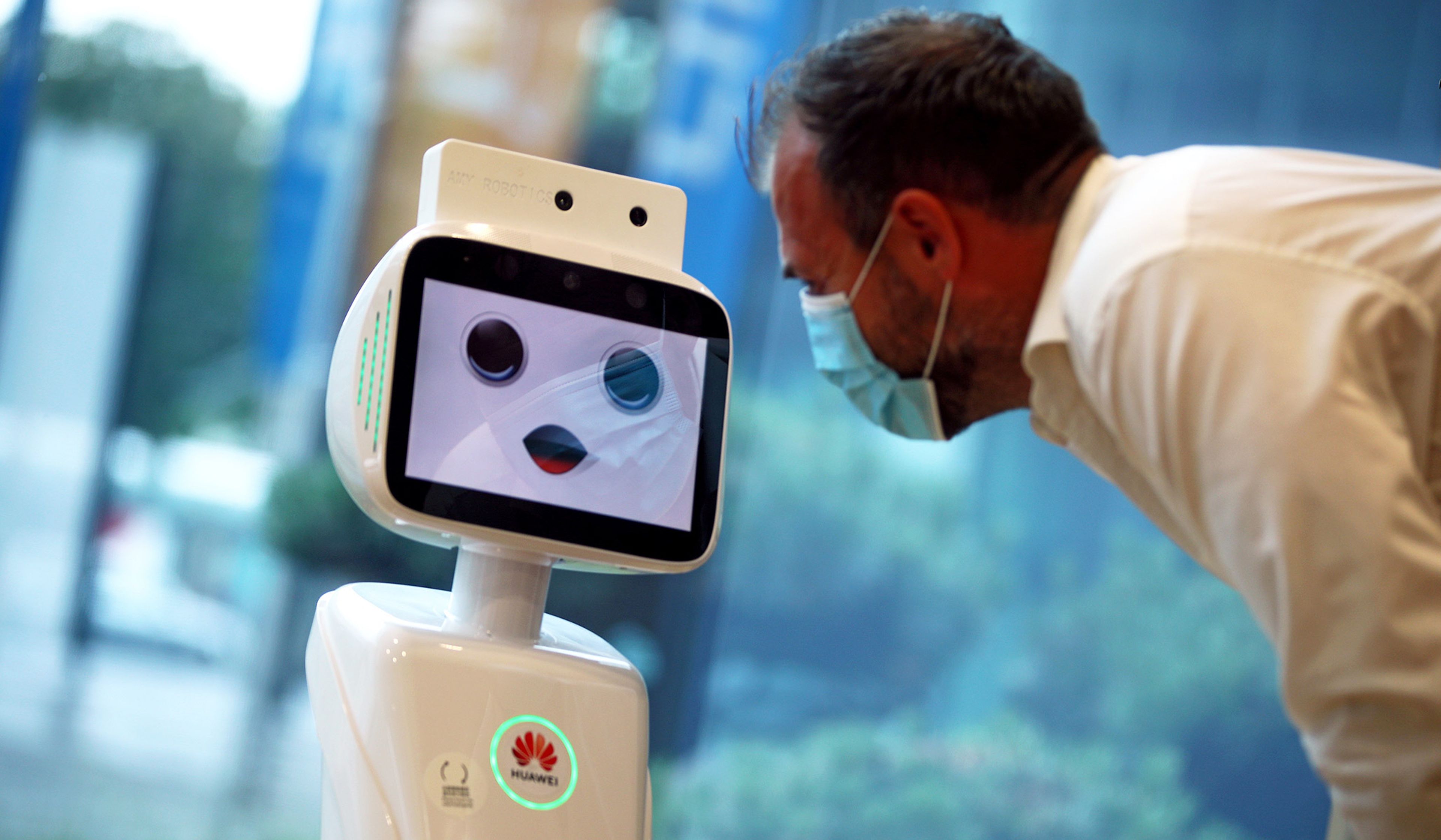

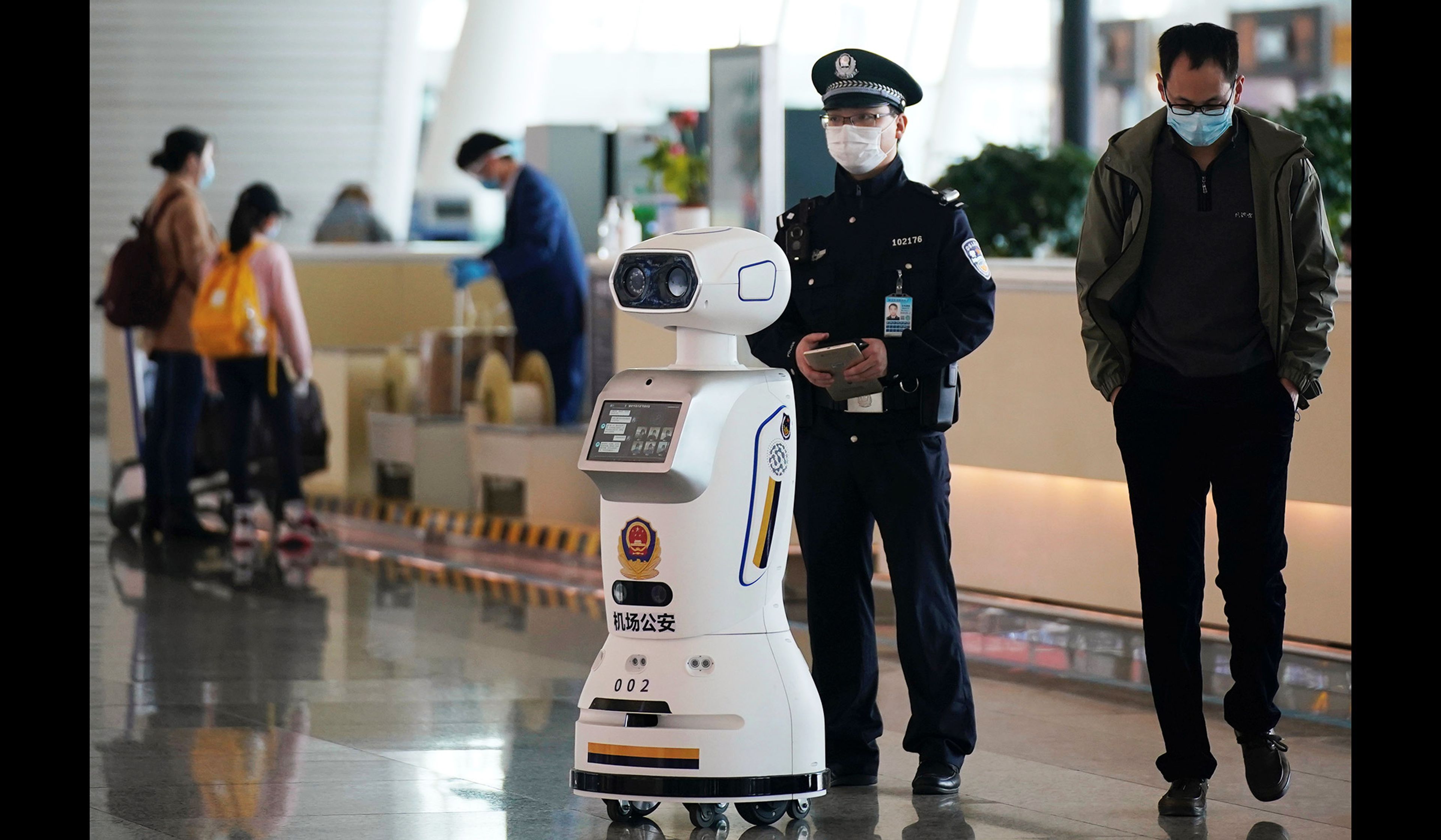
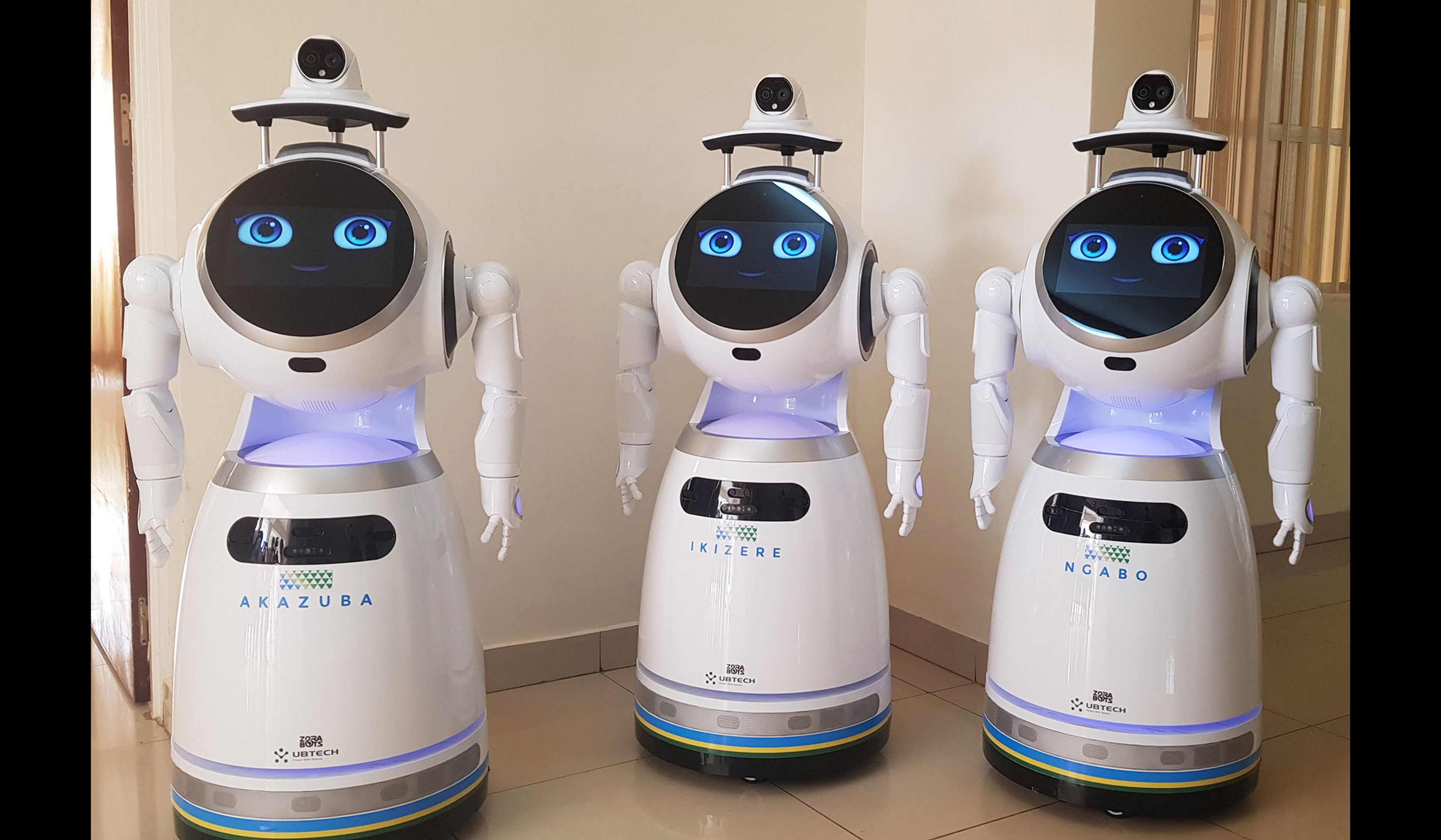
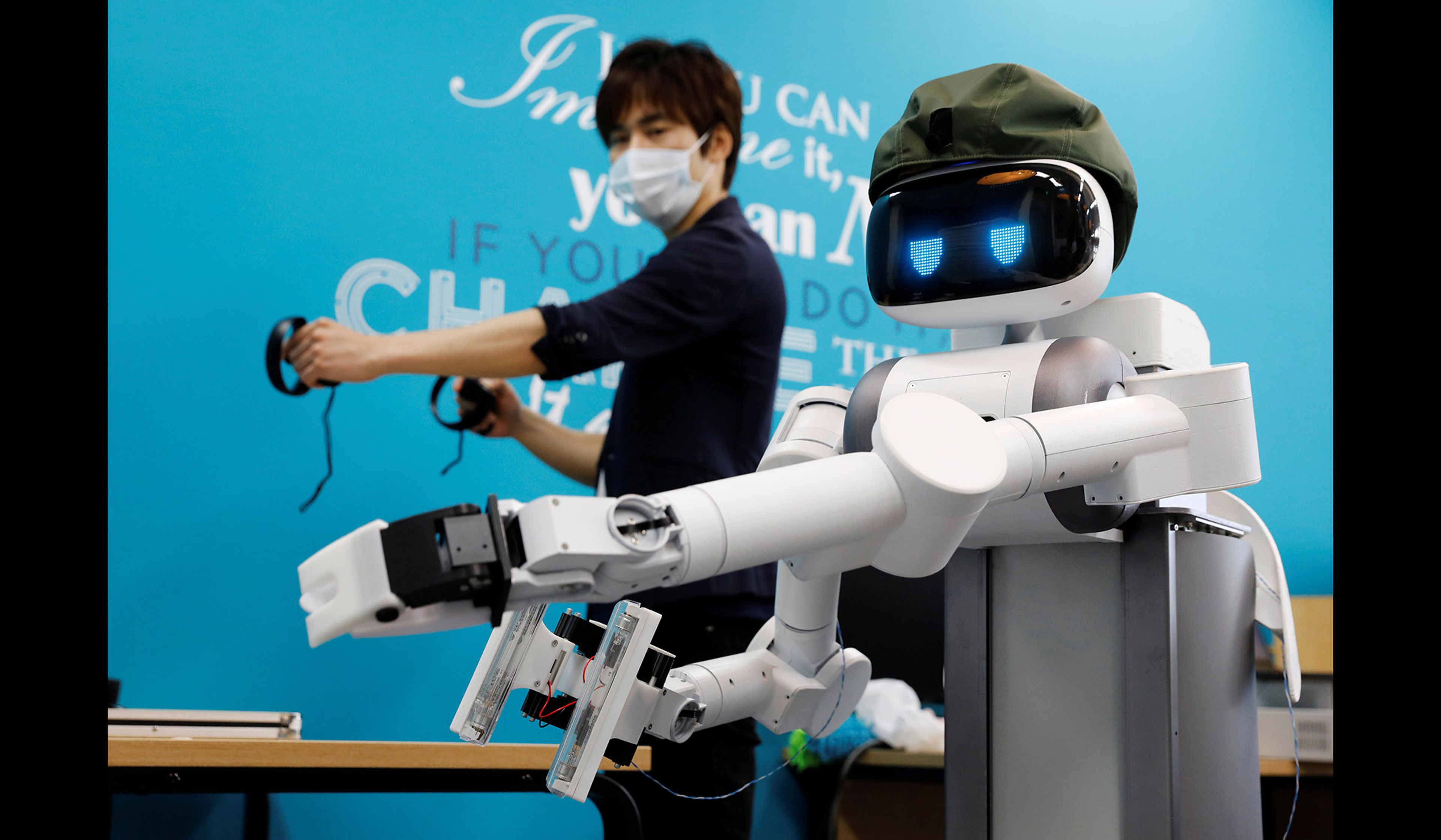
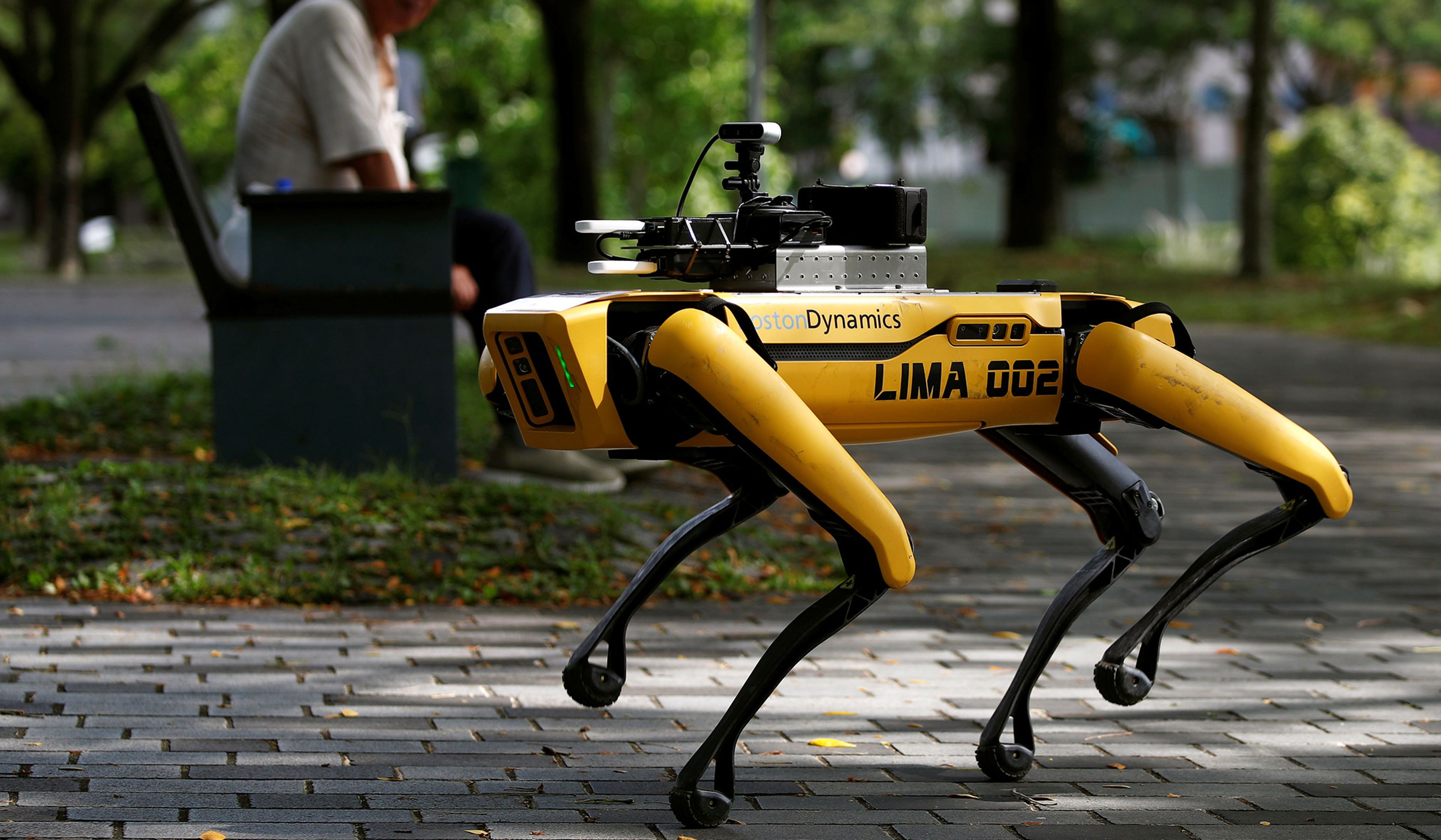
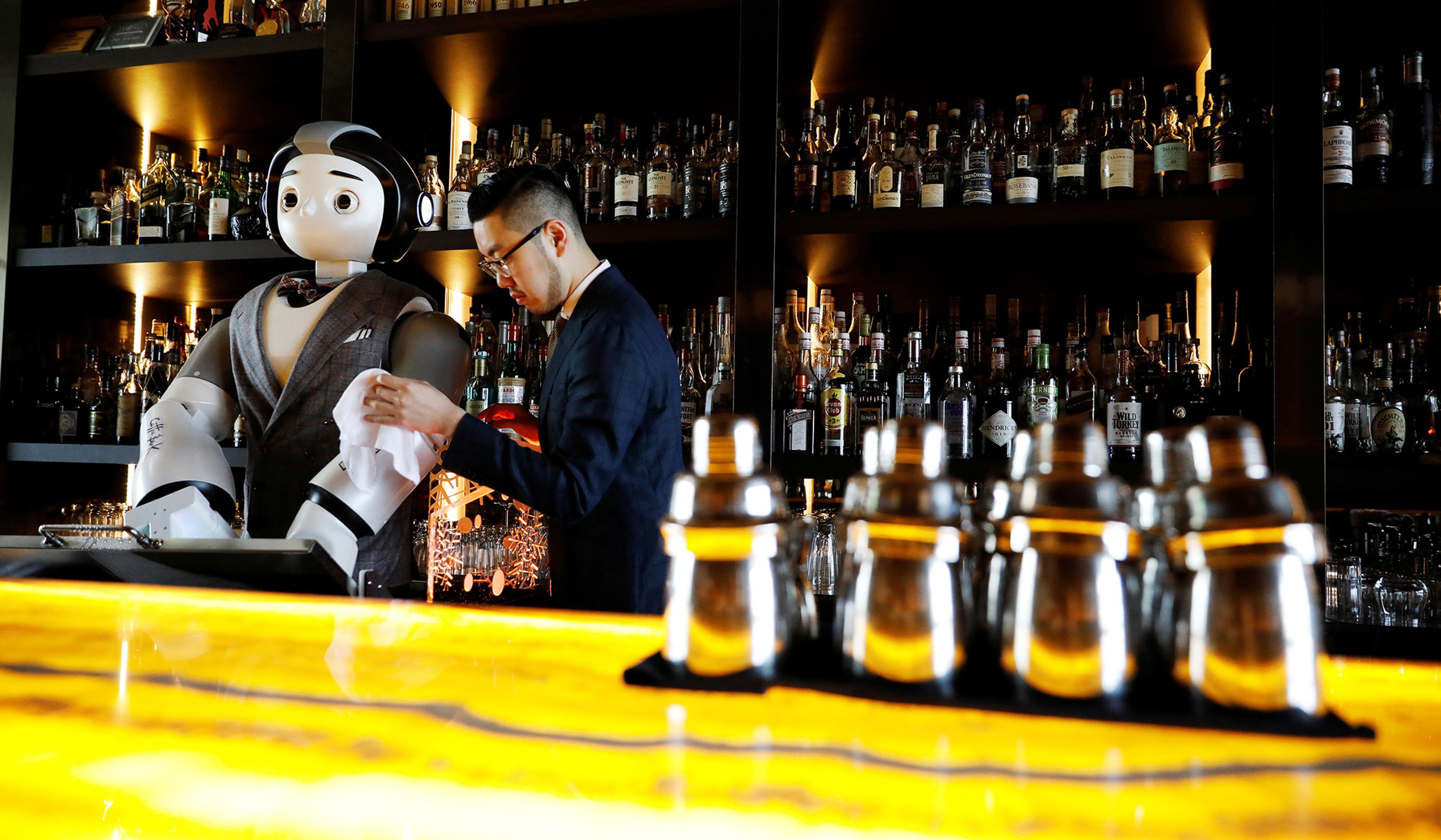
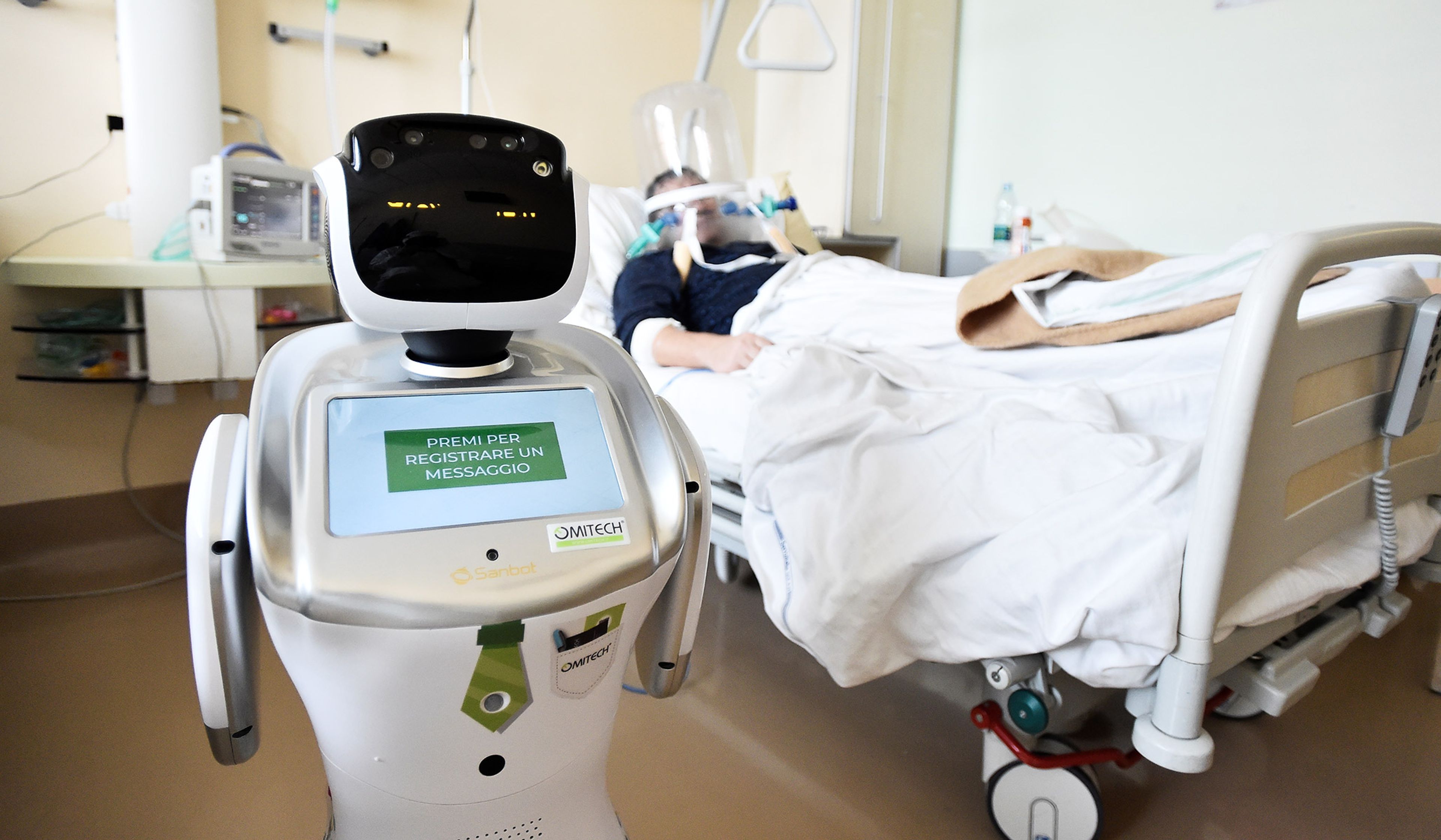
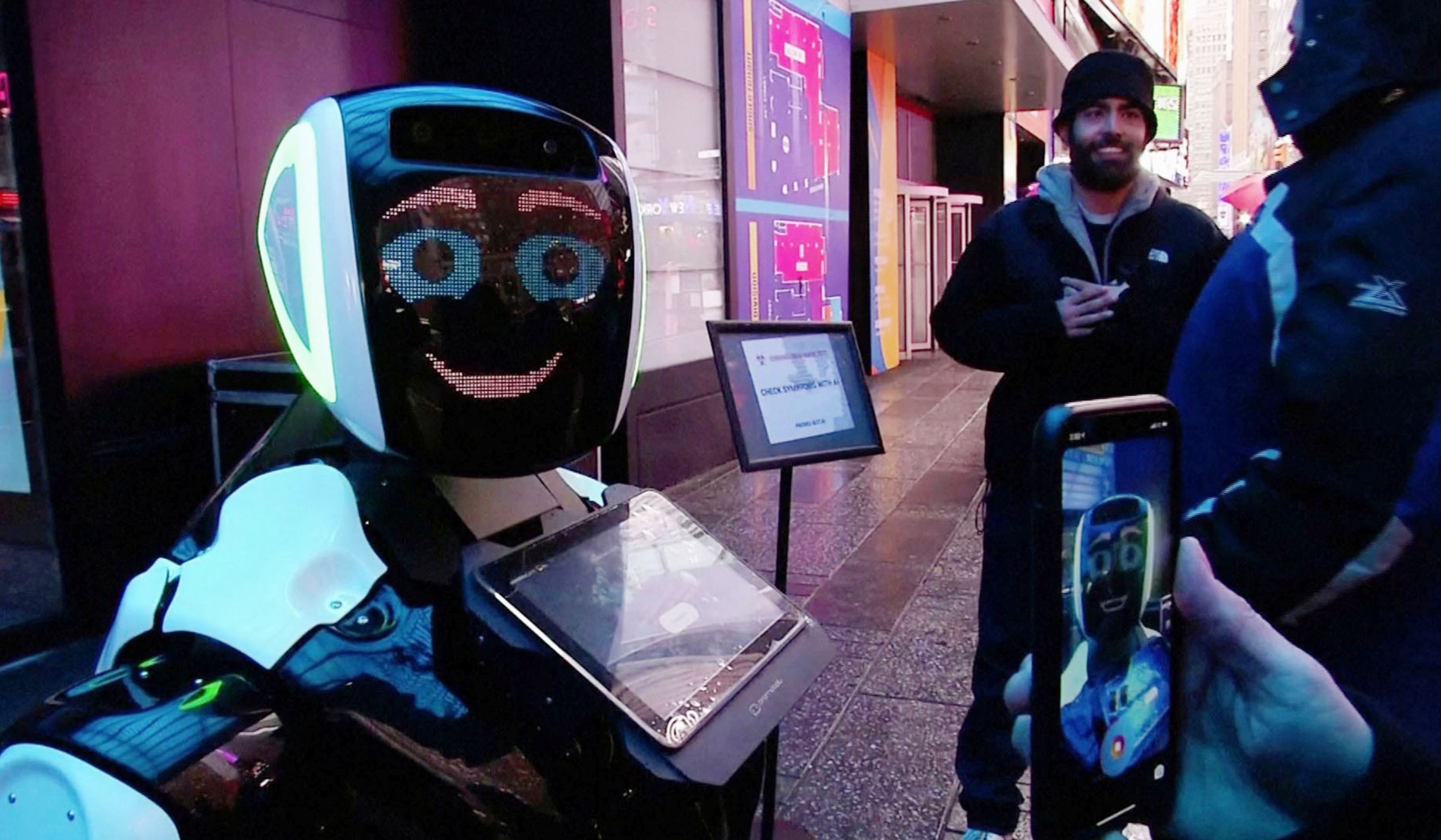
“Pepper” the robot, detecting whether people are wearing face masks and if not, instructing them to wear them, at French robotics developer SoftBank Robotics in Paris, France, September 8, 2020.
Gonzalo Fuentes/Reuters
With the pleasure and convenience of all these technological luxuries have come a number of worrisome little glitches. Why does some of my most important email — from editors and from a few good friends — show up in my junk email on my computer, and why does this important junk mail not appear on my iPhone? I once again strolled down to my AT&T store in search of an answer, but the young guy there was as befuddled as I, and suggested I take my phone and question to the nearest Apple store, five or so miles away. Why, all too many mornings, does my new computer inform me that I am not connected to the Internet? Glitches, glitches, the sons-of-bitches, when a new one pops up, I feel a dampening sense of hopelessness of the kind one feels when one gets a flat tire on a freeway.
I currently have a 52-inch, roughly ten-year-old television set. No fewer than five different remotes rest on the table beneath it. I like to think that I have mastered the intricacies of my television set. I can record the shows and sports events I wish to watch when convenient; I can fast-forward and -backward; I pretty much understand most of my television set’s menu of possibilities. Yet I worry about this set one day making a burbling sound and going dark. I worry that when I buy a new set, its different dials, remotes, procedures will all conduce to disarrange me, causing me frequently to emit, in the mixed company of my wife and a pussycat named Dolly, what Clifton Fadiman called the “coital intensifier.”
My car is 13 years old, though it has only slightly more than 50,000 miles on it. My hope, and for the same reasons, is that it, like my television set, will keep on rolling. I fear the technology of a new car will baffle me. I’ll try to turn on what I think are the windshield wipers and the car will suddenly park itself. I’ll think I’m turning on the air-conditioning and an electronic spice rack will appear. The GPS will give me directions to Aleppo. My ardent hope is that my current car will, as the English say, see me out.
I used to think that my condition of feeling swamped by ever-new bits of technology, all intended to make life easier but just as often making it more confusing, is one felt most commonly and most intensely by older players — people, that is, like me, age 70 and older. Not, apparently, so. Lots of people much younger, I discover, are quite as baffled, befuddled, and bewildered as I, and equally fearful that things on the technological front are only likely to grow more confusing still. The day may well come when you need a password to use your own toilet, and, owing to the fears about climate change and ever-greener green deals, human elimination will, like so much else in current-day life, go paperless. “It’s alimentary, my dear Watson,” as Sherlock Holmes might have said. “It’s alimentary.” But, then, one could also say the same about a lot of so-called technological advances.











Comments