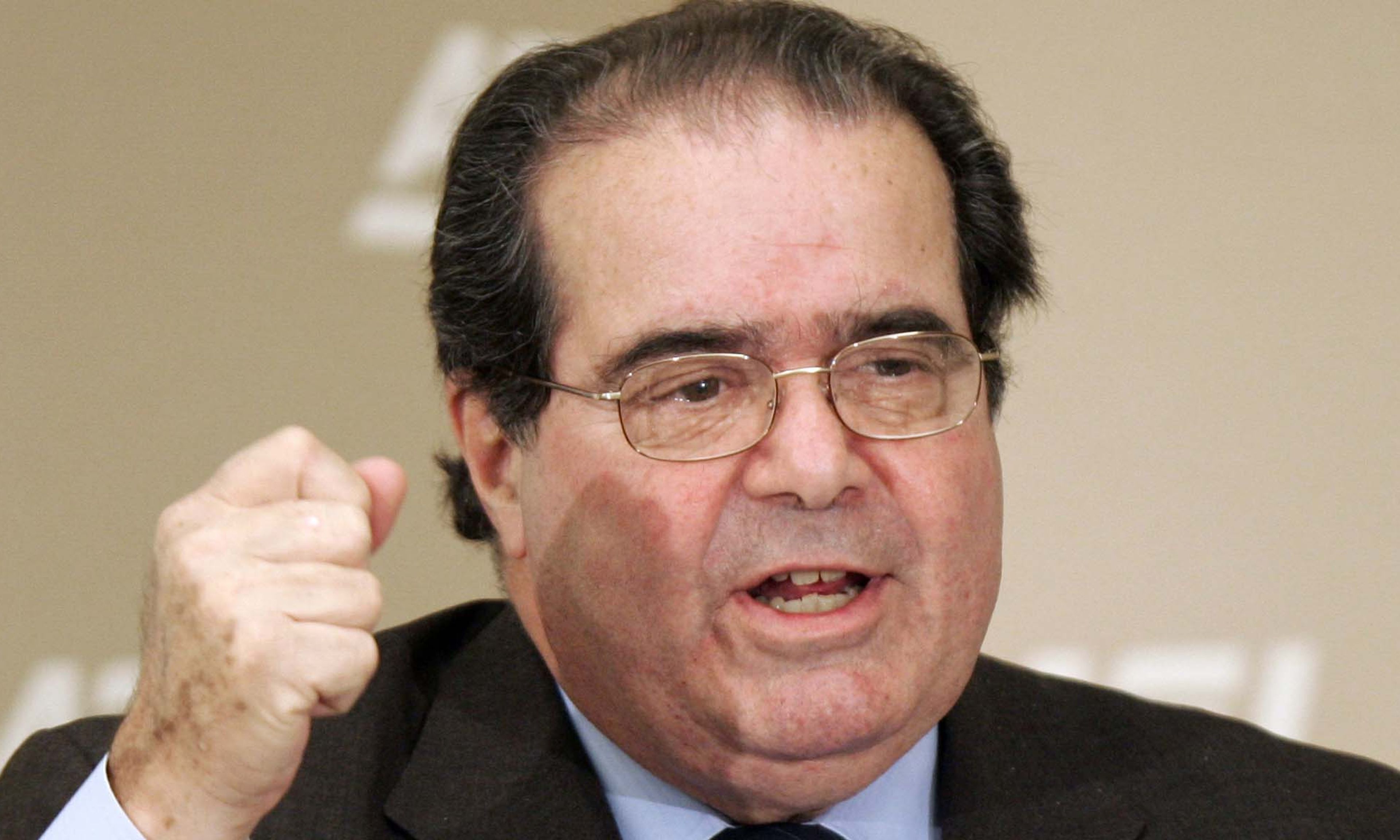
How did Antonin Scalia become Justice Scalia? What prepared him to make a lasting imprint on American law?
Journalist James Rosen puts his investigative skills to a rewarding end in answering these questions in this first installment of a two-volume biography. He describes the justice’s origins with warmth, captures his wit and wisdom, fills in key stages on his path to the Court, and conveys new insights and stories along the way.
At least four groups of people will enjoy this timely account, which arrives just as the Court seems more committed than ever to Scalia’s approach to judging.
Start with what might be an unusual audience for a biography about a Supreme Court justice: anyone raising children. At one level, as Rosen shows, Scalia’s story is an American story. An immigrant’s son, he was raised in a faith-filled, book-filled household with high standards that led to markers of future success. He graduated first in his class from high school (St. Francis Xavier) and college (Georgetown), made law review at Harvard Law School, was a skilled debater in high school and college, enjoyed theater (he played the lead role in Macbeth in high school), and played instruments (piano and French horn).
The rise included a few falls. He was denied admission to his preferred high school (Regis) and college (Princeton). But one way or another, his elementary-school-teacher mother and professor-of-Romance-languages father ensured he received a rigorous education, one that included a deep attentiveness to language and writing. Apparently for life: Scalia “would send his published opinions” as a judge to his father, Rosen reports, “only to see them returned, marked up with edits.”
But variations on these themes might describe the first several chapters of many biographies. What stood out to me when I clerked for Justice Scalia, what comes through in page after page of Rosen’s biography, was the unshakeable sense of what he stood for — and an unforgettable presence that came with it. That sense of purpose and confidence had many potential sources, as Rosen explores. Among them: Scalia was an only child, indeed the only child of that generation in his extended family (there is “a reason,” he once joked, “I am the way I am”); he developed an unflinching faith; and in the end he was the beneficiary of what amounts, I suppose, to an old-fashioned approach to child-rearing and character development. Source this last feature of the justice’s personality where you will, it had a lot to do with what Scalia became and would have led to a fulfilling life whether he landed on the Supreme Court or not.
Meanwhile, those interested in how power works will appreciate learning how Scalia became a priority for the Reagan administration. He hoped that President Reagan would nominate him to be solicitor general, only to watch Rex Lee get the job. Then Scalia saw Reagan choose Robert Bork (rather than him) as the administration’s first appointee to the D.C. Circuit. Scalia had little reason to think the president would prioritize him over Bork when an opening on the U.S. Supreme Court arose in 1986. How that happened is worth the read by itself, a story sprinkled with several new takes and new sources.
At times, the author seems at pains to treat Scalia and Bork as unfriendly rivals in a zero-sum game over the 1986 opening, going so far as to characterize “Bork as the Salieri to Scalia’s Mozart.” In retrospect, we see that a presidential nomination — when the “lightning strikes,” in Scalia’s words — is half the battle. Surviving the strike is another matter, as the failed nomination of Bork one year later demonstrated. But as someone influenced by both of them, I prefer to think of the Scalia–Bork relationship as one that inspired each of them to make enduring contributions to American law. The friendship between C. S. Lewis and J. R. R. Tolkien seems a more fitting analogy than relationships characterized by spite and underachiever’s envy.
A third group of people will enjoy this book: those curious why some people manage to do something meaningful with positions of much-sought-after authority. Many problems in government would disappear if talent always matched ambition. The skills it takes to get a job often do not, as it happens, correlate with the skills it takes to do something productive with the job.
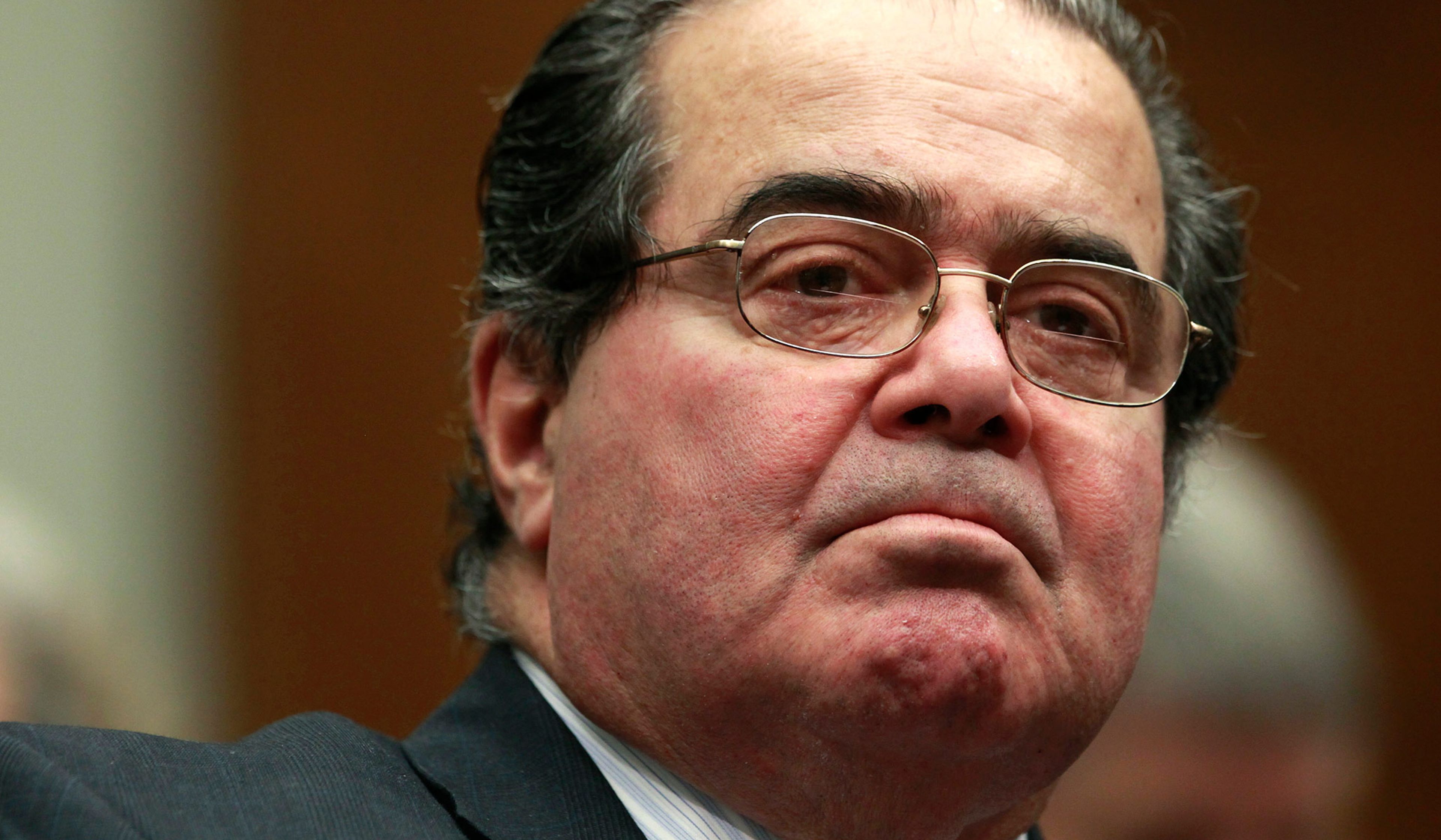
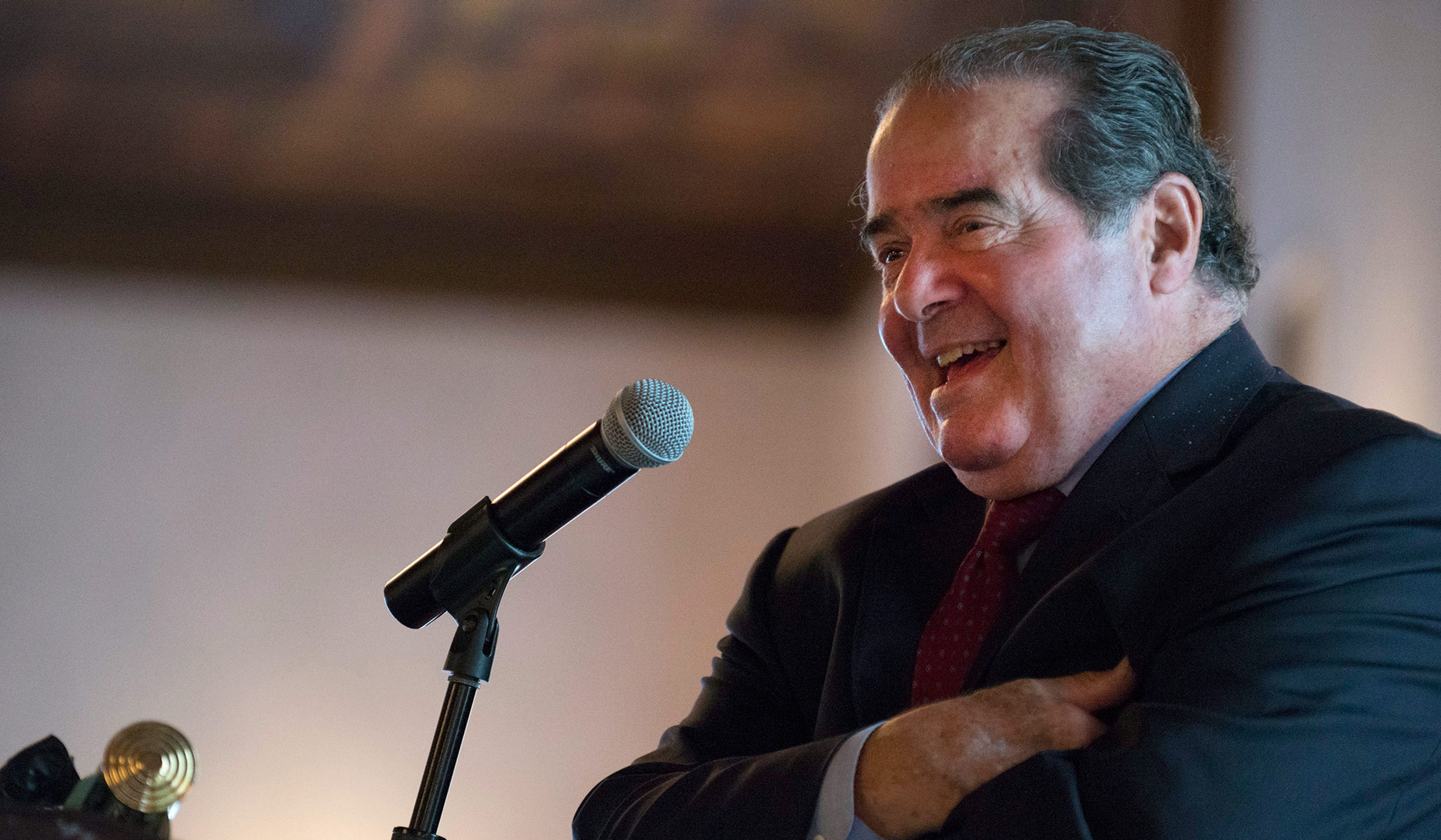
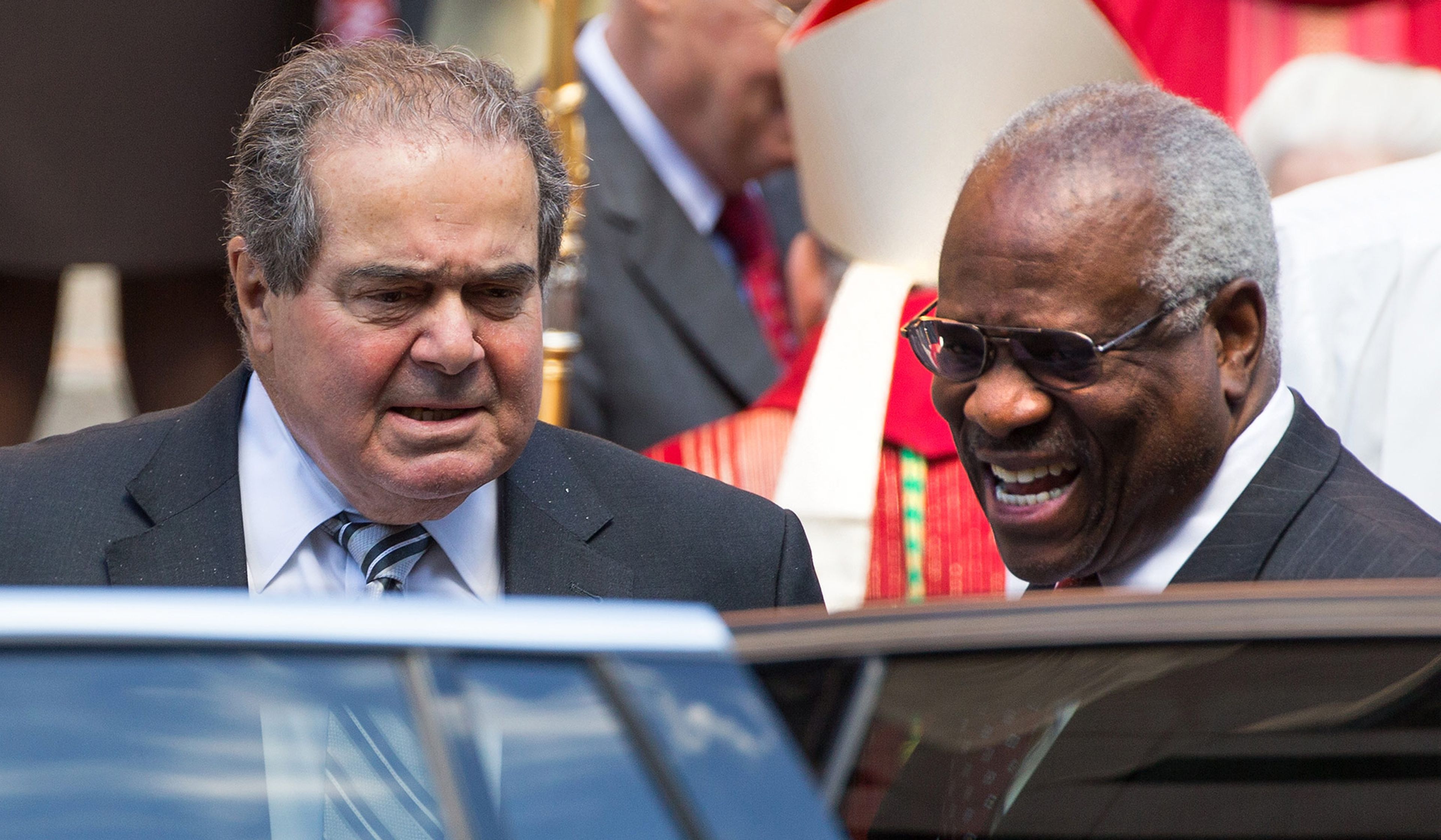
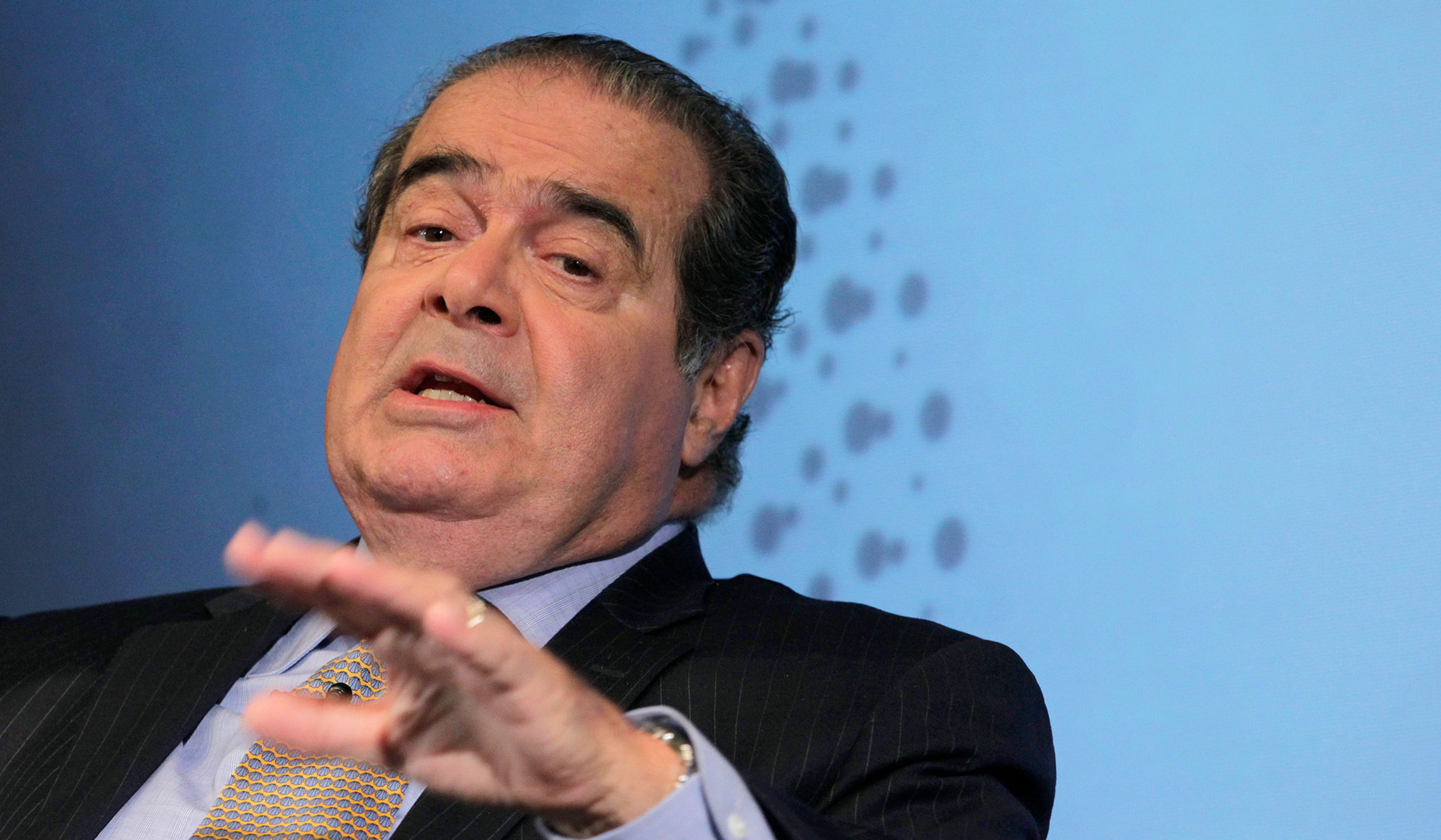
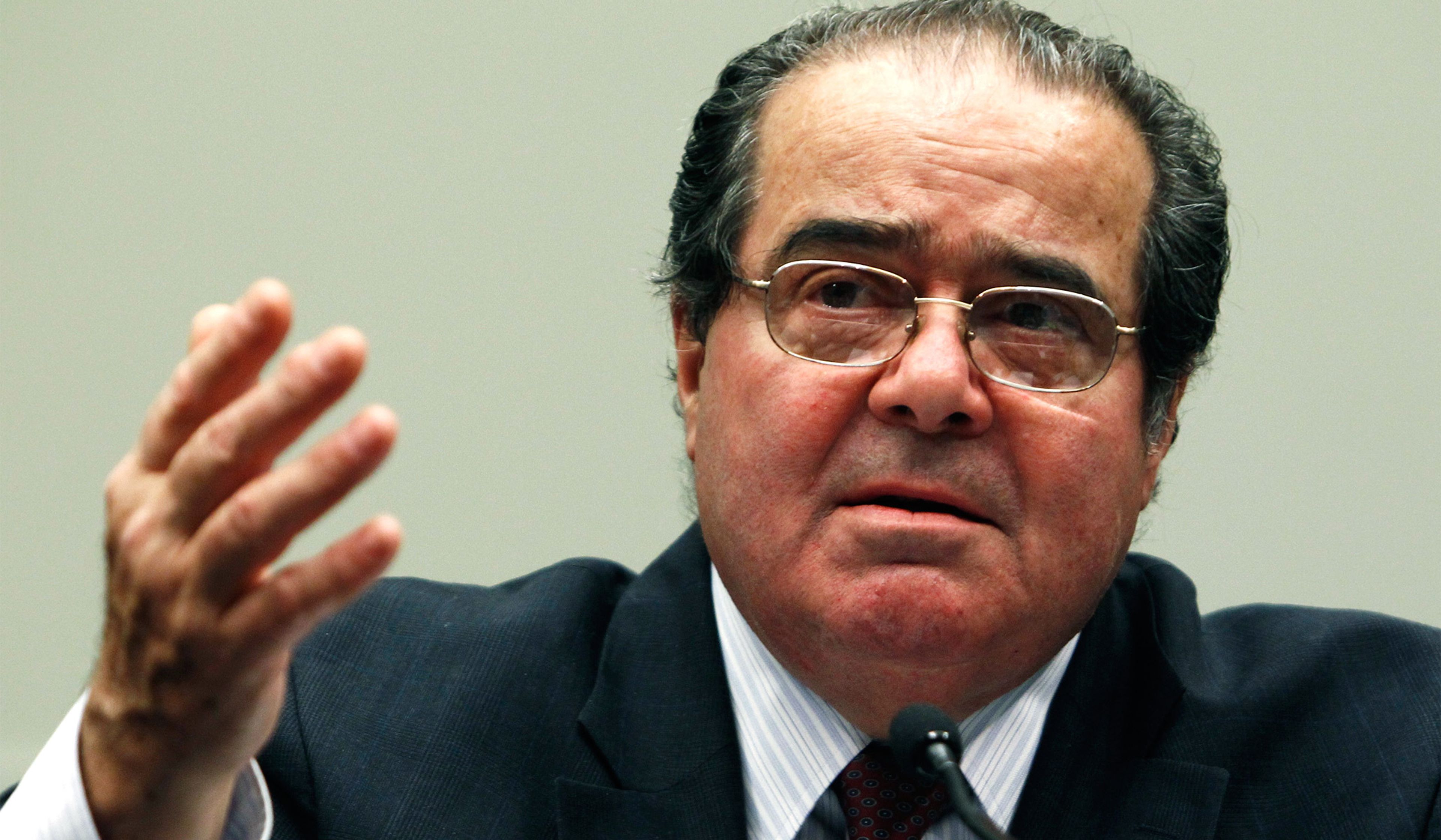
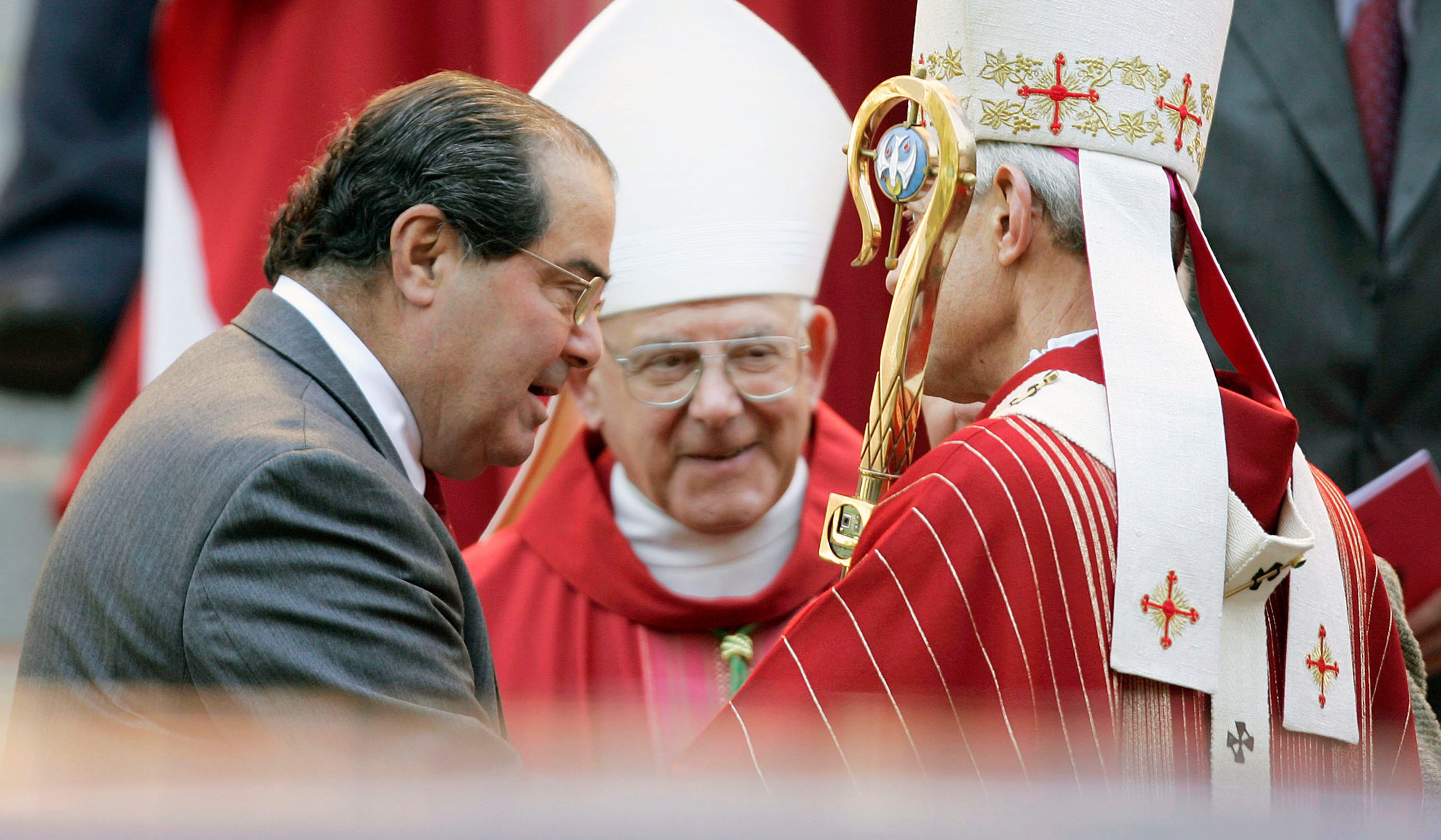
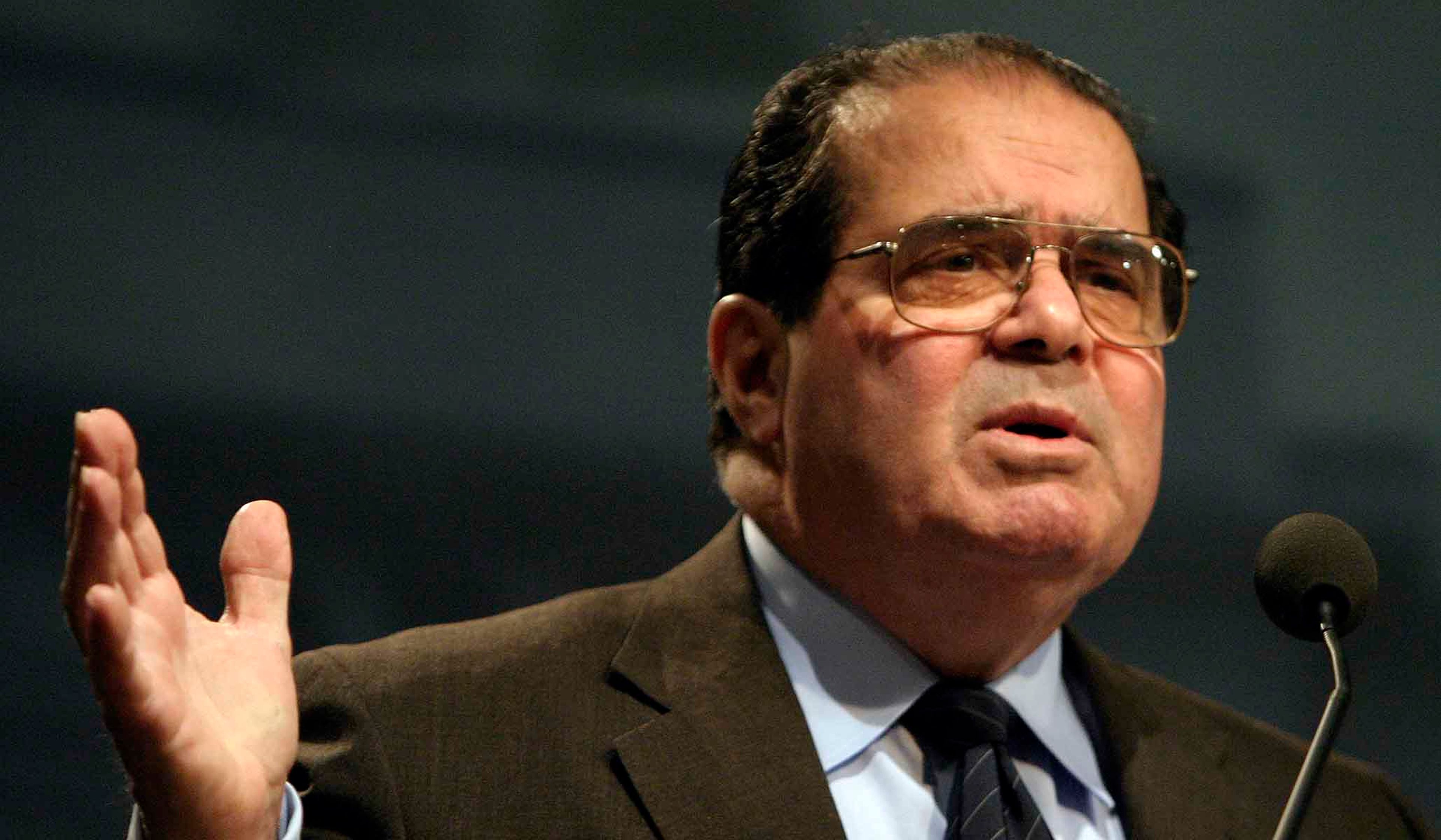
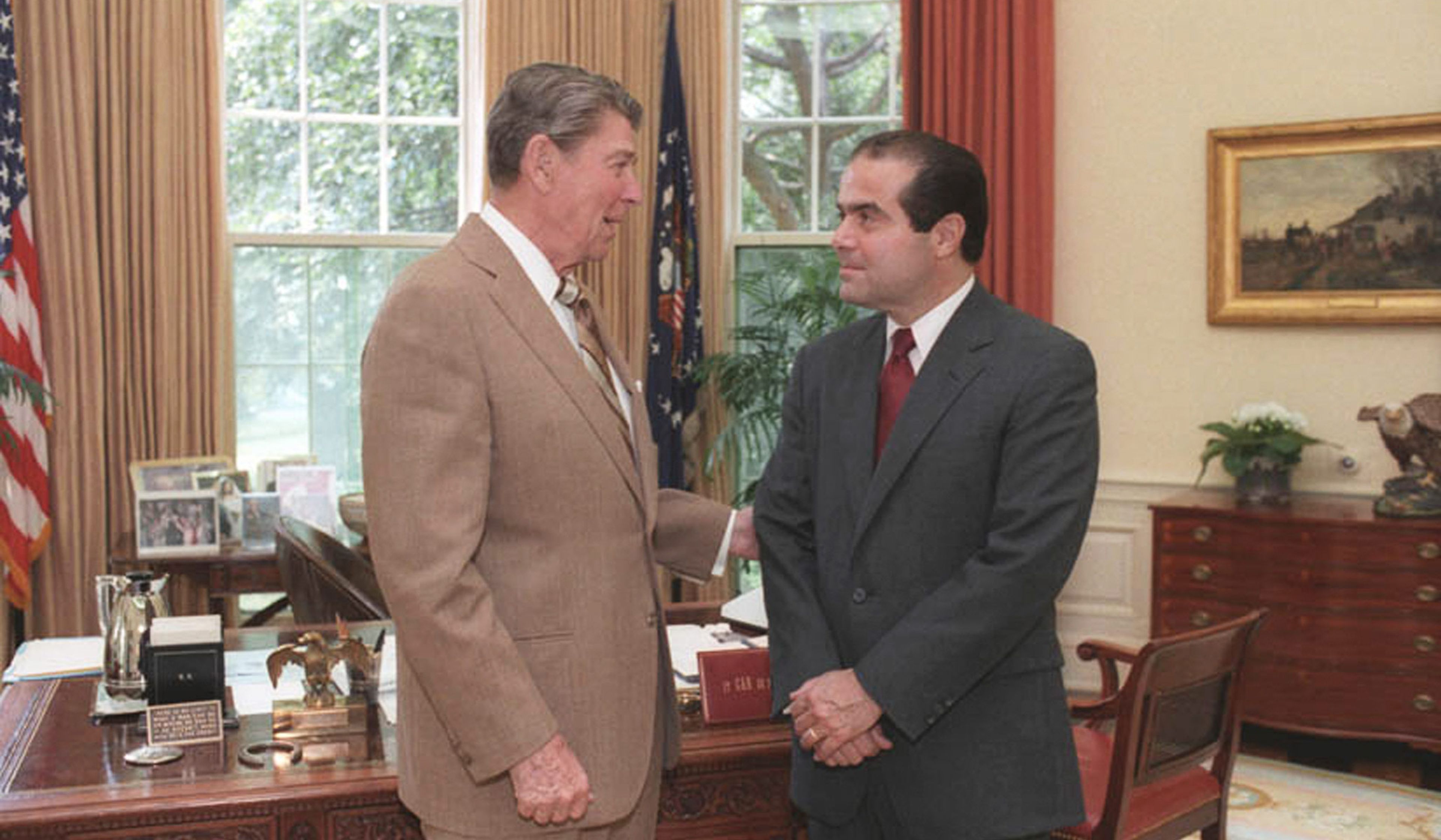
Then-Supreme Court Justice Antonin Scalia testifies before a House Judiciary Commercial and Administrative Law Subcommittee hearing in 2010.
Kevin Lamarque/Reuters
What made Scalia special is that, well before he arrived at the Court, he had shown top-flight legal skills, a way with words when speaking or writing, and a fixed and unclouded vision of the role of the courts — and each branch of government — in our democracy. That he had a high idle speed and plenty of stamina when a legal problem called for it did not hurt. That he was willing to make sacrifices when new challenges called for them (and even to impose some on his family) might have hurt from time to time. In a relatively short time, Rosen relates, the growing family — eventually, nine kids — moved eight times, each time, it seemed (in Mrs. Scalia’s words), for jobs “making less than the job before.”
As entertaining as Scalia could be in good company, he was not afraid of work. He was so committed to meeting the challenges of Harvard Law School, for example, that he waited a full month to call back Radcliffe student Maureen McCarthy after what by all accounts was a successful first date. How lucky for both of them that she waited. “Everything he accomplished,” Rosen observes, “Maureen made possible.” At another point, Rosen describes the intensity of Scalia’s work as head of the Justice Department’s Office of Legal Counsel. On some nights, his office became a hotel room as he confronted the gears-within-gears challenges of giving the president legal advice on the heels of Watergate.
By 1986, Scalia also had addressed many of the most difficult legal and policy questions of the era. Articles in Regulation magazine and D.C. Circuit opinions show someone with deep and fearless convictions about American law. In one piece about a dispute over immigration policies, we see the young Scalia starting to question the use of legislative history. Sure, he acknowledged, the interpretation at hand was “not inconsistent with the legislative history of the provision,” but that’s “because almost nothing is.” Then Scalia attached three “muddled” pages from the debate in the House of Representatives, noting that they sounded “as though written by Lewis Carroll for Abbott and Costello.” What you saw of Justice Scalia before 1986 was what you were going to get on the Court.
The portion of the book about the D.C. Circuit years also offers a poignant insight into how Justice Scalia and Justice Ruth Bader Ginsburg became “pals” (her word). After reviewing Ginsburg’s files at the Library of Congress, Rosen calls their case-related correspondence the “warmest” between any two judges on the D.C. Circuit. Maybe this was not an opposites-attract situation after all. Scalia and Ginsburg were so focused on solving each legal puzzle that any difference in their approach to matters of interpretation rarely got in the way of their decisions and never got in the way of their “blossoming” friendship.
At least one other group will enjoy this book: those interested in how legal movements get started, take shape, and make a difference. Whether one subscribes to Scalia’s views of legal interpretation or not, the book offers a stirring account of his early involvement in the conservative legal movement, including his role, while still a professor, in the founding and development of the Federalist Society. The movement had many parents, as the book reveals. In addition to Scalia and Bork, there was Scalia’s “chief booster” — Judge Laurence Silberman, who died last year — along with Ed Meese and plenty of others. Perhaps most significantly, this was a movement of ideas: textualism, originalism, judicial restraint, all to the end of sorting out the proper place of judges in a constitutional democracy.
The book has plenty of character. Repeated references to “Il Matador,” Rosen’s way of conveying Scalia’s debating skills, as well as to “the Kid from Queens” implicate matters of taste. For me, it required some tolerance; it may remind others of the justice’s vivid personality. One feature of the book, however, may not age well: frequent comparisons between Rosen’s research and the research of two earlier biographers, Joan Biskupic and Bruce Murphy. Perhaps it’s Rosen’s background as a journalist that creates the habit of announcing every scoop as a breaking story. But a good number of these digressions belonged in footnotes if they belonged at all.
All in all, the book is an illuminating place to go to understand the many facets of Antonin Scalia’s first 50 years. It is an admiring account, as the title suggests, but it is not a halo-ridden one. While Scalia had convictions about many things that mattered, he had a few about things that didn’t, occasionally letting impatience — say, over D.C. traffic or other distractions — get the best of him, as Rosen recounts.
In covering Scalia’s half-century-long path to the Court, the book sets up his 30-year tenure there for volume two. That’s a lot to cover. In thanking family and friends after his confirmation to the Court, Justice Scalia said, “It’s very easy to know where to begin; it’s very hard to know where to end.” Much the same can be said of this first volume, an engaging read and a fine place to start. How to end an account of Scalia’s abiding influence on American law will create challenges for scholars and biographers alike.












Comments