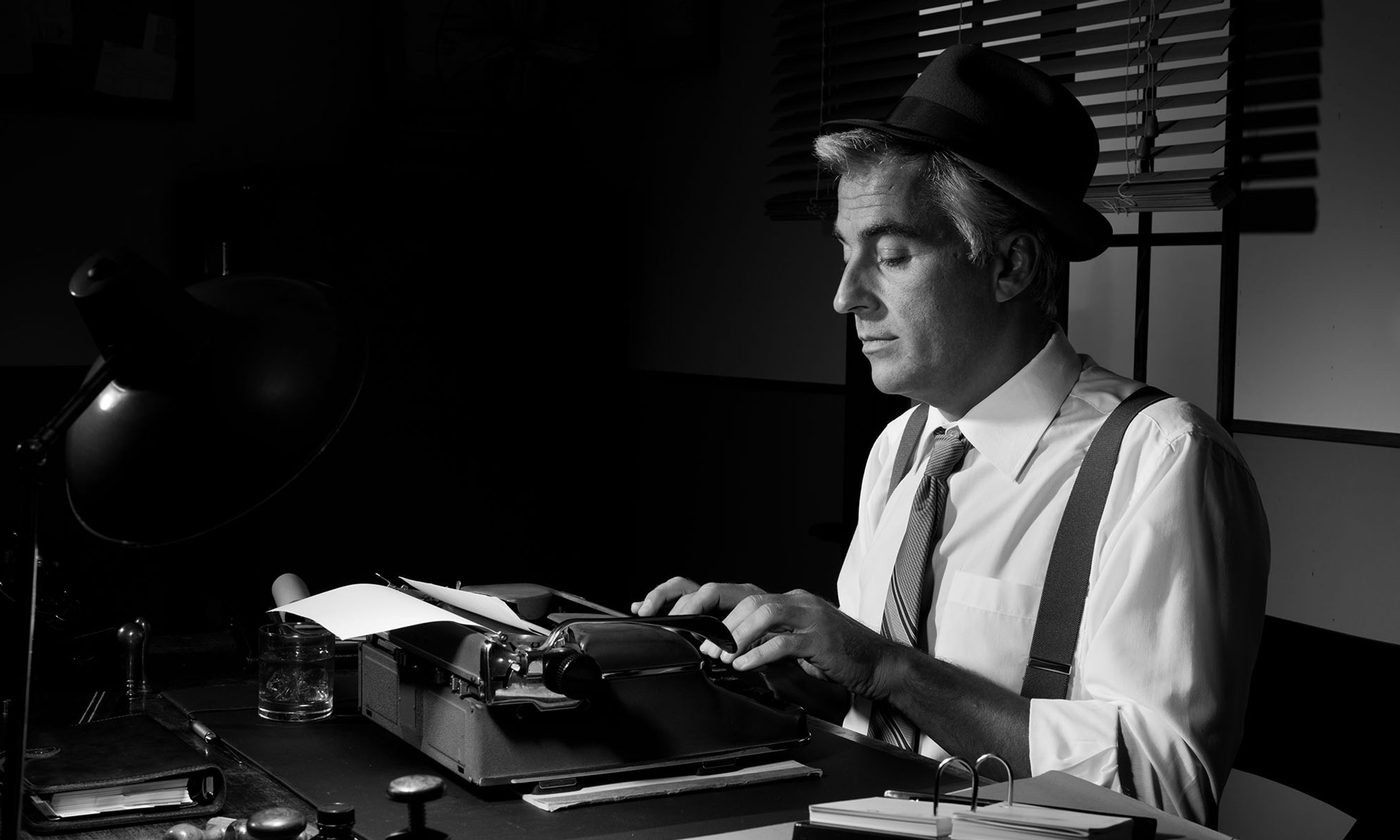
It may surprise some readers to learn that journalism was not always about the destruction of one’s ideological enemies. Our guide to that more innocent age is the essayist Lance Morrow, and he has written what will surely go down as one of the best books of the year.
Morrow was born in 1939, well into the golden age of American newspapers and magazines. Among the earliest memories he shares is one from the summer of 1945, a few days after the destruction of Hiroshima. At home with his family, he sees his parents sitting cross-legged on the living-room floor, reading, “with unusual attention,” piles of newspapers. Though the author doesn’t say as much, one suspects that his career as a reporter had its psychological origin in that moment.
His professional life started in earnest at the Washington Evening Star, an afternoon paper that had about it “something of the nineteenth century.” There, working alongside future luminaries Carl Bernstein and Mary McGrory, the latter of whom would go on to make Richard Nixon’s “enemies list,” the author wrote for the city desk and learned the old journalistic virtues. One of the joys of Morrow’s account is his unabashed fondness for these venerable habits. An example: So rarely was an Evening Star reporter allowed to use the first-person singular that “there would be a little flurry of surprise and even awe around the city desk” when someone got away with it.
Following a year in Washington, Morrow received an offer from Time magazine, then at the peak of its power as an American institution. He began, humbly, in the “People” section but soon moved on to less gossipy topics, aware that his work would be read “by every mayor and governor in America, by every senator and congressman, every justice of the Supreme Court.” Towering over Morrow’s narrative of his tenure at Time is Henry Luce, the magazine’s co-founder and its editor from 1929 to 1949. Though Luce left Time in 1964, a year before Morrow’s arrival, his reputation and character provide Morrow an entrée into the world of high-stakes, mass-circulation journalism.
And what a world it was. As Morrow skillfully relates, Time’s heyday saw the magazine achieve a quasi-biblical status in middle-class households, with Americans setting aside a whole Wednesday or Thursday evening (“whichever day the magazine arrived in the mailbox”) to read it. Morrow paraphrases Robert Hutchins, the legendary chancellor of the University of Chicago, to assure us that “Luce’s magazines would have more impact on the American mind than the country’s entire system of public education.”
As for Luce himself, he was an American of a now-vanishing type: a sanguine believer in the country’s special destiny as “a kind of god, or as God’s favorite idea,” among the nations. Unsurprisingly, this way of thinking won the magnate the abiding animosity of the Left. To his detractors, “Luce was a malevolent naïf, a faux-innocent, a Rotarian Svengali to an America that was a little too clueless and smug and ‘midcult’ and ‘bourgeois.’” Understanding Luce, Morrow avers, is the key to understanding 20th-century journalism. Yet one wonders if he isn’t best comprehended as a sort of culture-war prototype — an early inspirer of “derangement syndrome” on whom negative partisans projected their contempt.
Like many political hatreds, the Left’s aversion to Time’s founder was often a matter of aesthetics. A man of traditional tastes, Luce once publicly challenged a subordinate to find in Allen Ginsberg’s “Howl” anything approaching the beauty of Leaves of Grass. (The employee resigned shortly thereafter.) Luce’s belief in capital-T Truth was another dividing line, as was his old-fashioned assumption that reality is both objective and discoverable. Though Morrow resists easy conclusions about his book’s subjects, one decisive theme does emerge, with Luce as counterpoint. Contemporary journalism has “plunged into the metaverse,” joining politics and culture in “the country of myth.” Golden-age reporting, conversely, understood itself to be about the business of gathering facts. Of course there was partisanship, but an ethic of disinterested truth-telling nevertheless obtained.
Stressing that dichotomy, one could easily give the impression that The Noise of Typewriters is an angry volume. Nothing could be further from the truth. Rather, Morrow’s is a confiding narrative voice, and his eye for the telling detail is as developed as that of anyone currently writing nonfiction. From whom else are we to learn, for example, that Luce, the king of sweeping pronouncements, once sent a lackey a note reading, “See me about Hitler”? (Like all the best anecdotes, that one contains multitudes.) Or that Abe Rosenthal, the New York Times’ executive editor, once summoned the book critic Michiko Kakutani to his office for a conversation about bonsai trees? Or that Carl Bernstein and Joan Didion each expressed bafflement on reading Milton’s Paradise Lost for the first time?
Yes, reader, Morrow is a name-dropper. And after 83 years of observing American culture, he has assembled for his latest book a dramatis personae that approaches Russian-novel proportions. Here, traipsing across Morrow’s stage, are Haynes Johnson, a future Pulitzer Prize winner who once spent a morning muttering profanely to himself in the Evening Star newsroom; H. L. Mencken, who “awakened anxious middle-class Americans to the pleasures of throwing tomatoes at their parents”; Norman Mailer, with his six wives and nine children; Robert Caro, who, with his wife, turned millions of pages of presidential documents while researching his canonical study of Lyndon Johnson; Walter Duranty, who visited the Soviet Union at the height of Stalin’s famines and responded with “the worst piece of journalism” of the 20th century; Abe Rosenthal, the previously mentioned Times editor who once toured Sarajevo with Morrow and Elie Wiesel; Whittaker Chambers, for whom journalism was “an urgently spiritual business”; Robert F. Jones, the crack journalist and war veteran who, when asked where he’d grown up, replied grimly, “Korea”; and Gay Talese, whose Esquire profile of Frank Sinatra is said by Morrow to be “as good as any biography in Plutarch’s Parallel Lives.”
This is not an exhaustive list. Yet, despite the book’s conspicuous range, its author’s approach is in no way slight, twee, distracted, or skittish. The style is instead (and self-consciously) a tribute to the 14th-century Japanese courtier Kenkō, whose “impromptu, associative method” Morrow admires. Another way to say the same thing is that Morrow’s organization is, at times, almost surreal in its apparent spontaneity.
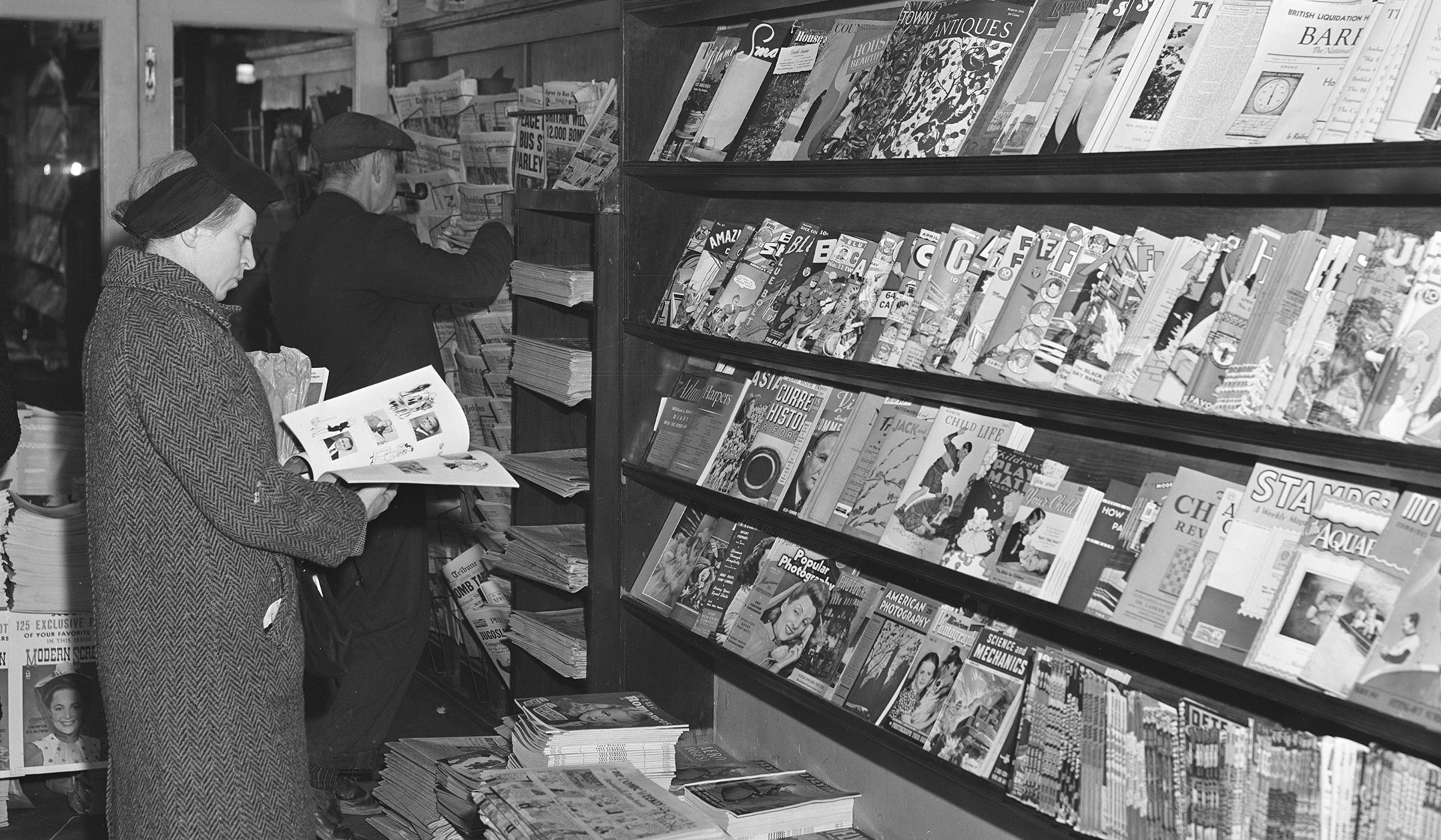
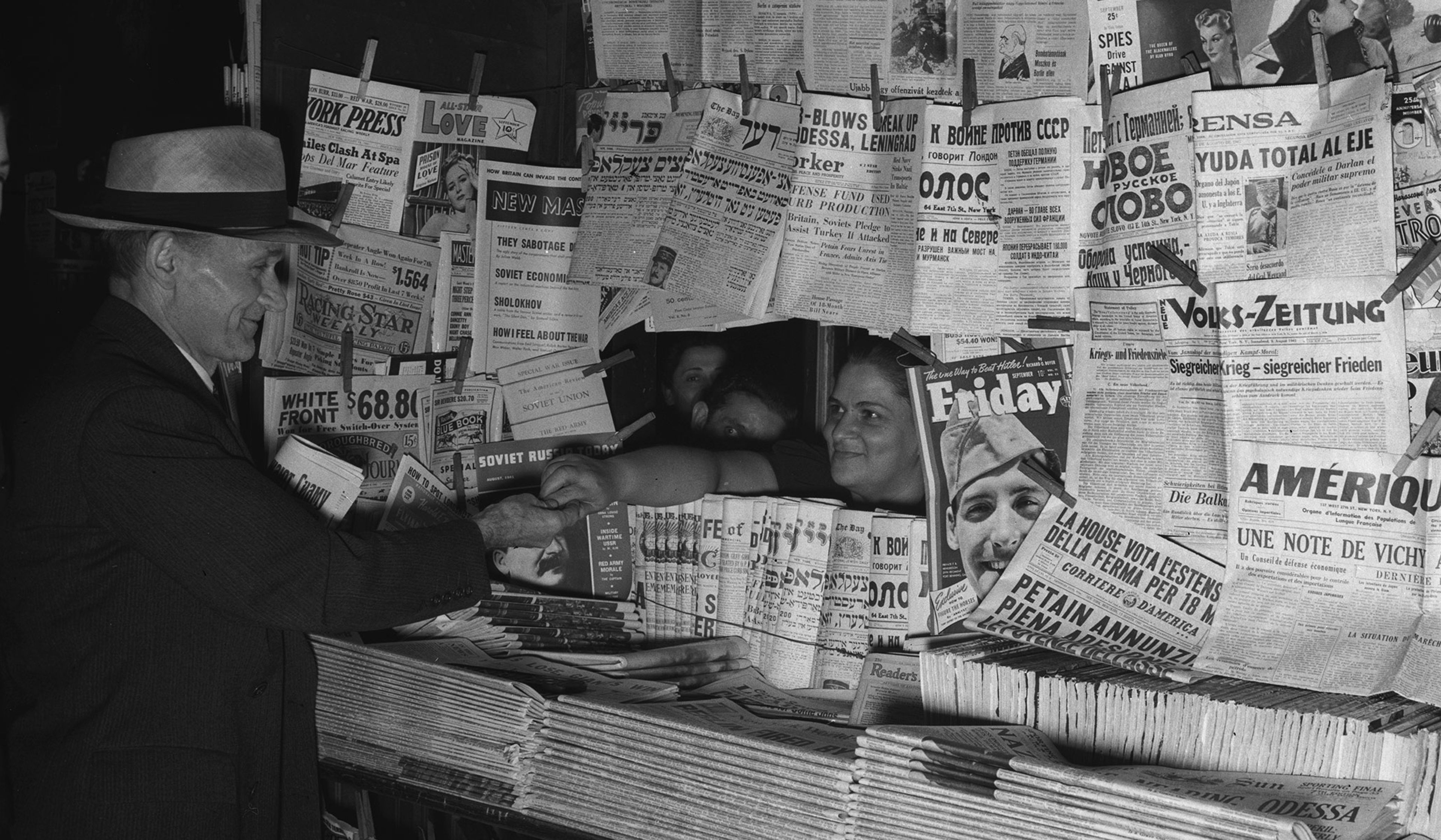
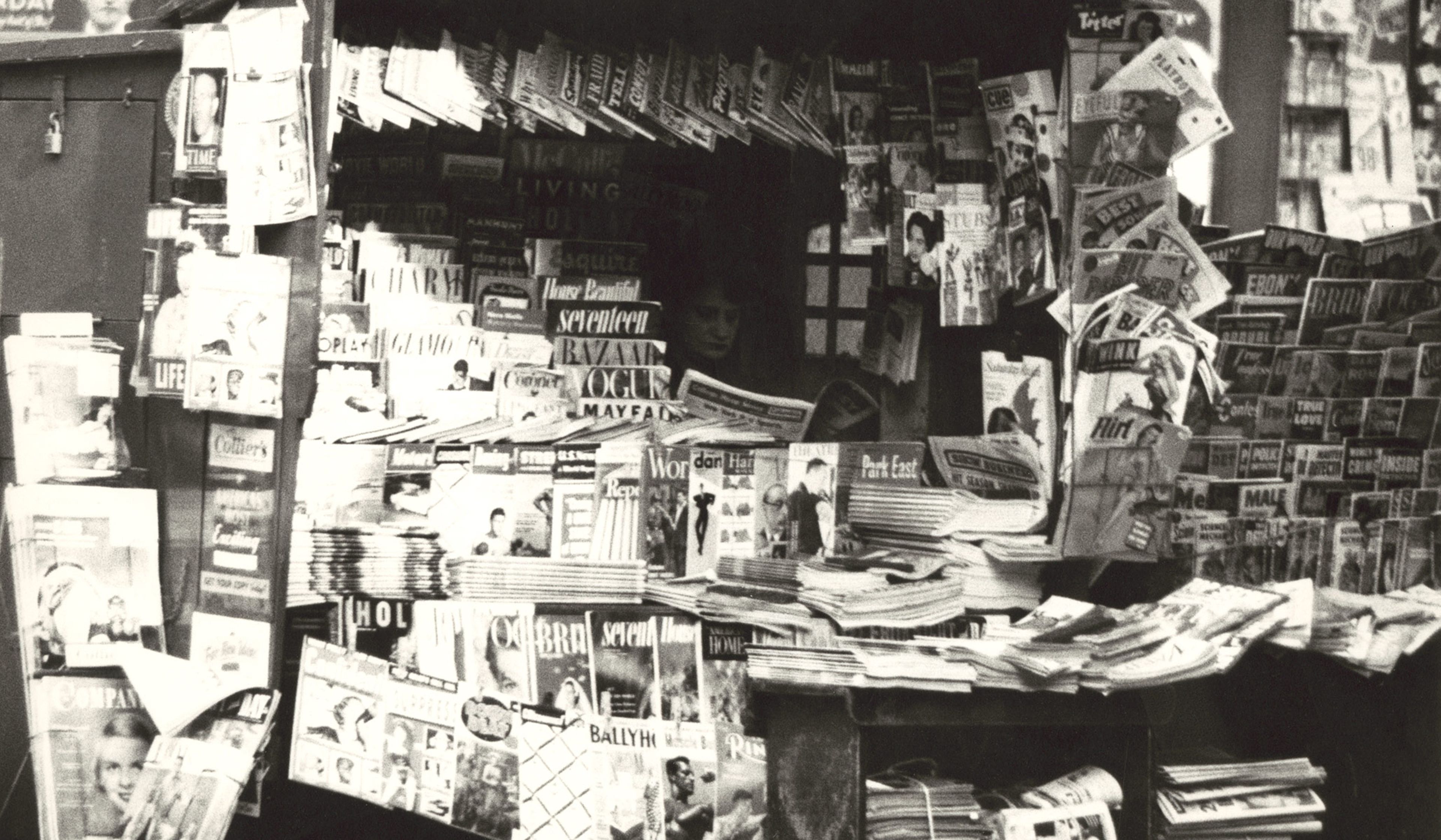
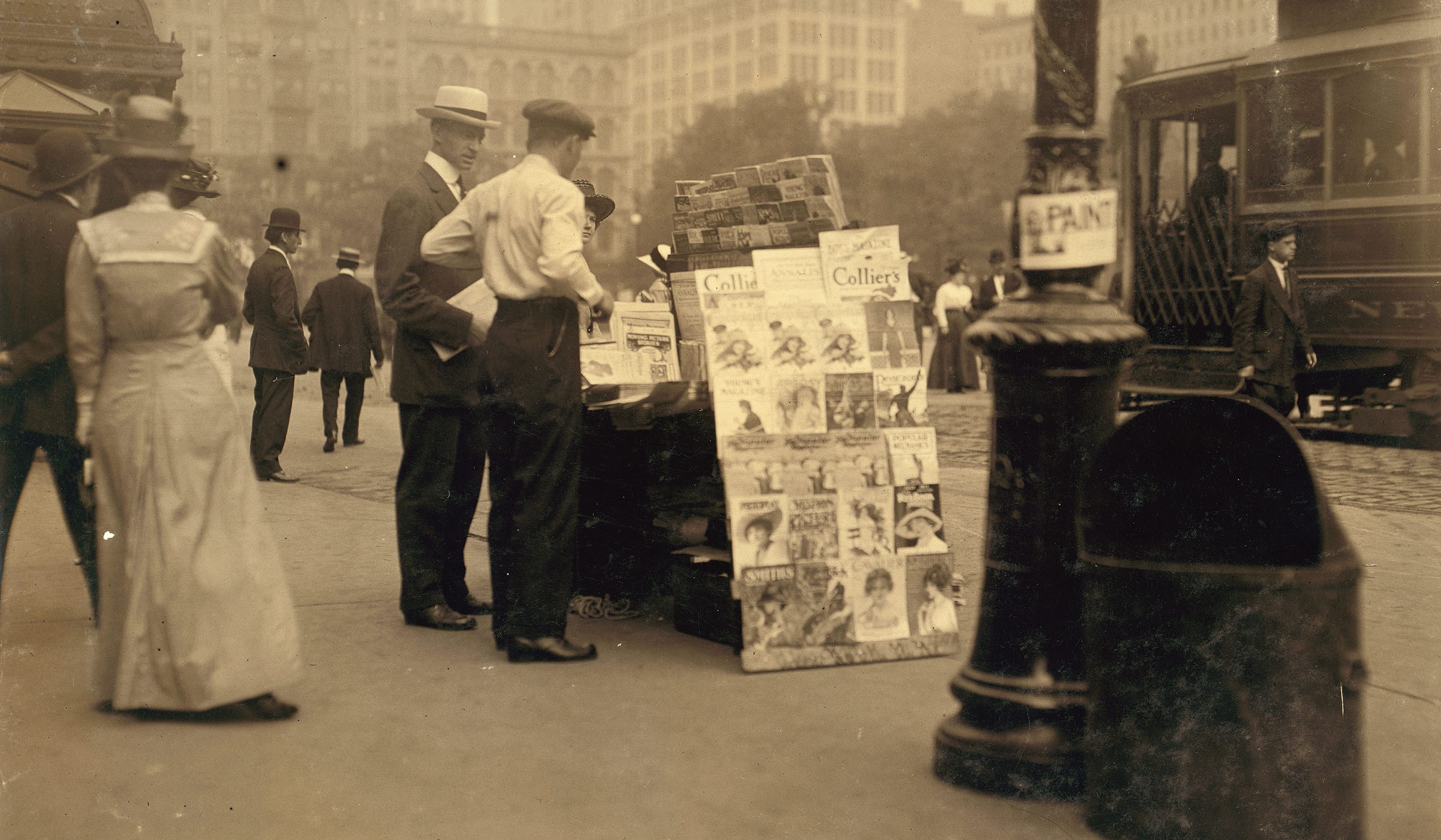
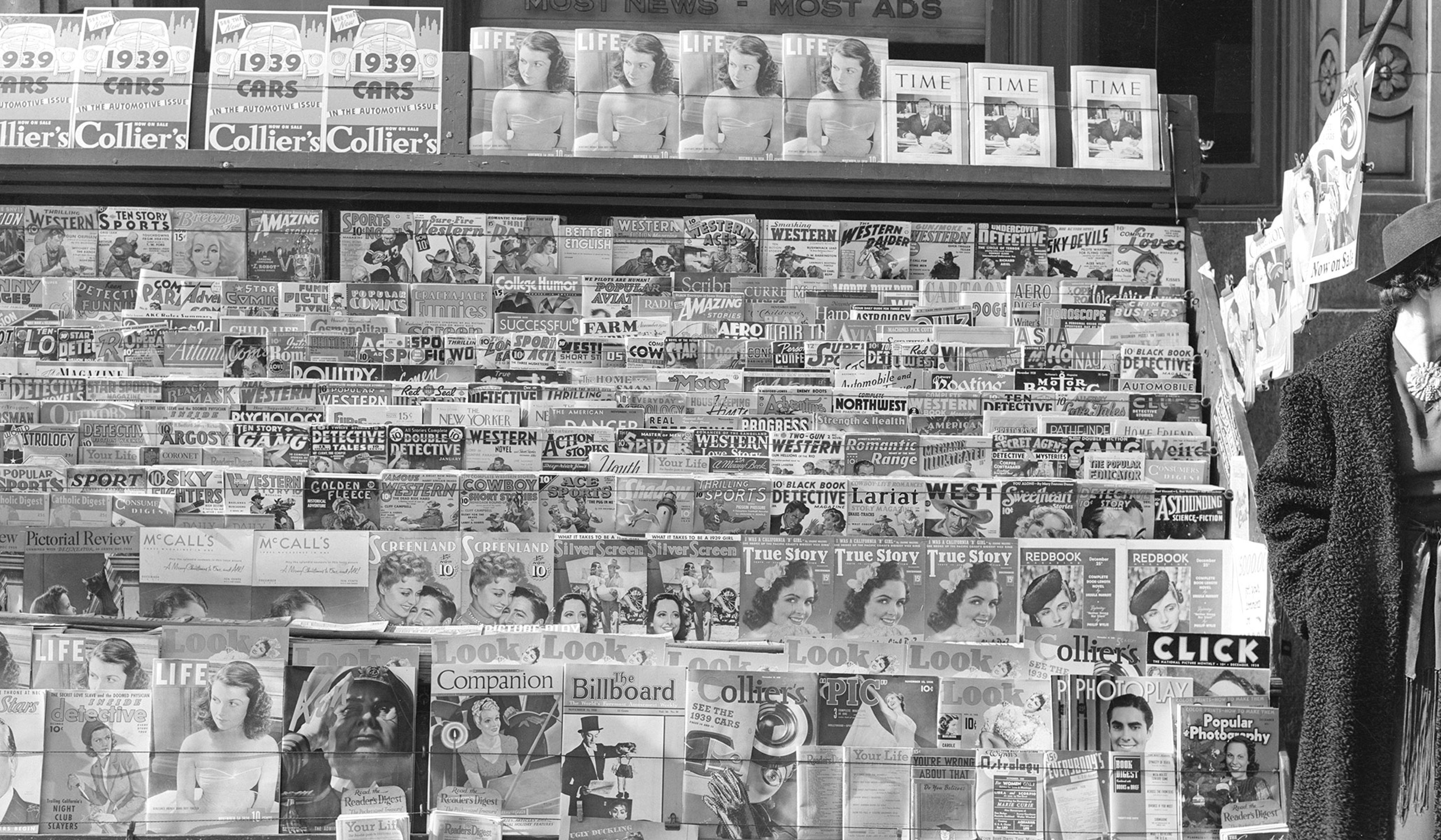
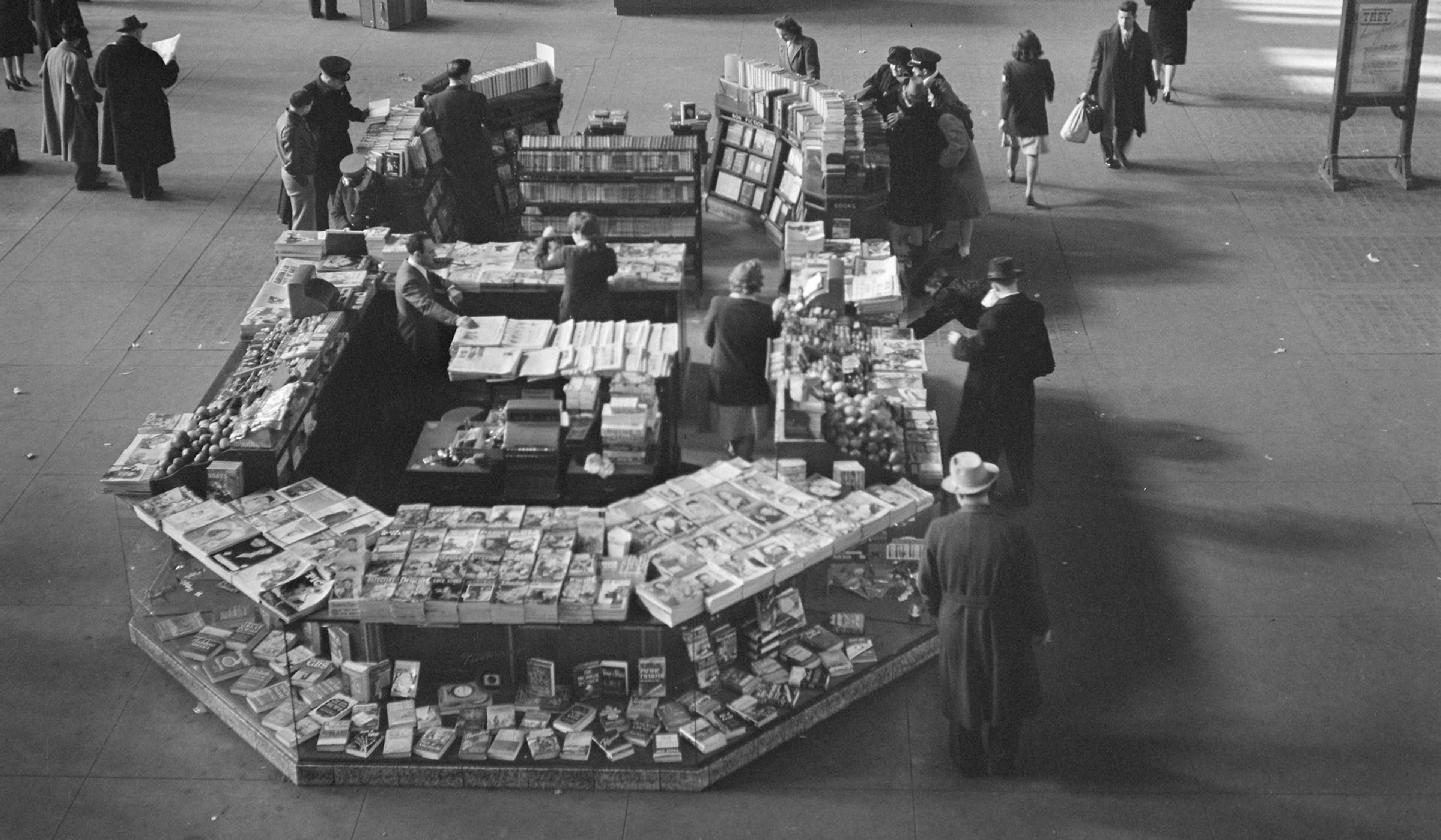
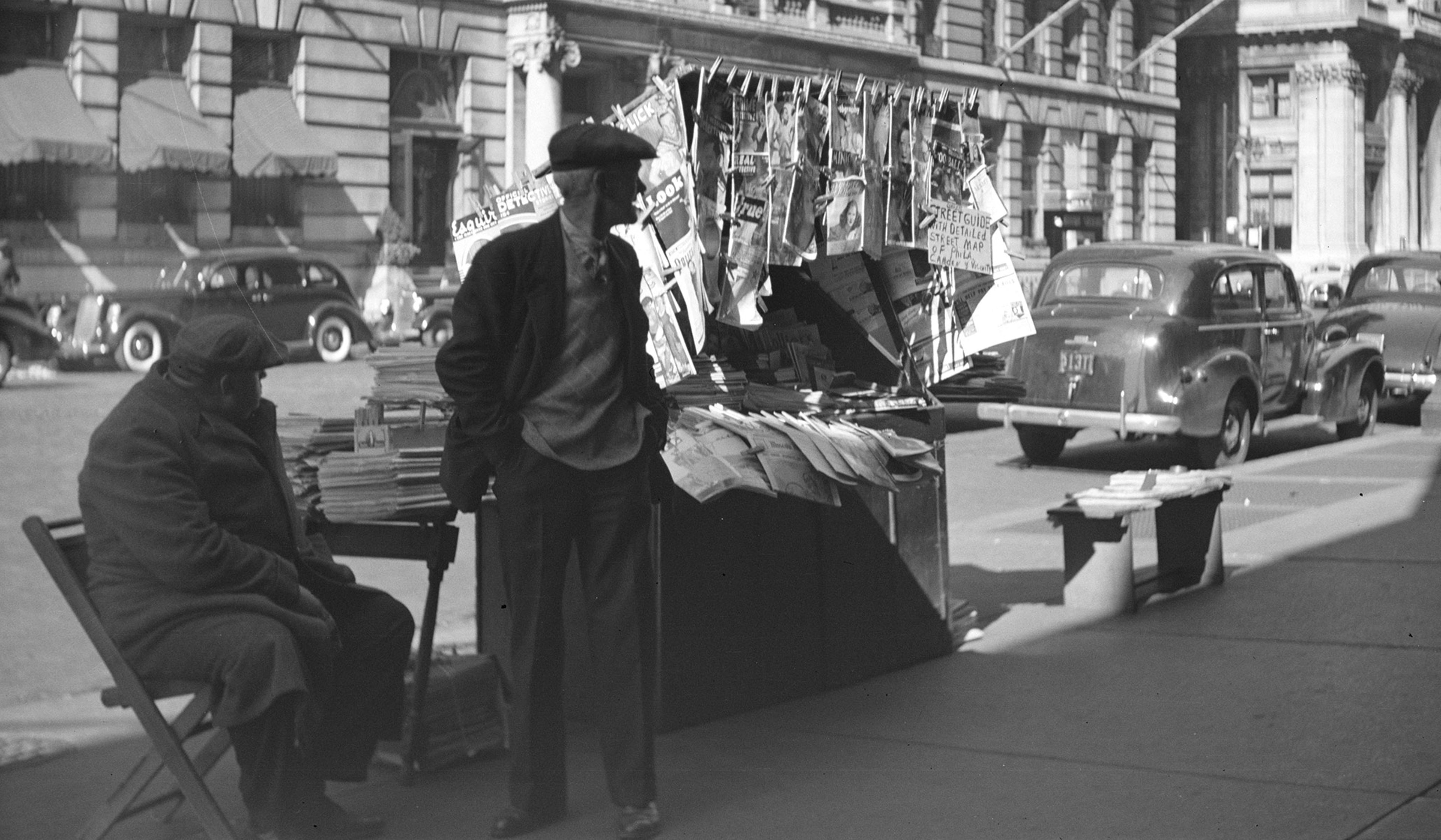
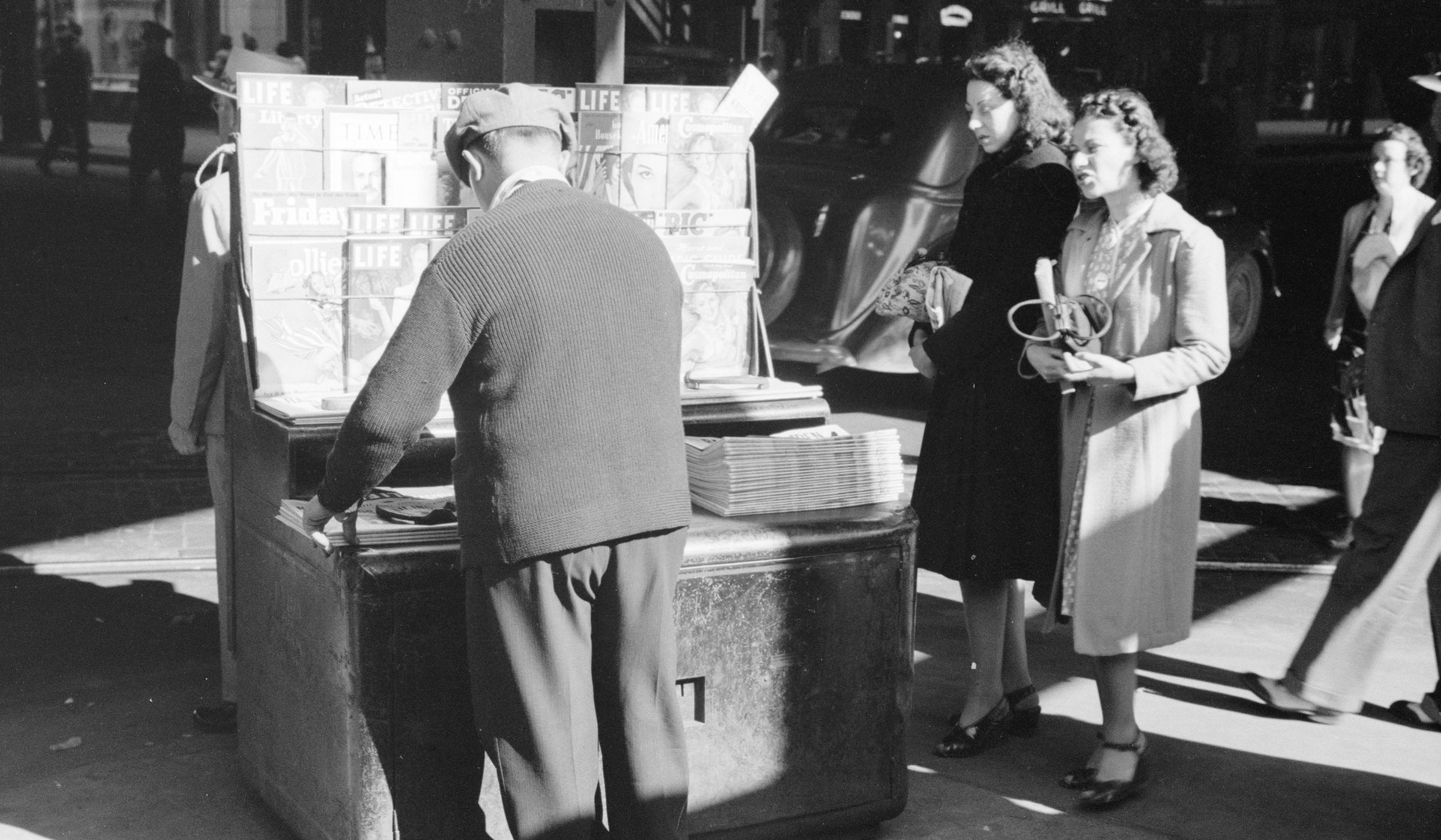
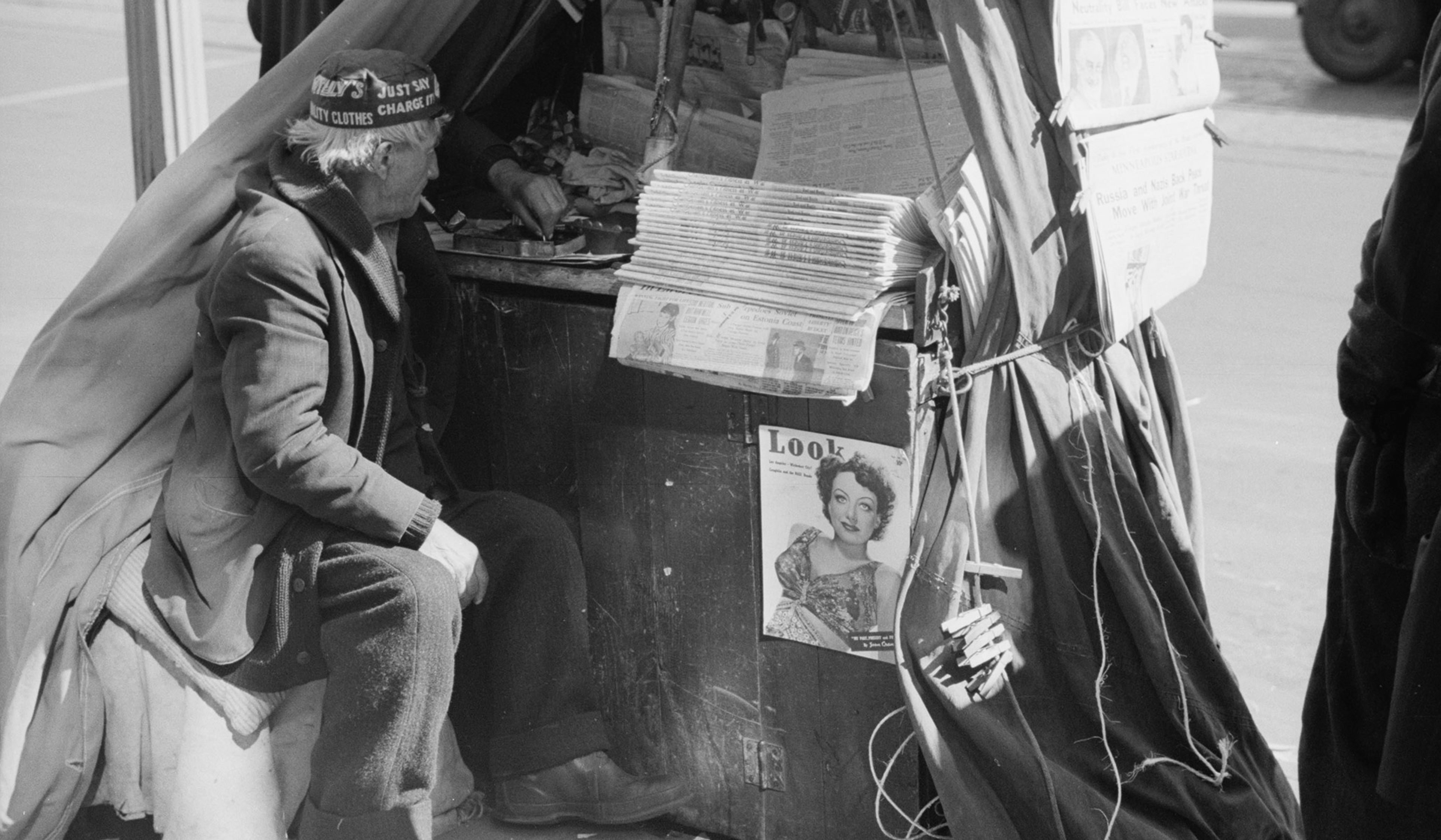
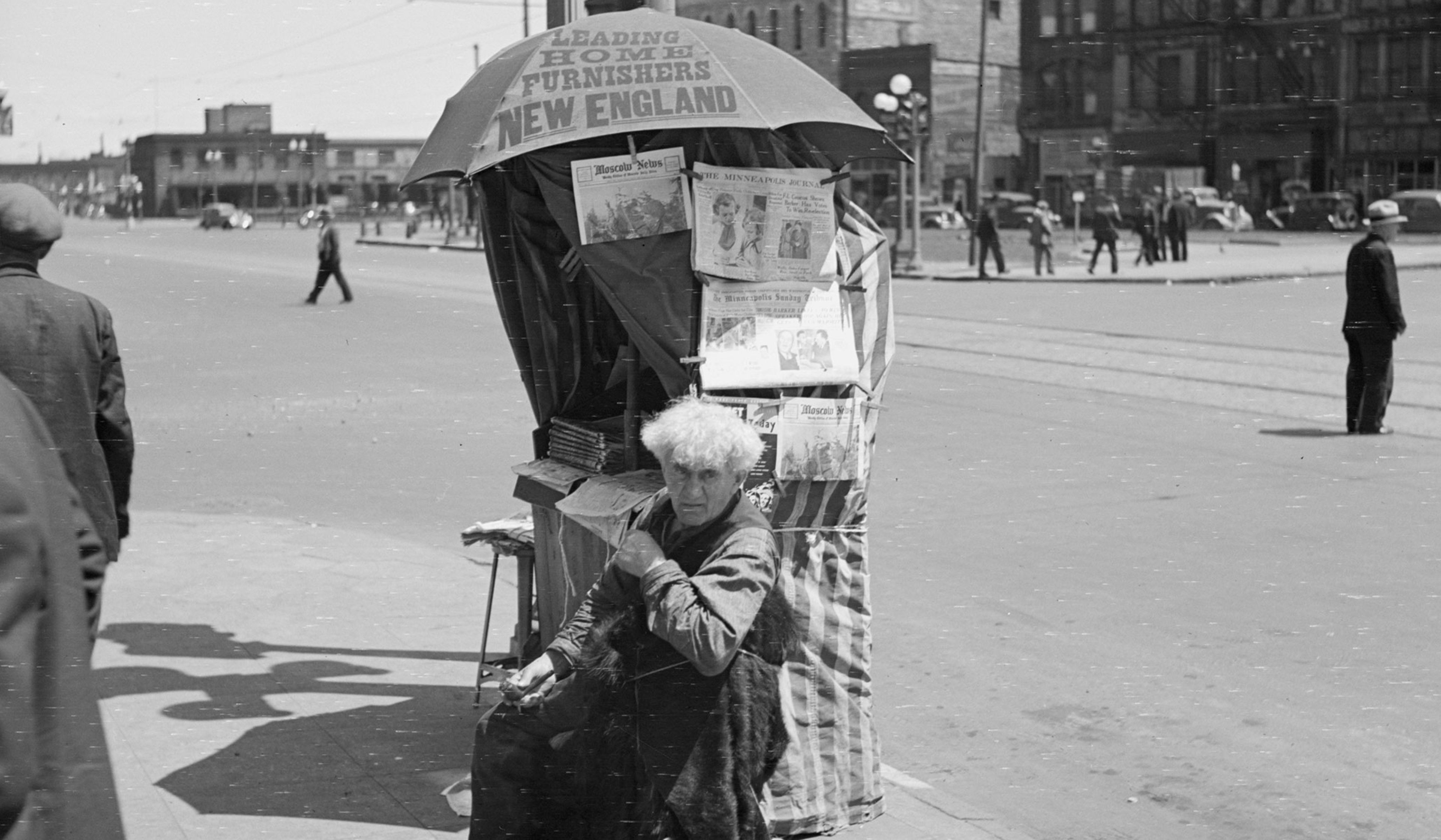
Newsstand in Norfolk, Va., 1941.
John Vachon/Farm Security Administration-Office of War Information Photograph Collection/Library of Congress
Take, for example, the book’s third chapter, which comprehends Graham Greene, Mick Jagger, Full Metal Jacket, and the Iraq War correspondent Dexter Filkins in a little over 600 words. Or its 31st, in which Morrow regards the exotic guest list (Jerry Falwell, Jack Kevorkian, the Clintons) at Time’s 75th-anniversary gala before pondering the ethics of banqueting with Hitler or Stalin. The effect of these leaps is entirely charming, not least because Morrow writes like a man who has missed little and forgotten less. Finishing his book, one really does feel as if one has sat down not only among famous newspapermen but with the world-bestriding men and women whose lives they covered.
And then there is the prose. Here is Morrow on the American-born British Conservative MP (and famed diarist) Henry “Chips” Channon:
He adored aristocracy, good taste, English country houses, champagne dinners, London clubs (he lost sleep over whether he would be elected to Pratt’s), “bibelots,” to use one of his favorite words: beautiful jewelry (he was forever sending his friends and lovers diamond and ruby studs and cuff links, pearls, or else Fabergé matchboxes, Fabergé eggs, silver cigarette cases).
And here he is on Hunter S. Thompson and the untranslatable Old Testament word “selah”:
Thompson, who did not seem to think calmly about anything, used the word often in his letters and diaries — but he did it as a satirical affectation, in the spirit of, say, H. L. Mencken, who liked to razz the Bible Belt. Both Thompson and Luce were gonzo journalists. Thompson was cool and Luce was square. Thompson worked with styles of dire prophecy that were interbraided with burlesque.
It is a safe bet that a certain kind of reader will tire of these oblique approaches to character. For the rest of us, The Noise of Typewriters is two excellent things at once: a fascinating memoir-history and a composition of unusual beauty. I can’t recall a work of contemporary nonfiction that I read with greater curiosity, surprise, and pleasure.
Finally, it is worth underscoring once more that Morrow’s latest is not, despite passages of lucid analysis, one more dreary scourge of “wokeness.” Unless memory fails me, that term does not appear in its pages at all. To be sure, polemics against the 21st century’s secular religion have their place, and God knows that postmodern “reportage” deserves much criticism. Yet Morrow’s project is something rarer and finer: a benevolent volume that nevertheless captures something essential.
What is that something? I will let Morrow have the last word. “It’s silly of course — and wrong — to pretend that a swarm of vivid facts . . . will add up to the truth.” But: “The truth quite often is in the details.”










Comments