Is it possible for Hollywood to make a movie about lesbian motherhood and sperm-donor fatherhood that isn’t just a preachy ode to the magic of alternative family structures? If you skim the rapturous reviews that have greeted The Kids Are All Right, a Californian comedy of manners in which a lesbian couple copes with the sudden intrusion of their children’s biological father into their domestic universe, you’d probably be inclined to answer in the negative. There’s a palpable smugness to the praise that Lisa Cholodenko’s film is garnering: Explicitly or implicitly, many of the movie’s admirers seem convinced that its portrait of an American family proves, once and for all, that all you need is love — that parenthood is parenthood no matter how you put it all together.
Happily, the film itself is more multi-layered than the critics make it sound, and less preachy. The Kids Are All Right is the rare film about a hot-button cultural issue that shows rather than tells, complicates instead of oversimplifies, and plays as a Rorschach test rather than a sermon. If you’re inclined to celebrate donor dads and dual-mommy parenting, you won’t be disappointed by Cholodenko’s movie. But if you’re inclined to raise an eyebrow at families conceived by fathers who have a number rather than a name, The Kids Are All Right might end up confirming some of your skepticism. Just as its admirers say, this is a movie about the ways in which such families resemble the old-fashioned mom-and-dad variety. But it’s also a movie about all the ways they don’t.
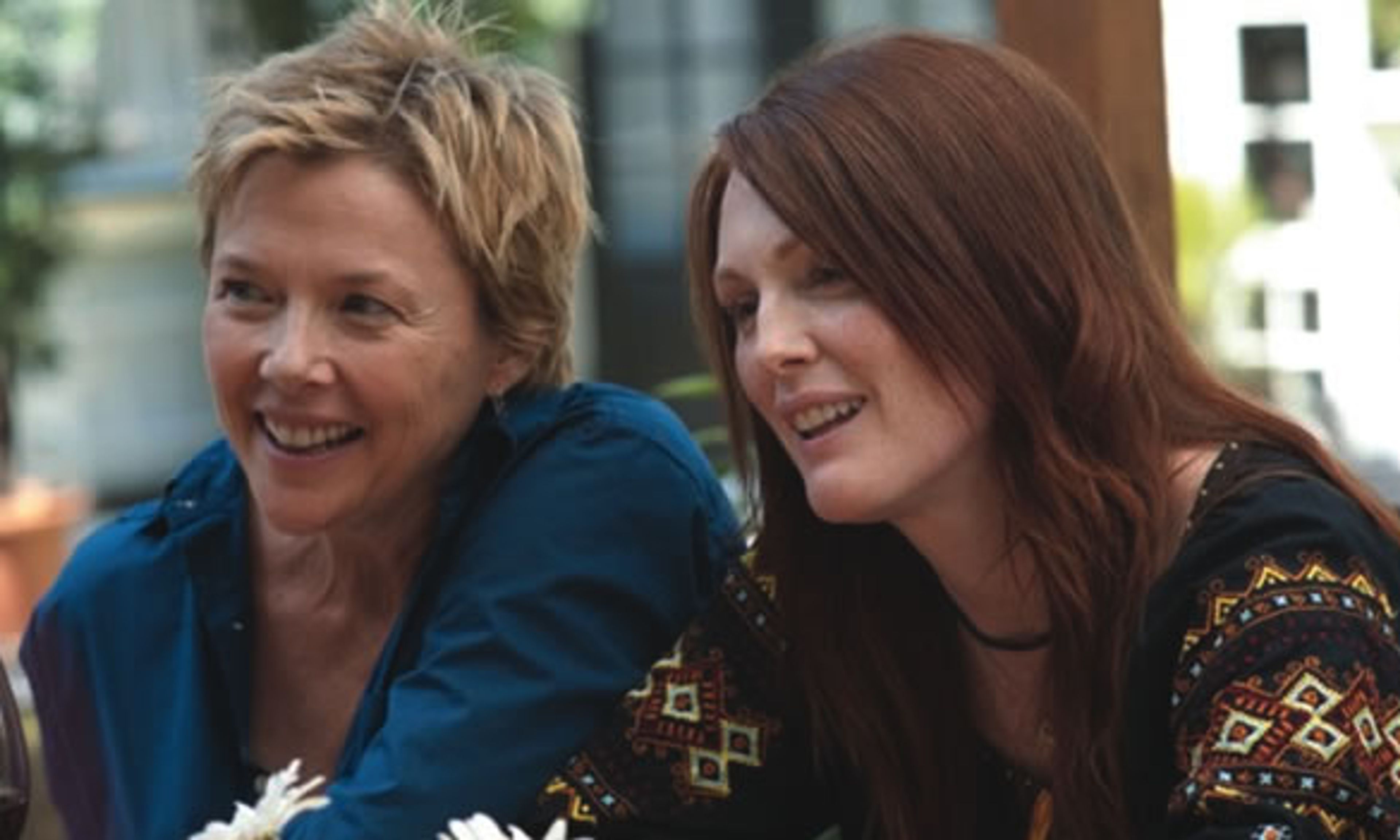
The mommies in question are Nic (Annette Bening) and Jules (Julianne Moore), who inhabit a prosperous Golden State suburb with their two children, Joni (Mia Wasikowska) and Laser (Josh Hutcherson). Nic is a tightly wound, slightly alcoholic doctor with a smothering parenting style, while Jules is laid-back and crunchy, with years as a stay-at-home mom behind her and vague hopes of a career in landscape architecture ahead. Their children are teenage and restless: Joni (Nic’s biological child) is a slightly repressed alpha student on the verge of vanishing to college, while the younger Laser (birthed by Jules) is athletic and moody, with a thuggish best friend and an obvious yearning for a male authority figure.
His yearning is sharpened by the arrival of Joni’s 18th birthday, which gives her the legal right to put out feelers to the anonymous sperm-donor father they share. After much pleading from her brother, she consents, and the next thing you know Mark Ruffalo’s Paul is cruising into their life. Achingly hip and effortlessly sexy, well-meaning but fundamentally untrustworthy (which is to say, the kind of character that Ruffalo always seems to play), Paul rides a motorcycle and runs a farm-to-table restaurant, where he canoodles with the waitresses and dodges anything resembling a real emotional commitment. But the sudden chance to connect with children he never knew existed awakens an unexpected yearning for a different kind of lifestyle — the sort of settled, parental, bourgeois way of life he’s spent his entire adulthood avoiding.
It awakens something in the women he impregnated as well. Nic reacts to his appearance with bristling hostility: She’s at once protective of her family unit and horrified that her carefully selected donor turned out to be a laid-back college dropout. (“Did you always know you wanted to be in the food-services industry?” she asks him frostily.) Jules, on the other hand, is drawn to him — and drawn erotically, eventually, her lesbianism notwithstanding. She feels suffocated and underappreciated by her high-strung spouse, and when Paul invites her to help landscape his backyard, it’s only a matter of time before their very different kinds of mid-life angst send them tumbling into bed together.
Meanwhile, their kids are struggling to make sense of the whole mess. I saw The Kids Are All Right just after delving into the Institute for American Values’s recent study on the inner lives of sperm-donor children, and it’s striking how closely that study’s findings track with the anxieties that Joni and (especially) Laser seem to harbor: the sense of familial incompleteness, the fearful curiosity about their origins, the insecurity that comes with having a commercial transaction at the root of your existence. And the way Cholodenko (a lesbian parent herself) has the adults’ dysfunctions play out seems equally psychologically acute. The Paul-Jules ménage, in particular, captures the way confusion can beget confusion, when impulses that are supposed to pull together find themselves working at cross-purposes.
The Kids Are All Right ends with restoration, not dissolution: Despite the threads of chaos running through the story, things come out (mostly) okay. In the closing scenes, the movie labors to put a period at the end of its title — to make that “all right” feel sincere and persuasive, rather than bitter or ironic. But it’s to Cholodenko’s immense artistic credit that her story often seems to put a question mark at the end of it instead.












Comments