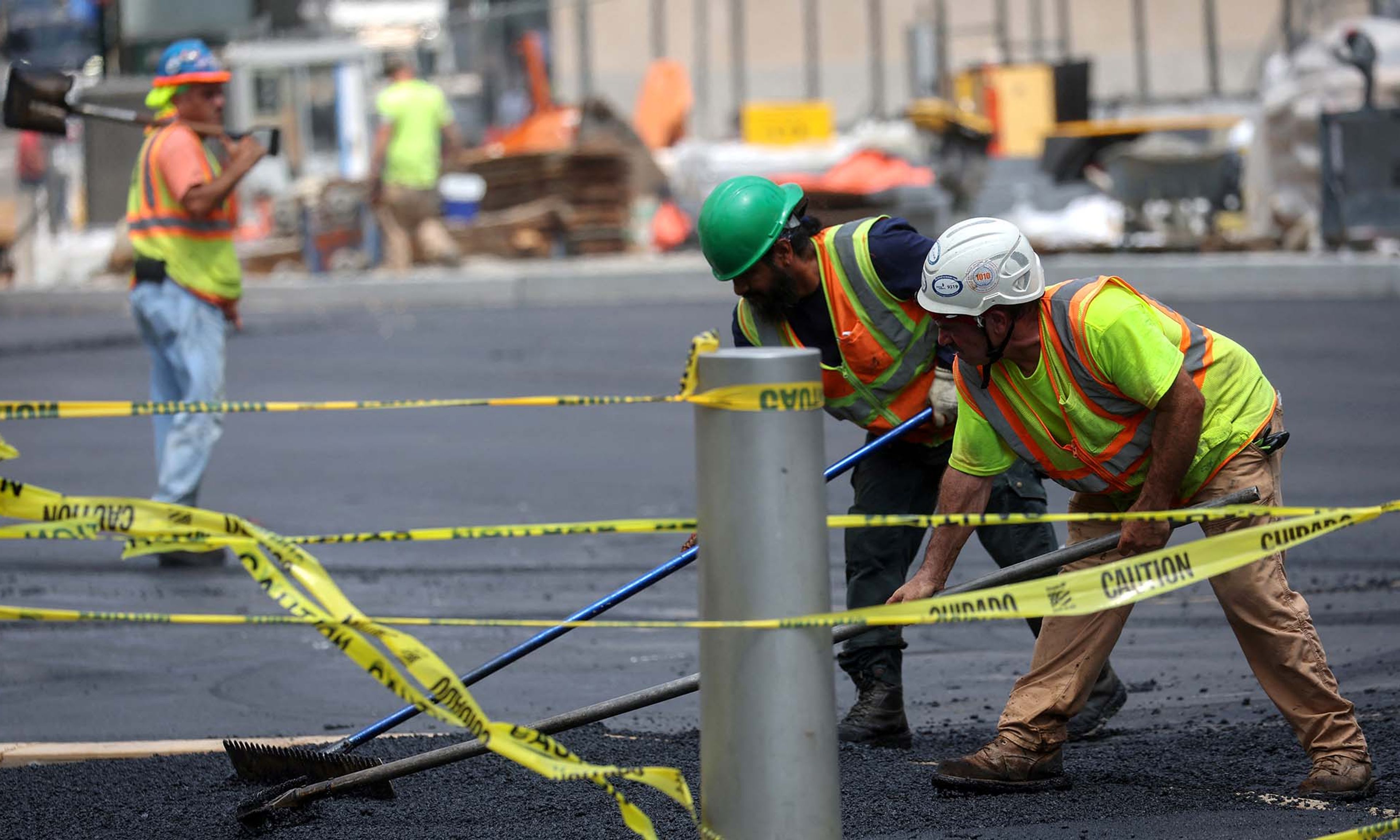
In the before time a few trails served the moccasined red man. When Dutchmen arrived they made a tangle of paths from fort to wharf to tavern to laundry place, until their last peg-legged director general decreed regular streets. These days his streets and the hundreds more uptown and on adjacent islands are paved in asphalt.
Asphalt is industrial peanut butter, composed of solid petroleum and ground-up stone. But before new asphalt gets laid down, old tired asphalt must be scraped away. In a human face lift, skin gets pulled to the ears for that smooth, emotionless cat’s-eyed look. In a street face lift, the existing street surface gets pulverized. It earns this fate after years of wear and tear from cars, trucks, buses, and excavations to tweak sewers, storm drains, and copper cables. Lights out? Poke a hole in my forehead, no problem. In the life span of a road surface there are dozens of patches, sometimes filled by huge metal plates that clank dolorously whenever a vehicle runs over them, like fate’s door knock in Beethoven’s Fifth, only more fateful. But the time comes when there is no percentage in patching; the old skin must be removed and a new laid down. This time came to the avenue 13 stories below our windows.
The work gets done by night. The warning to residents is the assembling, as of highland clans, of the equipment that will do the deed. Long freakish trucks appear at curbside, with sturdy little yellow vehicles scattered in between them: hens and chicks. The big monsters carry a drum, studded with carbide blades, which spins and grinds; the bits and pieces it tears off travel up a discharge conveyor, like a long arm, into a following truck. The racket is hellacious. I went down, after midnight, to ask a hard-hatted man in a reflector jacket, standing in the moonglow of a work light, how long they would be serenading us. He said they would stop at 5 a.m. He was right; I could tell because I was awake then.
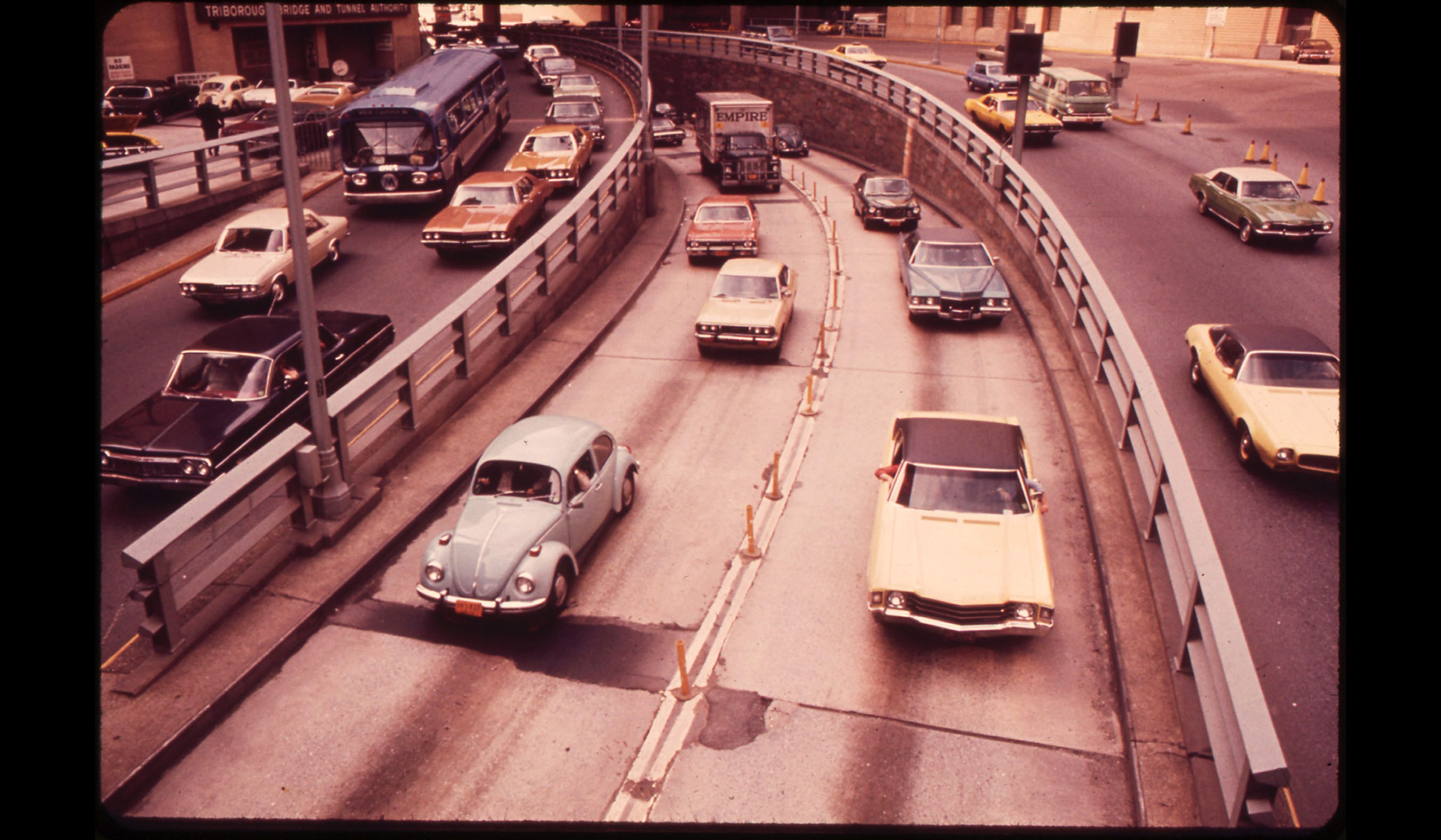
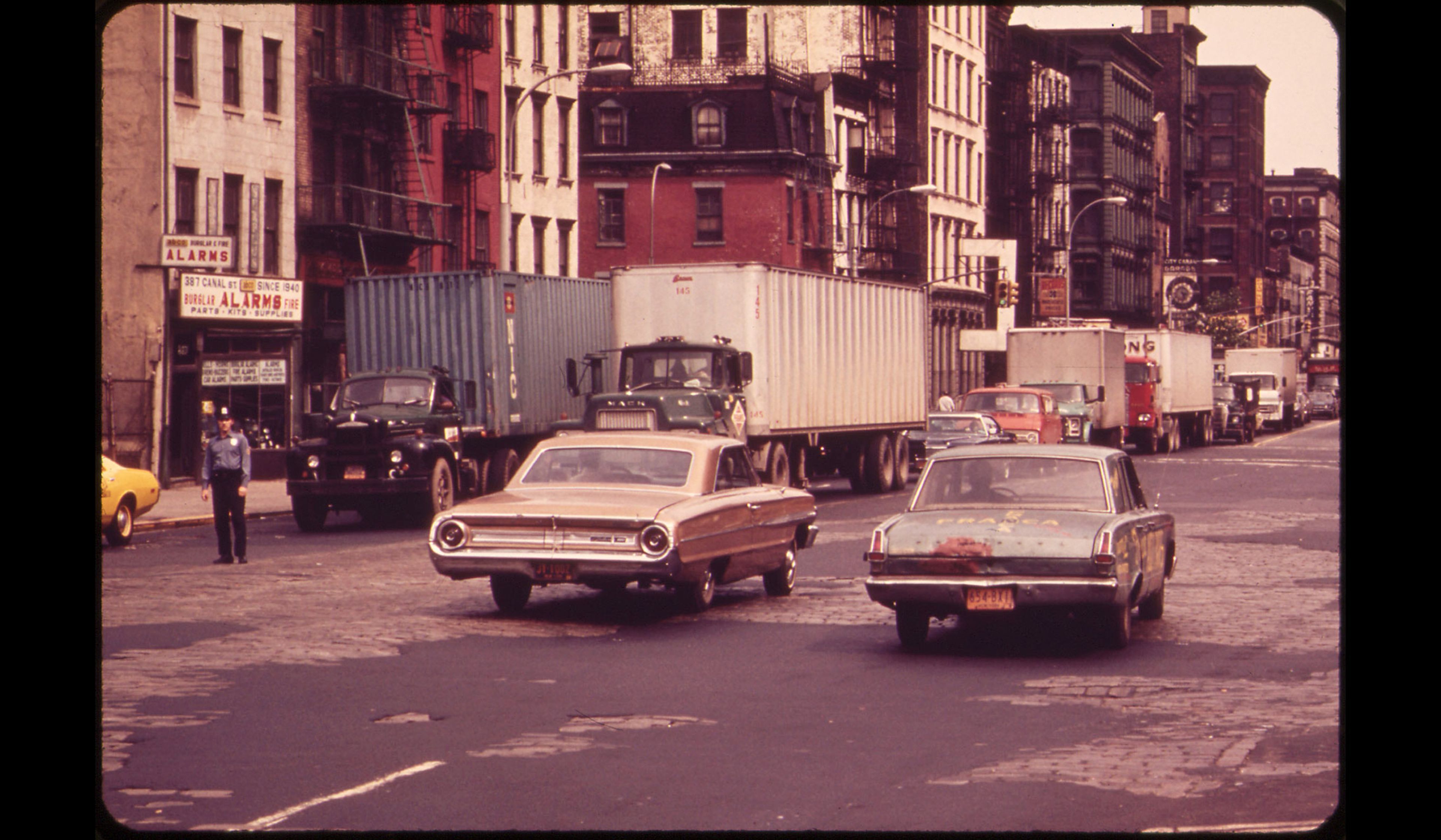
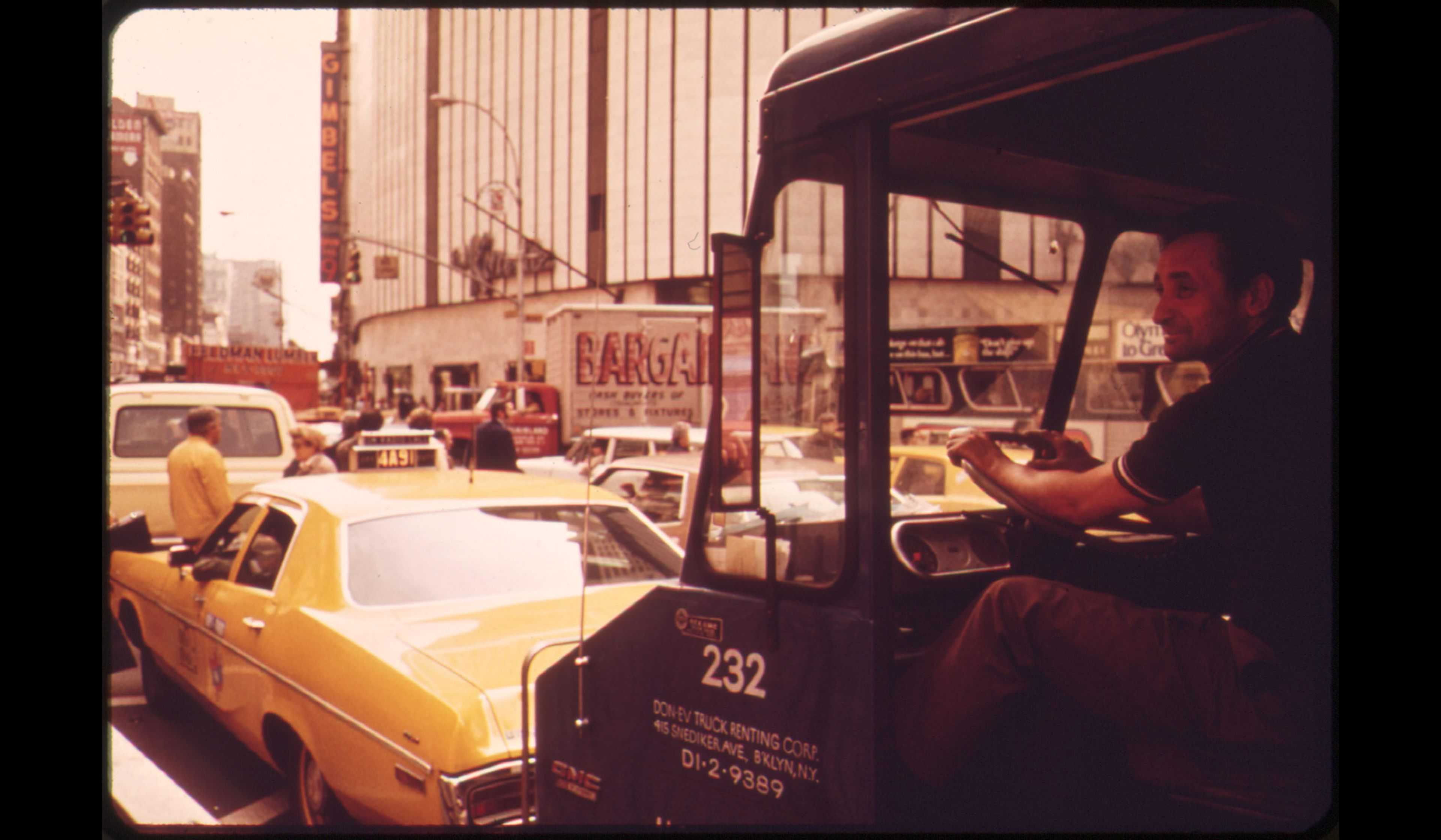
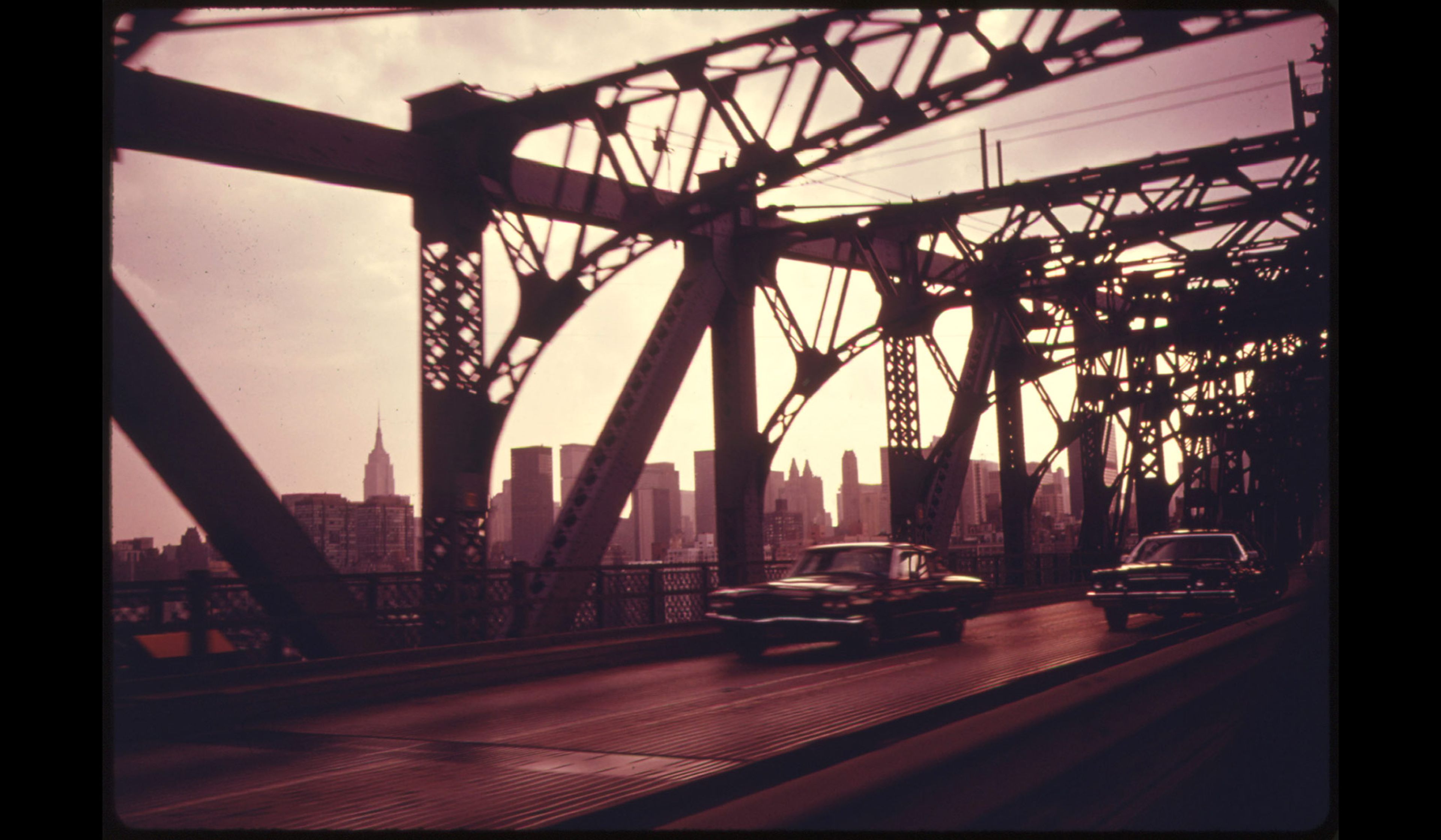
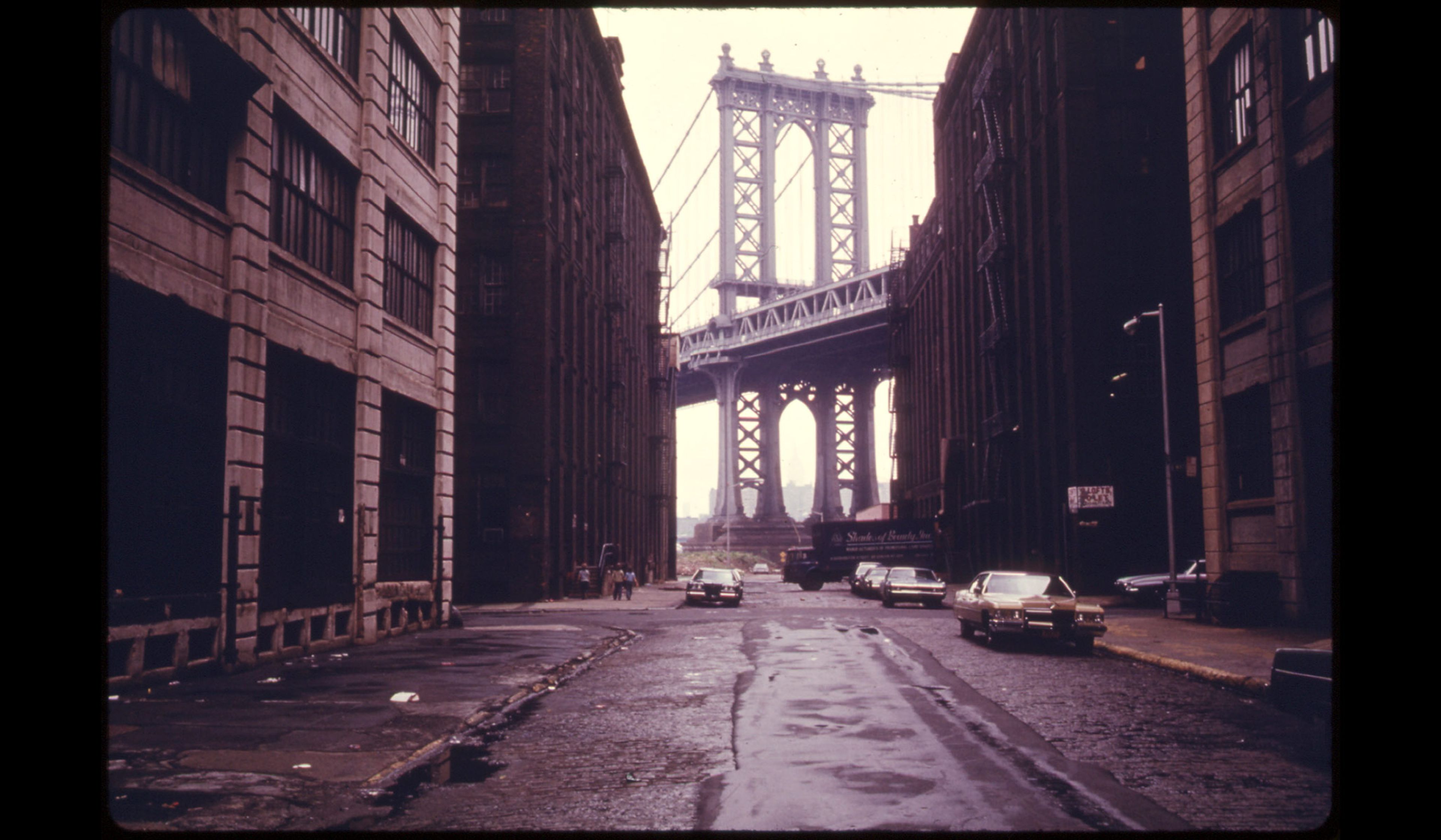
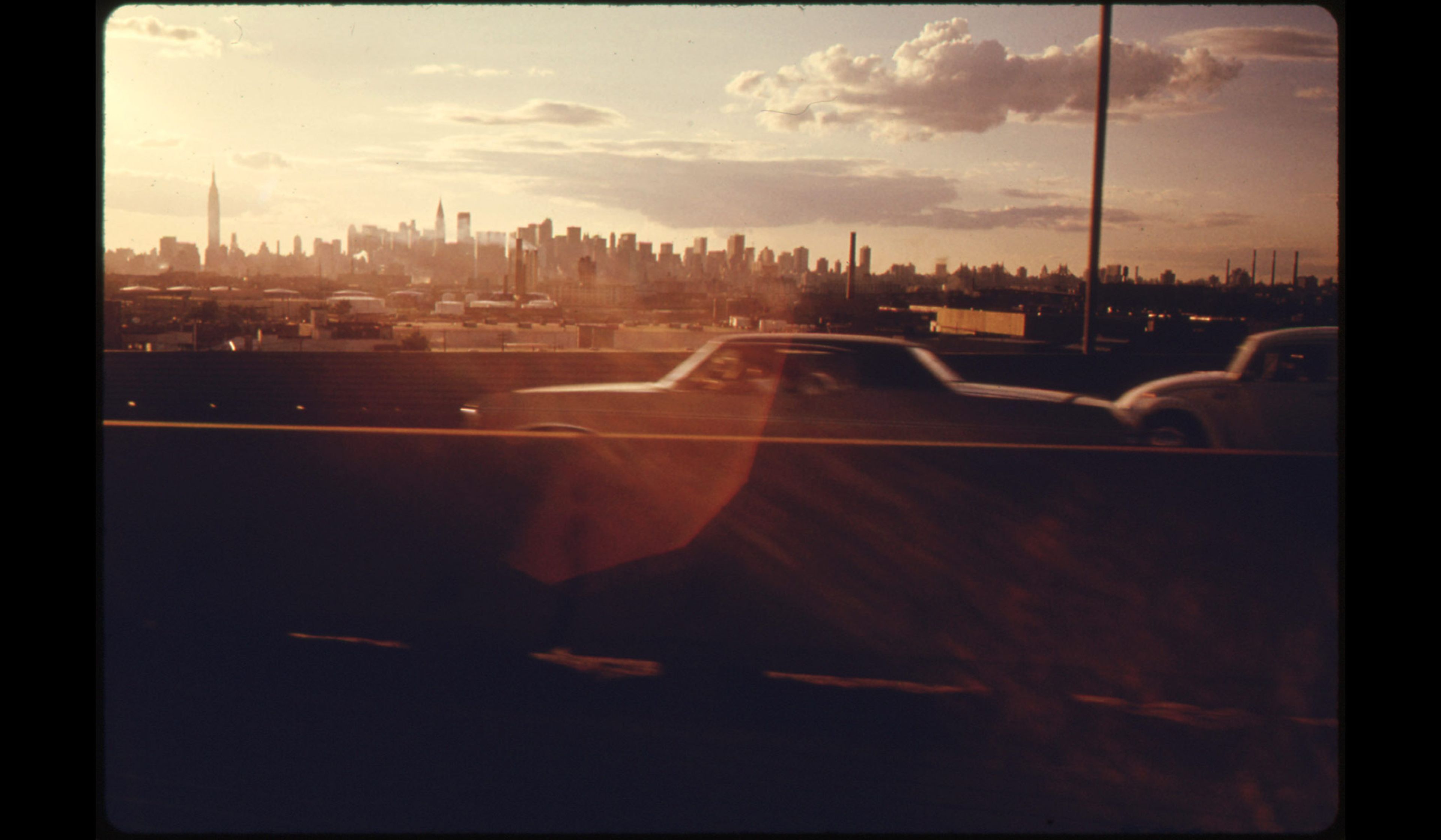
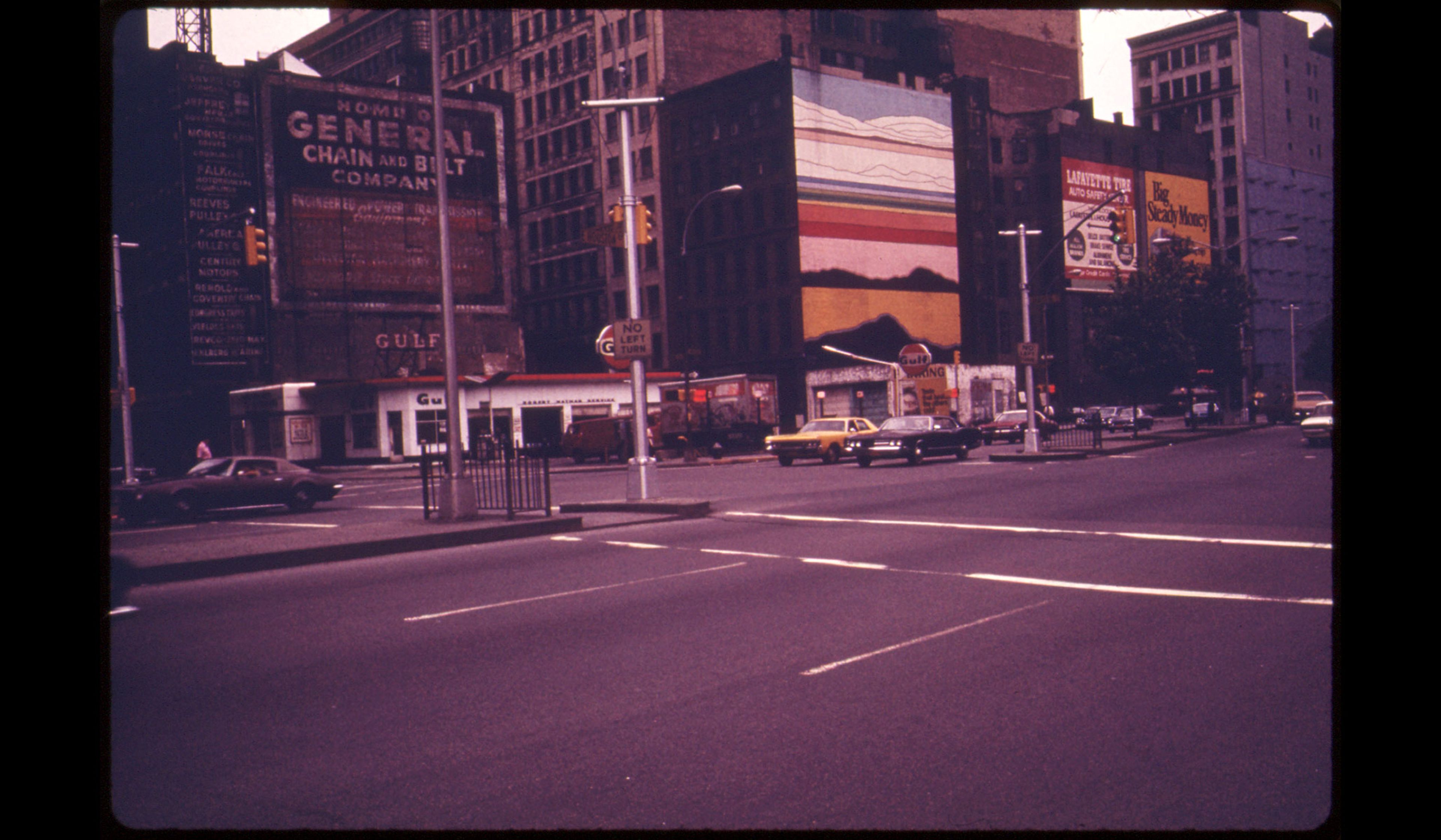
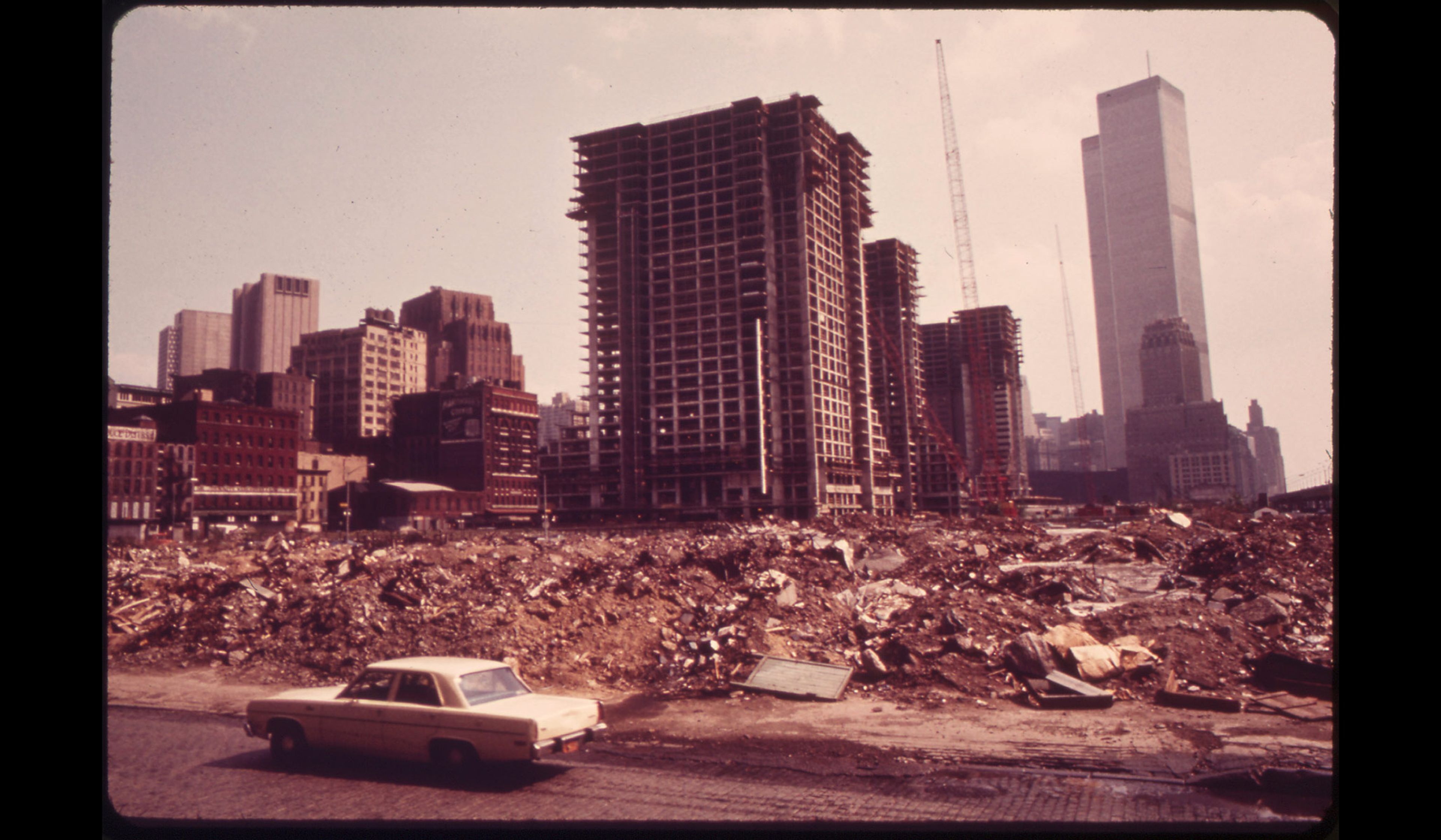
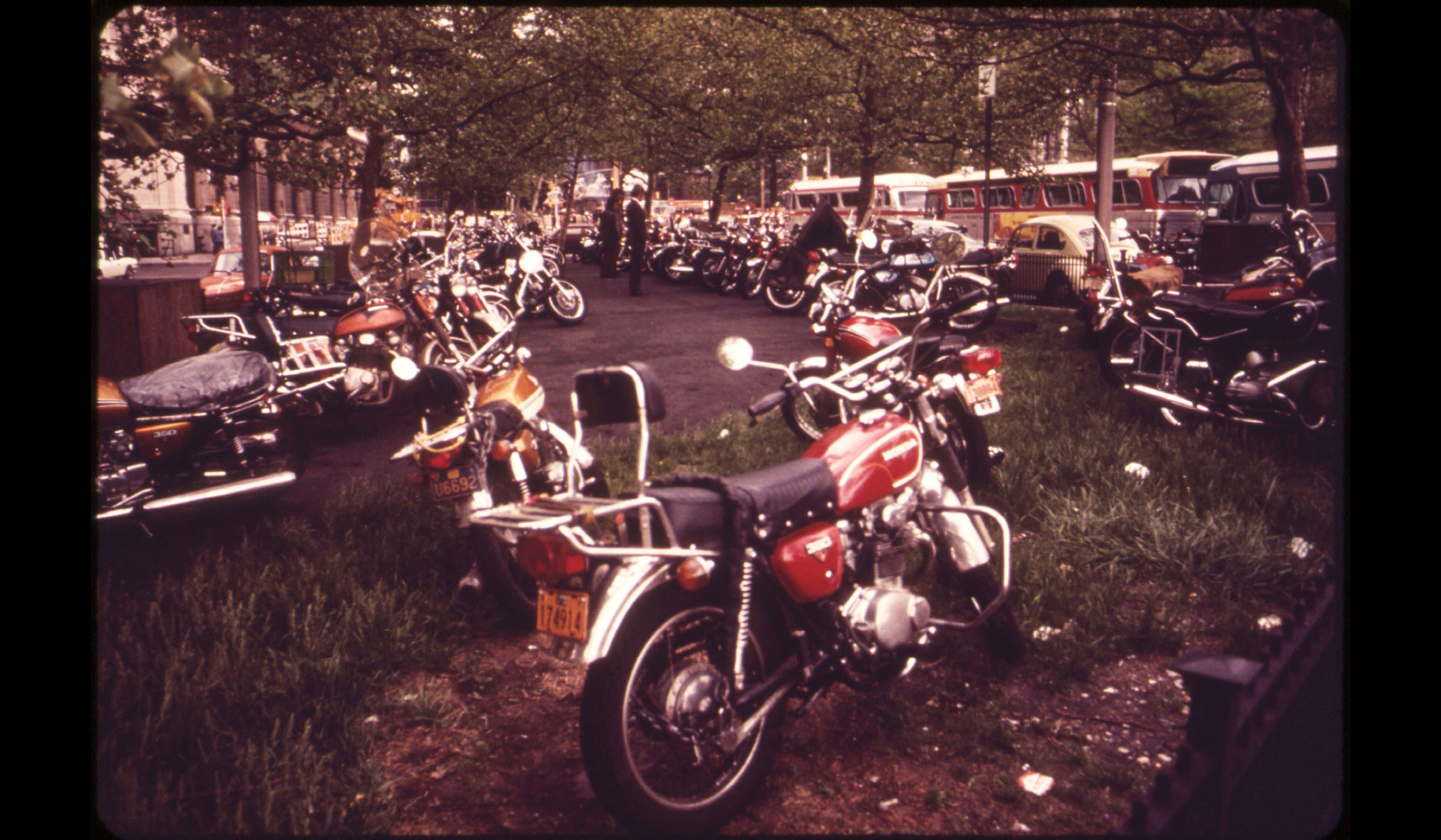
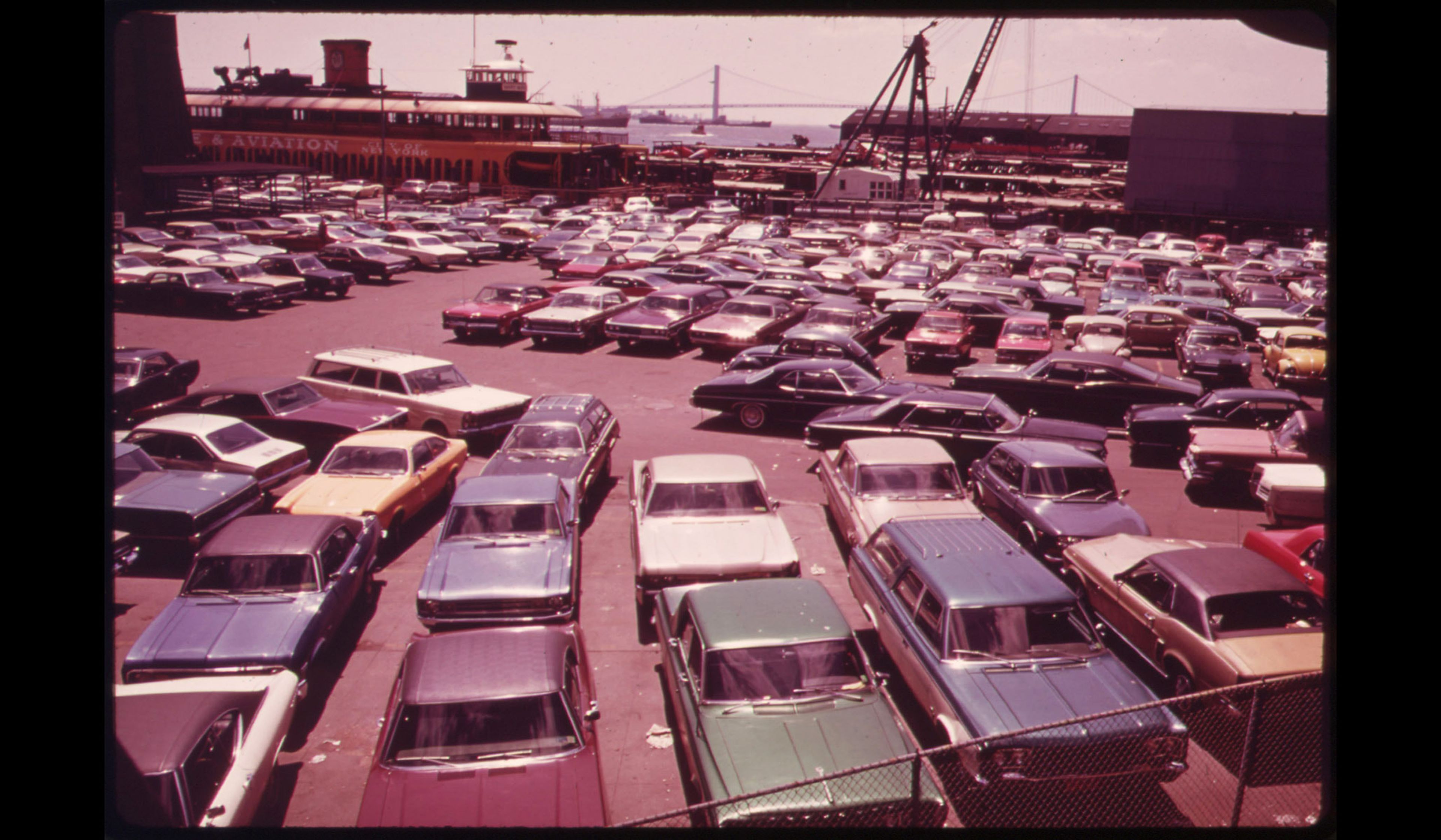
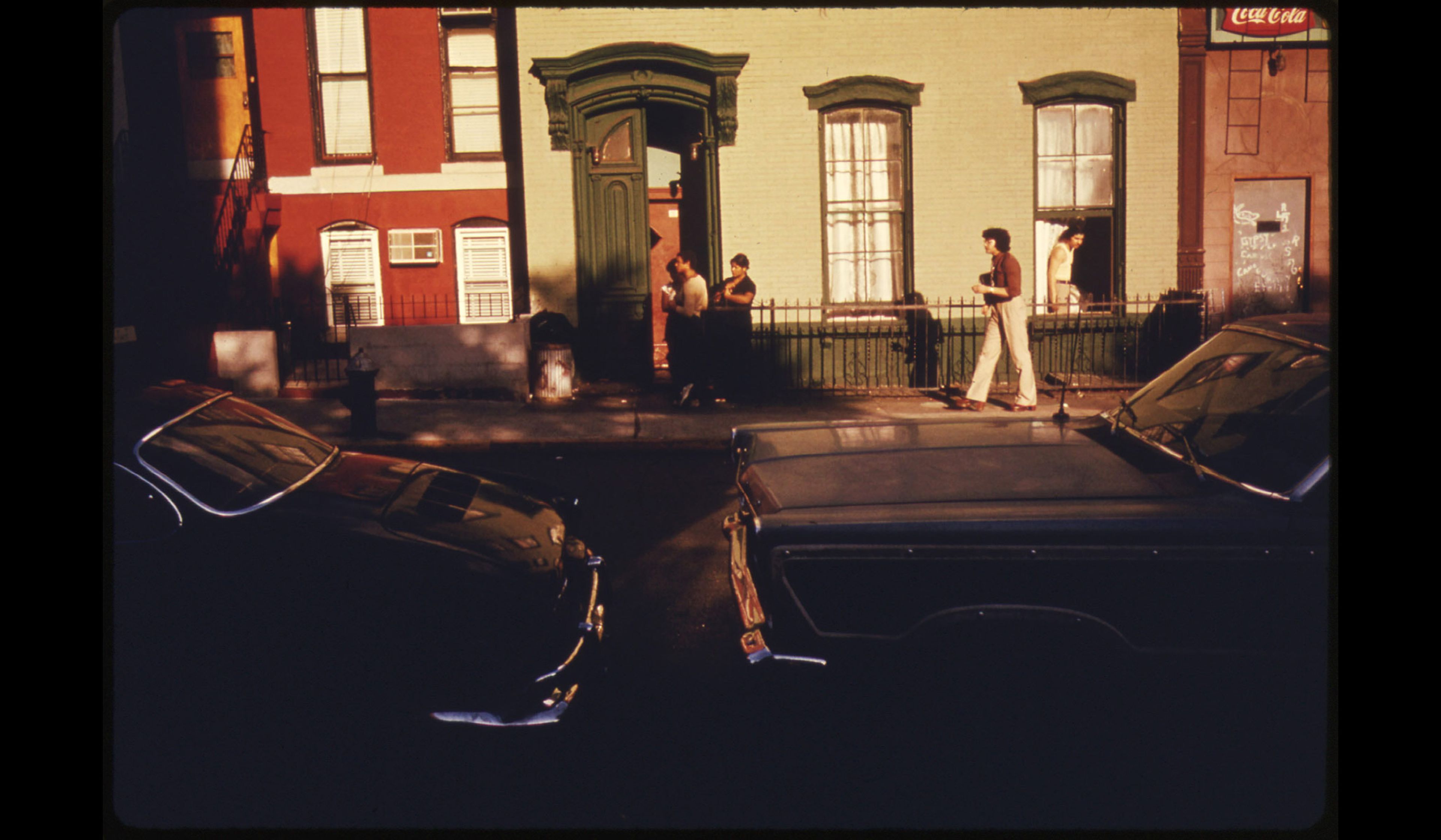
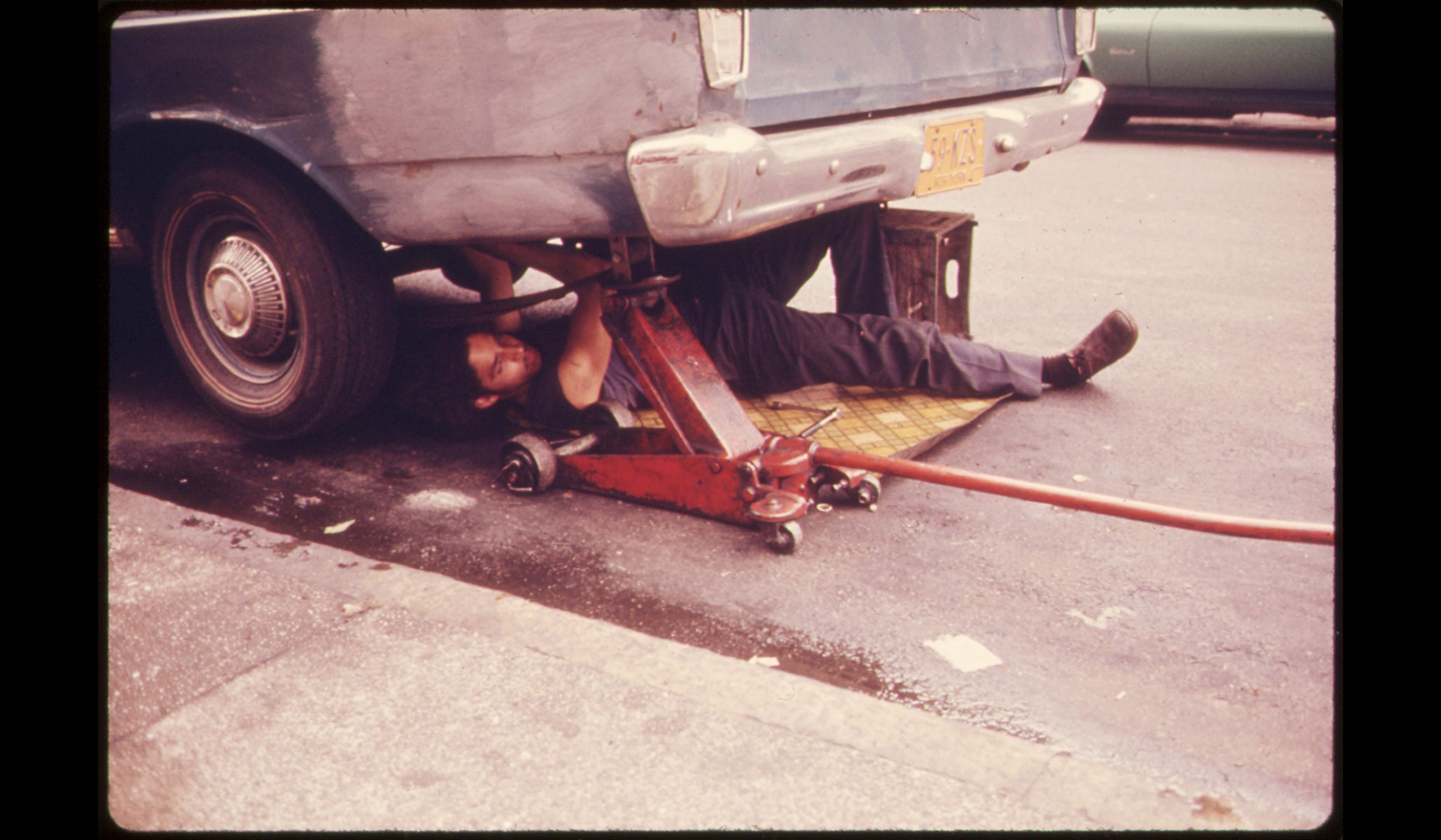
Manhattan side of the Brooklyn-Battery Tunnel, May 1973.
Will Blanche/Project DOCUMERICA/National Archives
Whenever my wife and I have seen the initial handiwork of road repair, we have joked that “the claw machine” has been there. “The claw machine” is our attempt to give a personality to a mysterious destructive process; cf. the Jersey Devil, the chupacabras, or other monsters created by peasants to explain livestock killed in the night. “The claw machine” is a joke because we know it is followed by a layer of new road surface. But how soon is it followed?
For this job, it seemed like a long time. Our avenue was gouged for eight or nine blocks. Gouged was the mot juste. The blades of the drum had left a network of cuts, up to an inch deep, roughly parallel. Crossing the street became a delicate business. What did the aged in their walkers do? Ans.: They didn’t. At first it was an interesting hazard, like a hole with a bad dogleg on a golf course. But as the days became weeks, we noticed that the exposed surface was not stable: Daily traffic wore it down, irregularly. Holes appeared, like anti-islands. When it rained, they became little ponds, sources of car splash. Put a foot in one without thinking and you could twist an ankle. Low-slung chassis banged against them. Trucks carrying anything metal that was not tied down rang and roared. Bicyclists had to steer carefully lest they experience an unplanned bottom surgery. Make that double for delivery men on scooters.
I condoled with the owner of the coffee place kitty-corner from my building. He joked that there would be a new subway entrance right there, very convenient. Then he said he had been told that the road would be repaved that day or the next. That day nothing was done, nor was anything done the next. But on the second night came the sound of work, less cacophonous this time: smooth steady hums, annoying without being jarring, accompanied by a pungent smell. The next day the avenue was smooth, black, lustrous. You could walk and think at the same time. Now all it needs is lane lines.










Comments