While I was watching an old movie the other day, the phrase “twelve shopping days till Christmas” floated across my field of listening. How quaint! Once there were days upon which there was no shopping, otherwise known as “Sundays.” When I was growing up in Massachusetts in the Seventies, and not even the 1670s, we had blue laws that closed everything on the seventh day. Around 1979, there began a seasonal exception for the Thanksgiving-to-Christmas period, and I remember frolicking through the lushly decorated Eastfield Mall in Springfield with my family on December Sundays (the only day when my dad didn’t work) as though we’d been given a temporary pass to Santa’s retail kingdom.
The conceptual demise of “shopping days” reminded me of the even more quaint, indeed now terrifically strange godfather of all Christmas specials, A Charlie Brown Christmas. Imagine, a popular holiday entertainment airing on a major network in 1965 that insisted Christmas was about Christian devotion, and that any commercial observance such as decorating your (dog)house with pretty lights was an egregious offense against piety. When Charlie Brown spots Snoopy’s decked-out doghouse, it’s the children’s-television equivalent of Christ spotting the money changers in the temple. These days the show seems like an artifact from a lost civilization. If you brought up the notion of commercial exploitation of Christmas to youngsters today, you might as well be telling them about the War of Jenkins’ Ear.
Today’s Christmas programming has moved on a bit. On VH1’s The Bitch Who Stole Christmas, a drag-queen celebration featuring RuPaul, there’s an X-rated version of “The Twelve Days of Christmas” sung by “drag queens and sluts,” as marketing materials call them, and the audience is treated to observations such as “If by ‘construction’ you mean handling heavy pipes with my hands, then yeah, I do construction.”
I’m offended. Not by the dirty joke — by the drag queens. Let me get this straight: Men, the oppressors, are mocking women, the oppressed, by exaggerating their feminine characteristics to absurdly comic effect? Isn’t that just like blackface? An overtly demeaning kind of appropriation?
VH1’s “draggiest Christmas ever” movie heralds its slate of anti–Hallmark Channel Christmas films — which a production exec promises will be “disruptive, edgy and more diverse” — including the Sex and the City successor Let’s Get Merried, in which five bachelorettes who are “single and ready to jingle” talk about sex nonstop.
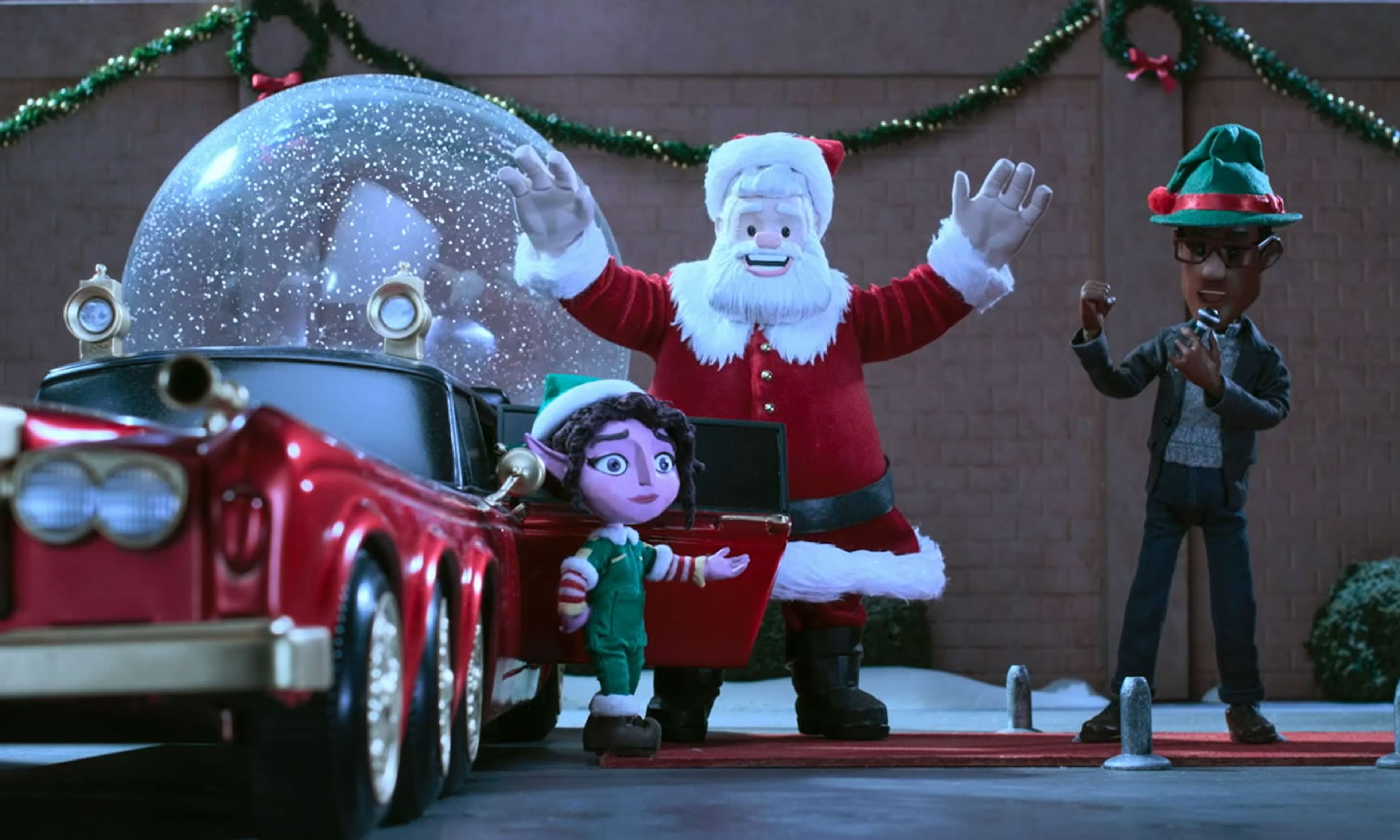
Over on HBO Max, Seth Rogen and Sarah Silverman are trying to disrupt Santa Claus in a stop-motion animated series, Santa Inc. (Rotten Tomatoes audience score: 4 percent. Four? The average serial killer has more fans than that.) Critics tried their best to find some value in the show for at least being “subversive,” but that word today has come to mean close to the opposite of what it once did. “This thing is so subversive,” say the judges for America’s leading cultural institutions as they load up the supposed subverter’s arms with trophies and gigantic checks. Actual subversion never gets dubbed “subversive” anymore because that would just confuse two generations who grew up trained to think of the adjective as high praise.





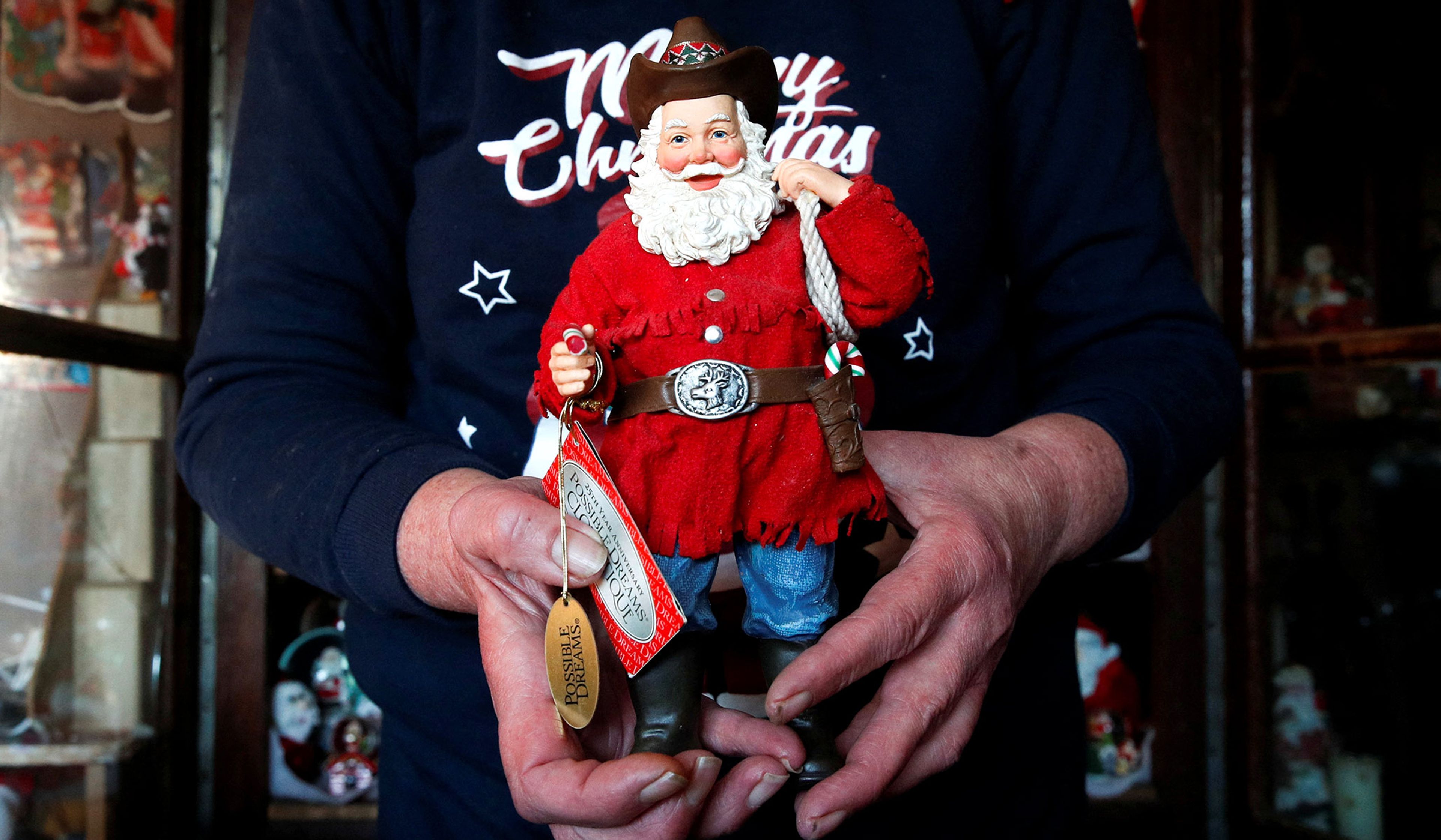























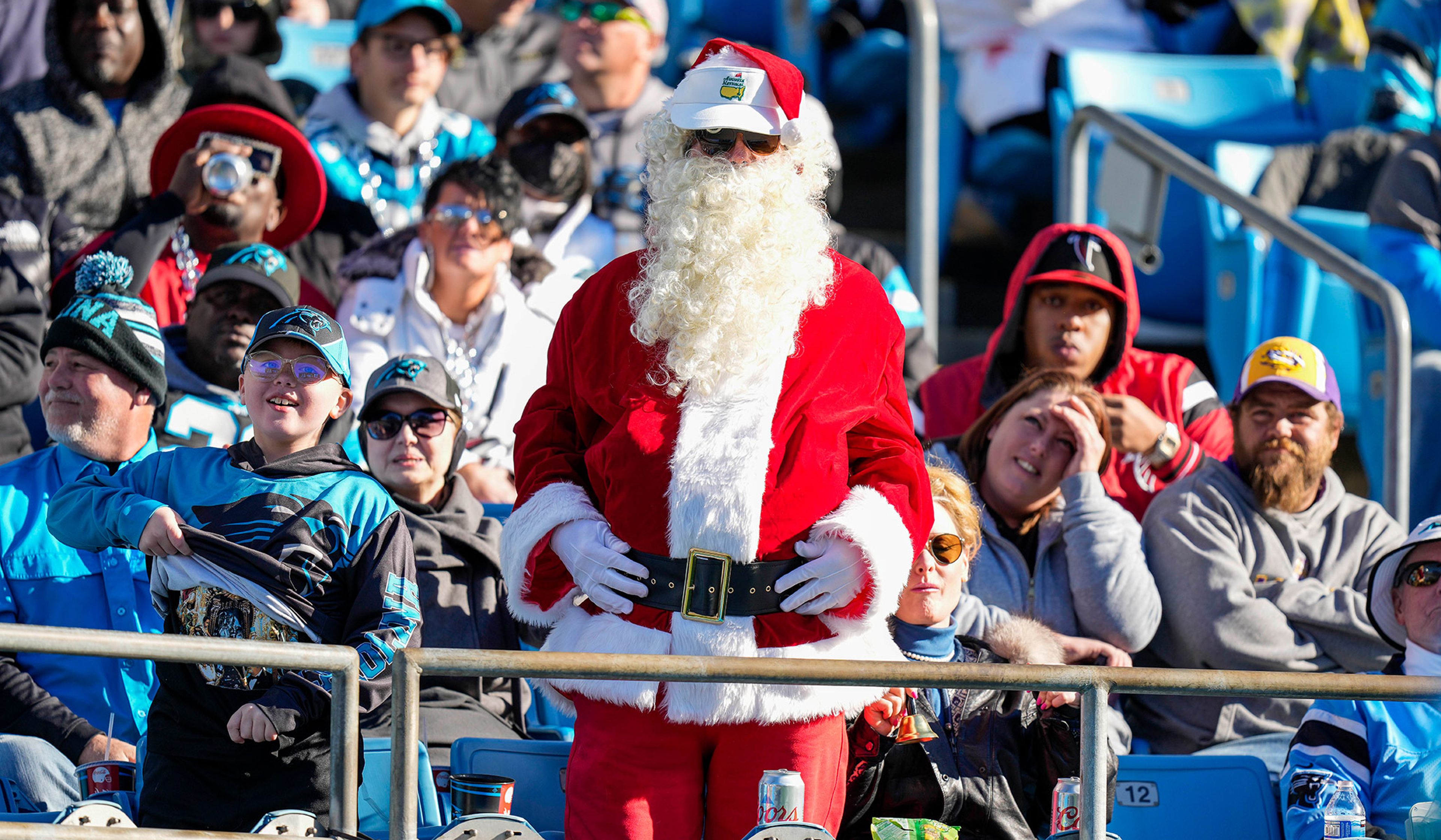













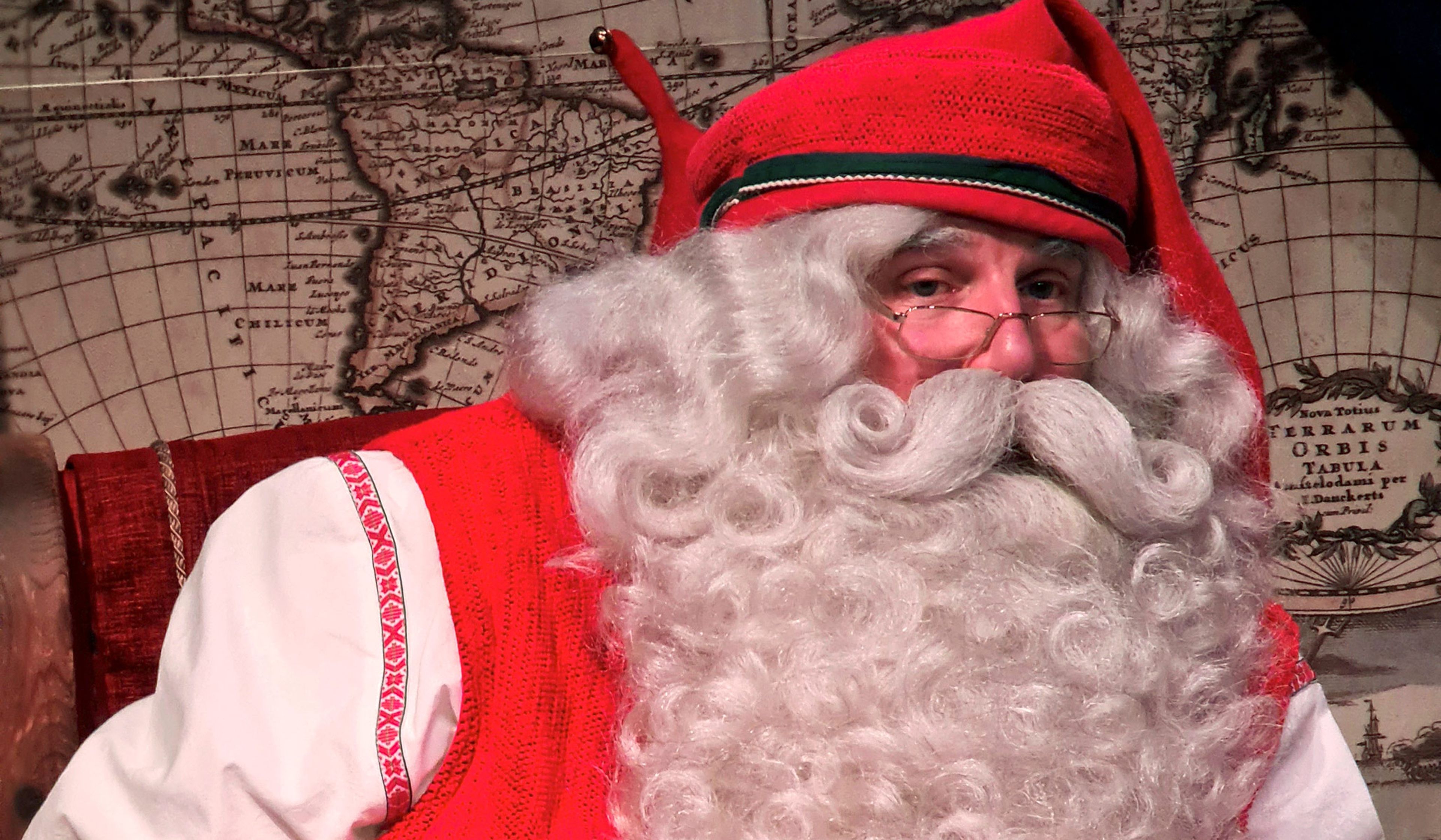
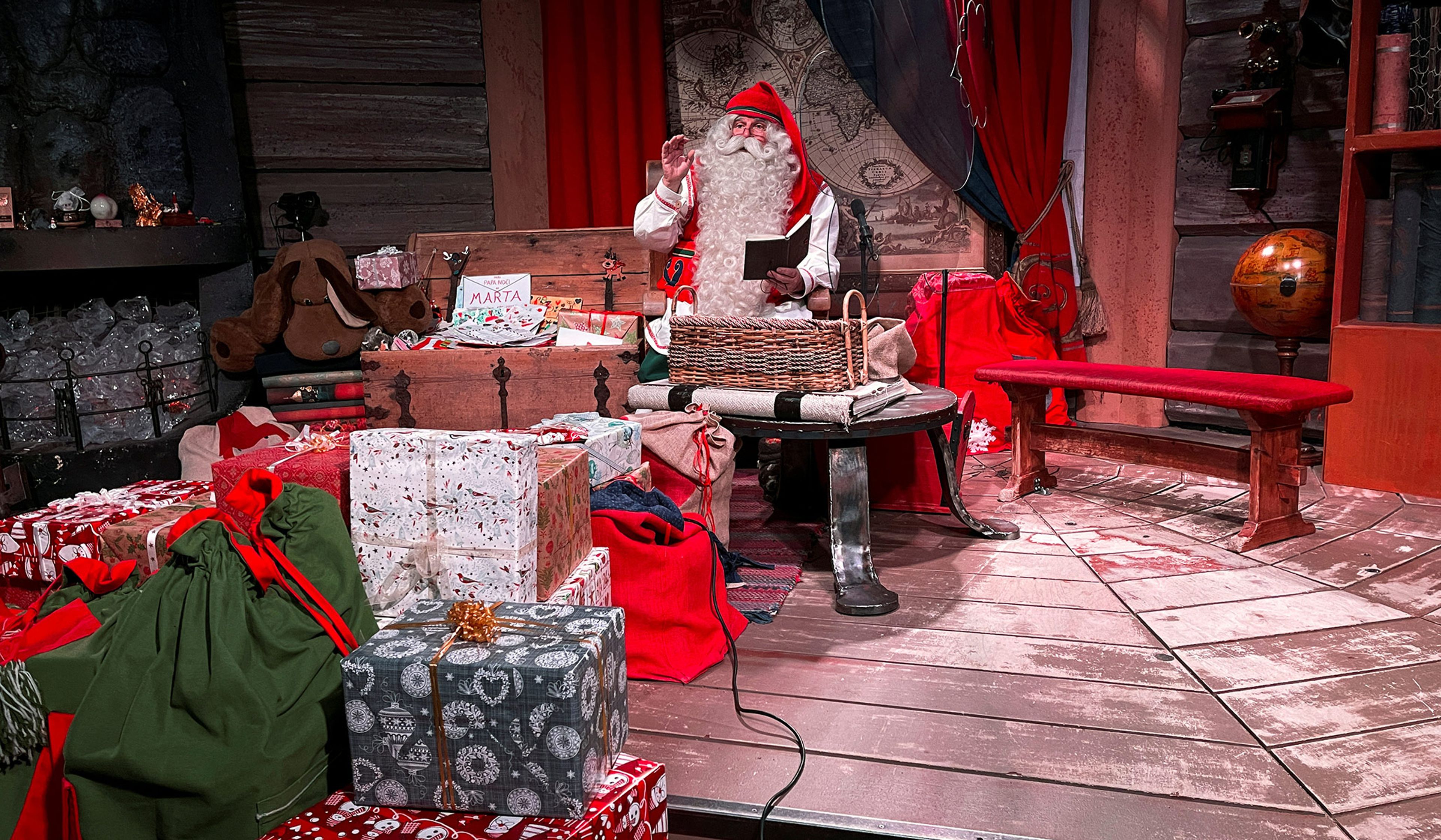







































A man dressed as Santa Claus takes part in a Christmas toy distribution organized by a Venezuelan journalists group in Caracas, Venezuela, December 17, 2021.
Leonardo Fernandez Viloria/Reuters
Variety delicately noted of Santa Inc. that “not every topic lends itself to a subversion, or to showing off how little one cares about propriety,” referring to would-be outrageous dialogue (elves saying, “Now let’s get those f***ing kids their presents in record time this year!”), meth-addicted reindeer, and Mrs. Claus dancing around a candy-cane stripper pole. In the opening minutes, Santa (Rogen) is told, “More American kids believe in you than they do [sic] in vaccines or the Holocaust.” Created by Alexandra Rushfield, the show depicts not just anarchic raunchiness but a “snapshot of institutionalized misogyny,” according to The Hollywood Reporter. Oh, dear. So a pleasing fairy tale gets swapped out for a really boring and annoying one.
Santa Inc. is sad in the sense that it’s the opposite of funny. But what I find saddest about it is that, apart from Rotten Tomatoes users who logged in to opine, no one has even bothered to get outraged by its supposed subversion. It was almost 21 years ago that The Onion published the headline “Marilyn Manson Now Going Door-to-Door Trying to Shock People.” Provocation doesn’t come easy anymore.
When I was young, you could at least reliably earn yourself the thundering denunciations of a Donald Wildmon for messing with Mrs. Claus. Now, Santa Inc. is just one of a thousand new shows you’ve never heard of that will disappear without your even noticing. It’s pretty hard to find even on the HBO Max homepage, which is such a hodgepodge of the forlorn and the random that it might as well be called T.J. Maxx.
Such efforts to “disrupt” Christmas movies aren’t going so well. Once a laggard in cable ratings, the Hallmark Channel is today a December ratings powerhouse thanks to its sweet, comfy, holiday-themed romantic dramas. Offerings such as The Christmas Card and A Royal Christmas provide a welcome refuge from all things crude and vulgar: They take place in nice, normal small towns where nice, normal people face nice, normal dilemmas in nice, normal sweaters. Everything about them pushes back against woke mania. Even a successful career gal is incomplete without the love of a good man, we learn, and marrying into a royal family is a beautiful fantasy rather than enabling a tradition of imperial plunder. The happy ending usually envisioned is a marriage blessed with children.
Just how well are these movies doing? The Hallmark Channel in the fourth quarter is the most watched entertainment-cable network among women 25 to 54, and also No. 1 in total viewers. It turns out that what people really want for Christmas is traditional values, not raunchy Santas.












Comments