
Pop quiz:
Q: Who was President Obama’s first secretary of transportation?
A: Former Illinois GOP congressman Ray LaHood.
Q: Who was Obama’s second secretary of transportation?
A: Former Charlotte, N.C., mayor Anthony Foxx.
Q: Who was Obama’s third secretary of transportation?
That was a trick question; Obama had only two transportation secretaries. But the point of this exercise is to demonstrate that, for the most part, the people who run the department toil in relative obscurity and aren’t widely remembered. Running the Department of Transportation is usually a stepping stone to nowhere, other than serving on corporate boards. (Although, considering that Elizabeth Dole and Elaine Chao both held the position, a surprisingly high percentage of transportation secretaries have been married to the Senate Republican leader.)
From the beginning, Pete Buttigieg seemed like an odd choice to be President Biden’s secretary of transportation. Buttigieg boasted a golden résumé — Harvard, Oxford, McKinsey Consulting, the U.S. Navy Reserve — but he had no particular experience with transportation issues.
When Buttigieg was mayor of South Bend, Ind., he guest-blogged at Slate on the night of the Indiana Republican primary. Years later, when Biden named him as his selection to run Transportation, another writer at Slate, Henry Grabar, offered a surprisingly scathing assessment of his short-term colleague:
Is Pete Buttigieg the most deserving person for this job? Emphatically not. Does he know the most about transit? I’m not even sure he knows the most about transit among former Slate bloggers. It’s a fitting turn for a man who, to his enemies, represents how America’s failing institutions reward shiny credentials and unprincipled striving above experience or demonstrated success.
The desired trajectory of Buttigieg’s career was insufferably clear. At Harvard, he was the student president of the school’s Institute of Politics, a role described by the New Yorker as being “sought by the most ambitious of the exceptionally ambitious.” Way back in 2016, when Buttigieg was 34 years old, New York Times columnist Frank Bruni speculated that the young mayor, then in his second term, would be the first gay president.
As Biden assembled his cabinet, the telegenic and smooth-talking Buttigieg was a still very young former presidential candidate who had narrowly won the Iowa caucuses and narrowly lost New Hampshire. After his campaign sputtered in Nevada and South Carolina, Buttigieg proved he could be a loyal party man, dropping out and endorsing Biden when the Democrats decided it was time to slam the door shut on Bernie Sanders.
With his 2020 ambitions dashed — and no way to know whether Biden would run for another term, or even finish his first one — Buttigieg needed some way to stay in the public eye. He had the bad luck of living in GOP-leaning Indiana, where the chances of his winning a statewide bid for governor or senator were slim to none.
It’s fair to wonder whether, when Buttigieg accepted Biden’s offer of the cabinet position, either man recognized the scale of the challenges facing the transportation sector as the country and world emerged from the Covid-19 pandemic. Americans had effectively given up passenger-rail and air travel for a year. Use of commuter rail had dropped dramatically, perhaps permanently. At the same time, factories had gone idle, and with them ports and shipping. As 2021 began, pent-up consumer demand for travel and goods exploded, and suppliers struggled to keep up.
A backlog of ships with cargo to unload at West Coast ports grew considerably worse, and supply-chain problems led to empty shelves in stores from coast to coast. Seven months into the job, Buttigieg and his husband, Chasten, adopted infant twins, and the secretary chose to go on paternity leave for two months, a leave that was not announced to the public.
Politico’s Playbook newsletter eventually noticed and described the absence bluntly: “Pete Buttigieg has been MIA. While U.S. ports faced anchor-to-anchor traffic and Congress nearly melted down over the president’s infrastructure bill in recent weeks, the usually omnipresent Transportation secretary was lying low. One of the White House’s go-to communicators didn’t appear on TV. He was absent on Capitol Hill during the negotiations over the bill he had been previously helping sell.”
A Transportation Department spokesperson later explained that “for the first four weeks, he was mostly offline except for major agency decisions and matters that could not be delegated.”
Buttigieg took a lot of flak for his paternity-leave choices and tried to paint himself as a victim. On The View he contended that “some good” had come out of the criticism of him, because it “helped us have a conversation about parental leave.” The conversation included a lot of people observing that, as wonderful as time with a new child (or two) is, you probably shouldn’t be out of the office for two months when the organization you run is grappling with a major national crisis.
Buttigieg compounded his headaches by implausibly insisting he had remained in the loop during his paternity leave. Upon returning in mid October 2021, he told CNN’s Jake Tapper that, “when you take a job like mine, you understand and accept that you’re going to have to be available 24/7, depending on what’s going on, and you’re going to have to engage.” But documents uncovered by FOIA requests revealed that Buttigieg hadn’t attended any meetings on the supply-chain crisis from mid August until October 6.
For the past two years, Buttigieg has offered his critics plenty of easy targets. He chose to fly on private jets as the nation’s airports experienced a summer of delays, while nagging the rest of the country about the carbon footprint of their travels and commutes. He chose to travel with his husband to a sports event in the Netherlands on a chartered military jet. As the nation faced a potential rail-freight strike, the Biden administration deployed Labor Secretary Marty Walsh as its point man while Buttigieg was doing public appearances at the Detroit Auto Show.
Last September, Buttigieg appeared on James Corden’s Late Late Show to discuss air-travel delays, predicting, “I think it’s going to get better by the holidays.” But it did not. Between bad weather, a Southwest Airlines computer-system meltdown that forced the cancellation of roughly half — more than 16,700 — of its flights scheduled between December 21 and 29, and a lingering shortage of flights and crews, it was the worst holiday season for flying in recent memory. Buttigieg defenders contend that he received more blame than he deserved for the pervasive delays and cancellations, but when a public official goes on national television and pledges that something is going to get better and then it doesn’t, he should expect criticism.
He should also expect critics to notice his habit of turning department events into look-at-me campaign-style events. At a ribbon-cutting ceremony for the D.C. Metro line at Dulles Airport, Buttigieg took the opportunity to remind everyone that he served as an intelligence officer in Afghanistan: “I remember the knot in my stomach when a cab dropped me off a few years later to catch a flight to Kuwait and on to a war zone for the first time as a civilian economic adviser.”
Buttigieg’s tenure so far has featured a future-Democratic-primary-friendly focus on identity politics. One of Buttigieg’s recurring themes in his speeches is that “there is racism physically built into some of our highways.” In a June 2021 speech on infrastructure given in upstate New York, he said that “equity is at stake in our transportation decisions” because, “often, it was literally the tracks or the road that divided one part of the community from another. That served to segregate a city.” For Hispanic Heritage Month, Buttigieg boasted that he and his department were working “to ensure every generation of Latinos has equitable access to the transportation and job opportunities that empower them to thrive.” In December 2021, Buttigieg hosted a Transportation Department event on “Advancing LGBTQI+ Inclusion.”
On January 11, a Federal Aviation Administration system outage halted flight departures nationwide for about an hour and a half, resulting in the delay of more than 9,500 U.S. flights and the cancellation of more than 1,300. The problem was traced to the FAA’s creaky, outdated NOTAM system, which notifies crews and airports about any potential hazards or airspace restrictions — everything from air shows to rocket launches to runway closures and even flocks of birds. The good news is that, just the previous month, Buttigieg and the department had demanded changes in the NOTAM system. The bad news is that the change was in the name, from “Notice to Airmen” to “Notice to Air Missions,” because the new name was “inclusive of all aviators and missions.” No one cares what you call the system when it crashes and creates the biggest flight stoppage since 9/11.
It is fair to say that Buttigieg gets more scrutiny because he’s a former and potential future presidential candidate. But it’s hard to believe he would have been offered the Transportation job if he hadn’t run for president, and he might not have accepted the job if he hadn’t been interested in running again. The secretary’s schedule is full of public events and television appearances that seem like an extension of his 2020 run for the highest office in the land.
Add it all up and Buttigieg looks, sounds, and acts like an ambitious pol who can’t wait to get back on the presidential-campaign trail, offering Democrats a hefty serving of all their favorite buzz phrases in a smooth, even-toned style perfected in a thousand McKinsey presentations.
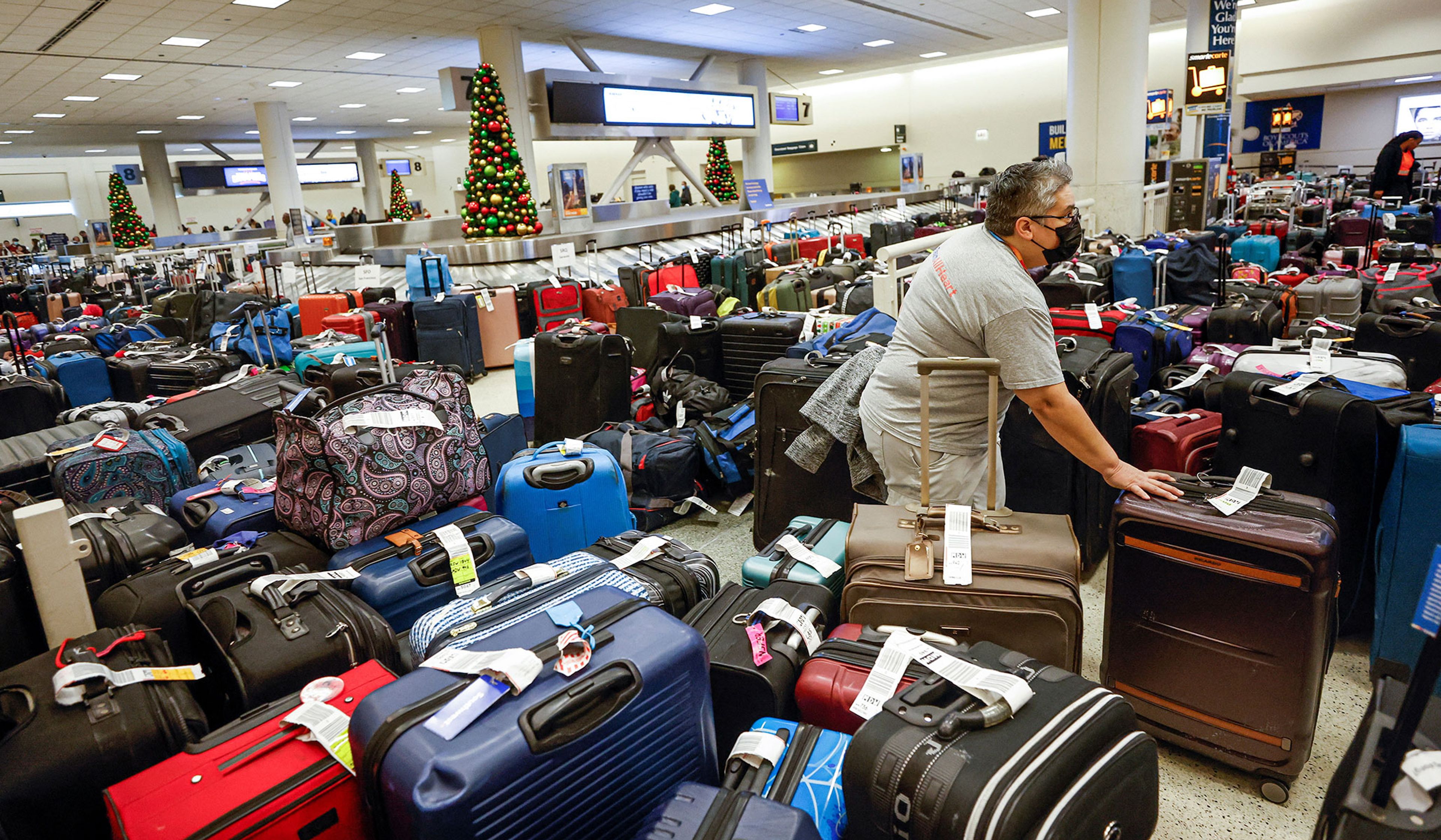
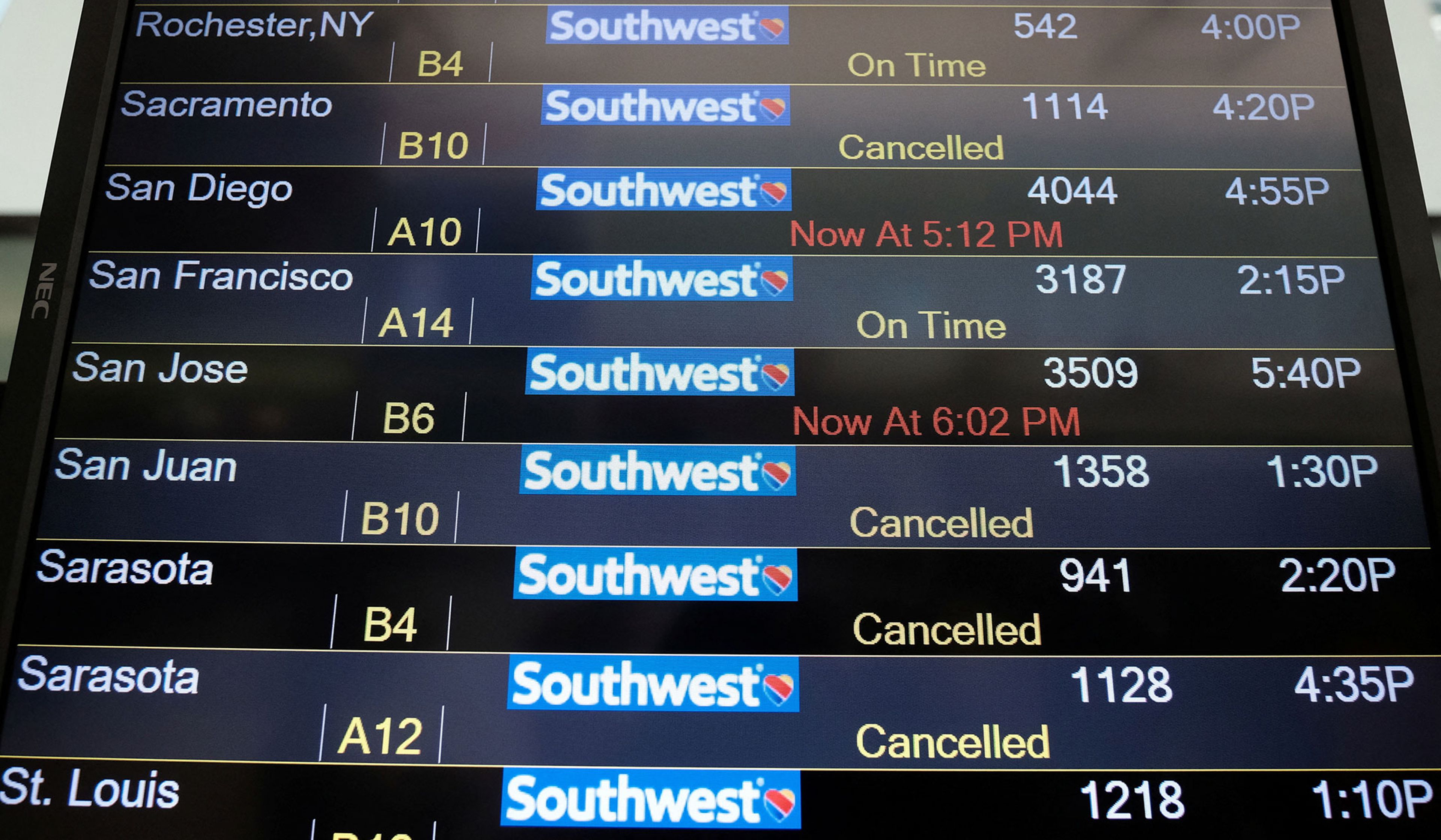
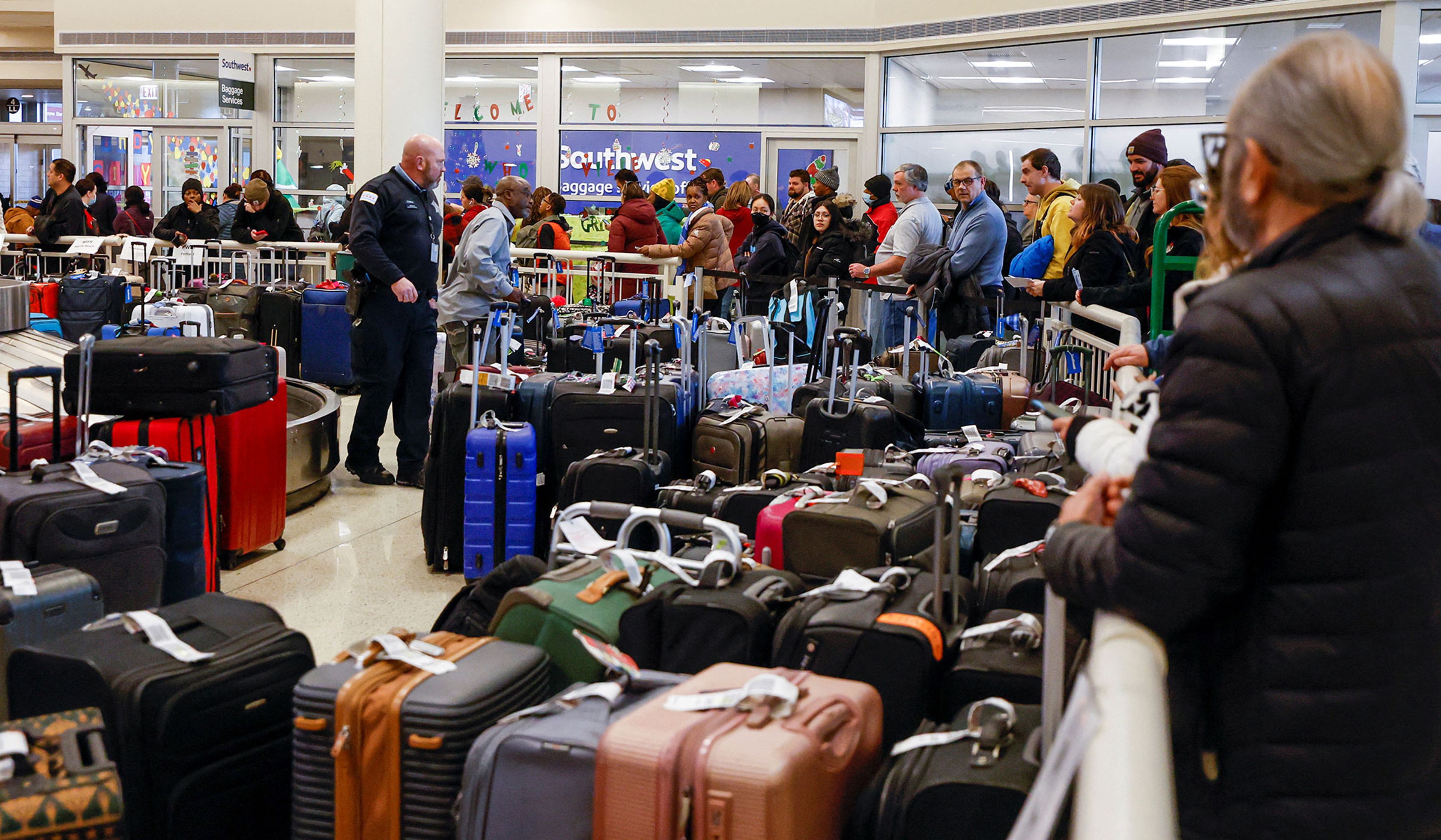
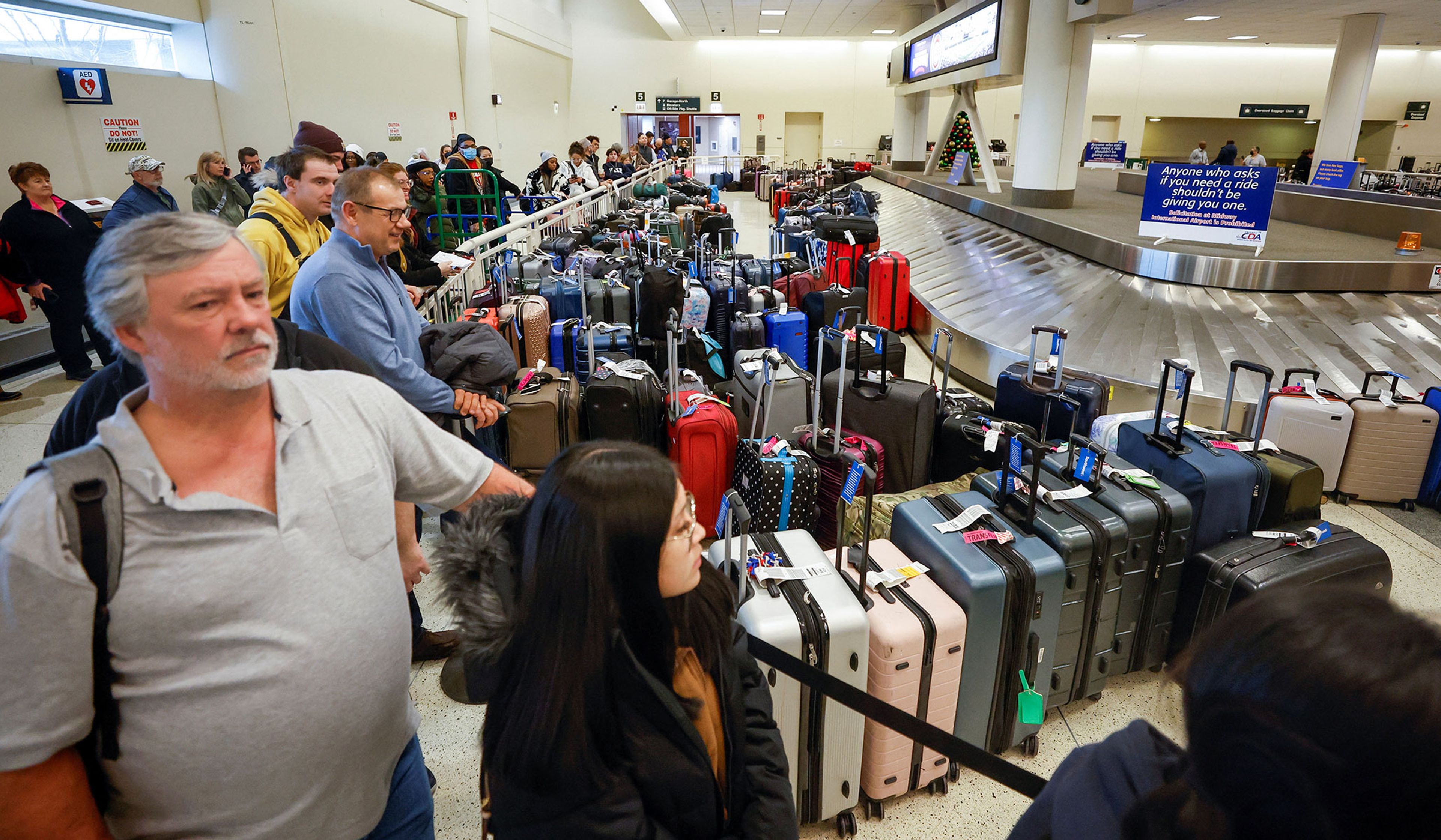
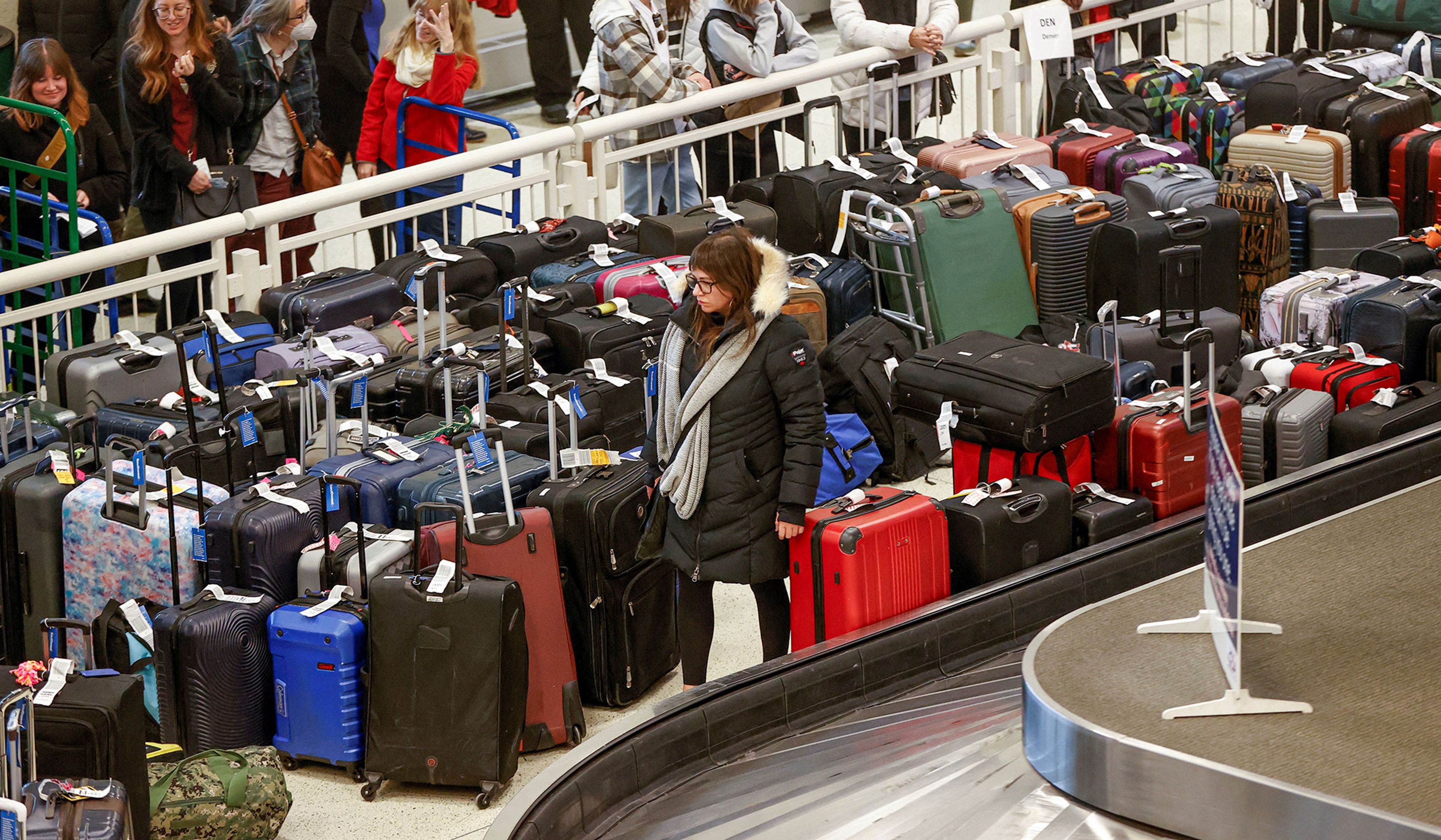

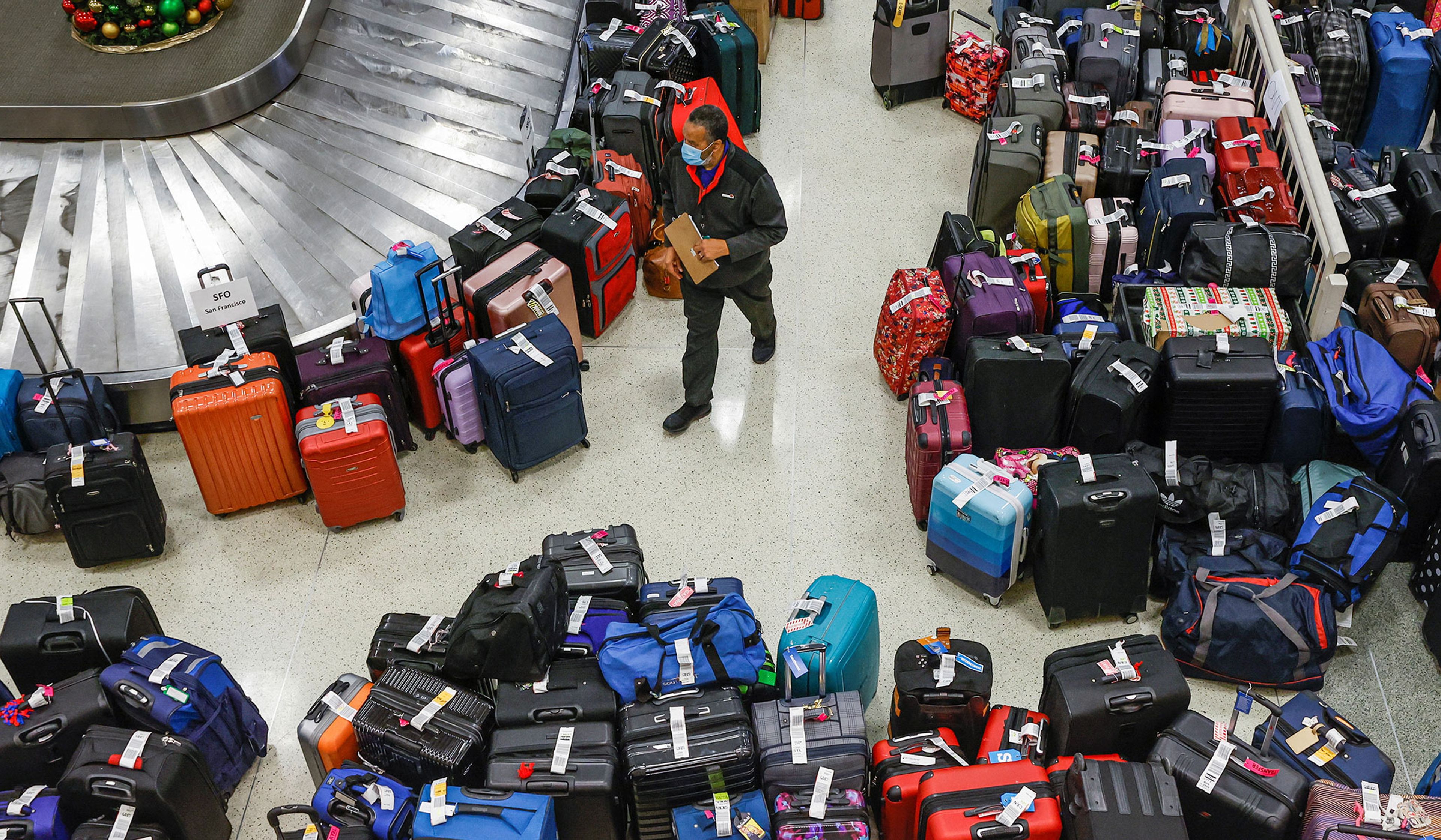
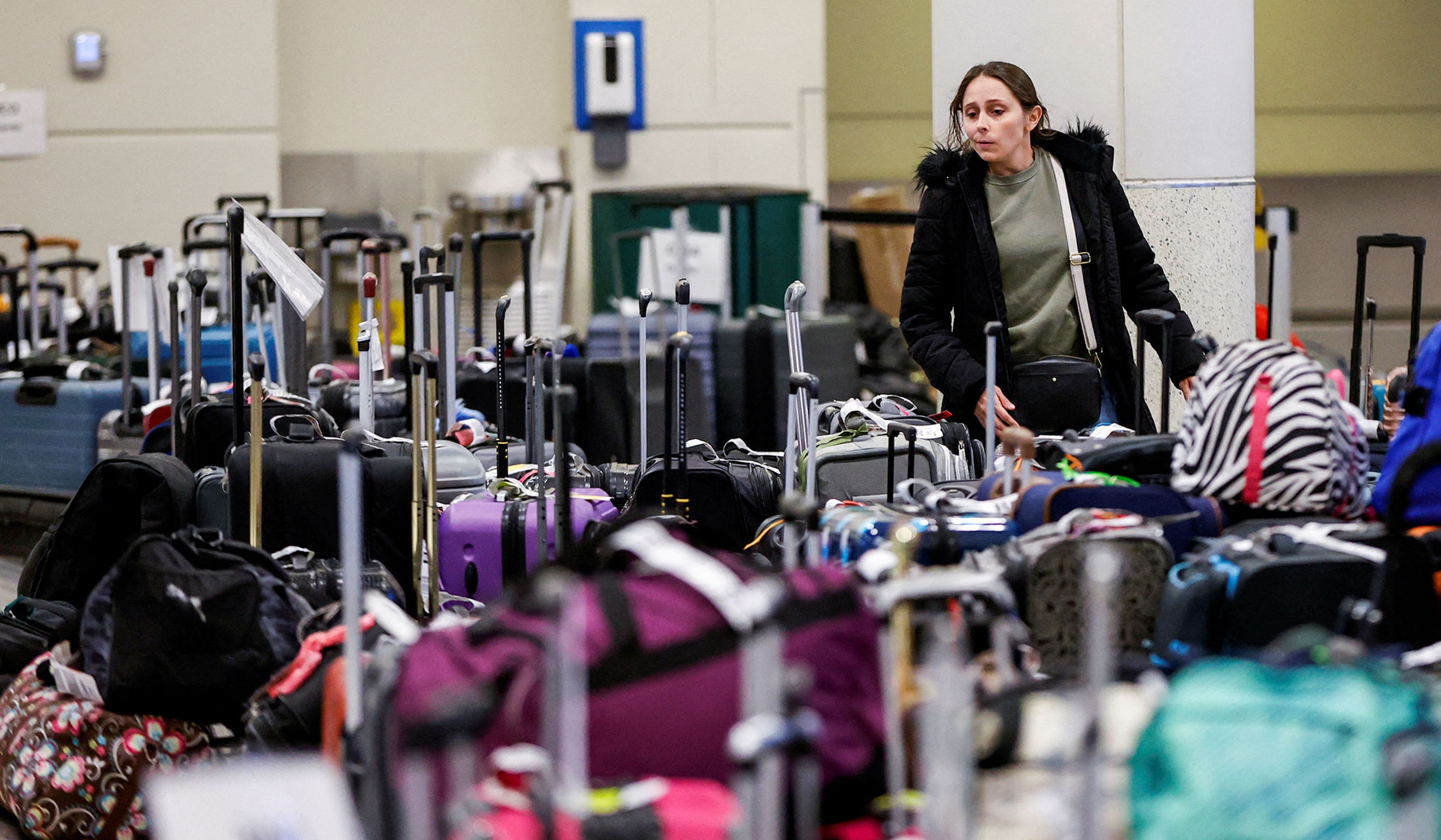
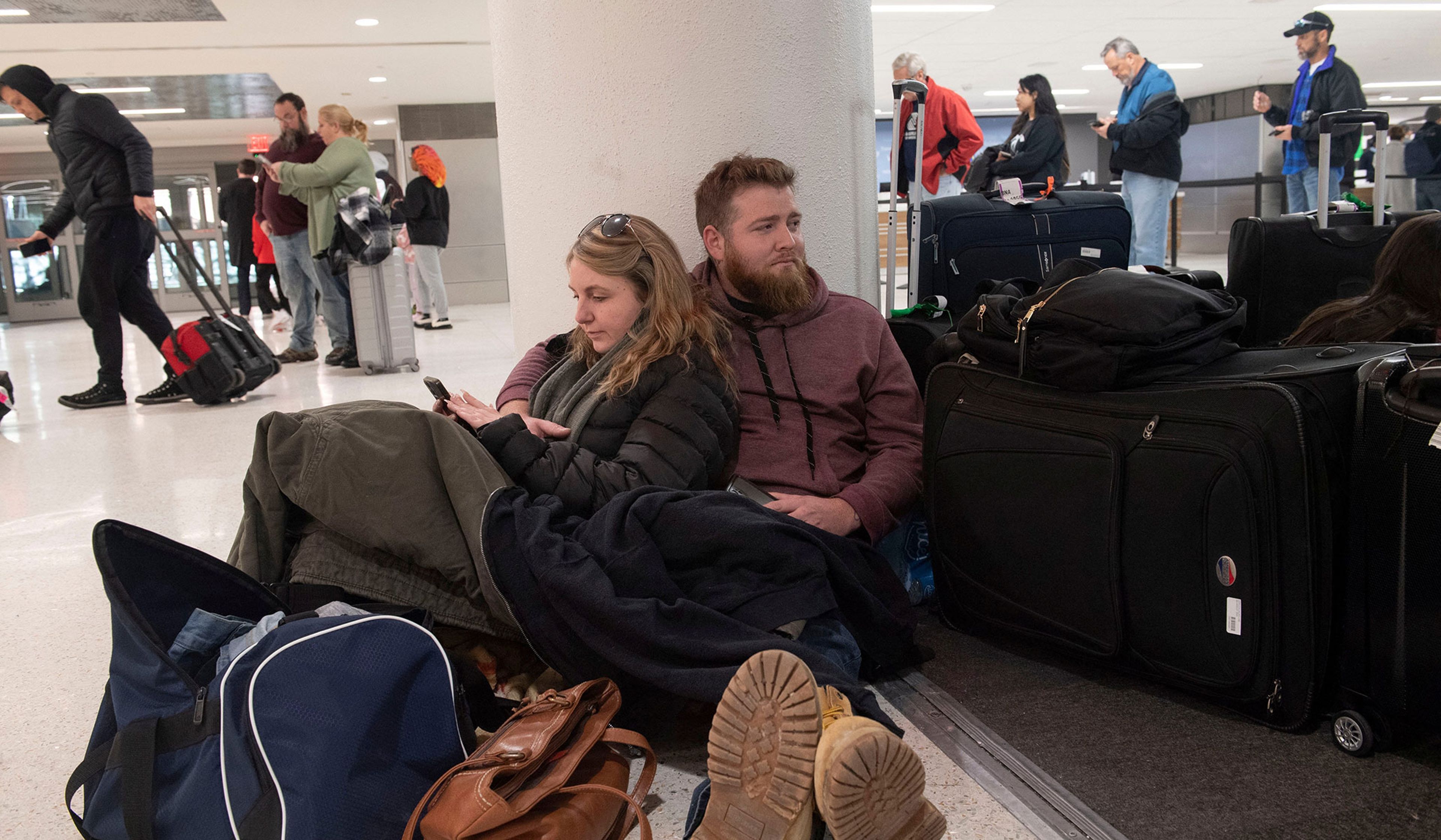
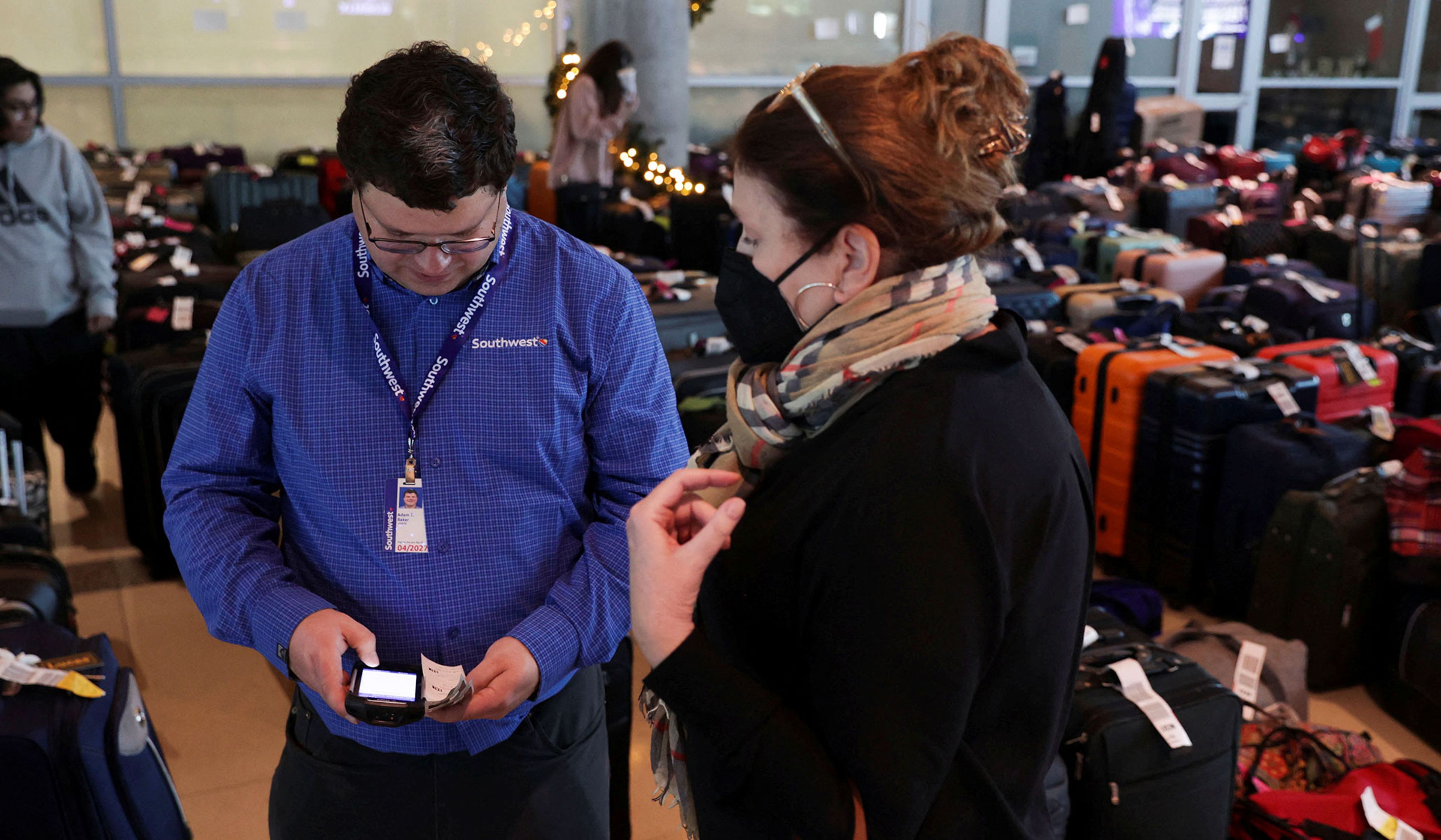

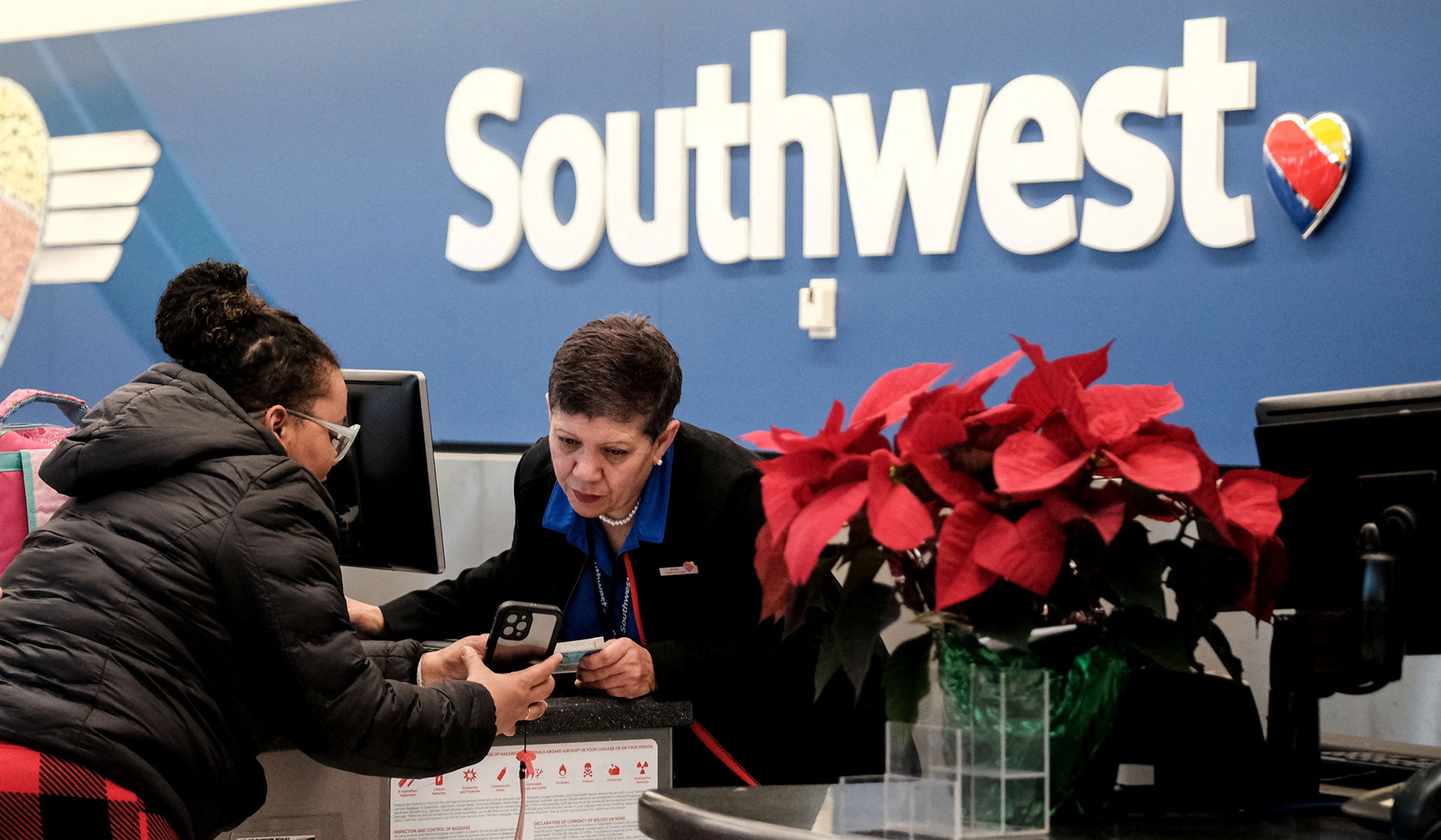
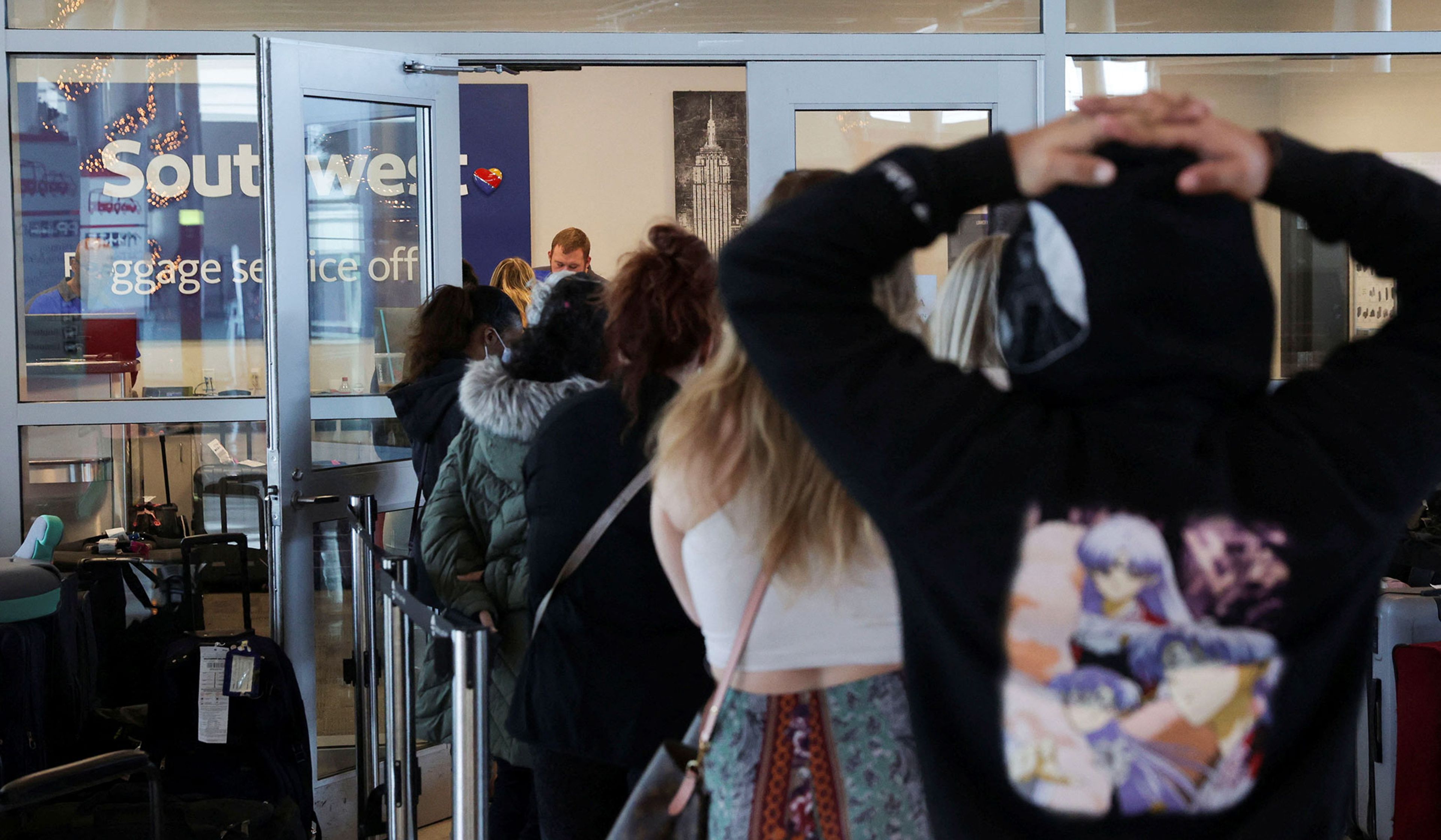
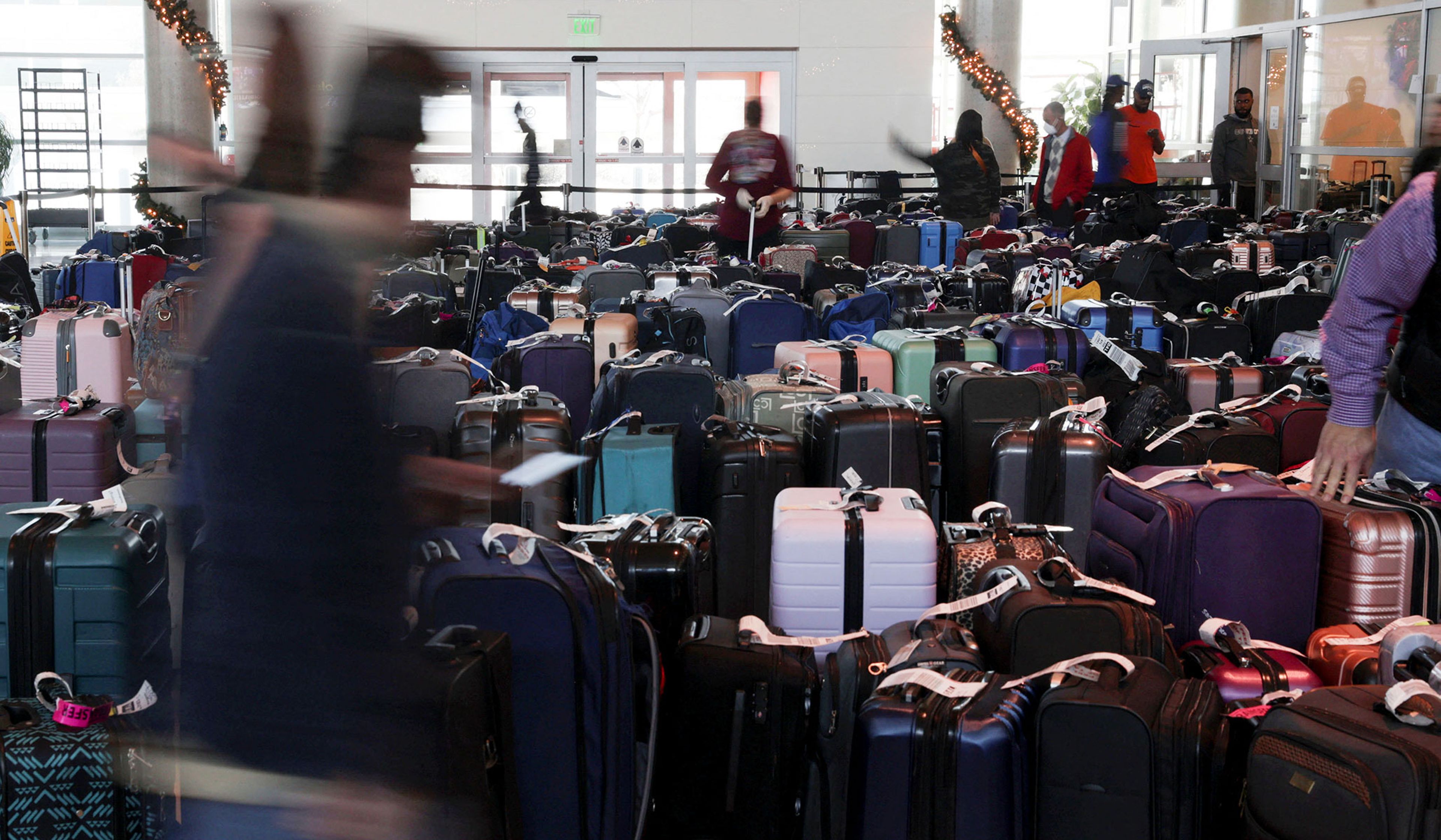
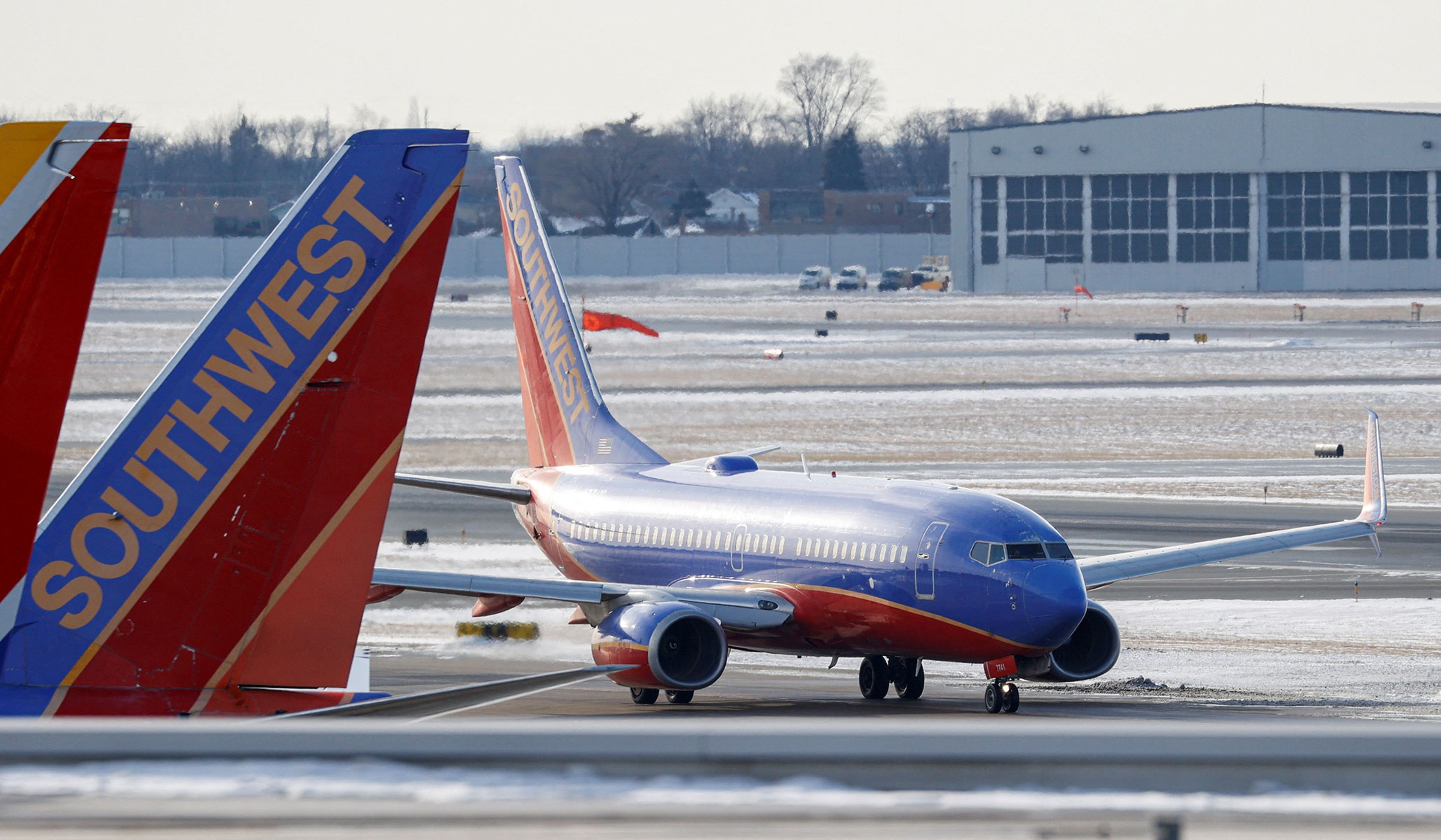
Southwest Airlines travelers’ bags lie unclaimed at Chicago Midway International Airport in Chicago, Il., December 27, 2022.
Kamil Krzaczynski/Reuters
Buttigieg’s ambitions are likely encouraged by national and international media figures asking him repeatedly whether he’ll run, as though they can’t wait to cover another Buttigieg presidential campaign. His denials of interest in running again never seem all that convincing. As the Guardian put it, “he insists with AI-worthy precision: ‘I have my hands more than full with my day job, and one job at a time is plenty. And it’s a great job and I have a great boss and I’m proud to be part of this team.’”
Bad blood from the 2020 presidential campaign means that Buttigieg has an unusual number of enemies in his own party. Among them is Vice President Kamala Harris, who is said to loathe him. Her team reportedly thinks he is angling to challenge her if Biden is unable to serve another term. (Someone felt the need to leak to CNN that Buttigieg was “the most requested surrogate on the campaign trail for Democratic candidates in the midterms” and got more requests than Harris did.) Democrats on the House Transportation Committee are grumbling that Buttigieg and the department haven’t done enough to reduce flight delays and cancellations. Every time there’s another mess in the world of transportation, Sanders-friendly progressives such as David Sirota, Ryan Grim, and Matt Stoller can be counted on to denounce Buttigieg as an unqualified, inexperienced lightweight.
The past months have tarnished Buttigieg’s reputation as a wunderkind. In January, Axios summarized: “A historic string of air, rail and supply-chain meltdowns has plagued Transportation Secretary Pete Buttigieg’s first two years in office, placing him — for better or worse — at the center of crises affecting millions of people. A modest Cabinet role has become a political albatross for one of the Democratic Party’s brightest young stars.” Notice the framing of nationwide meltdowns and crises as primarily a political problem to be overcome, instead of practical problems to be solved.
It wasn’t that long ago that another Democratic administration featured a young rising star with presidential ambitions in a relatively low-profile cabinet post, another Harvard-educated baby-faced mayor who was a member of a minority group.
When charismatic San Antonio mayor Julián Castro accepted Obama’s offer to be secretary of Housing and Urban Development, it was expected that acquiring some Washington experience would catapult him to the top tier of presidential candidates. In 2015 he made it onto Hillary Clinton’s short list of possible running mates. But by the time Castro debuted as a presidential candidate in January 2019, his star had faded, and his HUD experience was something few if any Democratic primary voters cared about.
Buttigieg’s tenure is shaping up to be something worse than boring. He may well be bright, but intellect doesn’t always translate into good judgment. He has overpromised and underdelivered. Much like the stranded travelers on America’s airlines, Buttigieg is finding it far more difficult than expected to get where he wants to go.












Comments