Many Americans are accustomed to thinking of the Constitution as a single, undifferentiated charter of government. In fact, however, the document consists of a variety of separate pieces that were adopted at different times in a variety of contexts. The Broken Constitution argues that Abraham Lincoln played a pivotal role in redefining the principles that underlay the Constitution that was drafted in 1787 and ratified in 1789 and in setting the stage for the adoption of the amendments that were added to the Constitution in the wake of the Union victory in the Civil War. By contrast, both The Second Founding and The Original Meaning of the Fourteenth Amendment seek to describe how the courts should interpret what has become the most important of those amendments.
In The Broken Constitution, Noah Feldman argues that Lincoln was forced to ignore the constraints imposed by the original Constitution in order to preserve the Union and establish the foundation for a more just constitutional order. Feldman begins by focusing on Lincoln’s changing attitude toward the sectional conflict that evolved against the backdrop of a Constitution that Feldman characterizes as being marked by a series of compromises that were designed to protect both the institution of slavery and the interests of slave-owners more generally. Prior to the Civil War, despite Lincoln’s belief that slavery was morally wrong, he felt compelled to respect the terms of those compromises in the interest of keeping the Union intact. Thus, during the antebellum era, Lincoln embraced the position taken by Northern Whigs; while opposing the extension of slavery into the territories, he also distanced himself from those who argued that the federal government should take measures designed to undermine slavery in the states where that institution was already established.
Lincoln was confronted with an entirely different situation after his victory in the presidential election of 1860 and the subsequent decision of the Southern states to secede from the Union. He first had to decide whether to use force to suppress the rebellion. After concluding that the use of such force was appropriate, he took a number of actions, including the suspension of the writ of habeas corpus, that were designed to suppress opposition to this decision in the North. Finally, on January 1, 1863, Lincoln issued the Emancipation Proclamation, which purported to free all the slaves in the states that had seceded and thereby effectively transformed the war from an effort to simply save the Union into a campaign against the institution of slavery itself.
Feldman argues that all these actions were unconstitutional. While these conclusions are controversial, if nothing else, The Broken Constitution reminds us that, with only very limited exceptions, the Constitution was not designed with an eye toward dealing with the kind of situation that was created when the Southern states sought to leave the Union. Obviously, any president who was faced with such a crisis would have had to decide whether the Constitution permitted states to secede and, if not, whether the use of force to combat secession was appropriate. But once the latter question had been answered in the affirmative, the president would have almost inevitably felt compelled to take actions that would be considered wildly inappropriate under other circumstances, whether or not those actions would be viewed as defensible from a formal legal perspective.
However, Feldman does not merely assert that Lincoln effectively broke the antebellum Constitution. He also contends that the decisions Lincoln made during the Civil War paved the way for the adoption of the 13th, 14th, and 15th Amendments, which, Feldman asserts, created a Constitution that most Americans believe “stands for a moral vision of liberty and equality.” Since the late 19th century, the courts have viewed Section 1 of the 14th Amendment as the primary source of the constitutional doctrines that are intended to give concrete form to this moral vision. While judges have approached the task of interpreting Section 1 from a variety of perspectives, in recent years originalism — the idea that judicial interpretation of the Constitution should reflect the original meaning of the relevant provisions of the Constitution — has been championed by a number of the justices of the Supreme Court, and has also gained increasing traction in the academic world. Both The Second Founding and The Original Meaning of the Fourteenth Amendment seek to describe the legal principles that originalist judges should derive from the privileges-or-immunities, due-process, and equal-protection clauses.
In The Second Founding, Ilan Wurman argues that the language of Section 1 should be interpreted by reference to the legal meaning of that language in antebellum law and the “general historical problems” that he believes Section 1 was designed to solve. More than half of the book is devoted to a discussion of the use of the terms “due process of law,” “protection of the law,” and “privileges and immunities of citizenship” in legal and political discourse prior to the Civil War. Wurman also spends some time discussing the constitutional arguments that were raised in the course of the debates over the Civil Rights Act of 1866. However, he sees no reason to discuss the manner in which the language of Section 1 evolved during the drafting process. He also gives little credence to comments made by members of Congress or others who were involved in the process of drafting and ratifying the amendment.
Wurman’s assessment of the significance of Senator Jacob Howard’s detailed discussion of the scope of Section 1 is particularly striking in this regard. During that discussion, Howard famously asserted that, among other things, the privileges-or-immunities clause would subject state governments to the limitations imposed on the federal government by the Bill of Rights. At the time that he made this claim, Howard — who was renowned for his legal acumen — was speaking on behalf of the committee that had drafted the 14th Amendment. Nonetheless, Wurman characterizes Howard’s description of the relationship between Section 1 and the Bill of Rights as nothing more than one of the “stray statements from legislative history” that do not provide reliable evidence of original meaning. By contrast, in addition to focusing on antebellum legal authorities, Wurman attributes great significance to the decision of the House Judiciary Committee to report the Privileges or Immunities Bill, which was not voted on by either house of Congress and was never mentioned during the consideration of the 14th Amendment itself. Based on his reading of these sources, he contends that the privileges-or-immunities clause should be read as an antidiscrimination provision rather than a guarantee of absolute rights.
Wurman also argues for a relatively narrow reading of the other parts of Section 1. He rejects the concept of substantive due process that underlay the decision in Lochner v. New York and asserts that the equal-protection clause should be viewed as requiring only that the government provide legal protection for rights that are otherwise enshrined in law. Nonetheless, relying on his reading of the privileges-or-immunities clause, Wurman insists that Brown v. Board of Education was correctly decided and that the same clause would also have provided a more plausible foundation for the decision in Obergefell v. Hodges.
The version of originalism espoused by Randy Barnett and Evan Bernick in The Original Meaning of the Fourteenth Amendment is somewhat different from the one that underlies Wurman’s analysis. Rather than focusing on the distinctively legal significance of the language of the 14th Amendment, they argue that judicial interpretation of Section 1 should reflect “the meaning that most people attributed to the text [at the time] when it was ratified into law.” In an effort to determine this meaning, Barnett and Bernick examine evidence from both the period when the original Constitution was created and the antebellum era. Unlike Wurman, they also focus their attention on the evolution of the language of Section 1, the discussions surrounding the drafting and ratification of the amendment, and post-ratification interpretations by Congress, the courts, and academic commentators. They acknowledge that, on its face, the examination of this large mass of evidence will often not provide clear answers to the specific questions raised in judicial proceedings. In such cases, they argue, judges should seek to implement what the book describes as the “spirit” of the text — what Barnett and Bernick call “the ends, purposes, goals, or objects that the Constitution was adopted to accomplish.”
Turning specifically to the language of Section 1 of the 14th Amendment, Barnett and Bernick focus most of their attention on the privileges-or-immunities clause. They argue that this clause was designed to implement a vision of paramount national citizenship that was developed by radical antislavery scholars and activists — a vision that, they claim, was later embraced by thought leaders within the Republican Party. Against this backdrop, Barnett and Bernick contend that the clause should be viewed as protecting both natural rights and those rights that can be characterized as “object[s] of a stable national consensus,” that is, a consensus that was either established at the time that the 14th Amendment was ratified or subsequently created through the political process. In addition, they assert that the due-process clause not only provides a guarantee of procedural rights, but also prohibits the government from enacting “arbitrary” laws. Finally, they argue that, in addition to requiring states to allow all persons equal access to the courts and barring states from passing laws that unreasonably leave the security of some persons more uncertain than others, the equal-protection clause should be seen as imposing an affirmative obligation to protect people from private violence. They also contend that, at least in some circumstances, Section 5 of the 14th Amendment vests Congress with the power to prohibit some actions that the courts themselves would find constitutionally unobjectionable.
Unfortunately, these conclusions are based on a fundamental misunderstanding of the purpose that the 14th Amendment was designed to serve. The amendment was not focused primarily on the protection of individual rights in the abstract. Instead, Section 1 was only one part of a multifaceted measure that, taken as a whole, was intended to describe the conditions under which Republicans would allow the ex-Confederate states to regain their status as full partners in the Union and was crafted in a manner that Republicans hoped would attract the support of centrist Northern voters in the upcoming elections of 1866. Conversely, the amendment was not designed either to address problems of the sort that Republicans did not associate specifically with the situation in the ex-Confederate states or to dramatically alter the relationship between the federal government and the governments of the states that had remained loyal to the Union. Moreover, any attempt to greatly enhance the ability of the federal government to overturn the policy decisions made by the governments of the Northern states would have carried with it substantial political risks and, in any event, would no doubt have been resisted by some or all of the mainstream Republicans whose opposition (as Barnett and Bernick themselves note) had doomed an earlier effort to expand congressional power to protect civil rights.
Viewed from this perspective, the adoption of either the open-ended vision of the privileges-or-immunities clause or the concept of substantive due process that is embraced by Barnett and Bernick would imbue Section 1 with a significance that would not be an apt reflection of the “spirit” of the 14th Amendment as a whole. Nonetheless, like The Second Founding, The Original Meaning of the Fourteenth Amendment is by any standard an important contribution to the ongoing discussion of the subject. Both books are must-reads for any person who has an interest in that discussion.
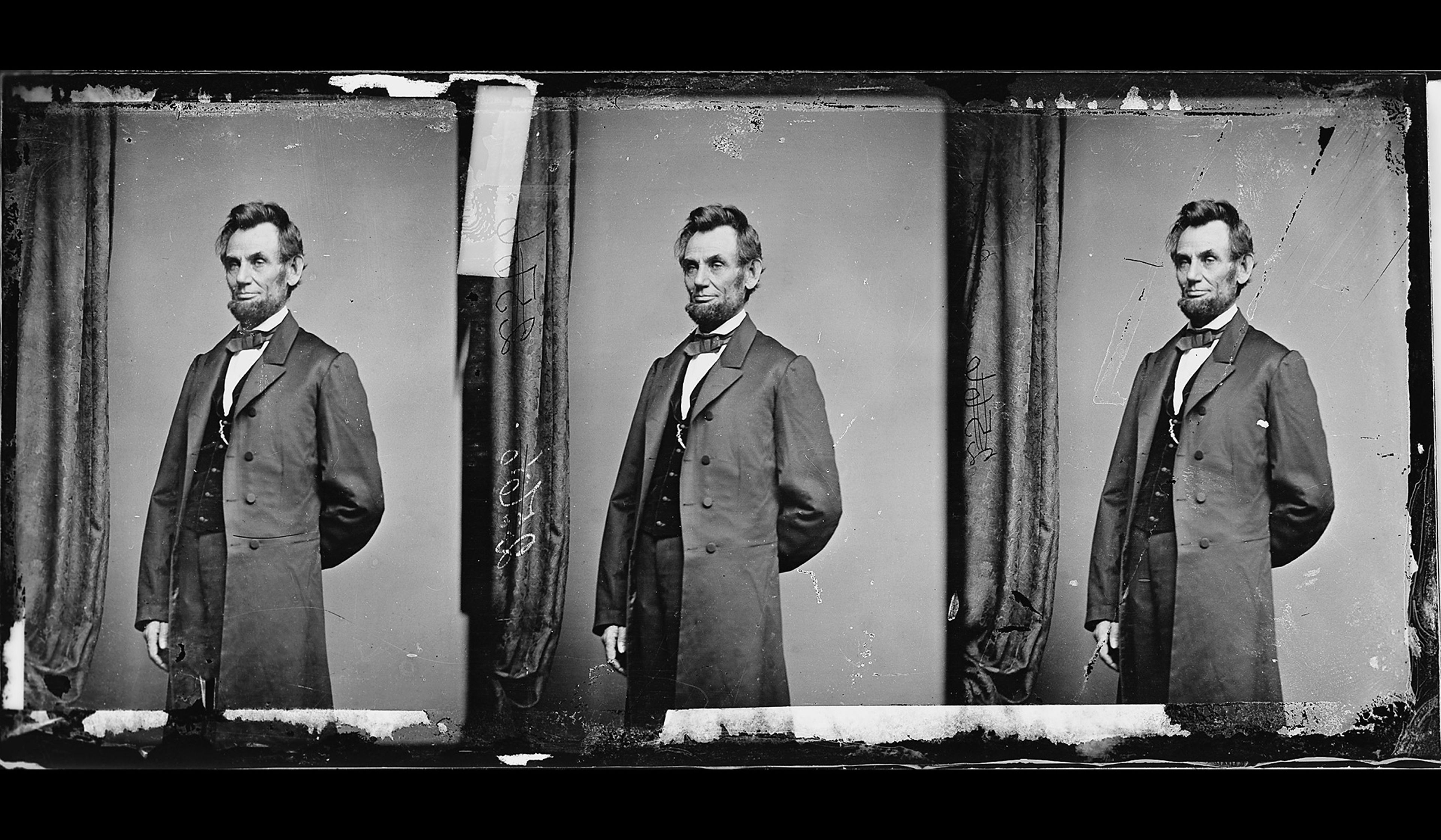
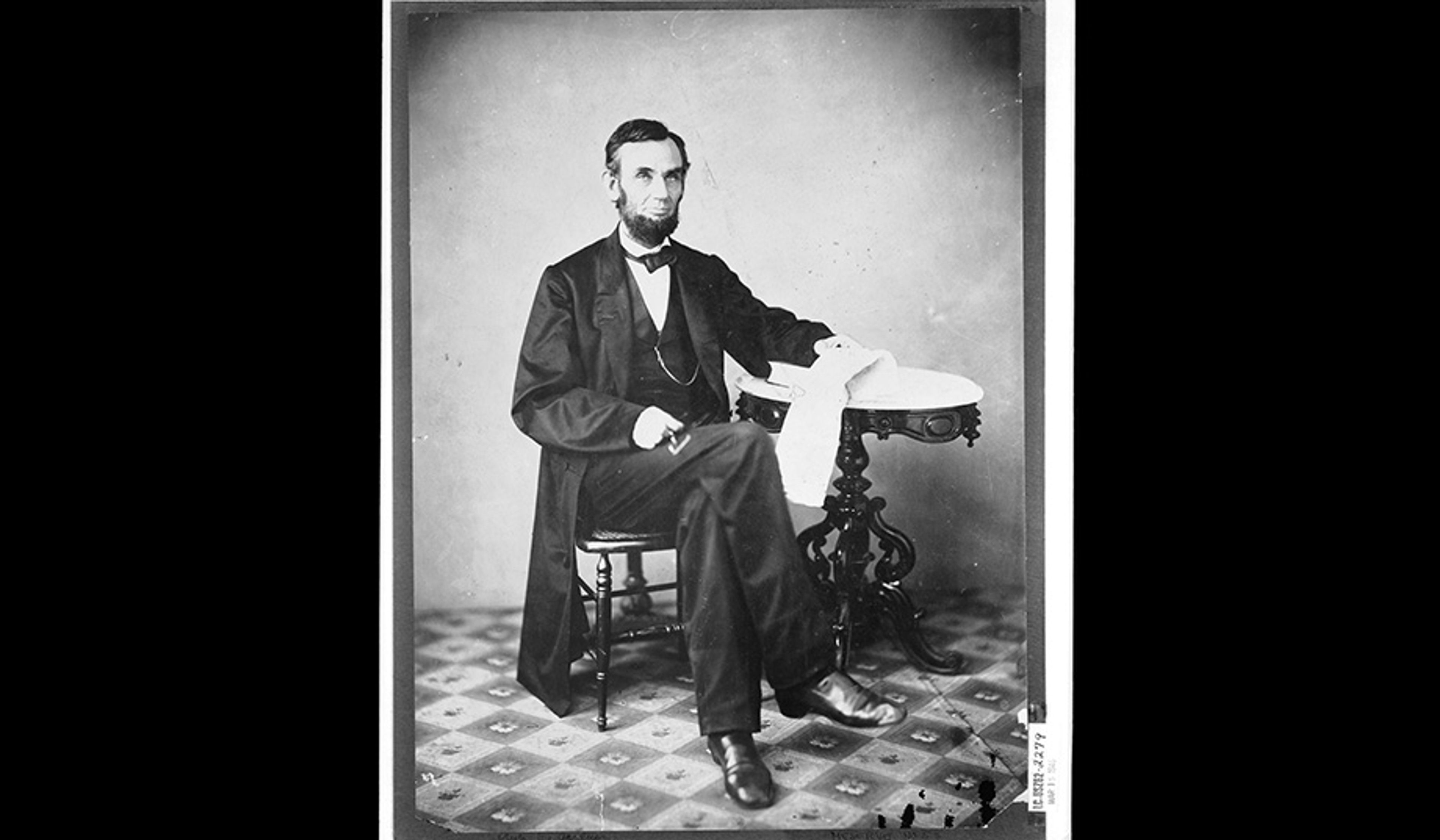
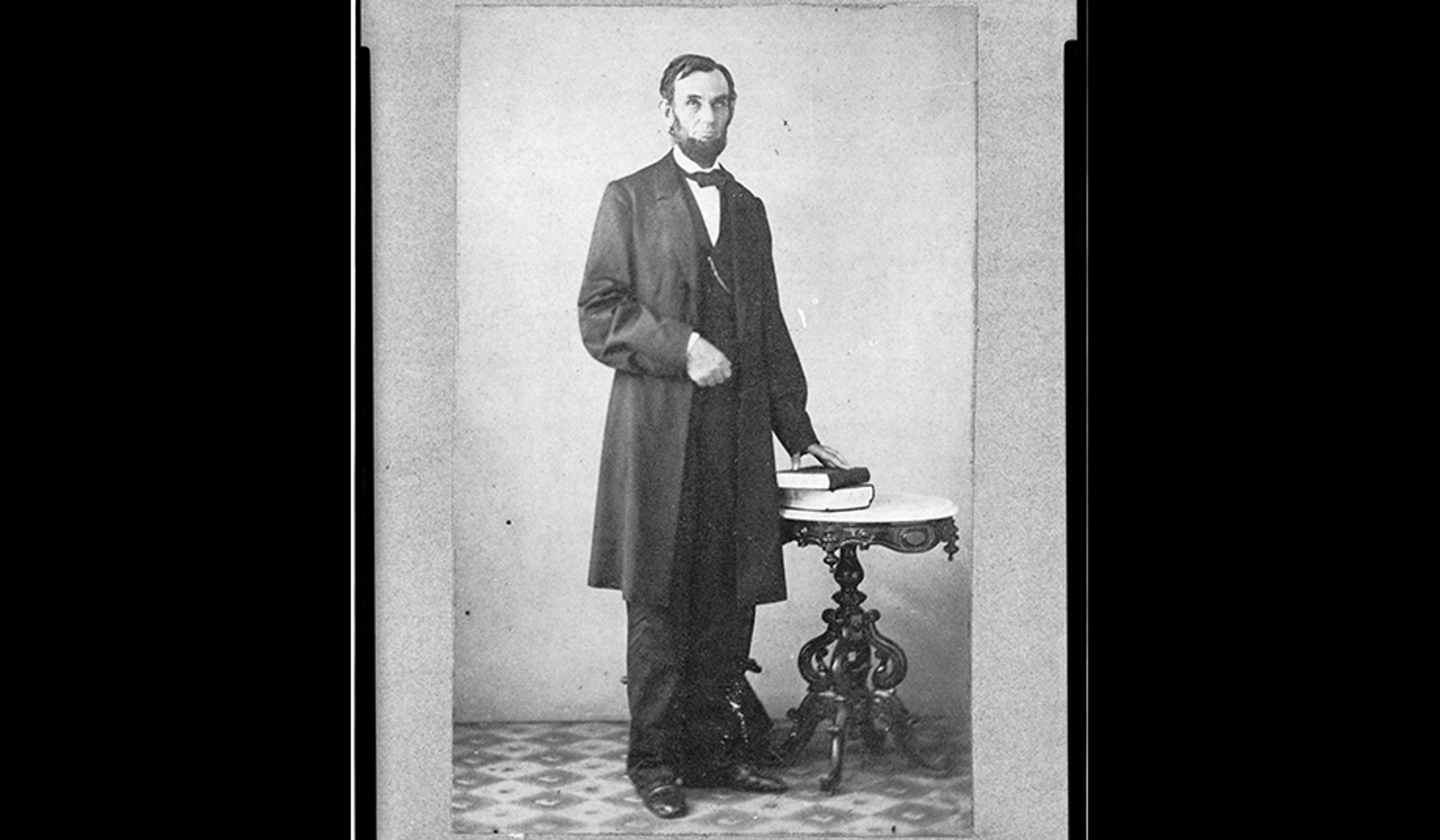
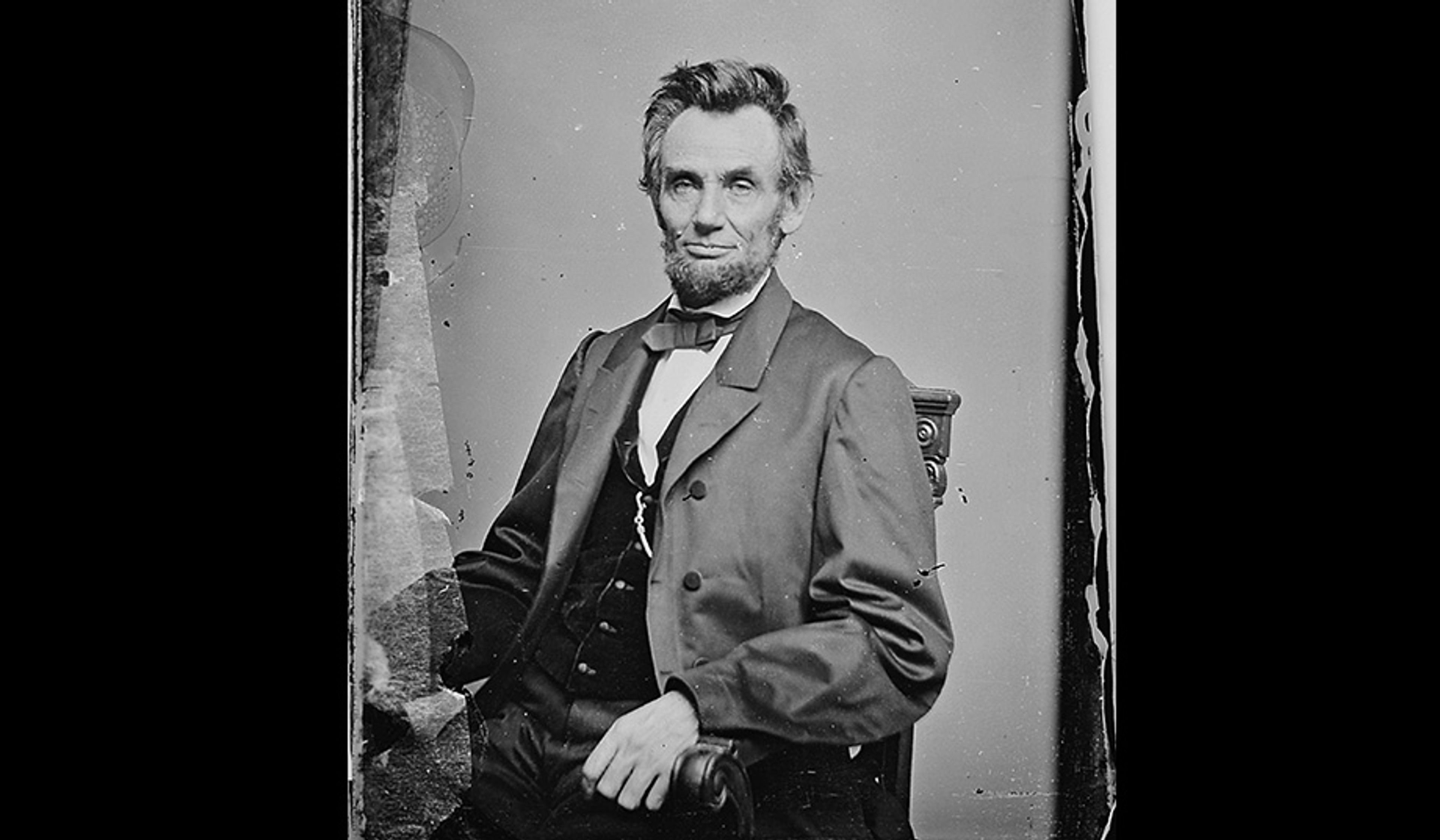
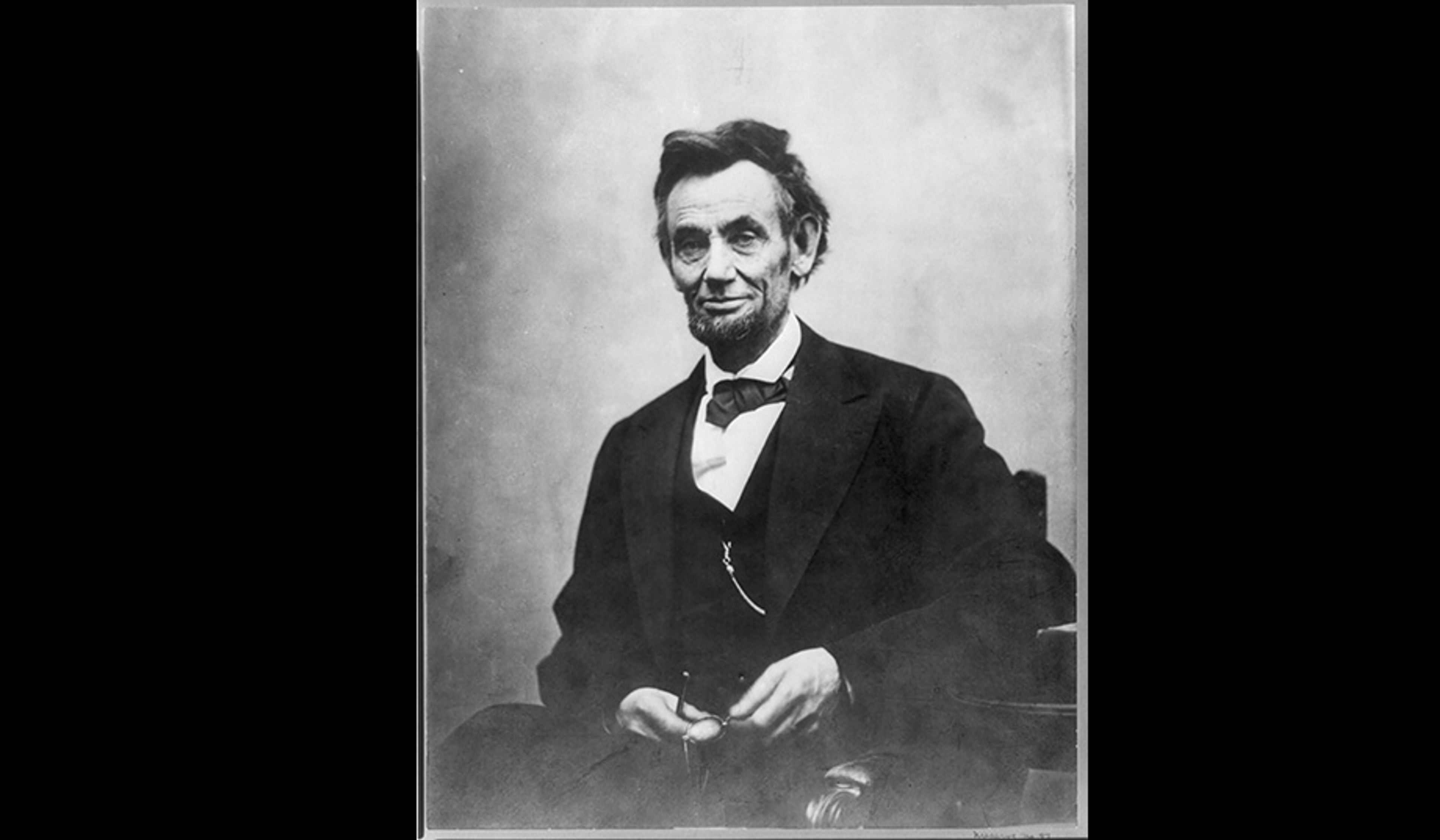
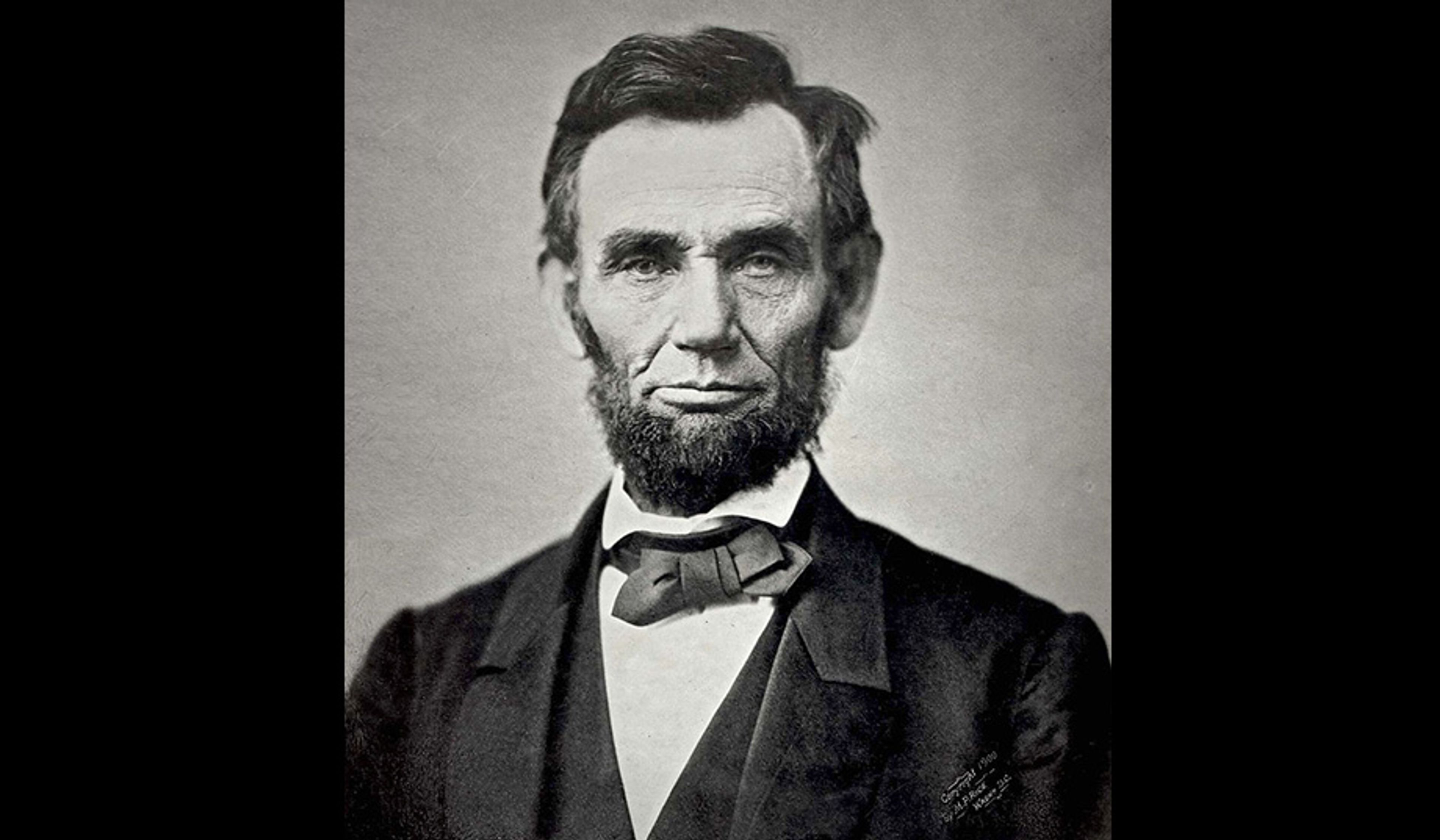
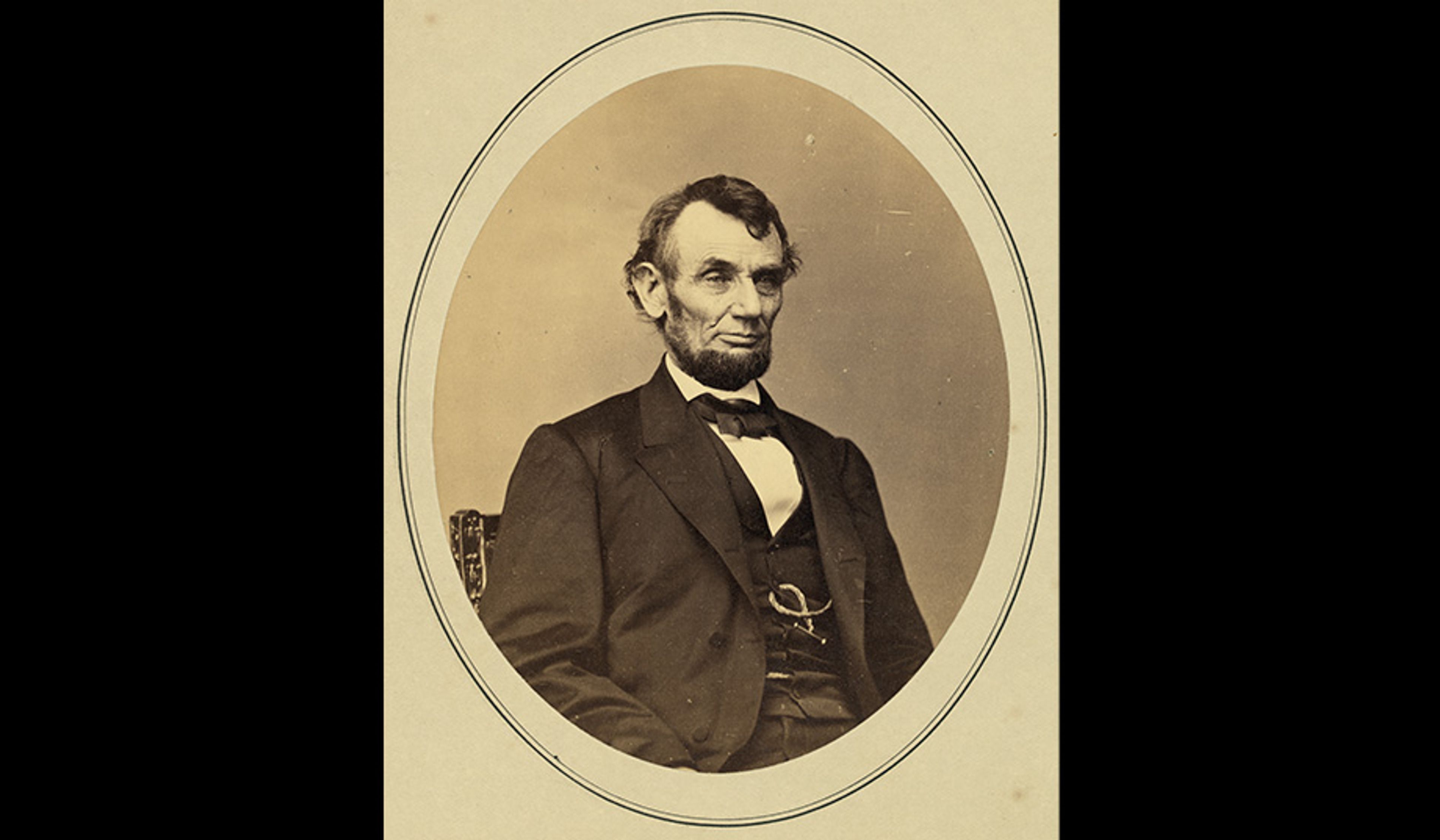
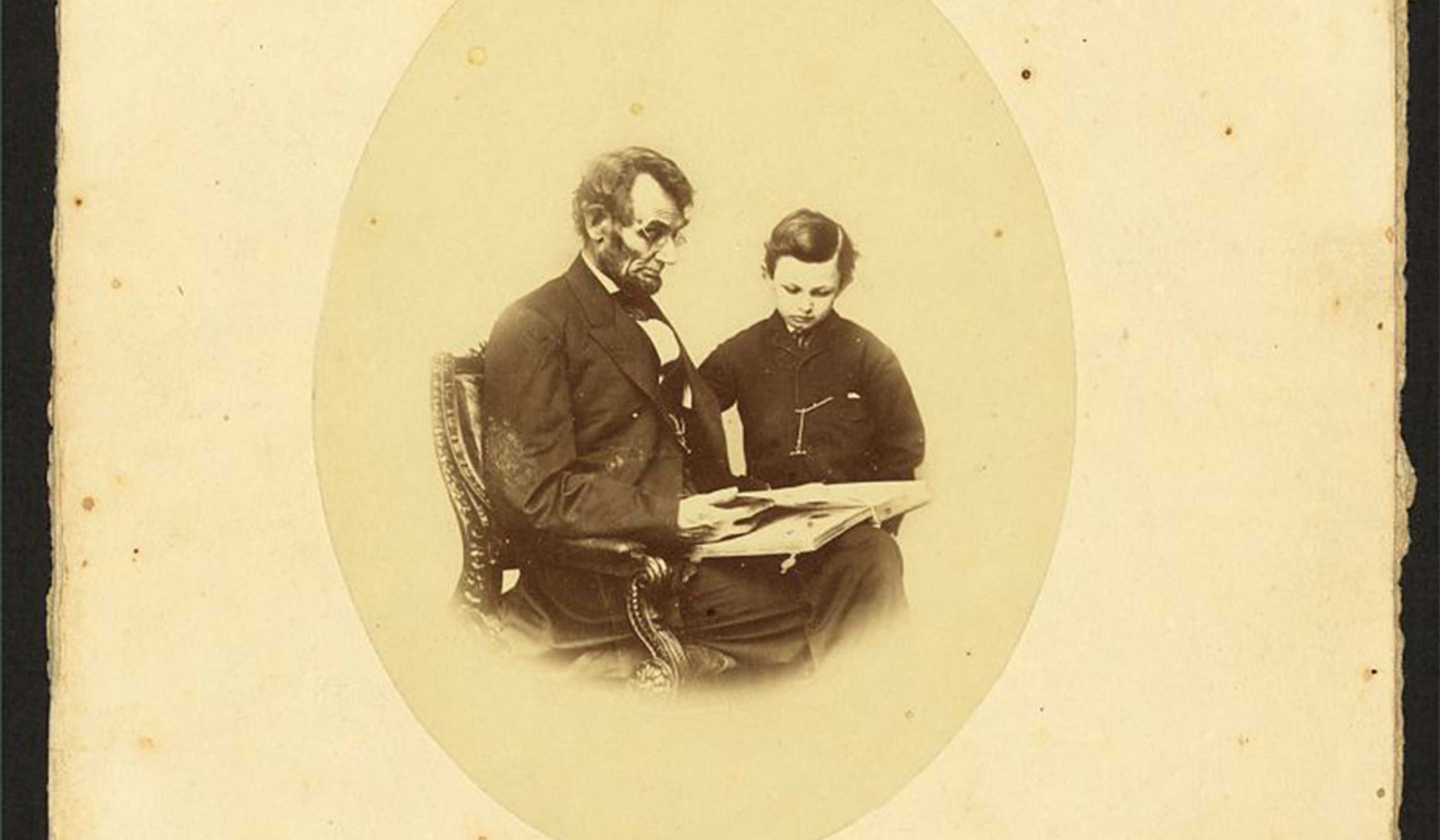
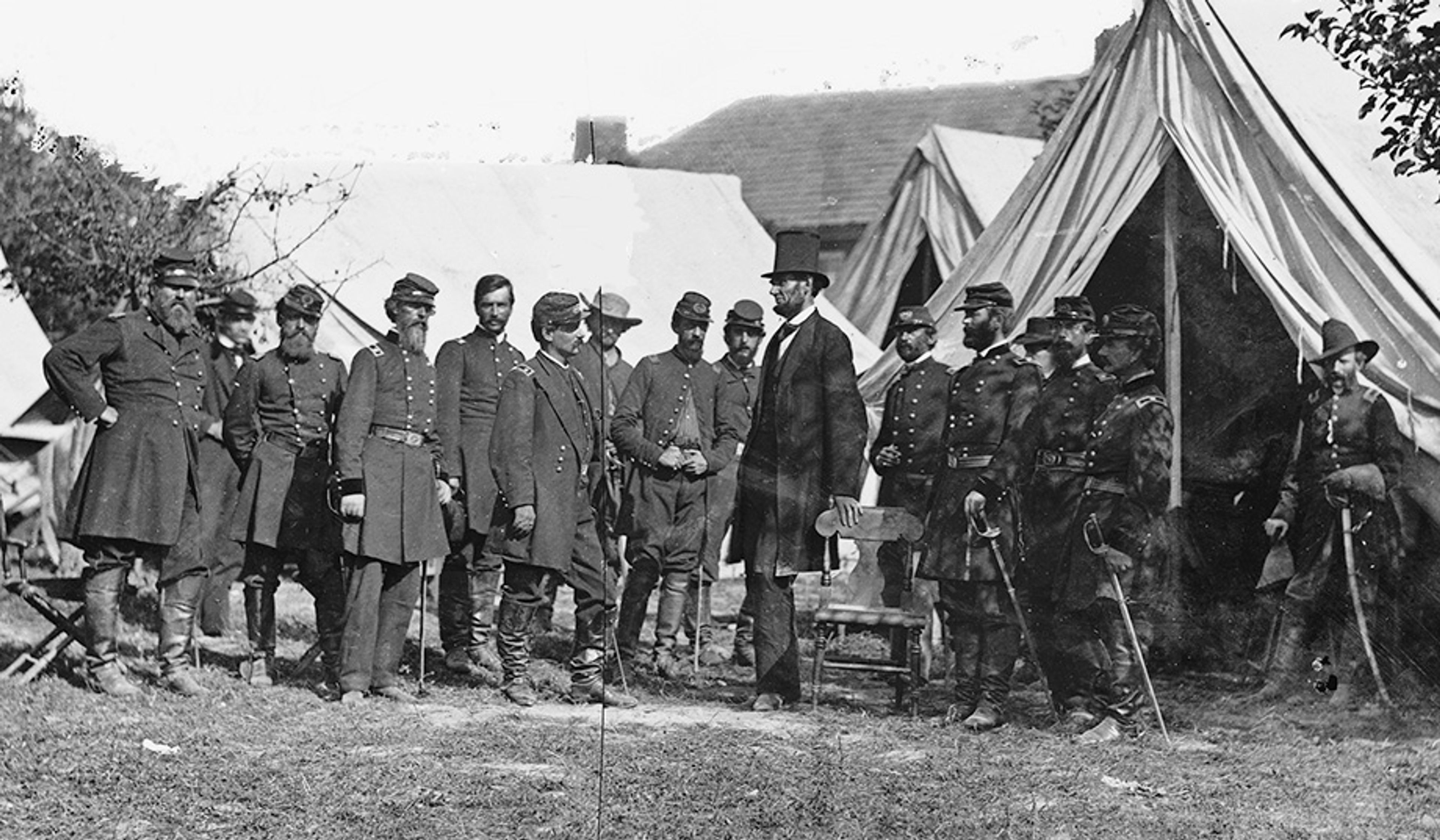
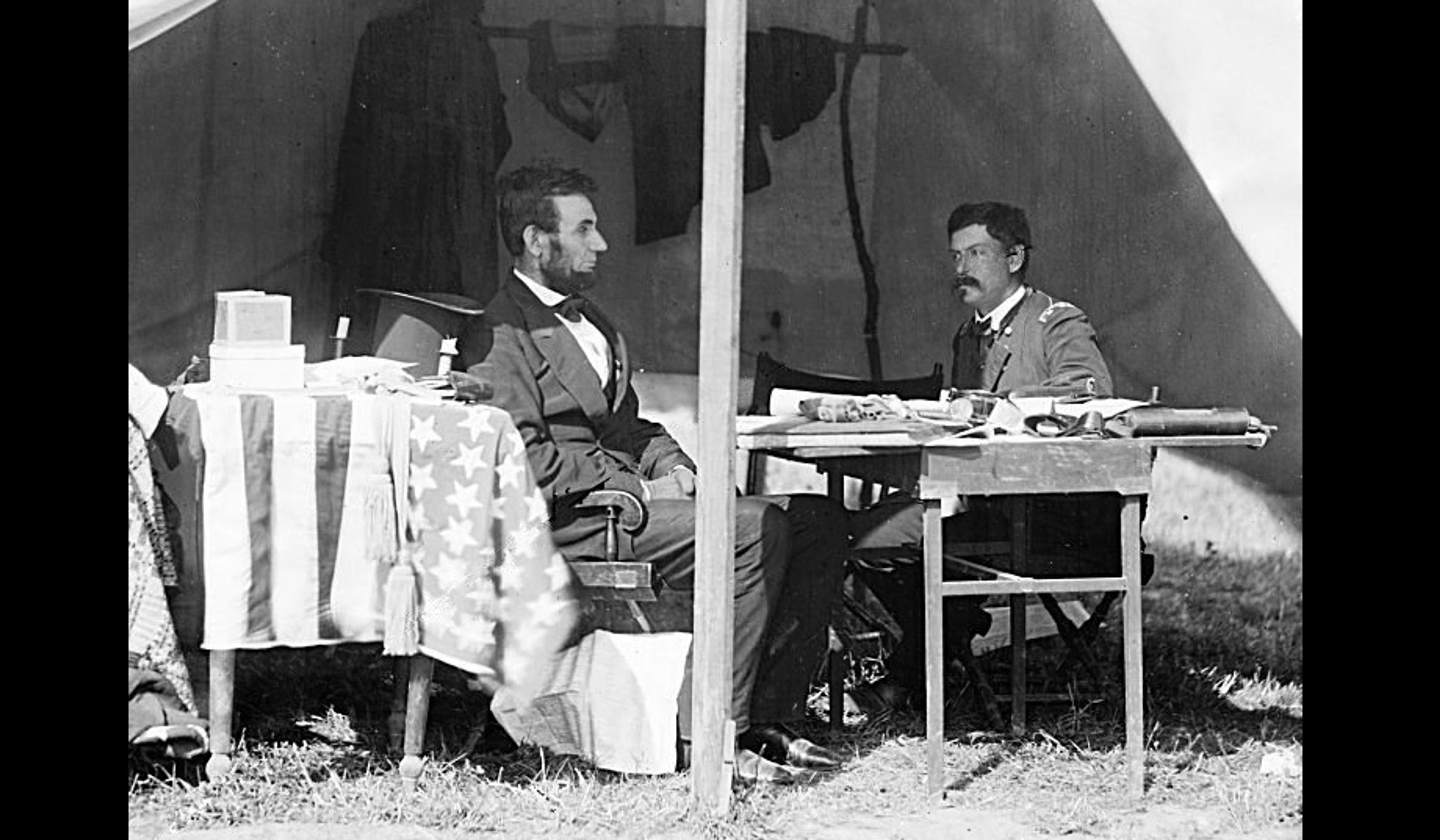
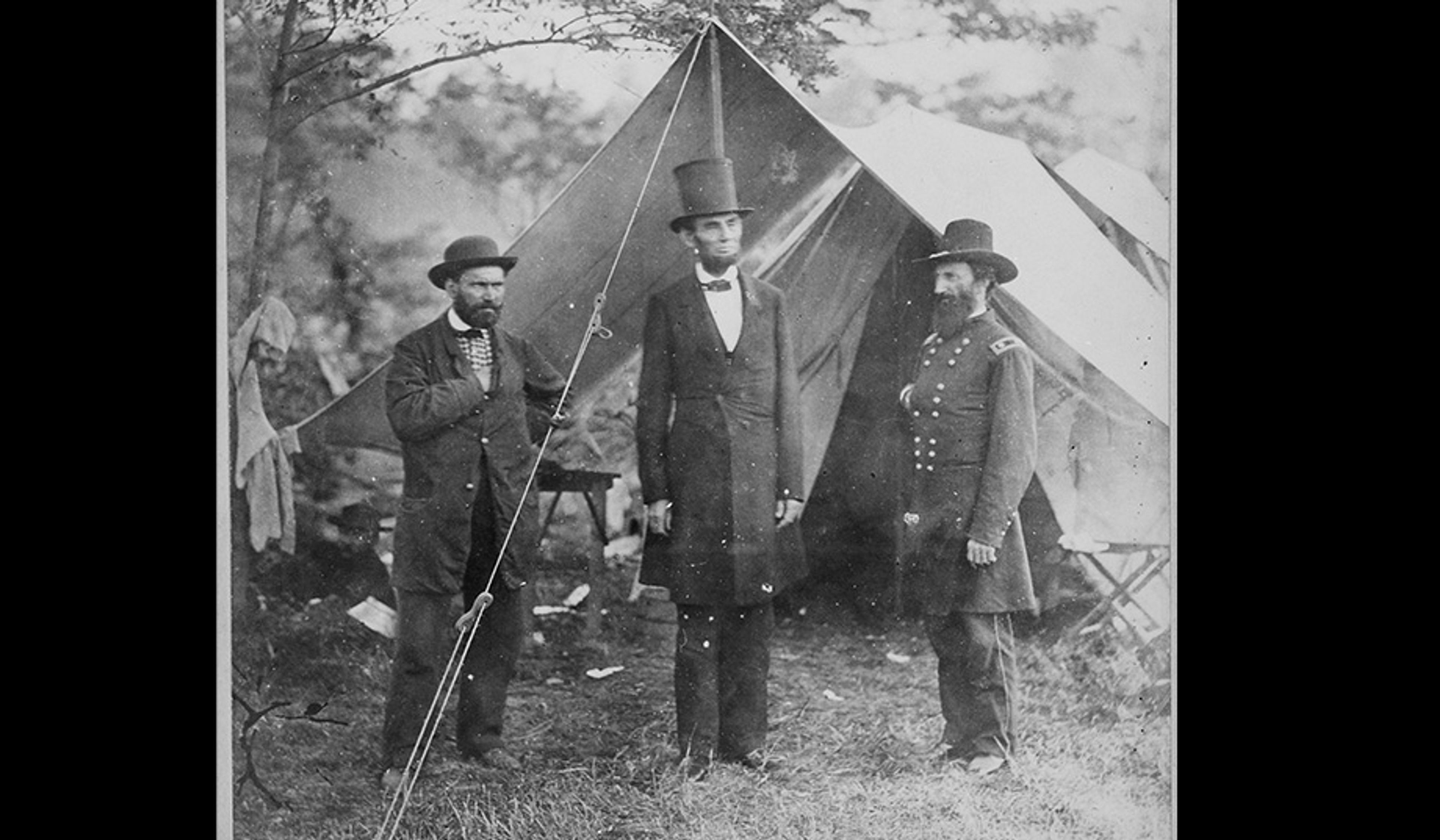
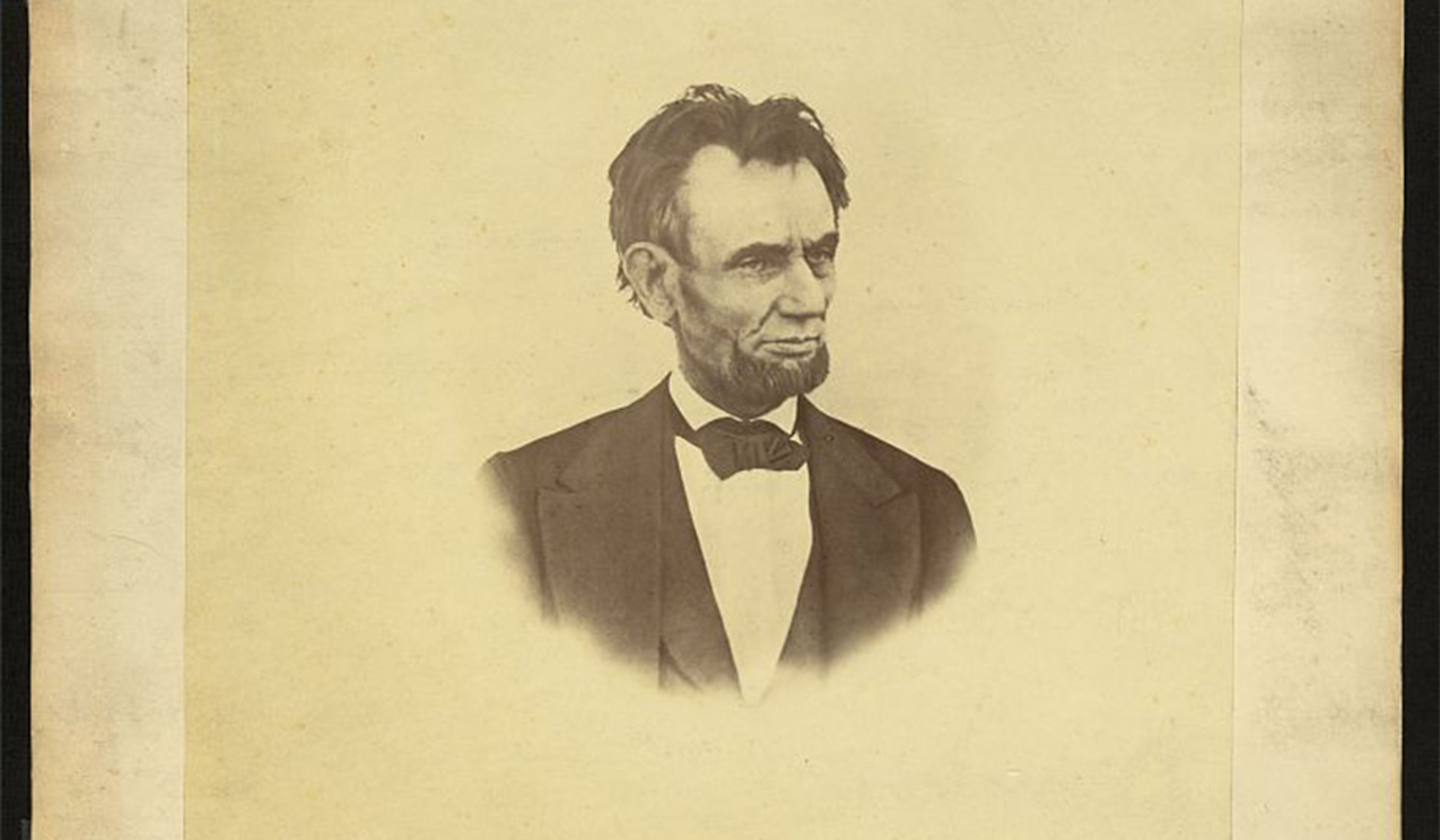
A series of standing portraits of President Lincoln taken by Mathew Brady, c. 1863.











Comments